Some of the most important safety improvements are almost invisible. Many familiar domestic objects once had dangerous weaknesses that manufacturers addressed through better engineering, safety testing, and updates.
Over time, tragic accidents and consumer advocacy have pushed industries to rethink how ordinary items interact with the people who use them. The next 12 examples reveal how everyday objects evolved to protect us at home.
1. Medicine Bottles Became Harder for Children to Open

Before child-resistant packaging became widespread, young children could easily access dangerous medications and household chemicals. The 1970 Poison Prevention Packaging Act required special packaging for certain hazardous substances, and the Consumer Product Safety Commission reports that child poisoning deaths have fallen by more than 80% since the law.
2. Cigarette Lighters Gained Child-Resistant Mechanisms
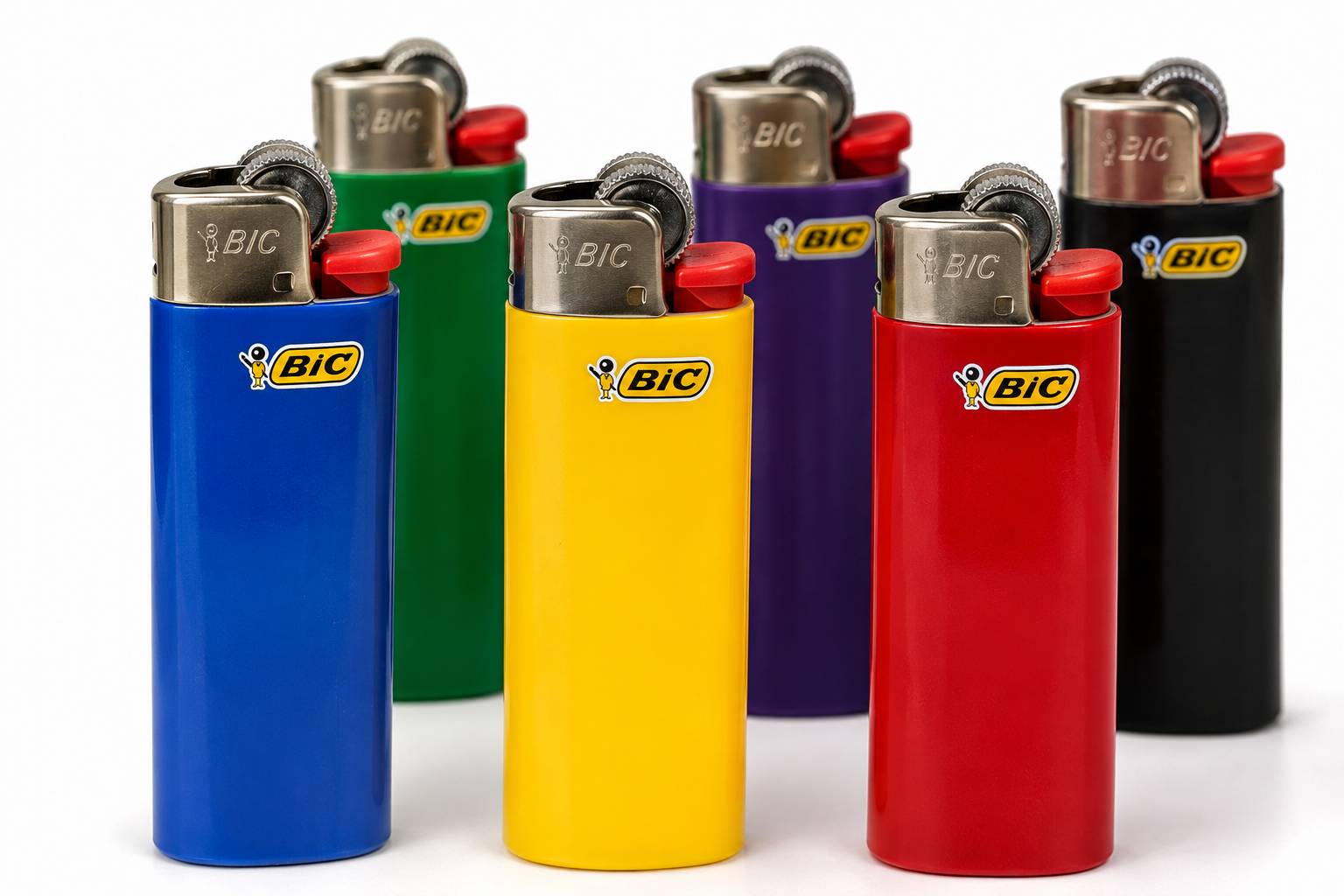
Disposable lighters once operated so easily that even toddlers could start fires with them. In July 1994, a federal standard took effect requiring most disposable and novelty lighters sold in the U.S. to resist operation by young children. According to the CPSC, residential fires associated with children playing with lighters dropped from 11,100 in 1994 to 6,100 in 1998.
3. Hair Dryers Received Special Protection Against Electrocution
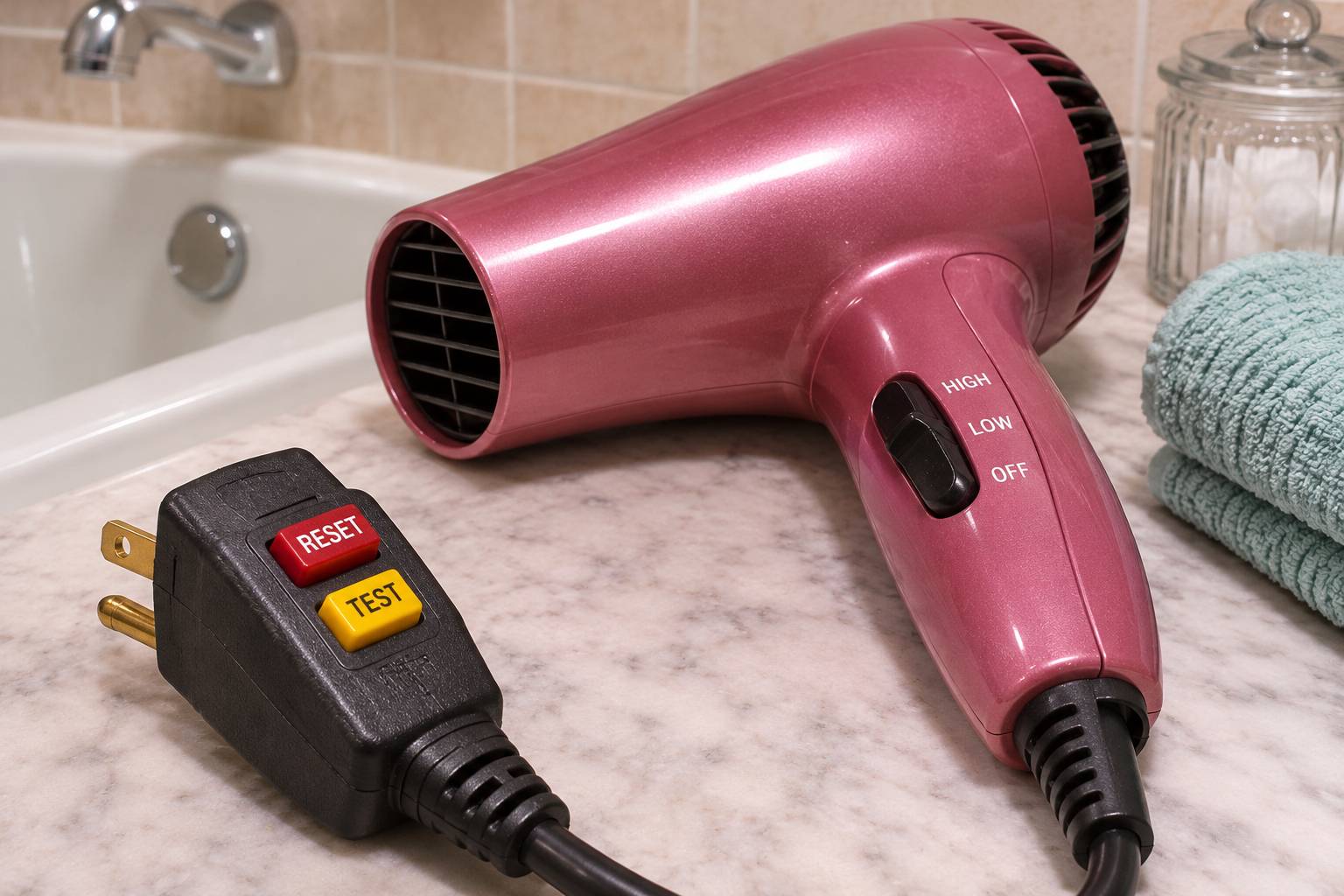
A hair dryer falling into a bathtub was once a dangerous household accident. Improved models introduced immersion-protection devices, often recognizable by a rectangular plug with test and reset buttons. The protection is a backup safety feature, not a reason to use electrical appliances near bathwater.
4. Lawn Mowers Learned to Stop Their Blades When Released
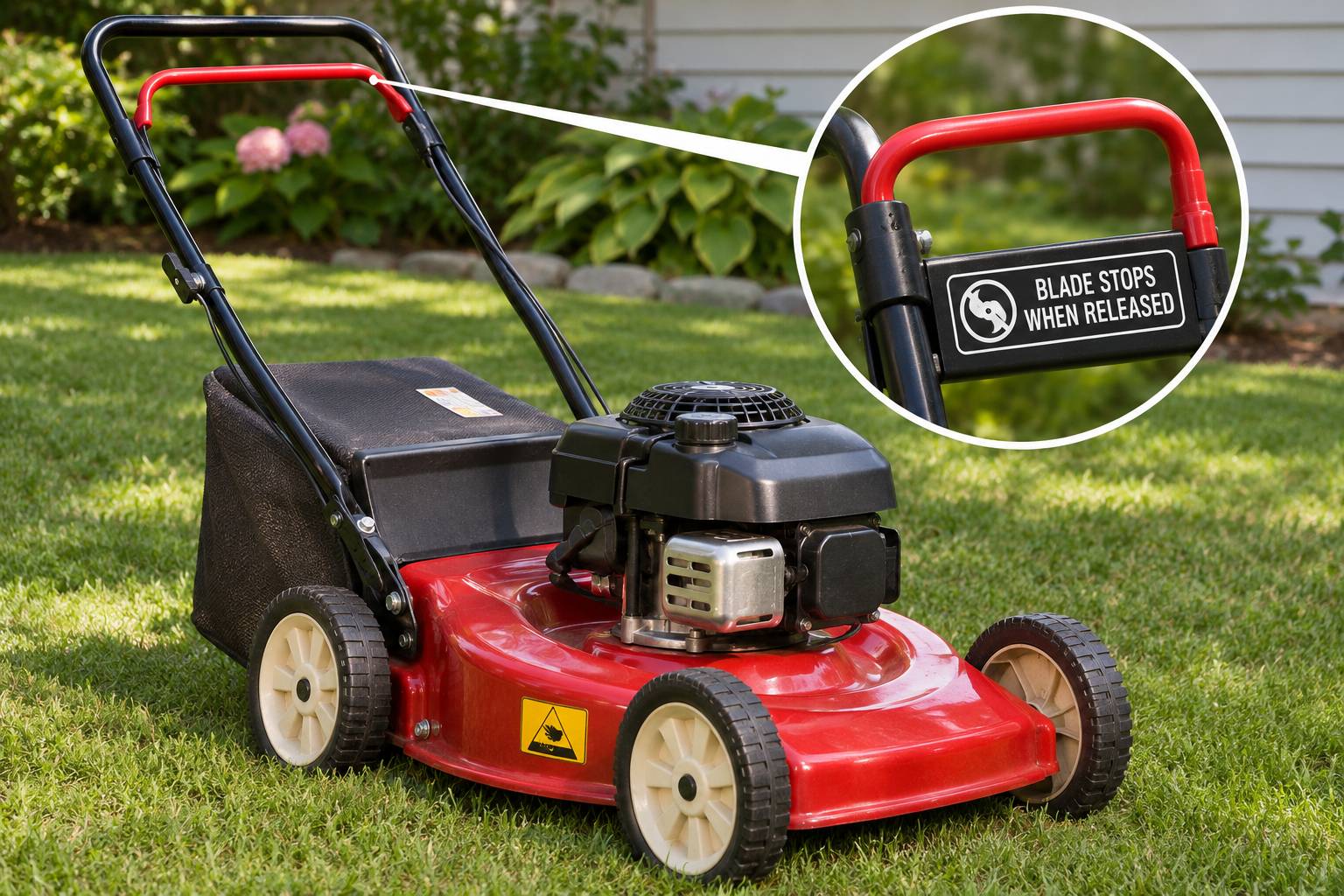
A federal safety standard that took effect in 1982 required covered rotary mowers to stop their blades within three seconds after the operator released the handle control. The change helped protect people who slipped, stumbled, or reached toward the mower.
5. Garage Door Openers Gained Sensors
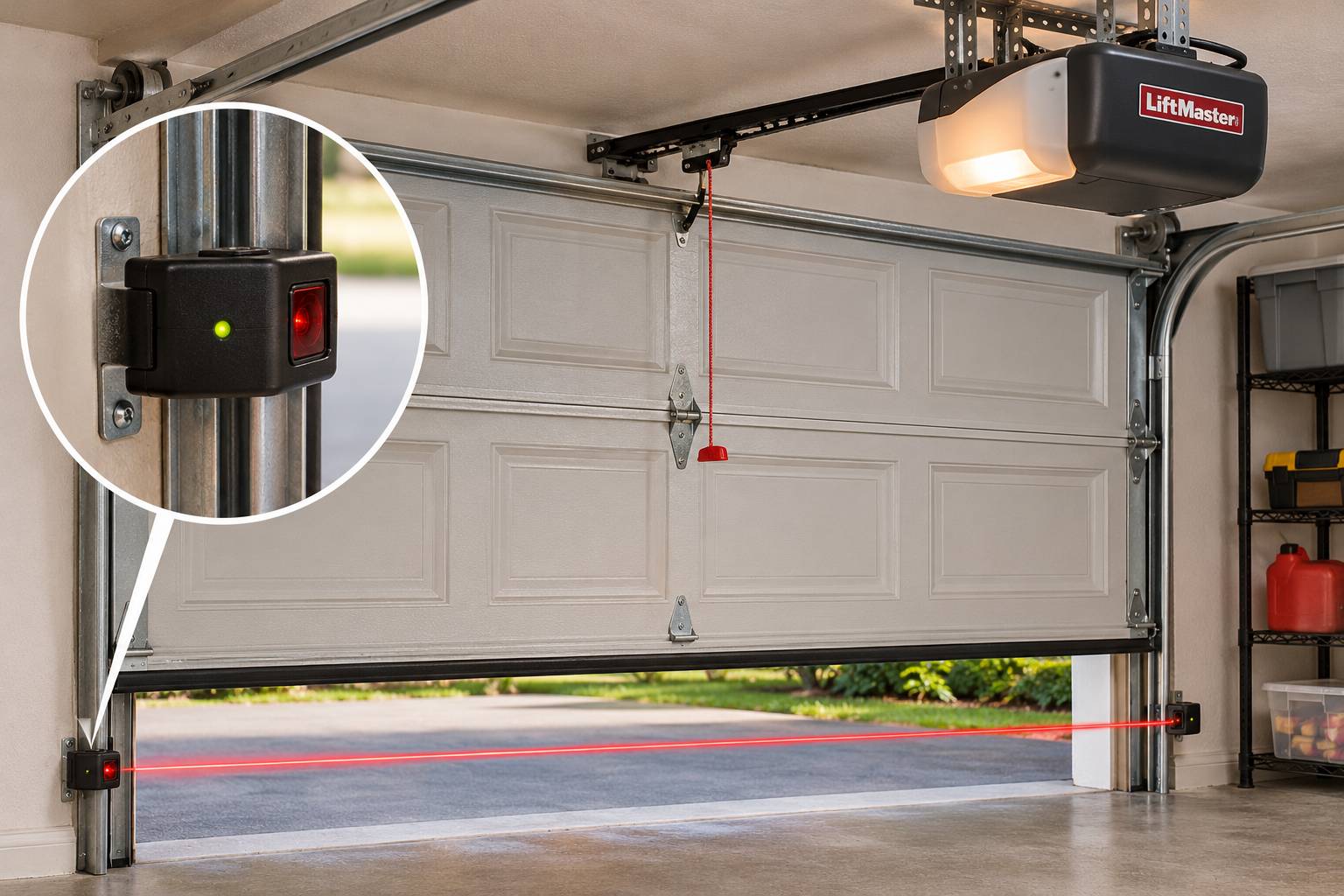
Automatic garage doors were once a deadly threat to children who became trapped underneath them. Safety improvements introduced reversing mechanisms and additional protection, including photoelectric sensors that detect objects in the door’s path.
Trending on Wealth Gang


6. Baby Cribs Lost Their Drop-Down Sides
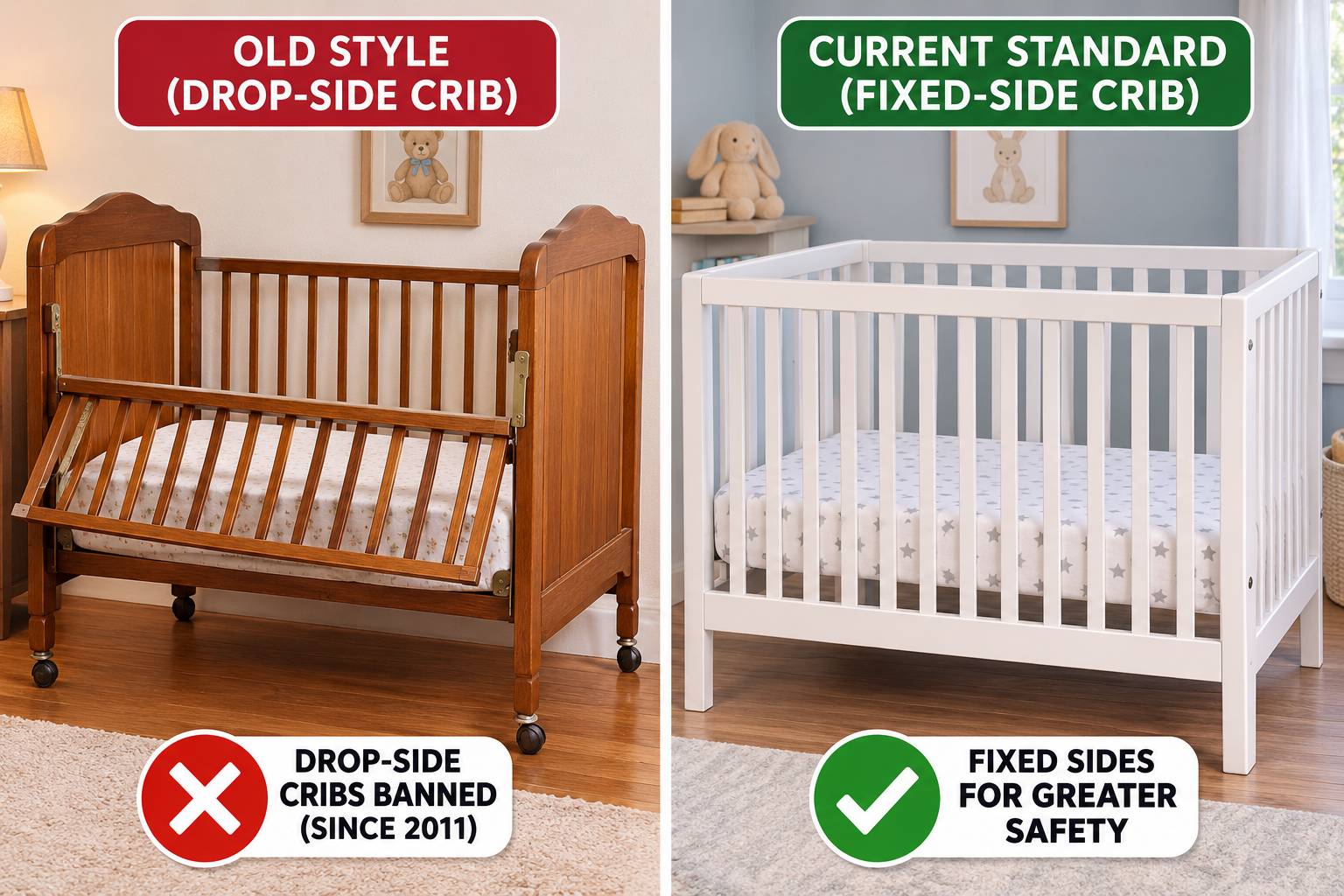
For decades, drop-side cribs were popular because parents could lower one rail to reach their babies. After numerous recalls and documented deaths, new federal crib standards took effect in June 2011, prohibiting traditional drop-side designs and requiring stronger hardware and mattress supports.
7. Window Blinds Lost Their Dangerous Cords
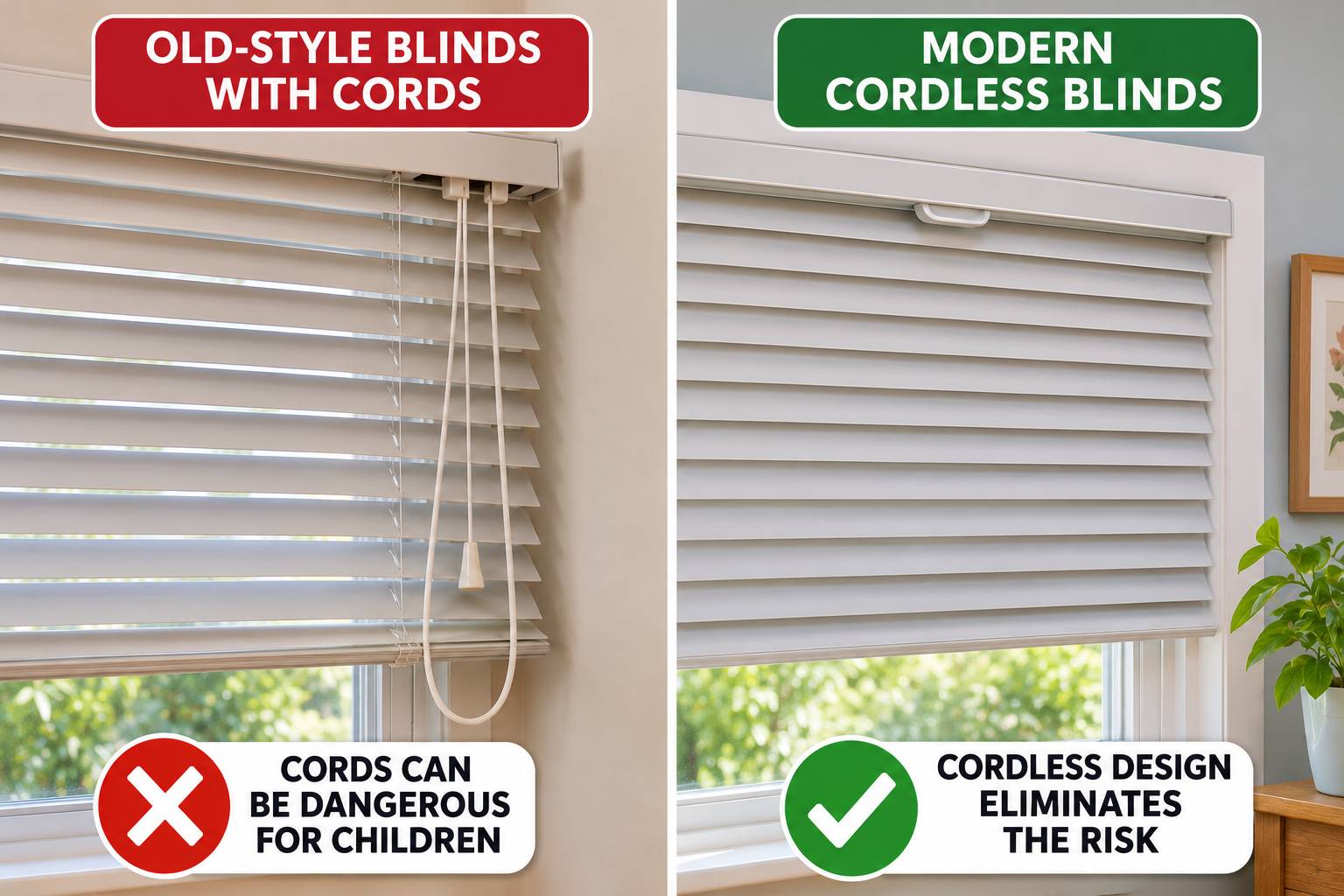
The cords on traditional window blinds might look harmless, but they have caused fatal strangulation accidents involving young children. Cordless blinds and redesigned operating systems eliminate or reduce this danger by removing accessible loops and long cords.
8. Microwave Ovens Received Hidden Door Safety Switches
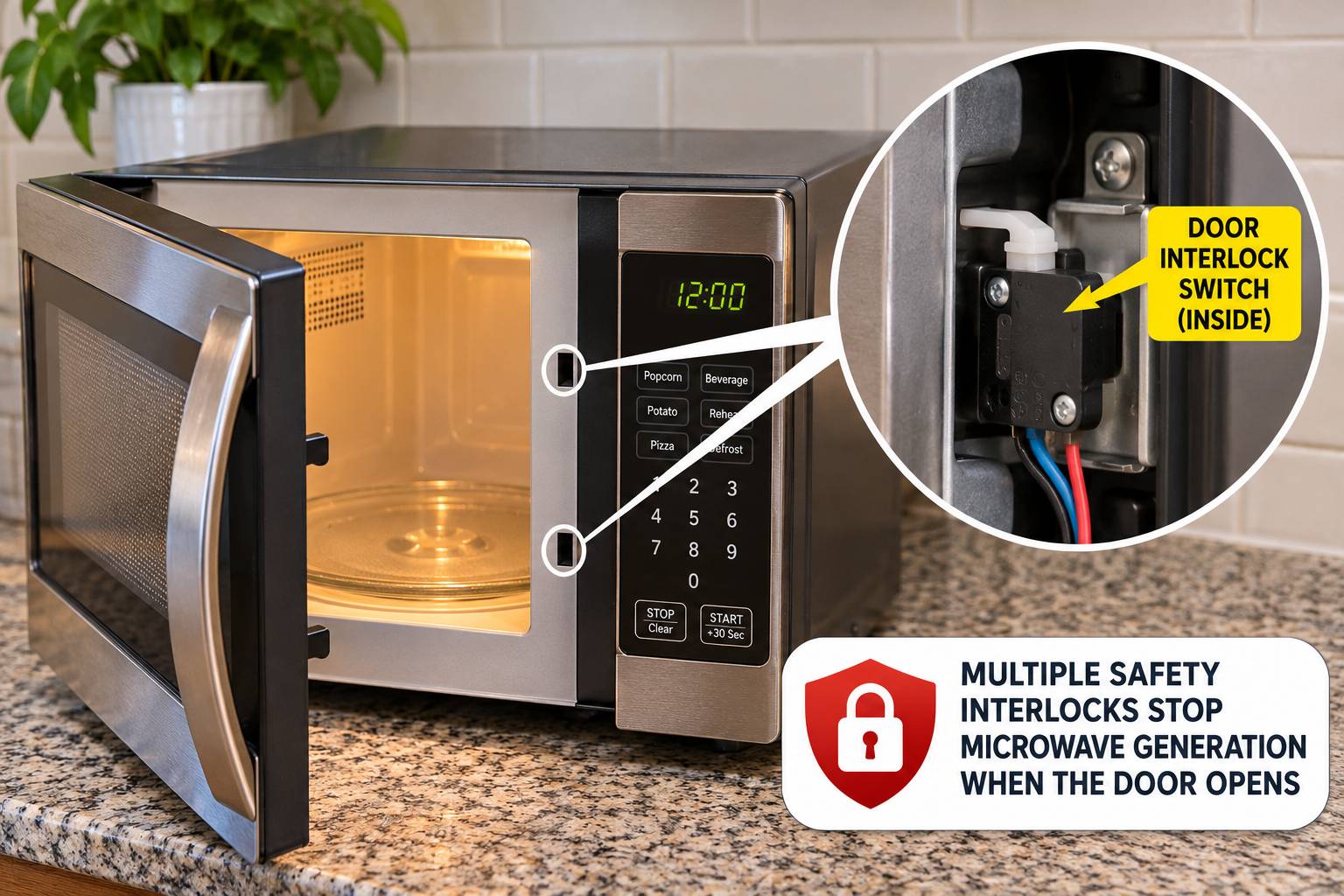
Modern microwave ovens have a safety feature most owners never see: multiple door interlocks. These mechanisms stop microwave generation when the door opens, while an additional monitoring system detects certain interlock failures.
Sign up for our newsletter
9. Pressure Cookers Gained Locking Lids and Pressure Indicators
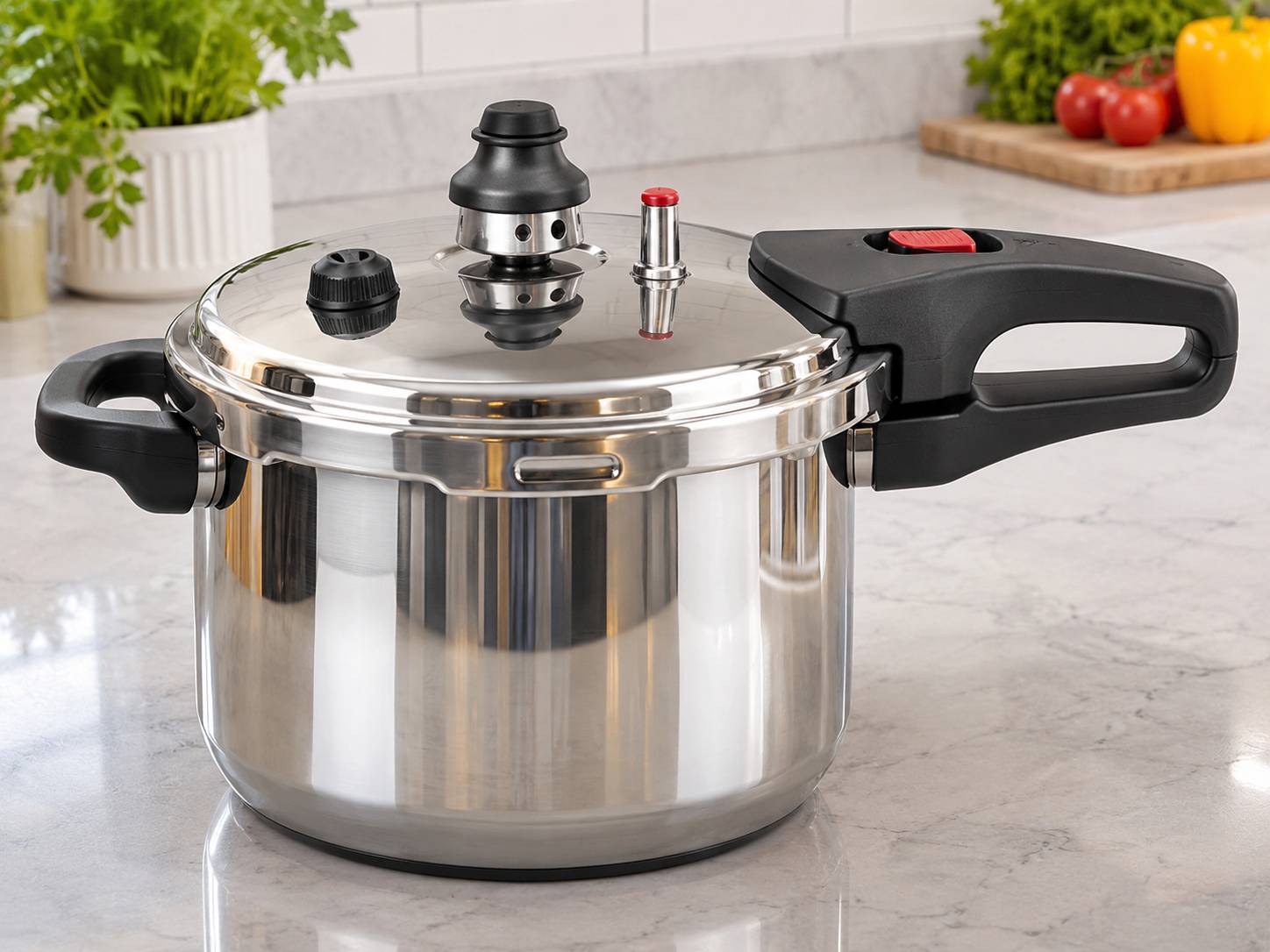
Pressure cookers use steam pressure to cook food quickly, but opening a pressurized vessel can send hot contents flying. Safer designs include pressure indicators, locking mechanisms, and valves intended to prevent premature opening.
10. Electrical Outlets Learned to Shut Off When Current Goes Astray
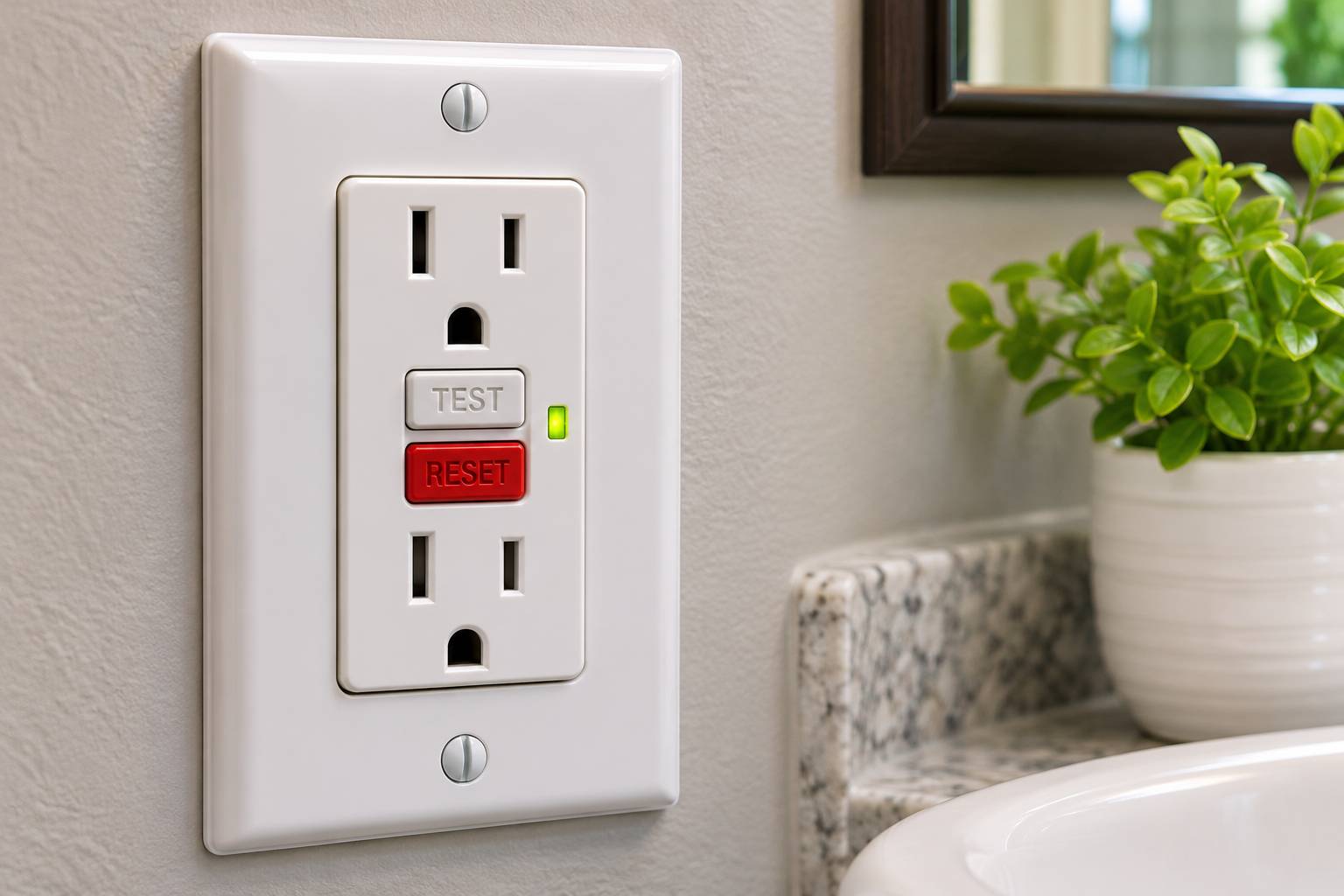
Ground-fault circuit interrupter outlets monitor electrical current and quickly disconnect power when they detect a dangerous imbalance. Their test and reset buttons are now familiar features in American bathrooms, kitchens, and outdoor areas.
11. Extension Cords Have Stronger Wiring and Better Insulation
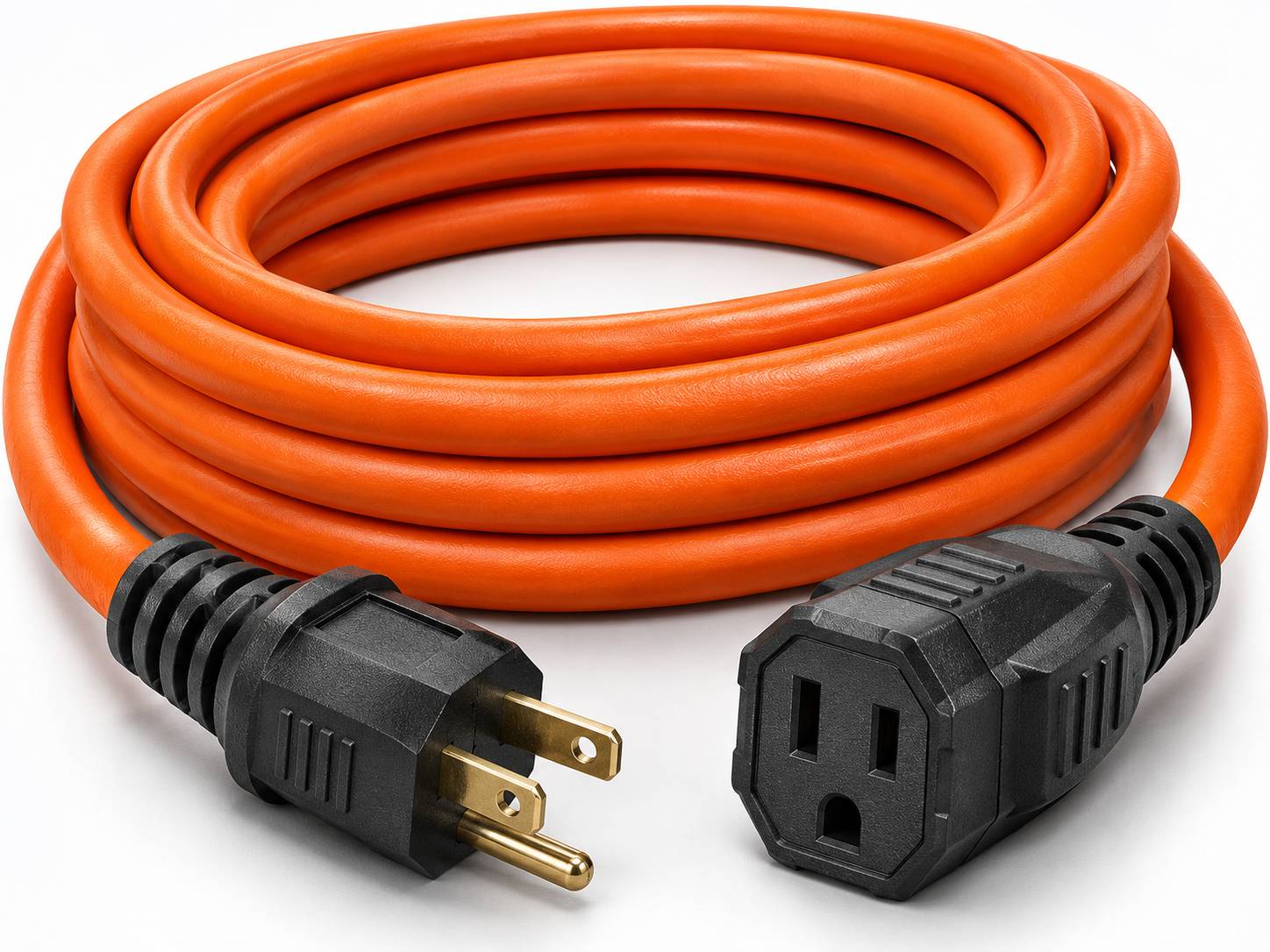
Safer designs use appropriate wire sizes, stronger connections where the cord meets the plug, and protective outer jackets for outdoor use. The CPSC considers extension cords that lack applicable safety features to present risks of fire or electric shock.
12. Christmas Lights Received Fuses and Stronger Electrical Connections
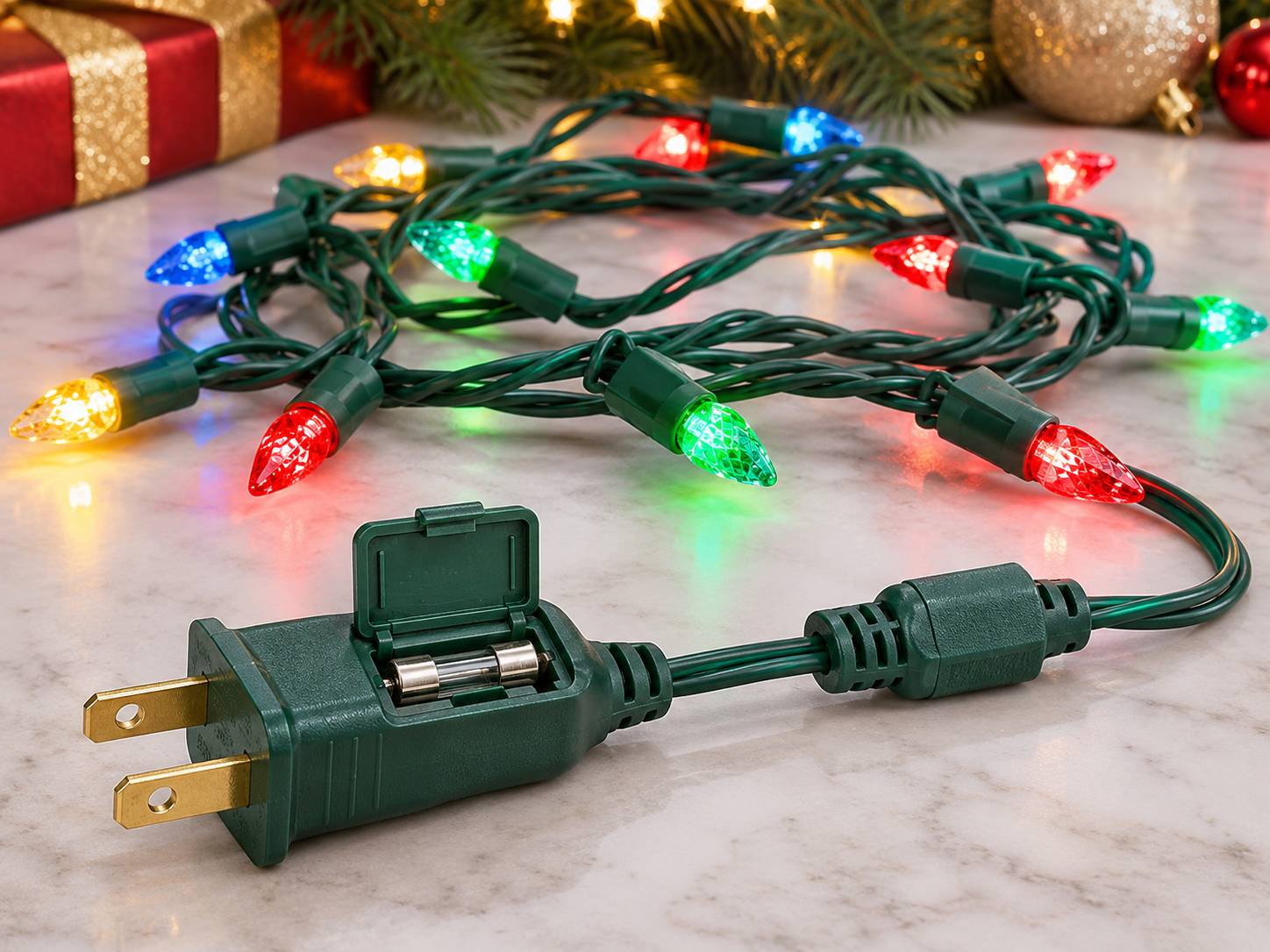
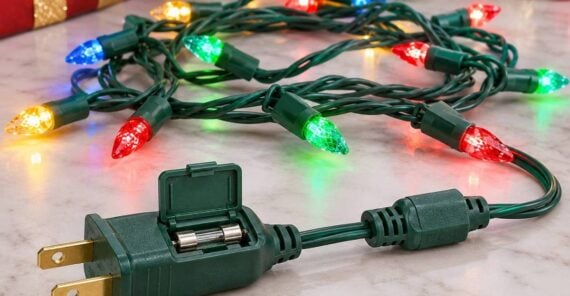
Holiday lights have a serious safety history because damaged or poorly constructed strands can start fires. Many light strings now incorporate small fuses to help protect against excessive current. Those nearly invisible components make festive decorations safer.