For decades, many wellness habits were passed down as common sense. They appeared in magazines, morning routines, family advice, and even doctors’ offices. People followed them because they seemed healthy, responsible, or simply because everyone else did.
But wellness advice has changed a lot over the years. As research improved, some once-popular habits began to look less helpful than people originally believed. A few were mostly harmless, while others are now approached with much more caution.
1. Starting the Day With a Glass of Grapefruit Juice
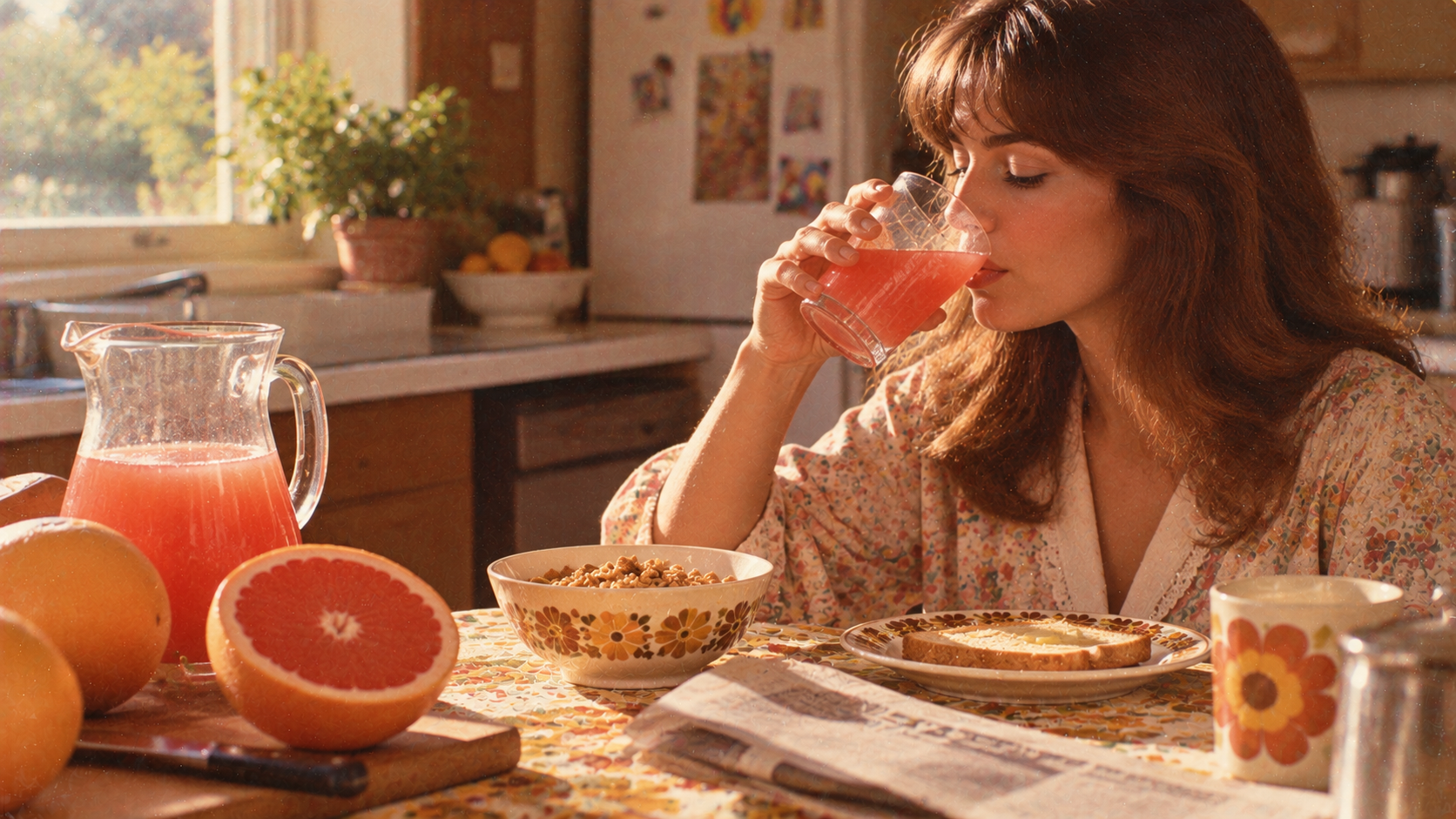
For years, grapefruit juice had the perfect healthy-breakfast reputation. A cold glass beside toast and coffee looked almost mandatory in magazine ads and breakfast scenes. Today, experts are more cautious because grapefruit can interact with certain medications, making this seemingly wholesome habit more complicated than it once appeared.
2. Taking a Daily Multivitamin “Just in Case”
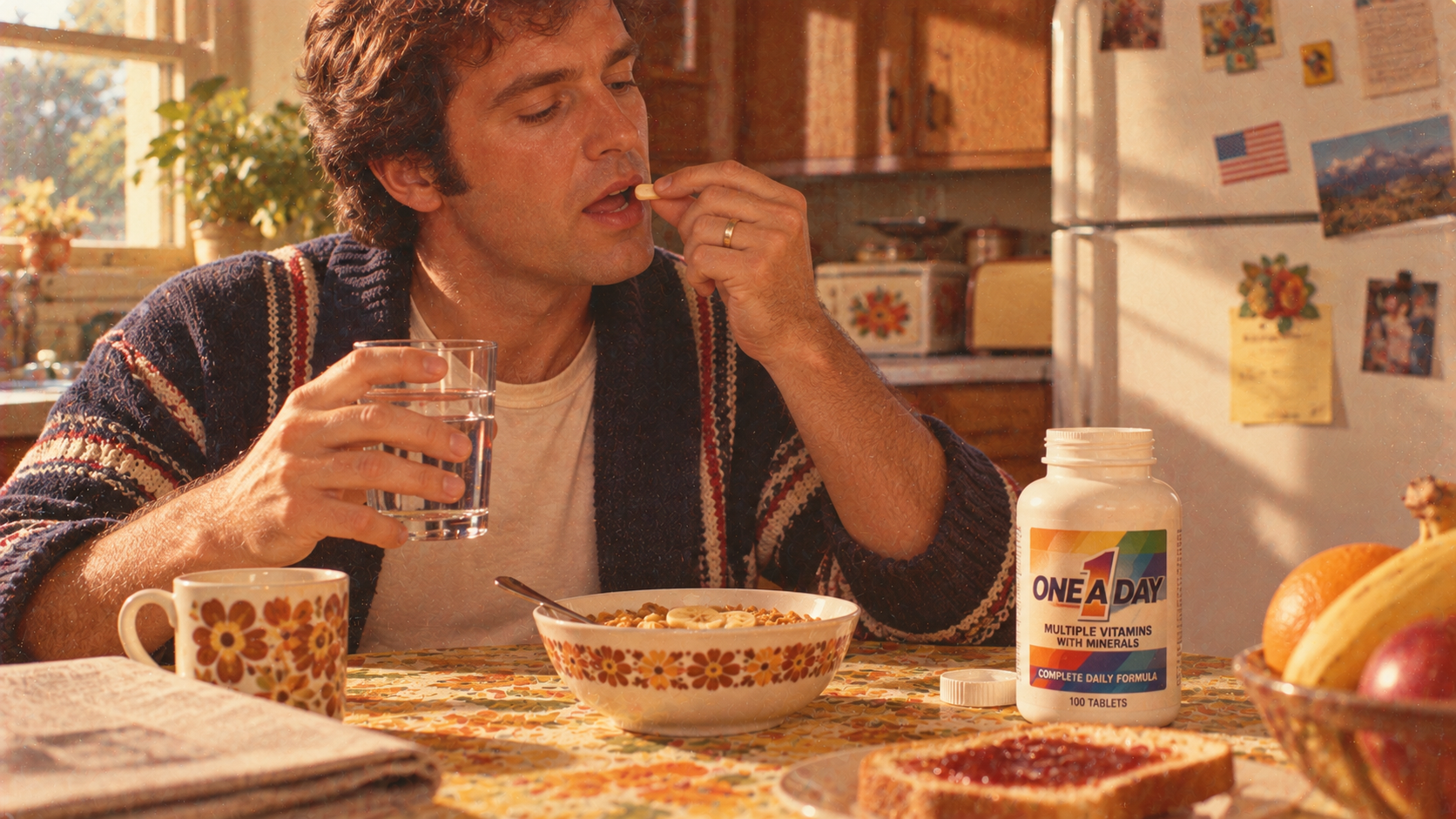
The little vitamin bottle in the kitchen cabinet became part of countless morning routines. Many people swallowed one every day without thinking much about what was actually in it. Experts now tend to emphasize getting nutrients through a balanced diet and using supplements when there is a specific need rather than assuming everyone benefits from the same daily pill.
3. Avoiding All Dietary Fat
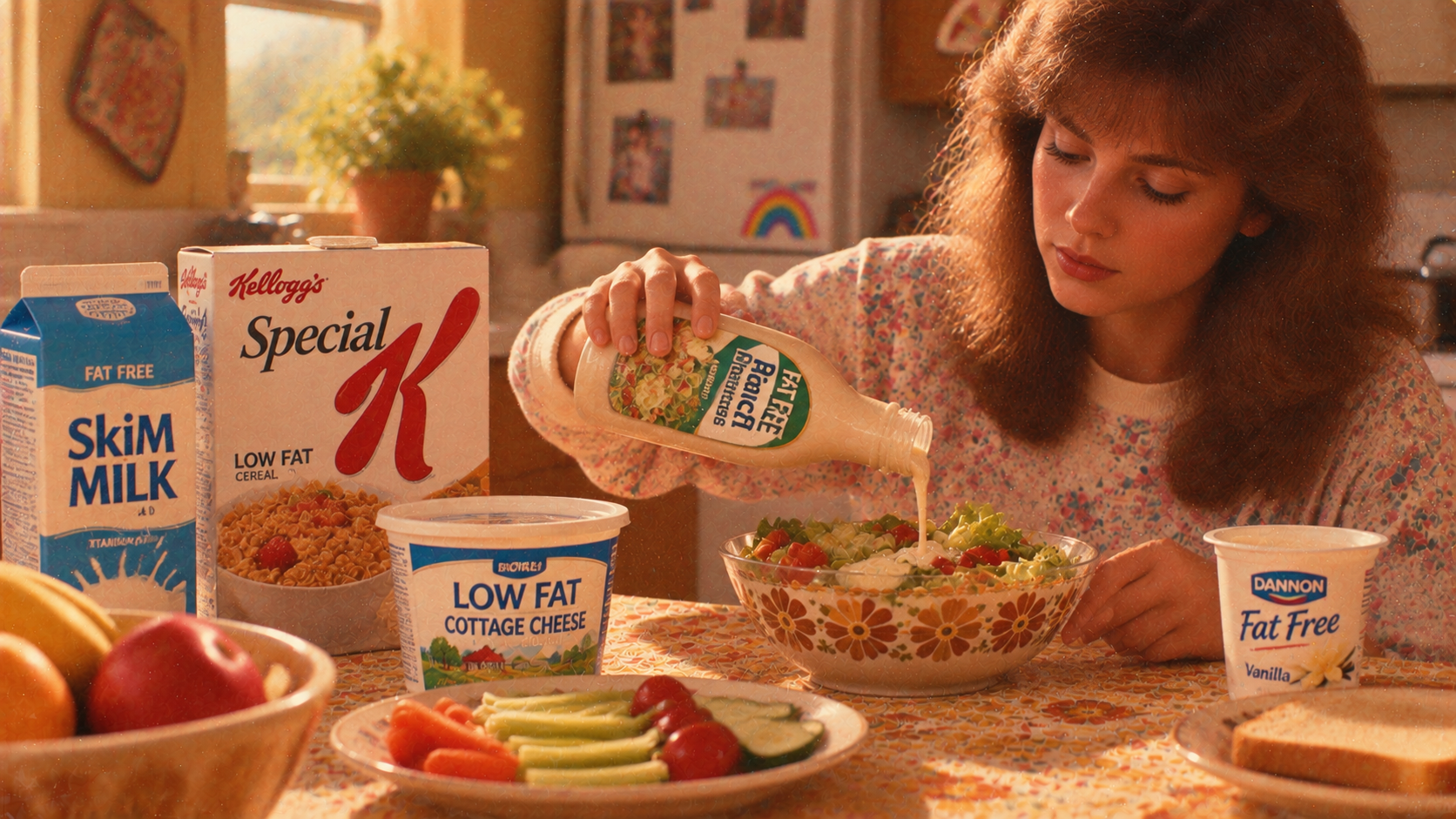
There was a time when “fat-free” practically meant “healthy.” Grocery shelves were filled with low-fat cookies, yogurt, dressings, and frozen meals while people carefully avoided butter, nuts, and other fatty foods. Nutrition advice has since become more nuanced, recognizing that different types of fat can play very different roles in the body.
4. Doing Sit-Ups Every Day for a Flat Stomach

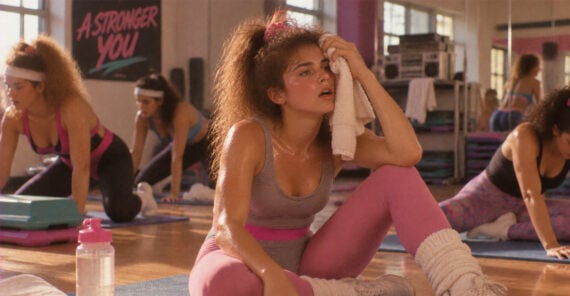
Entire generations remember lying on the carpet and counting sit-ups, convinced that enough repetitions would eventually flatten their stomachs. The idea of targeting fat in one specific area was incredibly persuasive. Fitness experts today generally favor more balanced strength and movement routines rather than relying on endless abdominal exercises for one cosmetic goal.
5. Using Cotton Swabs to Clean Inside the Ears
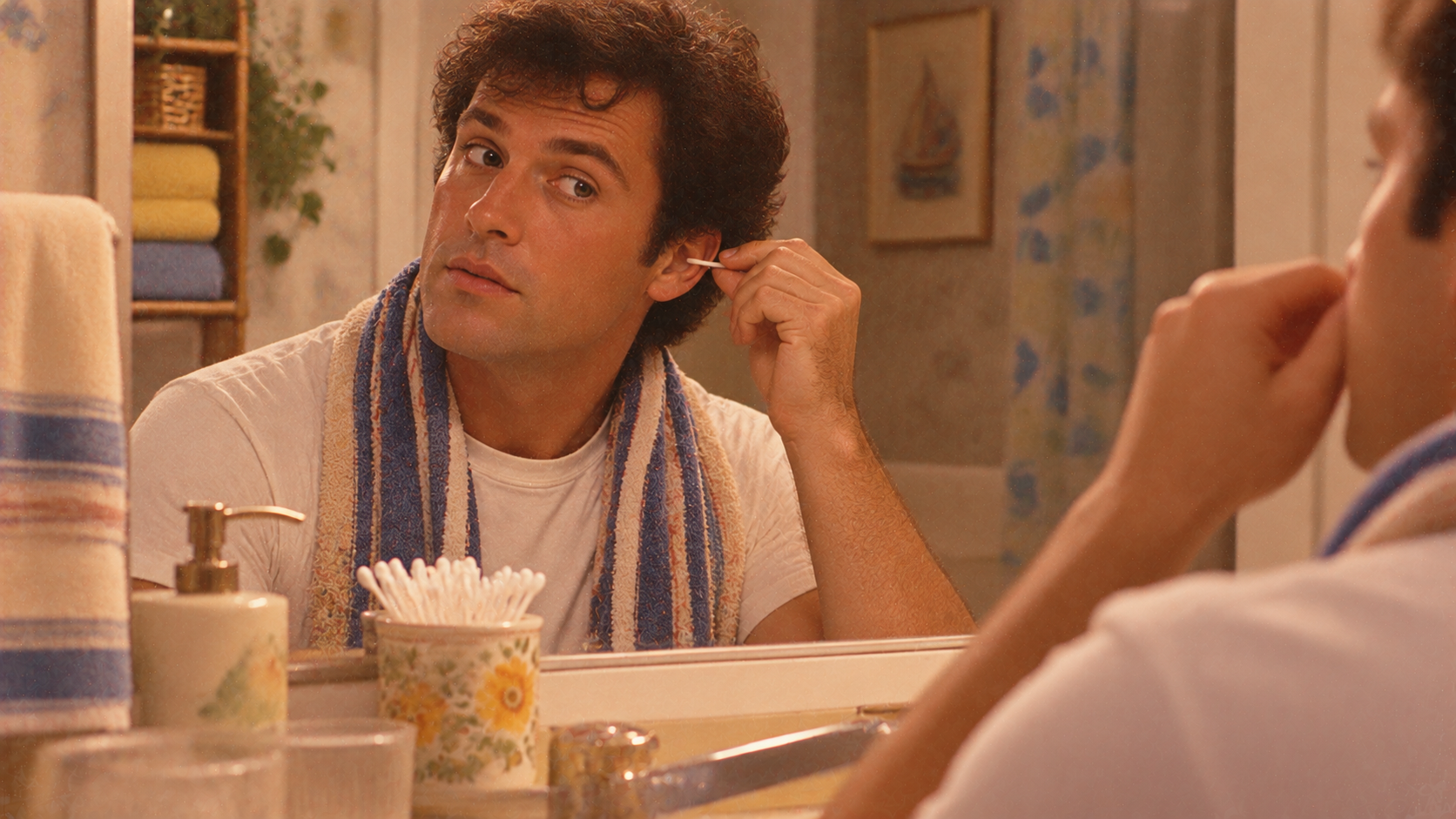
Keeping a box of cotton swabs in the bathroom felt like basic hygiene. After a shower, cleaning inside the ears was simply part of getting ready for many people. Medical experts now regularly warn that inserting them into the ear canal can push wax deeper or cause injury.
Trending on Wealth Gang

6. Brushing Teeth Immediately After Every Meal
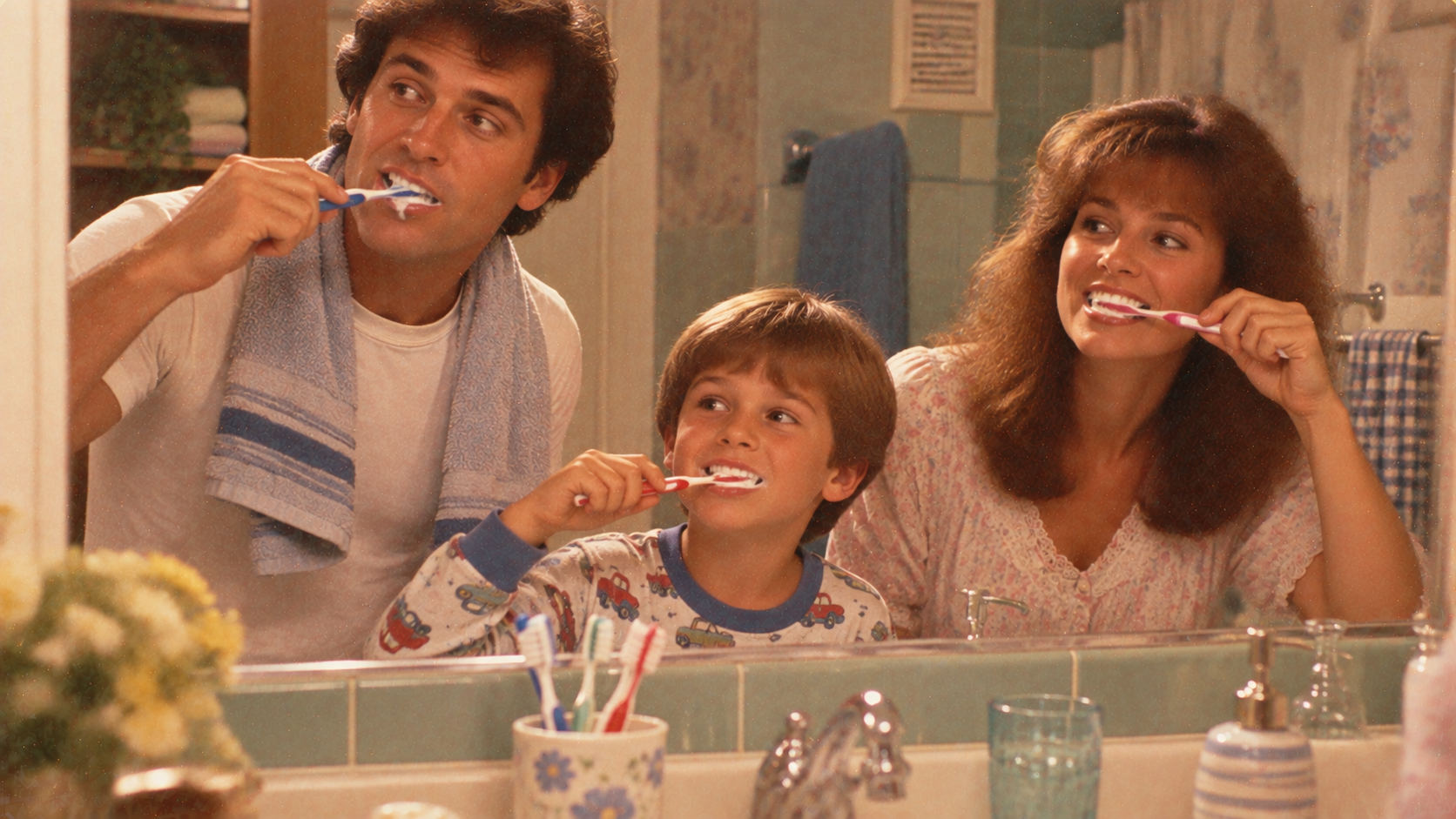
Brushing right after eating once sounded like the ultimate sign of good dental hygiene. Some people even kept a toothbrush at work for exactly that reason. Dentists now often recommend waiting after acidic foods or drinks because brushing immediately can be rough on temporarily softened enamel.
7. Drinking Eight Glasses of Water No Matter What
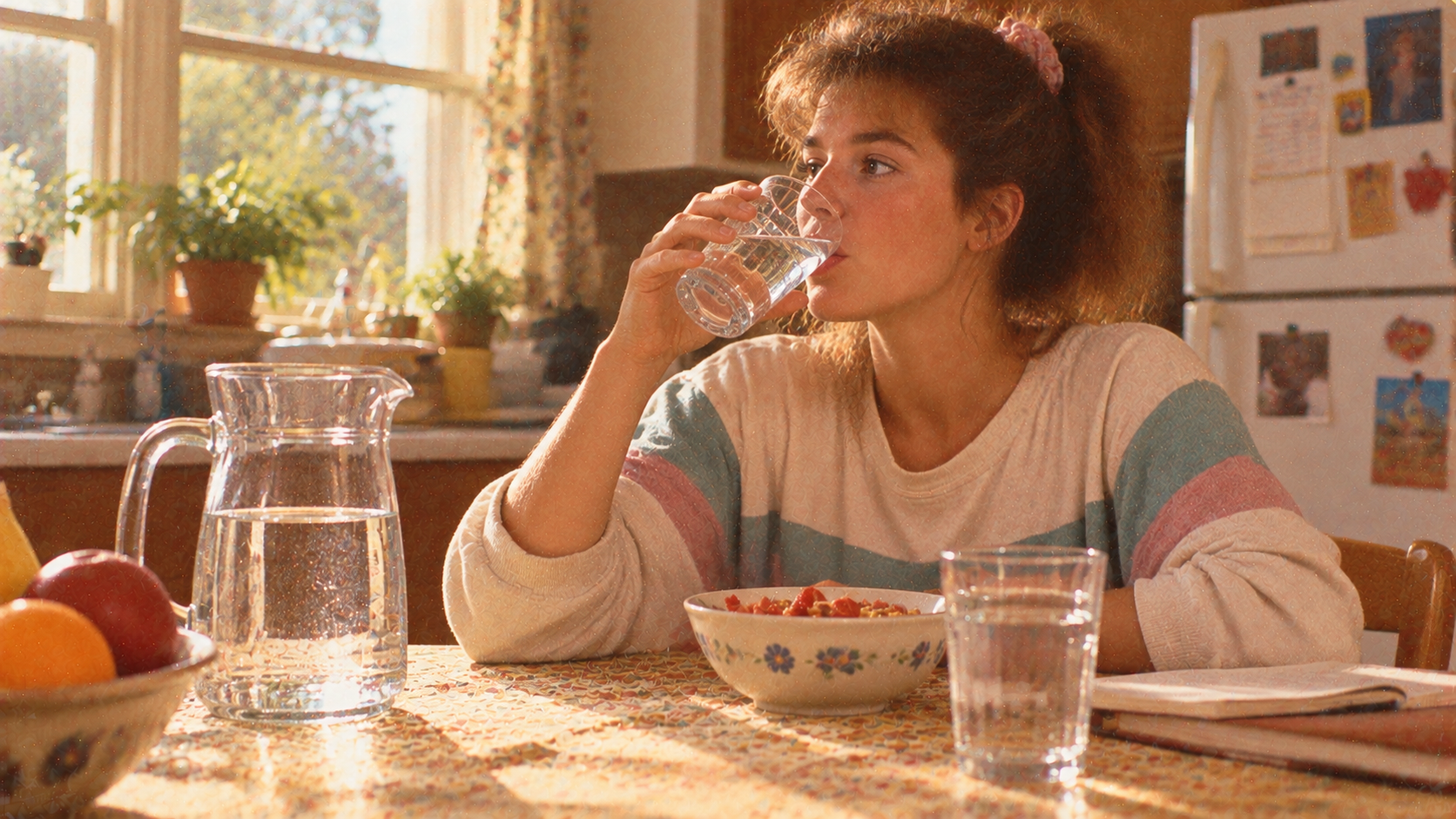
The “eight glasses a day” rule was repeated so often that it became almost impossible to question. People counted glasses, carried bottles, and sometimes drank even when they were not thirsty. Hydration guidance today is generally more individualized, since water needs vary with diet, activity, climate, health, and other factors.
8. Stretching Deeply Before Exercise
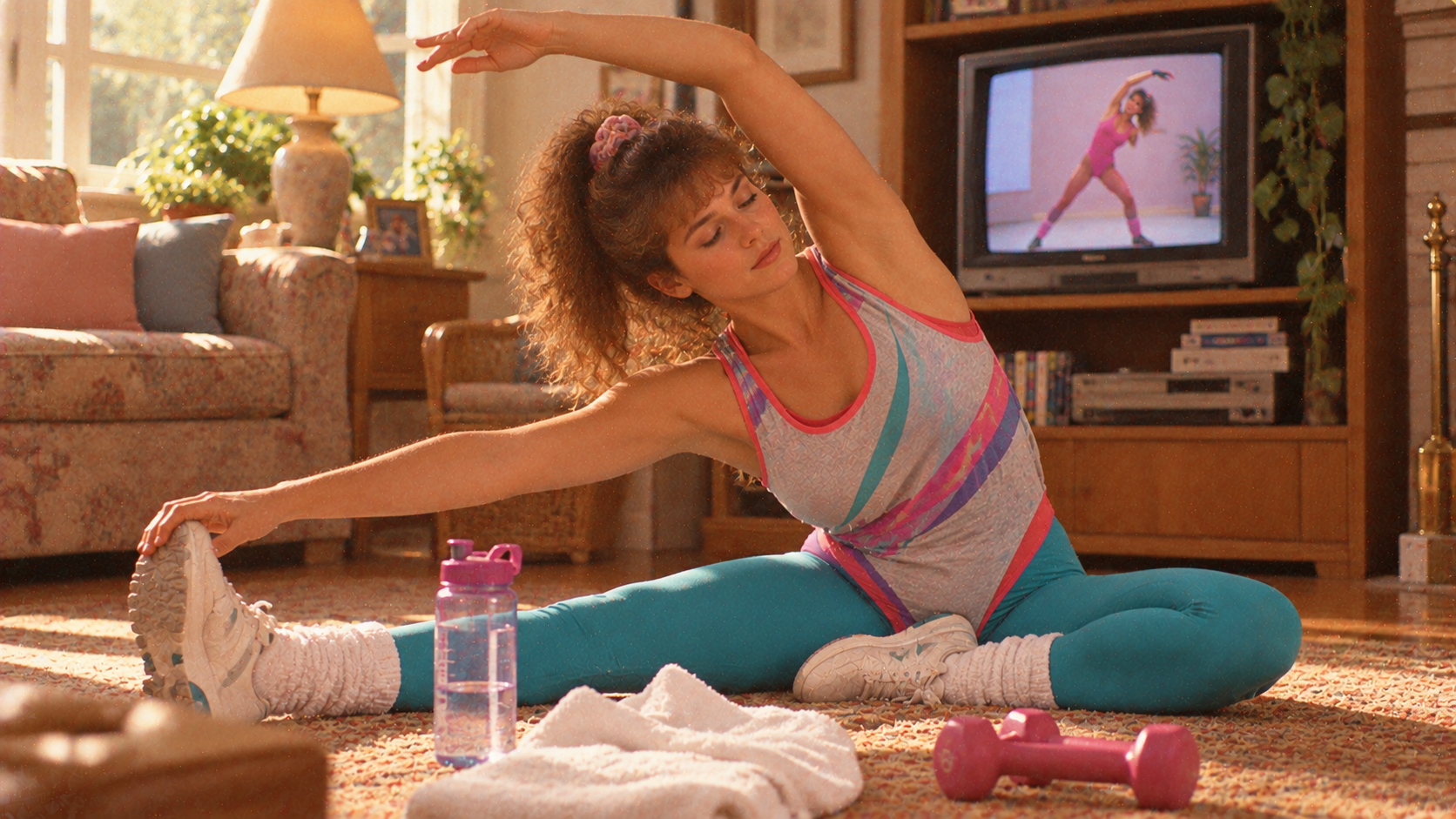
Gym class often began with long, stationary stretches. You touched your toes, held the position, and assumed you were protecting yourself from injury. Modern fitness advice often favors dynamic movement before exercise, while longer static stretching is frequently saved for later.
Sign up for our newsletter
9. Exercising Through Pain
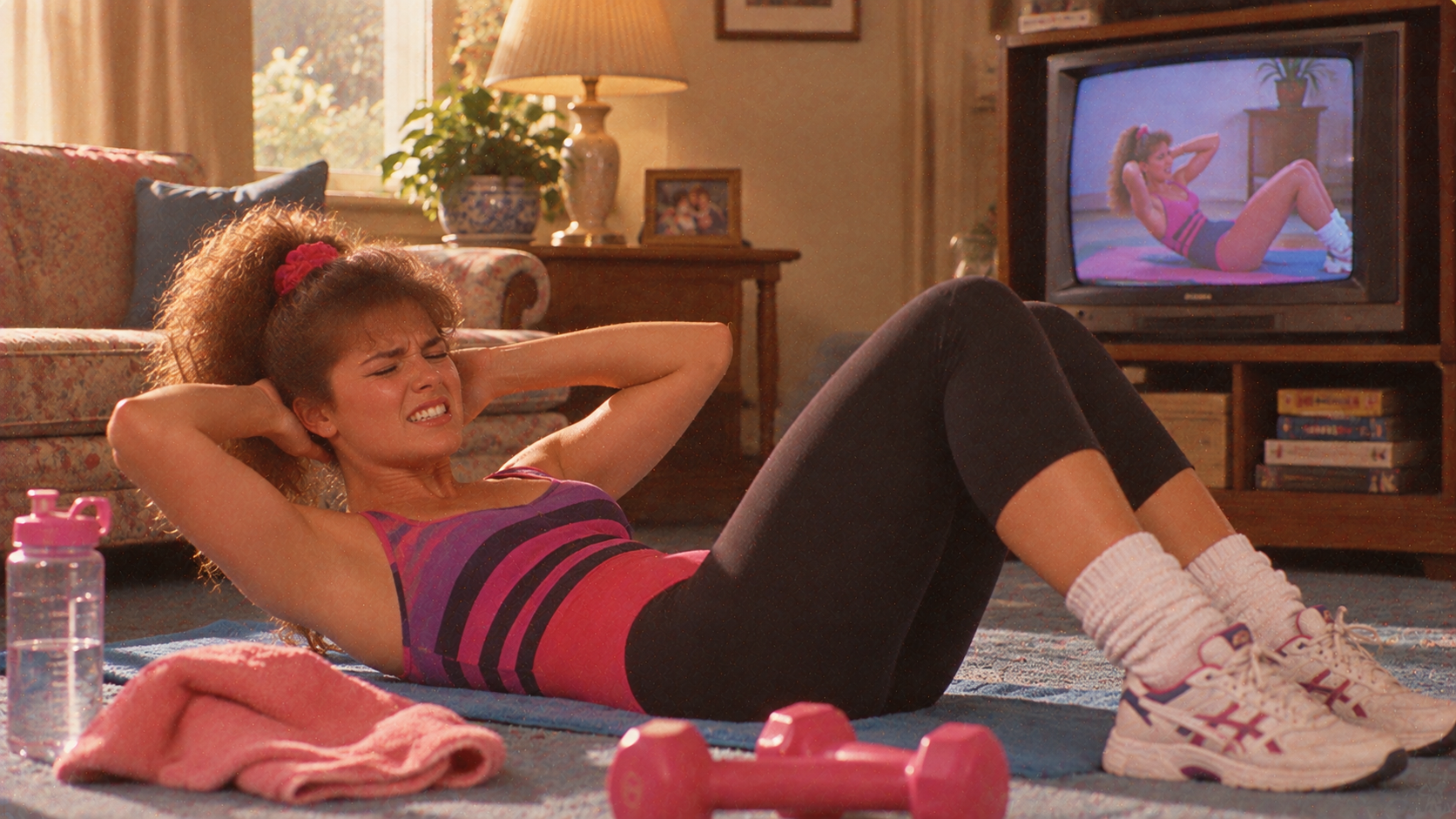
“No pain, no gain” was more than a slogan. It shaped how many people approached workouts, sports, and even minor injuries. Today, trainers and medical professionals are much more likely to distinguish normal exertion from pain that could signal an injury.
10. Using Tanning to Get a “Healthy Glow”

A deep tan once looked almost synonymous with health. People spent afternoons coated in tanning oil, and indoor tanning salons later made the look available year-round. As awareness of ultraviolet exposure and skin cancer risk increased, that supposedly healthy glow began to carry a very different meaning.
11. Cutting Out Carbohydrates to Lose Weight
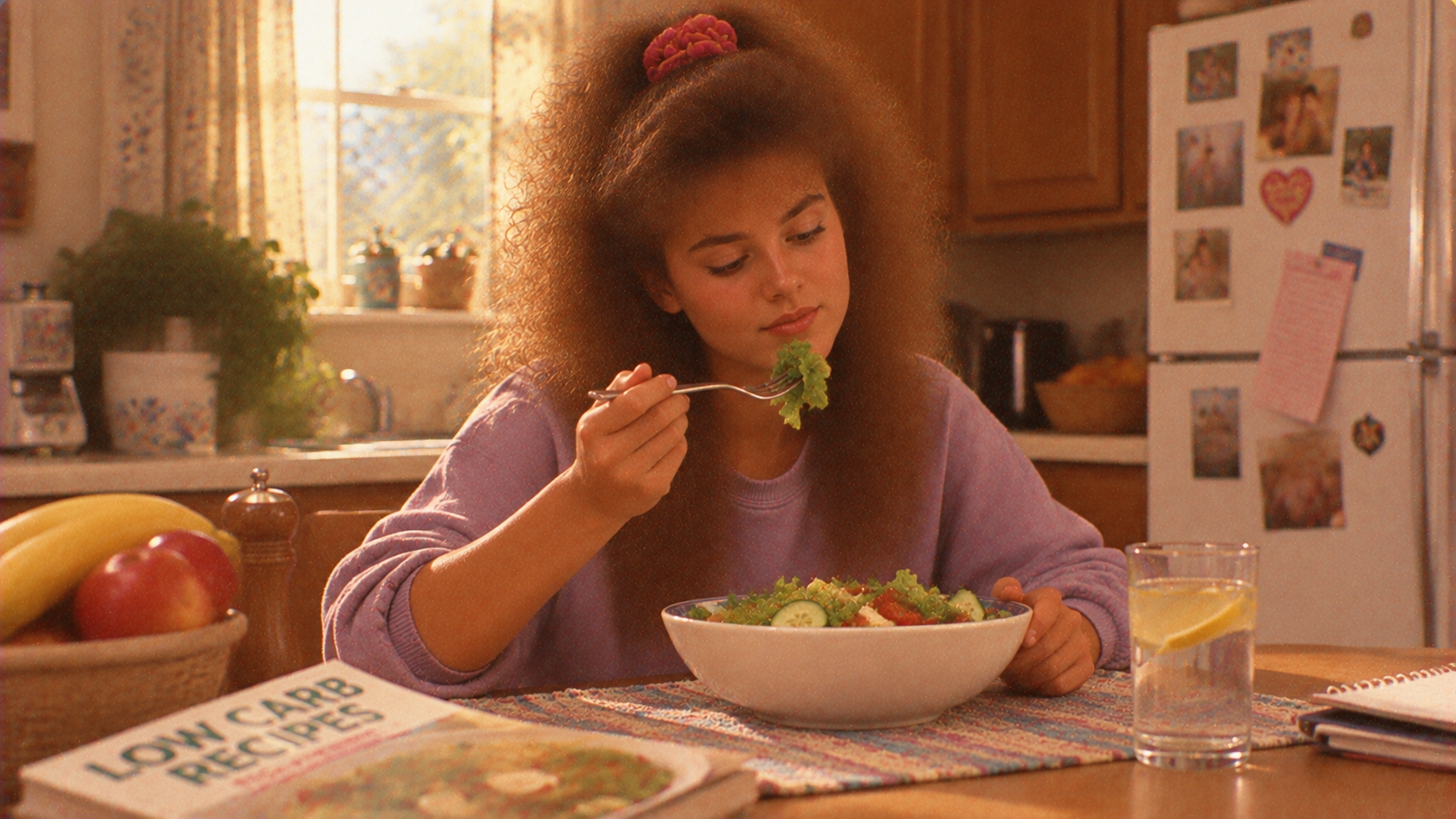
Bread, pasta, potatoes, and rice have all taken turns being blamed for weight gain. Low-carb trends convinced many people that avoiding an entire category was the simplest route to better health. Experts today usually focus more on overall dietary patterns, food quality, portions, and individual needs than treating every carbohydrate as equally problematic.
12. Skipping Meals to “Make Up” for Eating Too Much
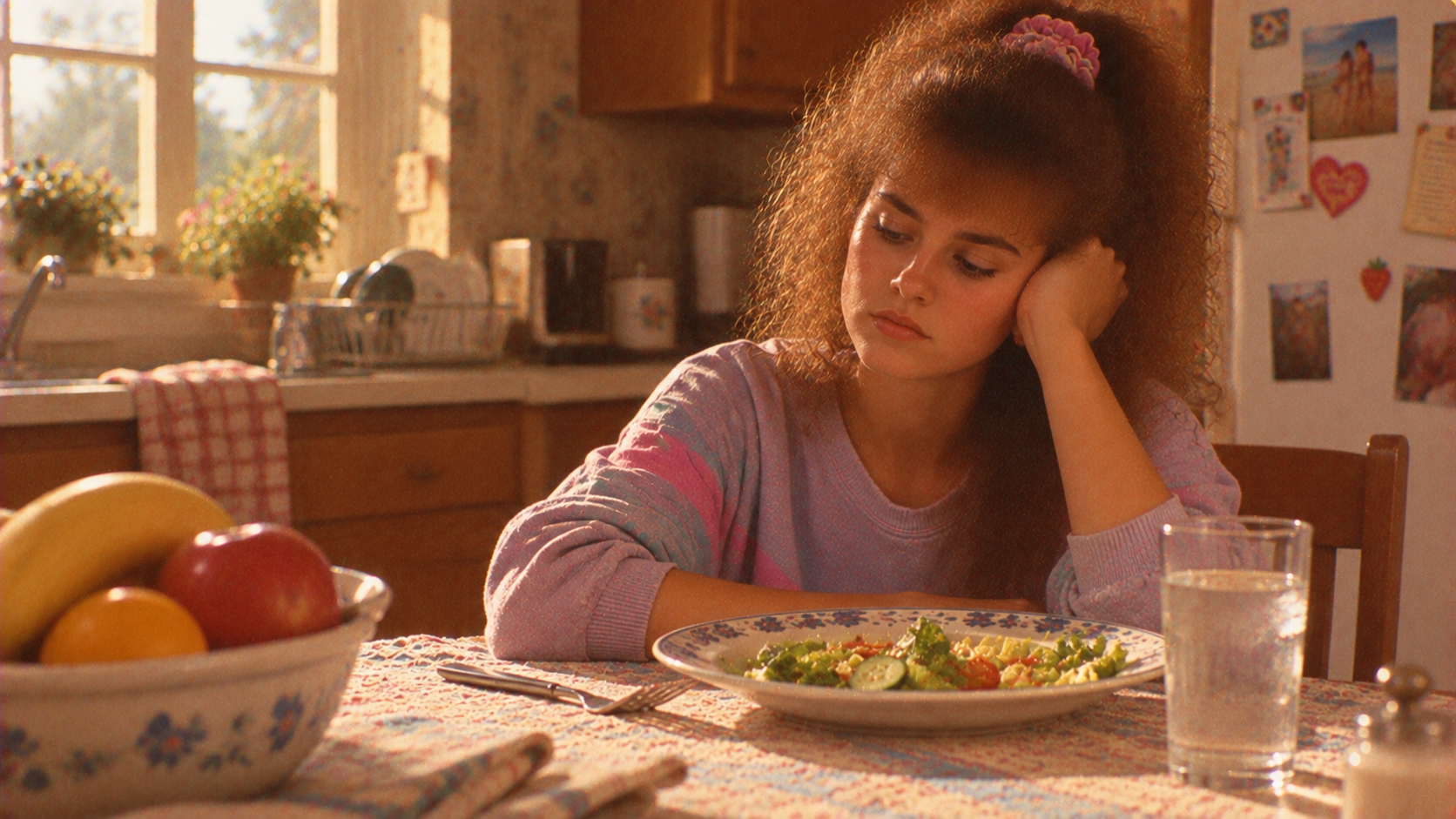
After a large dinner or holiday meal, skipping breakfast the next morning once seemed like a logical way to balance things out. Diet culture often encouraged this kind of informal food arithmetic. Current wellness approaches tend to be more cautious about restrictive cycles and place greater emphasis on sustainable eating habits.
13. Using Very Hot Water to “Open the Pores”
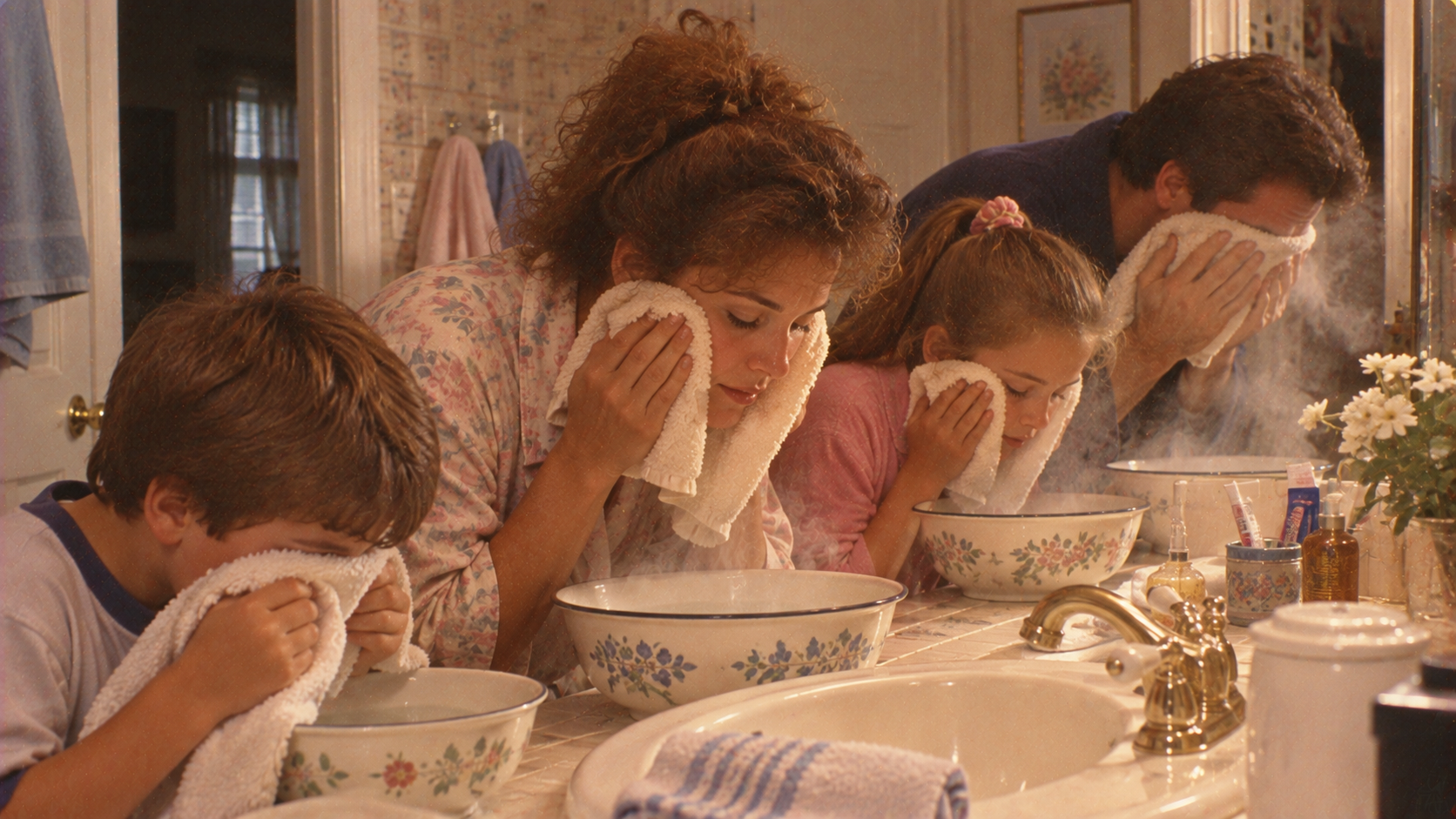
Steaming the face or washing with extremely hot water was a familiar beauty ritual. The idea was that heat opened the pores and allowed the skin to become deeply clean. Dermatologists now point out that pores do not literally open and close like tiny doors, while overly hot water can irritate and dry the skin.
14. Doing Long Cardio Sessions as the Main Way to Stay Fit
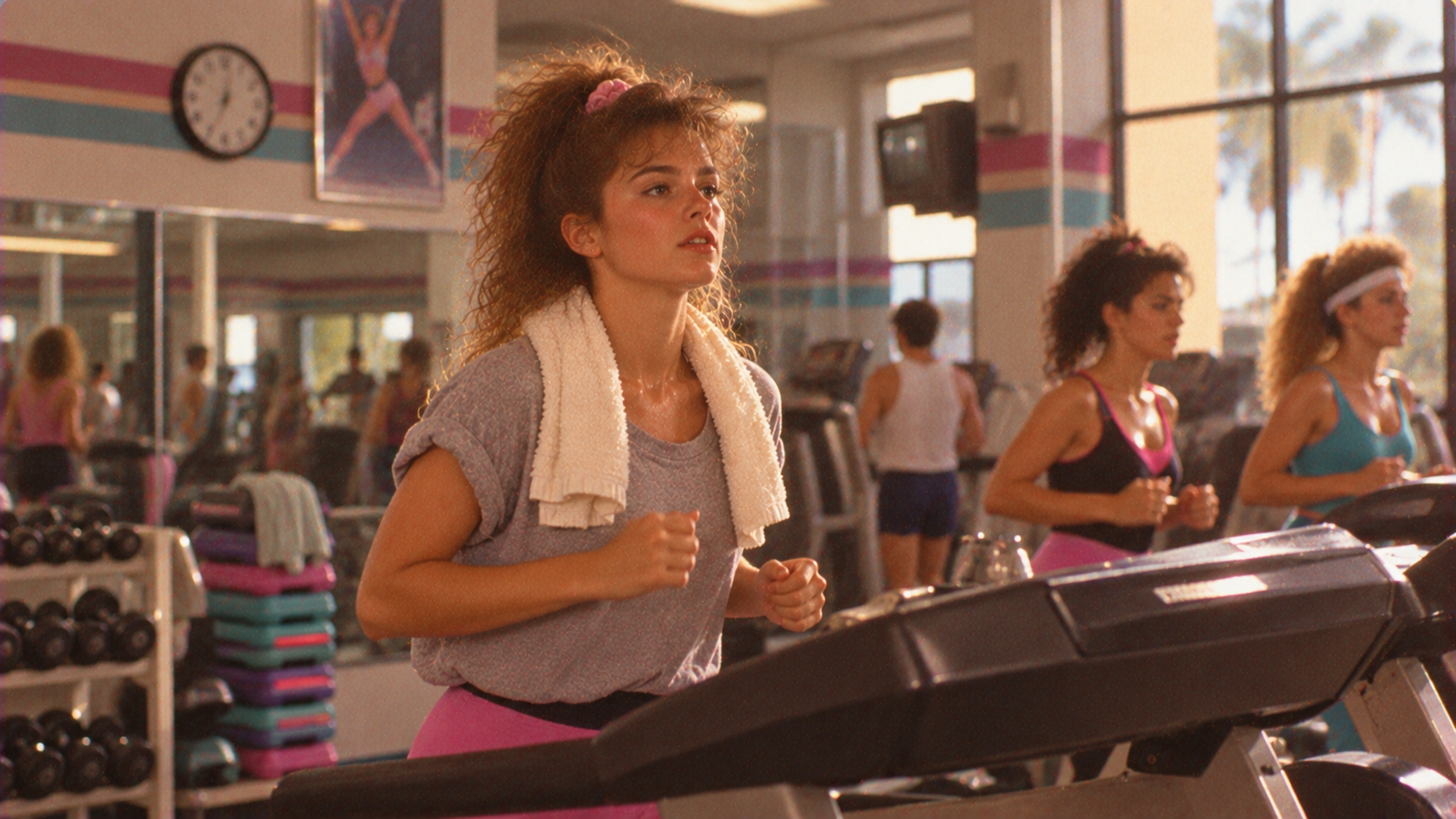
For years, cardio ruled the fitness world. Treadmills, stationary bikes, and hour-long aerobics sessions were often treated as the gold standard of exercise. Cardio remains important, but modern recommendations give strength training, mobility, recovery, and everyday movement a much bigger place in overall wellness.
15. Detoxing With Juice Cleanses
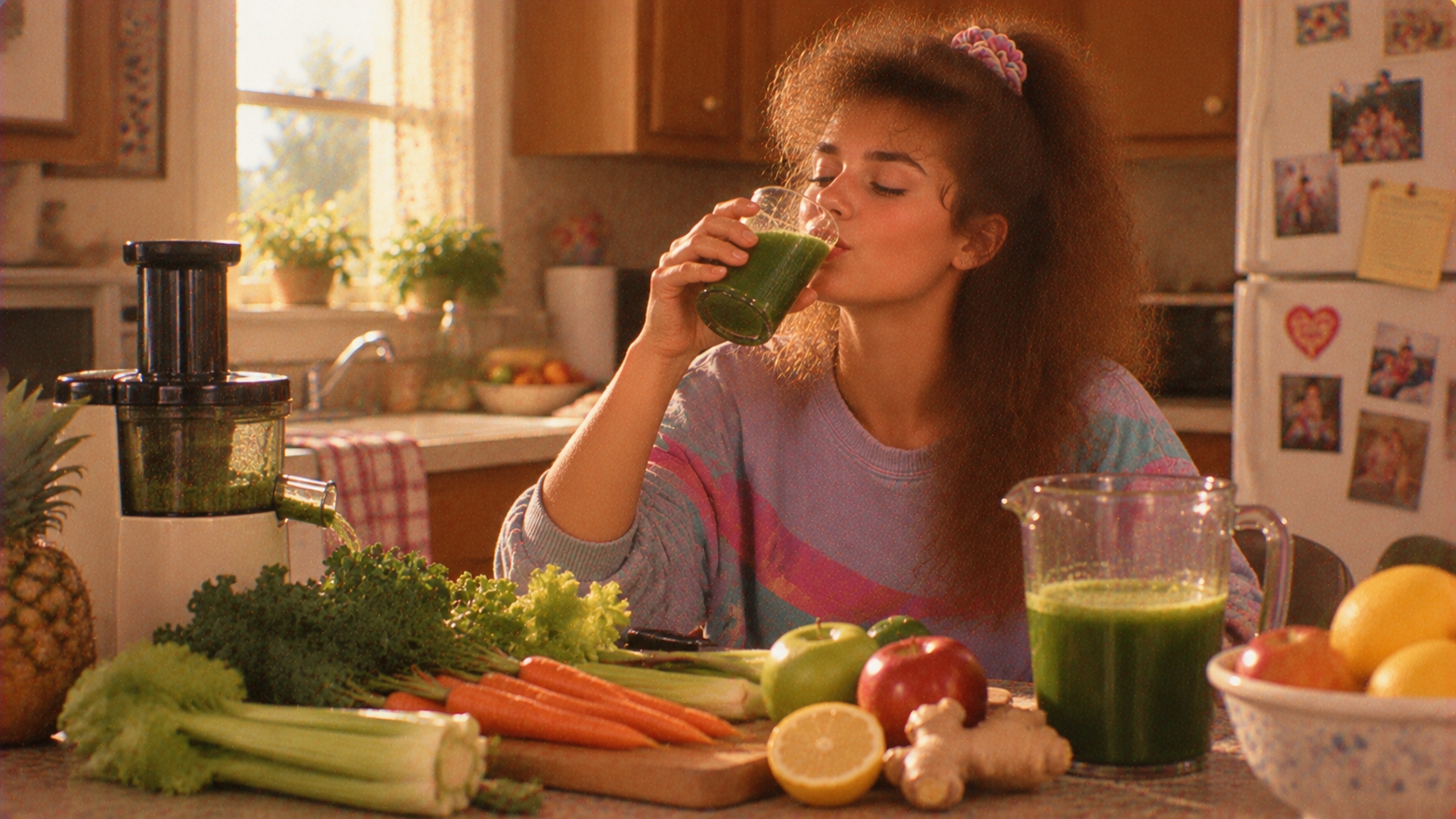
Juice cleanses promised a fresh start after vacations, holidays, or periods of indulgence. Colorful bottles lined up in the refrigerator made the process feel organized and almost medicinal. Experts have increasingly questioned the need for commercial “detox” programs, since the body already has organs responsible for processing and eliminating waste.
16. Believing More Exercise Was Always Better
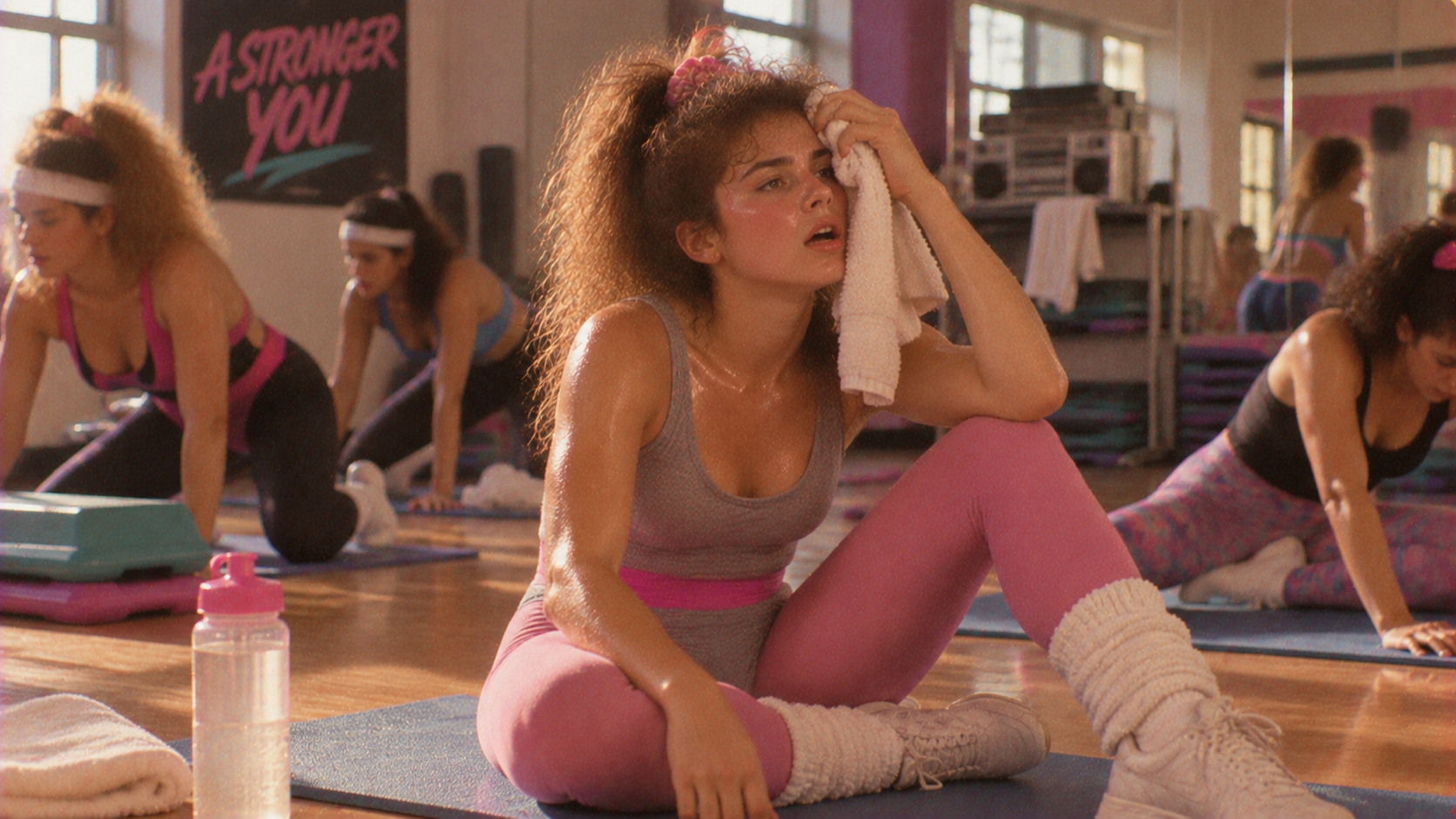
Rest days once felt suspiciously like laziness. Serious fitness was often associated with pushing harder, sweating more, and rarely taking time off. Today, recovery is considered part of training itself, with sleep, rest, and adequate nutrition recognized as important pieces of long-term performance and health.
More Related Notes
• 16 Foods That Had a Healthy Reputation for Decades but Eventually Lost It.
Revisit foods that were once widely promoted as healthy choices before changing nutrition research and expert guidance challenged their long-standing reputations.
• 15 Myths That Keep Circulating Even Though They’ve Been Debunked.
Explore familiar beliefs that survived for generations even after experts began questioning the assumptions and advice behind them.
• 14 Things We Always Believed That Were Never Actually True.
Take a closer look at ideas people accepted for years without much thought, only to discover that newer evidence painted a very different picture.