There was a time when good manners were part of almost every ordinary interaction. Children were reminded to say “please” and “thank you,” guests knew not to arrive empty-handed, and answering the telephone came with its own little set of rules. Nobody needed a book on etiquette to understand these expectations. They were simply things people learned at home, at school, or by watching the adults around them.
Of course, not every old-fashioned rule deserves a comeback. Some were unnecessarily formal, and others belonged to a world with very different social expectations. Still, there’s something charming about the small gestures that made people feel noticed and appreciated. Here are 15 things once considered good manners that have become much less common today.
1. Sending Handwritten Thank-You Notes
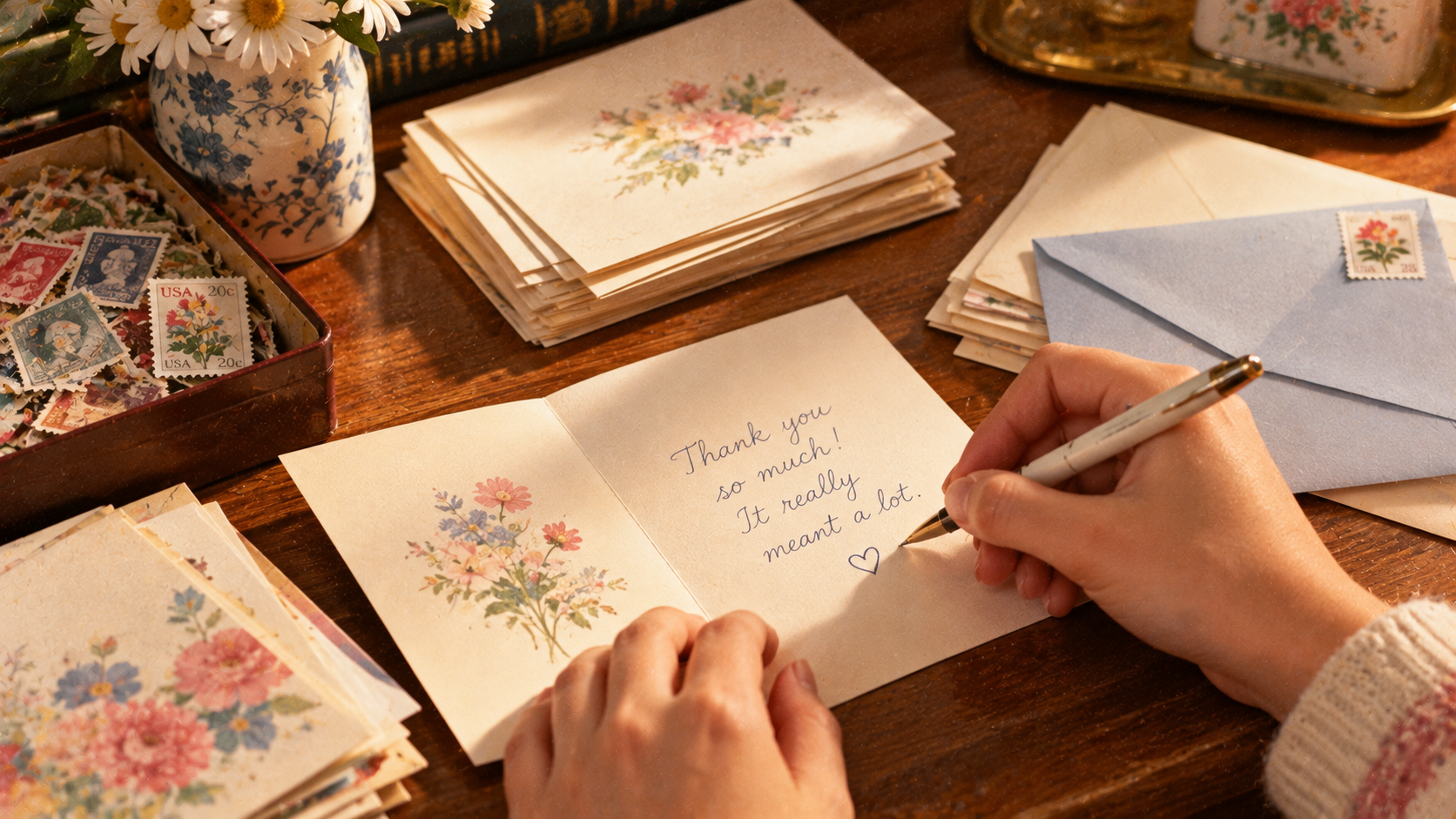
A birthday present or a thoughtful favor once came with an unwritten obligation: sitting down with stationery and writing a proper thank-you note. Parents often made children finish their notes before they could forget who had given them what. The envelopes might have contained crooked handwriting and a few spelling mistakes, but that was part of their charm. Today, a quick text with a heart emoji usually does the job, although finding a handwritten note in the mailbox still feels surprisingly special.
2. Standing Up When Someone Entered the Room
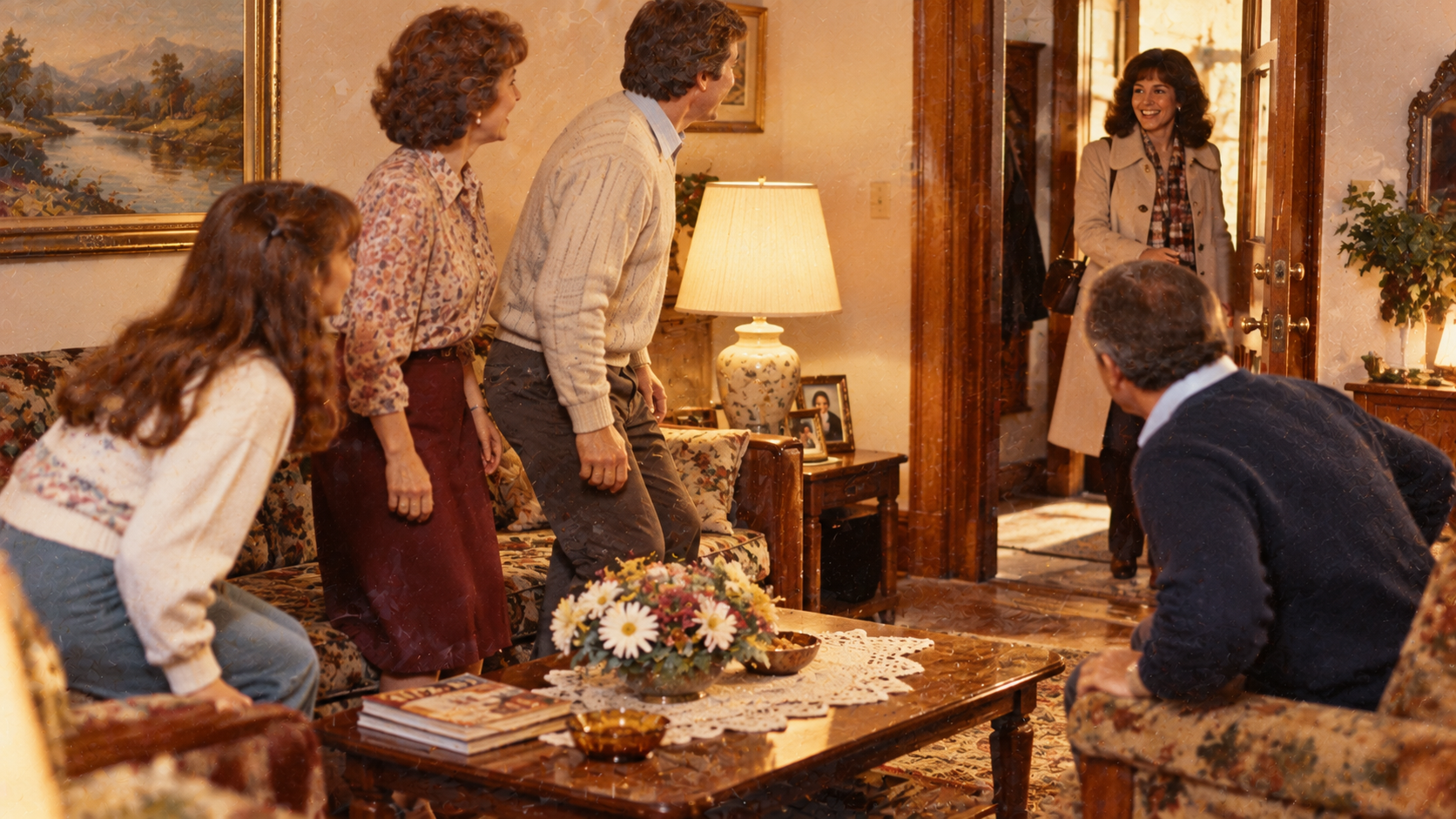
In many households, classrooms, and formal settings, standing when an older person, teacher, or important guest entered was considered a basic sign of respect. Children were taught to stop what they were doing, get out of their chairs, and acknowledge the newcomer. The gesture could seem a little theatrical, especially when an entire room stood at once, but it reflected an expectation that certain moments deserved someone’s full attention. These days, a friendly hello from the couch is generally enough.
3. Dressing Up to Visit Someone’s Home
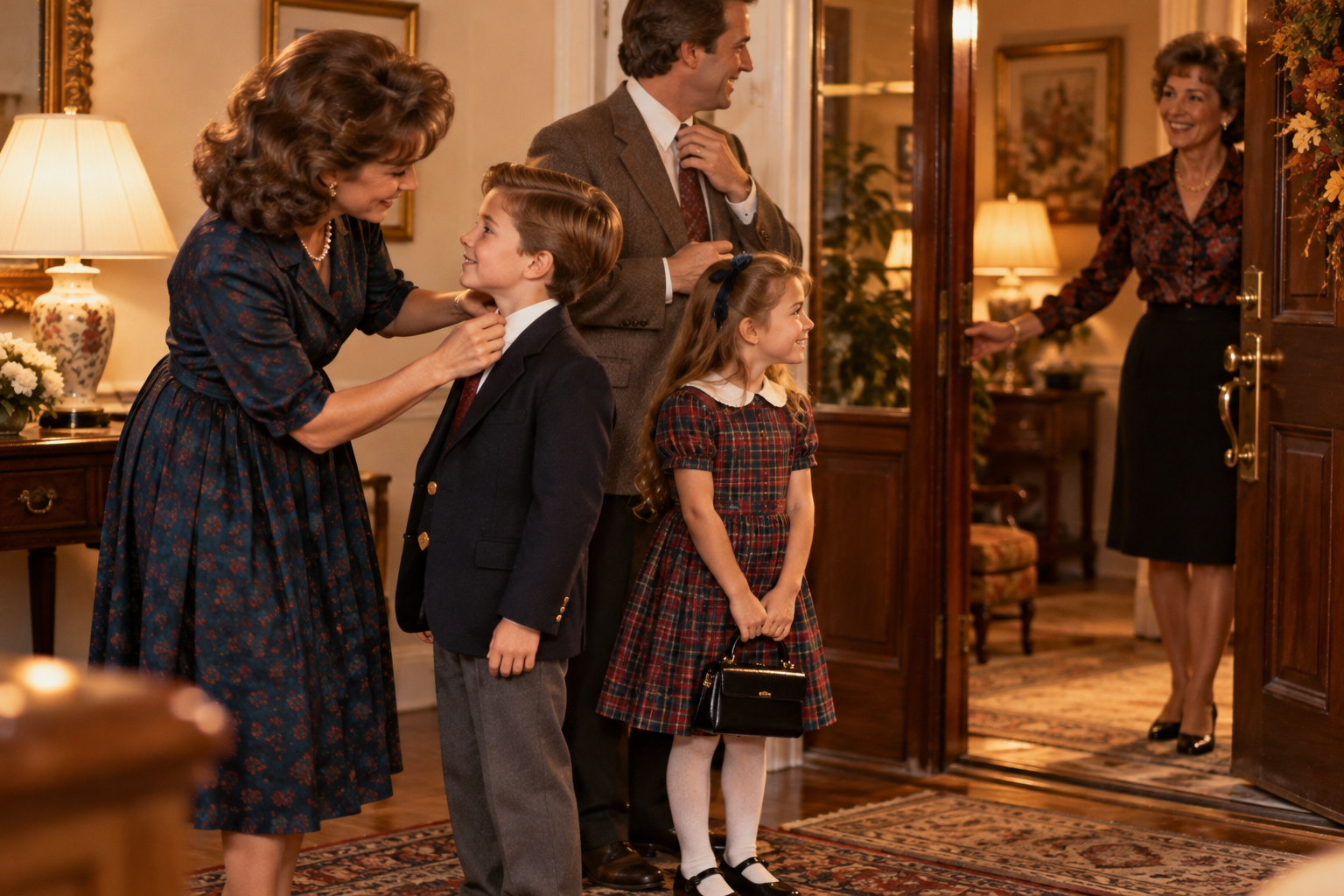
Visiting friends or relatives wasn’t always a jeans-and-sneakers occasion. People often changed into nicer clothes, combed their hair, and made sure they looked presentable before heading over for Sunday dinner or an afternoon visit. Even children might be reminded to put on their good shoes. Looking neat was considered a way of showing respect to the people hosting you. Today, comfort usually wins, and nobody thinks twice about arriving in leggings or a favorite sweatshirt.
4. Calling Before Visiting Someone
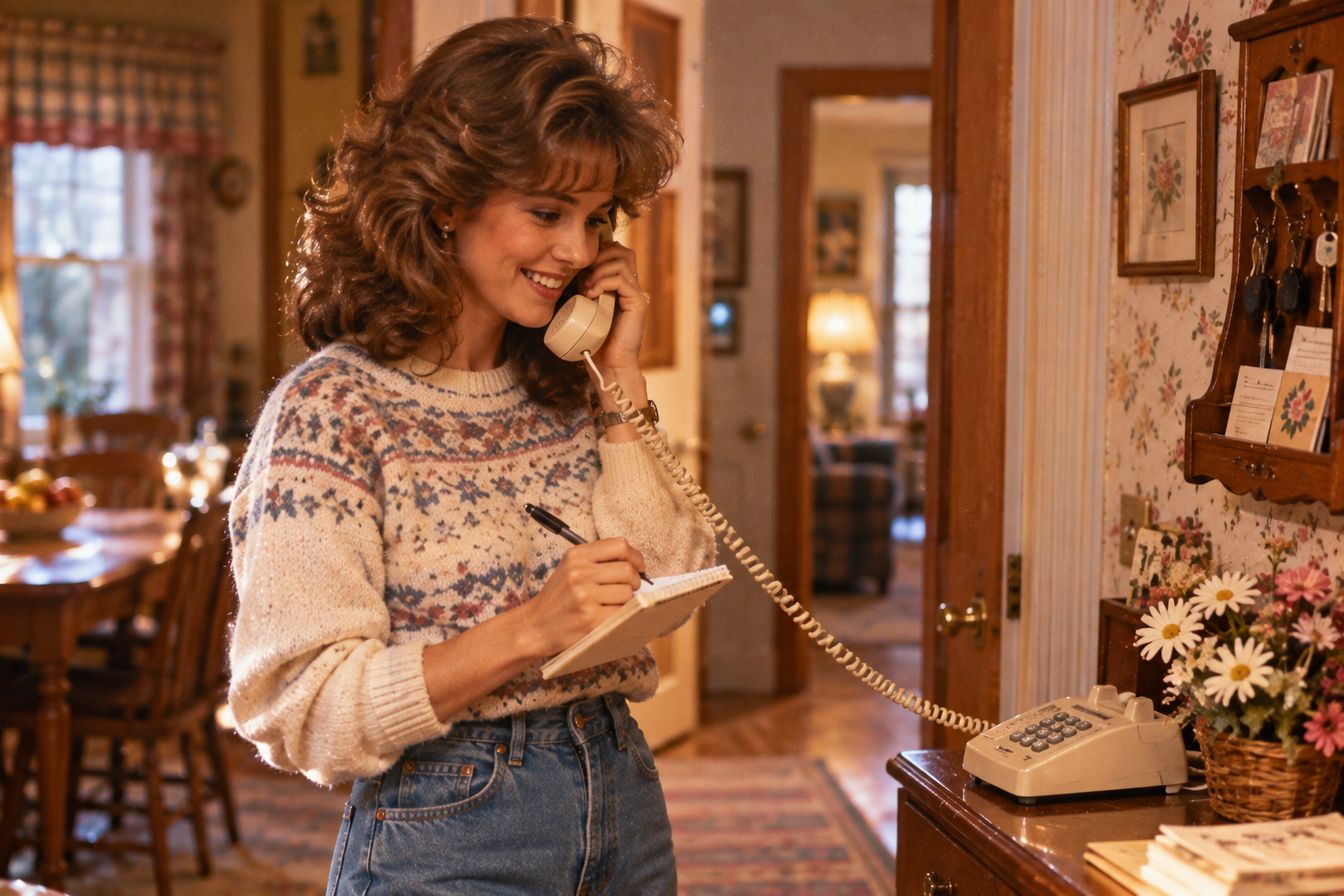
Before cell phones made constant communication possible, people still understood that dropping by someone’s house required a little consideration. A telephone call beforehand gave the family time to straighten up, put on the coffee, or politely explain that it wasn’t a good moment. Of course, spontaneous visits were also common, particularly among close neighbors. But for more formal visits, showing up without warning could be considered inconsiderate. Today, people are more likely to send a text, and an unexpected knock at the door can feel almost alarming.
5. Waiting Until Everyone Was Served Before Eating
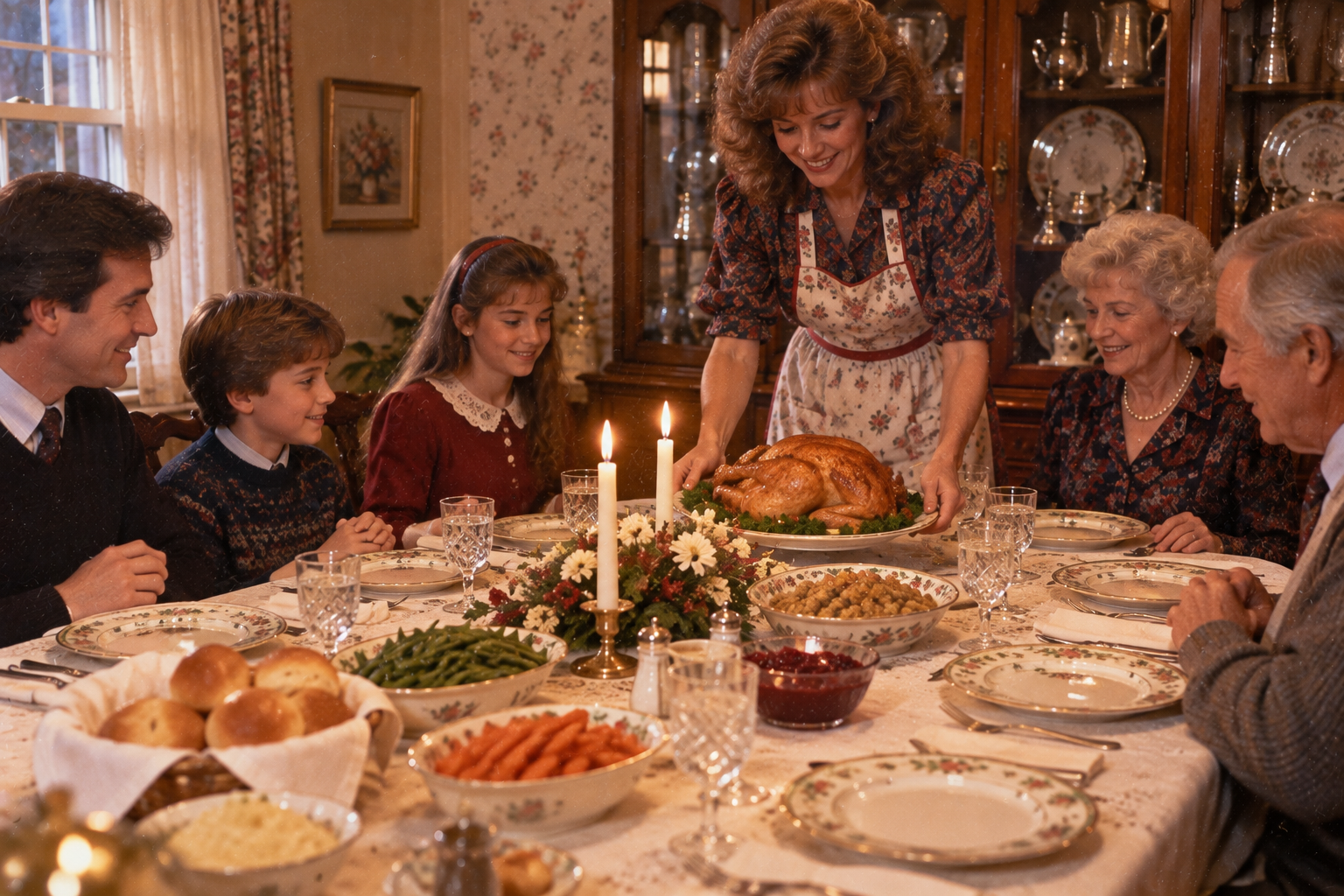
Family dinners once came with a familiar instruction: keep your hands off your plate until everyone has their food. Children watched their favorite dishes cool while the adults passed serving bowls around the table. Starting early could earn a disapproving look from a parent or grandparent. The rule wasn’t really about the temperature of the mashed potatoes. It was about sharing a meal rather than treating dinner as an individual activity. The custom survives at formal gatherings, but everyday meals are often much more relaxed.
Trending on Wealth Gang


6. Addressing Adults as Mr., Mrs., or Miss
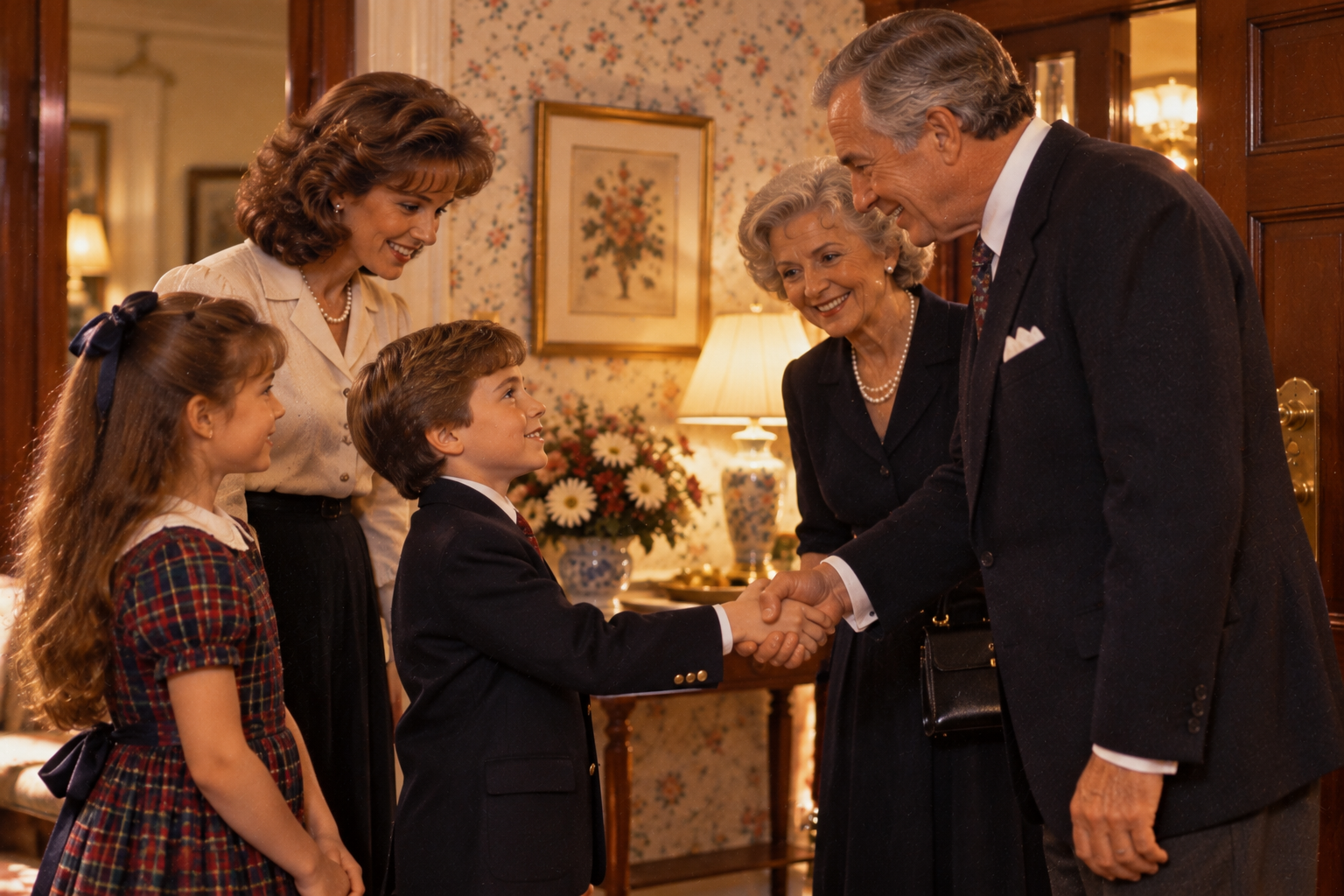
Calling a friend’s mother by her first name once felt almost unthinkable in many American households. Adults were Mr. Johnson, Mrs. Miller, or Miss Thompson, even if you’d known them your entire childhood. Children practiced these titles at school and carried them into neighborhood interactions. Using someone’s first name without permission could be interpreted as disrespectful. Today, many adults prefer a more casual approach, and children often grow up calling their parents’ friends by their first names.
7. Removing Your Hat Indoors
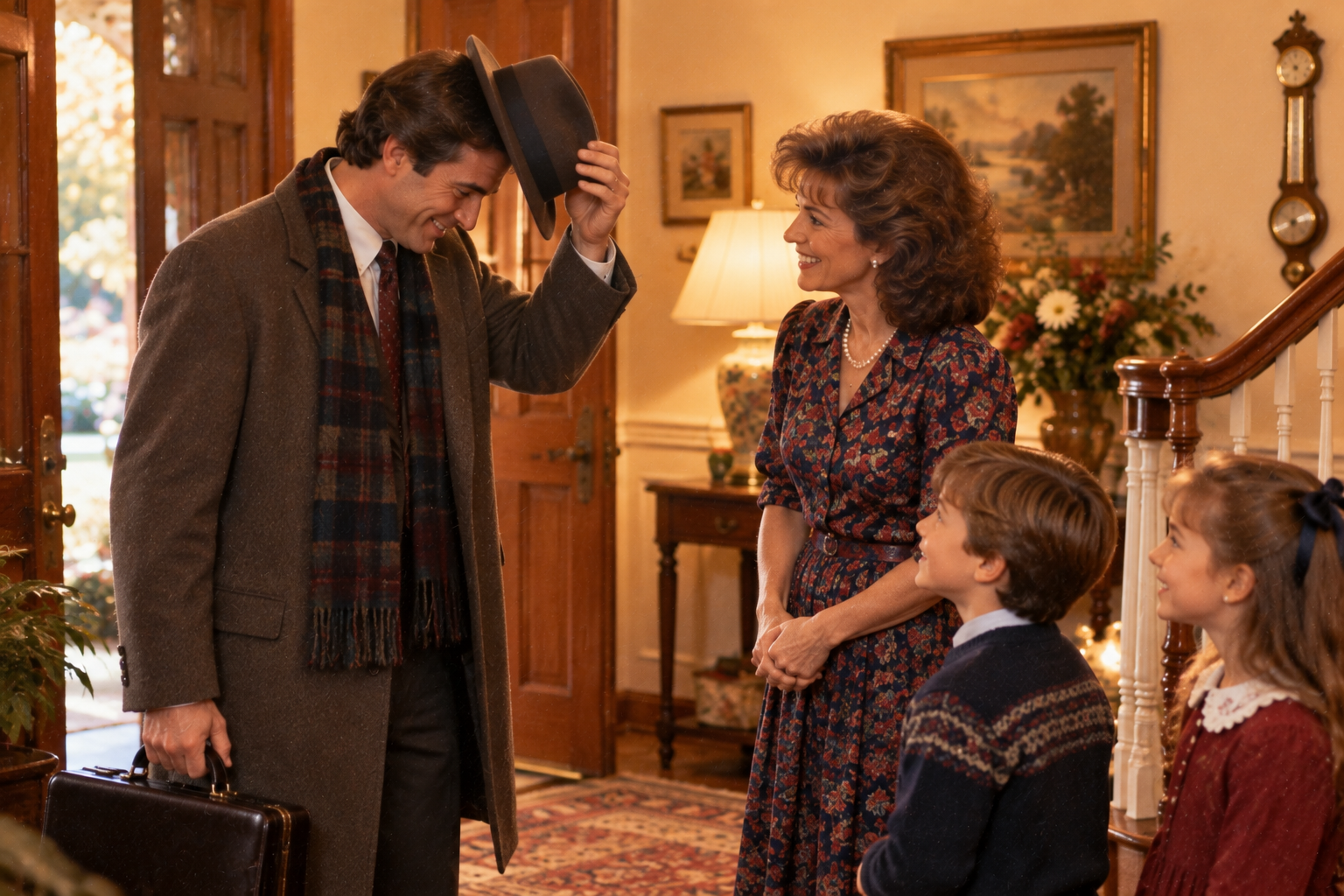
Grandfathers and fathers once had a habit of taking off their hats almost automatically when entering a home, restaurant, or other indoor setting. Boys were often reminded to do the same, particularly at the dinner table. A hat left on during a meal could attract a stern look before anyone even touched their food. The custom had deep roots in traditional etiquette, although the rules varied by setting and type of hat. Baseball caps and beanies are now so common indoors that many younger people barely notice them.
8. Offering Your Seat to an Older Person
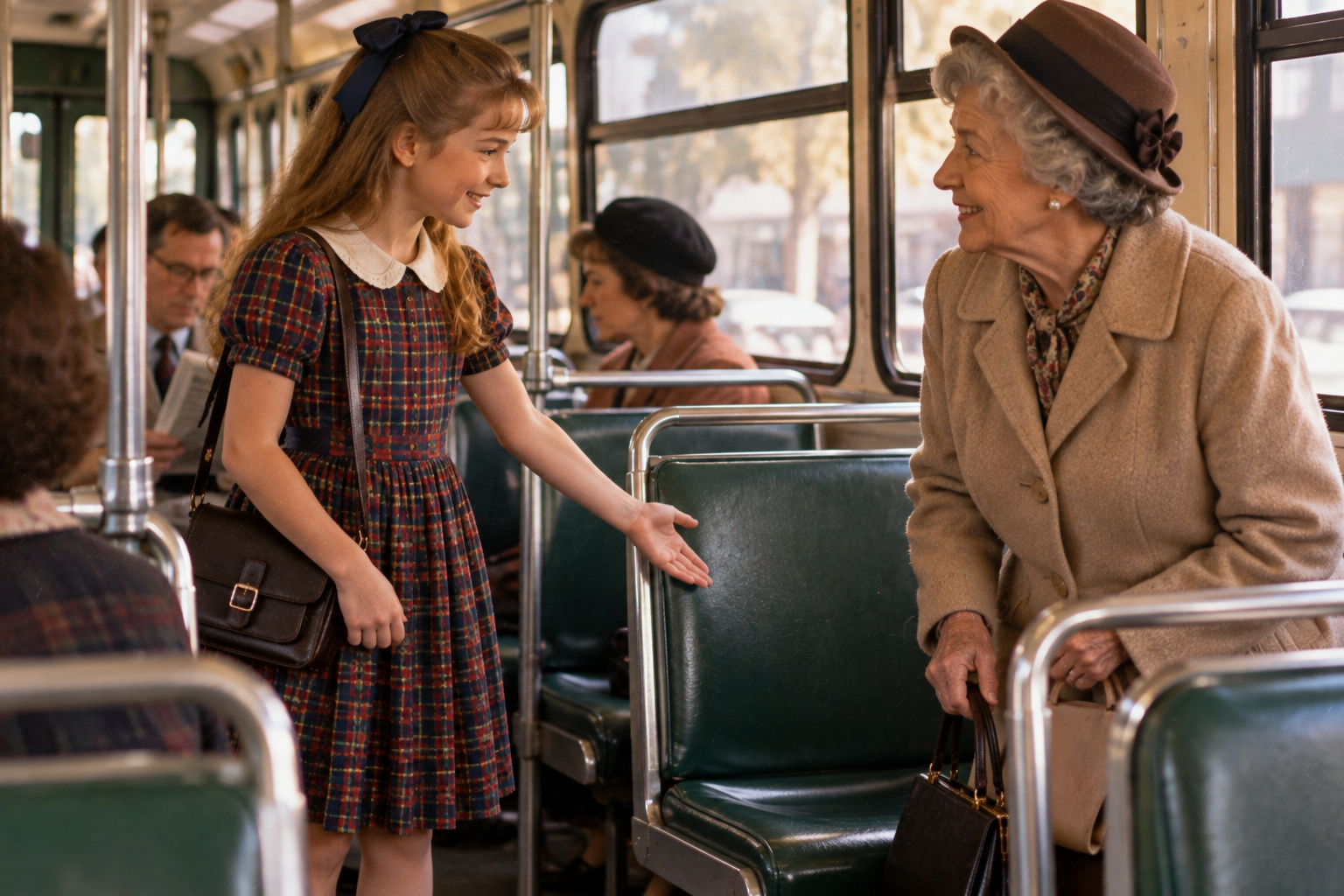
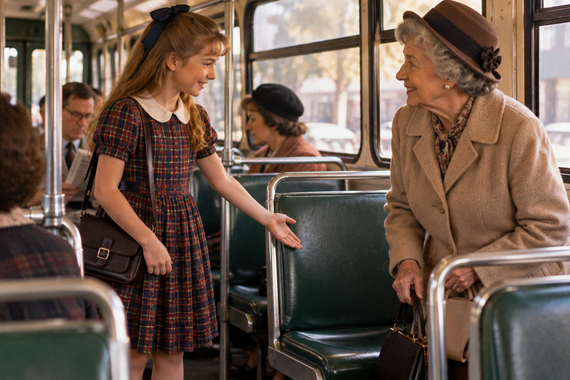
On a crowded bus or train, children were often taught to stand immediately when an elderly passenger boarded. There was no lengthy discussion about whether someone wanted the seat. Offering it was simply what a considerate person did. The same courtesy extended to pregnant passengers and people who appeared to need extra support. Priority seating still exists, and plenty of people continue to offer their seats, but the old expectation that younger passengers should automatically stand has become less universal.
Sign up for our newsletter
9. Writing Proper Letters Instead of Short Messages
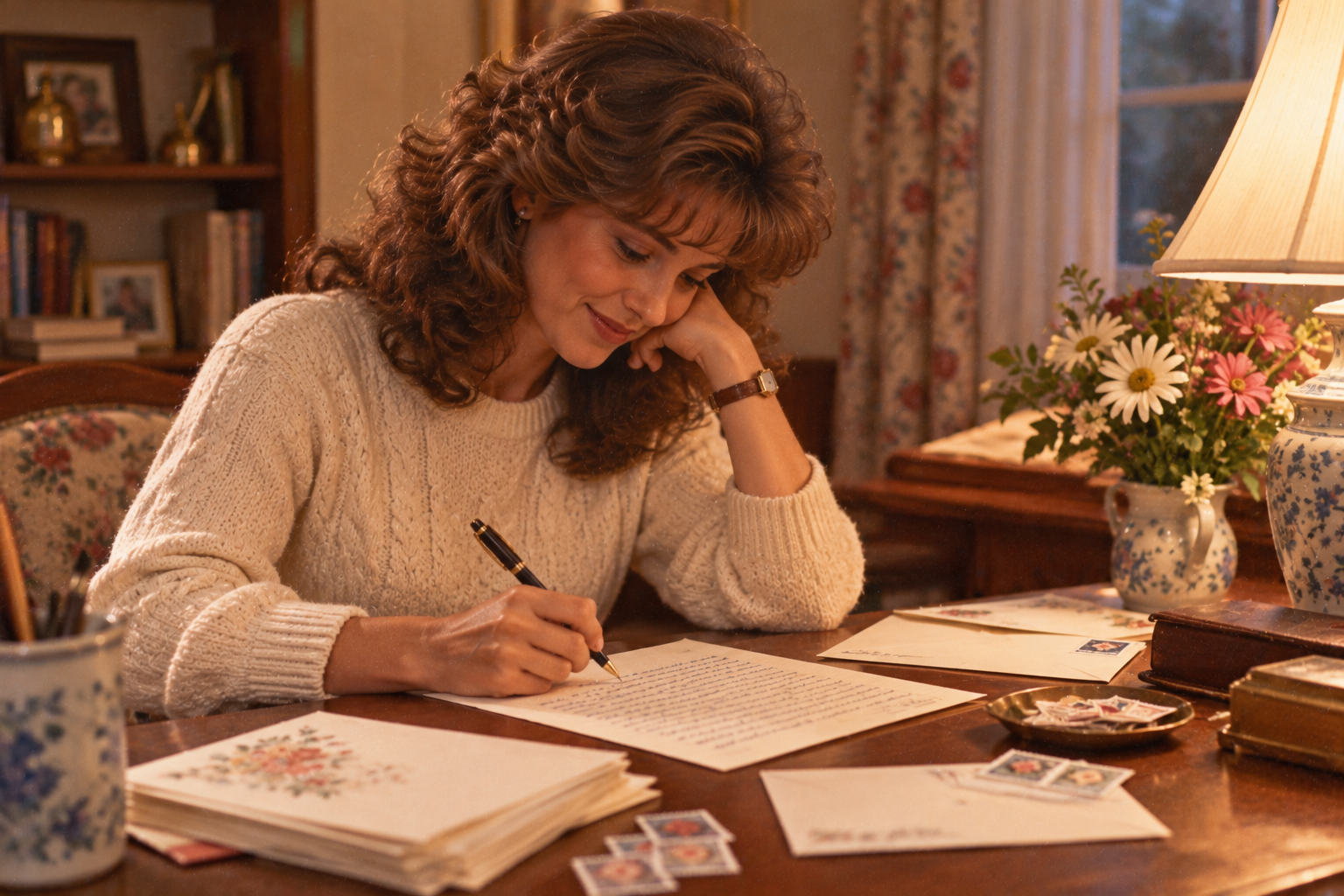
Long before texting, keeping in touch sometimes meant sitting at a desk with a pen, paper, and a little patience. Letters began with a greeting, included updates about family and everyday life, and ended with a thoughtful closing. Even ordinary correspondence had a certain structure. People saved letters in drawers and boxes, rereading them years later. Today, communication happens instantly, often in fragments scattered across multiple messages. It’s convenient, but there’s something nostalgic about receiving several pages written just for you.
10. Introducing People Who Didn’t Know Each Other
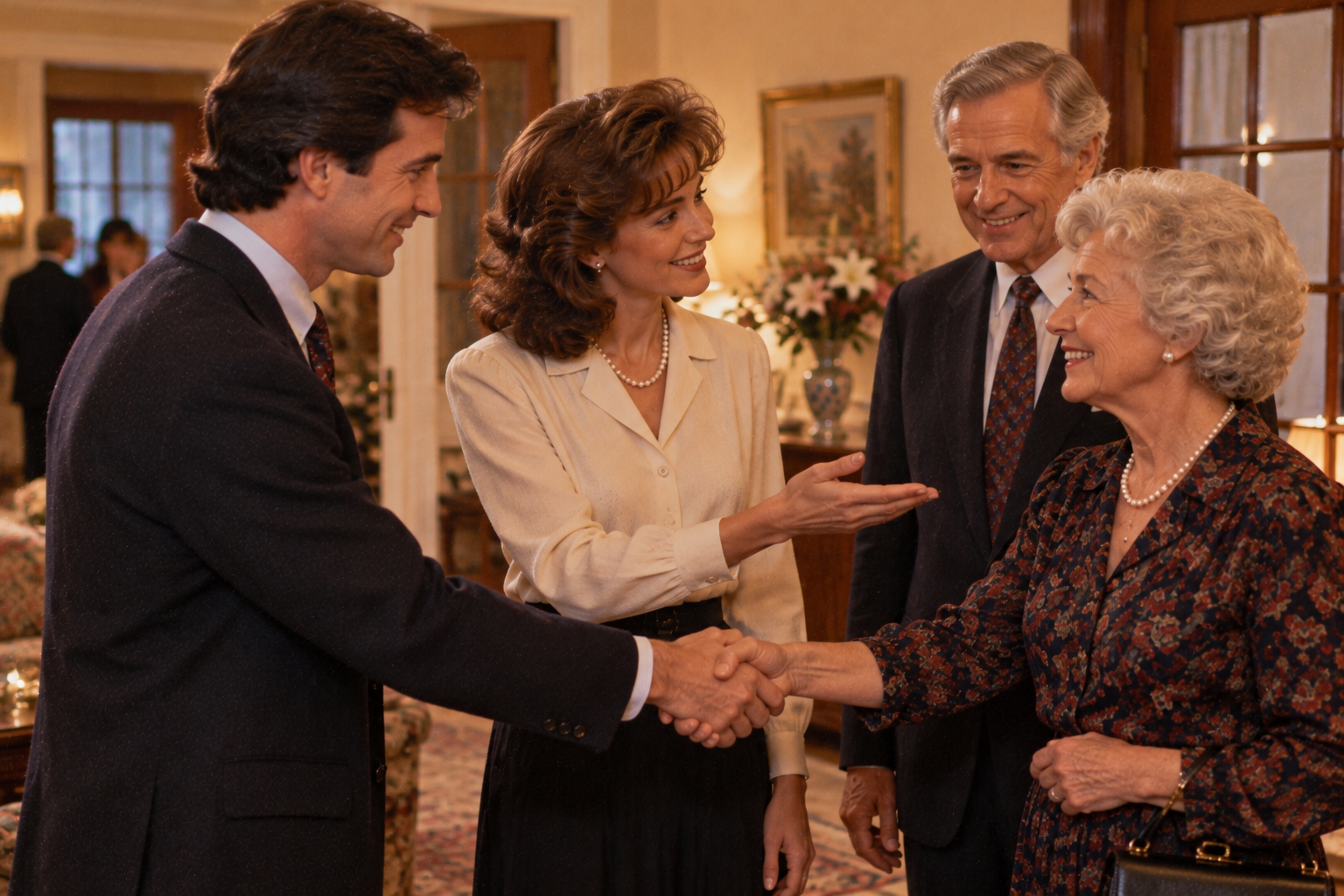
At parties and family gatherings, a good host was expected to make introductions rather than leave unfamiliar guests standing awkwardly together. Someone might say, “Mary, I’d like you to meet my cousin Robert,” and add a little detail to help start the conversation. Parents also taught children to introduce friends properly when bringing them home. Today, introductions tend to happen more casually, and people often figure out names as conversations unfold. Still, a thoughtful introduction can make someone feel instantly more comfortable.
11. Keeping Your Elbows Off the Dinner Table
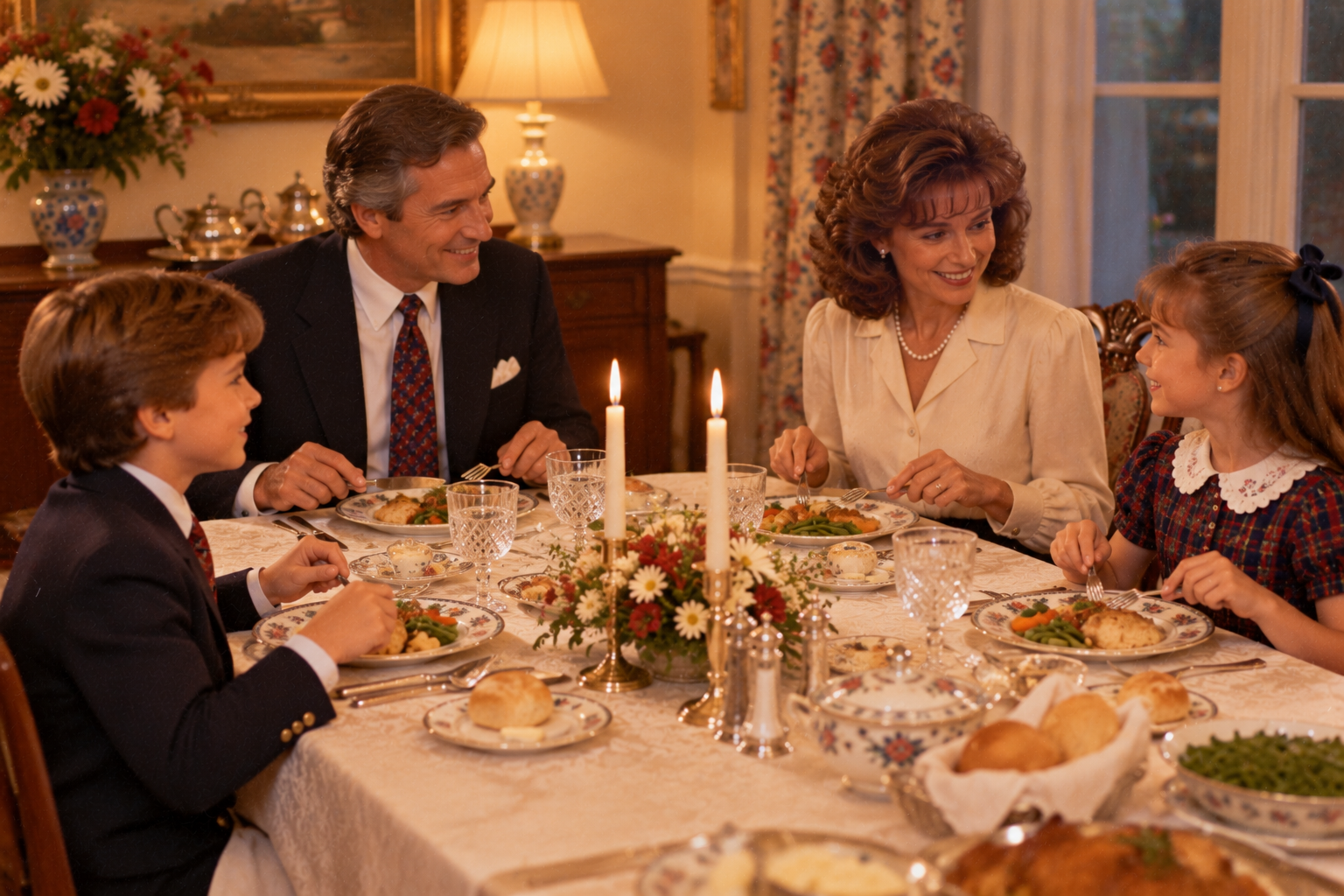
Few childhood dinner rules were repeated as often as “Elbows off the table!” Parents and grandparents could spot an offending elbow from across the room, sometimes before the child had even taken a bite. Proper posture, napkins on laps, and chewing with mouths closed were all part of the same lesson. While basic table manners remain important, the strict rules surrounding exactly where to place your arms have softened considerably. Most people today are more interested in enjoying the conversation than inspecting everyone’s posture.
12. Bringing a Small Gift When Visiting
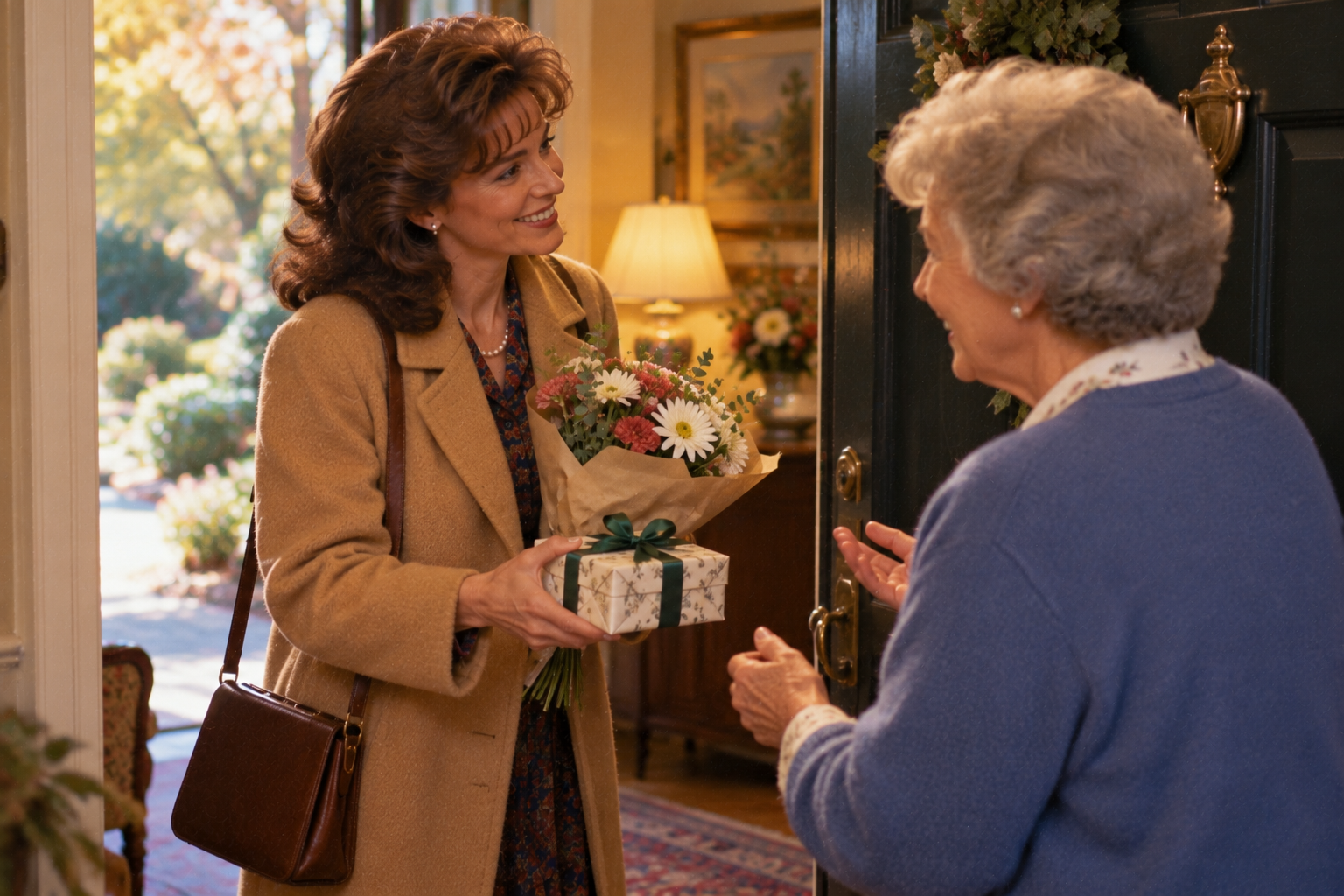
Arriving at someone’s home for dinner once often meant carrying a little something for the host. It might have been flowers wrapped in paper, a homemade dessert, or a box of chocolates picked up on the way. The gift didn’t need to be expensive. It was simply a way of acknowledging the effort involved in welcoming guests. Many people still follow this tradition, especially for special occasions, but casual get-togethers rarely come with the same expectation. A bottle of soda or an offer to bring chips is often perfectly acceptable.
13. Holding Doors Open for the Person Behind You

Holding a door for someone used to be one of those tiny gestures adults reminded children to practice whenever they went out. It wasn’t necessarily a grand act of chivalry, just a way to avoid letting a heavy door swing shut in someone’s face. In some settings, men were specifically expected to hold doors for women, reflecting the gender conventions of the time. Today, the gesture is generally understood as a courtesy anyone can offer anyone else, although busy people sometimes hurry through without looking back.
14. Giving Someone Your Full Attention During a Conversation
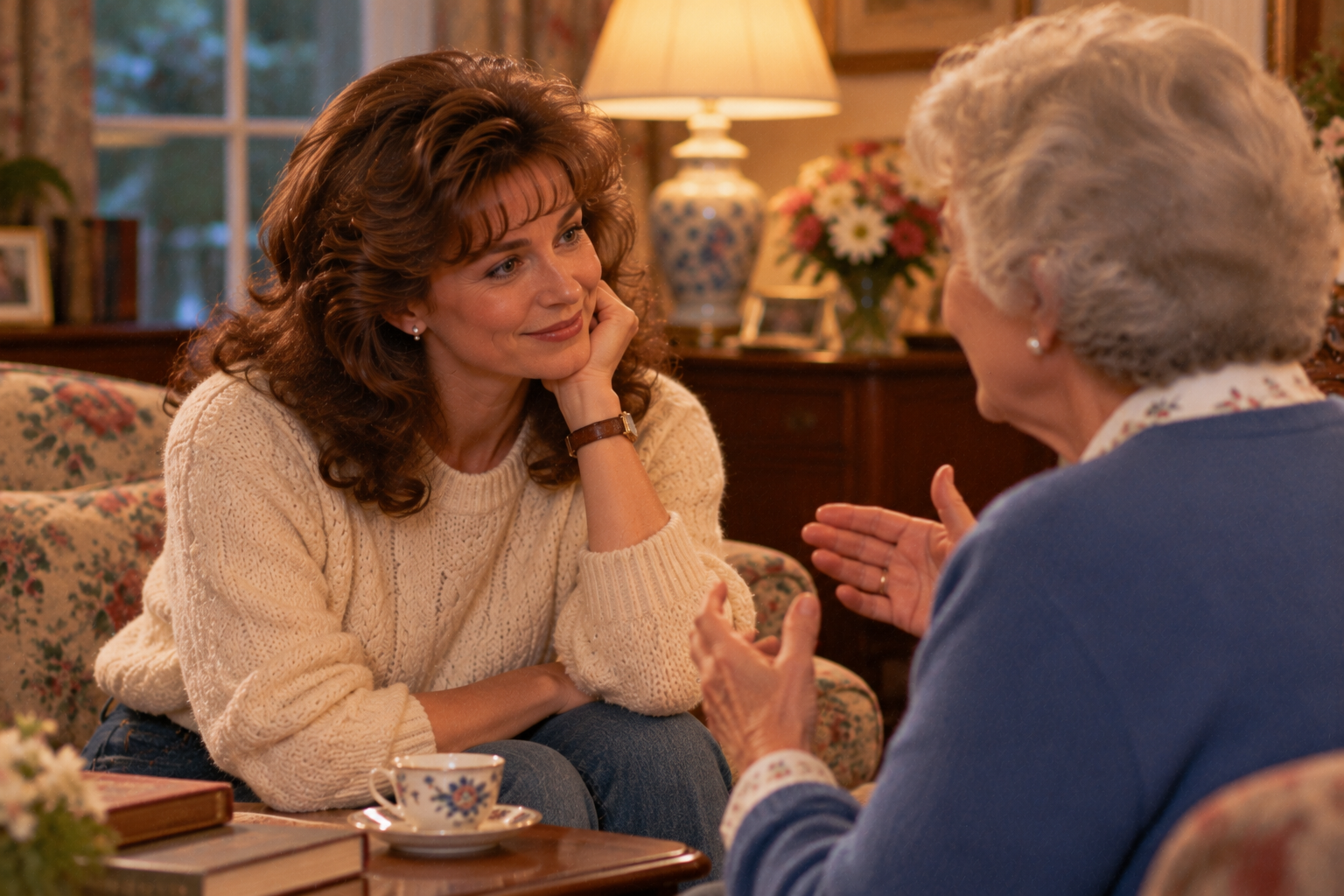
Before smartphones, conversations didn’t have to compete with notifications, incoming messages, or the temptation to check a screen. When relatives visited, children were often told to turn off the television, look at the person speaking, and listen without interrupting. Adults weren’t always perfect at following their own advice, of course, but giving someone your attention was considered a basic courtesy. Today, it’s possible to sit across from a friend while both people occasionally glance at their phones. The old habit of simply listening can feel almost luxurious.
15. Saying Goodbye to Everyone Before Leaving a Gathering
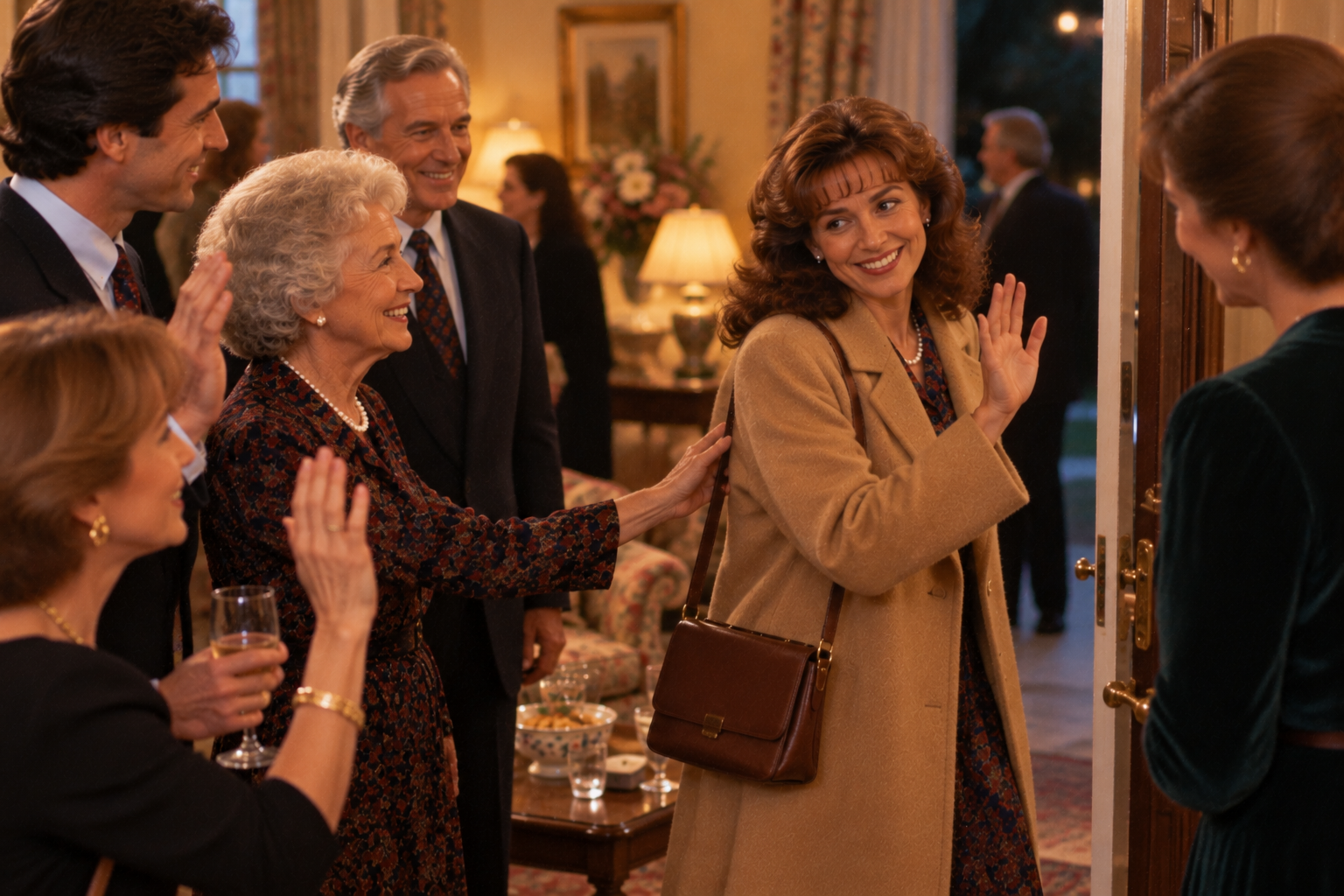
Leaving a family party once involved much more than grabbing your coat and slipping out the door. You were expected to find the host, thank them, and say goodbye to relatives and friends before heading home. At large gatherings, the process could take another half hour, especially when someone insisted on one last conversation. Children learned to stand patiently while their parents repeated that they really had to go. Today, slipping away quietly has become more socially acceptable in many circles, but those long, affectionate goodbyes remain a familiar memory for anyone who grew up with them.
More Related Notes
• 15 Old Customs That Reveal How Different Daily Life Once Was
Revisit the social traditions and everyday etiquette that once shaped how people greeted strangers, welcomed visitors, and showed respect in public.
• 14 Rules Every Middle-Class Household Had in the 1970s
Explore the household expectations and traditional manners that shaped family life in the 1970s, when respecting adults, writing thank-you notes, and following family rules were considered essential.
• 10 Beloved Family Traditions From the ’70s That Are Long Gone
Take a nostalgic look at the family gatherings, shared meals, and meaningful traditions that once encouraged personal connections and thoughtful interactions between generations.