The 1970s were a time when family life followed a much different rhythm than it does today. In many middle-class households, routines, expectations, and rules helped keep daily life organized. Parents often established clear boundaries, and children were expected to follow them without much debate.
Many of these rules reflected the values of the era, including responsibility, respect, and independence. While some may seem strict by modern standards, they were widely accepted and played a major role in shaping everyday family life. Here are 14 common rules that many middle-class households followed during the 1970s.
1. Be Home Before the Streetlights Came On

Many parents used the streetlights as a signal that outdoor playtime was over. Children were expected to head home immediately once the lights appeared. This simple rule gave kids freedom during the day while still ensuring parents knew when to expect them back.
2. Respect Adults Without Question
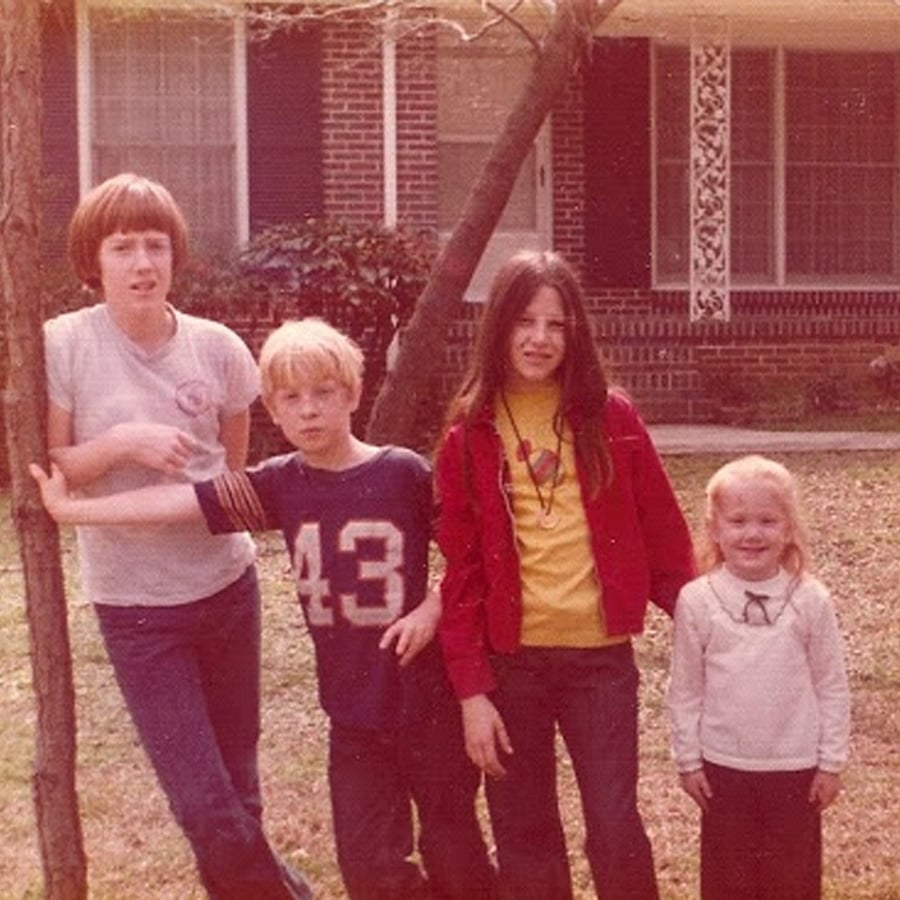
Children were taught to address adults politely and avoid talking back. Respect for parents, teachers, neighbors, and other authority figures was considered essential. Questioning adults was often viewed as disrespectful rather than a healthy discussion.
3. Finish Everything on Your Plate
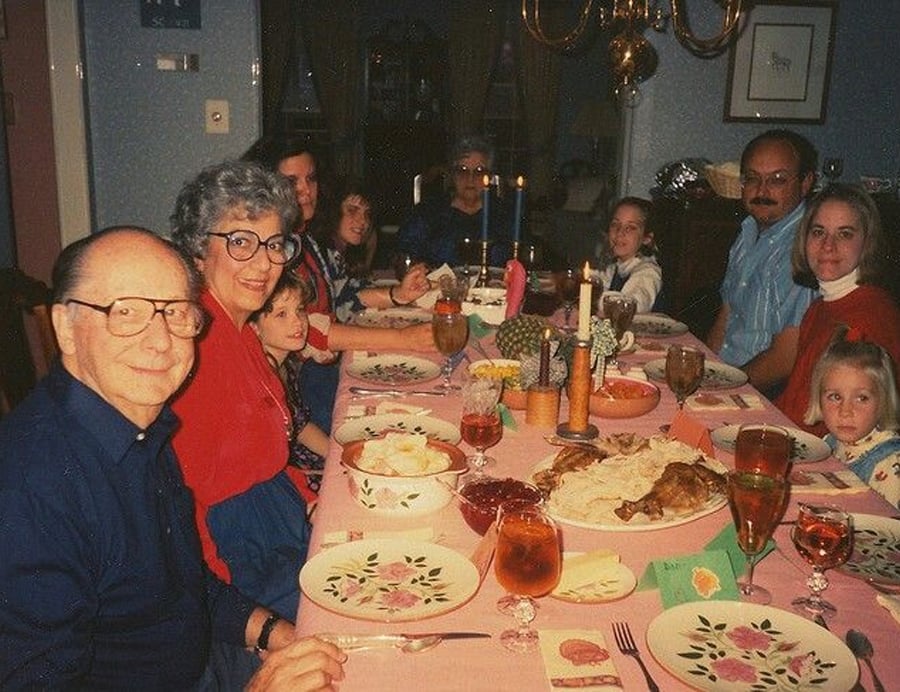
Food waste was discouraged in many households. Children were expected to eat what was served, whether they liked it or not. Parents often reminded their kids about the value of food and the importance of not being wasteful.
4. Chores Came Before Fun
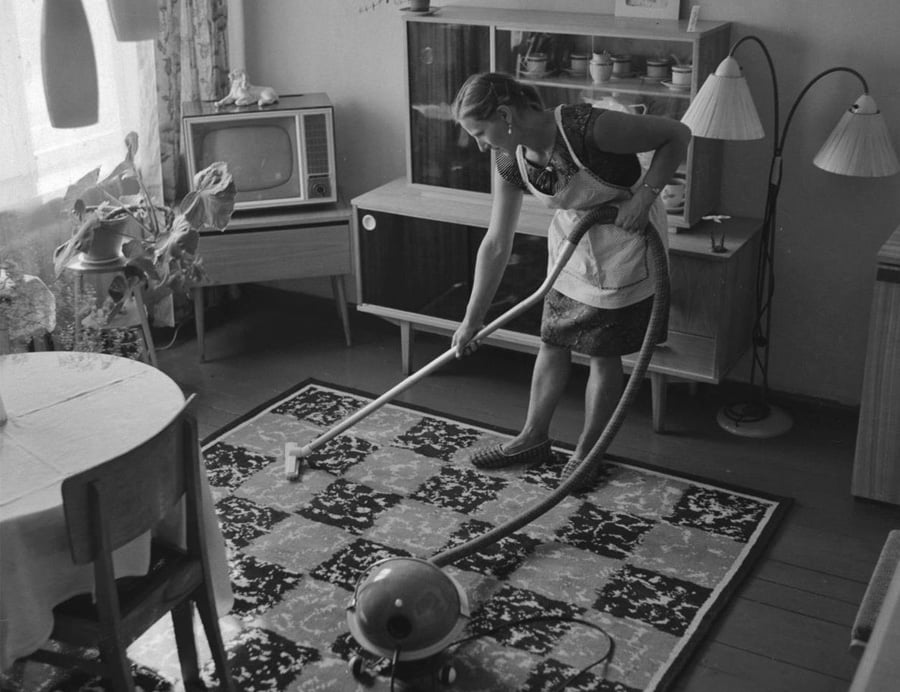
Household responsibilities were part of daily life for many children. Tasks like taking out the trash, mowing the lawn, or washing dishes were expected. Only after chores were completed could kids spend time with friends or watch television.
5. Limit Telephone Use
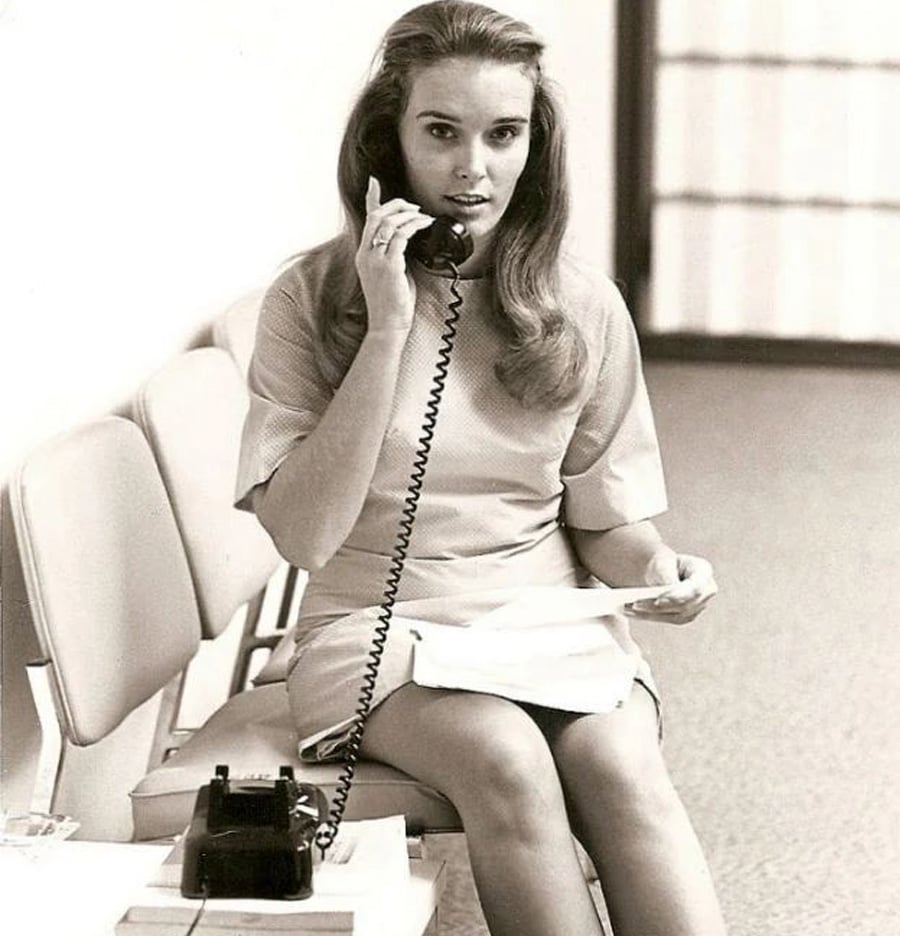
With only one household phone in many homes, lengthy conversations were discouraged. Parents often monitored how long children spent talking. Busy signals and shared phone lines meant everyone had to take turns.
Trending on Wealth Gang


6. Ask Permission Before Leaving the House
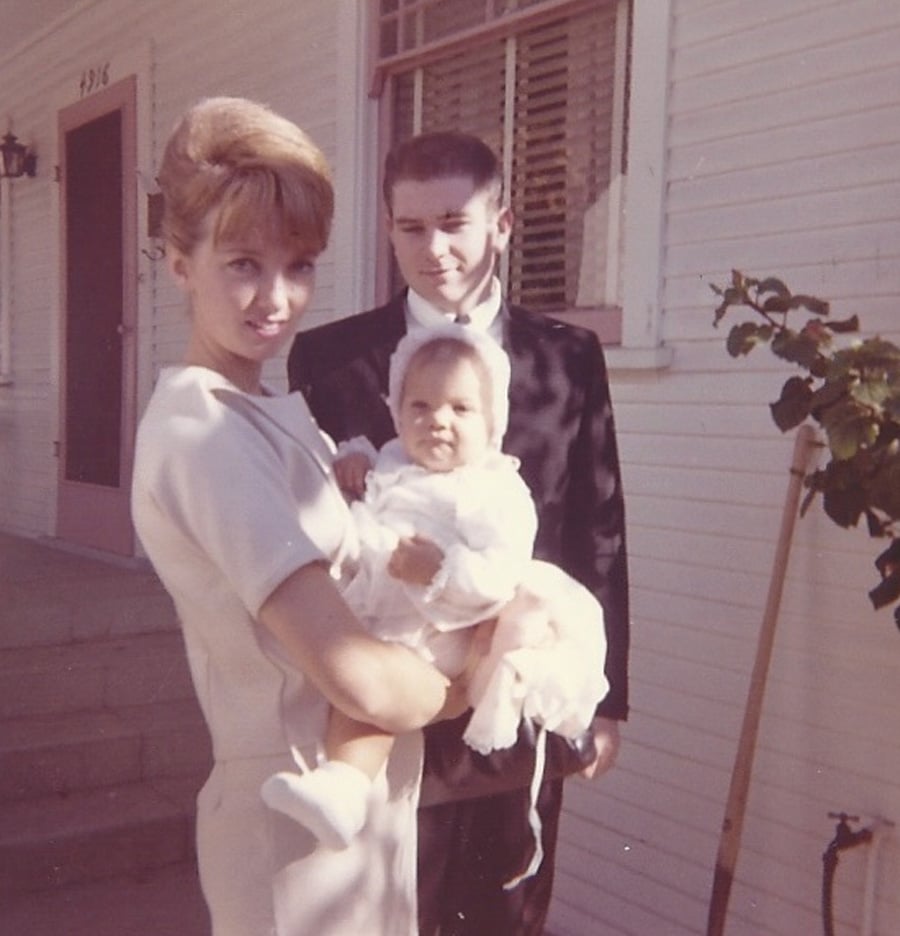
Children rarely disappeared without telling someone where they were going. Parents expected to know the destination and often who would be there. This rule helped maintain a sense of accountability even during long days spent outside.
7. Television Was Earned, Not Guaranteed
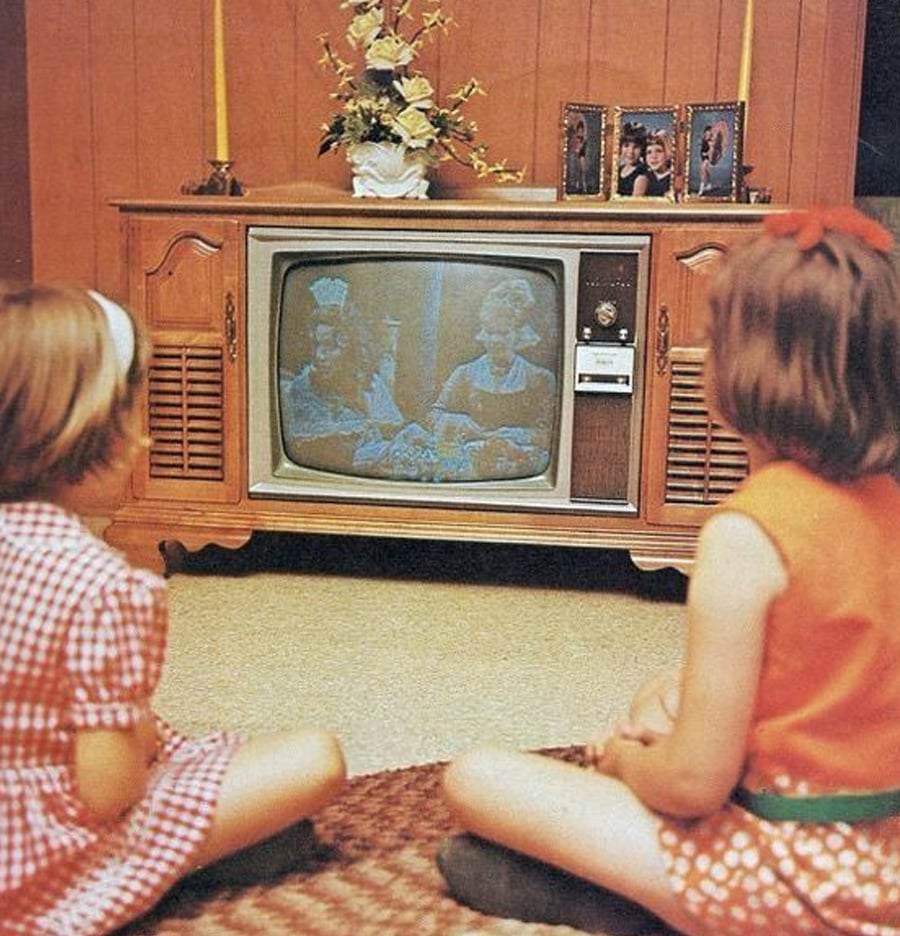
Watching TV was often treated as a privilege rather than a right. Homework, chores, and family responsibilities typically came first. Many families also limited viewing hours despite having only a handful of channels.
8. Homework Had to Be Finished Before Dinner
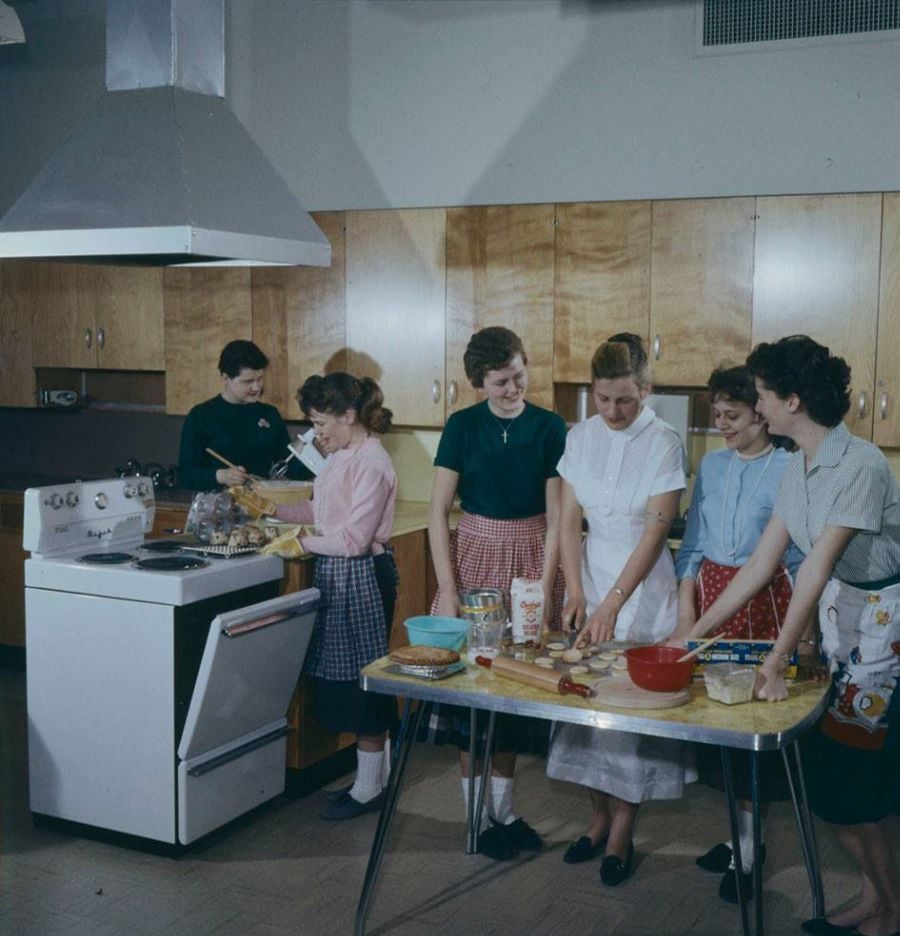
Education was often treated as a top priority. Many parents expected assignments to be completed before evening activities. This helped create a structured routine during the school week.
Sign up for our newsletter
9. Keep Your Room Clean
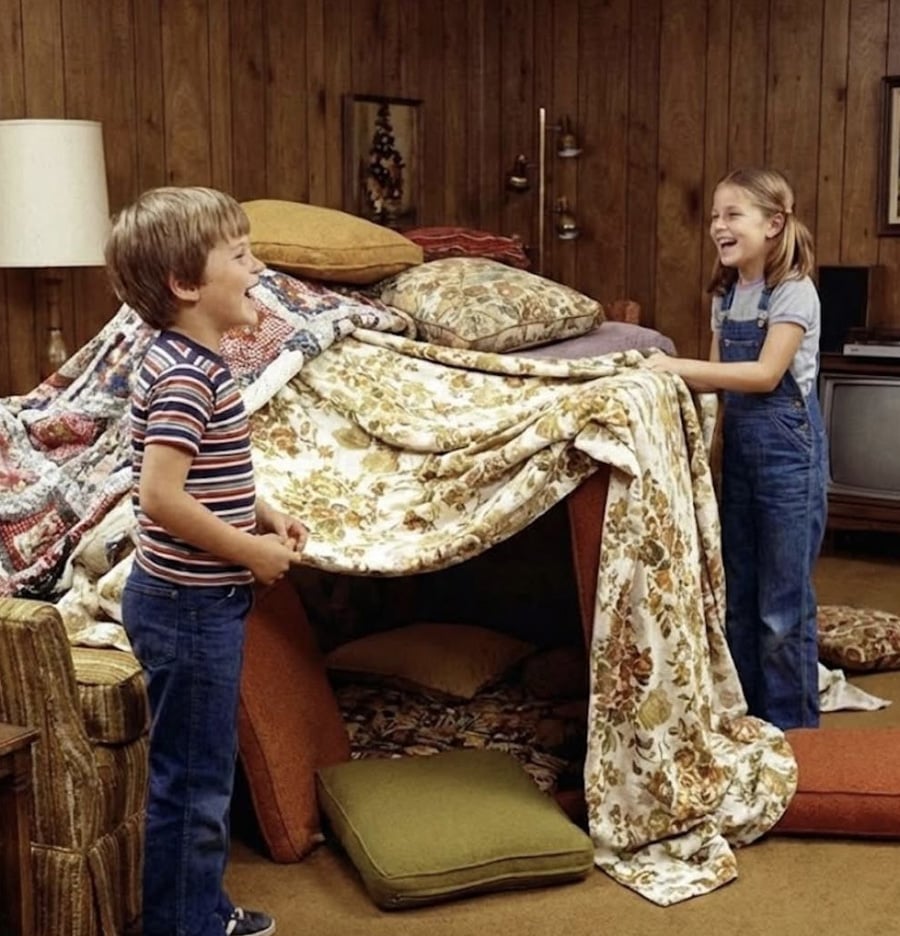
Children were expected to maintain their personal space. Parents often inspected bedrooms and demanded a certain level of cleanliness. A messy room could easily result in lost privileges.
10. Family Dinner Was Mandatory
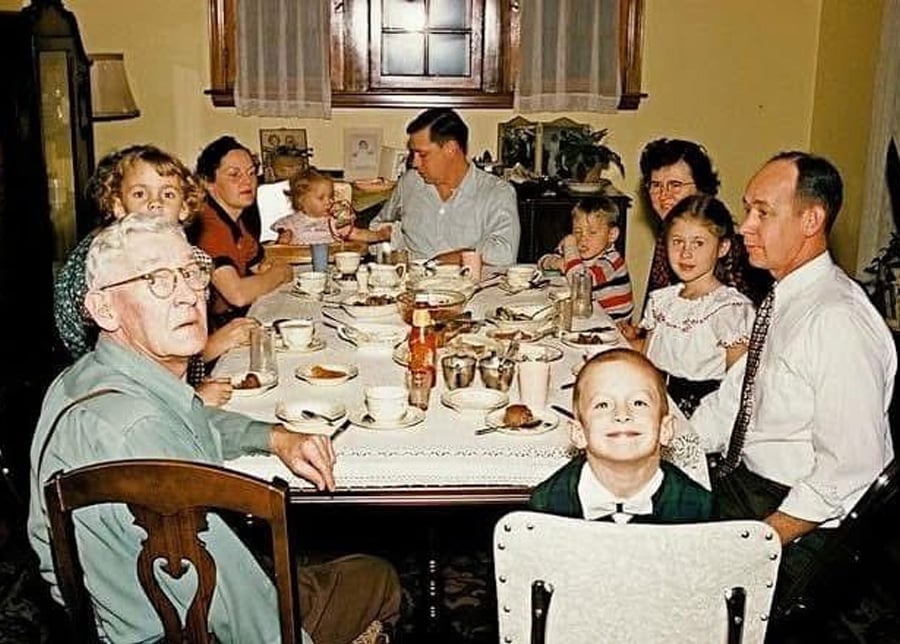
Many middle-class families gathered around the dinner table every evening. Missing dinner without a valid reason was uncommon. The meal provided an opportunity to discuss the day and reinforce family connections.
11. Save Money Instead of Spending It
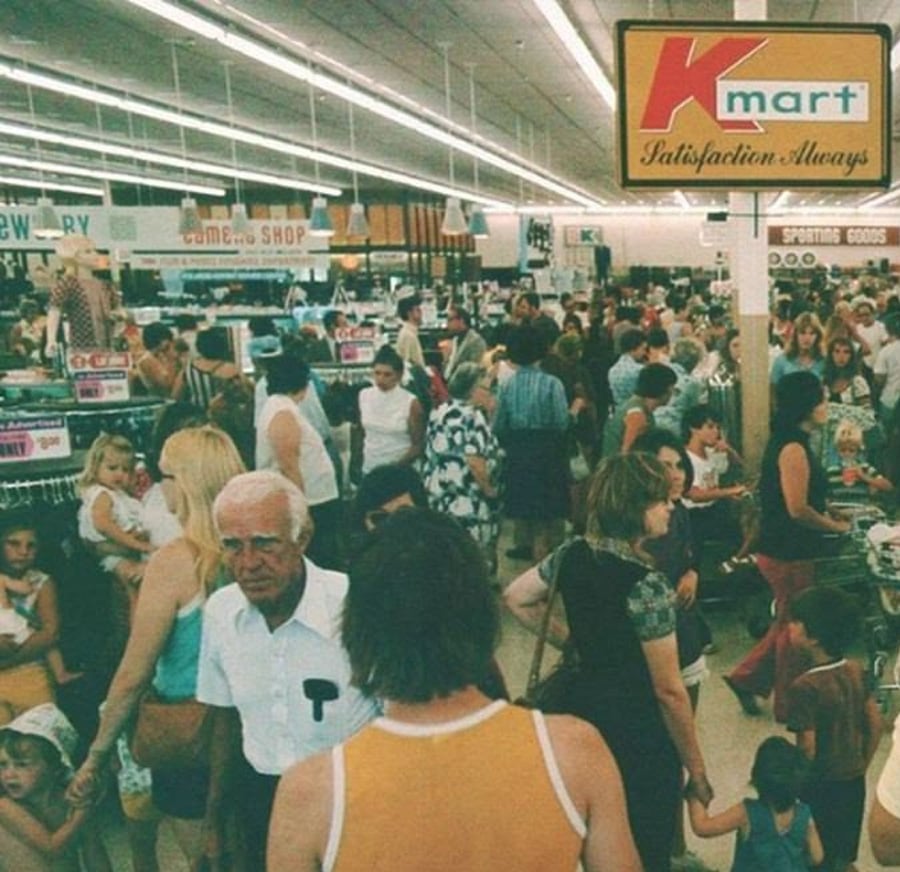
Children were often encouraged to save allowances, birthday money, or earnings from part-time jobs. Financial responsibility was considered an important life skill that started early.
12. Write Thank-You Notes
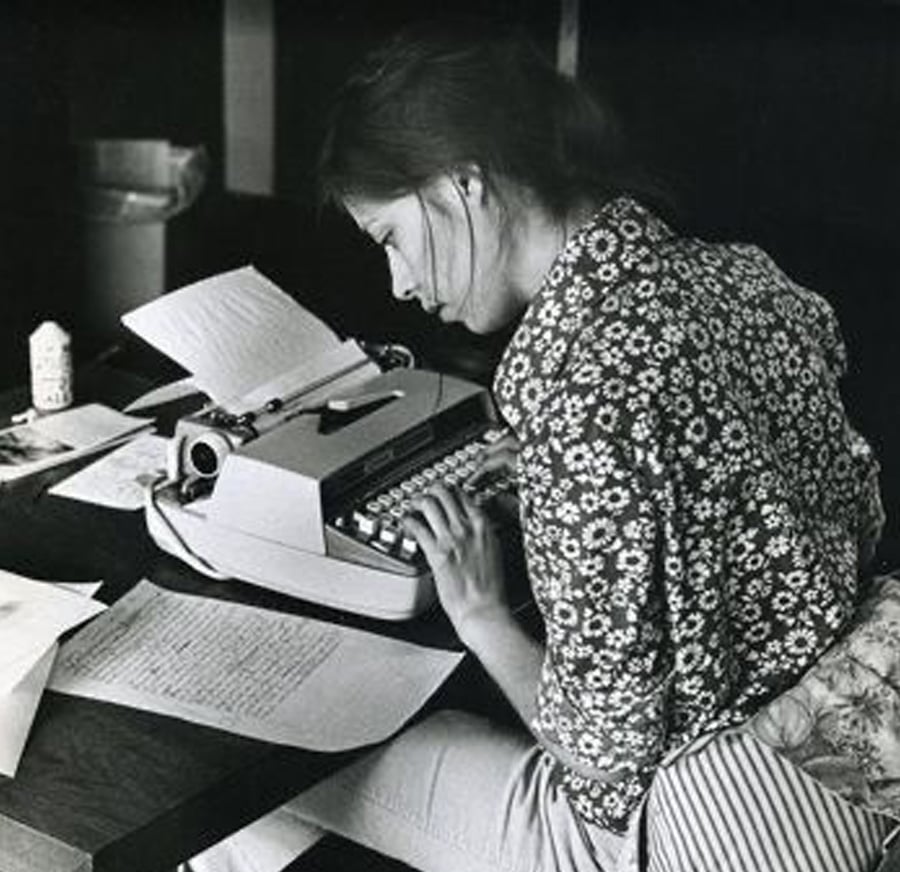
Good manners extended beyond face-to-face interactions. Children were often expected to send handwritten thank-you notes after receiving gifts. This practice reinforced gratitude and proper etiquette.
13. Follow a Set Bedtime
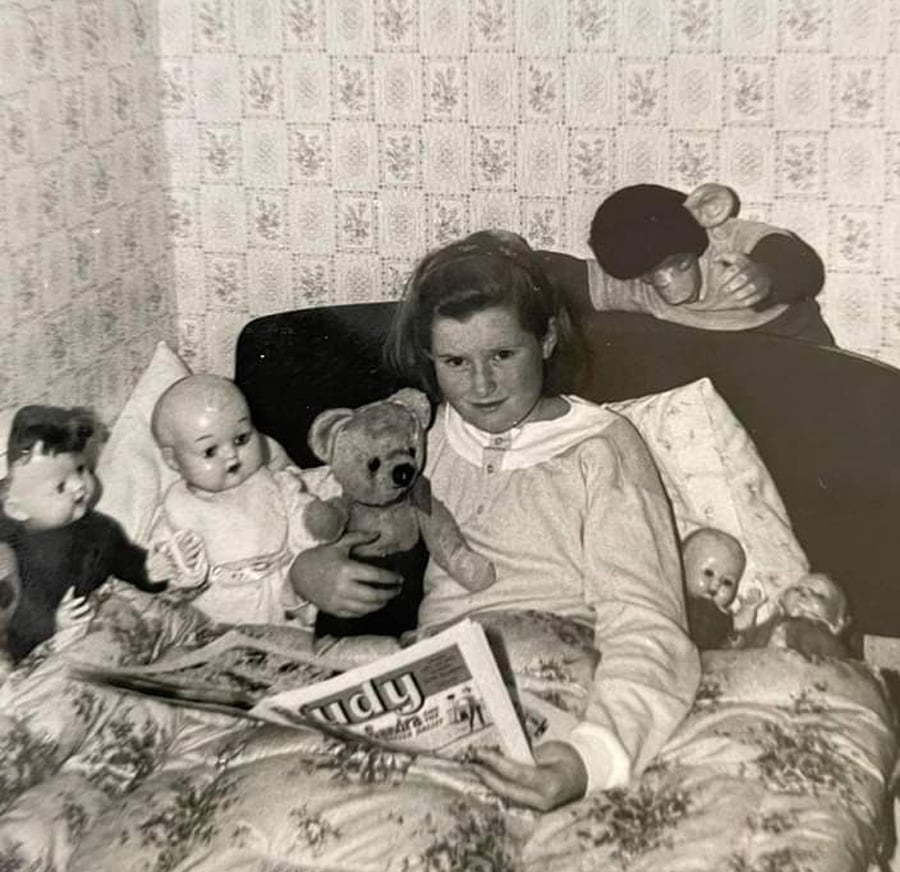
Parents usually enforced bedtime schedules, especially during the school year. Staying up late was generally reserved for special occasions. Consistent routines were viewed as important for health and discipline.
14. Family Decisions Were Final
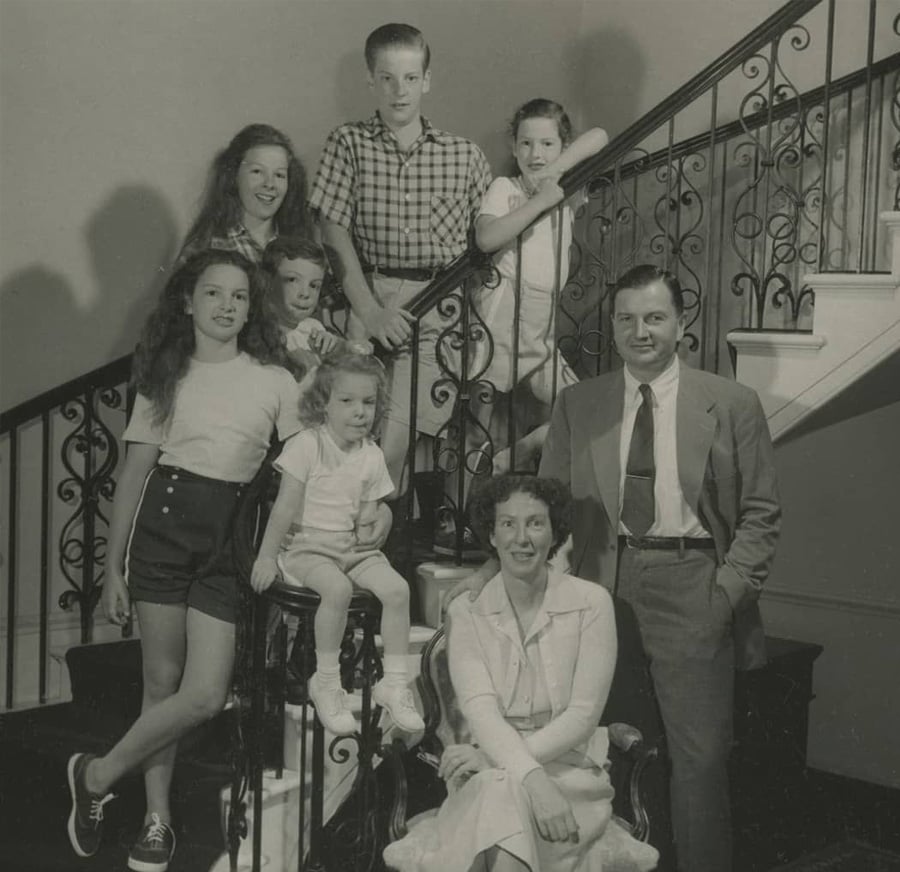
Parents typically had the final say in household matters. Discussions were allowed in some homes, but major decisions were rarely up for negotiation. This reflected the more hierarchical family structure that was common throughout the decade
More Related Notes
• 15 Things the Average Family Could Afford in 1980 but Struggles With Today
A fascinating comparison of family life across generations, highlighting how expectations, finances, and household priorities have changed over time.
• 16 Photos That Show What Middle-Class Life Looked Like in the 1880s
This article offers a visual look at the routines, values, and living standards of middle-class families from an earlier era.
• 10 Modern Habits That Didn’t Exist Just 15 Years Ago
A complementary read exploring how everyday behaviors have evolved, making many once-common household rules feel like a thing of the past.