A bell, a scrap of wood, or a worn-out prayer book can answer a question that has baffled historians for generations. History’s biggest puzzles don’t always get solved by grand expeditions; sometimes the answer is a few ordinary objects sitting in plain sight, waiting for the right test.
These 15 objects helped identify lost ships, recover unreadable texts, expose famous frauds, and put dates on the distant past. A few solved their mysteries completely, while others only cracked the door open, and each entry says which is which.
1. The Whydah’s Bell Put a Name to a Pirate Wreck
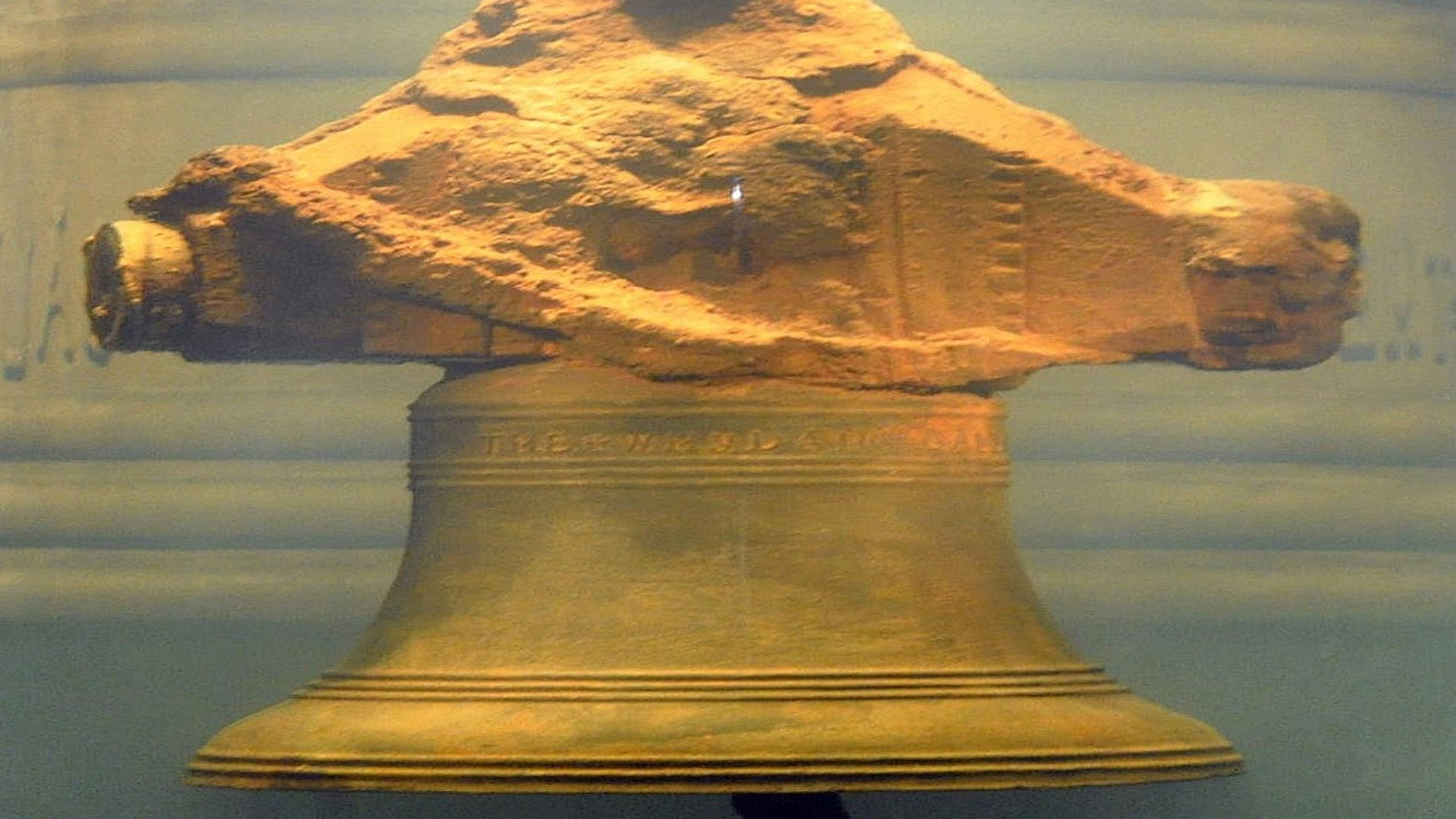
Few clues are as direct as a name cast in bronze. Divers recovered a ship’s bell in the fall of 1985, and it was inscribed “THE WHYDAH GALLY 1716,” which Yankee magazine’s history of the wreck treats as definitive proof of the ship’s identity. The Whydah was built as a slave ship in 1715, hijacked on its maiden voyage by the pirate Samuel “Black Sam” Bellamy, and lost in a nor’easter on the night of April 26, 1717, off Cape Cod. Coins and cannons can hint at a vessel’s age, but of all the objects pulled from that wreck, the bell practically introduced the ship by name.
2. The Rosetta Stone Made Egyptian Hieroglyphs Readable Again
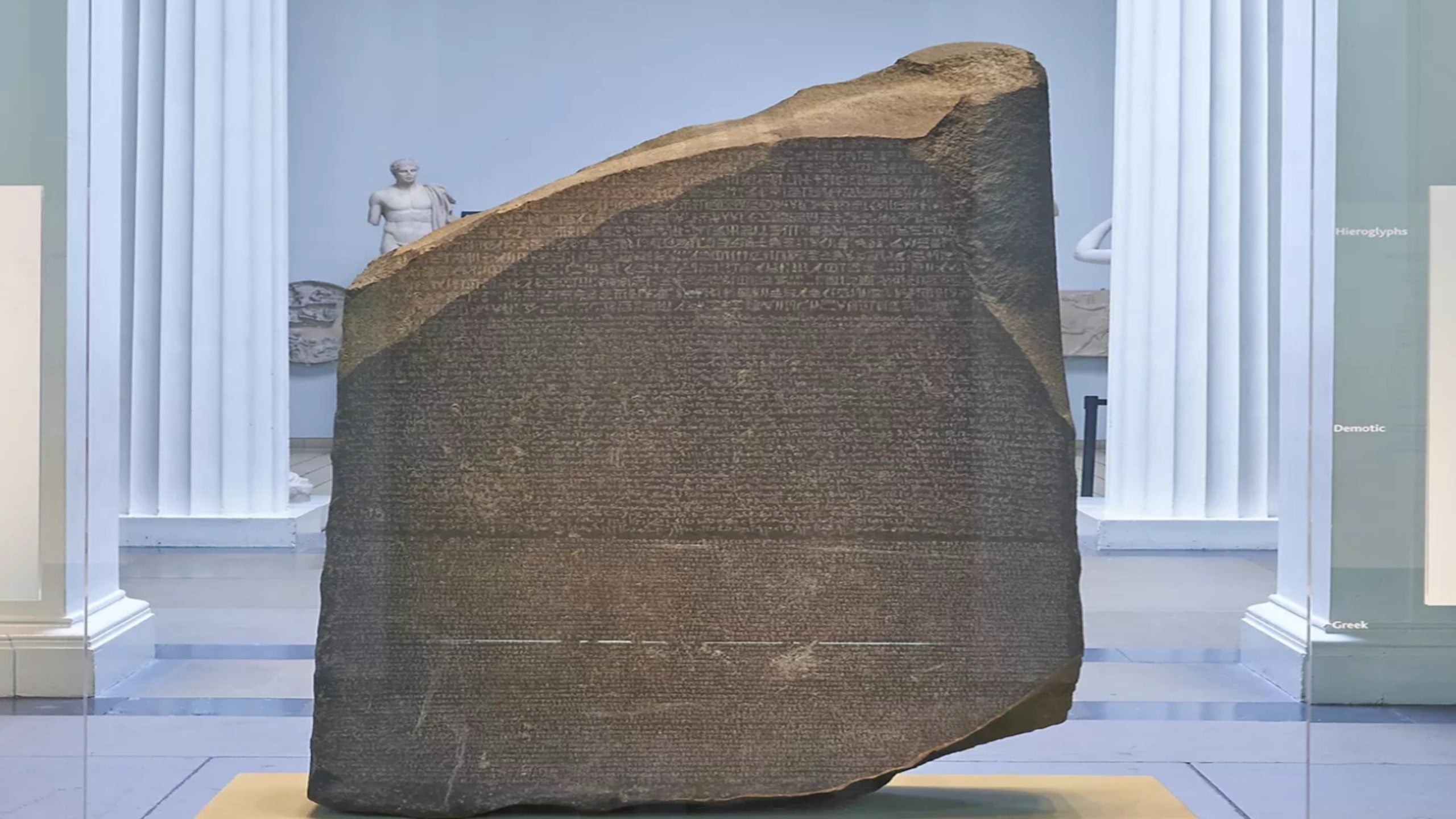
French soldiers found the Rosetta Stone in 1799, and it carries a decree from 196 B.C. written in three scripts: Greek, demotic, and hieroglyphic. Scholars could read the Greek, which gave them a priceless side-by-side comparison for Egyptian writing that nobody had understood for centuries. Thomas Young made early progress, and Jean-François Champollion announced his breakthrough in 1822, opening centuries of Egyptian records to modern readers. Not bad for a slab of rock that was once part of a building.
3. A Papyrus Logbook Explained a Piece of the Great Pyramid’s Supply Chain
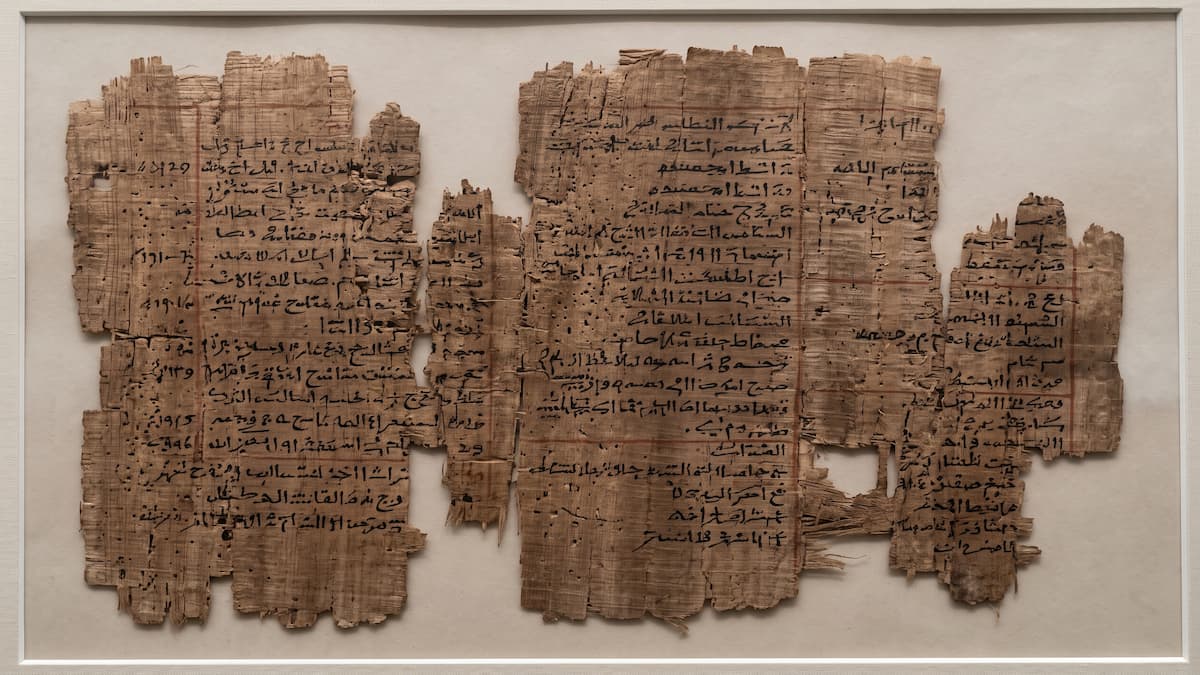
Discovered at Egypt’s Wadi al-Jarf harbor in 2013, the roughly 4,500-year-old Diary of Merer records a work crew carrying limestone from the Tura quarries for Khufu’s pyramid complex at Giza. Think of it as a pyramid-era shipping log, with boat trips, dates, and stops written down by the people doing the hauling. It doesn’t explain every step of pyramid construction, but among the objects that have changed the story of the Great Pyramid, it documents how one slice of the enormous supply system really worked.
4. Three Pieces of Wood Put Vikings in North America in A.D. 1021

Three wood samples from L’Anse aux Meadows in Newfoundland gave researchers a precise year for Norse activity: A.D. 1021. According to Smithsonian magazine, researcher Margot Kuitems picked pieces that showed clear marks of being cut with metal tools. A spike in atmospheric carbon from a solar storm in A.D. 993 showed up in each piece’s tree rings, and counting the rings out to the bark edge showed that every tree was felled exactly 28 years later. A bit of discarded timber turned into a remarkably exact historical clock.
5. A Note in a Stone Cairn Revealed Franklin’s Expedition Had Abandoned Its Ships
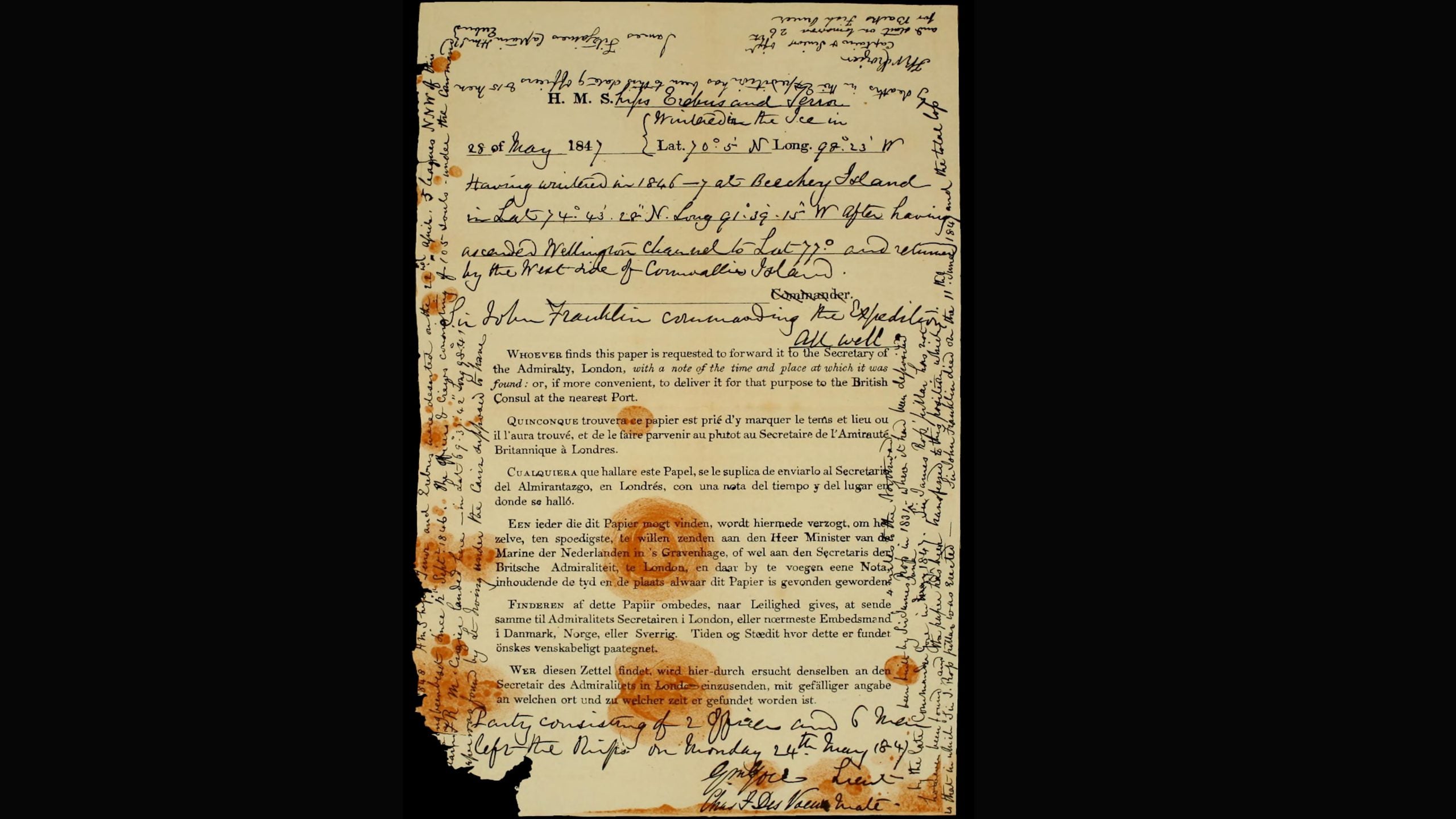
Lieutenant Hobson found the Victory Point Record on King William Island on May 7, 1859, and it is a single page carrying two messages. The later one, dated April 25, 1848, reported that Sir John Franklin died on June 11, 1847, and that HMS Erebus and HMS Terror had been abandoned on April 22 after being stuck in the ice since September 1846. The 105 survivors, under Captain F.R.M. Crozier, had just landed and were starting out on foot. It supplied a vital timeline for one of the Arctic’s great disasters, even though it couldn’t explain what happened to the men afterward, and few Franklin-related objects have mattered more.
Trending on Wealth Gang
6. A Clay Inventory of Pots Helped Confirm That Linear B Was Greek
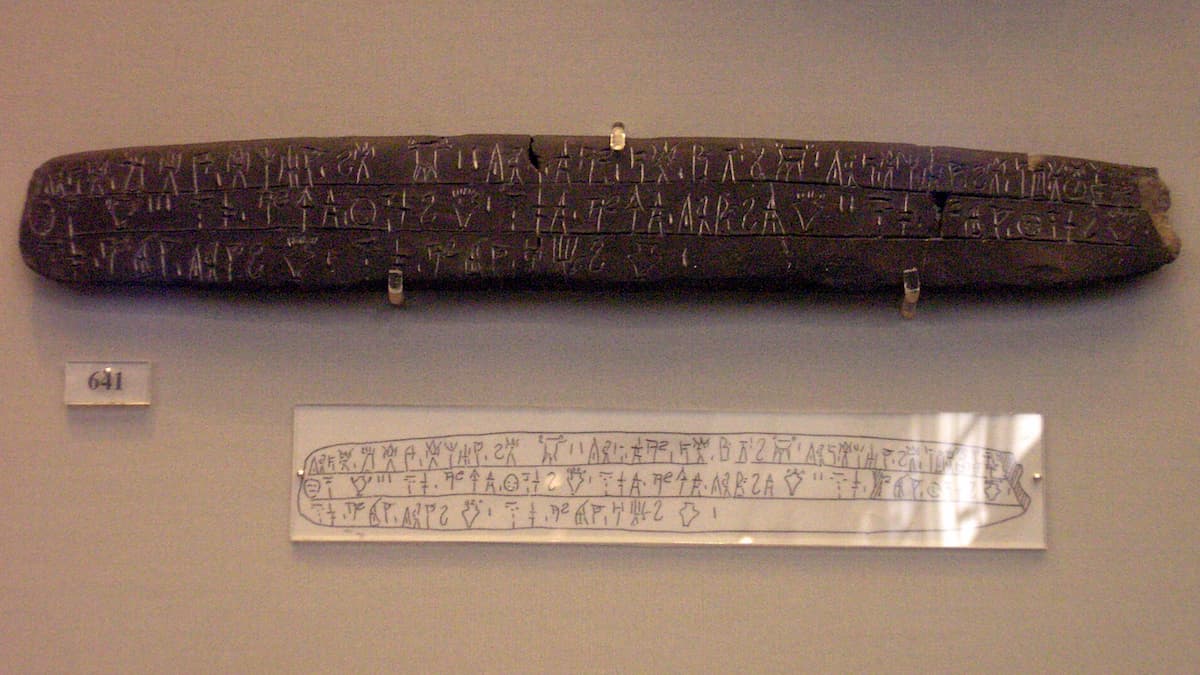
Michael Ventris announced his proposed decipherment of Linear B in 1952, but a script nobody could read needed a real test. Enter PY Ta 641, a tablet from the Palace of Nestor at Pylos that inventories ritual drinking and storage vessels, including tripods and pots distinguished by size and number of handles. Once the tablet was cleaned and photographed in 1953, its drawings of the vessels closely matched the words Ventris’s sign values produced, and the excavator Carl Blegen wrote to tell him so in May. A critic or two argued it was coincidence, but the tablet is widely credited with helping convince scholars that this Bronze Age script recorded an early form of Greek, even in something as ordinary as a palace shopping list.
7. A Prayer Book Concealed Lost Work by Archimedes
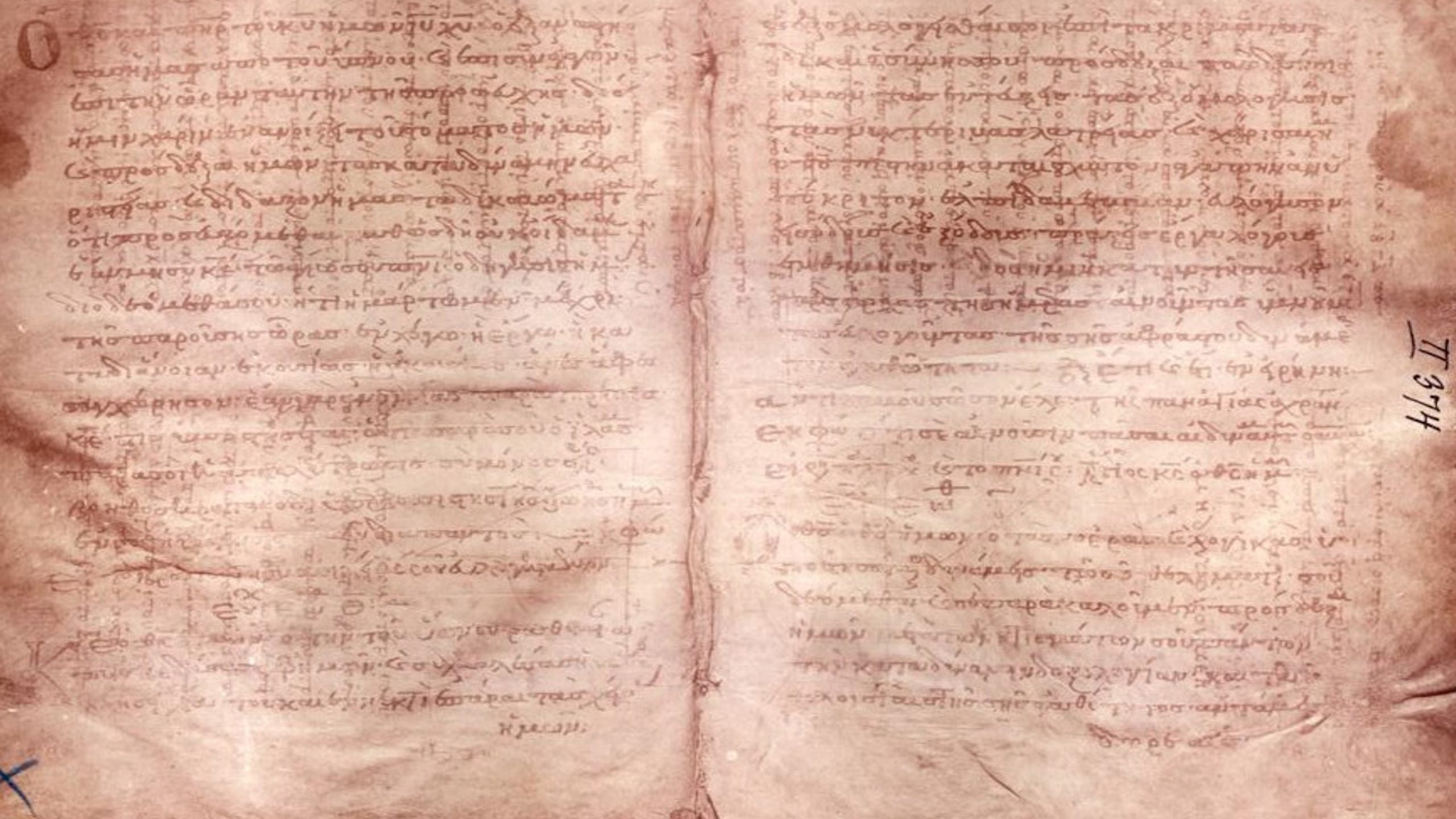
In 1229, a scribe named Johannes Myronas scraped the writing off older parchment, which was in short supply, and copied a prayer book over it, according to NPR. Hidden underneath were texts by Archimedes, including The Method, which is not known to survive anywhere else. Ultraviolet light couldn’t reveal every page, so Stanford physicist Uwe Bergmann proposed an X-ray approach, and pulses from the Stanford Linear Accelerator produced images line by line. The book sold for $2 million in 1998 and now lives at the Walters Art Museum in Baltimore, and few other objects have let scholars watch one of antiquity’s greatest mathematicians at work.
8. A Corroded Gear Mechanism Revealed an Ancient Astronomical Calculator
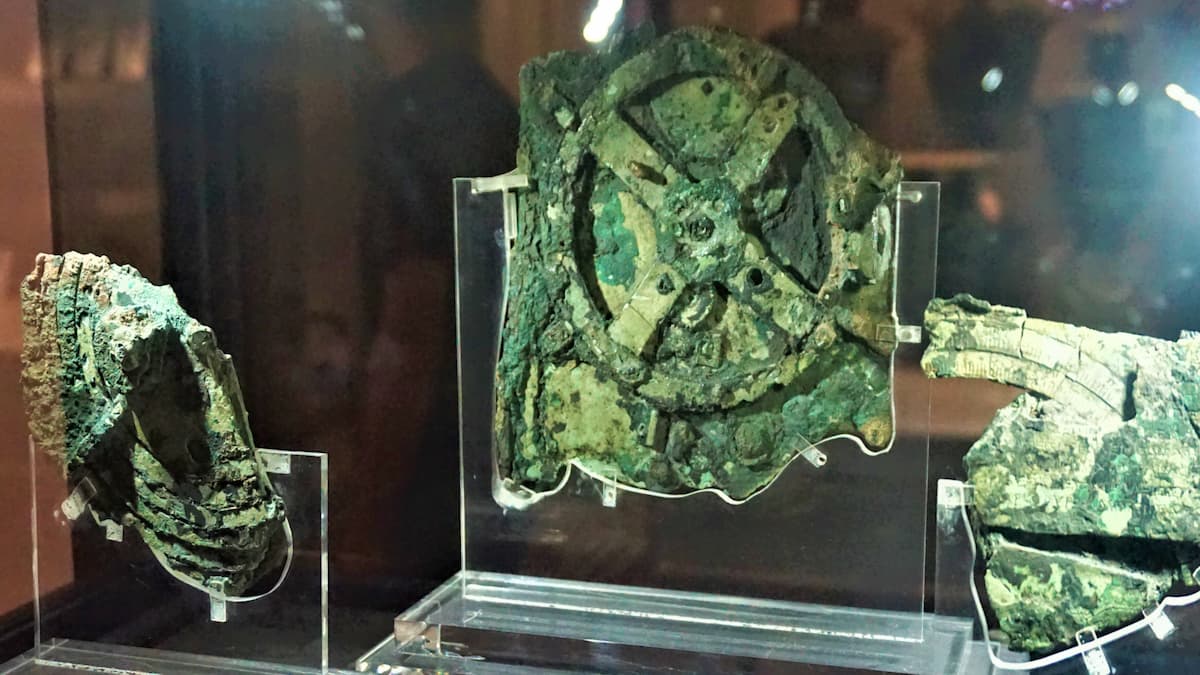
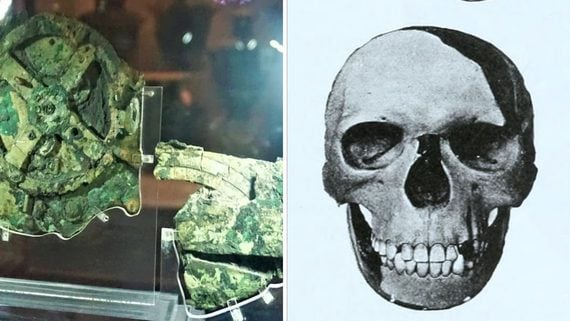
Greek sponge divers found the Antikythera Mechanism in 1901, in a Roman-era shipwreck near the island of Antikythera, and for decades it was a lump of corroded bronze nobody could explain. Only about a third survives, split into 82 fragments, but 3D X-rays revealed thousands of text characters hidden inside, and the gearing turned out to model the sun, the moon, eclipses, and even the dates of the Olympics. University College London’s 2021 reconstruction of the missing front display is promising, yet co-author Adam Wojcik says it still has to be proven by building it with ancient techniques, so parts of the story remain debated. Either way, a 2,000-year-old machine this sophisticated is hard to imagine from written descriptions alone.
Sign up for our newsletter
9. The Vinland Map’s Ink Exposed a Supposed Medieval Treasure
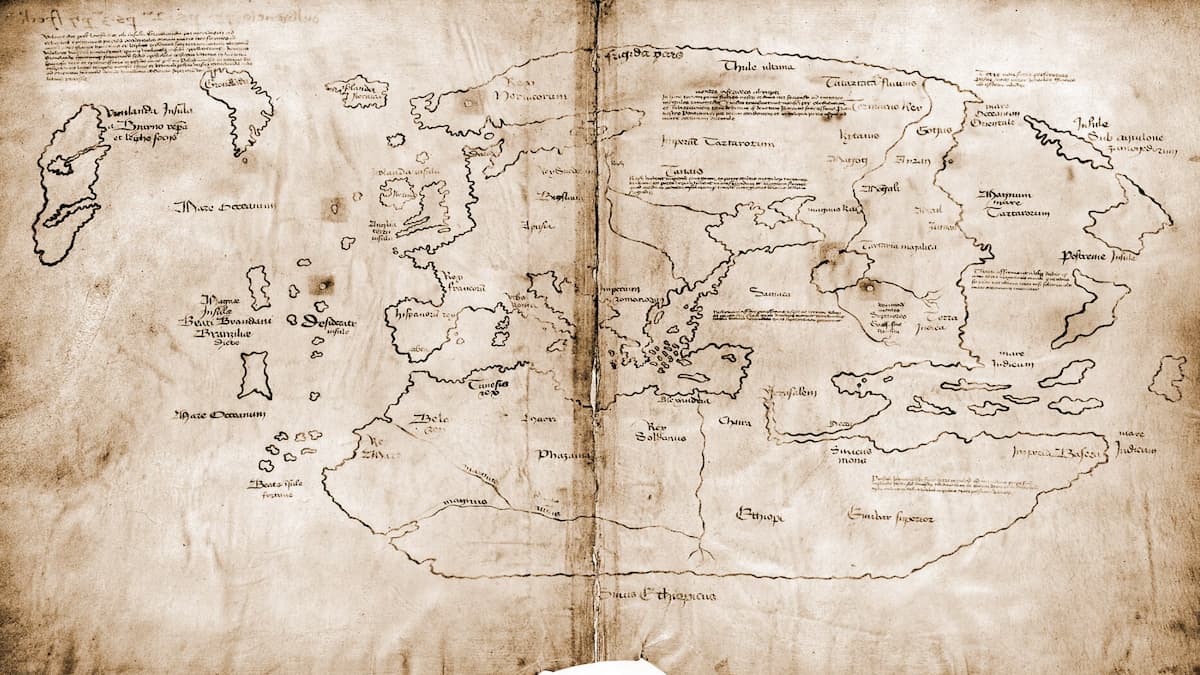
The Vinland Map seemed to show part of North America before Columbus, which made it the center of a long scholarly feud after Yale announced it in 1965. In 2021, Yale’s analysis found that a titanium compound used in inks first produced in the 1920s pervades the map’s lines and text, and curator Raymond Clemens put it bluntly: “The Vinland Map is a fake.” A Latin inscription on the back had also been overwritten in modern ink. The parchment itself is medieval, and old parchment can’t vouch for newer ink, a lesson few objects have taught so thoroughly.
10. An Orangutan Jaw Helped Unmask the Piltdown “Missing Link”
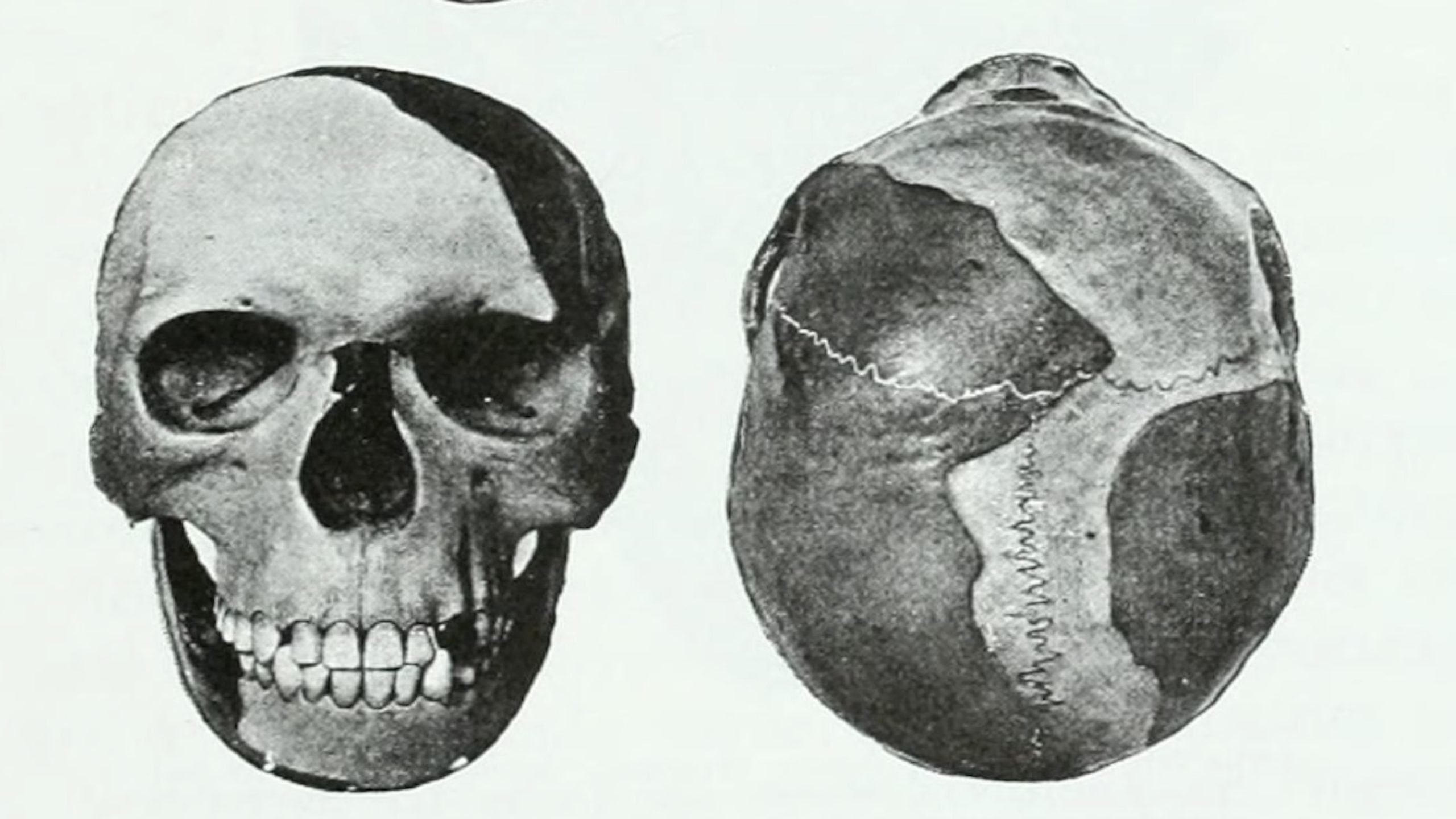
Charles Dawson and Arthur Smith Woodward presented Piltdown Man between 1912 and 1914 as an early human ancestor, and it fooled plenty of experts for decades. In the early 1950s, Kenneth Oakley’s fluorine testing showed the remains were at most 50,000 years old, and by 1955 it was clear that most of the material had been stained to look ancient. A 2016 study led by the Natural History Museum added DNA evidence linking teeth from both Piltdown sites to the same orangutan, probably from Borneo, and CT scans showed the same putty and gravel plugs throughout. The researchers concluded the forger was almost certainly Dawson, and not a trained conservator, since fractured bones and cracked teeth gave the amateur away.
11. A Charcoal Message Challenged Pompeii’s Familiar Eruption Date
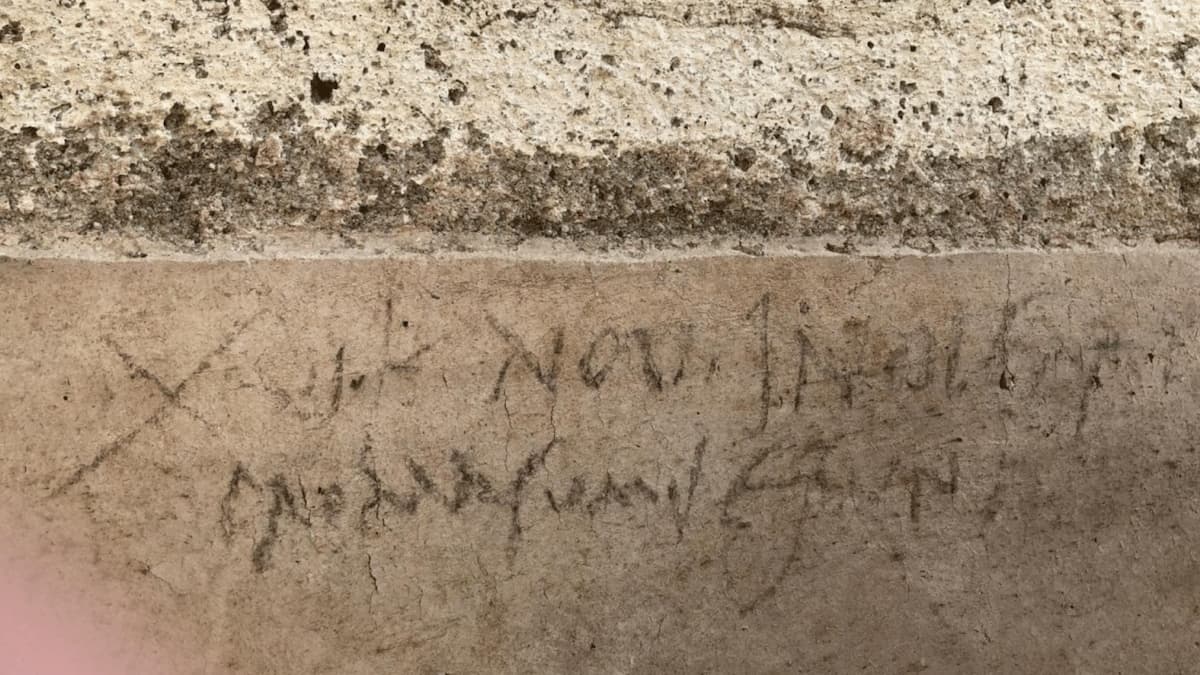
A charcoal scrawl uncovered in Pompeii in 2018 records a date that corresponds to October 17, about two months after the traditional eruption date of August 24 in A.D. 79. That older date was settled partly from copies of letters Pliny the Younger wrote to Tacitus some 20 years after the disaster, and the new inscription made historians look at them again. Italian officials even floated October 24 as a better fit, noting evidence like autumn fruits and heating braziers. The inscription doesn’t establish an exact new day on its own, but few handwritten objects have made experts rethink a famous letter so quickly.
12. A Torpedo Fragment Changed the Reconstruction of the Hunley’s Final Attack
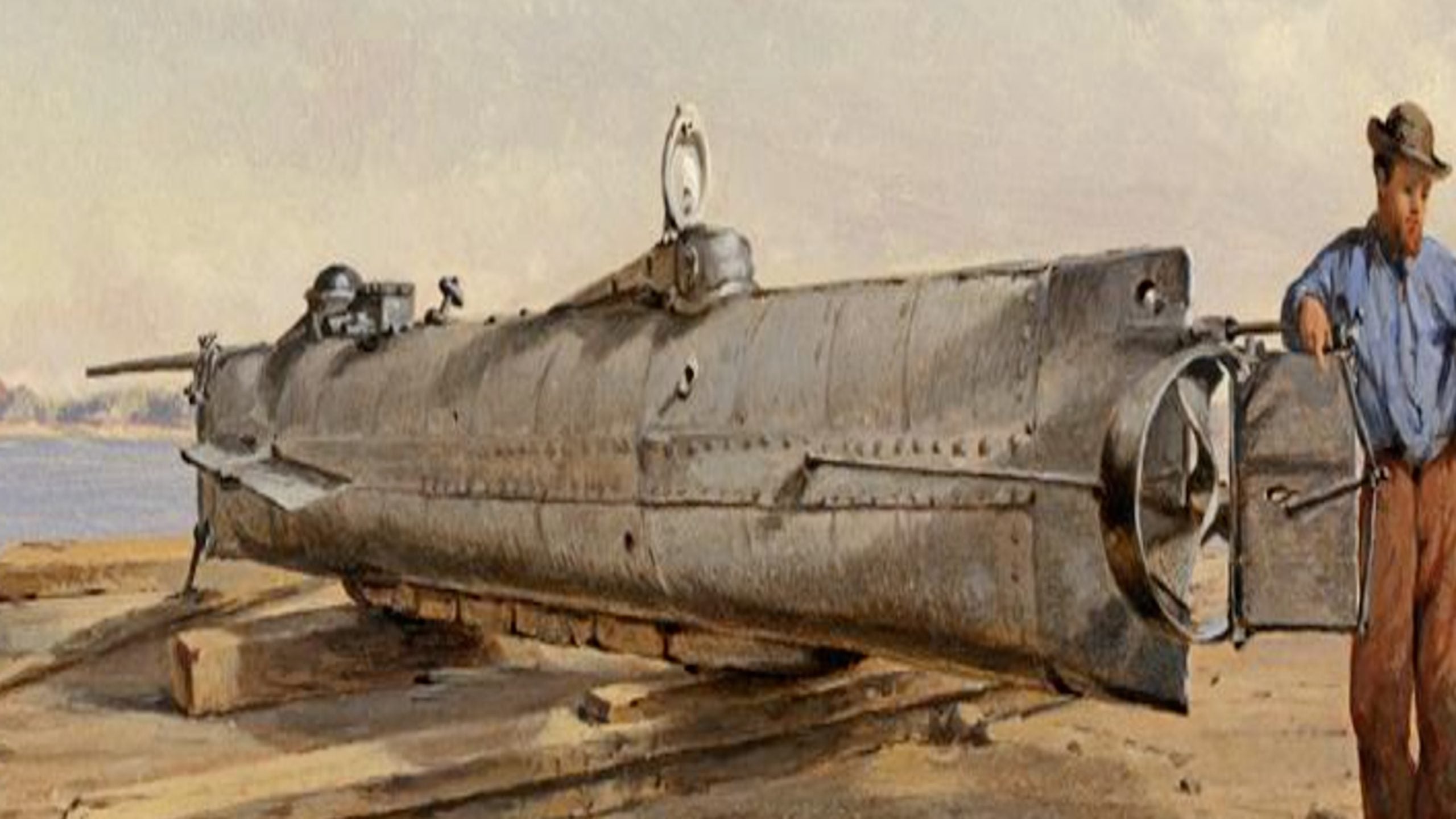
In early 2013, researchers found a piece of torpedo still attached to the Confederate submarine H.L. Hunley’s roughly 20-foot spar. Eyewitness accounts had placed the sub about 100 feet from the blast during its 1864 attack on USS Housatonic, which suggested the crew detonated the explosive remotely. The fragment showed the Hunley was still attached to the torpedo when it exploded, which means the crew was far closer than anyone thought, no farther than the length of that spar. The attack was much riskier than the old story, although the mystery of why the Hunley itself sank is still not fully settled.
13. Roman Coins Helped Locate the Battlefield Where Three Legions Vanished
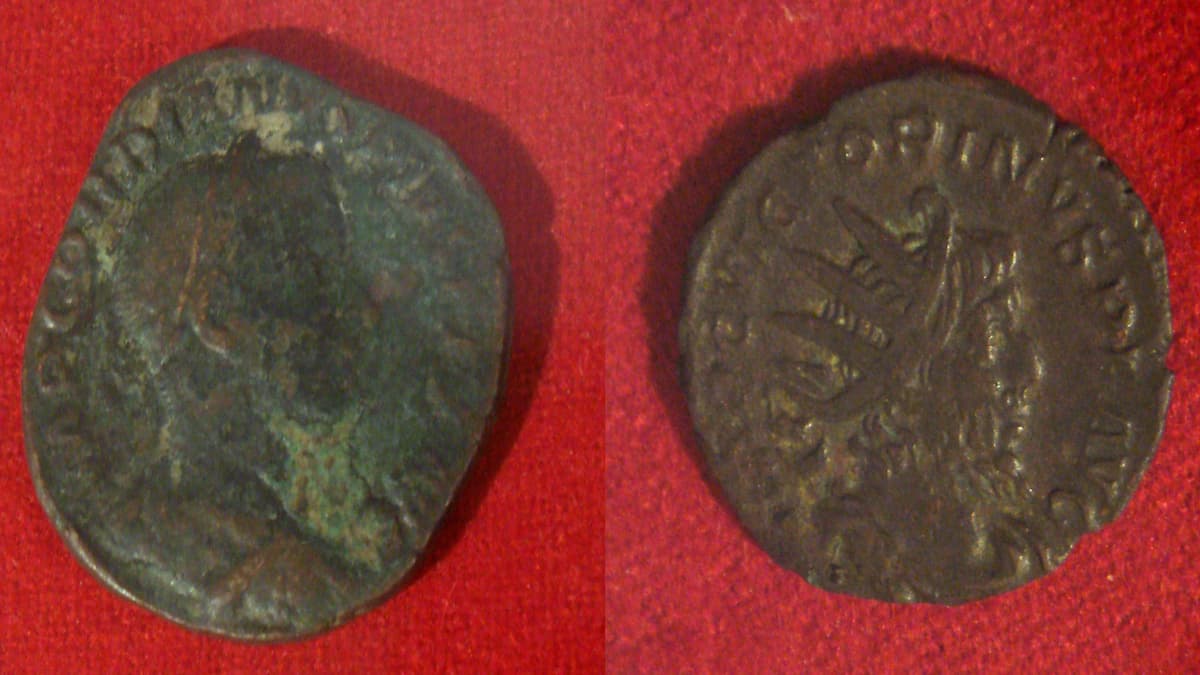
In 1987, British Army officer Tony Clunn began sweeping a site near Osnabrück, Germany, with an industrial metal detector, at the suggestion of a local museum archaeologist. He believed it was where Germanic forces destroyed the Roman general Varus in A.D. 9, and his finds of Roman coins and lead sling bullets helped trigger full excavations at Kalkriese. Archaeologists went on to uncover a rampart, human remains, and a large number of Roman objects. Kalkriese is now widely accepted as the site of at least part of the Varus disaster, resolving a geographical puzzle that ancient accounts left frustratingly vague.
14. A Charred Scroll Yielded Ancient Philosophy Without Being Unrolled
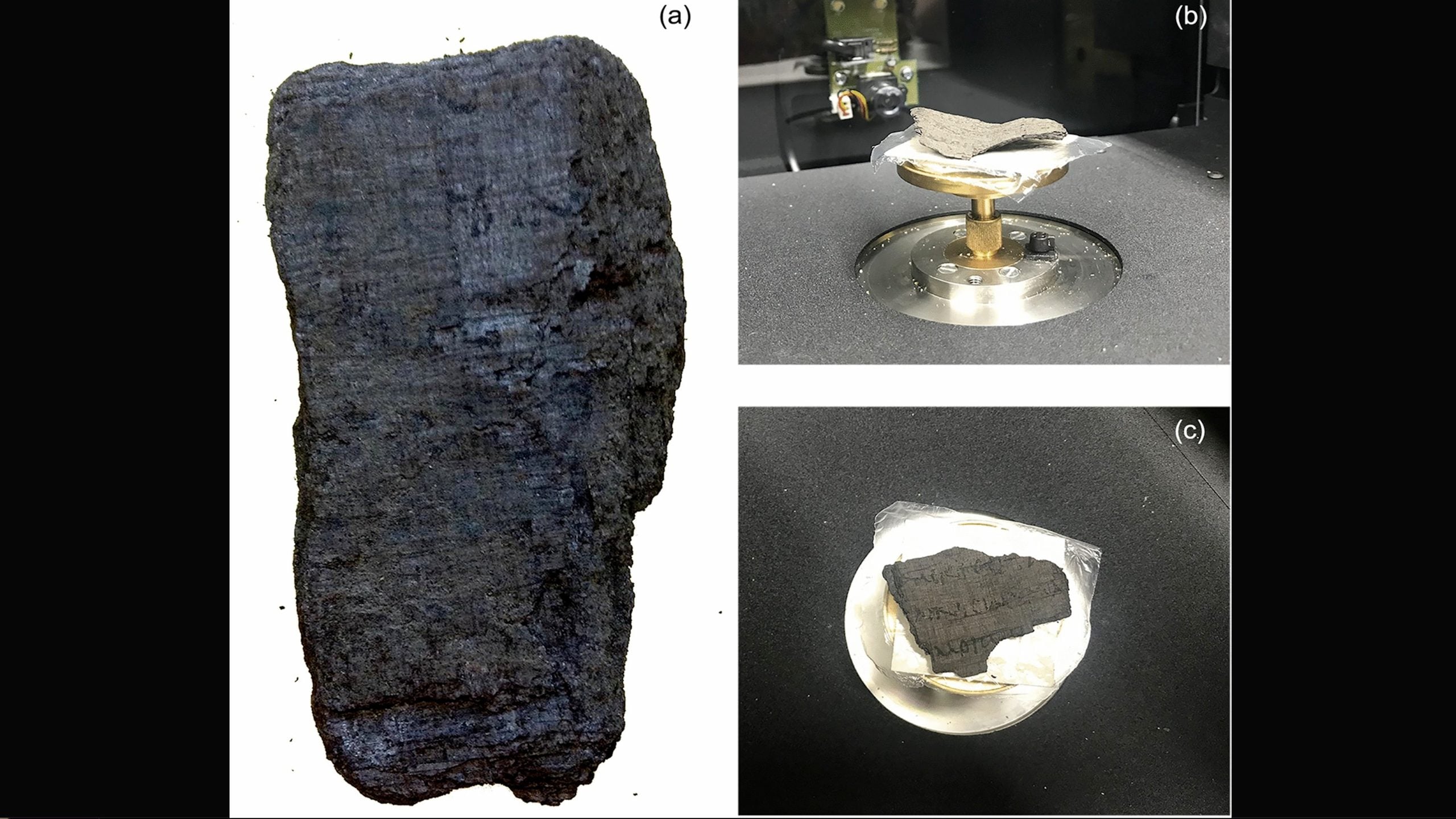
A carbonized scroll from Herculaneum, cataloged as PHerc. Paris 4, couldn’t be opened without destroying it. In February 2024, the Vesuvius Challenge announced that Youssef Nader, Luke Farritor, and Julian Schilliger would split a $700,000 grand prize for combining X-ray CT scans, virtual unwrapping, and machine learning to reveal 15 partial columns of text. Expert papyrologists checked the letter shapes before the results were accepted, and the passage discusses pleasure and whether abundance changes enjoyment. Since papyrus scrolls can hold more than 200 columns, this is only a sliver of one roll, but it turned a seemingly ruined lump into readable philosophy.
15. A King’s Cliffside Inscription Helped Unlock Cuneiform
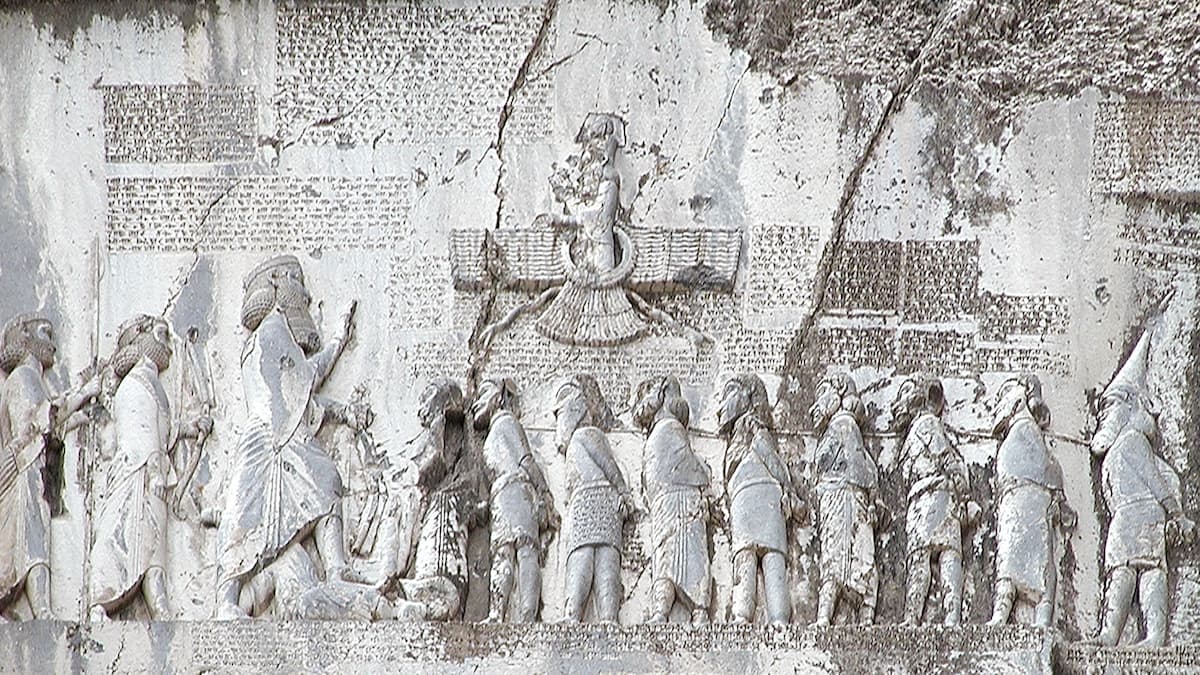
High on a cliff in Iran, the Behistun inscription tells Darius I’s story of crushing rebels in Old Persian, Elamite, and Akkadian, the last in its Babylonian form. It was commissioned around 520 B.C., so it is roughly 2,500 years old. Sir Henry Rawlinson copied it in 1835 and 1843, and those copies let scholars begin deciphering the cuneiform scripts, starting with Old Persian. Historians often say it did for Assyriologists what the Rosetta Stone did for Egyptologists, and it remains one of the great royal objects that became a key to reading entire libraries of records.
The most revealing piece of history isn’t always the most valuable one. Sometimes the decisive clue is a name on a bell, a date on a wall, or writing that someone tried to erase, and humble objects keep surprising historians. Which of these amazed you the most? Tell us in the comments!