
Everyday products have a sneaky way of looking permanent. A crayon, a razor, or a battery seems like it has always been the way it is, until a quick look at the timeline shows how fast things moved. Diapers lost their safety pins, music players shrank from cassettes to touchscreens, and a certain yellow crayon vanished and came back. Here are 15 everyday items that changed way faster than most people remember.
1. Disposable Diapers Went From Safety Pins to Absorbent Gel in Just 25 Years
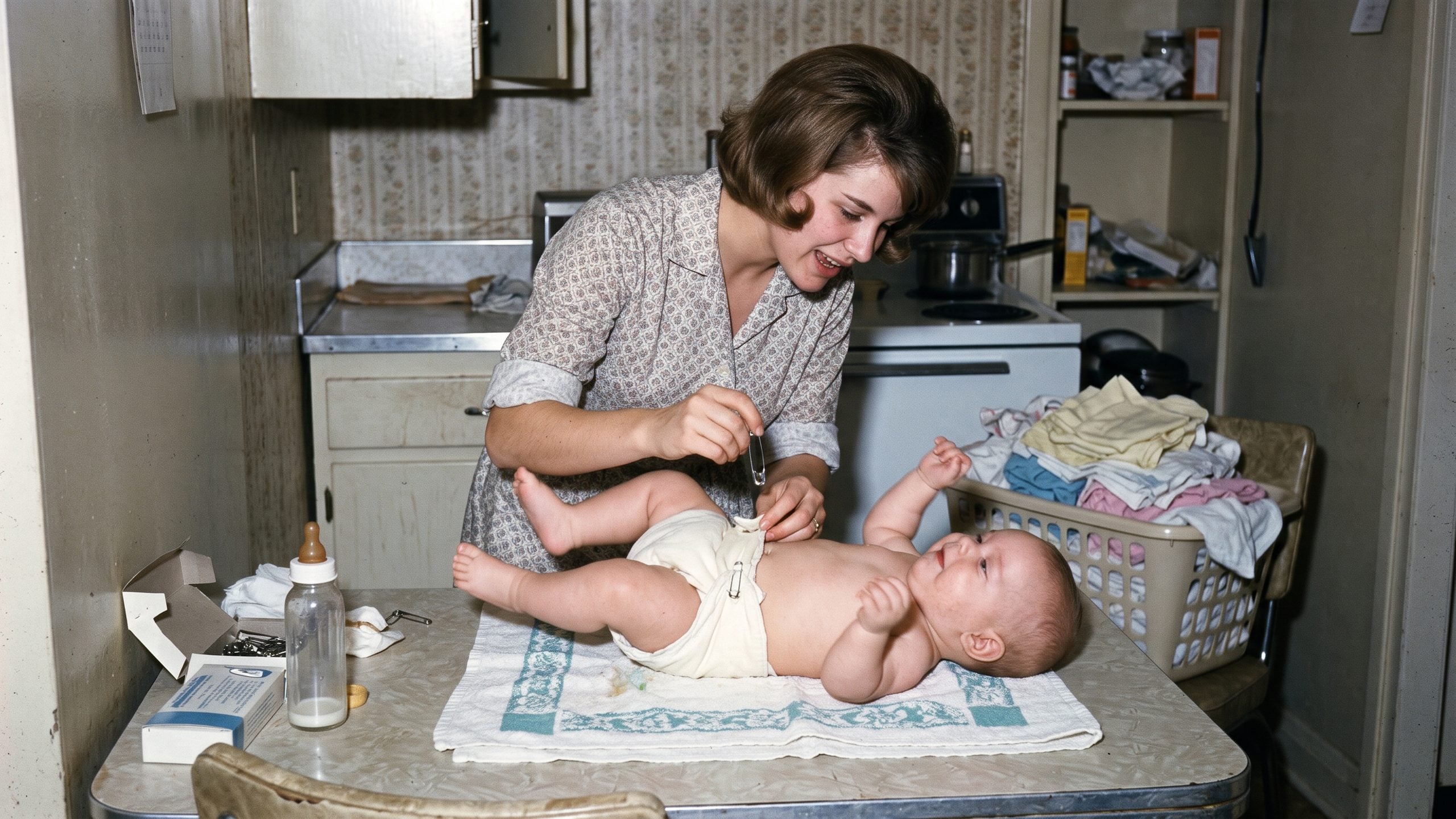
Pampers first reached stores in 1961, in an era when closing a diaper could mean wrestling with a safety pin and hoping for the best. Things improved fast: the brand introduced tape fasteners in 1971 and said goodbye to the pins, according to its own history. By 1986, absorbent gel material had made the diapers thinner and lighter, a leap that must have felt like science fiction to anyone used to bulky changes. Not bad for an everyday item parents once handled with real caution.
2. Razors Went From Two Blades to Five in 34 Years

For most of the 20th century, shaving meant a single blade, and then the 1970s hit the gas. Gillette launched the twin-blade Trac II in 1971, followed by the pivoting-head Atra cartridge in 1977 and a lubricating strip in 1985, according to its own timeline. The three-blade Mach3 arrived in 1998 and the five-blade Fusion in 2006. A simple grooming tool turned into a small piece of engineering, with a blade count that kept climbing like a bidding war.
3. Crayola Replaced Eight Familiar Crayon Colors All at Once

Anyone who grew up with a classic Crayola box may be surprised to learn that the lineup wasn’t as permanent as it seemed. In 1990, the company retired eight colors, including maize, raw umber, and lemon yellow, and replaced them with shades like cerulean, fuchsia, and wild strawberry. Four more disappeared in 2003, and dandelion was retired in 2017. The good news is that dandelion made a comeback in 2025 as a limited edition and returned to the standard 24- and 64-count packs in early 2026, proving that even everyday crayons can have a redemption arc.
4. Postage Stamps Went From Licking to Peeling Surprisingly Quickly
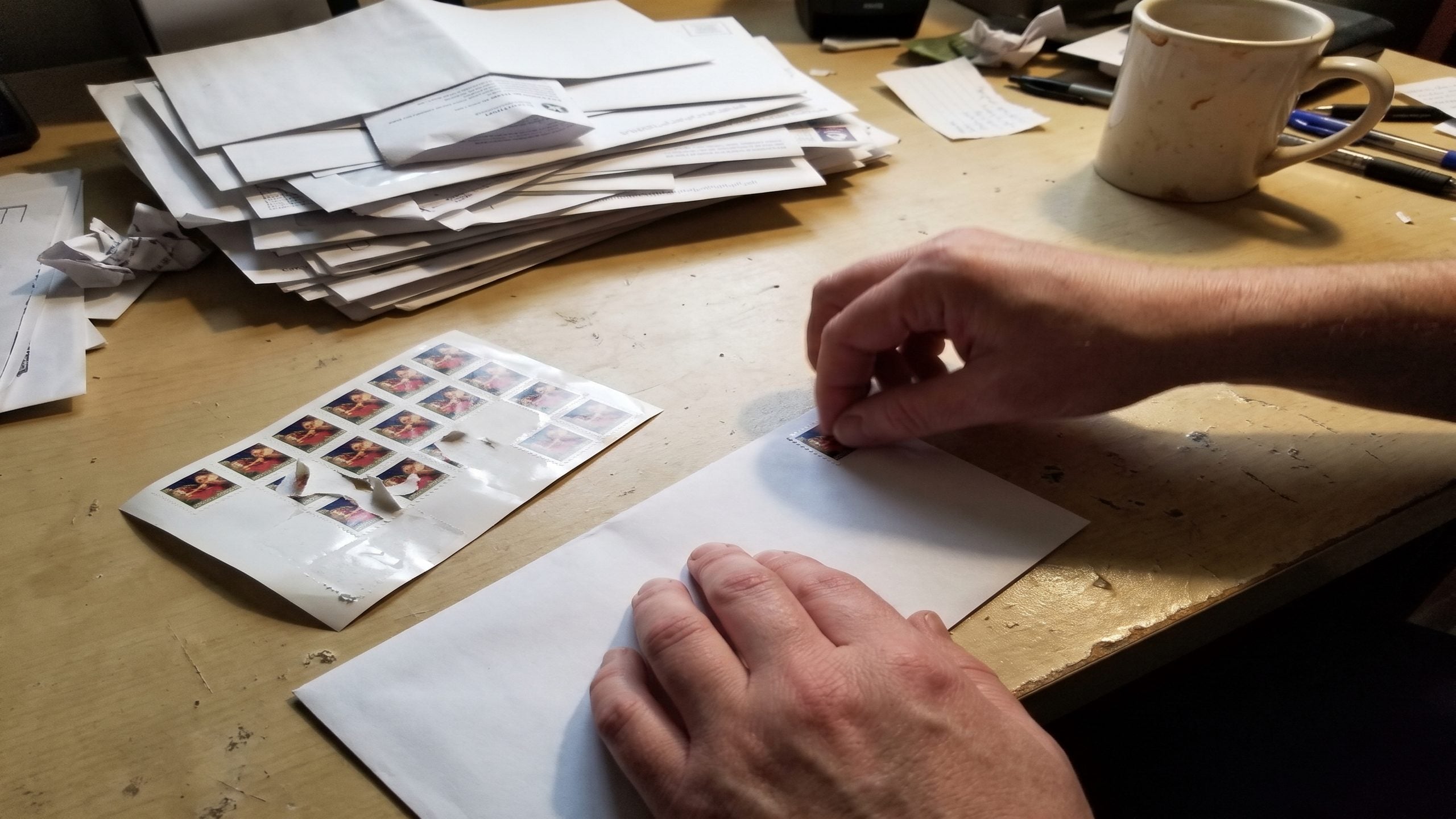
Licking stamps felt like a permanent part of mailing a letter, but the U.S. Postal Service was quietly working on an escape route. It tested its first self-adhesive stamp, the 1974 Peace on Earth Christmas issue, and early versions cost three to five times more to produce, according to USPS history. The agency tried again in 1989 and introduced self-adhesive stamps nationwide in 1992. By 2002, nearly all new commemorative issues were peel-and-stick, so the old lick-and-hope routine faded quickly.
5. Household Batteries Changed Their Chemistry While Looking Almost Identical
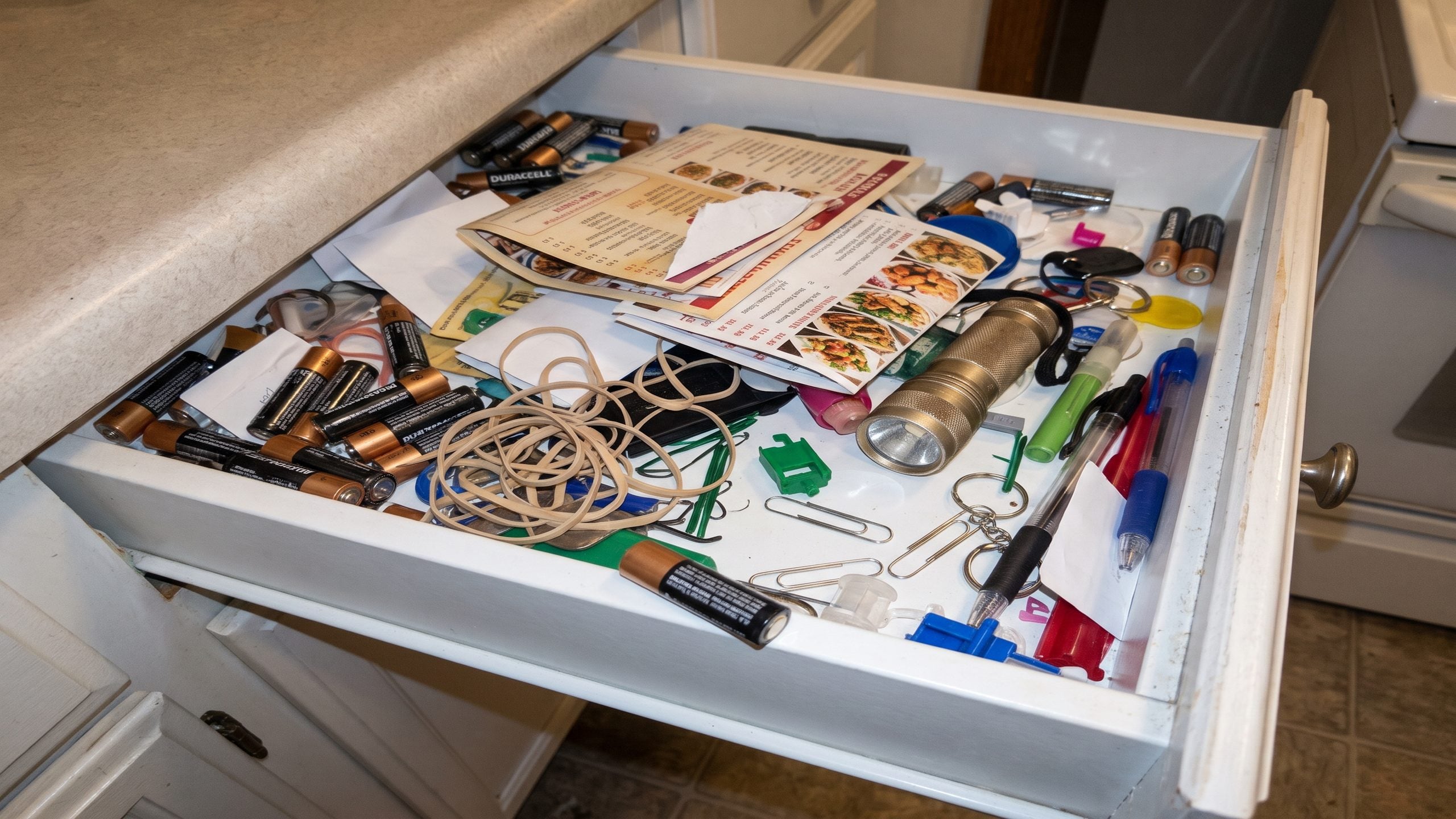
A battery from the 1950s might look a lot like one from today, but the chemistry inside tells a different story. According to Energizer’s history, the first alkaline consumer battery was invented in 1957 and first produced in 1959, and Eveready developed its first rechargeable battery system in 1958. An AA lithium battery followed in 1992. Batteries also went greener, with a zero-added-mercury version arriving in 1989, which shows how much can change inside an everyday metal cylinder.
Trending on Wealth Gang


6. Aerosol Products Were Reformulated Almost Overnight in the 1970s
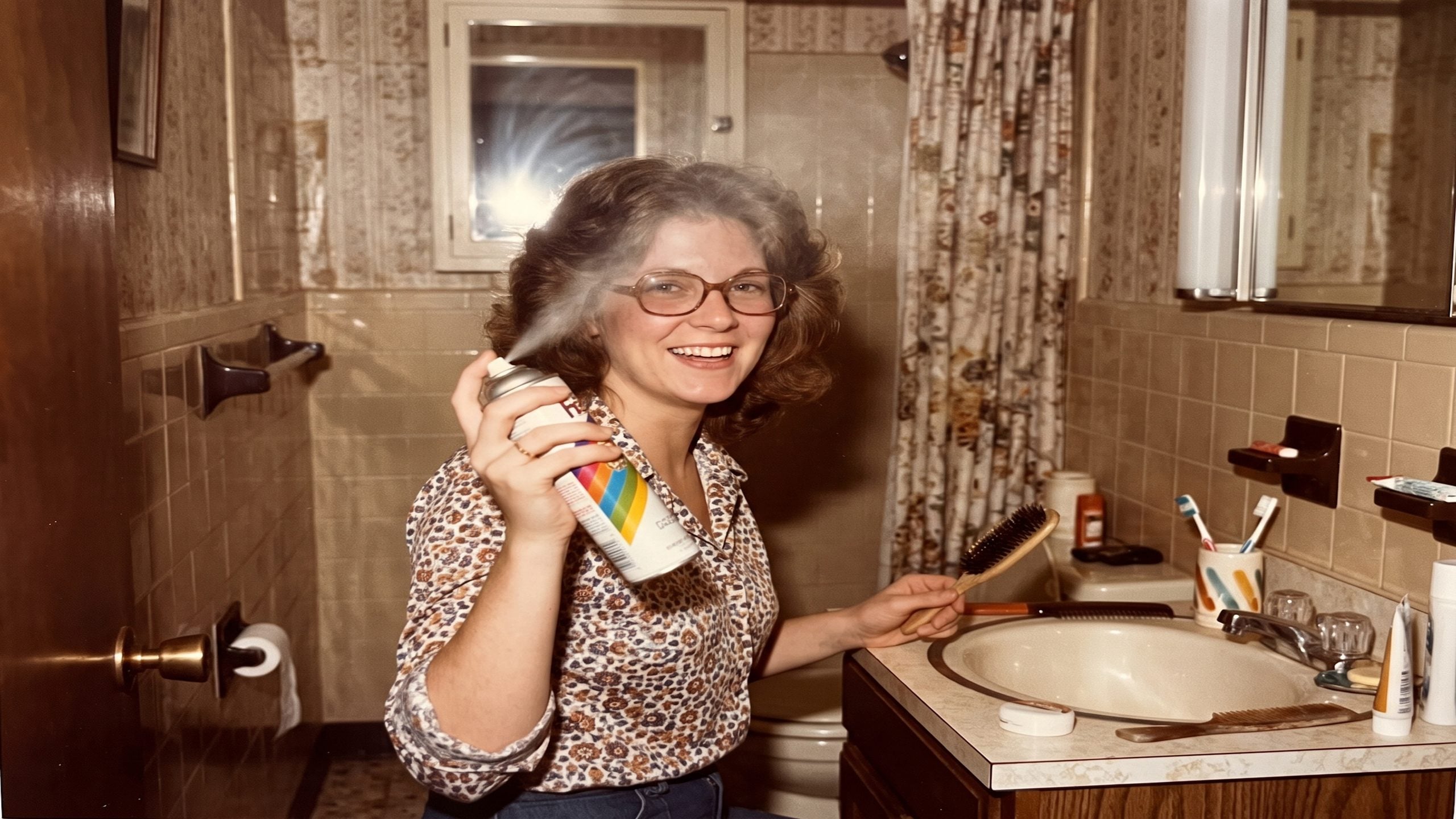
Hairspray, deodorant, and household sprays changed almost overnight in the late 1970s, even though the cans looked the same. Concerns about ozone depletion led the United States to start phasing out chlorofluorocarbon propellants in most aerosol products in 1978. According to a contemporary EPA report, more than 80% of products that had used those chemicals had already switched to other propellants or finger-operated pumps by spring 1978. For a consumer overhaul, that’s lightning speed.
7. Coca-Cola Went From Small Glass Bottles to Plastic in Just Over 20 Years

For decades, the Coca-Cola bottle was a small glass affair: until 1955, the company’s packaged offerings centered on the 6.5-ounce contour bottle, and larger sizes arrived that year. The 12-ounce can reached American shoppers in 1960, and by 1978 the brand had launched its first PET plastic bottle. In little more than two decades, the way people carried a cold soda changed completely, and the everyday lunchbox drink was never quite the same.
8. Toothbrushes Started Telling People When to Replace Them

A toothbrush used to give almost no hint about when it was time for a new one, unless the bristles looked like a tiny shrub. Oral-B introduced soft, end-rounded nylon bristles with its original 1950 toothbrush and kept refining the design in the decades that followed. In 1991 came the Indicator toothbrush, with colored bristles that fade with use. Suddenly, a humble bathroom item had a built-in reminder system, which is oddly relatable for anyone who has ever overused a toothbrush.
Sign up for our newsletter
9. Light Bulbs Made a Major Leap After Decades of Familiar Designs
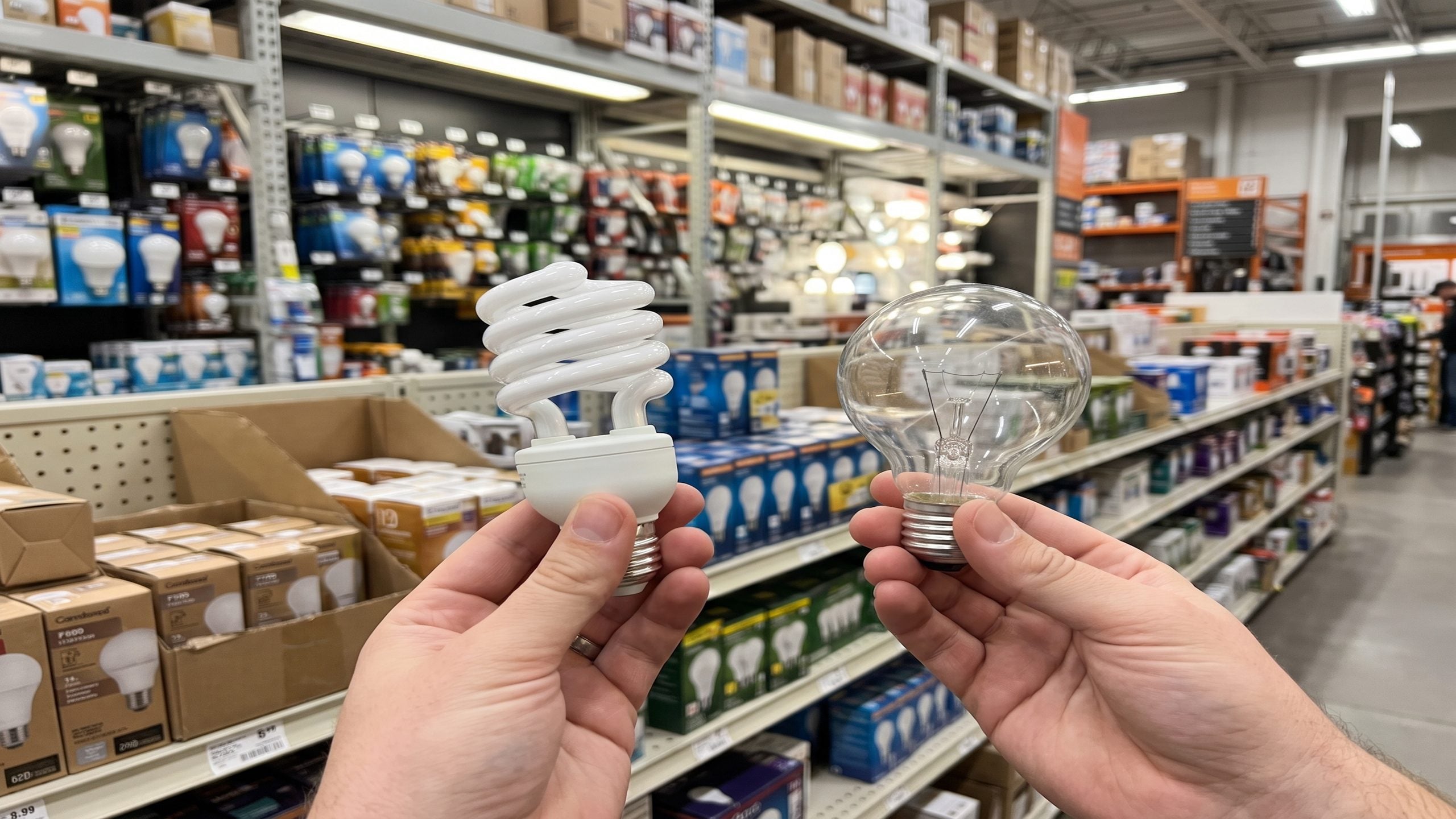
For generations, the glowing filament inside an incandescent bulb seemed almost permanent. Compact fluorescent lamps entered the consumer market in the mid-1980s, though high prices and awkward shapes kept many shoppers away, according to the Department of Energy. Better fluorescent technology and, eventually, practical LED replacements delivered major efficiency gains. It was a surprising shake-up for an everyday household purchase that had barely changed for most of the previous century.
10. LEGO Figures Went From Faceless Blocks to Recognizable Characters in Four Years
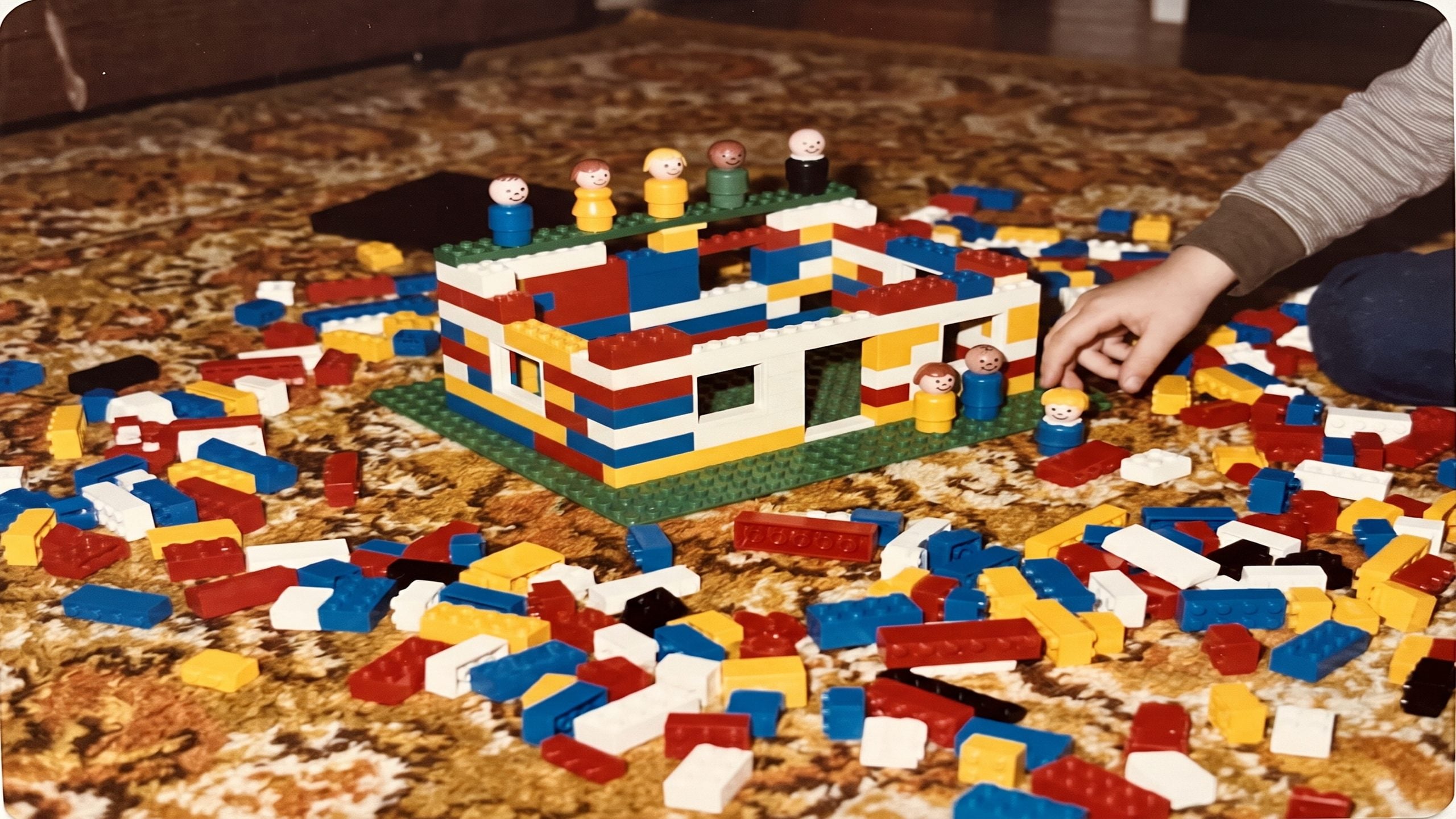
The classic LEGO minifigure feels as timeless as the bricks, but its familiar look came together quickly. In 1974, LEGO introduced a building figure made largely from square bricks, with moving arms but fixed legs. By 1978, it had unveiled the minifigure that built a legend: movable limbs, two black dots for eyes and a simple smile. Four years was all it took to turn a blocky figure into a tiny star.
11. The iPod Changed Shape So Quickly That Early Models Became Nostalgic Almost Immediately
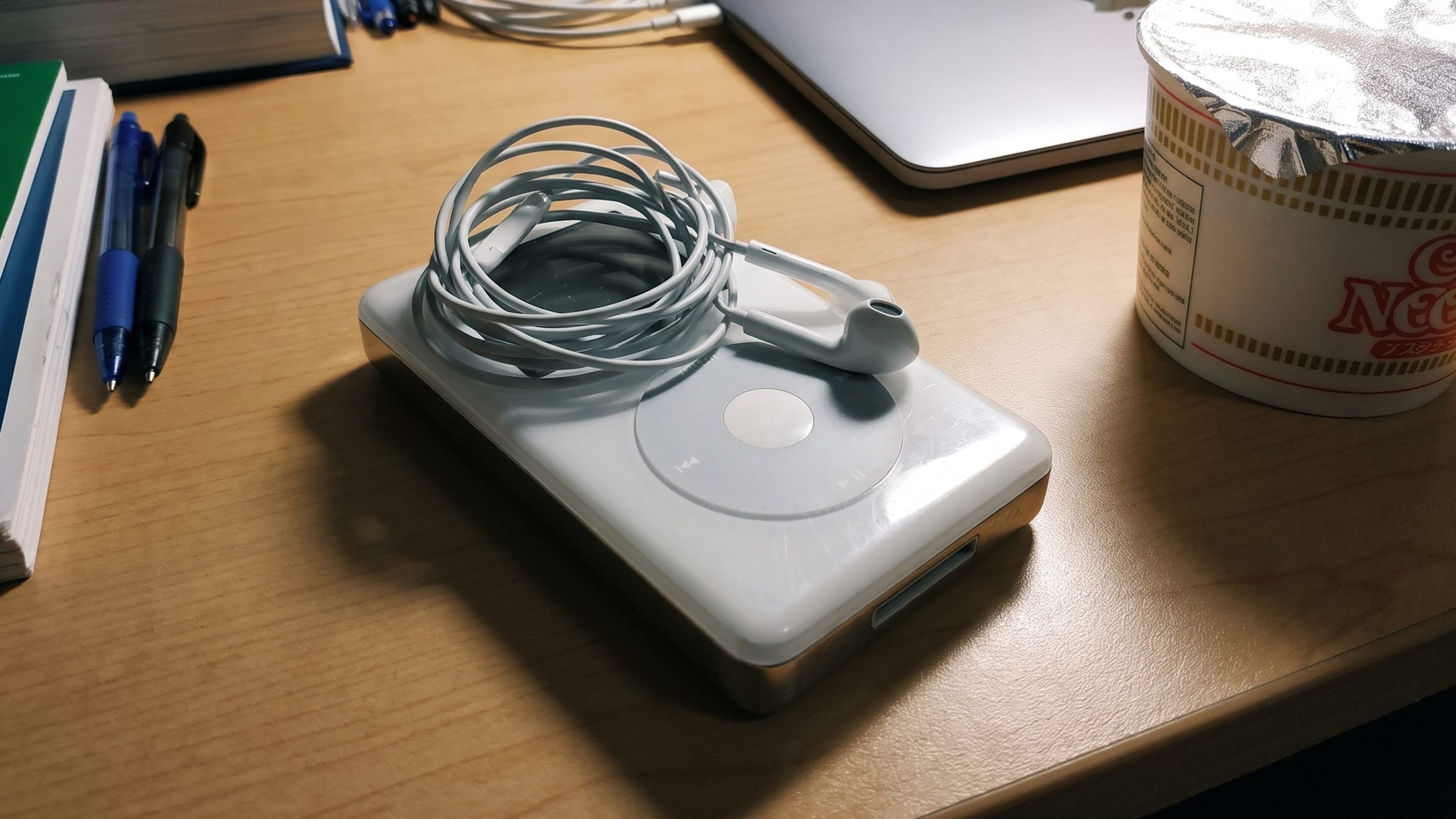
Apple introduced the original iPod in October 2001, with a 5GB hard drive holding roughly 1,000 songs. Three years later came the smaller, colorful iPod mini, and in 2005 it was replaced by the far thinner, flash-memory iPod nano. By 2007, the iPod touch had arrived with a touchscreen, so in just six years the device went from a mechanical scroll wheel to touch control. Early models turned nostalgic almost instantly, a rare thing for everyday gadgets.
12. Portable Music Players Went From Cassette Tapes to CDs in Five Years
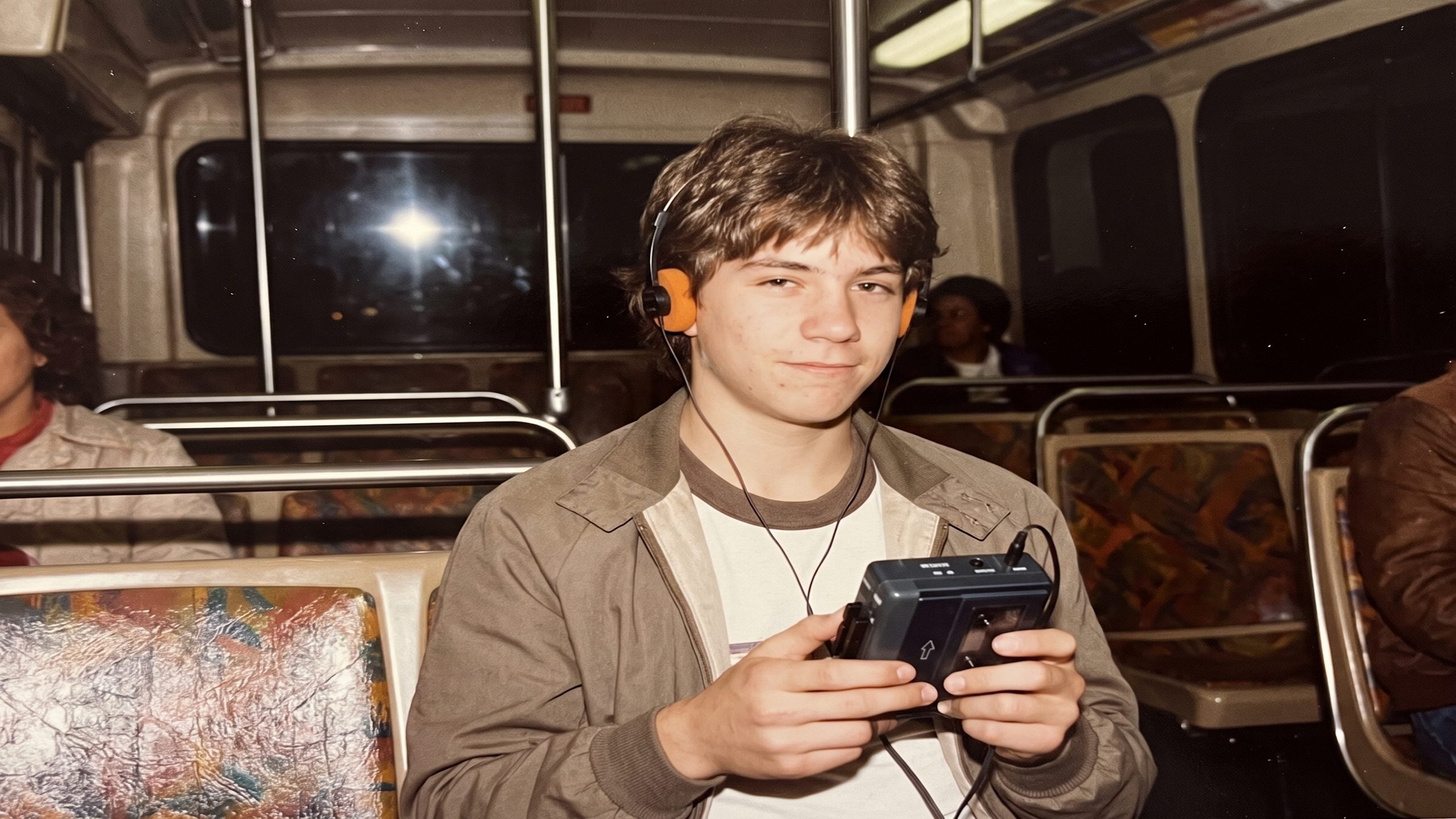
When Sony introduced the original Walkman in 1979, strolling around with cassette tunes and headphones felt revolutionary. By 1984, it had launched the D-50, the world’s first portable CD player, weighing about 590 grams. A MiniDisc Walkman followed in 1992 and a Memory Stick player in 1999. Portable music went through several distinct generations while plenty of people were still hanging onto their original cassette collections.
13. Floppy Disks Shrunk Dramatically Before Disappearing From Desktops
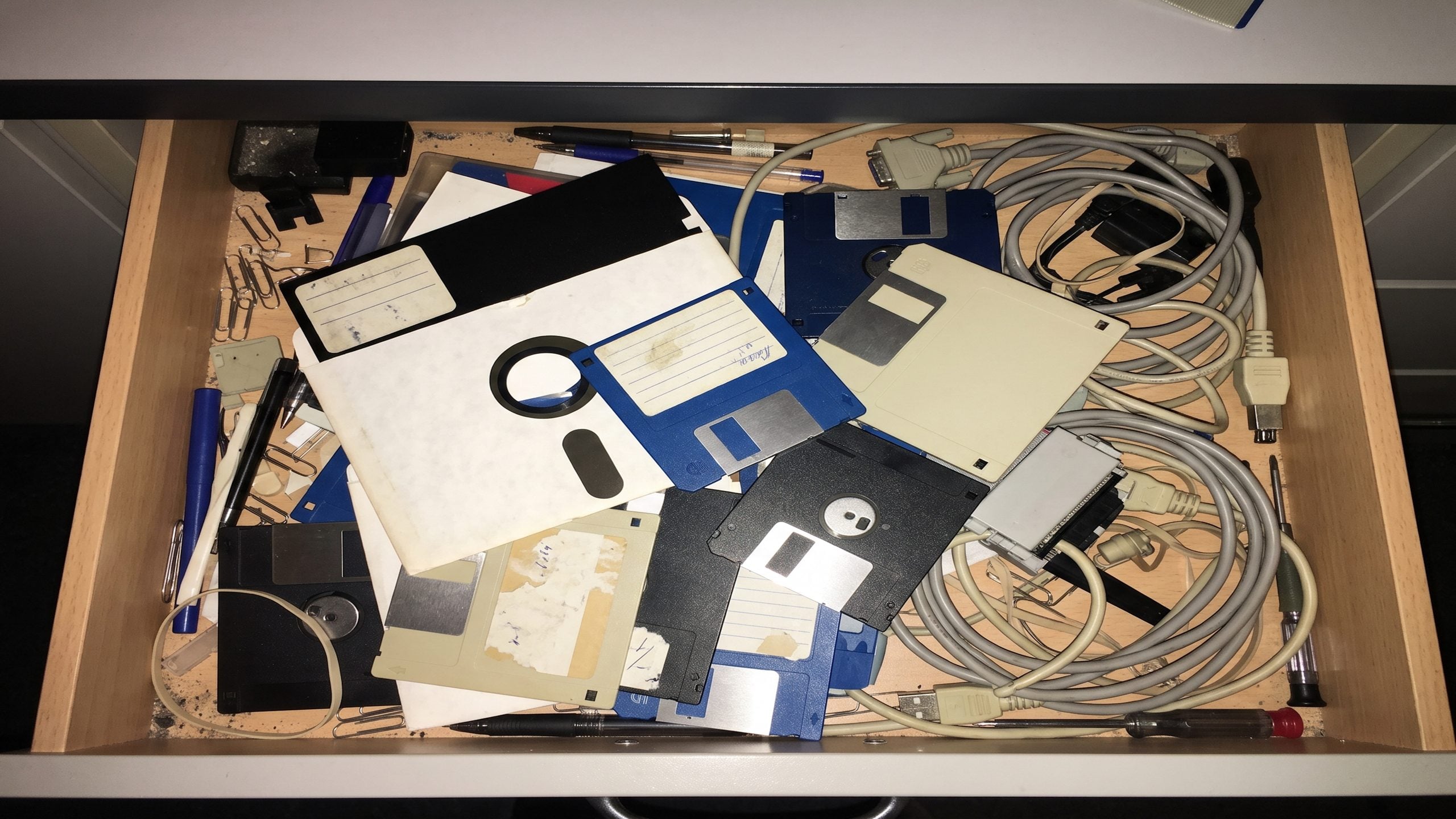
The floppy disk wasn’t always the small plastic square that computer users remember. IBM introduced an 8-inch disk system in 1971, and Shugart Associates developed the smaller 5.25-inch format in 1976, according to the Computer History Museum. Sony introduced the 3.5-inch disk in 1981, and the sturdier design replaced larger floppies as the dominant personal-computer format by the mid-1990s. Few everyday objects shrank so dramatically before vanishing.
14. Digital Cameras Went From Experimental Products to Serious Film Competitors in the 1990s
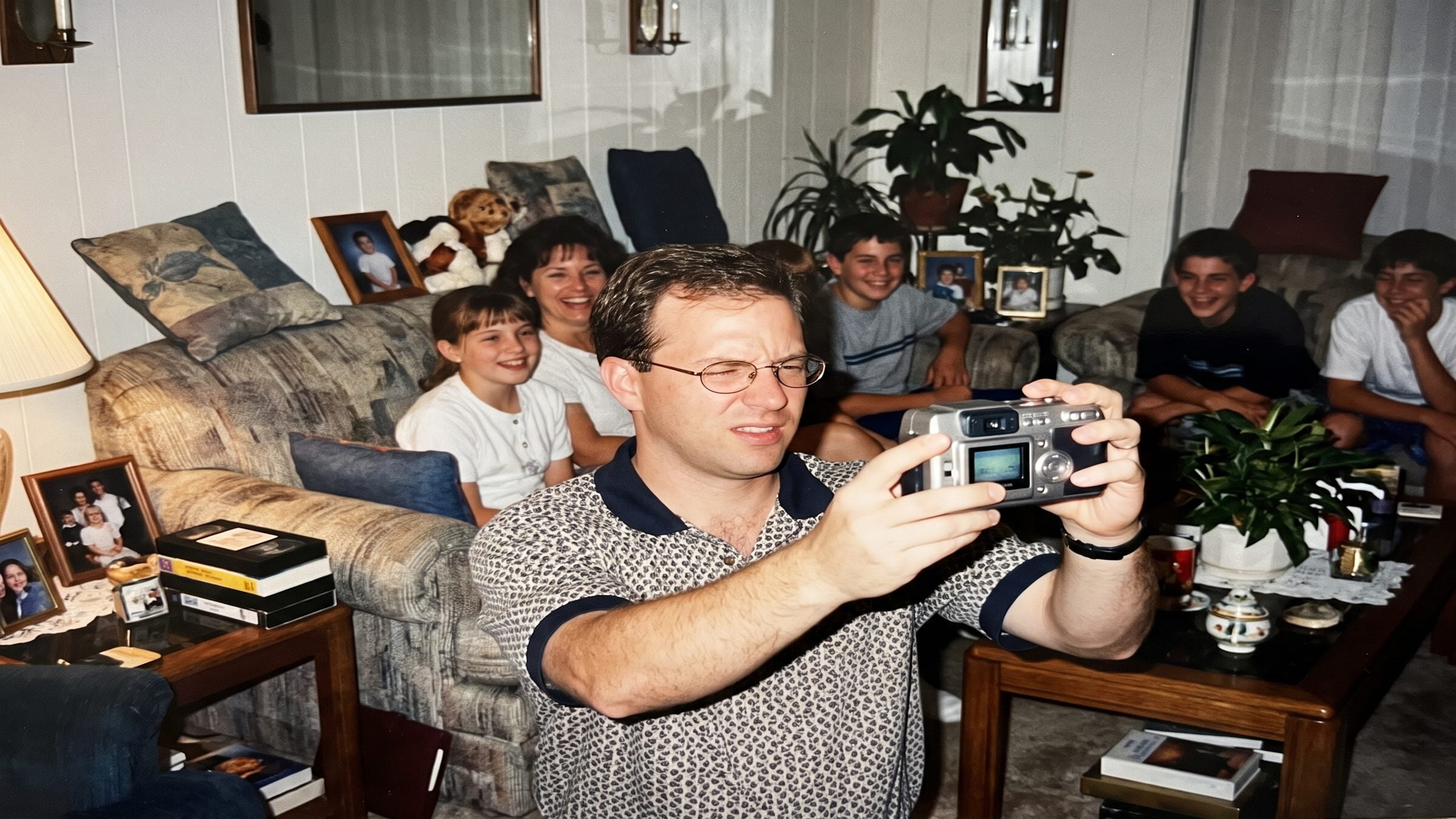
Digital cameras moved so fast in the 1990s that even established photography companies had to scramble. Nikon launched a digital-camera development project in 1996, aiming for a competitive product within two years. It released the COOLPIX 900 compact in 1998 and the D1 digital SLR in 1999, offering professional digital photography at roughly one-third the price of some competing systems.
15. Polaroid Cameras Went From Bulky Instant Photography to Folding Pocket-Friendly Designs

Instant photography once meant fairly substantial gear, until Polaroid’s SX-70 changed expectations in 1972. The camera folded into a surprisingly compact shape and used an integrated film system that produced the familiar square instant photos. Later SX-70 models added sonar-based autofocus, showing how quickly the instant-picture experience evolved within a single decade. It was a high-tech leap hiding inside a very everyday camera.
Funny how the most ordinary objects hide the wildest stories. Which of these everyday products changed the most while nobody was paying attention, and which old version is missed the most? Tell us in the comments!