
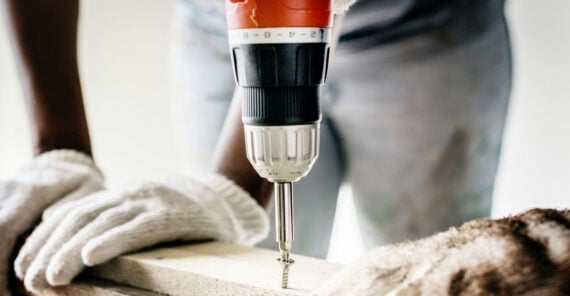
There was a time when saving money wasn’t a lifestyle trend it was simply part of everyday life. During the 1960s, families carefully managed their budgets by avoiding waste, making the most of what they owned, and thinking twice before making unnecessary purchases.
As prices continue to climb today, many of those practical habits are worth revisiting. While technology and lifestyles have changed, these simple money-saving practices remain surprisingly relevant and can still make a noticeable difference in household budgets.
1. Repairing Instead of Replacing
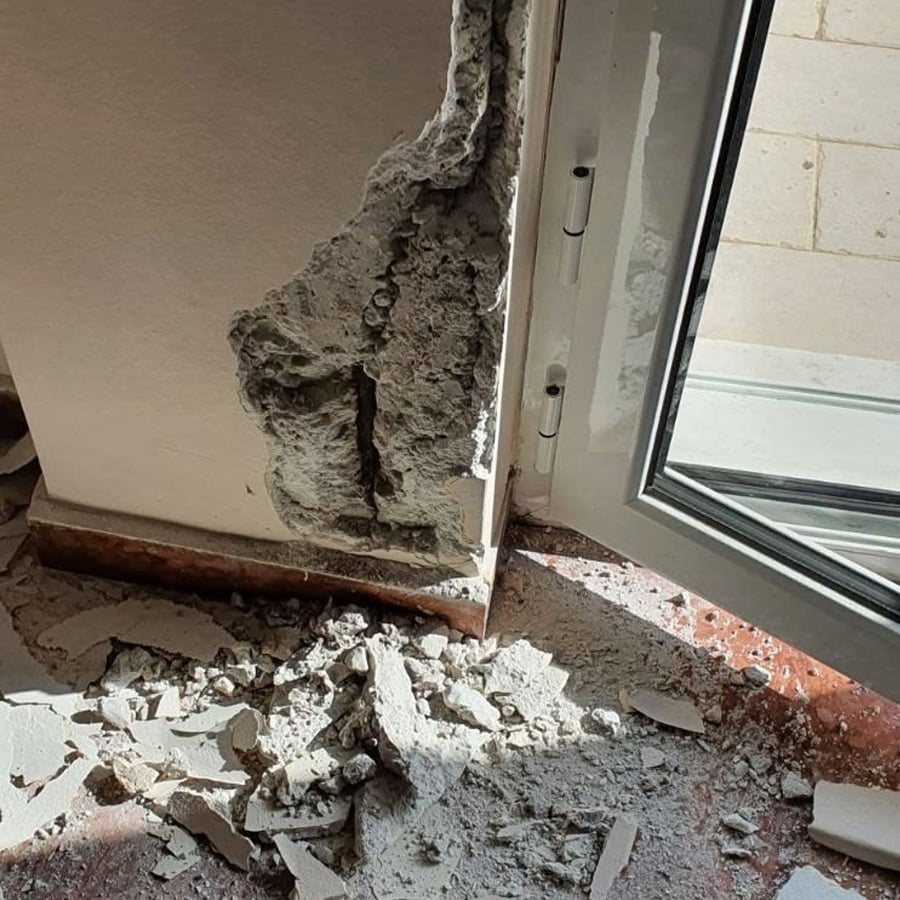
When something broke, most families tried to fix it before buying a replacement. Whether it was a toaster, a pair of shoes, or a piece of furniture, repairing household items helped stretch every dollar and kept perfectly usable belongings out of the trash.
2. Packing Lunch Every Day

Bringing lunch from home was an everyday routine that saved money while making good use of leftovers. Even today, preparing lunch at home can significantly reduce monthly food expenses compared to eating out regularly.
3. Cooking Meals at Home
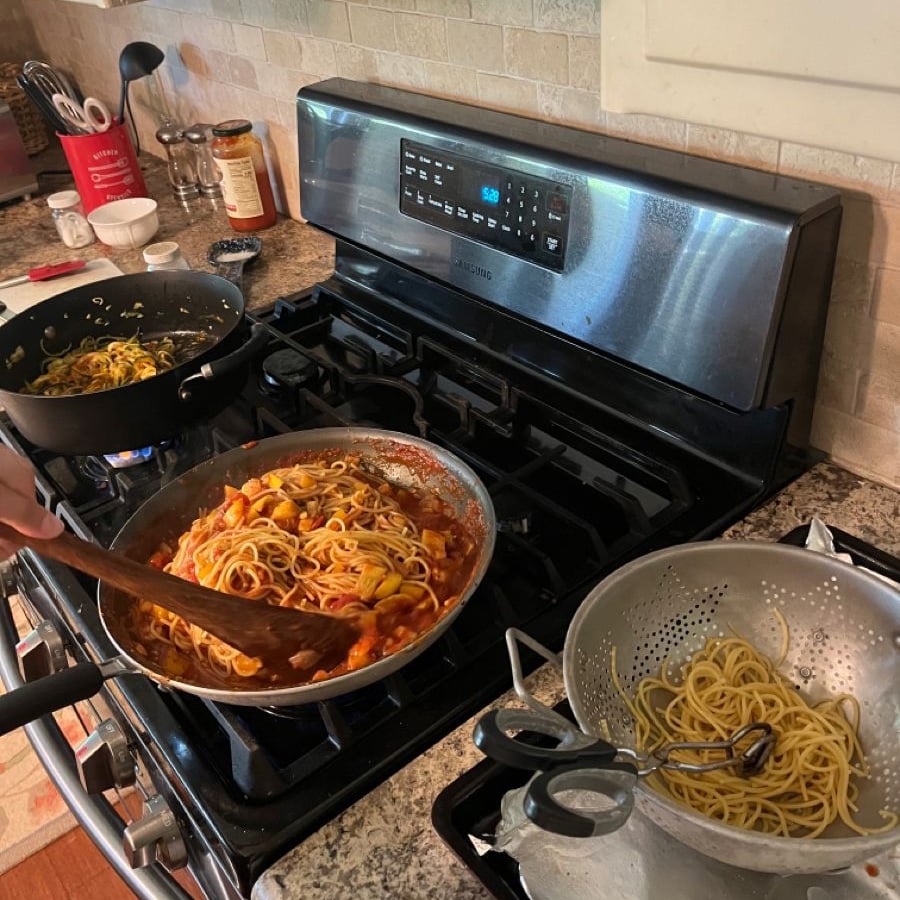
Restaurant visits were usually reserved for birthdays or special occasions because home cooking was far more affordable. Preparing meals from scratch remains one of the easiest ways to control food costs while often eating healthier.
4. Hanging Clothes Outside to Dry
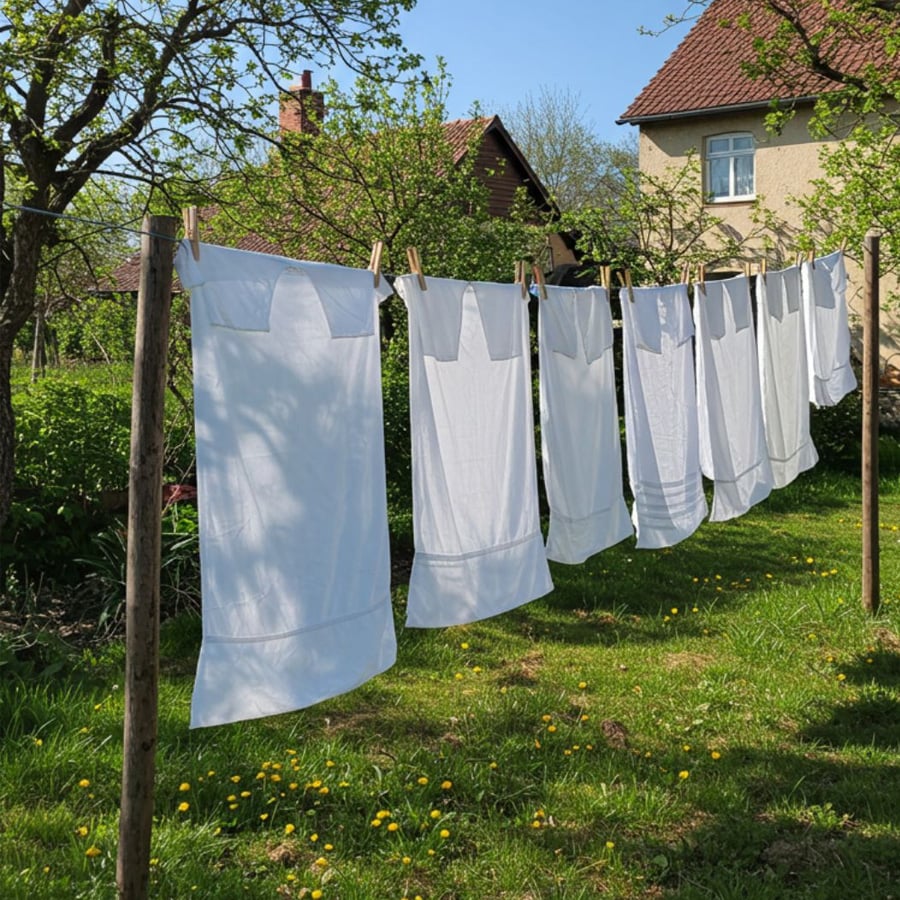
Many households relied on clotheslines instead of electric dryers whenever the weather cooperated. Air-drying clothes saves electricity, reduces utility bills, and helps garments last longer by minimizing wear.
5. Saving Every Leftover
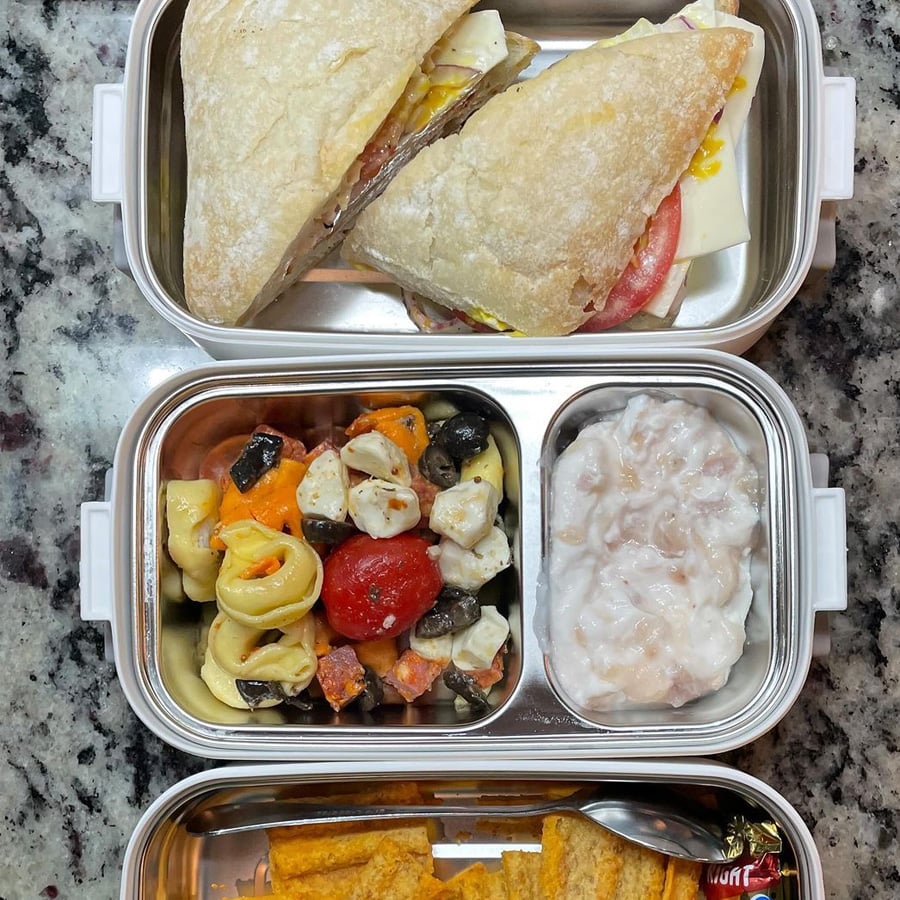
Instead of throwing away extra food, families transformed leftovers into lunches or entirely new dinners. This habit reduces food waste and helps make every grocery purchase go further.
Trending on Wealth Gang


6. Growing a Backyard Garden
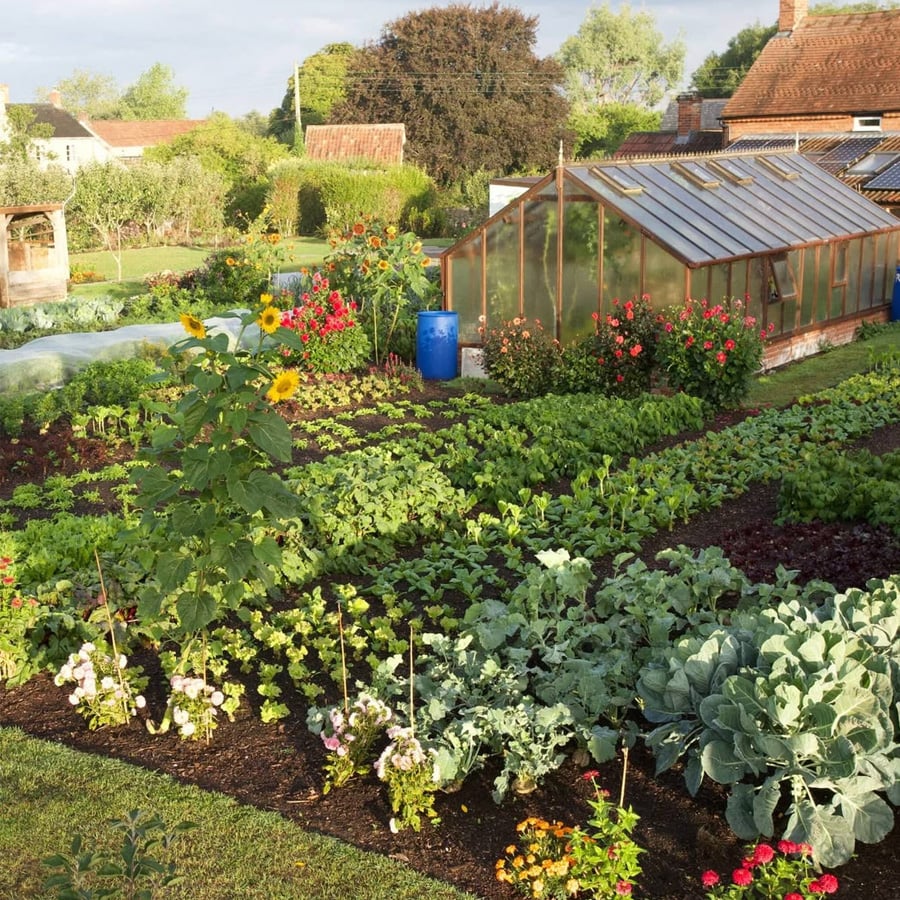
Even a small vegetable garden provided fresh tomatoes, lettuce, herbs, or beans that reduced grocery bills during the growing season. Home gardening continues to be a practical way to save money while enjoying fresh produce.
7. Shopping With a List
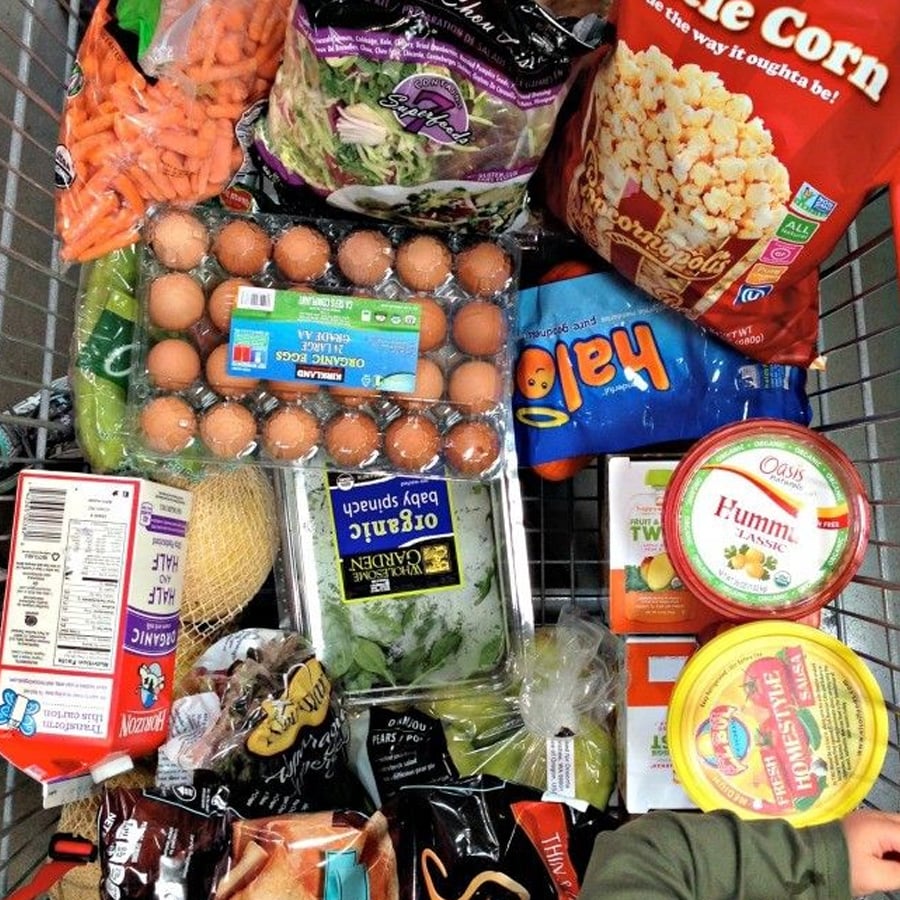
Families often planned their grocery trips in advance and bought only what they actually needed. Shopping with a list still helps avoid impulse purchases and keeps spending under control.
8. Sewing and Mending Clothes
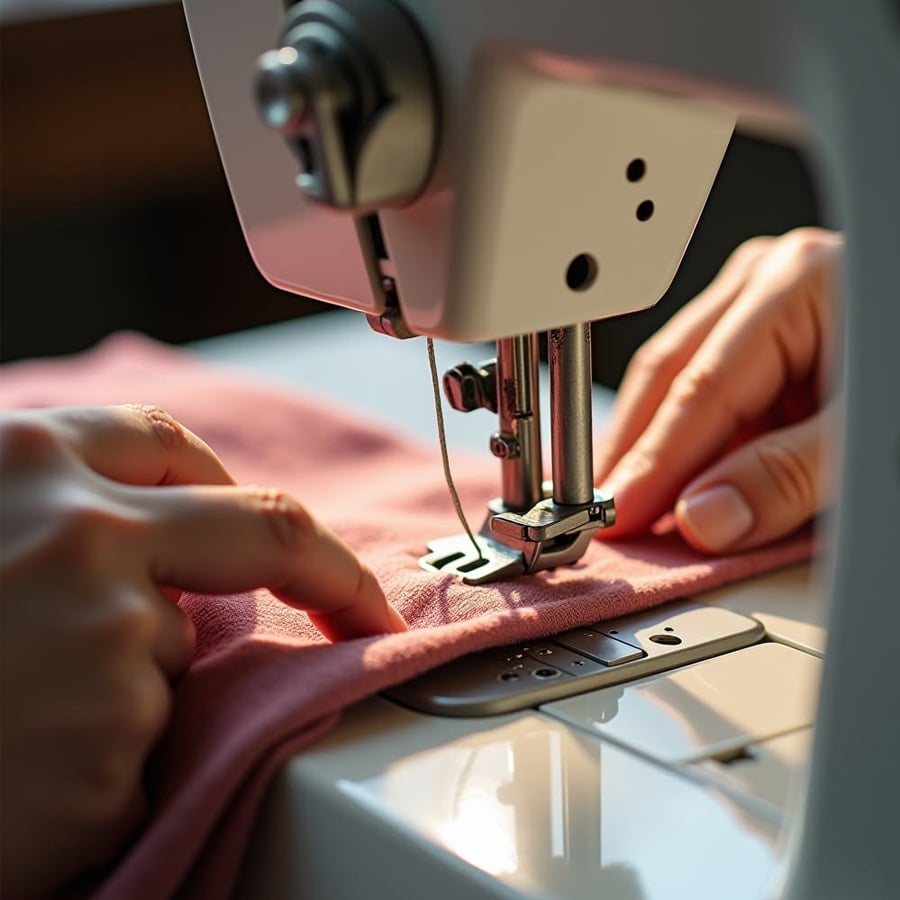
Loose buttons, torn seams, and small holes were usually repaired instead of becoming reasons to buy new clothing. Basic sewing skills can still extend the life of garments and reduce replacement costs.
Sign up for our newsletter
9. Borrowing Instead of Buying

Neighbors commonly borrowed ladders, tools, or gardening equipment rather than purchasing items they would rarely use. Sharing resources remains a smart way to avoid unnecessary expenses while building stronger communities.
10. Using Everything Before Replacing It
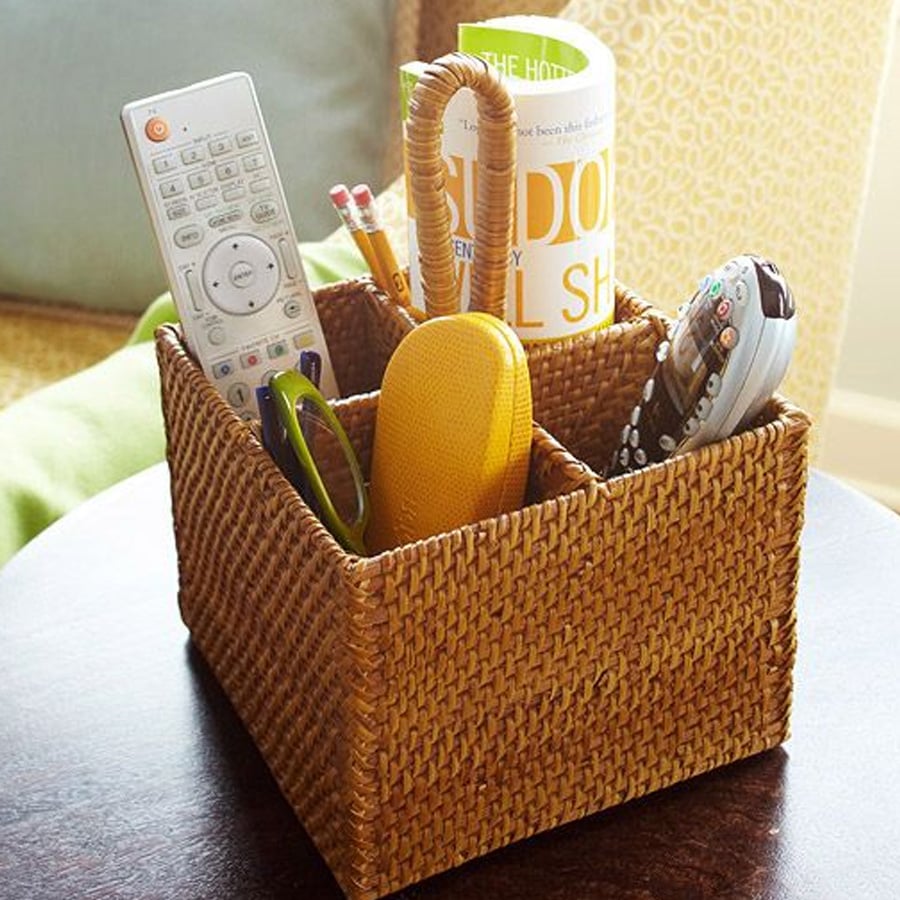
Households finished every bottle, box, or container before purchasing another one, reducing waste and preventing duplicate purchases. This simple habit encourages more mindful spending and better organization.
11. Paying With Cash

Many families relied primarily on cash because it made household budgets easier to track. Physically seeing money leave your wallet can still help limit overspending more effectively than swiping a card.
12. Waiting for Sales

Instead of buying items immediately, people often waited for seasonal promotions or clearance events to make larger purchases. Patience continues to be one of the easiest ways to save substantial amounts on clothing, appliances, and household goods.
13. Reusing Household Containers
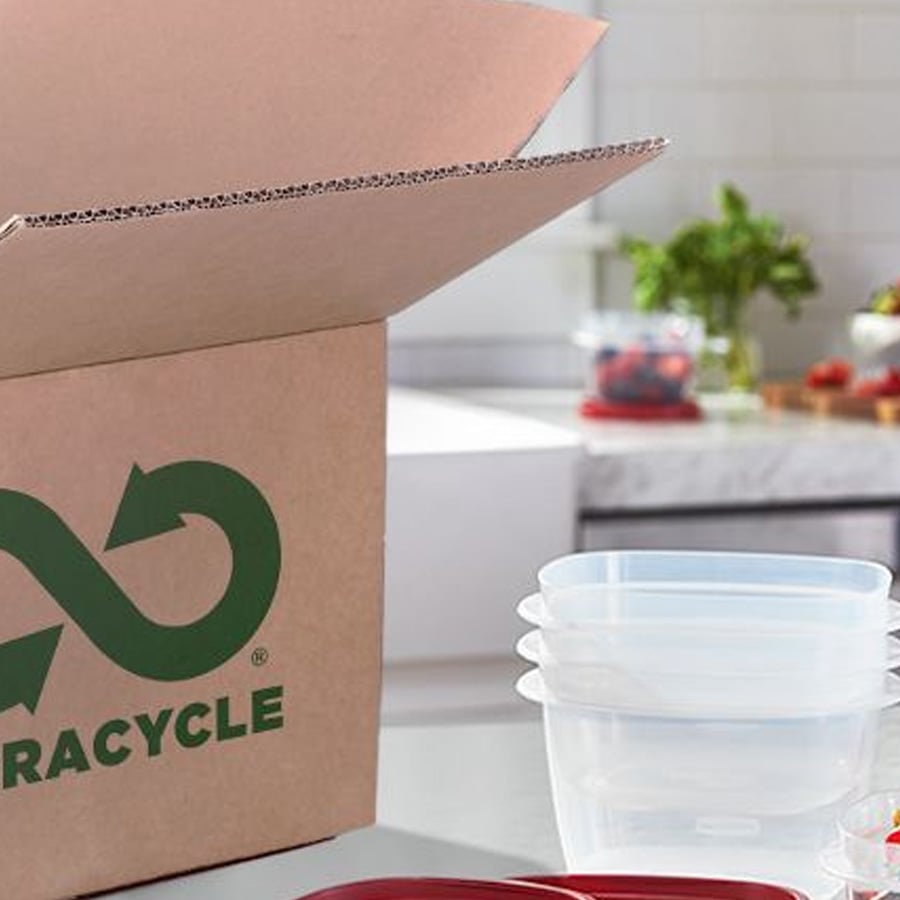
Glass jars, coffee cans, and sturdy containers were cleaned and reused for storing food, tools, or craft supplies. Repurposing everyday items reduces waste while eliminating the need to purchase additional storage products.
14. Taking Care of What They Owned

Regular maintenance of cars, furniture, appliances, and household equipment helped families avoid expensive repairs and replacements. Caring for valuable possessions remains one of the smartest long-term money-saving habits.
More Related Notes
• 15 Things Previous Generations Saved For That People Finance Differently Today
A fascinating look at how families once saved for major purchases instead of relying on long-term financing and monthly payments.
• 16 Purchases That Felt Affordable in the 1990s but Seem Like Luxuries Today
This article explores how rising prices transformed everyday household purchases into major financial commitments for many families.
• 10 Everyday Costs That Have Changed the Most Since 2000
A complementary read examining how inflation and changing economic conditions have reshaped the cost of owning and maintaining a household.