All over history, human understanding of the universe has been limited by the boundaries of natural perception. The following 15 scientific tools transformed exploration by extending human senses and launching new fields of study, from microbiology to astrophysics.
They let scientists examine cell structure, observe galaxies, and manipulate individual atoms. Today, these tools remain the foundation of modern discovery, proving that our understanding of reality expands only as far as our instruments.
1. The Microscope
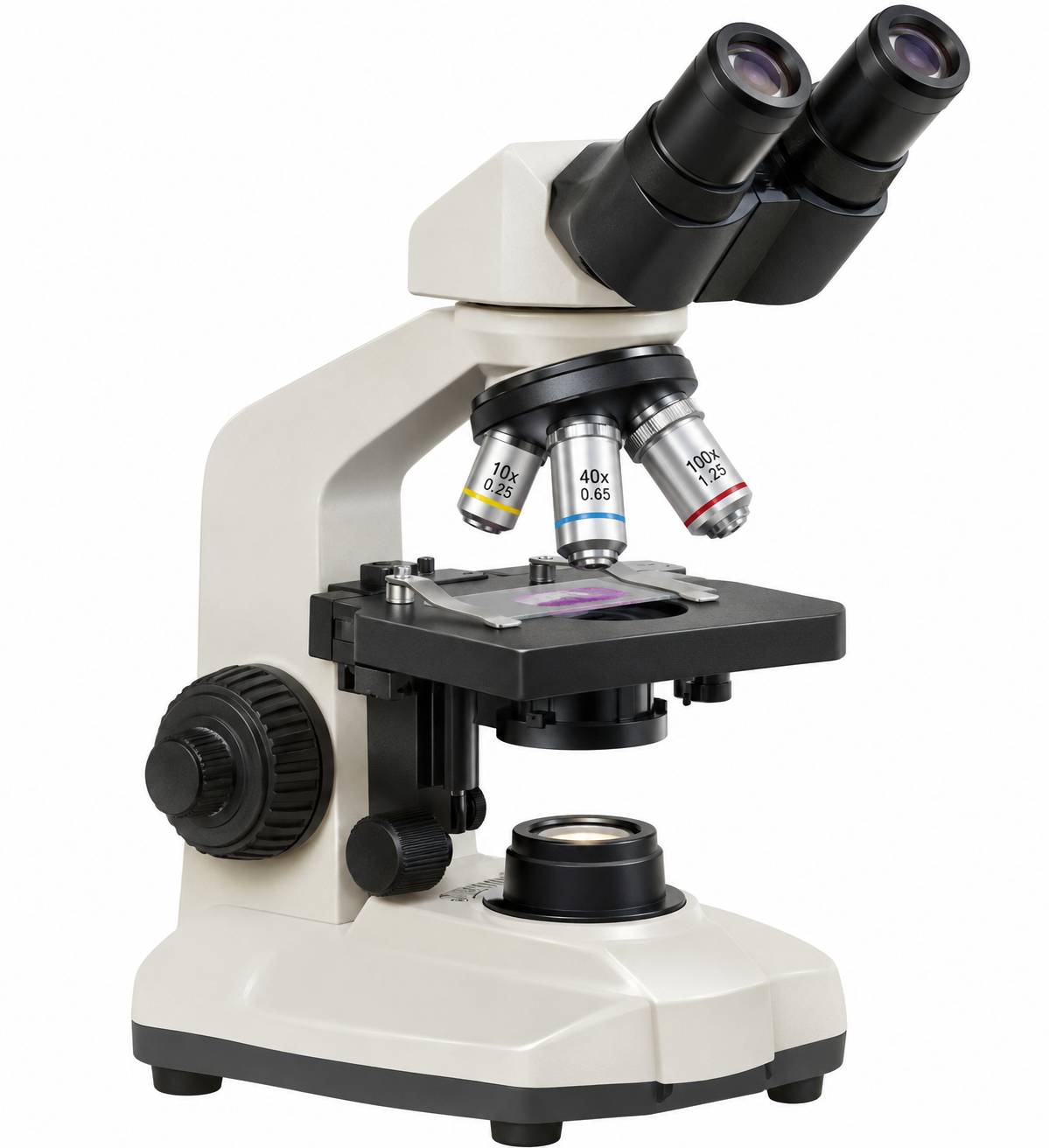
Before microscopes, people had little understanding of the tiny organisms surrounding them. During the 1670s, Dutch researcher van Leeuwenhoek used crafted single-lens microscopes to observe microscopic life in water. His observations included organisms and structures that could not be seen with the naked eye, helping establish the foundations of microbiology.
2. The Telescope
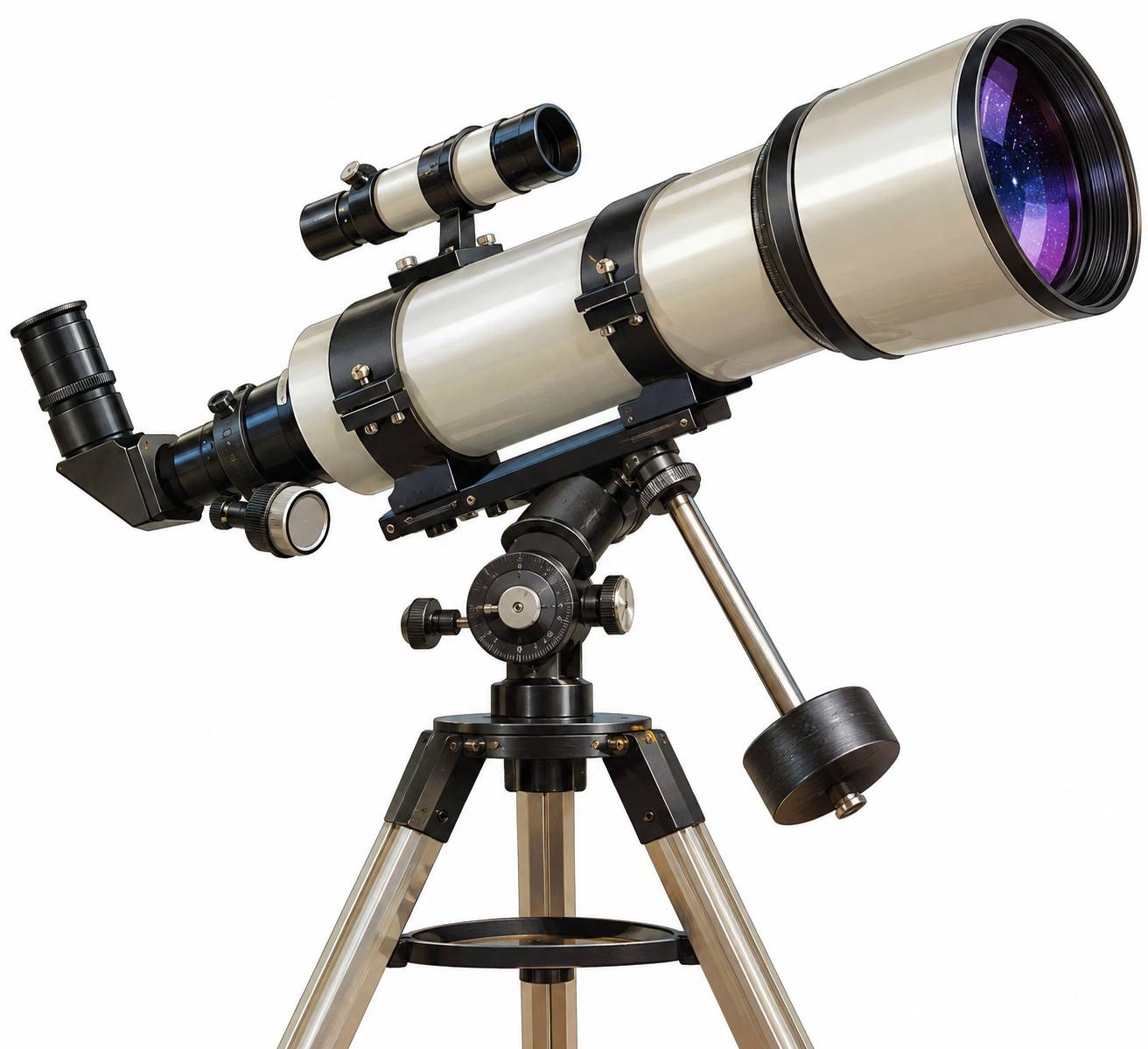
When Galileo Galilei pointed an improved telescope toward Jupiter in 1610, he noticed tiny points of light that appeared to move around the planet. After several nights of observations, he concluded these objects were moons orbiting Jupiter rather than stars. The discovery challenged the belief that every celestial body revolved around Earth and helped strengthen the case for a Sun-centered planetary system.
3. The Spectroscope
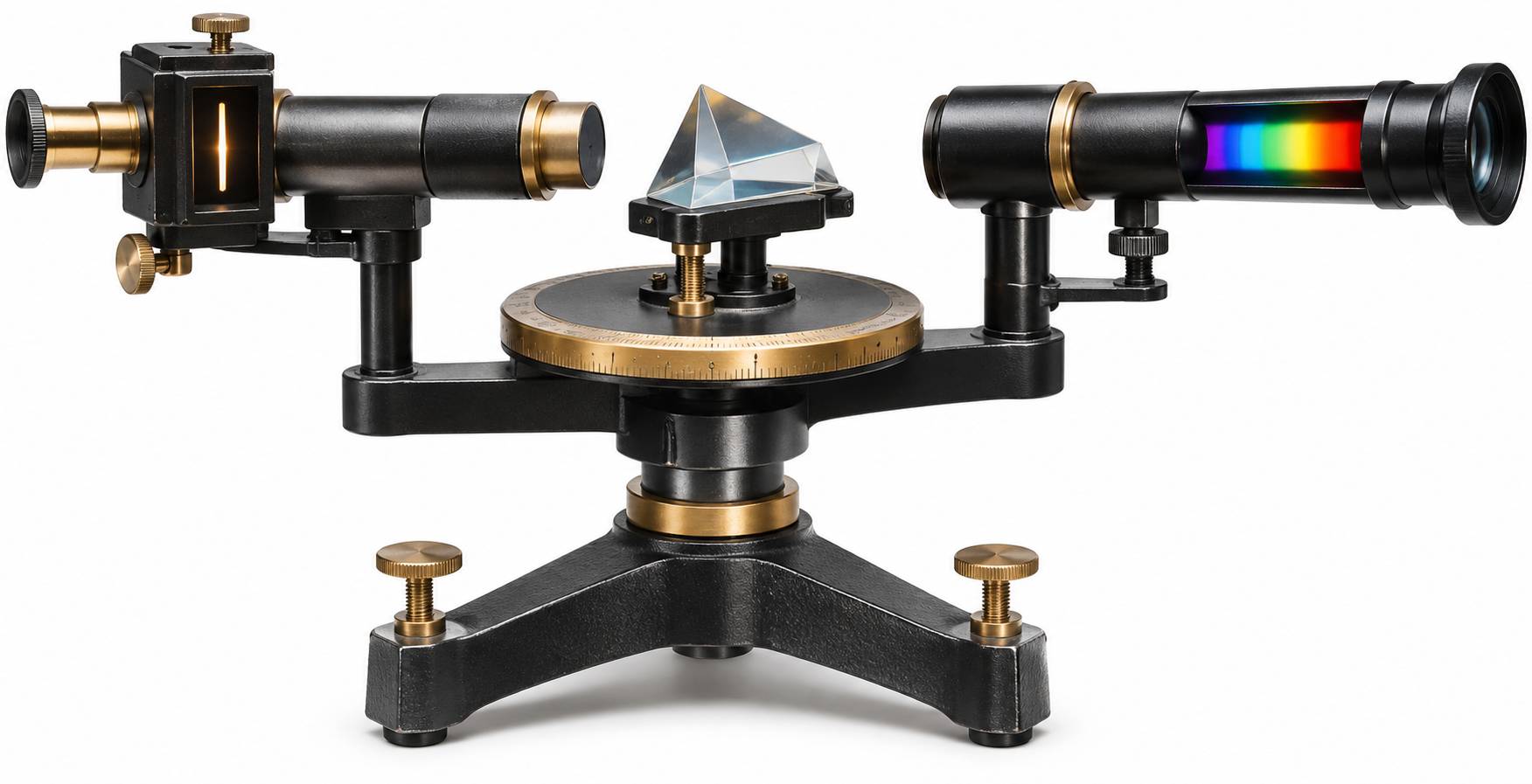
This technique made it possible to recognize substances through their light spectra rather than relying on traditional chemical testing. Spectroscopy became essential to astronomy because scientists could study the chemical composition of stars and other distant objects.
4. X-Ray Equipment
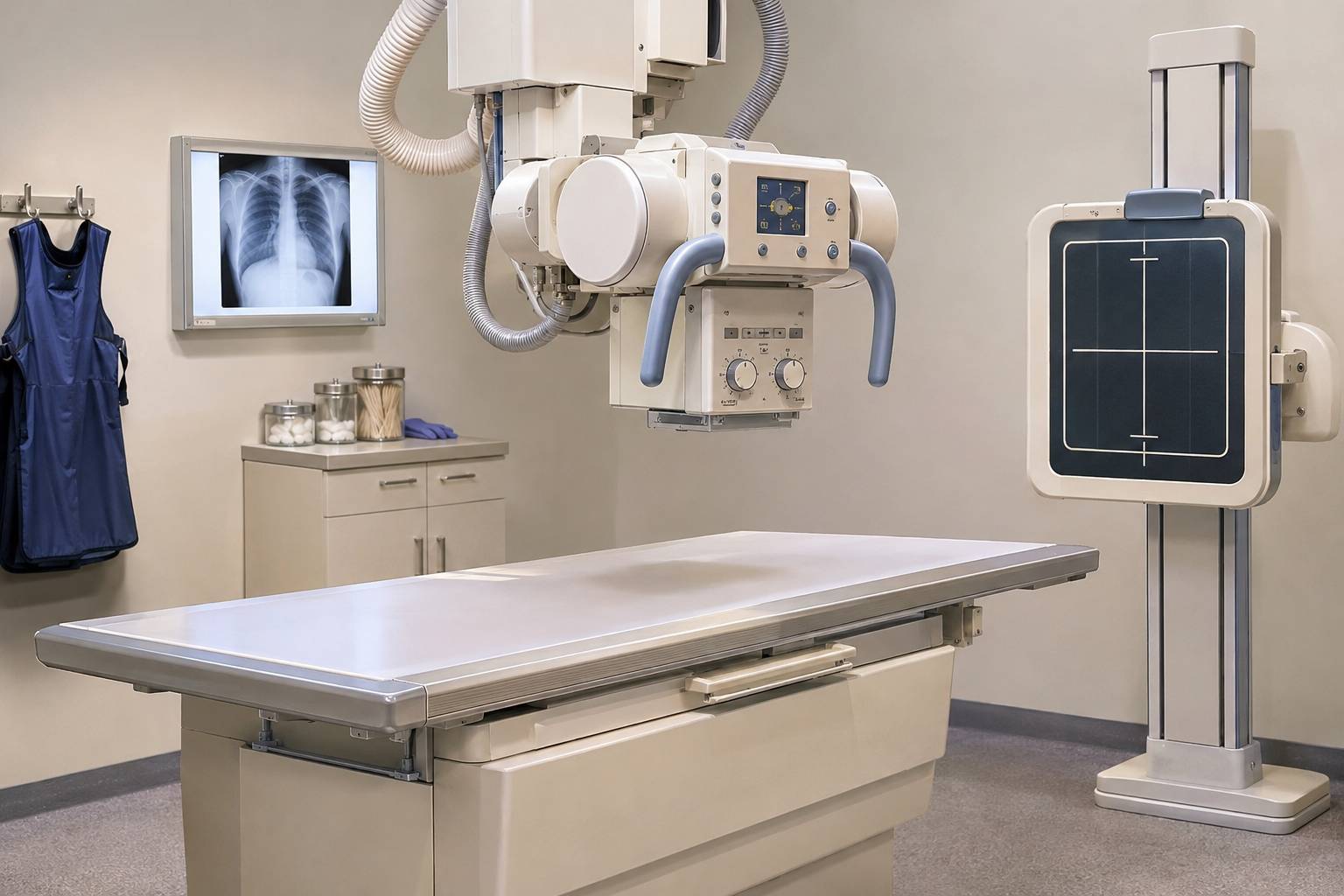
In 1895, German physicist Wilhelm Röntgen discovered an invisible form of radiation capable of passing through some materials while being absorbed by others. He demonstrated its potential by producing an image of the bones in his wife’s hand. X-ray equipment gave physicians a way to examine fractures and other internal structures without performing surgery. The technology became one of the most important diagnostic tools.
5. Seismographs
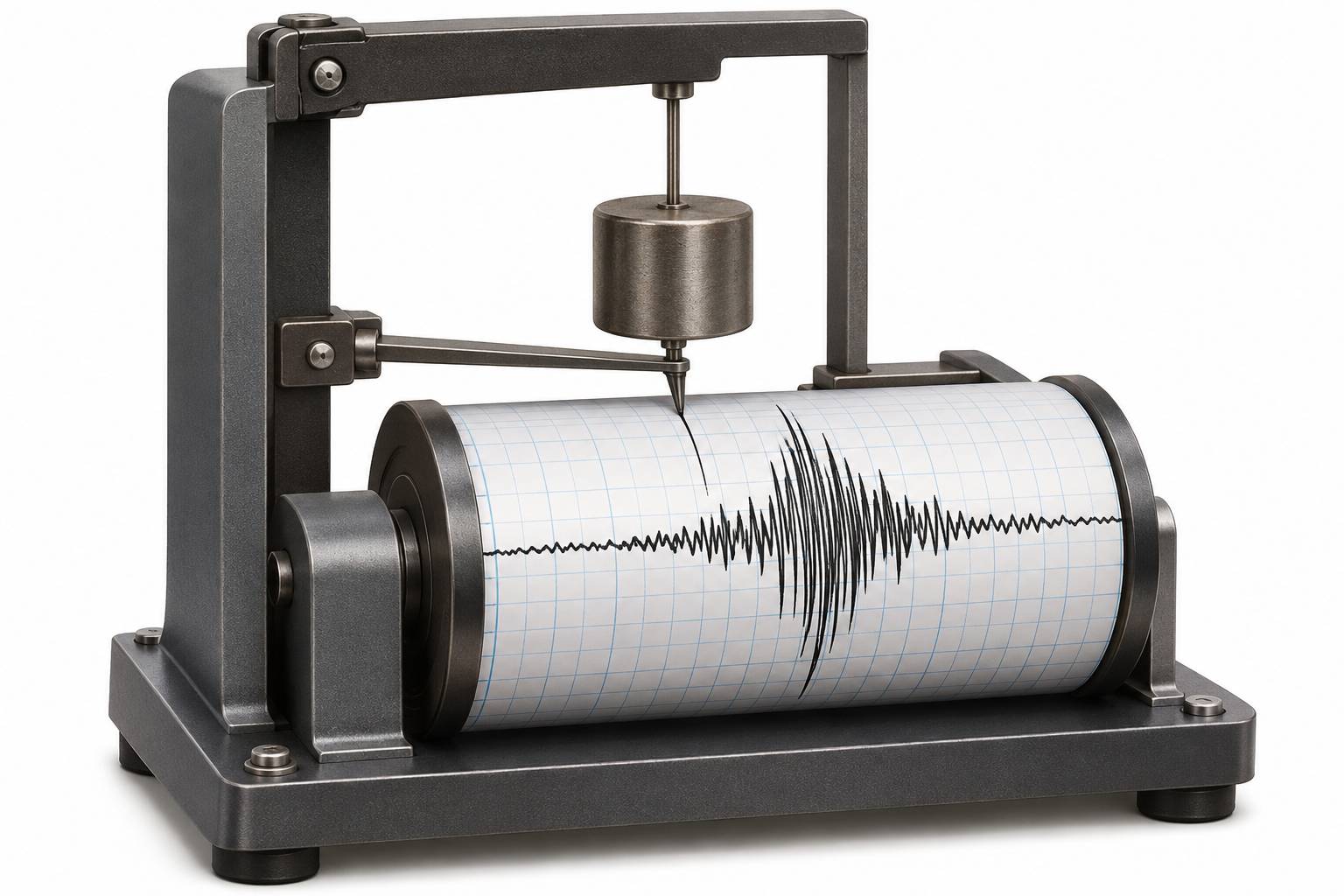
Seismographs help record earthquakes and seismic waves, allowing researchers to study how the waves move through different layers of rock. Scientists have gathered evidence about Earth’s crust, mantle, and core.
Trending on Wealth Gang


6. The Mass Spectrograph
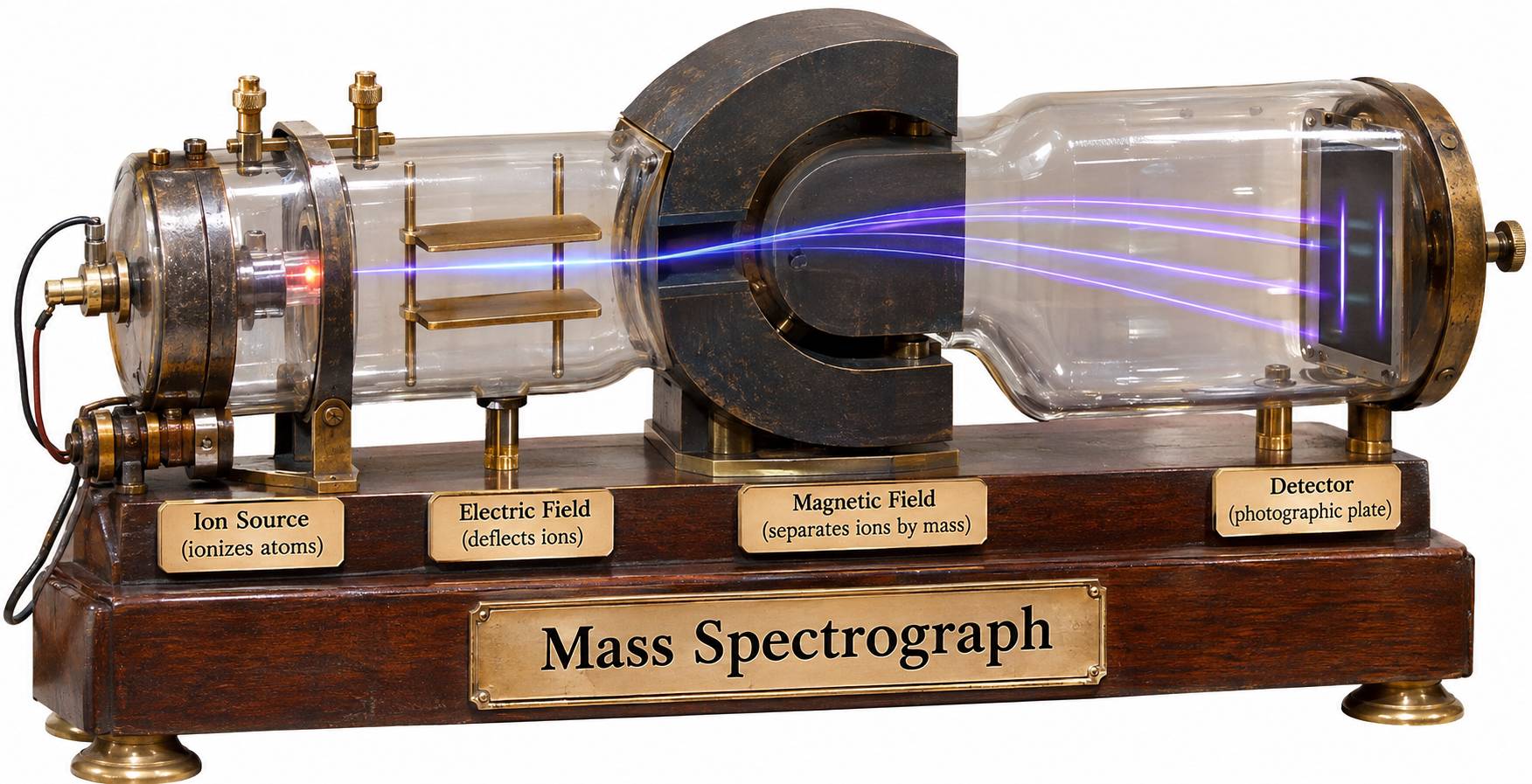
During the early 20th century, scientists discovered that atoms of the same chemical element could have different masses. In 1919, Francis Aston developed a mass spectrograph that used electric and magnetic fields to separate charged particles.
7. X-Ray Crystallography
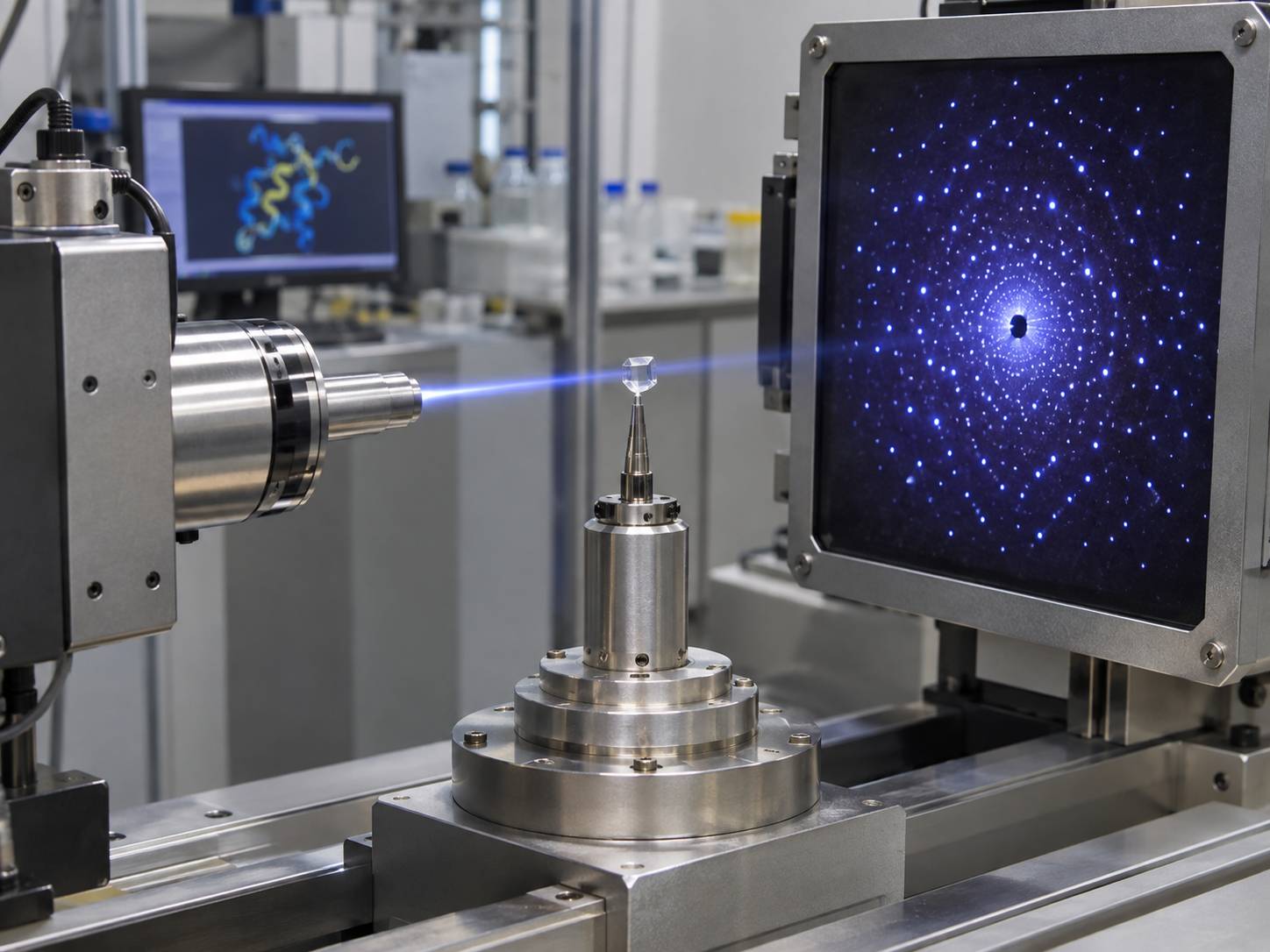
Although scientists understood that matter contained atoms, determining how those atoms were arranged remained very difficult. Following the discovery of X-ray diffraction in 1912, William Henry Bragg and William Lawrence Bragg developed methods for using diffraction patterns to investigate crystal structures.
8. The Electron Microscope
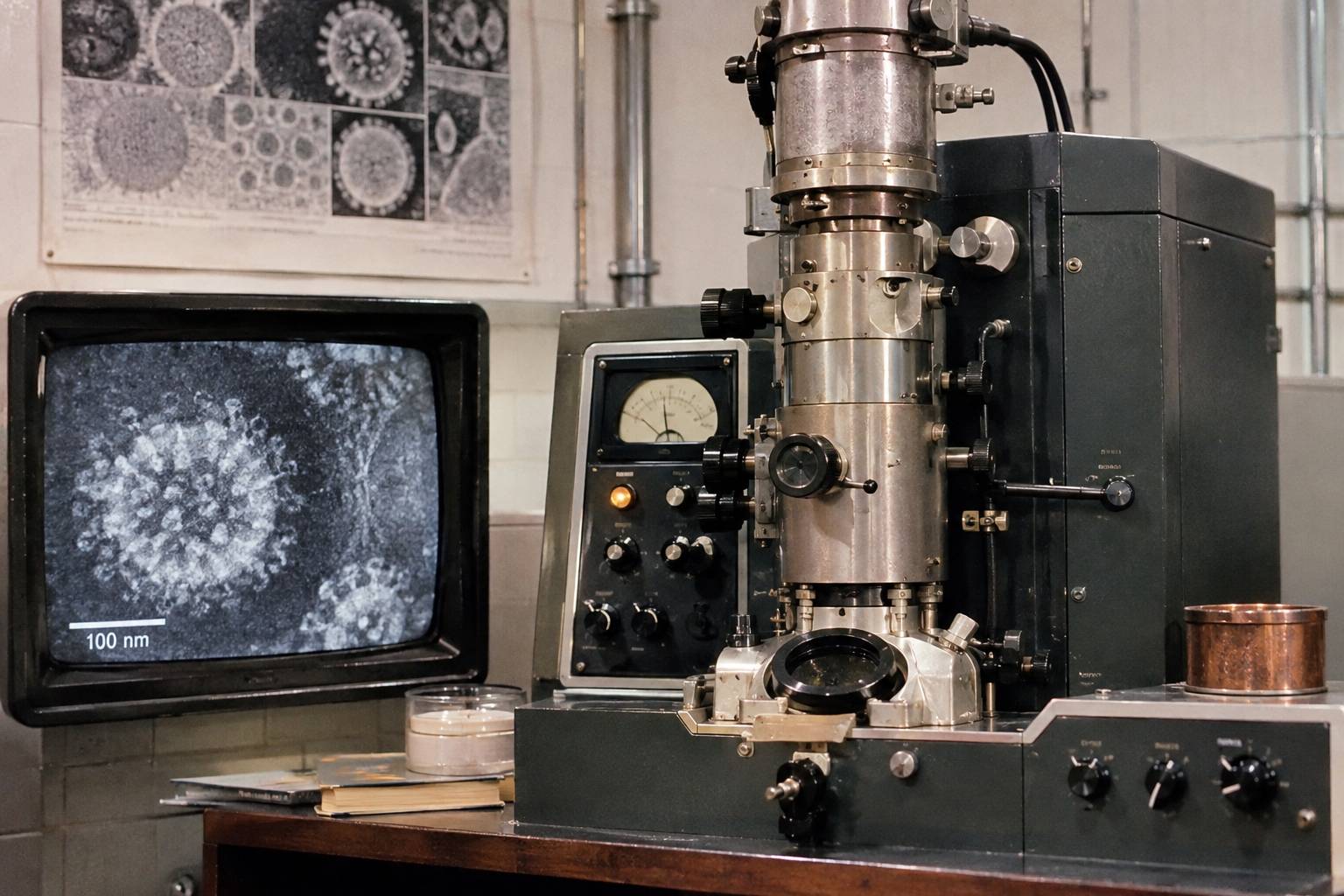
During the early 1930s, Ernst Ruska and Max Knoll helped develop electron microscope technology that used beams of electrons instead of light to examine small structures. As the technology improved, scientists studied viruses, cell components, and materials at levels of detail impossible to observe with conventional microscopes.
Sign up for our newsletter
9. Radio Telescopes
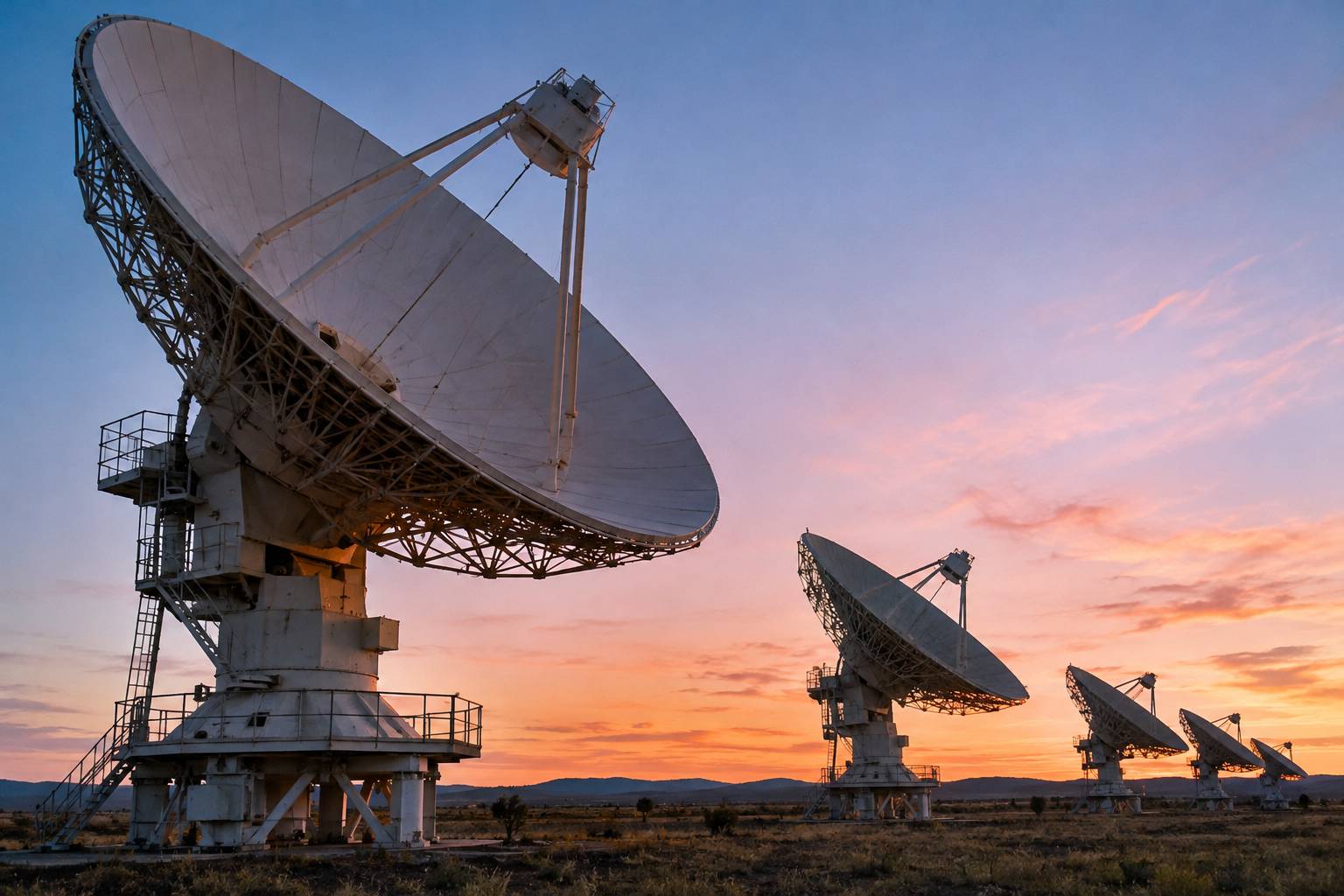
In the early 1930s, an engineer discovered radio signals coming from beyond the solar system while investigating interference in telephone communications. His findings helped establish radio astronomy, allowing scientists to study celestial objects.
10. CT Scanners
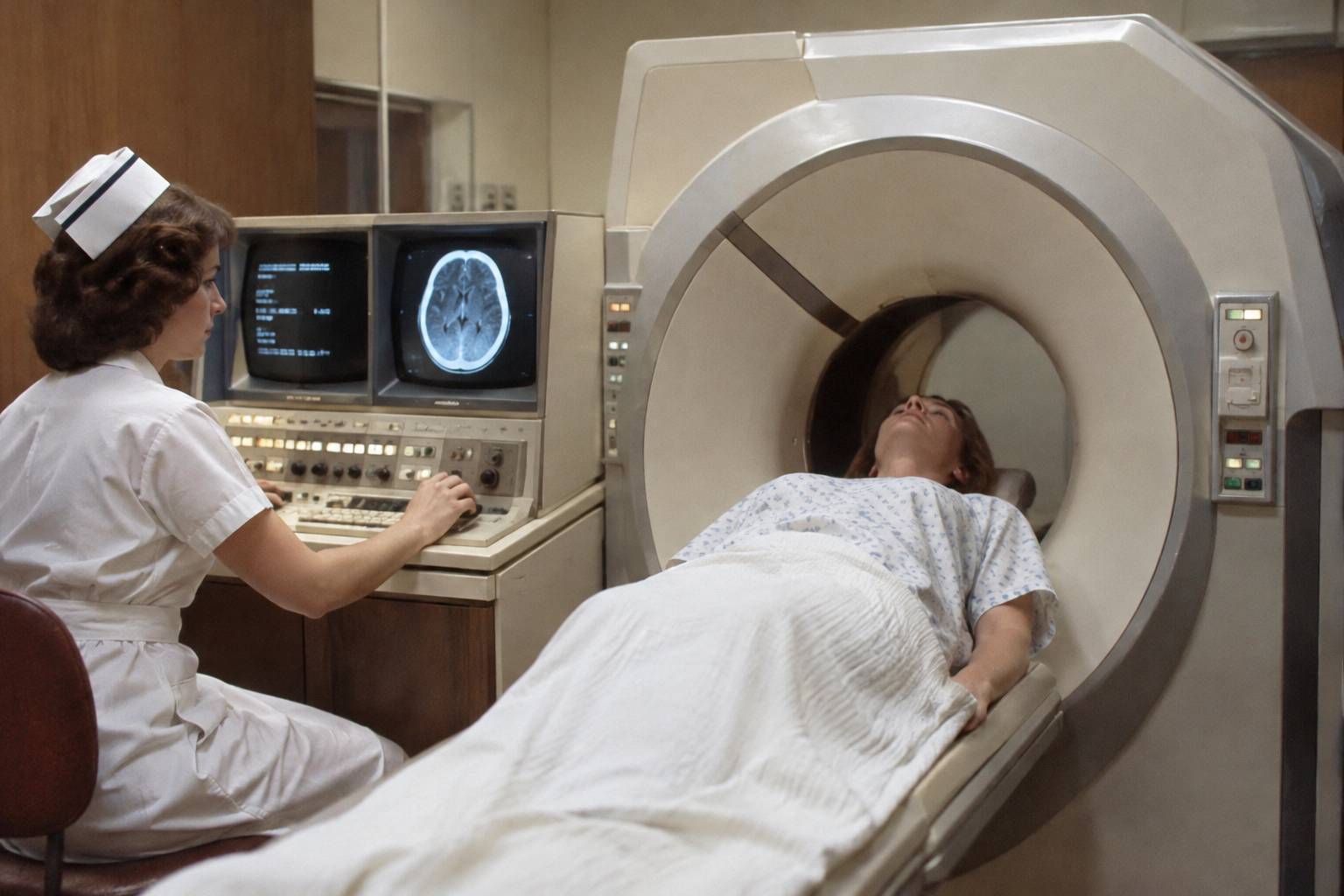
Before computed tomography, conventional X-rays produced images of bones and tissues, making internal structures difficult to distinguish. During the late 1960s and early 1970s, advances by Godfrey Hounsfield and Allan Cormack made CT scanning possible. CT scanners combine measurements from multiple X-ray angles with computer calculations to reconstruct images of the body.
11. MRI Machines
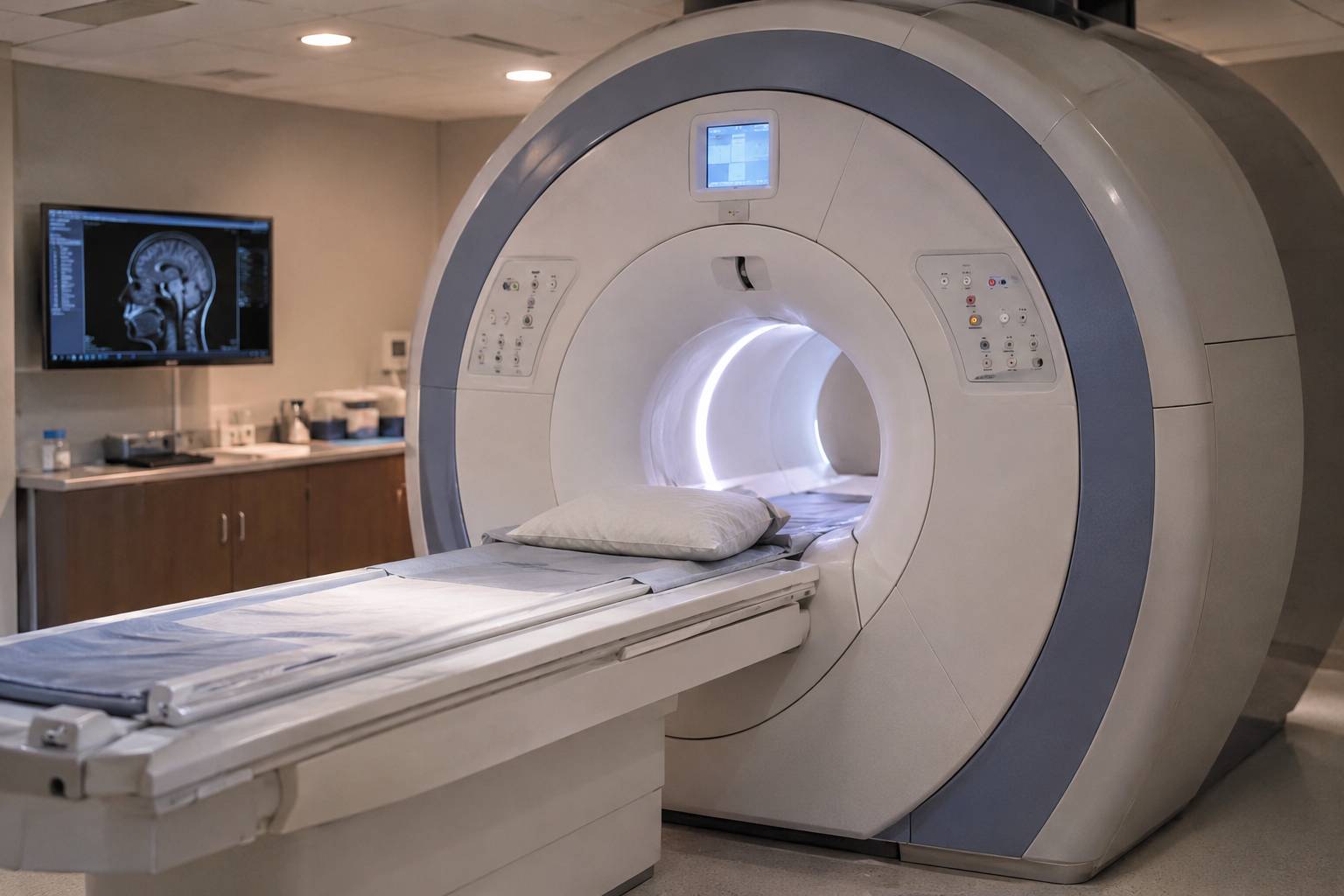
Magnetic resonance images emerged from research into how atomic nuclei behave in magnetic fields. During the 1970s, scientists developed techniques that made it possible to turn magnetic resonance signals into detailed images. MRI became valuable for examining soft tissues, including brain, muscles, and organs.
12. Deep-Sea Submersibles
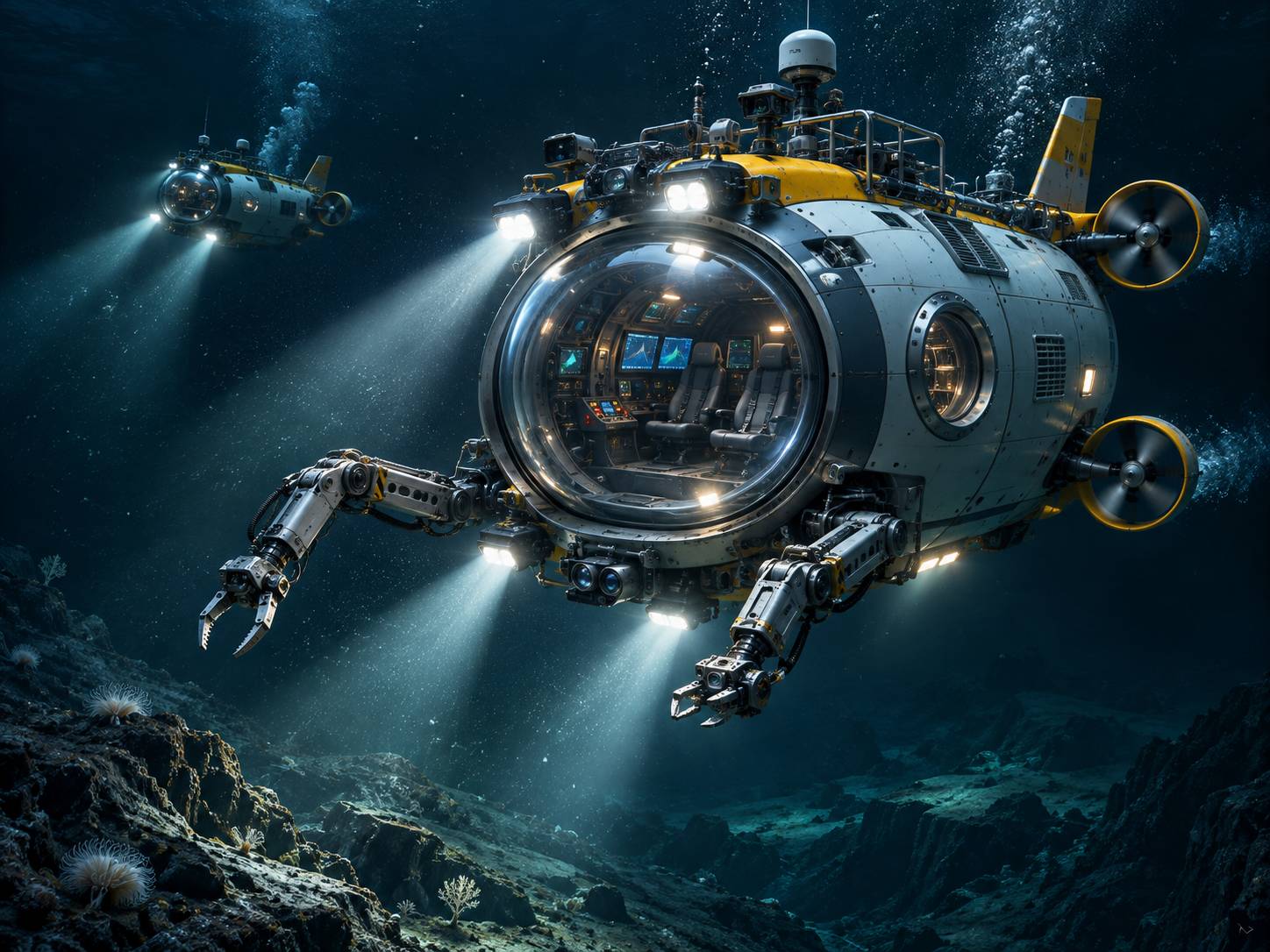
For a long time, the deepest parts of the ocean remained inaccessible to direct human observation. Research submersibles such as Alvin allowed scientists to travel into deep underwater environments and investigate the seafloor. During a 1977 expedition near the Galápagos Islands, researchers discovered hydrothermal vents surrounded by unexpected communities of marine life. The discovery showed that ecosystems could thrive through chemical energy.
13. Multibeam Sonar
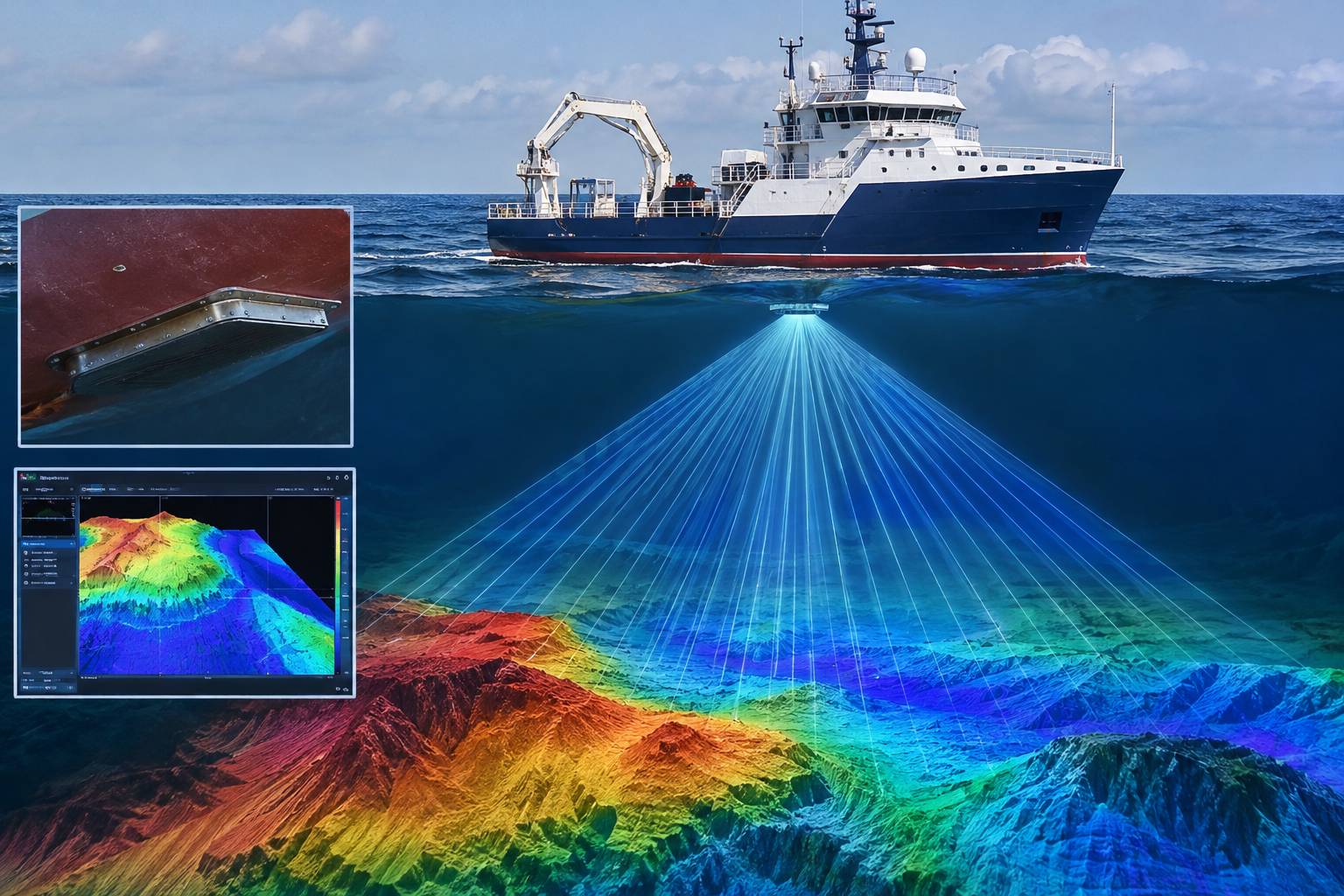
Developed during the 1960s, multibeam sonar systems use sound beams to measure sections of the seafloor. This technology has allowed researchers to create far more detailed maps of underwater mountains and other geological formations. NOAA uses these systems to explore poorly mapped regions and identify features that earlier surveys could not reveal.
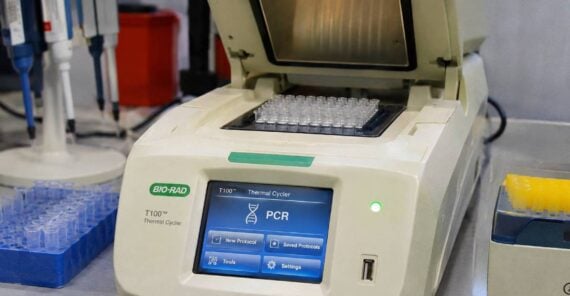
14. PCR Thermal Cyclers
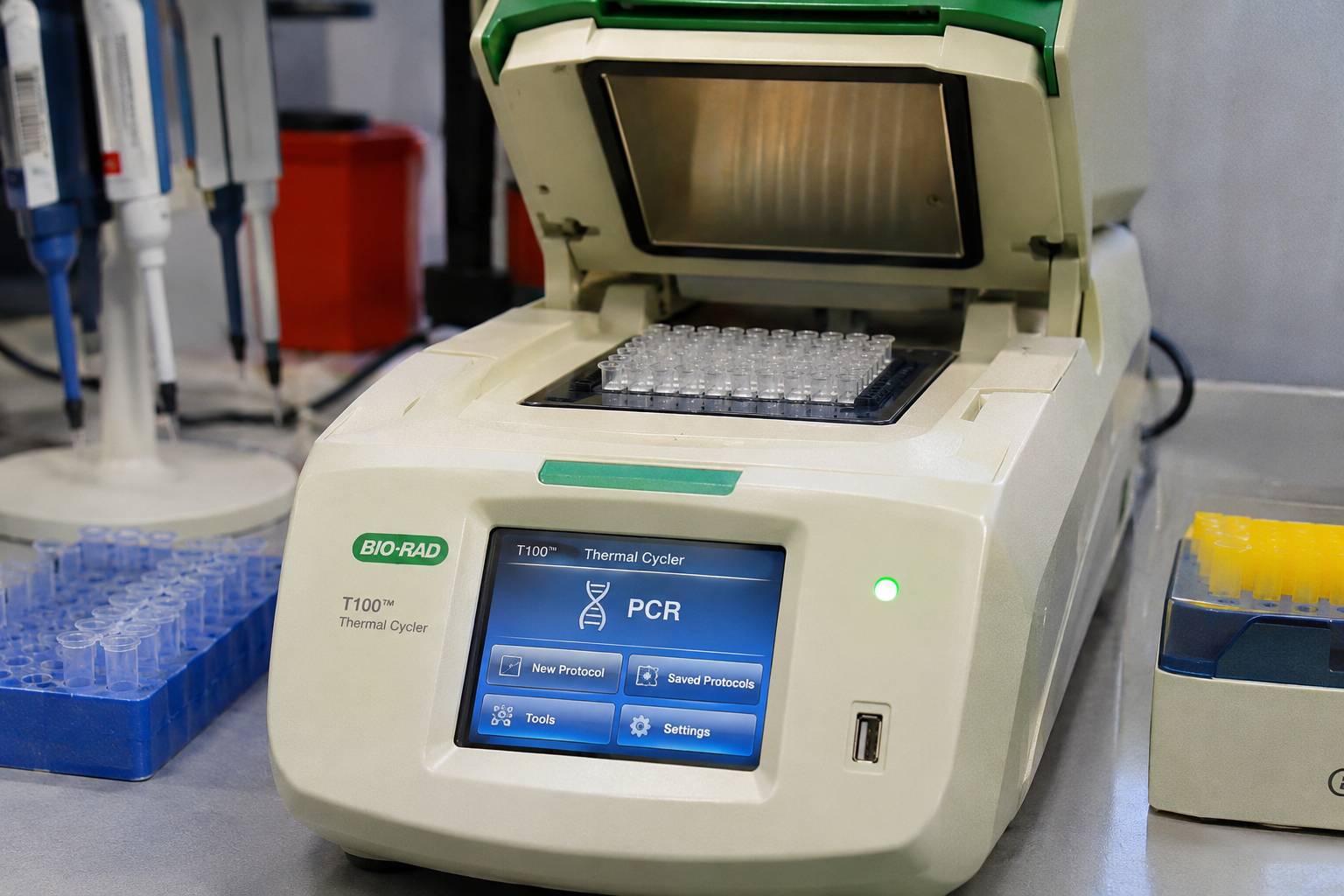
The polymerase chain reaction, developed in the 1980s, gave scientists a method for making enormous numbers of copies of selected DNA segments. Thermal cyclers made the process more practical by changing sample temperatures so DNA strands could separate and new copies could form. This technique allows researchers to analyze small amounts of genetic material that would otherwise be difficult to study.
15. Automated DNA Sequencers
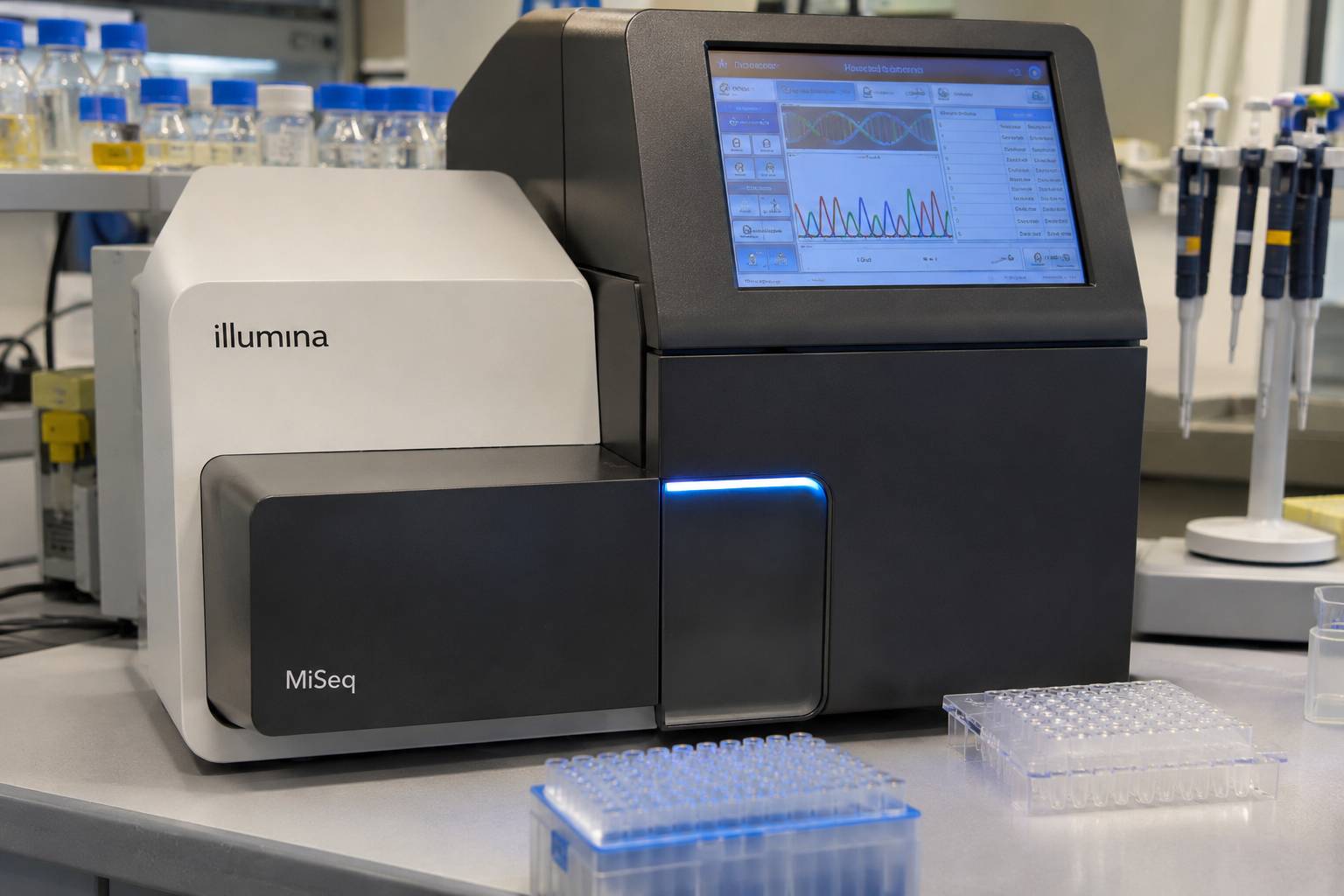
Determining the exact order of DNA’s chemical building blocks was once a slow process. During the 1980s and 1990s, automated sequencing instruments increased the speed at which scientists could analyze genetic material. Machines used fluorescent markers and automated detection to read DNA sequences on a much larger scale.