For decades, showing wealth was surprisingly straightforward. You bought the biggest house, drove the right car, wore a recognizable designer logo, and made sure everyone knew you could afford it. From fur coats to car phones, certain purchases practically announced your place in society without anyone having to ask.
But status symbols have a habit of losing their power once too many people can afford them. As luxury has shifted toward discretion, craftsmanship and experiences, some of yesterday’s most obvious signs of money now look dated, excessive or simply ordinary.
1. A Giant Fur Coat
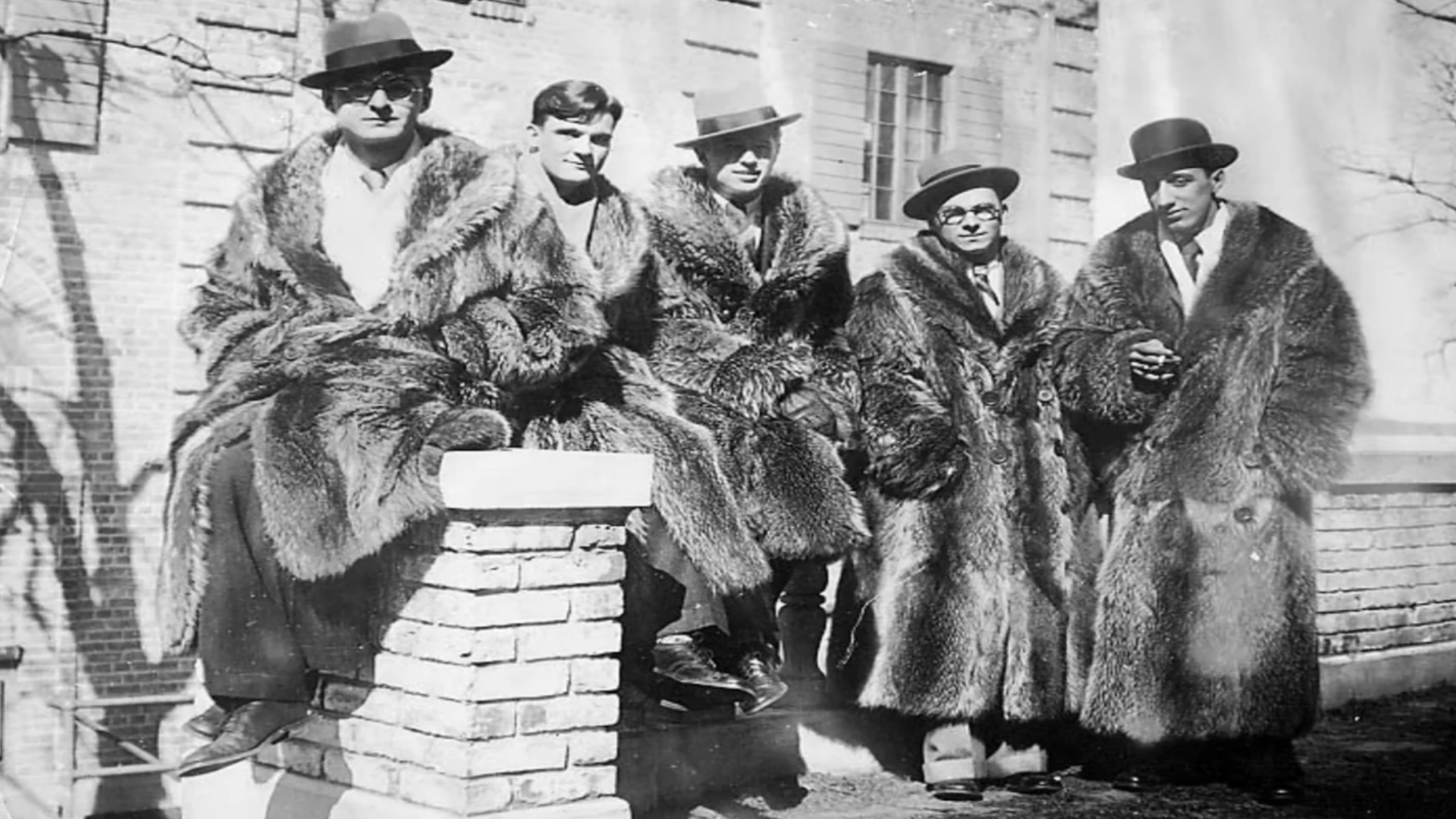
There was a time when walking into a room wearing a full-length mink coat practically announced that you had money. Fur was expensive, conspicuous, and immediately recognizable, making it one of the classic status symbols of the 20th century. Today, attitudes toward fur have changed dramatically, and wearing an enormous coat simply to show how much it cost no longer has the same effect.
2. Car Phones Were a Serious Status Symbol
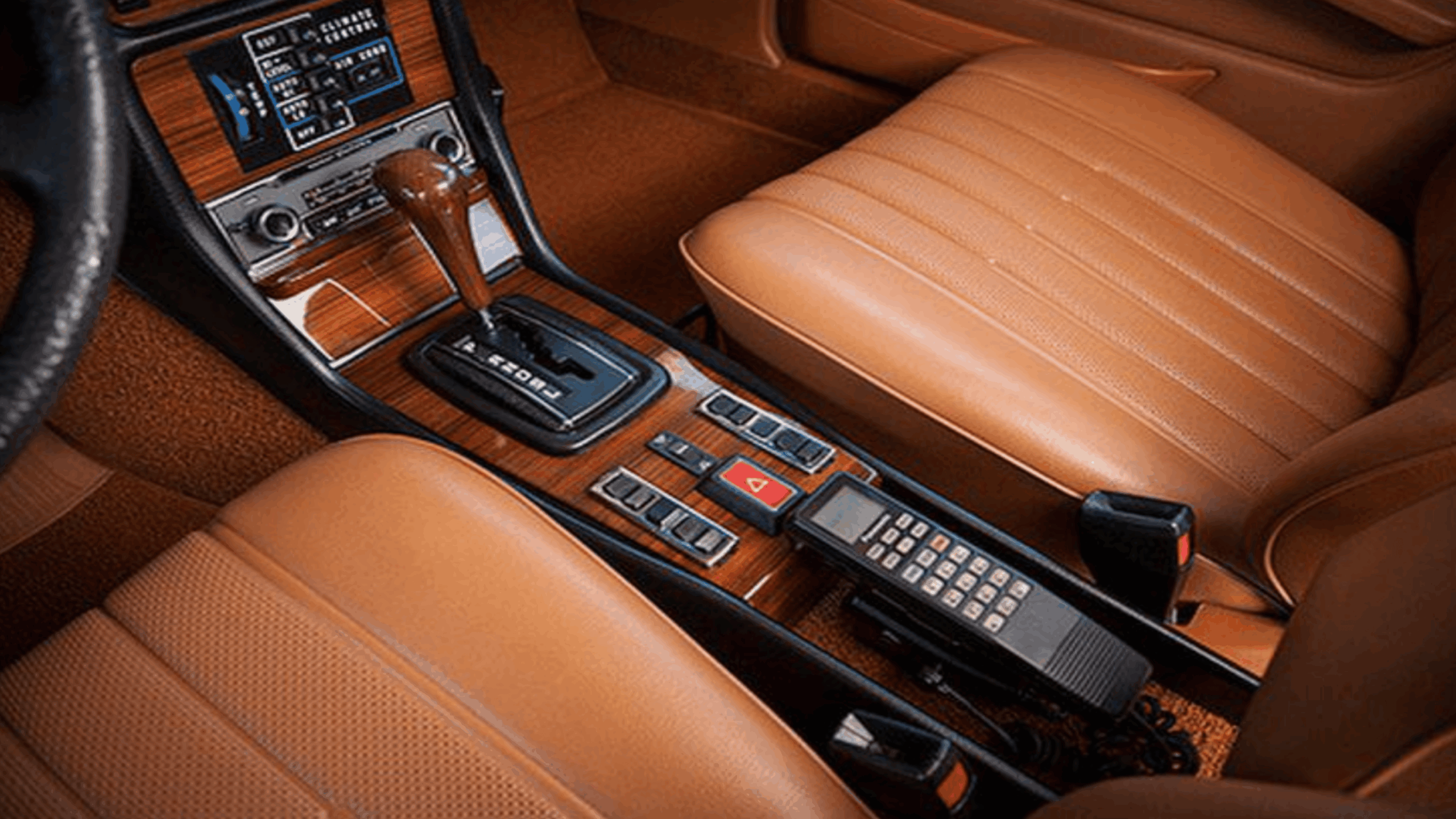
Imagine pulling up in an expensive car and making a call without leaving the driver’s seat. In the 1980s, that was a technological flex. Car phones were expensive, uncommon, and associated with successful professionals, making them one of the decade’s clearest signals of wealth. Once mobile phones became commonplace, that bragging right disappeared almost overnight.
3. McMansions Were Built to Impress Everyone

McMansions were once the ultimate suburban flex. Bigger meant better, and an enormous foyer, multiple living rooms, oversized bedrooms, and a three-car garage could all communicate success before anyone even stepped through the front door. Once huge houses became widespread, however, size alone stopped feeling exclusive.
4. Designer Logos Used to Do the Talking
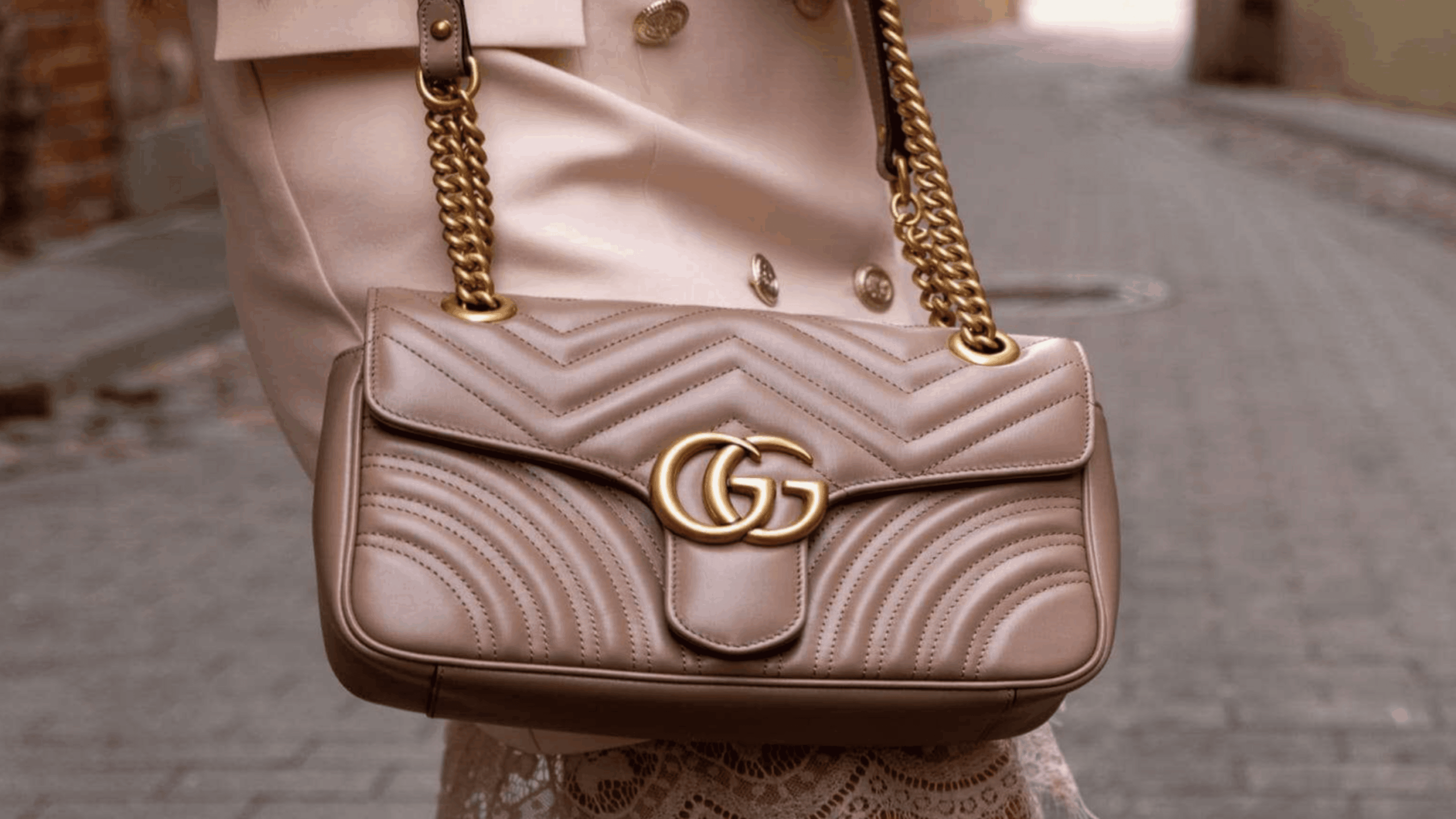
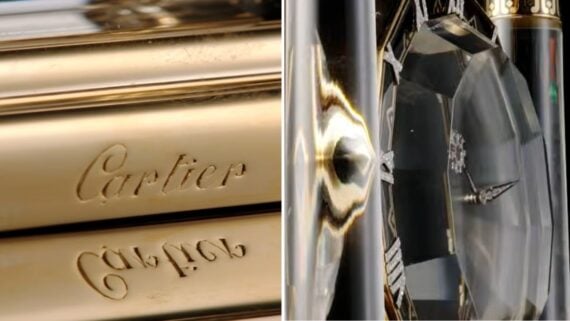
For years, the easiest way to demonstrate that you could afford luxury was to make sure everyone could see the logo. Monogrammed handbags, belts, shirts and accessories turned brands into walking advertisements for their owners. Luxury signaling has increasingly moved toward subtler, logo-free pieces that are recognizable mainly to people who already know the brand.
5. Nothing Said Money Like an Oversized Gold Watch
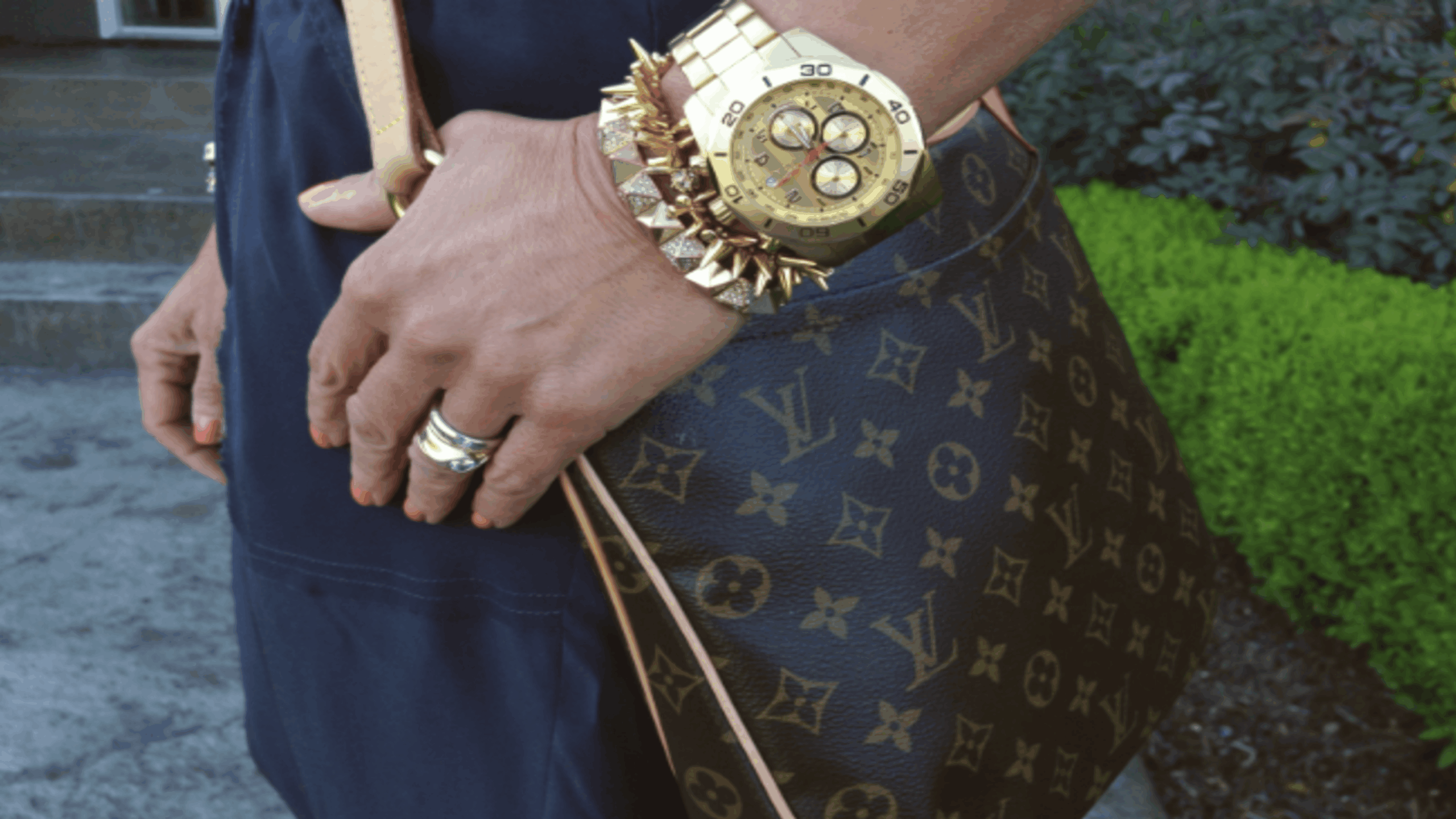
Gold watches still have value, but the aggressively flashy gold watch once served a very specific purpose: making money visible from across the room. Today, a restrained watch that looks ordinary to most people can communicate considerably more within certain luxury circles. Research on brand prominence supports this broader distinction between loud luxury and quieter status signals.
Trending on Wealth Gang


6. Marble Bathrooms Were Meant to Look Expensive
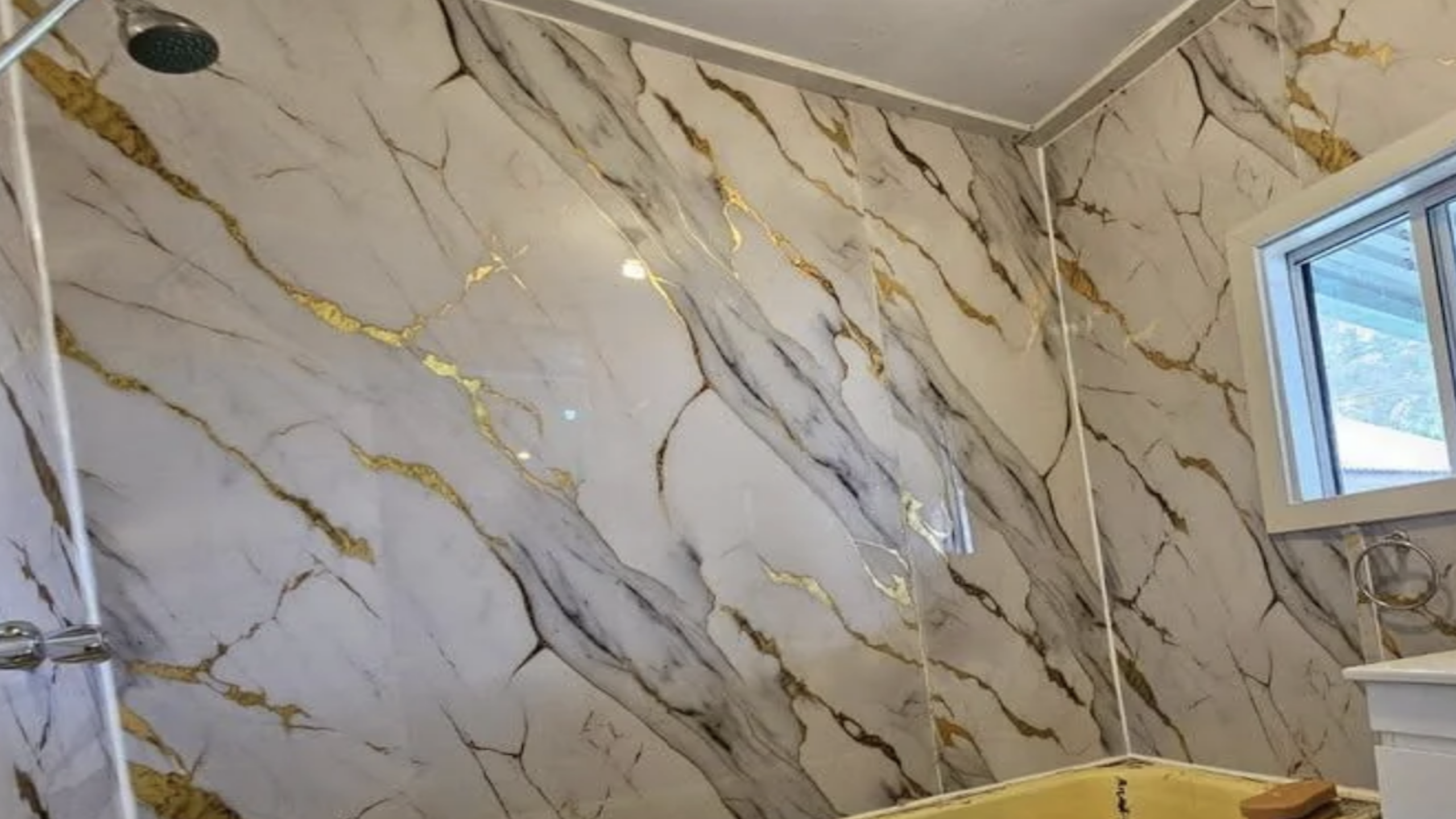
Covering an entire bathroom in marble was once shorthand for having money to burn. Huge tubs, shiny fixtures, matching stone and enough square footage to host a small dinner party were all part of the package. Modern luxury has increasingly shifted toward warmth, craftsmanship and restraint, making some of those old mega-bathrooms feel more dated than decadent.
7. Stretch Limousines Meant You Had Arrived
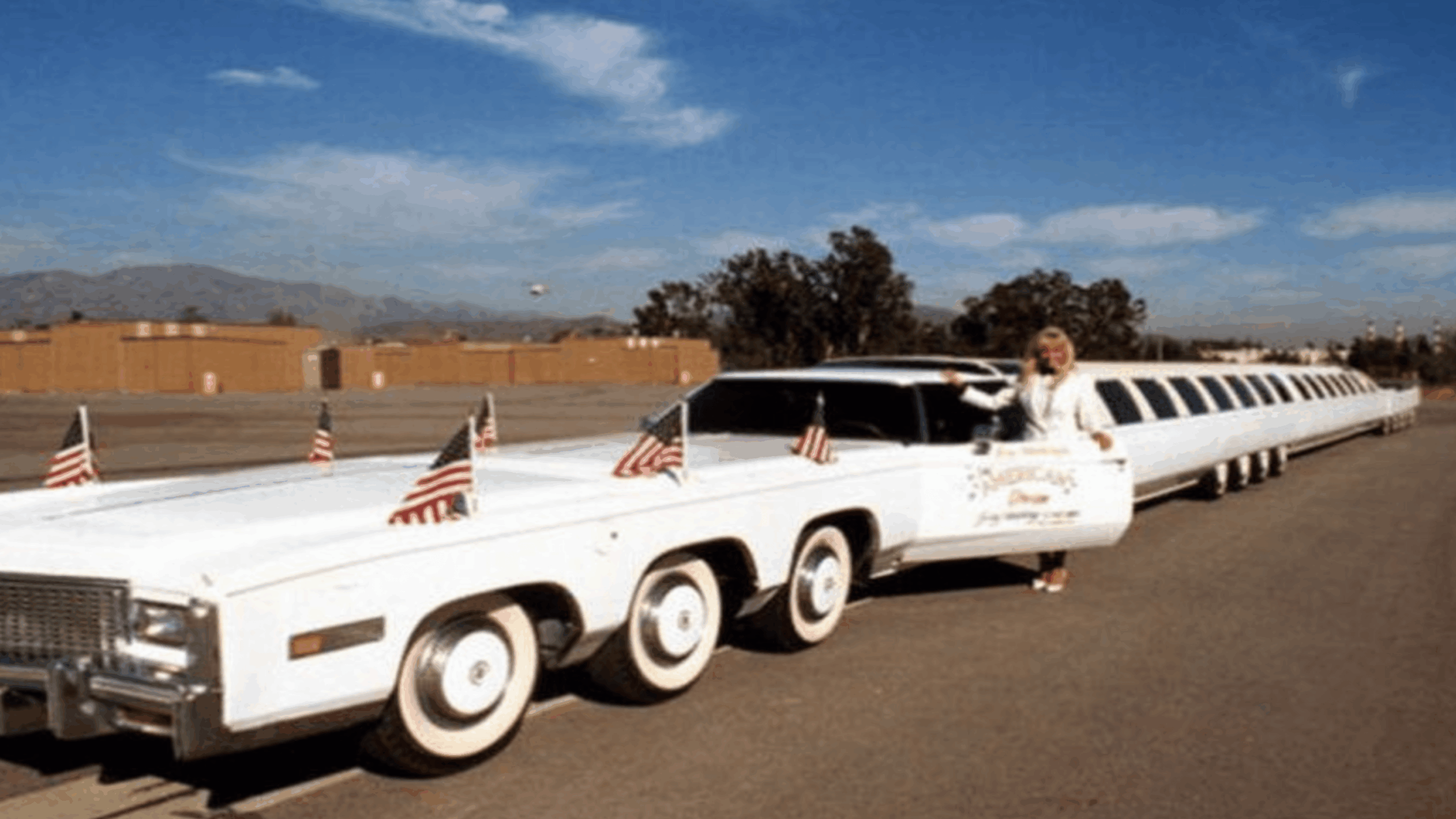
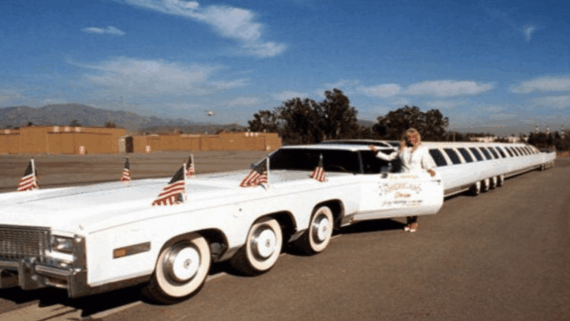
Hiring a limousine used to be a very visible way of saying you had arrived. Stretch limos were practically mandatory for certain celebrations and were closely associated with celebrities, executives, and people who wanted to look important. Today, they’re more likely to evoke a specific era than effortless luxury.
8. The Biggest Home Theater Was a Status Move
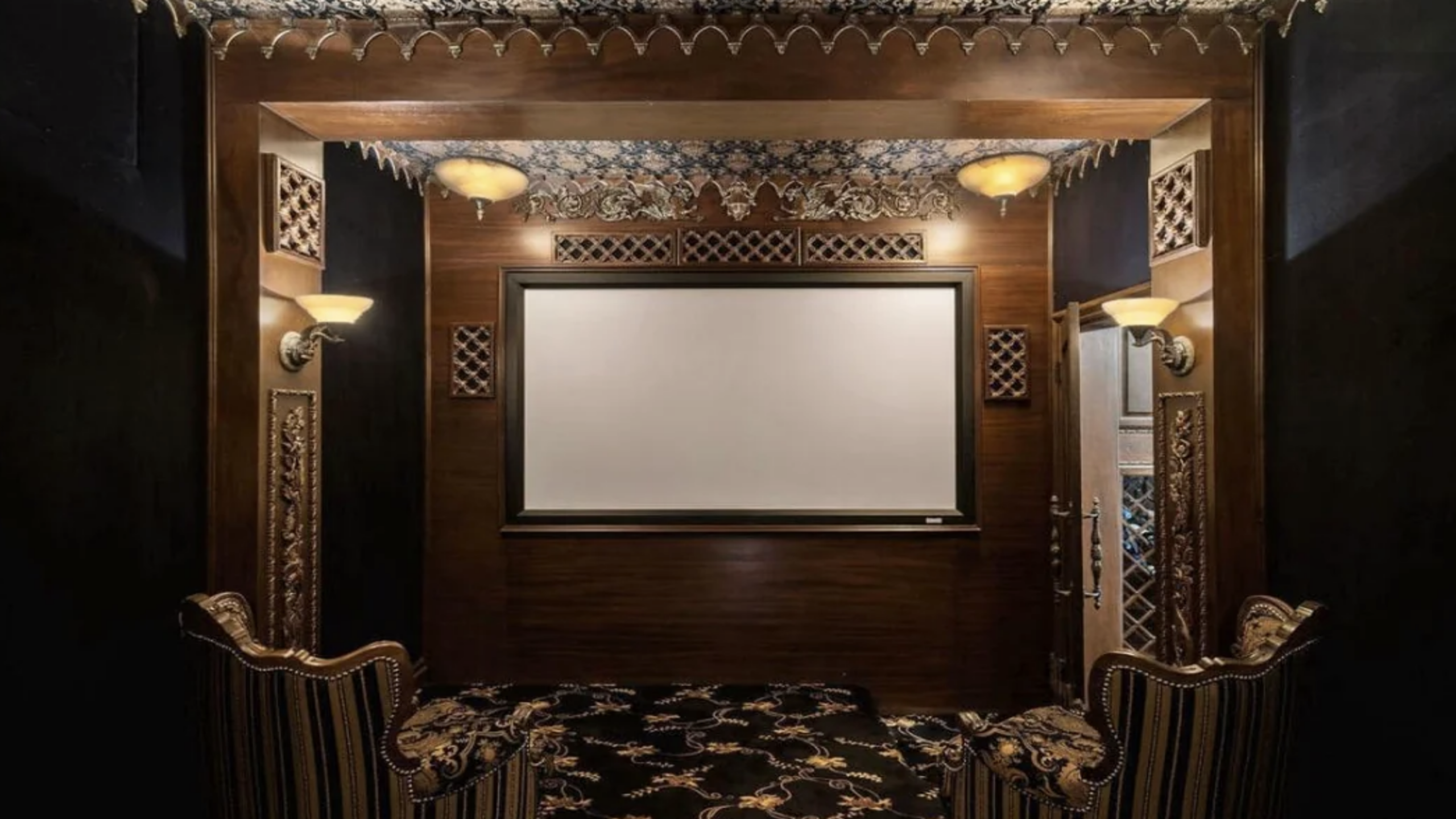
Back when technology moved quickly, owning the biggest television, speakers, and stereo system you could afford was a genuine flex. In the 1980s and ’90s, a serious home entertainment setup could occupy an entire wall and cost a small fortune. Now that enormous screens and high-quality audio are accessible to ordinary consumers, the equipment itself doesn’t say nearly as much about its owner.
Sign up for our newsletter
9. Walk-In Closets Packed With Logos Lost Their Magic

Once upon a time, having an enormous wardrobe filled with recognizable labels was an obvious display of success. Today, simply owning more clothes doesn’t necessarily communicate luxury. The shift toward capsule wardrobes, vintage pieces, and understated designer clothing has made a closet full of logos feel much less impressive.
10. Crystal Chandeliers Once Screamed Luxury
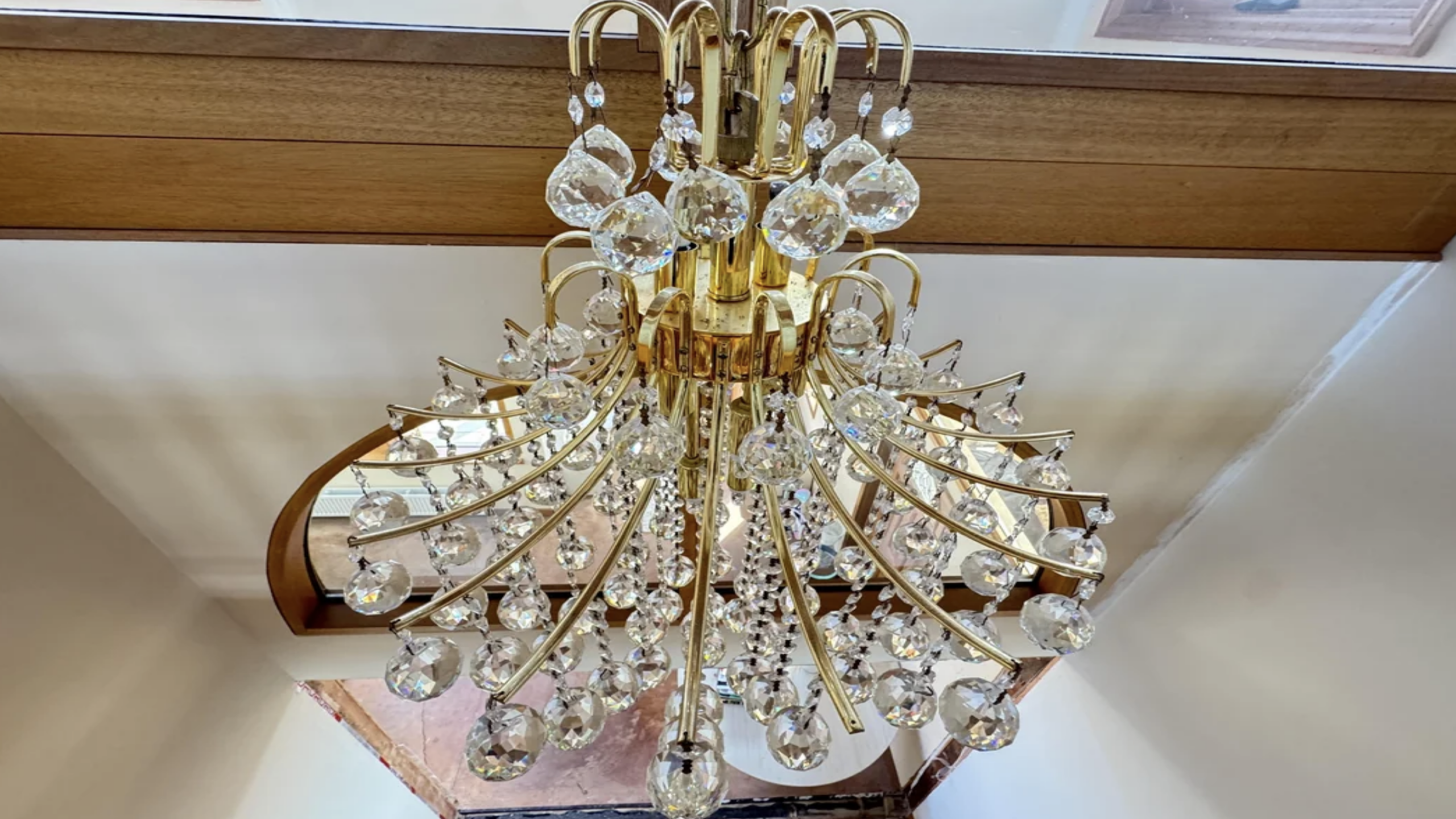
Crystal chandeliers were the visual equivalent of putting a sign on the front door that said, “Someone wealthy lives here.” They appeared in dining rooms, foyers, and enormous living spaces because decorative extravagance was part of the point. Modern interiors often favor simpler lighting and fewer statement pieces, making the chandelier-heavy look feel more like a time capsule.
11. Brick-Sized Cell Phones Were Surprisingly Exclusive

Before smartphones turned technology into something everyone carried, expensive mobile phones were a serious status symbol. Early cellular phones could cost thousands of dollars and were associated with executives and high-powered professionals. The irony is that the more widespread phones became, the less impressive owning one became.
12. Luxury Car Badges Once Said Almost Everything

Owning an expensive car still communicates something, but the idea that the badge alone proves someone has made it has weakened. Cars that once represented unmistakable exclusivity eventually became common enough to lose some of their signaling power. Research on luxury consumption shows why: status signals become less distinctive when they are easier for more people to access.
13. Matching Furniture Sets Used to Look Sophisticated
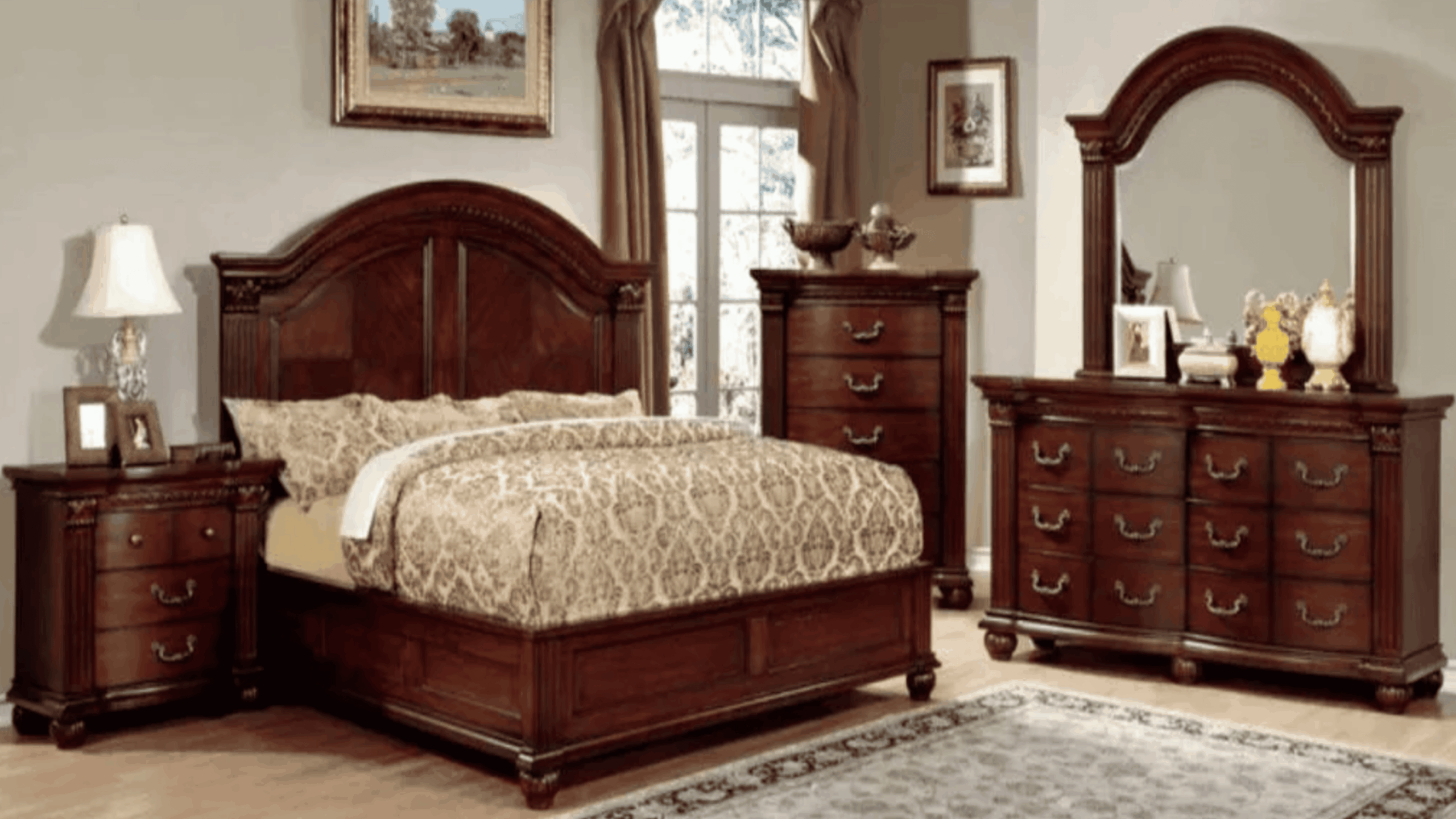
There was a particular kind of luxury in having every piece of furniture match perfectly. Matching sofas, tables, cabinets and dining chairs suggested that someone had the money to furnish an entire house at once. These days, mixing vintage pieces, custom furniture and different materials often feels more sophisticated than buying an entire room from the same showroom.
14. Talking About How Much Everything Cost

Perhaps the biggest status symbol that has lost its shine is simply talking about money. In previous decades, displaying the price of your car, house, jewelry, or vacation could be part of the performance of success. Today, luxury is increasingly associated with discretion, with research finding that affluent consumers can favor subtle status signals that are recognizable mainly to people with the knowledge to decode them.