Over the last century, inventions have changed how people cook their meals, clean their houses, and spend their free time. Initially, many items were seen as expensive luxuries that nobody needed.
However, as these products became cheaper and easier to use, they quickly turned into basic necessities. From the kitchen to the living room, new tools saved people hours of hard work and connected families in ways once impossible. Looking at these 12 products shows how simple goods have reshaped routines.
1. Ford Model T (1908)
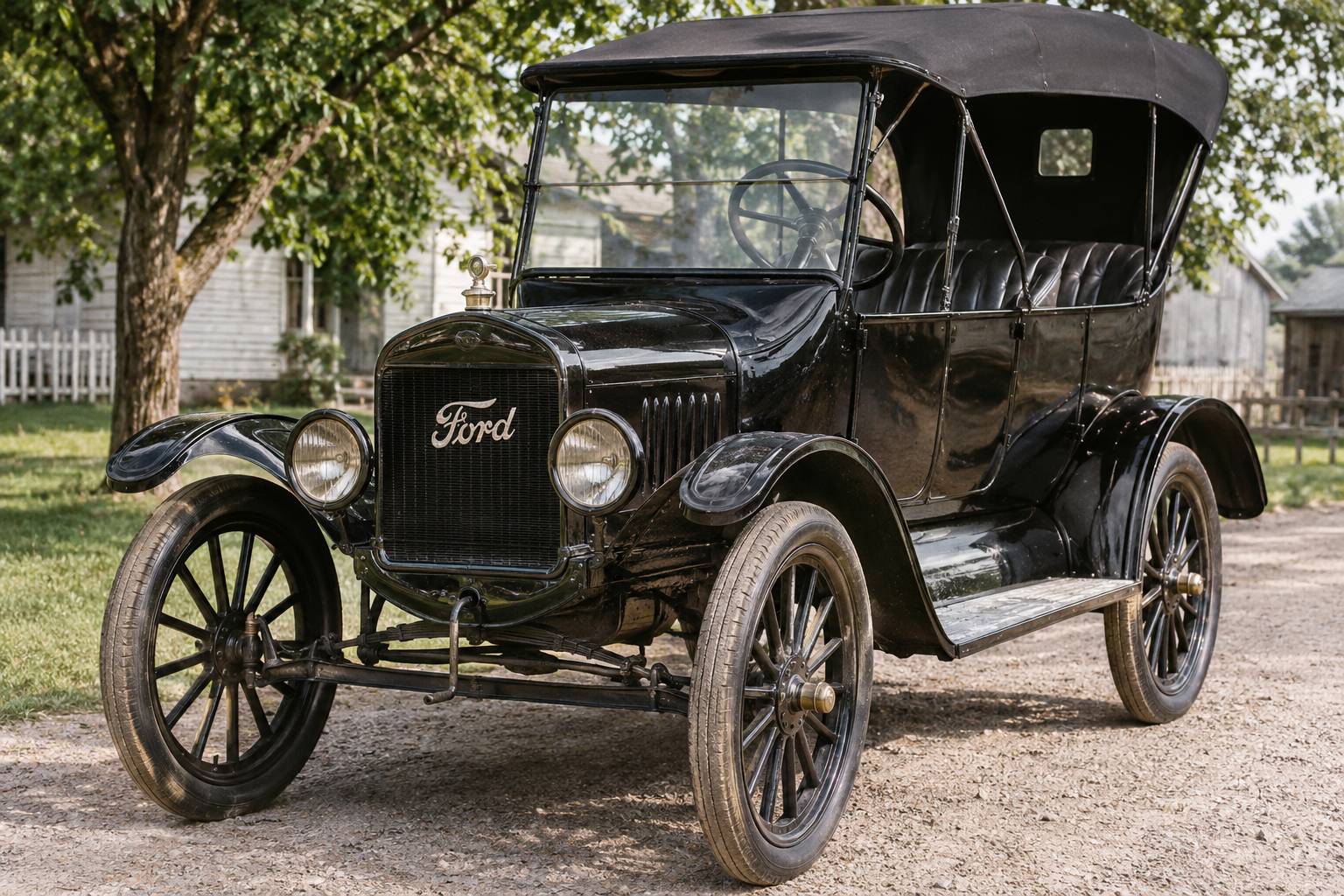
Introduced in 1908, the Ford Model T helped make automobile ownership possible for more Americans. As Ford improved production methods and reduced prices, personal transportation began changing commuting, shopping, recreation, and the development of communities beyond city centers.
2. Hoover Vacuum Cleaner (1908)
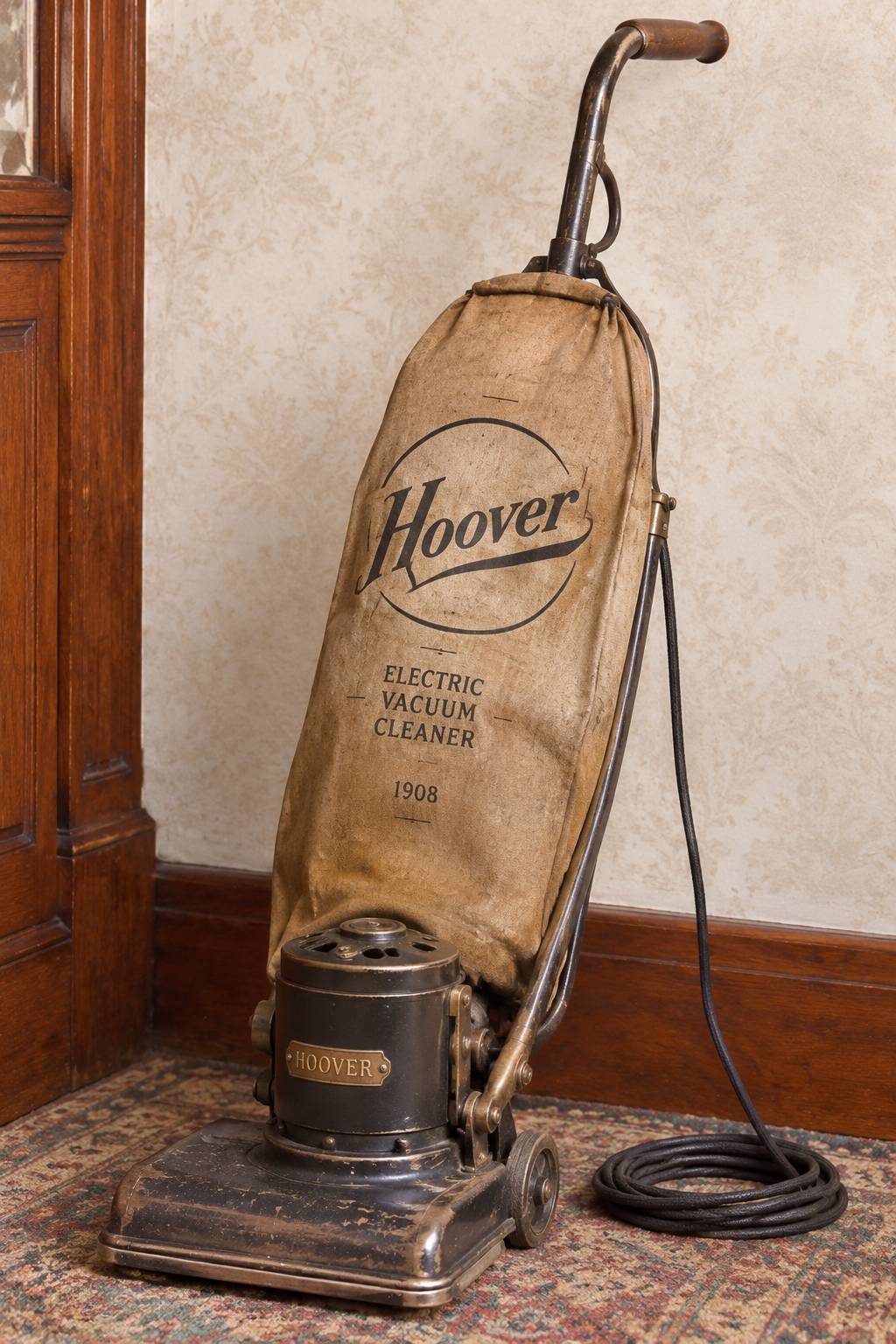
The Hoover electric vacuum cleaner grew out of a design developed by Ohio inventor James Murray Spangler in 1907. William H. Hoover helped bring the machine to market in 1908, offering a practical alternative to sweeping carpets and removing dust manually.
3. Electric Refrigerator
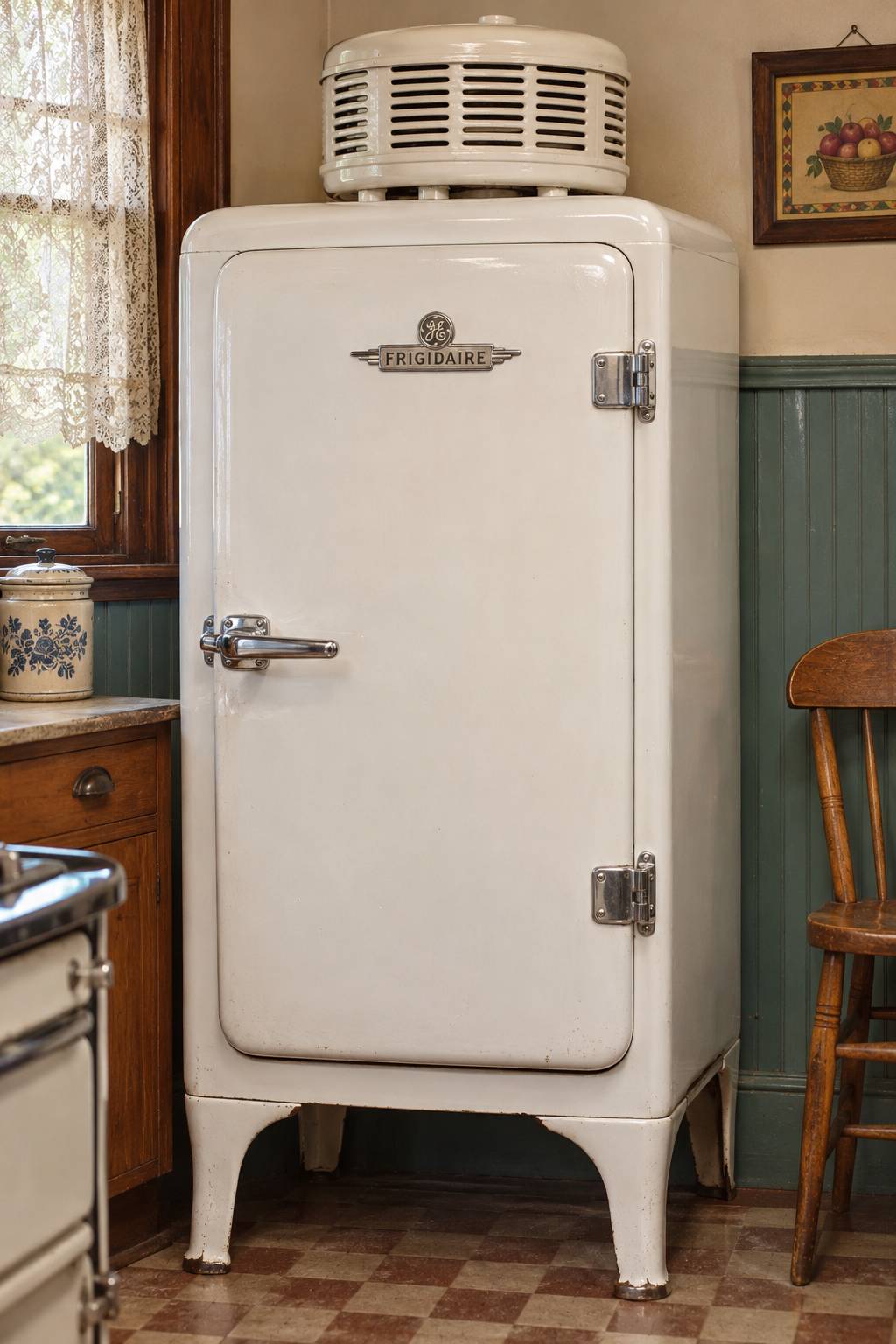
Electric refrigerators replaced iceboxes in American kitchens as prices fell and reliability improved during the 1920s and 1930s. Families could keep perishable foods longer, store leftovers more safely, and make fewer trips to purchase fresh ingredients.
4. Shopping Cart (1937)
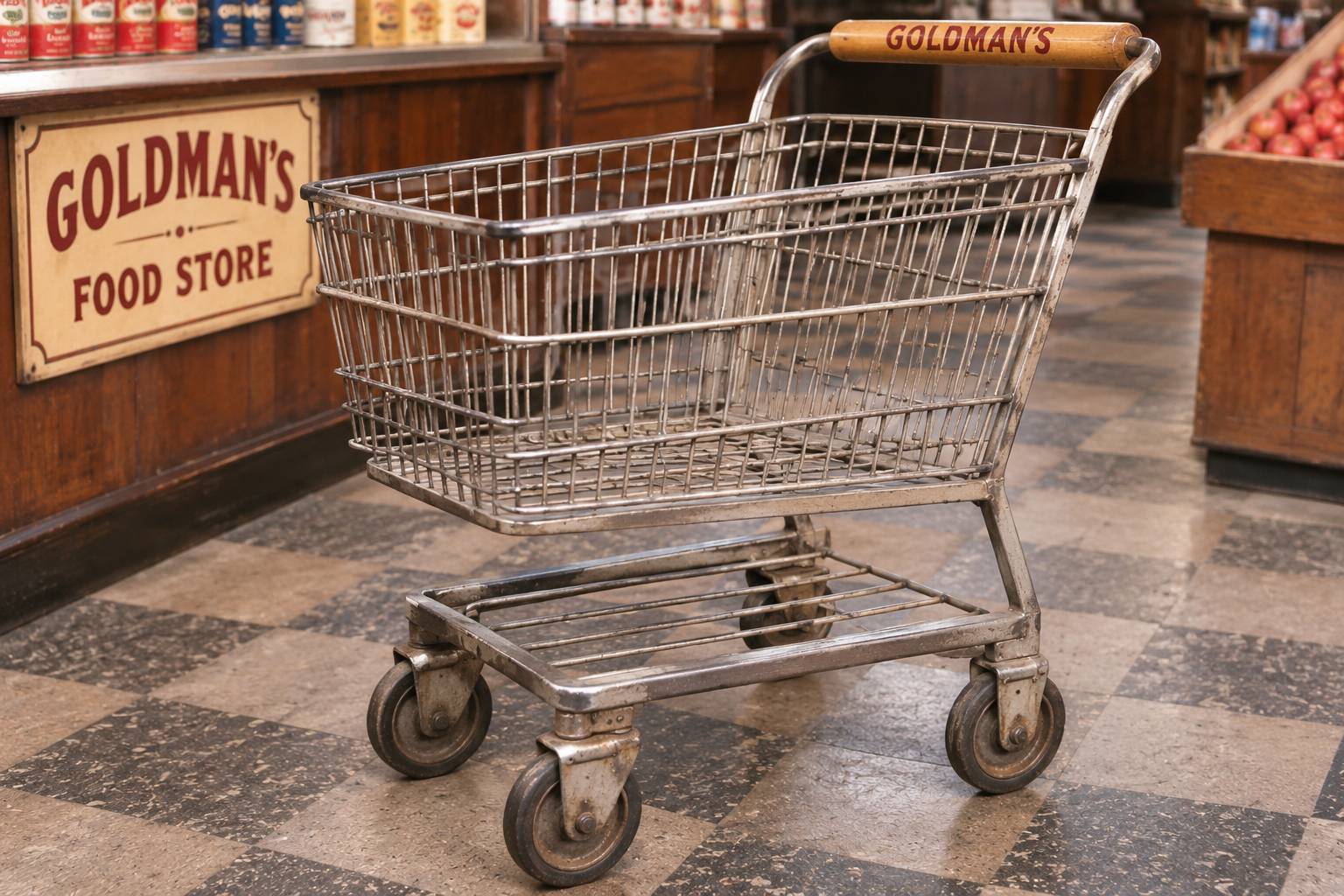
Oklahoma City grocer Sylvan Goldman introduced his shopping cart in 1937, giving customers a way to carry more groceries without balancing heavy baskets.
5. Regency TR-1 Transistor Radio (1954)
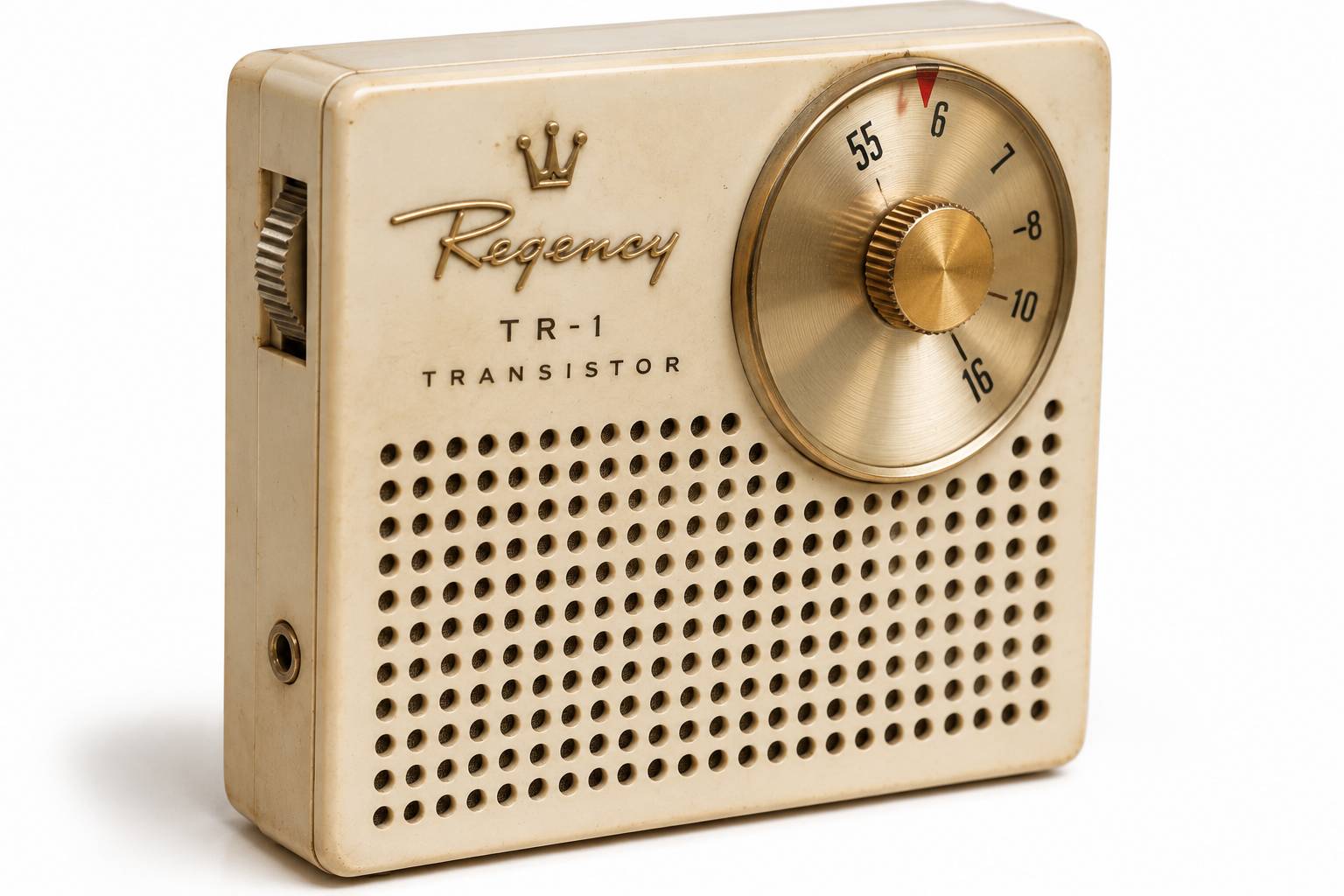
The Regency TR-1 reached American stores in October 1954, becoming the first commercially produced transistor radio. As transistor radios became cheaper over the following years, teenagers embraced the freedom to listen to music away from the family radio.
Trending on Wealth Gang

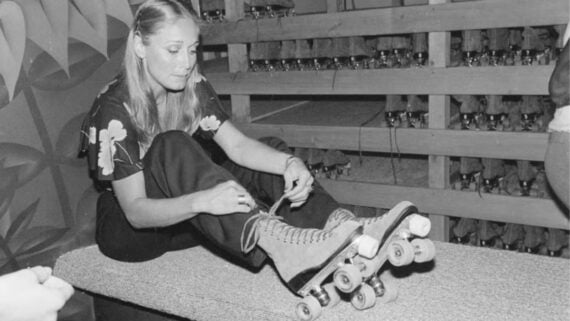
6. Tupperware Food Container (1947)
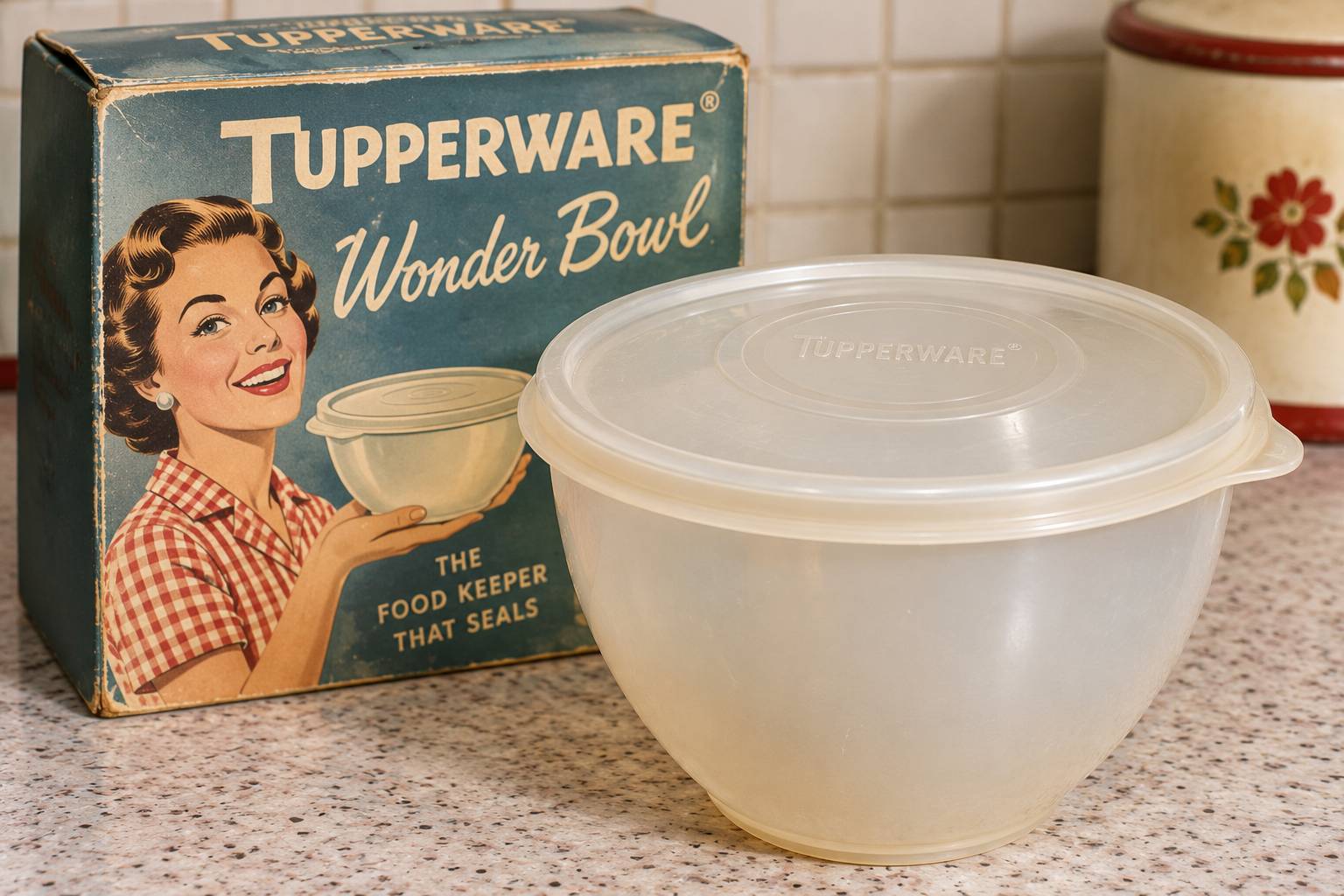
Earl Tupper introduced his Wonder Bowl with its innovative sealing lid in 1947, helping establish a new market for reusable plastic food containers. Tupperware became especially popular in postwar households, where refrigerators made storing leftovers practical.
7. Swanson TV Dinner (1954)
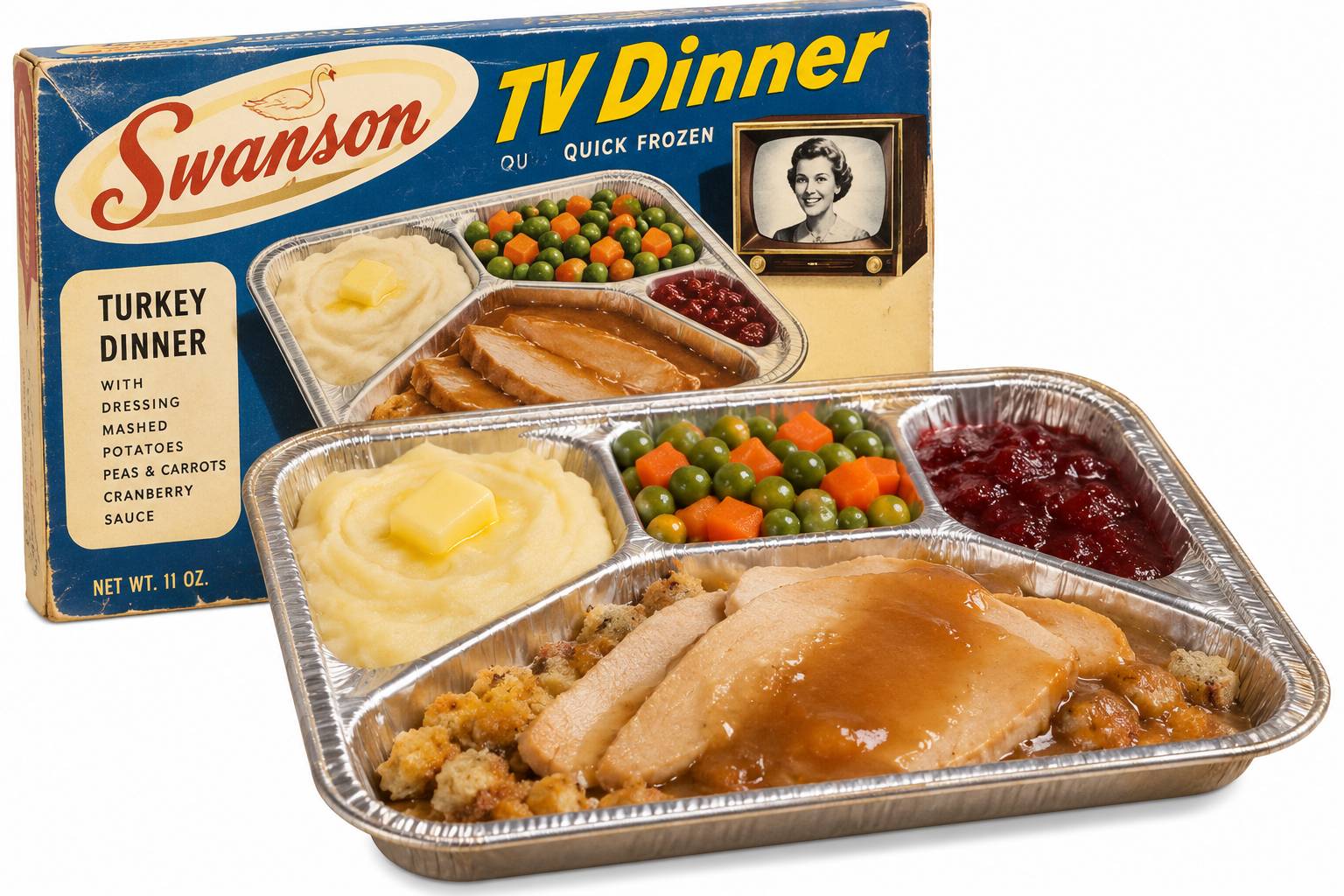
Swanson popularized the TV dinner in 1954 by selling frozen meals in divided aluminum trays that could be heated in the oven. Although frozen complete meals already existed, Swanson’s marketing connected the product directly with America’s growing enthusiasm for television.
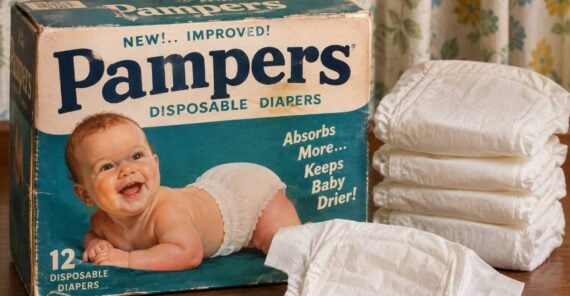
8. Pampers Diapers (1961)
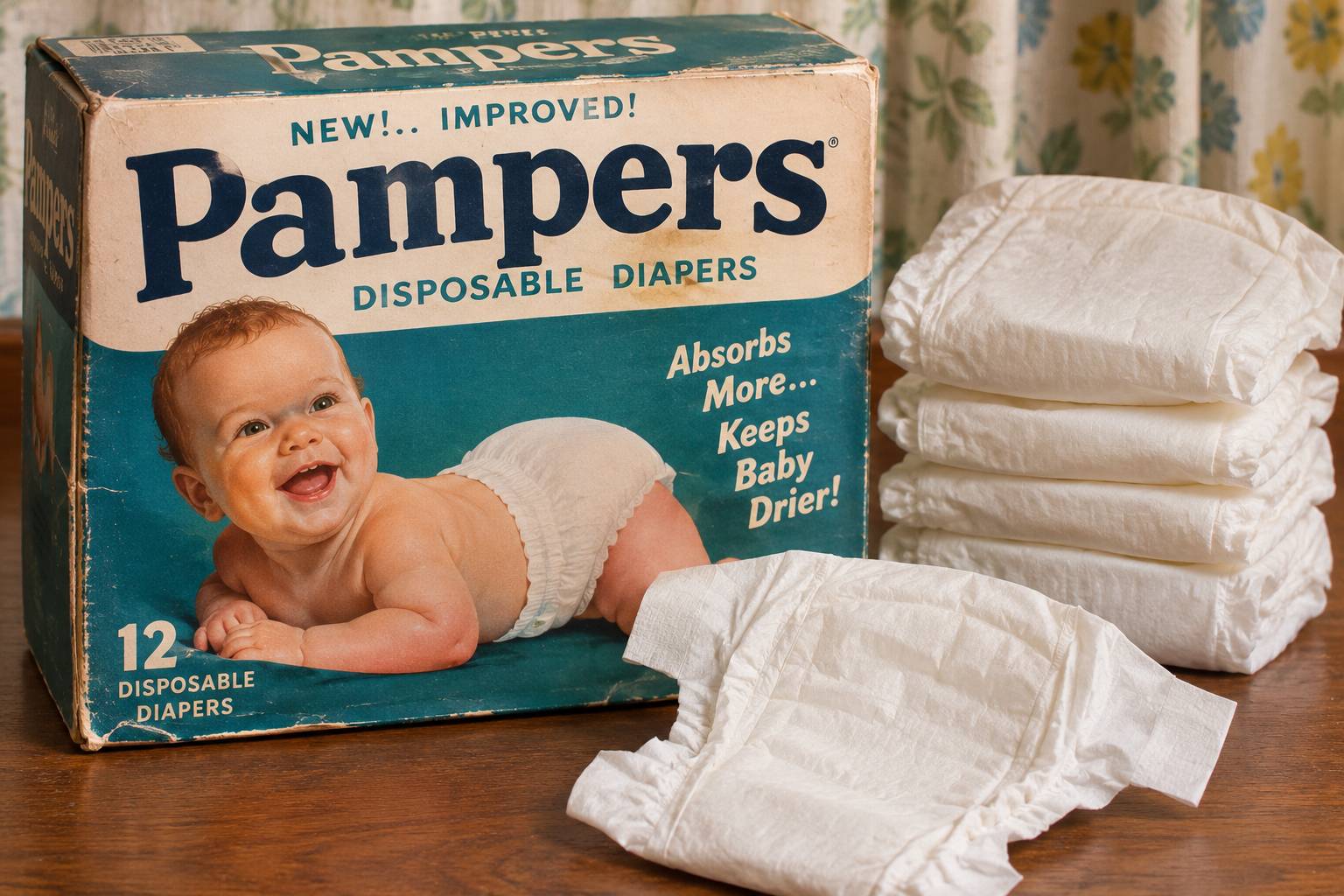
Pampers disposable diapers reached American stores in 1961, offering parents an alternative to washing and drying cloth diapers. While disposable diapers already existed in various forms, Pampers helped turn them into a mainstream consumer product. The introduction of adhesive fastening tapes in 1971 made diaper changes even more convenient.
Sign up for our newsletter
9. Countertop Microwave Oven
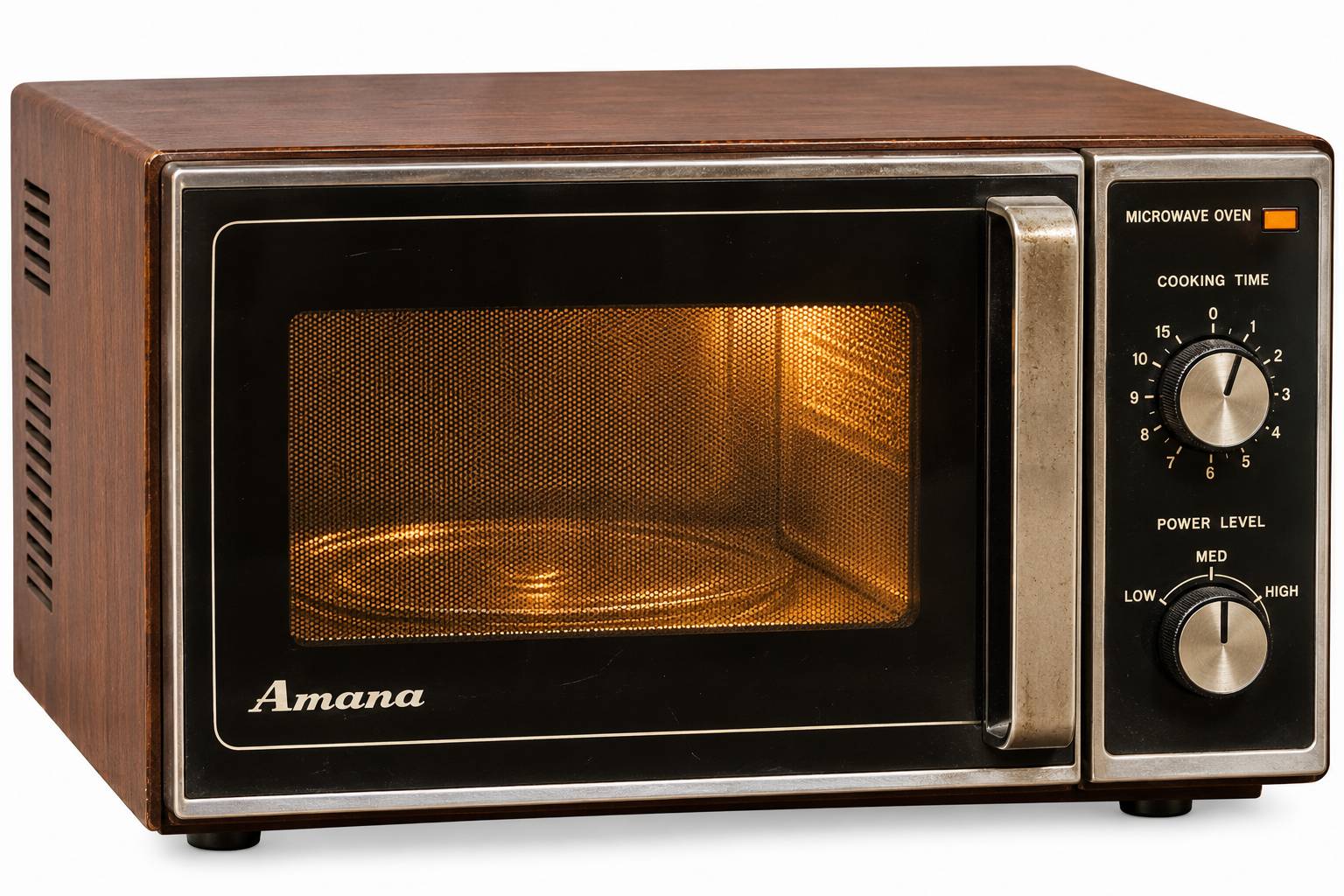
Microwave ovens first appeared commercially in the 1940s, but early home models were expensive and unfamiliar to most consumers. Smaller, more affordable machines gained popularity during the 1970s and 1980s, especially for reheating leftovers, preparing frozen meals, and making popcorn.
10. Home VCR
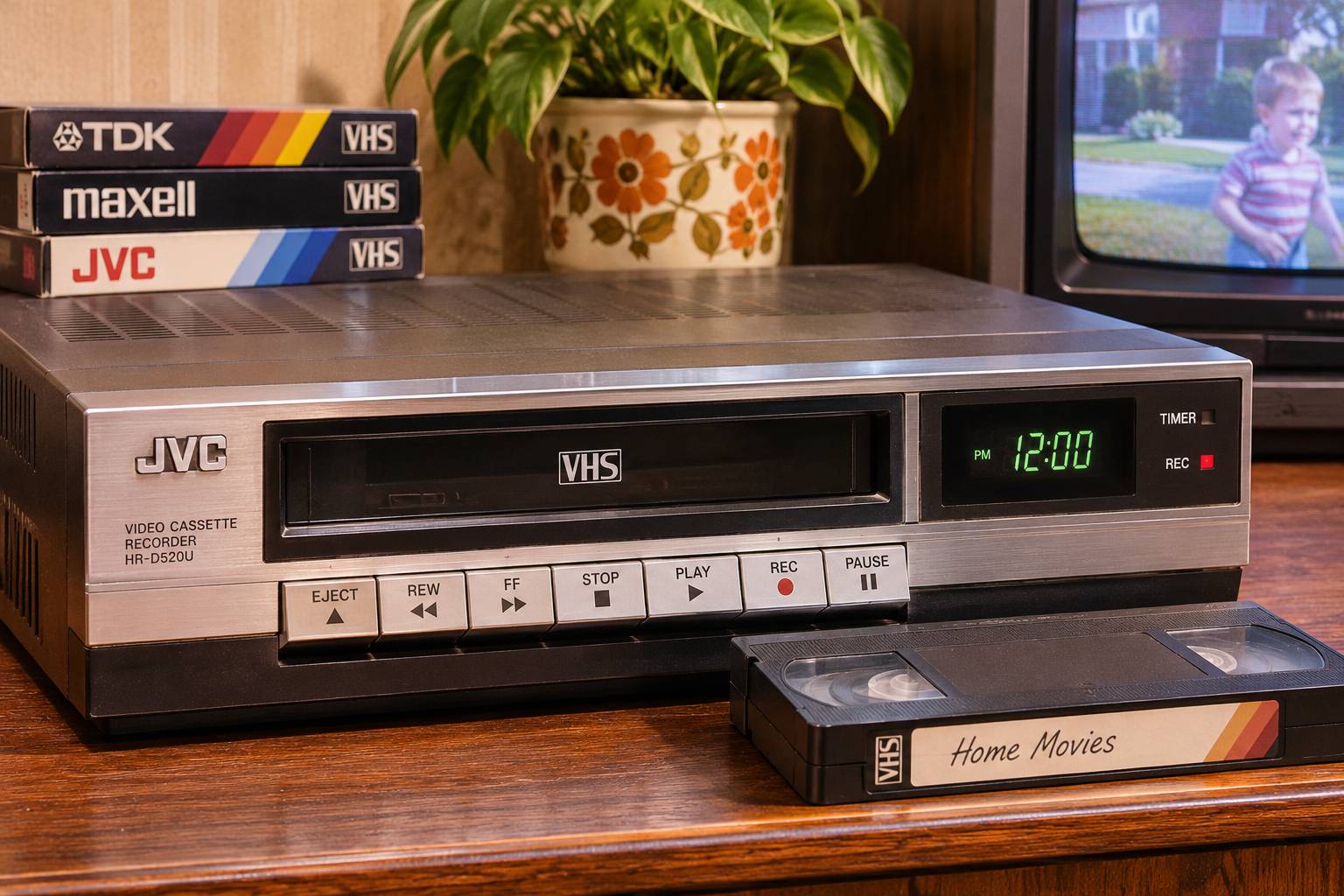
Home videocassette recorders gave Americans something traditional television schedules did not allow: control over when they watched programs. Sony introduced Betamax for home use in 1975, while the competing VHS format became the dominant choice for American consumers.
11. Sony Walkman (1979)
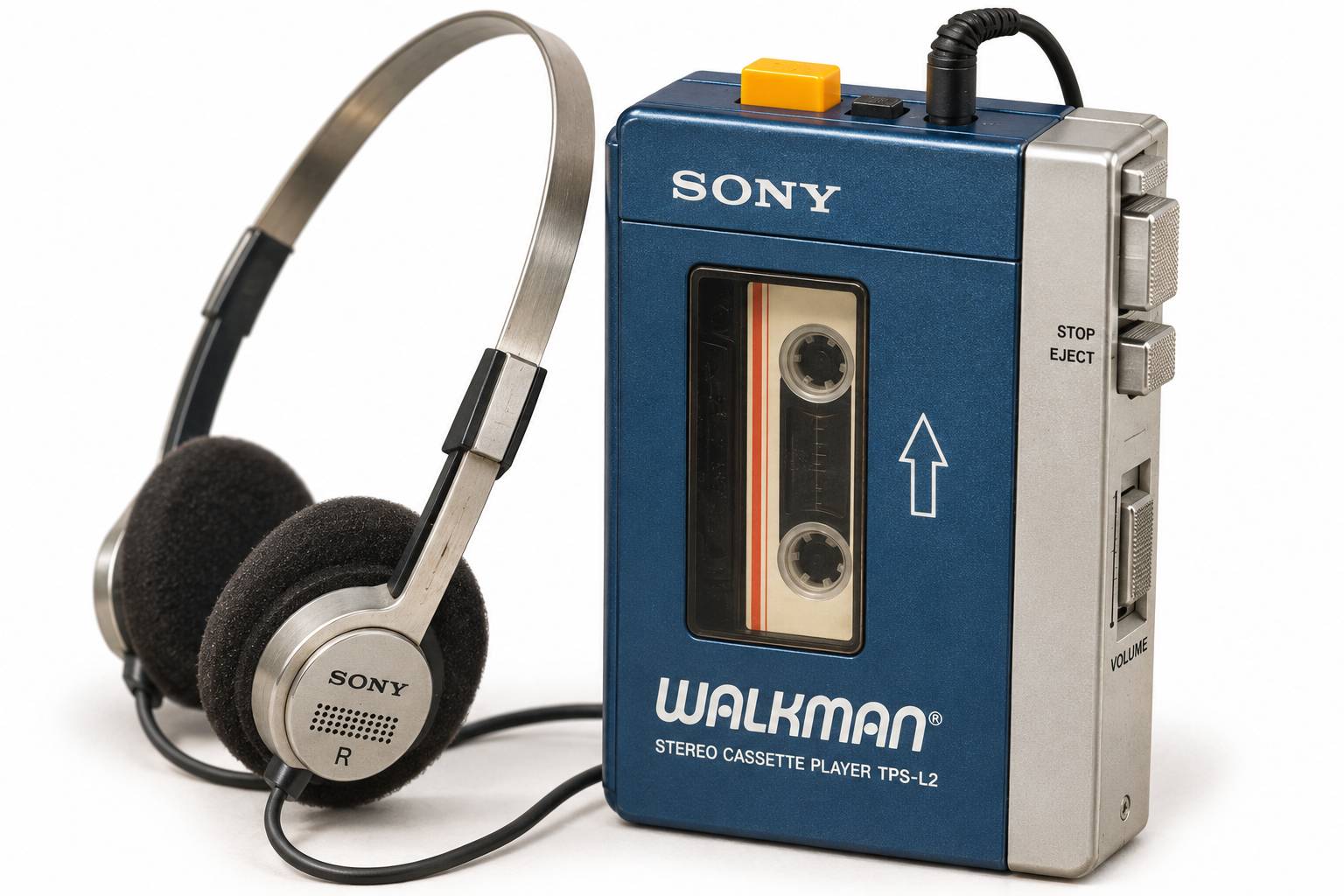
Sony introduced its first Walkman cassette player in Japan in 1979, making private stereo listening possible while walking or exercising. Unlike transistor radios, the Walkman allowed listeners to choose their own recorded music.
12. Apple iPhone (2007)
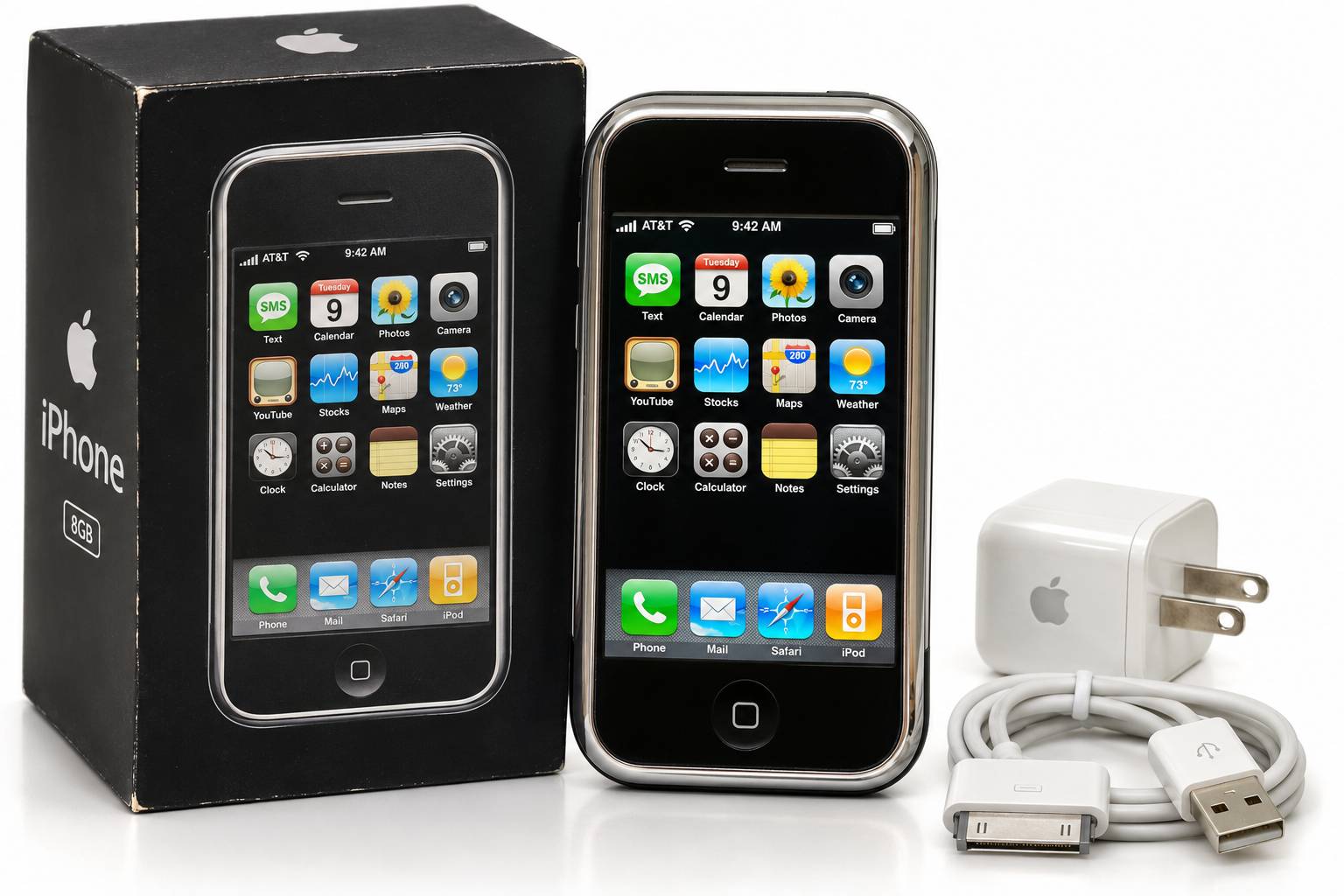
When the first iPhone reached American stores on June 29, 2007, it combined a mobile phone, music player, and internet capabilities in one device. Smartphones already existed, but Apple’s approach to touchscreen navigation helped make mobile computing more accessible.