Not so long ago, everyday life required a surprising amount of manual work. People spent hours washing clothes, searching through phone books, writing checks, and navigating unfamiliar roads with paper maps. Even simple activities like taking photographs or watching a movie involved extra steps that younger generations might find hard to imagine today.
Over time, household appliances, computers, smartphones, and digital services transformed these routines. Some disappeared almost entirely, while others became optional rather than necessary. These 20 everyday tasks show how technology changed the way Americans work, communicate, and manage daily life.
1. Scrubbing Clothes by Hand on a Washboard
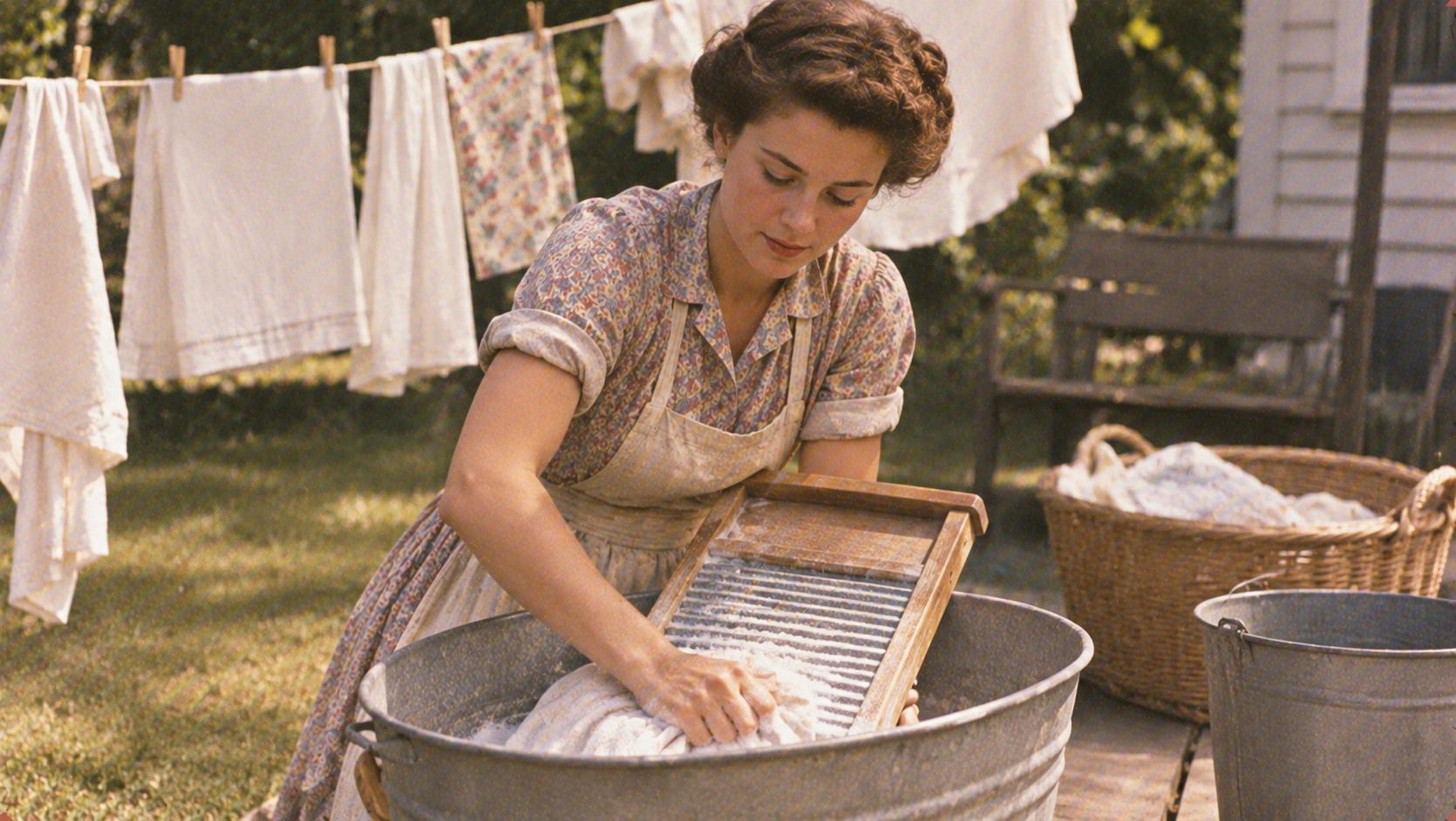
Before washing machines became household essentials, laundry was one of the most exhausting chores of the week. Families filled large tubs with water, rubbed clothing against washboards, and used soap and considerable effort to remove stains. Every garment needed to be rinsed and wrung out by hand before being hung to dry. The process could take hours, especially in large households. Automatic washing machines eventually transformed laundry into a task that required far less physical effort. Today, most people can clean an entire load of clothes simply by pressing a few buttons.
2. Heating Heavy Irons on a Stove
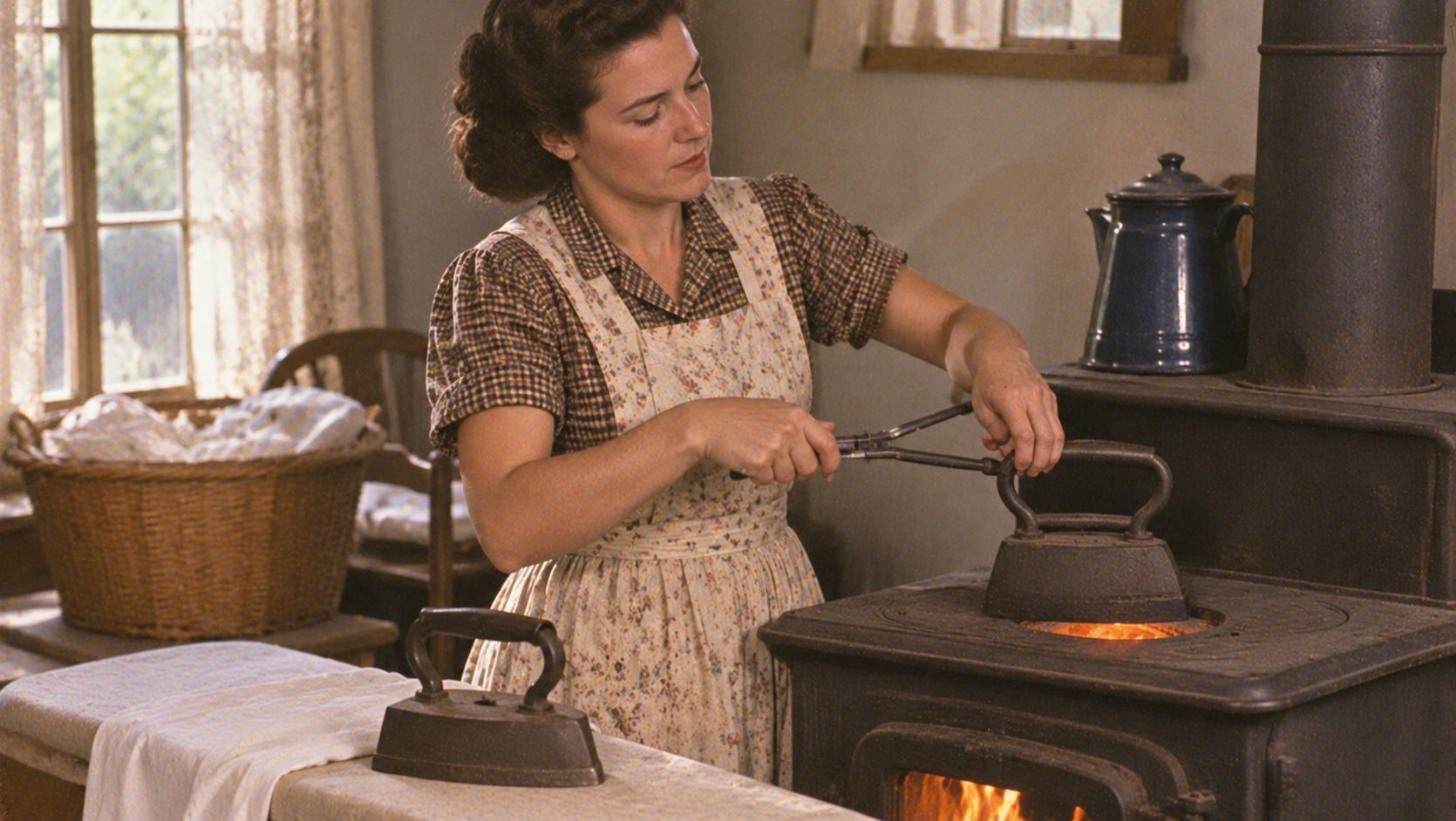
Ironing once required more preparation than most people would expect. Before electric irons became common, households used heavy metal irons that had to be heated on a stove or near a fire. Once the iron cooled, it needed to be reheated before the work could continue. Some families kept several irons heating at once so they could switch between them. Electric irons eliminated this constant interruption and made controlling the temperature much easier. Although people still iron their clothes, the process no longer requires maintaining a separate heat source.
3. Taking Carpets Outside to Beat Out the Dust
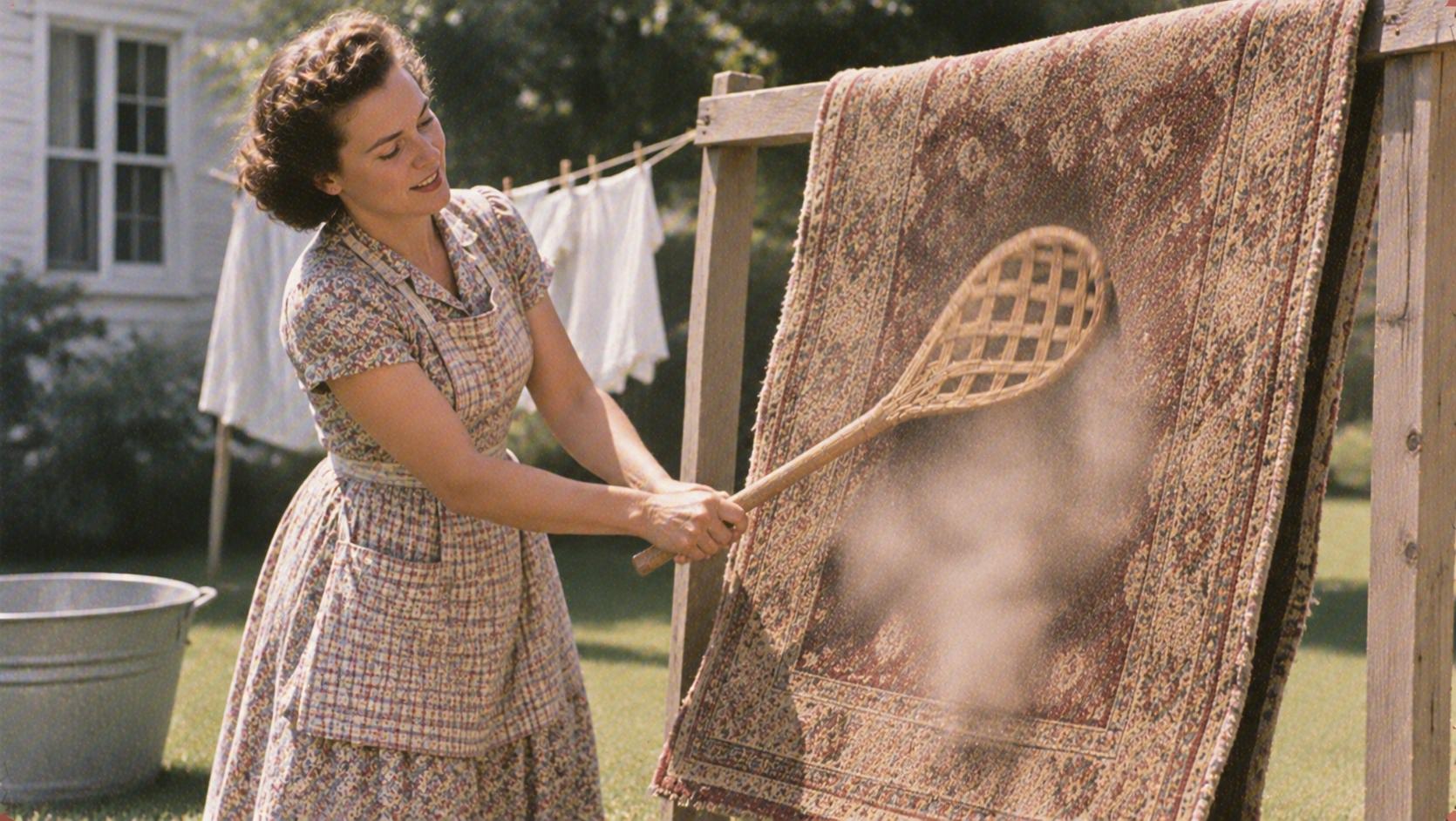
Cleaning a rug once meant carrying it outdoors, hanging it over a railing or clothesline, and repeatedly striking it with a carpet beater. This released accumulated dirt and dust, but it also required considerable physical effort. The task was especially important in homes heated with coal or wood, where soot could settle on household fabrics. Vacuum cleaners eventually made it possible to remove dirt without moving heavy carpets outside. What once demanded a major cleaning session became a routine household chore.
4. Replacing Melting Blocks of Ice to Keep Food Cold
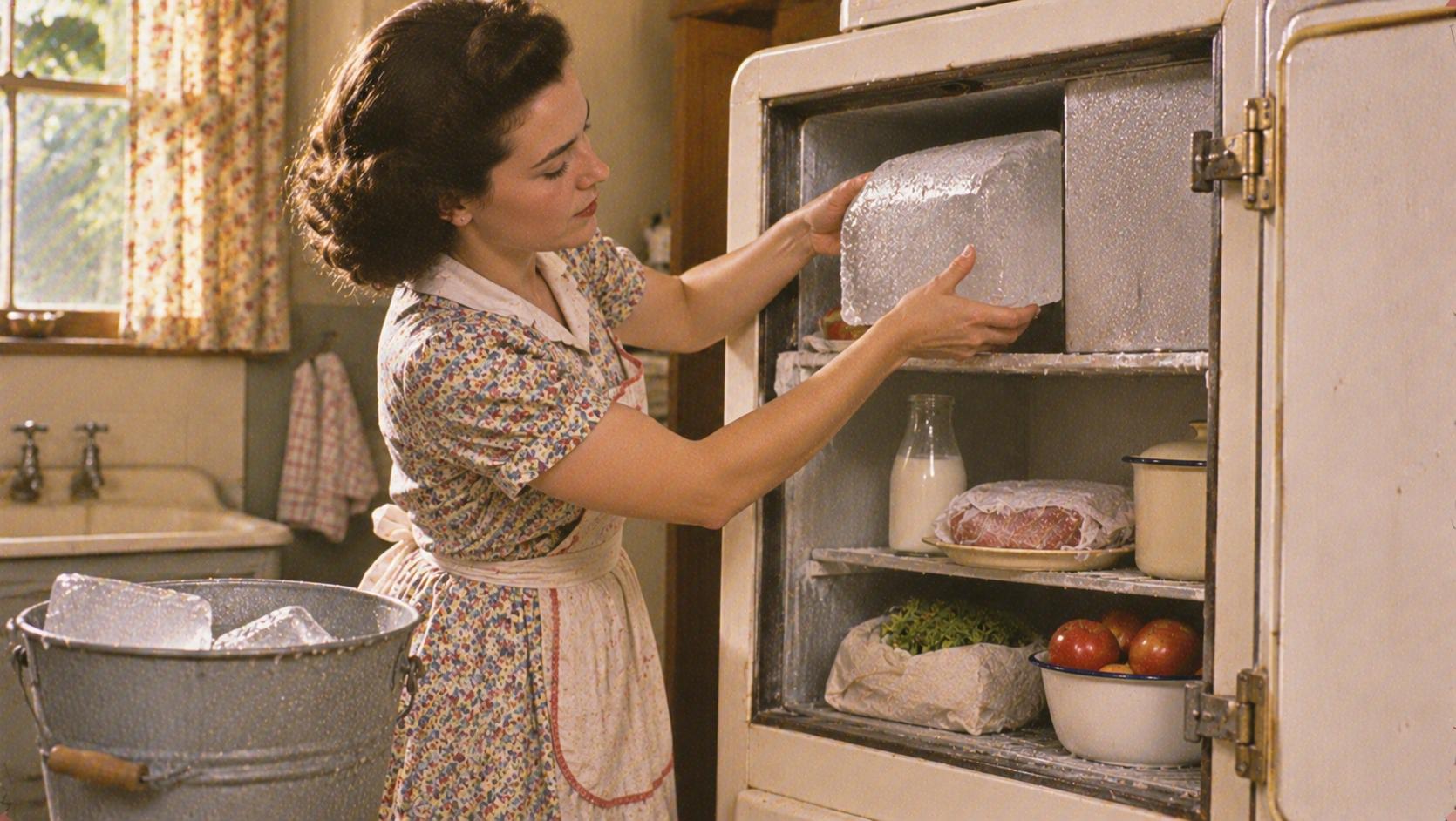
Before electric refrigerators became standard, many American kitchens contained iceboxes. These insulated cabinets kept food cool using large blocks of ice delivered by local ice workers. As the ice melted, families needed fresh blocks and had to empty the water that collected underneath. Keeping groceries fresh required planning around deliveries and monitoring how quickly the ice disappeared. Electric refrigerators gradually eliminated that responsibility by maintaining consistent temperatures without replacement ice. Refrigeration became something households could rely on around the clock.
5. Sewing Entire Garments by Hand
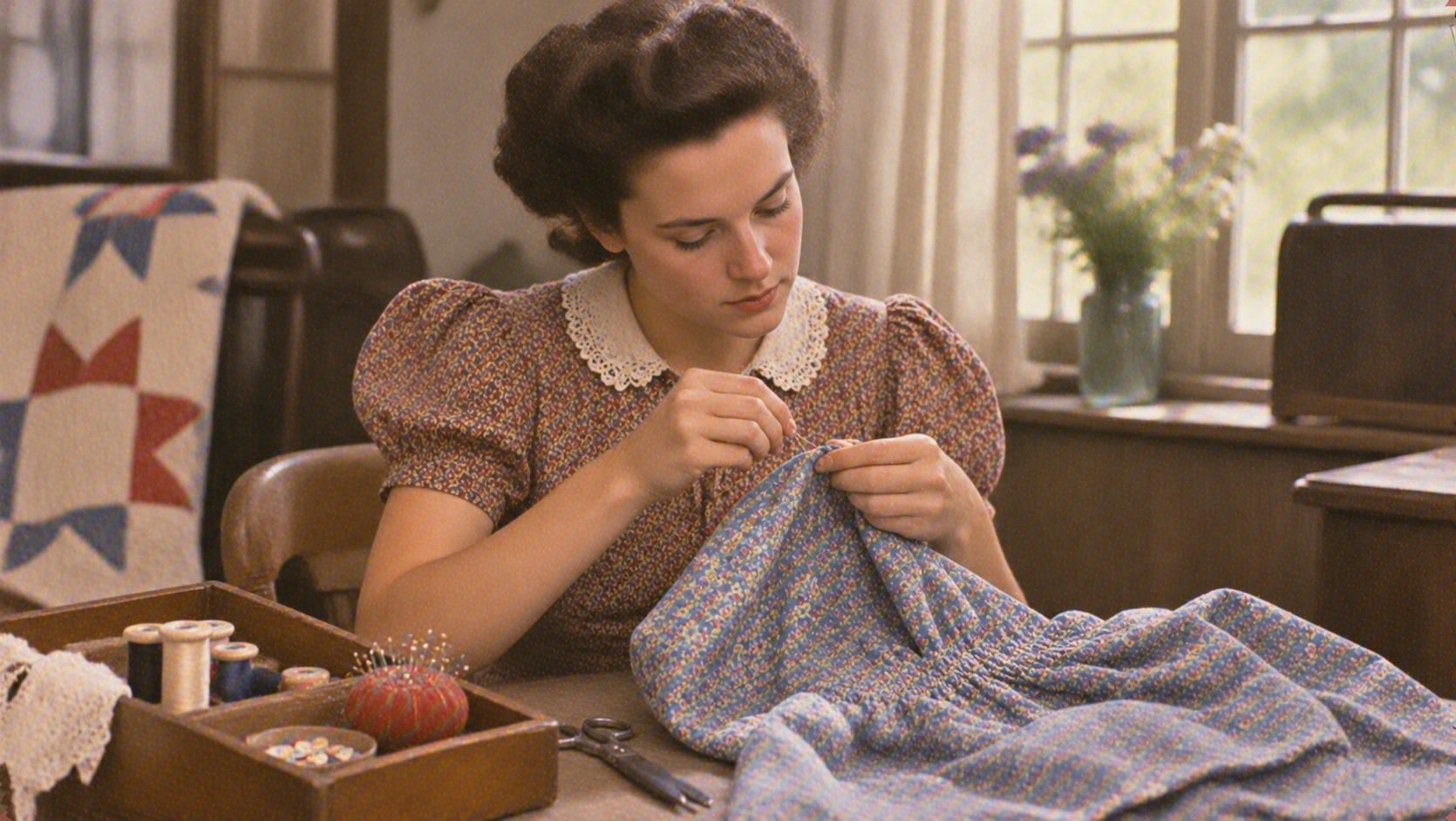
Before sewing machines and affordable ready-made clothing became widely available, making clothes often required hours of careful stitching. Shirts, dresses, and other garments were assembled piece by piece using needles and thread. The development of mechanical sewing machines during the nineteenth century dramatically reduced the time required to produce clothing. Factory manufacturing later made purchasing finished garments increasingly practical. Hand sewing remains valuable for repairs and creative projects, but most families no longer need to construct everyday wardrobes themselves.
Trending on Wealth Gang
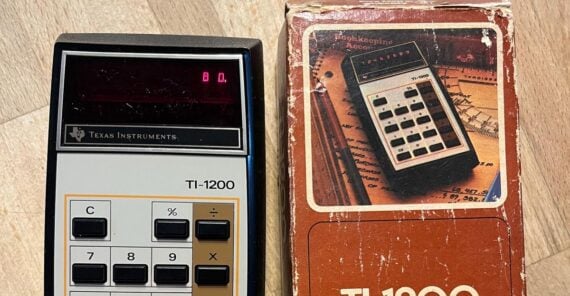

6. Flipping Through Phone Books to Find a Number

Finding someone’s telephone number once involved searching through thick printed directories. Residential phone books organized names alphabetically, while business directories helped people locate restaurants, repair services, and local stores. People often kept these books near their home telephones and replaced them when updated editions arrived. Today, search engines and smartphone contact lists provide the same information in seconds. Printed phone directories, once essential household references, have become increasingly rare.
7. Asking an Operator to Connect a Telephone Call
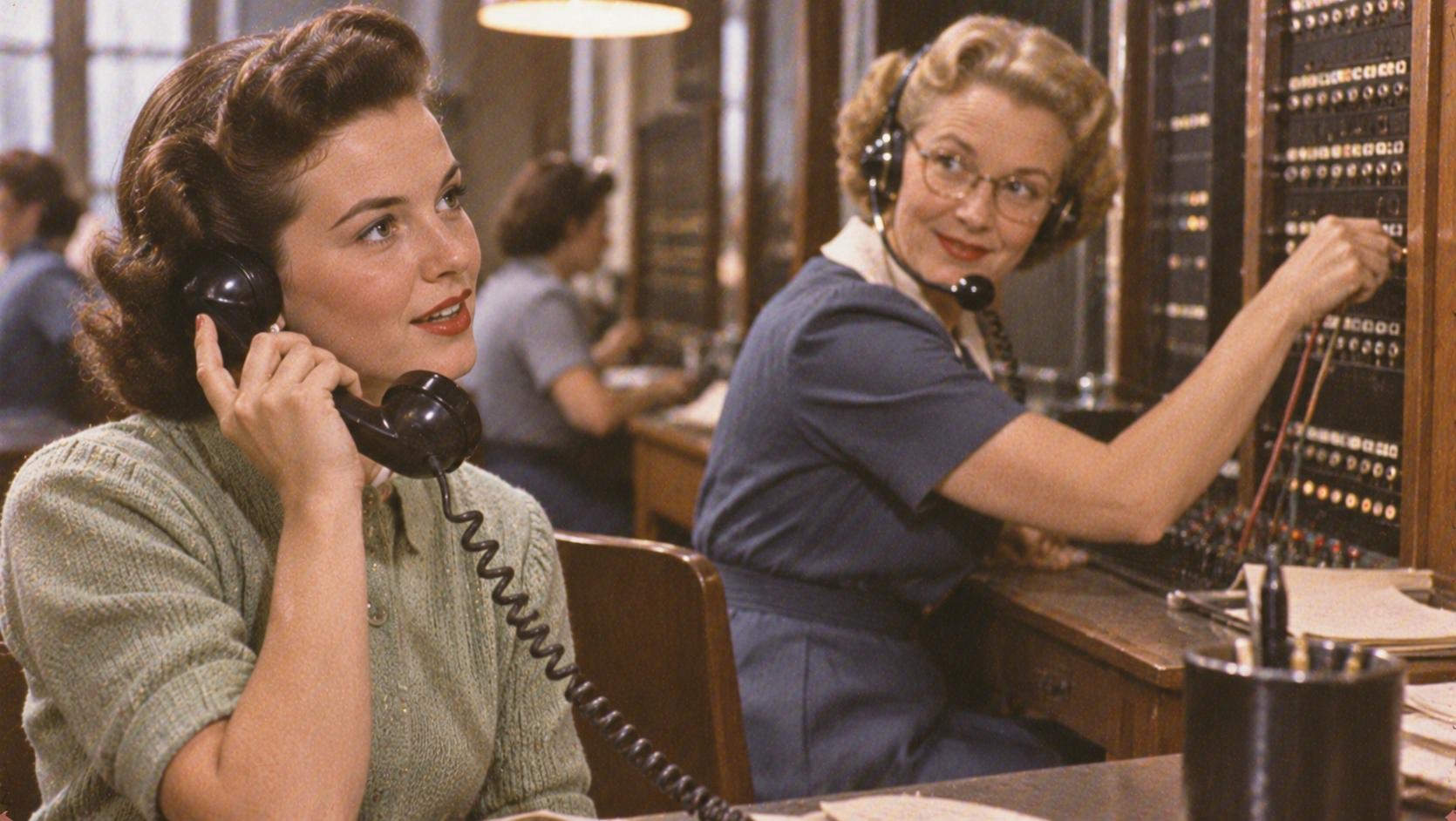
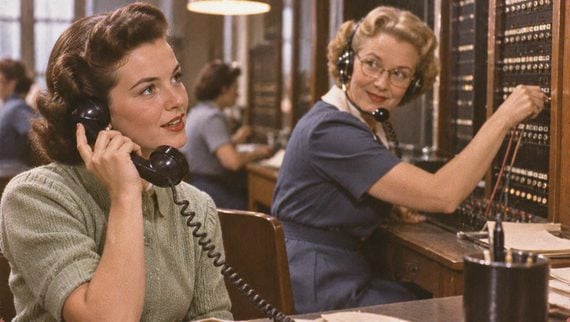
In the early days of telephone service, making a call often required assistance from a human operator. Callers requested the person or number they wanted, and an operator connected the appropriate circuits using plugs on a switchboard. As automatic telephone exchanges expanded, people gained the ability to dial numbers directly. The change made communication faster and reduced dependence on manually operated systems. Modern telephone networks connect ordinary calls electronically without requiring an operator to establish each connection.
8. Writing and Mailing Letters for Everyday Updates

Before instant messaging and email, sharing news with distant friends or relatives often meant sitting down to write a letter. People needed stationery, envelopes, postage stamps, and patience while their messages traveled through the postal system. Receiving a reply could take days or weeks, depending on the distance. Telephones gradually reduced the need for routine correspondence, while email and messaging apps made communication nearly instantaneous. Handwritten letters still carry sentimental value, but they are no longer necessary for sharing everyday updates.
Sign up for our newsletter
9. Writing Checks and Mailing Them to Pay Bills
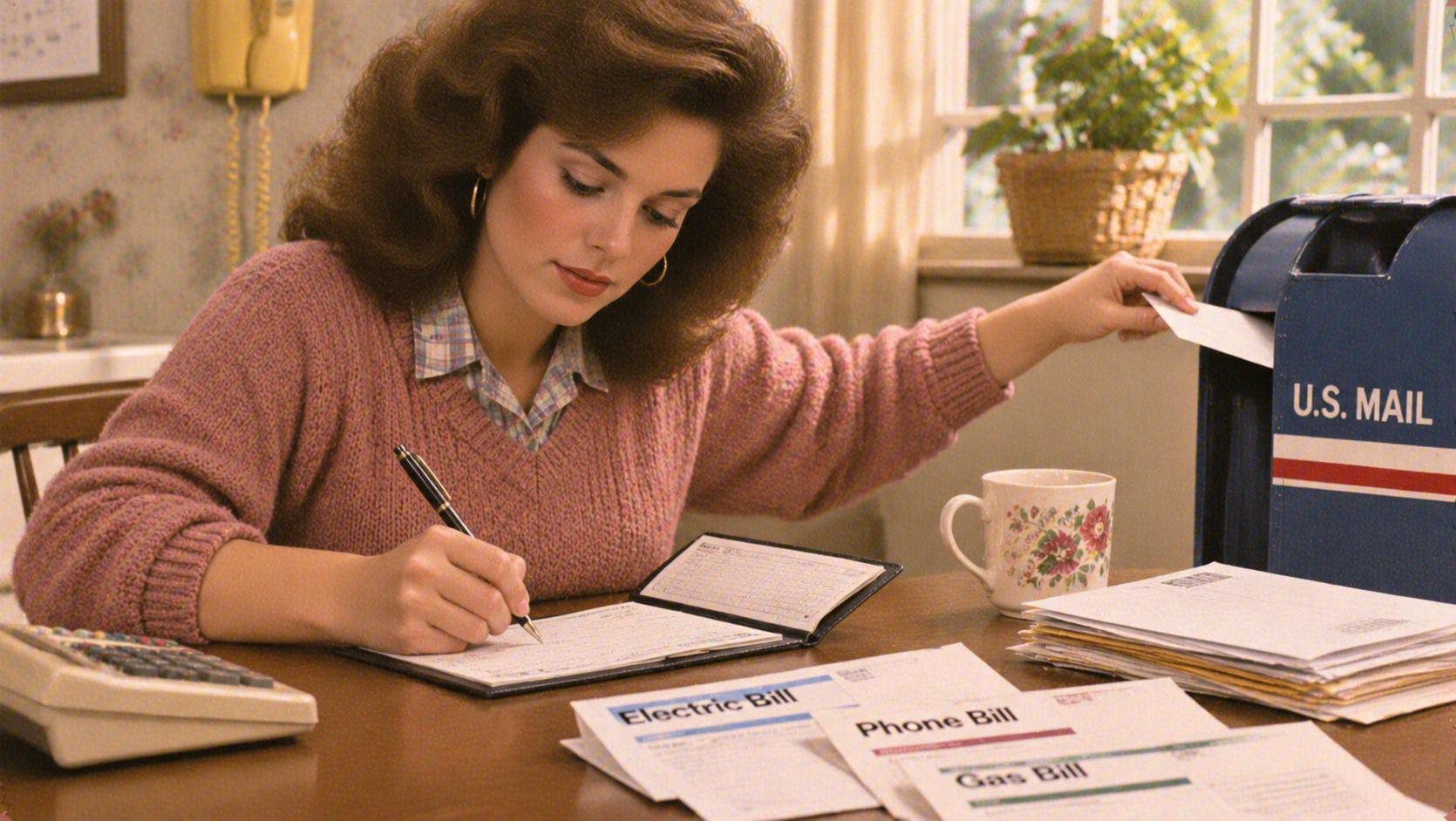
Paying household bills once involved a regular paperwork routine. People wrote checks, recorded the amounts in check registers, placed payments inside envelopes, and mailed them before the due date. Missing a mailing deadline could result in late fees, even when the money was available. Electronic banking and automatic payments gradually simplified the process. Today, many households pay utilities, insurance premiums, and other expenses without touching a checkbook or visiting a mailbox.
10. Taking Paper Checks to the Bank for Deposit

Depositing a paycheck or personal check once meant making a trip to a bank branch. Customers filled out deposit slips, waited in line, and handed their checks to a teller for processing. ATMs eventually offered an alternative, but physical visits remained common for years. Mobile banking apps now allow customers to deposit many checks by photographing them with their smartphones. Direct deposit has also eliminated the need to handle paper paychecks for millions of workers.
11. Searching Library Card Catalogs by Hand
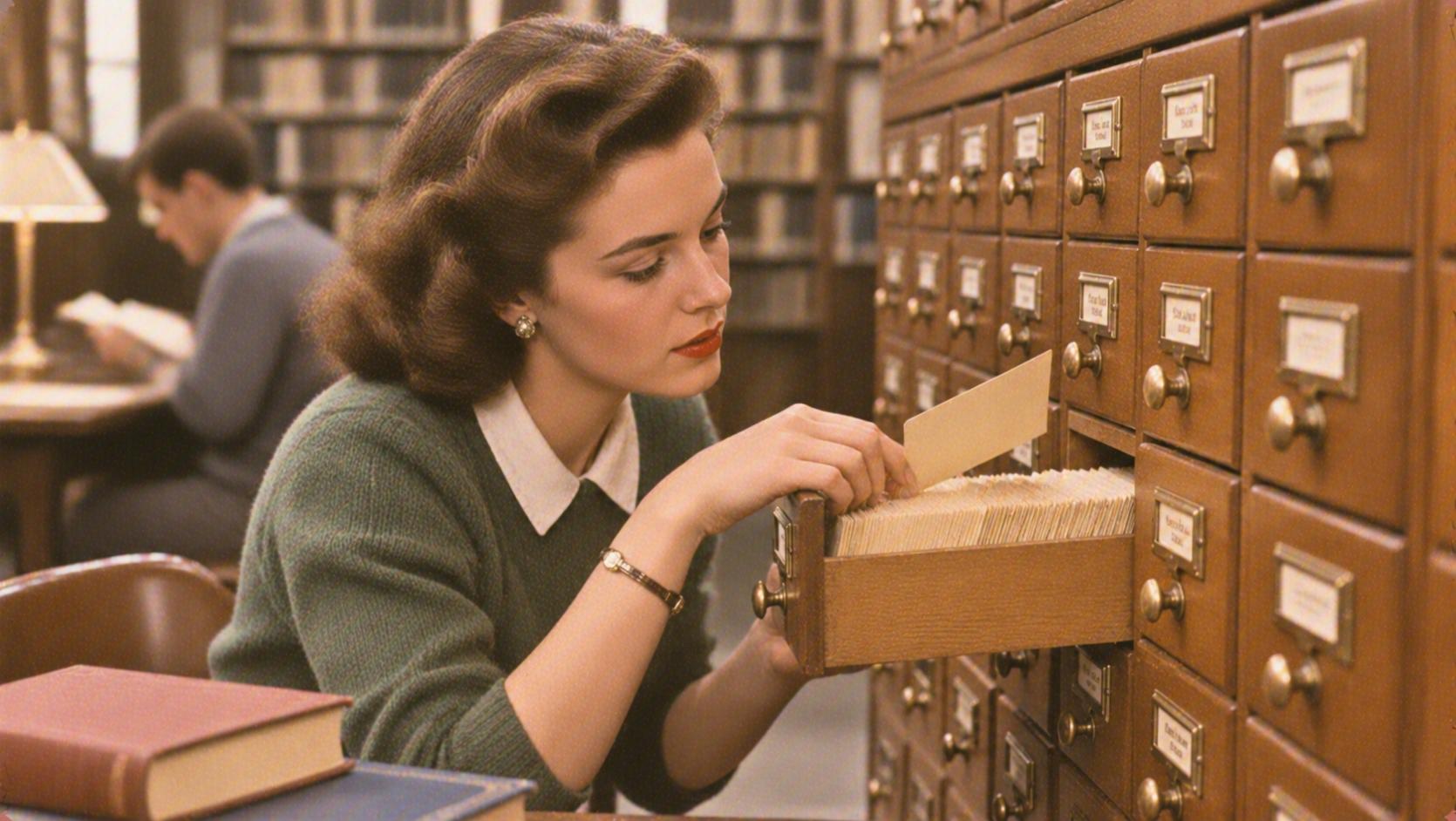
Before computerized library systems, finding a book required searching through wooden cabinets filled with index cards. Each card contained information about a particular title, author, or subject, along with details about where the book could be found. Large libraries maintained enormous collections of these cards. The Library of Congress, for example, accumulated more than 22 million cards in its historical catalog. Digital databases eventually replaced much of this manual searching, allowing readers to locate materials using keywords and electronic search tools.
12. Unfolding Paper Maps to Navigate an Unfamiliar Route
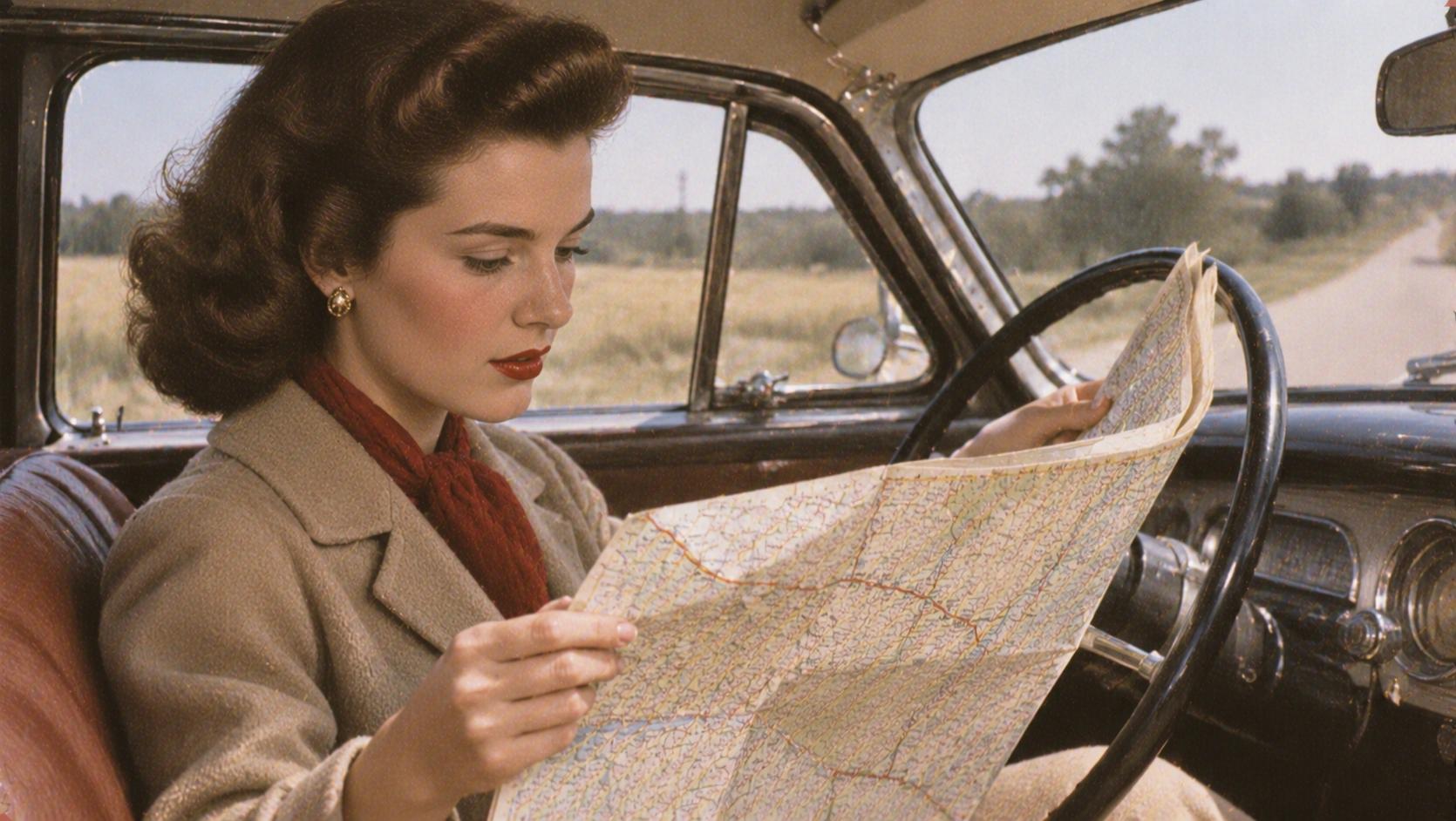
Planning a road trip once meant spreading a large paper map across a table and studying highways, exits, and landmarks. Drivers frequently kept road atlases in their vehicles and relied on written directions to reach unfamiliar destinations. Taking a wrong turn could require pulling over to examine the map again. GPS navigation and smartphone applications transformed the experience by providing directions and automatically recalculating routes. Paper maps still have practical uses, but most drivers no longer depend on them for everyday travel.
13. Taking Camera Film to Be Developed
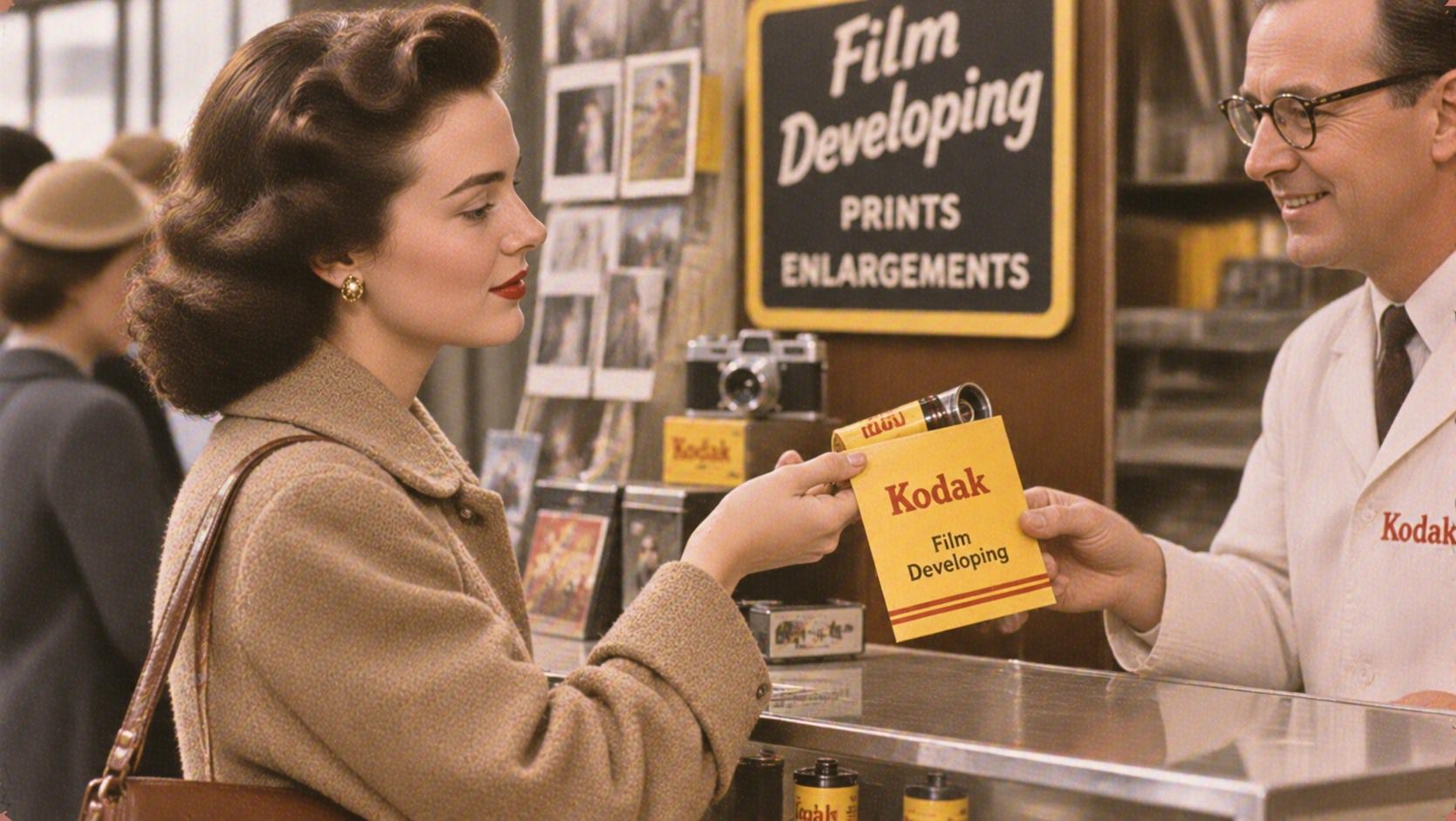
Taking photographs once required patience long after the pictures were captured. Film cameras stored images on rolls that had to be developed through a chemical process before anyone could see the results. Families brought their film to photo labs or stores and waited for printed pictures to become available. Sometimes they discovered that important photographs were blurry or poorly exposed only after paying for development. Digital cameras and smartphones eliminated that delay by allowing people to review photographs immediately.
14. Retyping Entire Pages to Fix Mistakes
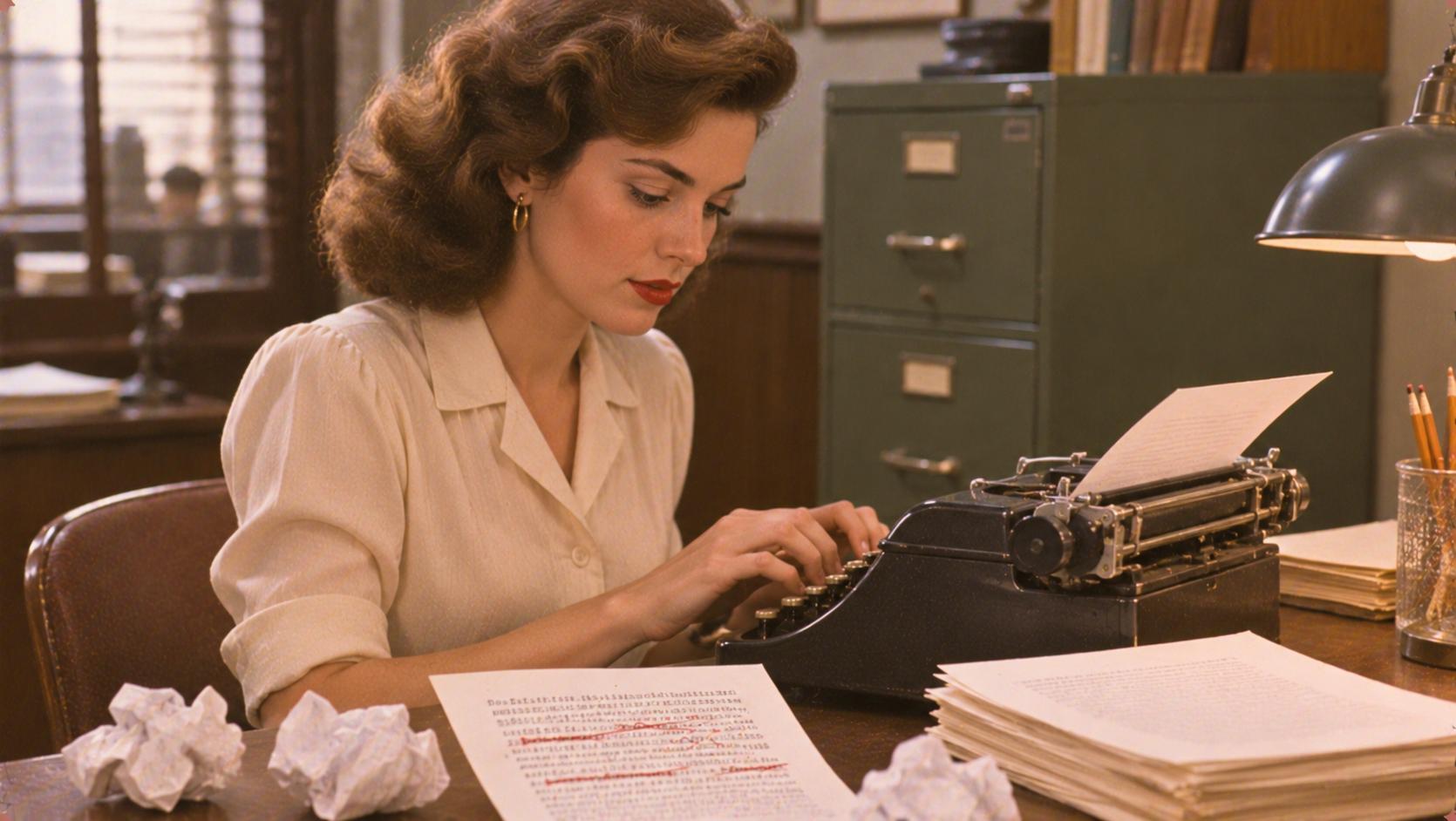
Before computers became common in offices and homes, typing an important document required careful attention. A significant mistake or change in wording could mean starting an entire page again to produce a clean copy. Correction fluid and specialized typewriter features offered some relief, but editing remained inconvenient. Word processing software transformed writing by allowing users to delete, rearrange, and rewrite text without recreating the document. Today, extensive revisions can happen before a single page is printed.
15. Using Carbon Paper to Make Duplicate Documents
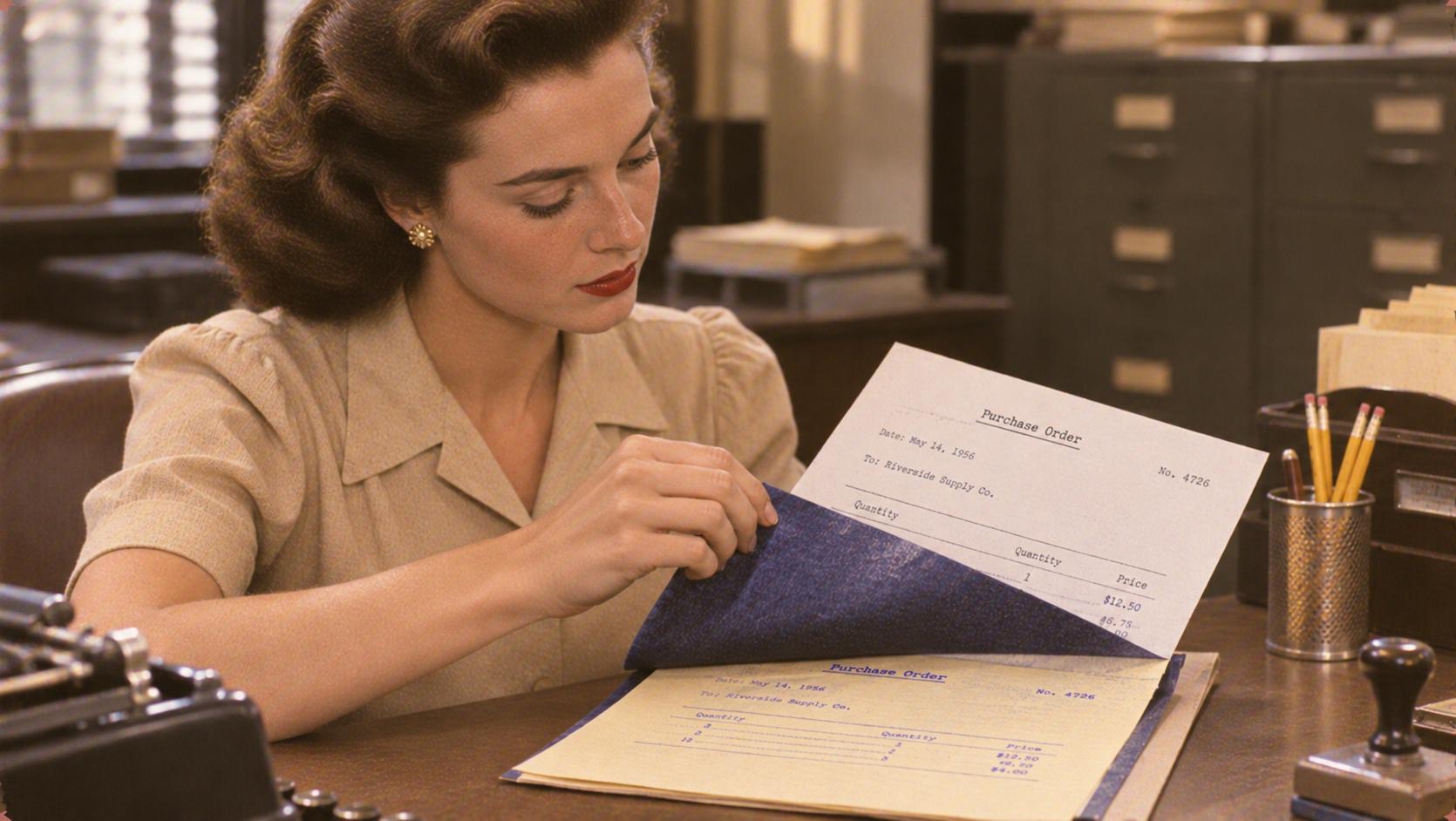
Creating multiple copies of a typed document once involved placing carbon paper between sheets of ordinary paper. When someone pressed a typewriter key, the pressure transferred ink-like pigment onto the sheets underneath. This method allowed offices to produce several copies simultaneously, but correcting mistakes across multiple pages could be frustrating. Photocopiers eventually simplified duplication, while computers made sharing documents even easier. Digital files now allow people to distribute identical copies almost instantly.
16. Using Slide Rules for Complicated Calculations
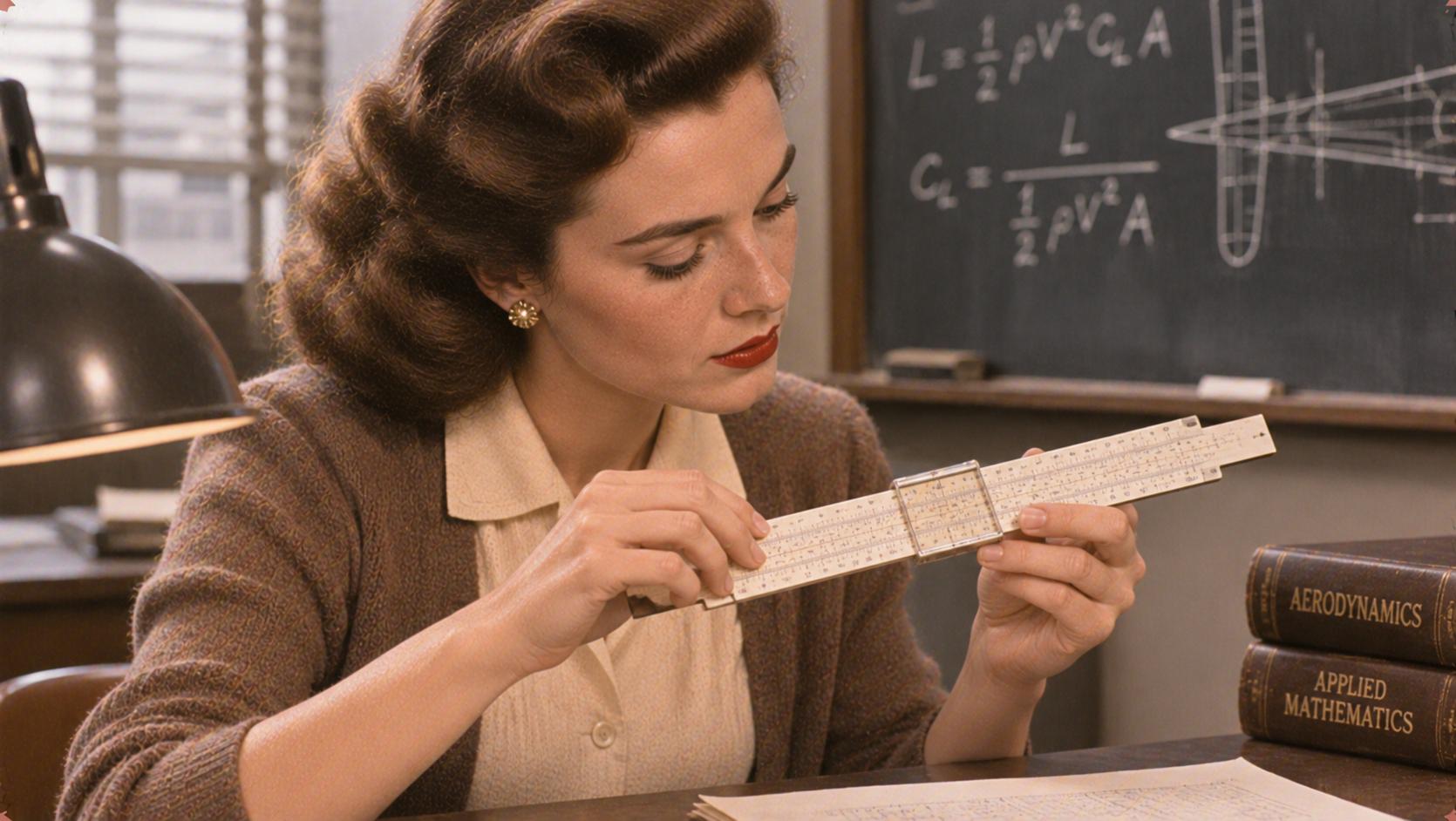
Before affordable electronic calculators, engineers, scientists, and students frequently relied on slide rules. These instruments used numbered scales that could be moved relative to one another to perform multiplication, division, and other mathematical operations. Using a slide rule required practice and an understanding of how its scales worked. The arrival of pocket calculators during the twentieth century dramatically changed technical calculations. Computers and smartphones later made powerful mathematical tools accessible to almost everyone.
17. Rewinding Videotapes Before Watching Them Again
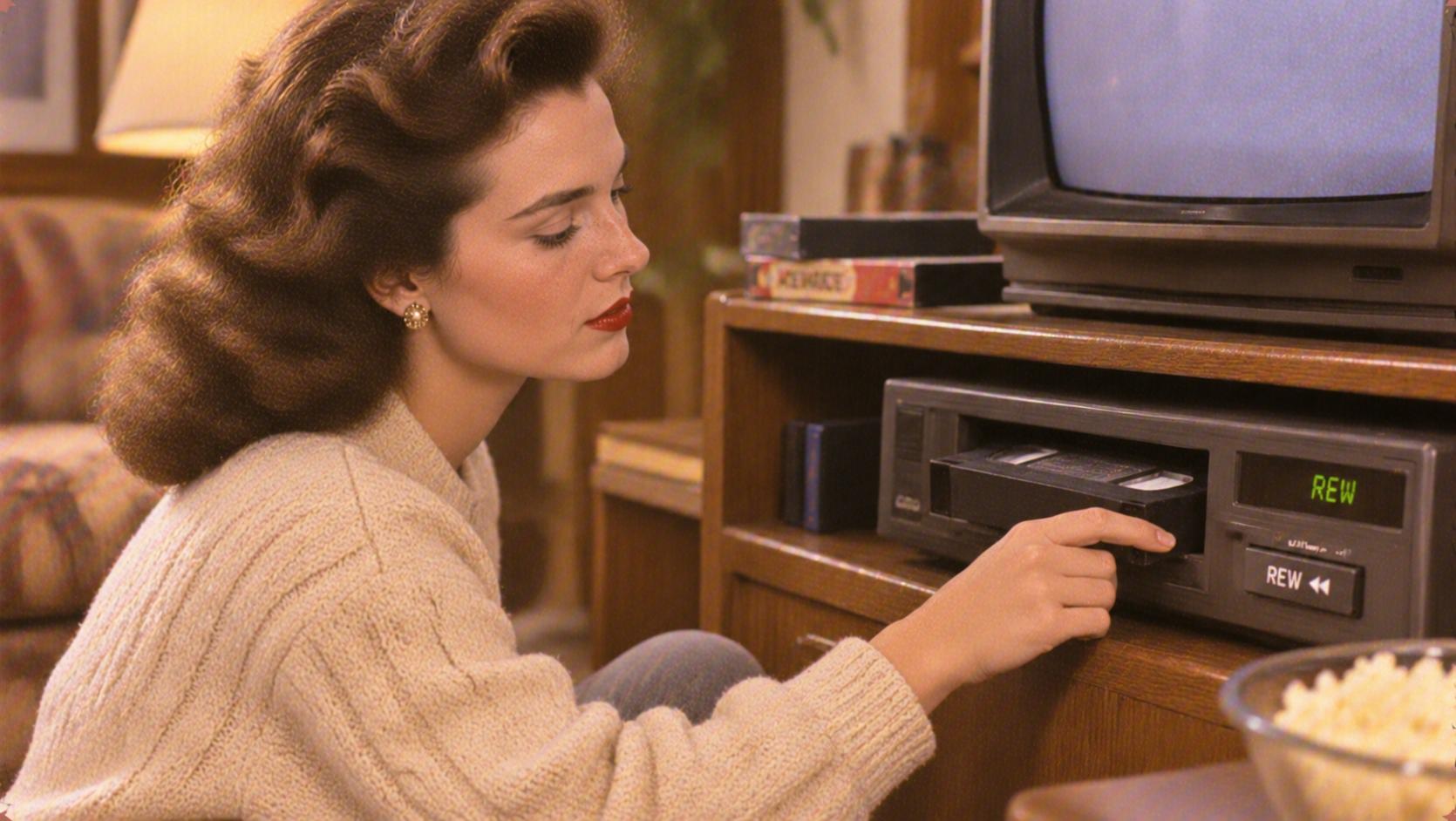
During the VHS era, finishing a movie often meant pressing the rewind button and waiting for the tape to return to the beginning. Video rental stores commonly expected customers to rewind cassettes before returning them. Some households even purchased separate tape rewinders to avoid wearing out their VCRs. DVDs eliminated the need to physically rewind recordings, and streaming services later removed the need for physical media altogether. Watching a movie again now usually requires nothing more than selecting it on a screen.
18. Looking Up Information in Printed Encyclopedias

Before online search engines, answering a difficult question often meant consulting a set of encyclopedias. Families and libraries kept large collections of reference volumes arranged alphabetically by subject. Finding information required choosing the correct book, locating the relevant entry, and sometimes consulting additional volumes. Printed encyclopedias could also become outdated as new discoveries emerged. Online reference resources transformed research by making information searchable and easier to update. Encyclopaedia Britannica stopped producing its printed encyclopedia sets in 2012.
19. Dialing a Phone Number to Connect to the Internet
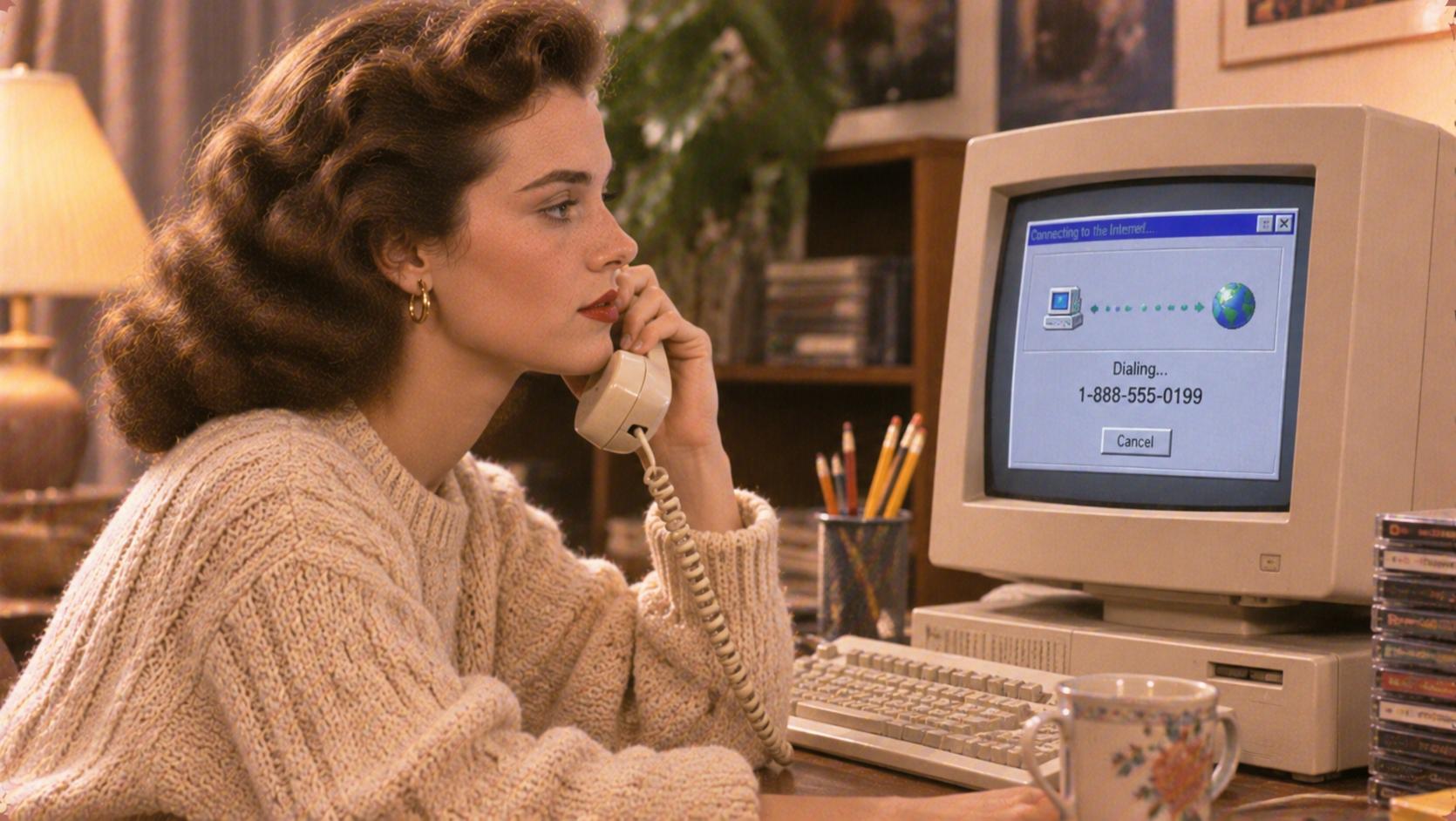
For many Americans during the 1990s and early 2000s, going online involved connecting a computer to a telephone line and waiting for a dial-up modem to establish a connection. The process produced a distinctive series of electronic sounds that became familiar to an entire generation. Internet access was often slow, and using the connection could interfere with ordinary telephone calls. Broadband technology eventually provided faster connections that could remain active continuously. Today, most people expect internet access to be available without a separate dialing process.
20. Winding Clocks and Watches to Keep Them Running

Before battery-powered timepieces became widespread, many clocks and watches required regular winding. Turning a key or crown tightened a spring that gradually released energy to keep the mechanism moving. Forgetting to wind a clock could cause it to stop, leaving the owner with an incorrect time until it was reset. Quartz technology and electronic devices largely eliminated this responsibility for everyday timekeeping. Mechanical watches and clocks remain popular among collectors, but most people now check the time without ever thinking about winding a mechanism.
More Related Notes
• 15 Tech Inventions That Revolutionized Daily Life
Explore the inventions that transformed everyday routines, from personal computers to digital communication tools. These innovations made countless household tasks faster, easier, and less dependent on manual effort.
• 15 Everyday Things That Look Nothing Like They Did in 1985
Revisit the familiar objects and devices that have changed dramatically over the past four decades. From telephones to home electronics, discover how technology reshaped the way people handle ordinary tasks.
• 10 Things That Were Totally Normal in the 90s but Make No Sense Today
Remember when finding directions, making phone calls, and organizing daily activities required extra planning? Take a nostalgic look at the routines that modern technology has made almost unnecessary.