For Baby Boomers, the weekly grocery in the U.S. was predictable: ground beef for dinner, coffee for mornings, bread for sandwiches, and fresh fruit for dessert, all at prices that barely dented the wallet. Today, those same staples have surged in cost, reshaping retirement budgets and forcing families to rethink their shopping lists. Rising grocery inflation, supply chain disruptions, and global demand have turned everyday products into budget-busters. Here are 12 foods Boomers ate every week that now carry a high price tag.
1. Ground beef
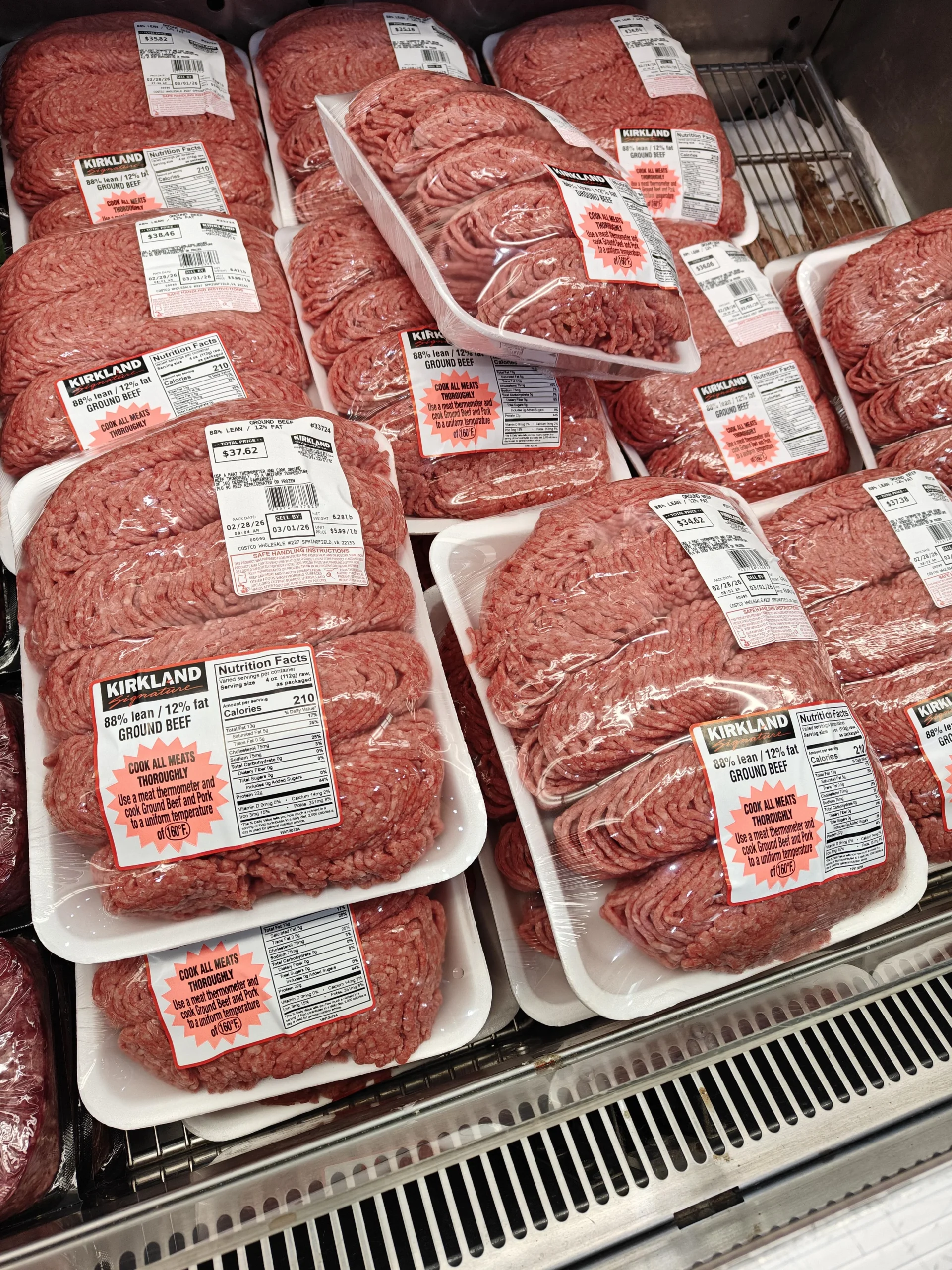
Once the backbone of affordable dinners, ground beef prices have increased due to droughts, feed costs, and labor shortages. Families now limit beef meals or switch to turkey and plant-based substitutes. For Boomers, meatloaf night was cheap comfort, but today it is a budget decision.
2. Coffee
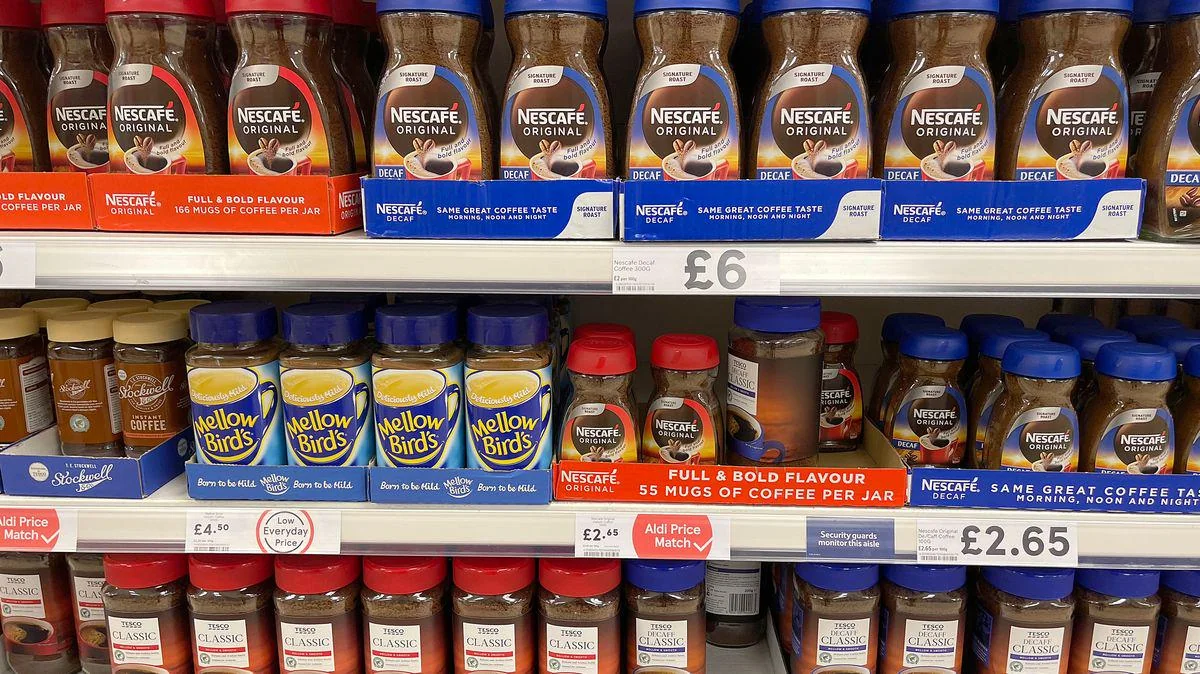
Boomers brewed coffee daily, but crop shortages and global demand have made it a luxury. A bag that costs a few dollars now often exceeds $10–$15. That morning cup now feels more like a splurge than a staple.
3. Bread
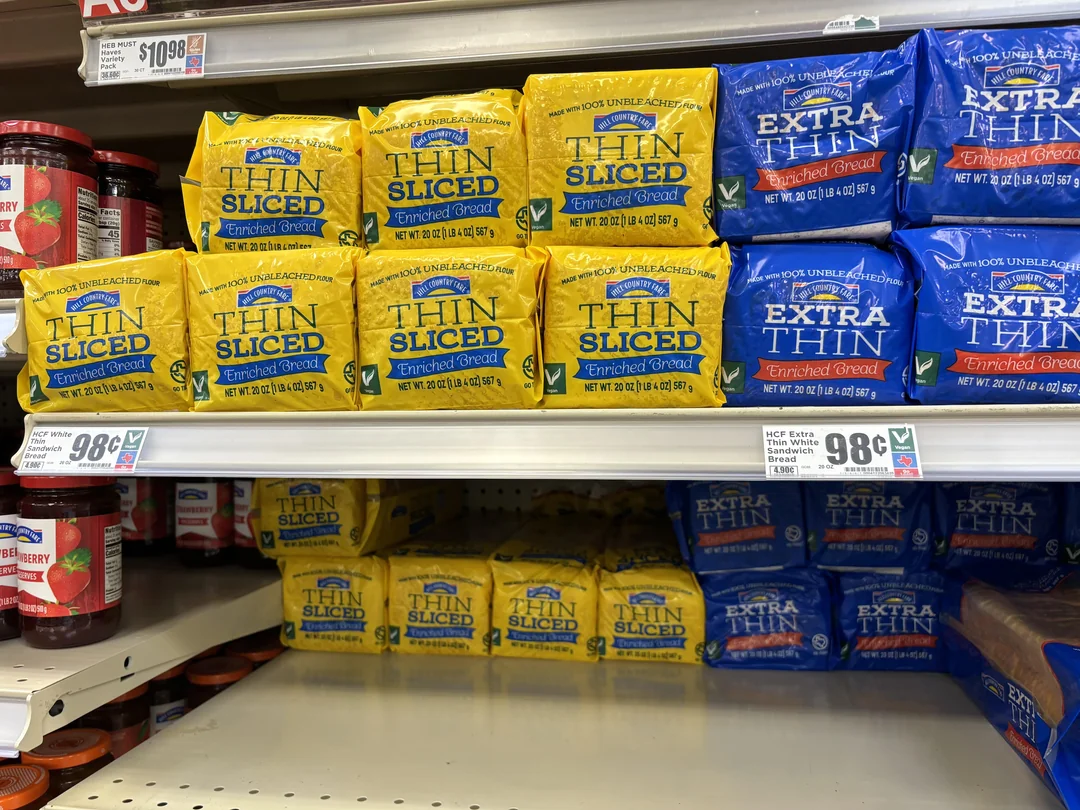
A staple of every household, bread prices have crept up steadily. Even small increases: 40 cents here, 50 cents there, add up to hundreds annually. The humble sandwich now carries a hidden inflation tax.
4. Milk
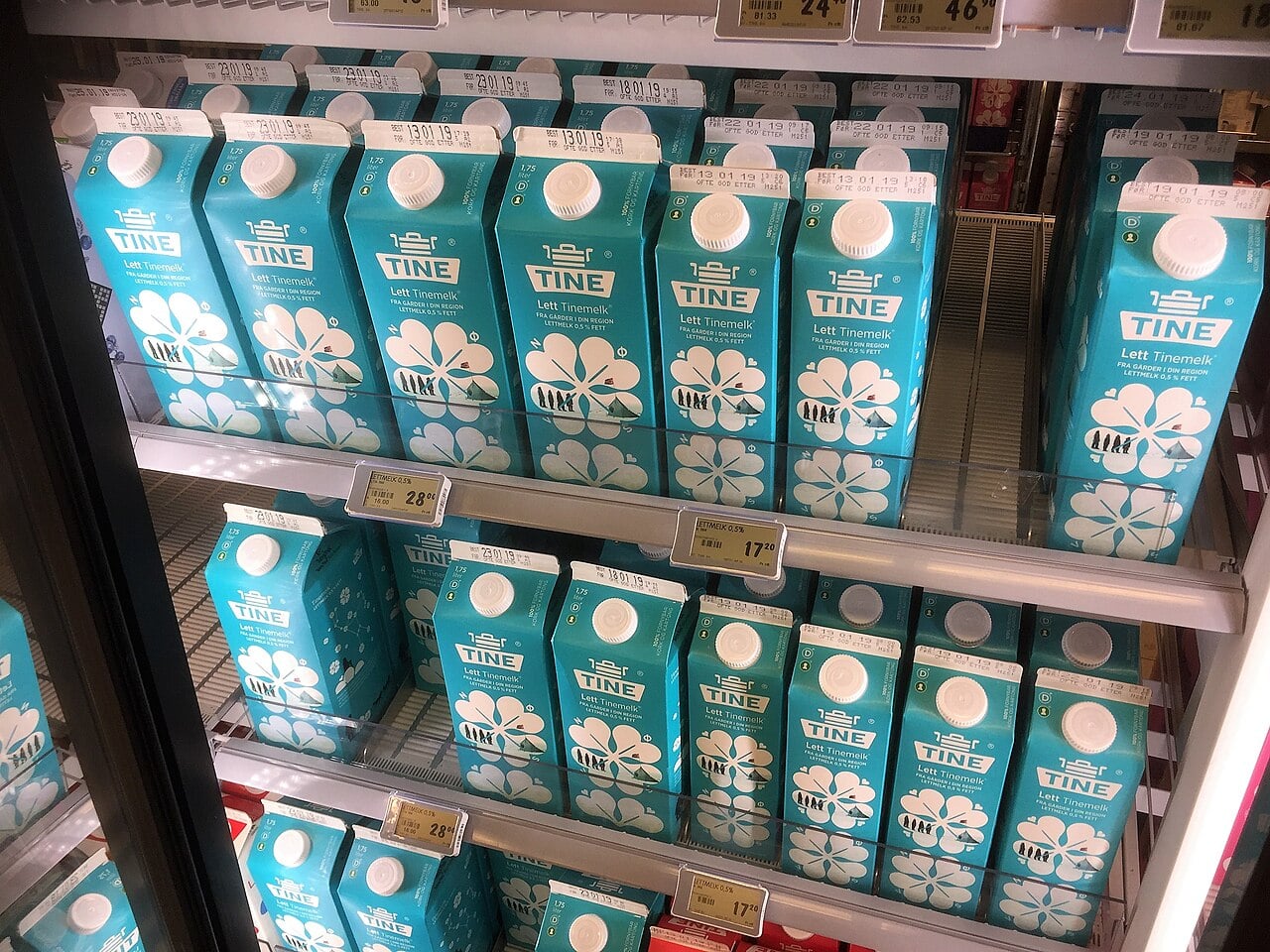
Daily glasses of milk were routine for Boomers. Today, dairy inflation has pushed gallon prices to $4–$6 in many states. What was once a cheap source of calcium now dents weekly budgets.
5. Eggs
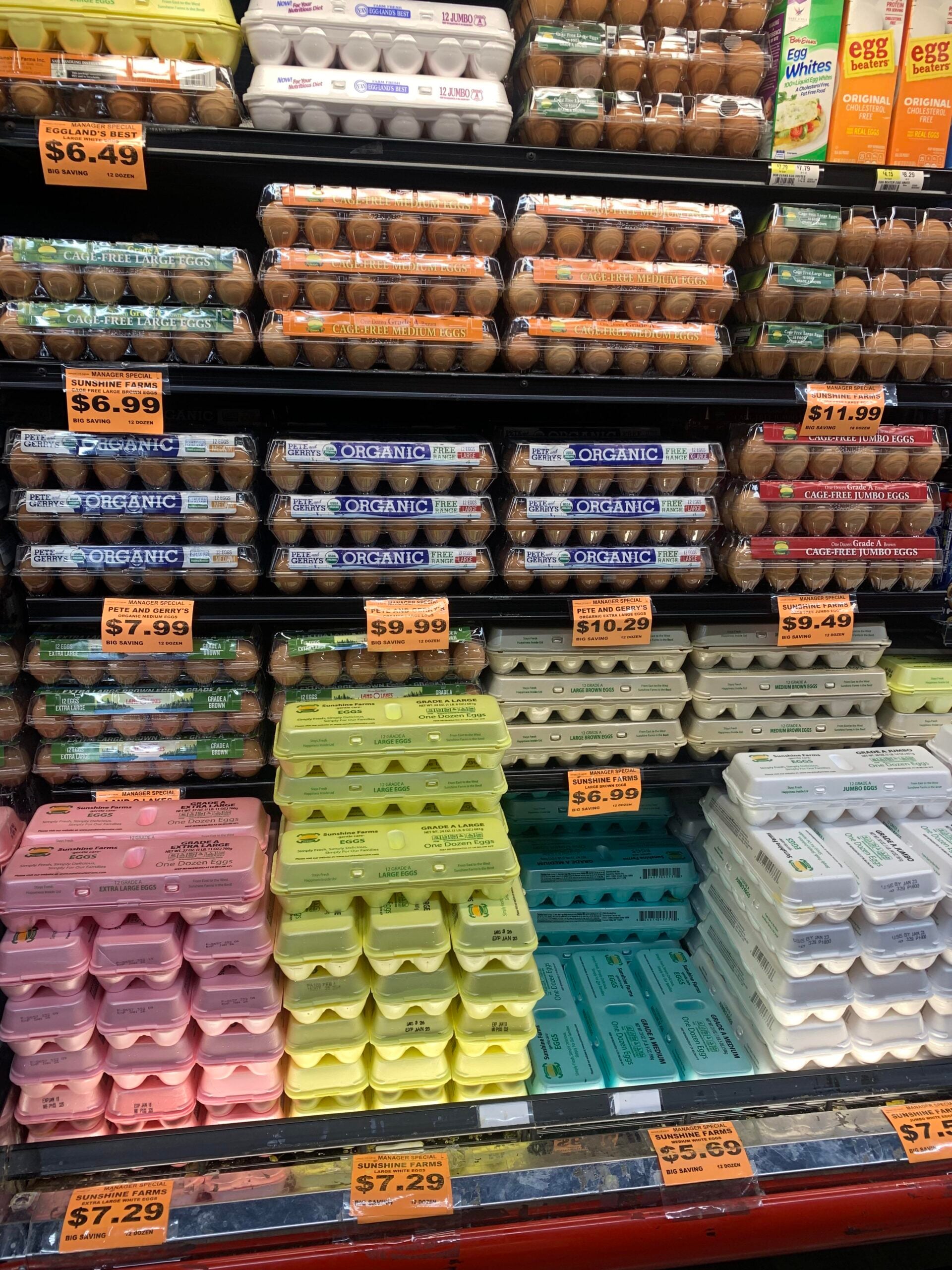
Eggs were once the cheapest protein. Avian flu outbreaks and feed costs have doubled or tripled prices, making a dozen eggs a noticeable splurge. The classic breakfast scramble now costs more than Boomers ever imagined.
Trending on Wealth Gang


6. Butter
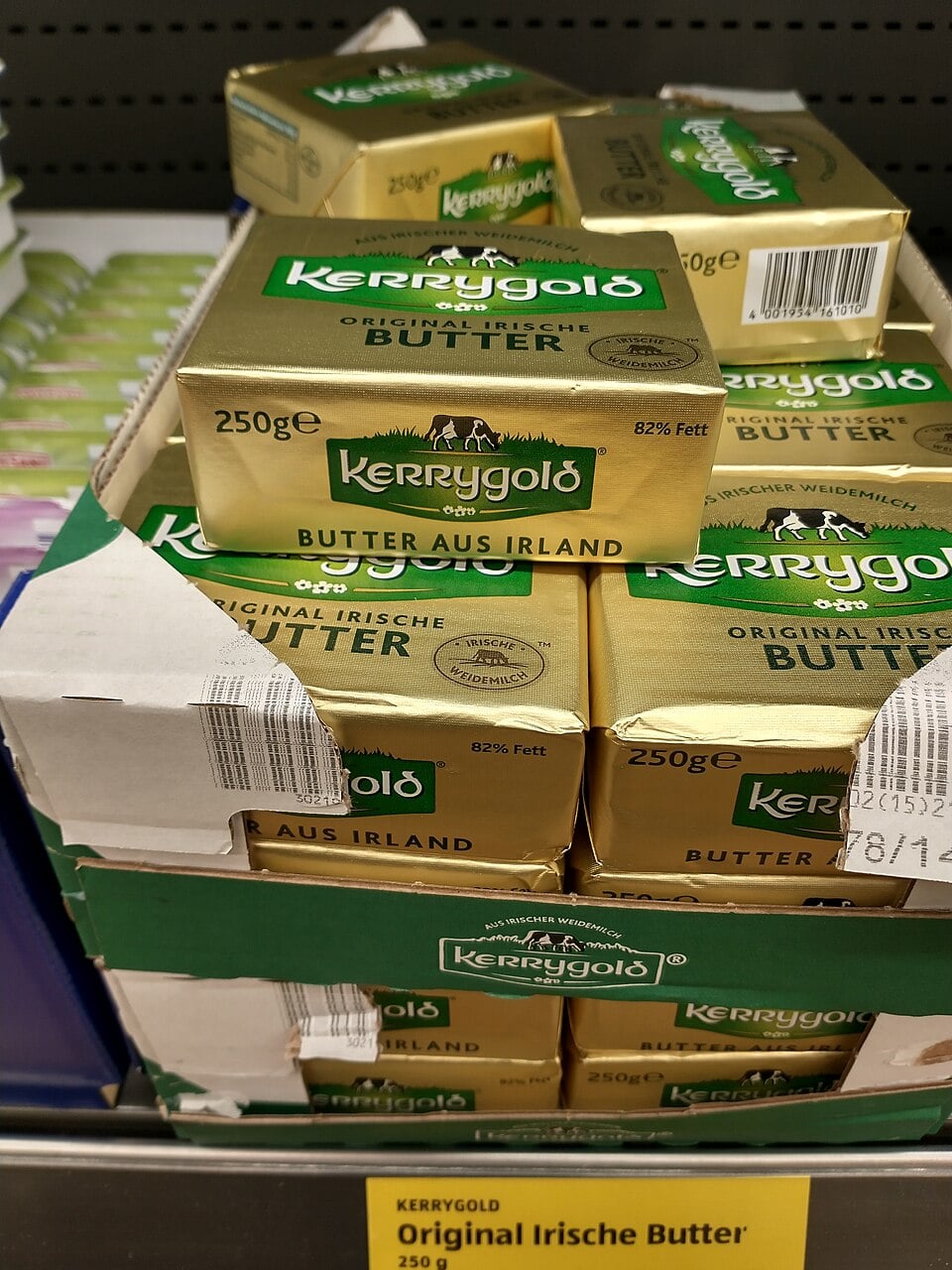
Spread on toast daily, butter now costs far more due to dairy inflation and supply chain pressures. Even the simple act of buttering bread has become a pricey ritual.
7. Chicken
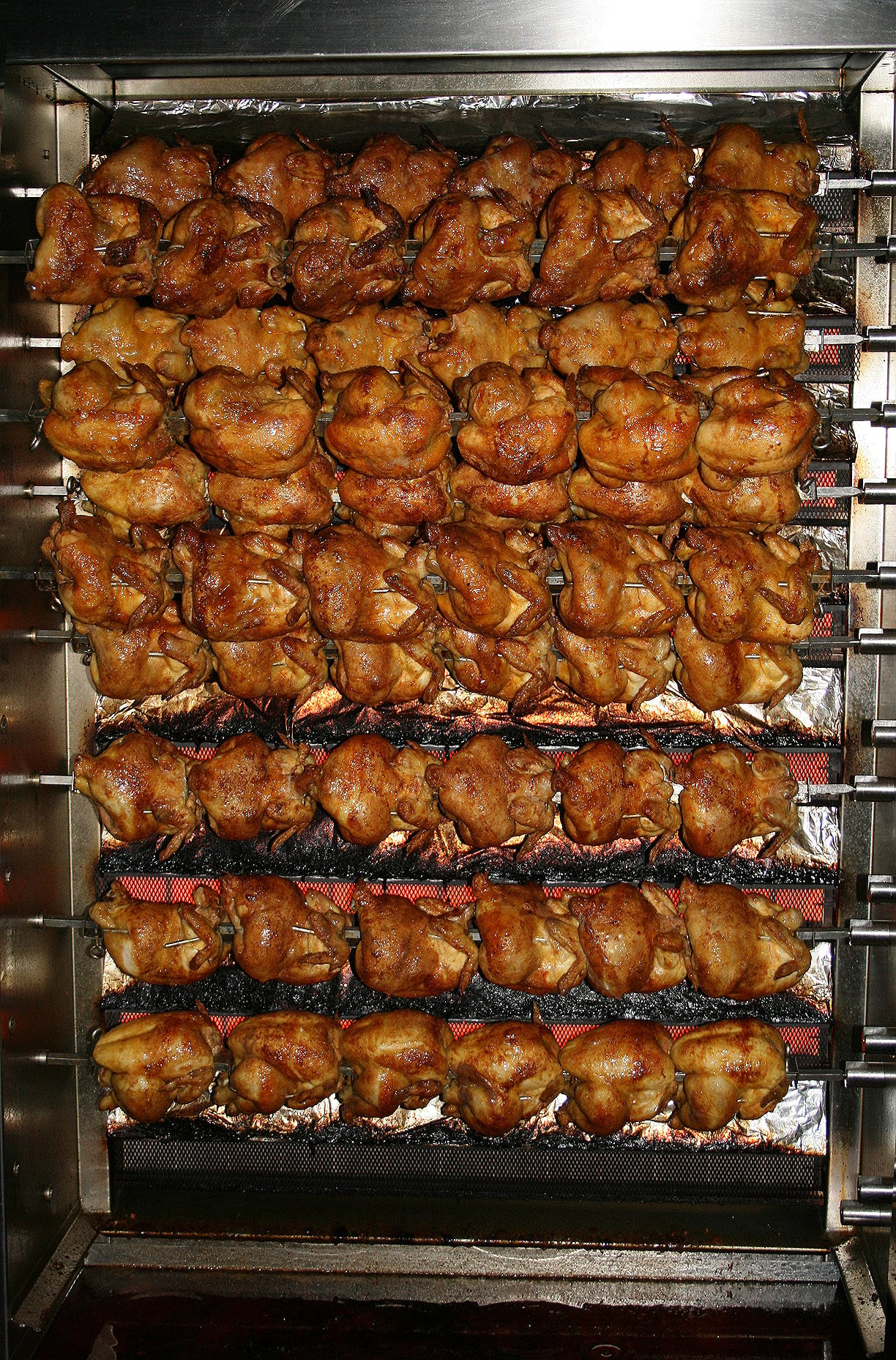
Boomers relied on chicken as a budget-friendly protein. Today, poultry prices have risen sharply, narrowing the gap with beef. Sunday roast chicken is no longer the cheap family feast it once was.
8. Salmon
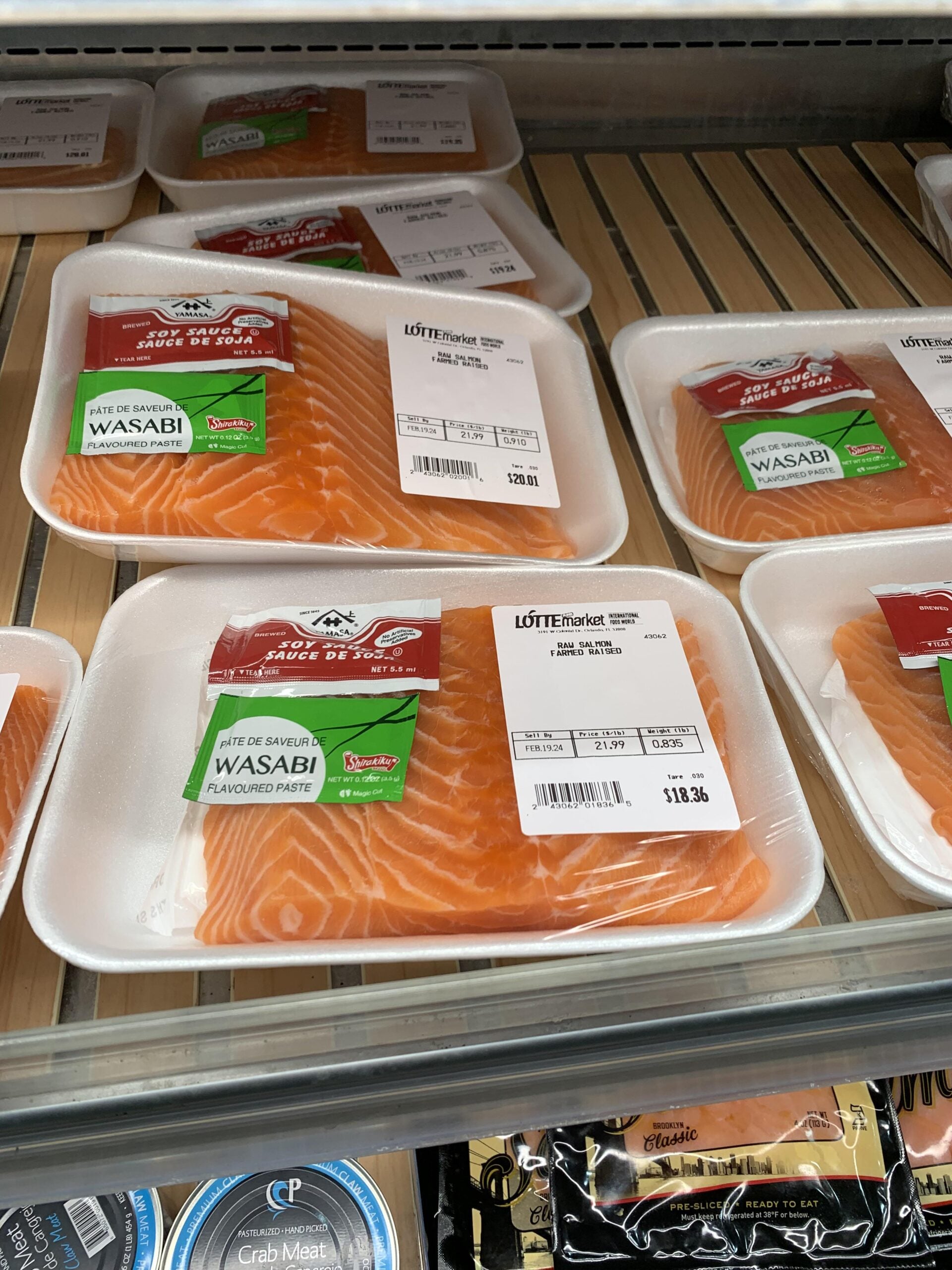
Fresh salmon was a weekly indulgence. Now, aquaculture costs and shipping fees have made it one of the most expensive proteins in the aisle. That healthy omega-3 boost now comes with a luxury price tag.
Sign up for our newsletter
9. Apples
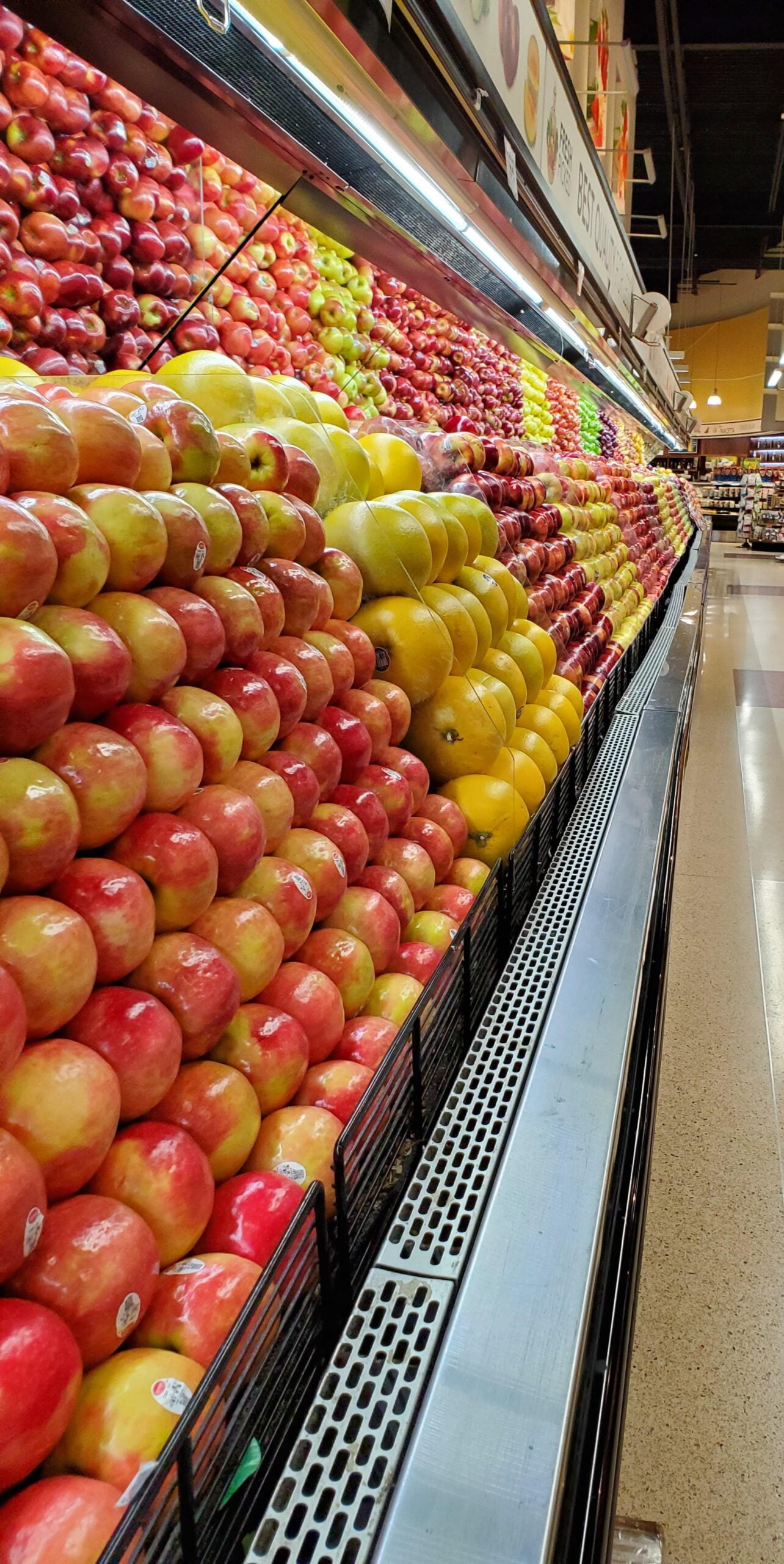
A simple fruit snack for Boomers, apples now cost $2–$3 per pound, reflecting higher transport and farming costs. Packing a lunchbox with apples is no longer the cheap choice it used to be.
10. Oranges
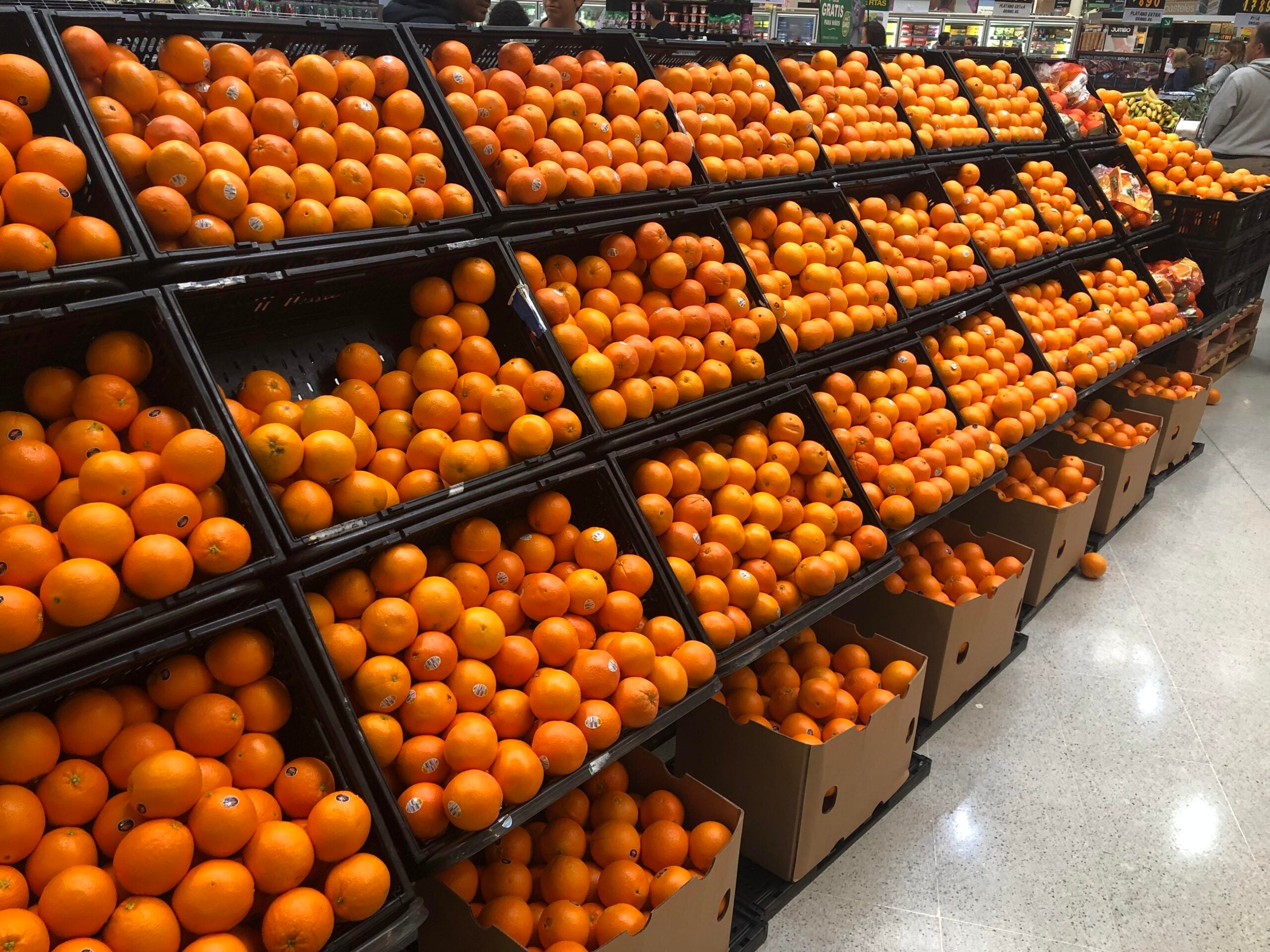
Orange juice was a breakfast staple. Today, citrus prices have climbed, with juice cartons often exceeding $5. The classic morning glass of orange now squeezes the wallet too.
11. Cheese
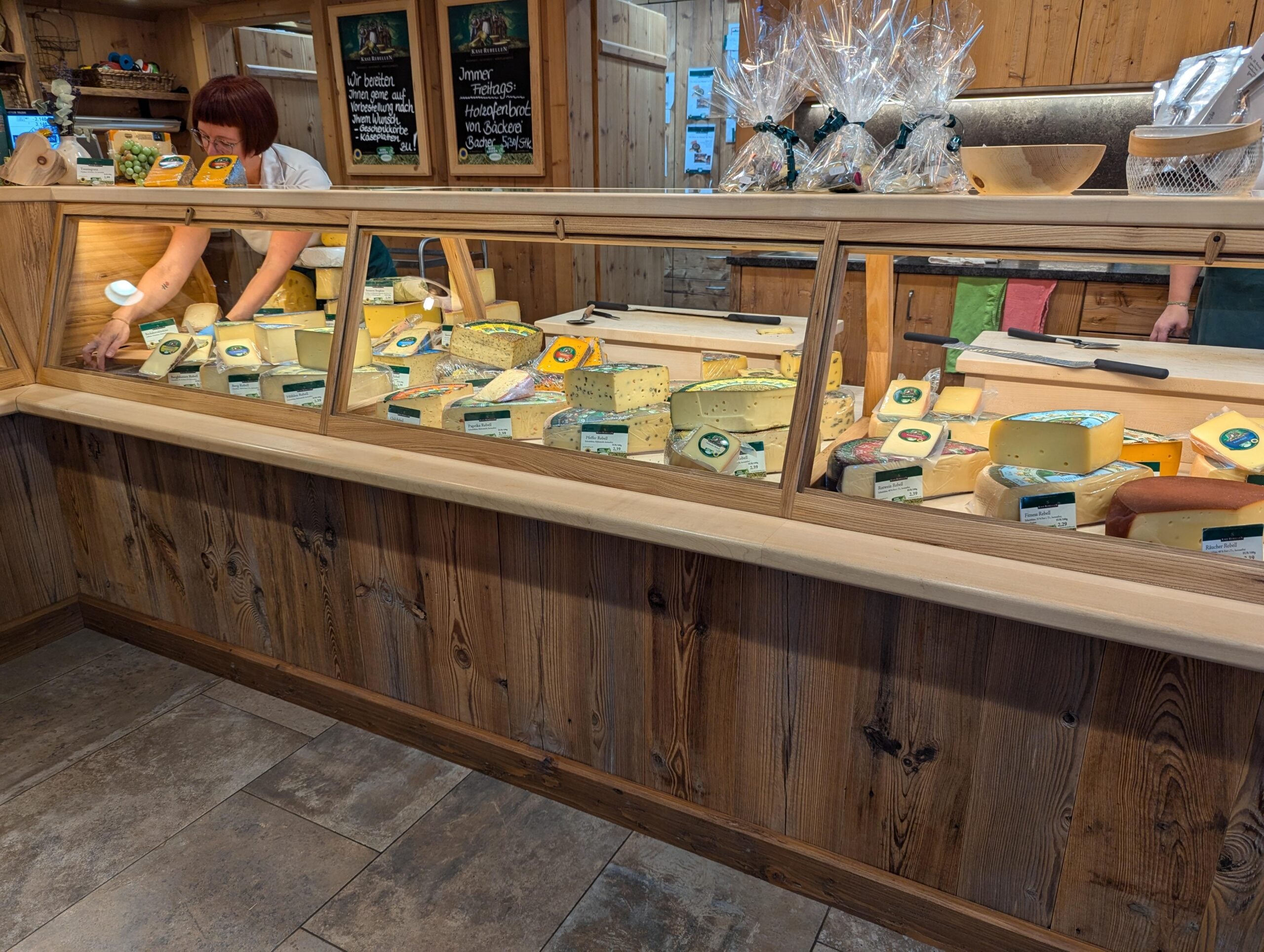
From sandwiches to casseroles, cheese was everywhere. Inflation has made shredded and block cheese significantly more expensive. Mac and cheese night now costs more than Boomers ever paid.
12. Avocado
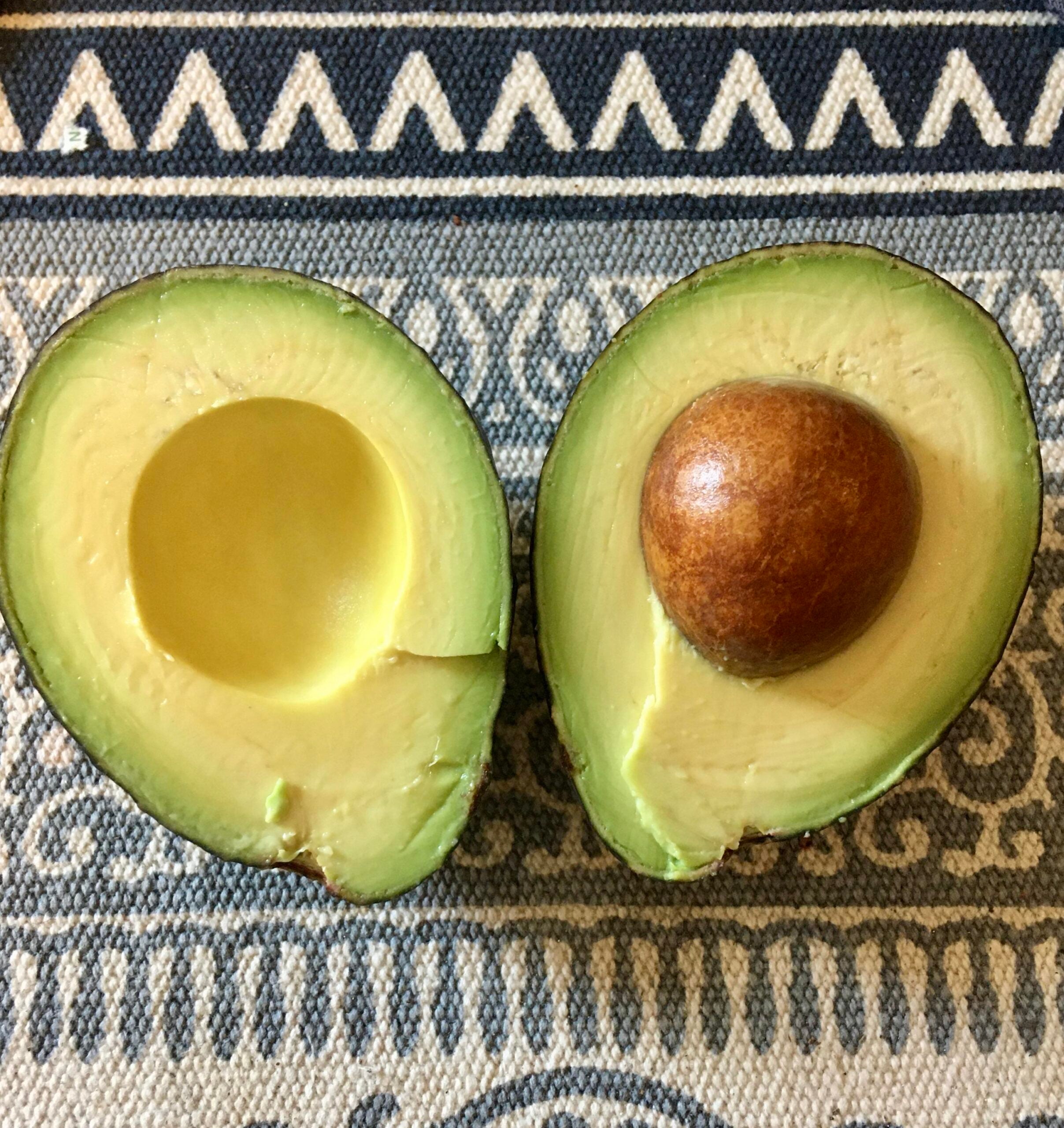
Boomers enjoyed guacamole and salads cheaply. Now, avocados can cost $2.50 each in major cities, turning them into a luxury fruit. The once affordable food has become a symbol of modern grocery inflation.
Looking for more interesting food-related content?
- 10 Historic Foods Created by Accident: Iconic dishes like potato chips and popsicles were born from happy accidents that changed food history forever.
- 12 Photos of Early Fast Food Restaurants: Vintage snapshots reveal the humble beginnings of fast‑food giants before they became global empires.
- 10 Luxury Foods Once Considered Trash: Today’s delicacies like lobster and oysters were once dismissed before gaining prestige.