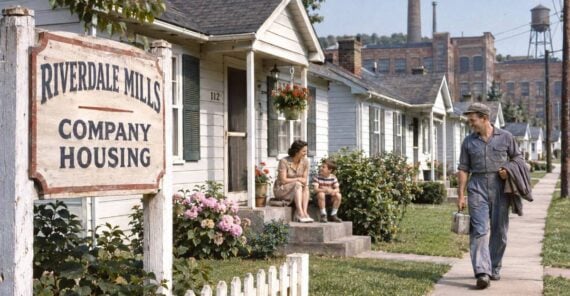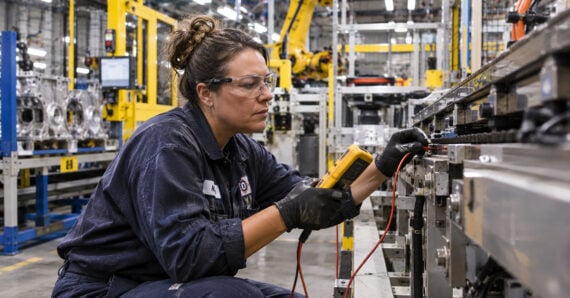
Modern infrastructure does more than move people, power, and data from one place to another; it builds the foundation for new economies and career paths.
Throughout history, each wave of modernization has replaced old forms of manual labor with roles that would have seemed like science fiction a generation earlier. From the telegraph operators of the 1800s to today’s wind turbine technicians, the hidden systems we rely on every day are sustained by a constantly evolving workforce.
1. Electrical Power Lineworkers
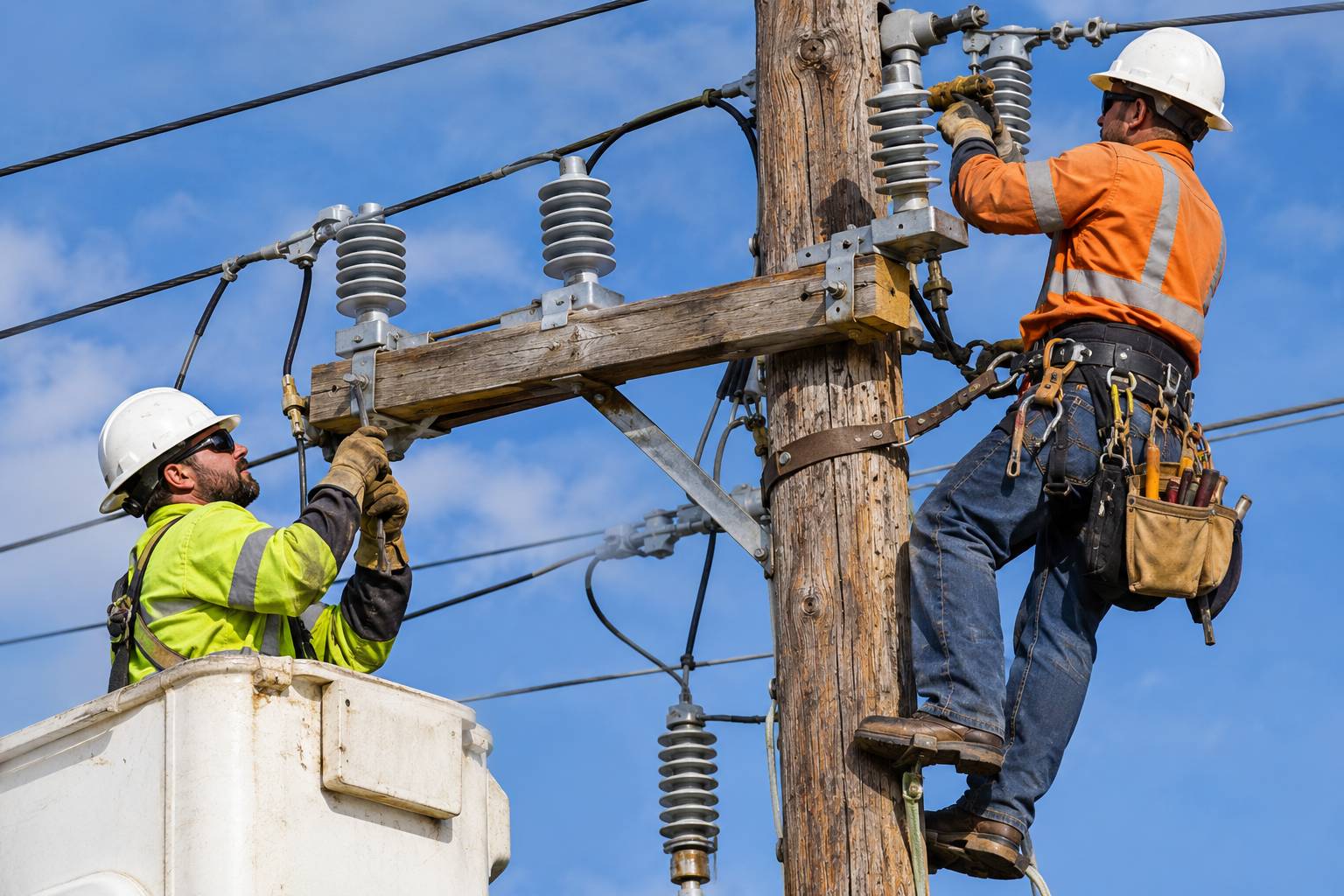
As interconnected power grids expanded, specialized lineworkers became essential for installing cables, repairing damaged equipment, and restoring electricity after storms. The job remains demanding, often requiring technicians to work high above the ground near dangerous electrical systems.
2. Air Traffic Controllers

Air traffic control emerged as growing numbers of aircraft began sharing busy airports and established air routes. Modern controllers coordinate aircraft movements using communications, navigation, surveillance equipment, and standardized procedures.
3. Wastewater Treatment Plant Operators
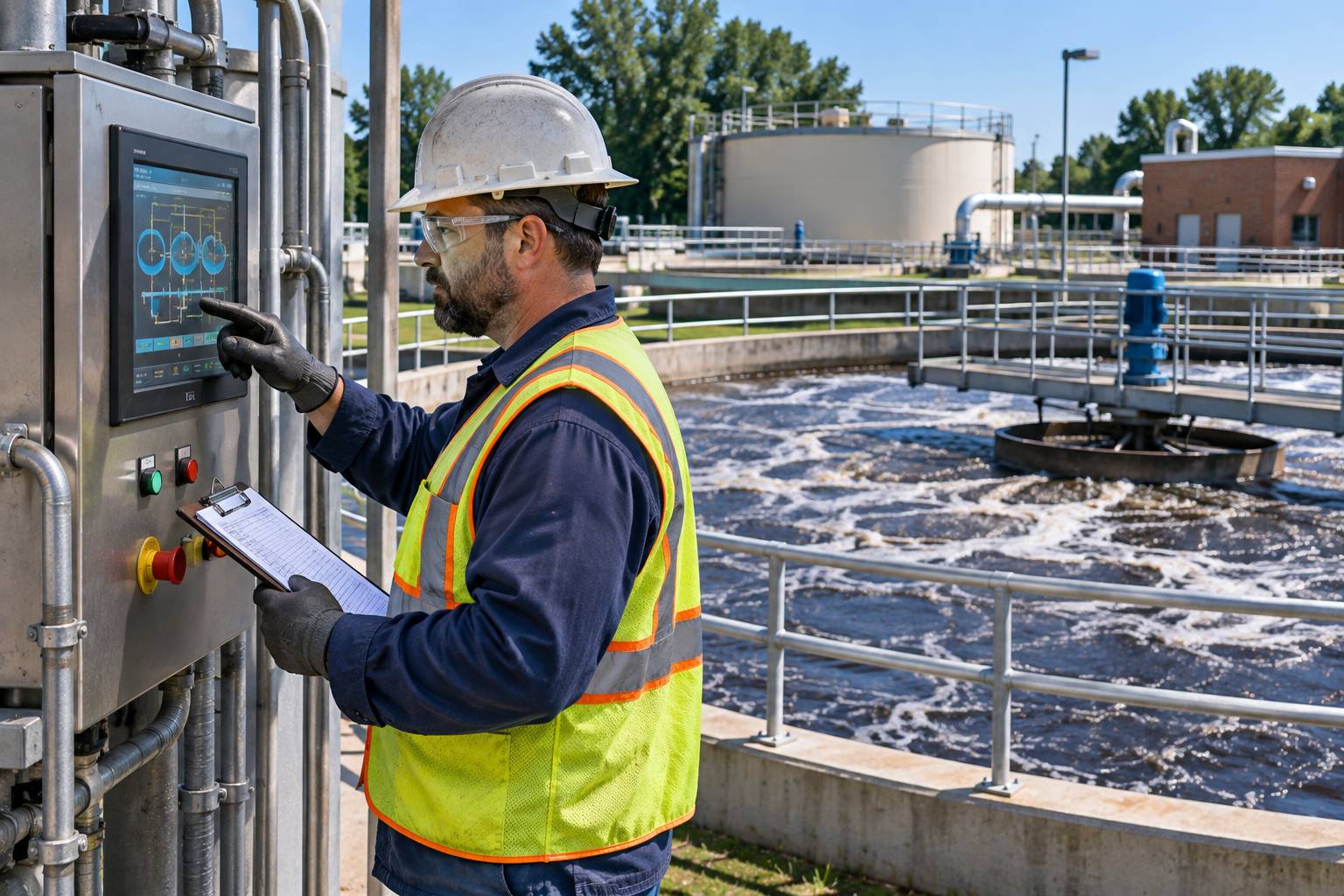
Modern sewage treatment systems created an occupation dedicated to managing what happens after wastewater leaves homes and businesses. Operators monitor pumps, treatment tanks, biological processes, and other equipment used to remove contaminants before water is discharged or reused.
4. Subway Train Operators
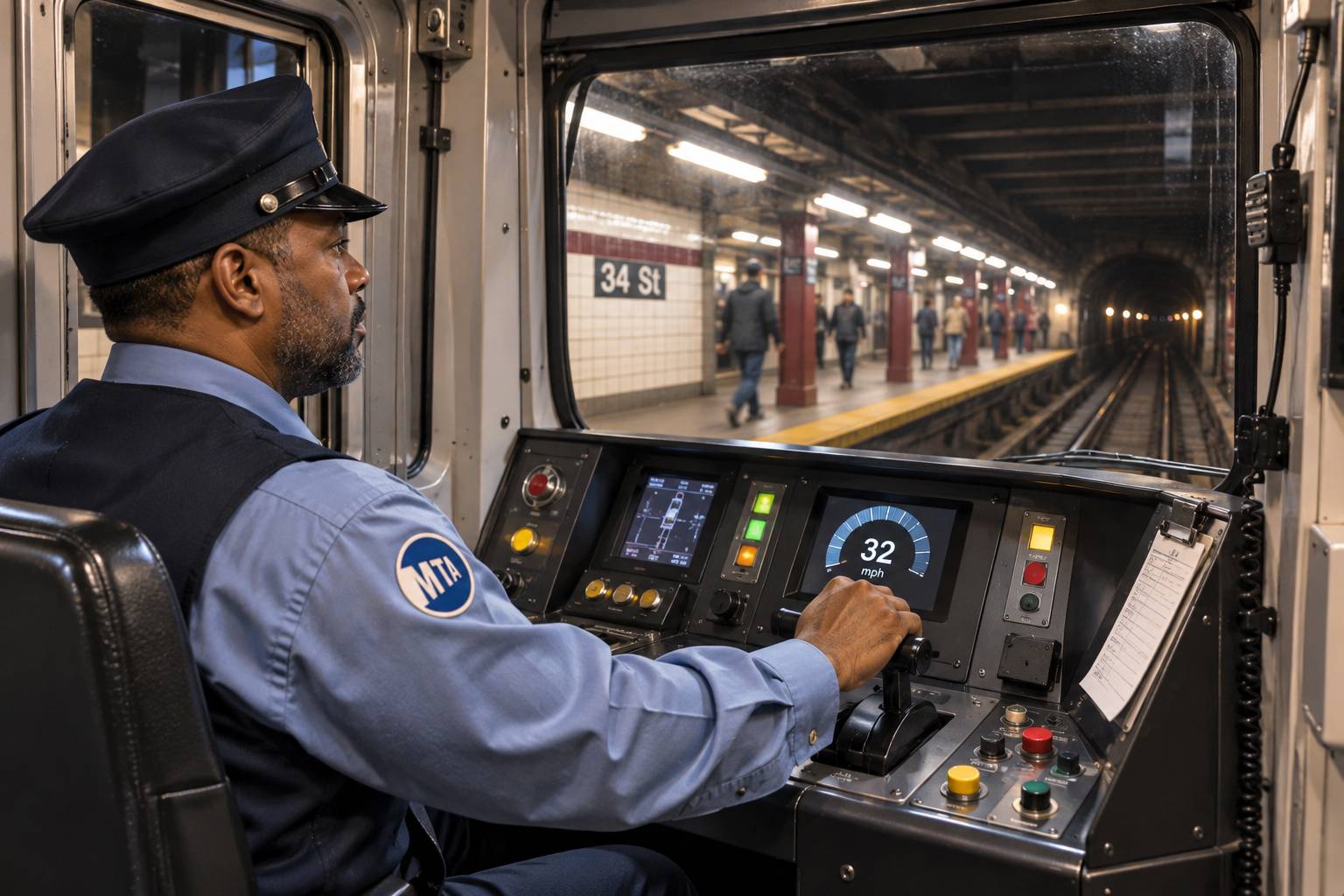
Underground urban railways created a specialized form of transportation work tied to tunnels, stations, and electric railway systems. Subway operators became responsible for transporting large numbers of passengers through interconnected city systems.
5. Elevator Mechanics
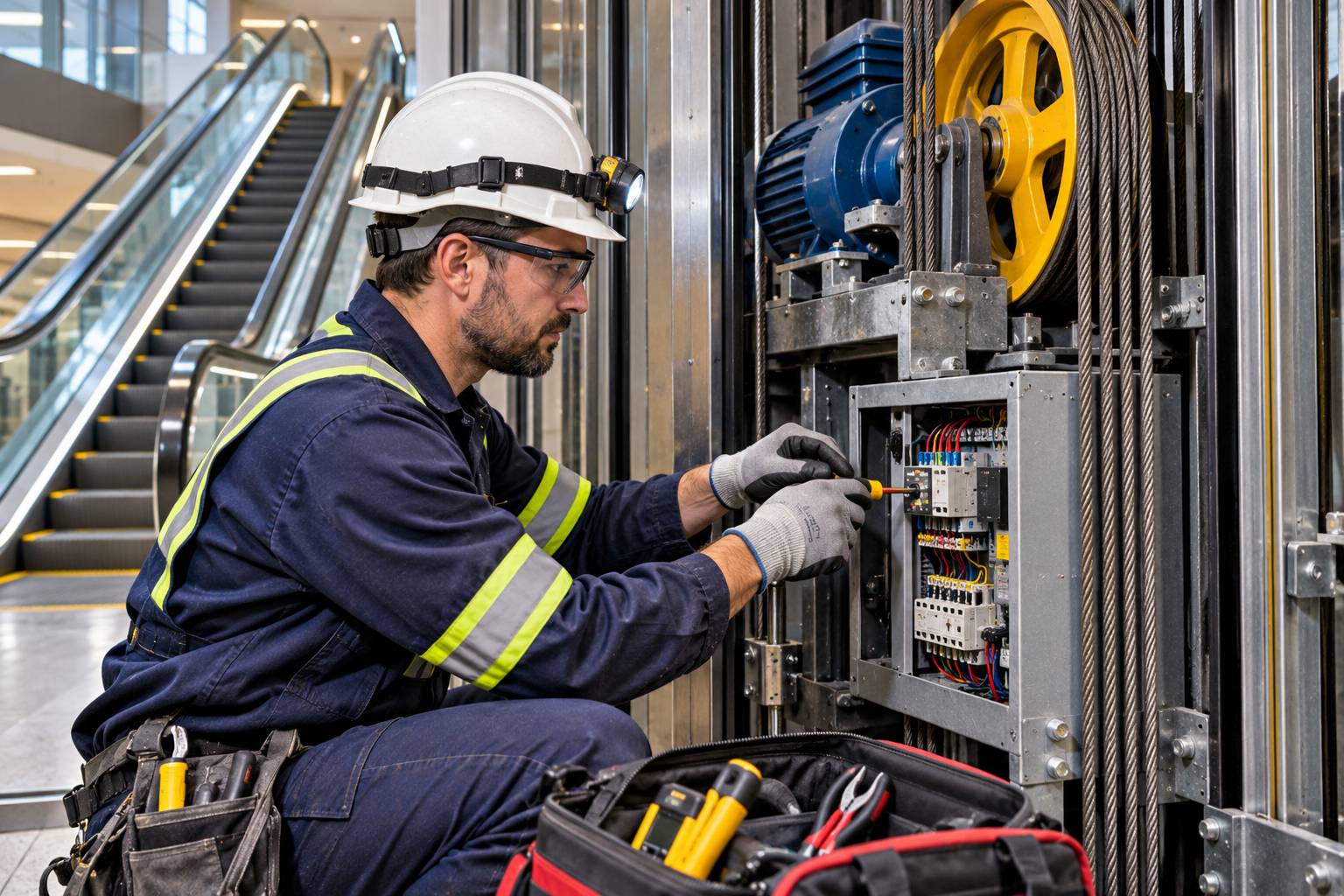
Elevator and escalator mechanics install, inspect, and repair equipment that moves people between floors and levels. Their work includes cables, motors, brakes, control systems, and numerous safety components.
Trending on Wealth Gang


6. Telecommunications Tower Technicians
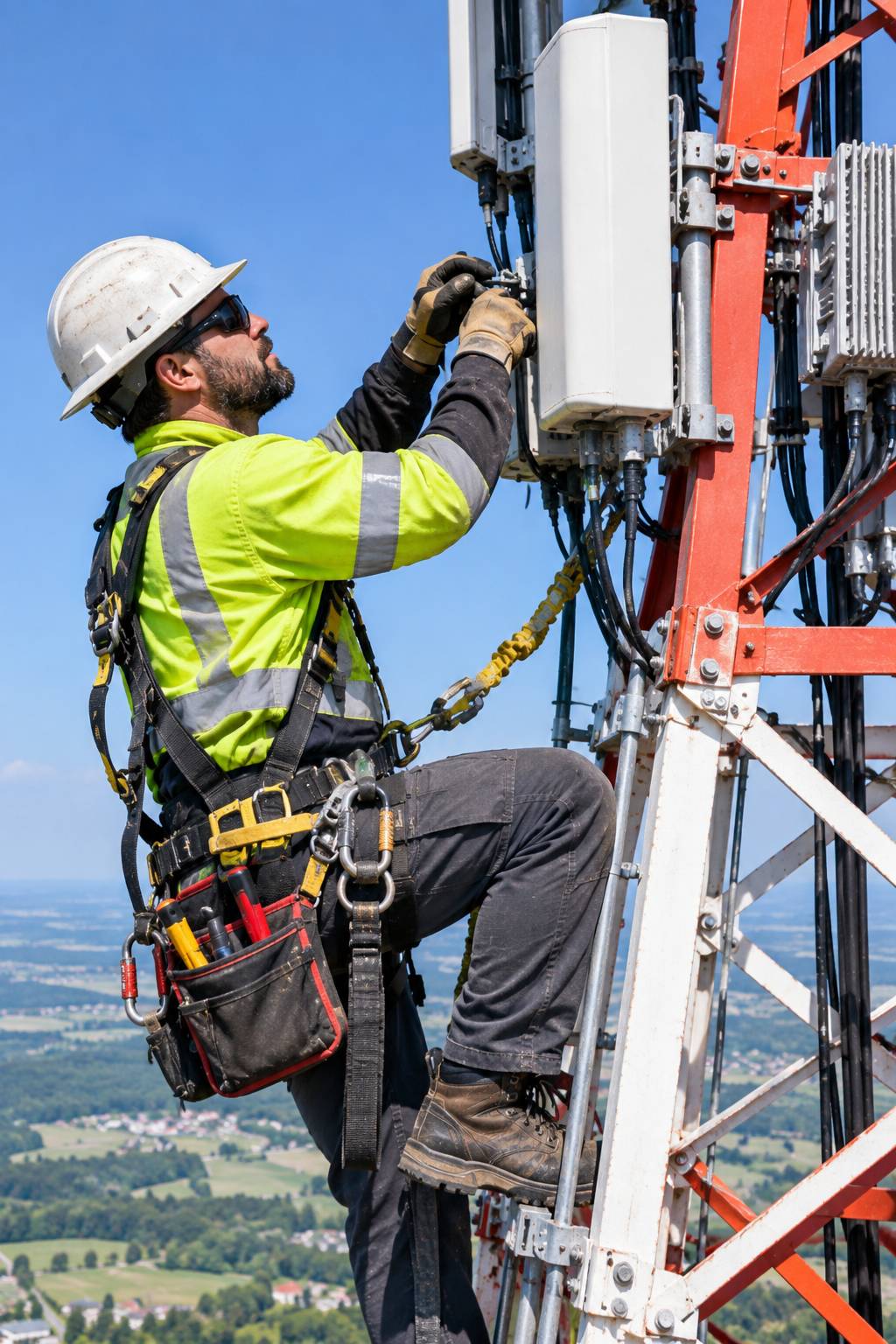
The expansion of radio broadcasting and cellular communications created demand for specialists willing to work hundreds of feet above the ground. Tower technicians install and maintain antennas, cables, and other equipment supporting wireless communications networks.
7. Aircraft Avionics Technicians
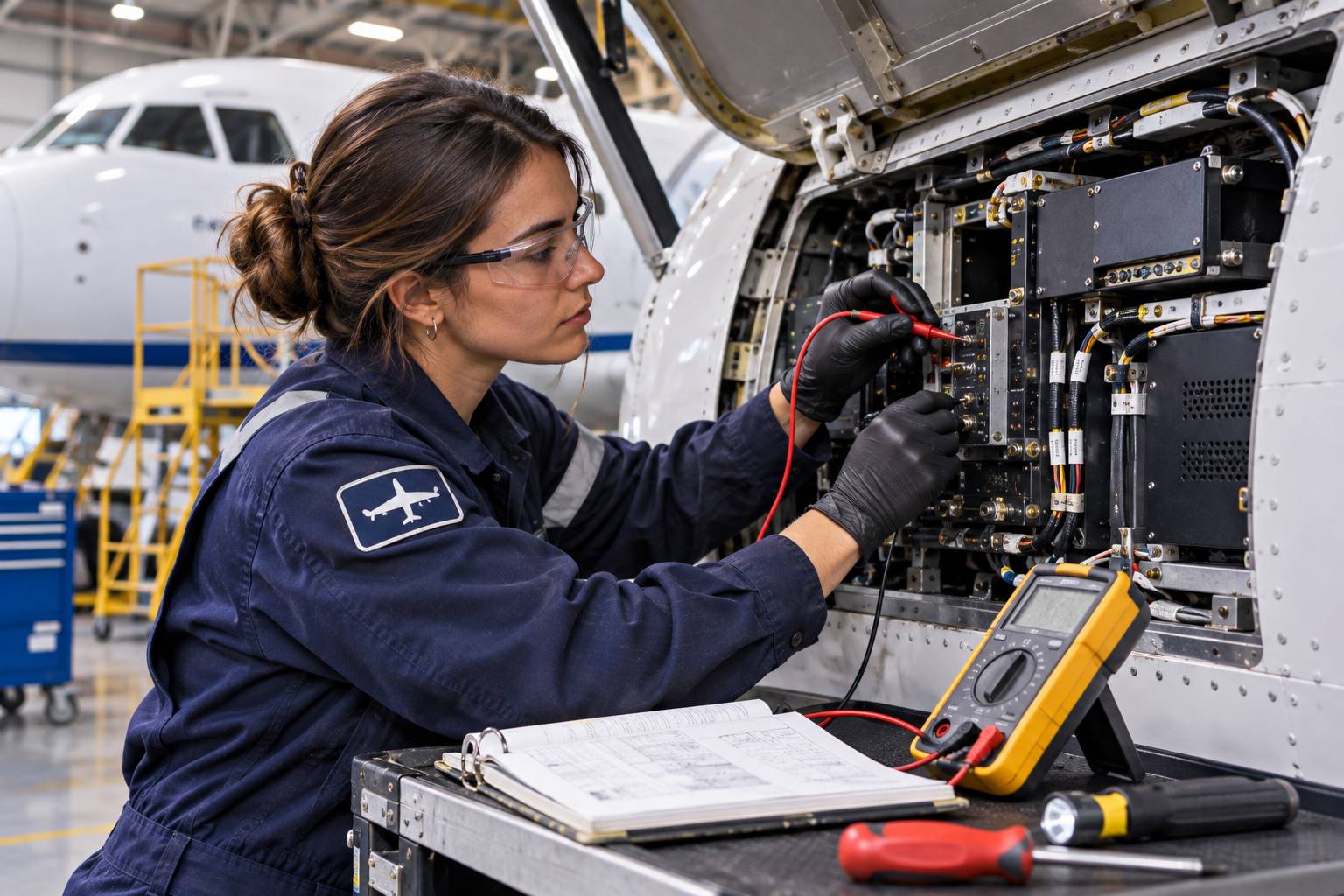
Modern aircraft depend on electronic navigation, communication, and flight-control systems far more sophisticated than the instruments used by early pilots. This work combines detailed electronics knowledge with strict safety and maintenance requirements.
8. Computer Network Architects

Computer network architects now develop communication networks that support everything from corporate operations to cloud computing. Their work involves hardware, software, capacity planning, and the technical structure needed to move information reliably.
Sign up for our newsletter
9. Wind Turbine Technicians
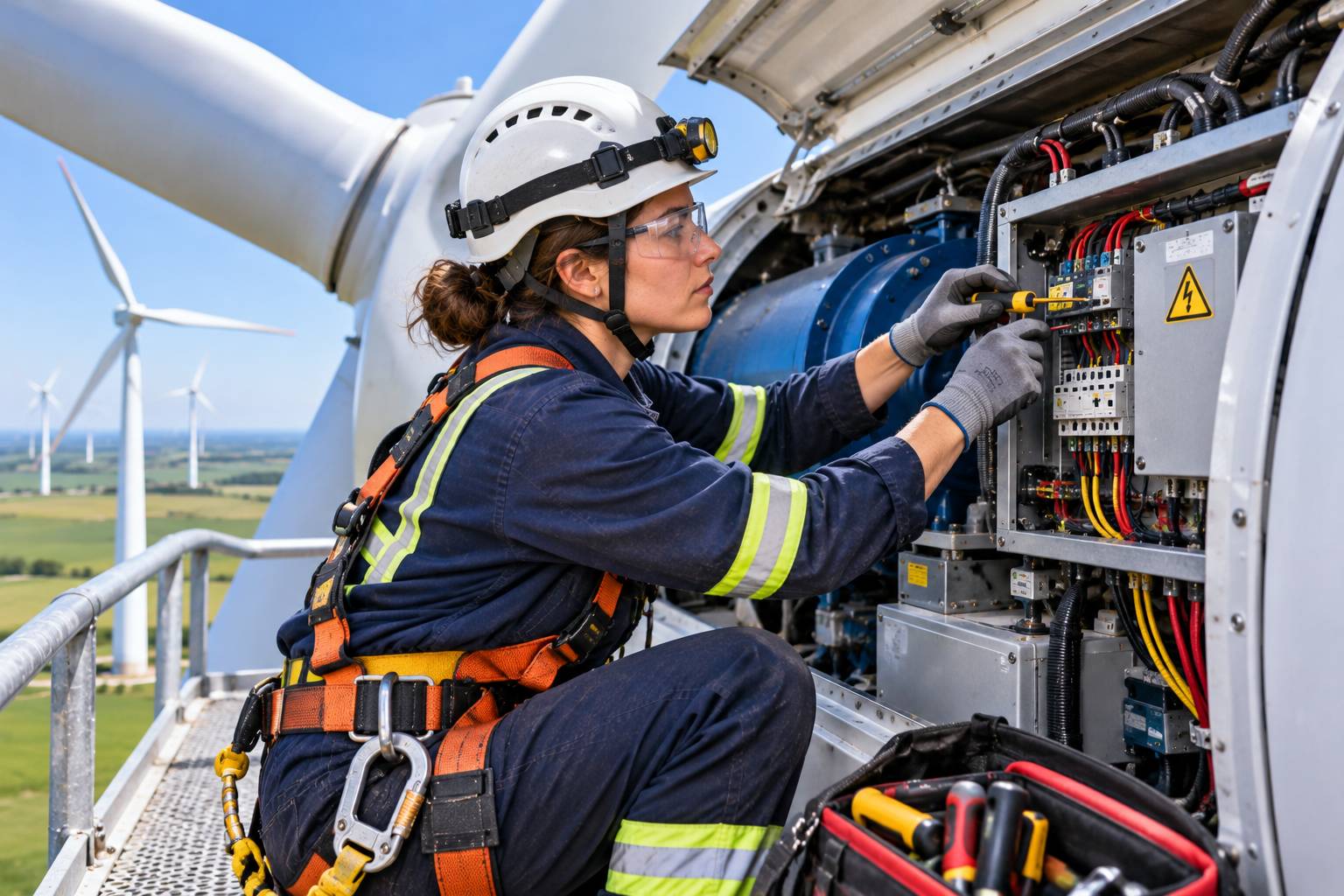
Wind turbine technicians climb tall towers, inspect mechanical and electrical systems, and repair components that can be difficult to access. The profession depends on modern turbine technology, electrical transmission connections, and the development of utility-scale wind energy facilities.
10. Solar Panel Installers
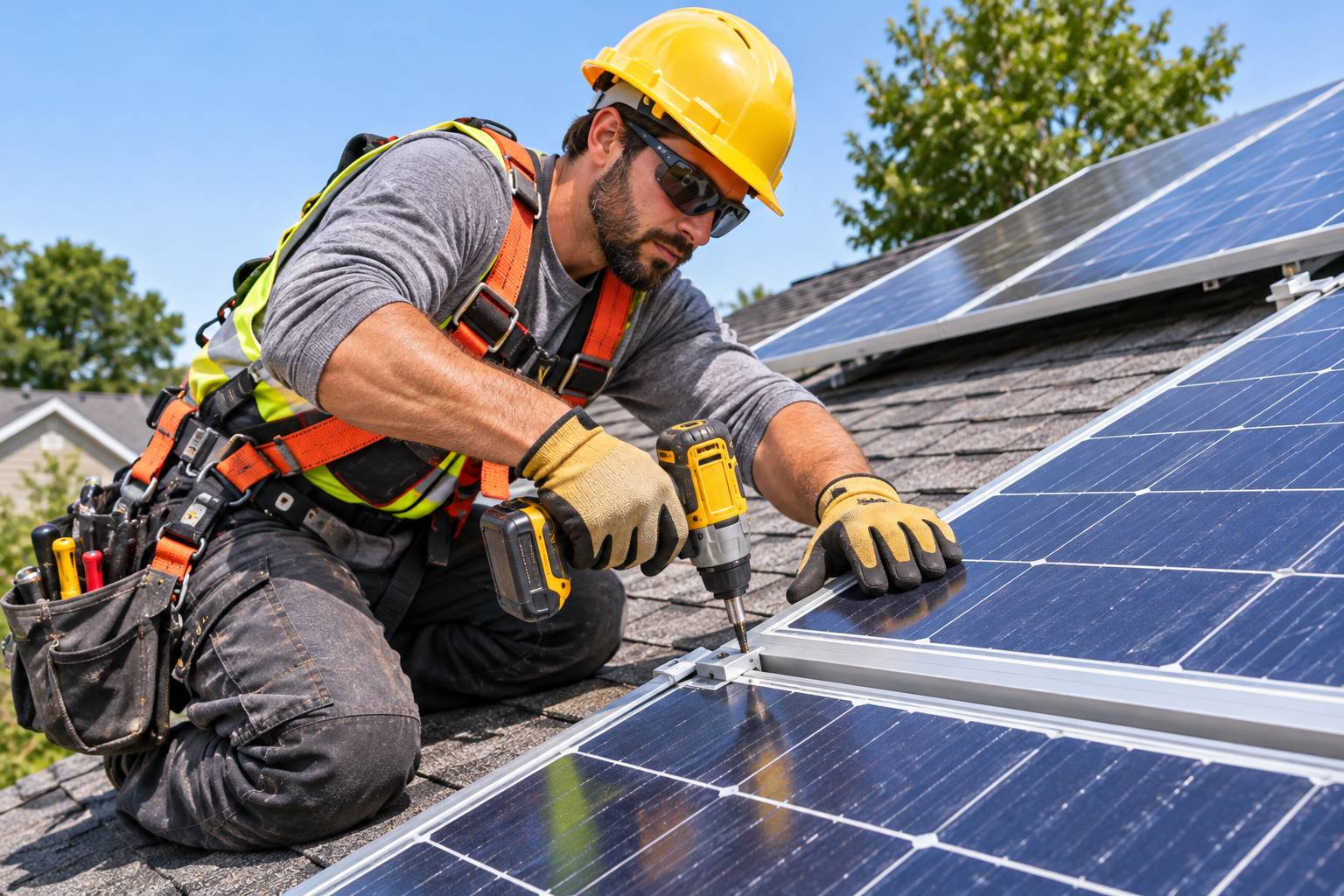
Utility-scale solar farms and rooftop solar systems have created specialized work installing photovoltaic equipment. Solar installers assemble panels, mount supporting structures, and connect systems that turn sunlight into electricity.
11. Airport Baggage System Technicians
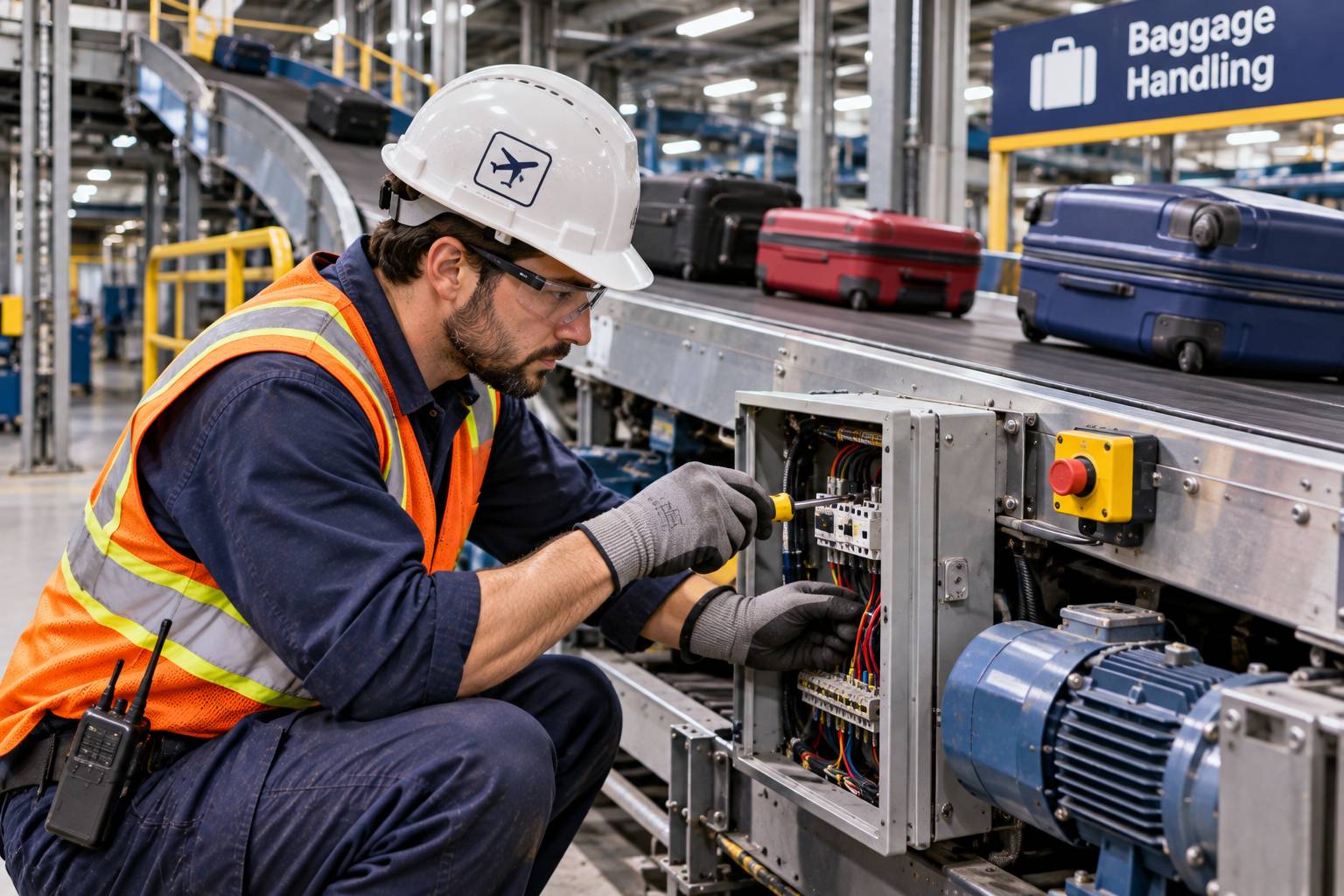
Modern airports rely on extensive networks of belts, scanners, and automated systems to move luggage between check-in counters and aircraft. These systems created specialized maintenance roles focused on keeping baggage moving through terminals. Their work is important at large airports, where thousands of bags may pass every hour.
12. Traffic Signal Technicians
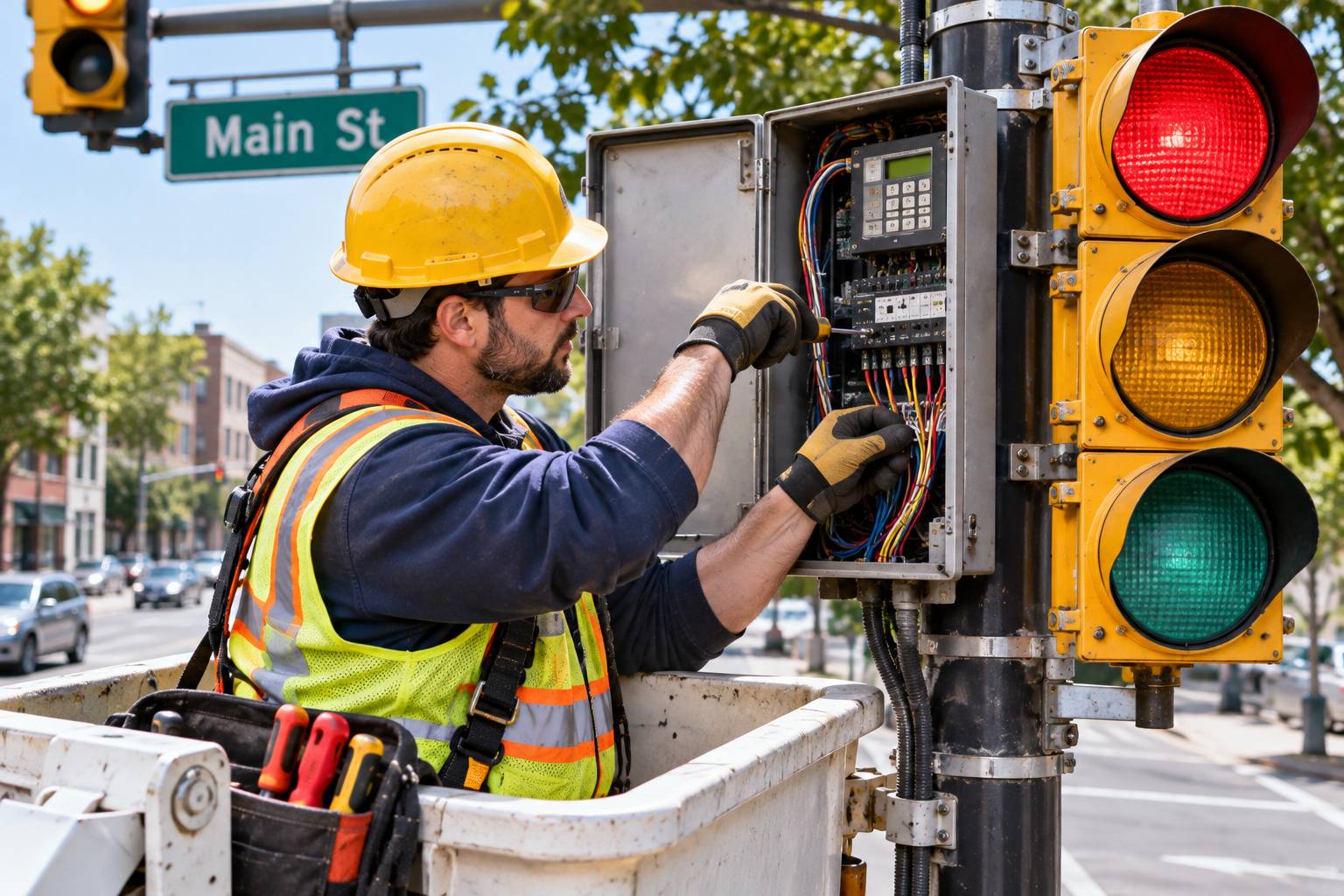
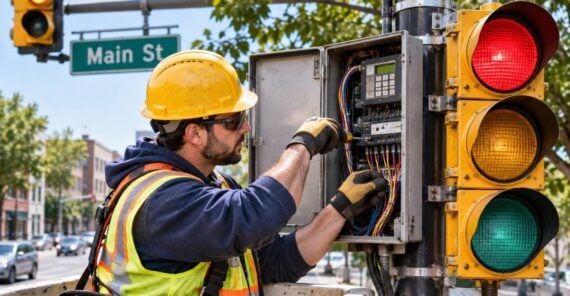
Electric traffic signals created a new maintenance specialty as automobiles transformed urban streets. Technicians install and repair signal controllers, vehicle detectors, wiring, and equipment that coordinates intersections.
Want more Job-related reads?
Some titles look a lot better on paper than they feel in real life, which is the case in 12 Jobs That Sound Glamorous but Aren’t. Go back a few decades, and you’ll find the everyday roles that held the whole system together in 15 Jobs That Quietly Kept the 1970s Economy Moving. Last but not least, check out 14 Jobs Our Grandparents Had That Still Exist Today.