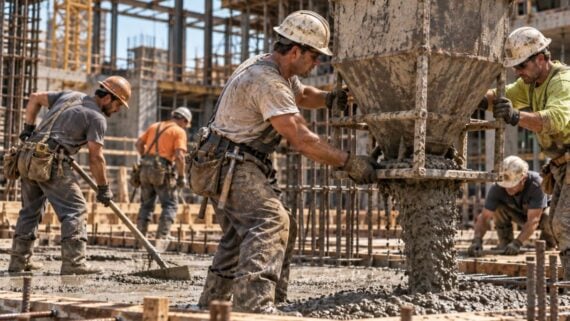
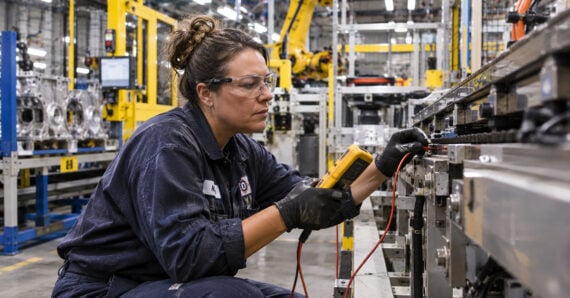
Essential jobs keep modern society running in ways most people barely notice. Every time someone turns on a faucet, orders groceries, boards an airplane, or opens a banking app, an entire network of workers is making that ordinary moment possible. Many of these professionals spend their days in control rooms, laboratories, industrial facilities, and other places the public rarely sees.
It’s easy to appreciate a service when it suddenly stops working. A neighborhood blackout, delayed delivery, or internet outage can reveal just how much we depend on people whose names we’ll probably never know. These 18 professions show the hidden work behind the conveniences, safety, and infrastructure that make everyday American life possible.
1. Electrical Grid Operators Keep the Lights On
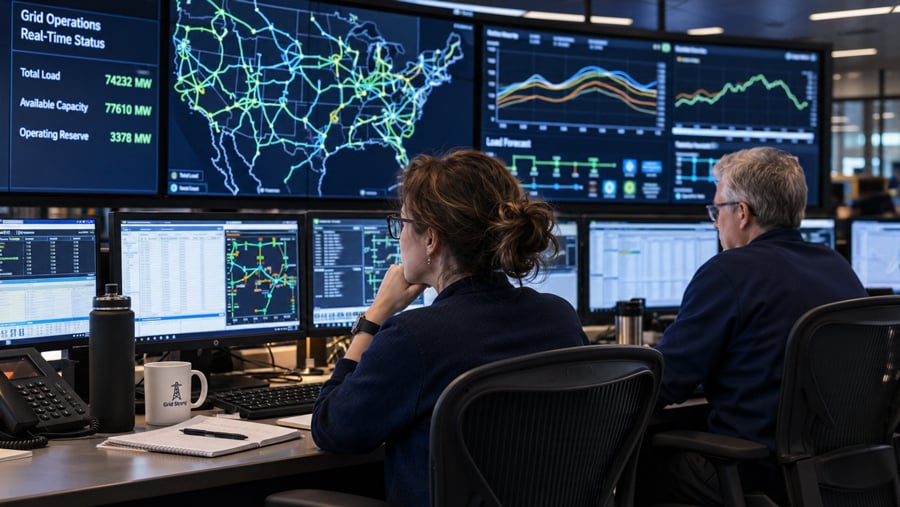
Most people never think about where electricity goes between the power plant and the wall outlet. Grid operators think about it constantly. They monitor electricity demand, coordinate power generation, and make real-time adjustments to keep the system stable. If supply and demand fall too far out of balance, outages can follow. Hospitals, transportation systems, businesses, and entire neighborhoods depend on these professionals making the right decisions, often from control rooms filled with screens that most people will never see.
2. Water Treatment Operators Make Tap Water Safe
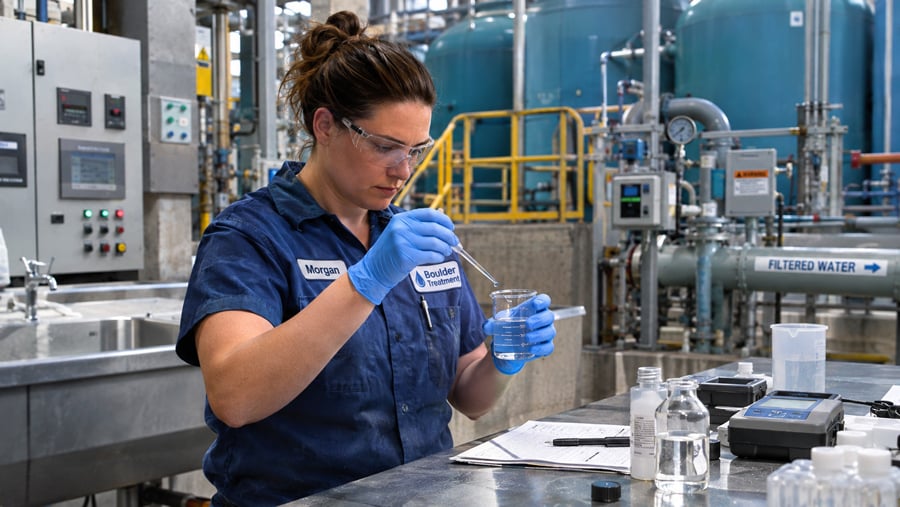
Clean drinking water doesn’t simply appear in the kitchen sink. Water treatment operators monitor the equipment and processes that turn water from reservoirs, rivers, and other sources into something safe to drink. They test samples, adjust chemical treatments, inspect filtration systems, and respond when equipment isn’t performing correctly. Some facilities also require workers who know how to operate systems manually during emergencies. It’s a job that rarely gets attention, even though millions of people depend on the results every single day.
3. Wastewater Treatment Workers Handle What Happens After the Flush
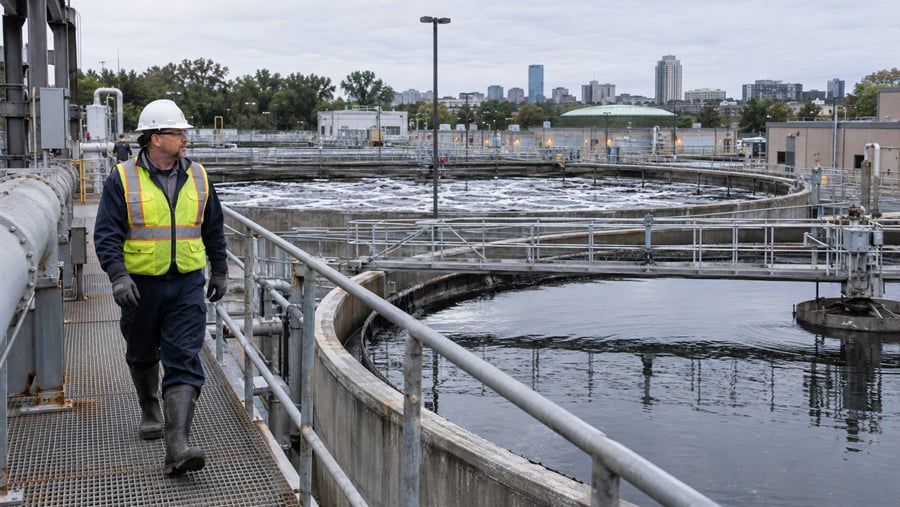
Once water disappears down a drain, it enters a complicated system that most people would rather not think about. Wastewater treatment operators help remove contaminants from used water before it returns to the environment or is reused for other purposes. They monitor pumps, treatment tanks, and biological processes while making sure the facility continues working properly. Heavy storms can make the job even harder by sending extra water into sewer systems. Without these workers, sanitation problems could quickly become public health emergencies.
4. Power Line Workers Bring Electricity Back After Disasters
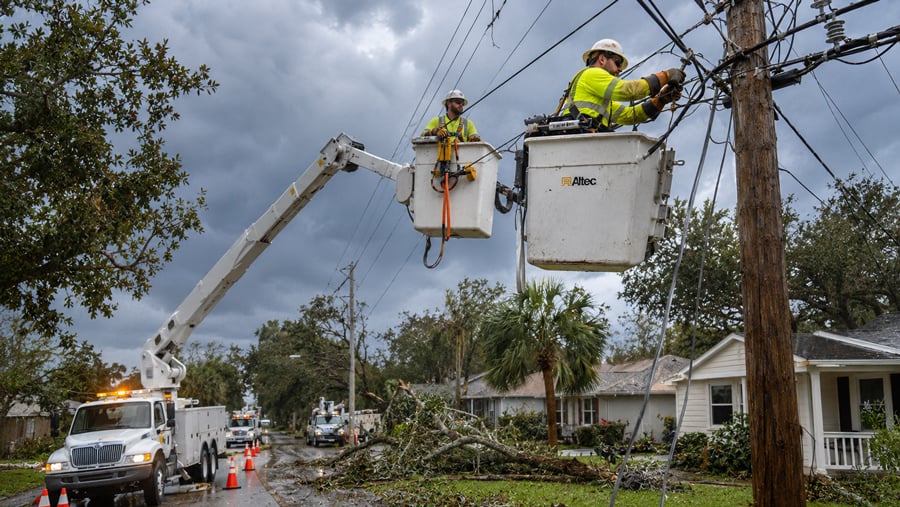
When a powerful storm knocks out electricity, lineworkers are often among the first people sent into difficult conditions. They repair damaged cables, replace equipment, and restore connections that may be suspended high above the ground. The work can involve dangerous heights, electrical hazards, and long shifts, especially after hurricanes or severe storms. Some crews spend days responding to widespread damage. For families waiting for lights, refrigeration, and heating to return, these workers make an enormous difference.
5. Air Traffic Controllers Keep Crowded Skies Organized

A commercial airplane doesn’t travel across the country under the guidance of a single controller. Different teams manage aircraft as they move between airport towers, terminal airspace, and larger regional control centers. Air traffic controllers maintain safe separation, coordinate departures and arrivals, and help prevent dangerous congestion. Their work requires constant attention, quick communication, and the ability to manage several moving situations at once. Passengers may never see them, but every routine flight depends on their coordination.
Trending on Wealth Gang


6. Emergency Dispatchers Help Save Lives Over the Phone
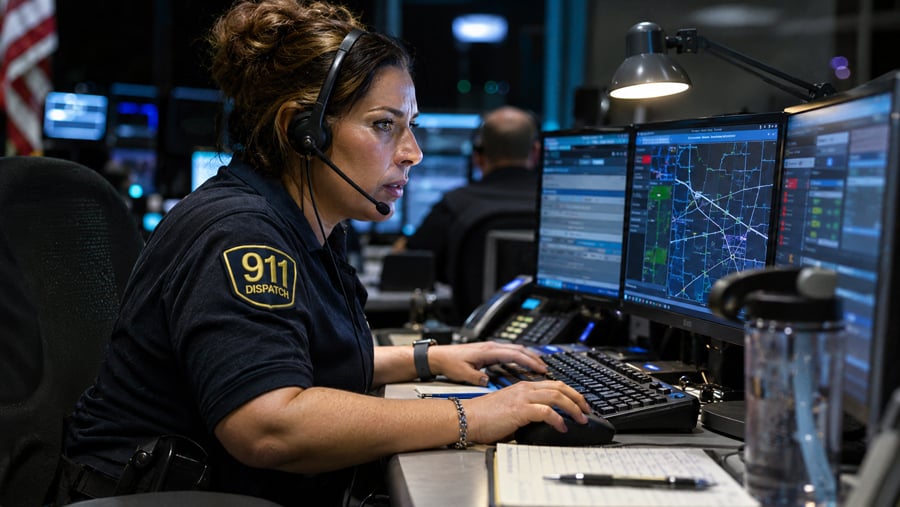
The person answering a 911 call may be the first link in a life-saving chain of events. Emergency dispatchers gather critical information, identify the caller’s location, coordinate responders, and sometimes provide first-aid instructions before an ambulance arrives. They often have to remain calm while speaking with people experiencing the worst moments of their lives. Their work is largely invisible to the public, but the decisions they make during those first few minutes can shape the entire emergency response.
7. Medical Equipment Repairers Keep Hospitals Running
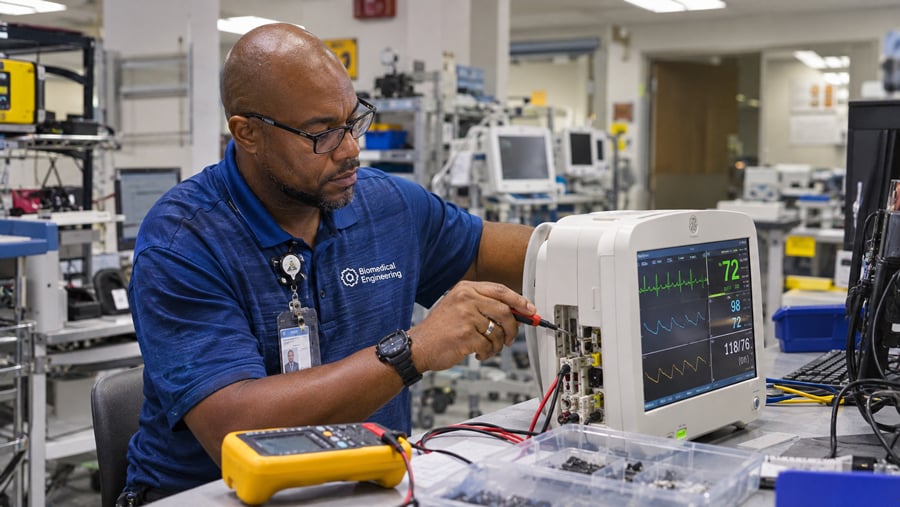
A hospital can have excellent doctors and nurses, but patient care still depends on equipment that works properly. Medical equipment repairers inspect, calibrate, troubleshoot, and maintain machines used for monitoring, diagnosis, and treatment. A malfunctioning device may need urgent attention because delaying repairs can interrupt essential care. These technicians work behind the scenes with complex electronics and specialized tools, making sure the technology medical professionals rely on is ready when patients need it.
8. Public Health Laboratory Scientists Detect Hidden Threats
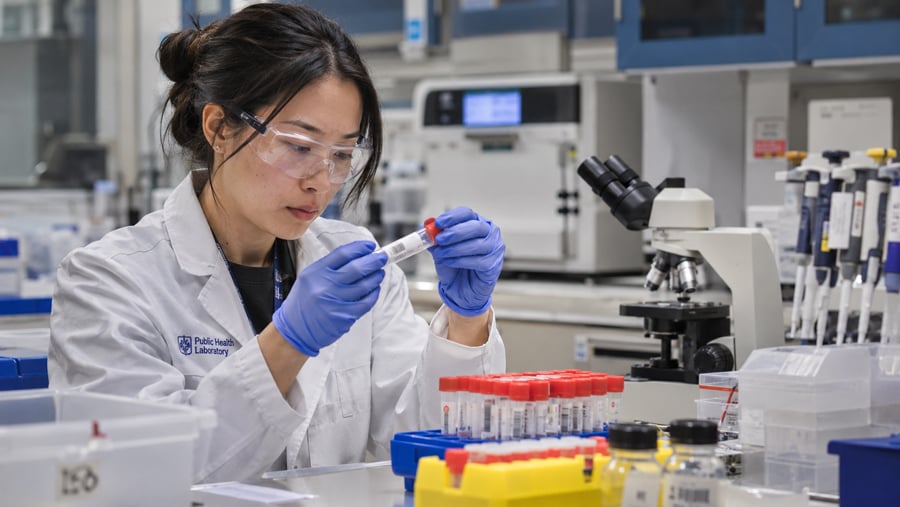
Some of the most important work in public health happens far away from examination rooms. Laboratory scientists analyze samples, identify infectious agents, investigate unusual findings, and provide information that helps authorities recognize potential outbreaks. Their work supports disease surveillance and can help communities respond before a problem becomes more widespread. While doctors treat individual patients, these scientists contribute to understanding threats that may affect entire populations.
Sign up for our newsletter
9. Meteorologists Do Much More Than Predict Rain
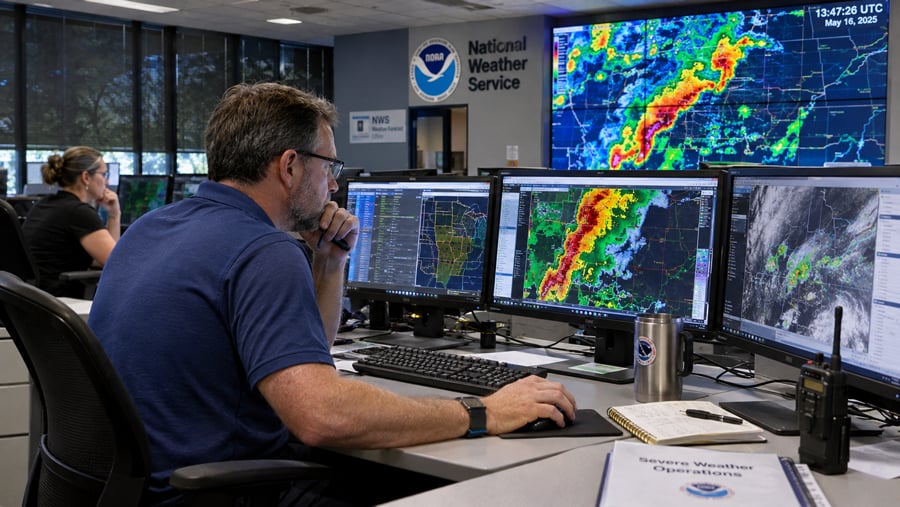
Checking the weather forecast may seem like a small part of the morning routine, but meteorologists support far more than weekend plans. Their forecasts help airlines, farmers, shipping companies, and emergency responders make important decisions. National Weather Service professionals monitor atmospheric conditions and issue warnings about floods, severe storms, dangerous winds, and other hazards. Some even provide specialized forecasts for wildfire response teams. A timely warning can give entire communities a chance to prepare.
10. Logistics Specialists Keep Store Shelves Stocked
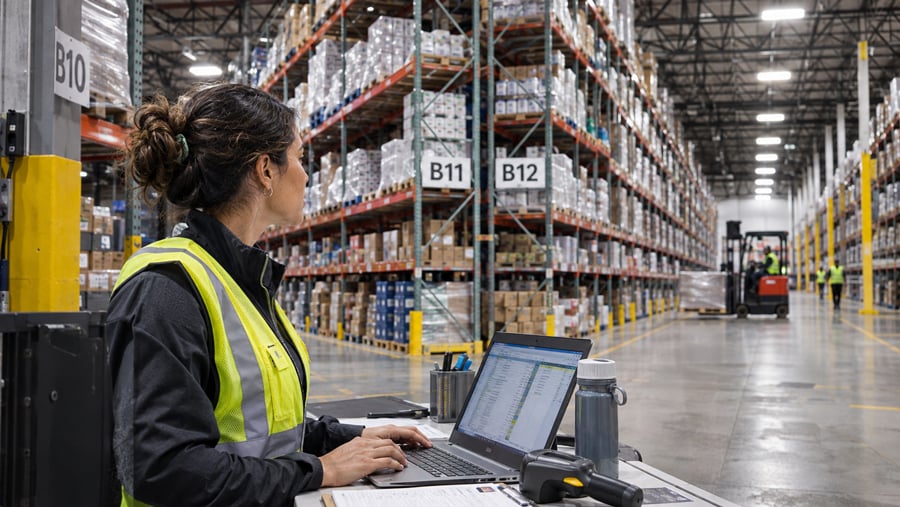
A carton of milk or a box of cereal reaches a supermarket only after passing through a surprisingly complicated network. Logistics specialists coordinate suppliers, warehouses, shipping schedules, and inventory systems to make sure products arrive where they’re needed. They also identify delays and adjust plans when something goes wrong. A disruption at one warehouse or transportation hub can affect stores far away. Their job is to keep the supply chain moving before customers notice anything is missing.
11. Truck Drivers Deliver the Things Americans Use Every Day
Wealthgang
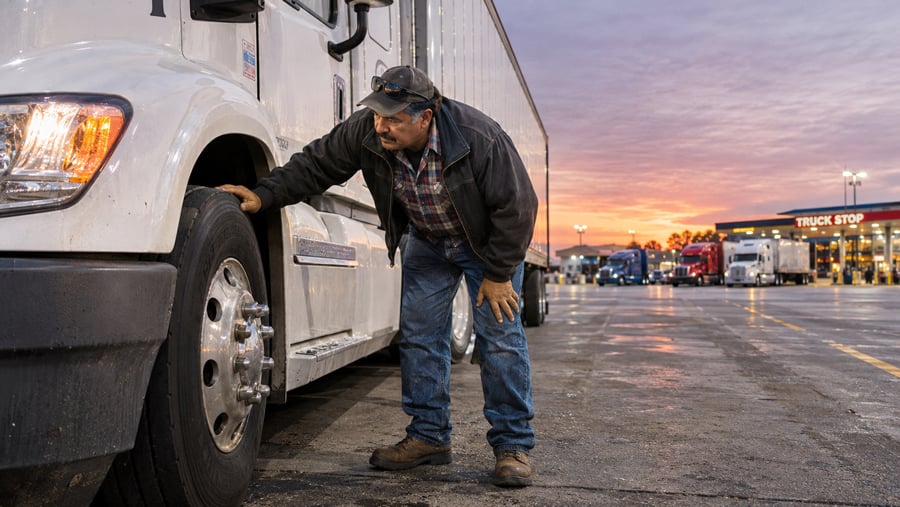
Supermarkets, hospitals, factories, and construction sites depend on freight deliveries that most customers never see. Heavy truck drivers move food, consumer goods, building materials, and industrial supplies across cities and state lines. The job involves long hours, careful route planning, and responsibility for enormous vehicles carrying valuable cargo. With millions of people employed in heavy truck driving across the United States, the profession remains a critical part of keeping everyday commerce moving.
12. Industrial Machinery Mechanics Keep Factories Moving
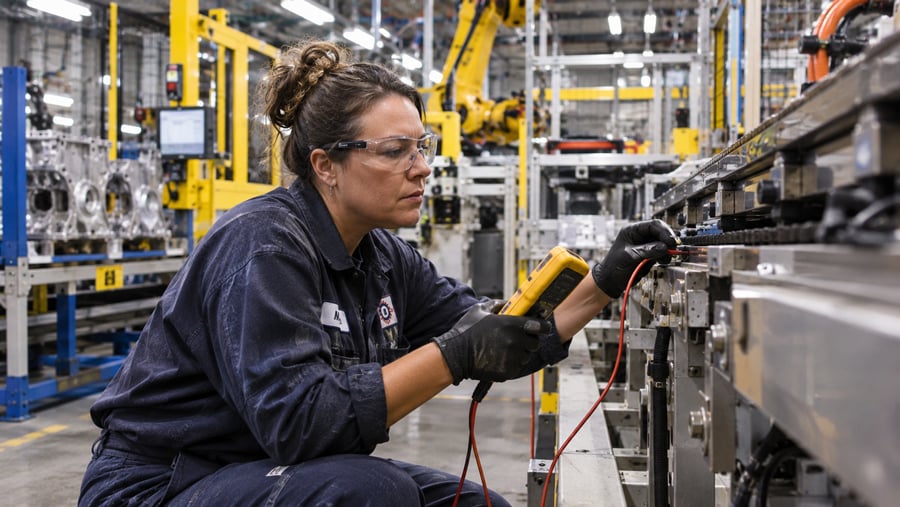
Automated factories may look as though machines do everything, but those machines still need people who understand how they work. Industrial machinery mechanics inspect conveyor systems, repair production equipment, and diagnose problems before they cause major interruptions. They may use sensors and computerized tools to identify signs of wear that aren’t immediately visible. When one important machine stops working, an entire production line can grind to a halt, making these technicians essential to modern manufacturing.
13. Plumbers Make Modern Buildings Livable
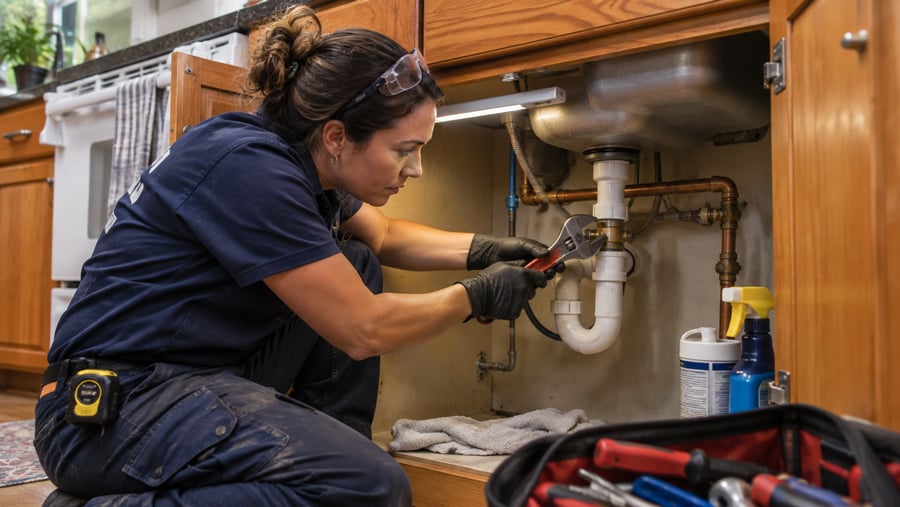
Plumbing is easy to overlook until a pipe bursts or a toilet stops working. Plumbers install and maintain the systems that bring clean water into buildings and carry wastewater away. Their work supports basic sanitation in homes, schools, hospitals, restaurants, and countless other places. Related piping specialists also handle industrial systems that transport gases and other materials. Without skilled workers maintaining these networks, even the most impressive modern buildings would quickly become uncomfortable or unsafe.
14. Network Engineers Keep the Internet Connected
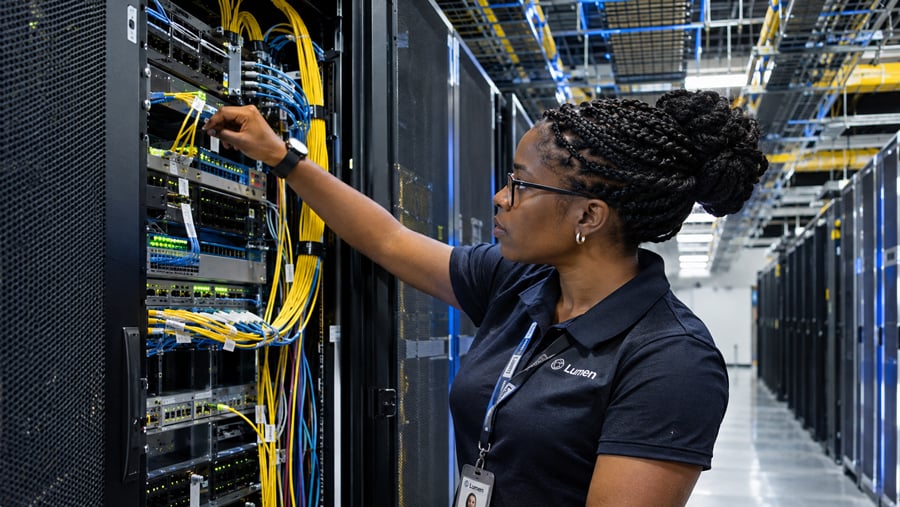
Opening an email, joining a video call, or checking a bank account depends on digital networks operating correctly. Network engineers design, configure, maintain, and troubleshoot the systems that connect devices, businesses, and data centers. They identify potential failures and work to prevent interruptions that could affect thousands of users. Much of their work takes place behind locked doors and inside rooms filled with cables and equipment, but the results reach almost every part of modern life.
15. Food Science Technicians Help Keep Packaged Food Safe
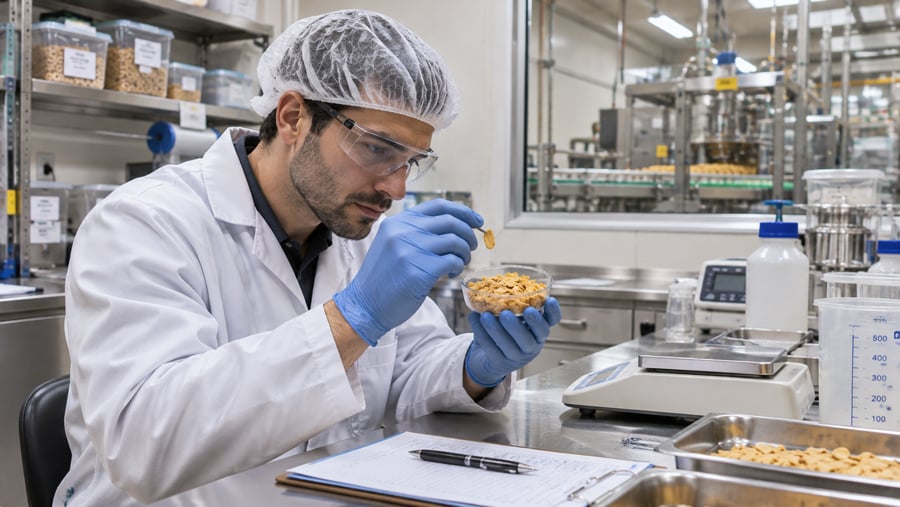
Before packaged food reaches a grocery shelf, it goes through testing and quality checks that customers rarely think about. Food science technicians collect samples, examine products, and support research into processing and preservation methods. Their work helps manufacturers maintain consistency, identify potential problems, and reduce waste. Whether a company produces cereal, canned vegetables, or refrigerated meals, keeping large-scale food production safe and reliable requires people who understand both science and manufacturing.
16. Elevator Mechanics Keep Skyscrapers Accessible
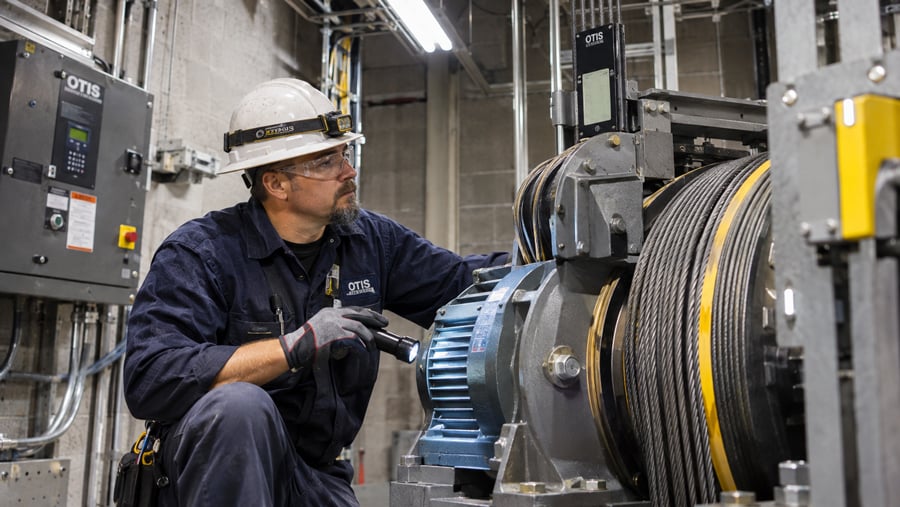
Imagine working on the twentieth floor of an office building without a functioning elevator. Elevator mechanics maintain the motors, brakes, doors, cables, and computerized systems that make vertical transportation possible. Their work is particularly important in hospitals, high-rise apartments, and buildings used by people with mobility limitations. Some technicians respond to emergency repairs when equipment stops unexpectedly. Modern cities would be much harder to navigate without the specialized workers who keep elevators operating safely.
17. Sanitation Workers Keep Cities From Drowning in Trash
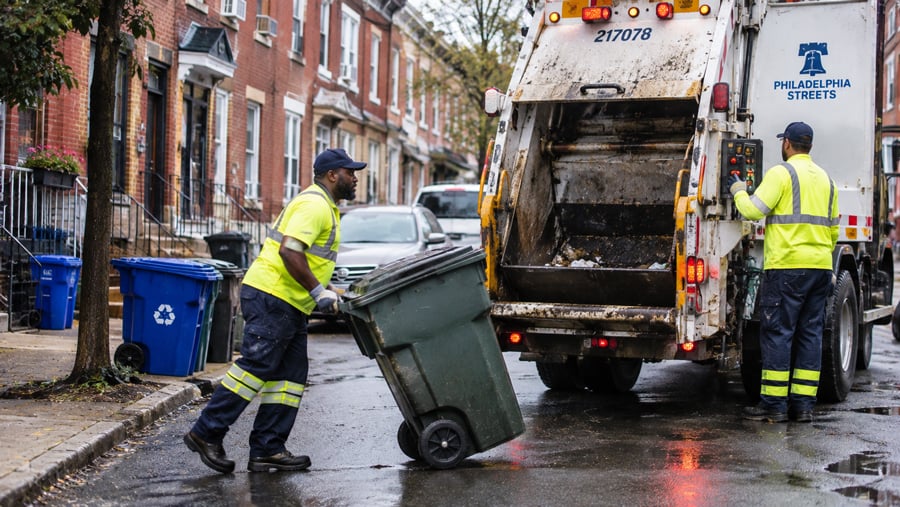
Garbage collection is one of those public services that becomes impossible to ignore when it stops. Sanitation workers collect household waste, recycling, and other discarded materials, moving enormous quantities of refuse away from homes and businesses. The job involves early mornings, physical effort, traffic hazards, and working outdoors in all kinds of weather. Their work helps keep neighborhoods cleaner and supports the larger systems that process and dispose of waste. It’s essential labor that often receives far less appreciation than it deserves.
18. Cybersecurity Analysts Protect the Systems Everyone Relies On

As more essential services move online, protecting digital systems has become a critical responsibility. Cybersecurity analysts monitor networks, investigate suspicious activity, and help defend organizations against attacks that could disrupt operations or expose sensitive information. Their work matters to banks, hospitals, utilities, government agencies, and businesses of every size. Most successful security efforts never make the news because the problems are prevented before they become visible. That’s exactly why these professionals are so important.
More Related Notes
15 Jobs That Pay More Than Most People Think
Some careers offer surprisingly high salaries without getting much attention. These 15 jobs reveal which professions can pay far more than most people expect.
12 Union Jobs That Changed the Lives of American Families
Union jobs helped generations of American workers secure better wages, benefits, and working conditions. These 12 careers show how organized labor shaped middle-class family life.
15 Jobs That Require More Training Than Most People Realize
Some professions look simple from the outside but demand extensive training and specialized skills. These 15 jobs reveal the preparation required behind the scenes.