A century of innovation has reshaped many jobs. Tasks that used to demand physical strength, hours of manual labor, and hazardous conditions now rely on advanced technology and specialized training.
From coal miners and firefighters to dentists and postal workers, the following 15 occupations highlight how new tools and safety standards have transformed modern work.
1. Coal Miners Went From Dangerous Underground Labor to Operating Machinery
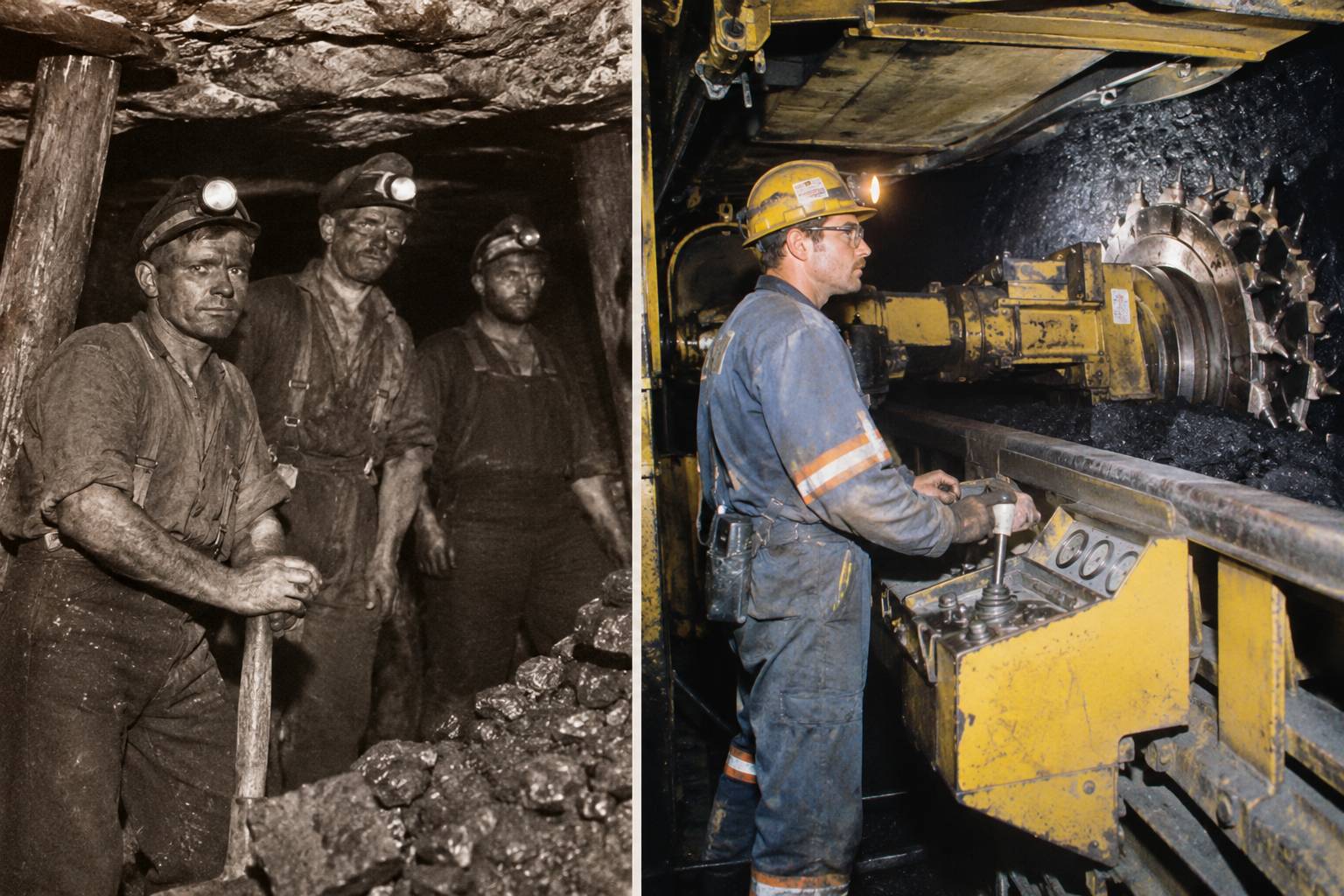
In the early 20th century, American coal miners faced collapsing tunnels, dangerous gases, and explosions. Between 1906 and 1910, coal mine explosions killed 477 workers annually. Improved ventilation and mechanized equipment helped transform mining into a more technical occupation.
2. Loggers No Longer Have to Stand Beside Every Tree They Cut
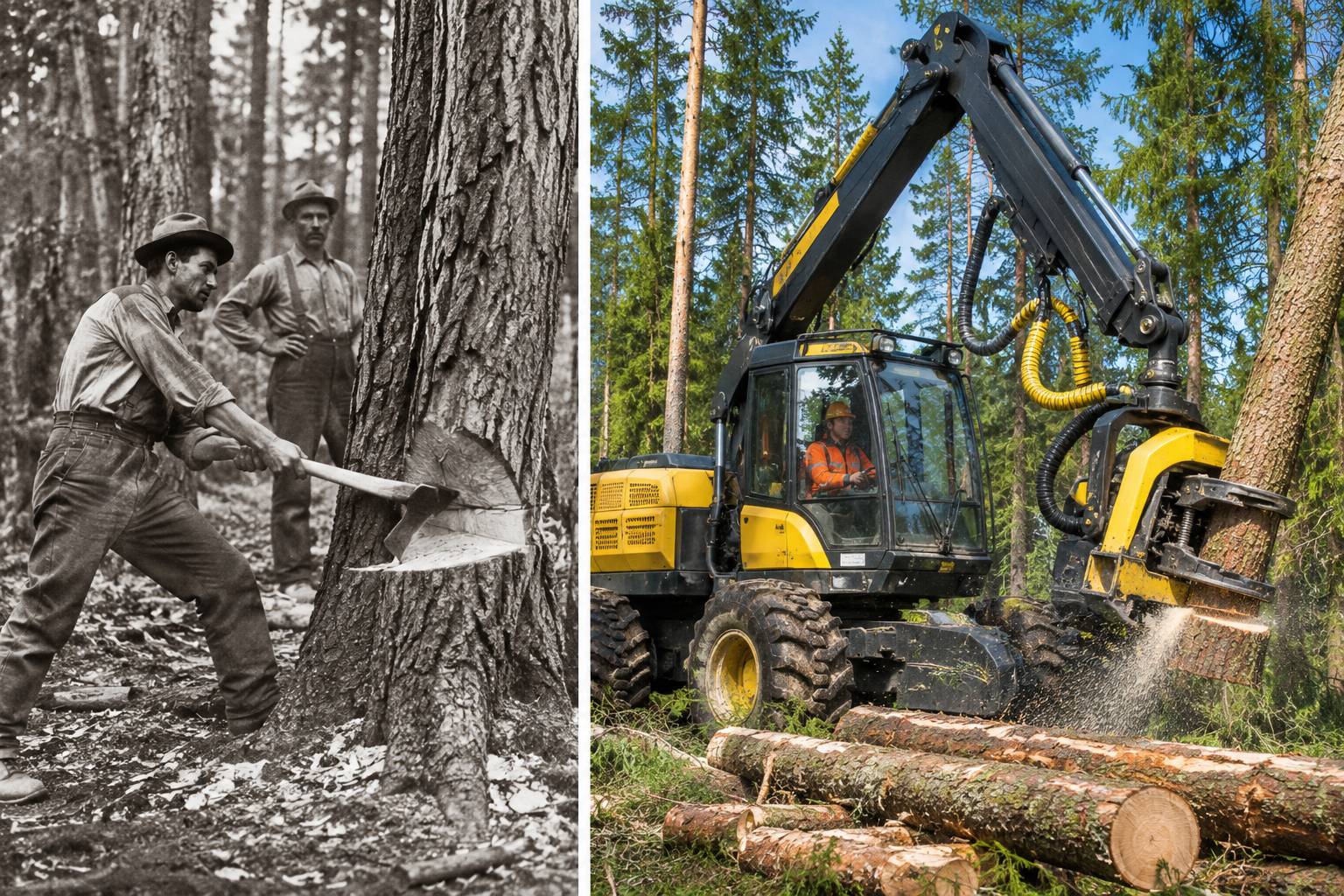
For generations, logging meant approaching trees with axes and working close to falling timber. Mechanized harvesters and equipment cabins now allow many workers to cut and process trees while remaining inside protective machinery. The National Institute for Occupational Safety and Health reports that this shift has brought important safety improvements.
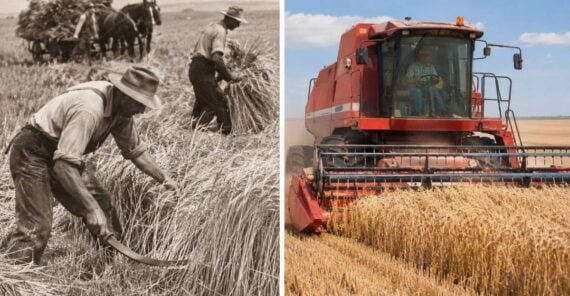
3. Farmers Reduced Jobs From Six Hours to Just 90 Minutes
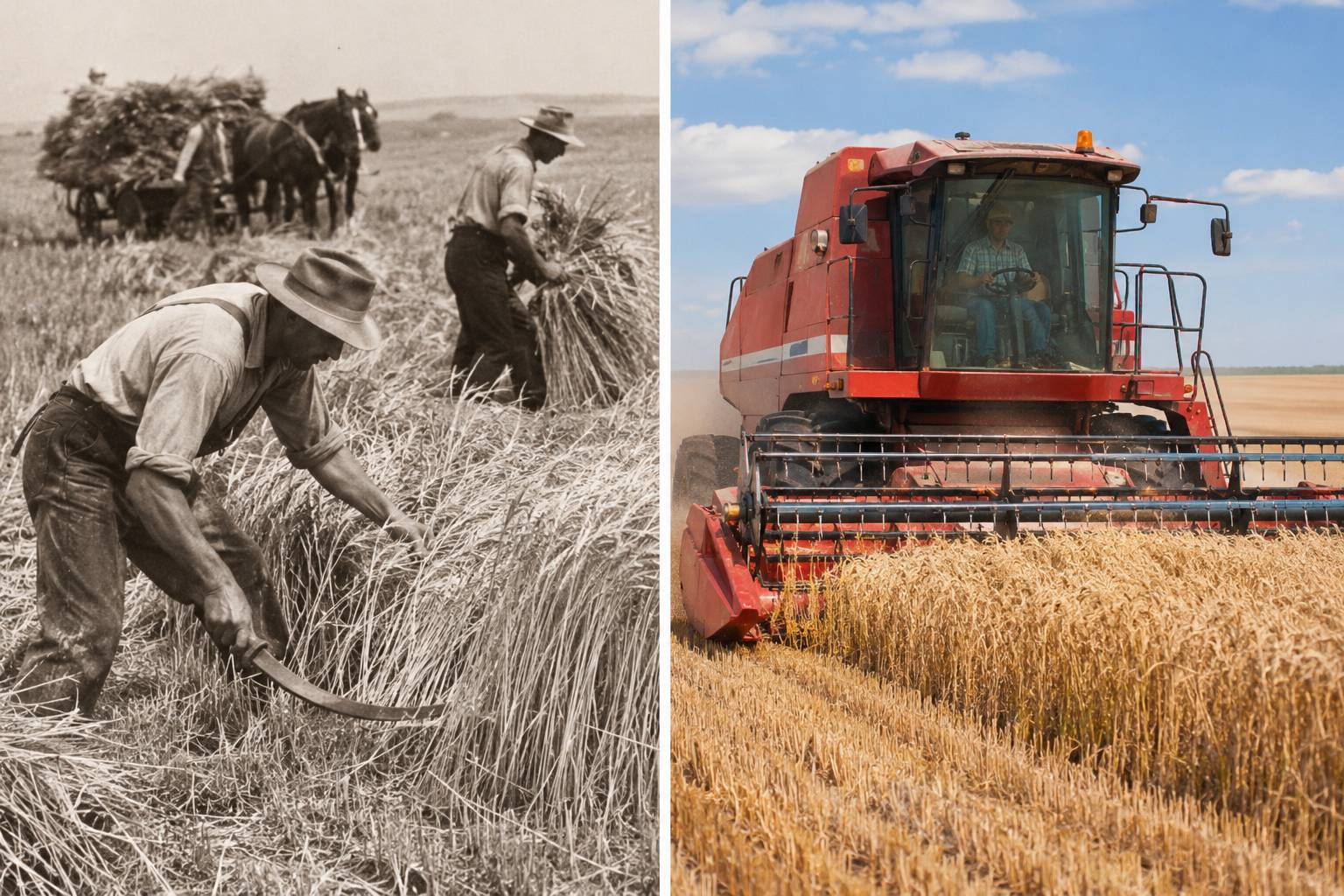
Harvesting wheat once required cutting the crop, gathering it into bundles, and threshing the grain. A historical USDA report found that traditional harvesting in the Great Plains required six labor-hours per acre, while combine harvesting reduced that figure to just 1.5 hours.
4. Postal Workers Had to Memorize Destinations
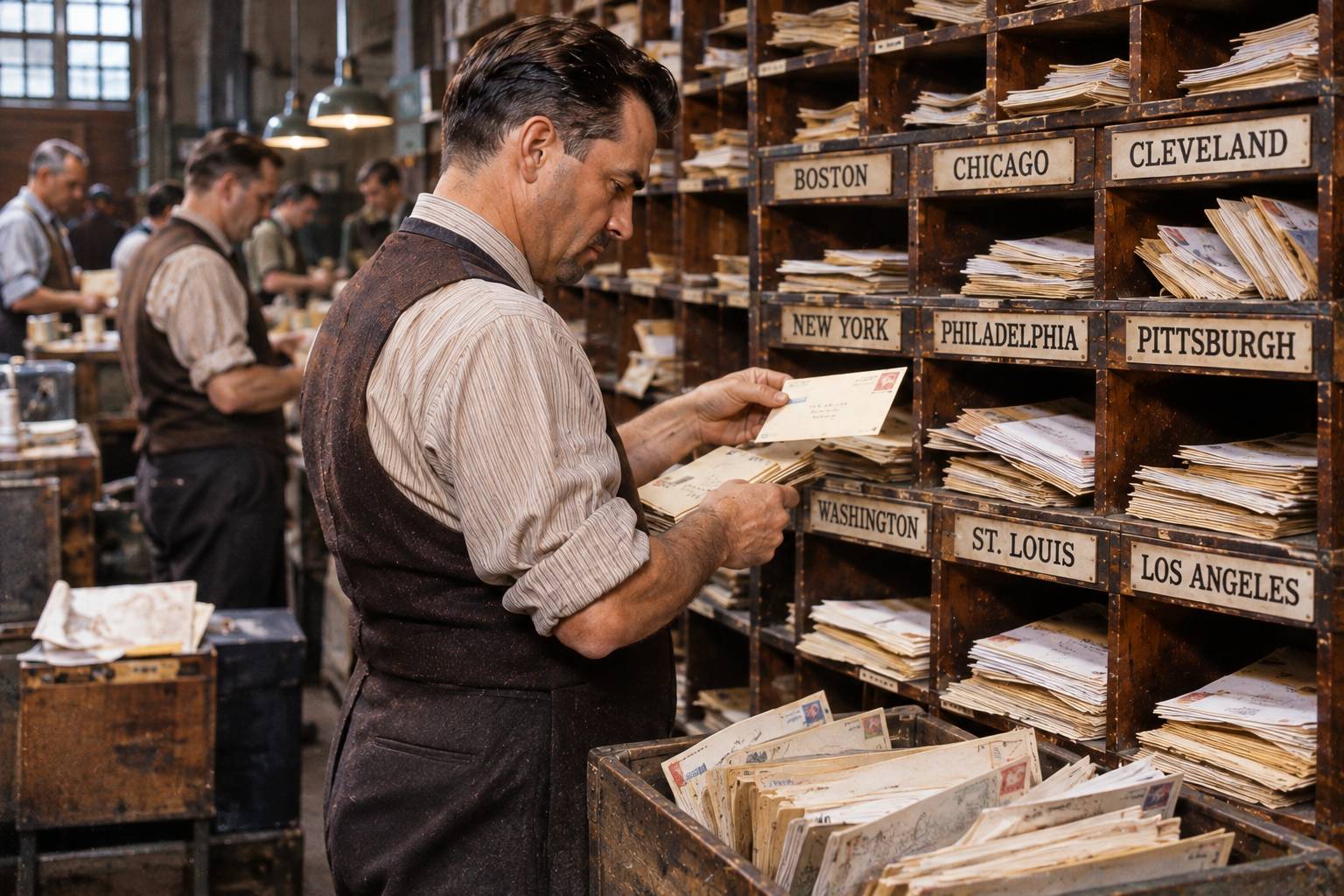
Before automation, postal clerks sorted letters by hand into compartments and relied heavily on their knowledge of mail routes. In 1957, the U.S. Post Office Department tested a semiautomatic letter sorter capable of processing 15,000 pieces per hour with five operators.
5. Air Traffic Controllers Worked Without Computerized Aircraft Identification
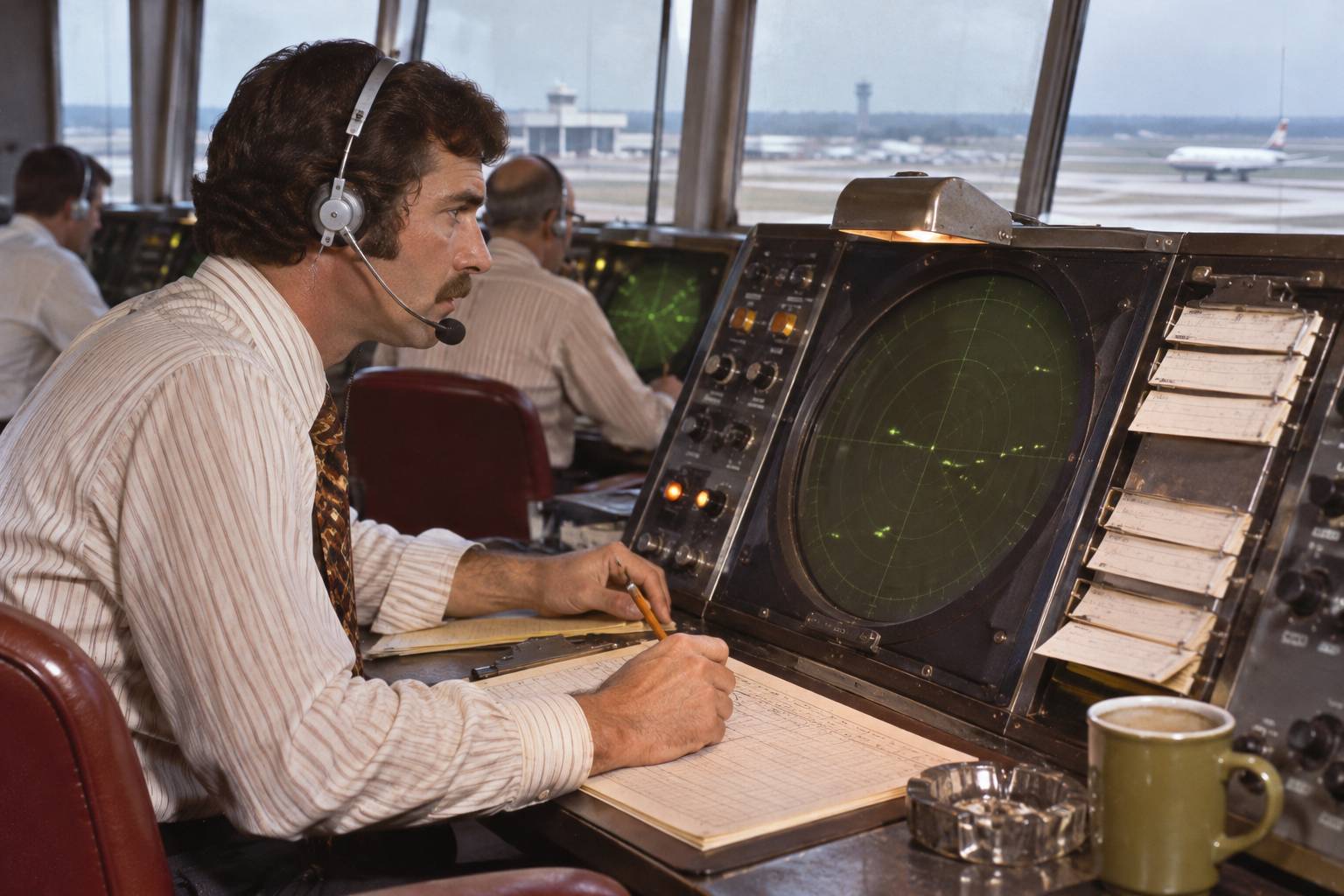
Early air traffic controllers depended on radio communication, manually maintained flight information, and relatively limited radar displays. During the 1970s, FAA modernization introduced systems that displayed aircraft identity, altitude, and other information directly on radar screens.
Trending on Wealth Gang


6. Meteorologists Went From Hand-Drawn Weather Maps to Supercomputer Forecasting
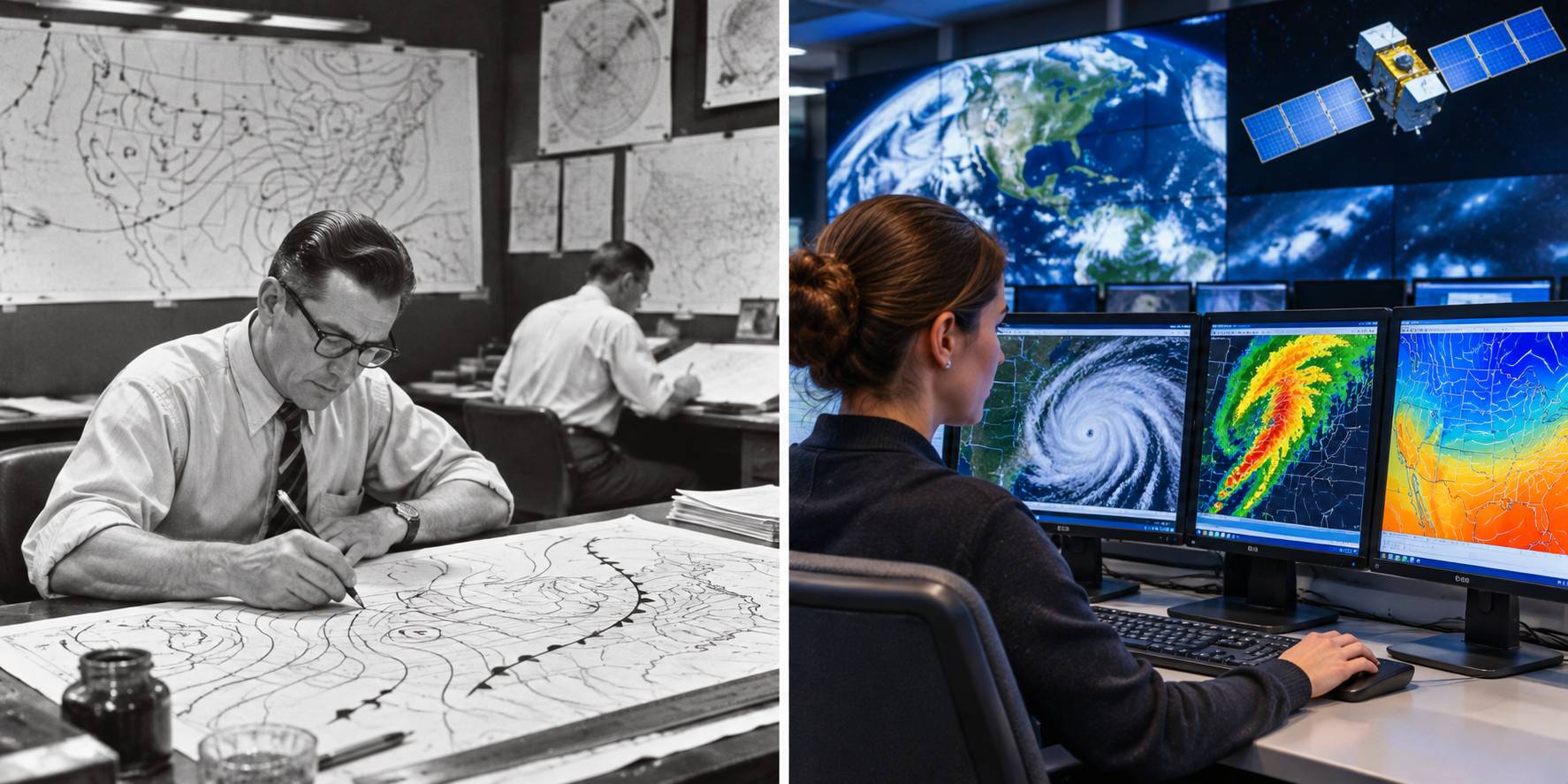
Weather forecasting depended on scattered observations and the experience of individual forecasters. In 1955, the U.S. Weather Bureau began regularly scheduled operational computer forecasts, opening the door to numerical weather prediction. Satellites, Doppler radar, and powerful computers later made it possible to monitor storms and analyze atmospheric conditions on a much larger scale.
7. Dentists Worked With Slower Drills
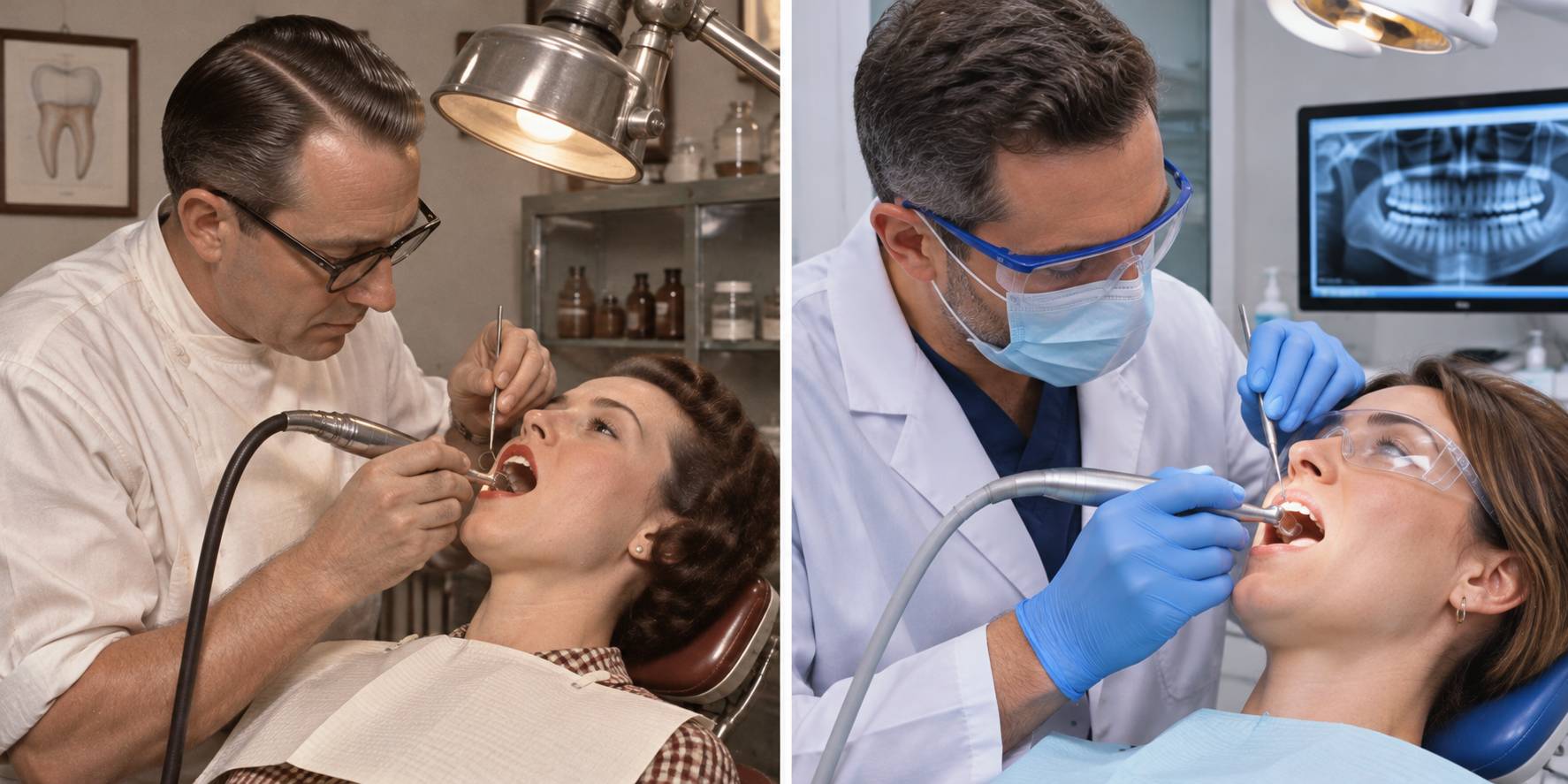
Dental treatment became faster after the introduction of high-speed air-driven drills in the 1950s. According to the American Dental Association, John Borden’s 1957 Airotor could reach 300,000 revolutions per minute, transforming the speed and precision of tooth preparation.
8. Radiology Workers Had Little Protection
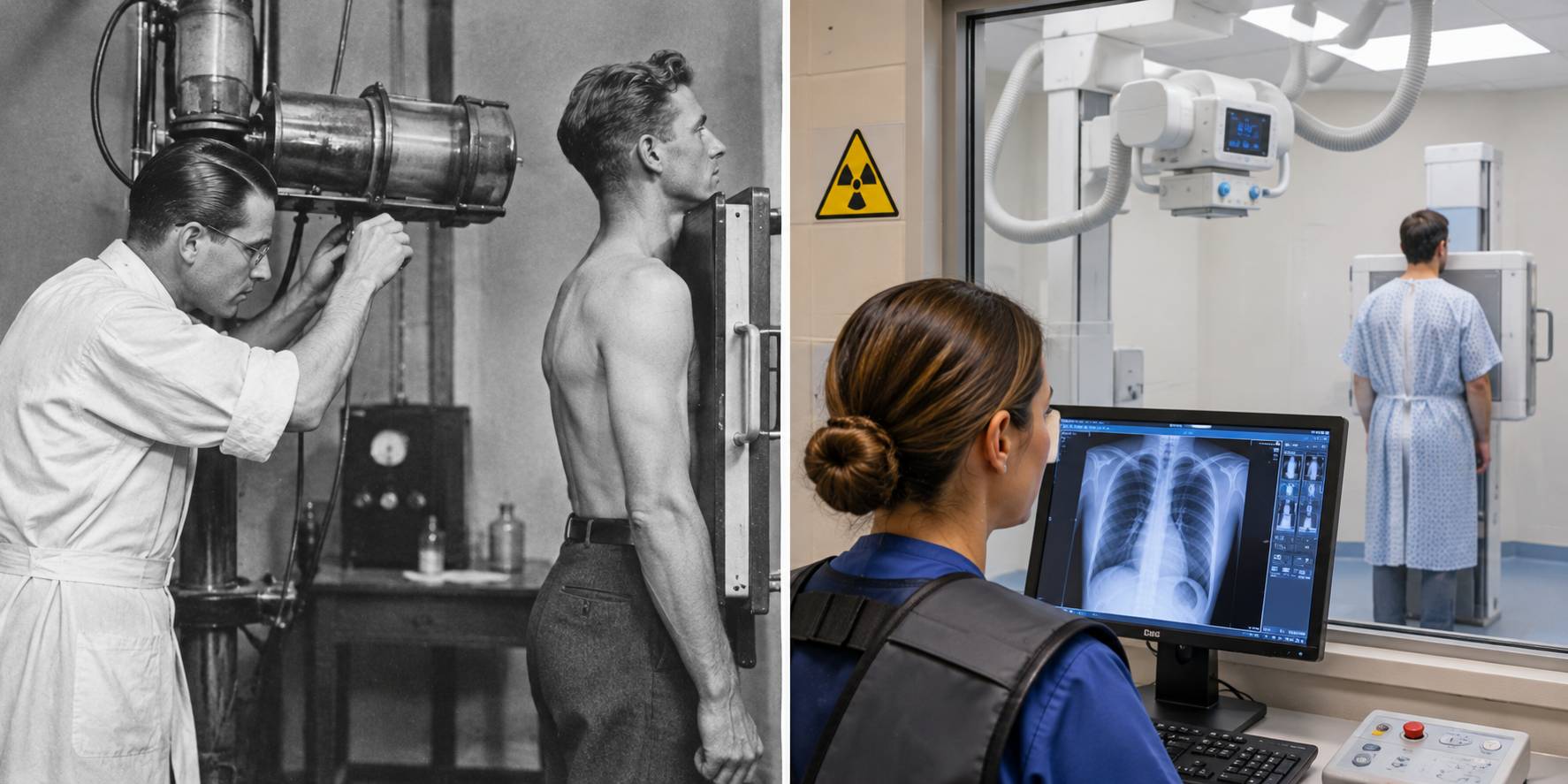
Early X-ray operators worked around shielded equipment before the long-term dangers of radiation were understood. As the profession developed, protective barriers, improved equipment, and formal safety standards changed working conditions. Research into American radiologists has documented advances in radiation protection since the earliest decades of medical imaging.
Sign up for our newsletter
9. Land Surveyors Can Now Measure Property Using Robotic Instruments
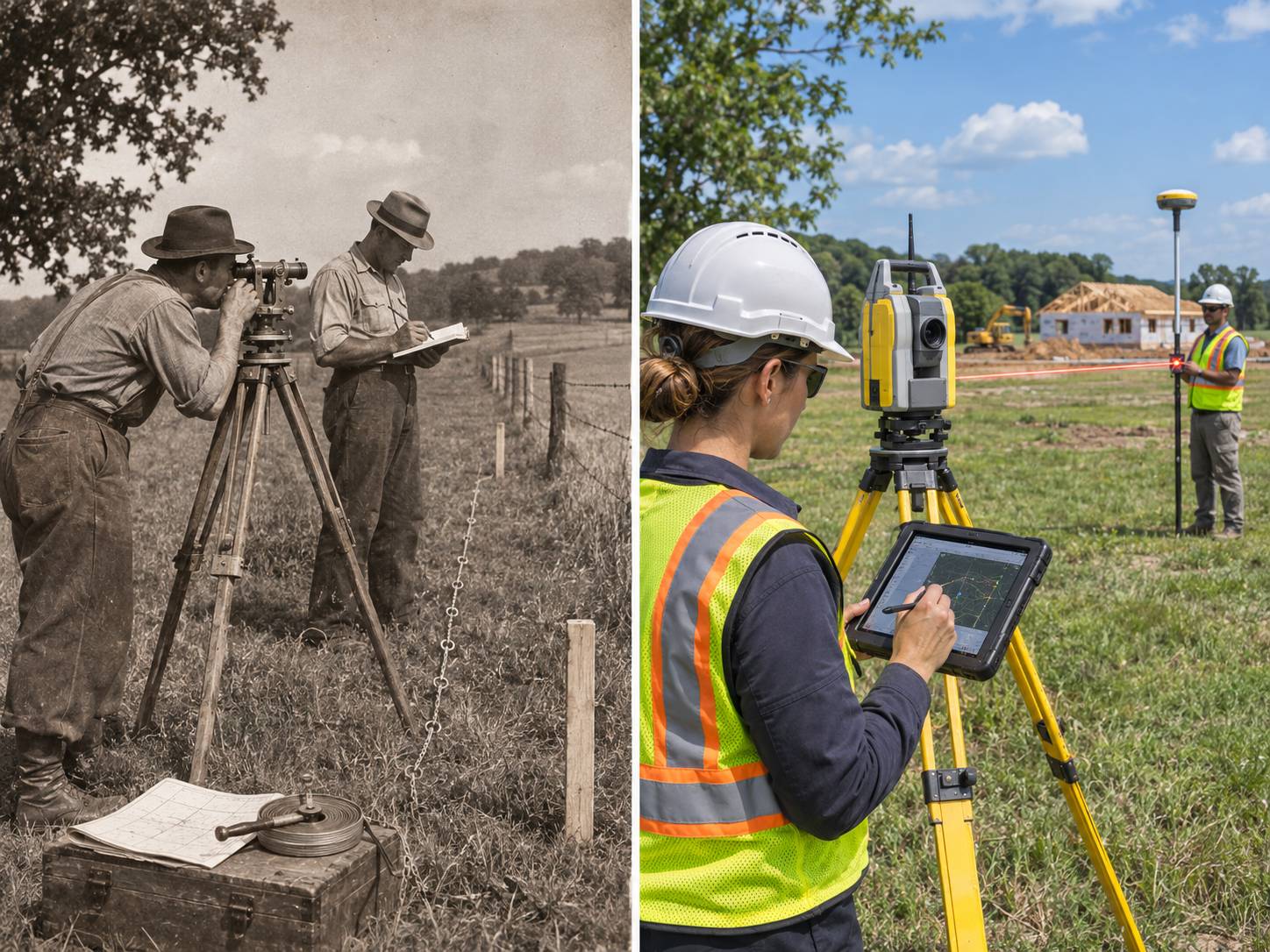
Traditional surveying involved labor-intensive field measurements using instruments, measuring chains or tapes, and careful manual calculations. Today’s surveyors can use satellite positioning systems and robotic total stations that track measurement targets.
10. Commercial Fishermen Gained Equipment Designed to Prevent Accidents
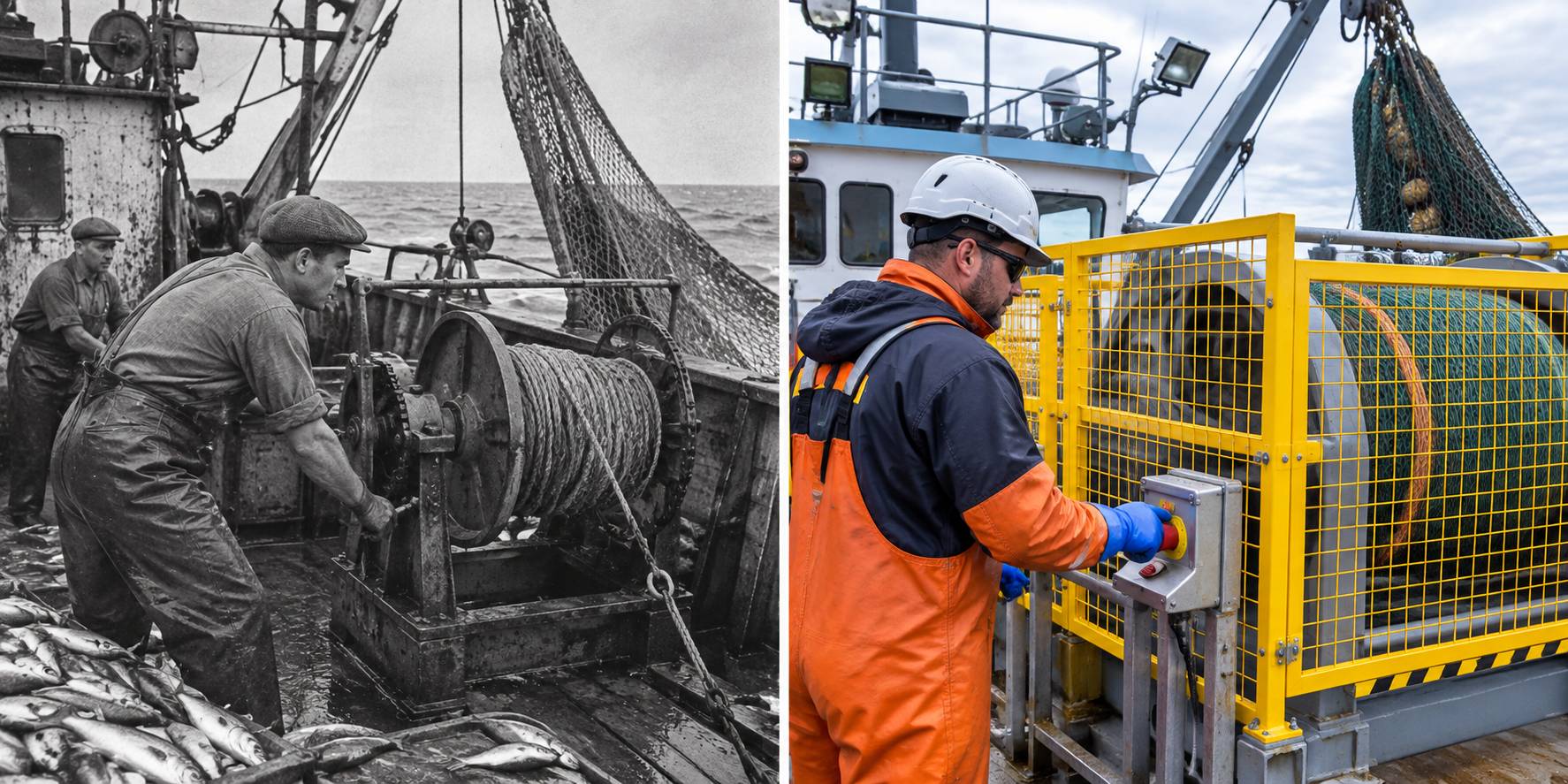
Commercial fishing has always involved dangerous weather and the risk of falling overboard. Between 2000 and 2019, 122 U.S. fishermen died from injuries while working on vessel decks. New safety designs include emergency stop controls and guards that keep workers away from rotating winches.
11. Newspaper Typesetters Went From Arranging Individual Letters to Operating Machines
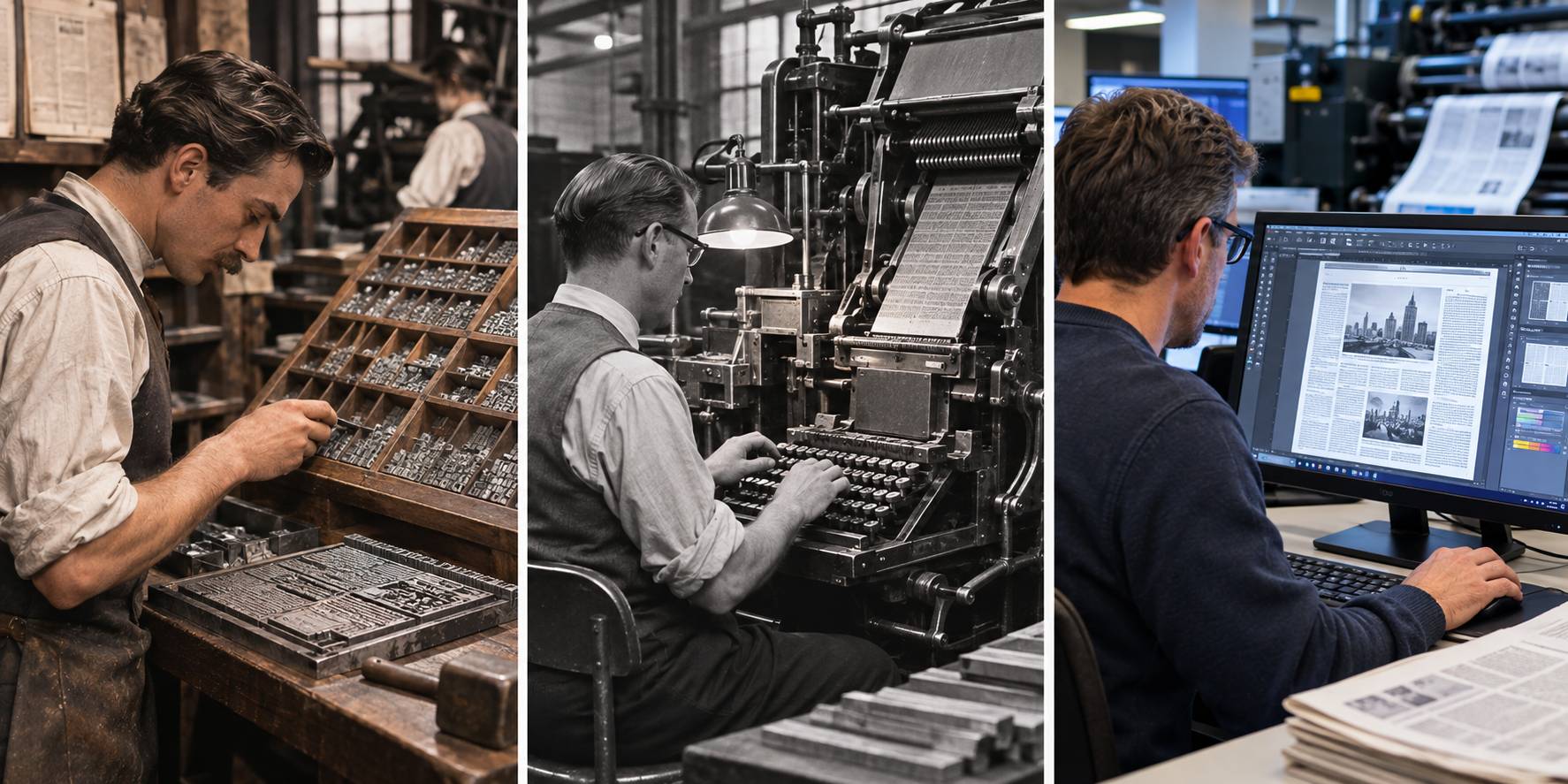
Before mechanical typesetting, assembling newspaper pages required arranging individual pieces of metal type by hand. The introduction of the Linotype machine in the late 19th century allowed operators to produce entire lines of type quicker. Newspaper production later shifted toward photographic and digital composition.
12. Surgeons Operated Without Understanding How Infections Spread
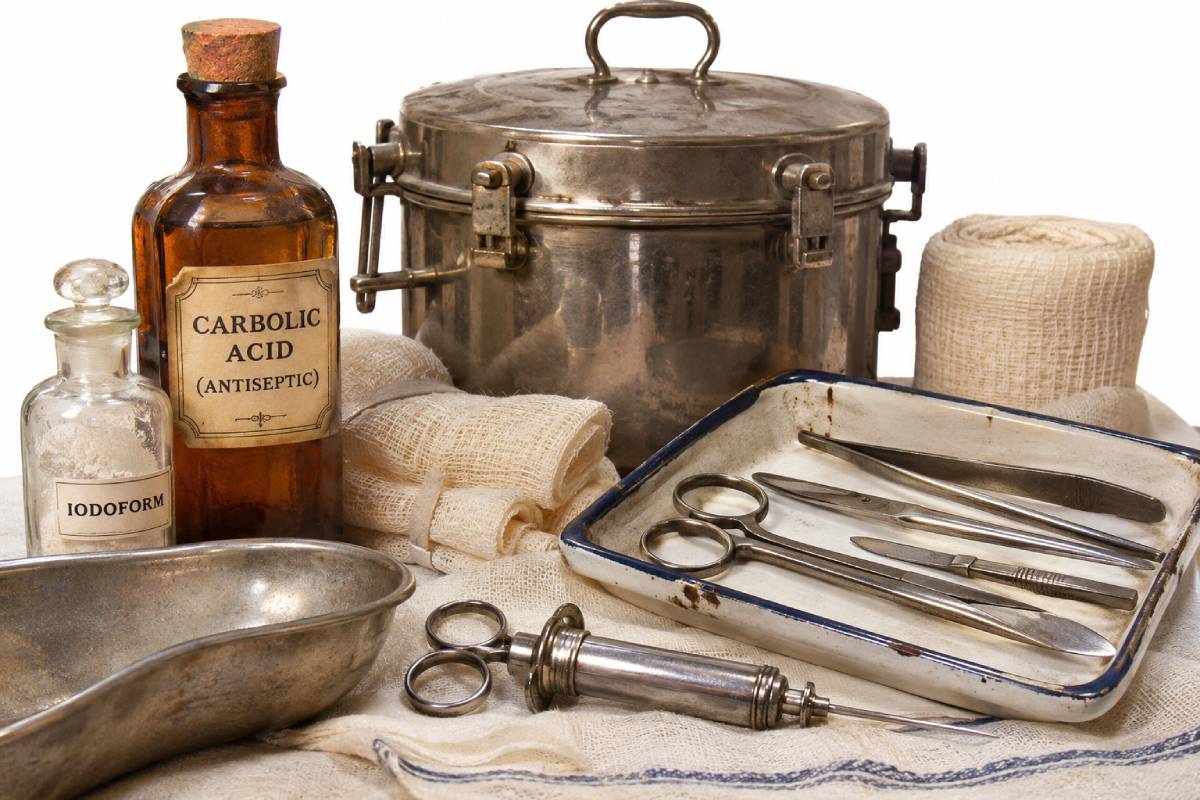
Before modern antiseptic practices, surgery carried enormous infection risks, even when an operation itself was successful. In the late 19th century, Joseph Lister’s antiseptic methods and later aseptic surgical techniques transformed operating rooms by emphasizing germ control, sterile instruments, and cleaner procedures.
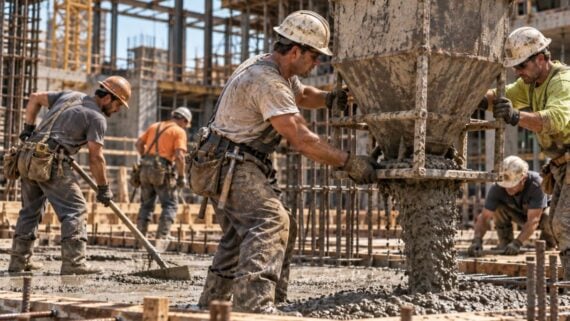
13. Construction Workers Gained Safety Rules That Specifically Address Falls From Scaffolding
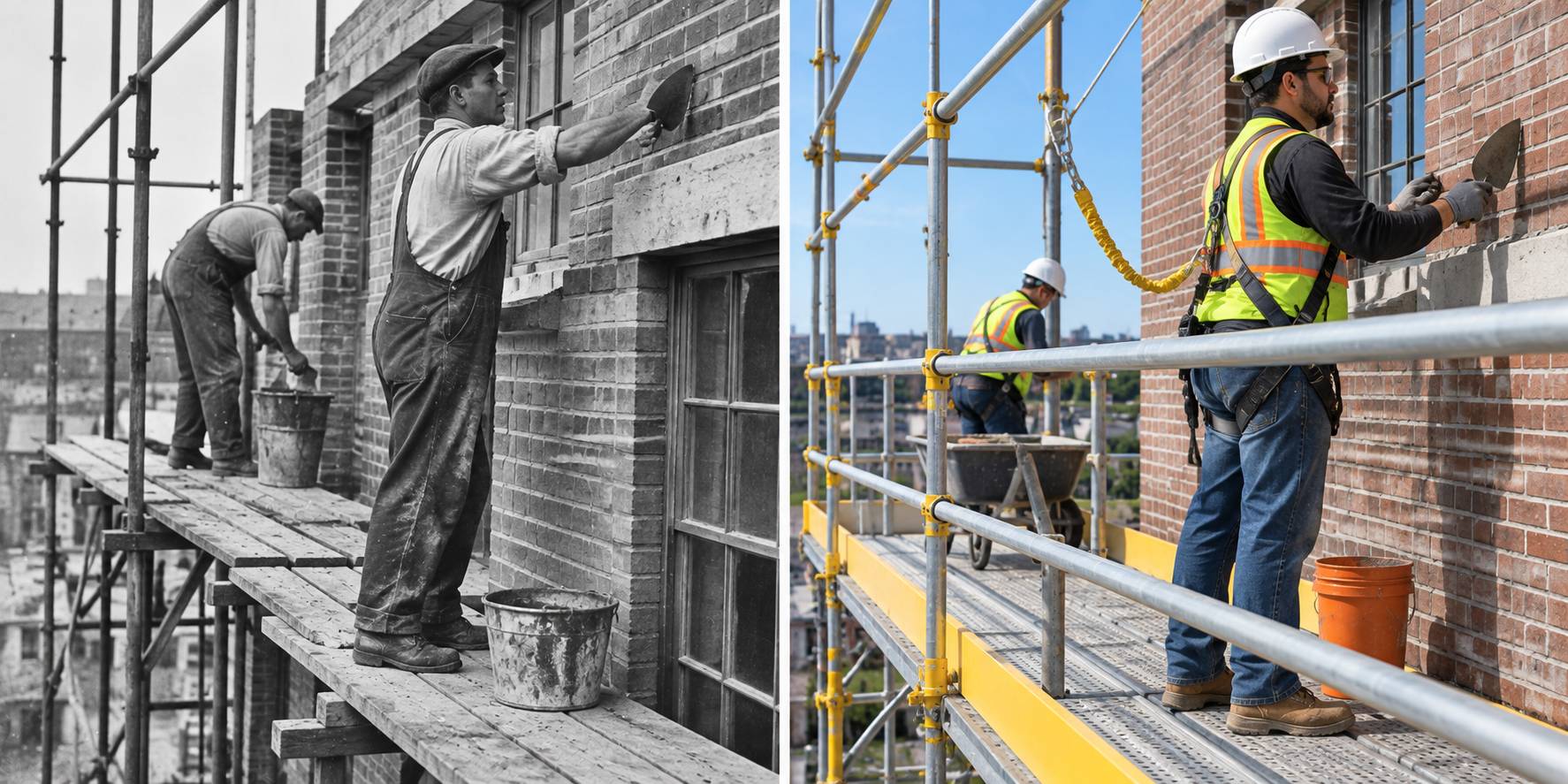
Working high above the ground has long been one of construction’s greatest hazards. In 1996, OSHA revised its construction scaffolding standards to strengthen requirements covering falls, falling objects, and worker training. At the time, the agency estimated that the revised rules could prevent 4,455 injuries and 47 deaths annually.
14. Train Engineers Gained Technology That Prevents Dangerous Trains
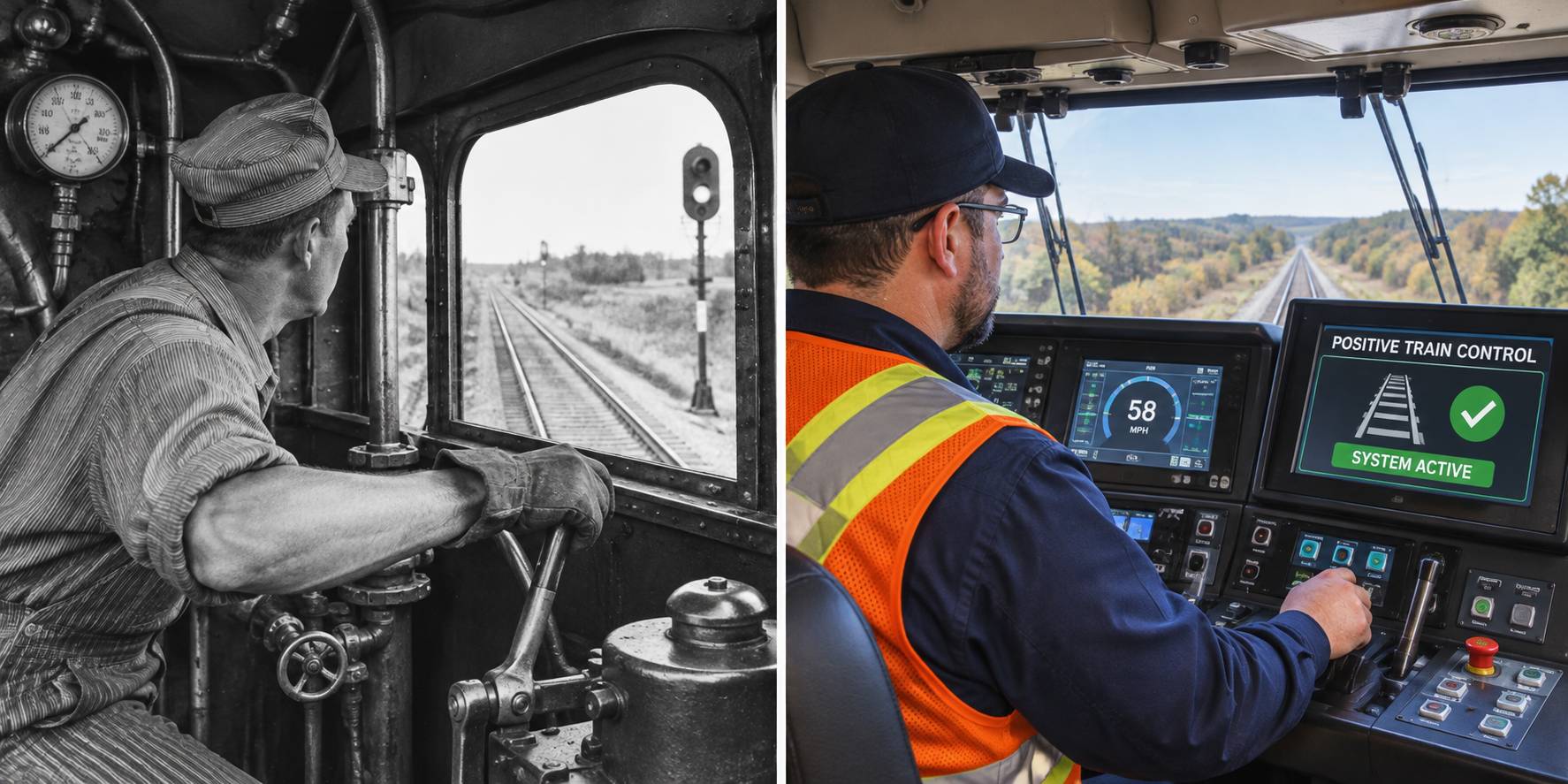
Railroad safety depended on engineers correctly interpreting signals, following speed restrictions, and maintaining communication with dispatchers. Positive Train Control systems add an automated safeguard designed to prevent certain train collisions, overspeed derailments, and movements through improperly aligned switches.
15. Firefighters Gained Breathing Equipment
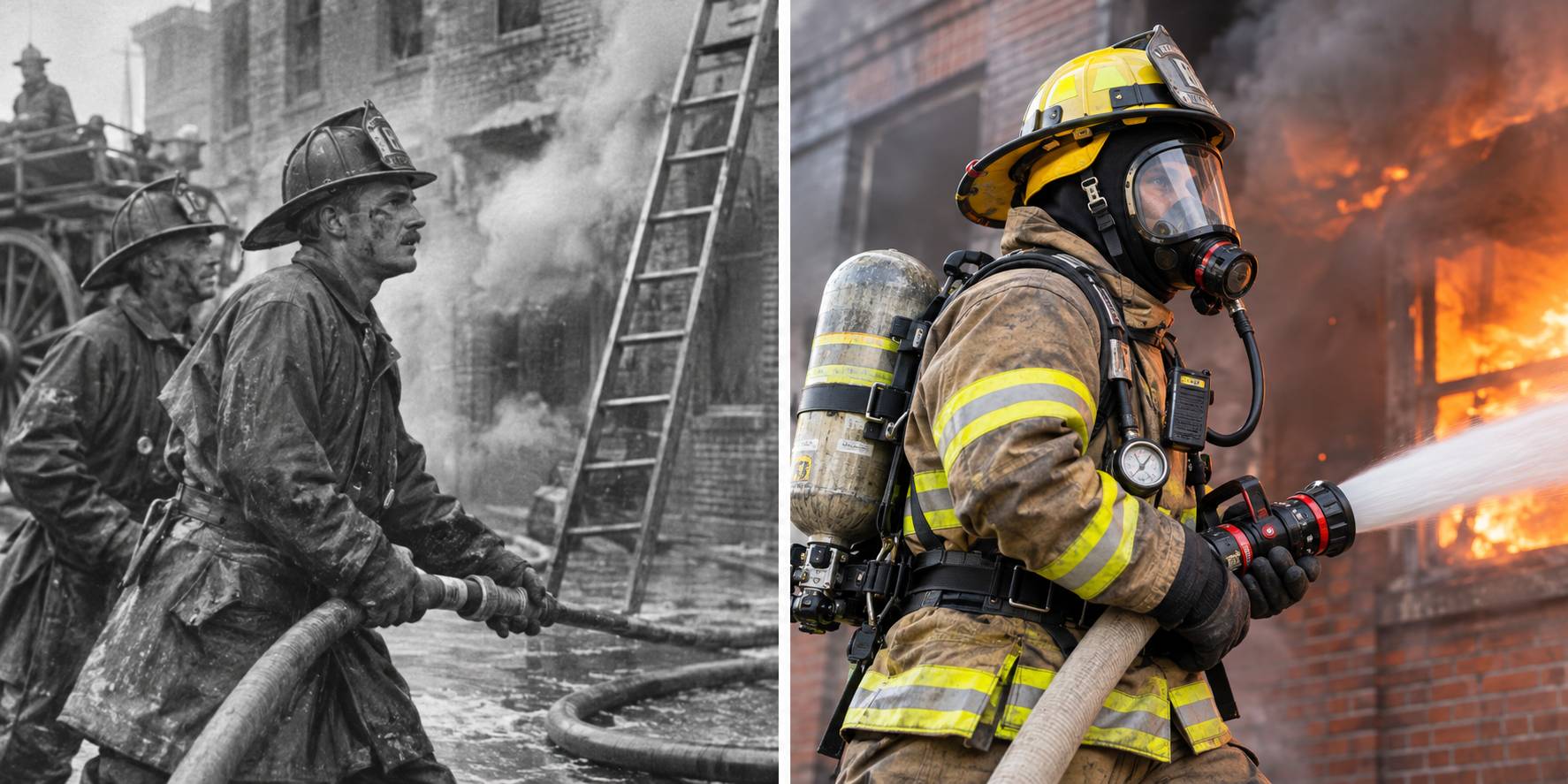
Early firefighters had limited respiratory protection when entering burning buildings. Equipment became a central part of modern firefighting, allowing equipped crews to work in atmospheres that would otherwise be immediately dangerous.
Want more Job-related reads?
Some titles look a lot better on paper than they feel in real life, which is the case in 12 Jobs That Sound Glamorous but Aren’t. Go back a few decades, and you’ll find the everyday roles that held the whole system together in 15 Jobs That Quietly Kept the 1970s Economy Moving. Last but not least, check out 14 Jobs Our Grandparents Had That Still Exist Today.