Growing up in America used to mean taking on responsibilities at an age that might surprise many parents today. Long before smartphones, chore apps, and constant parental supervision, children were often expected to contribute to the household, look after younger siblings, and handle everyday tasks independently. For many families, responsibility was simply part of childhood, and kids learned practical skills through daily routines.
These expectations varied depending on the decade, where families lived, and their financial circumstances. Children growing up on farms often had different duties than those in suburban neighborhoods, while working families sometimes depended more heavily on their children’s help. Still, many Americans who grew up during the 1950s, 1960s, 1970s, and 1980s remember having responsibilities well before their twelfth birthday.
1. Walking to School Without an Adult
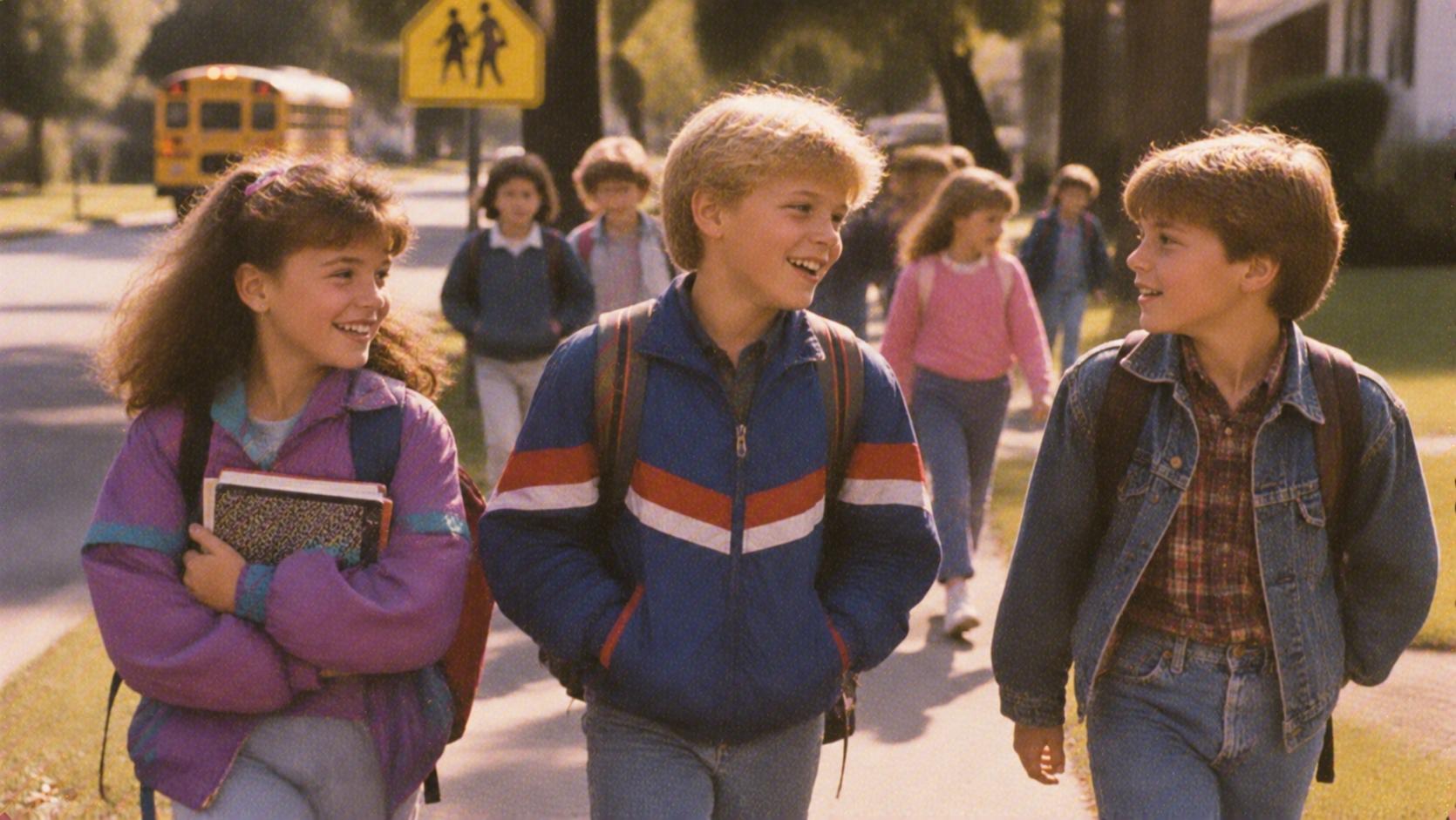
For generations, many American children walked to elementary school without a parent accompanying them. Some traveled several blocks through residential neighborhoods, while others walked alongside friends or older siblings. Parents generally expected kids to know their route, follow basic traffic rules, and arrive at school on time. Walking independently was often considered an ordinary part of growing up rather than a major milestone.
2. Watching Younger Brothers and Sisters
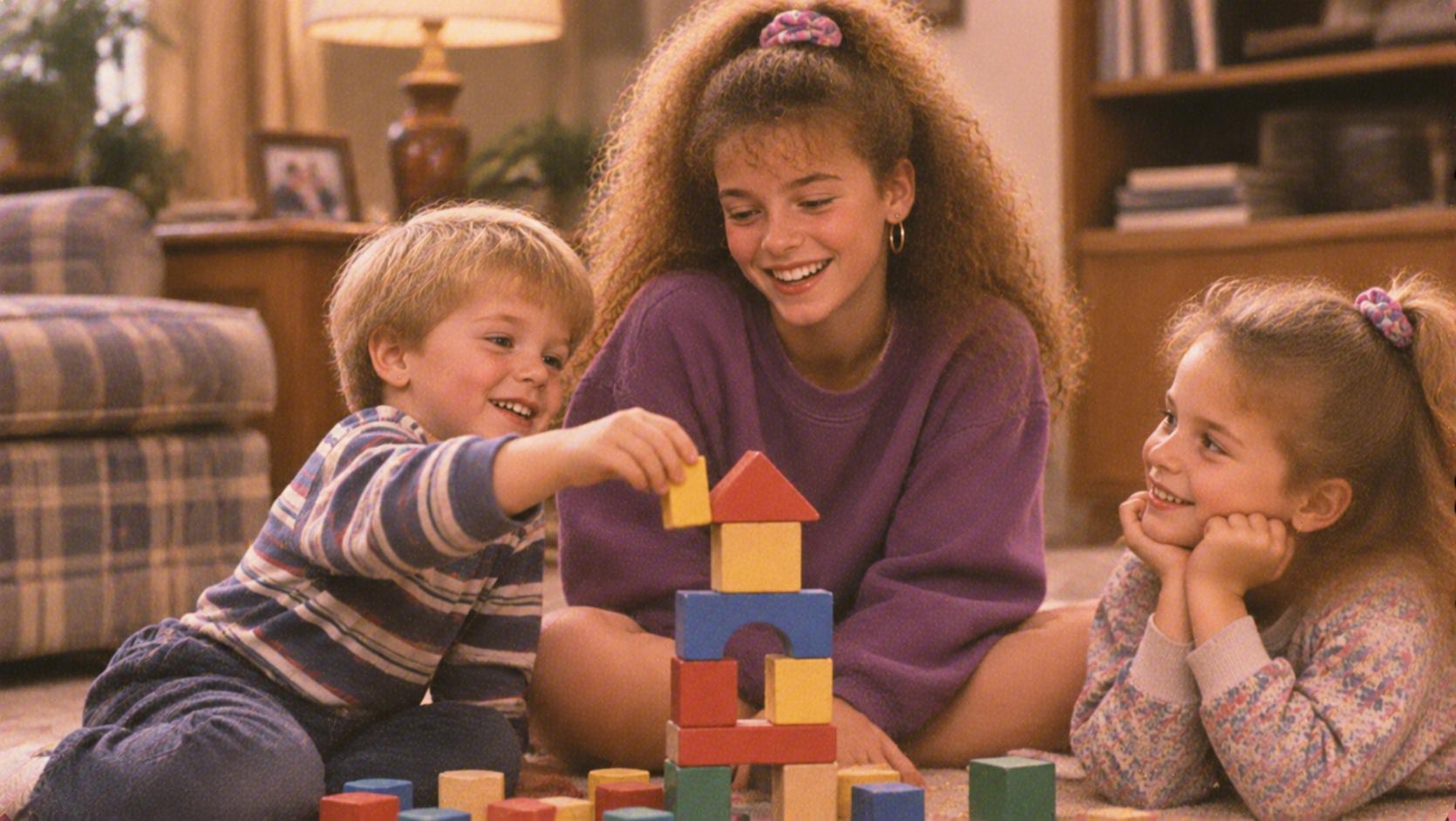
Older siblings were frequently expected to supervise younger children while parents cooked, worked, or ran errands. Even kids who were not yet teenagers might be responsible for keeping a younger brother or sister entertained, preparing a snack, or making sure nobody wandered away. In some households, this arrangement was an occasional convenience, while in others, especially those with working parents, it became an important part of the family’s daily routine.
3. Preparing Their Own Breakfast
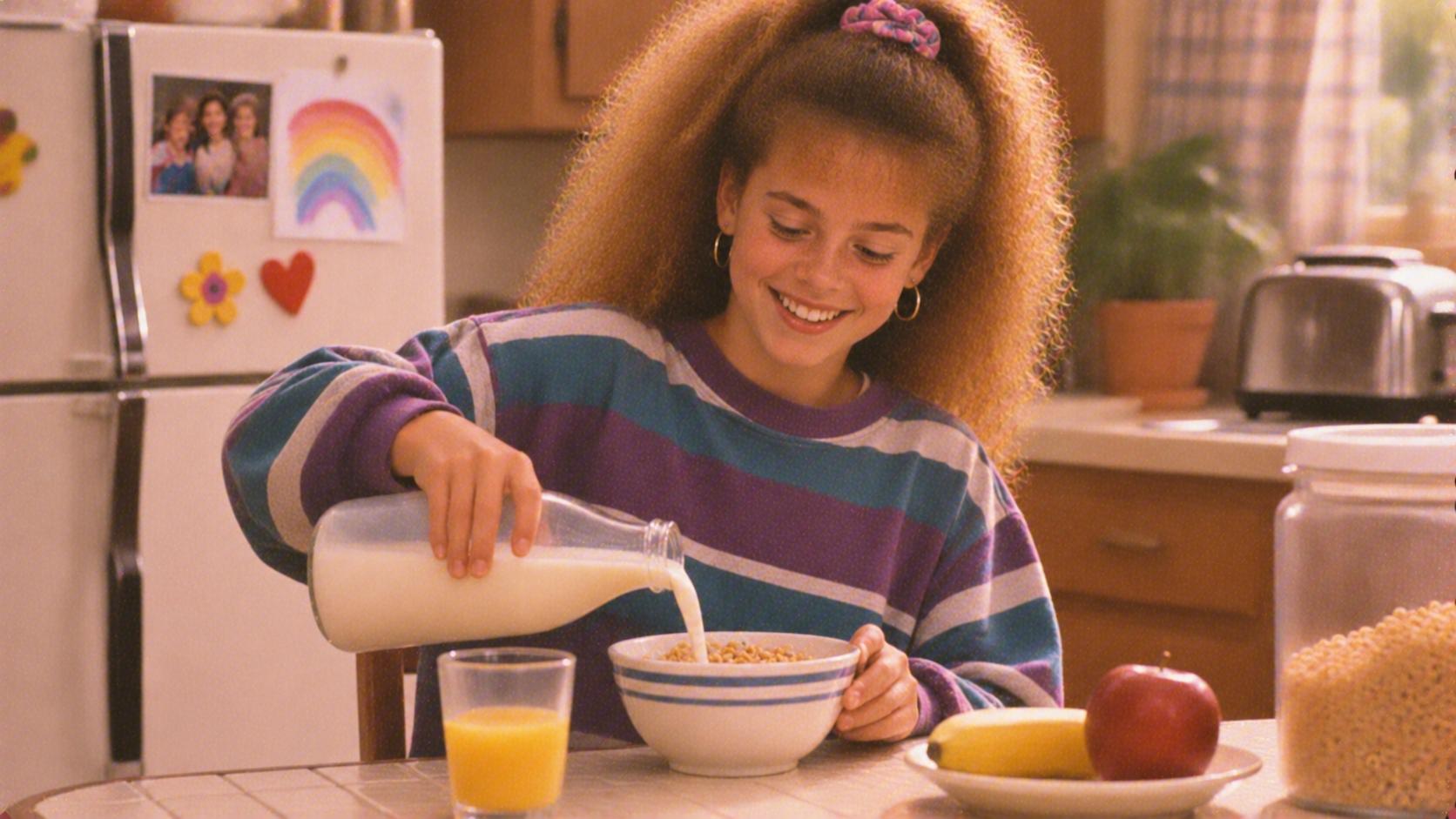
Children were often expected to get themselves ready for school, including making a simple breakfast. Pouring cereal, spreading peanut butter on toast, or heating something on the stove became familiar tasks for many elementary school students. Parents might already be at work or busy getting younger children ready, leaving older kids to manage their morning routines. Learning to prepare basic food was considered a practical skill.
4. Washing Dishes After Family Meals
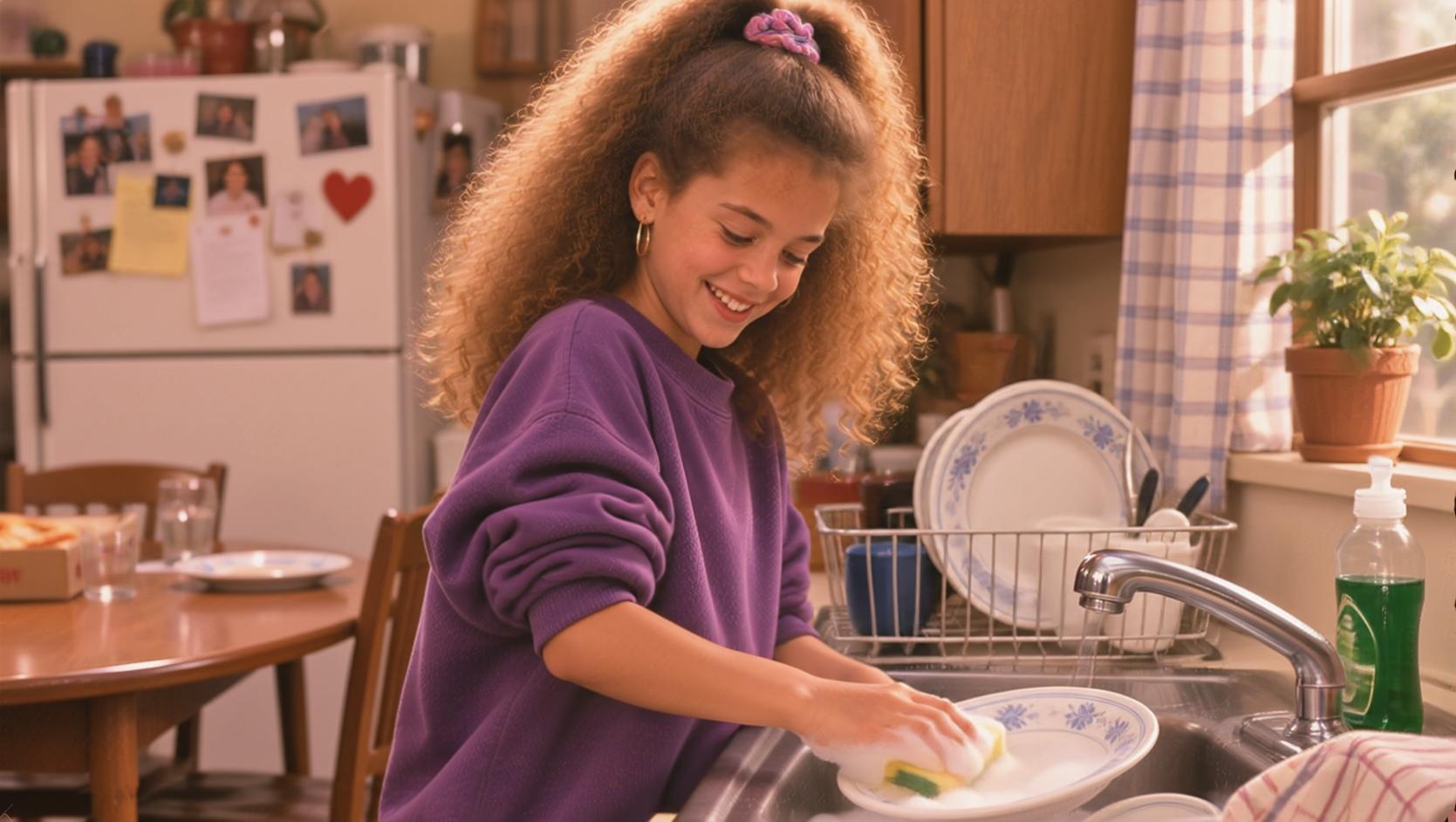
Before dishwashers became common in American homes, washing dishes could be a significant daily chore. Children were often assigned to wash, rinse, dry, or put away plates and utensils after dinner. Some families divided the work among siblings, with one washing and another drying. Even after automatic dishwashers became more widespread, loading and unloading them remained a common responsibility for younger household members.
5. Taking Out the Household Trash
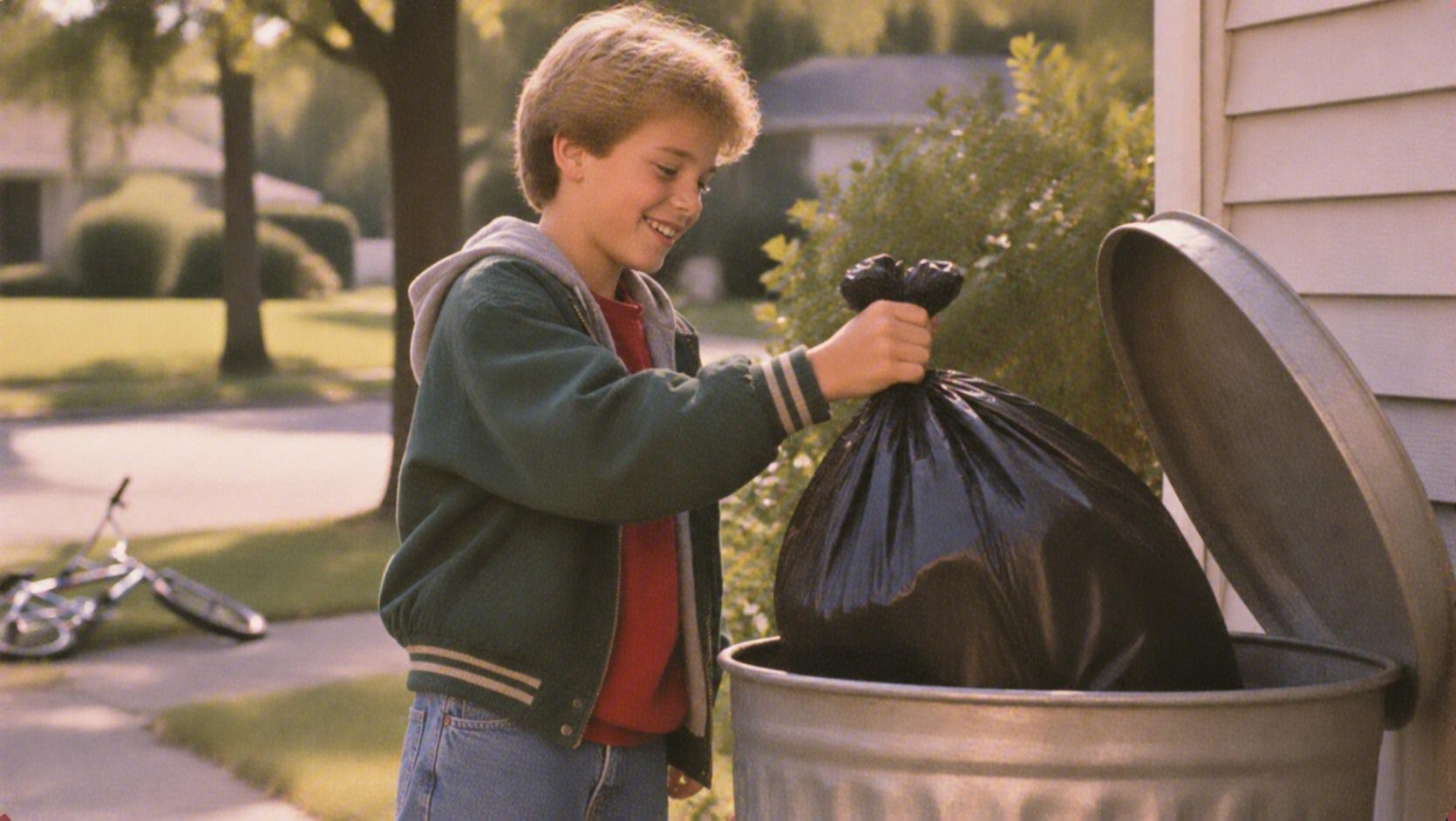
Carrying garbage bags or trash cans outside was a regular childhood responsibility in many American households. Kids might be expected to empty wastebaskets, bring garbage to the curb, or return containers after collection. In neighborhoods with designated pickup days, remembering the schedule could become part of the job. It was not particularly exciting work, but it taught children that keeping a household running required everyone’s participation.
Trending on Wealth Gang

6. Mowing the Lawn
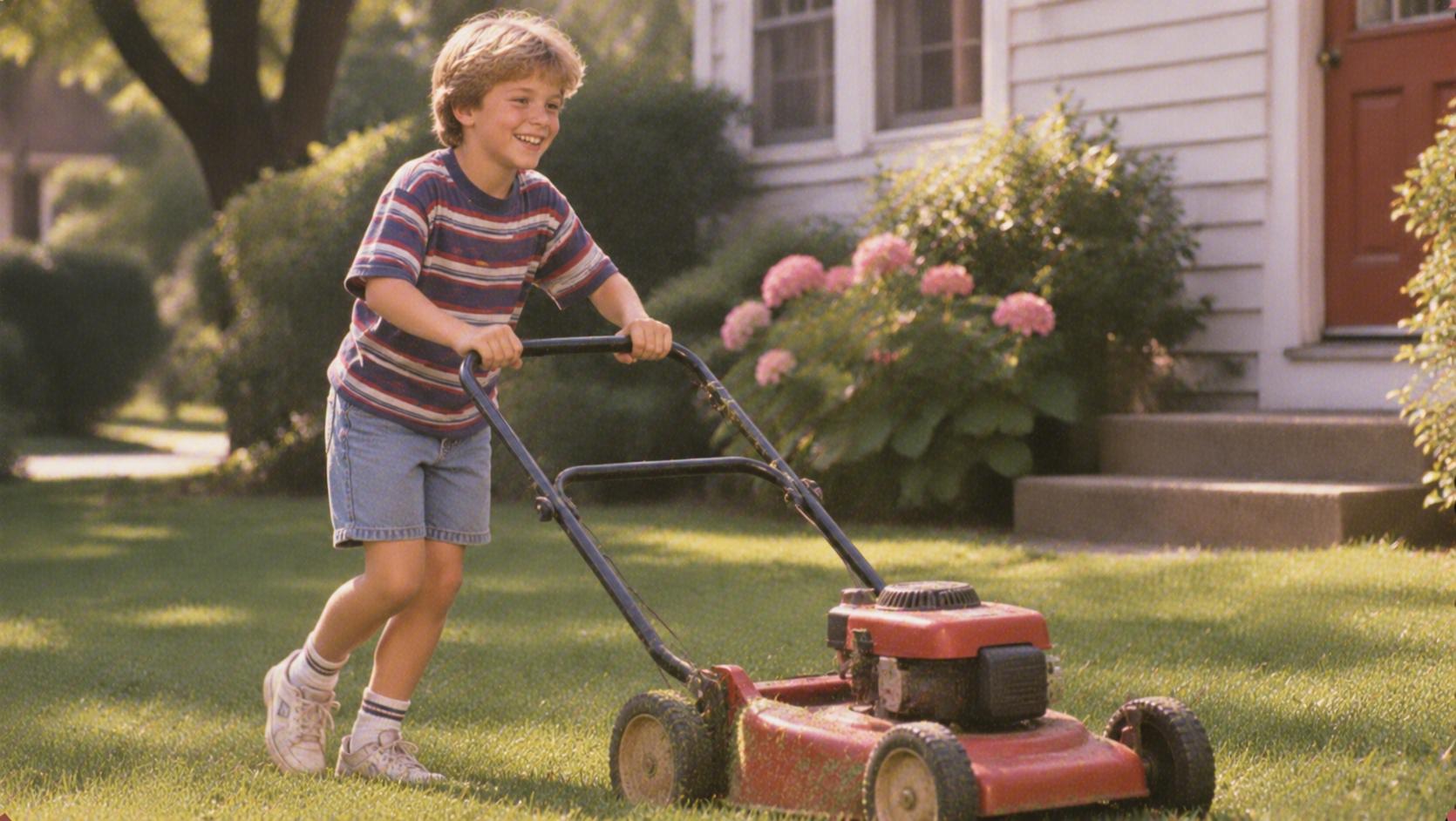
By the time they reached their later elementary school years, some American children were already helping maintain the family yard. This could include pushing a lawn mower, pulling weeds, gathering grass clippings, or trimming around flower beds. Mowing was especially common in suburban neighborhoods where maintaining a tidy lawn was a household priority. Younger children generally handled simpler yard tasks, while older or more experienced kids sometimes operated lawn equipment under varying levels of supervision.
7. Delivering Newspapers Before School
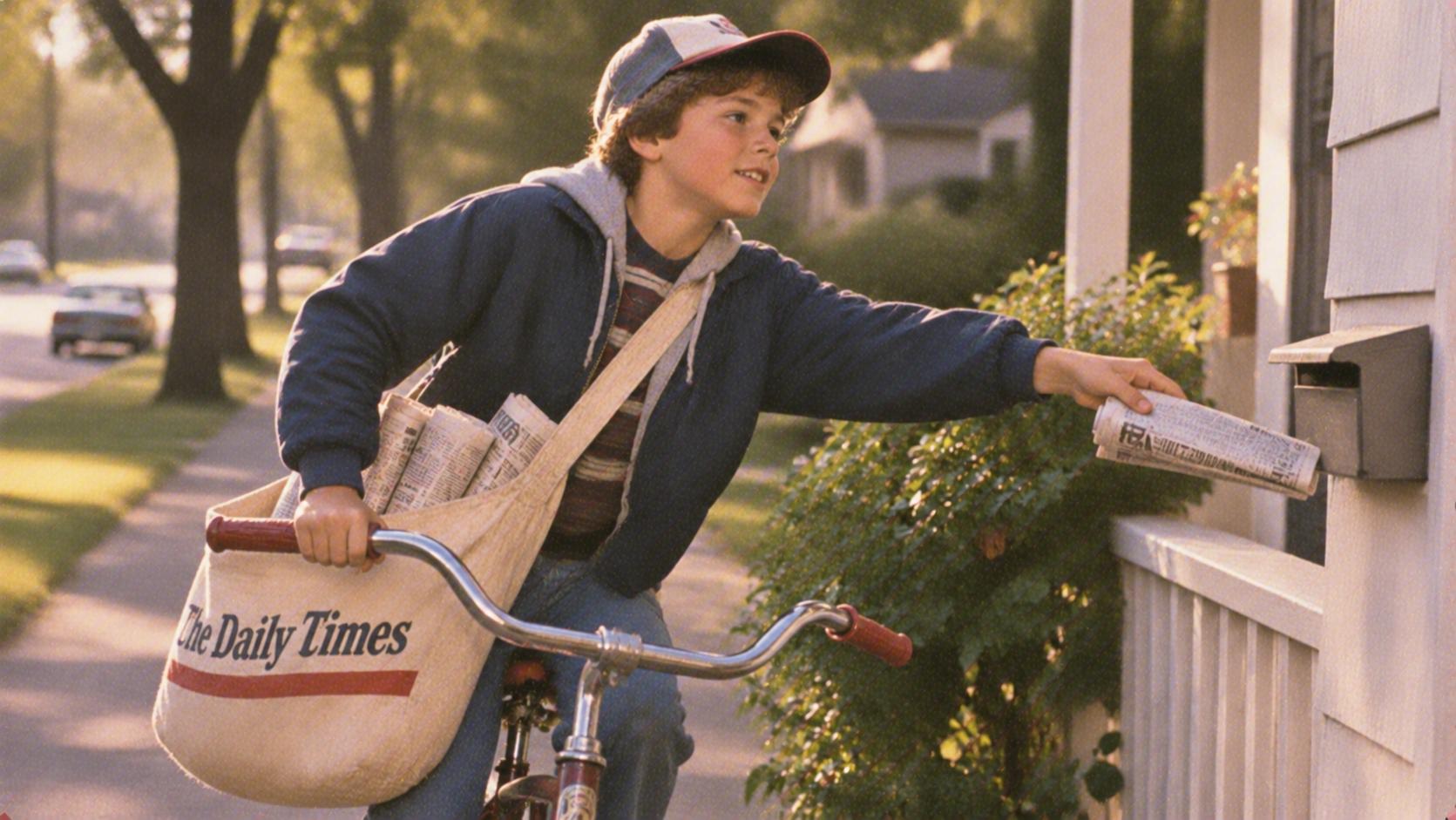
For many American children, delivering newspapers was an early introduction to earning money. Some newspaper carriers began their routes before turning 12, waking up early to deliver papers to neighborhood homes before heading to school. Depending on the route and period, the work could involve folding newspapers, carrying heavy bags, and collecting subscription payments. The job demanded consistency because customers expected their papers regardless of the weather.
8. Running Errands to Neighborhood Stores
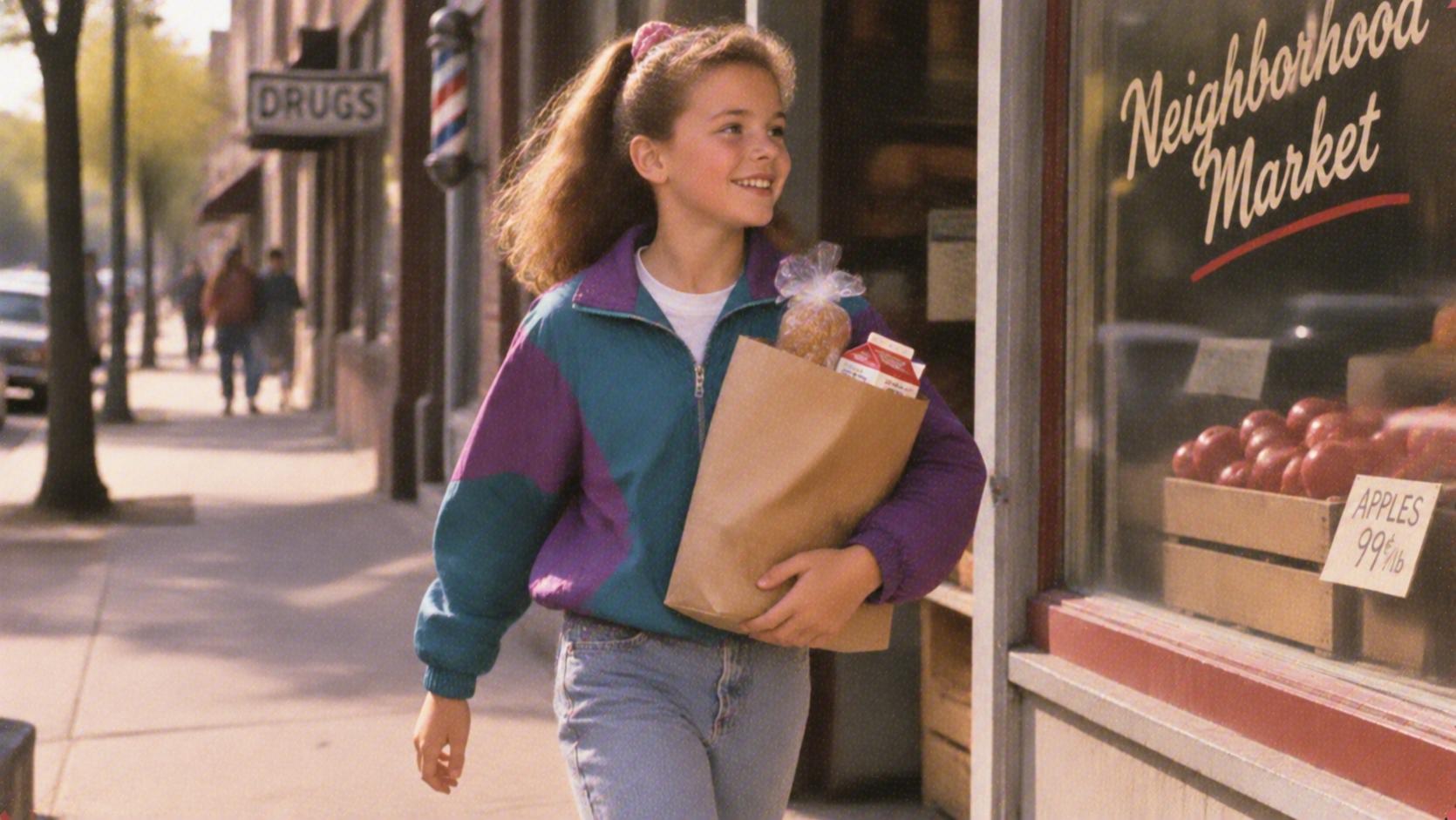
Children were sometimes sent to nearby grocery stores, bakeries, or pharmacies to pick up household essentials. A parent might hand over a short shopping list and enough cash to buy bread, milk, or another needed item. Kids were expected to find the correct products, pay the cashier, and bring home the change. These errands provided an early lesson in handling money and interacting with adults outside the family.
Sign up for our newsletter
9. Cleaning Their Own Bedrooms
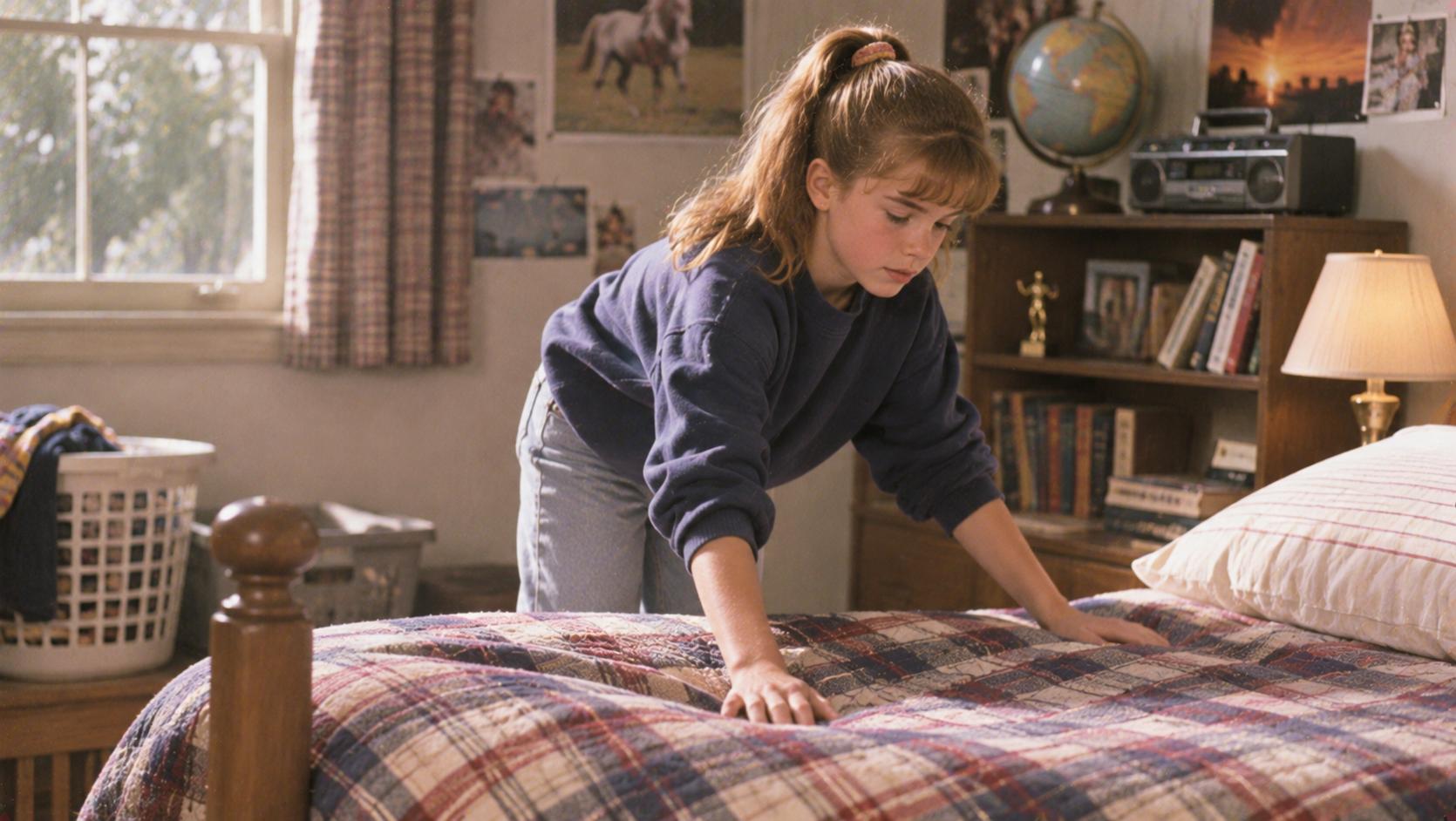
Keeping a bedroom tidy was a basic expectation in many households, even for relatively young children. Responsibilities could include making the bed, putting away toys, folding clothing, and dusting furniture. Some parents inspected bedrooms before allowing their children to go outside and play. Although standards differed between families, the underlying message was familiar: having a room of your own also meant being responsible for maintaining it.
10. Feeding and Caring for Family Pets
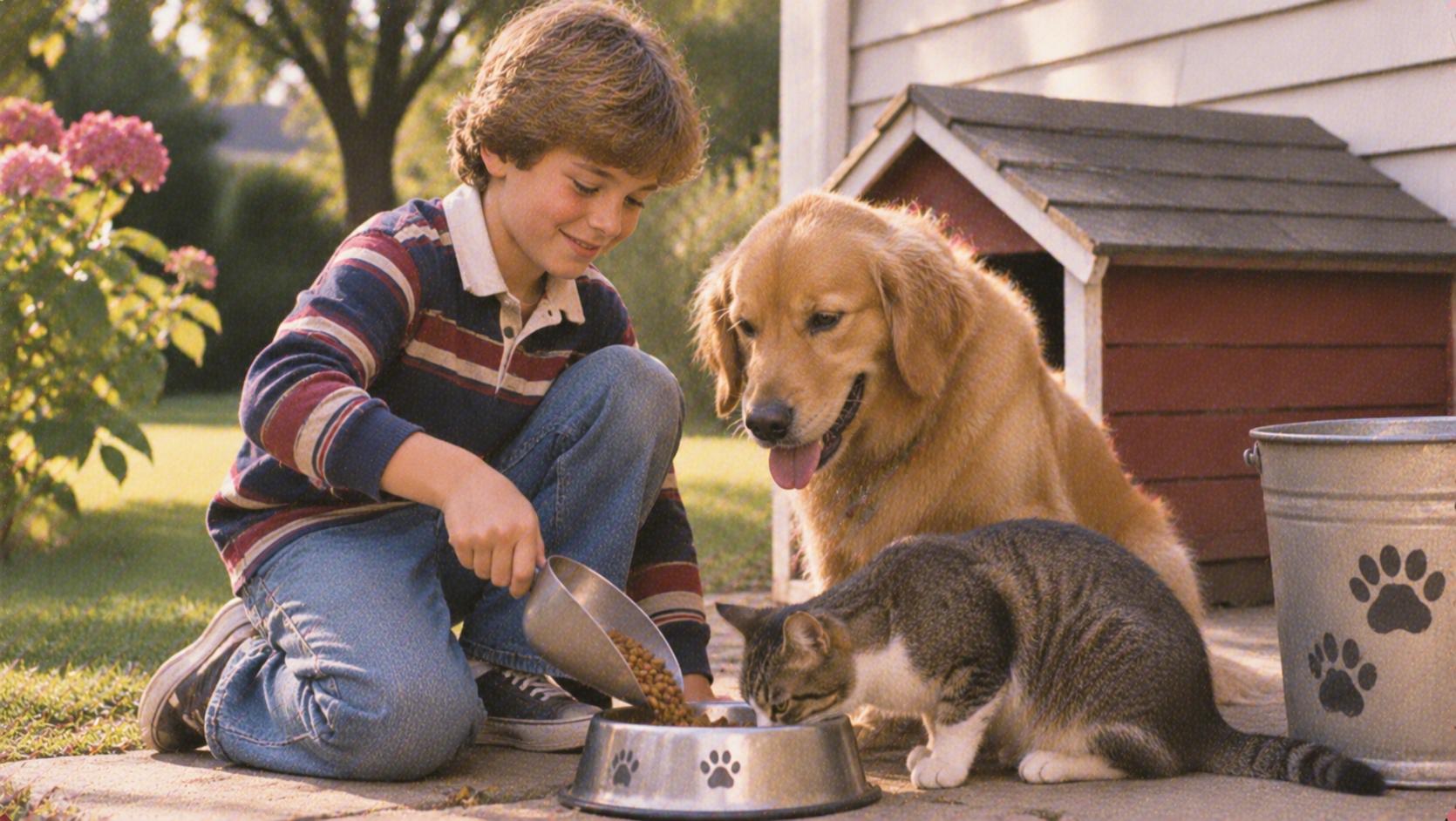
Taking care of a dog, cat, or other household animal was often presented as an important lesson in responsibility. Children might be assigned to fill food bowls, replace drinking water, clean cages, or take the family dog outside. Parents frequently reminded kids that pets depended on regular attention rather than occasional enthusiasm. For children who had begged for a puppy or kitten, daily pet care could become their first experience with a responsibility that could not simply be postponed.
11. Doing Laundry and Hanging Clothes Outside
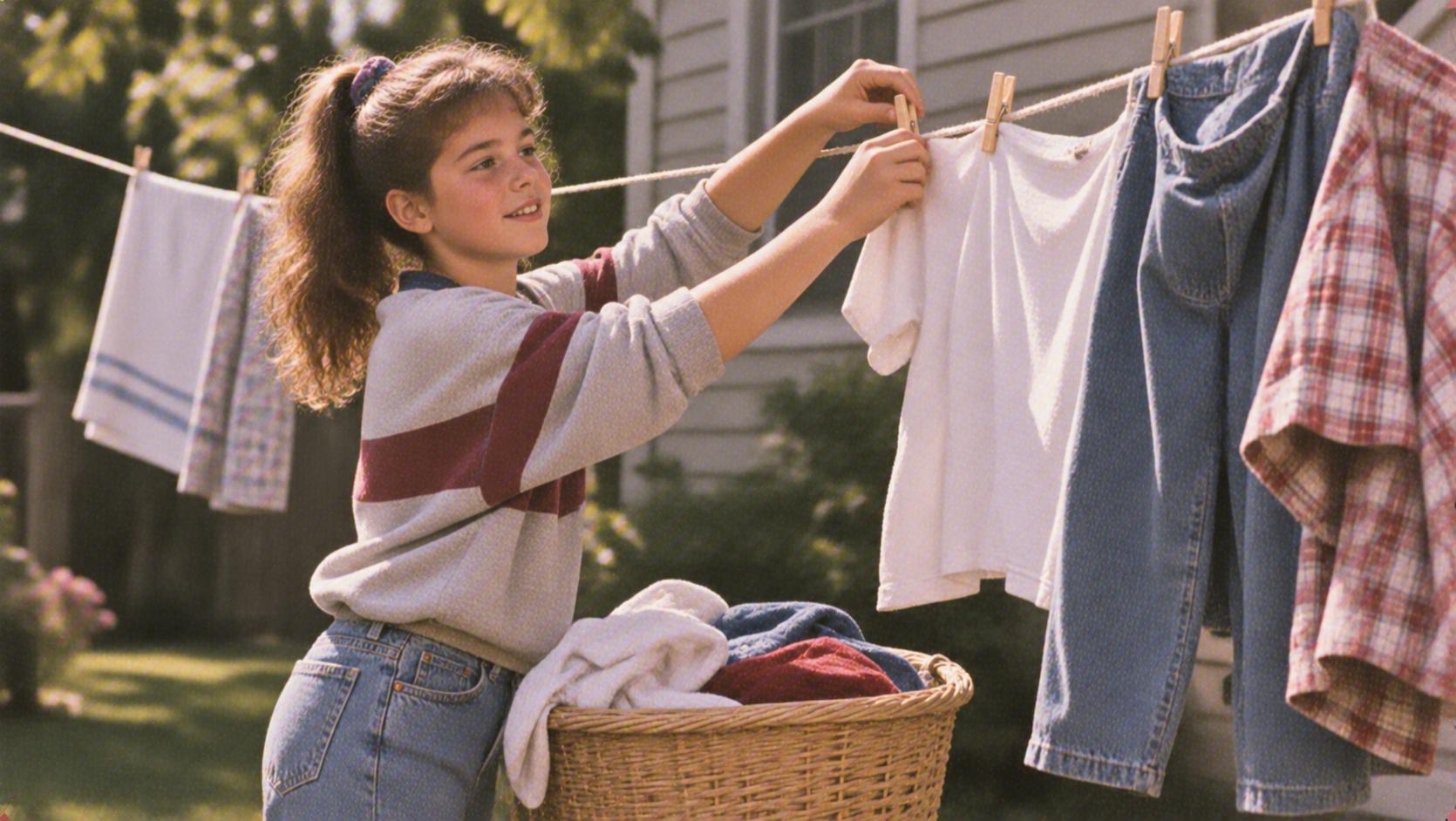
Before automatic dryers became widespread, hanging laundry on outdoor clotheslines was a familiar household task. Children could help carry baskets, attach clothespins, and collect dry clothing. Some also learned to sort laundry, fold towels, and put clean clothes away. As washing machines and dryers became more common, the work changed, but many families continued expecting children to participate in laundry routines.
12. Shoveling Snow From Sidewalks
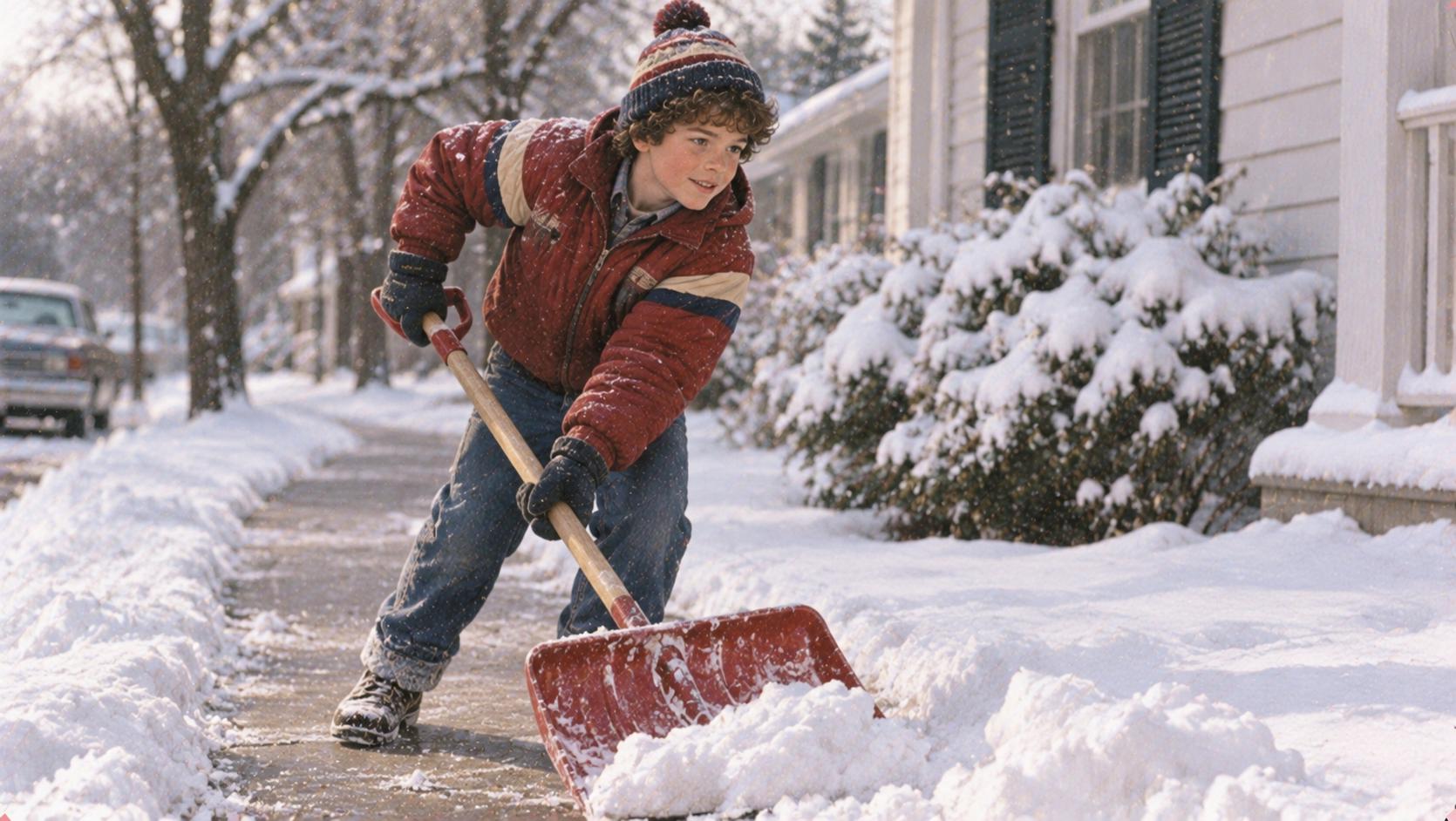
In colder parts of the United States, winter brought responsibilities that children in warmer climates rarely experienced. Kids might be asked to clear snow from front steps, walkways, or sections of the driveway. Some also helped spread sand or salt to reduce slippery conditions. Snow removal could be tiring, especially after a heavy storm, but it was often treated as a normal household chore rather than an optional activity.
13. Answering the Family Telephone
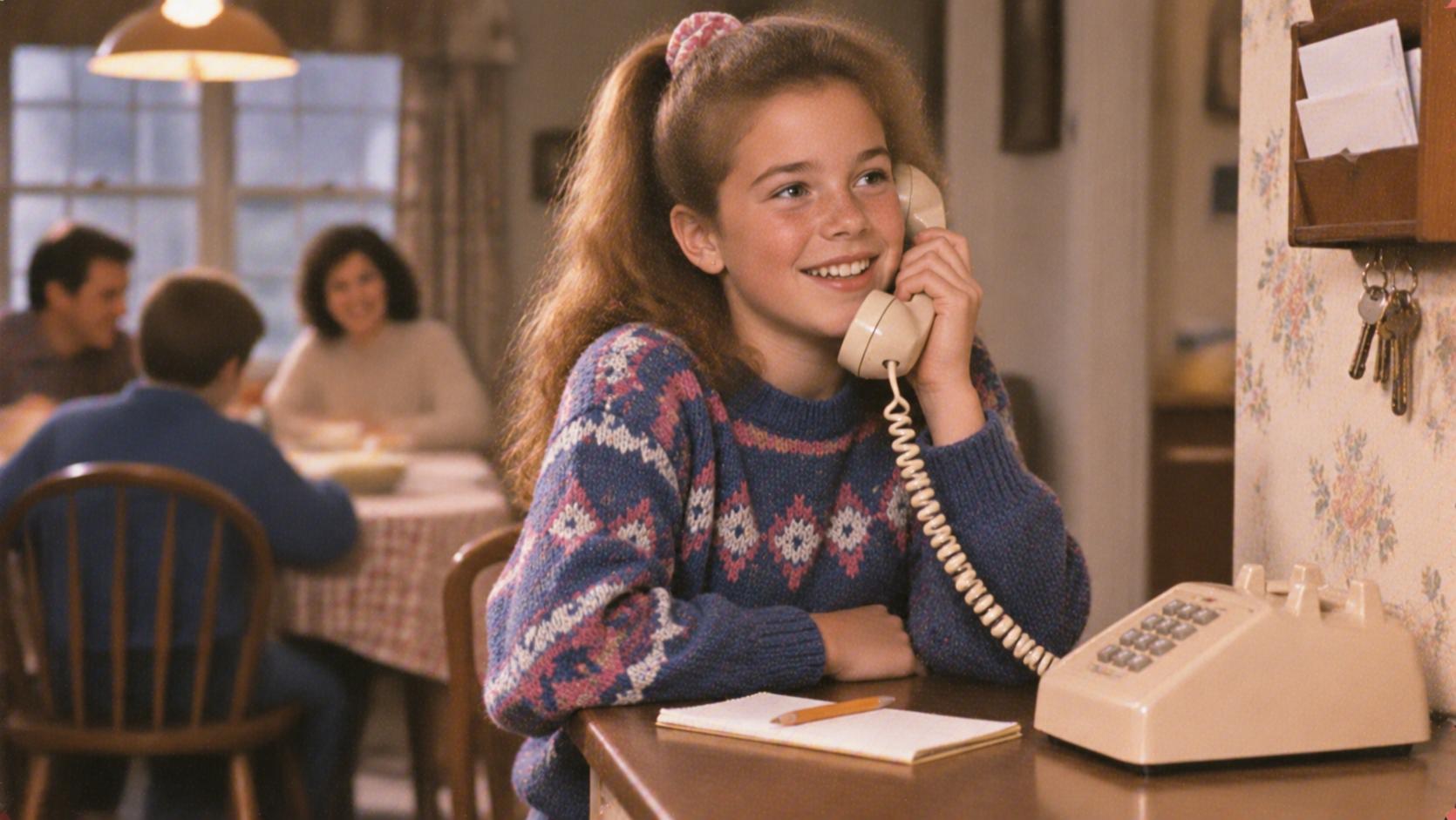
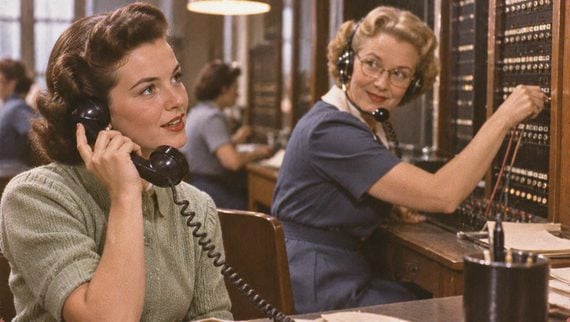
Before caller ID and smartphones, answering the household telephone was a responsibility many children learned early. Kids were expected to greet callers politely, ask who was calling, and take messages when an adult was unavailable. Some families kept a pencil and notepad beside the telephone for this purpose. Children also learned to remember important information and pass messages along accurately, since there was no automatic text notification to remind anyone.
14. Getting Themselves Ready for School
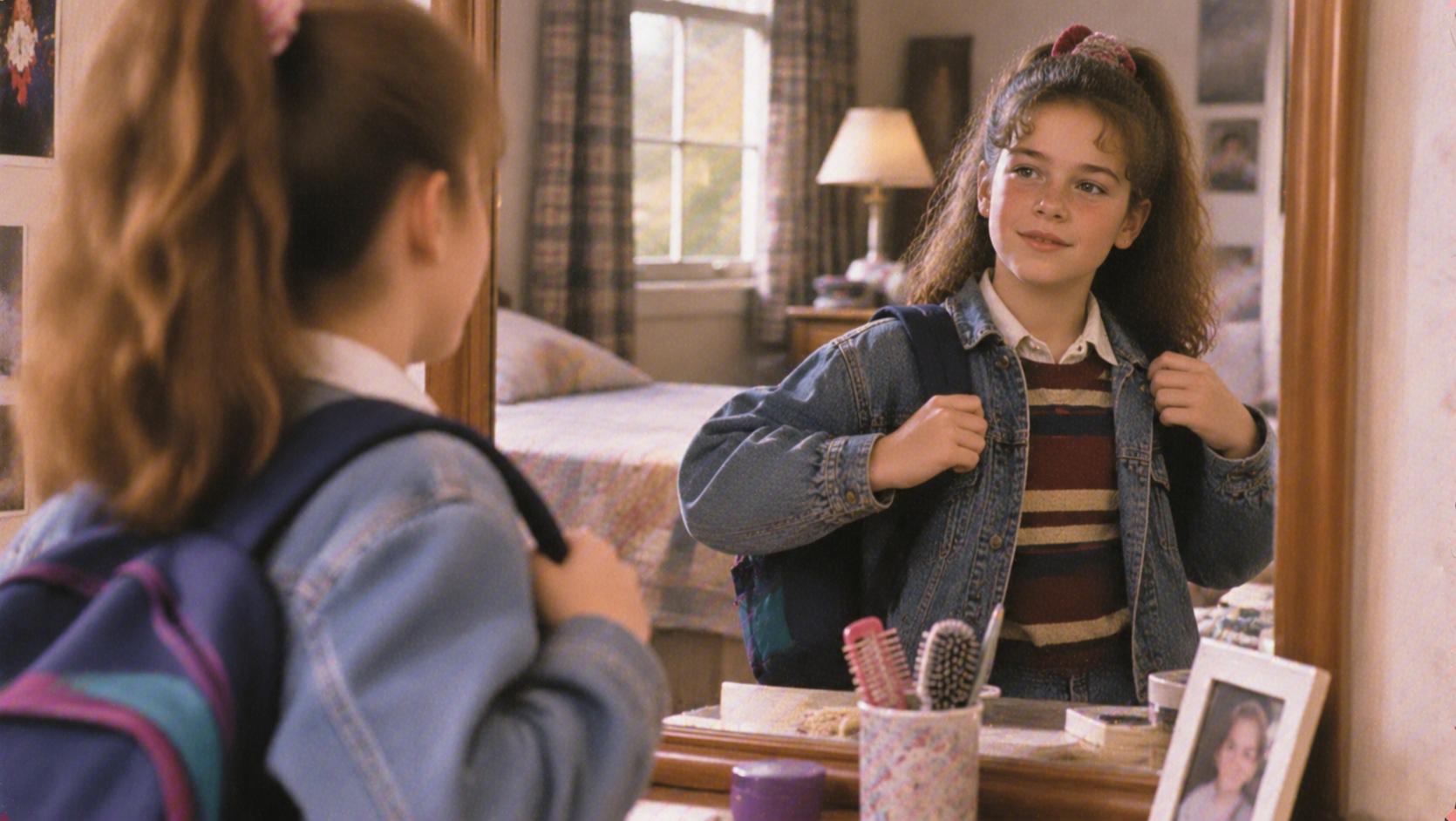
Many elementary school children were expected to manage much of their morning preparation independently. They selected clothes, brushed their teeth, packed school supplies, and checked that homework was in their bags. In households where parents worked early shifts, children sometimes had to pay close attention to the clock and leave on schedule. Forgetting a lunchbox or homework assignment could mean dealing with the consequences at school.
15. Helping With Family Gardens
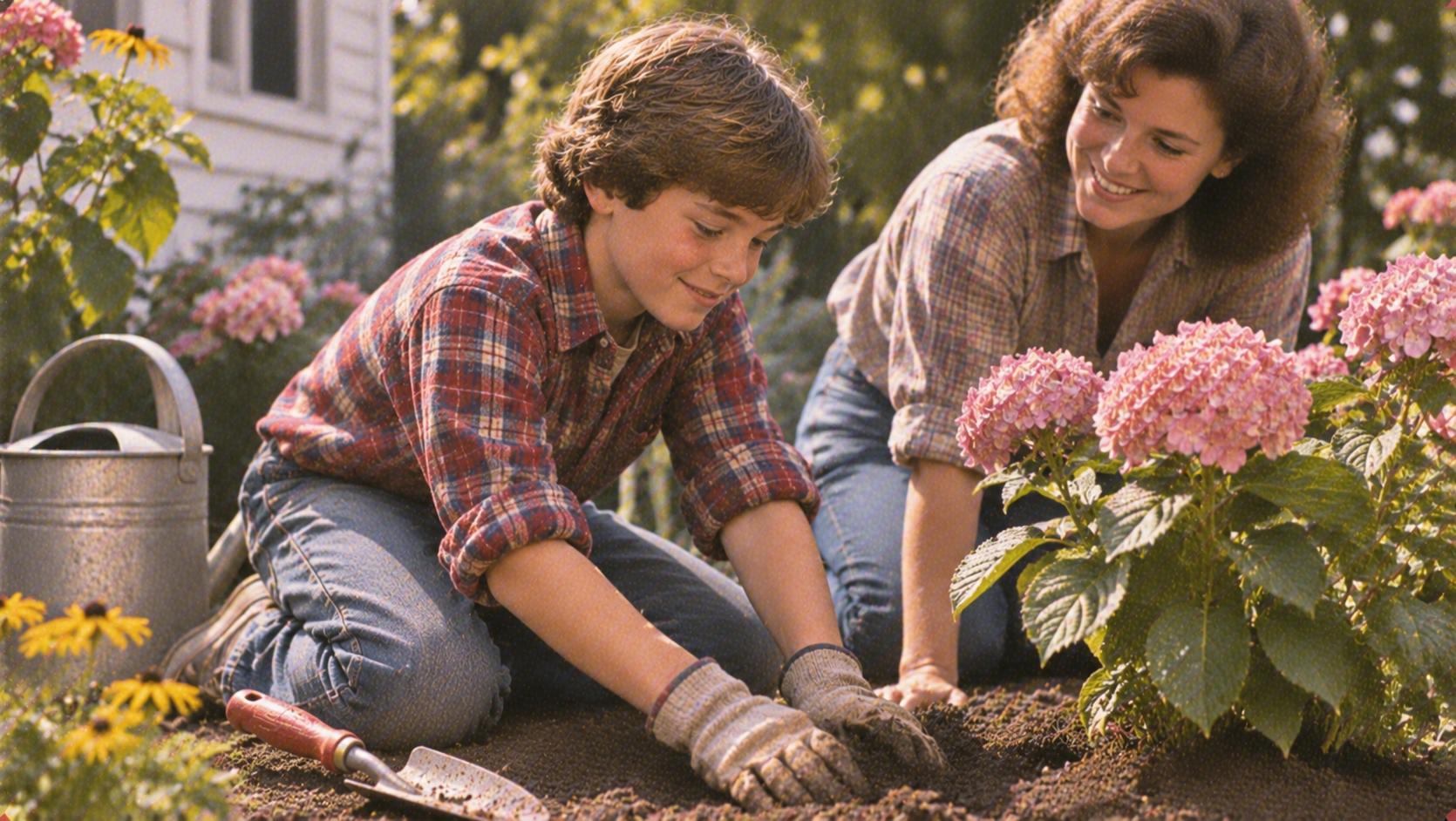
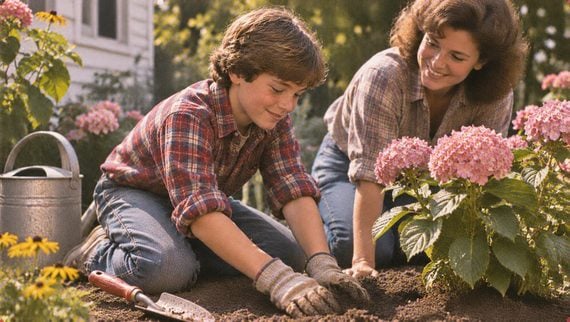
For families that grew vegetables or maintained backyard gardens, children often contributed to the work. Tasks included watering plants, pulling weeds, gathering ripe produce, and carrying gardening supplies. In rural communities, these responsibilities could be connected to larger agricultural routines, while suburban children might help maintain a small vegetable patch. Gardening introduced kids to the patience and consistency required to grow food successfully.
16. Managing Their Own Allowance
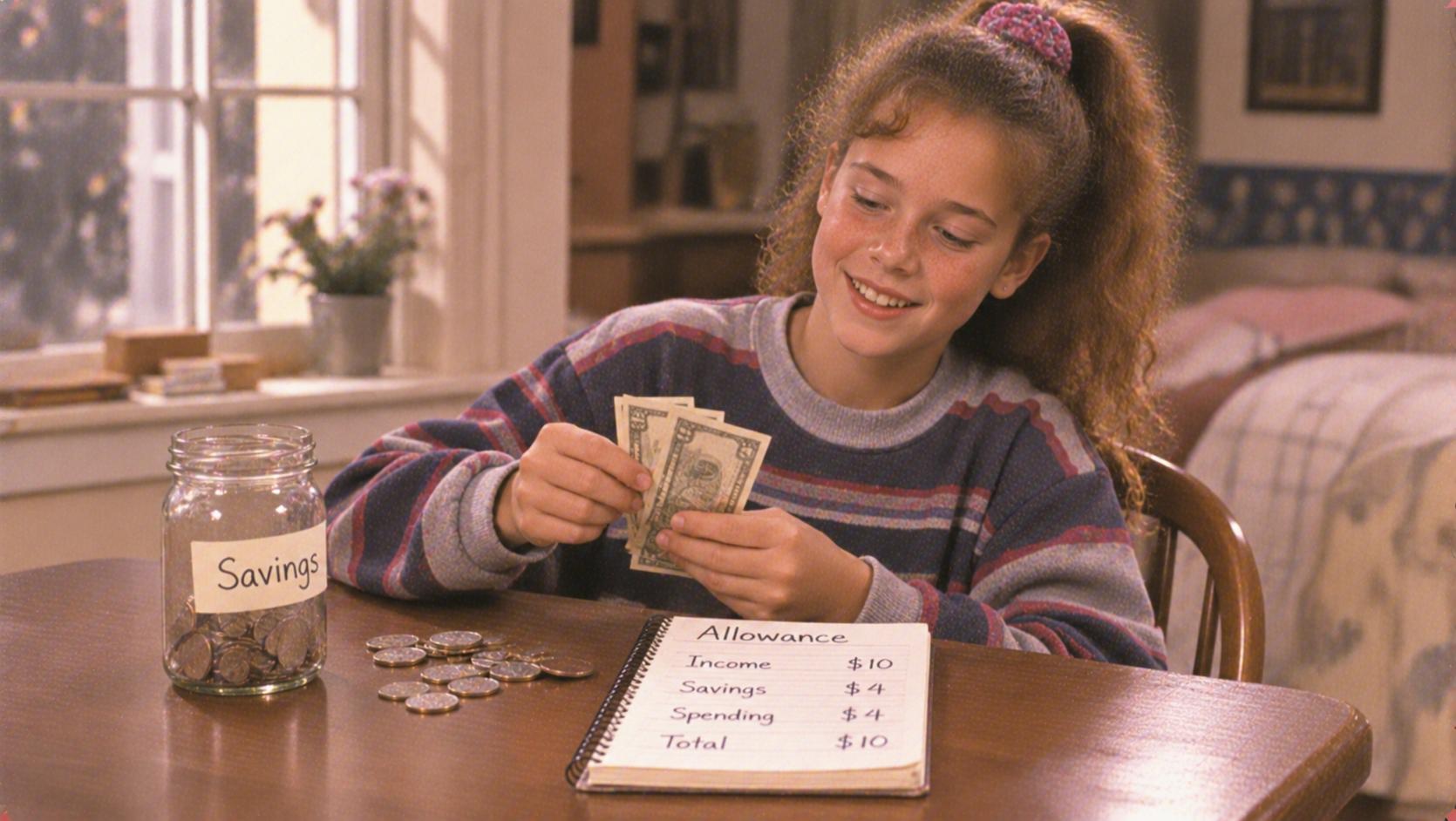
Many American children received small weekly allowances in exchange for chores or as part of their family’s approach to teaching money management. They were expected to decide whether to spend their earnings immediately or save for something more expensive, such as a bicycle, toy, or record. Some kept coins in piggy banks, while others opened savings accounts with parental assistance. Managing even a few dollars helped children understand budgeting, delayed gratification, and the value of their own work.
More Related Notes
• 15 Ways Kids Used to Make Money 20 Years Ago Before Apps Did Everything
Revisit the childhood jobs that taught earlier generations responsibility, from mowing lawns and delivering newspapers to helping neighbors with everyday chores. These small tasks gave kids an early understanding of hard work and independence.
• 15 Activities Kids Did in the 60s That Would Shock Kids Today
Discover the everyday responsibilities and freedoms children once had, when walking to school alone, running errands, and spending hours without adult supervision were considered normal parts of growing up.
• 20 Photos of Kids Playing Until the Streetlights Came On
Take a nostalgic look at childhood before smartphones and constant supervision, when kids managed their own schedules, explored their neighborhoods, and learned independence through everyday adventures.