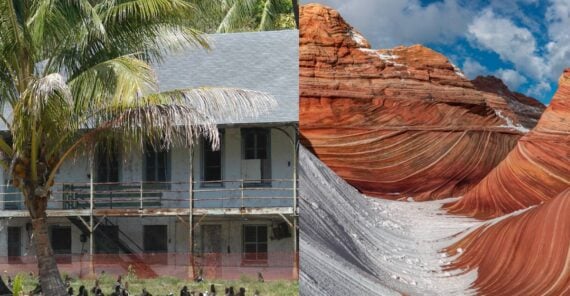
Some places in the U.S. attract attention because they are beautiful or full of history. Others are famous for a different reason: getting inside is very difficult. From secret military sites to islands closed to the public, these locations have rules that make a trip impossible.
The reasons for these restrictions vary. Some places protect national security, while others preserve wildlife or prevent damage to fragile landscapes. A few allow visits through special tours or permits, but others remain limited to most people. Here are 12 unusual places in the U.S. where visitors must follow strict rules or stay away.
1. Area 51, Nevada
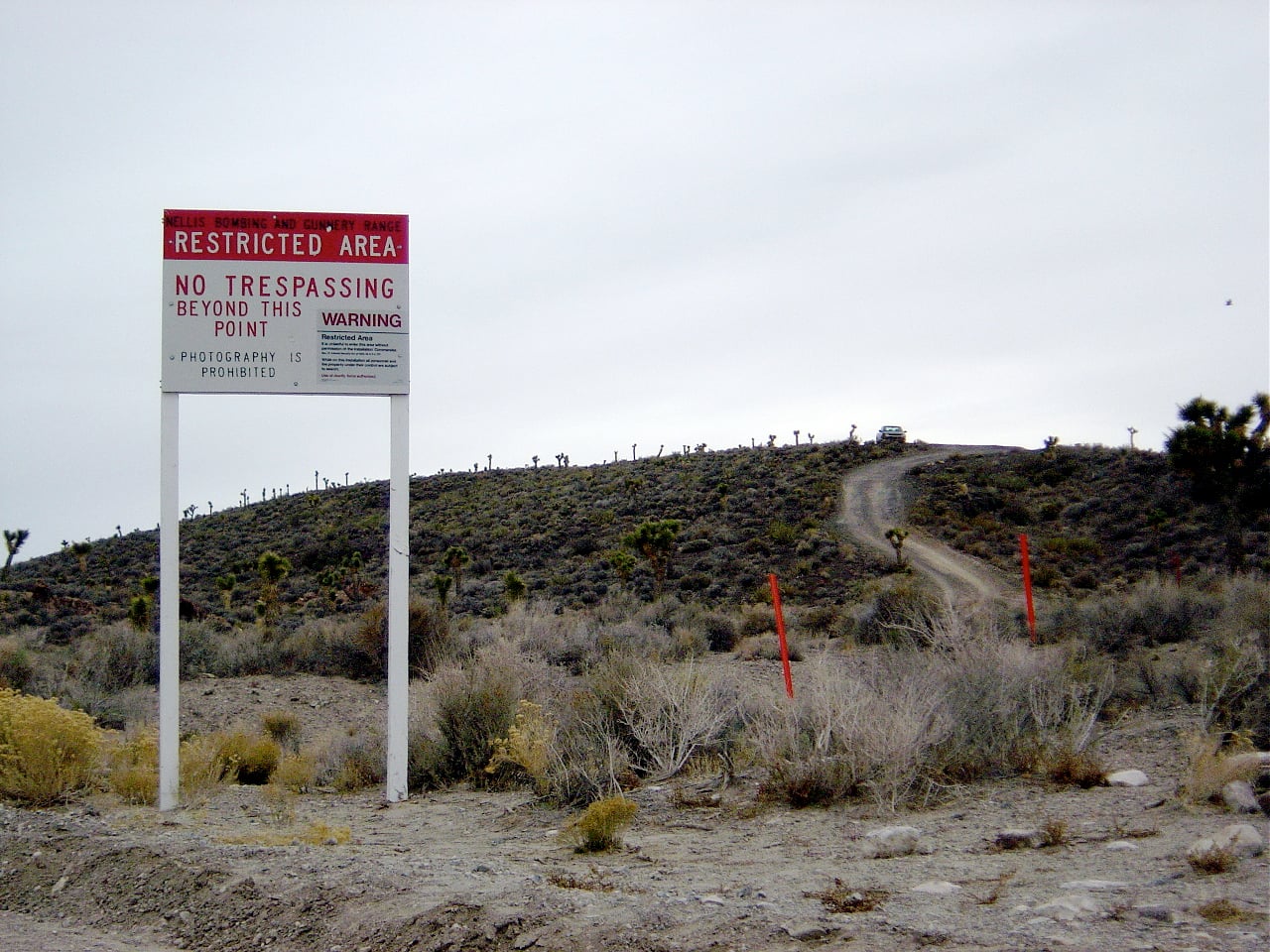
Area 51 is one of America’s most famous secret locations. Hidden in the Nevada desert, it was used to test advanced military aircraft, including the U-2 spy plane. It has also inspired a lot of stories about UFOs and aliens.
2. The Fort Knox Bullion Depository, Kentucky
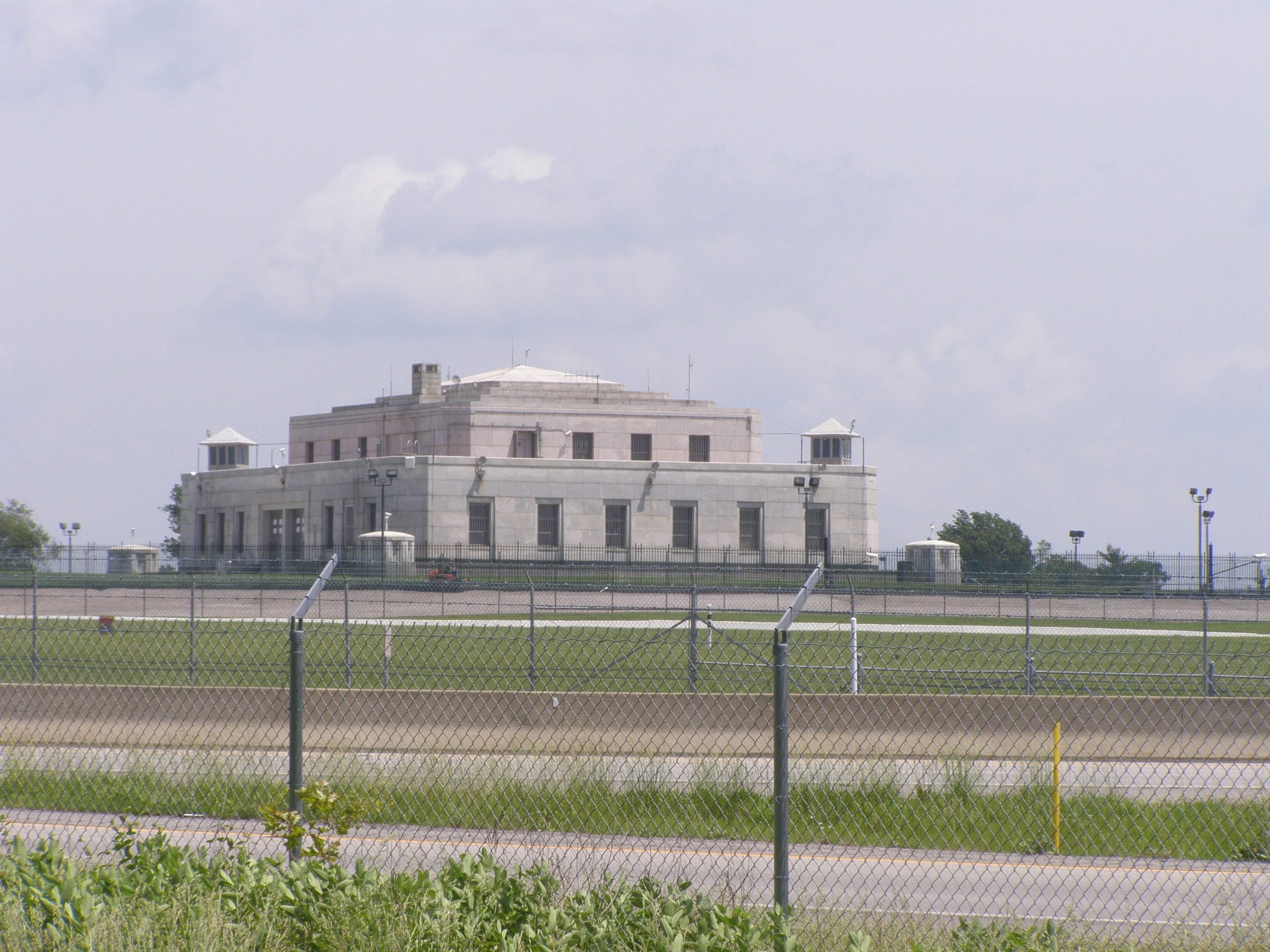
The U.S. Bullion Depository stores gold reserves and is known for its heavy security. Even though the nearby Army installation has facilities that visitors can explore, the gold depository is closed to the public. People cannot simply book a tour or walk up to its doors.
3. Mount Weather, Virginia
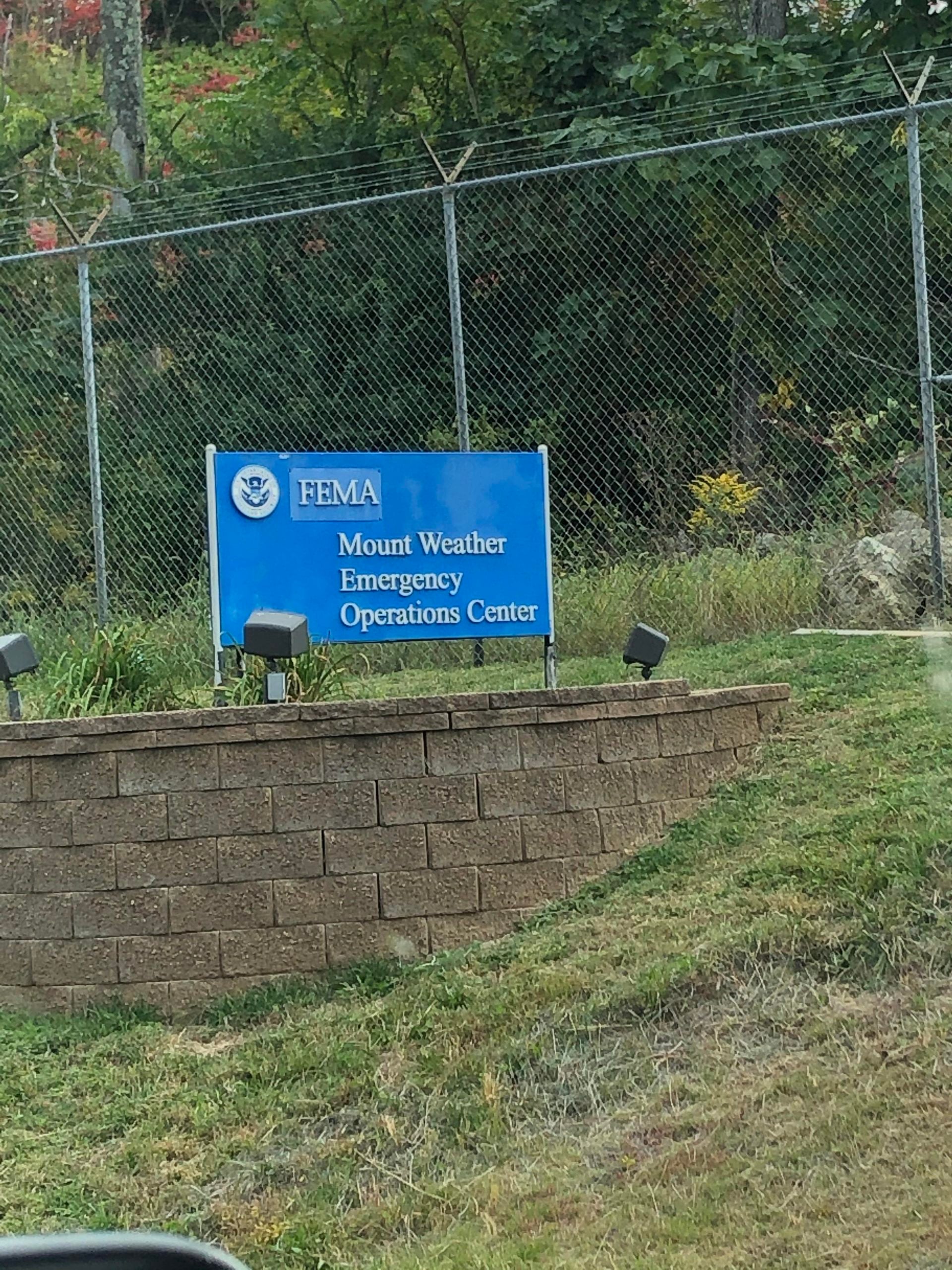
Mount Weather is a government emergency facility hidden in the mountains of Virginia. It is designed to support important government operations during major emergencies. The facility contains protected areas and classified information, so the general public is not allowed to visit.
4. Kahoʻolawe Island Reserve, Hawaii
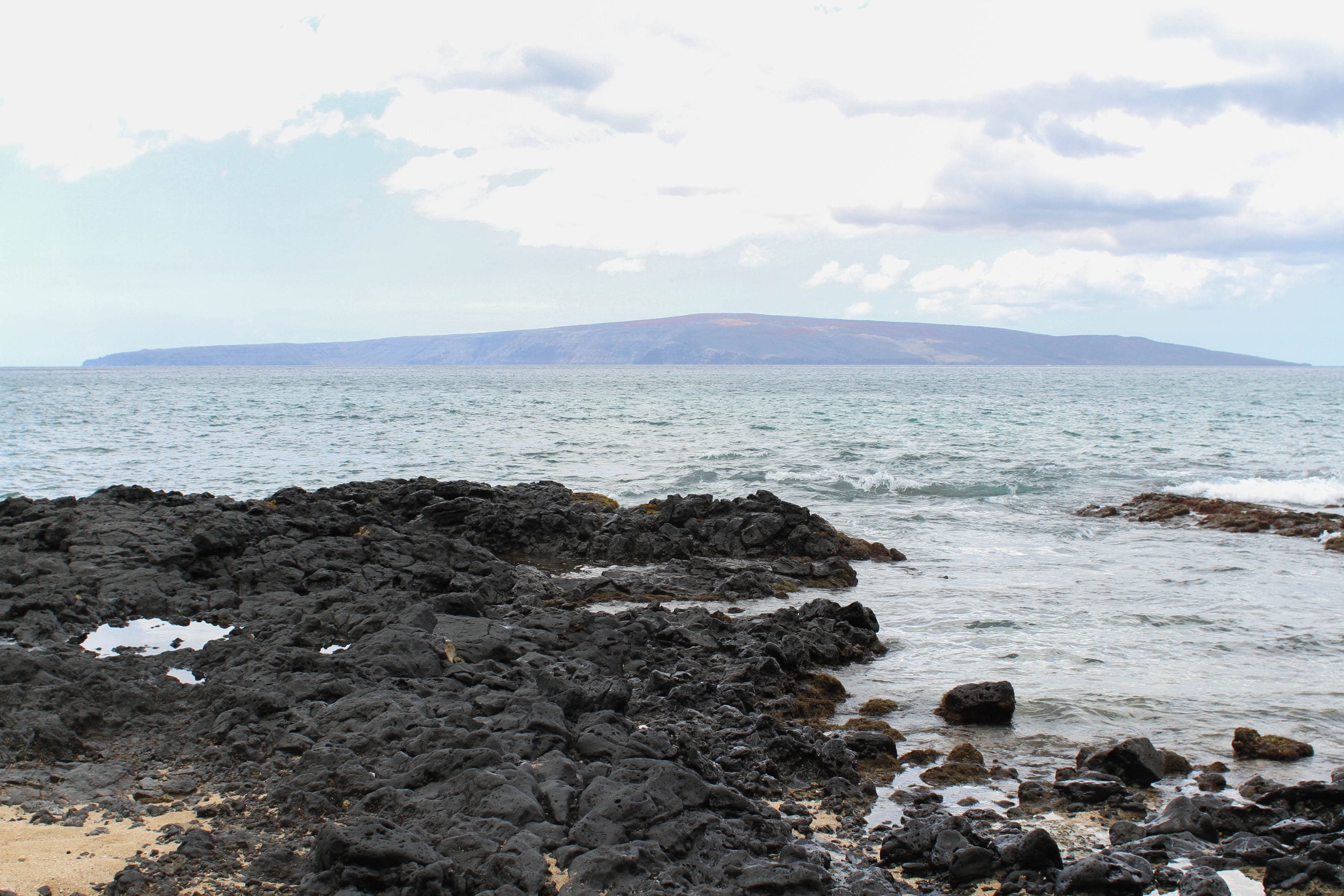
Kahoʻolawe is a Hawaiian island with a painful history and an important cultural role. It was once used by the U.S. military for bombing practice. Today, access to the island and its surrounding waters is restricted because these dangers remain. Visitors need authorization for approved activities.
5. Midway Atoll, Pacific Ocean
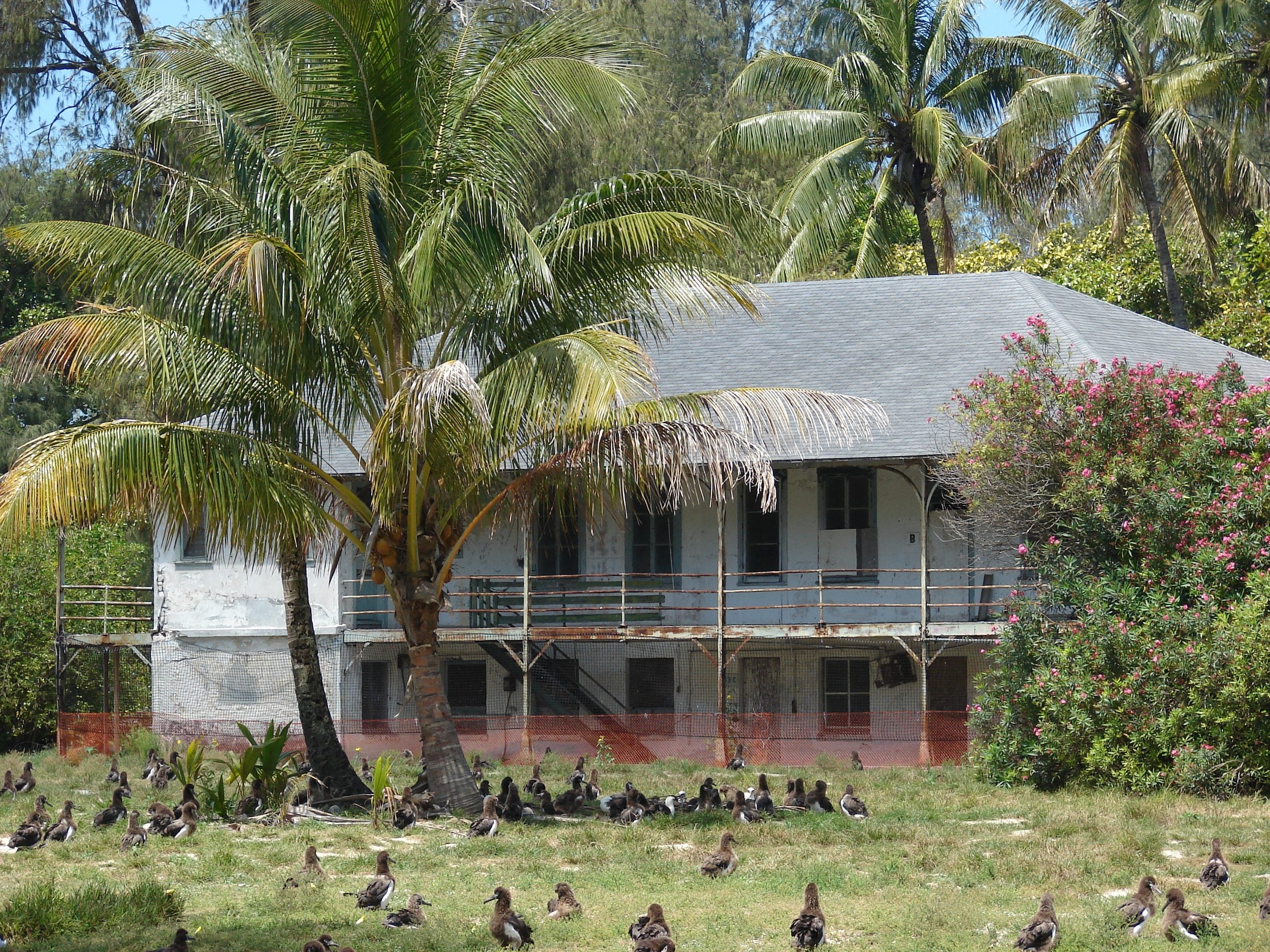
Midway Atoll is a remote group of islands in the Pacific Ocean that provides shelter for seabirds and other wildlife. It also played an important role during World War II, making it a place of both natural and historical interest. Access is limited to activities that support conservation and airport operations.
Trending on Wealth Gang


6. Plum Island Animal Disease Center, New York
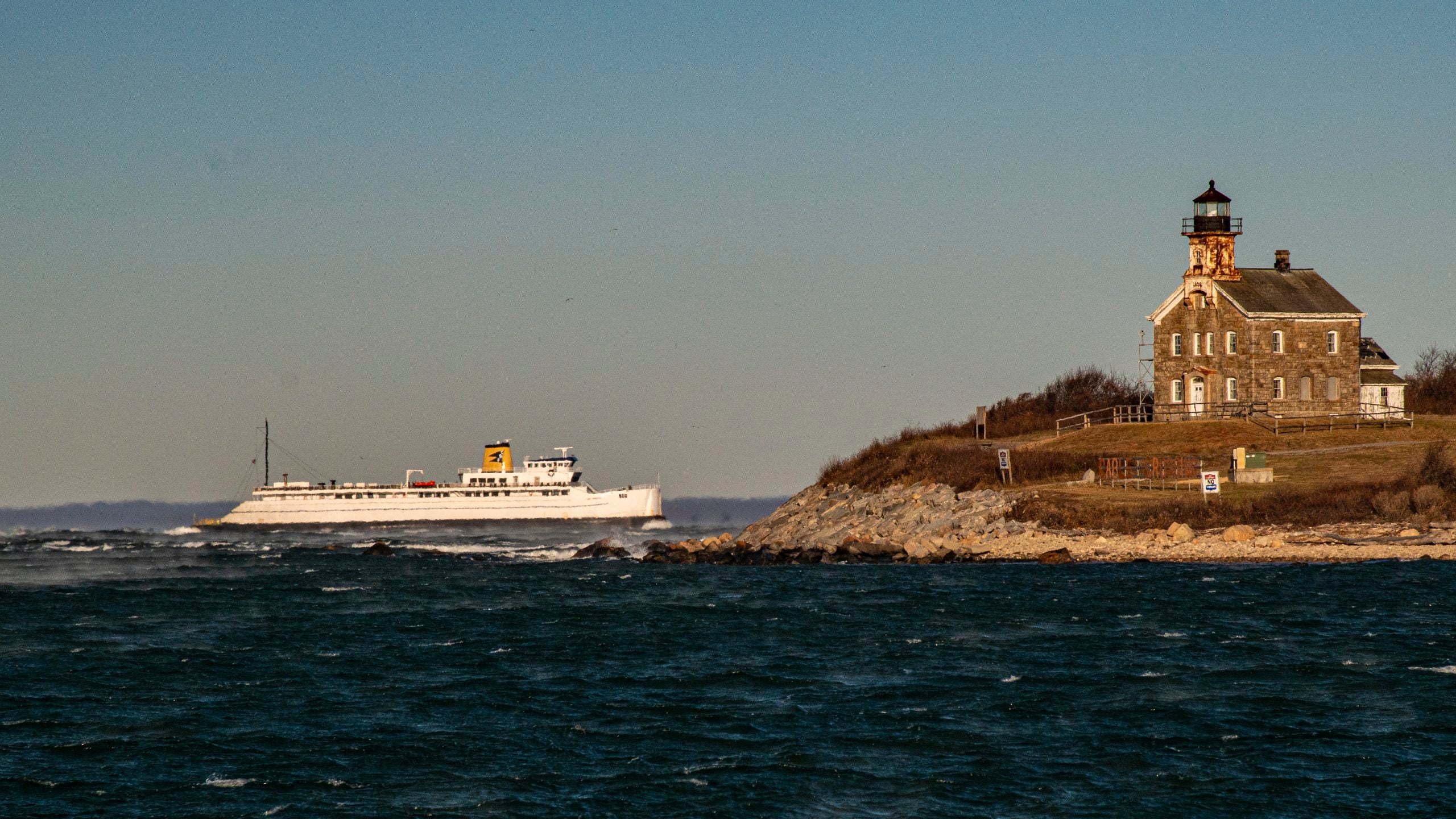
Plum Island sits off the coast of Long Island and has long been home to a federal center that studies animal diseases. Because of the sensitive nature of the research, the island is not a normal tourist destination, and access to the research facilities is controlled.
7. Niʻihau, Hawaii
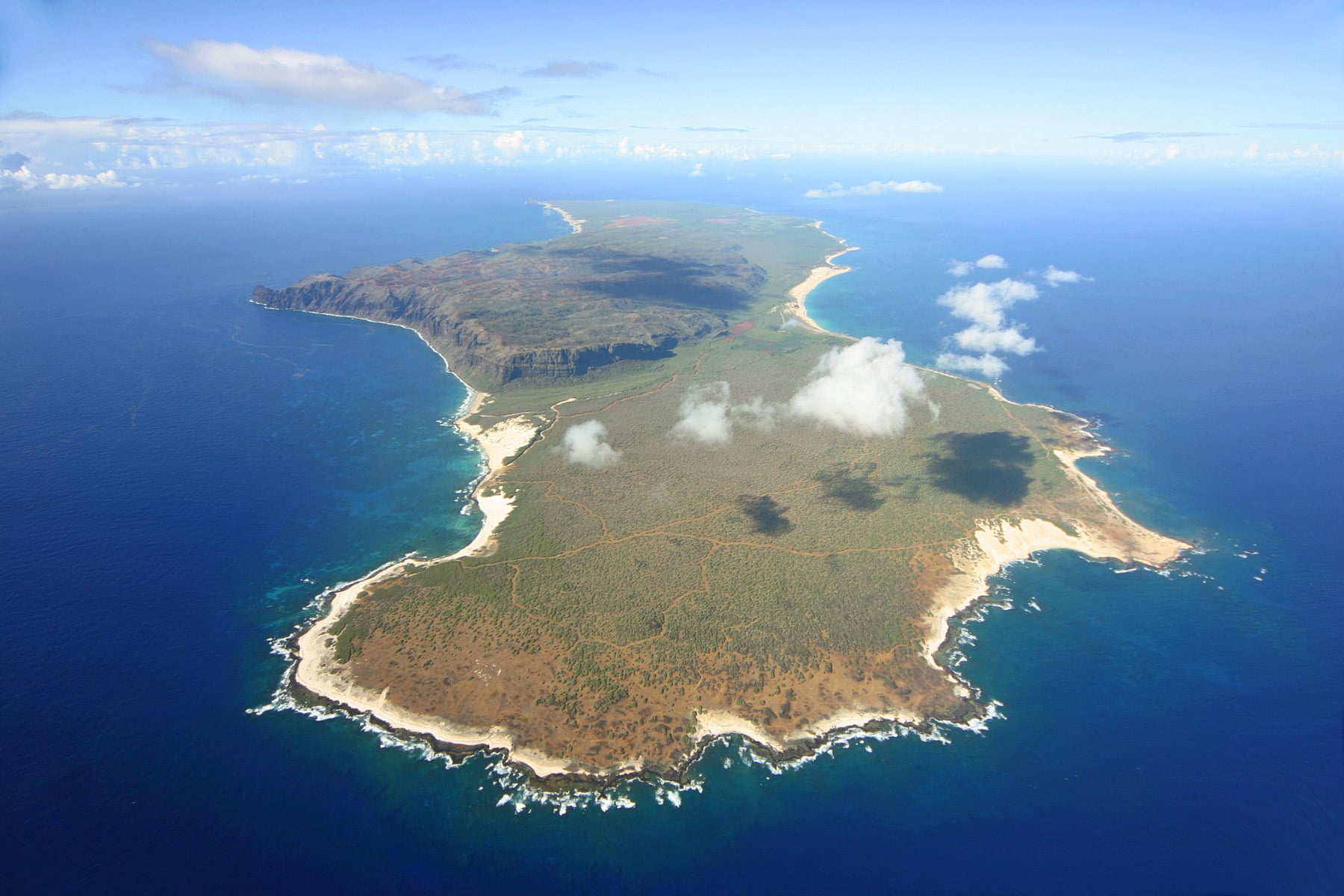
Niʻihau is often called the Forbidden Isle because it is privately owned and access is controlled. The island is home to a small Native Hawaiian community, and its relative isolation has helped preserve local traditions and a distinctive way of life. Ordinary tourists cannot book a hotel, rent a car, or explore its villages.
8. Kalaupapa National Historical Park, Hawaii
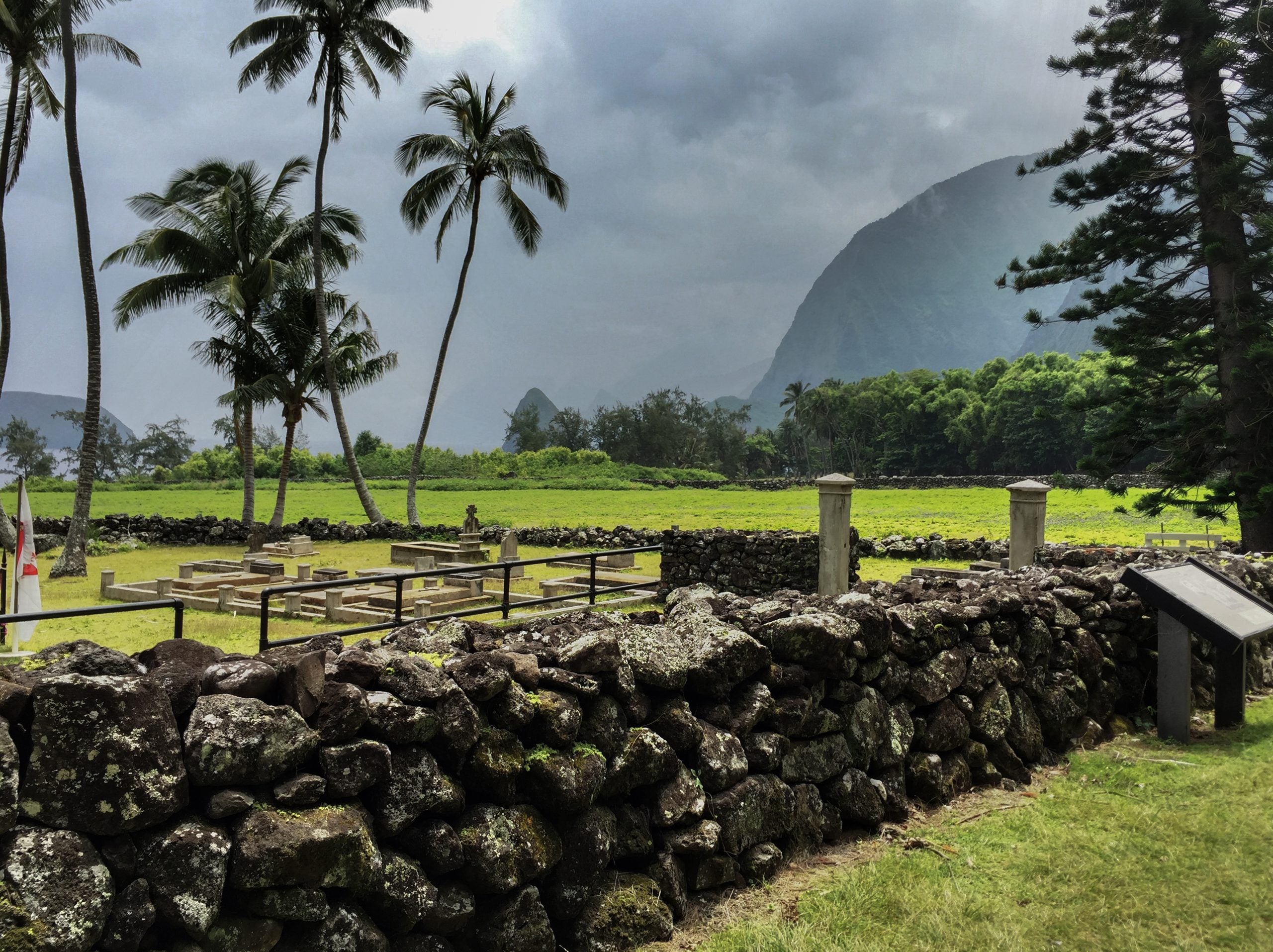
Kalaupapa sits on a remote peninsula on the island of Molokaʻi. In the past, people with Hansen’s disease, also known as leprosy, were forced to live here. Today, the national park preserves their history and is also home to residents whose privacy deserves respect. Visiting is not like entering most national parks: access is restricted and requires approved arrangements.
Sign up for our newsletter
9. The Wave, Arizona & Utah Border Area
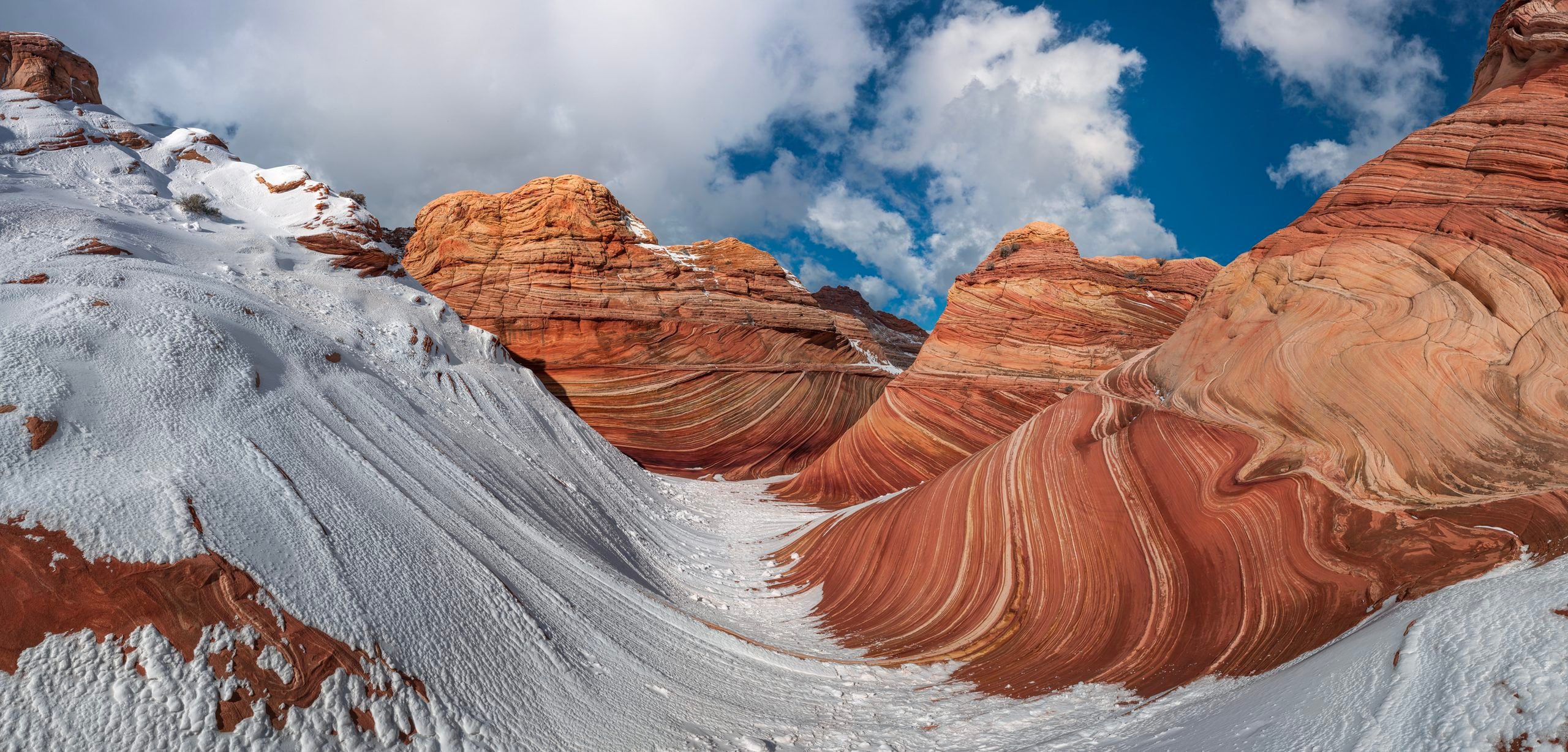
The Wave is a rock formation known for its flowing lines and layers of red, orange, and yellow sandstone. Its unusual shapes make it a favorite among hikers and photographers. The Bureau of Land Management uses a lottery and permit system to limit visits and protect the landscape.
10. The Pentagon, Virginia
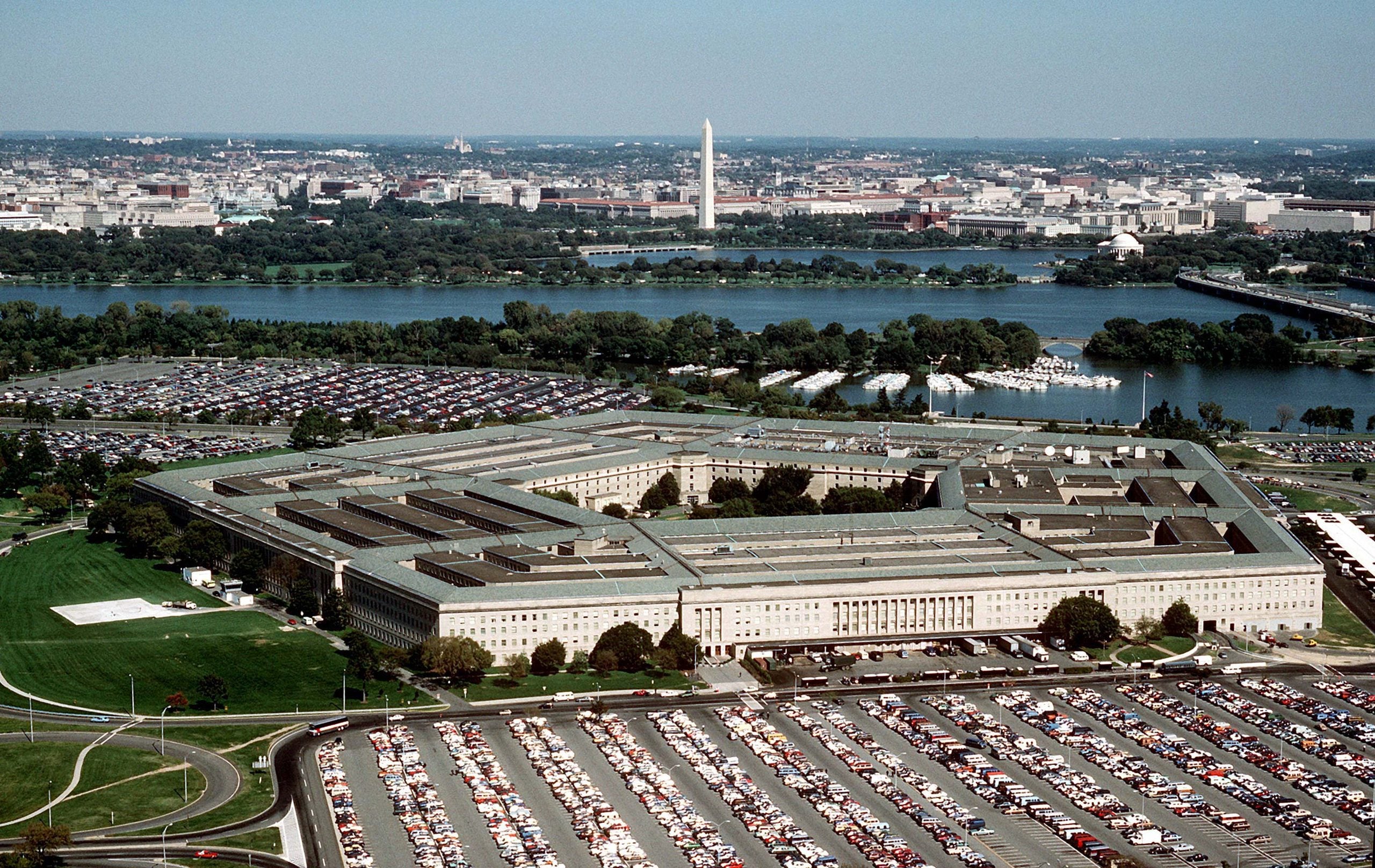
The Pentagon is the headquarters of the U.S. Department of Defense and one of the world’s largest office buildings. While official tours can allow visitors to see parts of the building, entering is not as simple as walking into a public museum. Reservations, visitor registration, identity checks, and security screening are required.
11. The White House, Washington, D.C.
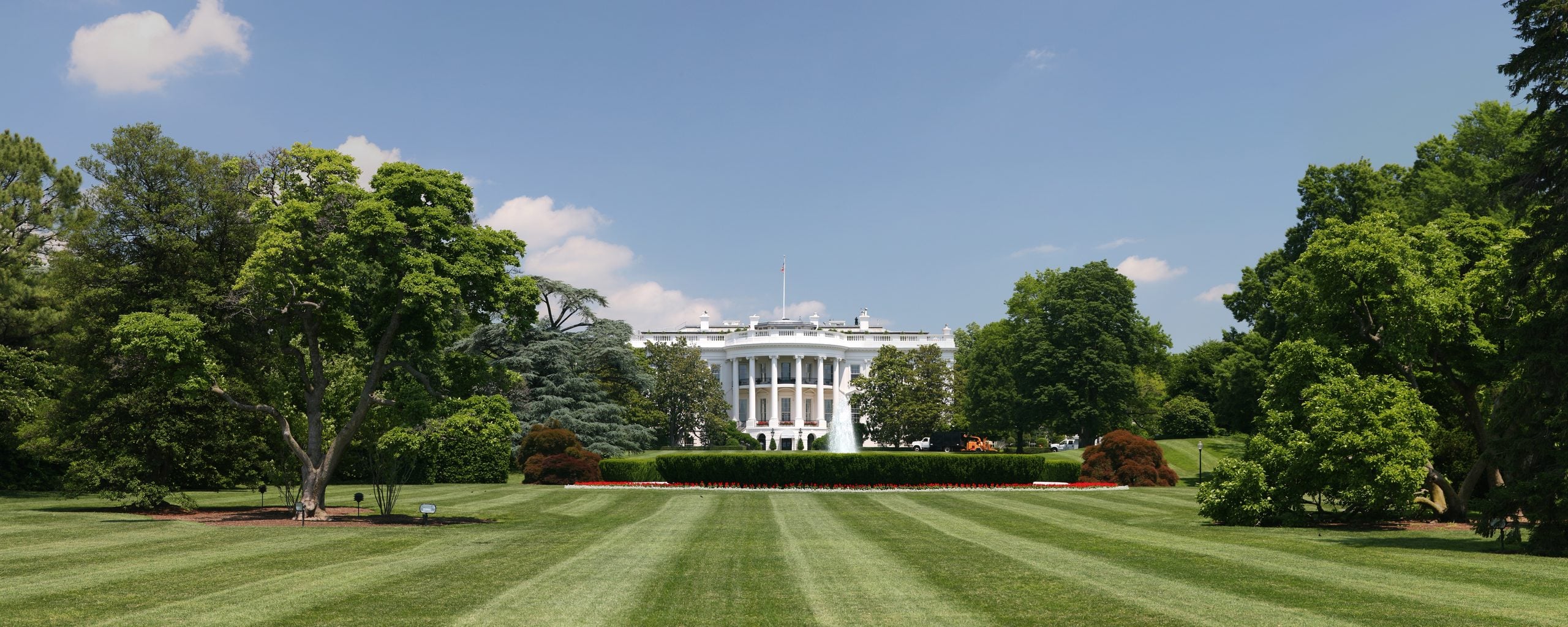
The White House may be one of America’s most famous buildings, but seeing its interior takes more planning than visiting most historic landmarks. Public tours must be requested in advance through a member of Congress, and places are limited. Visitors also have to follow security instructions and provide the required information before their visit.
12. North Brother Island, New York
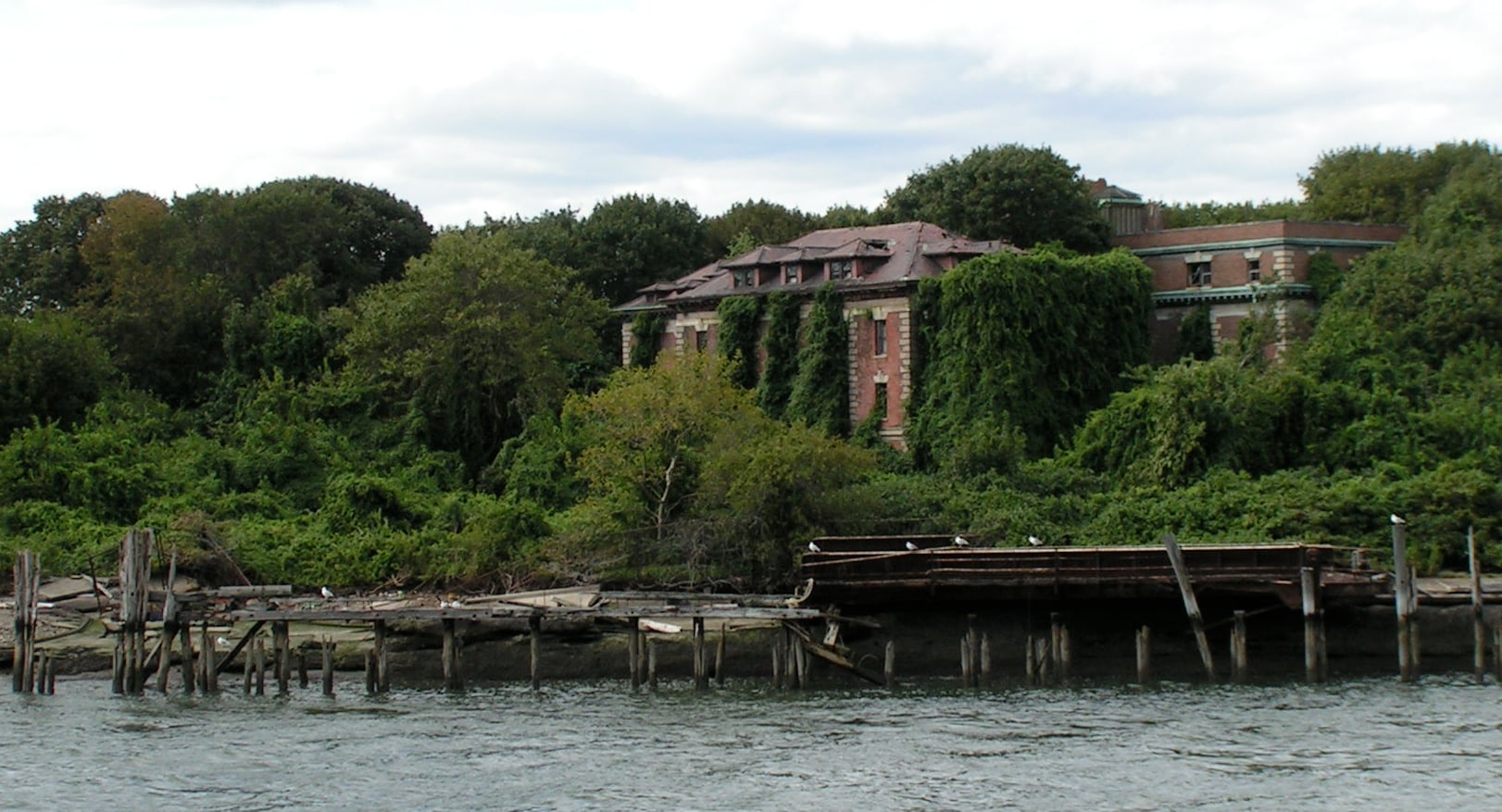
North Brother Island lies in New York City’s East River, not far from the Bronx. It once held a quarantine hospital and later housed other facilities, but its abandoned buildings have been overtaken by plants and trees. The island now serves as a protected natural area, including habitat for nesting birds.