
American business history is full of ideas, fortunes, and companies that transformed the way people live. But behind some of the country’s most recognizable brands and powerful corporations are decisions that went wrong. Some mistakes destroyed famous companies completely, while others shook entire industries.
What makes these stories fascinating is that many of the decisions seemed reasonable to the people making them, at first. From disastrous product launches to corporate fraud and safety failures, the following 14 business decisions demonstrate how a single strategy can influence technology, consumer culture, and markets.
1. Ford’s Edsel Launch

In 1957, Ford Company introduced the Edsel. The company invested in research, development, advertising, and a separate dealer network. The Edsel arrived just as the United States entered a recession, and many customers were becoming more interested in smaller, more economical vehicles. Ford had to discontinue the brand. The lesson was that extensive market research and an enormous advertising budget cannot guarantee success when a company misunderstands its economic environment and its customers’ preferences.
2. Coca-Cola’s decision to replace its formula
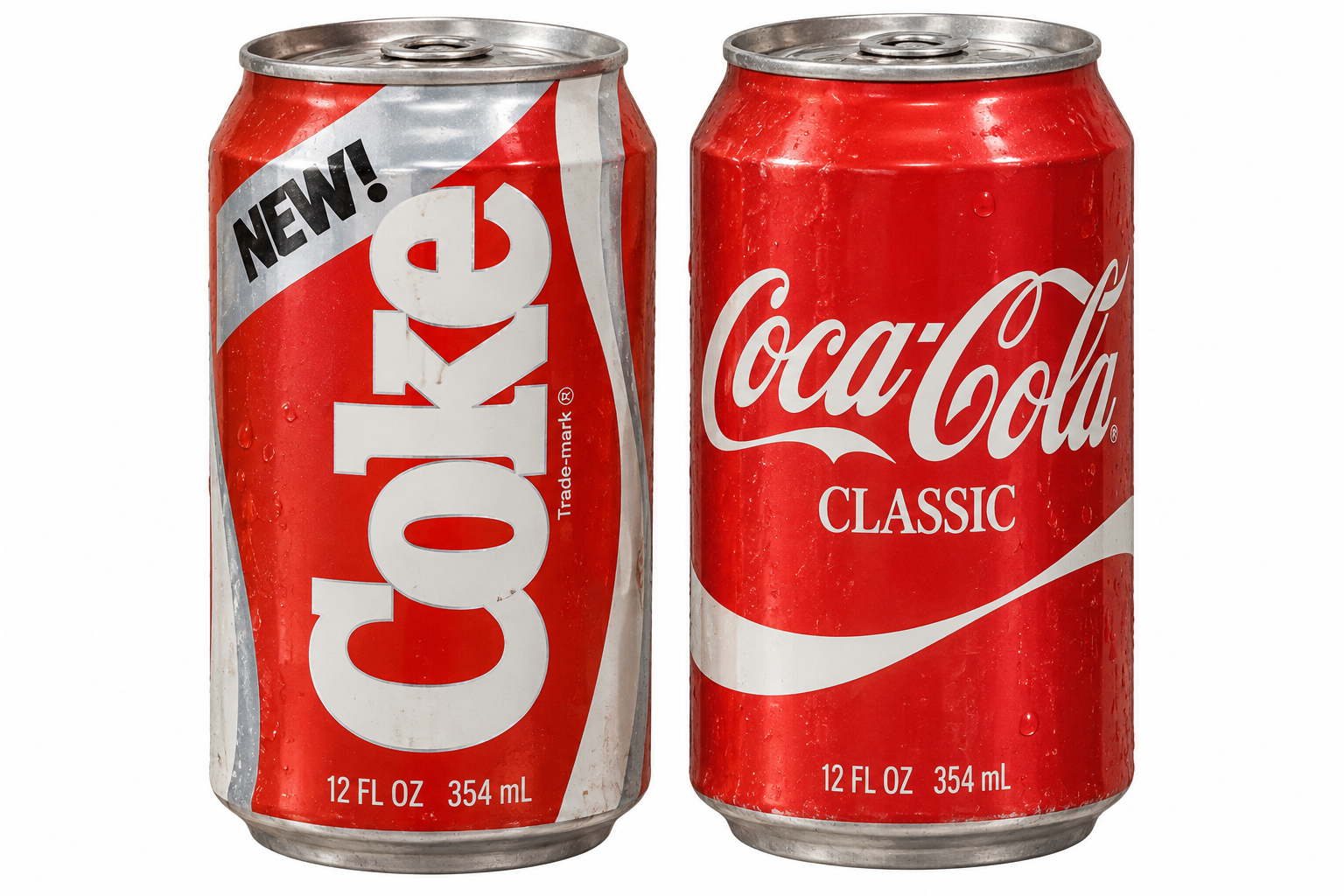
In April 1985, Coca-Cola made a decision that stunned loyal customers: it replaced the familiar formula of its drink with a sweeter alternative called New Coke. The company had been losing ground in the cola market and believed a new taste could help it compete with Pepsi. Protests, angry telephone calls, and public criticism followed the decision. By July 1985, Coca-Cola announced the return of the original formula as Coca-Cola Classic.
3. Kodak’s failure to embrace digital photography
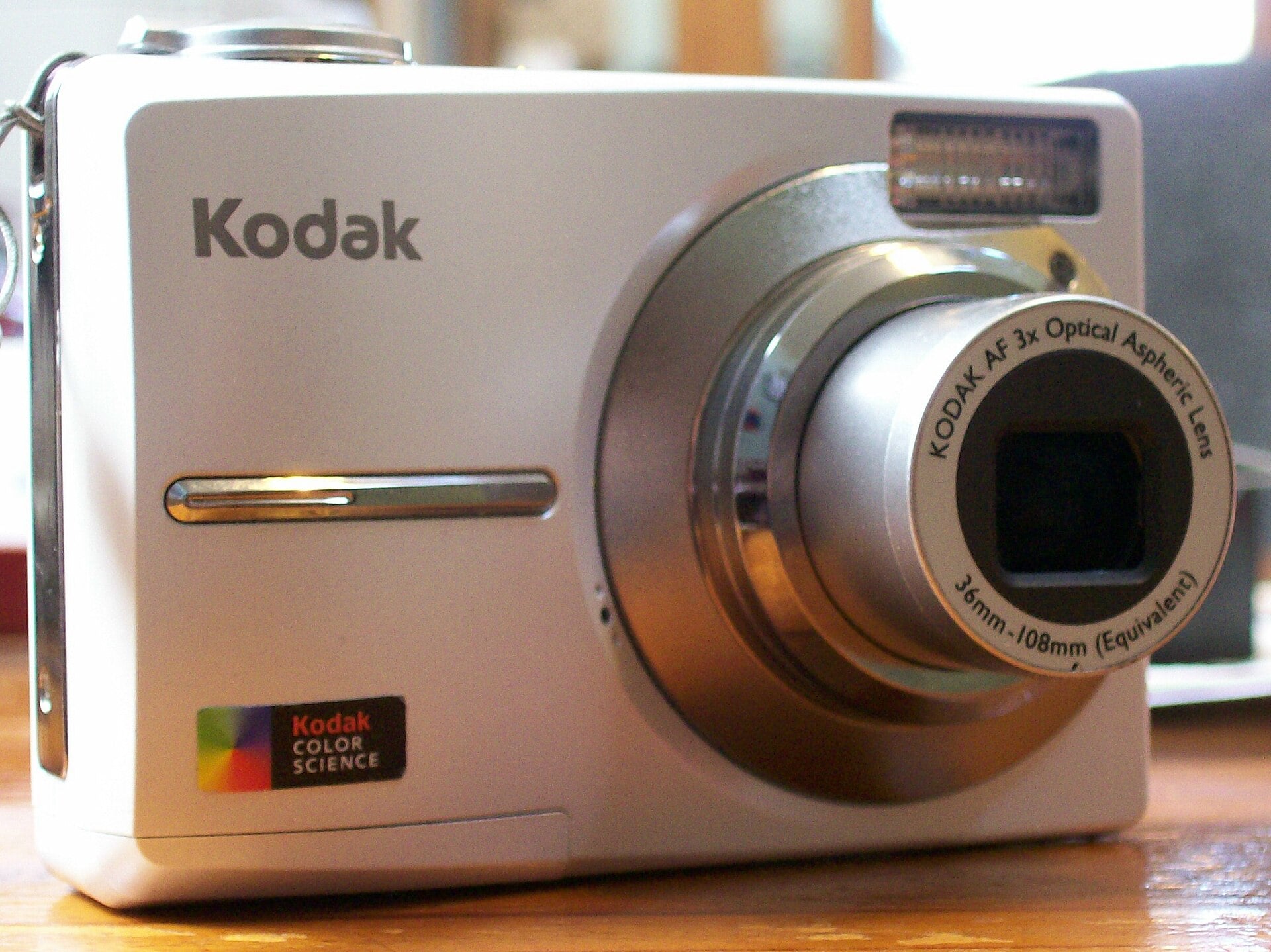
For much of the twentieth century, Kodak was synonymous with photography. Kodak engineers developed an early digital camera prototype in 1975. The company later invested in digital technologies and even sold digital cameras. Moving away from film threatened a highly profitable business that generated major revenue. This story shows a difficult truth about innovation: being first to identify a technology does not mean a company will become the winner. Businesses must be willing to change their business models, even when the new model threatens the products that made them successful.
4. Blockbuster’s slow response to competition
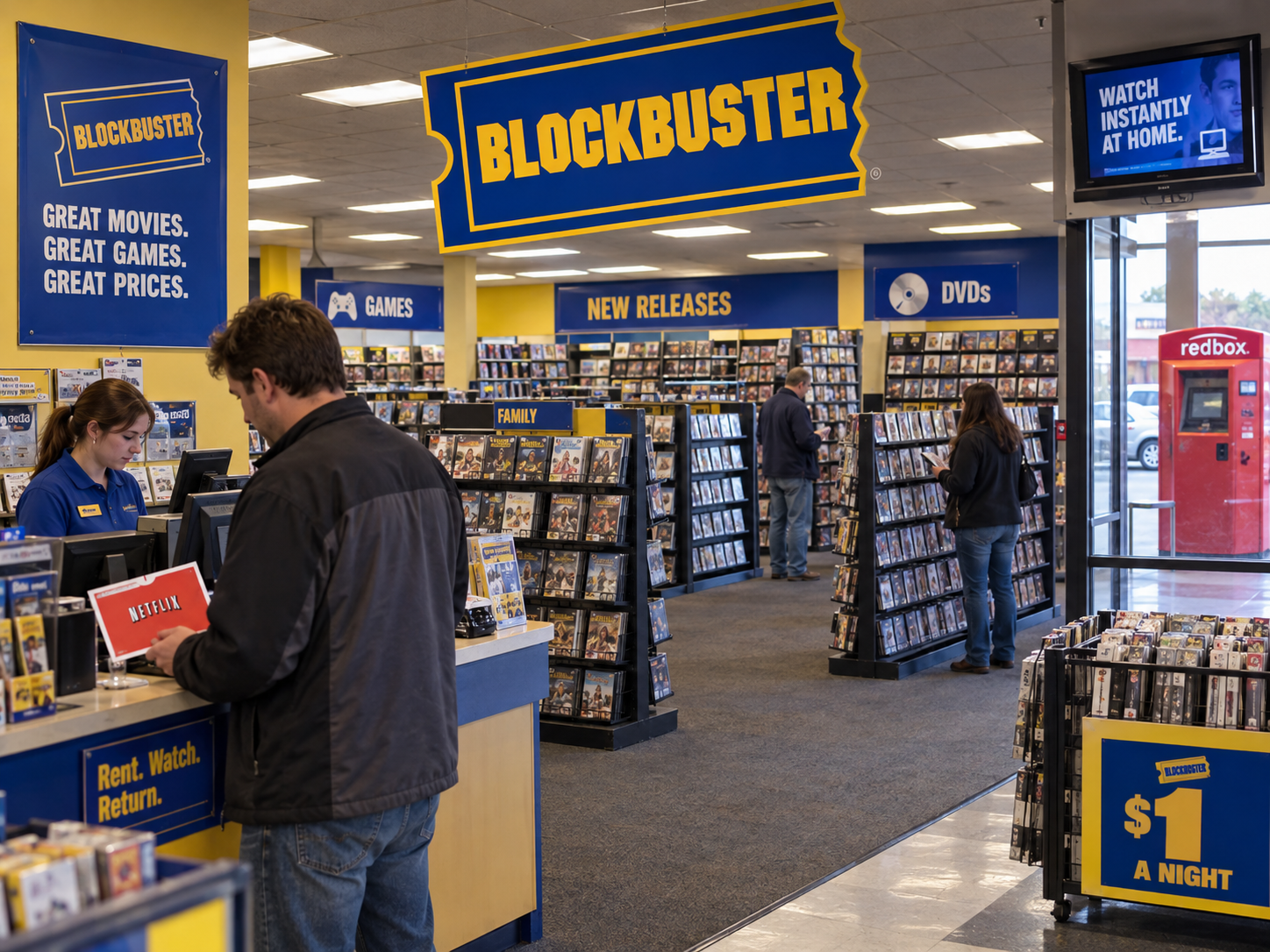
Netflix introduced DVD rentals by mail, Redbox offered convenient rental kiosks, and video-on-demand services gave customers alternatives to visiting a physical store. Blockbuster introduced online rentals, but the company struggled to adapt its store-centered business model. The business that had once dominated movie rentals lost customers to competitors that better accommodated changing viewing habits.
5. IBM helped make Microsoft a giant
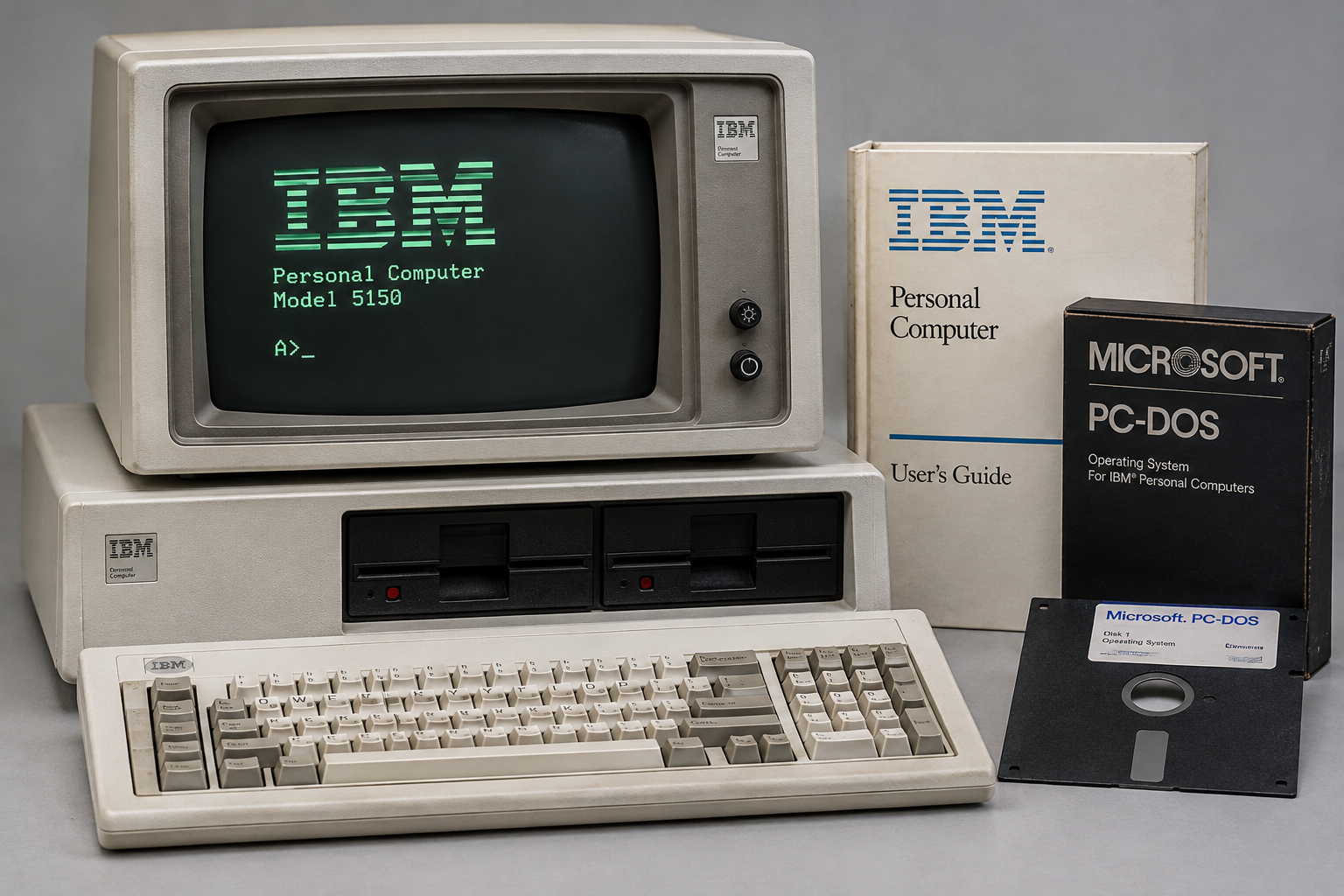
IBM was one of the most powerful names in computing when it introduced its personal computer in 1981. Its entry into the market helped bring computers into offices. Yet one of its software decisions had consequences they did not anticipate. IBM chose Microsoft to supply the operating system for its new personal computer. Microsoft arranged to provide the software that became PC DOS, drawing on an operating system it licensed. Manufacturers could sell hardware running Microsoft’s operating system without needing to buy an IBM computer. Microsoft operating systems became central to the industry.
Trending on Wealth Gang

6. Xerox’s Failure
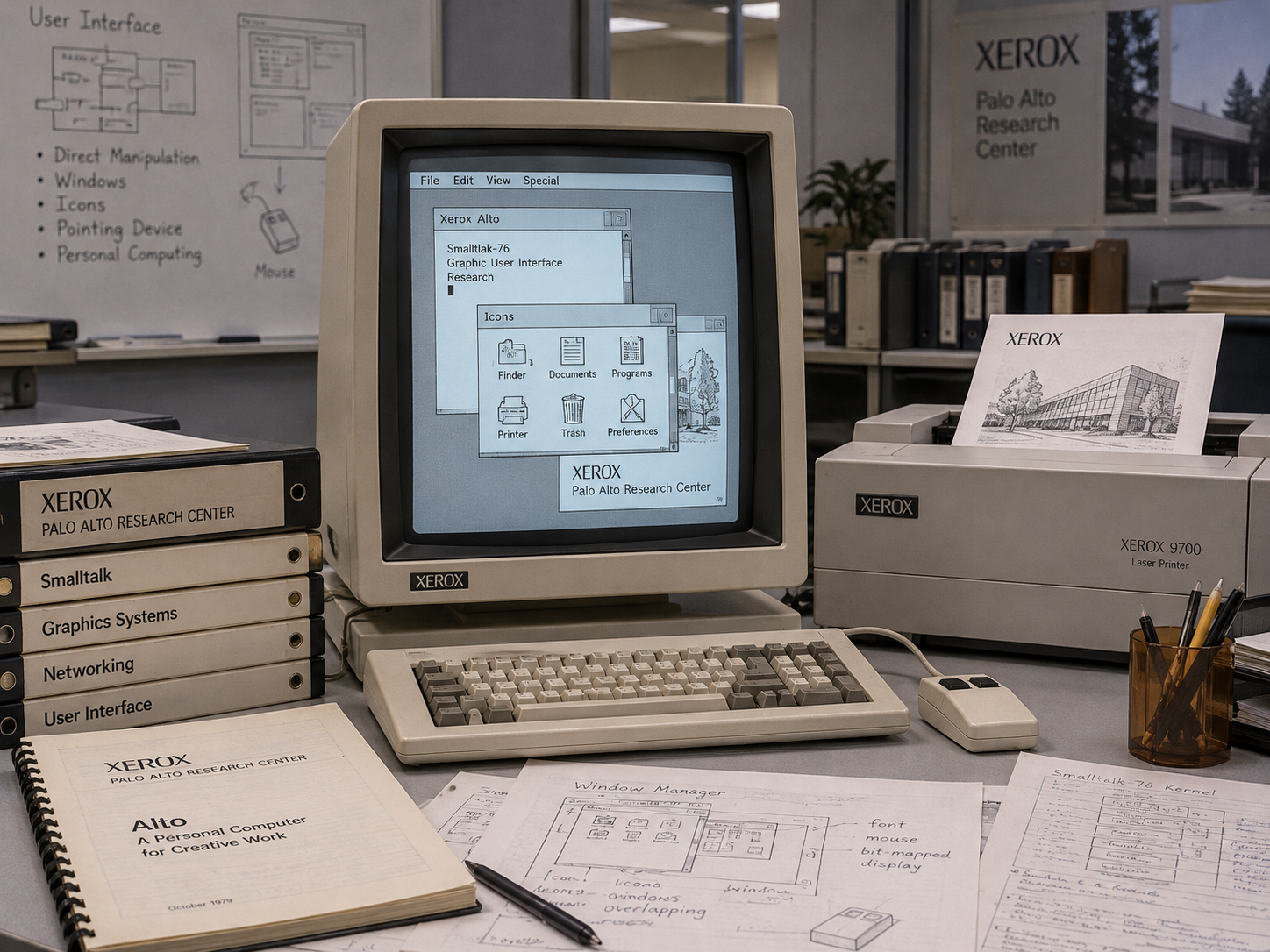
Xerox possessed many of the features for a major role in the computer revolution but struggled to translate its research achievements into a dominant computing business. Xerox did successfully commercialize important inventions, particularly laser printing, but failed to capture the full commercial value of several important innovations before other companies established strong positions in the market.
7. Enron’s Decision to Hide Financial Problems from Investors
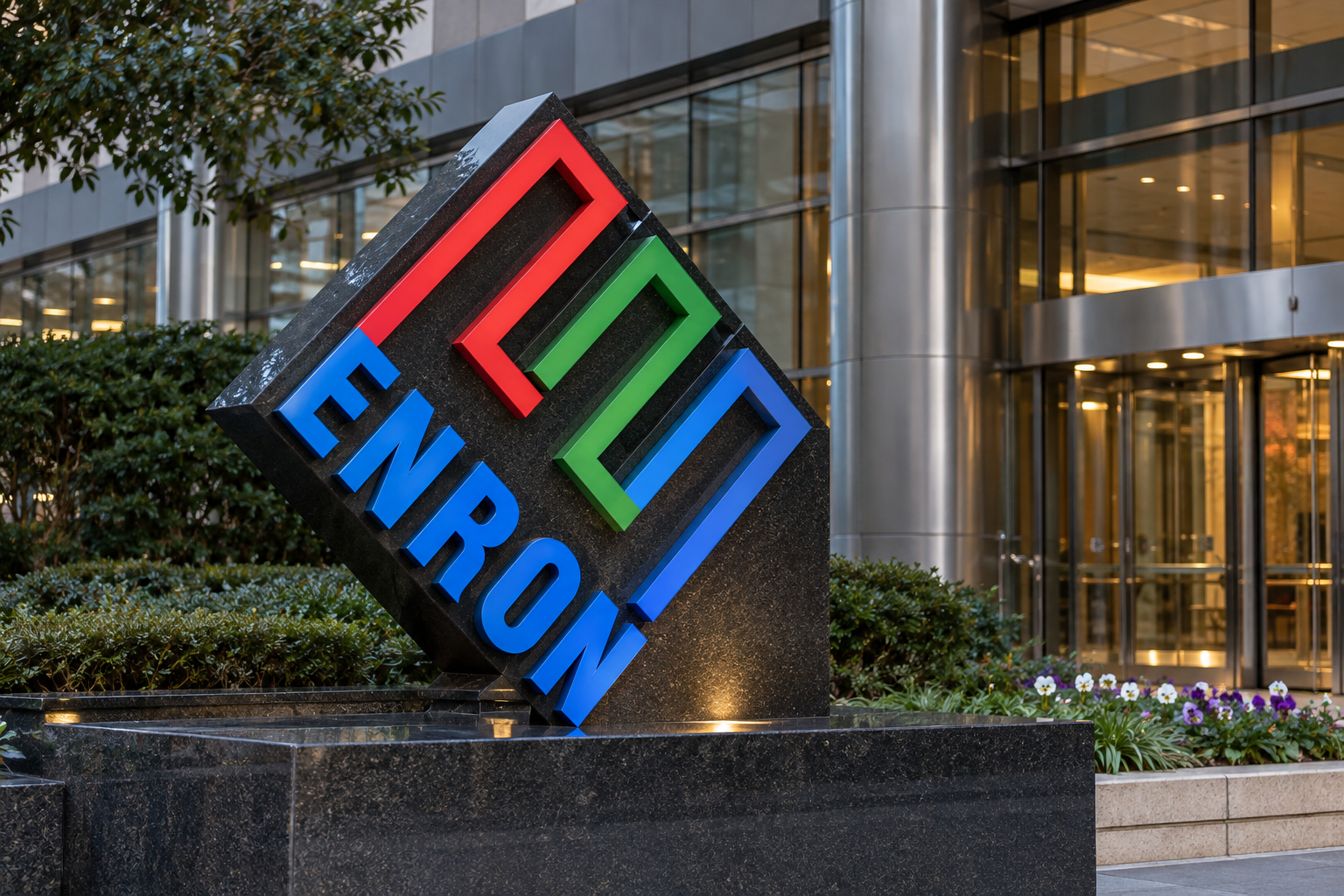
Enron was an energy company. Behind its public image, Enron’s financial reporting hid serious weaknesses. Executives used misleading accounting practices and complex transactions to disguise debt, losses, and present a healthier financial picture. Enron filed for bankruptcy in December 2001, devastating employees who held company stock and investors who had trusted its financial statements.
8. WorldCom’s Decision to Manipulate Its Financial Statements

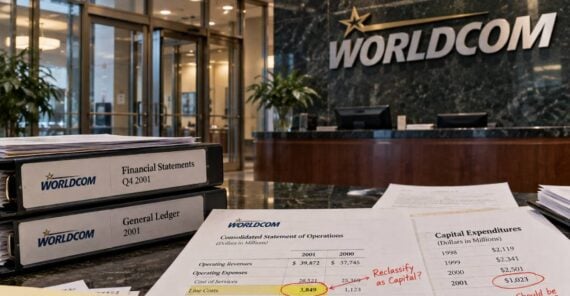
At its height, WorldCom was an important player in the American telecommunications industry, and investors regarded it as a significant growth company. Its collapse resulted from serious accounting fraud. The company improperly classified ordinary operating expenses as capital expenditures, making its financial performance appear stronger. In 2002, WorldCom disclosed billions of dollars in accounting irregularities and filed for bankruptcy protection in July of that year.
Sign up for our newsletter
9. Lehman Brothers’ Decision to Take Financial Risks

Lehman Brothers was a big bank on Wall Street. In the years before 2008, it expanded its exposure to real estate and mortgage-related financial assets. The strategy left the firm vulnerable when mortgage markets deteriorated. Its exposure to mortgage-related assets created growing concerns among investors. On September 15, 2008, Lehman Brothers filed for bankruptcy, and the U.S. economy entered the Great Recession. It was a defining moment because it demonstrated how the failure of a large financial institution could affect the national economy.
10. Countrywide’s pursuit of risky mortgage lending

During the housing boom of the early 2000s, mortgage company Countrywide Financial became one of the main home-lending businesses in the U.S. The business strategy increasingly involved loans with risks, including products that could expose borrowers to rising payments or leave them vulnerable if property values declined. The collapse of risky mortgage lending damaged many Americans. Countrywide’s story illustrates the danger of allowing rapid growth and market share to overshadow the ability of borrowers to repay their debts.
11. Ford’s Pinto Fuel-Tank Safety Problem

The Ford Pinto became one of the most controversial cars in American business history. The controversy arose from the design of the car’s fuel system. Investigations found that certain rear-end collisions could damage the fuel tank, causing gasoline to leak. The Pinto became a symbol in public debates about corporate responsibility and the balance between manufacturing costs and product safety.
12. General Motors’ crisis

General Motors, one of America’s most important car manufacturers, faced a major safety crisis after a defective ignition switch was linked to vehicles losing power. The resulting crisis damaged GM’s reputation and raised difficult questions about the company’s engineering culture and response to safety concerns.
13. Boeing’s Certification of the 737 MAX
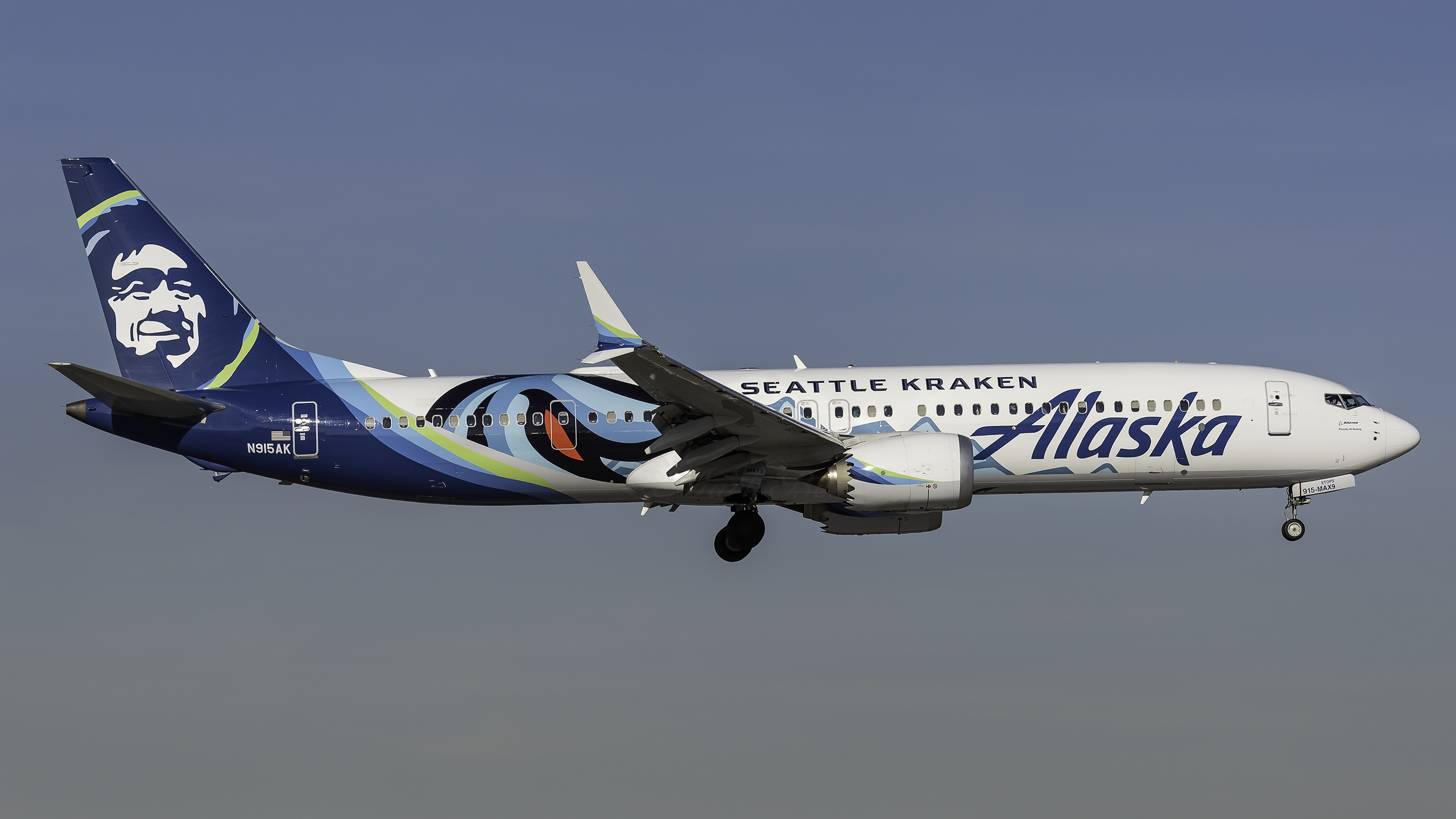
The 737 MAX was developed to compete in a market where airlines wanted more fuel-efficient planes while retaining much of the operational familiarity of earlier 737 models. The program became a disaster after two fatal crashes: Lion Air Flight 610 in October 2018 and Ethiopian Airlines Flight 302 in March 2019. Investigations identified problems involving the aircraft’s Maneuvering Characteristics Augmentation System, as well as problems in training, certification, and organizational oversight.
14. Purdue Pharma’s marketing of OxyContin

Purdue Pharma’s marketing of OxyContin became one of the most well-known corporate controversies in modern American history. Introduced in 1996, the prescription opioid used to be promoted for pain treatment. The consequences were severe: addiction, overdose deaths, and the diversion of prescription painkillers contributed to a public-health crisis that affected communities across the U.S. Purdue’s history illustrates why commercial success cannot be measured only in revenue or market share. In industries that affect human health, accurate information and responsible marketing against misuse are essential.