We flip a light switch, grab a paperclip, or pour cereal into a bowl without ever stopping to wonder where these everyday objects came from. That’s the funny thing about great inventions: the better they work, the more invisible they become. They stop feeling like inventions at all and start feeling like they were just always there.
But every single one of these things has a story, and usually a surprising one. Some came from wartime necessity, others from happy accidents, and a few from inventors who had no idea they were about to change daily life forever. Here are 14 inventions hiding in plain sight, along with the stories behind them.
1. Paperclips
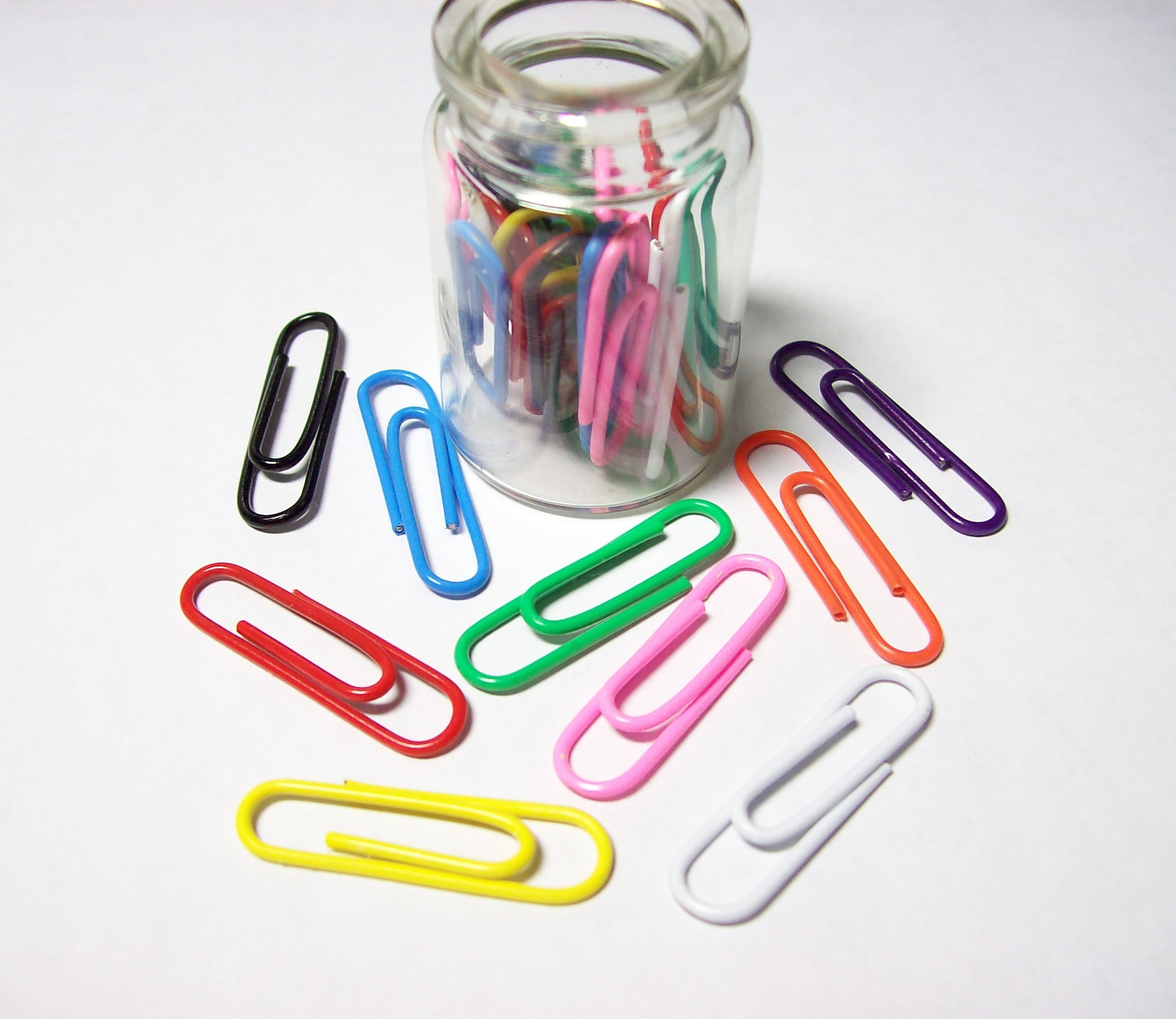
It seems too simple to have a real inventor, but the modern paperclip design is credited to a Norwegian named Johan Vaaler, who patented a similar idea back in 1899. Interestingly, the version most of us actually know came from an unnamed British manufacturer. Vaaler became a hero in Norway, and during World War II, Norwegians wore paperclips on their lapels as a quiet act of resistance against Nazi occupation.
2. Bubble Wrap

Bubble wrap wasn’t invented to protect packages at all; it was supposed to be textured wallpaper. In 1957, engineers Alfred Fielding and Marc Chavannes sealed two shower curtains together and trapped air bubbles between them, hoping to sell it as a trendy new wall covering. It wasn’t until IBM needed a way to ship a new computer safely that bubble wrap finally found its true calling.
3. The Microwave Oven
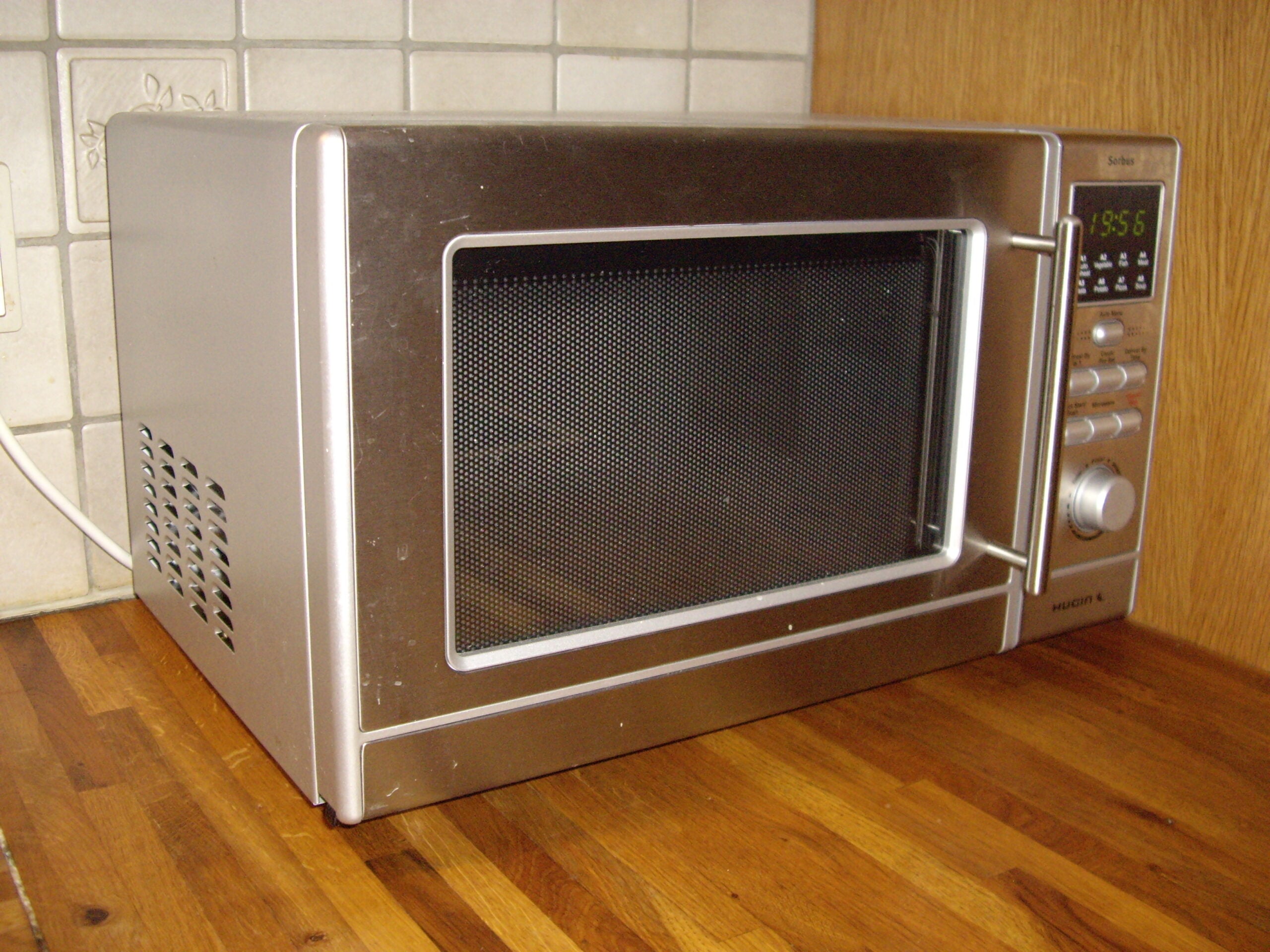
This one came from an accident. In 1945, engineer Percy Spencer was working with radar equipment when he noticed a candy bar in his pocket had melted. His employer, Raytheon, filed a patent within the year, and by the 1970s, microwaves had made their way into kitchens everywhere.
4. Velcro
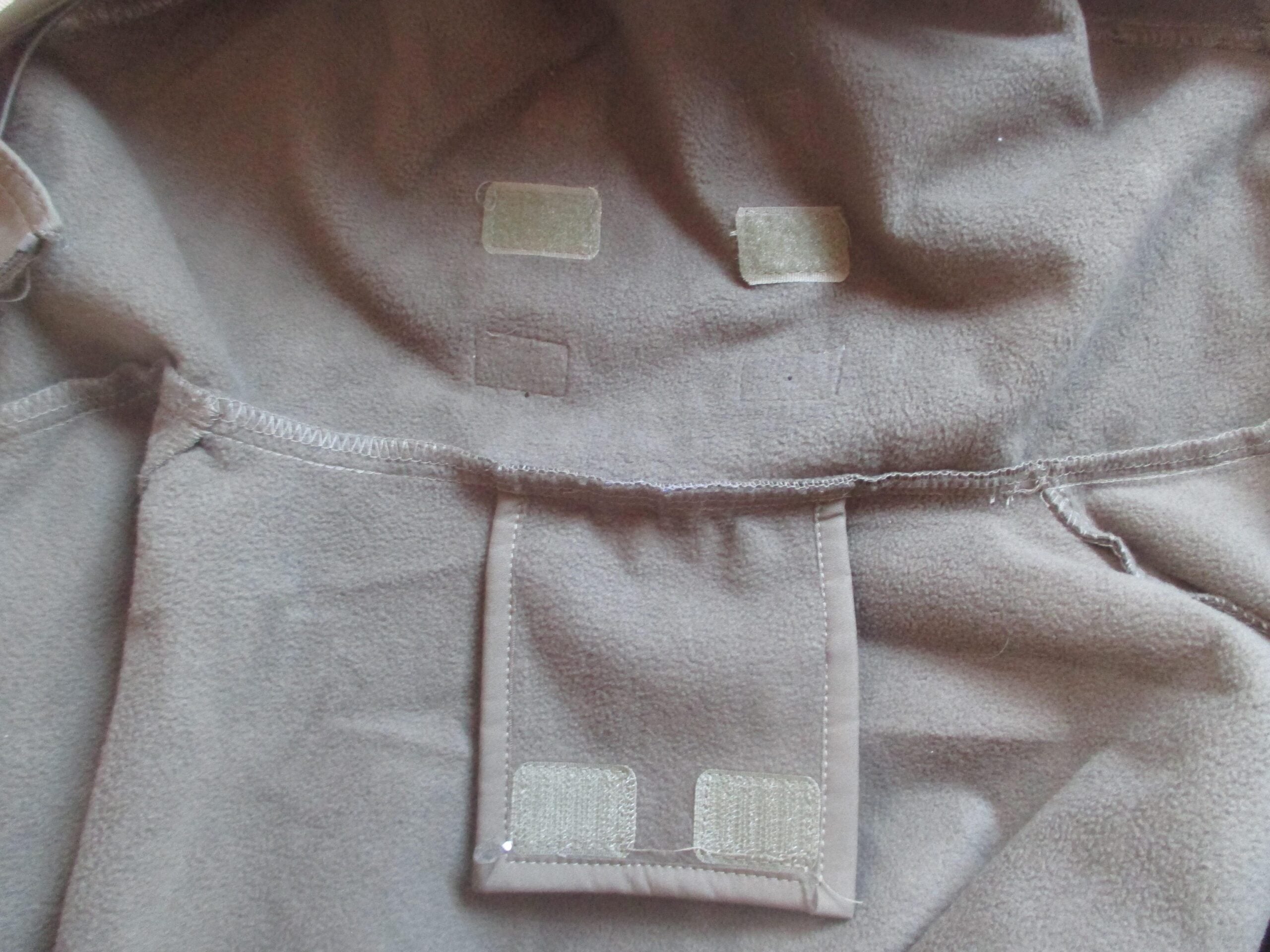
Velcro was inspired by a walk in the woods. Swiss engineer George de Mestral returned from a hike in the 1940s covered in burrs. He noticed their tiny hooks clung to fabric and fur, and spent years figuring out how to replicate that natural design. It took nearly a decade to perfect, but by the 1960s, Velcro was being used from clothing to NASA space suits.
5. Can Opener
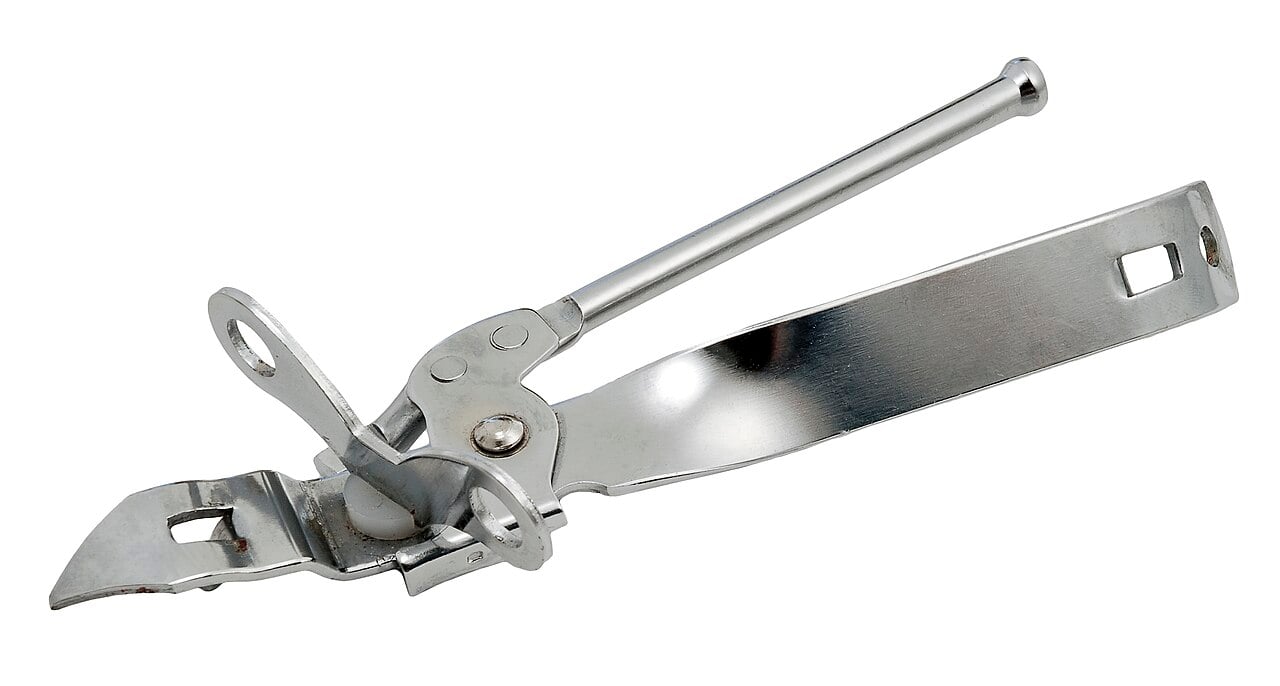
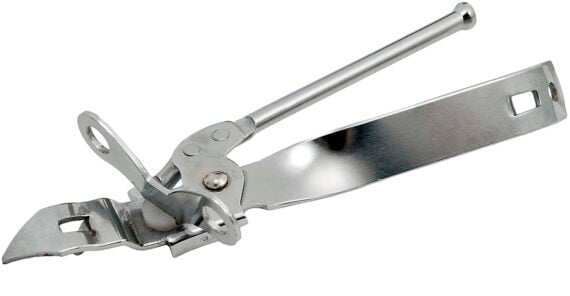
Cans were invented about 50 years before anyone invented a proper way to open them. It wasn’t until 1858 that Ezra Warner patented the first can opener in the U.S. The familiar rotating-wheel version didn’t arrive until the 1870s, finally making canned food practical for home use.
Trending on Wealth Gang


6. Post-it Notes

Post-its exist because of a failed adhesive. In 1968, a chemist named Spencer Silver was trying to invent a super strong glue and instead created one that was weak and reusable. It sat around unused for years until his colleague Art Fry realized the “bad” glue was perfect for a sticky-but-removable bookmark. Post-it Notes hit shelves in 1980 and never left.
7. Bubble Gum

Chewing gum had been around for a while, but bubble gum specifically came from a happy accident. In 1928, an accountant named Walter Diemer was experimenting with gum recipes in his spare time and stumbled into a formula that was stretchier and less sticky than regular gum. He dyed it pink because that was the only food coloring he had on hand.
8. Zipper
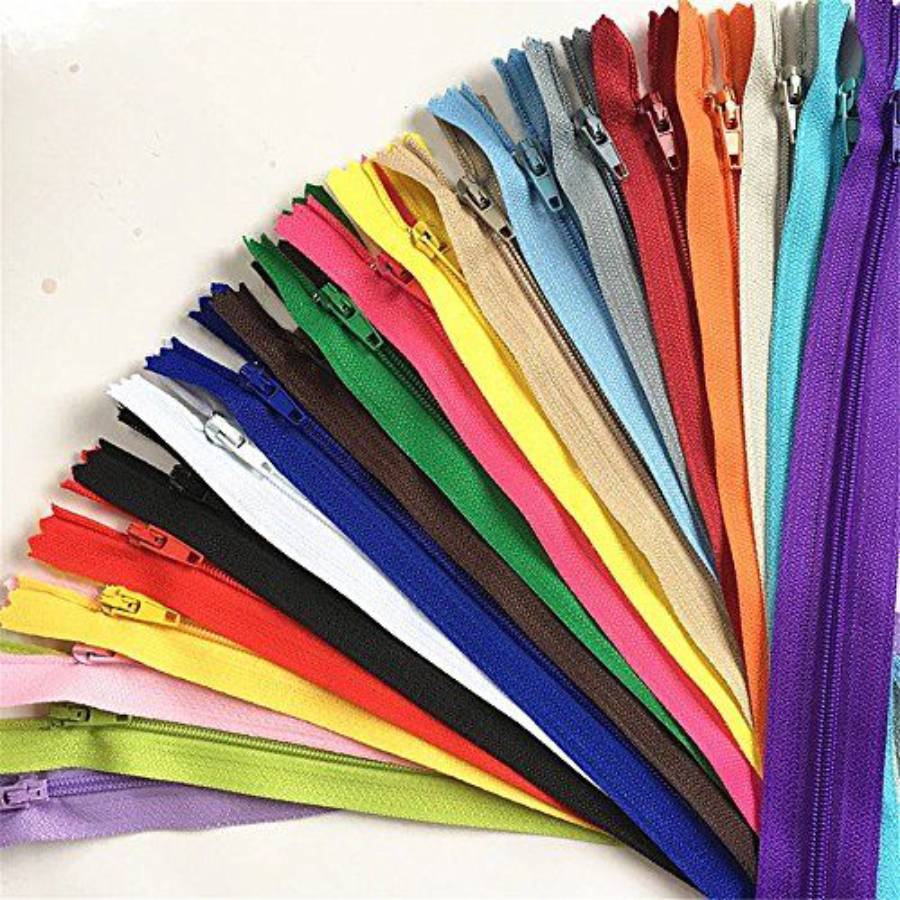
The zipper went through several failed versions before it worked. Whitcomb Judson introduced a clunky hook-and-eye version in 1893, and it took another engineer to finally perfect the teeth design we use today in 1917. Even then, it took years before clothing manufacturers trusted it enough to use it widely.
Sign up for our newsletter
9. Corn Flakes
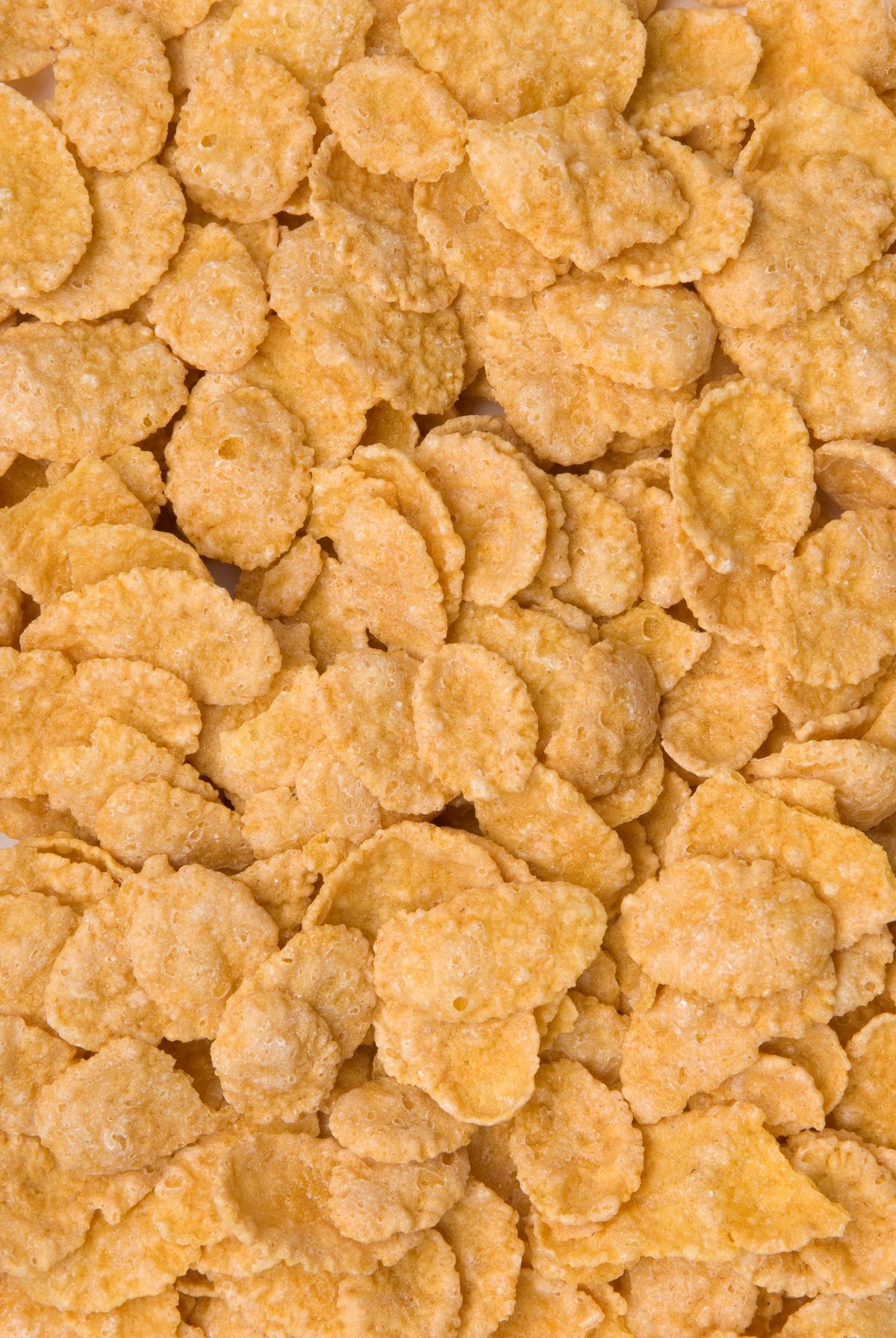
Corn flakes were invented almost by accident in Michigan. Brothers John Harvey and Will Keith Kellogg were experimenting with boiled wheat for patients when they accidentally let a batch sit too long. Rather than toss it, they rolled it into flakes and found people loved the texture. They later applied the same method to corn, and breakfast in America was never the same.
10. The Safety Pin
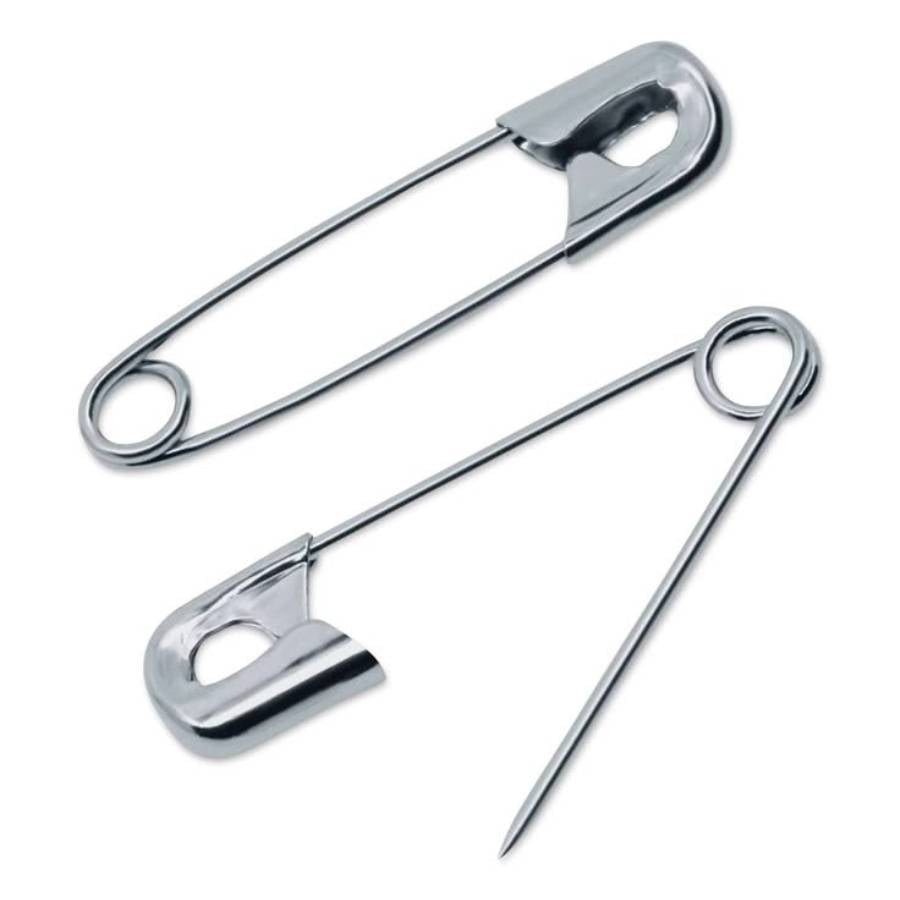
The safety pin was invented in just a few hours by a man who needed quick cash. In 1849, inventor Walter Hunt owed a friend $15 and twisted it into the coiled shape we recognize today. He sold the patent rights outright for $400 to pay off his debt, never realizing how much money the design would eventually make for someone else.
11. The Stapler
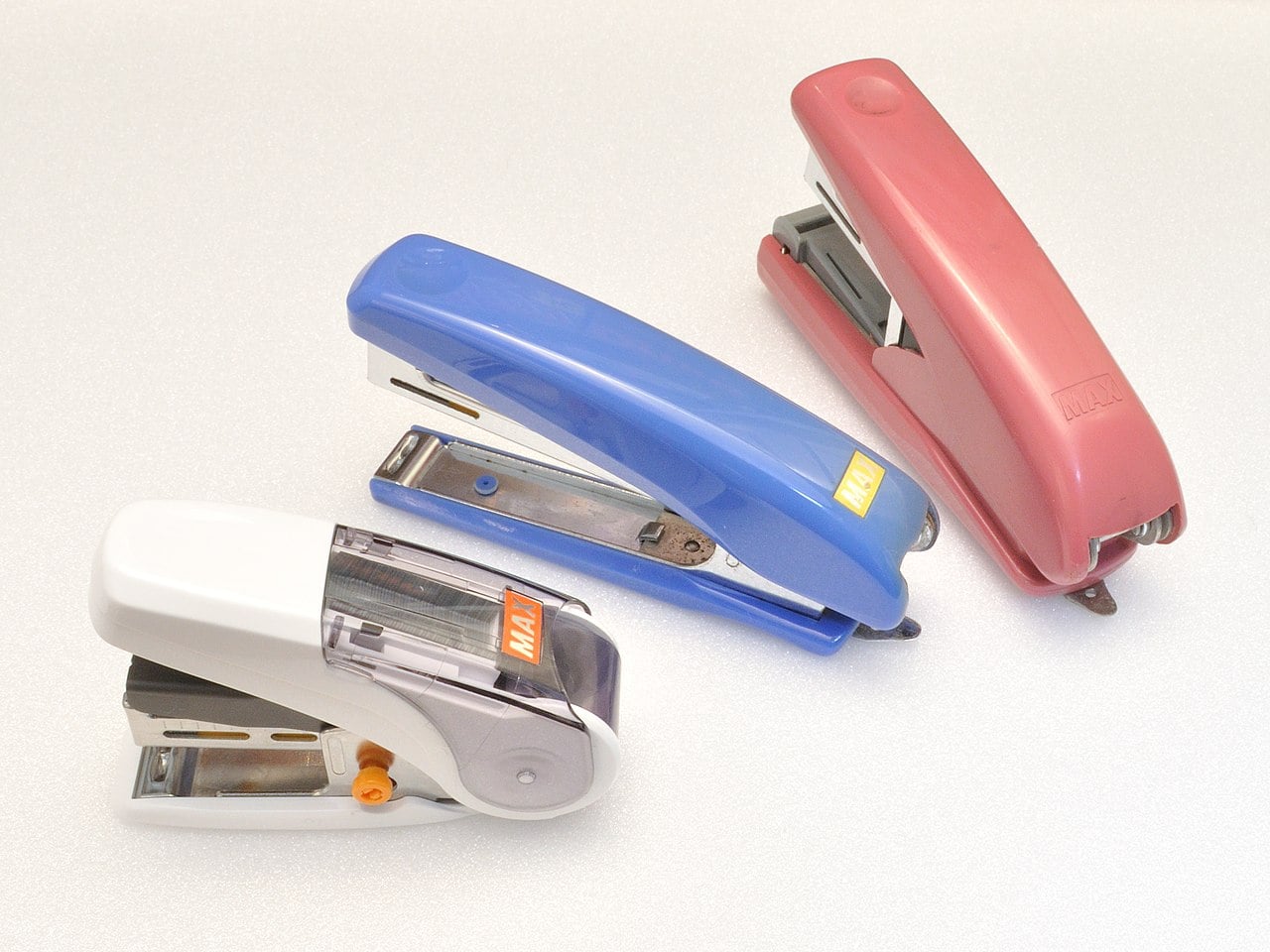
Long before staplers were a desk essential, they were built for royalty. The first known stapler was reportedly made for King Louis XV of France in the 1700s. Practical, mass-produced staplers didn’t show up until the late 1800s.
12. The Slinky
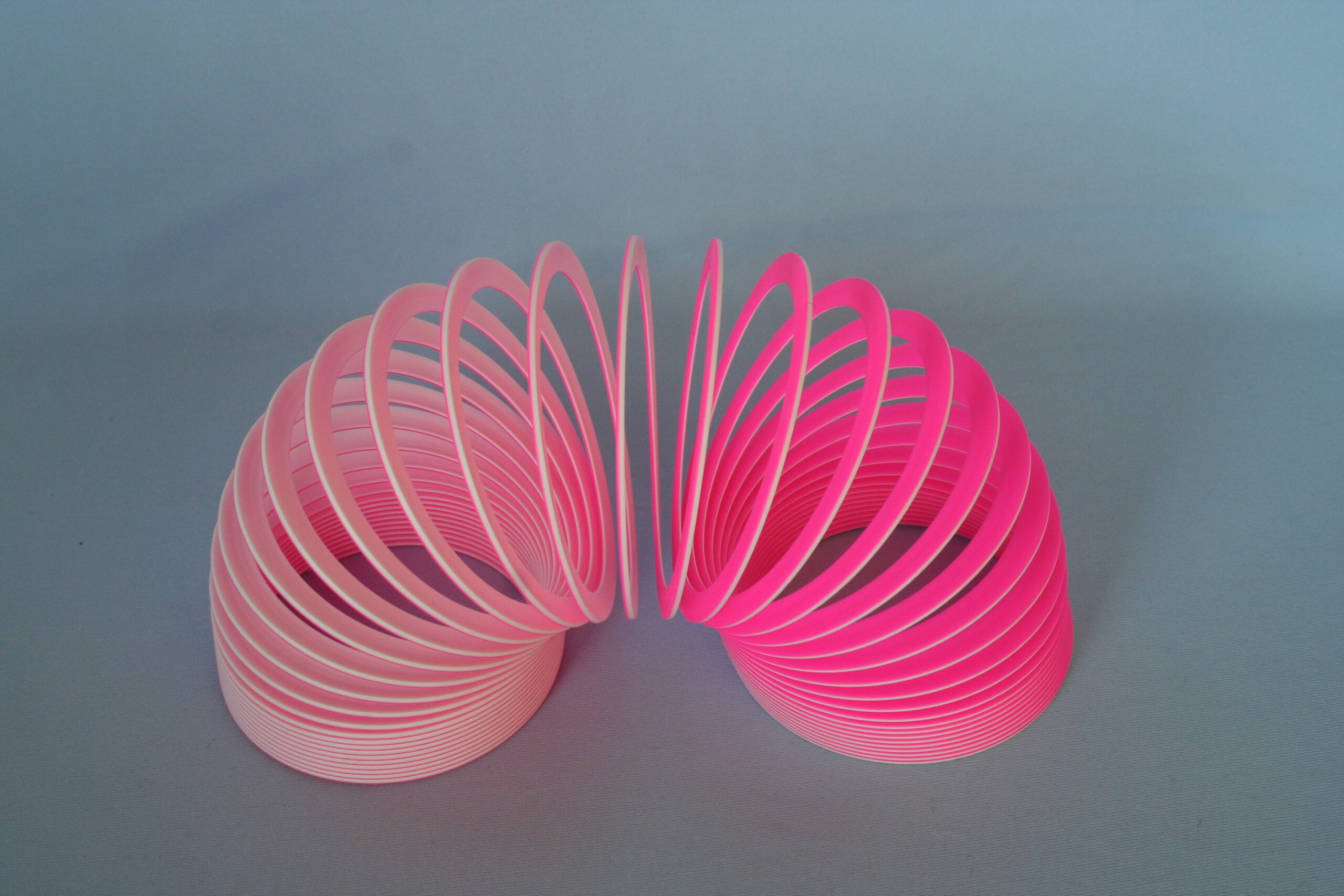
The Slinky came from a naval engineer’s mistake. In 1943, Richard James was working on springs meant to stabilize equipment on ships when one accidentally fell off a shelf and “walked” down instead of just dropping. When it launched in 1945, the first 400 units sold out in 90 minutes.
13. WD-40
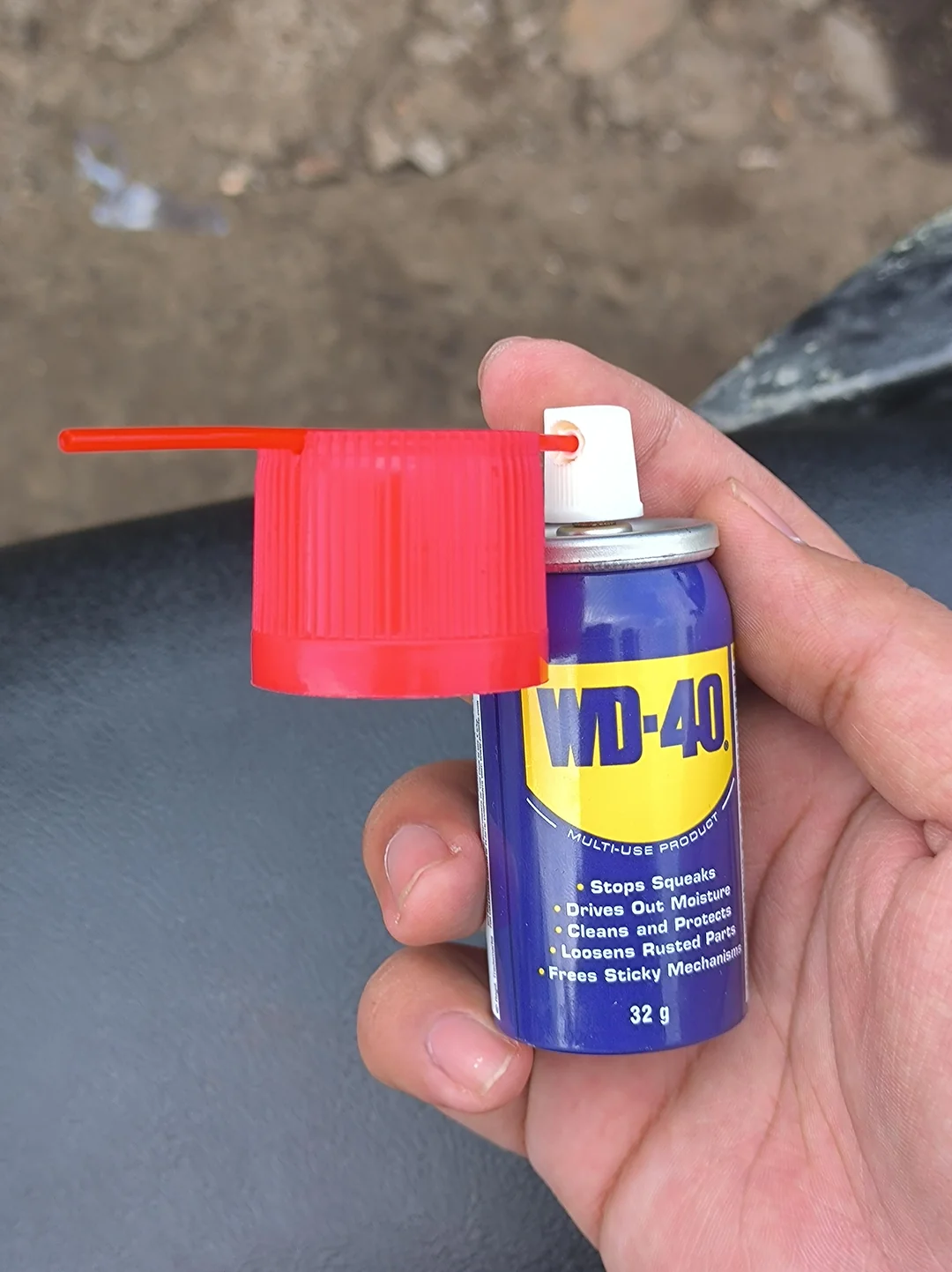
The name WD-40 literally stands for “Water Displacement, 40th attempt,” because that’s exactly how many tries it took chemist Norm Larsen to get the formula right. Originally developed in 1953 to prevent corrosion on missile parts for the aerospace industry, it wasn’t sold to the public until 1958.
14. The Shopping Cart

Before shopping carts, people carried heavy baskets through stores, which limited how much they could buy in one trip. In 1937, Oklahoma grocery store owner Sylvan Goldman noticed this problem and designed a folding frame that could hold two baskets on wheels. Shoppers were initially embarrassed to use it.
Still curious about everyday objects?
Check out 15 Vintage Photos of Promising Inventions for a look back at gadgets that once seemed like the next big thing, some of which stuck around and some that didn’t. Or take a look at 12 Inventions that Saved Us from Everyday Problems to see how simple fixes like Post-it Notes and zippers ended up reshaping daily life. And for a more modern angle, 12 Recent Inventions That People Don’t Realize Are Essential to Everyday Life breaks down the tech we now use.