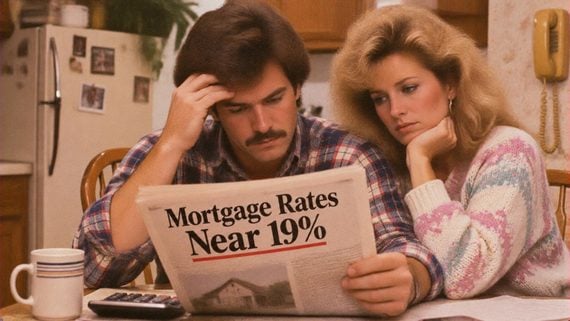
Technology often begins as a luxury reserved for wealthy households, large businesses, or government institutions. Products that seem ordinary today, from personal computers to flat-screen televisions, once carried price tags that put them far beyond the reach of average Americans. Even inventions designed to make everyday life easier sometimes took decades to become practical purchases for most families.
As manufacturing improved, competition increased, and new technology replaced older designs, prices gradually fell. Some products became affordable within a decade, while others required several generations of development. These 15 technologies show how innovations that once seemed impossibly expensive eventually became familiar parts of everyday life.
1. Personal Computers Were Once Major Household Investments
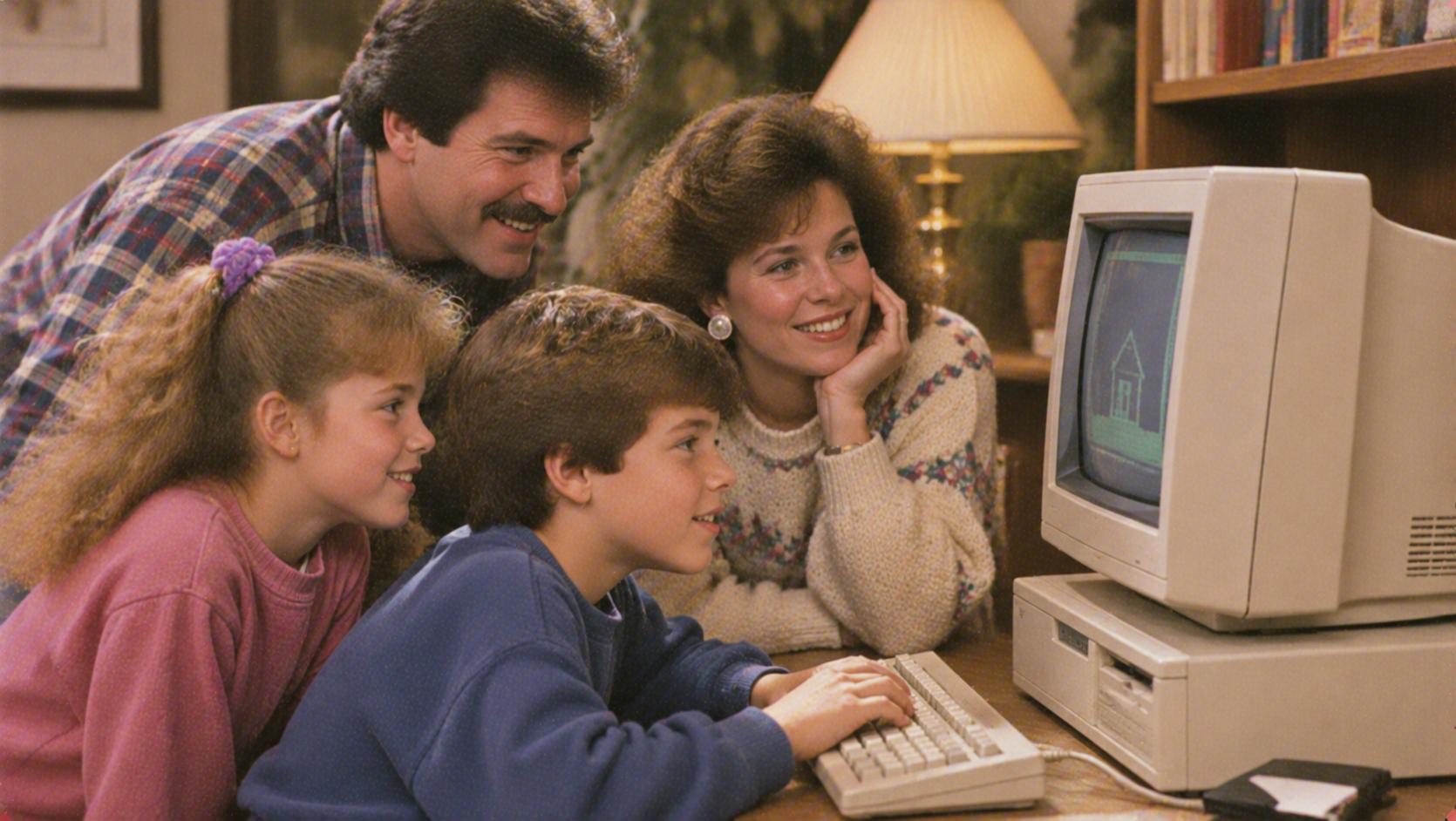
When personal computers entered the consumer market during the 1970s and early 1980s, buying one required a serious financial commitment. The original IBM Personal Computer, introduced in 1981, started at $1,565 for a basic configuration, with additional equipment increasing the cost. For many families, a computer was simply too expensive to justify. As competing manufacturers entered the market and production costs declined, computers gradually became more accessible throughout the 1990s and 2000s.
2. Flat Screen Televisions Started as Luxury Electronics
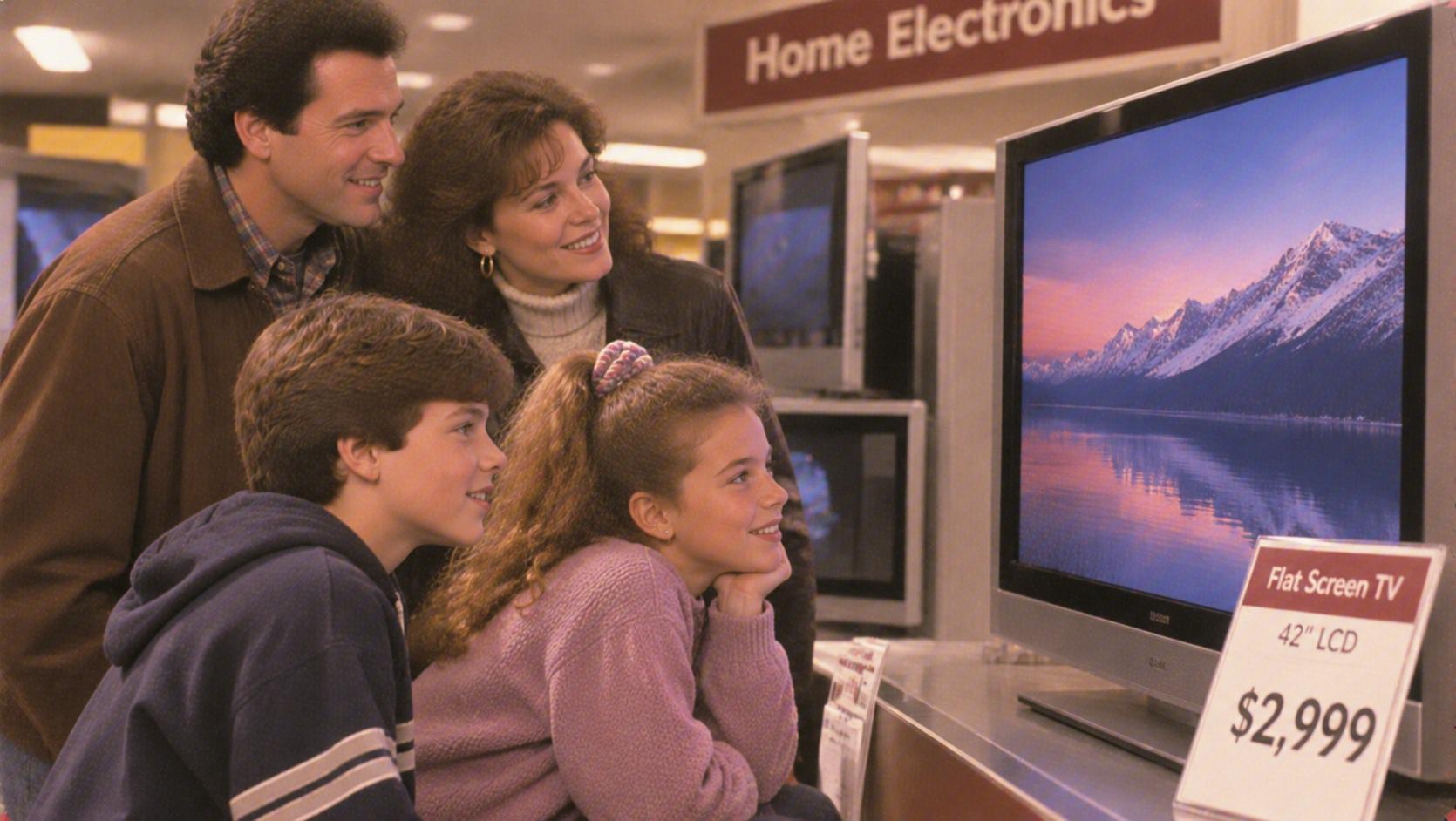
The first large flat-screen televisions were technological showpieces rather than everyday household purchases. Early plasma televisions introduced during the late 1990s could cost thousands of dollars, with some models approaching $10,000 or more. Traditional tube televisions remained the affordable choice for most Americans. As LCD technology improved and manufacturers expanded production, flat-screen prices dropped dramatically during the 2000s and 2010s, eventually making them the standard television design.
3. Microwave Ovens Took Decades to Reach Ordinary Kitchens
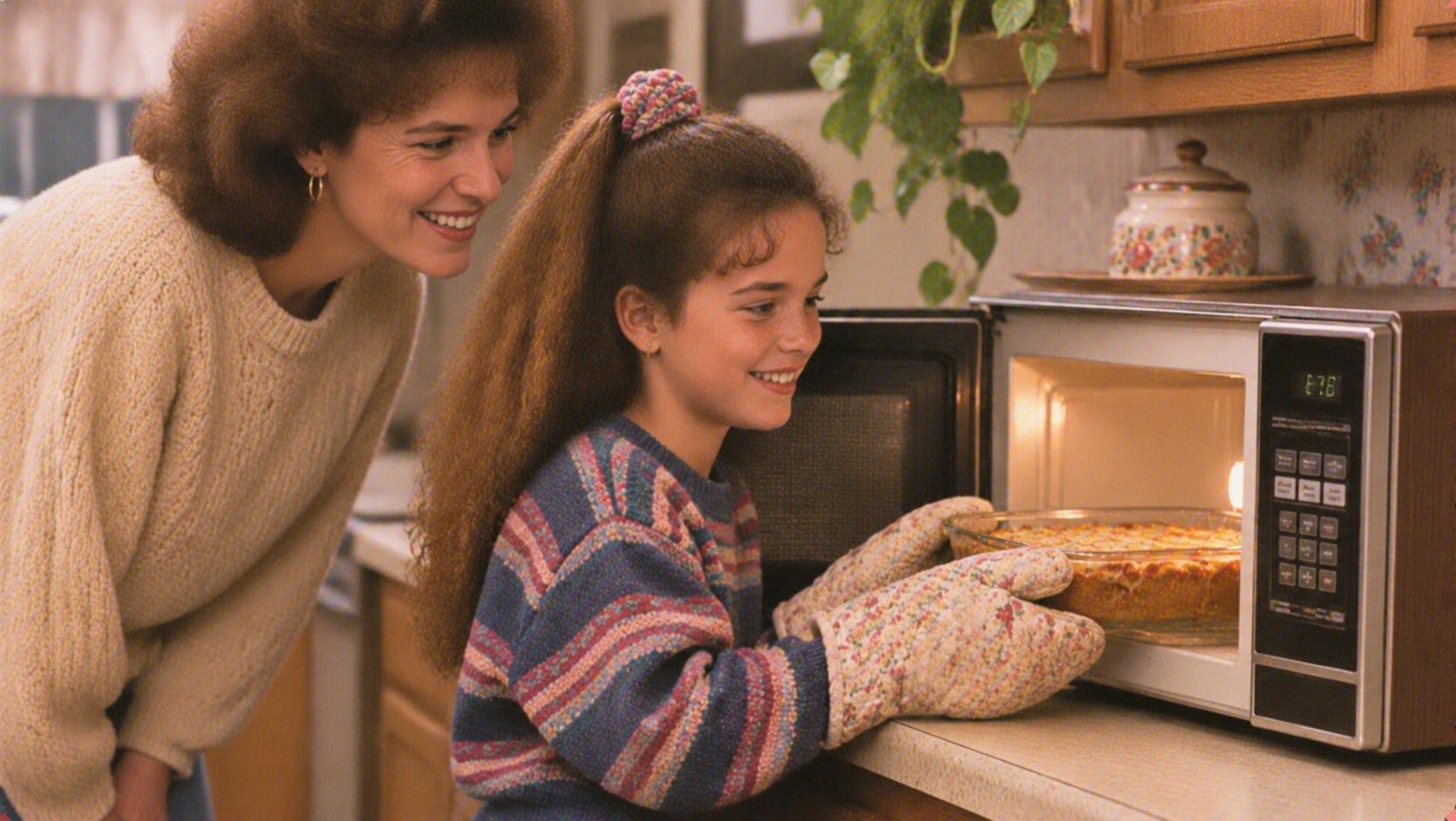
Microwave cooking technology became commercially available in the 1940s, but the earliest machines were enormous and extremely expensive. Early commercial units could cost several thousand dollars and were intended primarily for restaurants and institutional kitchens. Even the first household models were costly compared with conventional cooking appliances. Smaller designs, improved manufacturing, and growing competition helped microwave ovens become increasingly affordable during the 1970s and 1980s.
4. Cell Phones Were Originally Status Symbols
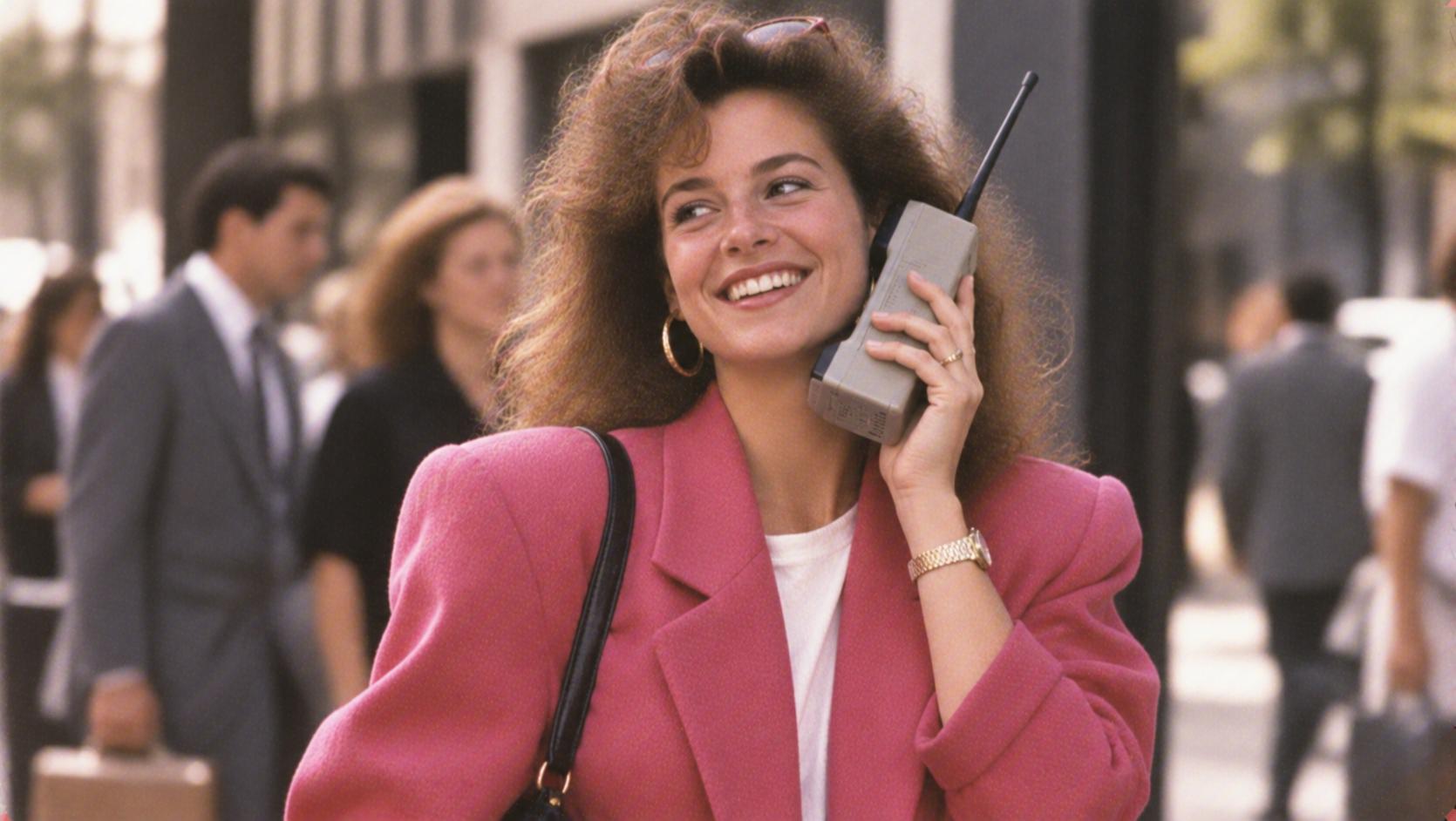
Early mobile phones were far from the inexpensive communication devices people recognize today. Motorola’s DynaTAC 8000X, commercially introduced in 1983, cost approximately $3,995 and offered limited battery life. Mobile service charges added another significant expense. For years, carrying a cell phone suggested professional importance or financial success. Smaller devices, expanded networks, and greater competition helped make mobile phones common consumer products by the late 1990s and early 2000s.
5. Digital Cameras Were Expensive Alternatives to Film

Digital photography existed long before most consumers could afford to abandon traditional film cameras. Early professional digital camera systems could cost tens of thousands of dollars, while consumer models introduced during the 1990s were often expensive despite their limited image quality. Memory cards and computer equipment added to the investment. As image sensors improved and production expanded, digital cameras became much more affordable during the 2000s, eventually replacing film for most everyday photography.
Trending on Wealth Gang

6. Home Video Recorders Were Initially Expensive Entertainment Systems
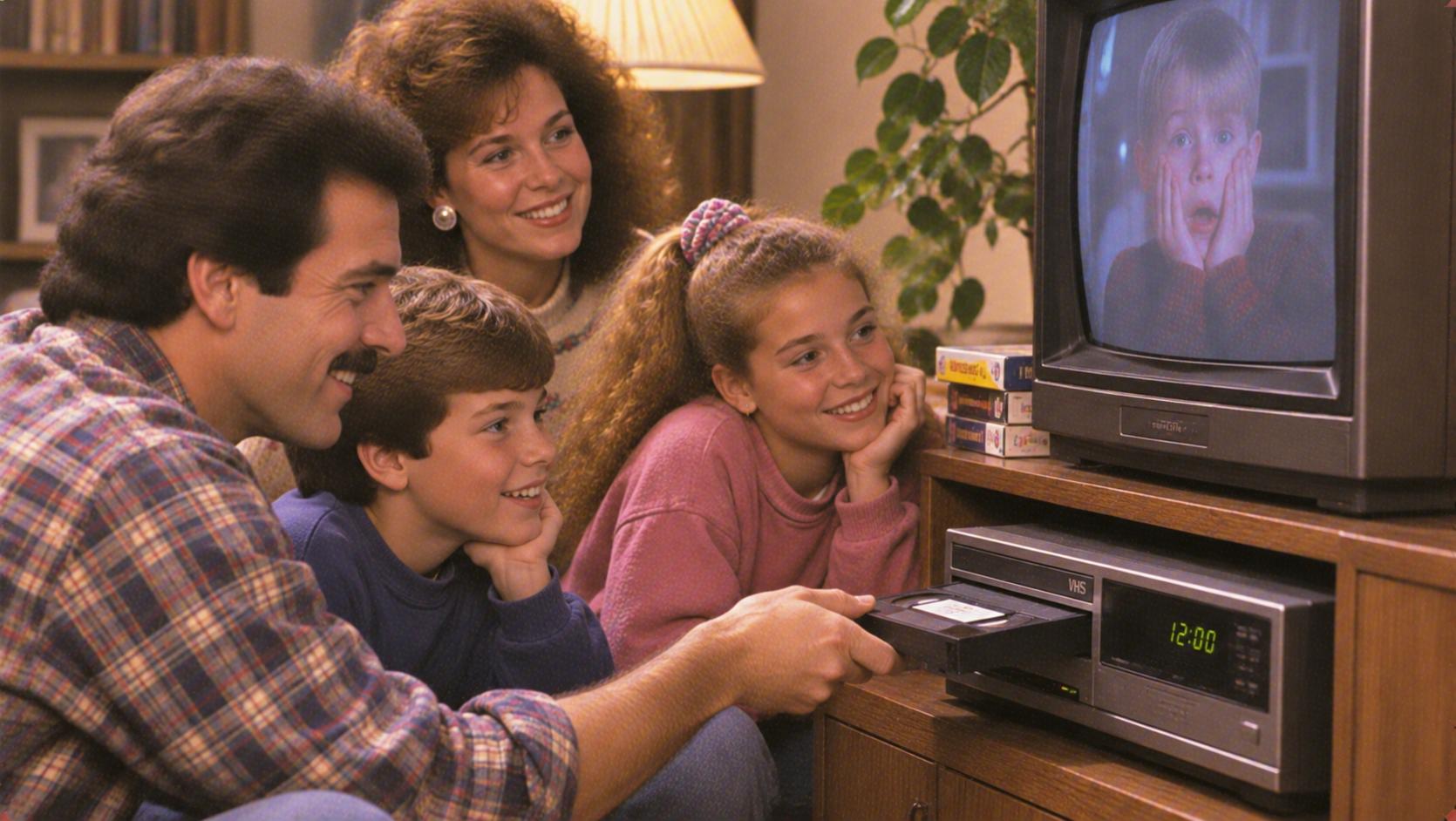
When videocassette recorders became available to American consumers during the 1970s, they represented a substantial investment. Early machines could cost more than $1,000, making the ability to record television programs a luxury. Families also had to purchase blank tapes or rent prerecorded movies. As VHS became the dominant format and manufacturers increased production, VCR prices declined throughout the 1980s. By the 1990s, recording television at home had become a routine part of American entertainment.
7. DVD Players Took Time to Replace Affordable VCRs
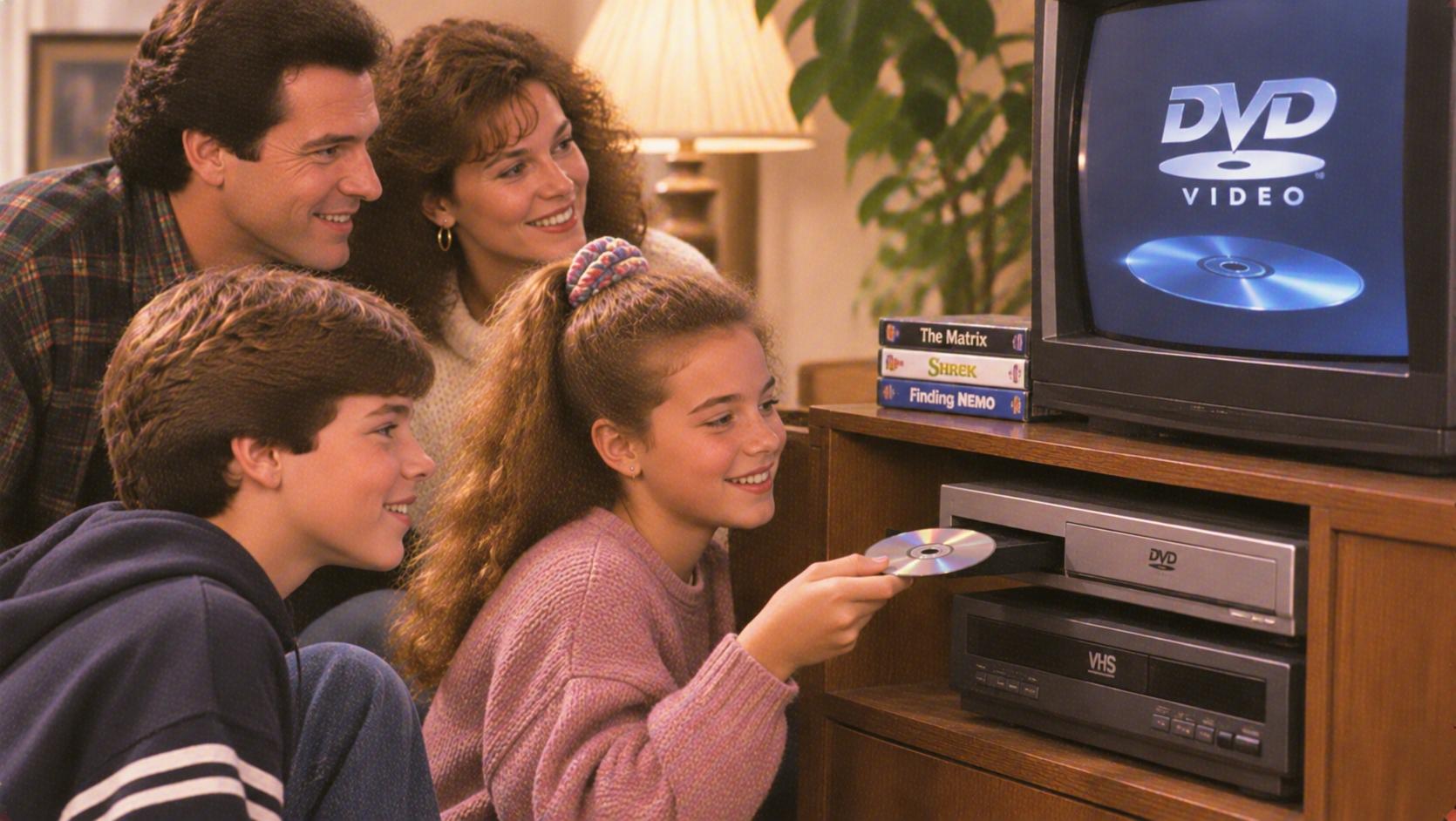
DVD players arrived in the United States in 1997, offering sharper pictures and easier navigation than VHS tapes. However, early models were expensive enough that many families continued using their existing VCRs. The average retail price of a DVD player was approximately $735 during the first half of 1997. By 1999, that figure had fallen to around $443, according to the Bureau of Labor Statistics. Continued price reductions helped DVD players become common household electronics during the early 2000s.
8. GPS Navigation Systems Were Once Reserved for Expensive Cars

Before smartphone navigation became common, GPS technology was primarily associated with military equipment, aviation, marine navigation, and specialized commercial applications. Early consumer navigation systems were expensive, and factory-installed automotive GPS often appeared in luxury vehicles. Standalone navigation devices gradually became more affordable during the 2000s as satellite receivers improved and manufacturers competed for customers. Eventually, smartphones with built-in GPS made dedicated navigation equipment unnecessary for many drivers.
Sign up for our newsletter
9. Laser Printers Were Originally Office Luxuries
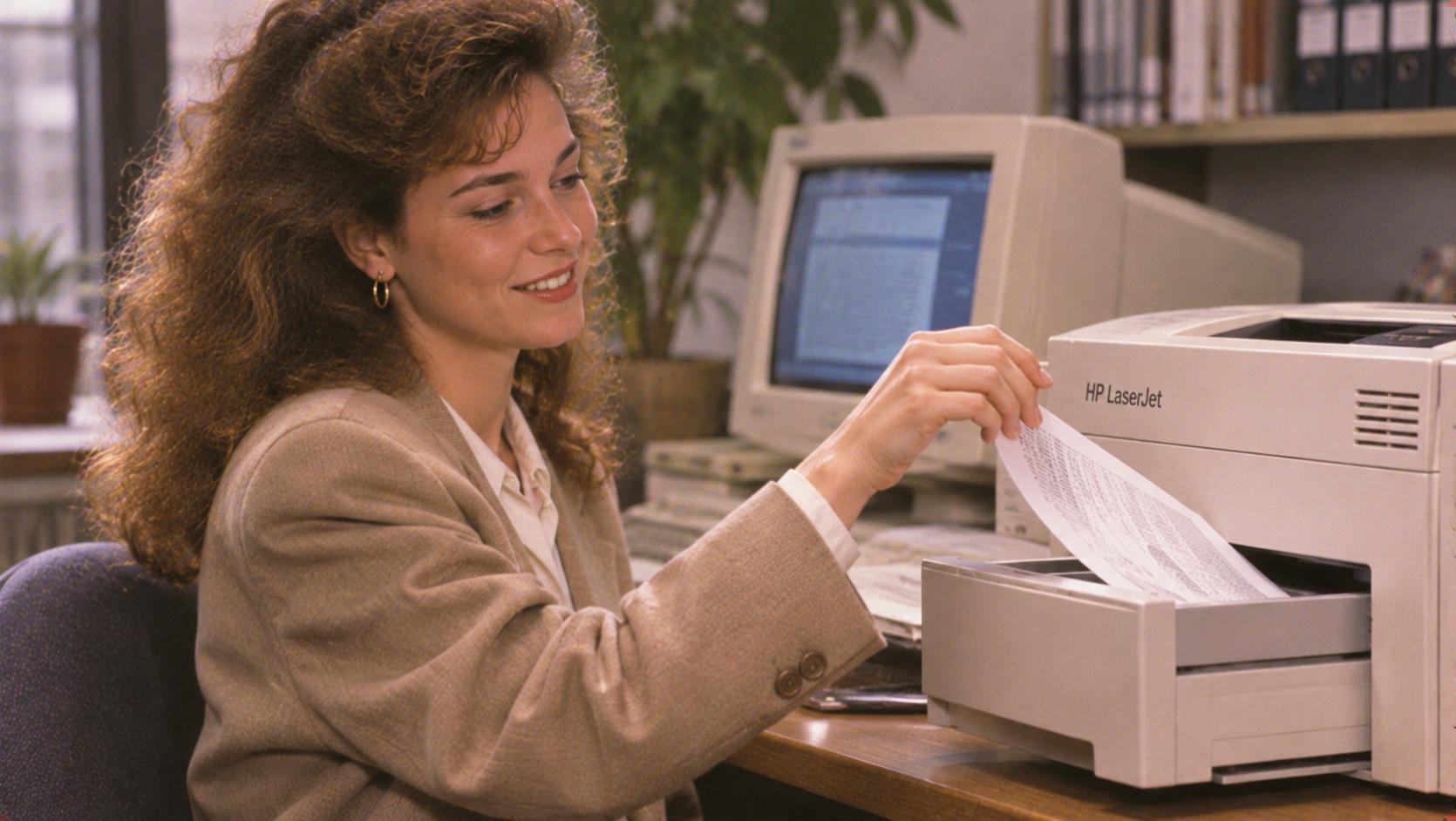
Laser printers offered faster printing and sharper text than many earlier consumer printing technologies, but their initial prices made them impractical for most households. The original HP LaserJet, introduced in 1984, carried a price of approximately $3,495. Businesses could justify that expense because of their printing needs, while home users often relied on dot matrix or inkjet printers. Over the following decades, improvements in manufacturing and competition helped bring basic monochrome laser printers within reach of ordinary consumers.
10. Laptop Computers Once Cost More Than Desktop Models
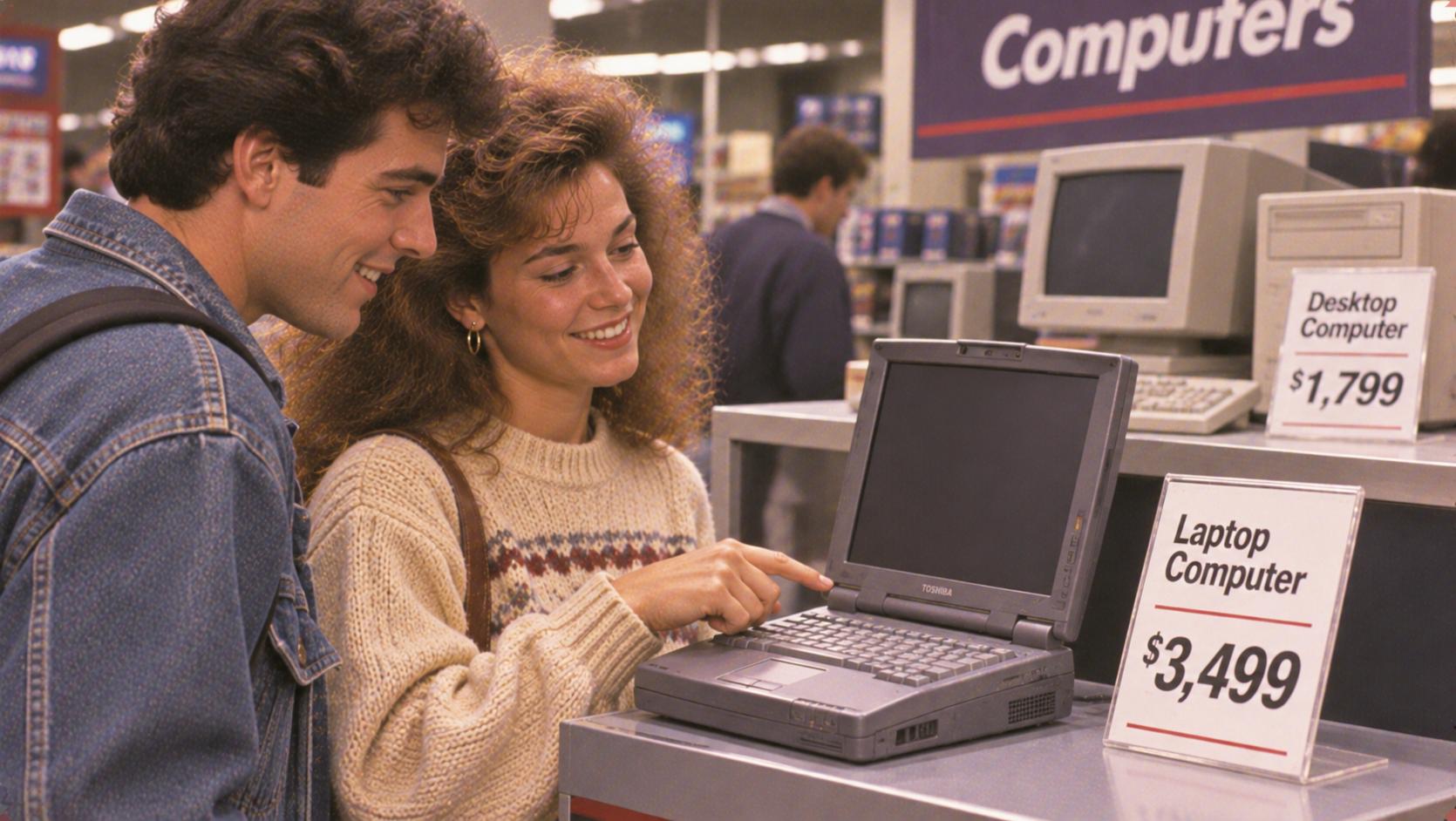
Portable computers became commercially available during the early 1980s, but their high prices and limited capabilities made them specialized equipment. Some early portable machines cost several thousand dollars while offering small screens, heavy bodies, and limited battery performance. Business travelers were among the earliest customers willing to pay for portability. During the 1990s and 2000s, smaller components, improved batteries, and greater production volumes helped laptops become increasingly affordable alternatives to desktop computers.
11. Solar Panels Took Decades to Become Practical for Homeowners
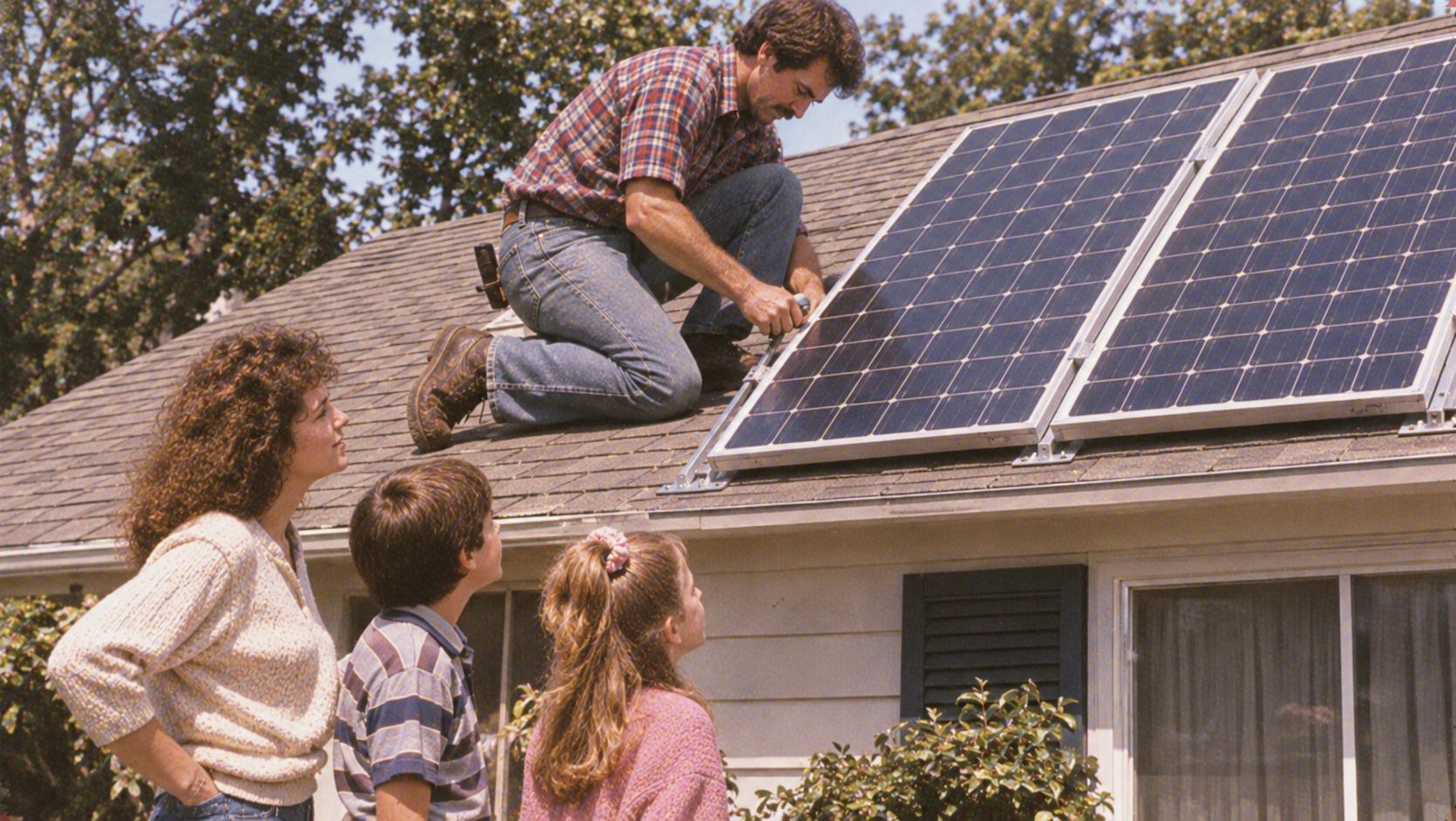
Modern solar cell technology developed during the 1950s, but early photovoltaic systems were extremely expensive and produced relatively small amounts of electricity. Their high cost initially limited their use to specialized applications, including satellites and remote installations. Improvements in manufacturing, growing international production, and technological advances gradually reduced solar panel prices. By the 2010s, residential solar systems had become a more realistic investment for many homeowners, particularly where incentives and favorable electricity rates helped offset installation costs.
12. Video Game Consoles Became More Accessible Over Time
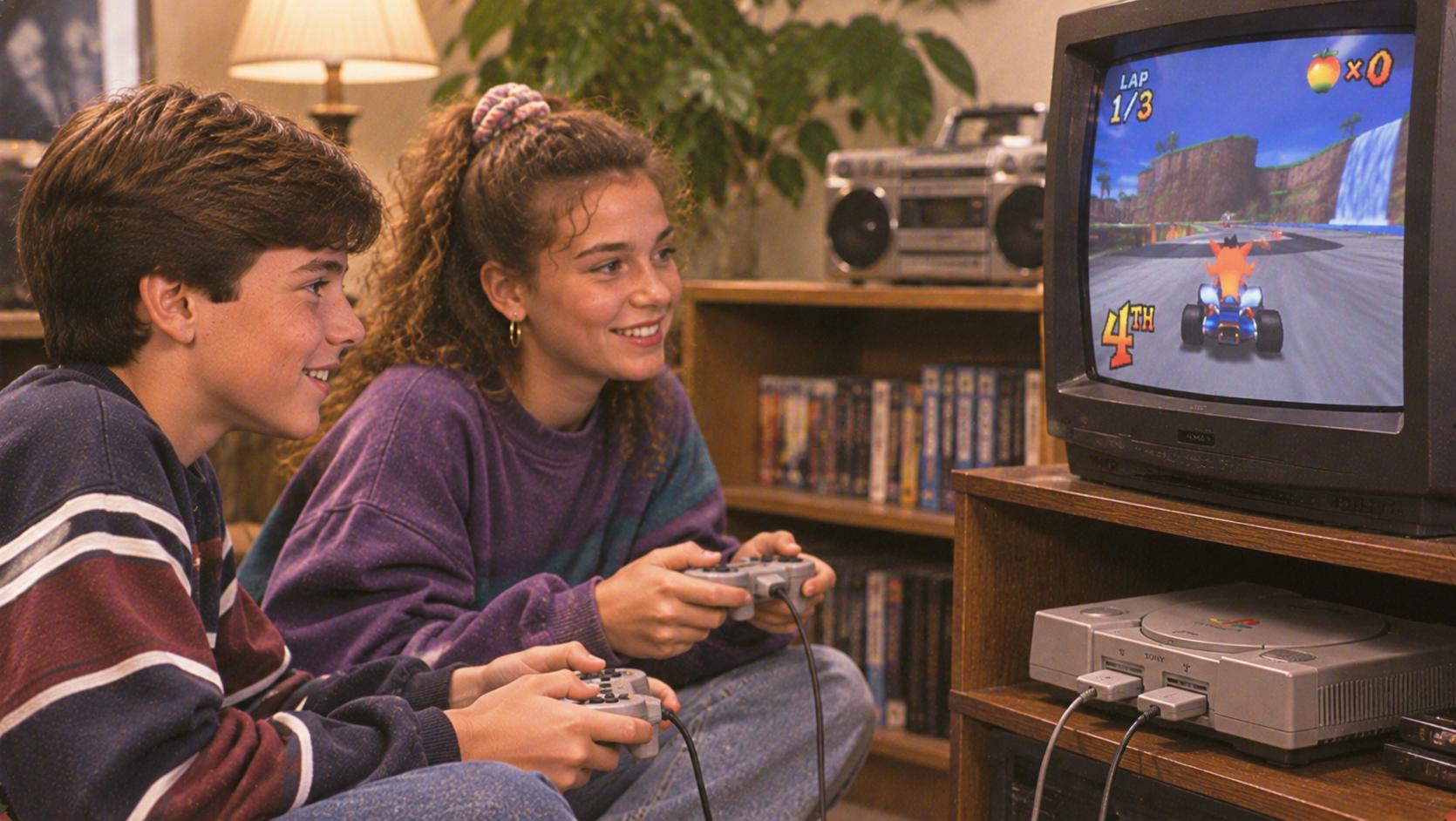
Home video gaming began attracting American consumers during the 1970s, but early systems could represent a considerable entertainment expense. The Atari Video Computer System, later known as the Atari 2600, launched in 1977 at approximately $199, a significant amount at the time. Additional game cartridges increased the total cost of ownership. As the gaming industry expanded, manufacturers introduced different price points, discounted older systems, and developed less expensive hardware. Over time, gaming consoles became more accessible, although newly released premium systems could still be costly.
13. High Definition Televisions Were Initially Out of Reach
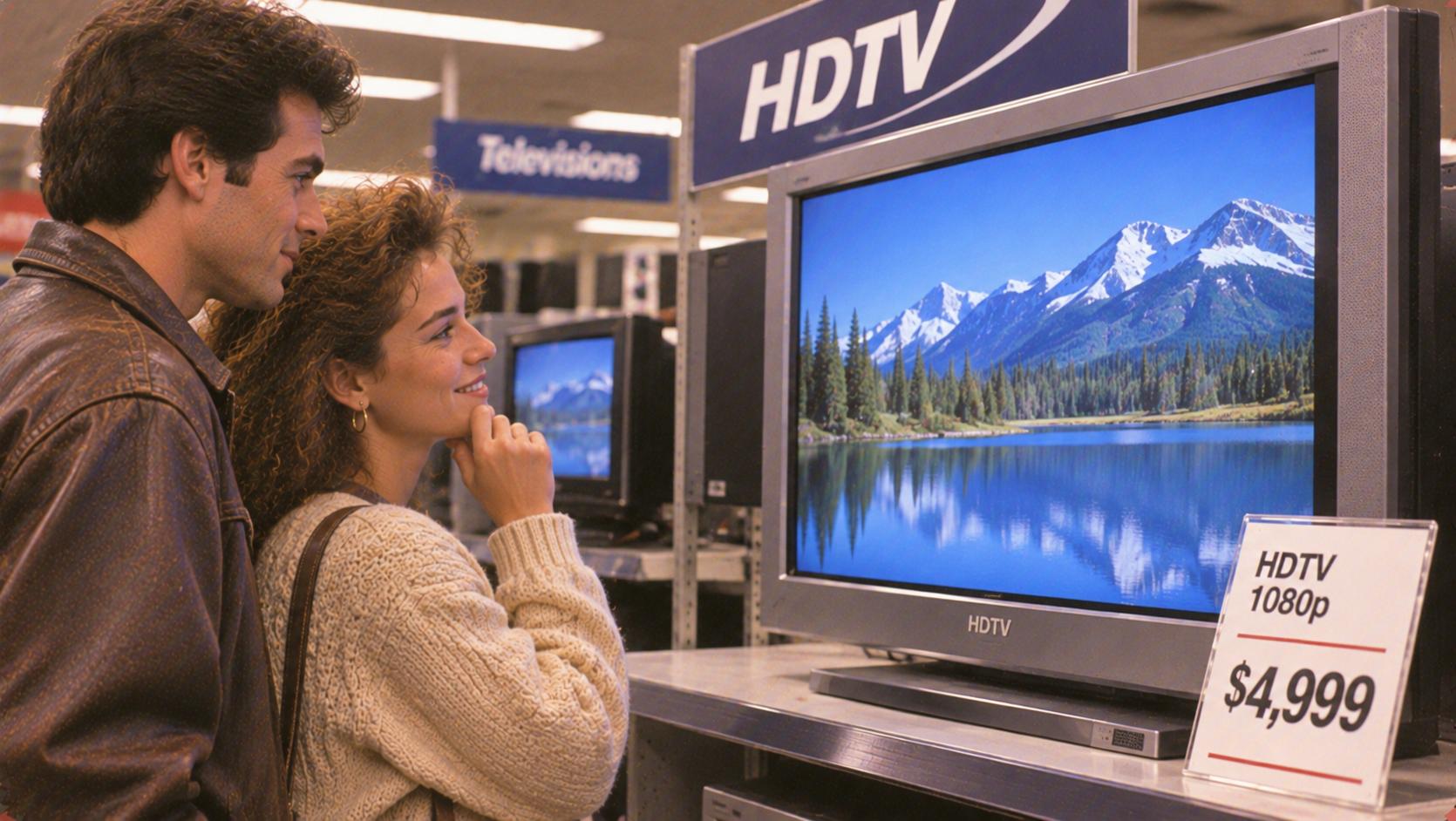
High definition television technology promised a major improvement in picture quality during the 1990s, but early HDTV sets were expensive and suitable programming was limited. Some of the first consumer models sold for several thousand dollars, making them difficult purchases to justify when standard definition televisions remained widely available. As broadcasters expanded high definition programming and manufacturers developed more efficient display technology, prices declined. During the 2000s and 2010s, HDTV gradually became the standard rather than an expensive upgrade.
14. 3D Printers Were Once Limited to Industrial Applications
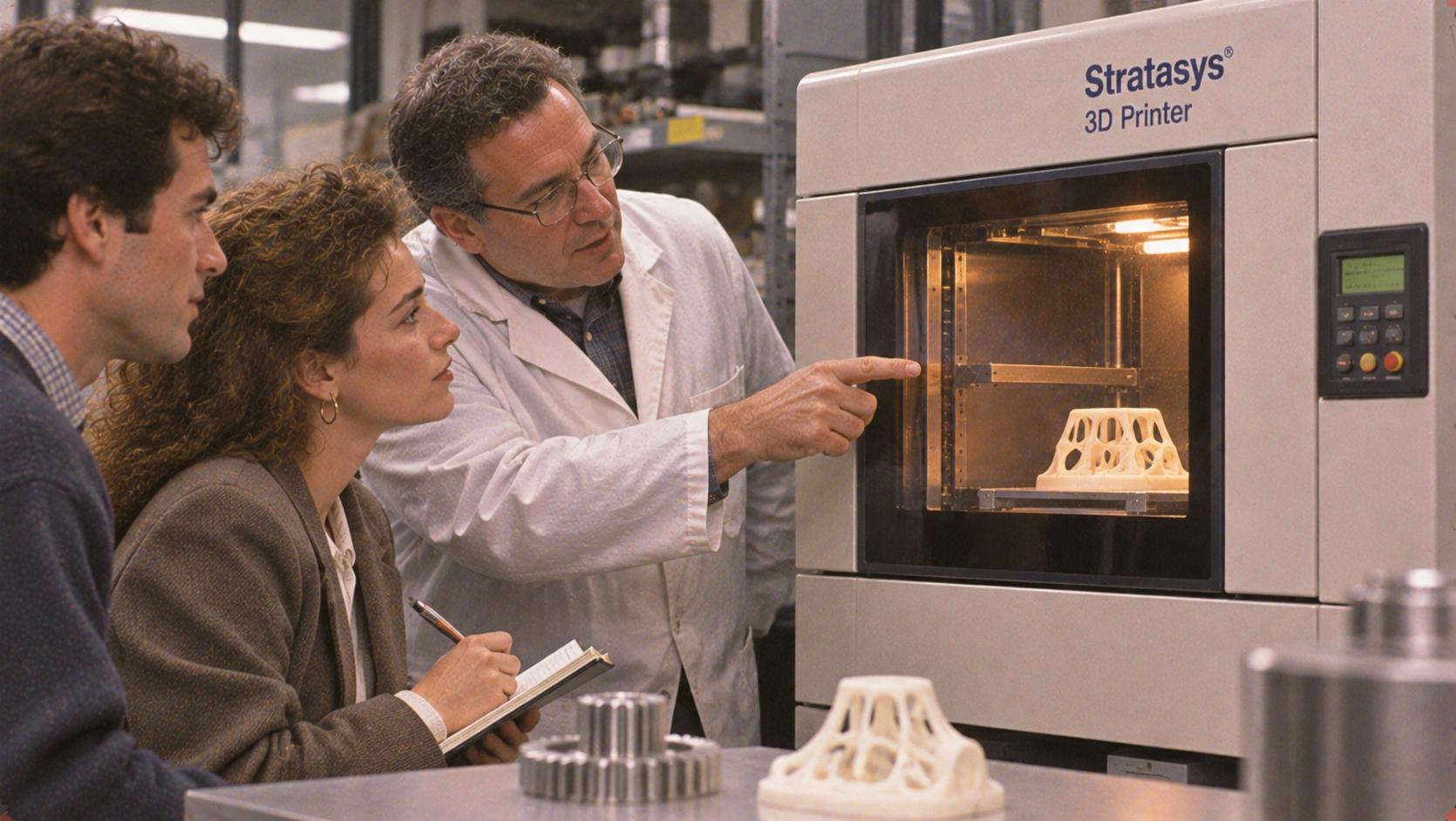
Three-dimensional printing began developing commercially during the 1980s, primarily serving manufacturers, engineers, and research institutions. Early systems were expensive machines that required specialized materials, software, and technical knowledge. For decades, the technology remained largely outside the reach of individual consumers. During the 2000s and 2010s, open source projects, improved electronics, and lower manufacturing costs helped create a market for desktop 3D printers. Hobbyists, schools, and small businesses could eventually purchase basic machines for a fraction of earlier industrial prices.
15. Solid State Drives Were Initially Too Expensive for Most Computer Users
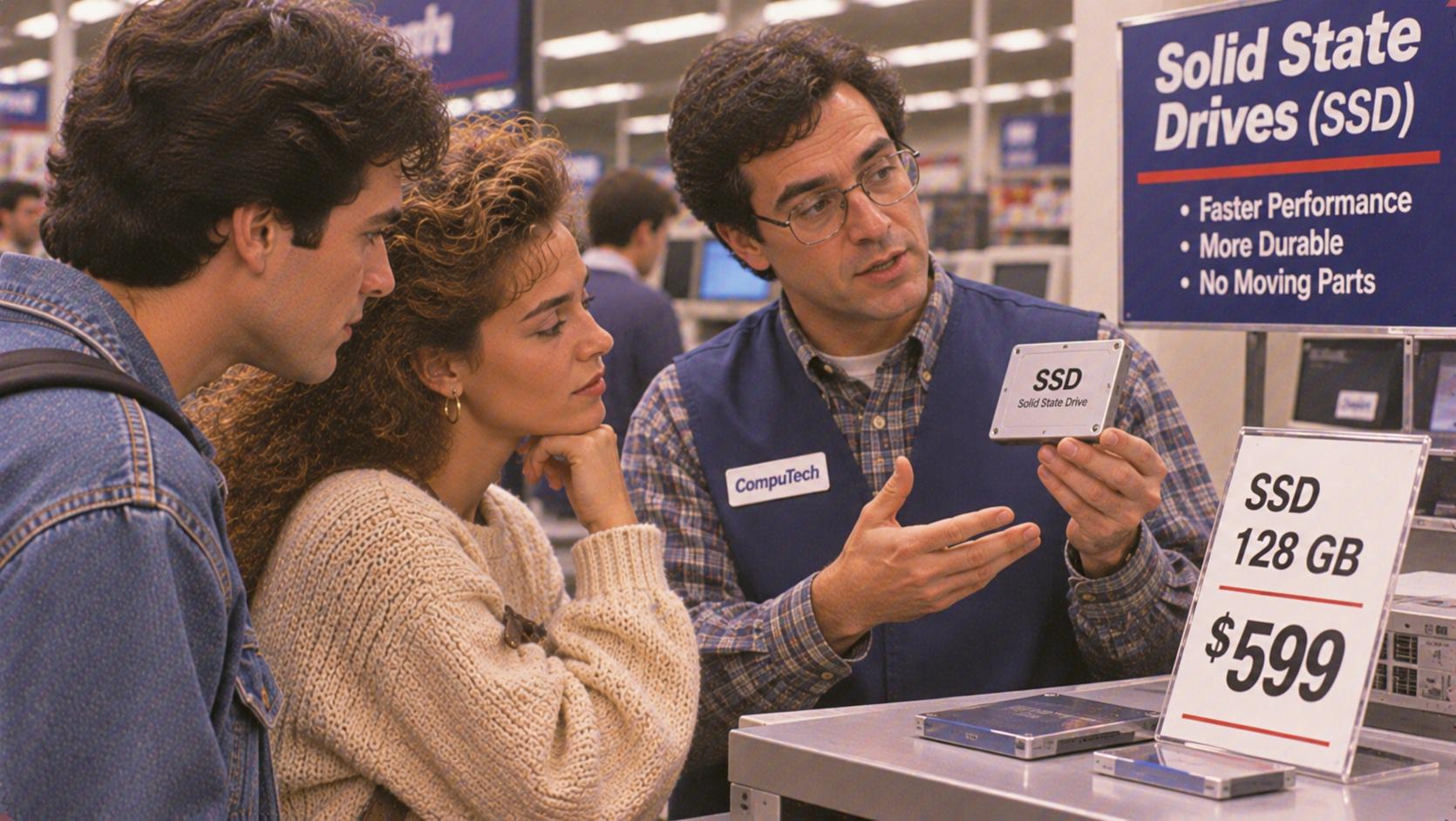
Solid state storage offered important advantages over traditional mechanical hard drives, including faster access times and greater resistance to physical shock. However, early consumer solid-state drives were expensive and provided relatively little storage capacity. During the late 2000s, buyers often paid hundreds of dollars for drives that held far less data than similarly priced hard drives. Improvements in flash memory manufacturing and increasing production helped reduce the cost per gigabyte. By the 2020s, solid-state drives had become standard equipment in many affordable laptops and desktop computers.
More Related Notes
• 18 Everyday Items That Became Cheaper as Technology Improved
Discover how televisions, computers, cameras, and other once-expensive technologies gradually became affordable household essentials. Advances in manufacturing and mass production made products that once felt like luxuries accessible to millions of families.
• 15 Things That Were Considered Luxury Purchases in the 1970s but Seem Ordinary Today
Take a nostalgic look at the appliances and electronics that once required serious savings, from color televisions to microwave ovens. These everyday purchases reveal how dramatically affordability and consumer expectations have changed.
• 15 Tech Inventions That Revolutionized Daily Life
Explore the technological breakthroughs that transformed American homes, including personal electronics, digital cameras, and modern communication devices. Many of these inventions started as expensive innovations before becoming part of everyday life.