
Some everyday products feel like they have always looked and worked the same way. We buy them, use them, and replace them without giving much thought to how different they might have been just a few decades ago. Yet many familiar household items went through surprisingly dramatic changes in a relatively short time.
From diapers that once needed safety pins to music players that became outdated almost overnight, these 15 products tell a fascinating story of innovation. Some changes made life easier, others responded to environmental concerns, and a few completely transformed the way people used things they already knew.
1. Disposable Diapers Once Required Safety Pins

Changing a diaper in the early 1960s looked quite different from what parents experience today. When Pampers arrived in American stores in 1961, disposable diapers were still associated with bulky designs and fastening methods that could involve safety pins. It was not exactly the most convenient arrangement, especially when dealing with a restless baby. In 1971, Pampers introduced adhesive fastening tapes, making diaper changes considerably easier. By 1986, absorbent gel technology had helped transform disposable diapers into thinner, lighter products that could hold moisture far more effectively. In just 25 years, something as ordinary as a diaper had undergone an enormous transformation.
2. Razors Went From Two Blades to Five
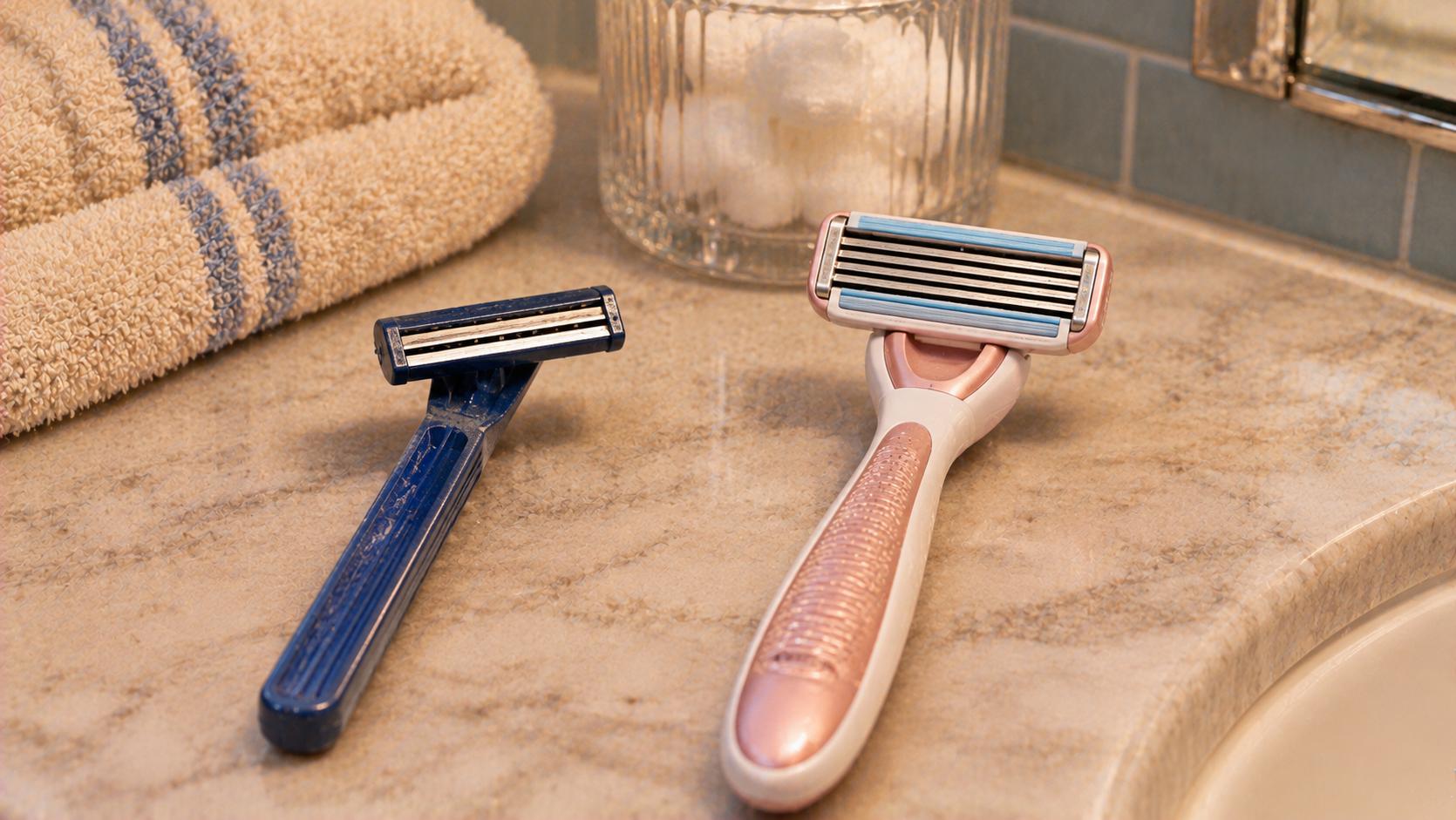
There was a time when shaving meant using a razor with a single blade, and nobody thought much about needing anything more complicated. That began changing in 1972 when Gillette introduced the Trac II, a razor featuring two blades instead of one. The improvements kept coming. A pivoting cartridge appeared in 1977, followed by a lubricating strip in 1985. Then came the Mach3 in 1998, bringing three blades into the equation. By 2006, Gillette had introduced the five-blade Fusion. In just over three decades, a basic bathroom essential had become a surprisingly sophisticated grooming tool, with manufacturers constantly finding new ways to reinvent something people had used for generations.
3. Crayola Replaced Eight Familiar Colors at Once
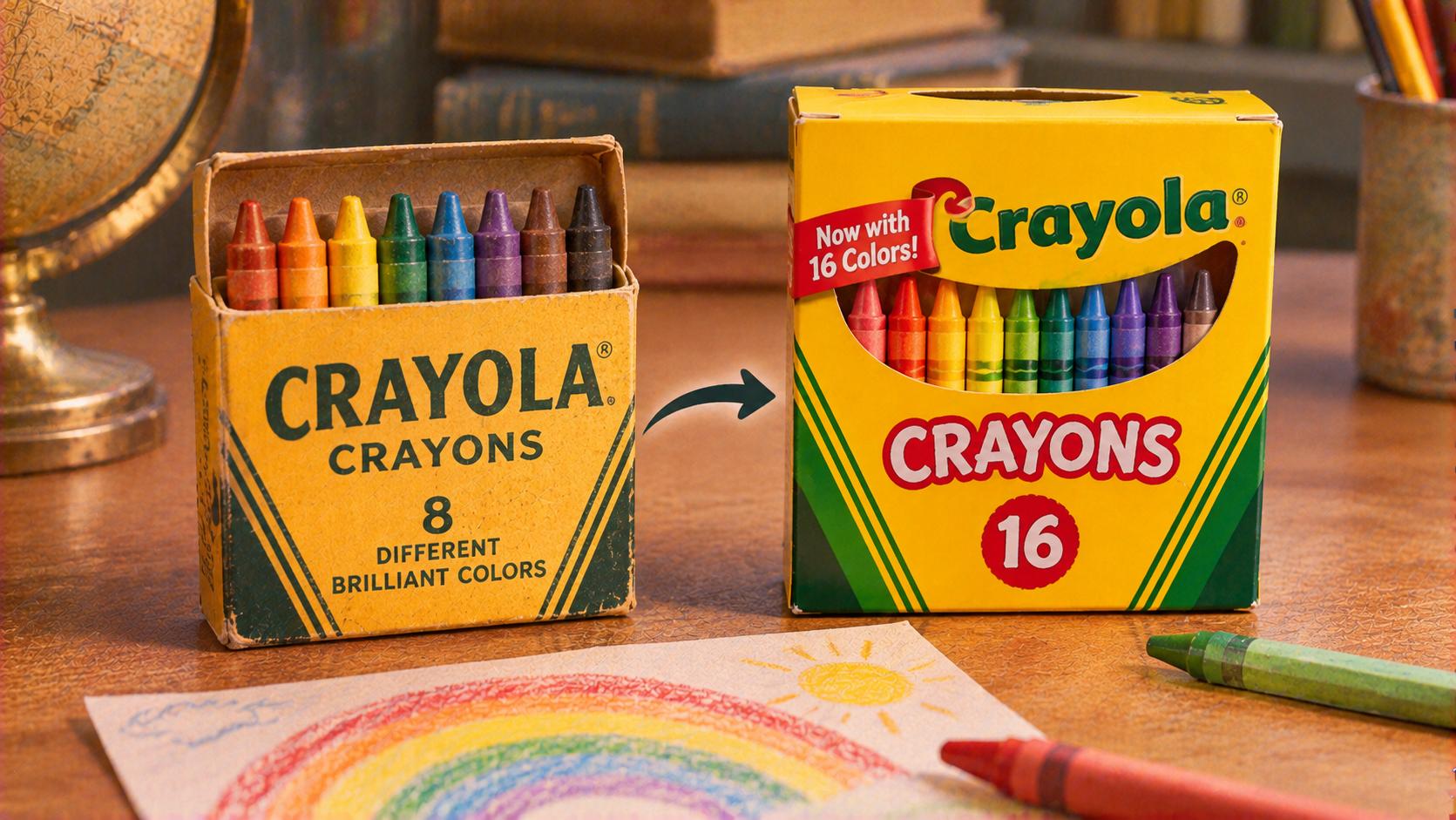
Anyone who remembers opening a fresh box of Crayola crayons probably assumed those familiar colors would always be there. But in 1990, Crayola made a decision that surprised plenty of longtime fans. The company retired eight colors, including maize, raw umber, and lemon yellow, while introducing new shades such as cerulean, fuchsia, and wild strawberry. Another four colors disappeared in 2003, and dandelion joined the retired list in 2017. The yellow shade became so beloved that Crayola brought it back in limited-edition collections in 2025 before returning it to standard assortments in 2026. Even something as nostalgic as a box of crayons turned out to be constantly evolving.
4. Postage Stamps Stopped Needing a Lick
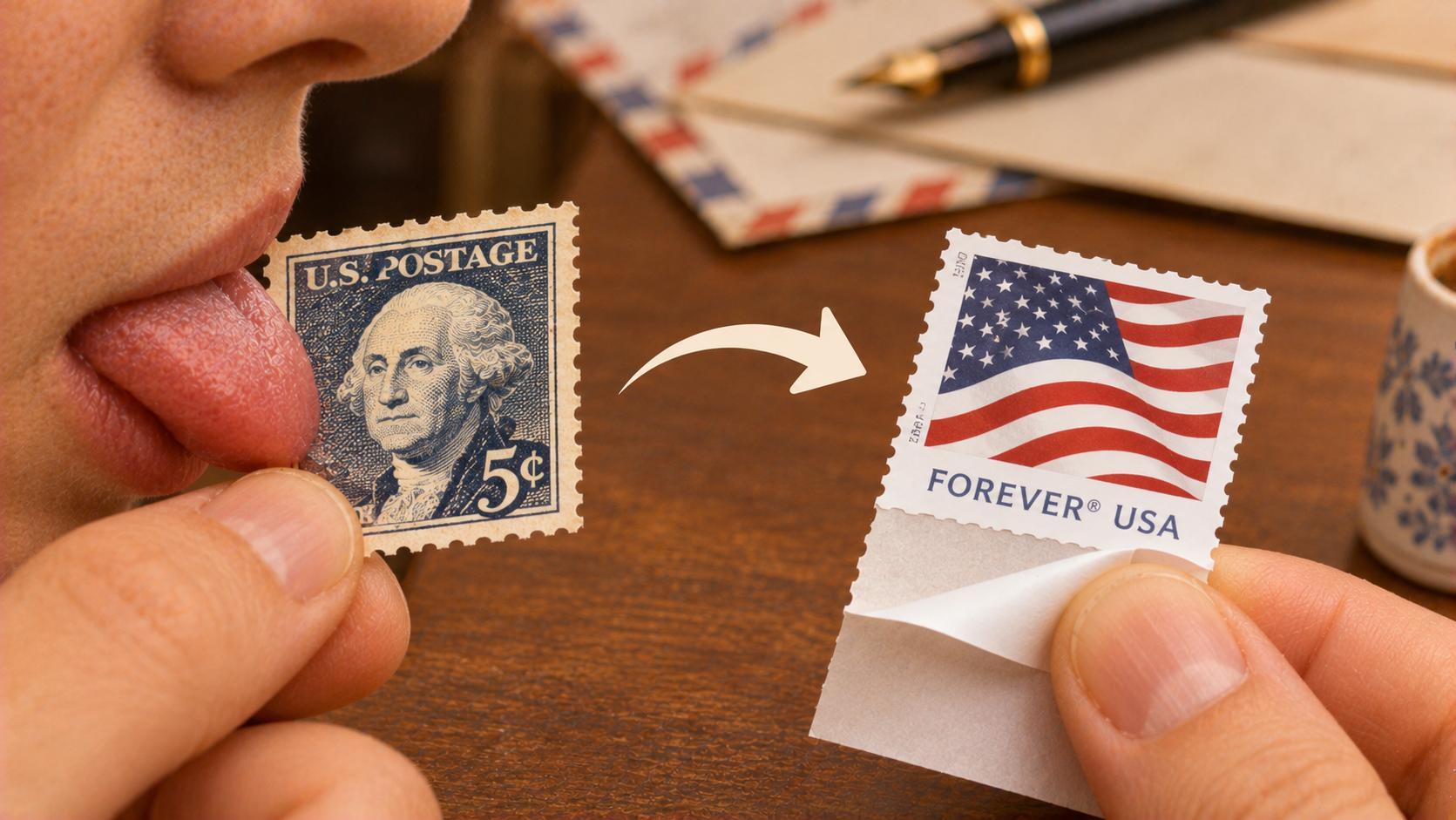
For generations, mailing a letter involved one small but unavoidable step: licking the back of a postage stamp. The United States Postal Service experimented with a self-adhesive stamp in 1974, but the first attempt had problems, including adhesive that did not hold up particularly well over time. The idea was revisited in 1989, and self-adhesive stamps became available nationwide in 1992. By 2002, nearly every new American commemorative stamp issue used the peel-and-stick format. What had once been an automatic part of sending mail gradually disappeared, leaving younger generations with little reason to understand why anyone would have needed to lick a stamp in the first place.
5. Household Batteries Changed Without Looking Different
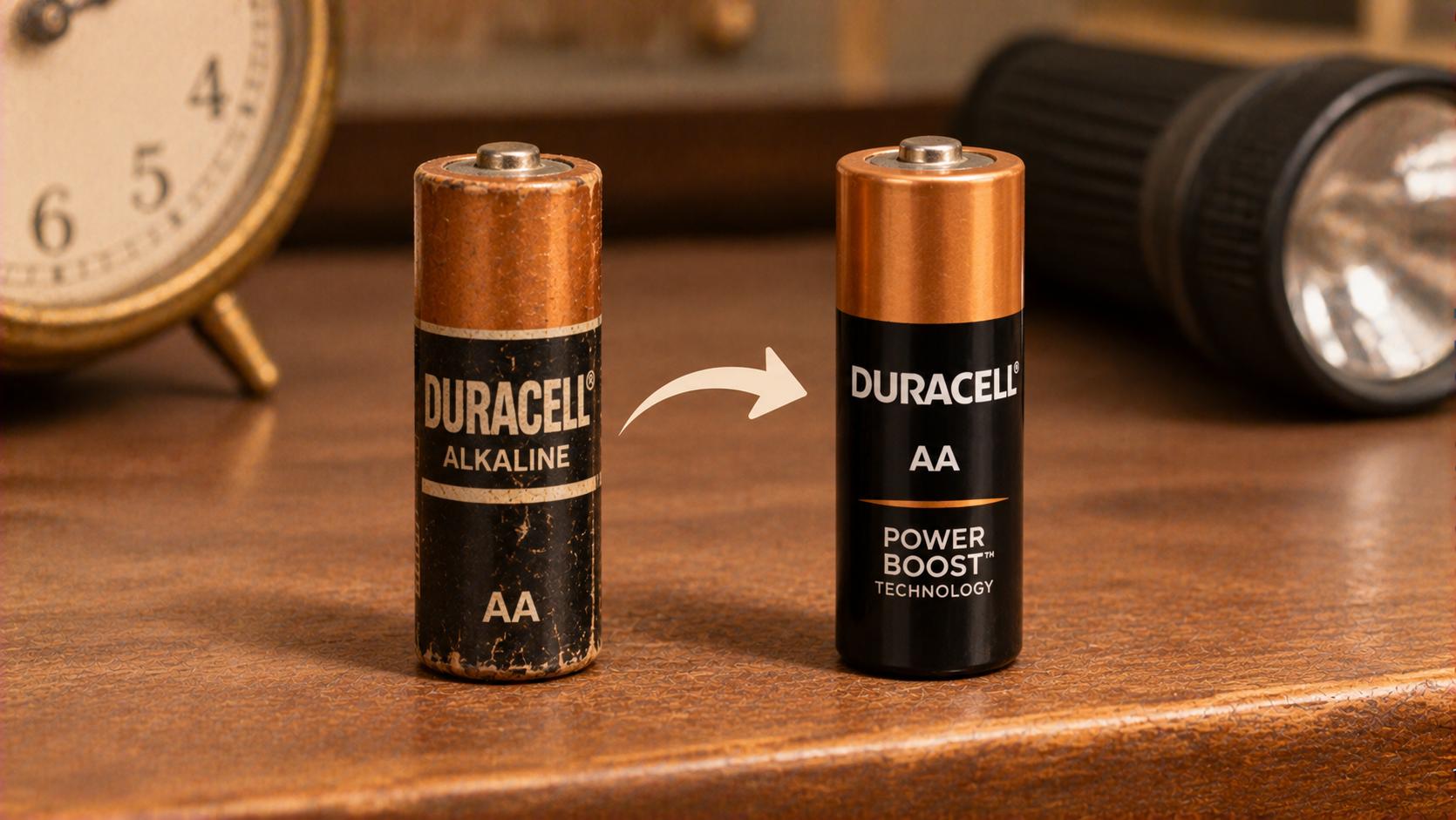
A battery from the 1950s might not look dramatically different from one sitting in a kitchen drawer today, but the technology inside changed considerably. In 1958, Eveready introduced a rechargeable nickel-cadmium battery system, and commercially viable cylindrical alkaline batteries followed in 1959. These developments helped batteries last longer and made them more practical for an expanding range of household devices. By 1992, the company had introduced an AA lithium battery, offering another alternative for consumers. Environmental concerns also influenced the industry, with Energizer beginning efforts to remove added mercury from its batteries in 1989. While the familiar metal cylinders remained recognizable, their chemistry was changing in ways most shoppers never noticed.
Trending on Wealth Gang


6. Aerosol Sprays Were Reformulated in Record Time
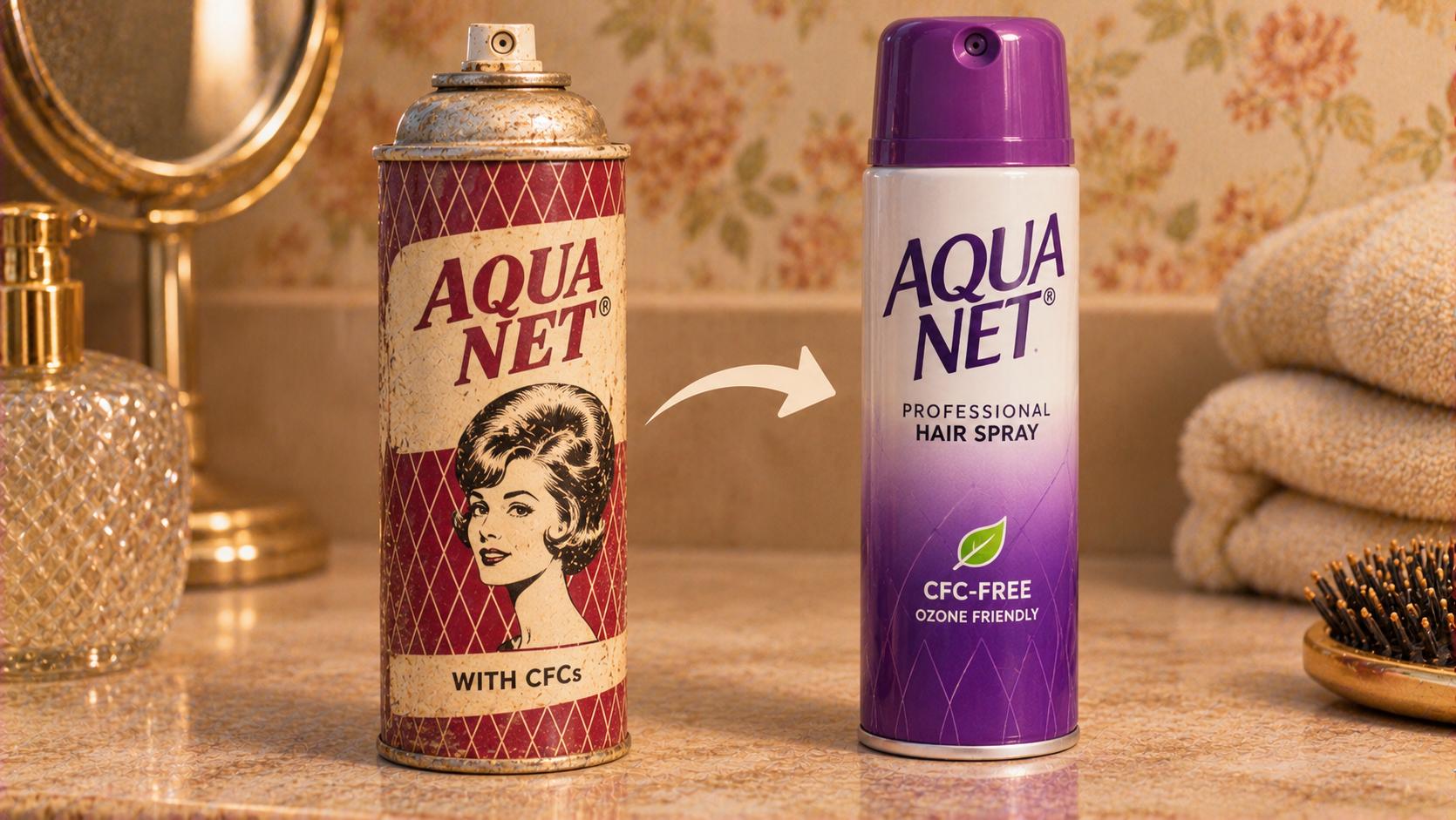
Hairspray, deodorant, and household cleaning sprays were staples of American homes throughout the 1970s. But scientists had begun raising concerns about chlorofluorocarbons, commonly known as CFCs, which were widely used as aerosol propellants and contributed to damage to the ozone layer. In 1978, the United States began banning CFC propellants in most nonessential aerosol products. Manufacturers responded remarkably quickly, replacing the chemicals with alternative propellants or switching to manual pump systems. According to an Environmental Protection Agency report from the period, more than 80% of affected products had already made the transition by spring 1978. Consumers often saw nearly identical containers on store shelves without realizing how much had changed inside them.
7. Coca-Cola Packaging Changed in Just Over Two Decades
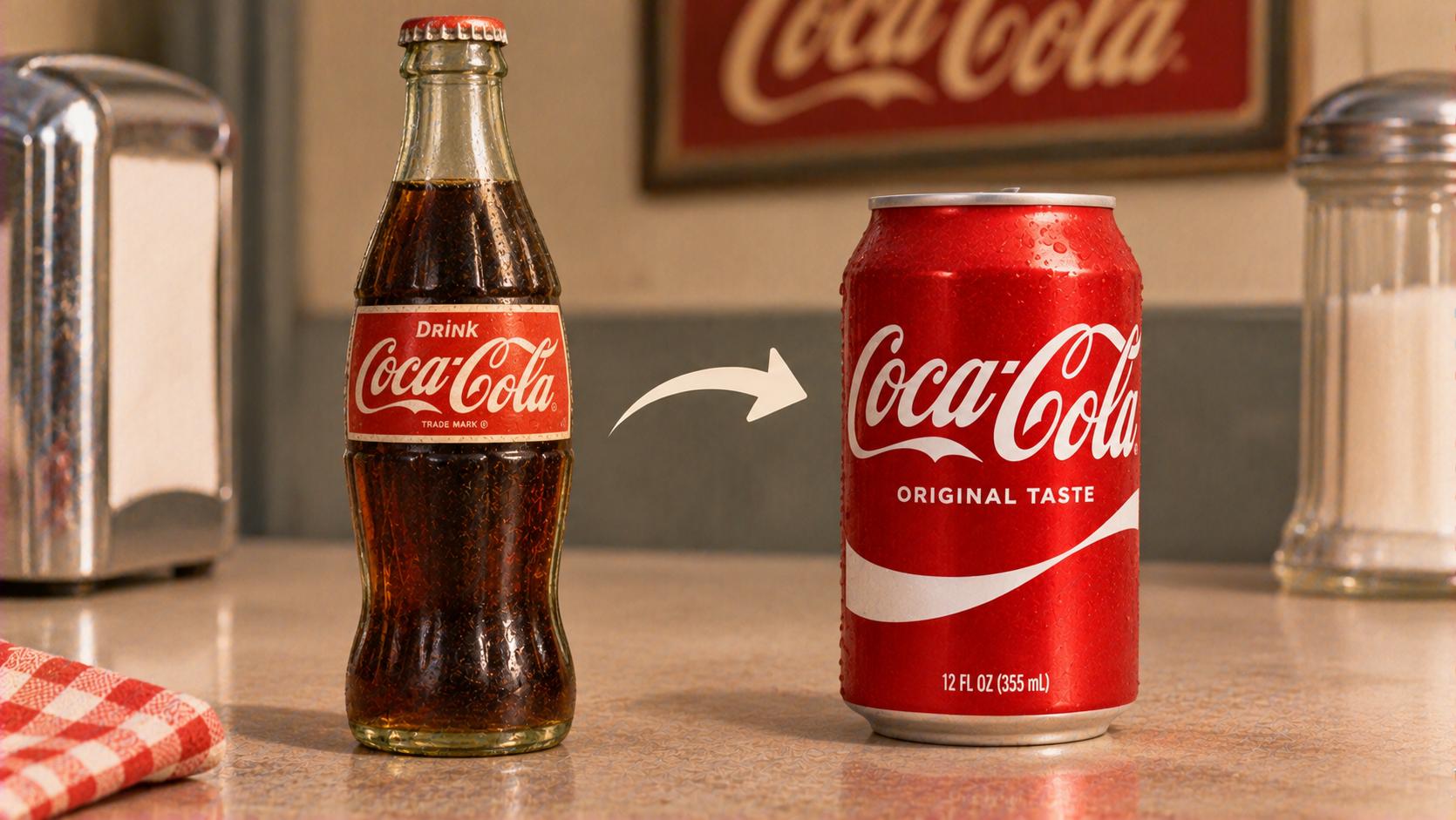
For decades, Coca-Cola was practically synonymous with its distinctive glass contour bottle. The familiar 6.5-ounce design was a fixture in American stores, restaurants, and vending machines until larger bottle options arrived in 1955. Just five years later, Coca-Cola introduced 12-ounce cans to American consumers, offering a completely different way to enjoy the drink. Then, in 1978, the company introduced its first PET plastic bottle, marking another major shift in beverage packaging. Within a little more than 20 years, Coca-Cola had expanded from its traditional small glass bottles to cans and lightweight plastic containers. The drink itself remained familiar, but the way Americans purchased and carried it had changed dramatically.
8. Toothbrushes Started Reminding People to Replace Them

For most of the 20th century, people generally replaced their toothbrushes when the bristles started looking worn out. There was no built-in reminder, and it was easy to keep using the same brush longer than recommended. Oral-B had already helped improve toothbrush design in 1950 with soft, end-rounded nylon bristles, but one of its most interesting innovations came decades later. In 1991, the company introduced the Indicator toothbrush, which featured colored bristles designed to fade gradually with use. The fading color gave people a visual clue that it might be time for a replacement. It was a remarkably simple idea that made an ordinary bathroom product more helpful without requiring batteries, electronics, or complicated technology.
Sign up for our newsletter
9. Light Bulbs Became Far More Efficient
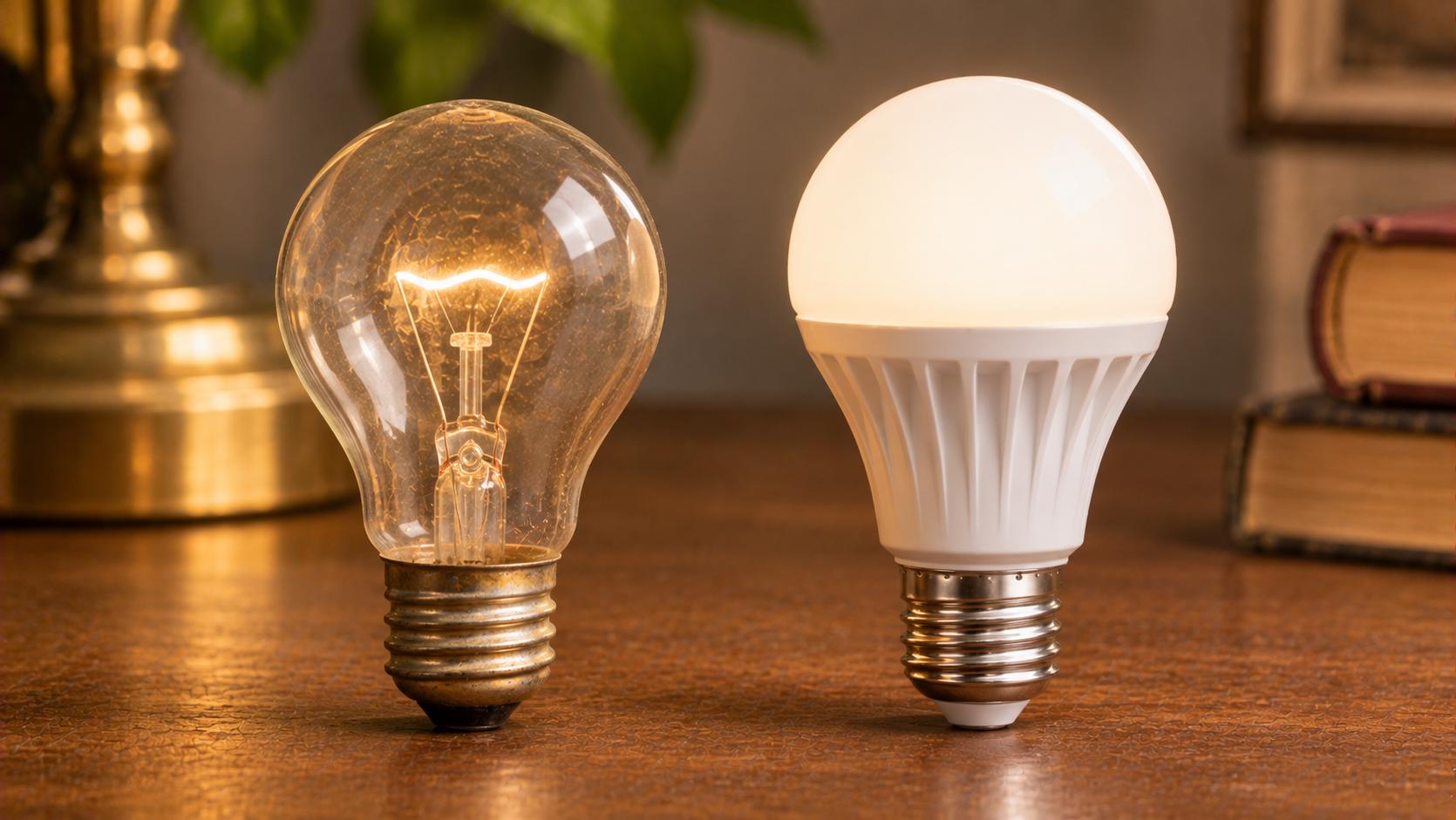
For much of the 20th century, buying a light bulb meant choosing a familiar incandescent model with a glowing filament inside. The basic technology had remained recognizable for generations, so there was little reason for most households to expect a major change. Compact fluorescent lamps began reaching consumers in the mid-1980s, although their unusual shapes and higher prices initially limited their popularity. As the technology improved, more households began considering alternatives to traditional incandescent lighting. LED bulbs eventually offered another major advance, using substantially less electricity and lasting much longer. A household purchase that once seemed almost unchanged from one generation to the next became part of a much larger transformation in energy efficiency.
10. LEGO Figures Became Recognizable Characters in Four Years

The little smiling LEGO minifigure is so familiar today that it is difficult to imagine the toy without it. Yet the original LEGO figures looked nothing like the characters children recognize now. In 1974, the company introduced a figure constructed largely from square bricks, featuring movable arms but legs that remained fixed in place. It was a relatively simple design that lacked the personality of later versions. Just four years later, in 1978, LEGO introduced the classic minifigure with movable limbs, two black dots for eyes, and a small smile. That tiny redesign changed how children could create stories with their LEGO sets, turning basic building toys into worlds filled with recognizable characters.
11. The iPod Reinvented Itself in Just Six Years
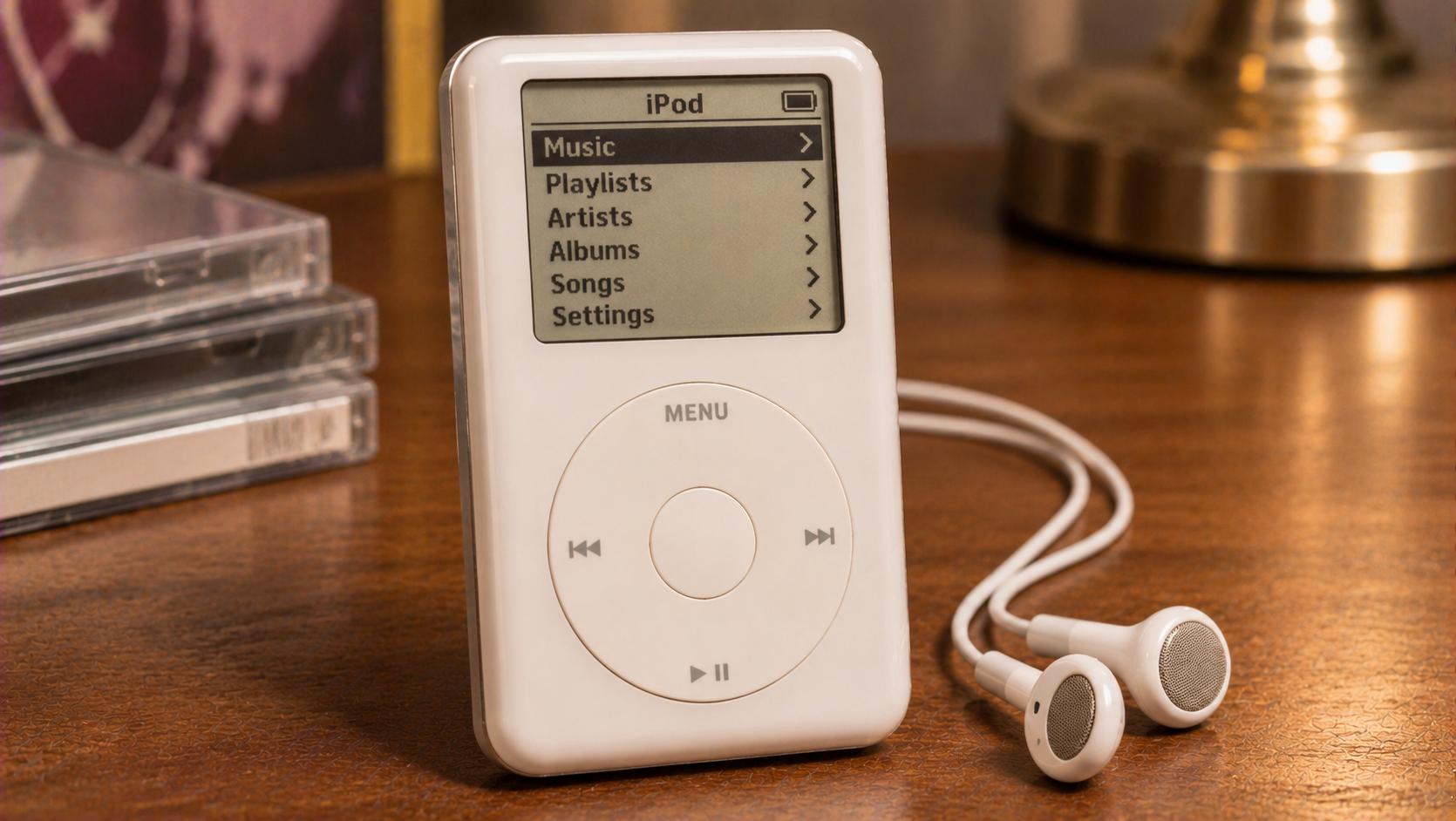
When Apple introduced the original iPod in October 2001, carrying approximately 1,000 songs in a device small enough to fit in a pocket felt revolutionary. Its mechanical scroll wheel and relatively bulky shape quickly became recognizable features of early digital music players. But Apple did not keep that design for long. In 2004, the colorful iPod mini arrived, followed by the much thinner iPod nano in 2005, which replaced the mini and used flash memory instead of a traditional hard drive. By 2007, the iPod touch had introduced a touchscreen interface that looked far more like a modern smartphone. In only six years, the original iPod had already become a nostalgic reminder of an earlier generation of technology.
12. Portable Music Players Changed Formats in Five Years
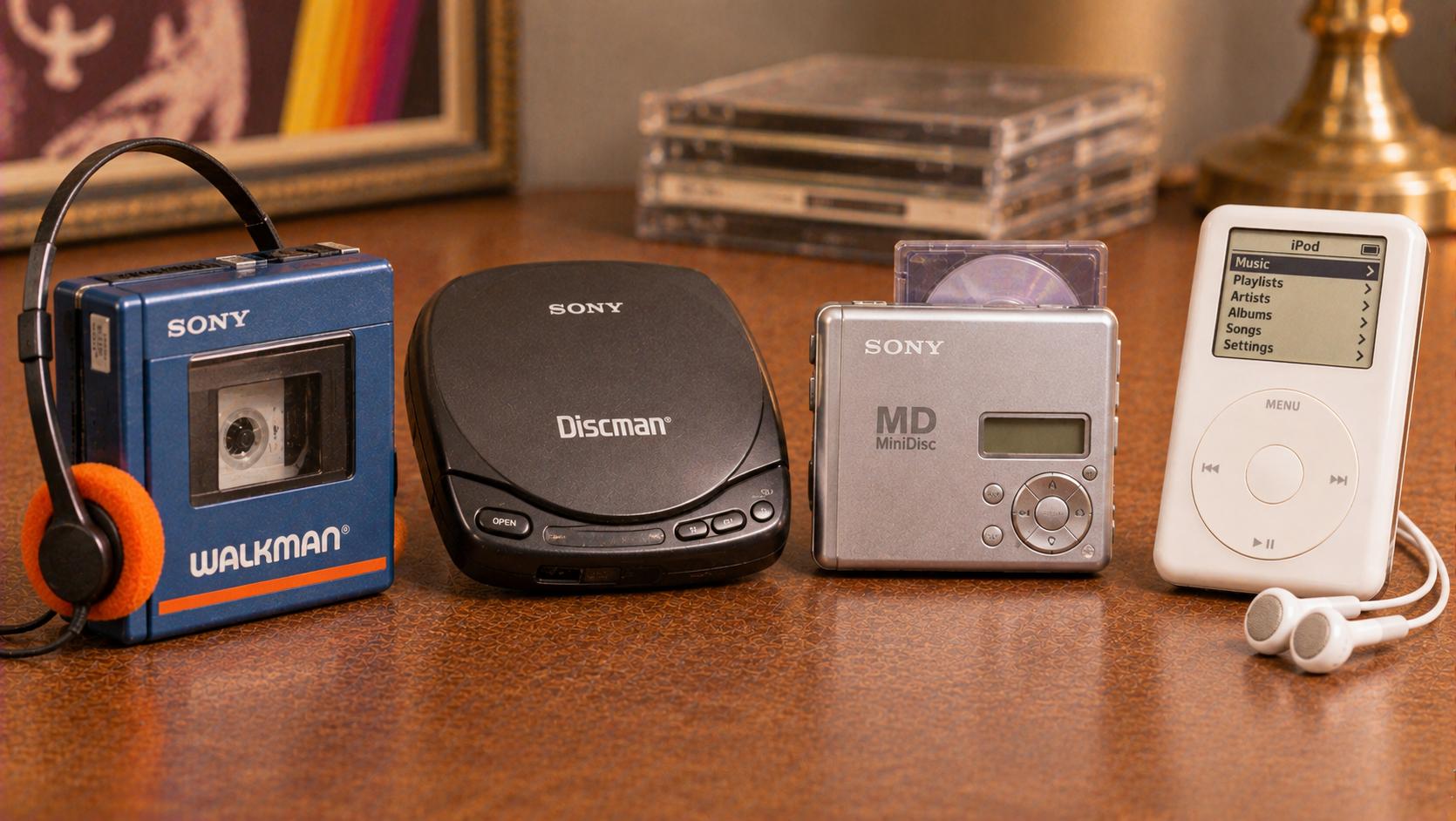
When Sony launched the original Walkman in 1979, the idea of listening to a personal music collection while walking down the street was genuinely exciting. Cassette tapes and lightweight headphones suddenly made music portable in a way that had not been practical before. But the technology evolved almost immediately. In 1984, Sony introduced the D-50, the world’s first portable CD player, weighing approximately 590 grams. The company continued experimenting with new formats, releasing a MiniDisc Walkman in 1992 and a Memory Stick-based player in 1999. Within two decades, portable music had moved through several different technologies, leaving consumers with collections of tapes, CDs, and other formats that could become outdated surprisingly quickly.
13. Floppy Disks Became Smaller Before Disappearing
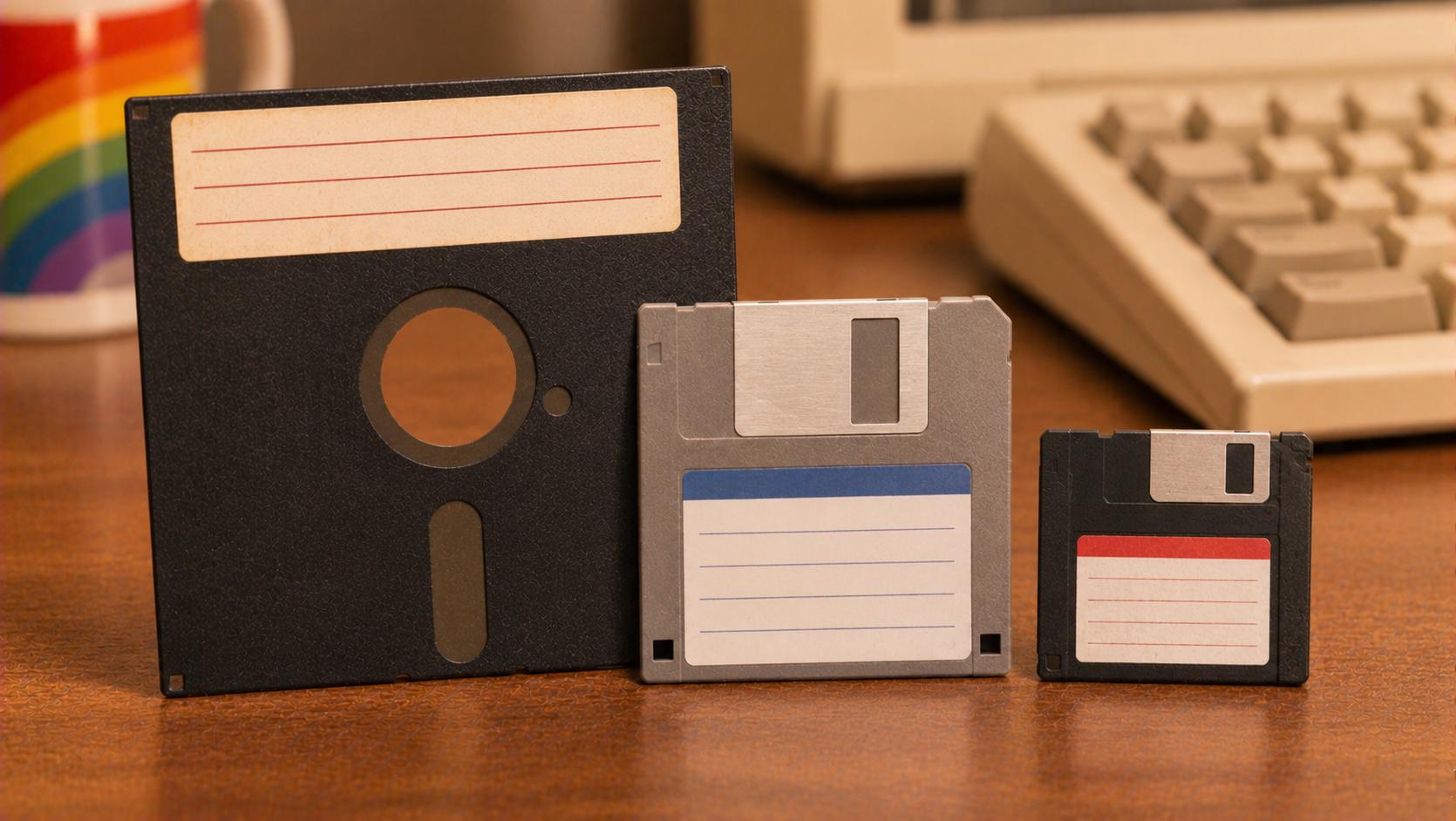
People who remember saving school assignments or office documents on floppy disks probably picture the small, rigid 3.5-inch version. But early floppy disks were much larger and considerably less convenient. IBM introduced an 8-inch floppy disk system in 1971, providing a new way to store and transfer computer data. In 1976, Shugart Associates developed the smaller 5.25-inch format, which became familiar to early personal computer users. Sony introduced the 3.5-inch disk in 1981, offering a more compact design with a protective plastic shell. By the mid-1990s, that version had become the dominant floppy format for personal computers. Eventually, optical discs, USB drives, and other storage technologies made floppy disks increasingly unnecessary.
14. Digital Cameras Became Serious Competition for Film
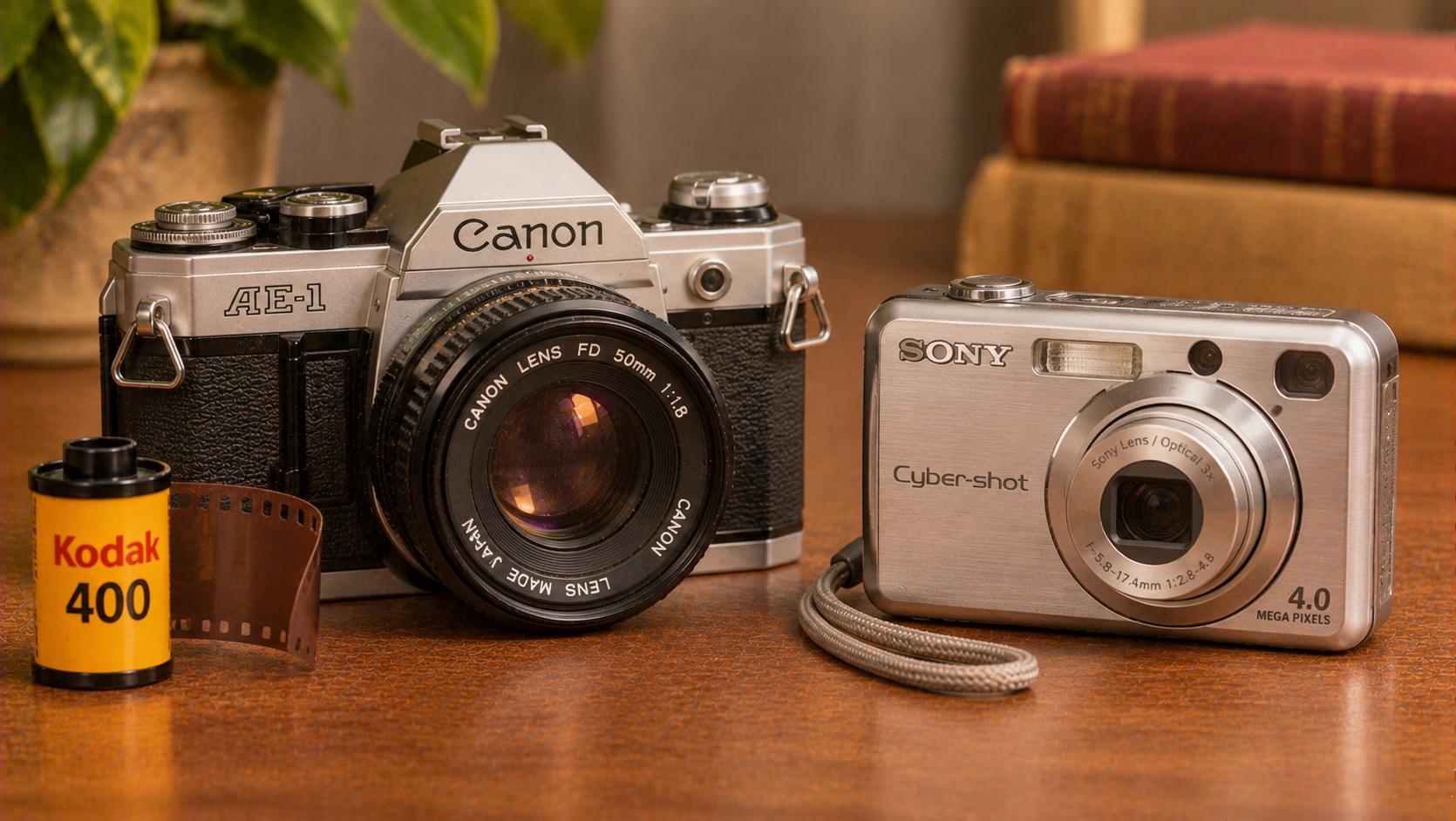
During the early 1990s, traditional film cameras still dominated photography, and many consumers viewed digital cameras as expensive experimental devices. But the technology was developing faster than many people expected. Nikon began a dedicated digital camera development project in 1996, with the goal of producing competitive models within just two years. The company introduced the COOLPIX 900 compact digital camera in 1998, followed by the D1 digital SLR in 1999. The D1 offered professional digital photography at approximately one-third the price of some competing systems, helping make the technology more accessible to working photographers. In a remarkably short period, digital cameras went from unusual alternatives to serious competitors in a market that had relied on photographic film for generations.
15. Polaroid Cameras Became Compact Folding Devices
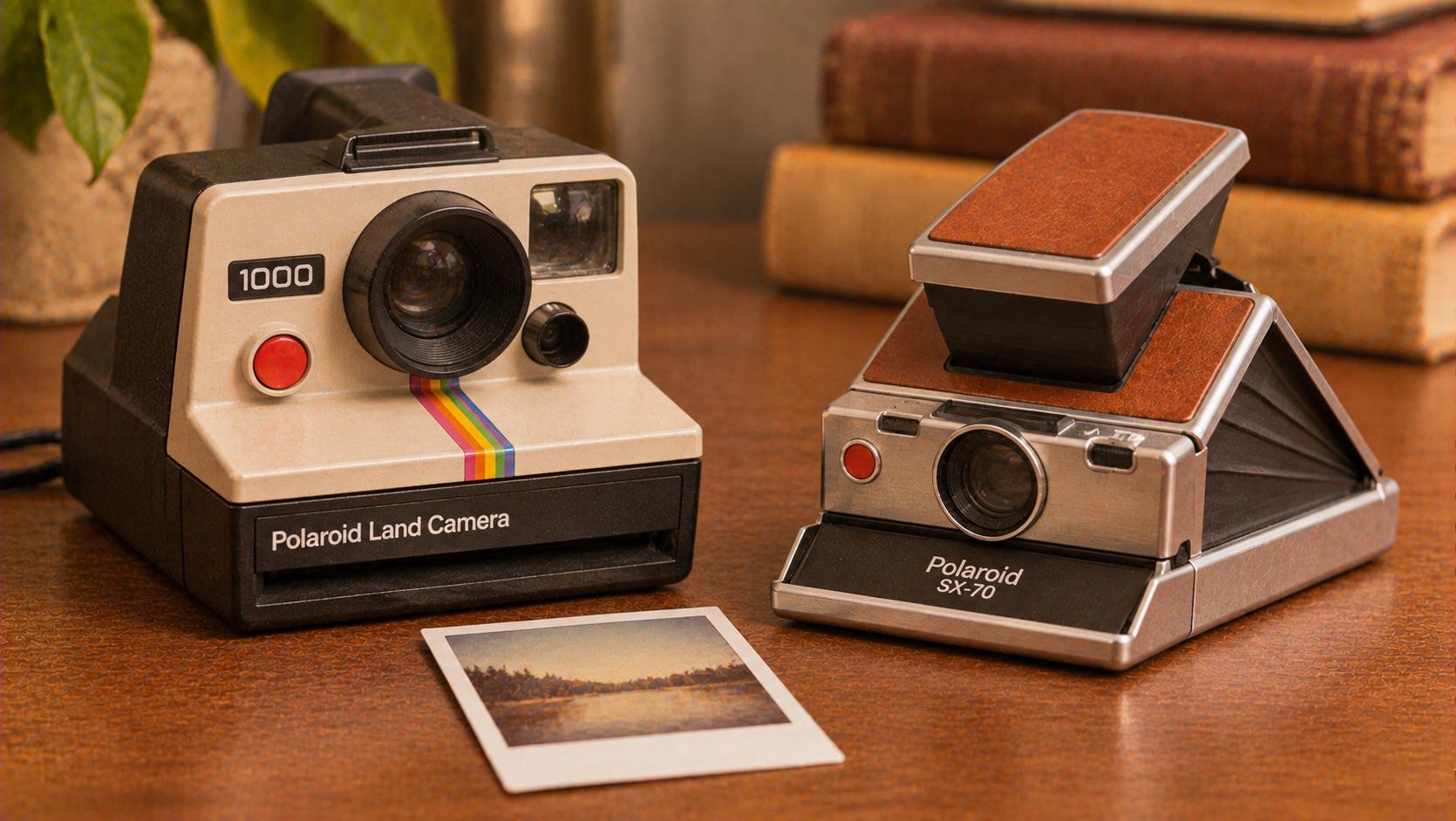
Instant photography had already fascinated consumers for years before Polaroid introduced one of its most memorable designs in 1972. Earlier instant cameras were often bulky, making them less convenient to carry around for everyday snapshots. The Polaroid SX-70 changed that experience with a folding design that transformed a substantial camera into a relatively compact device. Its integrated film system also simplified the process of producing instant photographs, eliminating the need to manually separate the picture from its negative. Later SX-70 models introduced sonar-based autofocus, adding another level of convenience. Within a single decade, instant photography had become more portable, more automatic, and considerably easier for ordinary people to enjoy.
More Related Notes
• 15 Everyday Things That Look Nothing As They Did in 1985
Take a nostalgic look at familiar products that have transformed over the past four decades, from telephones and televisions to everyday electronics. These changes reveal just how quickly technology reshaped ordinary household essentials.
• 18 Everyday Products That Lasted Much Longer in the Past
Explore how the durability, design, and functionality of everyday products have evolved. From washing machines to clothing and furniture, discover why many older items were built differently from their modern counterparts.
• 18 Everyday Items That Became Cheaper as Technology Improved
Discover how advances in manufacturing and technology transformed once-expensive products into affordable household staples, making televisions, computers, cameras, and other everyday essentials more accessible than ever.