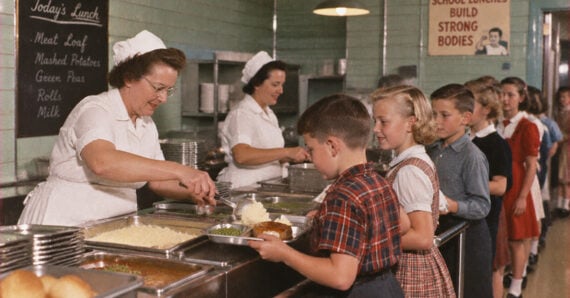
For many families, the 1970s pantry held familiar groceries that made everyday meals simple and convenient. Canned vegetables, boxed dinners, drinks, and cereals were common in kitchen cupboards. Many houses relied on these products to prepare quick dinners and pack school lunches.
Some of these groceries are still available, while others have disappeared or changed over the years. Their colorful packaging, flavors, and easy preparation bring back memories of a different time in American food culture. Here are 14 vintage groceries that many families remember seeing in their kitchens.
1. Jell-O Gelatin
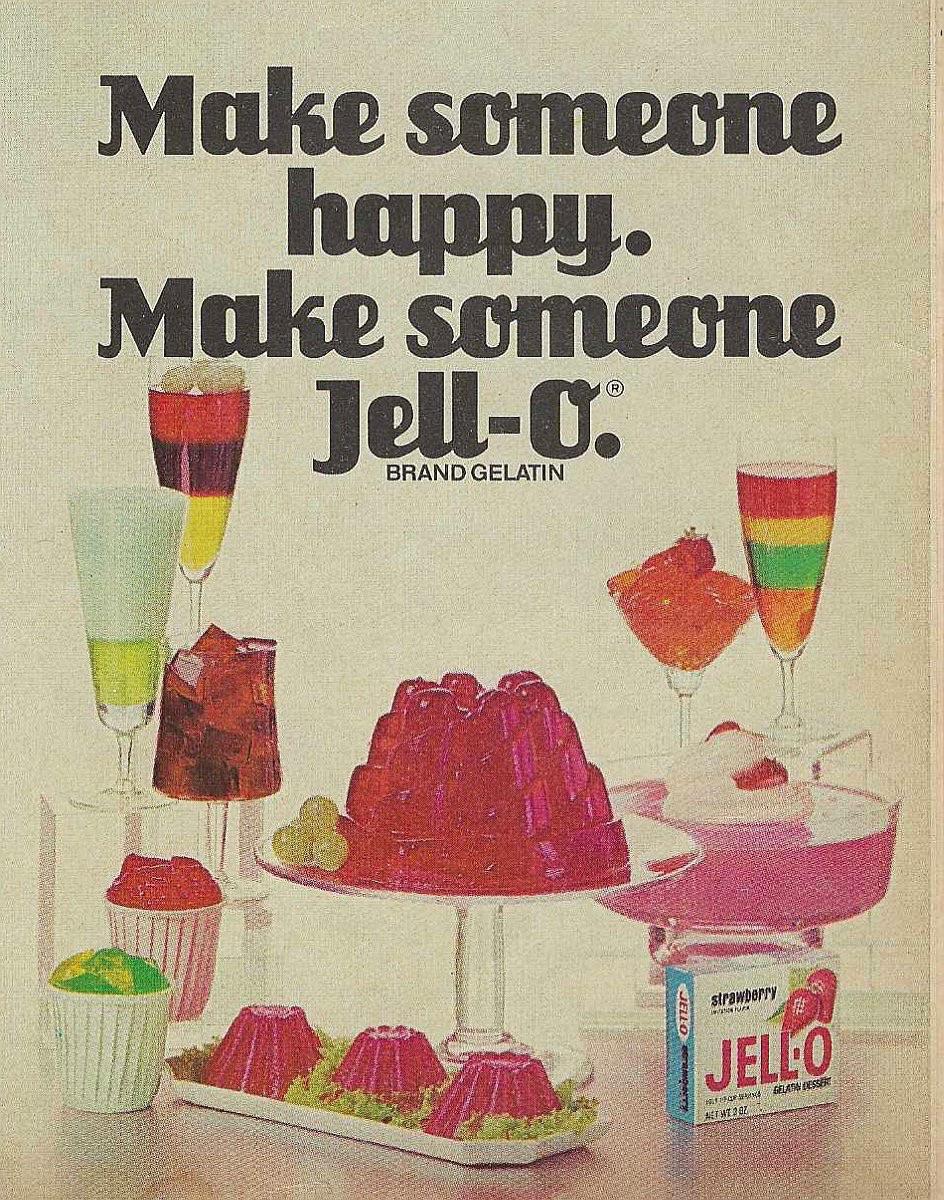
Few products were as versatile as Jell-O. Families kept several flavors in their cupboards to prepare desserts, fruit salads, and colorful molded dishes for special occasions. Strawberry, lime, cherry, and orange were among the familiar choices.
2. Campbell’s Tomato Soup
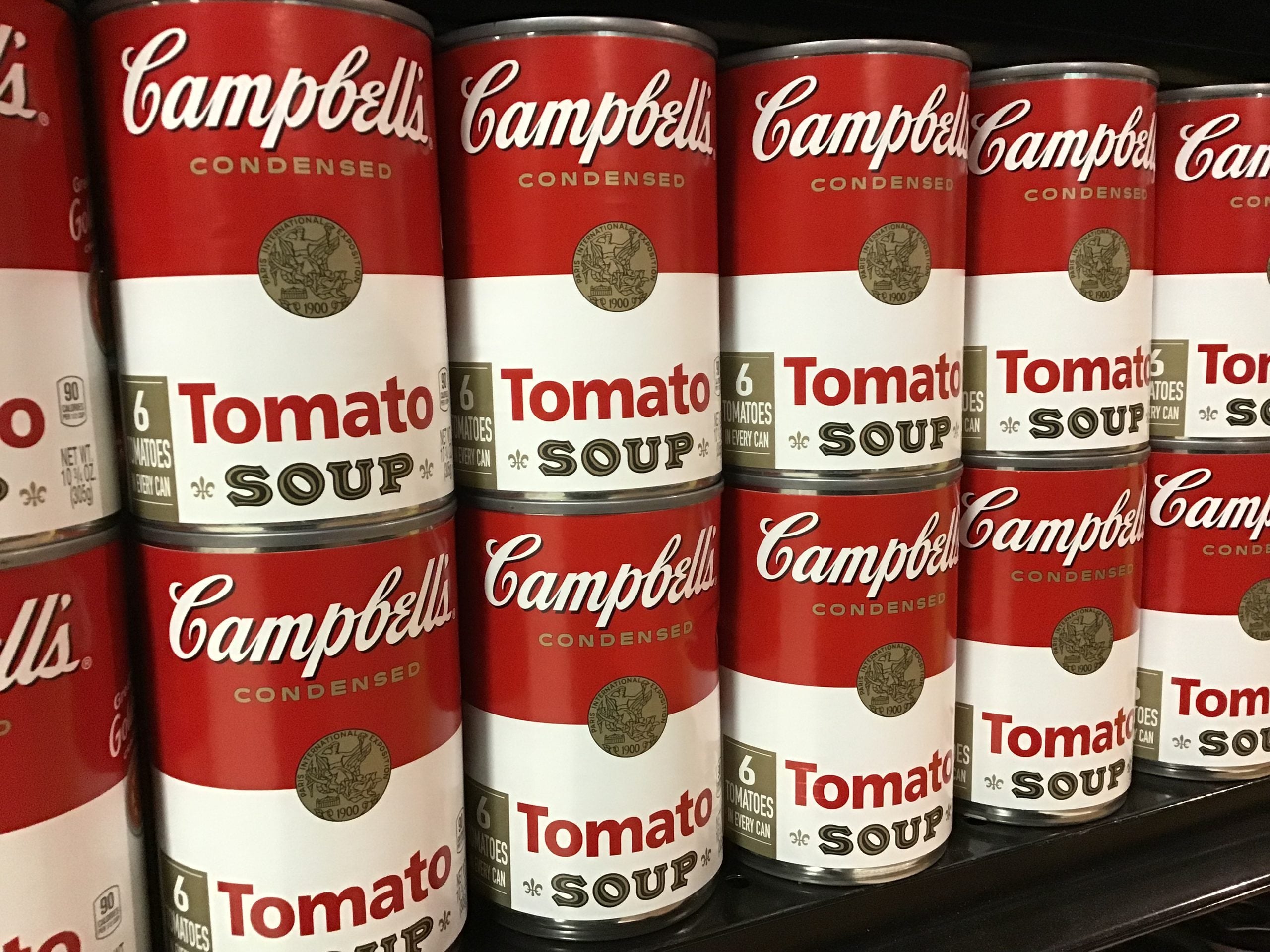
Campbell’s tomato soup was a classic pantry staple that many families relied on for quick lunches and dinners. It was served with grilled cheese sandwiches, crackers, or a slice of buttered bread. The familiar red-and-white can was easy to spot in grocery stores.
3. SPAM Canned Meat
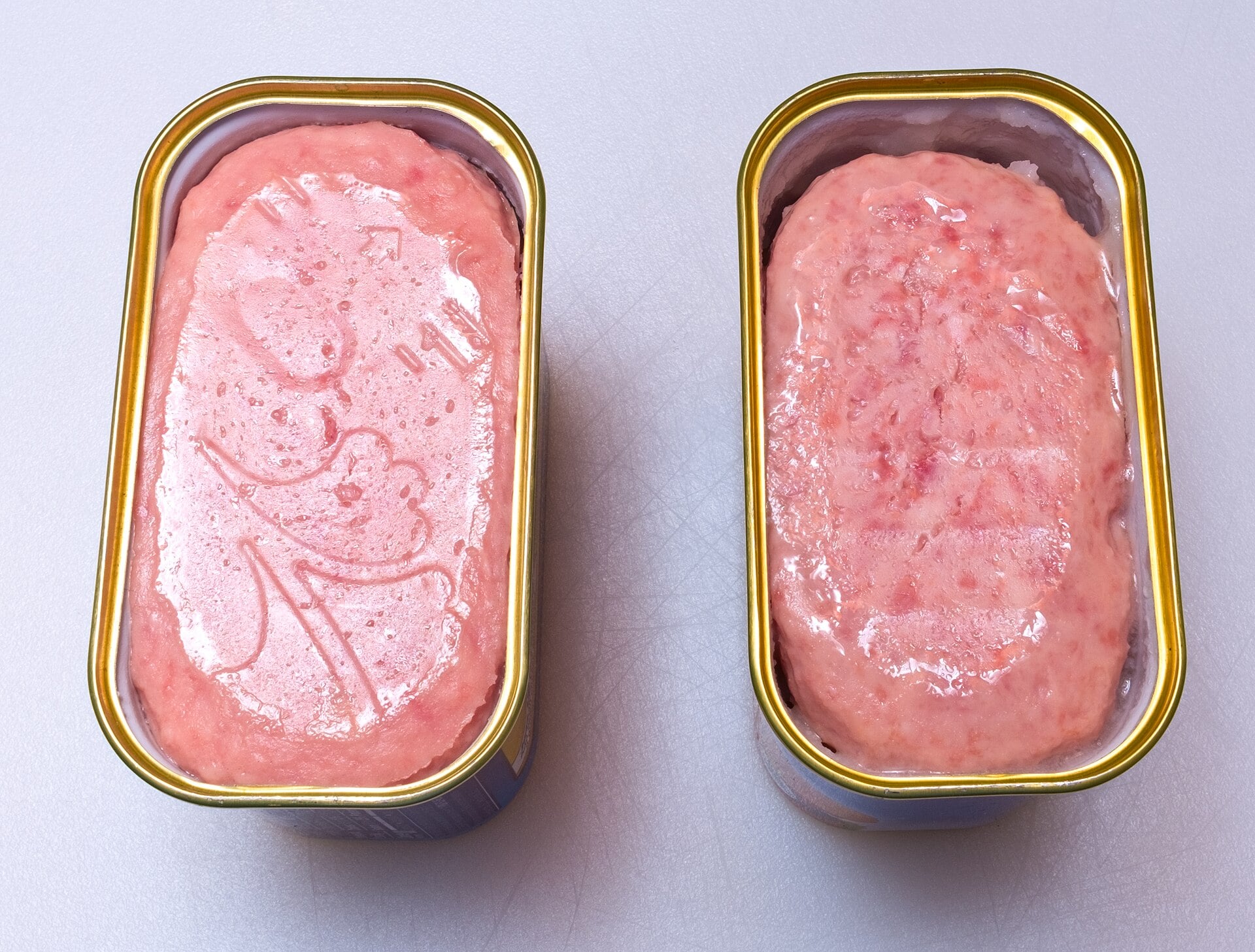
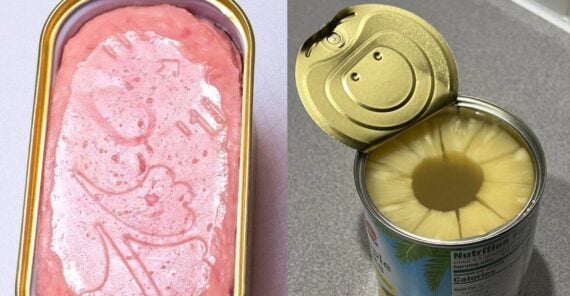
SPAM had already been around for decades by the 1970s. The canned meat could be sliced, fried, added to sandwiches, or served with eggs and potatoes. Because it did not require refrigeration, it was convenient for families who wanted an easy source of protein.
4. Kraft Macaroni & Cheese
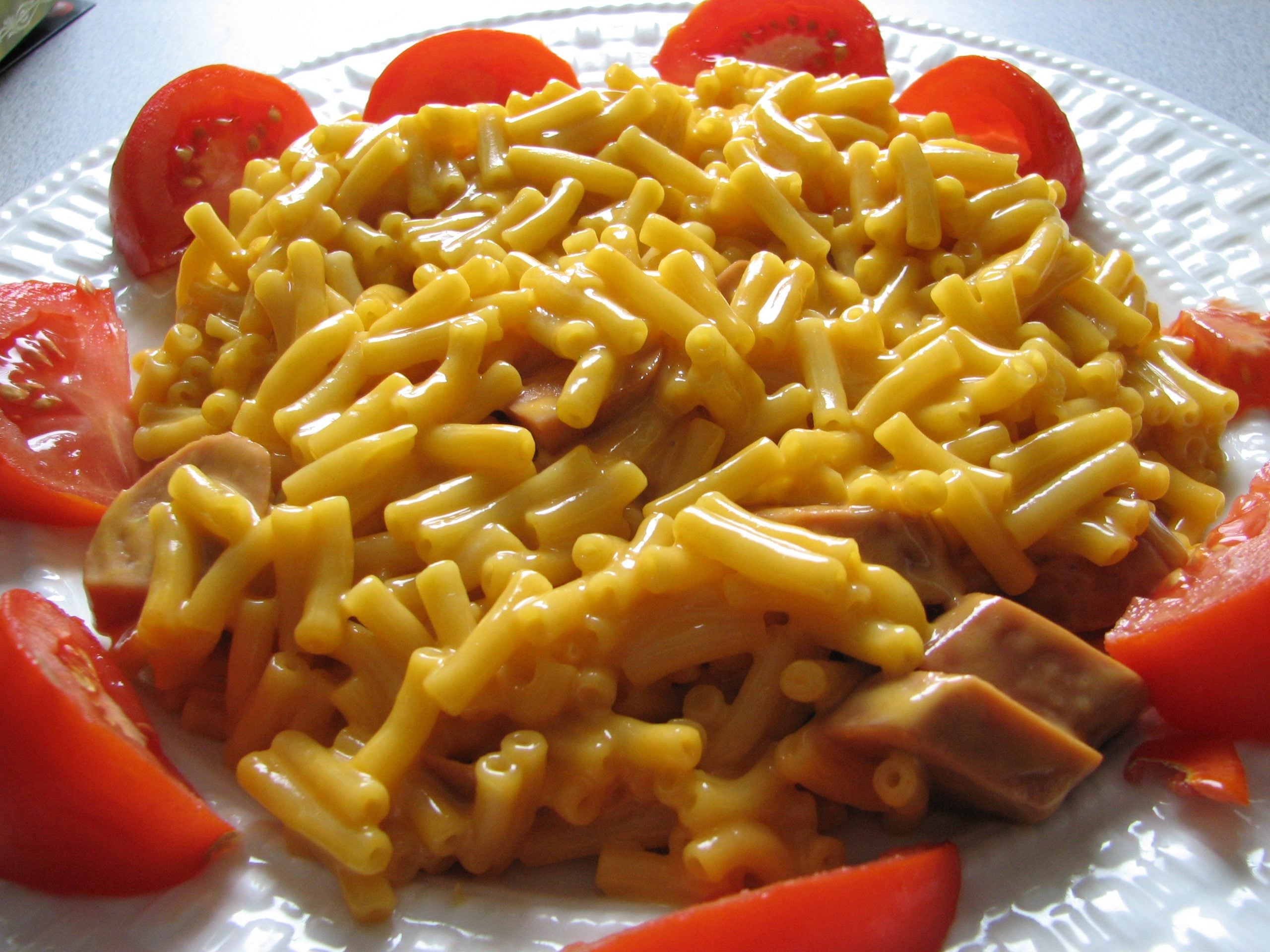
Kraft Macaroni & Cheese was a familiar dinner option for families with children. Its blue box contained dried pasta and powdered cheese mix. Some families served it as a side dish, while others turned it into a complete dinner by adding beef, hot dogs, or vegetables.
5. Hamburger Helper
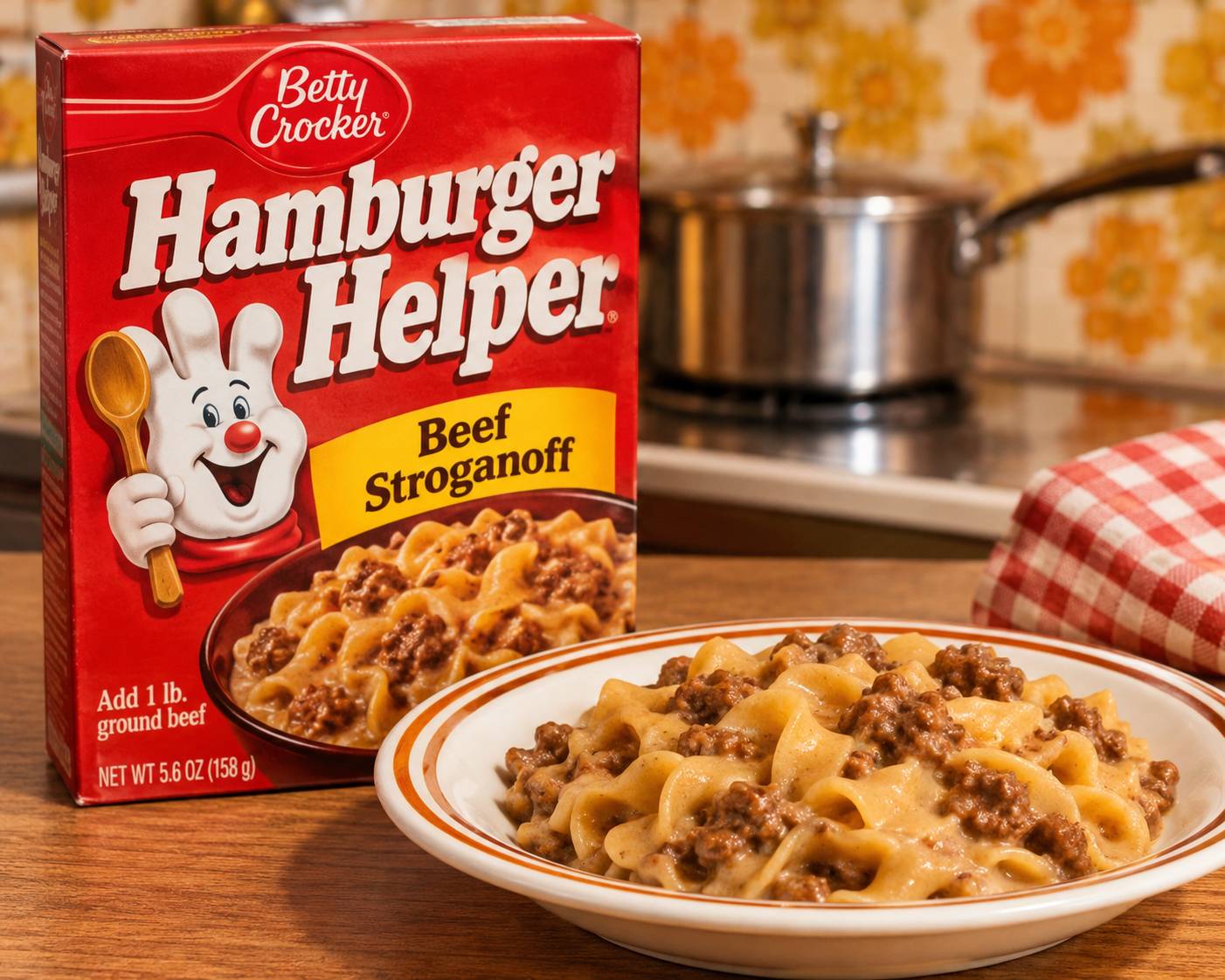
Introduced in 1971, Hamburger Helper became a popular food. Different varieties offered pasta, rice, and seasoning combinations that required little preparation. For busy parents, it was an easy way to put a homemade-style meal on the table without starting from scratch.
Trending on Wealth Gang

6. Kool-Aid Powdered Drink Mix
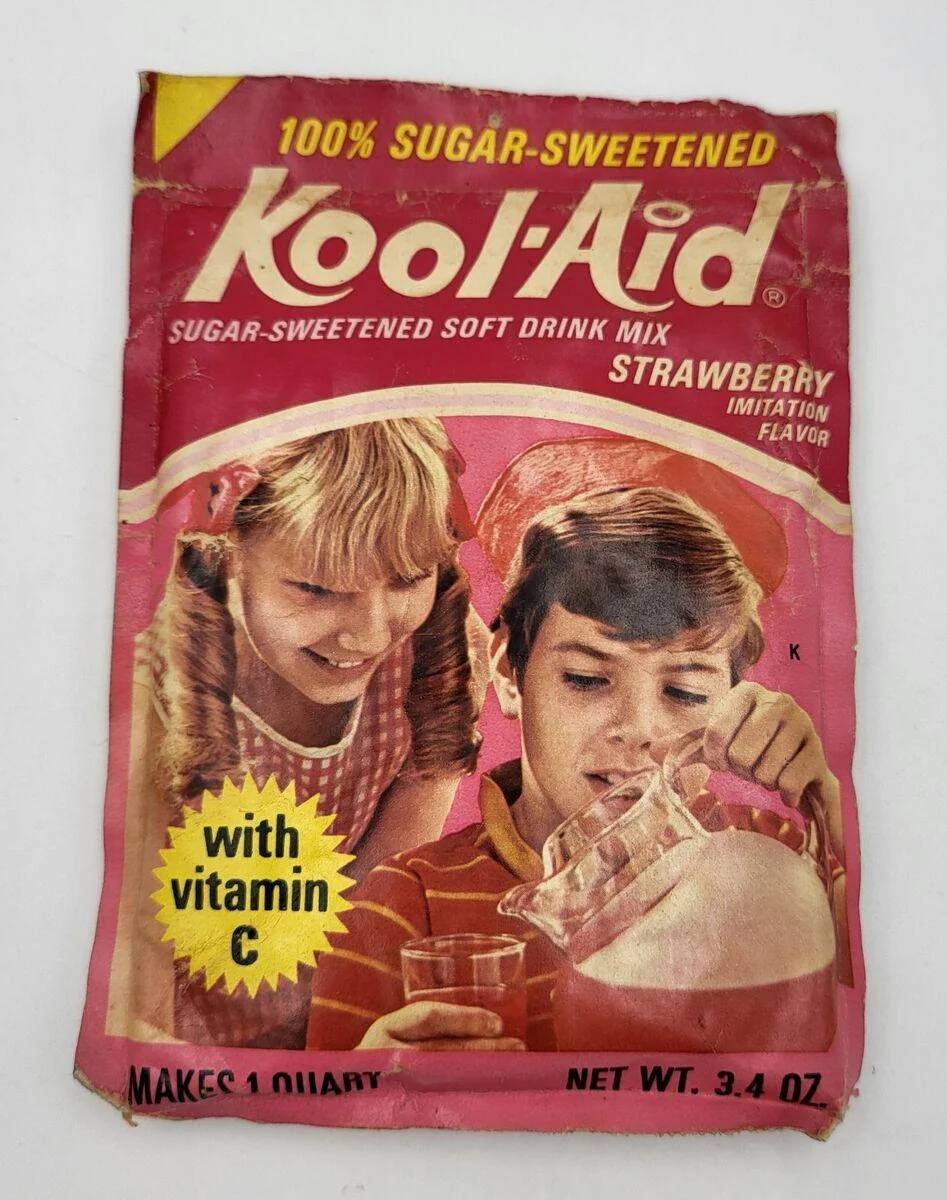
The inexpensive powdered packets came in colorful flavors such as cherry, grape, and lemonade. Parents made a large pitcher by mixing the powder with water and sugar. The product had been around since the 1920s, making it a familiar favorite long before the 1970s.
7. Shake ‘n Bake
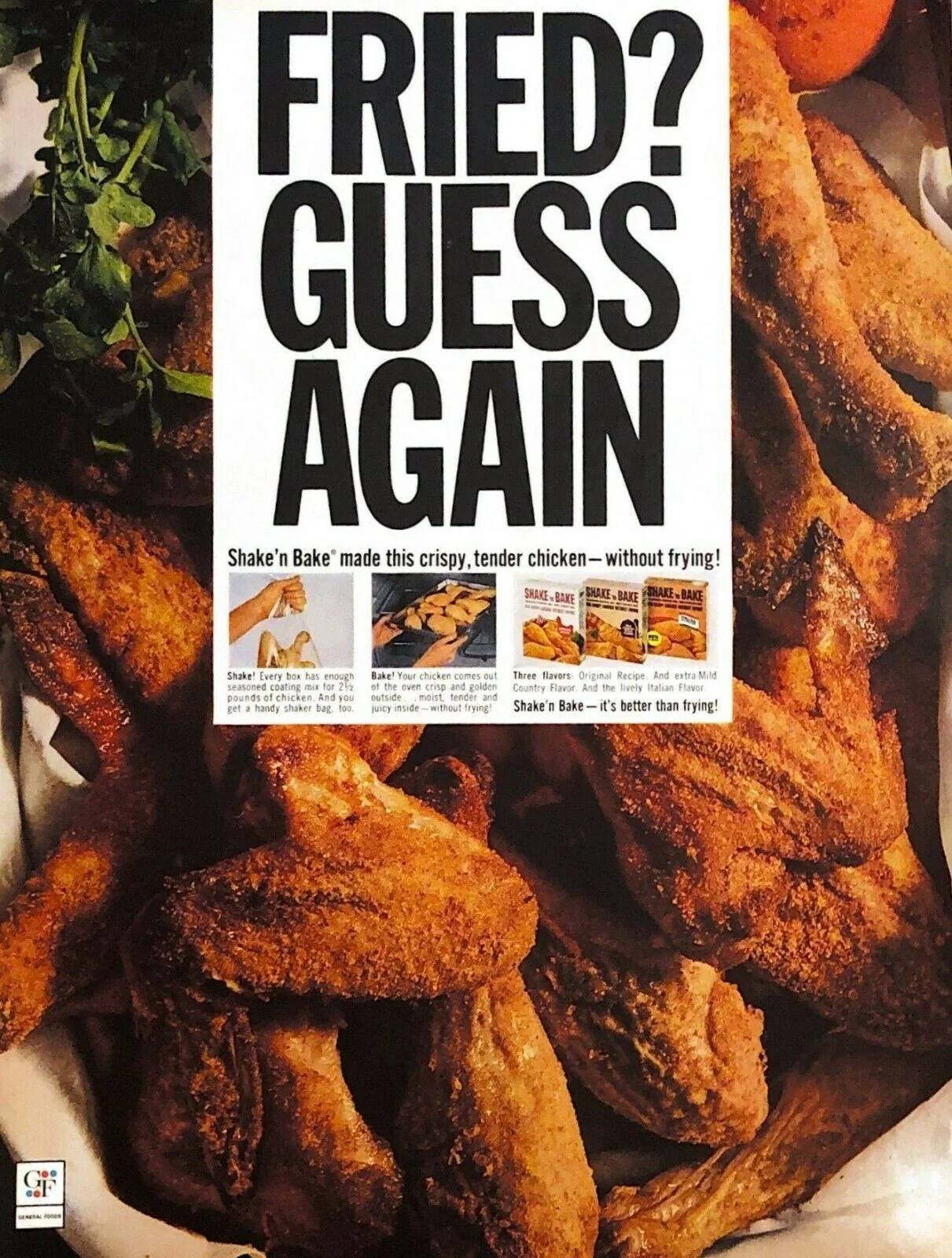
Shake ‘n Bake made it easier for families to prepare crispy chicken and pork at home. Introduced in 1965, the product included a seasoned coating mix that was placed in a bag with the meat and shaken before baking. It offered a convenient alternative to frying.
8. Rice-A-Roni
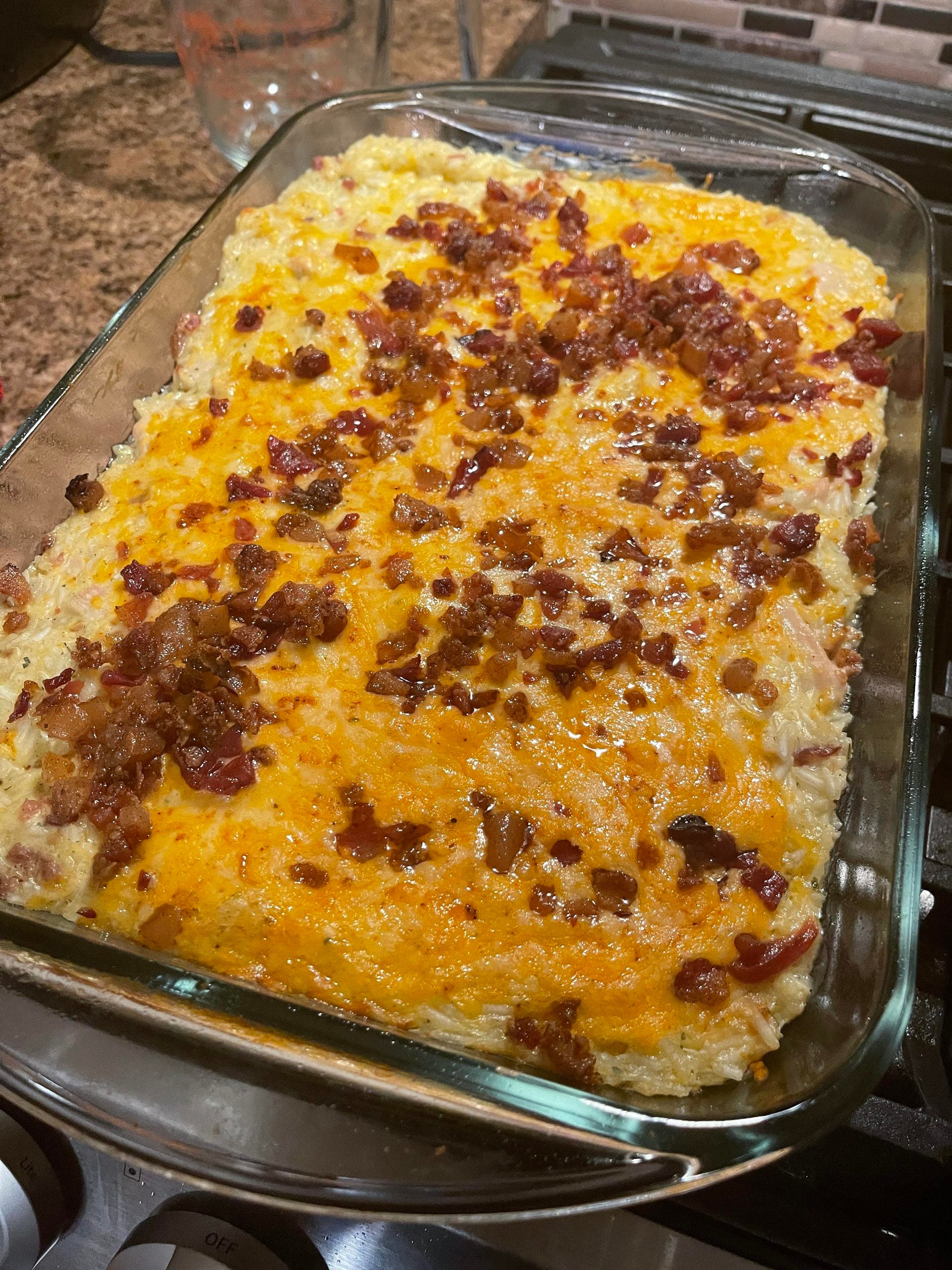
Rice-A-Roni was another convenient product that appeared in many American pantries. The boxed rice and pasta mixture became known as the San Francisco Treat. Families prepared it with water and butter, creating an easy side dish to accompany chicken, meatloaf, or vegetables.
Sign up for our newsletter
9. Bisquick Baking Mix
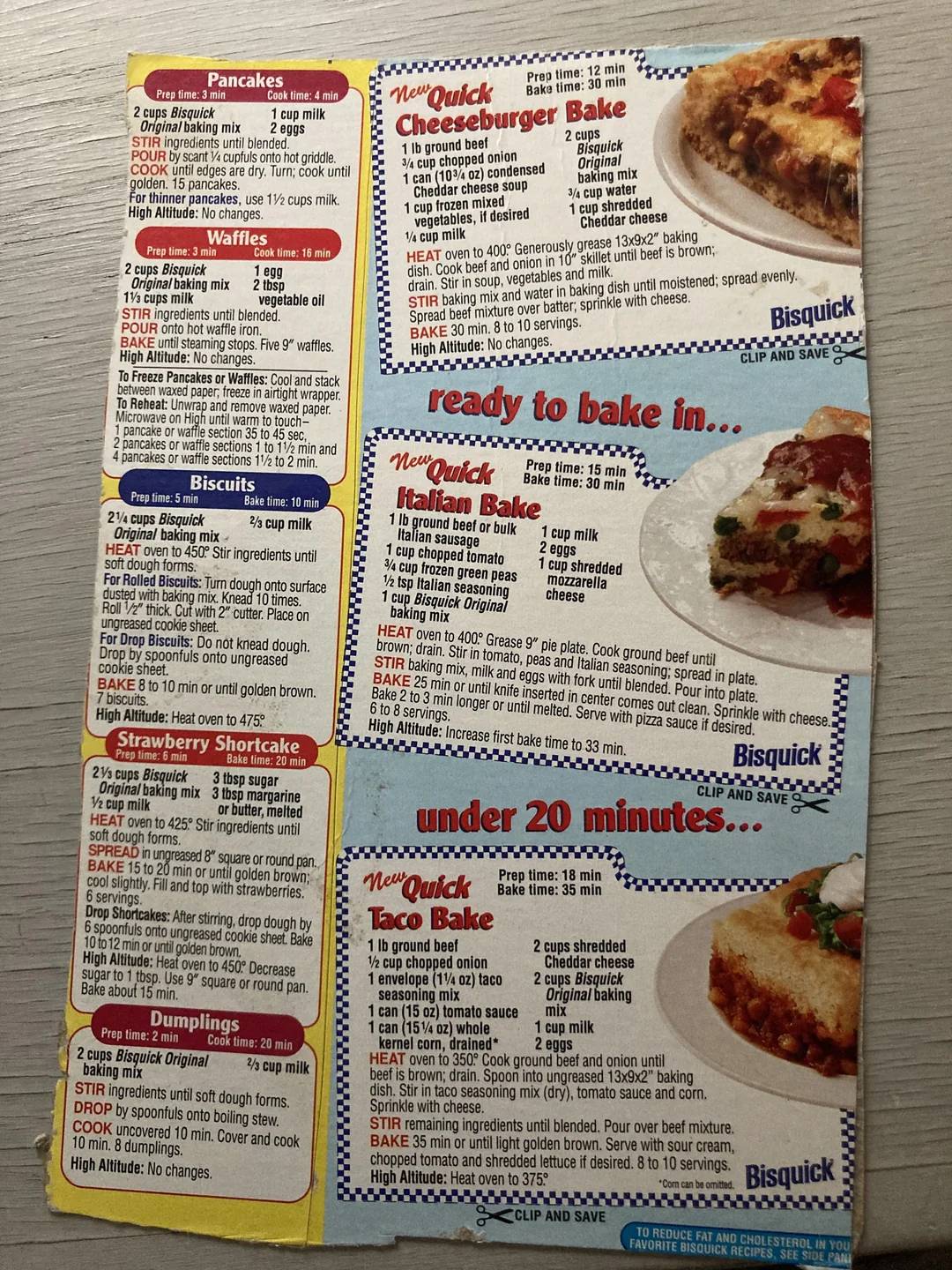
Bisquick was a useful ingredient for families who enjoyed homemade pancakes, biscuits, and waffles. Instead of measuring several dry ingredients separately, cooks could start with the ready-made baking mix and add a few wet ingredients. It saved time during busy mornings.
10. Canned Pineapple
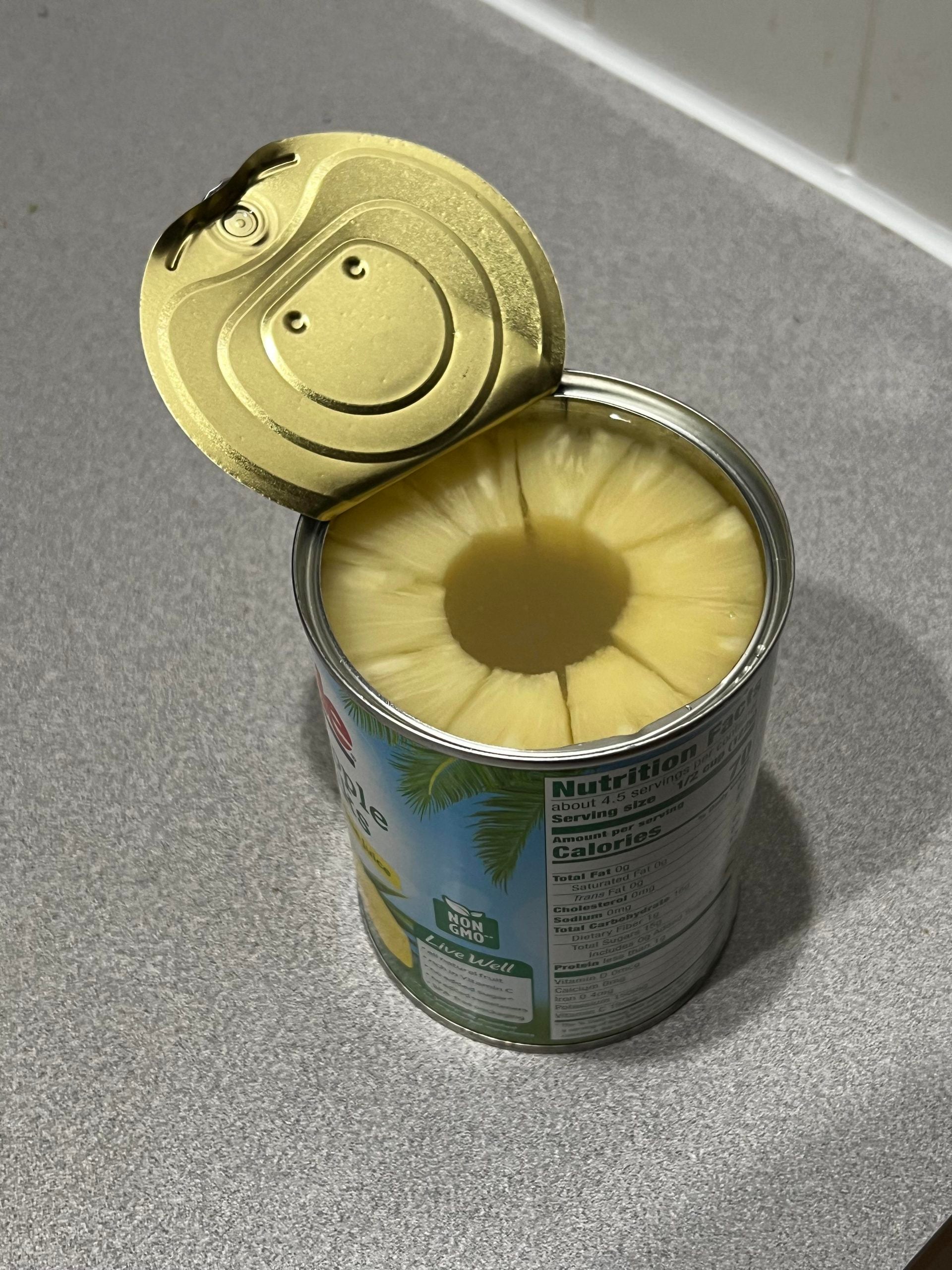
Del Monte and other brands sold pineapple slices, chunks, and crushed pineapple in cans. It was used in fruit salads, cakes, desserts, and even savory dishes.
11. Country Time Lemonade
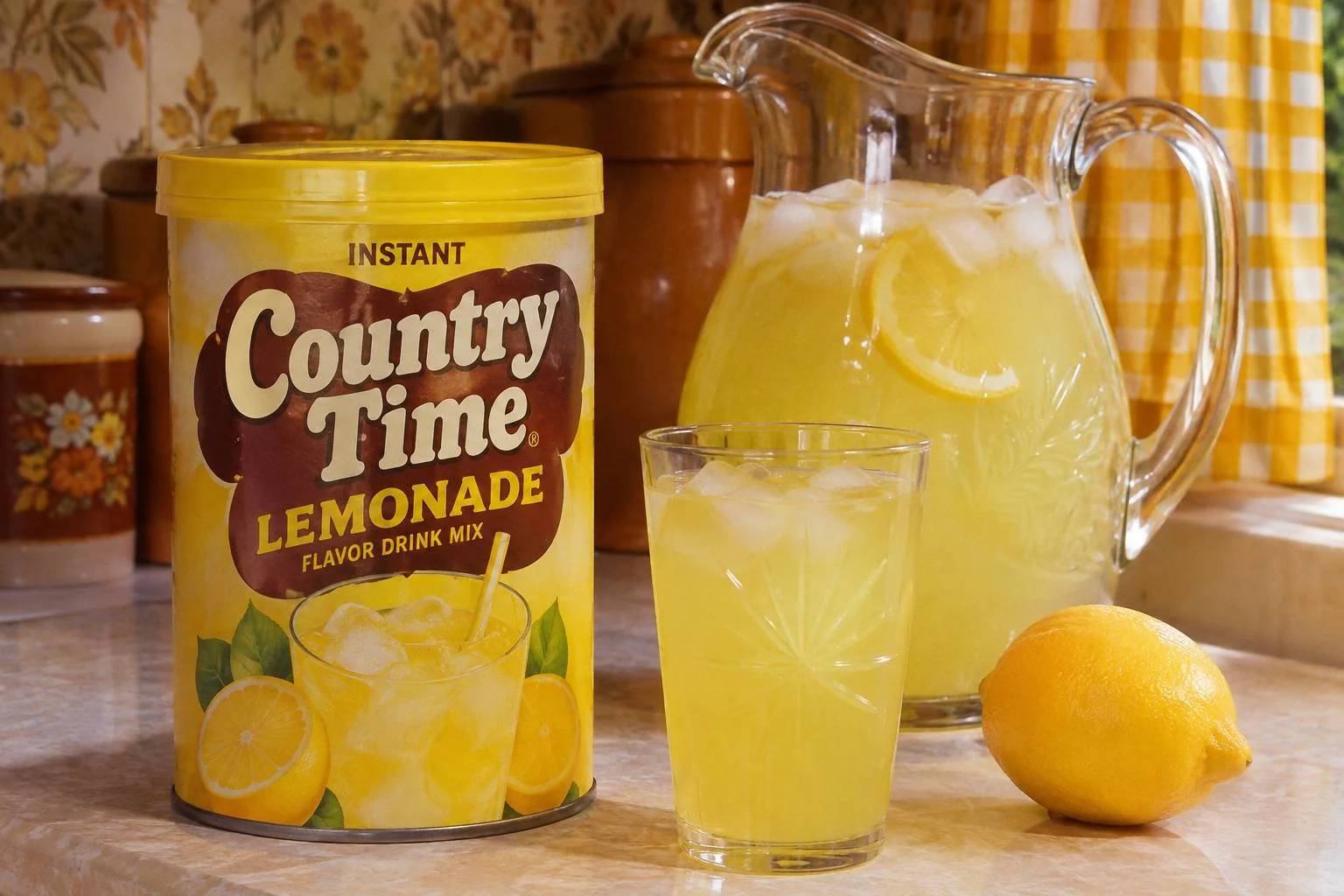
Country Time became a familiar name in American kitchens after its introduction in 1975. The lemonade mix made it easy to prepare a drink without squeezing fresh lemons. Families kept the container in the pantry and prepared a pitcher whenever guests arrived, or the weather became warm.
12. Canned Green Beans
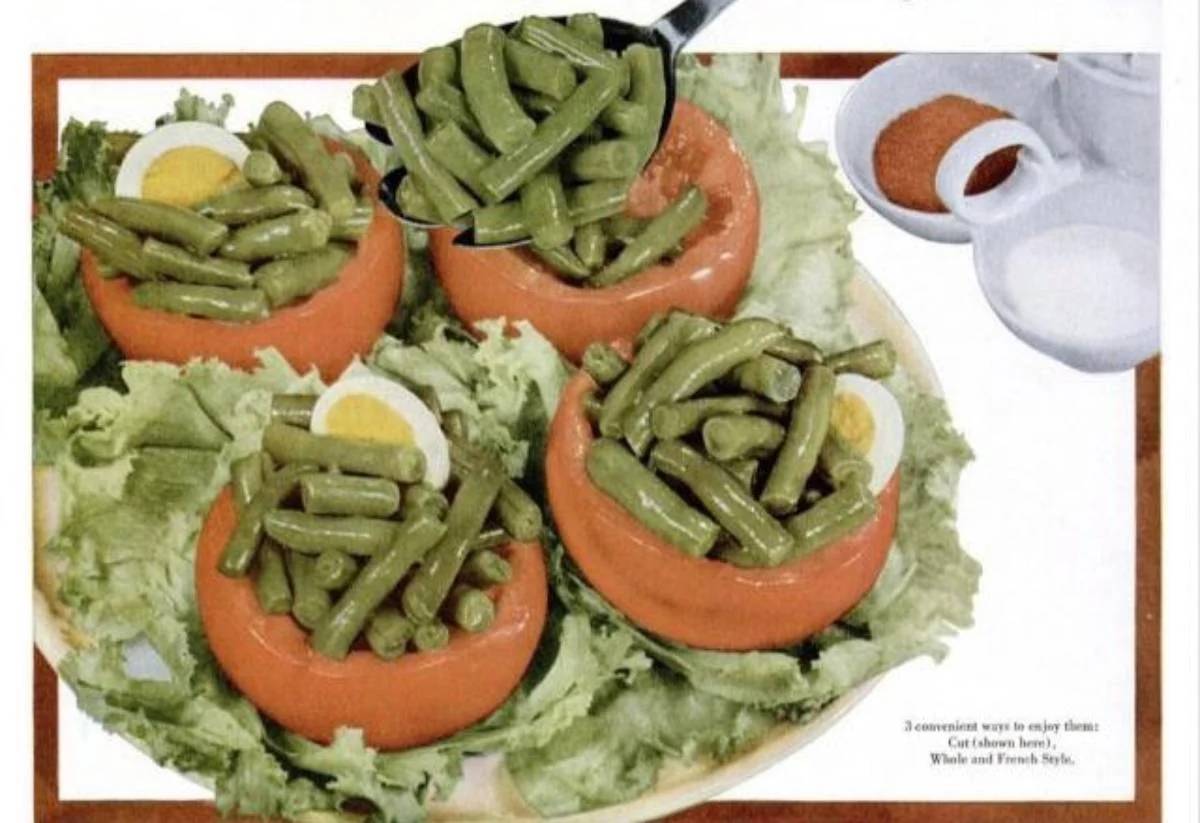
They were cheap and easy to store. Canned vegetables were particularly important during this period, as processed vegetables represented a major part of American vegetable consumption.
13. Instant Coffee
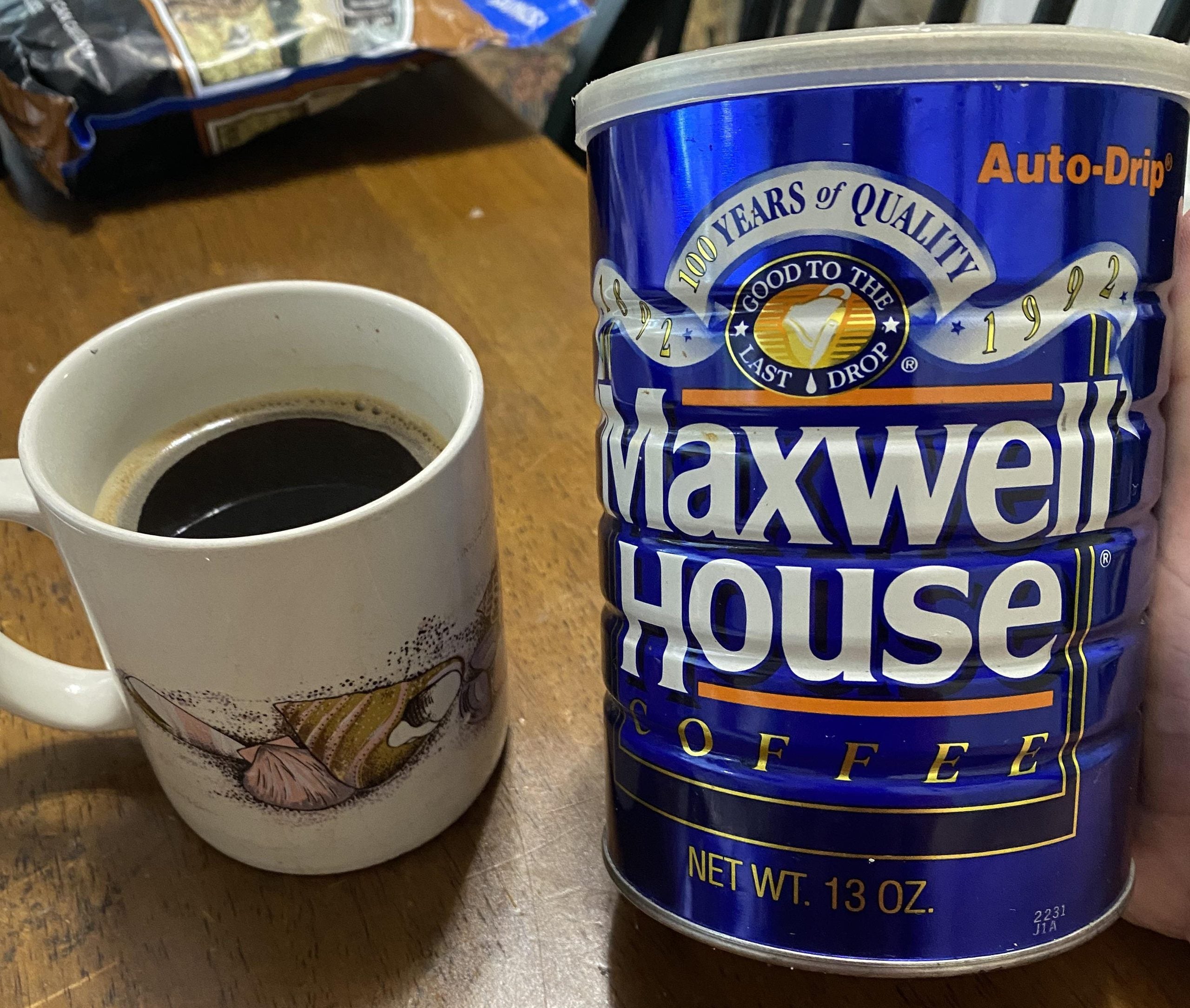
Instant coffee was a great option for houses that wanted a quick cup without brewing an entire pot. Brands such as Maxwell House and Nescafé sold coffee in glass jars that could be stored in the pantry and used anytime.
14. Nature Valley Granola Bars
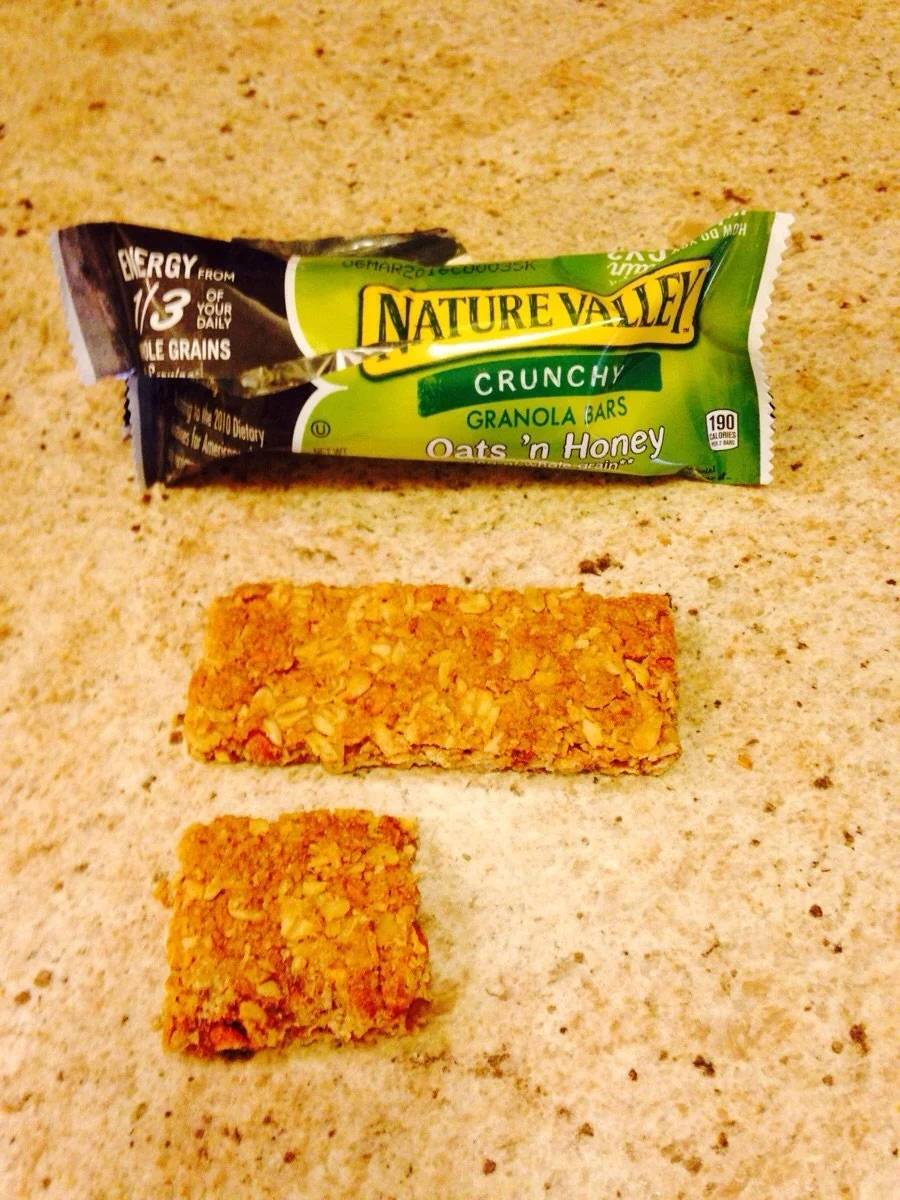
Nature Valley granola bars arrived in 1975. The original crunchy bars were designed as an option for people who wanted something easy to carry and eat on the go. Their combination of oats and honey helped distinguish them from traditional bars.