There was a time when walking through an American grocery store meant spotting familiar names that had been part of family shopping trips for generations. Certain cereal boxes, frozen dinners, and colorful cookie packages were so recognizable that shoppers barely needed to read the labels. They belonged to childhood breakfasts, school lunches, and those weekly trips when parents pushed the cart while kids searched for their favorite treats.
Over the decades, changing tastes, company mergers, and growing competition slowly pushed many of those brands out of the spotlight. Some disappeared completely, while others survived through occasional revivals or limited availability. For anyone who remembers grocery shopping in the 1960s, 1970s, or 1980s, these forgotten names bring back a surprisingly vivid picture of what American supermarket shelves once looked like.
1. Freezer Queen
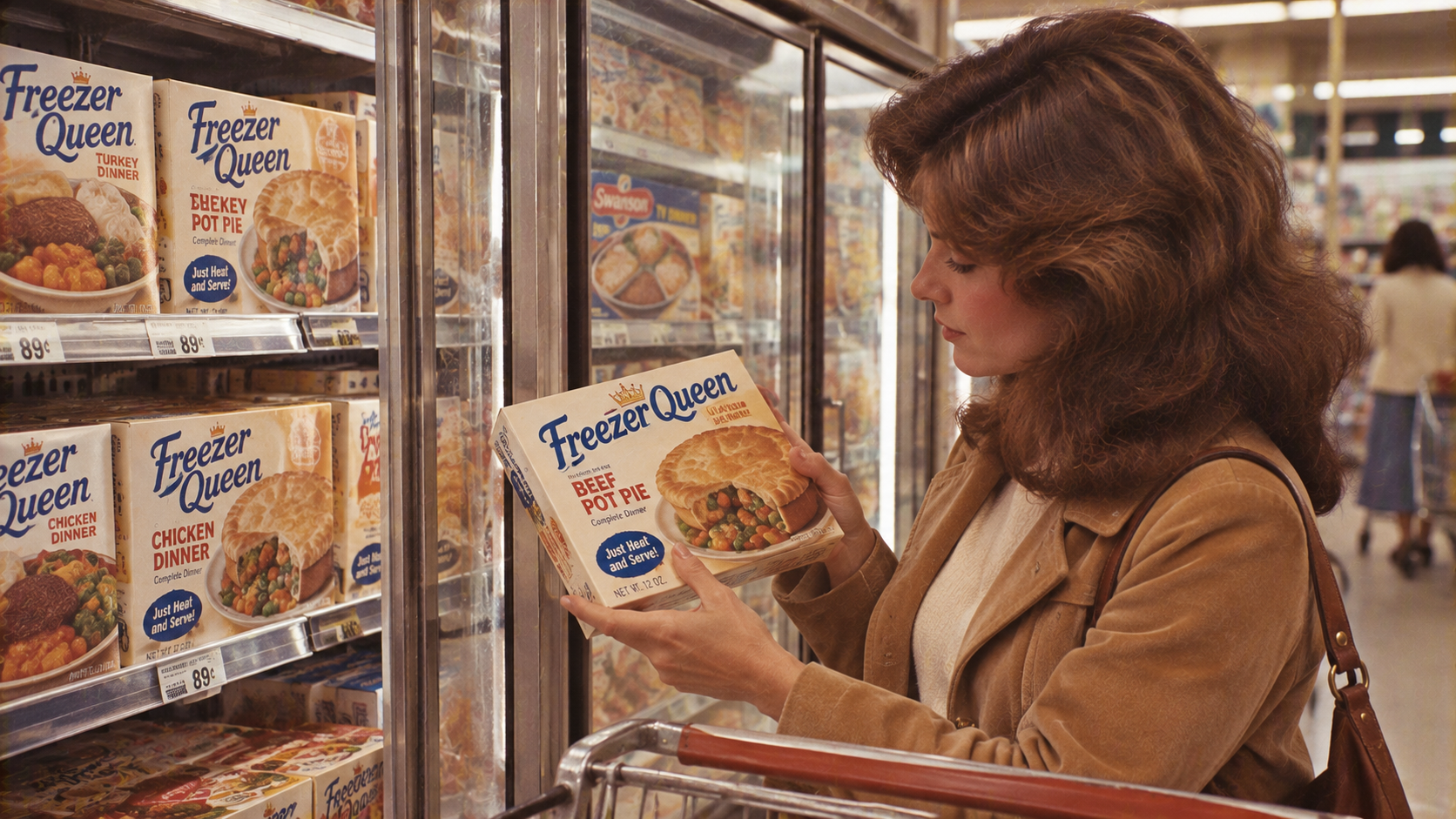
Freezer Queen was once a familiar sight in the frozen food section, offering affordable meals that made dinner easier for busy American families. Its Salisbury steak, turkey, and gravy-covered entrées were the kind of convenient foods that found their way onto countless dinner tables. The brand eventually disappeared from supermarket freezers, taking with it a piece of the era when frozen meals were becoming a regular part of family life. There was something comforting about knowing dinner could be waiting in the freezer after a long day.
2. Chun King
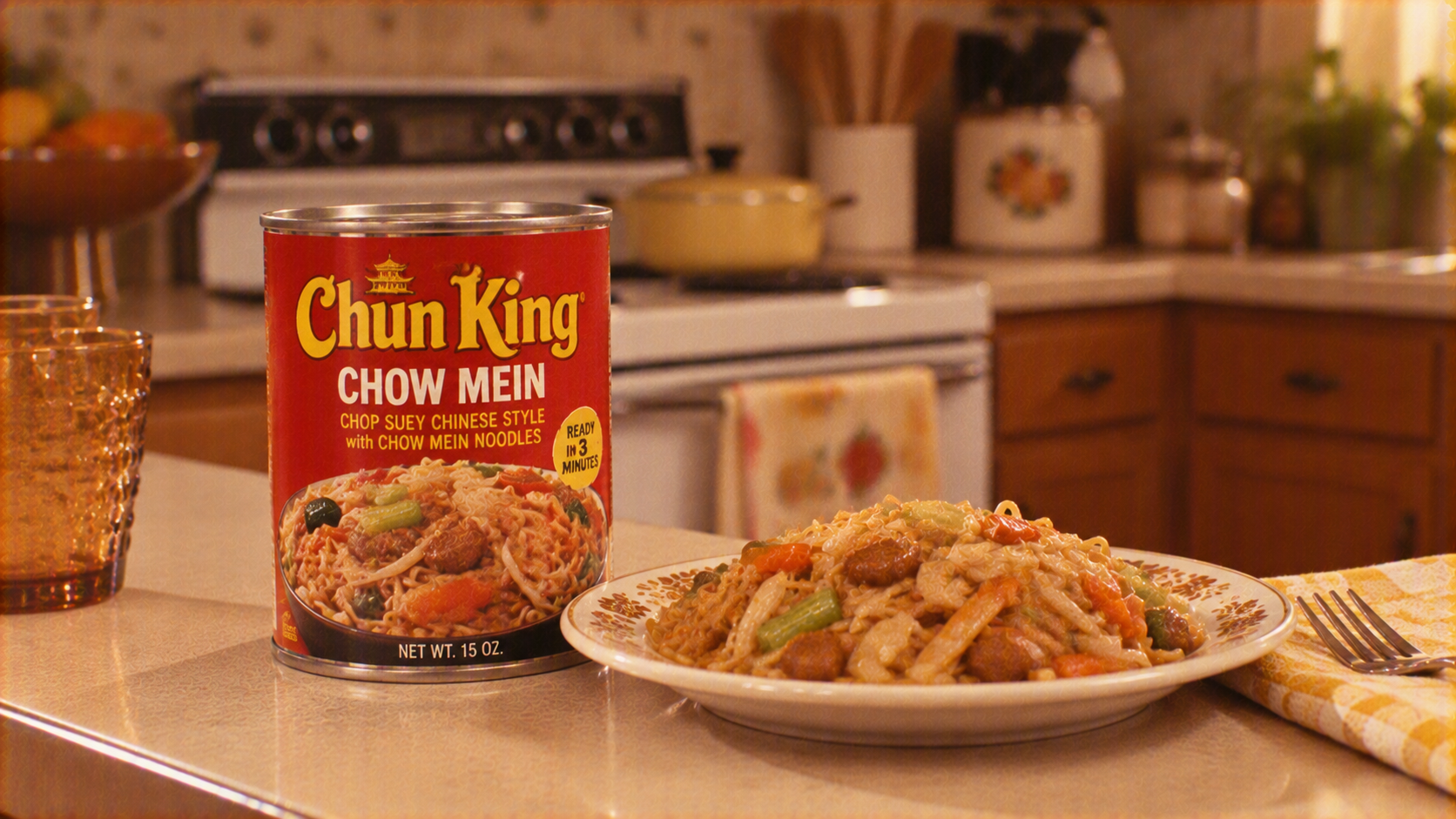
Chun King brought canned Chinese-American food into kitchens long before ordering takeout became an everyday convenience. Its chow mein, noodles, and packaged meals promised families a different kind of dinner without leaving home. During the 1950s and 1960s, the brand helped introduce many Americans to dishes they rarely encountered at their neighborhood grocery stores. By the 1990s, Chun King had faded away, leaving behind memories of crunchy noodles and family dinners that once felt surprisingly adventurous.
3. Sealtest
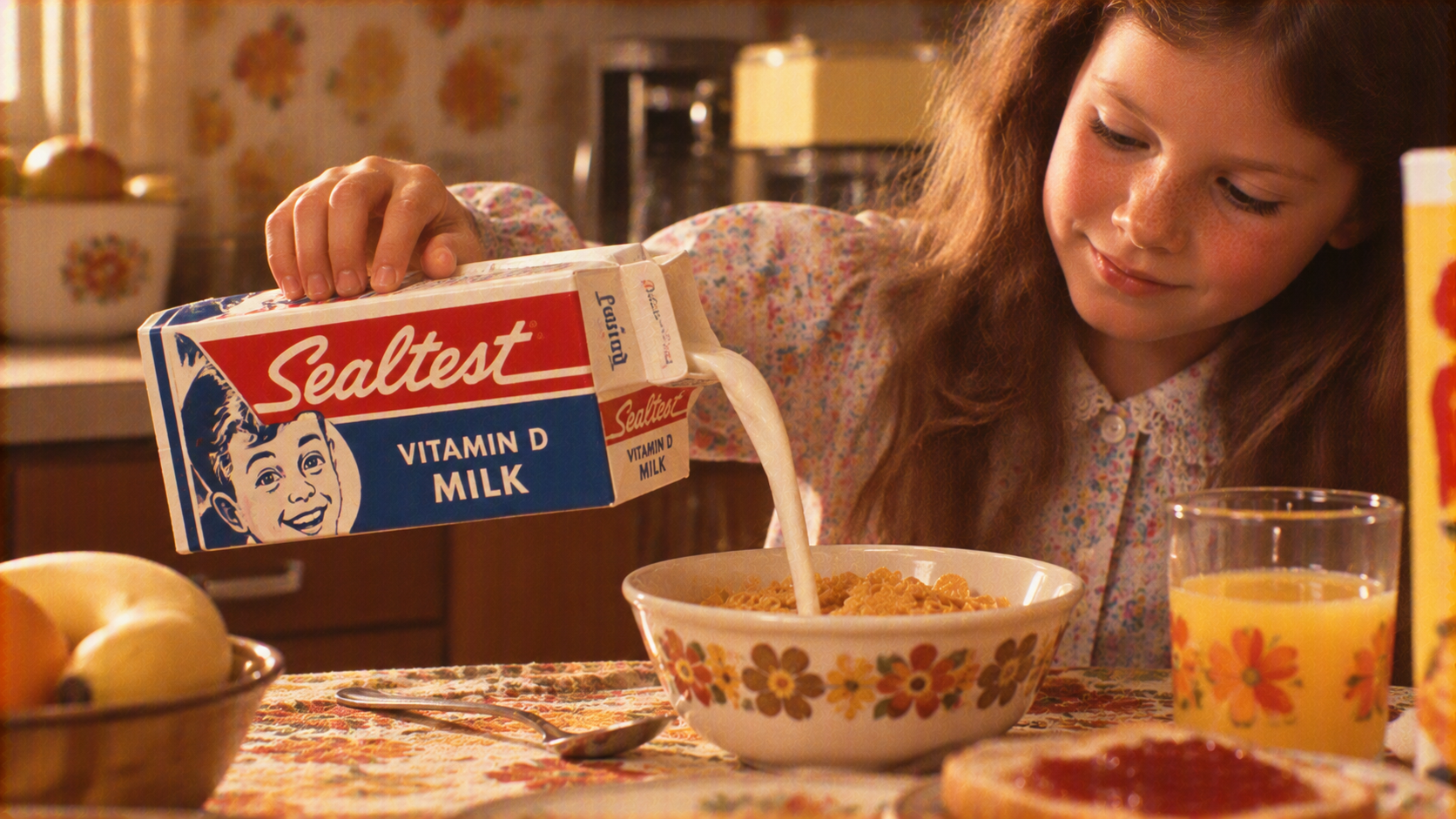
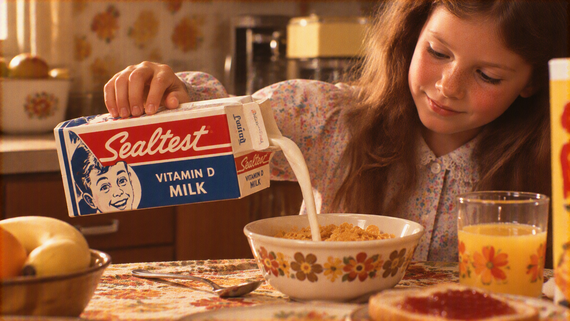
For generations, Sealtest was a familiar name on milk cartons, ice cream containers, and other dairy products. Families recognized its packaging in supermarket refrigerators, and its ice cream often appeared at birthday parties and summer gatherings. As the dairy industry changed and ownership shifted, the original Sealtest brand largely disappeared from mainstream American grocery stores, although the name has survived in some markets. For longtime shoppers, it still brings back memories of neighborhood supermarkets and old-fashioned ice cream counters.
4. Morton Frozen Foods
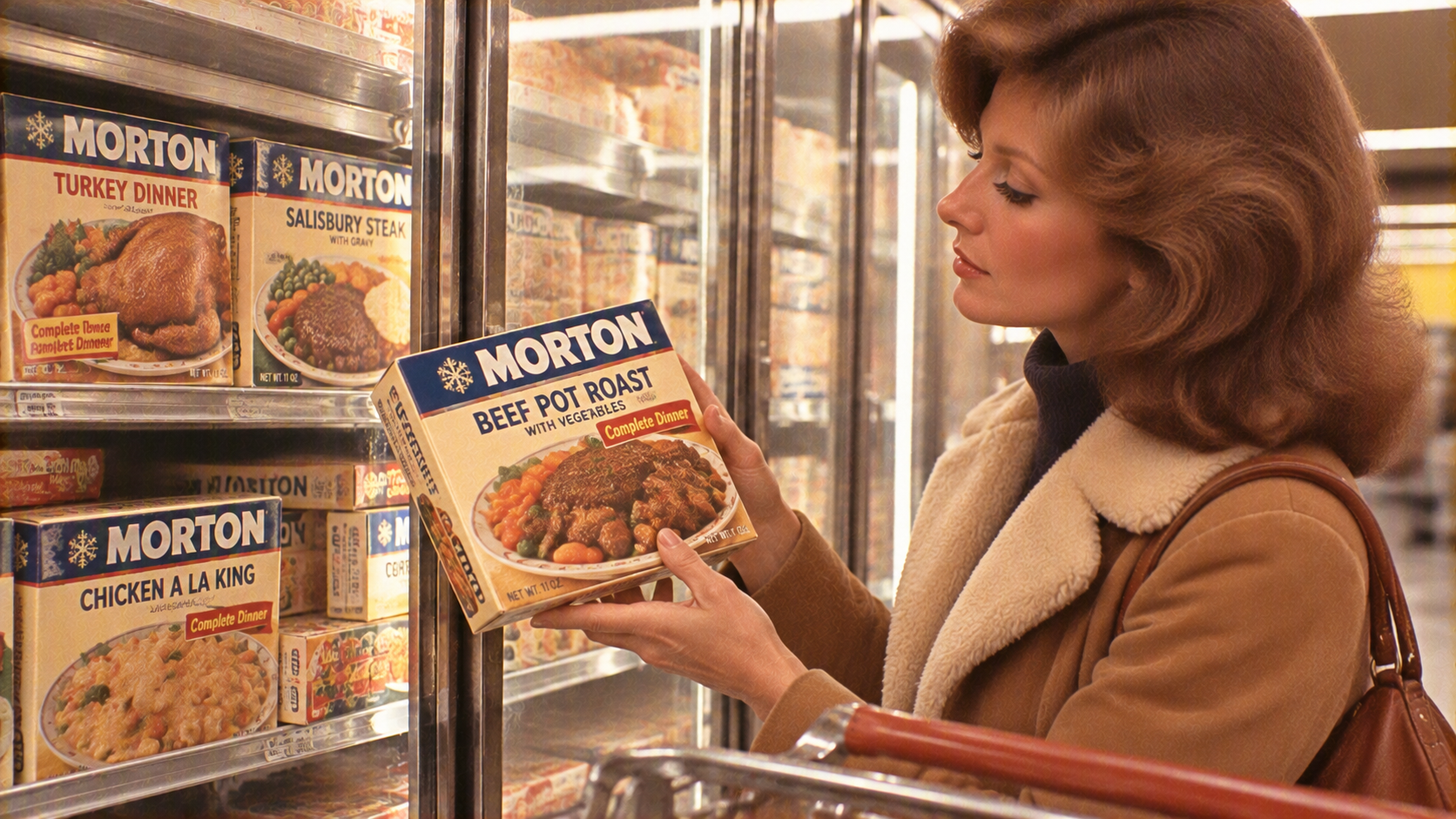
Before supermarket freezers were packed with endless dinner options, Morton offered families an easy way to put a meal on the table. Its frozen pot pies, doughnuts, and other prepared foods became familiar purchases for households looking for convenience. A Morton pot pie baking in the oven could make an ordinary weeknight feel a little easier, especially when nobody had time to cook from scratch. The brand eventually vanished from grocery aisles, but its name still reminds many Americans of a time when frozen food felt like a modern household miracle.
5. Colombo Yogurt
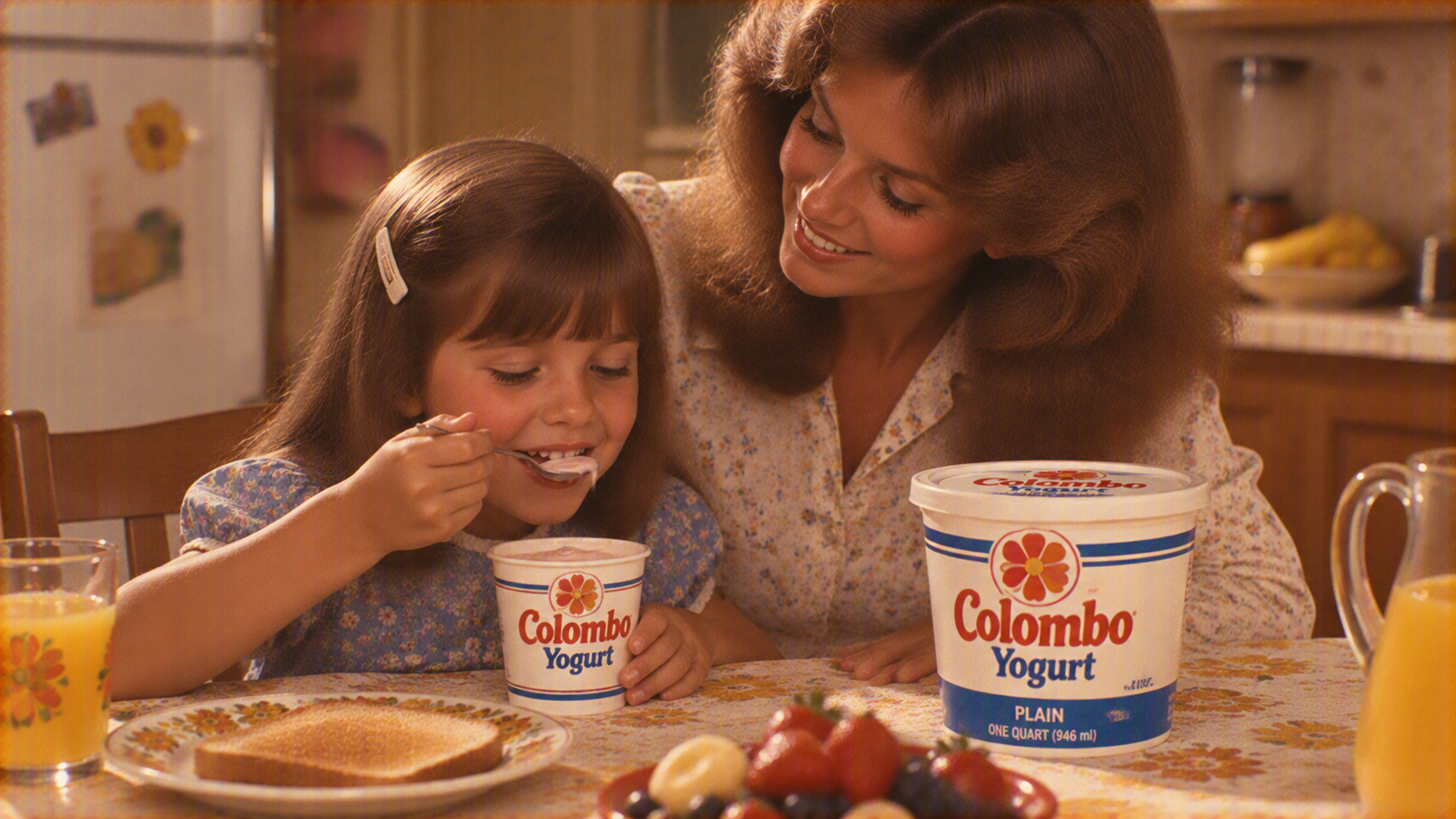
Colombo was one of the yogurt names American shoppers encountered before the dairy aisle became crowded with Greek yogurt, protein-packed cups, and dozens of flavors. Its colorful containers were a familiar presence in refrigerators, especially during the years when yogurt was becoming a popular everyday snack. Families bought it for breakfast, packed it into lunches, or kept a few cups ready for an afternoon treat. The brand was discontinued in 2010, leaving longtime customers remembering a simpler yogurt aisle.
Trending on Wealth Gang

6. Hydrox
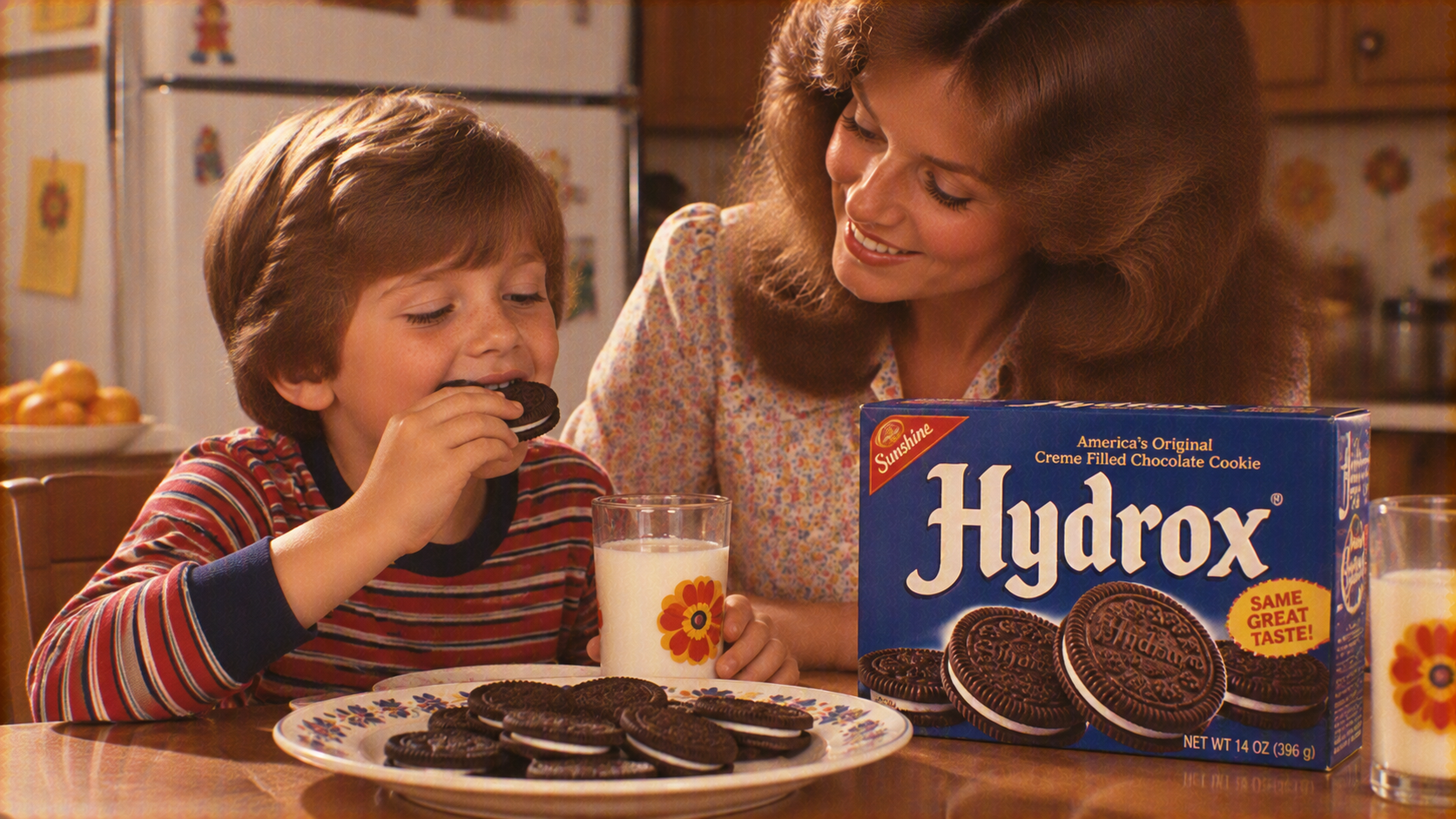
Long before Oreo became America’s most recognizable sandwich cookie, Hydrox had already introduced its chocolate wafers with a cream filling. Sunshine Biscuits launched the cookies in 1908, and for decades they competed for space in cookie jars and supermarket aisles. Many families had a favorite, and the debate over which cookie tasted better could be surprisingly serious. Hydrox disappeared from mainstream shelves for years before being revived, making it a memorable example of a grocery favorite that refused to be completely forgotten.
7. Burry’s Fudgetown
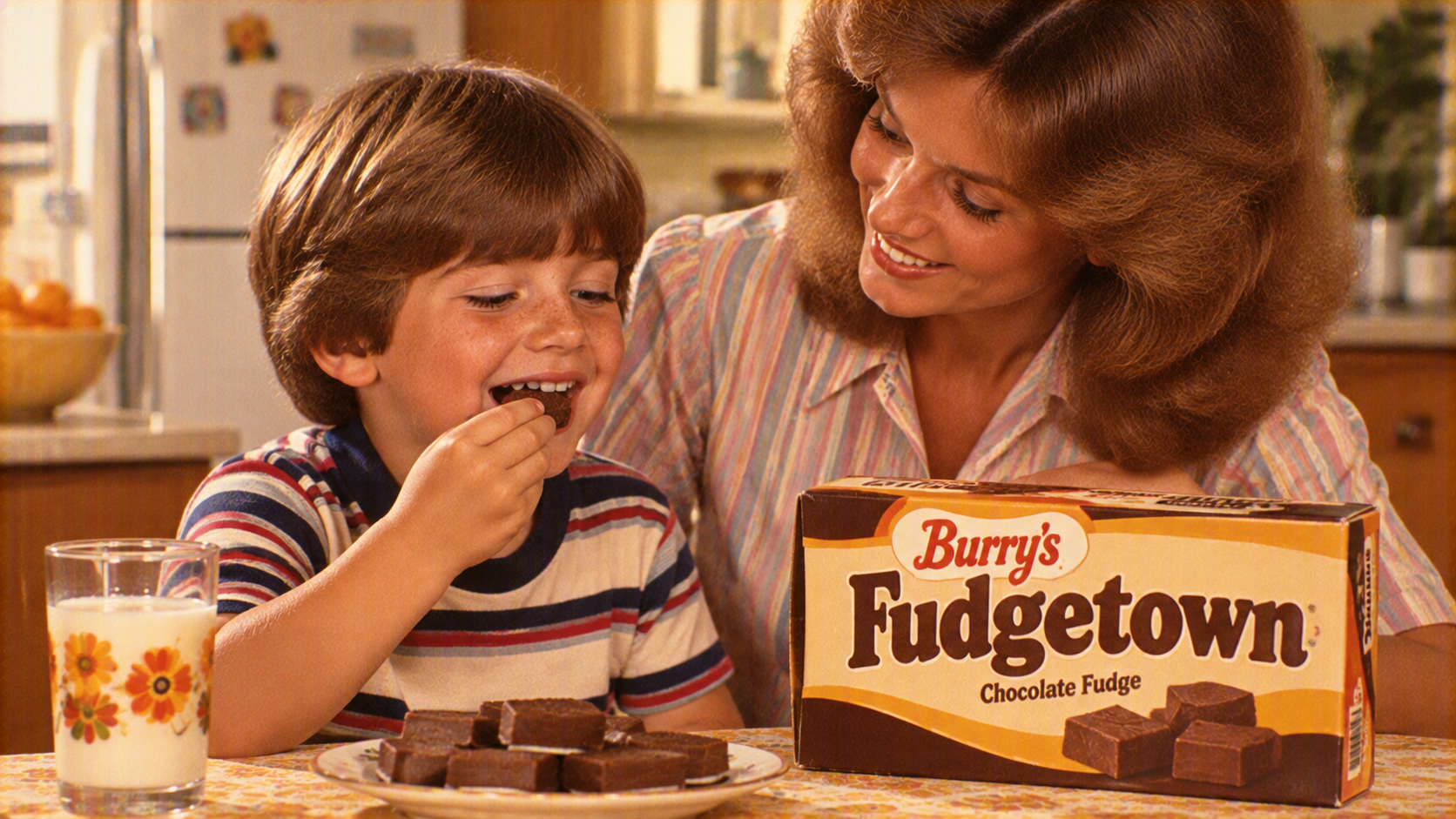
Burry’s Fudgetown cookies were the kind of chocolate treats that could disappear from the pantry before anyone admitted opening the package. Their chocolate sandwich-cookie format made them a favorite among shoppers who wanted something sweet without spending much. Burry’s had a long history in American baking, but Fudgetown eventually vanished from regular supermarket shelves. For people who remember them, the name alone can bring back the sound of opening a cookie package after school and sneaking one more before dinner.
8. Fruit Stripe
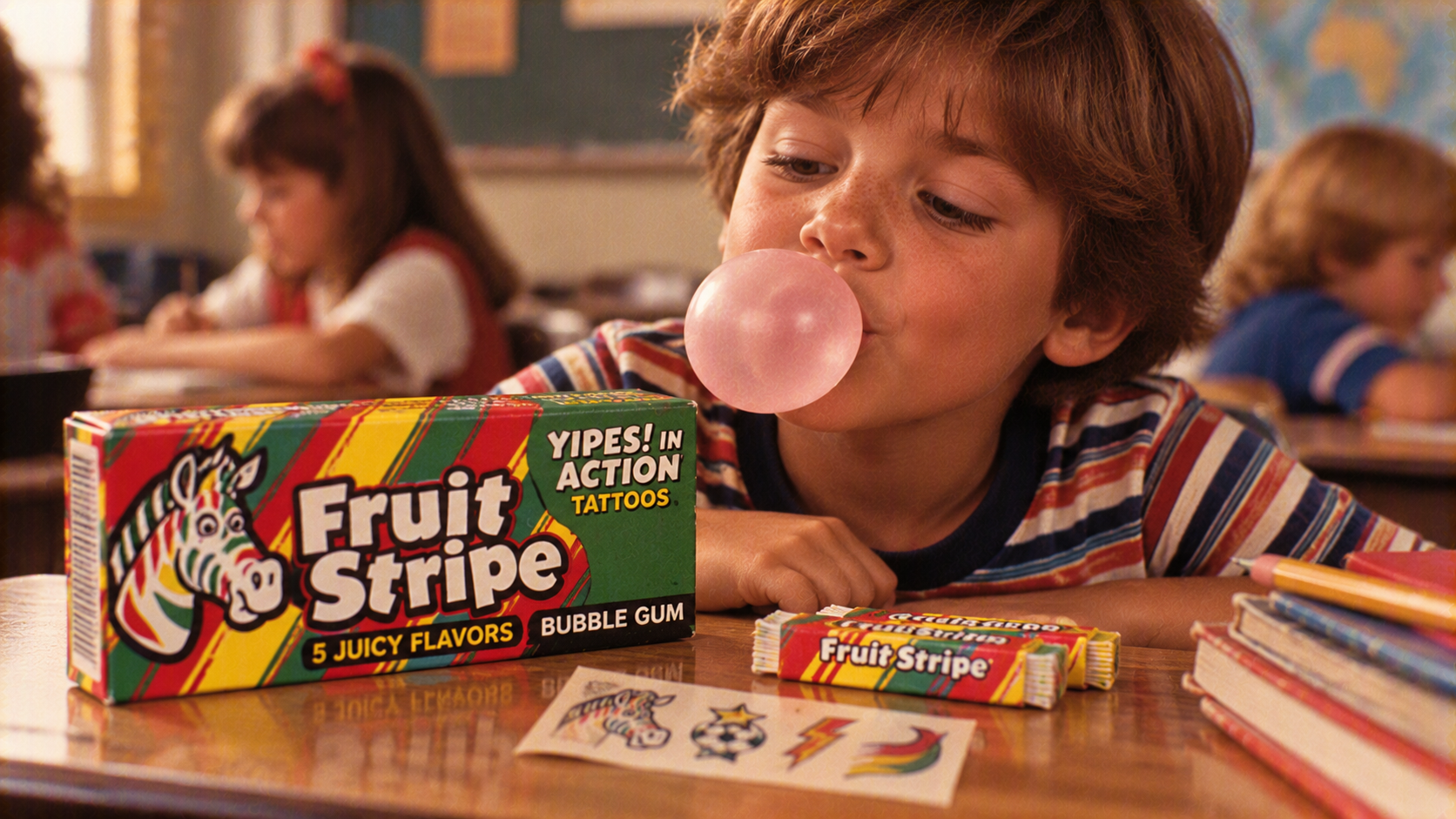
Few chewing gum brands were as easy to recognize as Fruit Stripe, with its colorful zebra-striped pieces and cheerful mascot, Yipes. Introduced in 1969, the gum became a familiar sight near supermarket checkout counters, where children often tried to convince their parents to add a pack to the cart. Its fruity flavor was famous for disappearing quickly, but that never seemed to stop anyone from buying it. The brand was discontinued in 2024, ending a colorful chapter in American candy aisles.
Sign up for our newsletter
9. King Vitaman
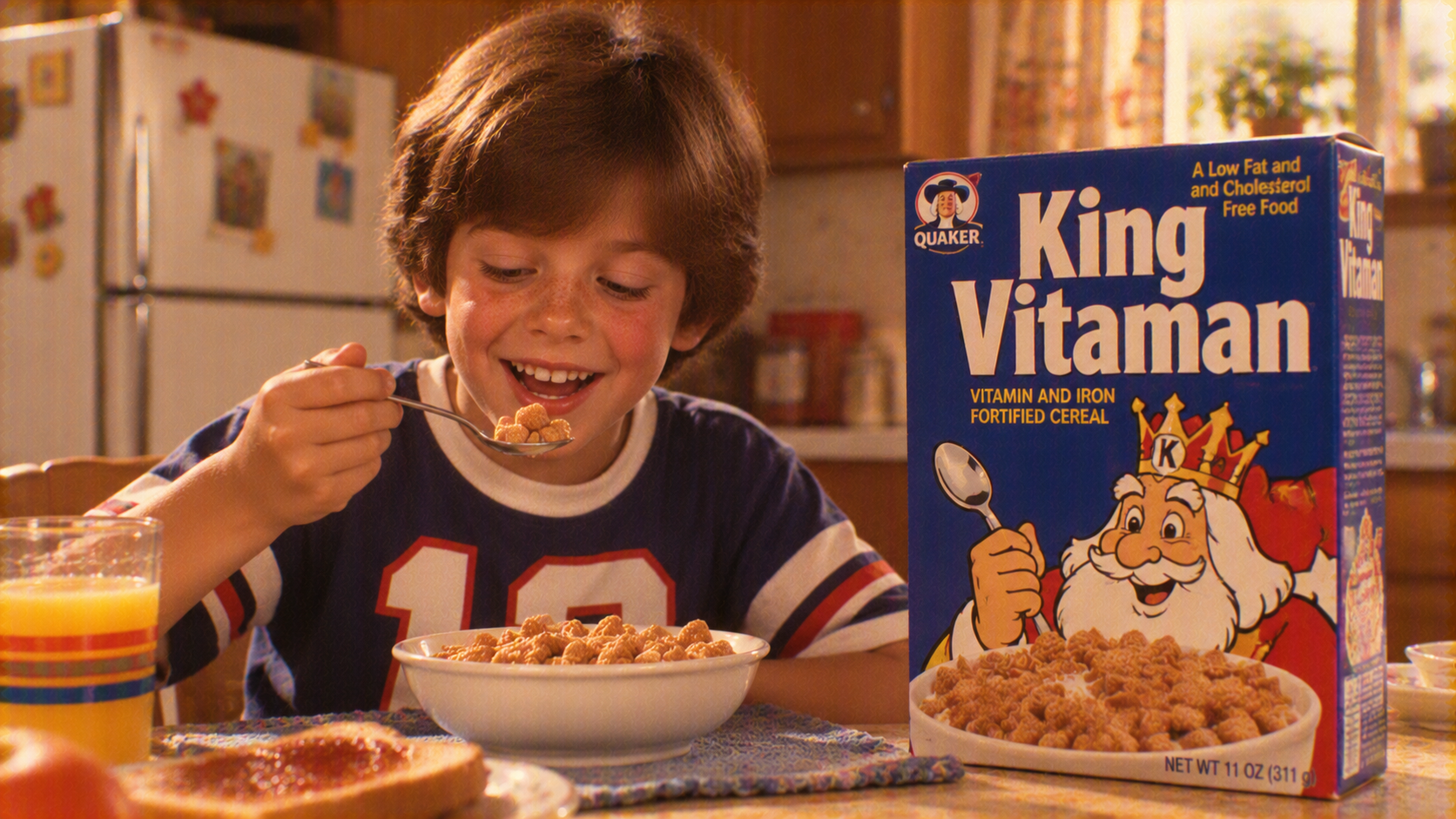
King Vitaman stood out in the cereal aisle thanks to its memorable royal mascot and crunchy, sweetened cereal pieces. Introduced by Quaker in the late 1960s, it became a breakfast favorite for families who wanted something different from the usual cornflakes. Its commercials and bright packaging made it especially recognizable to children growing up during the 1970s and 1980s. The cereal eventually disappeared in 2019, leaving behind memories of Saturday mornings, cartoon-filled television screens, and bowls of cereal eaten before school.
10. Ry-Krisp
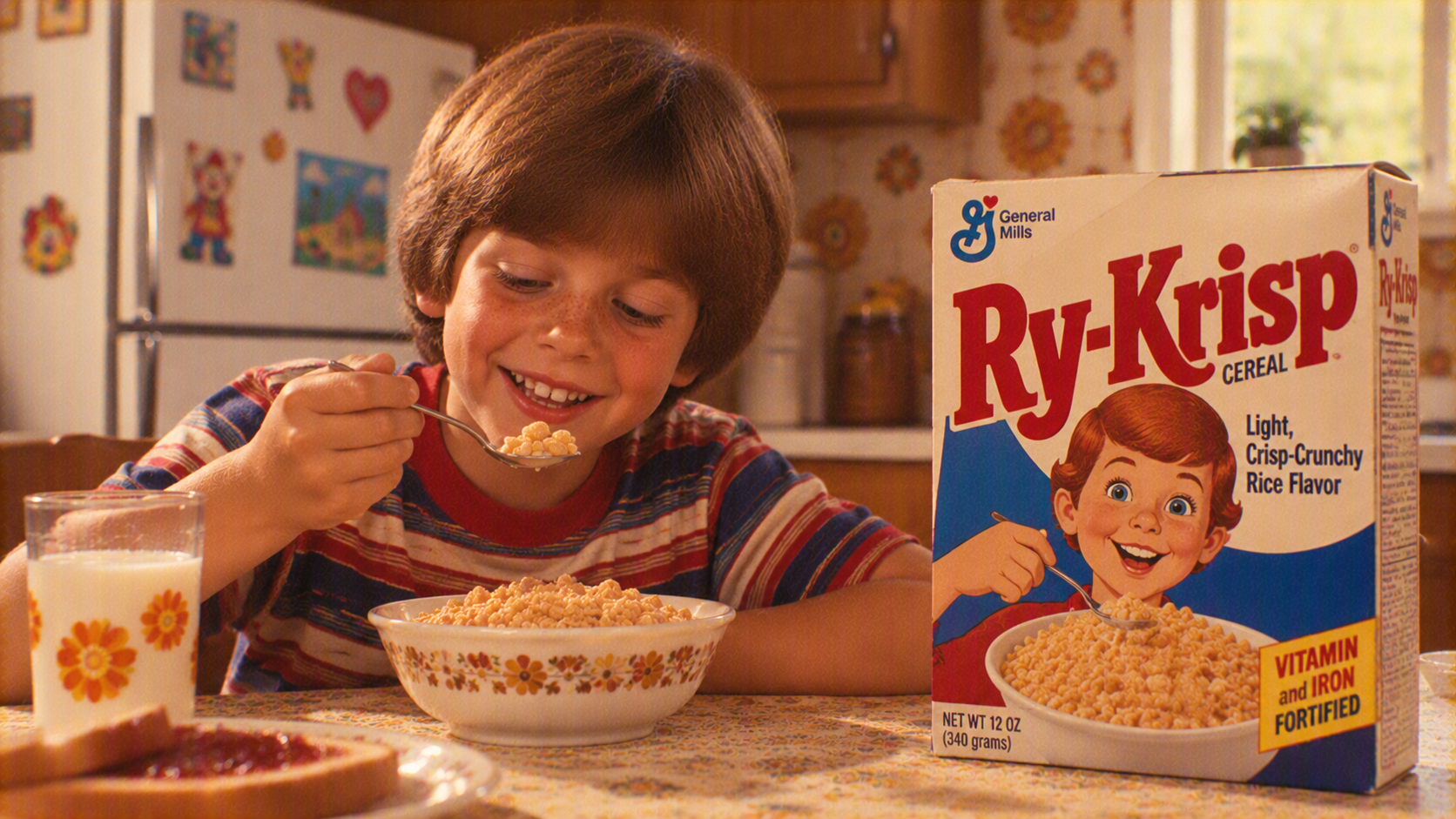
Ry-Krisp crackers once held a dependable place in American pantries, particularly among shoppers looking for crisp, simple alternatives to ordinary crackers. Their distinctive texture made them popular with cheese, spreads, and light lunches, while their familiar packaging was easy to spot in grocery stores. The brand had roots stretching back more than a century before disappearing from regular production in 2015. Today, it recalls an era when a few crackers, a slice of cheese, and a glass of milk could pass for a perfectly satisfying afternoon snack.
11. Postum
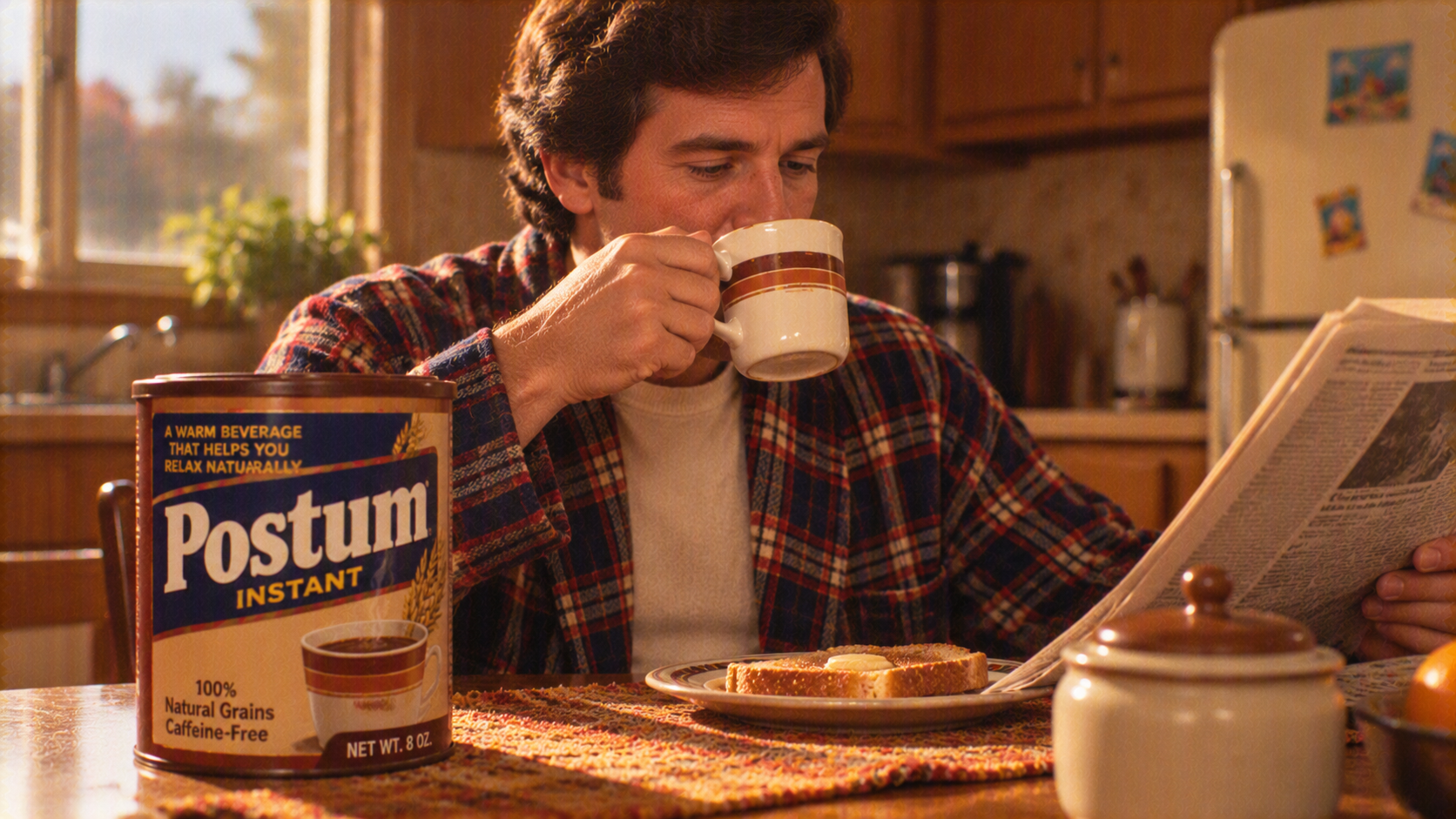
Postum was once a household name for Americans who wanted a warm drink without coffee’s caffeine. Made from roasted grains, it became especially popular during periods when coffee was expensive or difficult to obtain. Many families kept a jar in the cupboard and prepared it as part of their morning routine, often serving it in the same favorite mugs used for coffee. Production stopped in 2007, disappointing loyal customers who had enjoyed it for decades. Although Postum eventually returned under new ownership, its long absence showed how deeply an old grocery staple could be missed.
12. Nabisco Almost Home Cookies
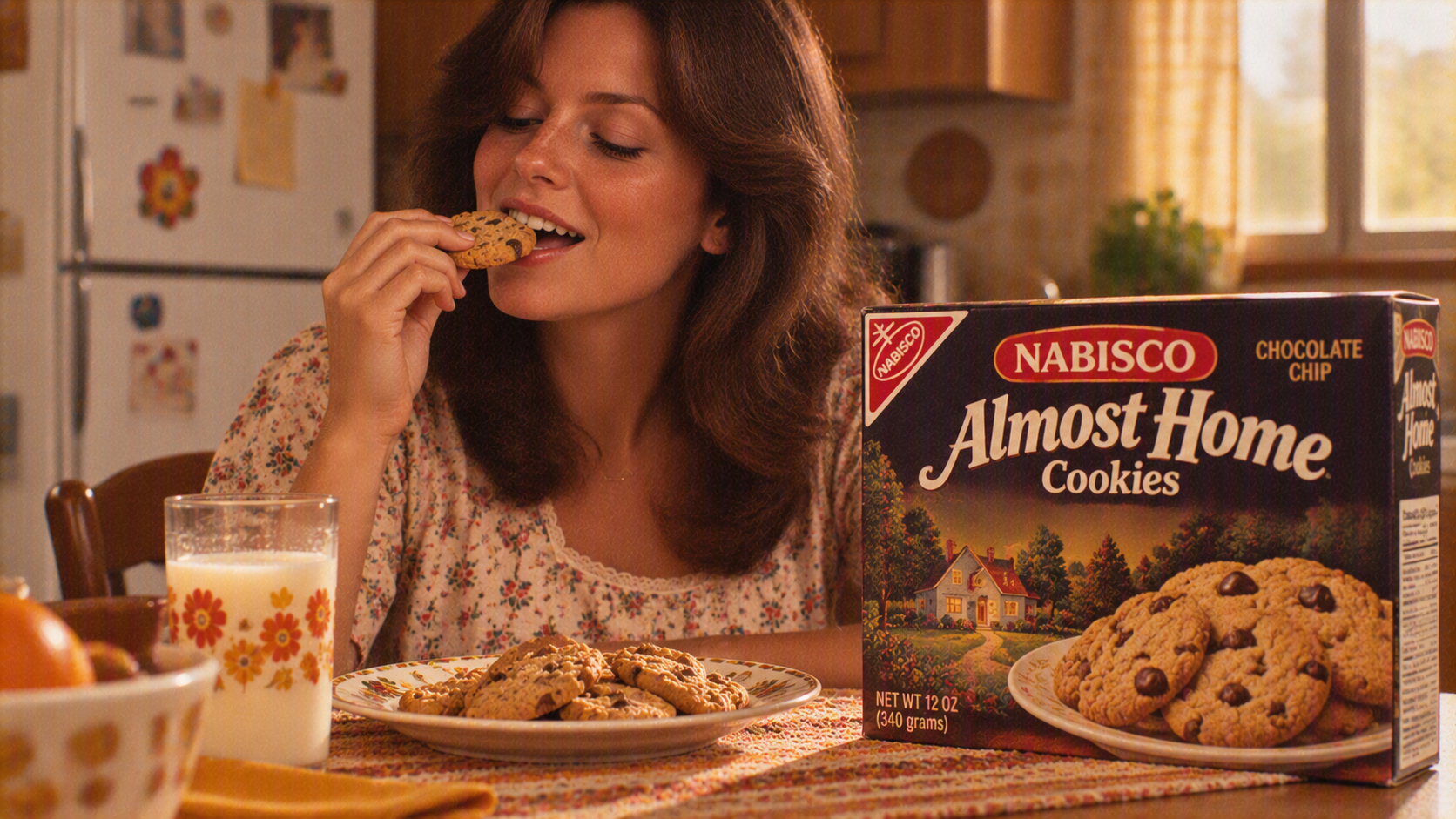
During the 1980s, Nabisco introduced Almost Home cookies as a convenient alternative to homemade treats. Their soft texture and familiar flavors appealed to shoppers who wanted cookies that tasted closer to something fresh from the oven. They arrived during a period when soft packaged cookies were becoming increasingly popular, and their name promised a little taste of home without the baking. By the 1990s, the brand had faded from shelves, leaving another memorable chapter in the history of American cookie aisles.
13. Carnation Breakfast Bars
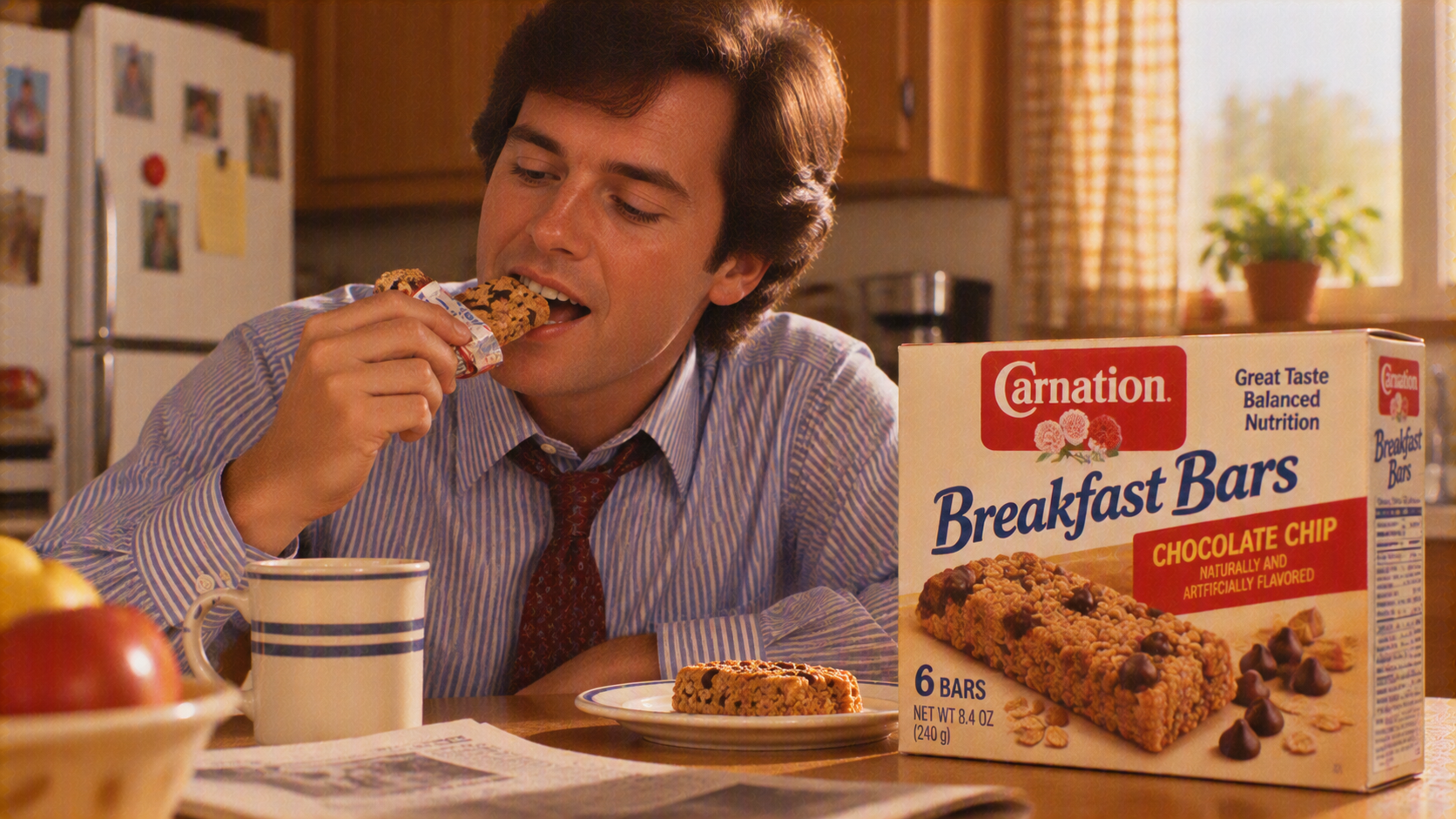
Carnation Breakfast Bars offered a quick morning solution long before protein bars and meal replacements filled entire supermarket sections. Introduced in the 1970s, these individually wrapped bars appealed to families rushing out the door for work or school. They were marketed as a convenient breakfast option, making them especially memorable to children who ate them on the way to class or while waiting for the school bus. Production eventually ended in the 1990s, but the bars remain a nostalgic reminder of the days when breakfast convenience came in a small, simple wrapper.
14. Uneeda Biscuit
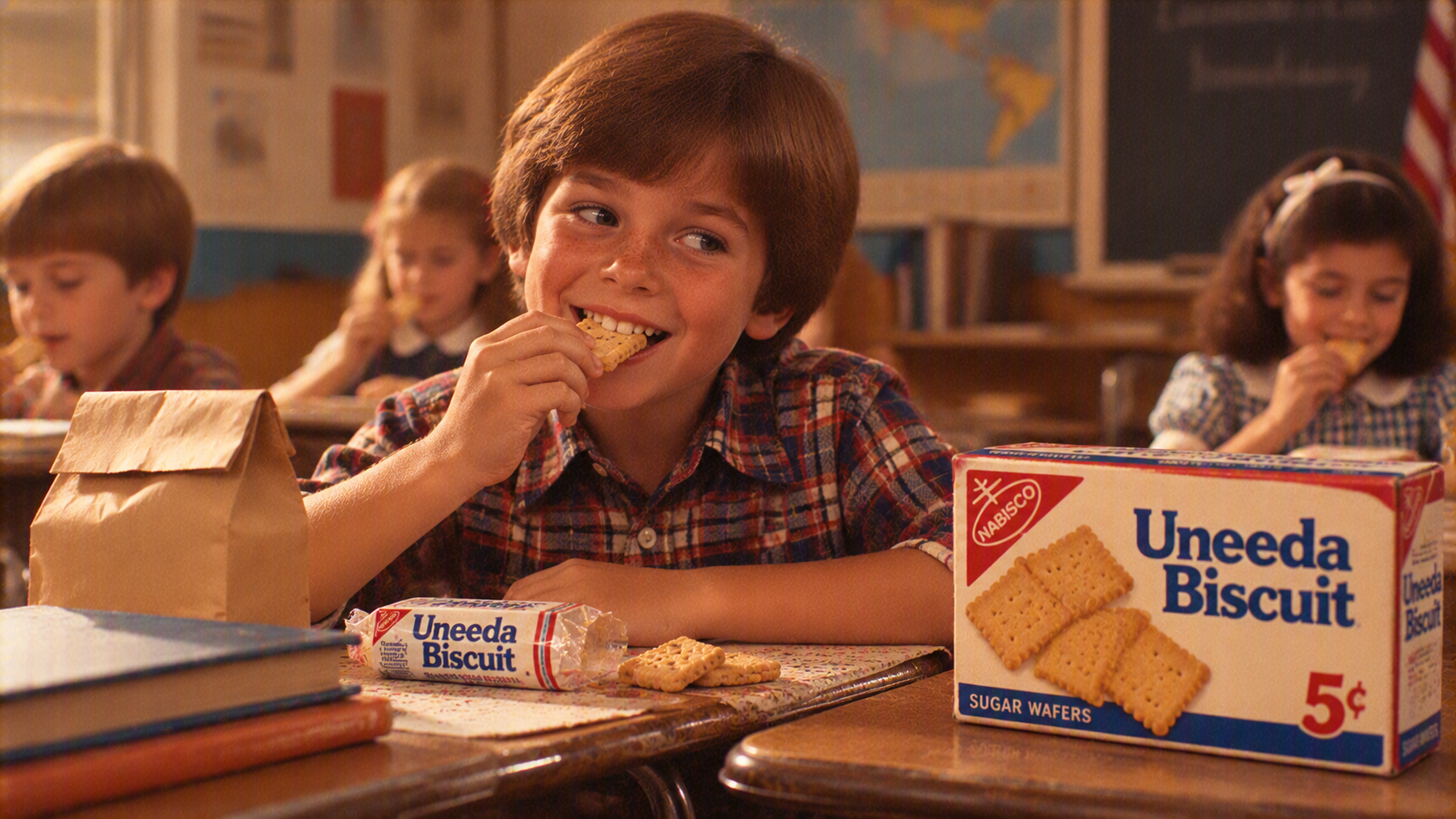
Uneeda Biscuit was once one of the most recognizable cracker names in America. Introduced by the National Biscuit Company in the late 1800s, it became known for its distinctive packaging and dependable place in family cupboards. Generations of shoppers purchased the crackers for snacks, soups, and simple meals, often without giving the familiar name a second thought. After more than a century on grocery shelves, Uneeda was discontinued in 2009, marking the end of a product that had quietly accompanied American families through enormous changes in everyday life.
15. Kellogg’s Concentrate Cereal
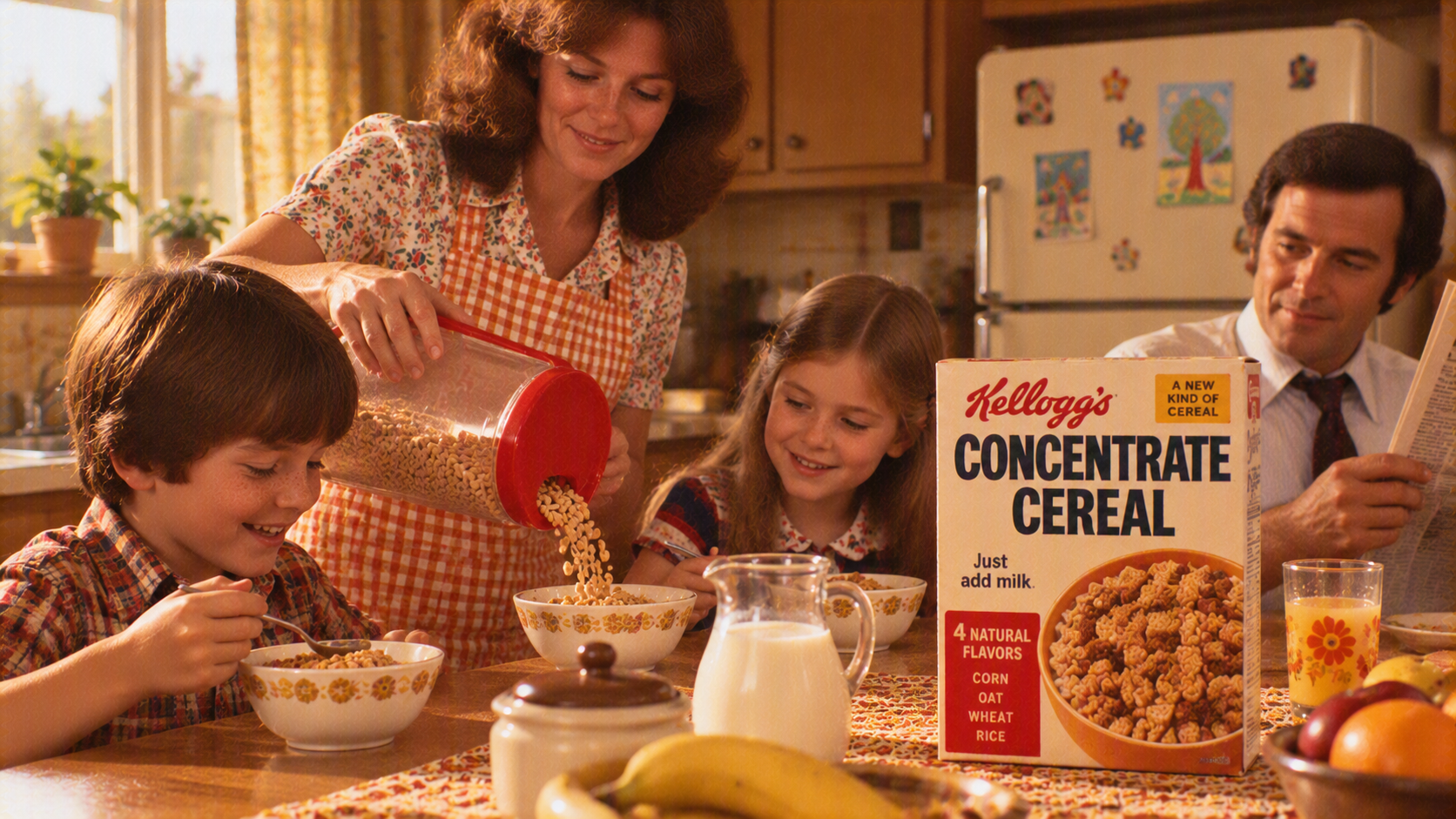
Kellogg’s Concentrate was a breakfast cereal that looked noticeably different from the oversized boxes filling today’s supermarket aisles. Introduced in the late 1950s, it came in a relatively small package because its dense, crunchy pieces were designed to deliver nutrition in a smaller serving. For families accustomed to pouring large bowls of cereal, Concentrate offered something unusual. The cereal remained available for decades before being discontinued, leaving behind memories of a breakfast aisle where even the smallest boxes could become household favorites.
More Related Notes
• 15 Grocery Store Items That Quietly Disappeared From Shelves
Remember when supermarket aisles were filled with Tab Cola, Crystal Pepsi, and colorful snack packages? Rediscover the discontinued grocery products that once had loyal fans before changing tastes and trends pushed them off store shelves.
• 15 Products That Used to Be in Every Pantry but Are Rarely Seen Today
Take a nostalgic look inside American pantries from decades past, when canned foods, familiar household brands, and old-fashioned ingredients were everyday staples that families rarely thought twice about buying.
• 14 Snacks From the 80s We Wish Still Existed
Revisit the unforgettable snacks that filled grocery aisles and school lunchboxes during the 1980s, from colorful drinks to sweet treats that disappeared but still bring back childhood memories.