
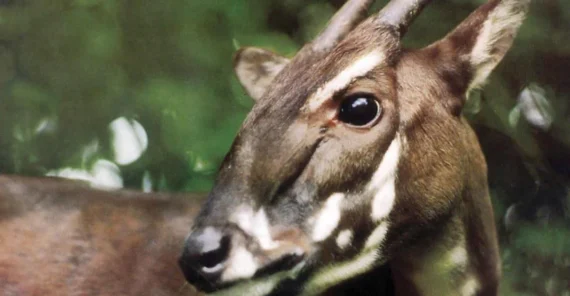
By 2030, several extraordinary species may vanish forever due to habitat destruction, climate change, and human exploitation. Below is a list of 15 animals scientists warn could be extinct within the next decade, each representing a thread in Earth’s biodiversity. If conservation measures are not taken, 2030 could mark the end for some of the world’s most iconic species.
1. Yangtze Giant Softshell Turtle
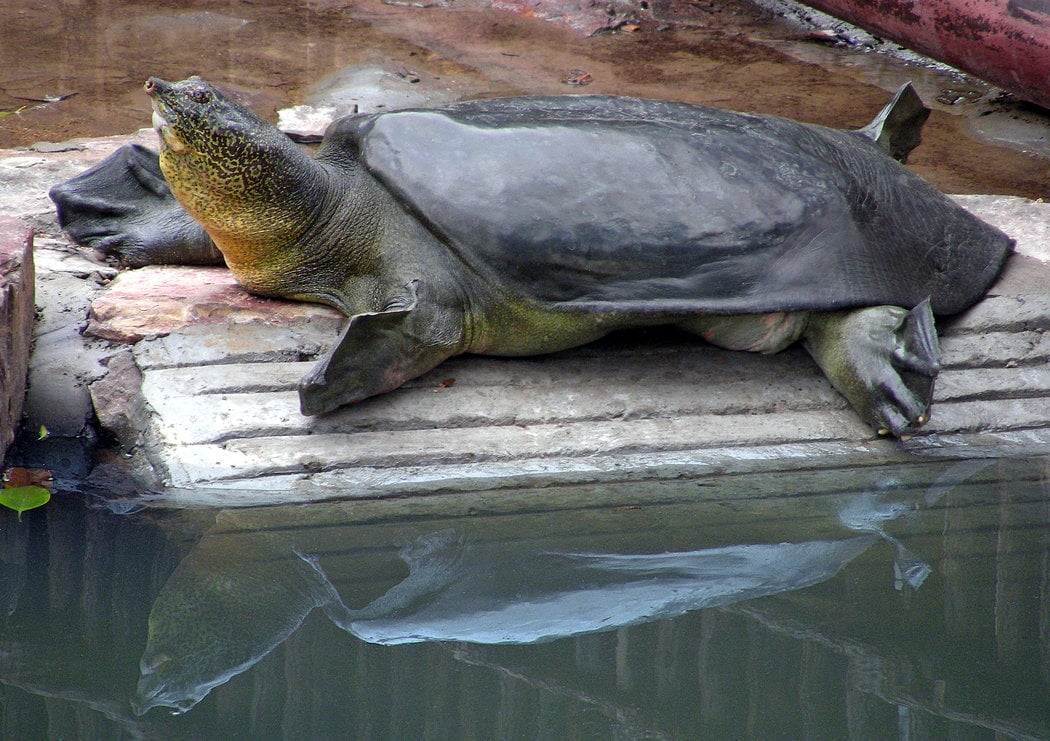
Native to China and Vietnam, only a handful remain. Habitat destruction and hunting have nearly wiped them out. Its extinction would erase millions of years of evolutionary history.
2. Pangolin
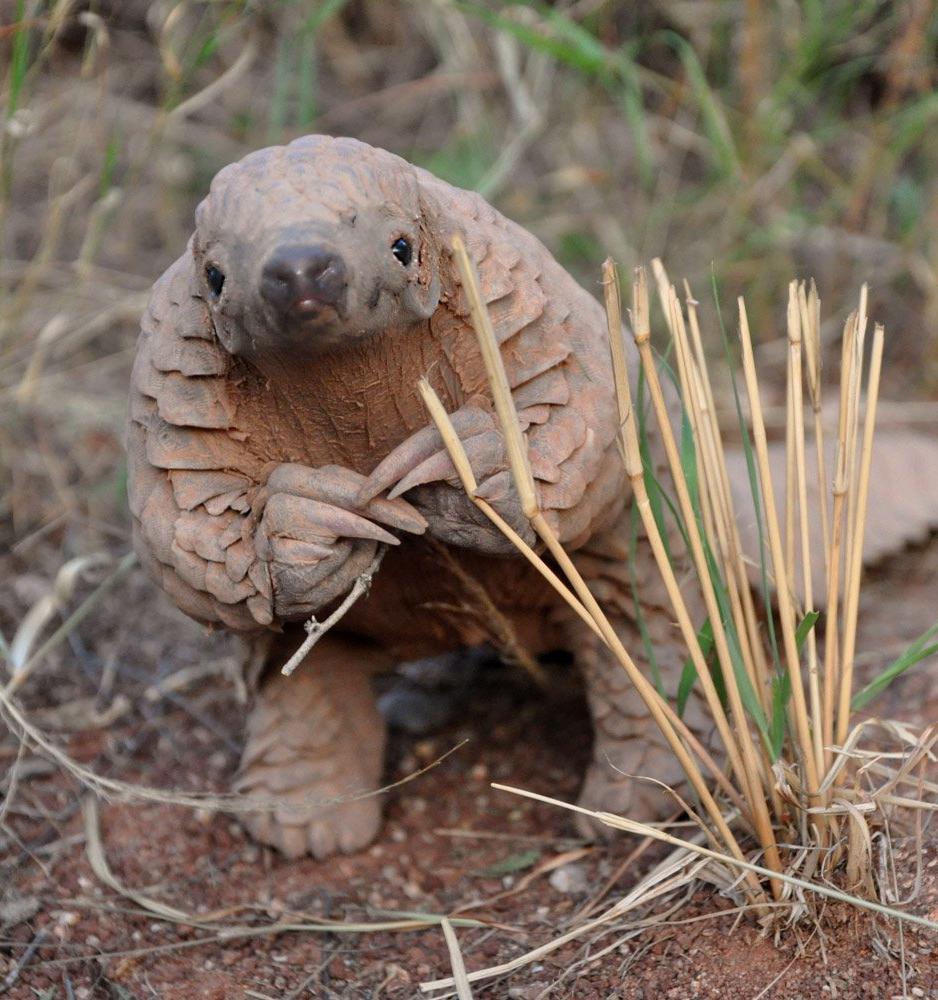
Known as “scaly anteaters,” pangolins are critically endangered due to poaching for their scales and meat. They are the most trafficked mammals in the world.
3. Axolotl
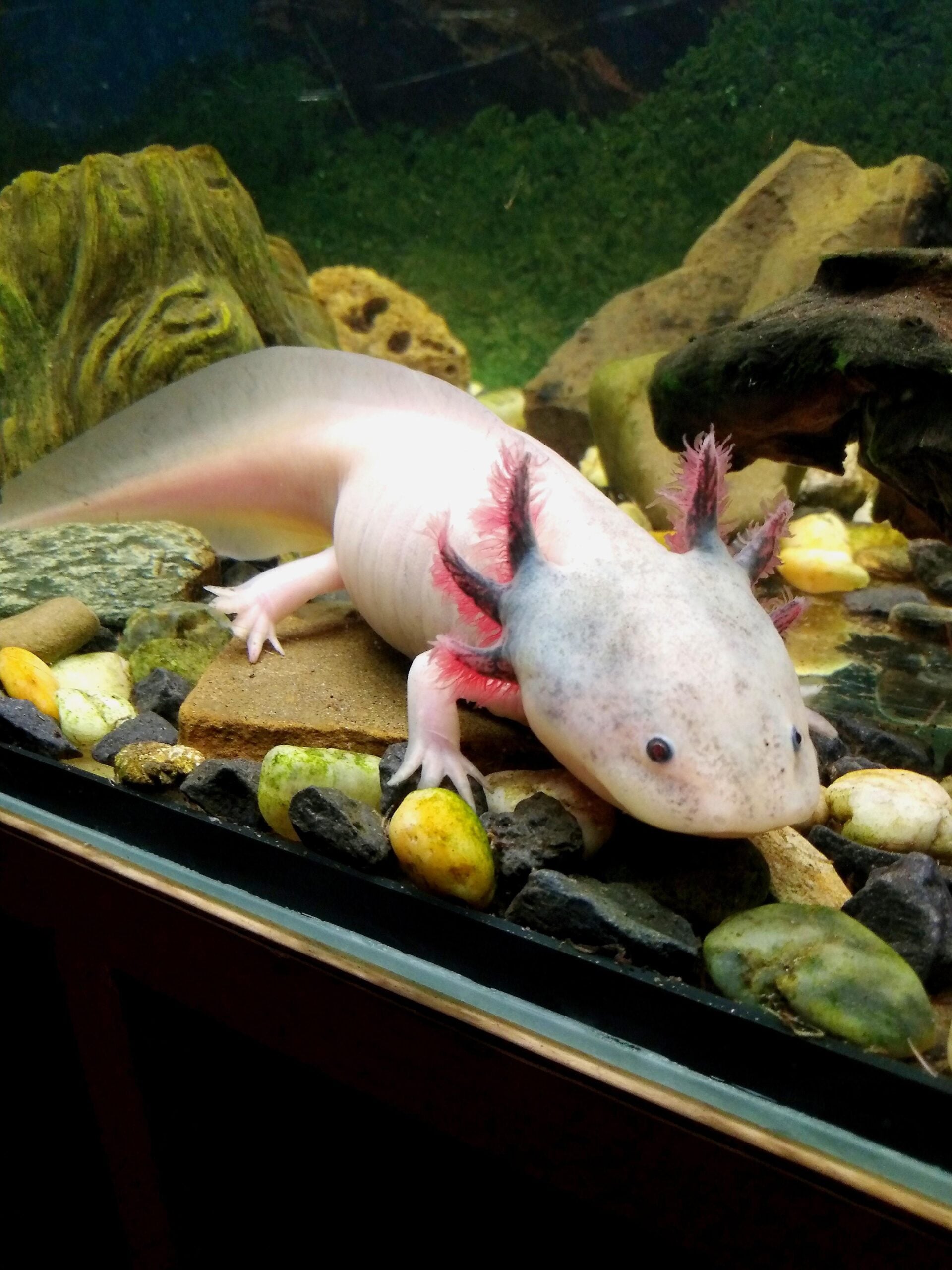
The “Mexican walking fish” faces extinction in the wild due to pollution and urban expansion in Mexico City’s lakes. Once revered by the Aztecs, now it survives mostly in labs.
4. Irrawaddy Dolphin
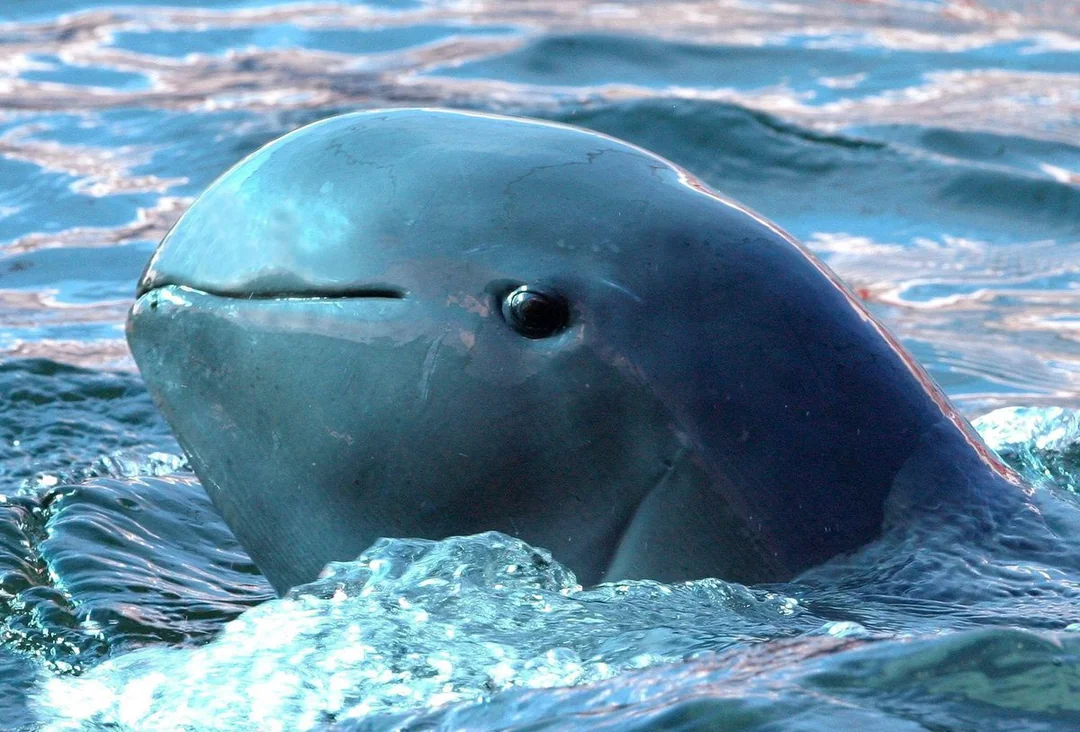
Found in Southeast Asia’s rivers, these dolphins are threatened by construction and fishing practices. Their playful nature masks a silent struggle for survival.
5. Red Panda
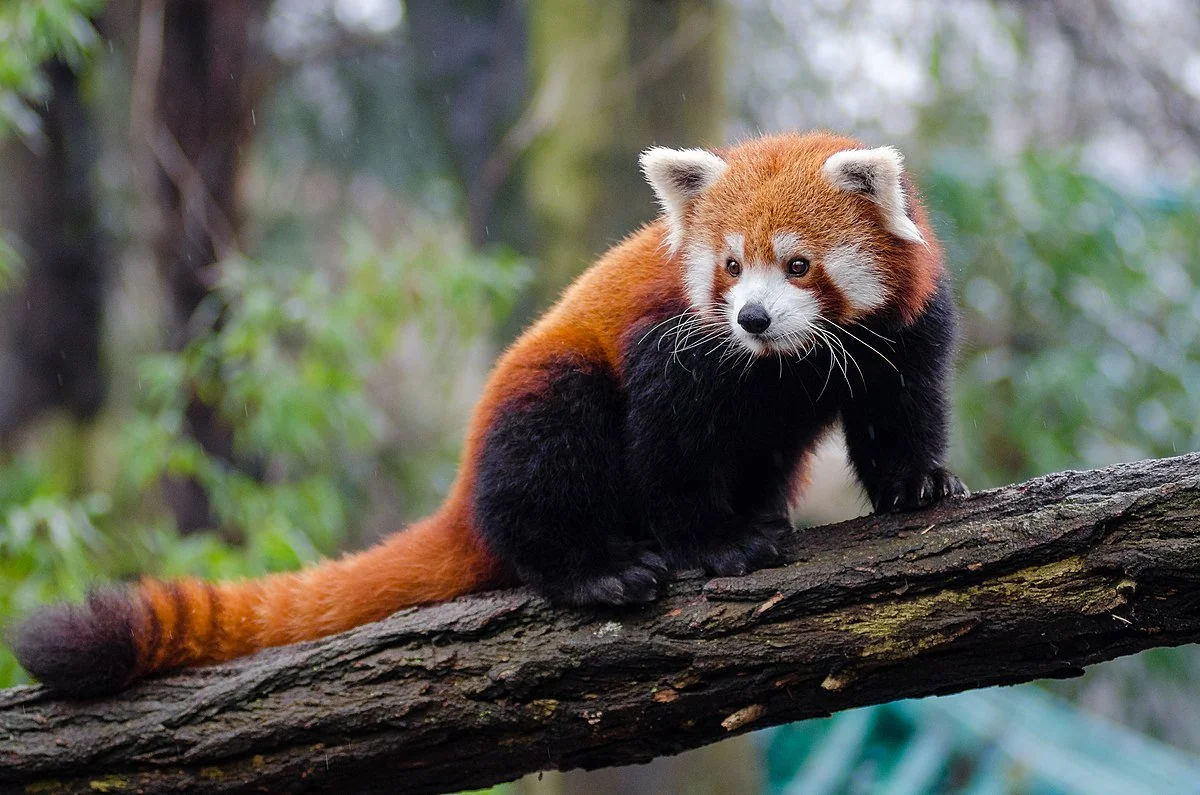
Native to the Himalayas, red pandas face habitat loss and poaching, with fewer than 10,000 left in the wild. Their decline is a warning sign for fragile mountain ecosystems.
Trending on Wealth Gang


6. Kakapo
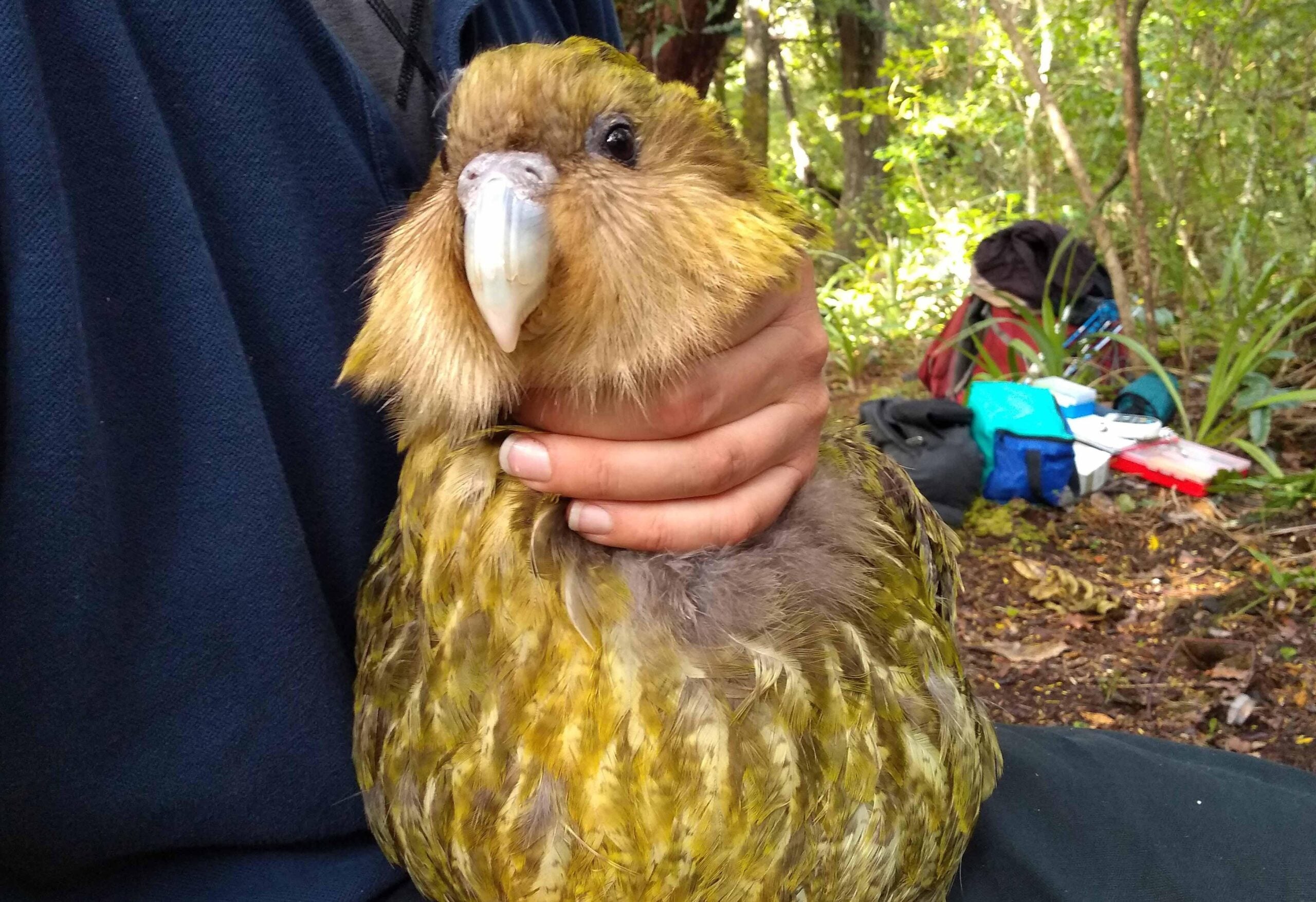
A nocturnal parrot from New Zealand, once nearly extinct, now surviving through intensive conservation but still critically endangered. Every chick born is celebrated as a national triumph.
7. Saola
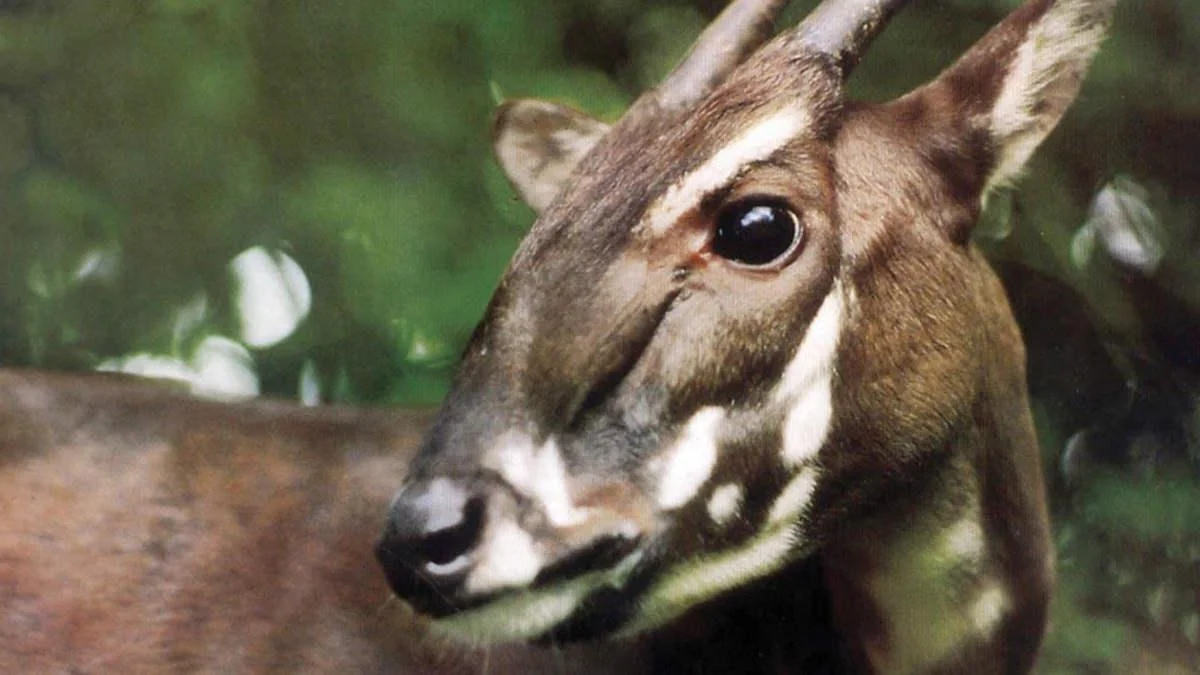
Nicknamed the “Asian unicorn,” this antelope-like species is one of the weirdest animals on Earth, found in Laos and Vietnam. Its elusiveness makes it both mystical and tragically vulnerable.
8. Shoebill Stork
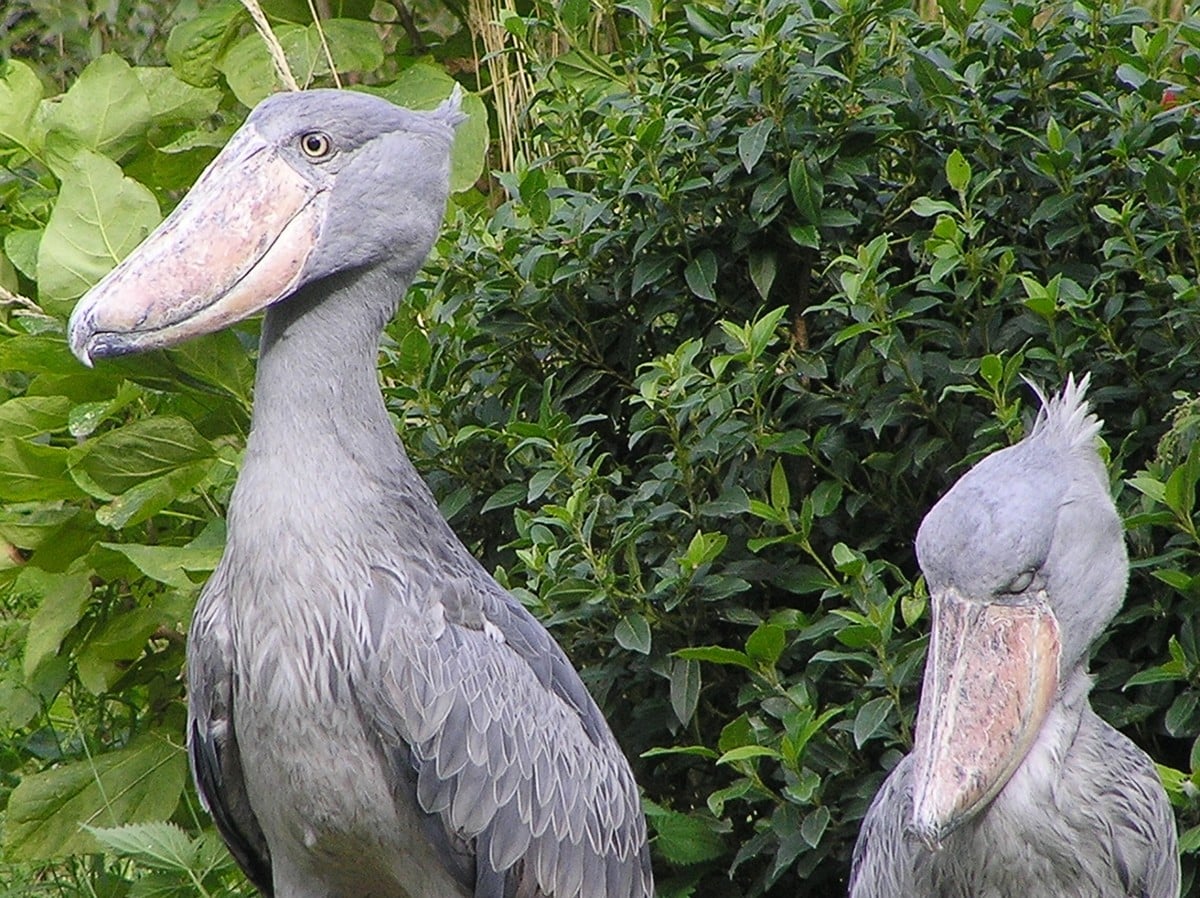
A prehistoric-looking bird from East Africa, threatened by habitat loss and illegal trade. Its stare embodies the fragility of wetlands under siege.
Sign up for our newsletter
9. Tree Kangaroo
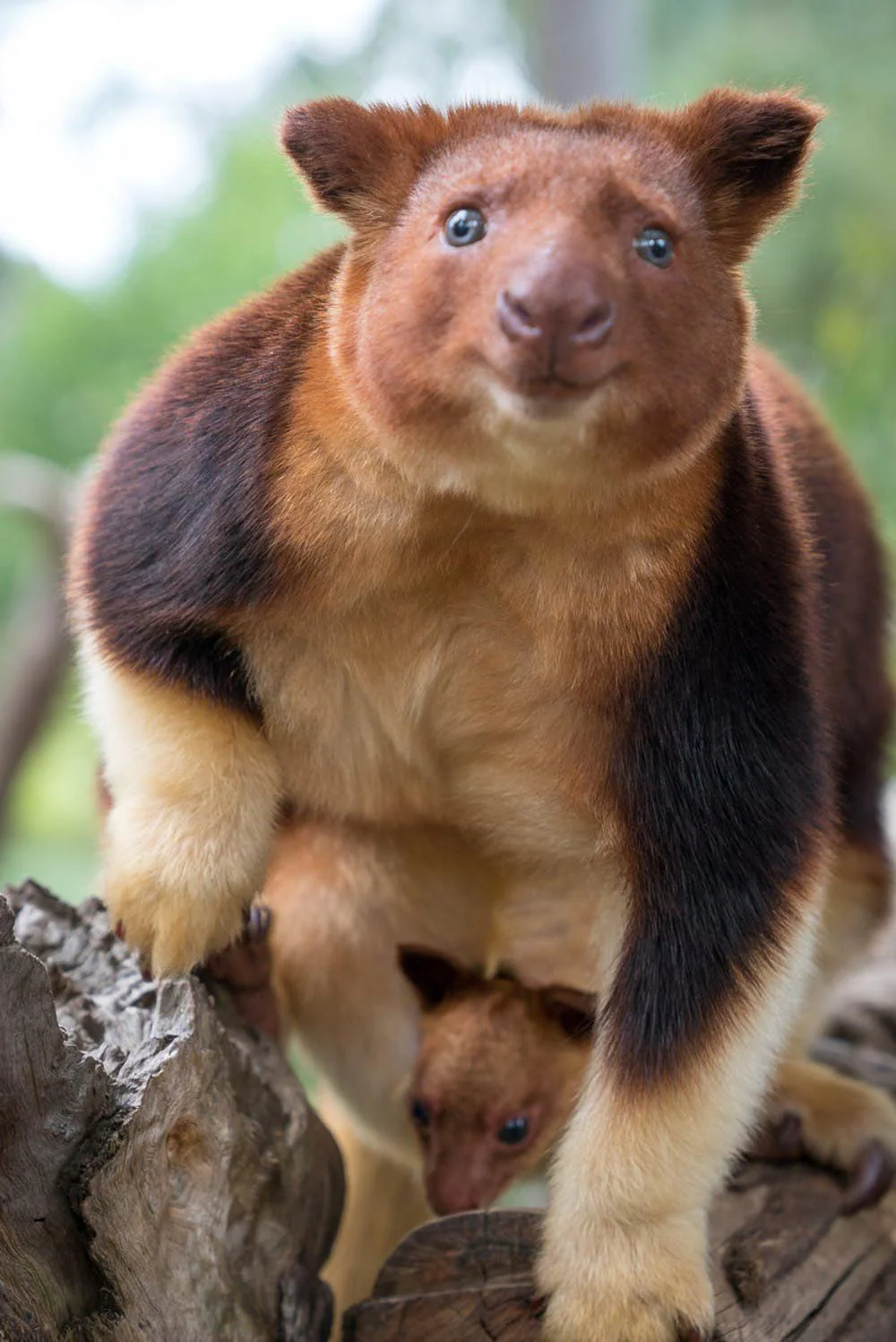
Native to Papua New Guinea and northeastern Australia, these marsupials are endangered due to deforestation. They are living proof of how forests hold irreplaceable wonders.
10. Blue Whale
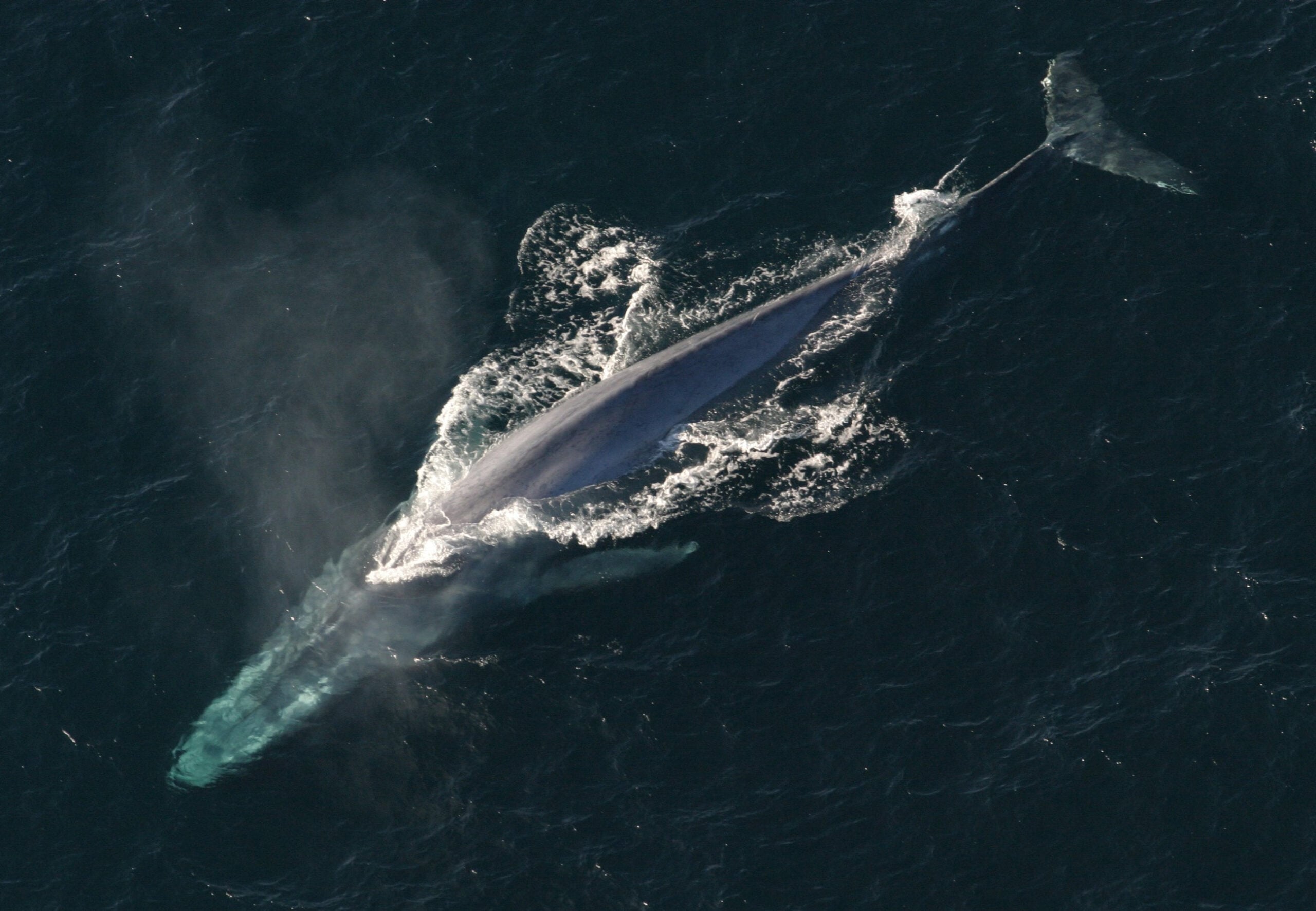
The largest animal on Earth faces threats from ship strikes and climate change. Its survival is a test of humanity’s respect for giants.
11. Orangutan
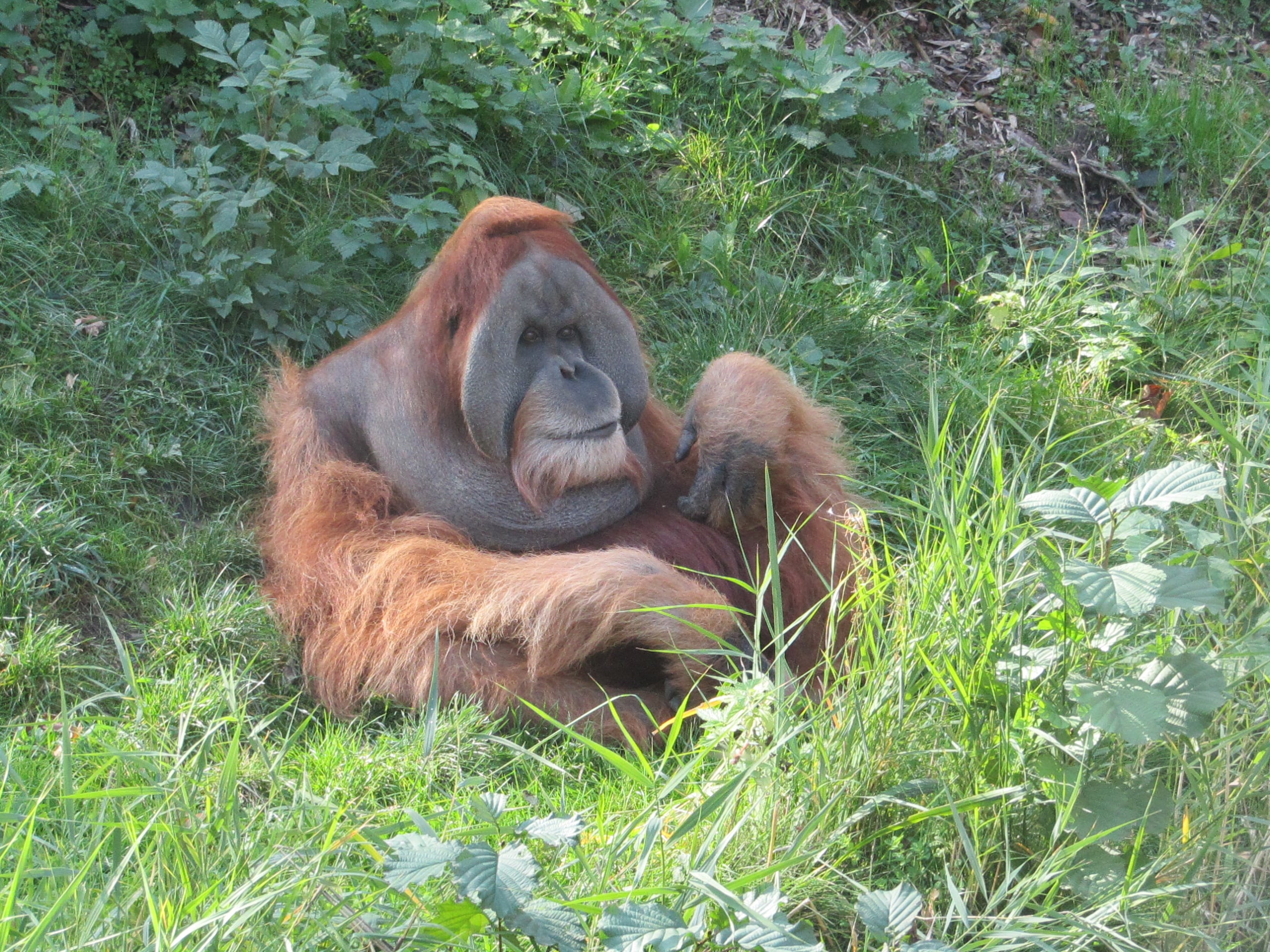
Deforestation for palm oil plantations has pushed orangutans to the brink, with populations declining rapidly. Their eyes reflect the vanishing rainforests they call home.
12. Snow Leopard
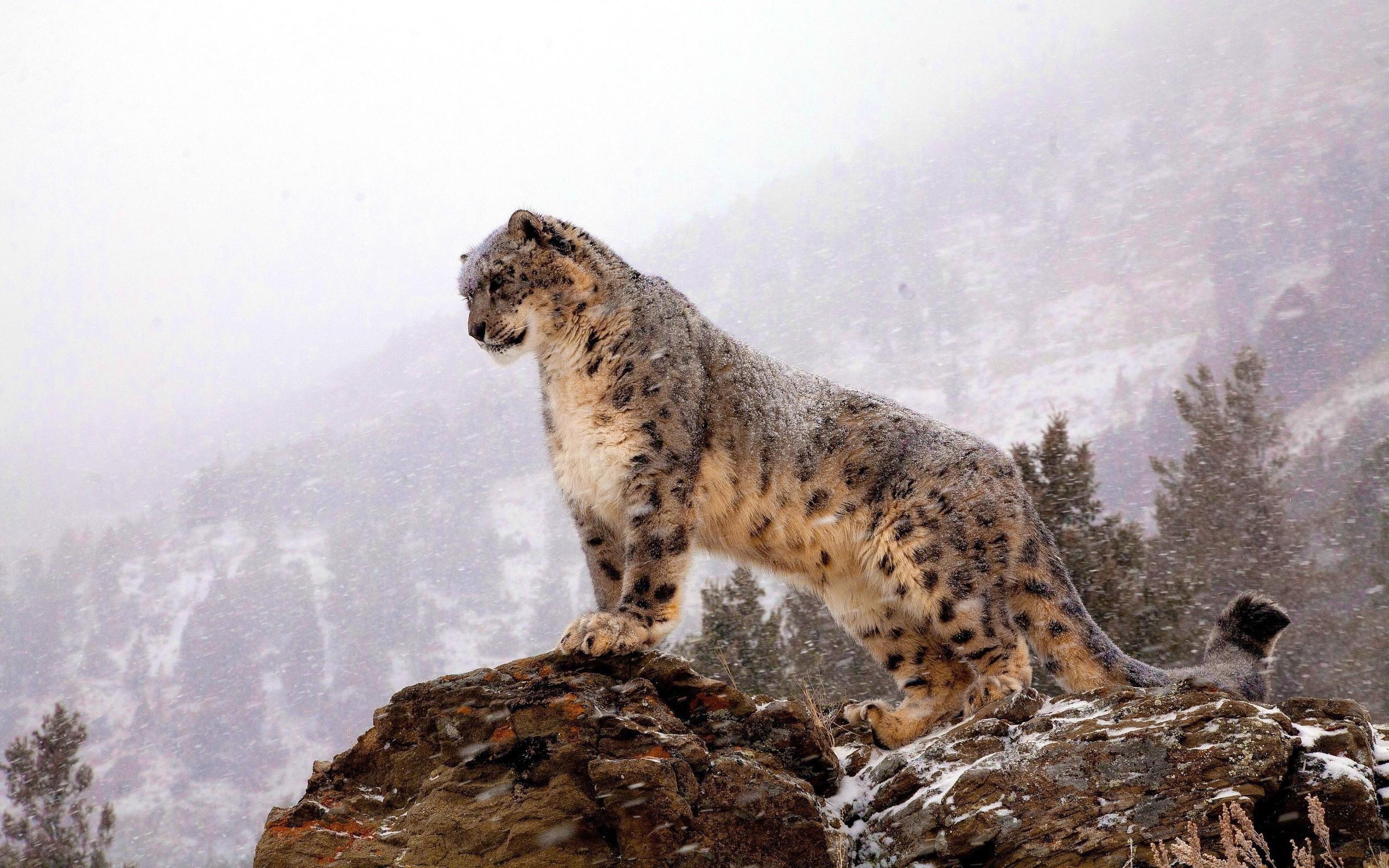
Found in Central Asia’s mountains, snow leopards face shrinking habitats due to climate change. Known as “ghosts of the mountains,” they may vanish silently.
13. Leatherback Sea Turtle
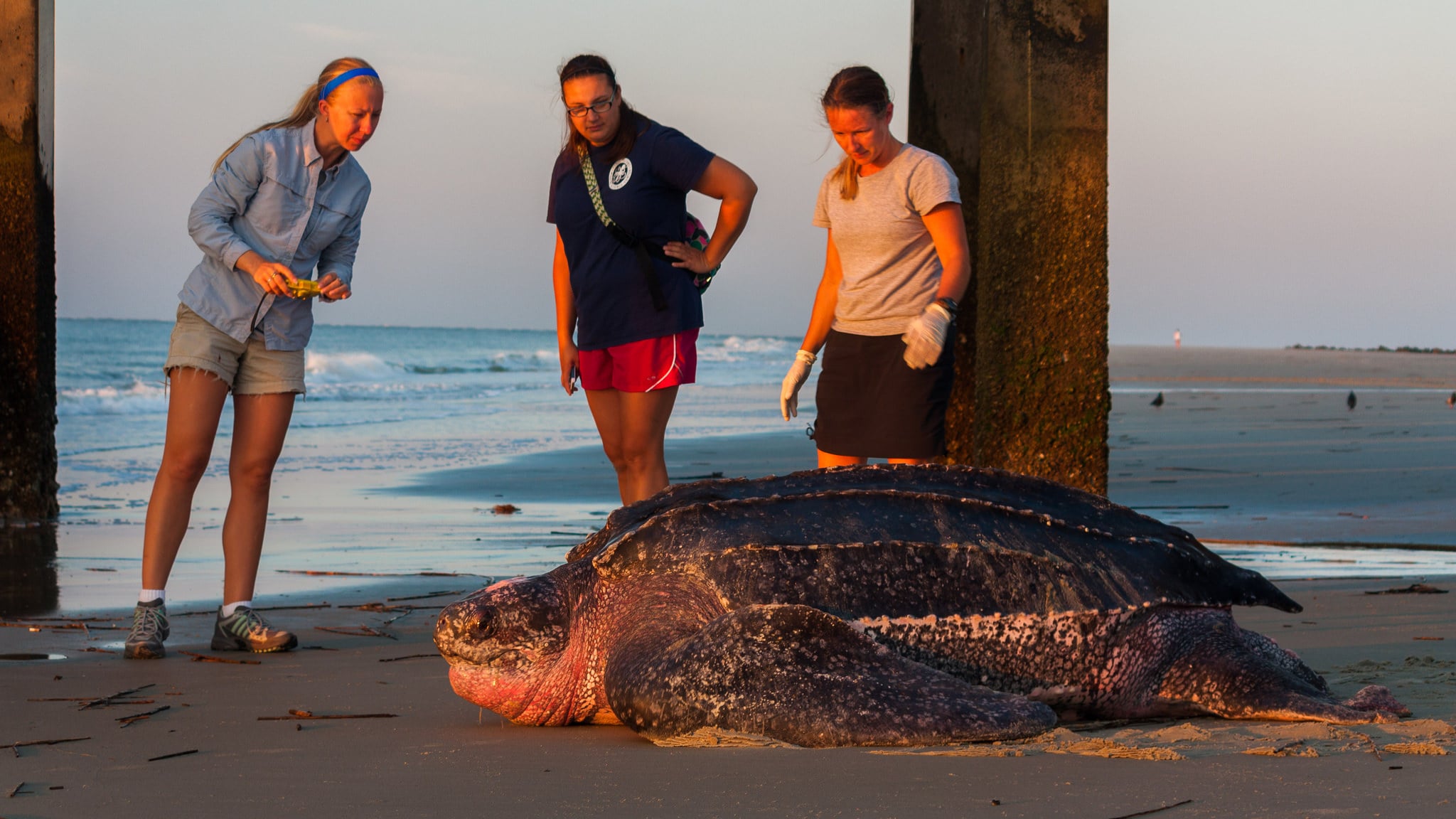
The largest sea turtle species, threatened by plastic pollution, fishing nets, and loss of nesting beaches. Each lost nest means fewer guardians of the ocean health.
14. Polar Bear
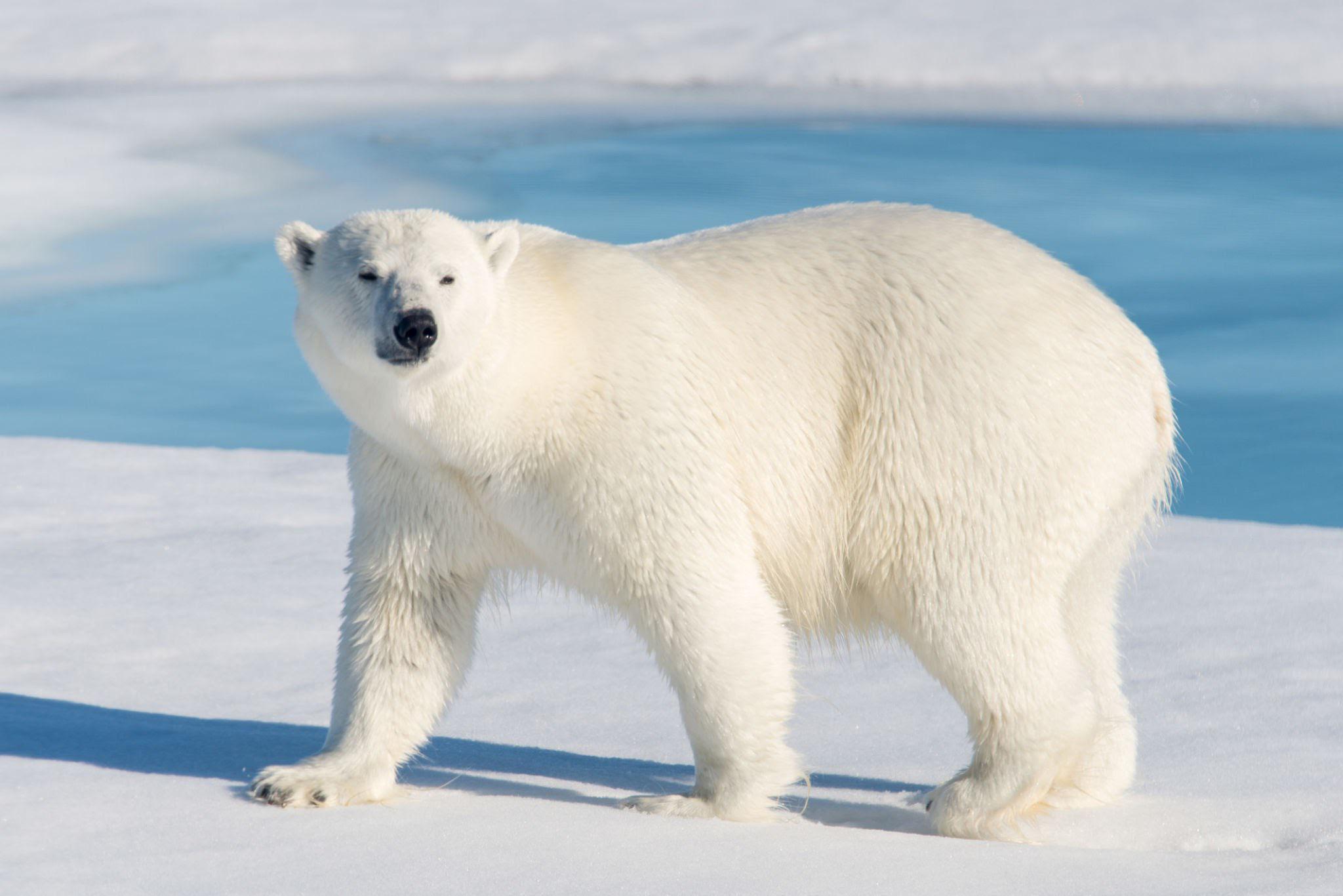
Dependent on Arctic sea ice, polar bears face starvation as ice melts due to global warming. Their fate is inseparable from the future of our climate.
15. Vaquita
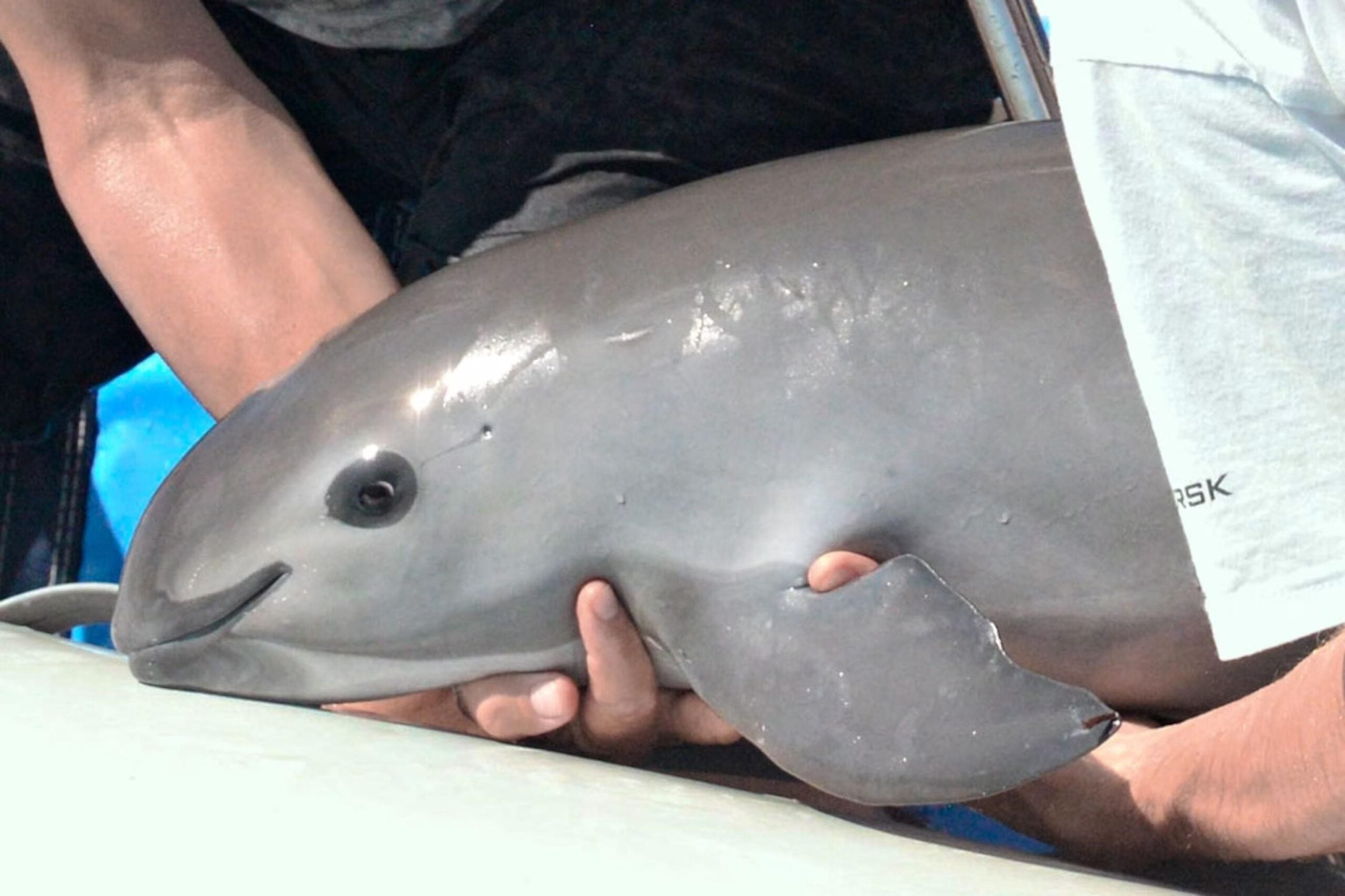
The rarest marine mammal, found in the northern part of the Gulf of California, with fewer than 20 individuals left. Illegal gillnet fishing is the primary threat. If it disappears, the ocean loses a unique voice forever.
Looking for similar content?
- 15 Exotic Animals That the Wealthy Love to Have as Pets: Rare, luxurious creatures kept by the ultra-rich, combining fascination with extravagance.
- 9 Timeless Animal Photos from the Past: A nostalgic collection of vintage snapshots capturing the enduring bond between humans and animals across decades.
- The World’s 15 Priciest Pets: A ranking of the most expensive animals ever sold, from racehorses to koi fish, highlighting pets as both companions and status symbols.