The 1960s were a remarkable decade for many American blue-collar workers. For workers, a blue-collar career could provide a solid paycheck and a path toward homeownership and family stability.
Average hourly earnings in American manufacturing were approximately $2.37 in 1960, while union minimum rates for some building trades exceeded $4 an hour in big cities. They were paid in 1960s dollars, and seasonal layoffs, overtime, and benefits all played a role in determining how comfortably a worker could live.
1. Electrician
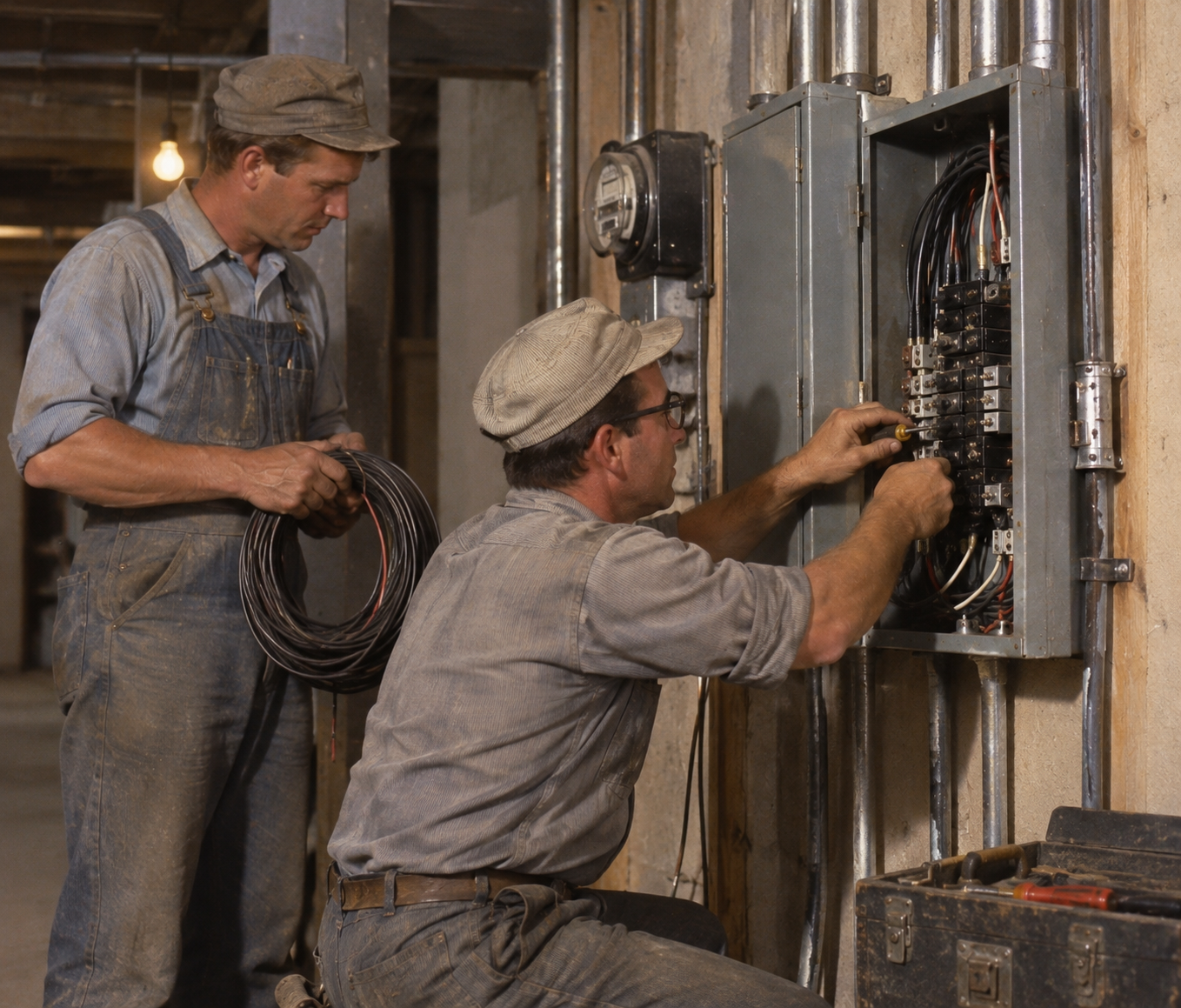
Skilled electricians were needed to install wiring, connect electrical systems, and troubleshoot complicated equipment. Their expertise was valuable on both new construction projects and renovation jobs. Experienced electricians often enjoyed the added advantages of steady demand, specialized skills, and union benefits.
2. Plumber & Pipefitter
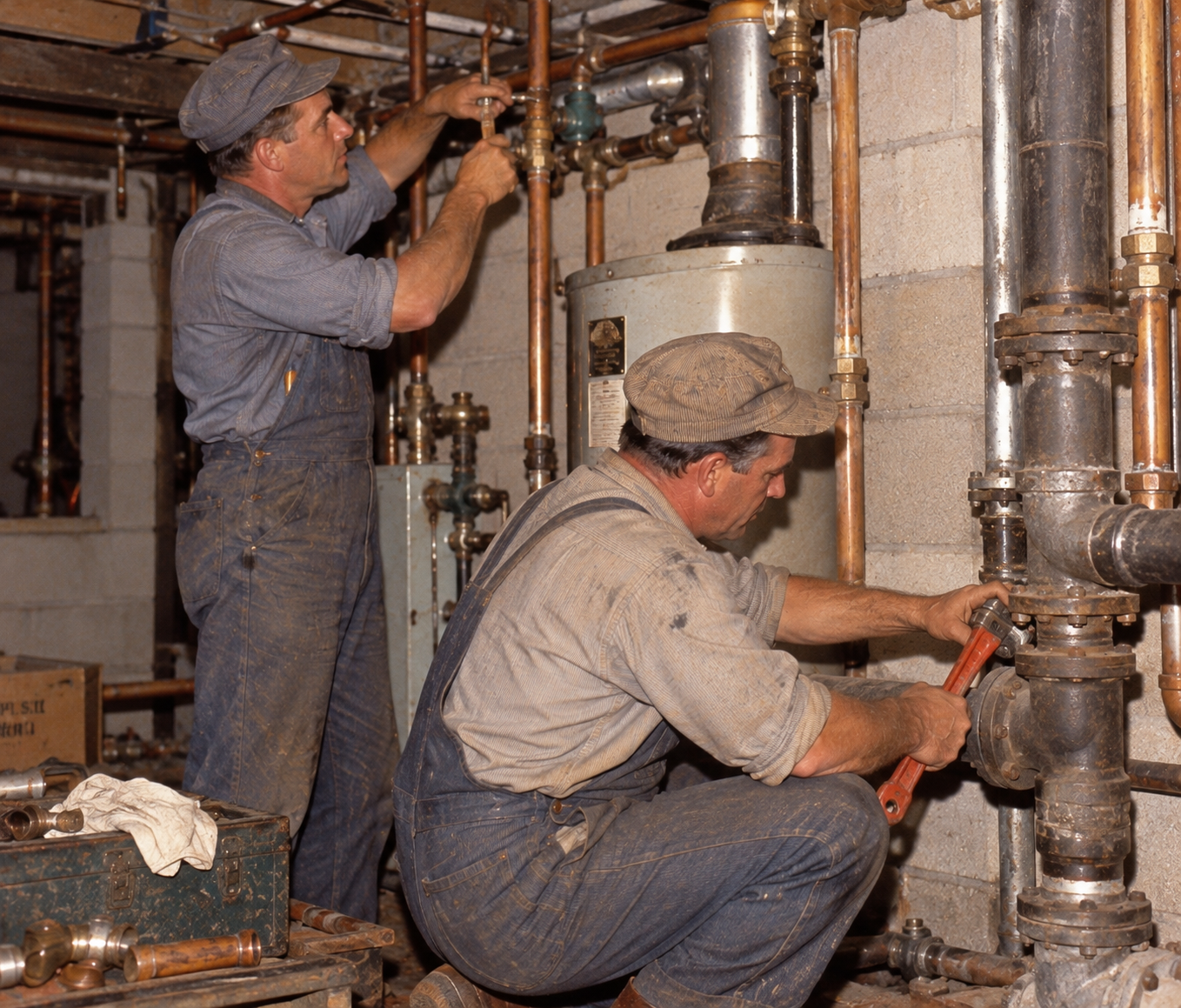
Plumbers installed and repaired the water and drainage systems found in homes and businesses, while pipefitters worked with the piping systems used in industrial plants and heating systems. Workers who developed a strong reputation could establish their own businesses and serve a regular customer base.
3. Bricklayer & Mason
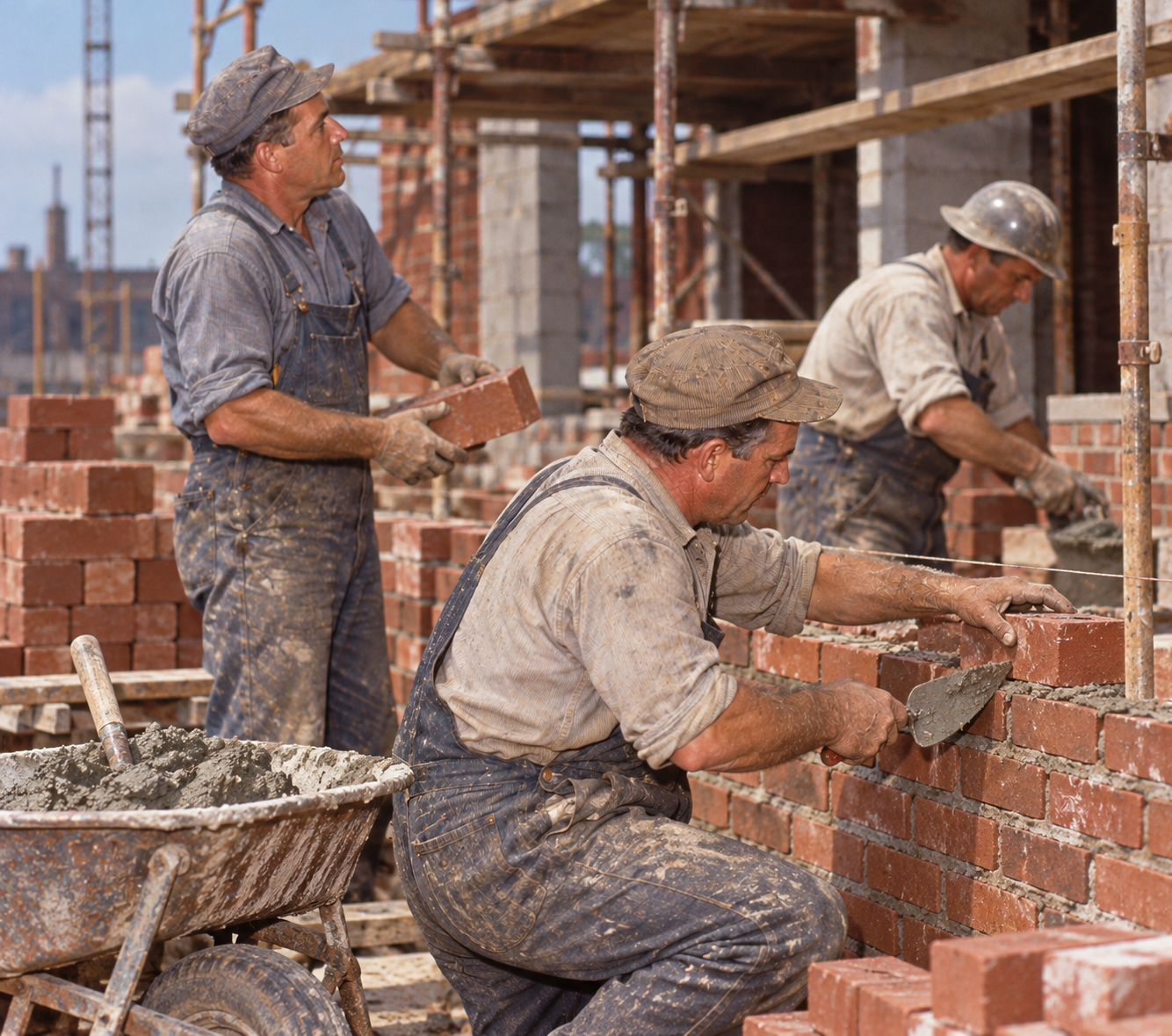
Houses, schools, shopping centers, apartment buildings, and commercial properties all required skilled workers who could lay bricks, construct walls, and create structures.
4. Elevator Constructor
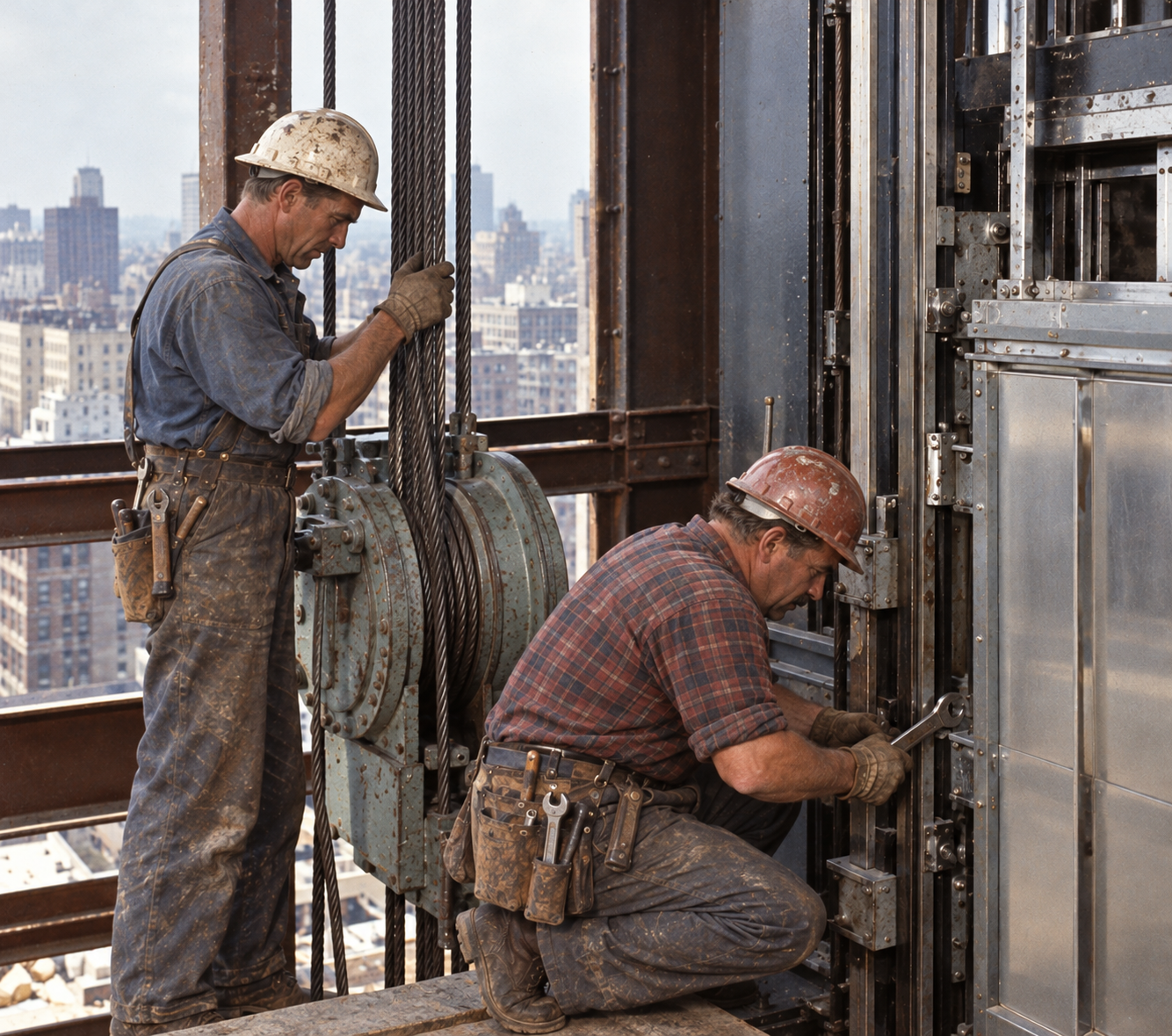
Elevator constructors installed, adjusted, and maintained the elevators and related equipment that were becoming important in office buildings, hotels, hospitals, and high-rise apartment complexes. Their work required mechanical knowledge, attention to detail, and careful installation practices.
5. Structural Ironworker
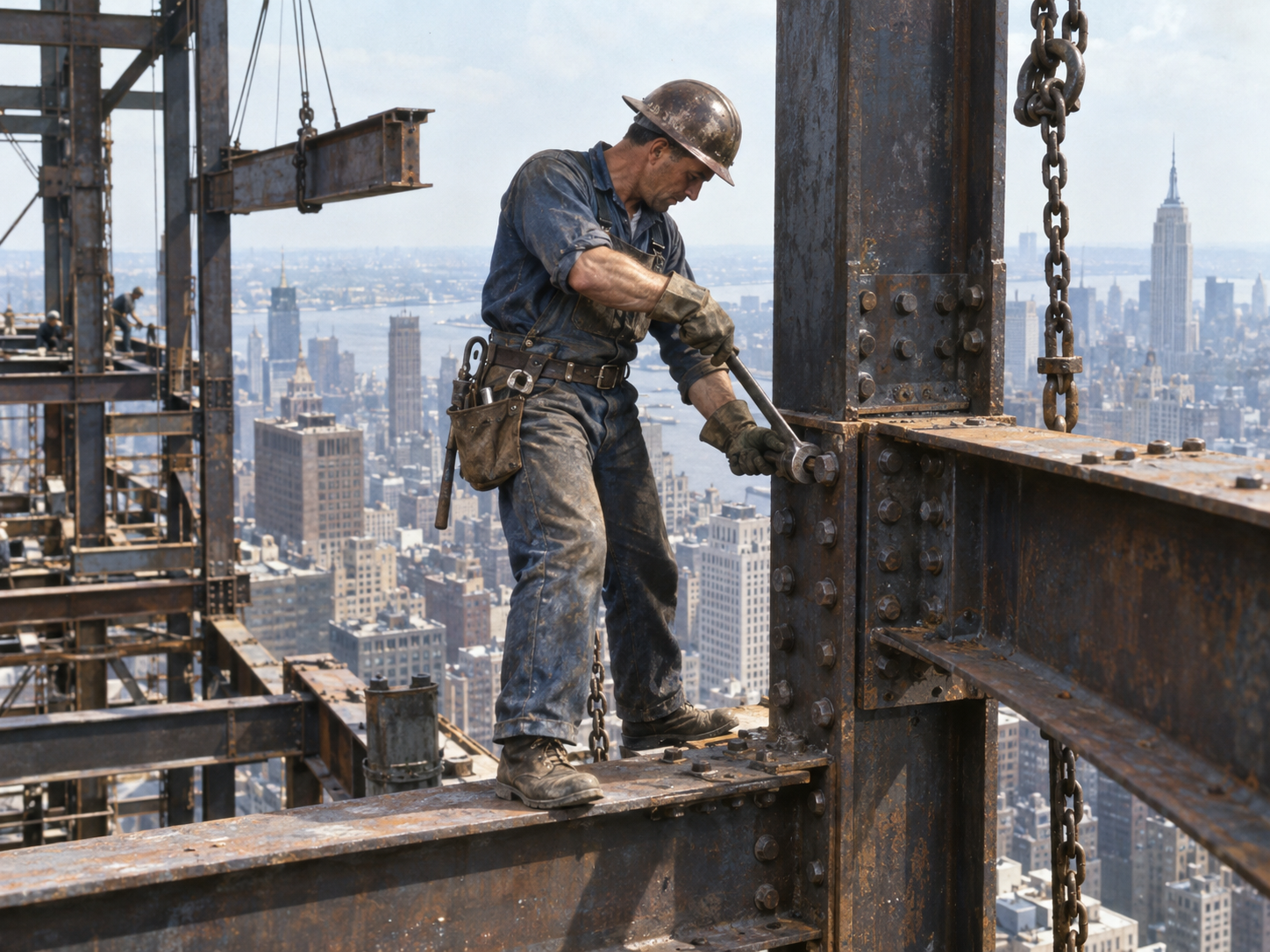
Structural ironworkers raised and secured steel beams, installed structural components, and worked on commercial buildings, industrial facilities, bridges, and other major construction projects. Their jobs demanded physical strength, technical skill, and considerable confidence working at heights. The work could be dangerous, and workers had to follow strict procedures.
Trending on Wealth Gang


6. Truck Driver
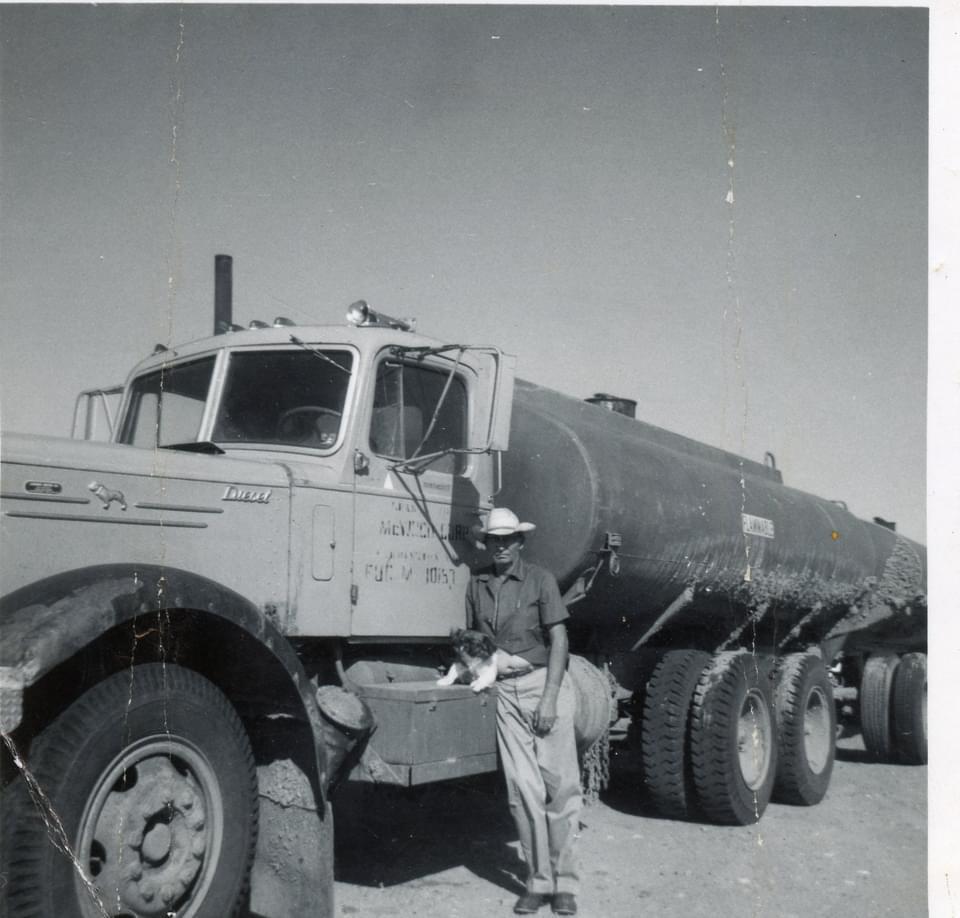
Local drivers transported goods between warehouses, factories, stores, construction sites, and customers. Those who built seniority with a major employer could also benefit from negotiated benefits.
7. Machinist
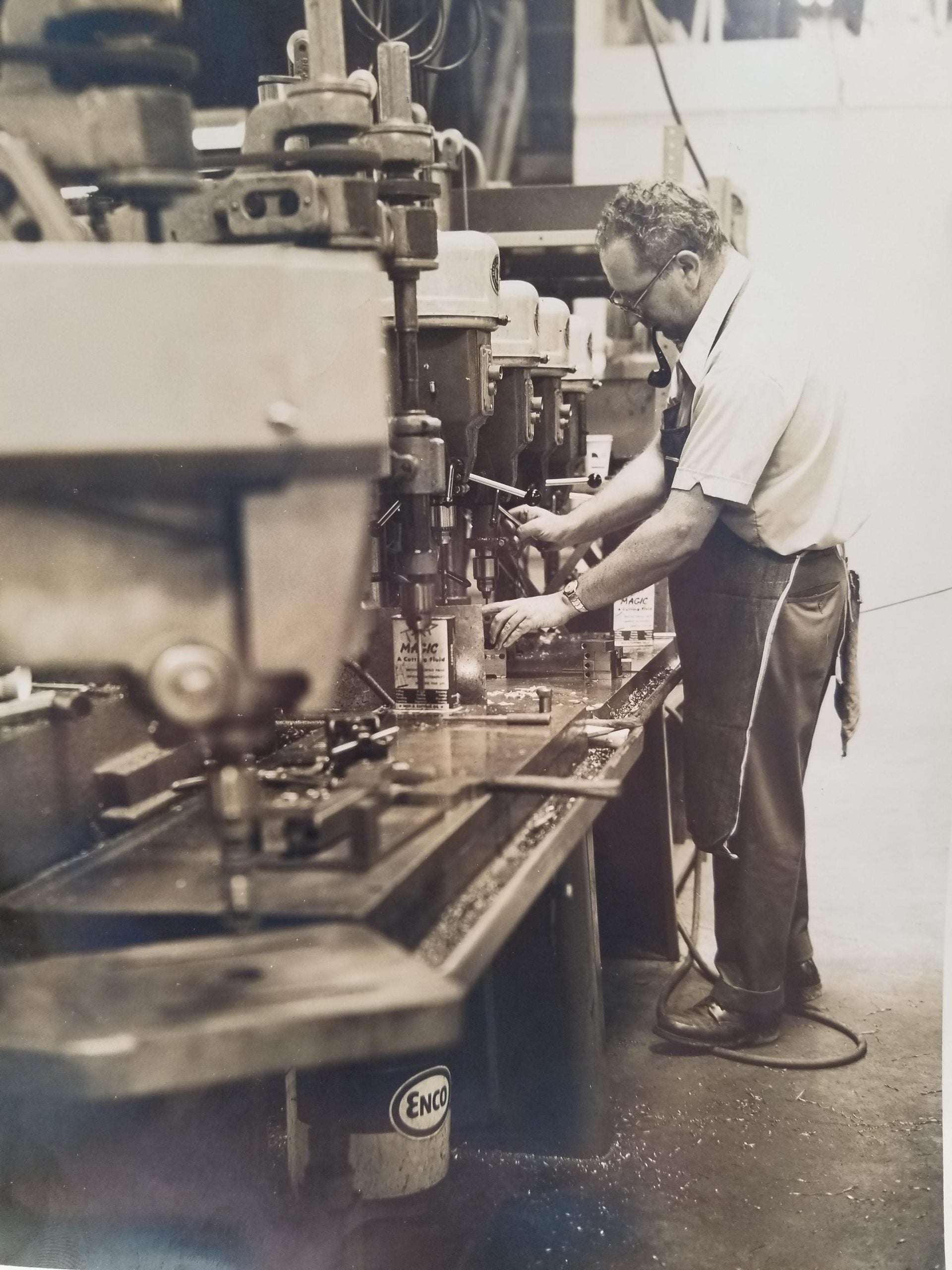
Machinists operated and maintained machine tools used to cut, shape, and finish metal parts for automobiles, machinery, and countless other products. Their jobs demanded precision and the ability to interpret measurements and technical drawings. Workers in major industrial centers could earn more than those in lower-paying locations.
8. Tool-and-Die Maker
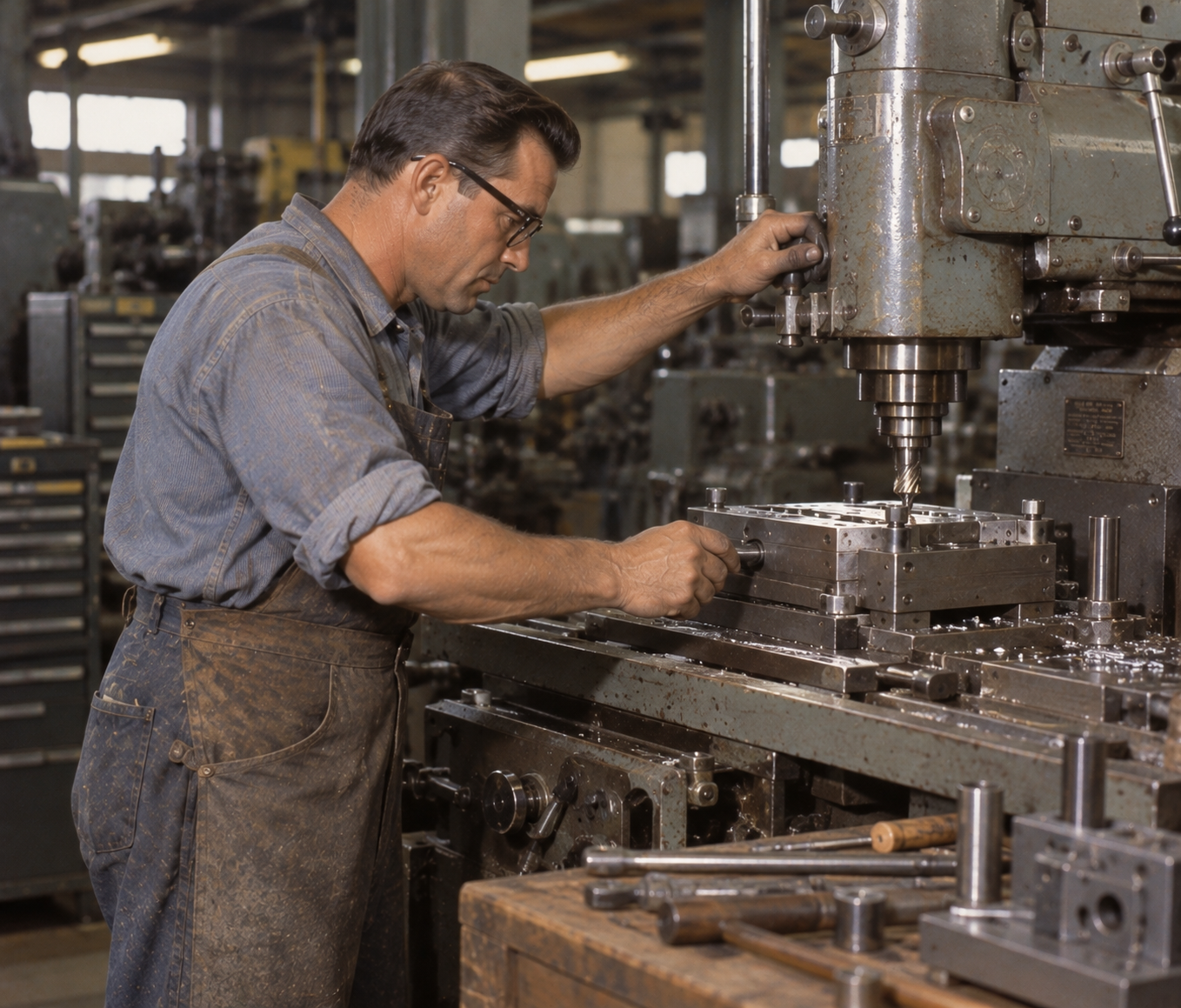
Tool-and-die makers created and repaired the specialized tools, molds, and dies used to manufacture metal components. Without their work, automobile factories, machinery manufacturers, and many other industrial operations would have struggled to maintain consistent production.
Sign up for our newsletter
9. Industrial Machinery Repairman
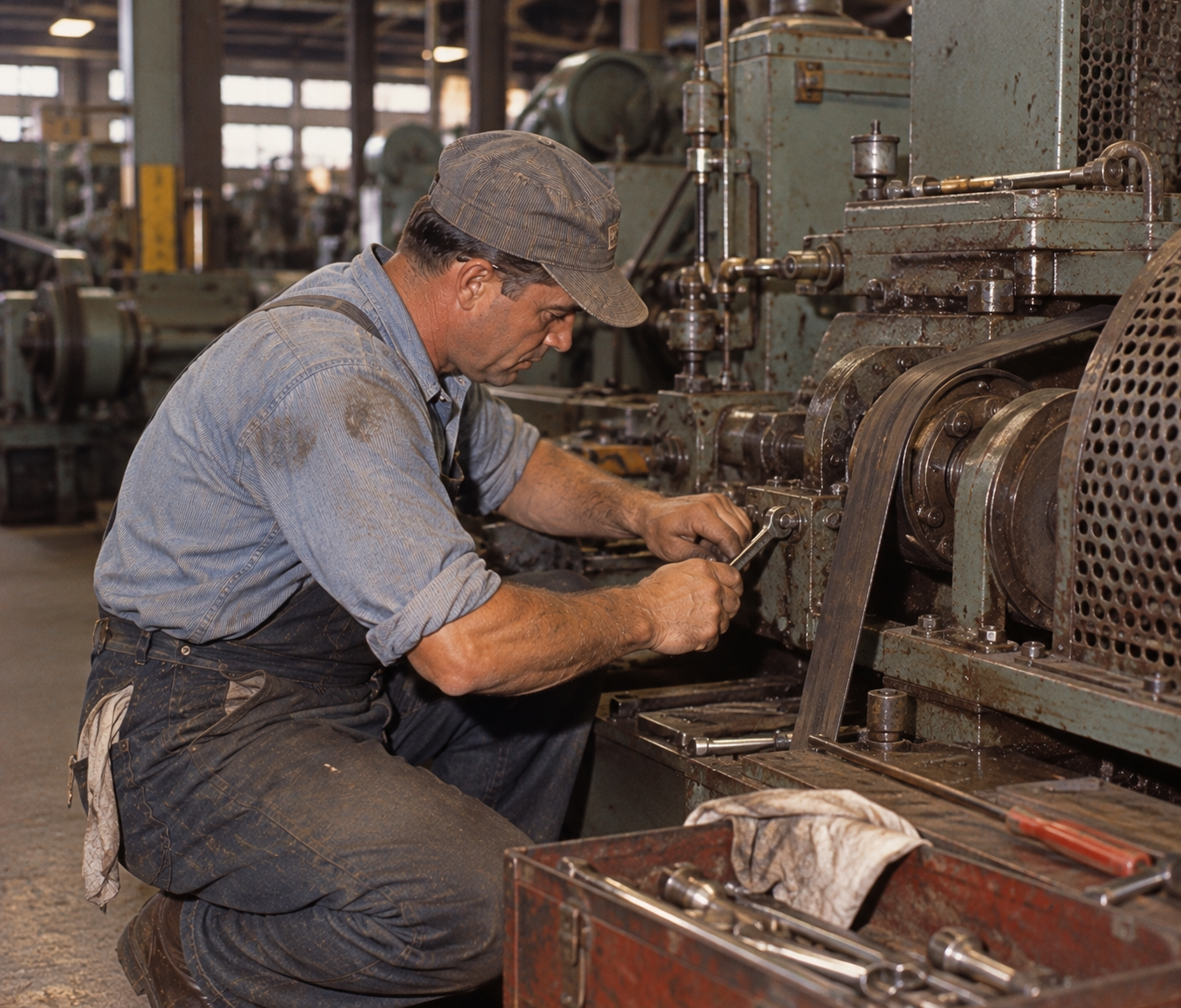
Factories depended on industrial machinery repairmen to maintain the equipment that kept production moving. These workers diagnosed mechanical problems, replaced worn parts, and performed preventive maintenance. Their work was especially important in factories where even a brief equipment failure could interrupt the entire production line.
10. Millwright
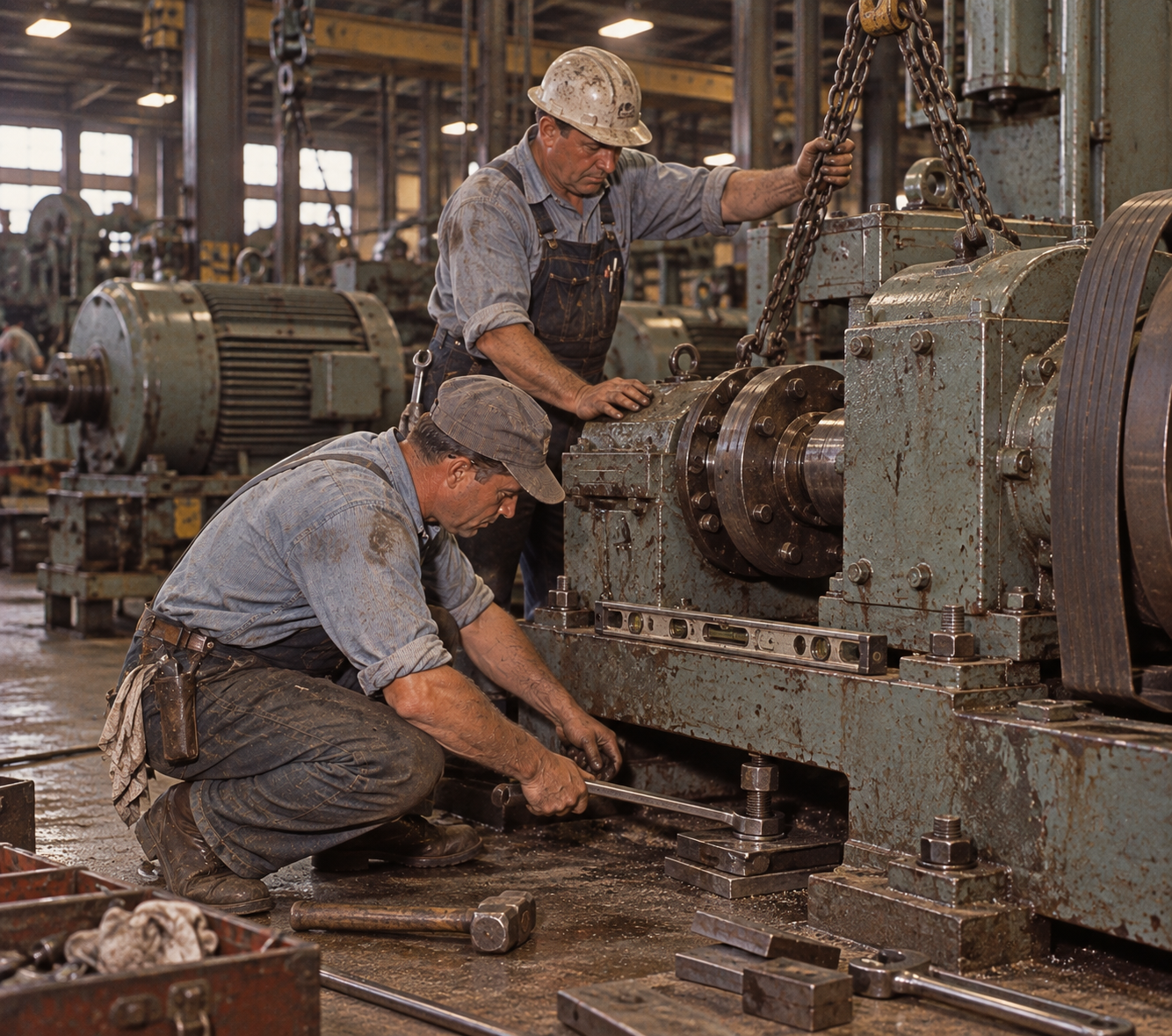
Millwrights specialized in installing, moving, aligning, and maintaining heavy industrial machinery. They worked in factories, paper mills, manufacturing plants, and other facilities where large machines had to be positioned correctly and kept in reliable working order.
11. Welder
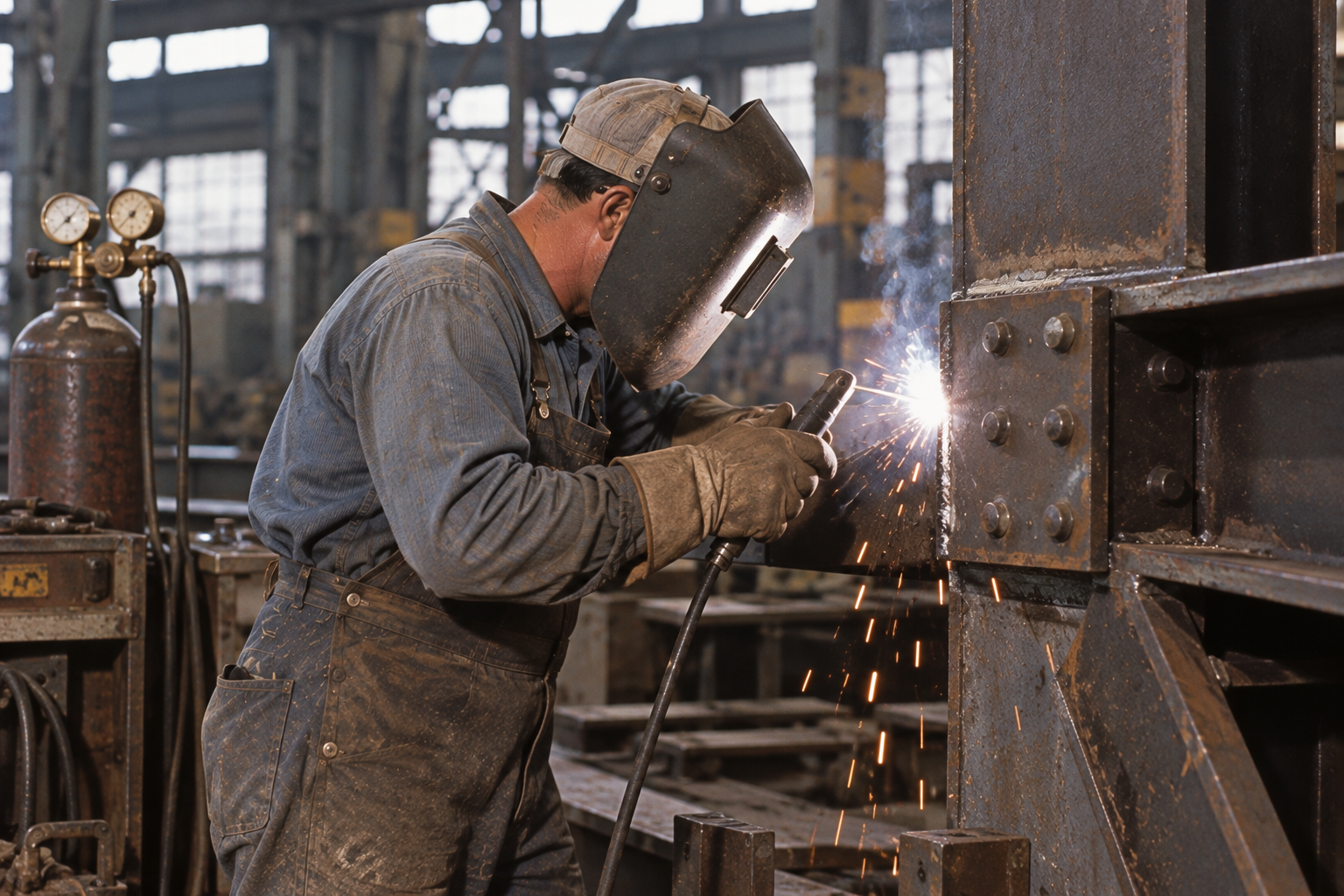
Welders joined metal components used in machinery, vehicles, fabricated products, and other manufactured goods. Skilled manual welders needed to understand welding techniques, work carefully with hot materials, and produce reliable joints.
12. Aircraft Mechanic
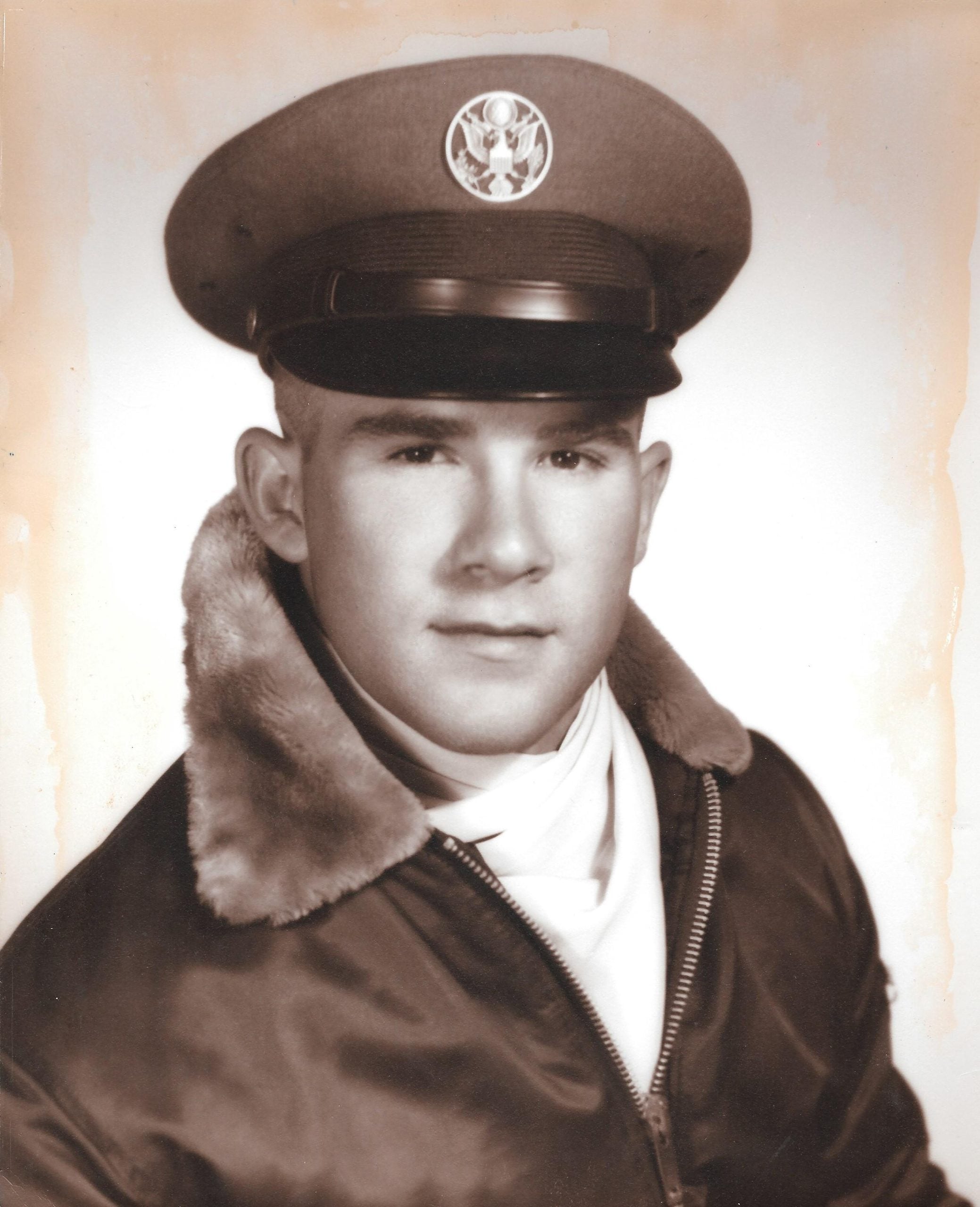
The growth of commercial aviation, military aviation, and the aerospace industry created opportunities for aircraft mechanics during the 1960s. They inspected, repaired, and maintained aircraft systems, helping keep planes operating safely and reliably. The expanding aerospace sector also created opportunities for skilled mechanics in manufacturing plants that built aircraft and related equipment.
13. Automobile Mechanic
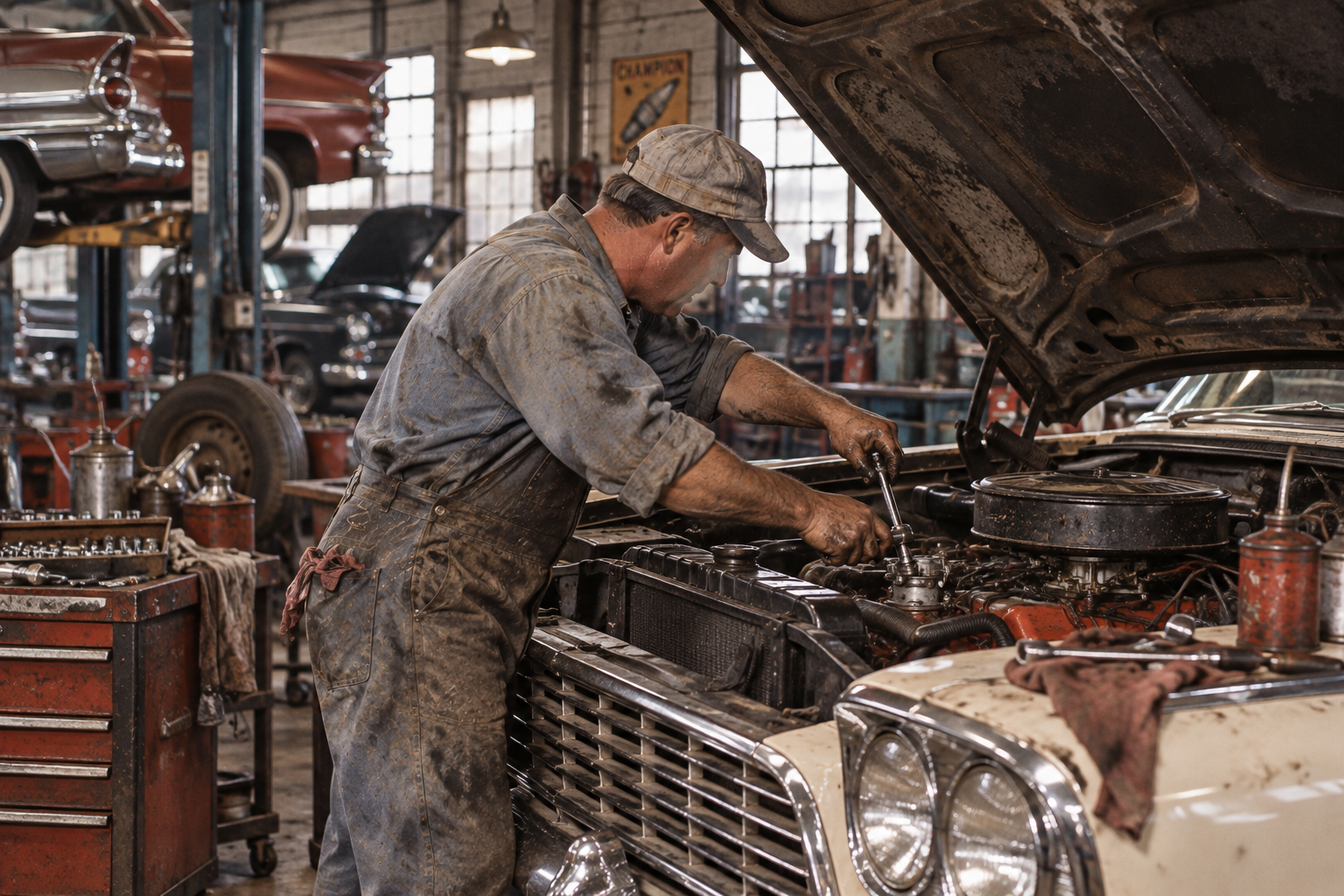
Mechanics diagnosed engine problems, repaired brakes and transmissions, performed routine maintenance, and kept family cars and commercial vehicles on the road. The growing number of automobiles during the postwar decades helped sustain demand for repair services.
14. Coal Miner
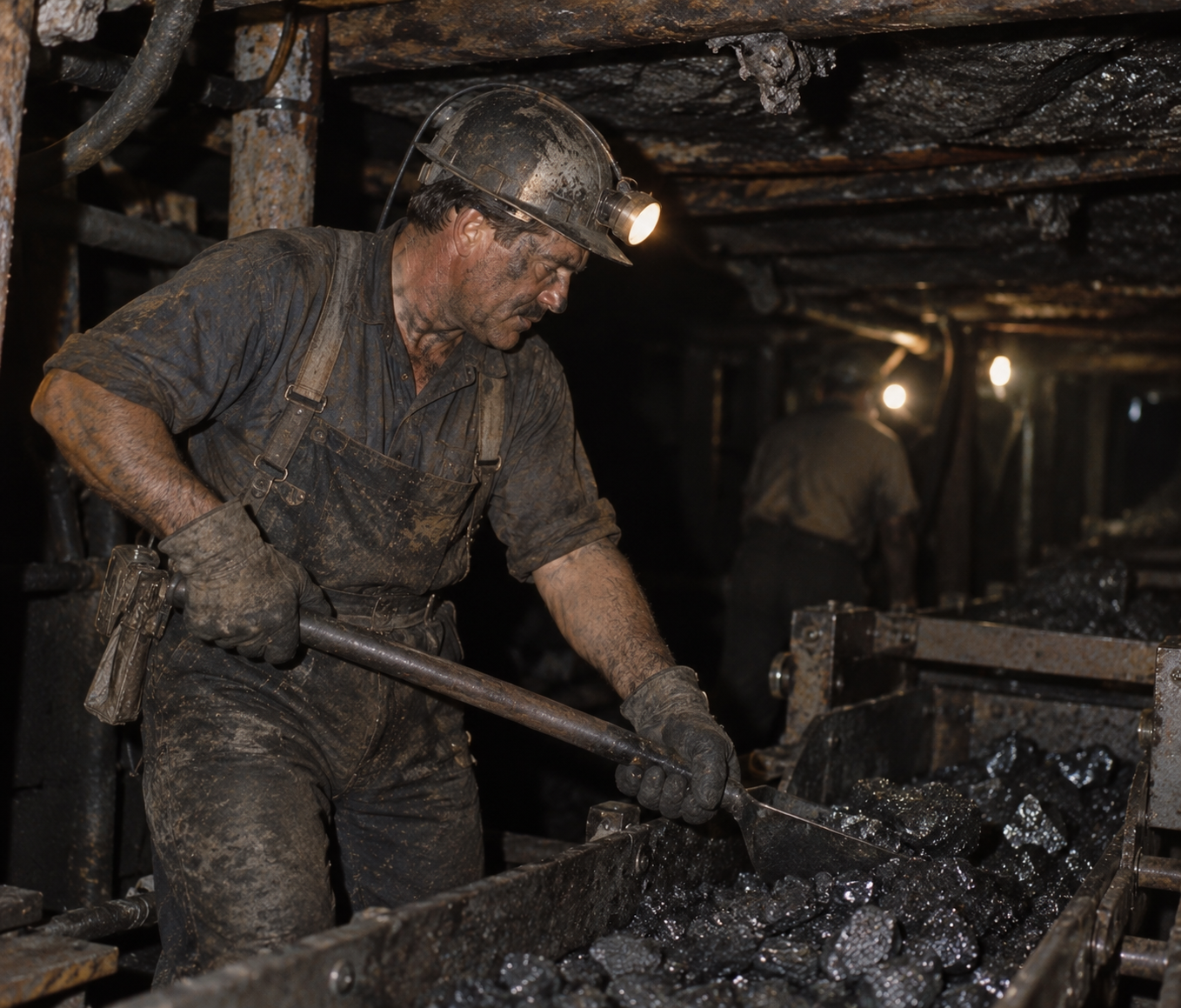
Coal mining could provide strong earnings for workers willing to undertake difficult and dangerous underground work. Miners extracted the fuel that supplied power plants, railroads, and other parts of the American economy.
15. Electric Utility Worker
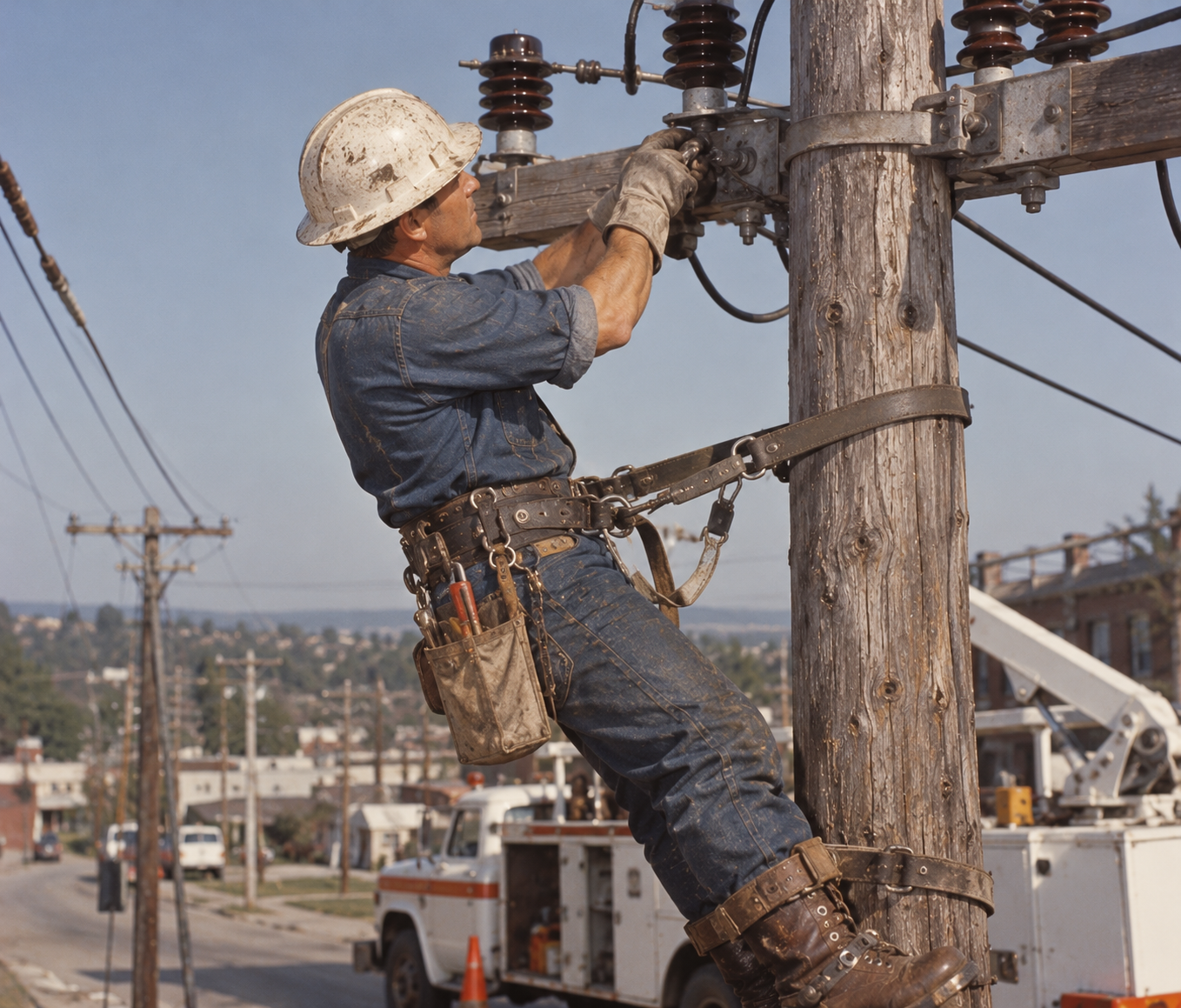
This occupation included lineworkers who built and repaired electrical distribution networks, as well as power-plant workers who monitored boilers, turbines, generators, and control-room equipment. Certain utility jobs involved night shifts, emergency callouts, and weekend or holiday work.