

We have all repeated these “facts” at dinner parties, science class, or just to sound smart in conversation. From Napoleon’s height to how much of our brain we actually use, these myths have been passed down so many times that most people never stop to question them. The truth is, a lot of what we think we know turns out to be wrong once you dig into the real science and history behind it.
That’s exactly what makes debunking these myths so much fun. Whether it’s goldfish memory, Viking helmets, or the eight spiders you supposedly swallow every year in your sleep, each “fact” on this list has a surprising real story behind it. Get ready to have some of your most confident beliefs turned upside down. Get ready for 15 Fake Facts People Still Believe.
1. Humans only use 10% of their brains
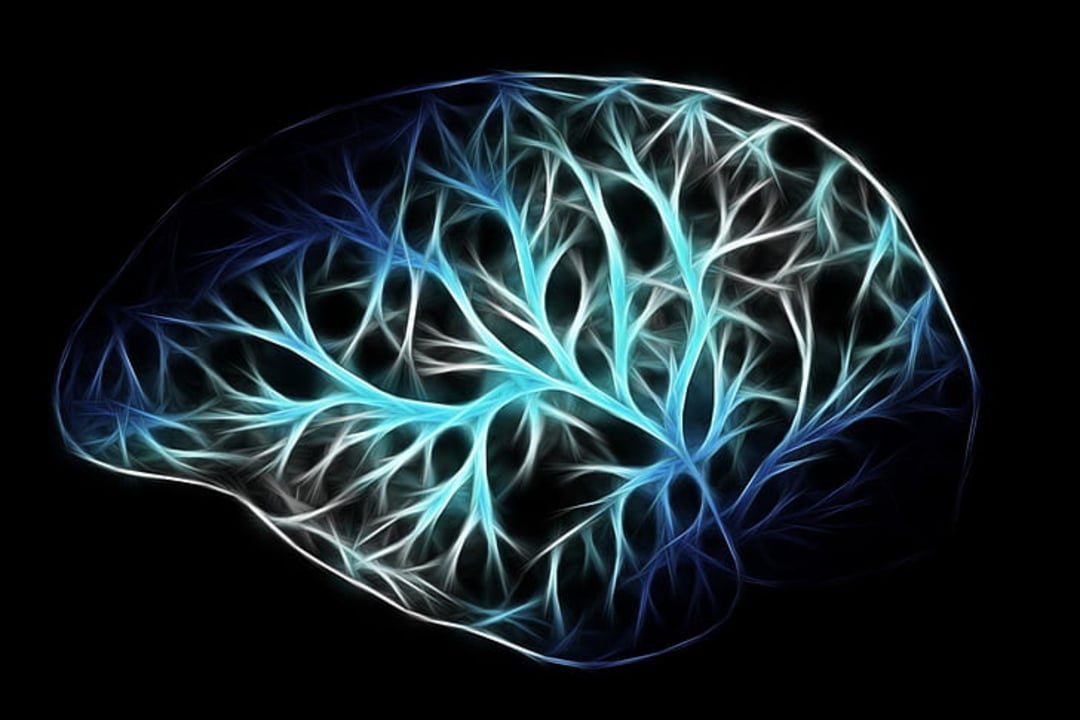
This myth has been repeated endlessly, but neuroscience shows we use virtually every part of our brain. Brain scans prove activity happens across regions, even when we are resting. Far from being inactive, the brain is a dynamic organ constantly rewiring itself through learning, memory, and experience.
2. Napoleon was extremely short

He was not unusually tiny; at about 5’6”, Napoleon was average height for his time. Confusion came from differences in French and British measurement systems.
3. Goldfish have 3-second memories

Goldfish can actually remember things for months. They are capable of learning tricks, recognizing faces, and even navigating mazes. They can also associate sounds with feeding time, showing surprising cognitive ability.
4. The Great Wall of China is visible from space

Astronauts confirm it is not visible to the naked eye from orbit. It blends into the landscape, unlike cities or large bodies of water.
5. Bulls hate the color red

Bulls are colorblind to red. It is the movement of the matador’s cape that provokes them, not the hue. It is the dance of motion, not the color, that drives their charge. And in that blur of instinct, the arena becomes a stage where motion itself is the true adversary.
Trending on Wealth Gang


6. Vikings wore horned helmets

No archaeological evidence supports this. The horned helmet image was popularized by 19th-century opera costumes, not history.
7. Einstein failed math as a child

Einstein excelled in math from a young age. The myth likely came from mistranslations of his school records.
8. Chameleons change color to camouflage

They shift colors mainly to regulate temperature and communicate mood, not just to blend into surroundings. They use specialized skin cells called chromatophores to alter their color in response to stress, social interactions, and environmental changes.
Sign up for our newsletter
9. You swallow eight spiders a year in your sleep

This creepy “fact” is pure fiction. Spiders avoid humans and wouldn’t crawl into a snoring mouth.
10. Shaving makes hair grow back thicker

Shaving only cuts hair at the surface. The flat ends may feel coarser, but the growth rate and thickness remain unchanged.
11. Lightning never strikes the same place twice

Lightning often strikes tall structures repeatedly. The Empire State Building, for example, gets hit dozens of times per year. And yet, thanks to its advanced grounding system, those strikes are safely redirected into the earth, protecting both the building and the people inside.
12. Cracking your knuckles causes arthritis
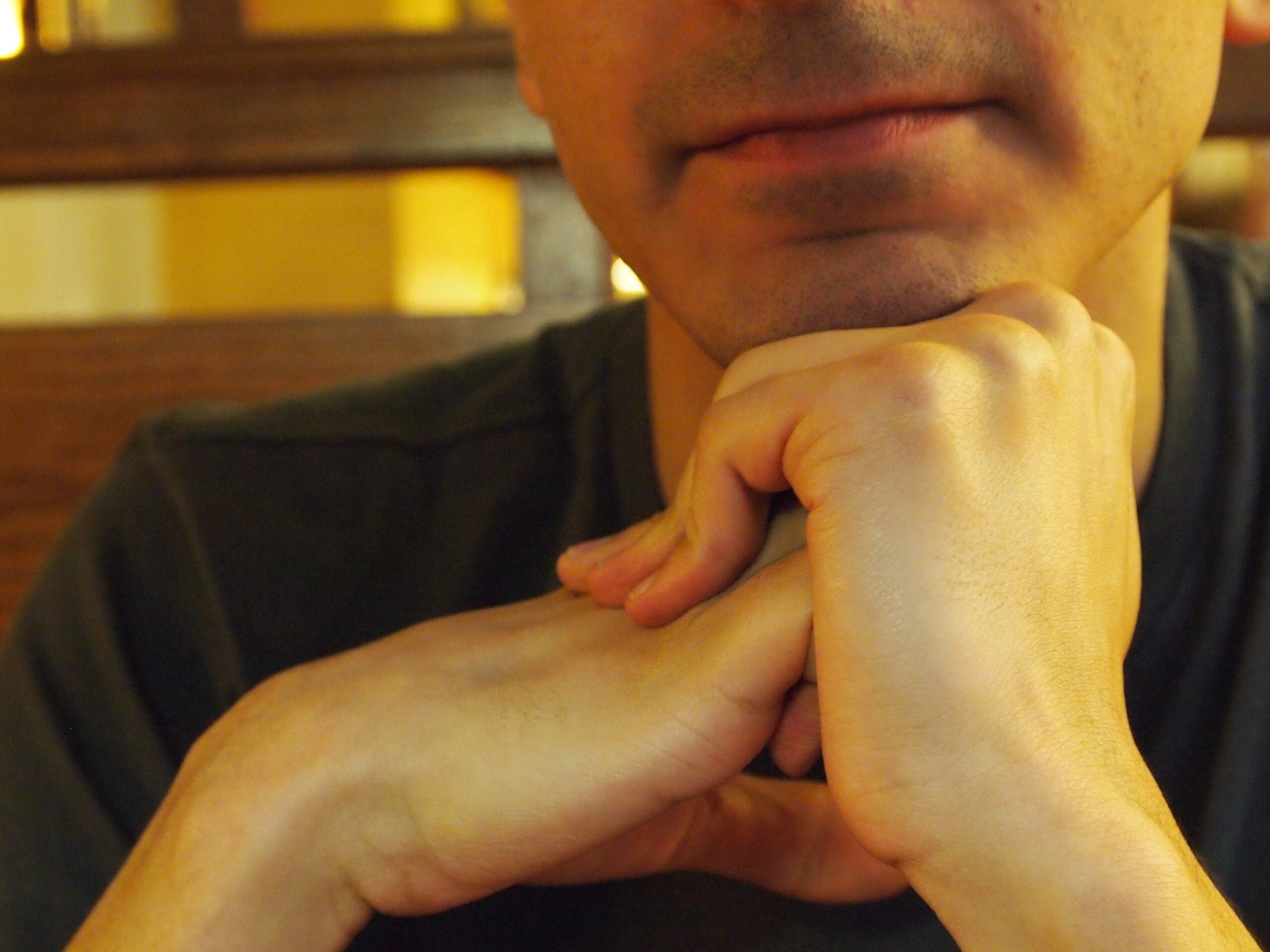
Studies show no link between knuckle cracking and arthritis. The popping sound comes from gas bubbles in joint fluid.
13. Different parts of your tongue taste different flavors

The old “tongue map” is a myth. Taste buds for sweet, salty, sour, and bitter are spread across your whole tongue, not confined to specific zones. The idea came from a mistranslated German study from the early 1900s.
14. Ostriches bury their heads in the sand

Ostriches never do this. When threatened, they either run away at speeds up to 45 mph or lie flat with their heads low to the ground to blend in. They inspect and flip eggs in their underground nest to ensure even warming.
15. Blood is blue before it hits the air

Human blood is always red, whether inside your body or outside it. Veins look blue through the skin because of how light wavelengths are absorbed and reflected, not because the blood itself changes color.
Excited to learn more?
If money history is your thing, 14 Fun Facts About America’s First Credit Cards traces the wild story of how the first credit cards came to be, from cardboard cards to the plastic we carry today. For more everyday trivia that’ll surprise you, 14 Fun Facts About Everyday Life covers the strange little truths hiding behind the routines and objects we see every day. Last but not least, 19 Strange Facts About the Moon That Sound Fake (But Aren’t) proves that Earth’s closest neighbor is stranger than fiction.