
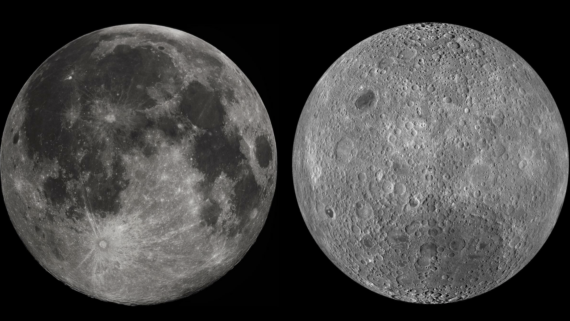
Moon is back in the spotlight after the historic return of human spaceflight around the Moon through the Artemis II mission, reigniting global fascination not seen in over 50 years. Here are 19 facts about the Moon you probably didn’t know, but will surely keep the conversations going as you likely find more friends eager to talk about the Moon than you ever previously have.
1. It’s Slowly Moving Away From Us
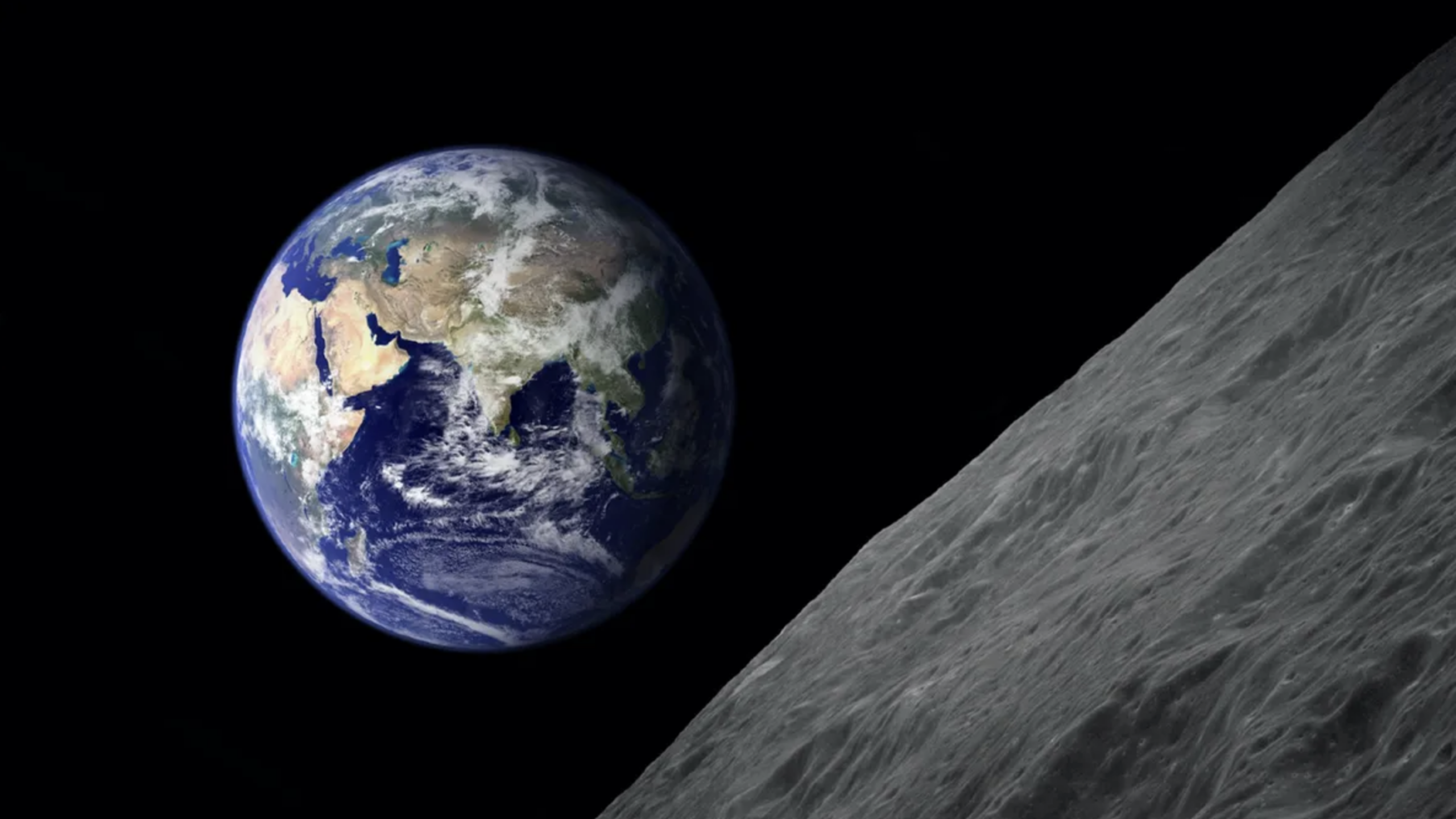
The Moon is receding from Earth at a rate of about 3.8 centimeters per year, a measurement confirmed by laser reflectors left during Apollo missions, and over millions of years this gradual shift will change how eclipses appear and alter the long-term dynamics of the Earth-Moon system.
2. The Moon Smelled Like Burnt Gunpowder
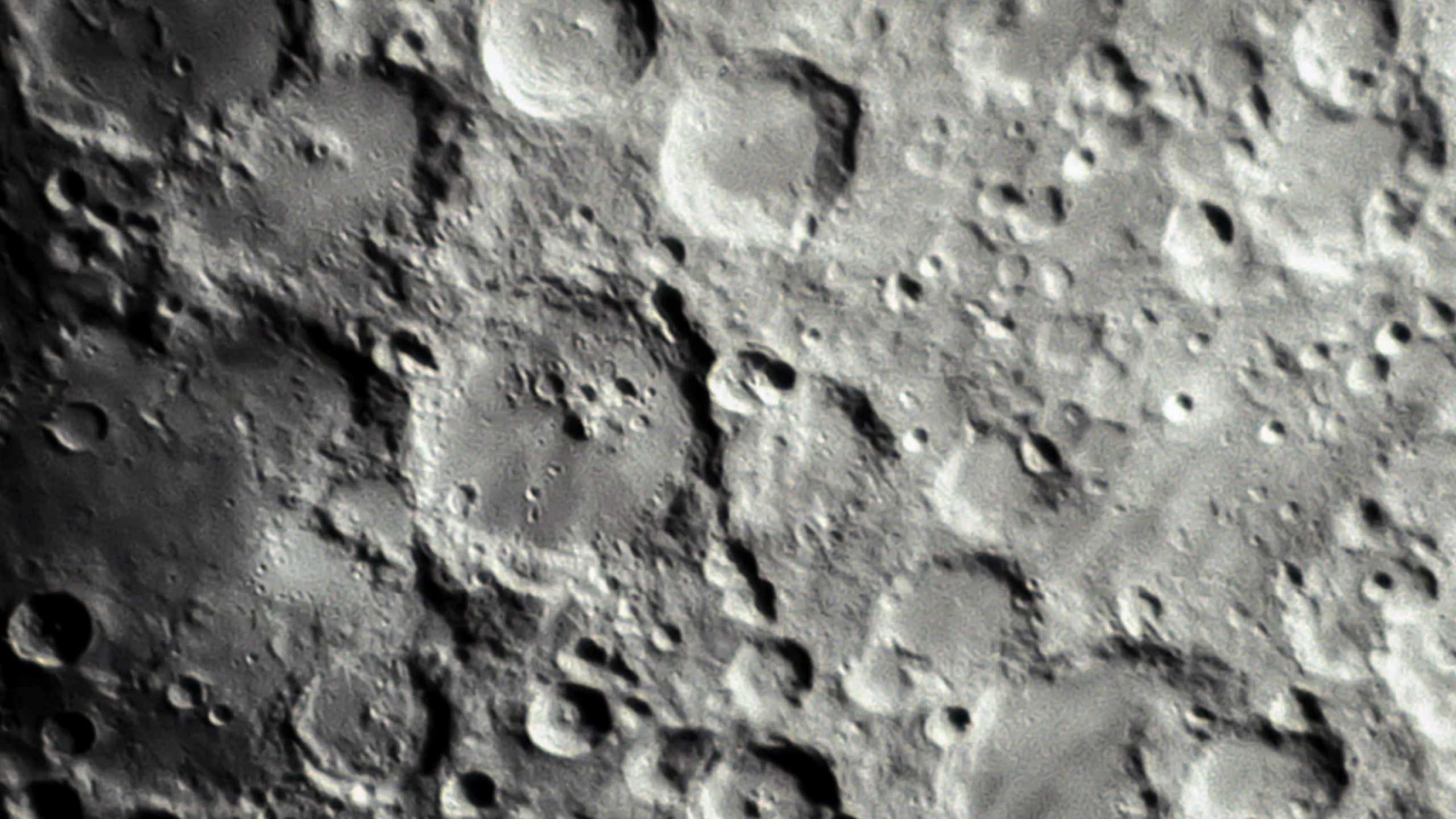
After returning from the Apollo 11 Moon Landing, astronauts described lunar dust as smelling like burnt gunpowder, a surprising effect caused when fine particles reacted with oxygen inside the spacecraft.
3. Seismic Activity Behaves Very Differently
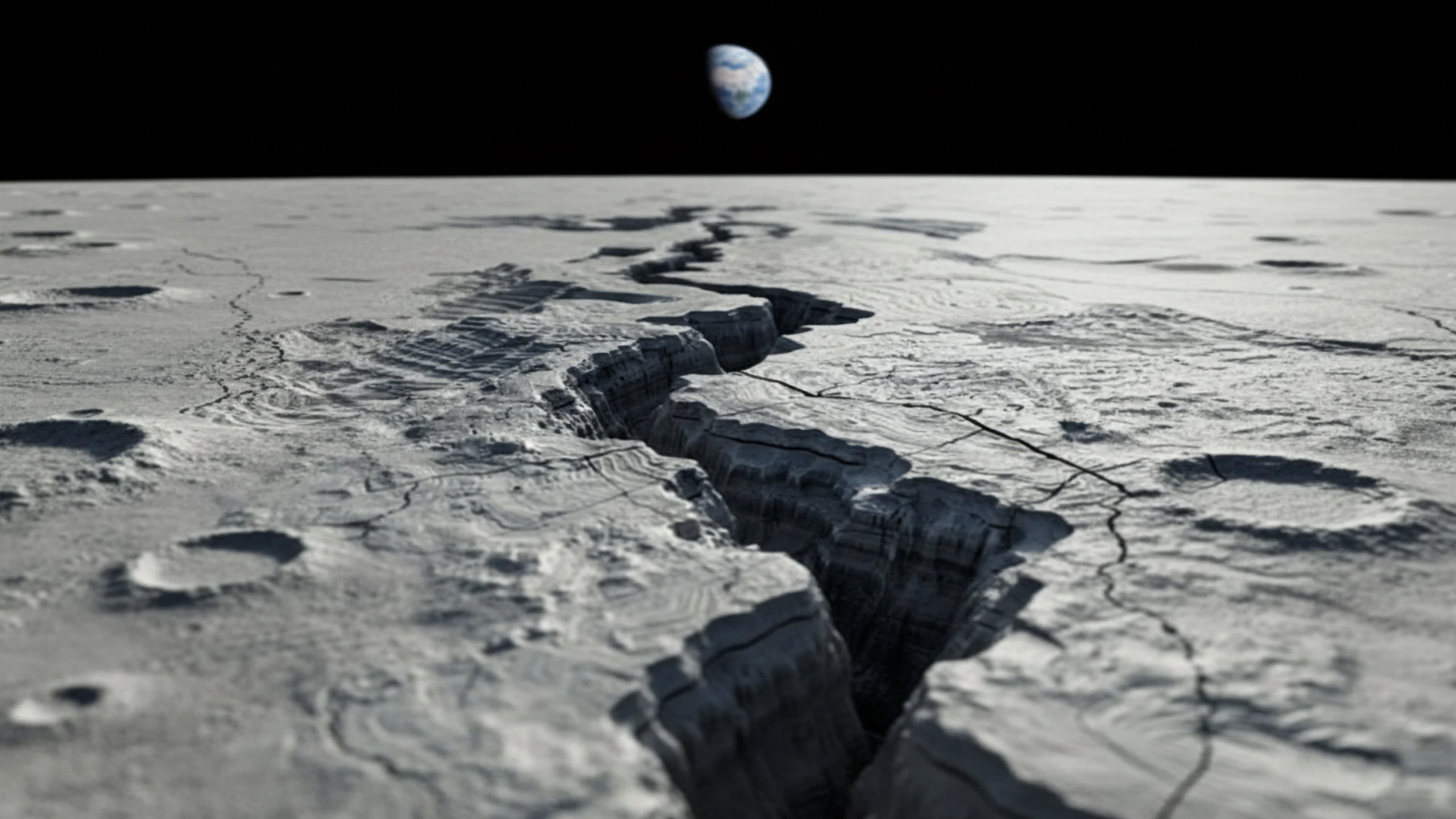
Unlike earthquakes on Earth, vibrations on the Moon can last much longer because its interior is dry and rigid, allowing seismic waves to travel without being quickly absorbed.
4. A Cosmic Coincidence Makes Eclipses Perfect
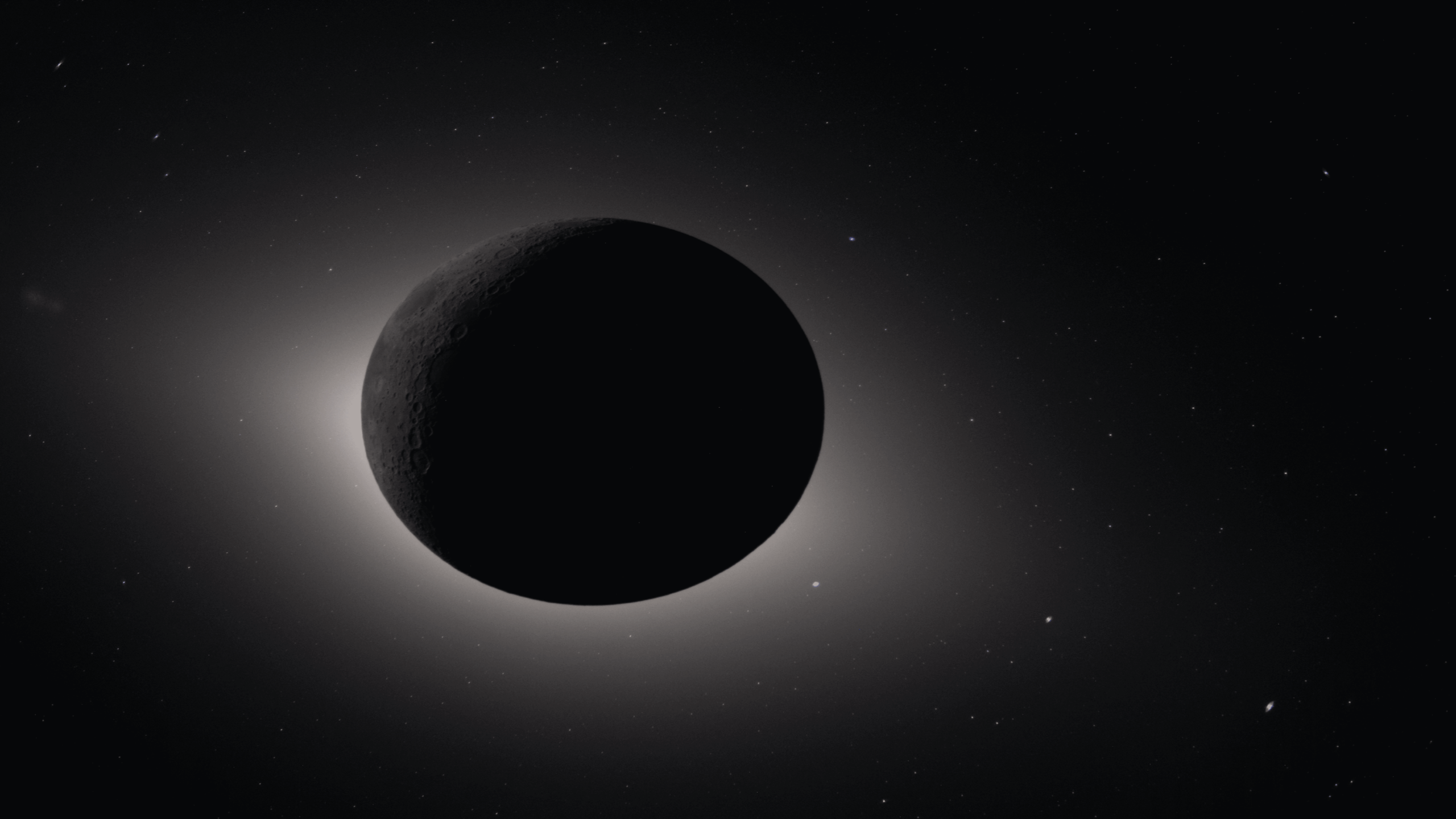
The alignment with the Sun appears almost exact from Earth due to a rare proportional balance of size and distance, creating total eclipses that look nearly engineered.
5. Temperatures Swing to Extremes
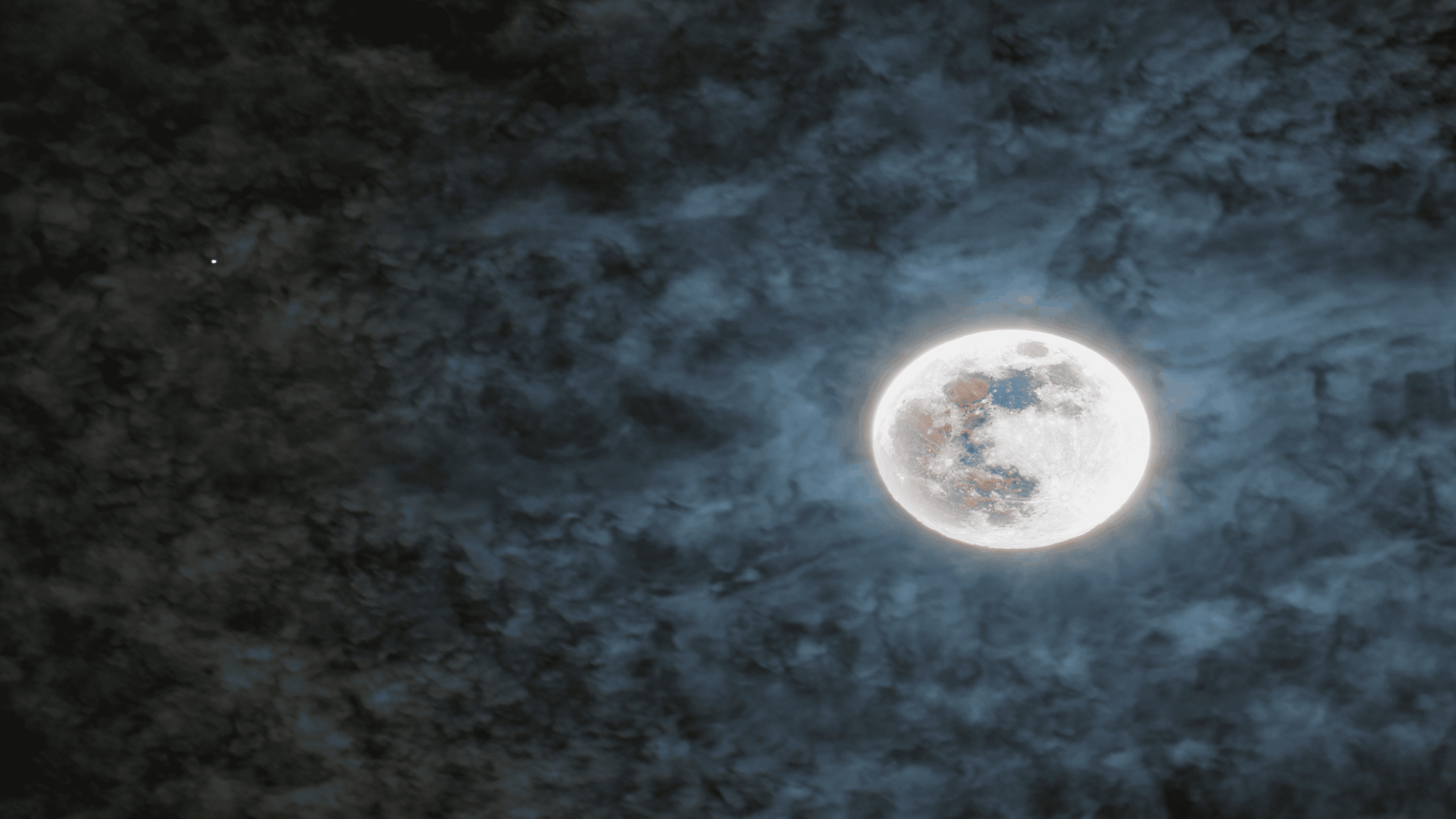
Without an atmosphere to regulate heat, it experiences dramatic temperature shifts ranging from extreme heat in sunlight to intense cold in shadow, making it an unforgiving environment.
Trending on Wealth Gang


6. Ice Exists in Permanent Darkness
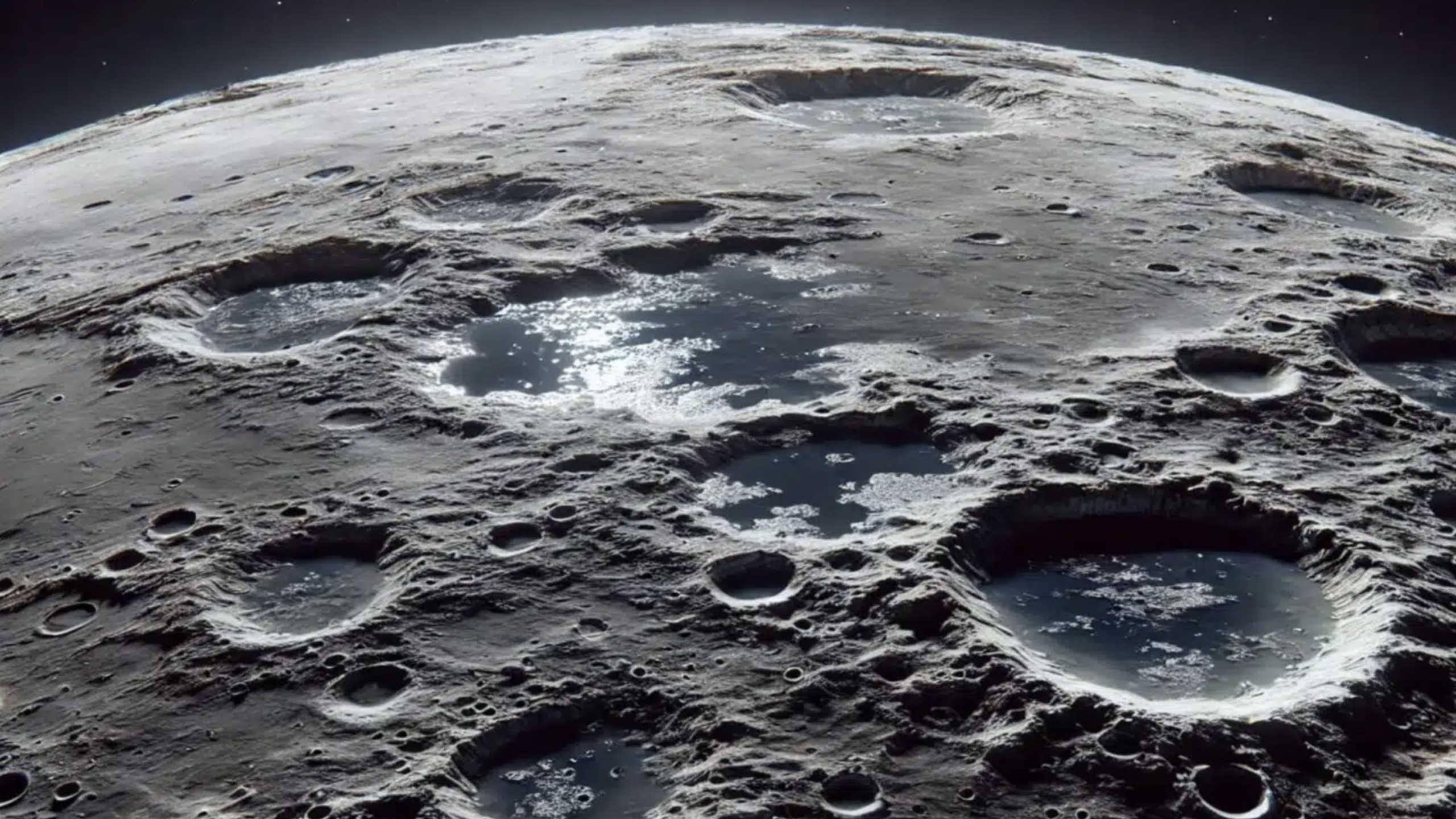
In craters near the poles of the Moon, sunlight never reaches the surface, allowing frozen water to remain stable for billions of years, a discovery that has reshaped future exploration plans.
7. Ocean Tides Depend on It
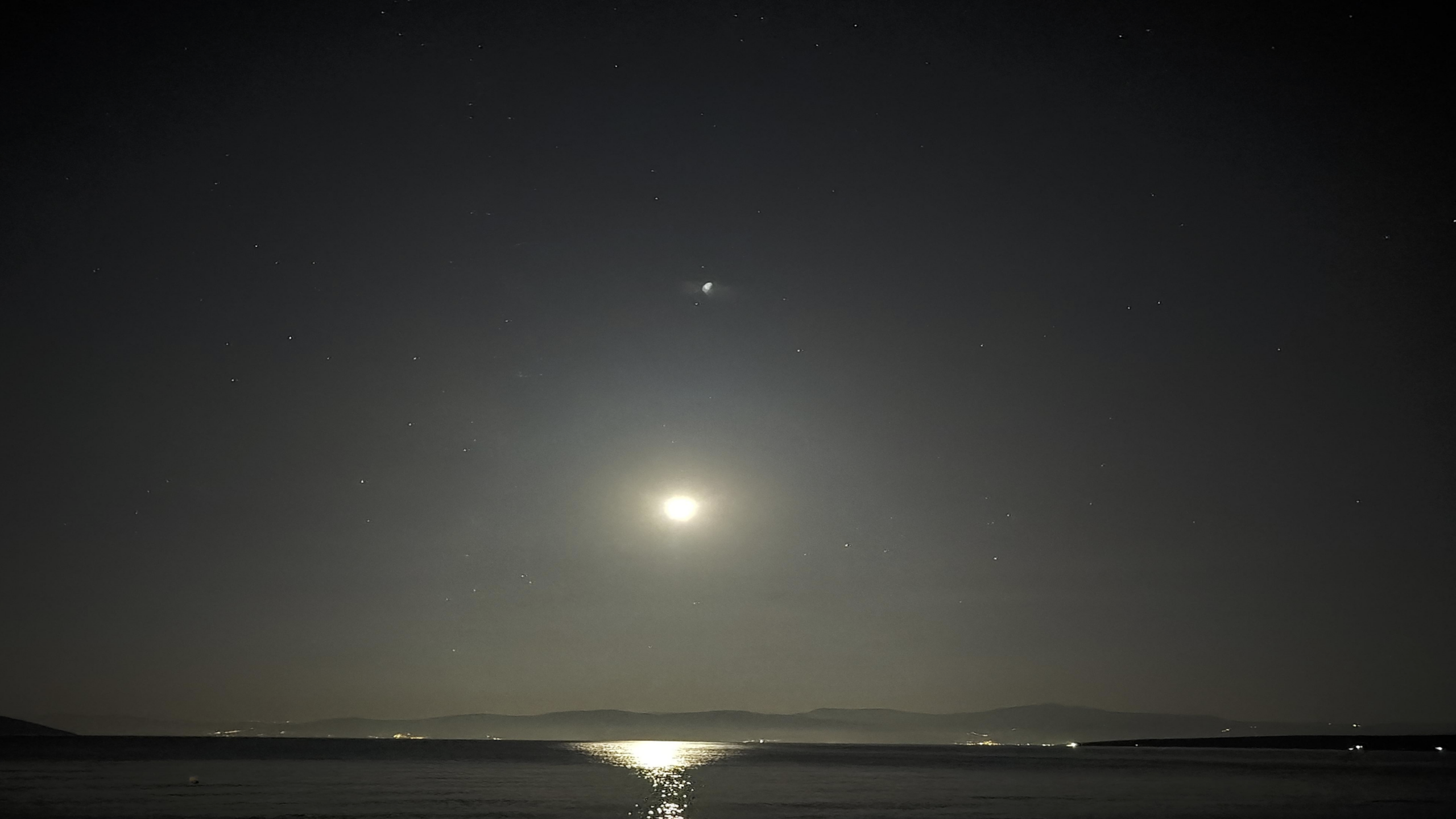
Earth’s tides are largely driven by the Moon’s gravitational pull, influencing ecosystems, coastlines, and natural rhythms that have shaped life on this planet for millions of years.
8. Planetary Stability Comes From This Relationship
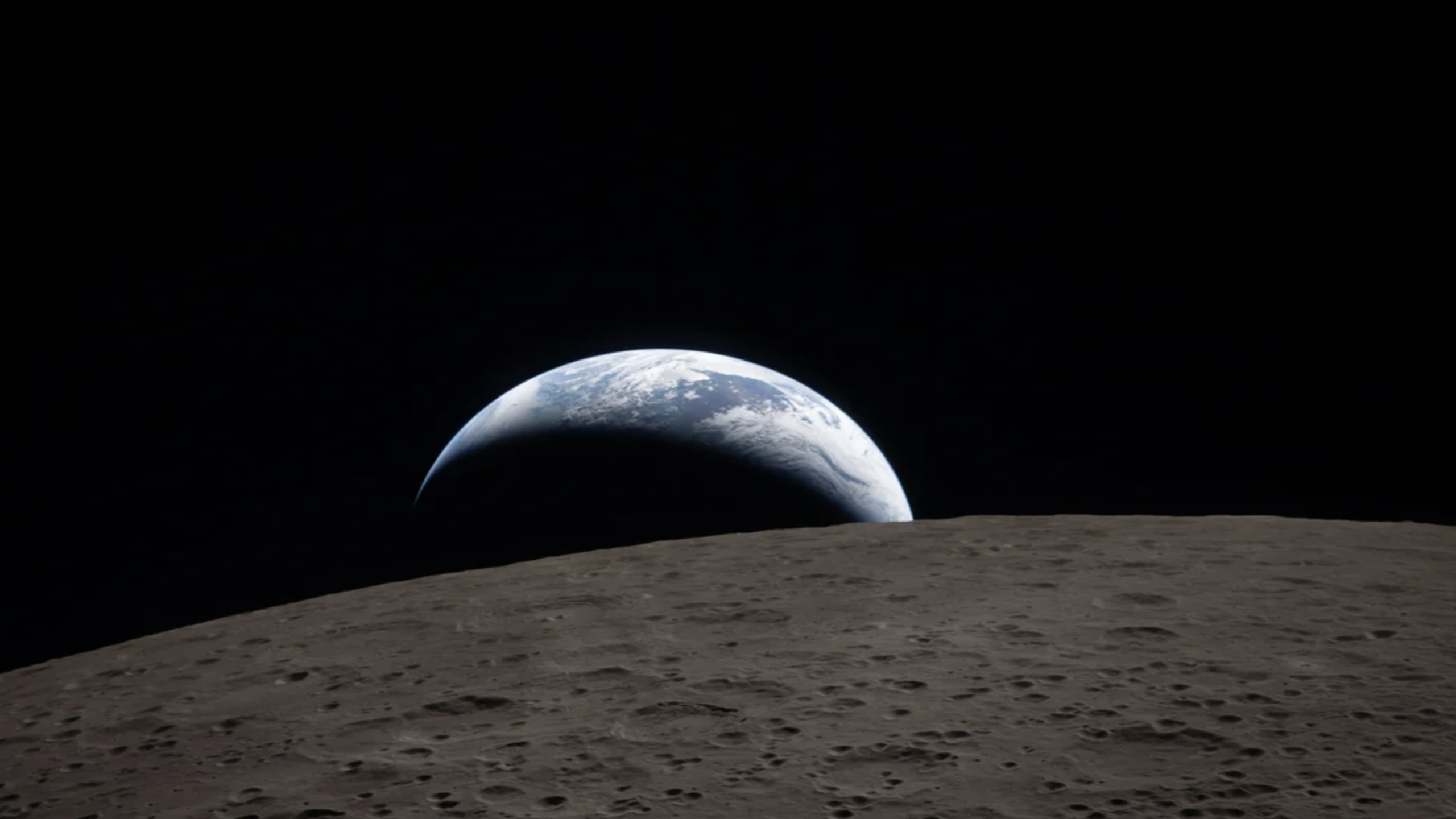
The Moon plays a critical role in stabilizing Earth’s axial tilt, preventing chaotic shifts that could otherwise lead to extreme and unpredictable climate changes.
Sign up for our newsletter
9. The Far Side Was Hidden Until Space Exploration
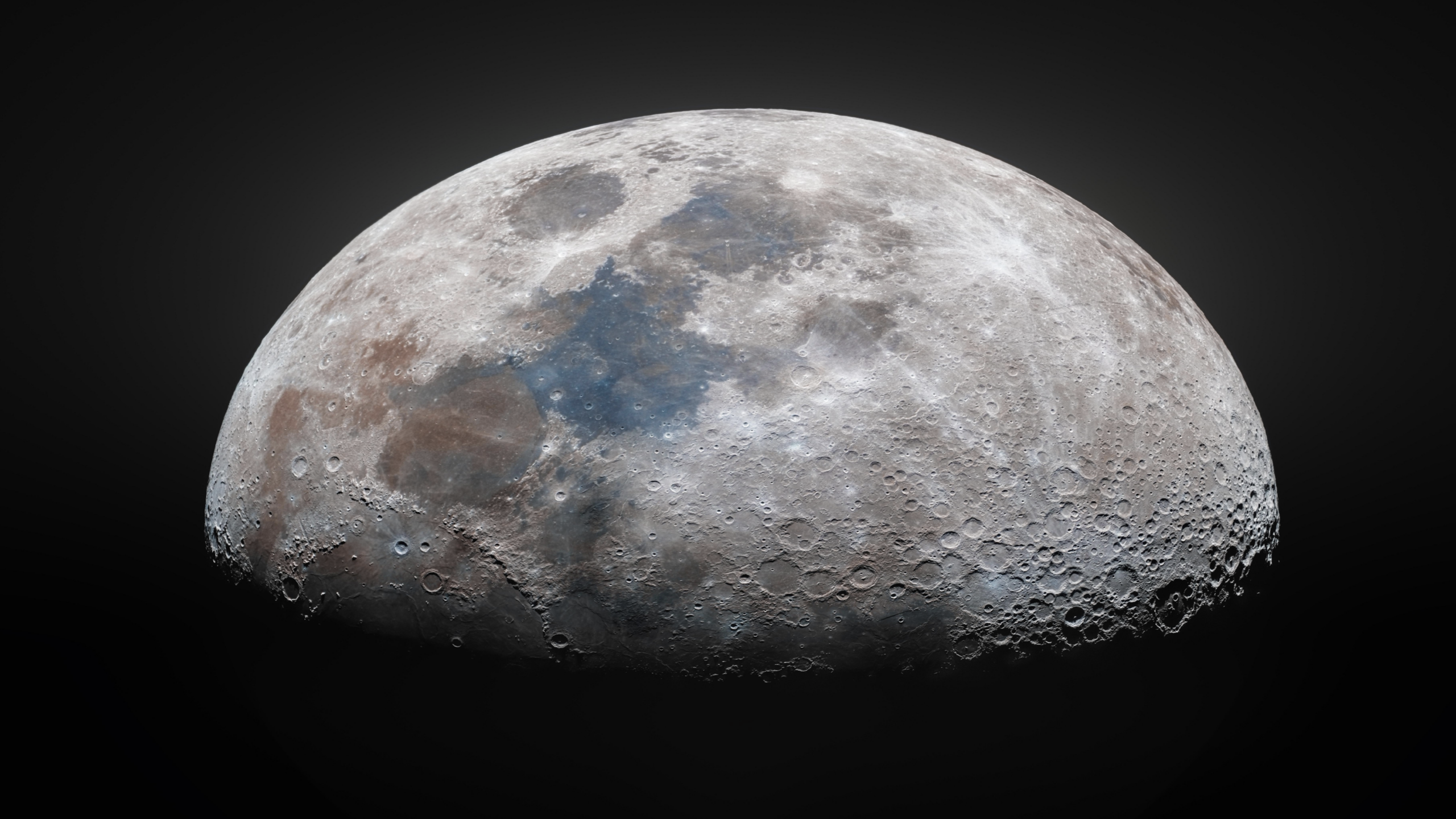
For most of human history, the far side of the Moon was completely unknown until 1959, when Luna 3 captured the first images, and later missions like Artemis I revealed it in far greater detail.
10. One Side Is Far More Scarred
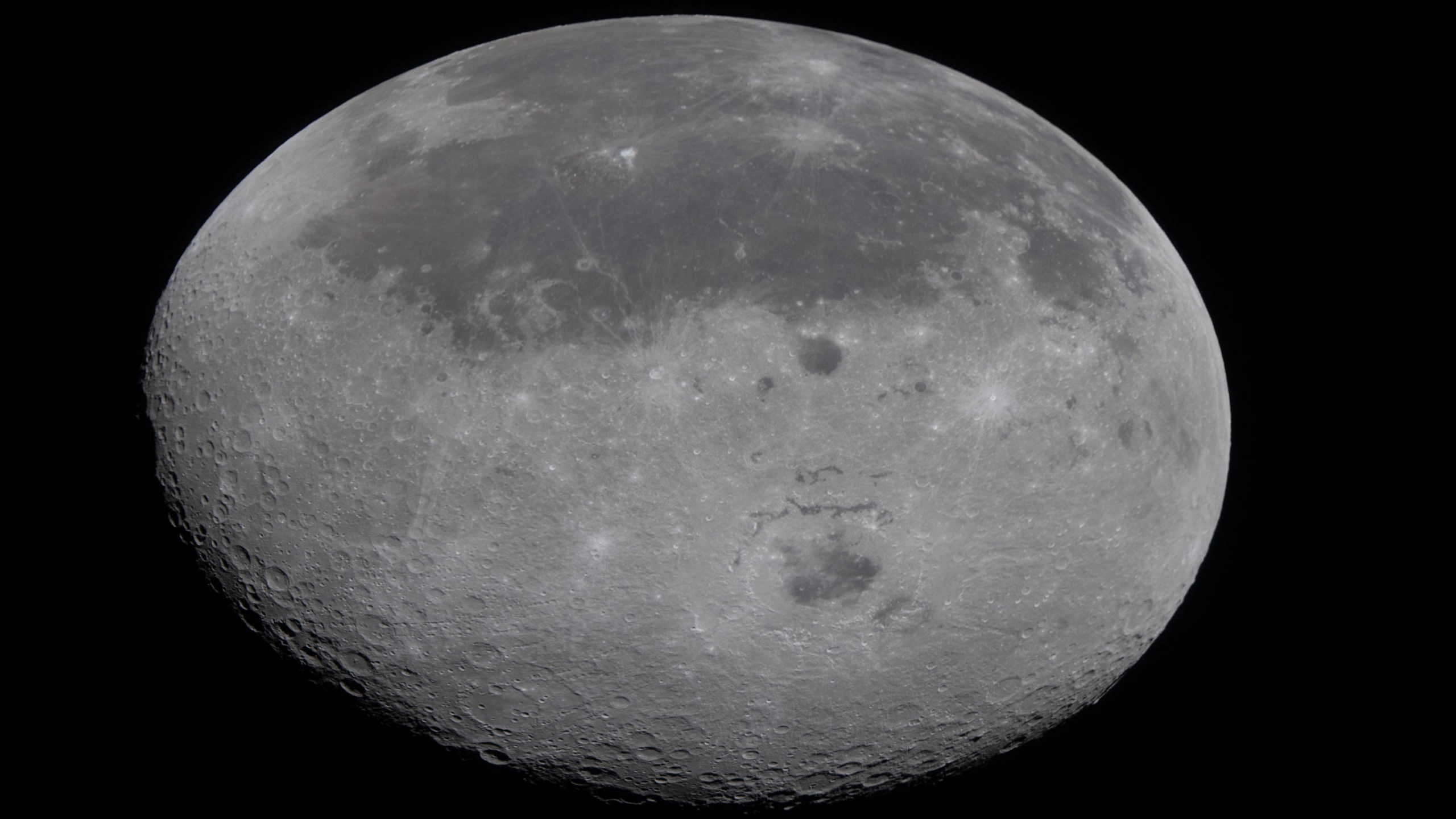
The far side contains significantly more craters than the side facing Earth, likely due to differences in crust thickness and geological evolution that scientists are still working to fully understand.
11. It Preserves Ancient History
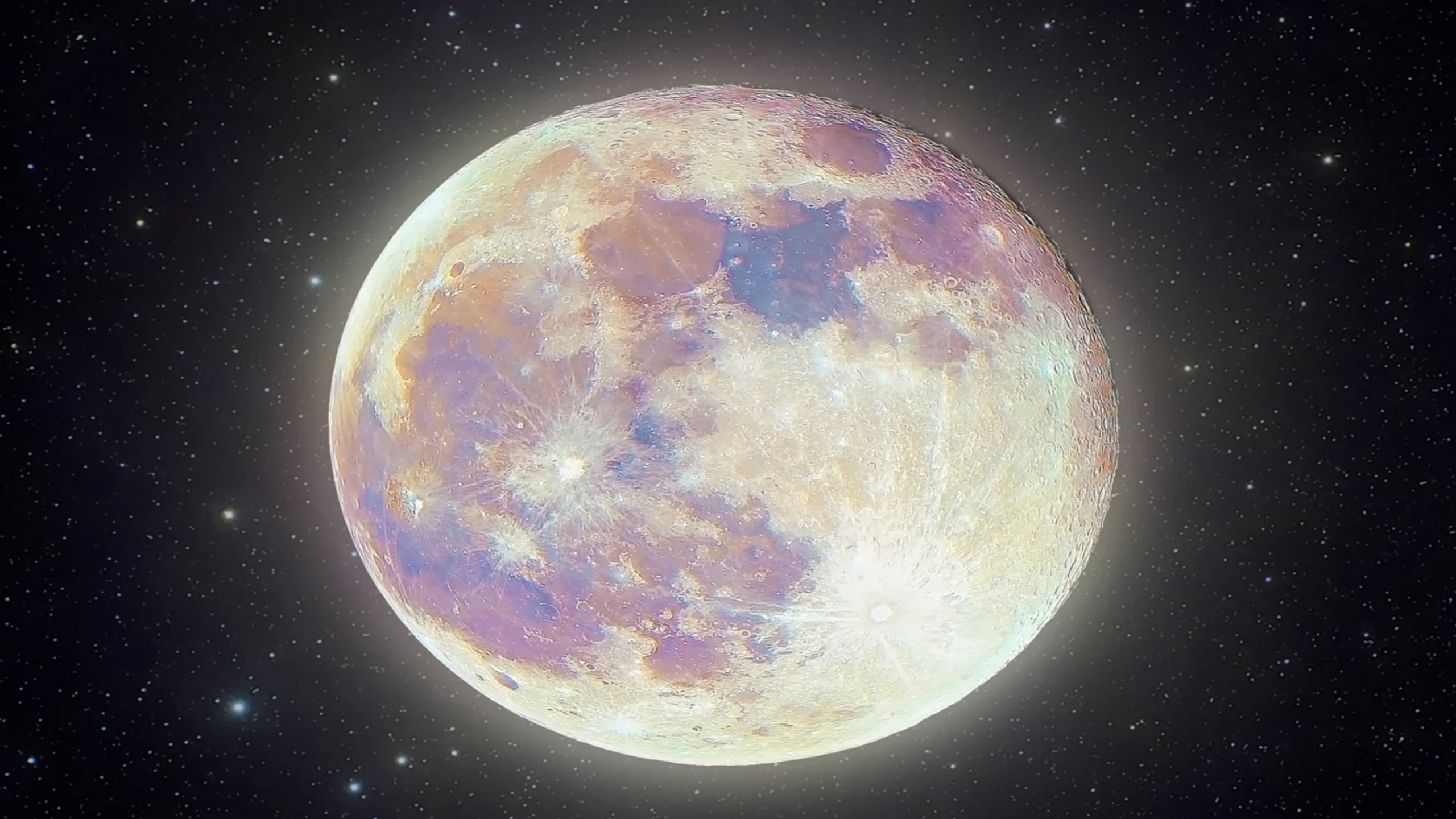
With almost no erosion or tectonic activity, it acts as a time capsule, preserving impact records from the early solar system that have long disappeared from Earth.
12. Gravity Feels Completely Different There
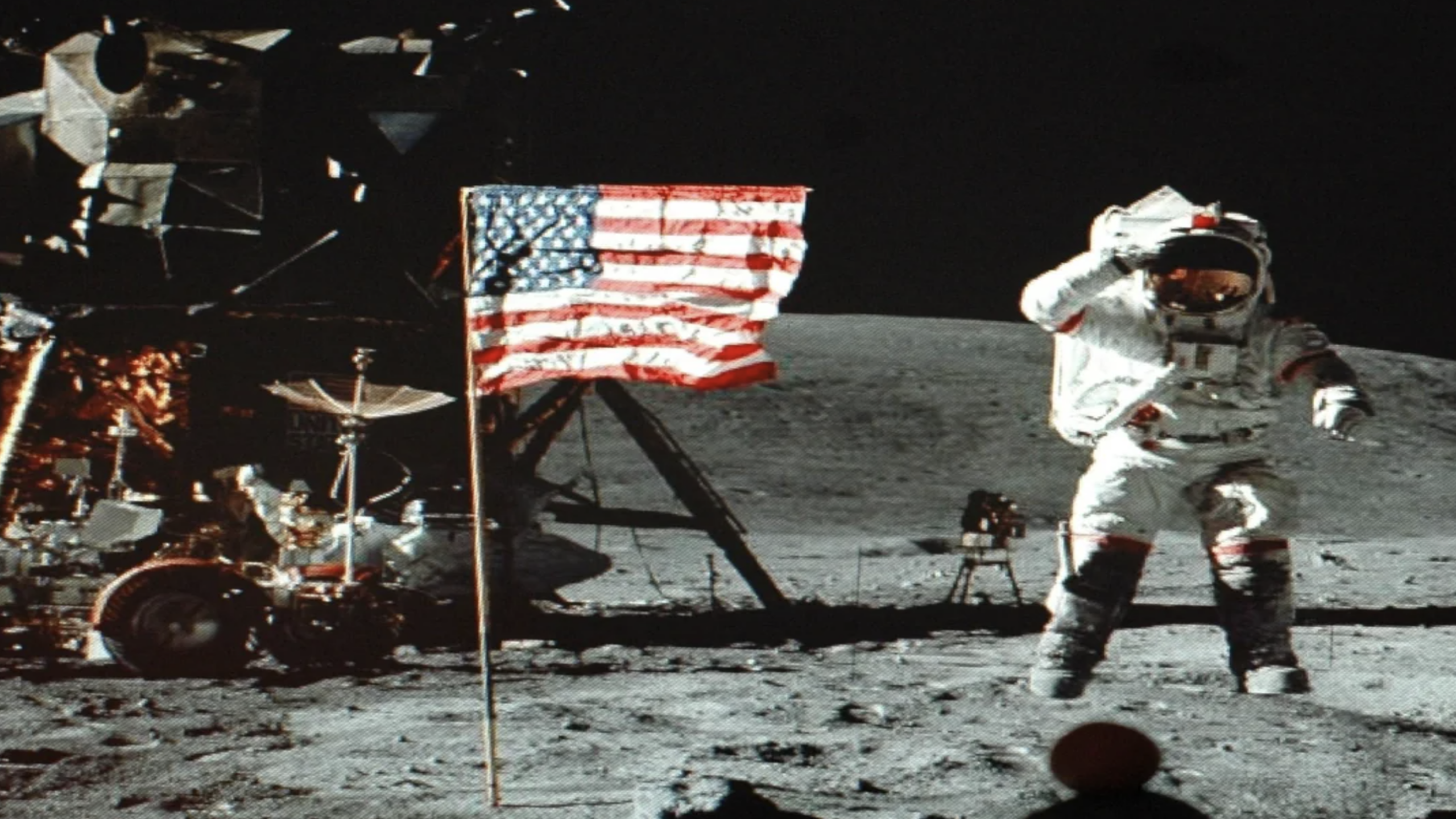
A person standing there would weigh only about 16% of their Earth weight, dramatically changing movement, balance, and the way physical actions feel.
13. A Violent Origin Story
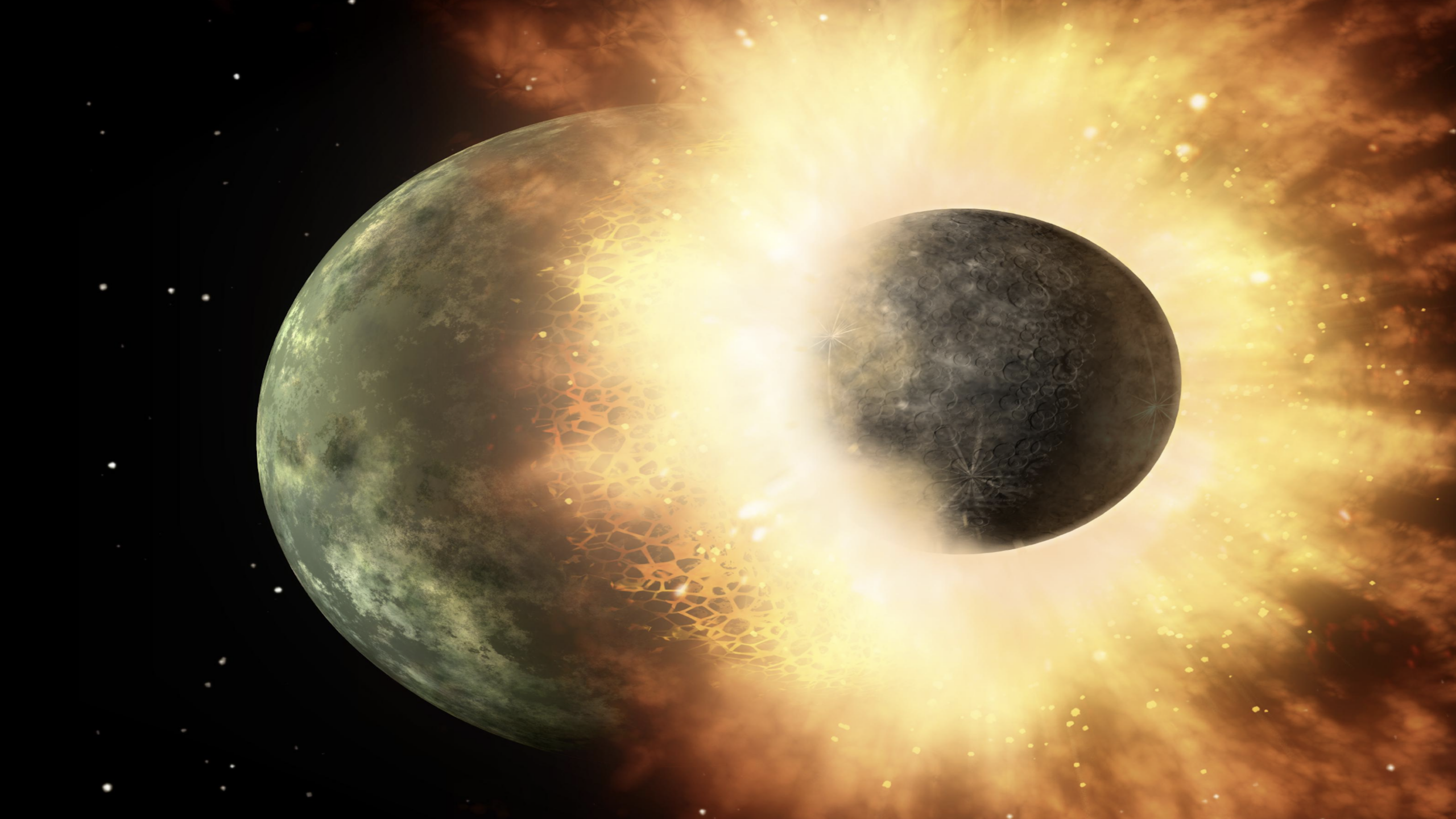
Current theories suggest it formed after a massive collision between early Earth and a Mars-sized body, with debris eventually coming together to create the satellite we see today.
14. Silence Defines the Environment
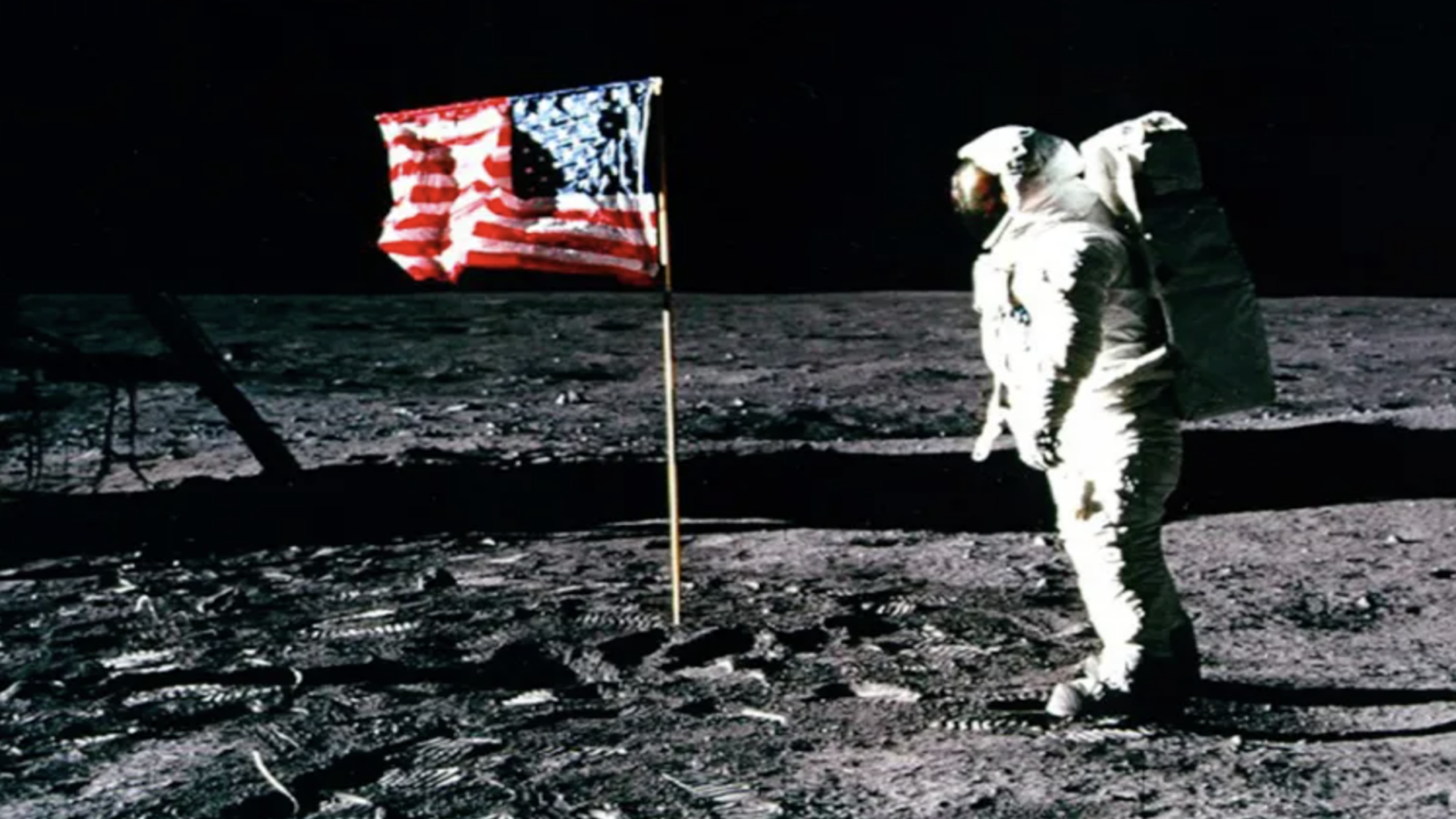
Because it lacks an atmosphere, sound cannot travel, the sky remains black even in daylight, and the entire landscape feels stark and motionless.
15. Human Missions Are About to Return
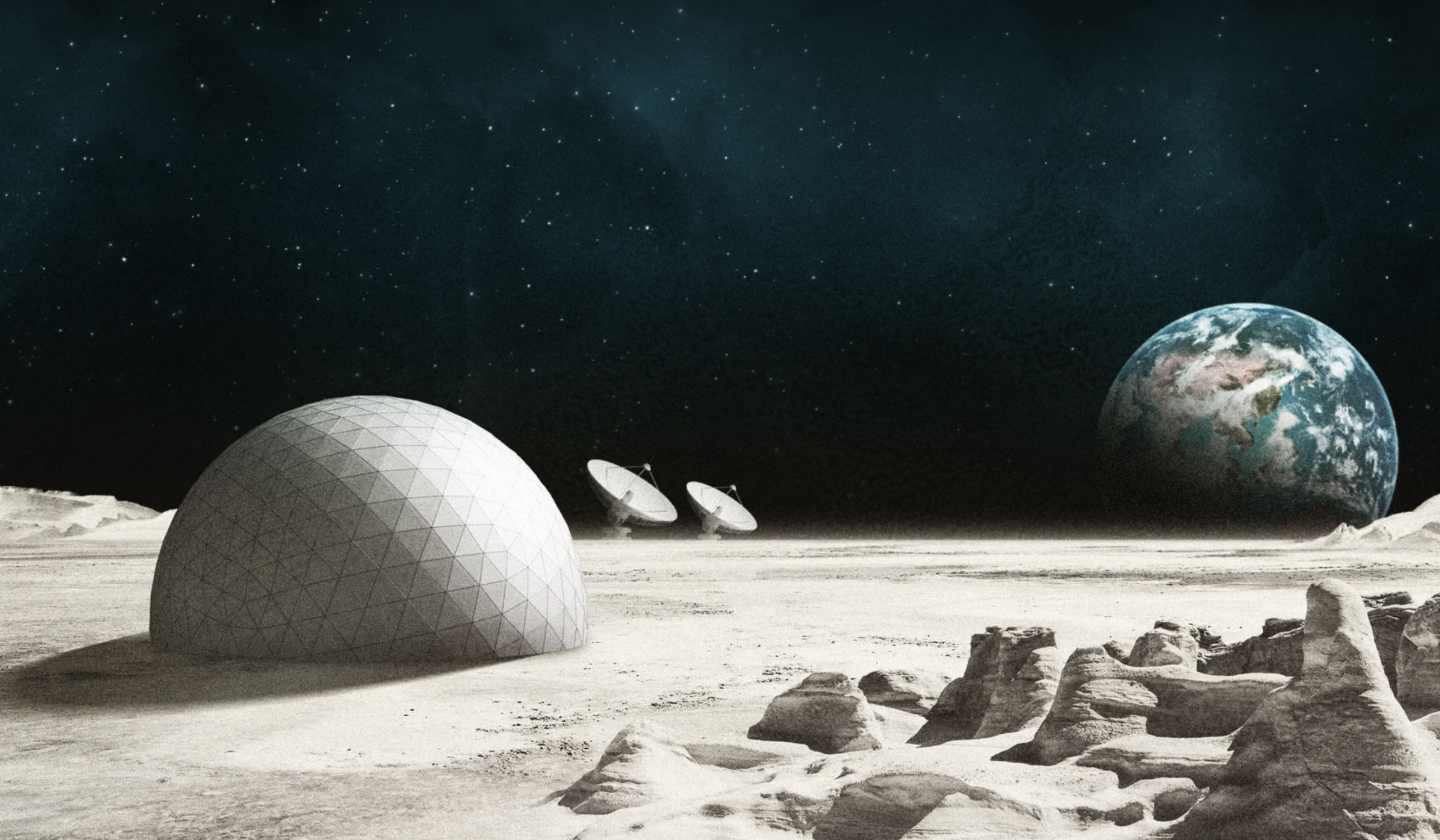
Through the Artemis Program, space agencies are preparing to send humans back, this time aiming for a sustained presence rather than short visits.
16. Footprints Can Last for Millions of Years
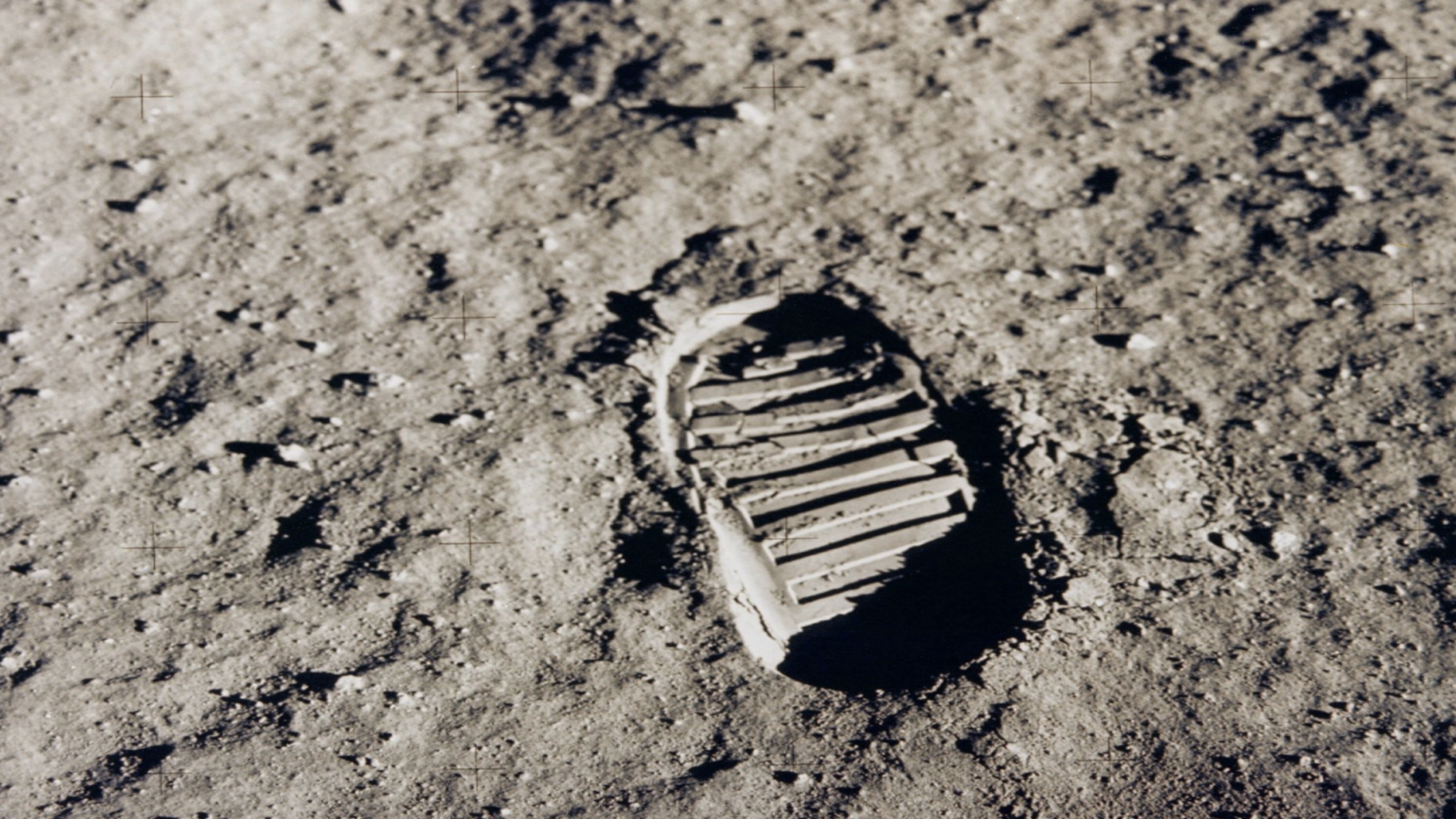
With no wind or water to erase marks, footprints left on the surface remain preserved indefinitely, offering a rare example of near-permanent human traces.
17. Earth’s Rotation Is Gradually Slowing
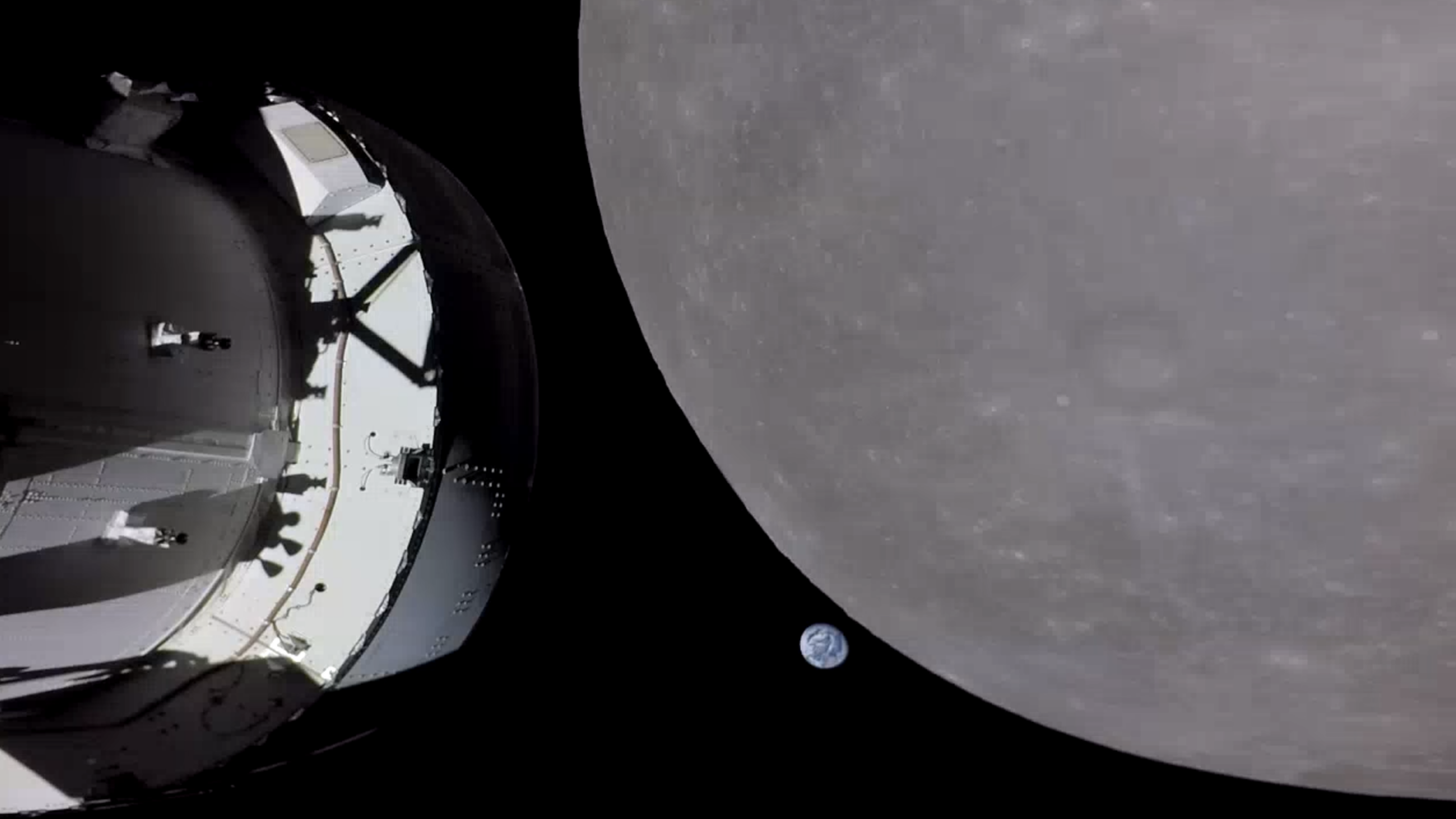
The gravitational interaction between Earth and its natural satellite creates tidal friction, which over time slows the planet’s rotation and lengthens the duration of a day.
18. It Always Shows the Same Face
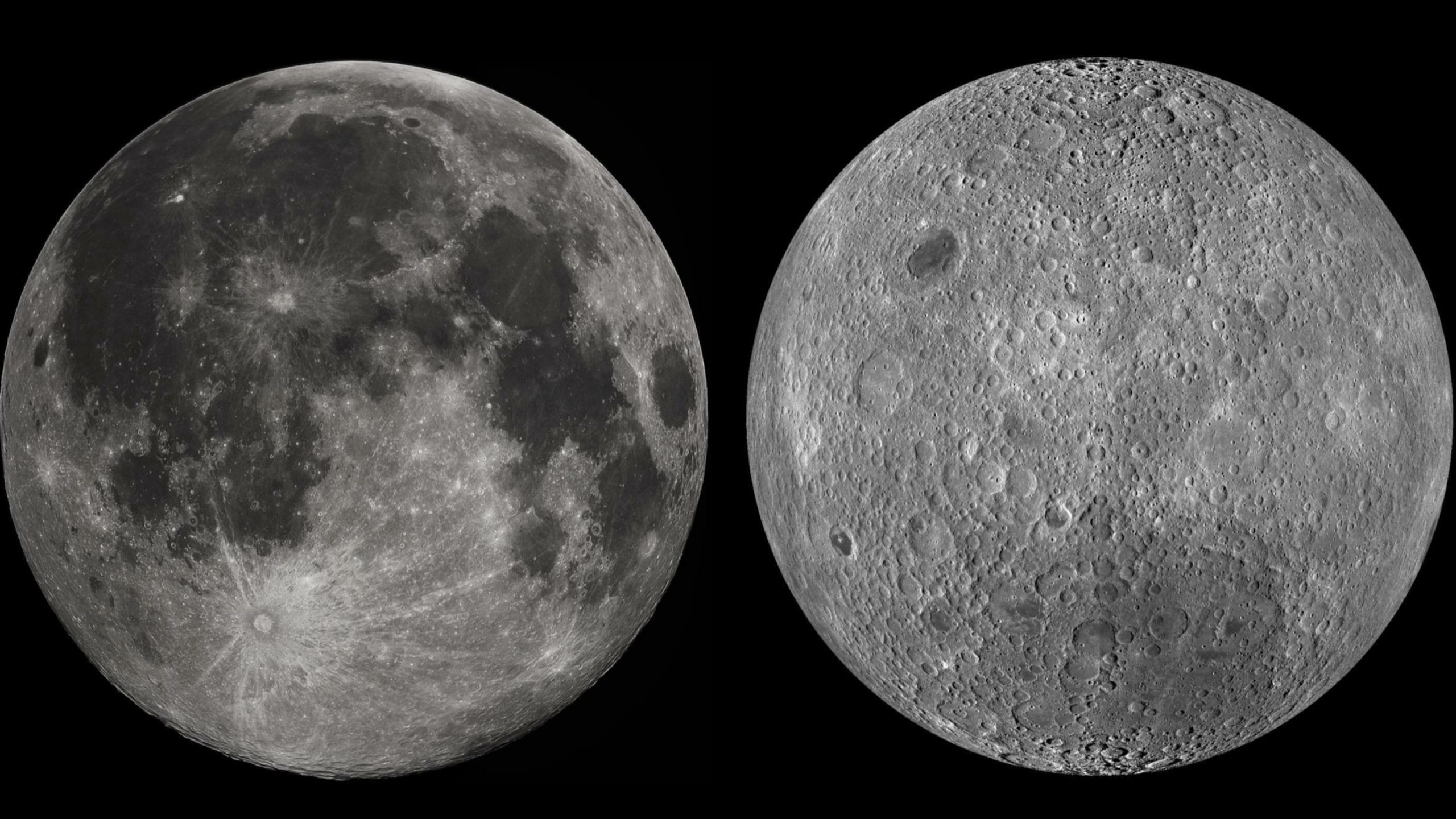
Locked in a gravitational relationship with Earth, it rotates at the same rate it orbits, which is why we only ever see one side, while the far side remained unknown until space exploration made direct observation possible.
19. Life on Earth May Depend on It
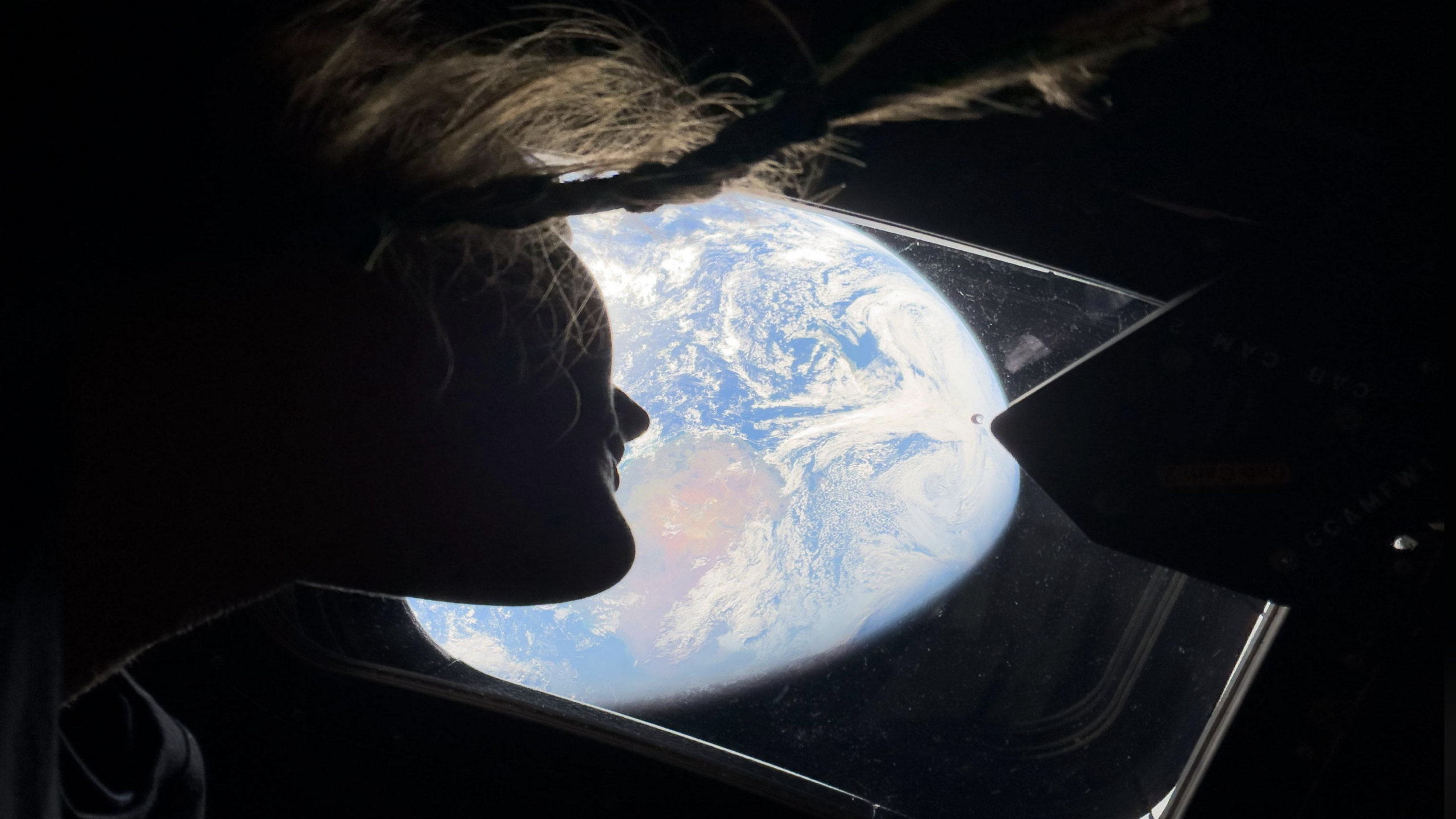
Without its stabilizing influence, Earth’s environment could have been far more chaotic, potentially preventing the development of complex life as we know it.