
We like to think the working world has gone fully digital, but plenty of old-school jobs never actually disappeared. They just kept quietly doing what they’ve always done, even as everything around them changed. Some of these careers look almost exactly like they did fifty or even a hundred years ago.
It turns out there’s something people still want that a screen can’t give them: a human hand, a trained eye, or a skill that took years to learn. Next are 15 old-school jobs that are somehow still hanging on.
1. Elevator Repair Technician
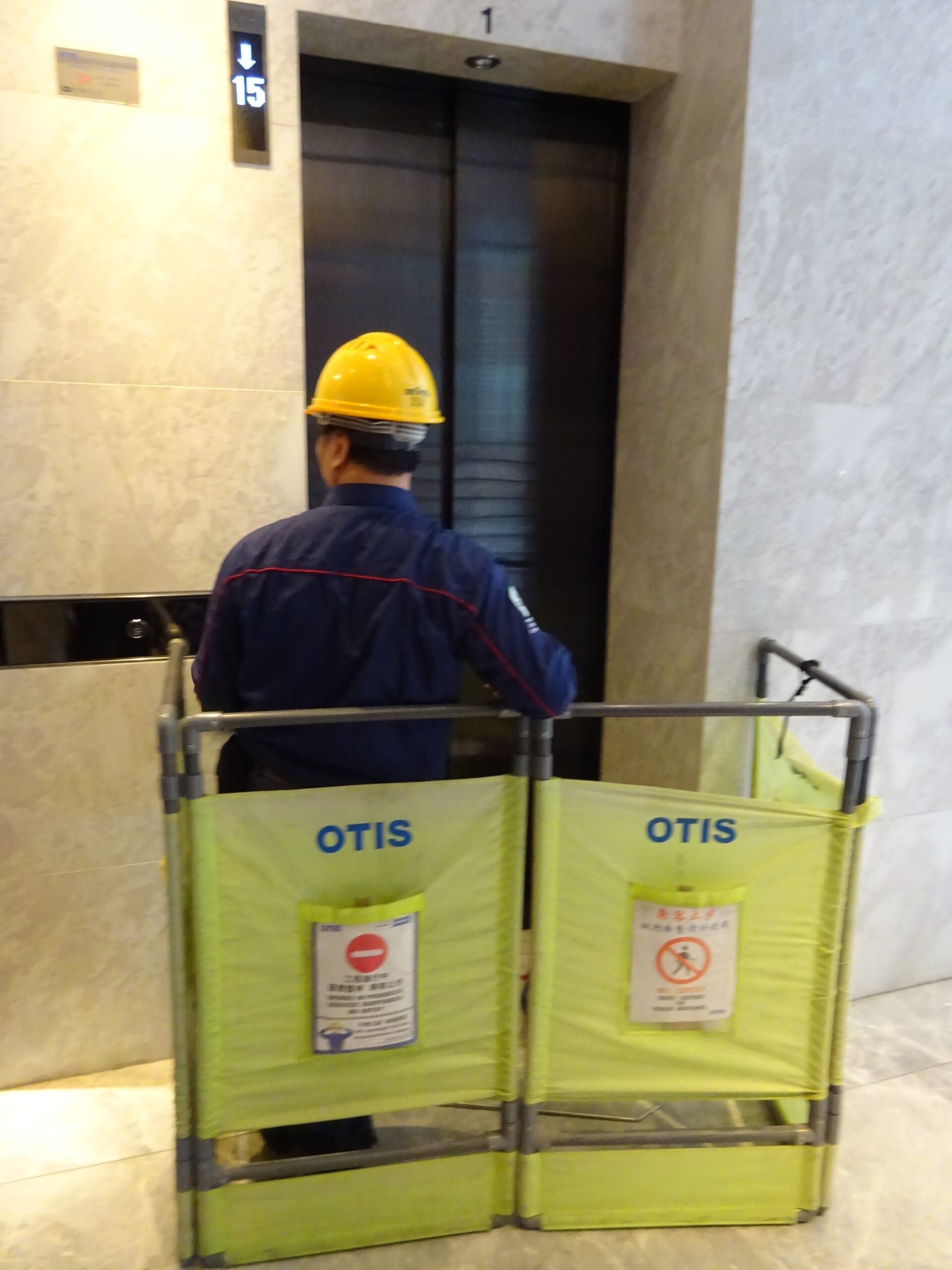
Elevators are everywhere, but almost nobody thinks about who keeps them running. This job has existed since elevators became common in buildings over a century ago, and it still requires the same kind of hands-on mechanical know-how. Modern elevators have computer parts, but someone still has to physically inspect cables, motors, and safety brakes.
2. Lighthouse Keeper

Most lighthouses are automated now, but a small number around the world still employ actual keepers. In places like Maine or parts of Europe, keepers maintain the light, handle maintenance, and sometimes serve as tour guides for curious visitors. It’s one of the most old-fashioned jobs.
3. Cobbler
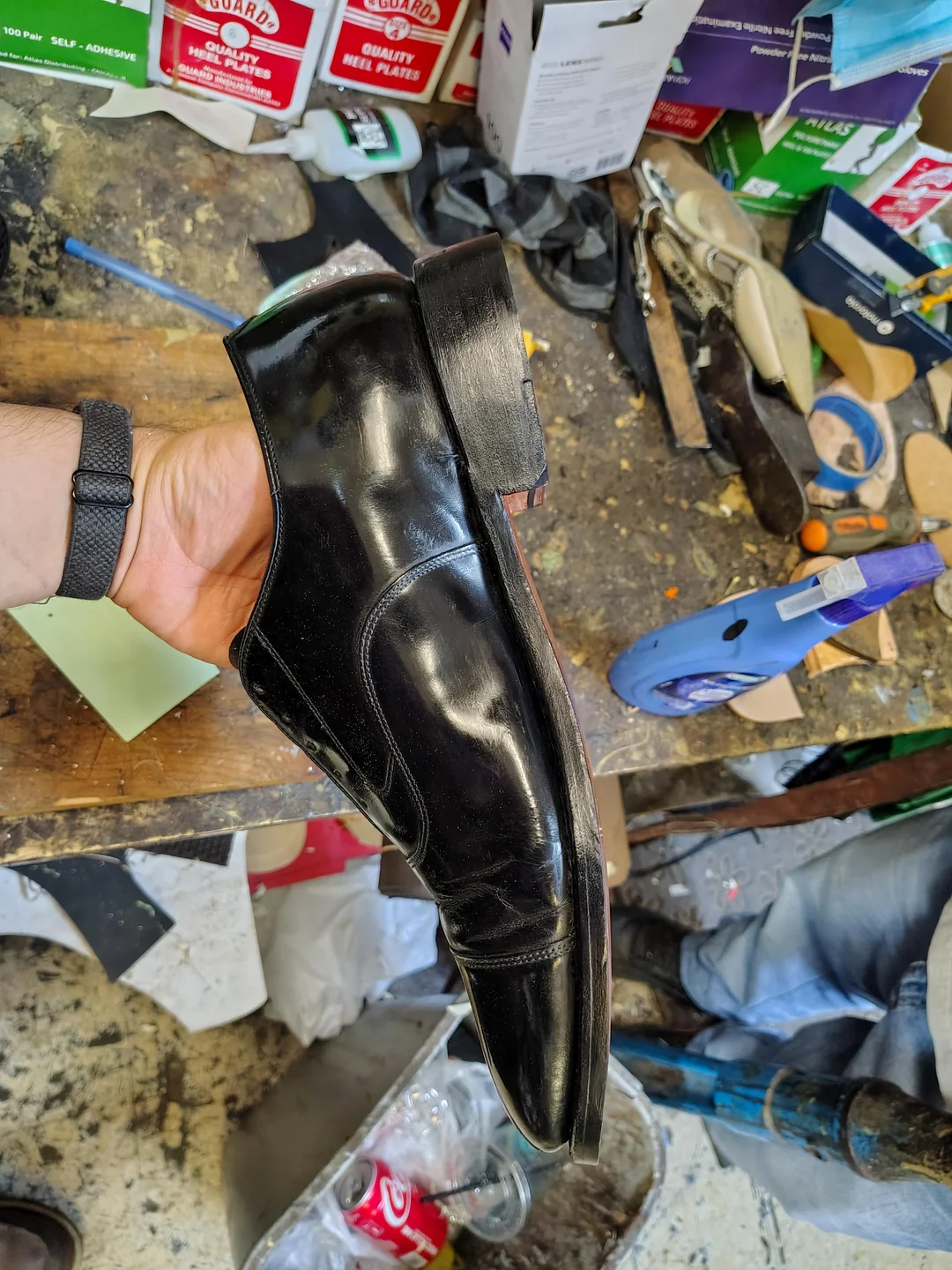
Cobblers are still around in most cities, quietly fixing soles, heels, and stitching that would otherwise mean tossing a good pair of shoes. The tools haven’t changed much either: an awl, a stitching machine, and decades of muscle memory.
4. Elevator Operator
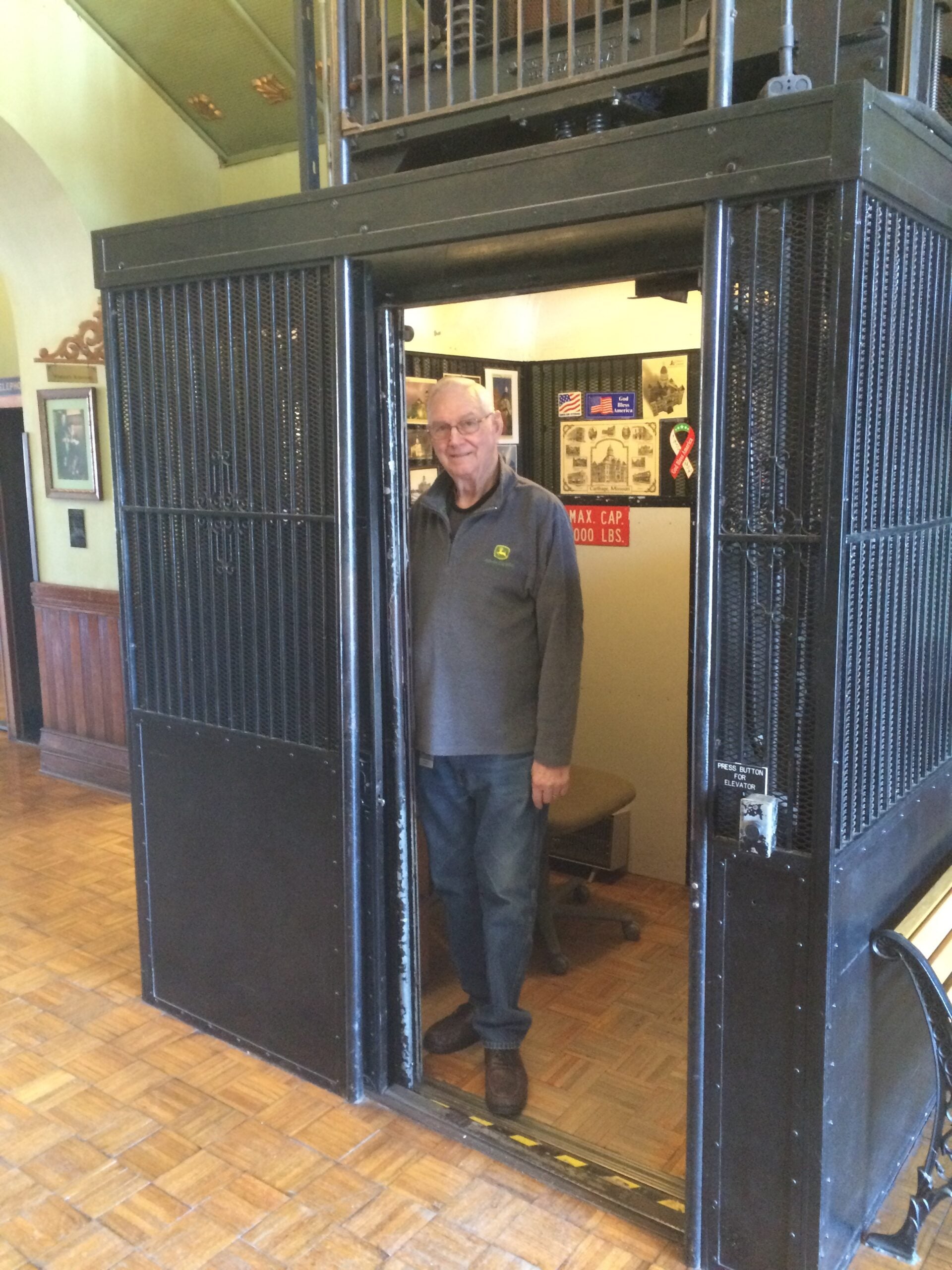
Believe it or not, a handful of buildings, mostly older ones in New York City, still employ human elevator operators. It’s a practical solution for old manual elevators that were never converted to automatic controls.
5. Milkman
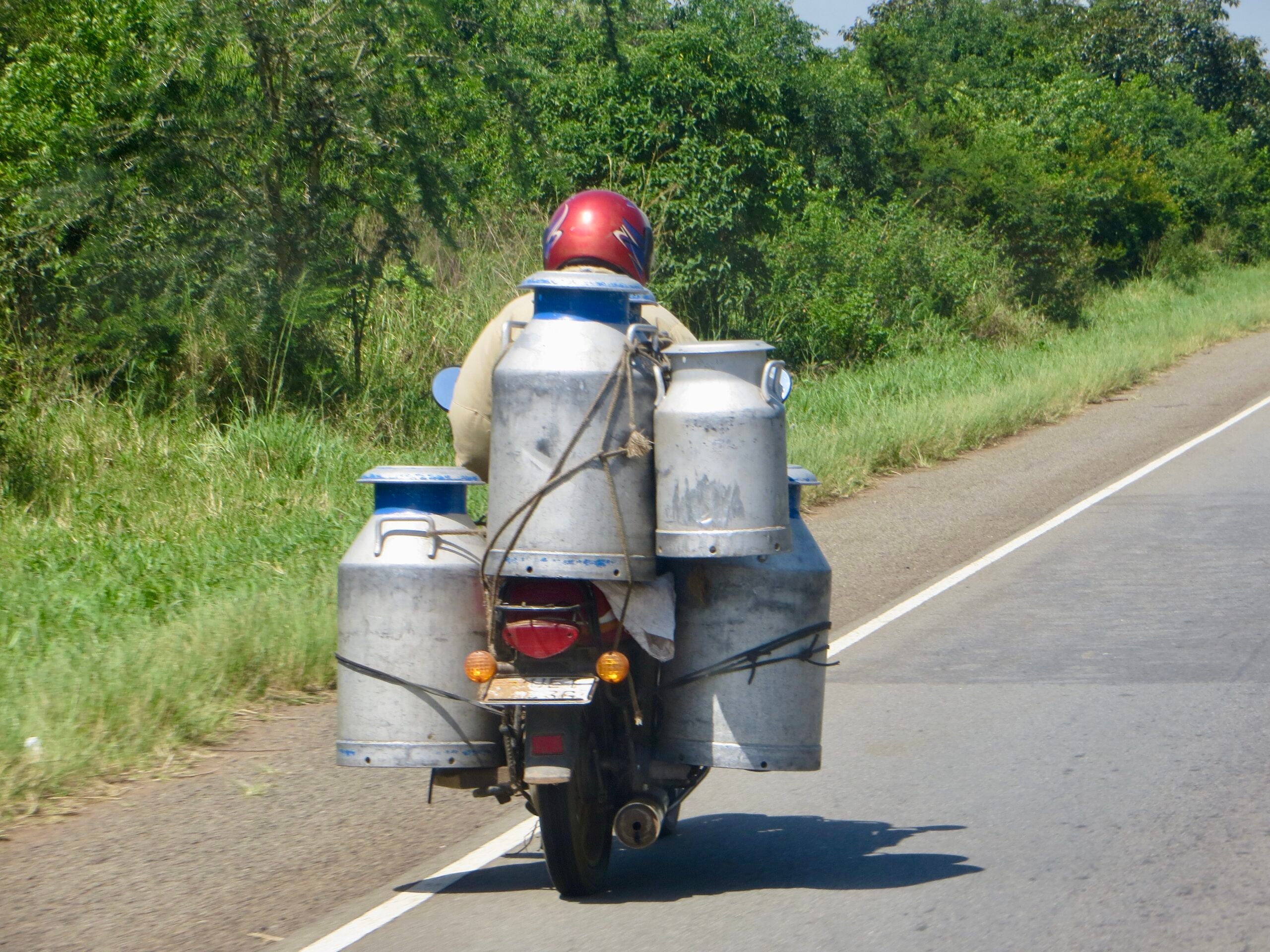
The milkman never fully vanished. In recent years, small dairies have actually revived home delivery, glass bottles and all, as people look for fresher products and less plastic waste.
Trending on Wealth Gang


6. Letterpress Printer
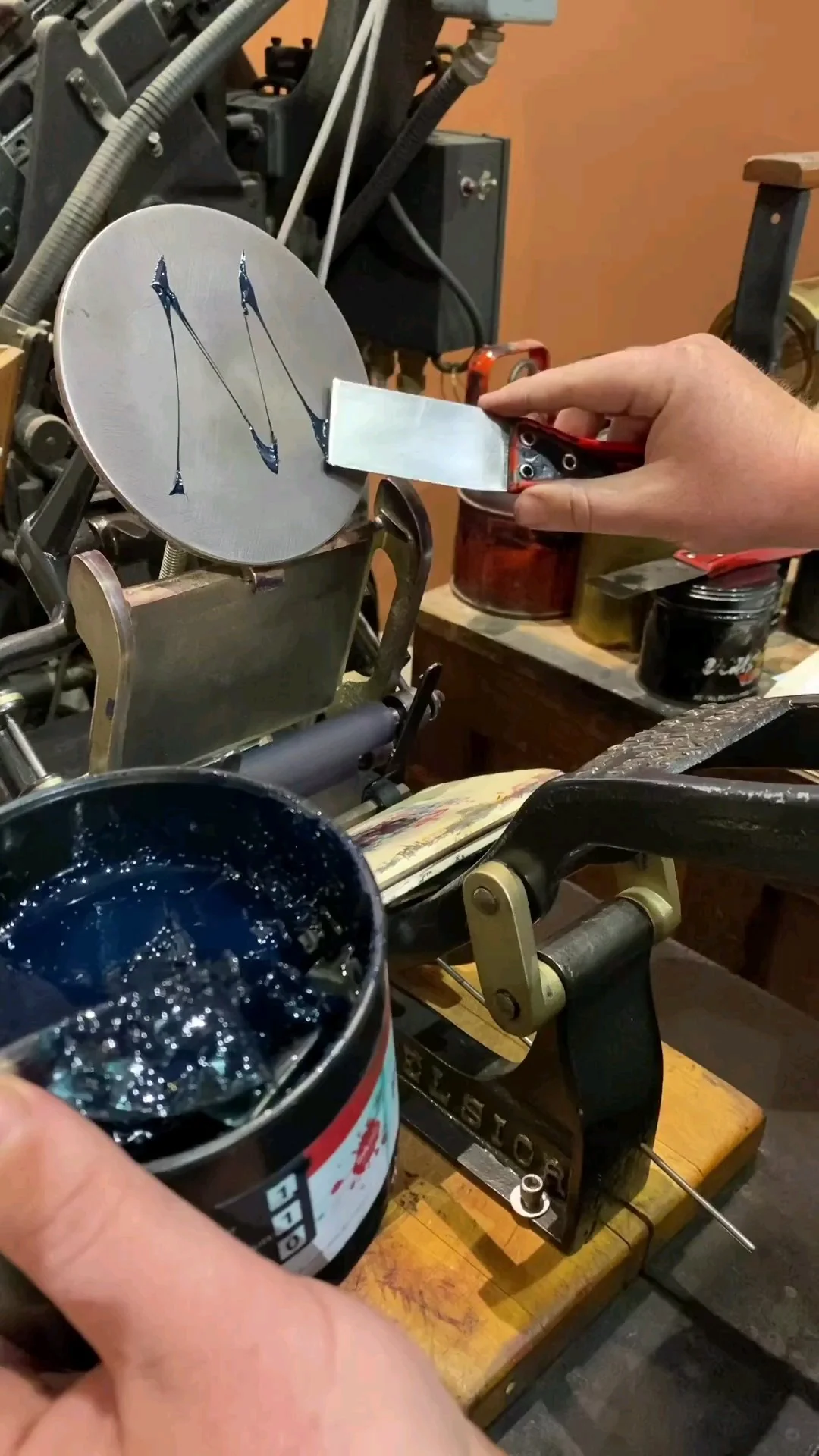
Long before digital printing, letterpress was the standard, using physical type pressed into paper. It nearly disappeared with the rise of digital printing, but a wave of small studios have kept it alive for wedding invitations, art prints, and specialty stationery. The equipment is often decades old, sometimes rescued from print shops that closed long ago.
7. Knife Sharpener
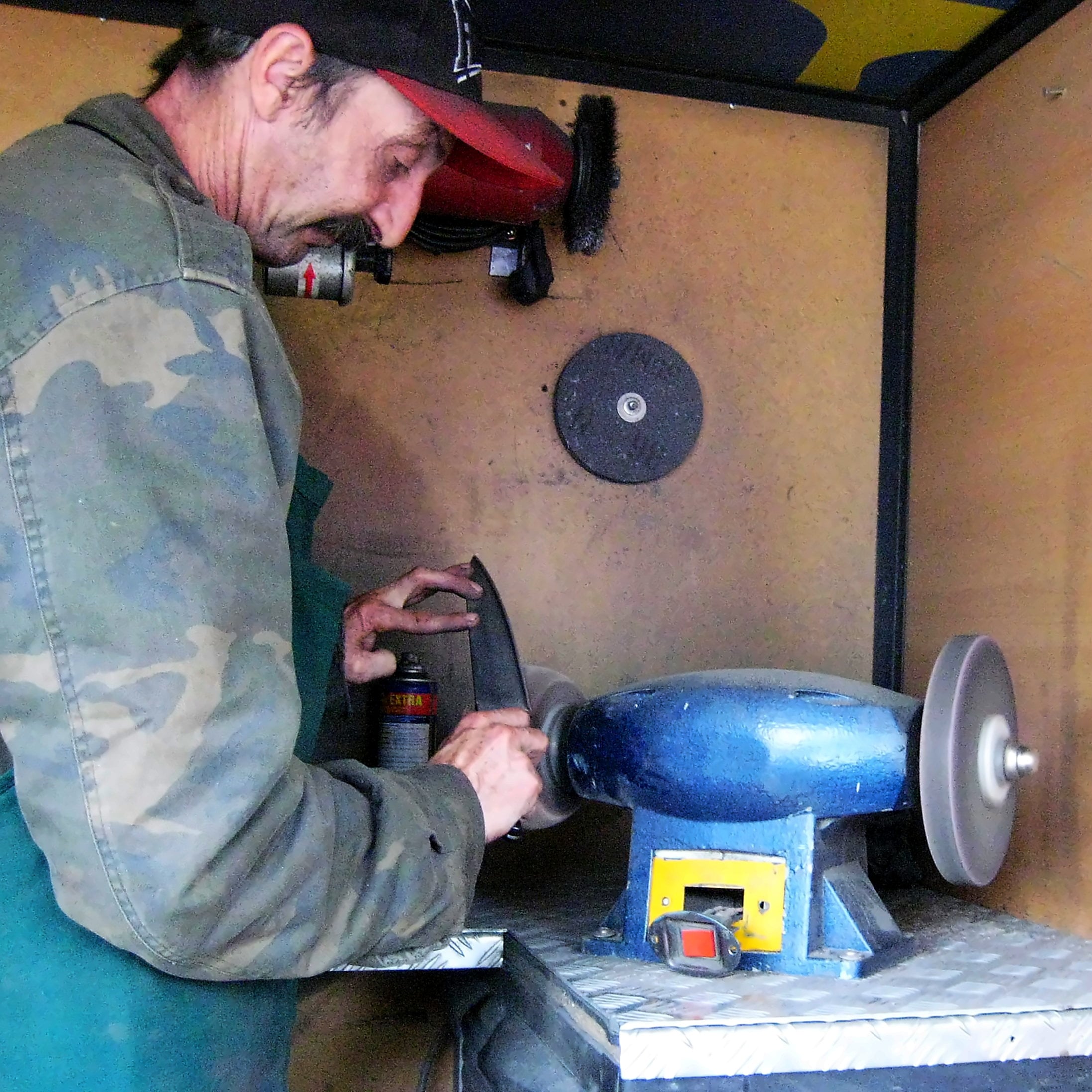
In many towns, a knife sharpener still comes around on a set schedule, sometimes with a mobile cart or van, offering to sharpen kitchen knives, scissors, and garden tools. Restaurants in particular still rely on professional sharpeners to keep their kitchens running smoothly.
8. Watchmaker
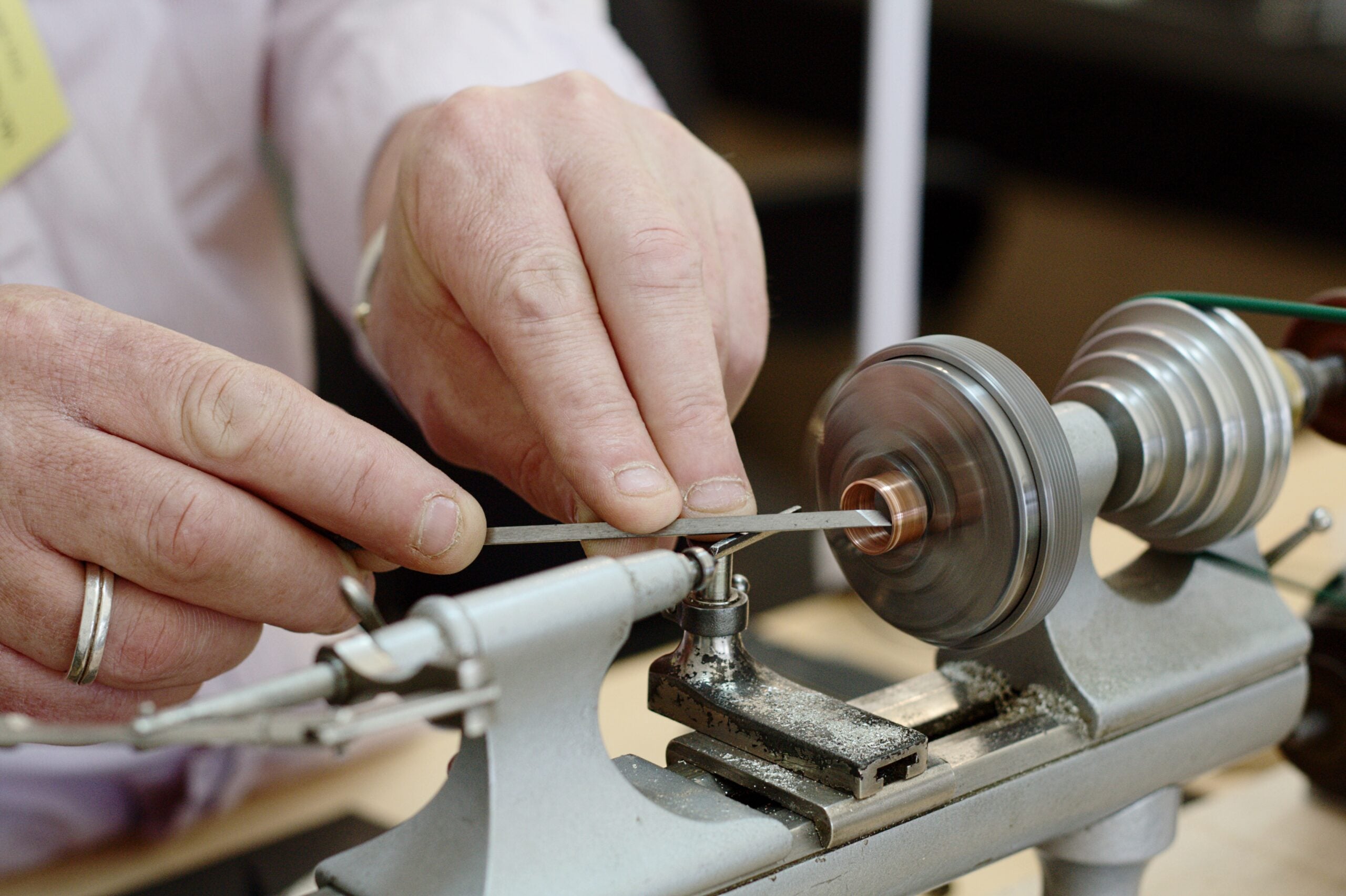
Even in the age of smartwatches, traditional watchmaking hasn’t disappeared. Mechanical watches remain popular among collectors, and someone has to build, repair, and maintain them. It’s slow, detailed work that can’t really be rushed or automated.
Sign up for our newsletter
9. Rat Catcher

Professional rodent control has existed in cities for centuries, and it’s still very much a real job today, especially in older or packed cities. Modern rat catchers use updated tools and methods, but the core task is the same as it’s always been.
10. Pinsetter
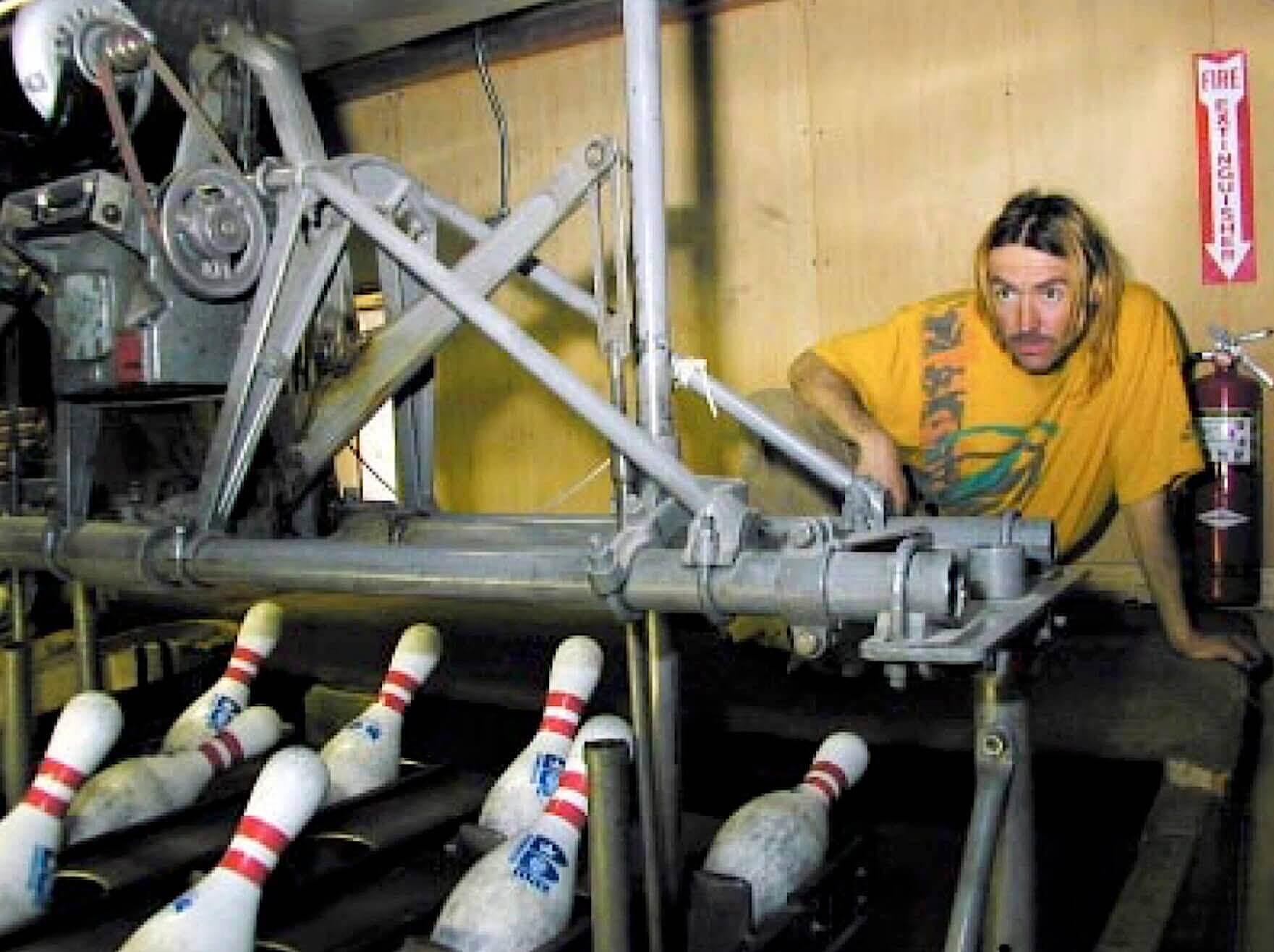
Most bowling alleys automated their pinsetting decades ago, but a few old-school alleys still use human pinsetters. It’s a physical, fast-paced job, resetting pins by hand between frames.
11. Blacksmith
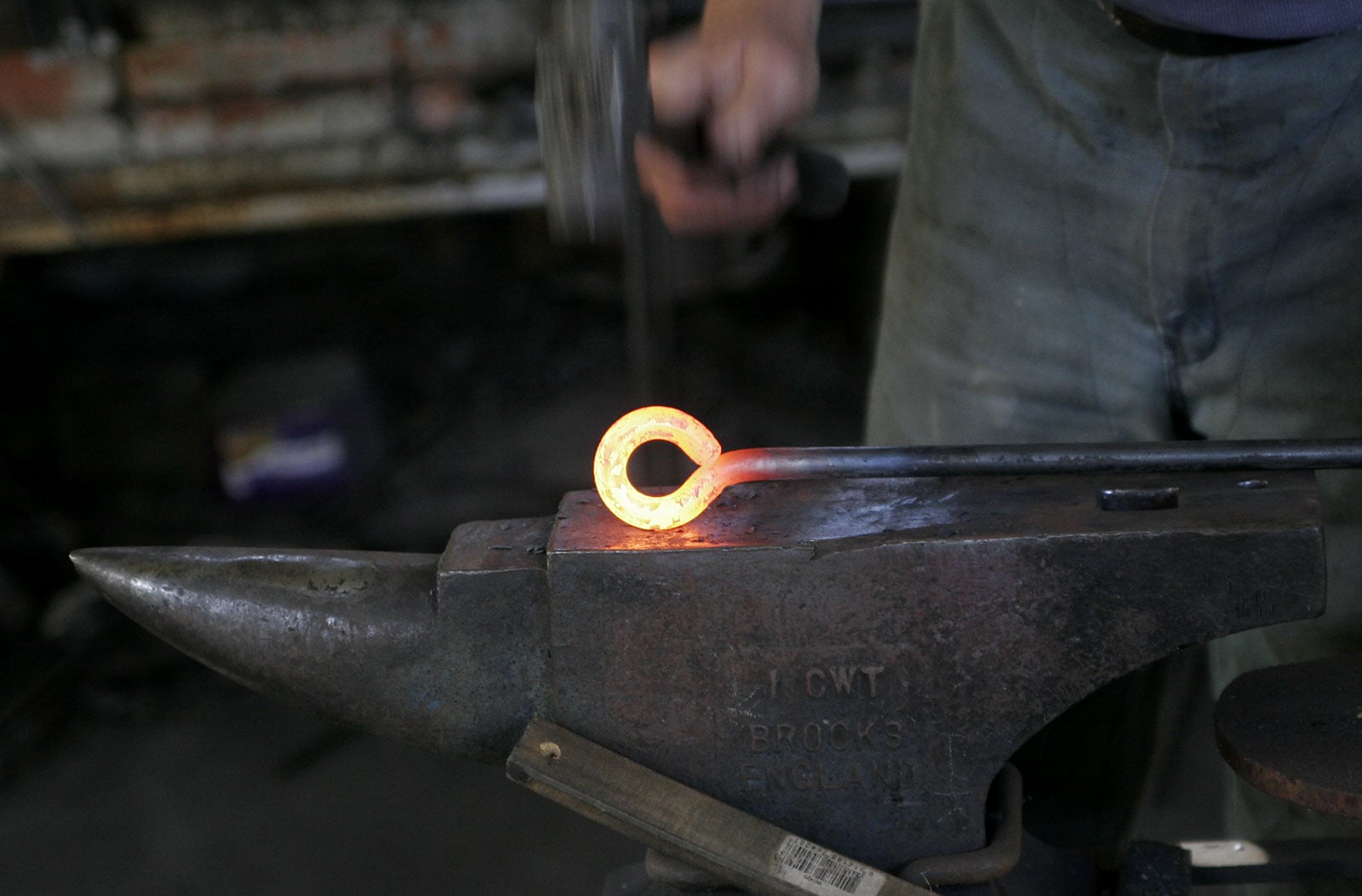
Blacksmithing might sound like something from a history museum, but working smiths still exist, making everything from custom ironwork to horseshoes. Farriers, who specialize in horseshoeing specifically, remain in demand anywhere horses are kept for riding or racing. The forge, the hammer, and the anvil haven’t changed much since the trade began.
12. Switchboard Operator
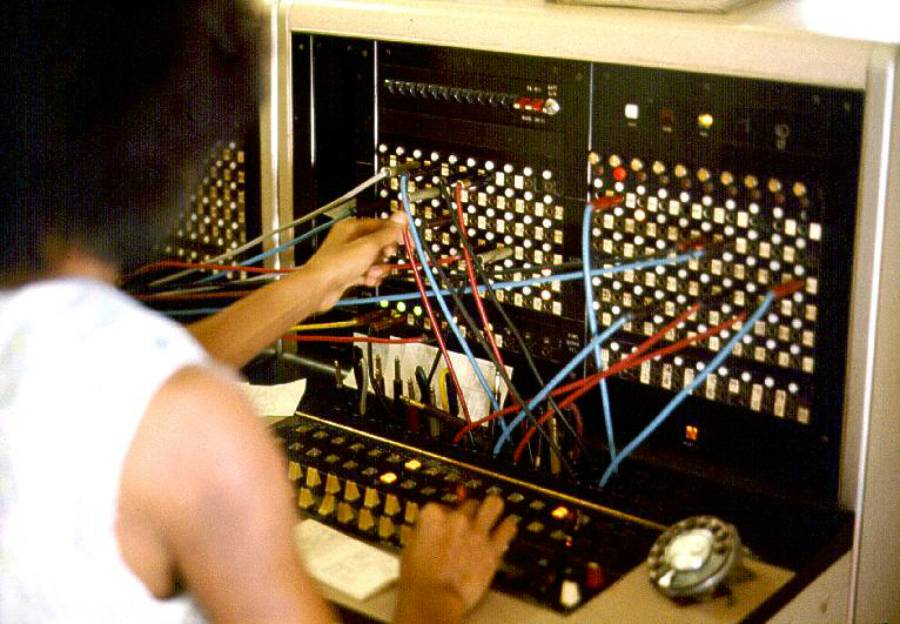
Fully automated phone systems replaced most switchboard jobs decades ago, but a few hotels, small businesses, and services still use live operators to connect calls. For certain high-touch businesses, a real voice on the line still beats an automated menu.
13. Ice Cutters
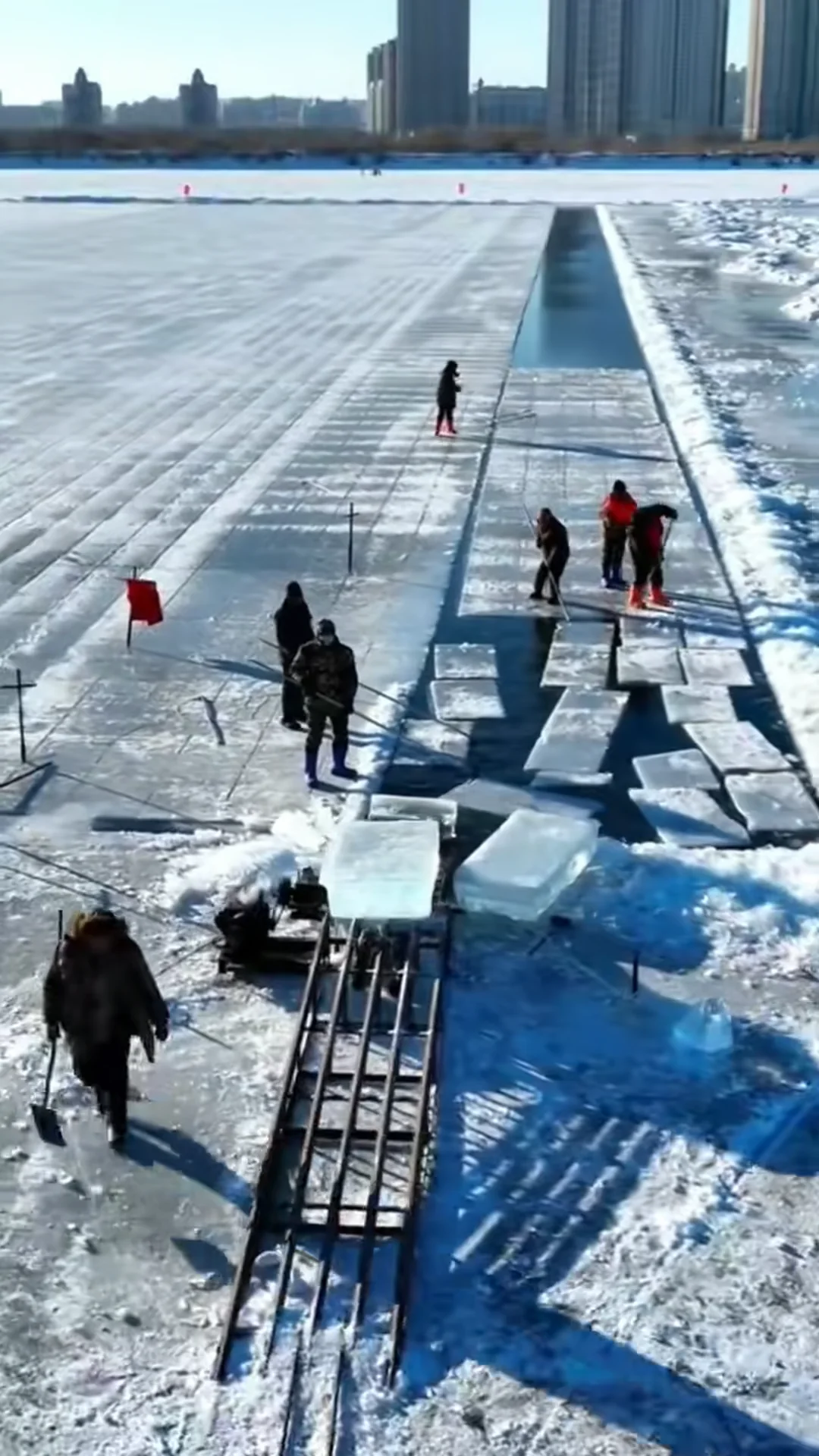
Cutting and harvesting natural ice from frozen lakes used to be a major winter industry before refrigeration. It’s now a tiny niche, but it hasn’t disappeared. Some communities still harvest ice for traditional ice houses, ice sculptures, or events, often as a way of preserving old techniques rather than out of necessity.
14. Typewriter Repair Technician
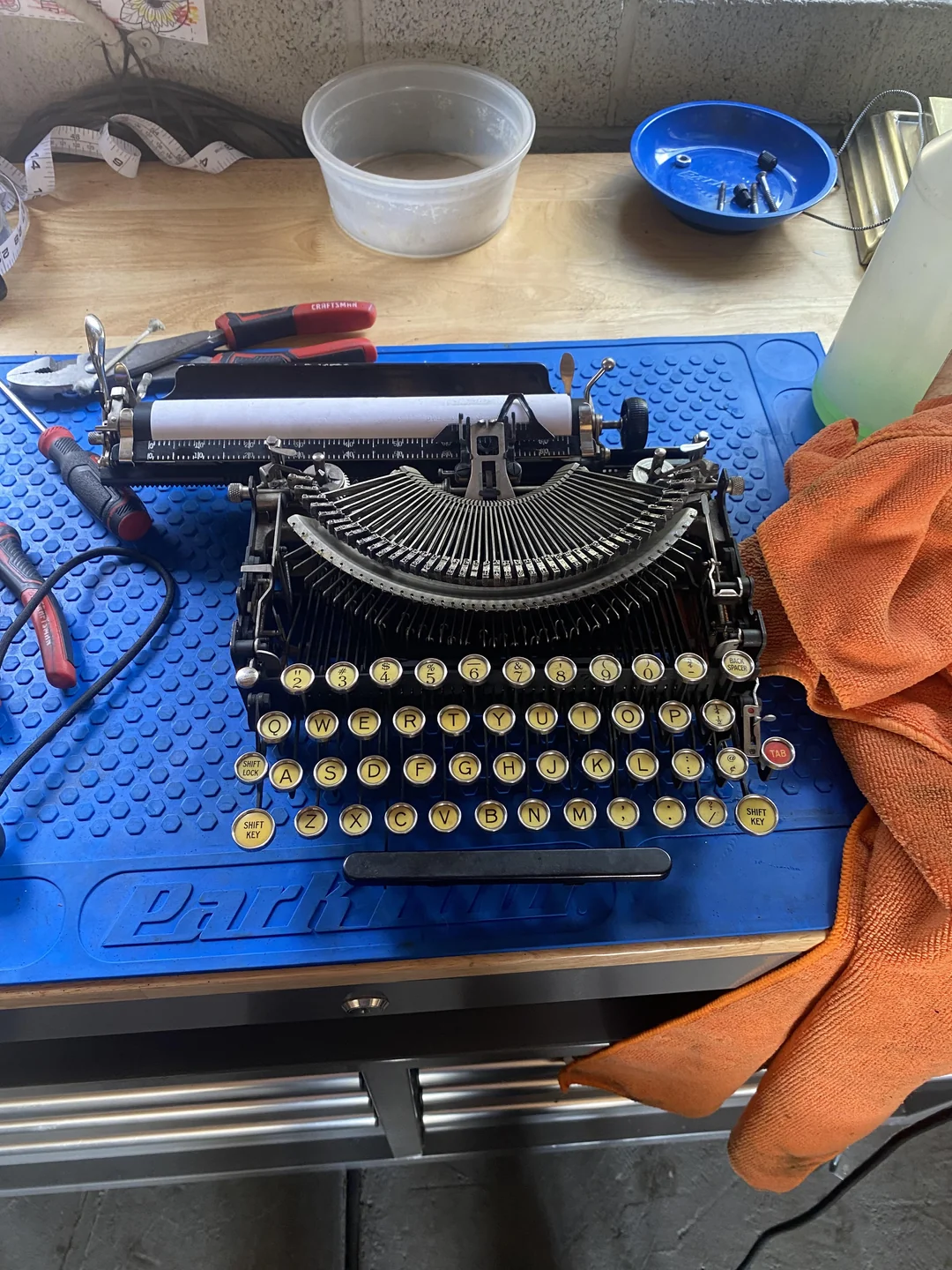
Typewriters had their heyday decades before computers took over, yet repair shops for them still exist. These technicians know how to source obsolete parts and fix mechanisms that haven’t been manufactured in years. Interest in typewriters has even grown among people looking to write without screen distractions.
15. Town Crier

A handful of towns still employ a town crier for ceremonial announcements, festivals, and events. The role is largely symbolic today, tied more to tradition and tourism than practical communication. Still, the booming voice and the bell are exactly as they’ve always been.
Want more?
If you liked this one, check out 15 Reasons Blue Collar Jobs Are Growing Among Teens for a look at why today’s teens are trading lecture halls for trade schools and paychecks. For a lighter angle, 16 Rare Photos of Celebrities Enjoying Ordinary Jobs Before Fame shows the everyday gigs that stars worked before making it big. Last but not least, 15 Sketchiest Jobs People Worked in the 20th Century rounds up the most dangerous and bizarre ways people used to earn a living.