Before HR departments existed to stop your boss from doing something insane, the American workplace was very different. Entire industries ran on jobs that today would trigger a lawsuit: gigs with no safety gear, no guarantees, and sometimes no clear boundary between “employee” and “guy we found.” People took these jobs. They paid the bills, because nothing else was hiring, or because somebody had to do it and it might as well be them.
Looking back, these jobs are a strange mix of horrifying and fascinating and a reminder that a lot of normal work history was actually pretty wild. Next are 15 of the sketchiest jobs regular people worked in during the 20th century.
1. Radium Dial Painter
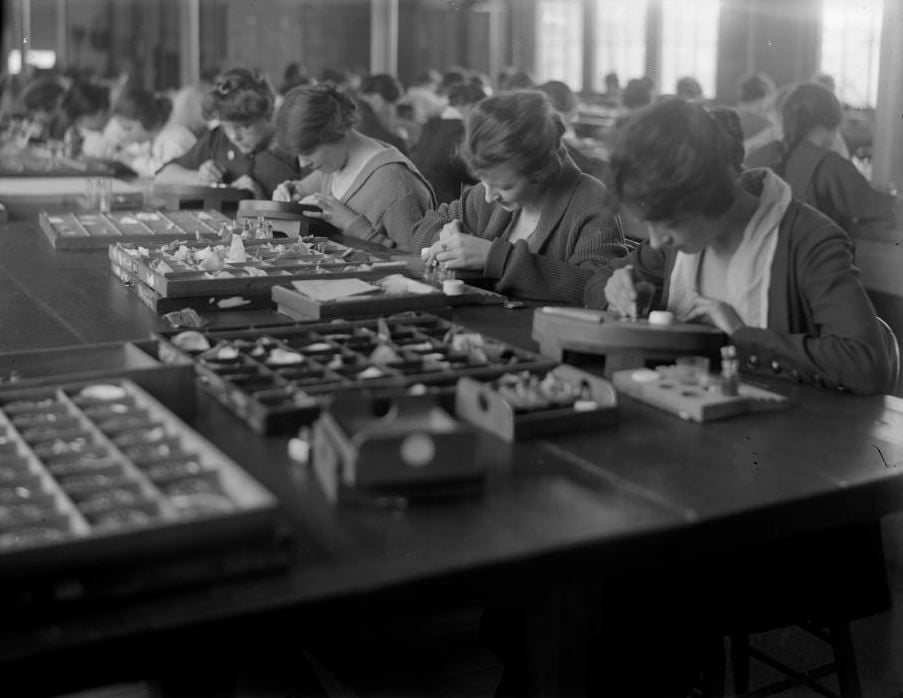
In the 1910s and ’20s, young women were hired to paint watch and clock dials with radium-laced paint so they’d glow in the dark. Many of the “Radium Girls” developed horrific bone diseases and cancers years later, and their fight for compensation became one of the first major labor-safety battles in American history.
2. Icebox Man
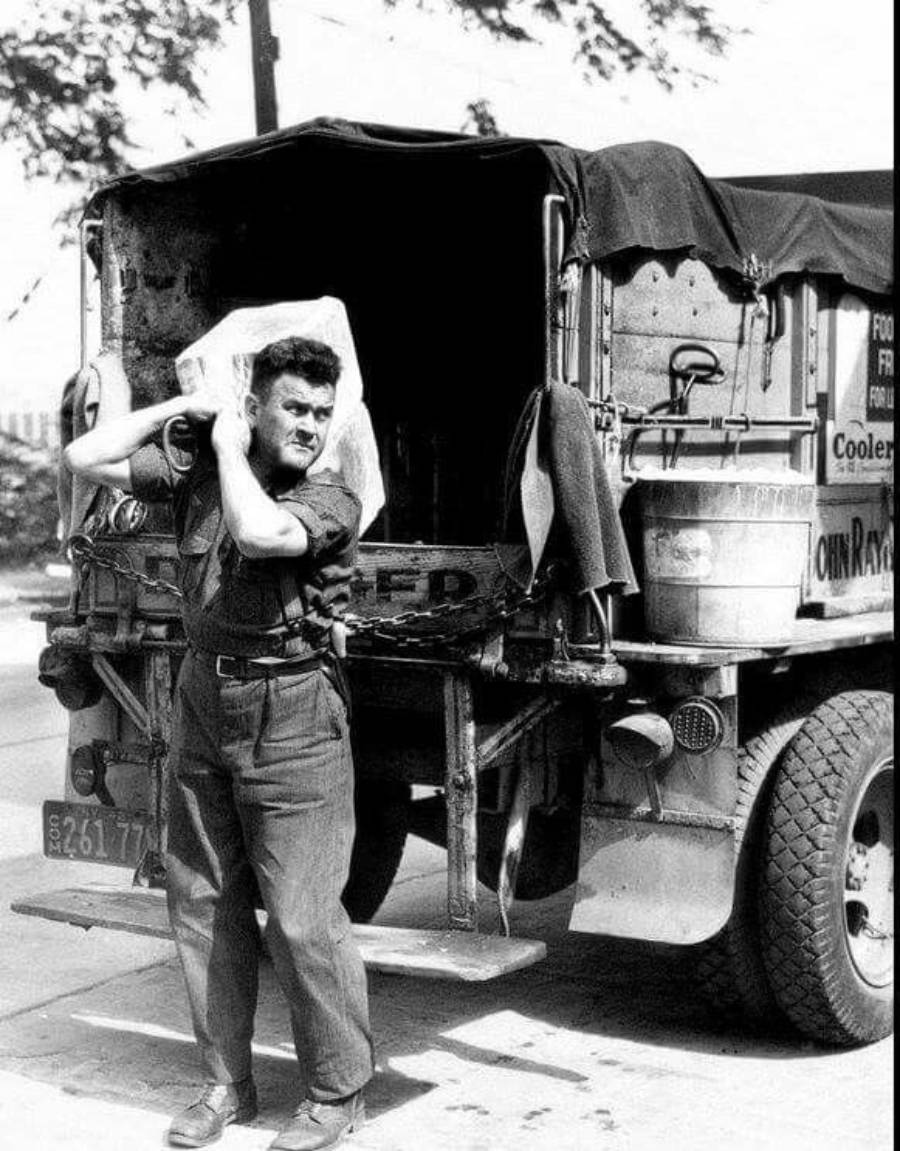
Before refrigerators were standard, the iceman hauled massive blocks of ice up stairs on his shoulder, often multiple times a day. The job destroyed backs and knees fast, and a single wrong step on a wet staircase with a hundred-pound block could be genuinely dangerous. It disappeared almost overnight once electric refrigeration went mainstream.
3. Powder Monkey
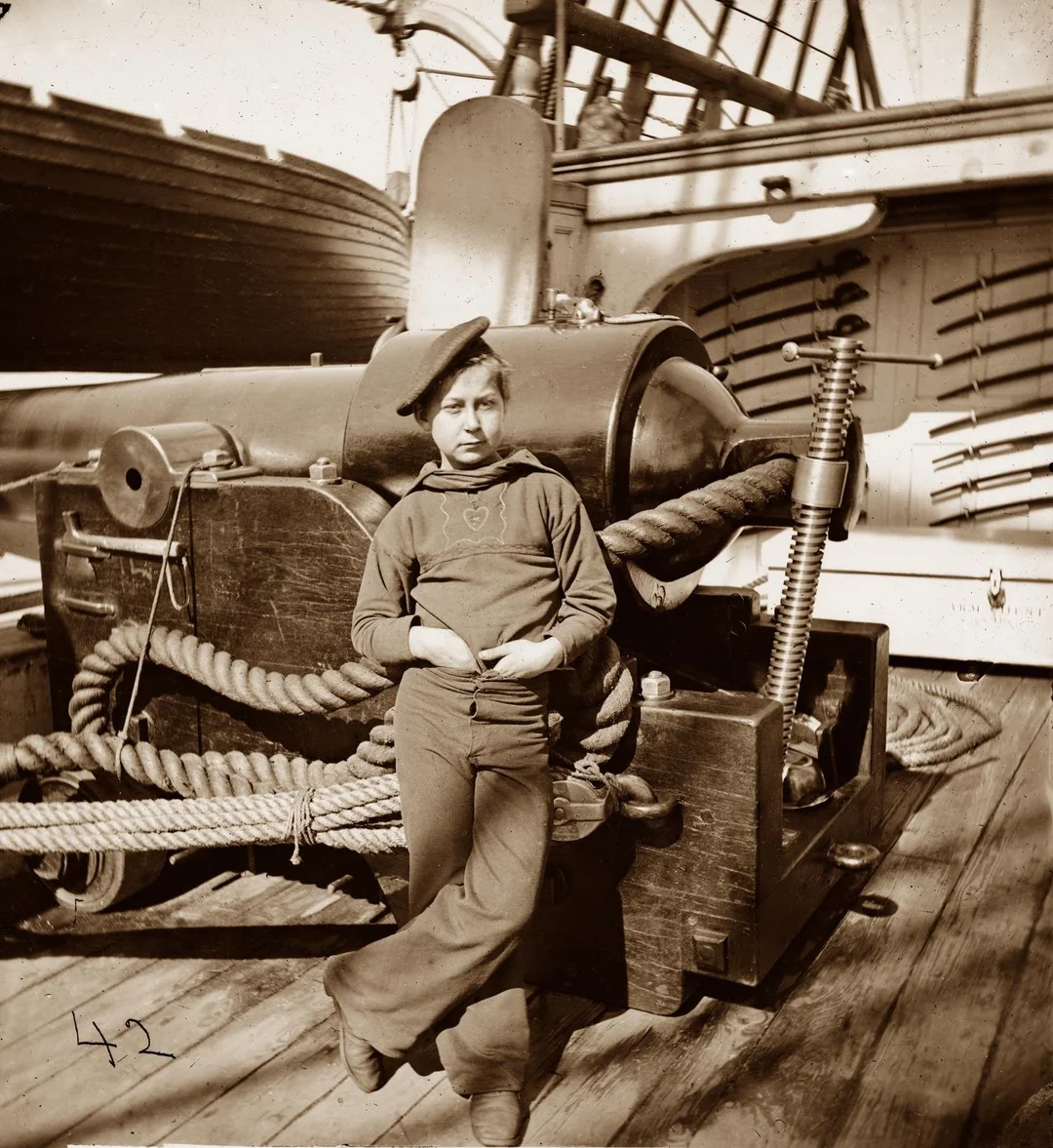
During both World Wars, factory workers handled raw explosive powder to assemble artillery shells and bullets by hand. The work stained their skin yellow, earning them the nickname “canary girls,” and the risk of accidental explosion was constant.
4. Chimney Sweep’s Apprentice
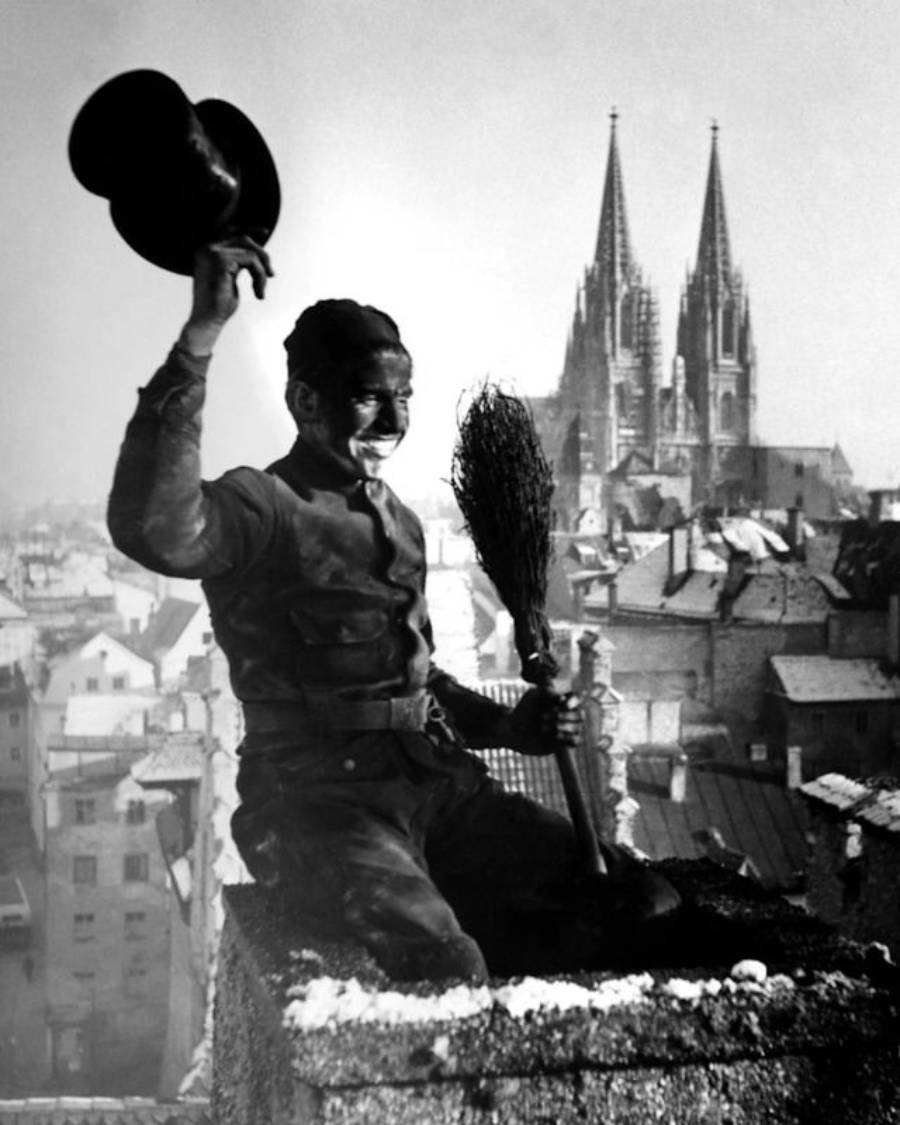
Even into the early 1900s in parts of the country, small children were sent up narrow, soot-choked chimneys to scrape out creosote buildup by hand. They worked in total darkness, breathing dust, with a real risk of getting stuck or falling. Lung disease among sweeps was very common.
5. Hard Hat Diver
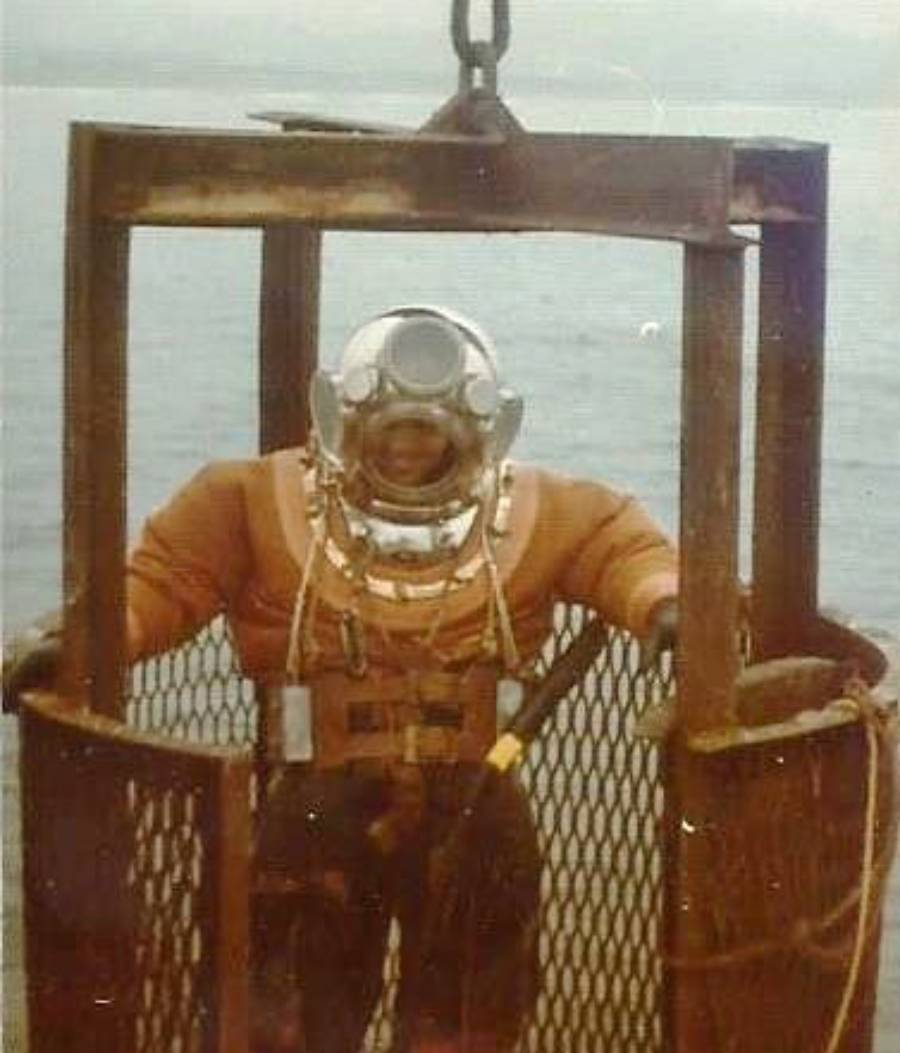
Early divers wore heavy helmets connected to the surface by a single air hose pumped by hand or a simple compressor. These divers built bridge foundations and cleared harbors with equipment that offered barely more protection than a good luck charm.
Trending on Wealth Gang

6. Elevator Operator
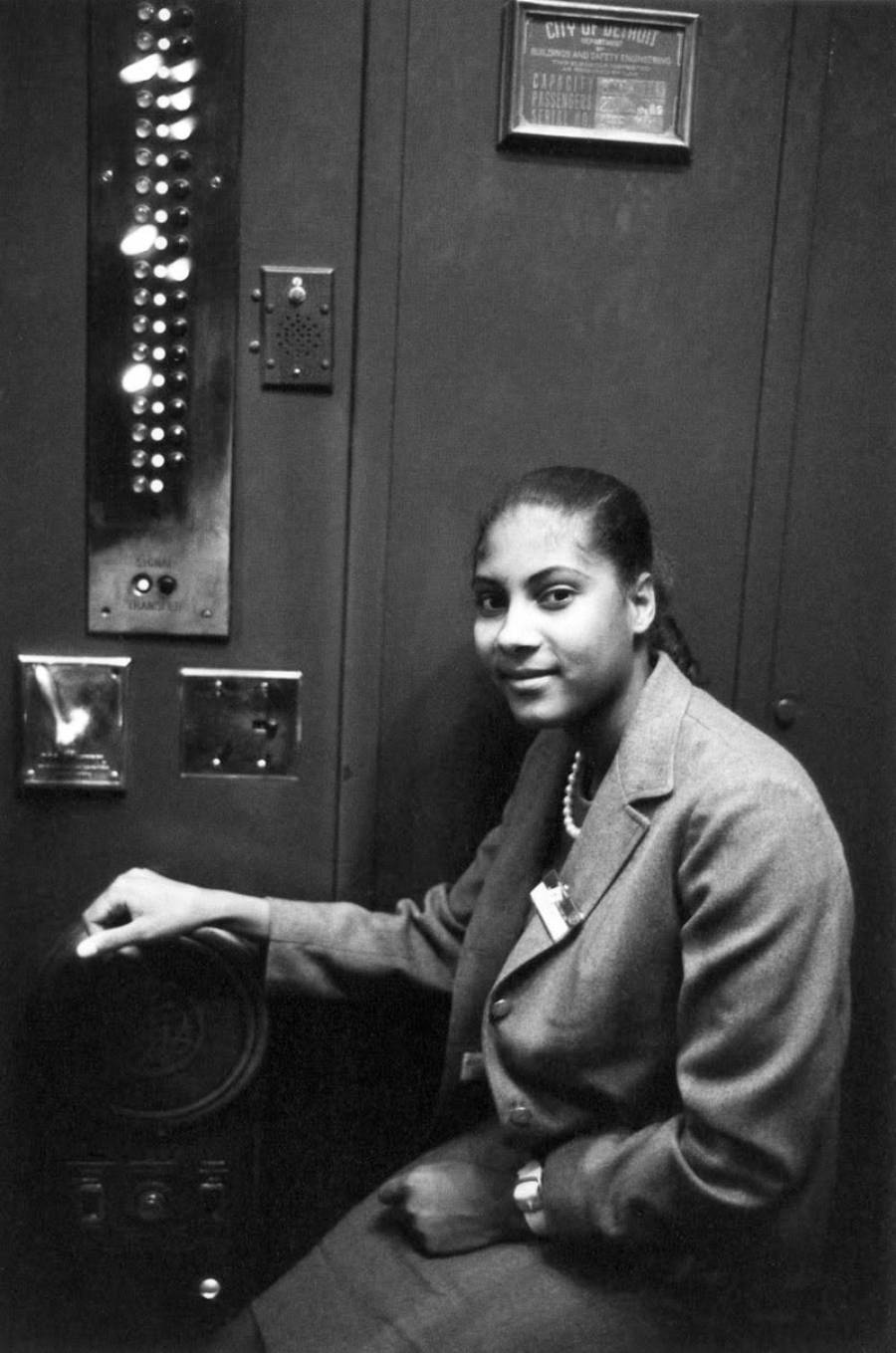
Not every elevator operator was in a safe, well-regulated setup. A miscalculated stop could mean a nasty jolt. It was steady work, but it required trusting machinery that was rarely inspected properly.
7. Traveling Medicine Show Salesman
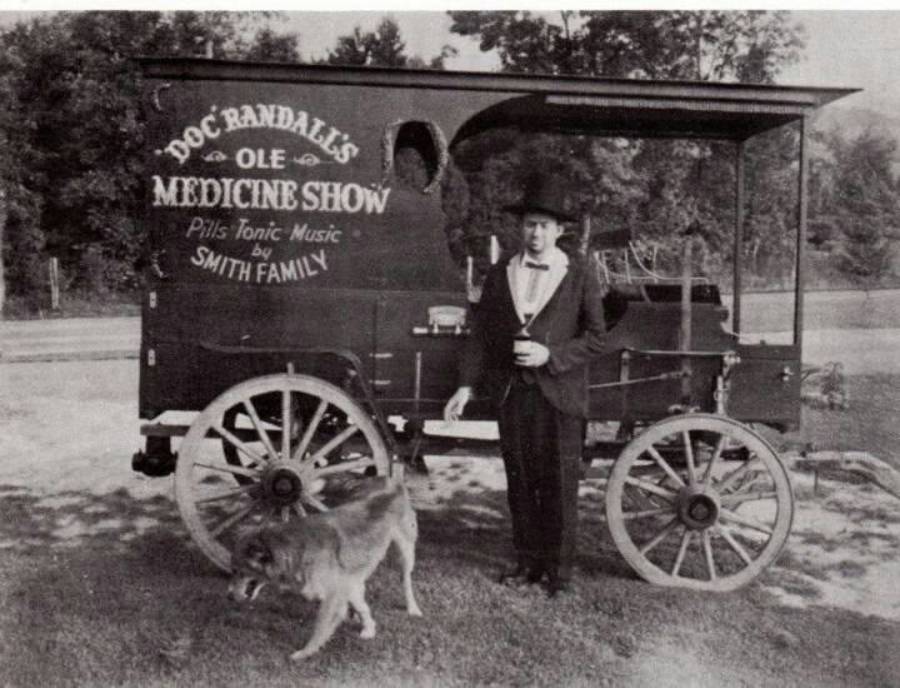
Salesmen traveled from town to town hawking “tonics” and “elixirs” that were often just alcohol, opiates, or plain snake oil. The job paid well when it worked, but it relied on staying one town ahead of angry customers and, eventually, the law. Many of these salesmen made a career out of never staying anywhere long enough to face consequences.
8. Coal Breaker Boy
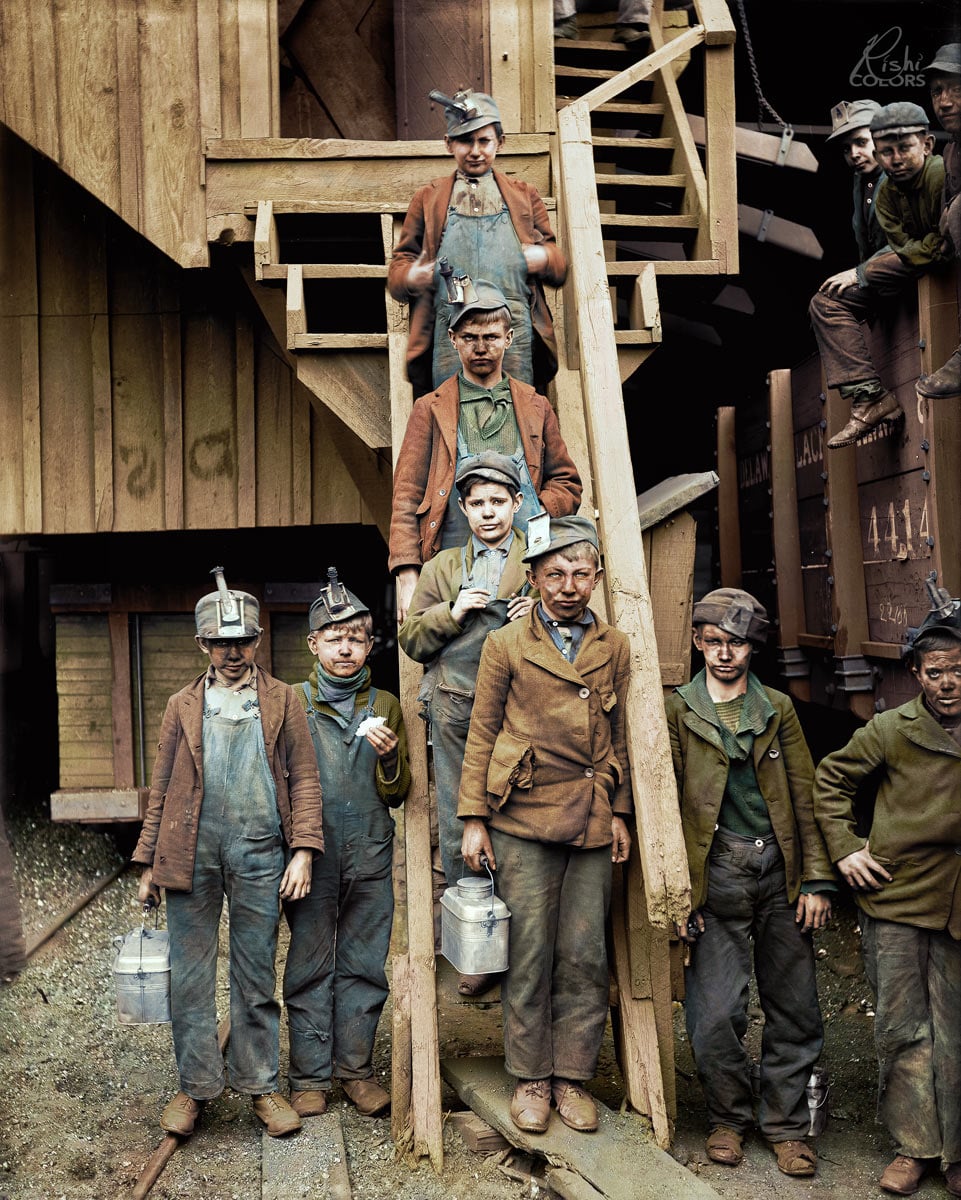
Mining companies employed boys as young as eight to sit for hours picking slate out of coal by hand, hunched over conveyor belts in clouds of black dust. Fingers were regularly lost to the machinery, and the dust exposure alone set kids up for lung problems before they even reached adulthood. It took decades of reform movements to push child labor out of the mines finally.
Sign up for our newsletter
9. Test Pilot
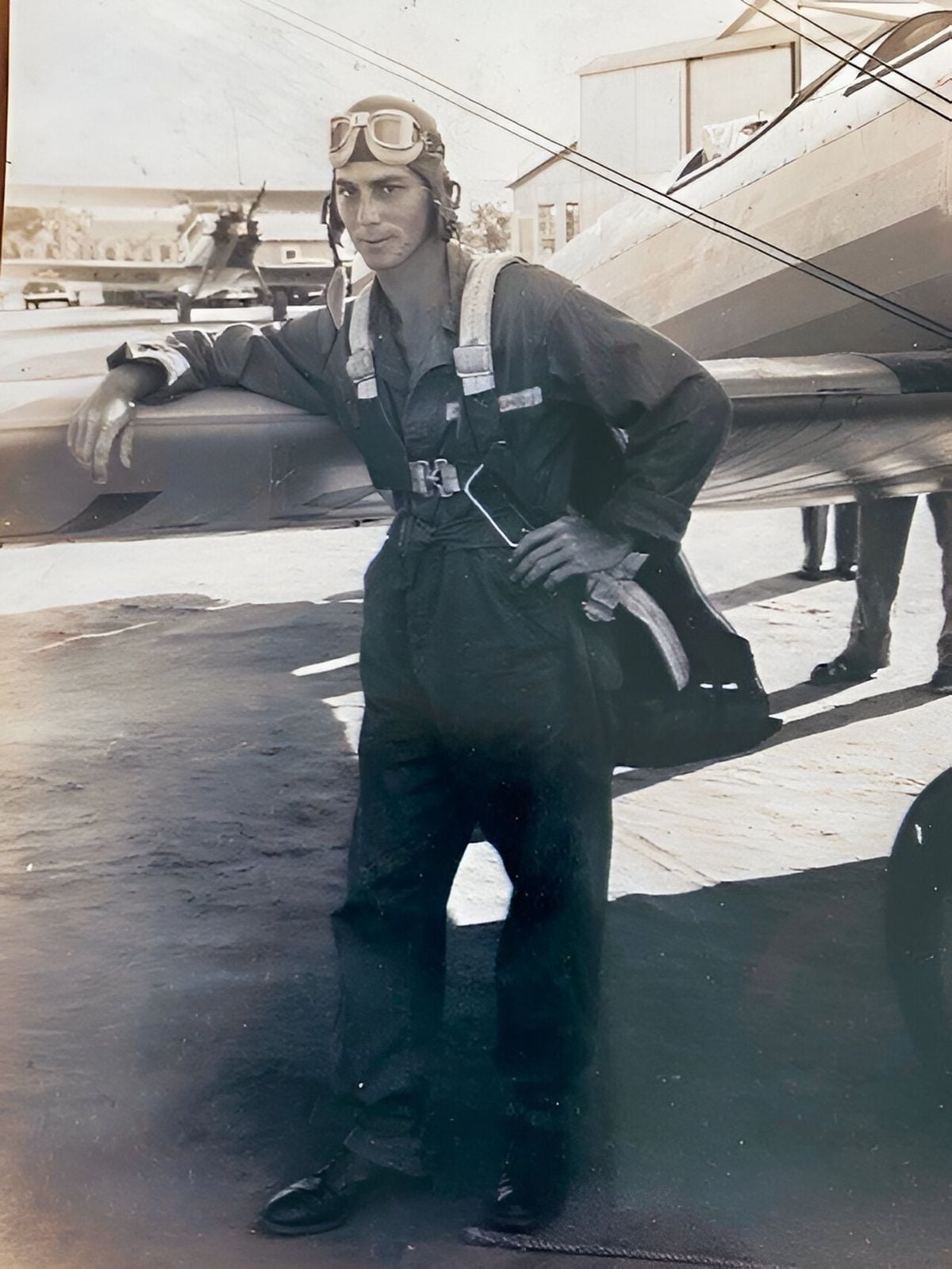
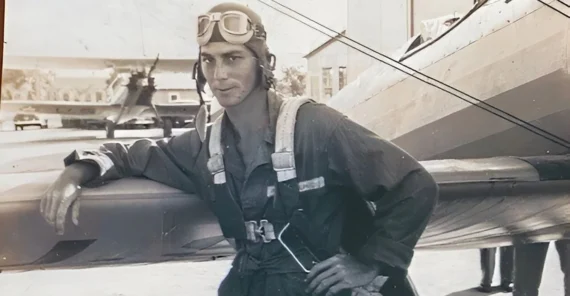
In aviation’s early decades, test pilots strapped into experimental aircraft that had never flown before, with no ejector seats and only the roughest understanding of aerodynamics. Fatal crashes were common enough that it was considered one of the deadliest jobs a person could choose. Pilots did it anyway for the pay or simply the thrill of being first.
10. Ratcatcher
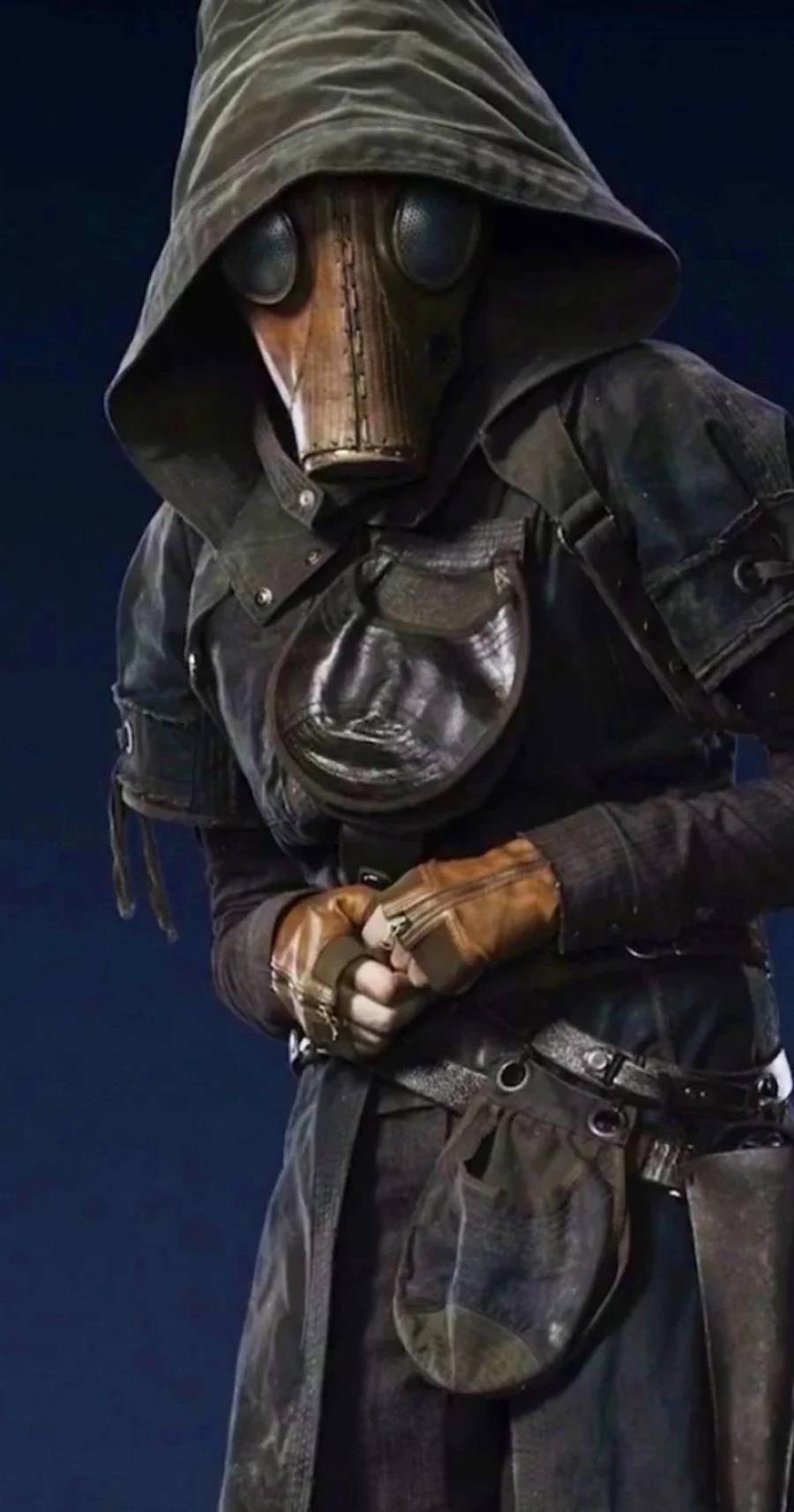
Cities once employed professional ratcatchers to control rodent populations. The job meant crawling into sewers, basements, and grain stores, handling live and dead animals that carried genuine disease risk with essentially no protective equipment. It was dirty, unglamorous work that kept entire neighborhoods from being infested.
11. Lamplighter
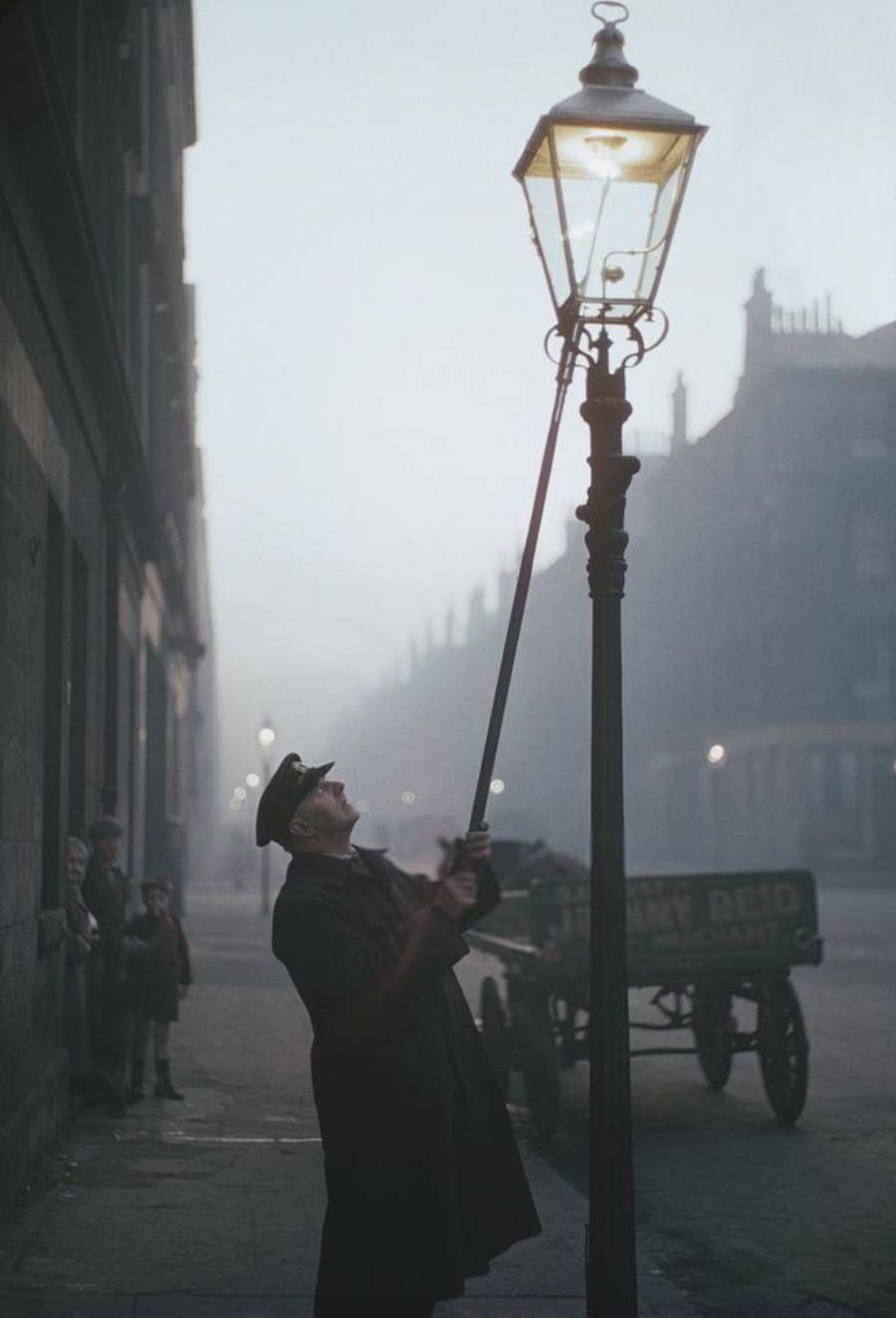
Before electric streetlights, lamplighters climbed a ladder to manually light gas lamps every evening and extinguish them every morning, rain or shine. Gas leaks and simple falls made the job more dangerous than it looked from the sidewalk. It vanished as a profession almost entirely within a couple of decades once electricity took over.
12. Switchboard Lineman
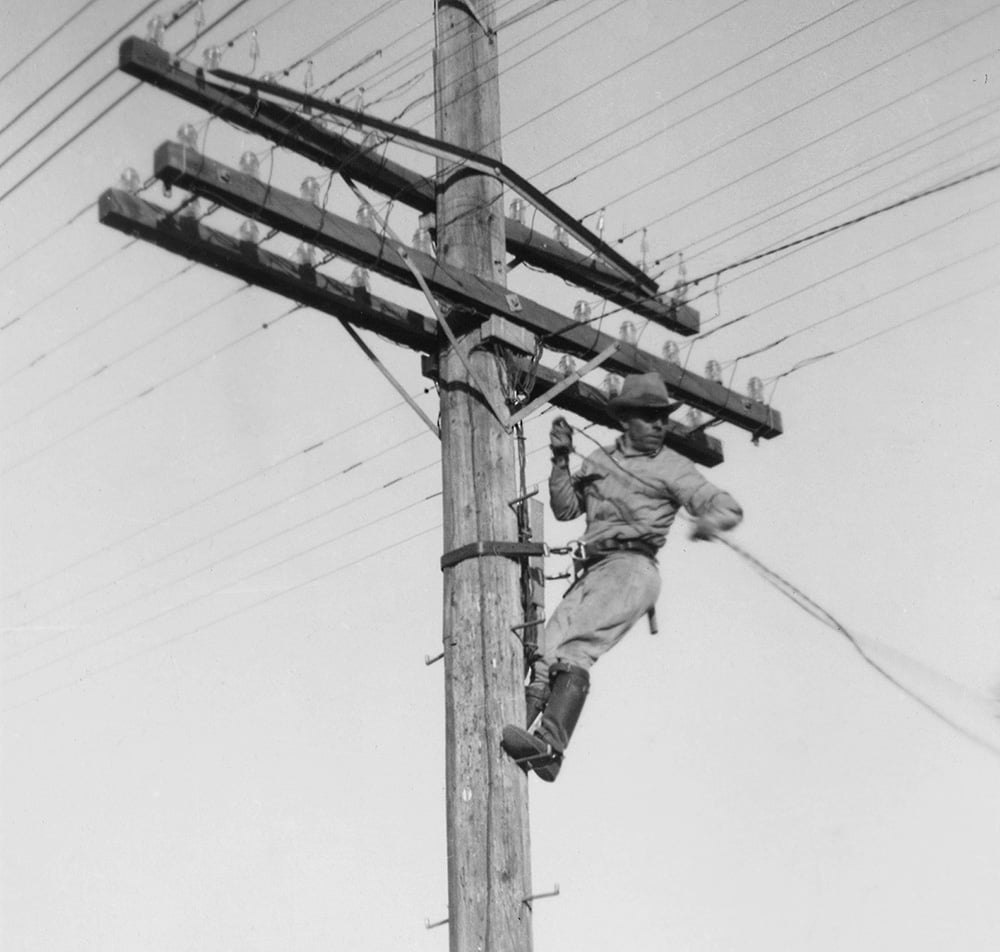
Early telephone and telegraph linemen climbed wooden poles strung with hundreds of live wires, often with minimal insulation and no harnesses. Electrocution and falls were constant hazards, especially in bad weather when the work couldn’t wait.
13. Asbestos Insulation Installer
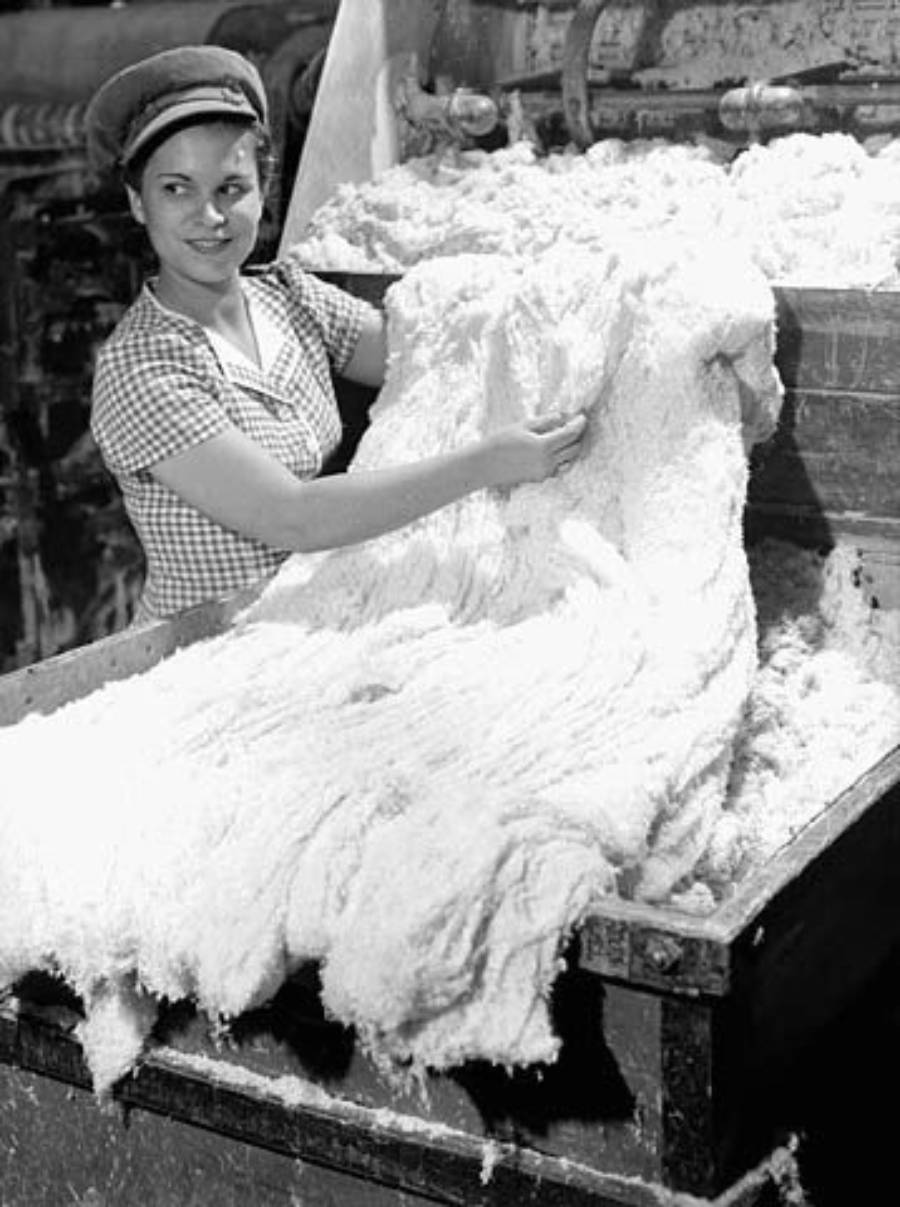
For much of the century, asbestos was considered a miracle material, and installers packed it into walls, pipes, and ceilings with no masks. Nobody warned them about the fibers settling permanently in their lungs until decades later, when diseases like mesothelioma started showing up in alarming numbers.
14. Bootlegger
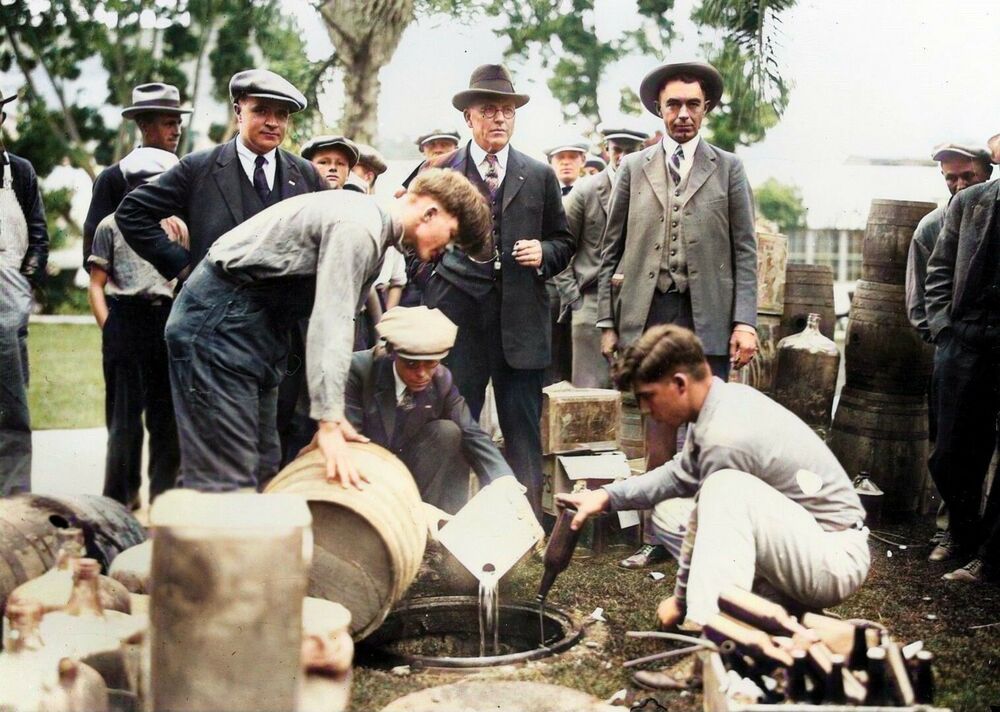
During Prohibition, ordinary people took jobs running bootleg liquor between distilleries and hidden bars, often for cash. It paid well precisely because it was illegal, putting runners at risk of arrest, violence from rival operations, or getting caught in the middle of law enforcement raids.
15. Human Computer
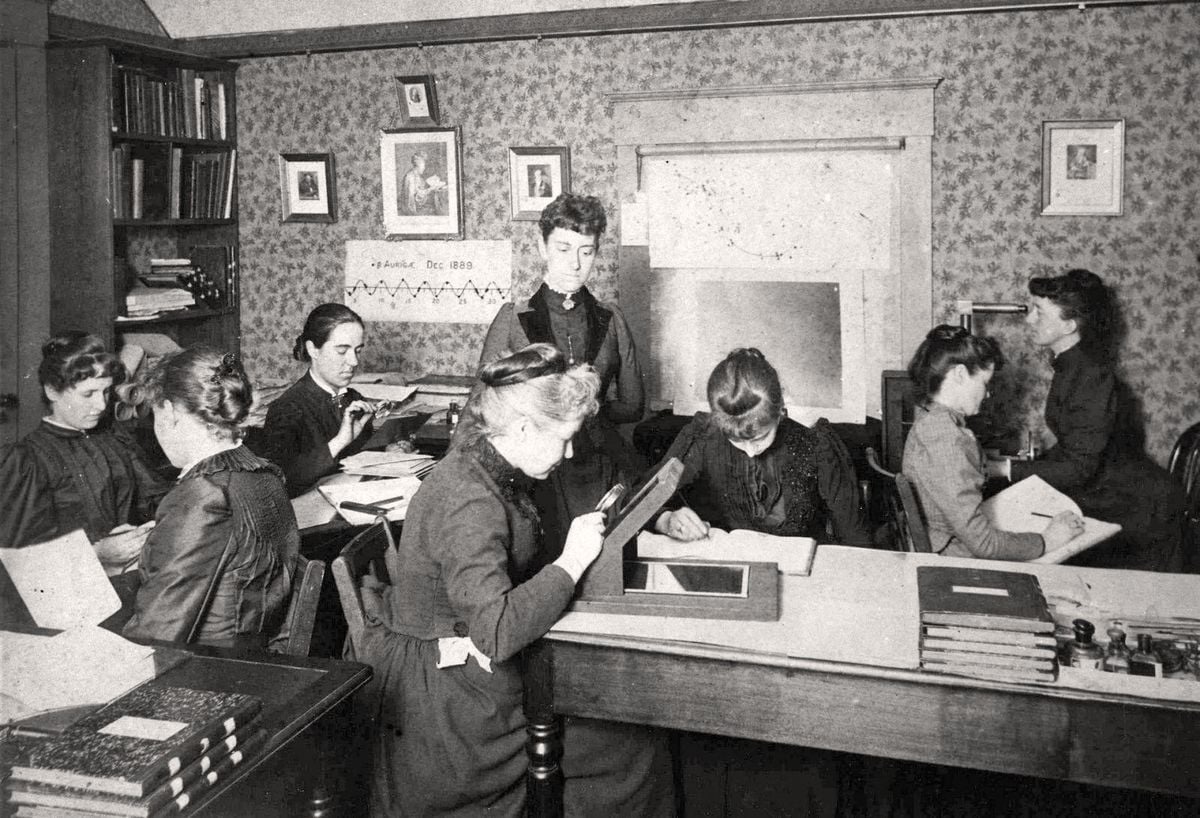
Long before electronic computers, companies and government agencies employed rooms full of workers to perform enormous, repetitive calculations entirely by hand for hours on end. The mental strain was intense, mistakes could derail entire engineering or military projects, and the workers received little recognition.
Looking for similar content?
16 Rare Photos of Celebrities Enjoying Ordinary Jobs Before Fame shows how today’s biggest stars once scooped ice cream, waited tables, and delivered mail before the spotlight found them. For a look at the roles that vanished entirely, 25 Forgotten Jobs That Once Paid a Good Living revisits the switchboard operators and elevator attendants who once anchored American work life. And if you’re wondering which unglamorous careers still pay well today, 17 Everyday Jobs That Pay Far Better Than People Realize breaks down the overlooked professions quietly outearning expectations.