Scientific discoveries don’t always begin with complicated theories or elaborate experiments. Sometimes, they start with an unexpected observation, a frustrating laboratory problem, or a question that nobody has thought to investigate seriously. An apple falling from a tree, a contaminated laboratory dish, or an unusual signal from space can become the starting point for something extraordinary.
Throughout history, scientists have made remarkable breakthroughs by refusing to dismiss details that others might have overlooked. Their curiosity has transformed medicine, revealed hidden features of the universe, and reshaped our understanding of life itself. These 15 deceptively simple questions led to some of the most significant discoveries in scientific history.
1. Why Does an Apple Fall to the Ground Instead of Flying Away?

An ordinary falling apple became associated with one of the most important ideas in physics. Isaac Newton wondered whether the same force pulling objects toward Earth could also explain why the Moon remained in orbit. Although there is no reliable evidence that an apple actually struck his head, the famous story reflects a genuine tradition about his thinking. In 1687, Newton published his law of universal gravitation, establishing a connection between everyday falling objects and the movement of celestial bodies.
2. Why Are There Tiny Lights Moving Around Jupiter?
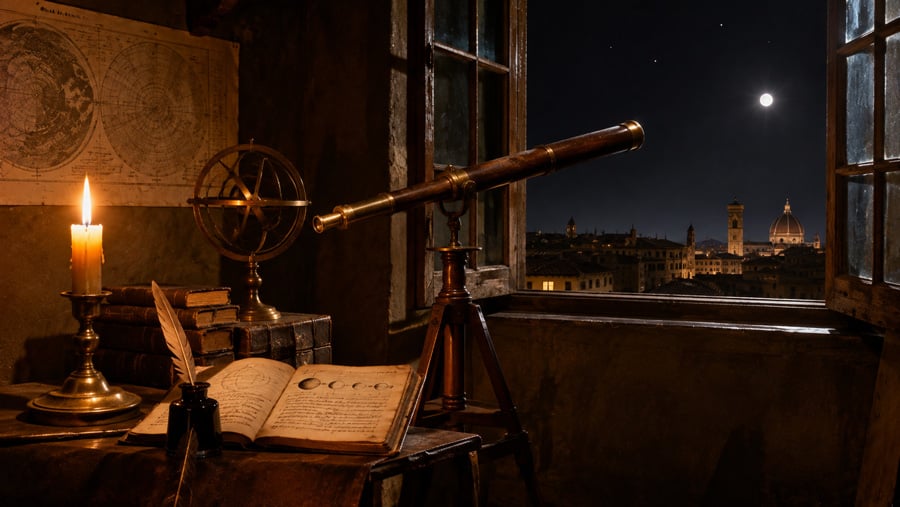
In January 1610, Galileo Galilei pointed his telescope toward Jupiter and noticed several tiny points of light nearby. After observing them over successive nights, he realized that they were changing positions around the planet rather than behaving like distant stars. Galileo had discovered four moons orbiting Jupiter, demonstrating that not everything in the heavens revolved around Earth. His observations provided important evidence supporting the revolutionary idea of a Sun-centered solar system.
3. Why Won’t Bacteria Grow Near This Mold?
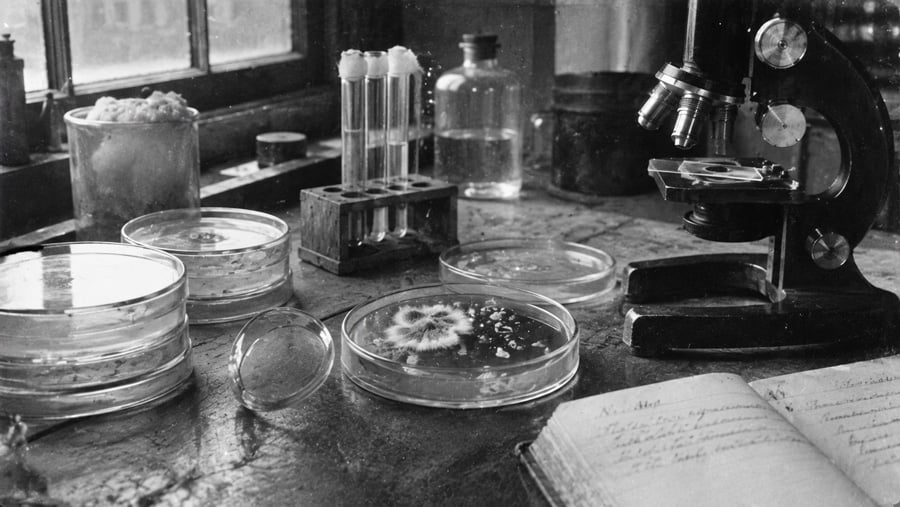
In 1928, Alexander Fleming noticed something peculiar in a laboratory dish that had become contaminated with mold. Instead of spreading across the entire surface, bacteria had disappeared from the area surrounding the contamination. Fleming investigated the phenomenon and identified an antibacterial substance that he named penicillin. Although years of additional research were necessary to turn it into a practical medicine, his unexpected observation helped launch the antibiotic era and fundamentally changed the treatment of bacterial infections.
4. Why Did People Who Caught Cowpox Seem Protected From Smallpox?

English physician Edward Jenner became interested in reports that people who contracted cowpox appeared to be protected against the far more dangerous smallpox. In 1796, he tested this observation by inoculating eight-year-old James Phipps with material from a cowpox lesion before later exposing him to smallpox through inoculation. Although the experiment would be ethically unacceptable today, it helped establish the scientific foundation of vaccination. Nearly two centuries later, in 1980, smallpox was officially declared eradicated worldwide.
5. What If Stomach Ulcers Are Caused by Bacteria Instead of Stress?

For decades, stomach ulcers were commonly associated with stress, lifestyle habits, and excessive stomach acid. In the early 1980s, Australian researchers Robin Warren and Barry Marshall began questioning that explanation after identifying bacteria in inflamed stomach tissue. Their work established that Helicobacter pylori played a major role in many cases of peptic ulcers. Instead of simply managing recurring symptoms, doctors could use antibiotics to treat the underlying infection, dramatically changing the way many patients received care.
Trending on Wealth Gang


6. Why Won’t This Radio Antenna Stop Making Noise?

During the 1960s, radio astronomers Arno Penzias and Robert Wilson encountered a persistent background signal while working with a large antenna at Bell Laboratories in New Jersey. No matter how carefully they examined their equipment or investigated potential interference, the mysterious noise remained. In 1964, they detected what researchers identified as cosmic microwave background radiation, the faint remnant of the early universe. An apparently frustrating technical problem had revealed some of the strongest evidence supporting the Big Bang model.
7. What Is Sending These Strange Pulses From Space?
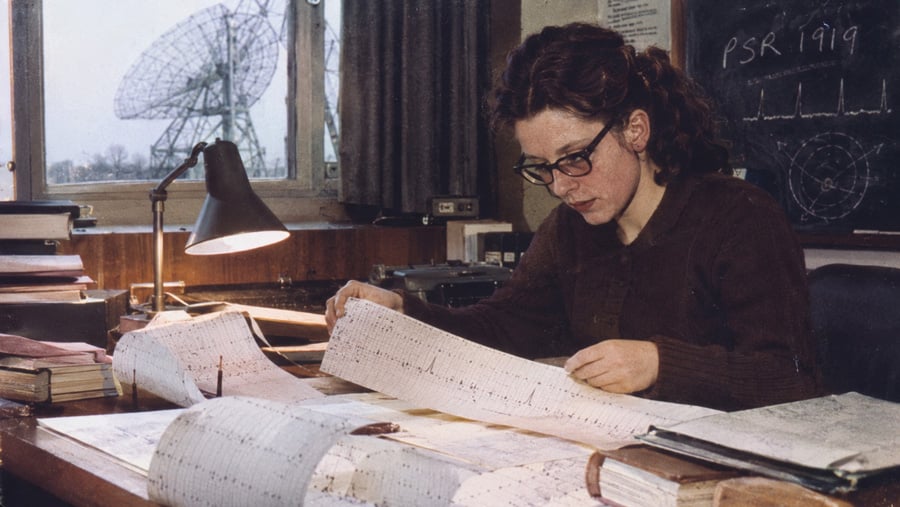
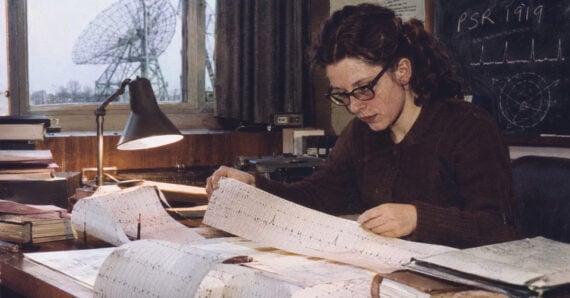
In 1967, graduate student Jocelyn Bell Burnell noticed an unusual pattern hidden among the enormous quantities of data produced by a radio telescope at Cambridge University. The signals repeated with such remarkable precision that researchers briefly considered whether they might have an artificial origin. Instead, they discovered a pulsar, a rapidly rotating neutron star that emits beams of radiation. The strange repeating signal opened an entirely new avenue for investigating the extraordinary remnants of massive stars.
8. Why Did Uranium Affect a Photographic Plate Without Sunlight?
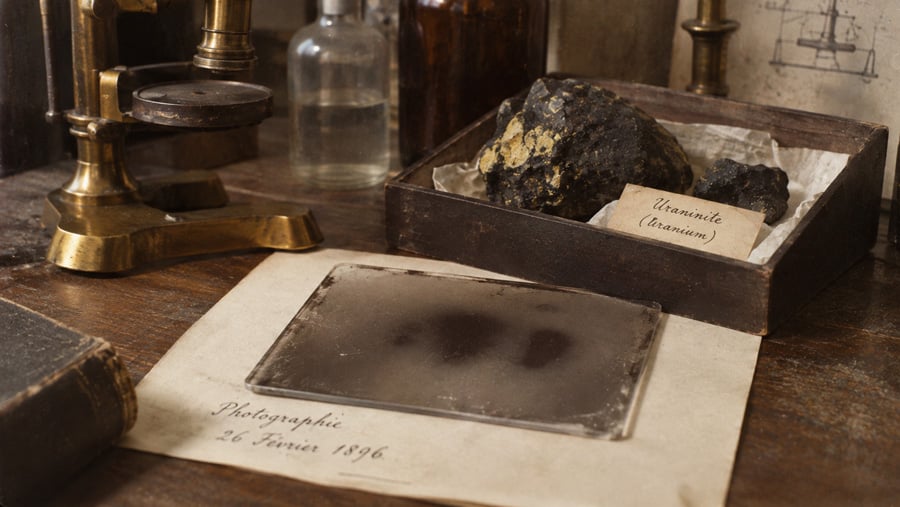
French physicist Henri Becquerel was investigating uranium compounds in 1896 when several cloudy days interrupted his experiments. He placed uranium salts and wrapped photographic plates inside a drawer, expecting to continue his research when the weather improved. When he eventually developed the plates, he discovered that the uranium had affected them without exposure to sunlight. The unexpected result provided evidence of spontaneous radioactivity and opened up a previously unknown area of physics.
Sign up for our newsletter
9. Why Did Some Particles Bounce Back From Thin Gold Foil?
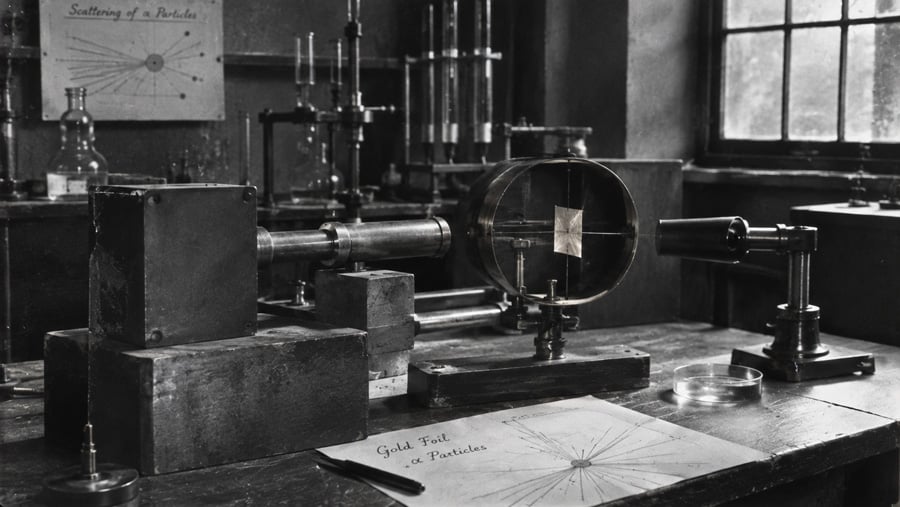
In 1909, researchers working with Ernest Rutherford directed alpha particles toward an extremely thin sheet of gold. Most passed through, but a surprising number were deflected at large angles, with some scattering backward. The observation contradicted existing ideas about atomic structure. Rutherford’s explanation, published in 1911, proposed that atoms contained a tiny, dense nucleus surrounded by mostly empty space. An experiment involving an almost unimaginably thin piece of metal had fundamentally changed humanity’s understanding of matter.
10. Why Are Stars at the Edges of Galaxies Moving So Fast?
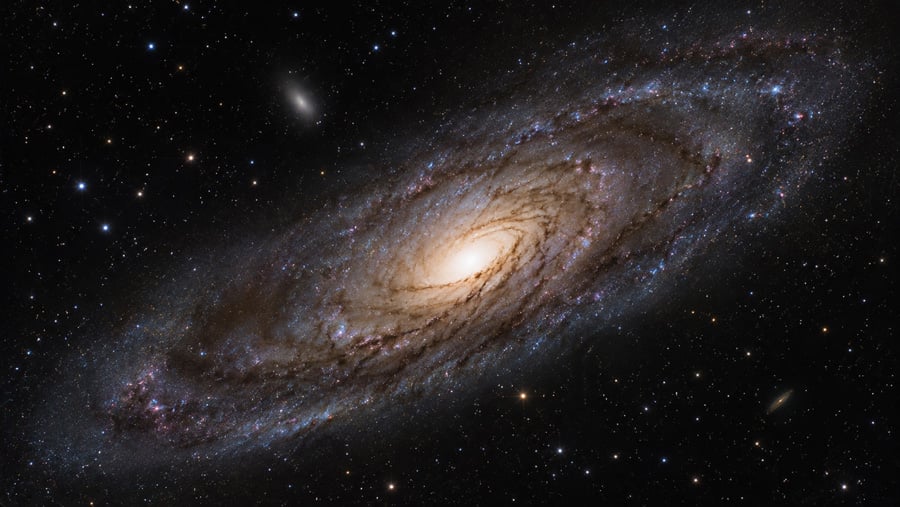
During the 1970s, astronomer Vera Rubin and her collaborator Kent Ford studied how stars moved within spiral galaxies. They discovered that stars located far from galactic centers were traveling much faster than the visible matter alone could explain. Their measurements provided compelling evidence that galaxies contained enormous quantities of unseen matter exerting gravitational influence. This mysterious substance, known as dark matter, became central to modern astronomy, even though scientists still do not fully understand what it is made of.
11. Why Do Living Things Follow a Daily Schedule Even Without a Clock?
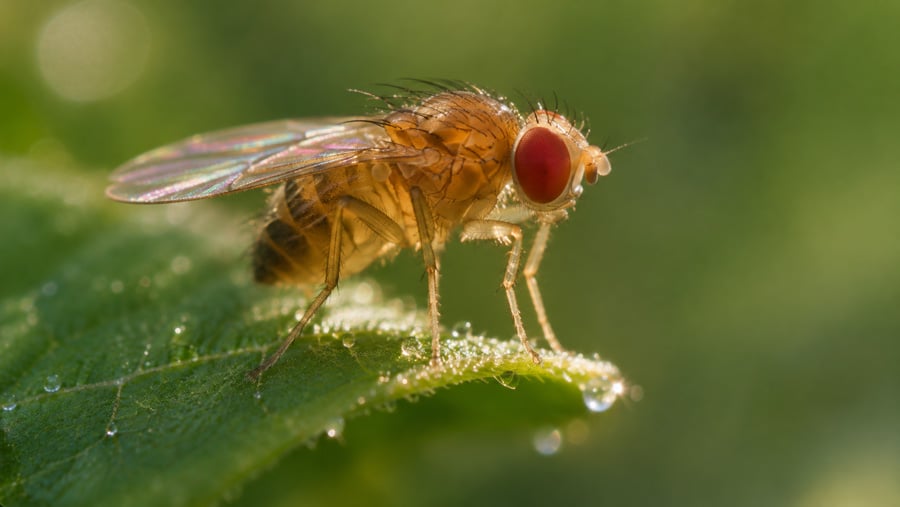
Plants open and close their leaves, animals become active at predictable times, and humans naturally feel sleepy at certain hours. Scientists had observed these patterns for centuries, but the mechanisms behind them remained mysterious. Research involving fruit flies revealed genetic mutations that could alter or disrupt their daily cycles. Further investigation identified genes and proteins responsible for regulating these internal clocks, helping explain how circadian rhythms influence sleep, metabolism, hormone production, and other essential biological processes.
12. Can Scientists Recover DNA From People Who Lived Tens of Thousands of Years Ago?

For generations, scientists depended primarily on fossils to learn about Neanderthals and other ancient humans. Recovering genetic material from those remains seemed exceptionally difficult because DNA deteriorates over time and can easily become contaminated. Swedish geneticist Svante Pääbo pursued ways to overcome these obstacles, eventually helping produce a Neanderthal genome sequence. His research revealed that ancient humans and Neanderthals interbred, leaving genetic traces that remain present in many people living today.
13. Why Are Distant Exploding Stars Dimmer Than Expected?
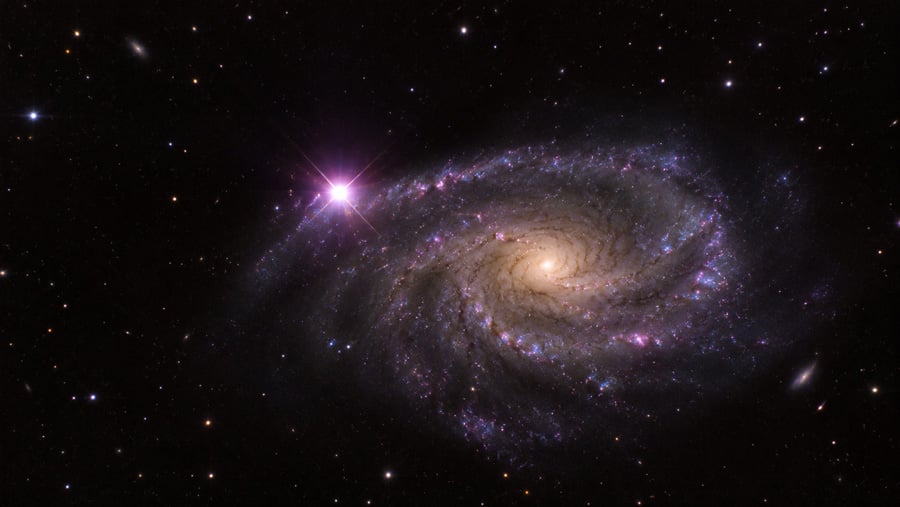
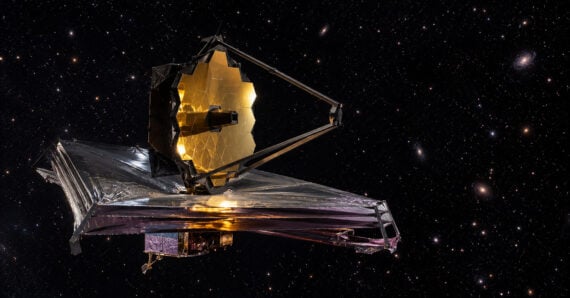
In the 1990s, two independent research teams examined distant Type Ia supernovae to determine how the expansion of the universe had changed over time. They expected gravity to have gradually slowed that expansion. Instead, the exploding stars appeared dimmer than anticipated, suggesting that distant galaxies were farther away than expected. Announced in 1998, the discovery revealed that the expansion of the universe was accelerating and brought the mysterious phenomenon known as dark energy to the forefront of cosmology.
14. Why Do Certain Jellyfish Glow Green?
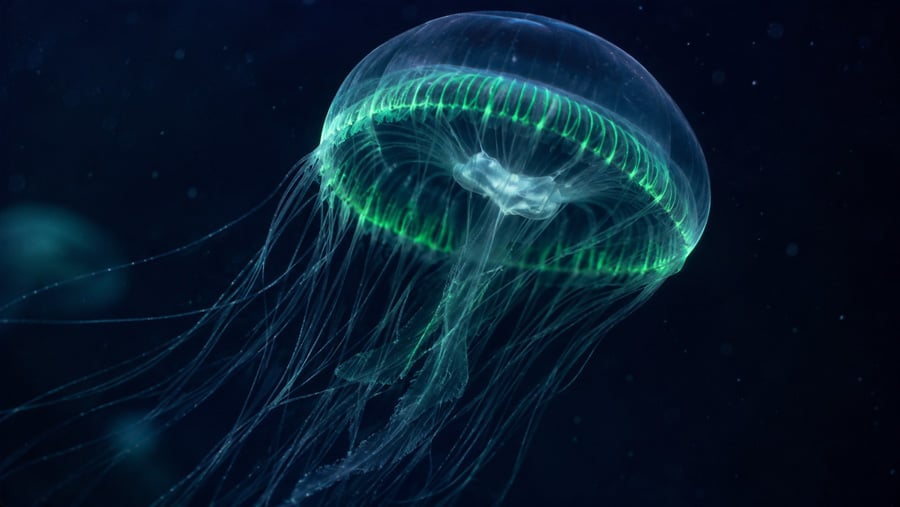
While investigating the light-producing system of the jellyfish Aequorea victoria, scientist Osamu Shimomura and his colleagues isolated a remarkable substance in 1962. Known as green fluorescent protein, or GFP, it could emit green fluorescence under suitable lighting conditions. Researchers subsequently discovered how to use the protein as a visible marker inside living cells. This allowed scientists to observe previously hidden biological processes, transforming research across genetics, medicine, and cell biology.
15. How Do Bacteria Defend Themselves Against Viruses?
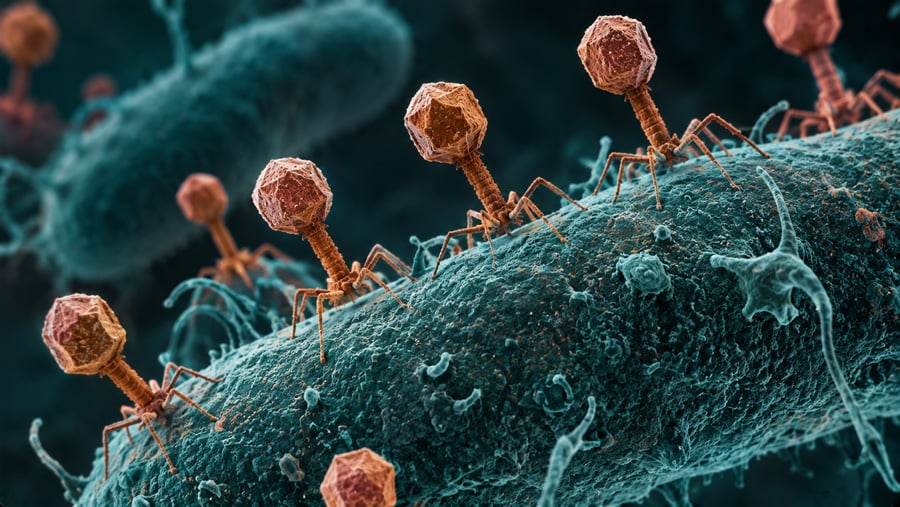
Viruses don’t just infect humans and animals. They also attack bacteria, which have developed remarkably sophisticated ways of defending themselves. Scientists investigating these mechanisms discovered that certain bacteria use CRISPR-associated systems to recognize and cut invading viral DNA. In 2012, Jennifer Doudna and Emmanuelle Charpentier demonstrated how a related system could be programmed to cut DNA at selected locations. The resulting CRISPR-Cas9 technology revolutionized genetic research and opened entirely new possibilities for treating inherited diseases.
More Related Notes
15 Discoveries That Changed How Humans Understand Earth
These groundbreaking discoveries challenged long-standing beliefs and transformed humanity’s understanding of our planet, its origins, and its remarkable history.
18 Ancient Inventions That Were Ahead of Their Time
Long before modern technology, ancient civilizations developed remarkably sophisticated inventions that demonstrated extraordinary ingenuity and scientific knowledge.
Natural Phenomena That Surprise Scientists
From unusual atmospheric events to mysterious natural occurrences, these fascinating phenomena reveal how much scientists still have to learn about the world around us.