
The foods we eat every day might seem like they have always looked the same, but their history tells a very different story. Many familiar fruits and vegetables once had unusual colors, tiny edible portions, enormous seeds, or shapes that would look completely out of place in a modern grocery store. Over thousands of years, farmers transformed these foods through cultivation and selective breeding.
Some of these changes happened gradually over centuries, while others resulted from surprisingly recent discoveries and innovations. From bananas filled with hard seeds to chocolate that was once consumed as a bitter drink, these 16 foods reveal just how dramatically our diets have evolved.
1. Watermelons Once Had Strange Swirling Interiors
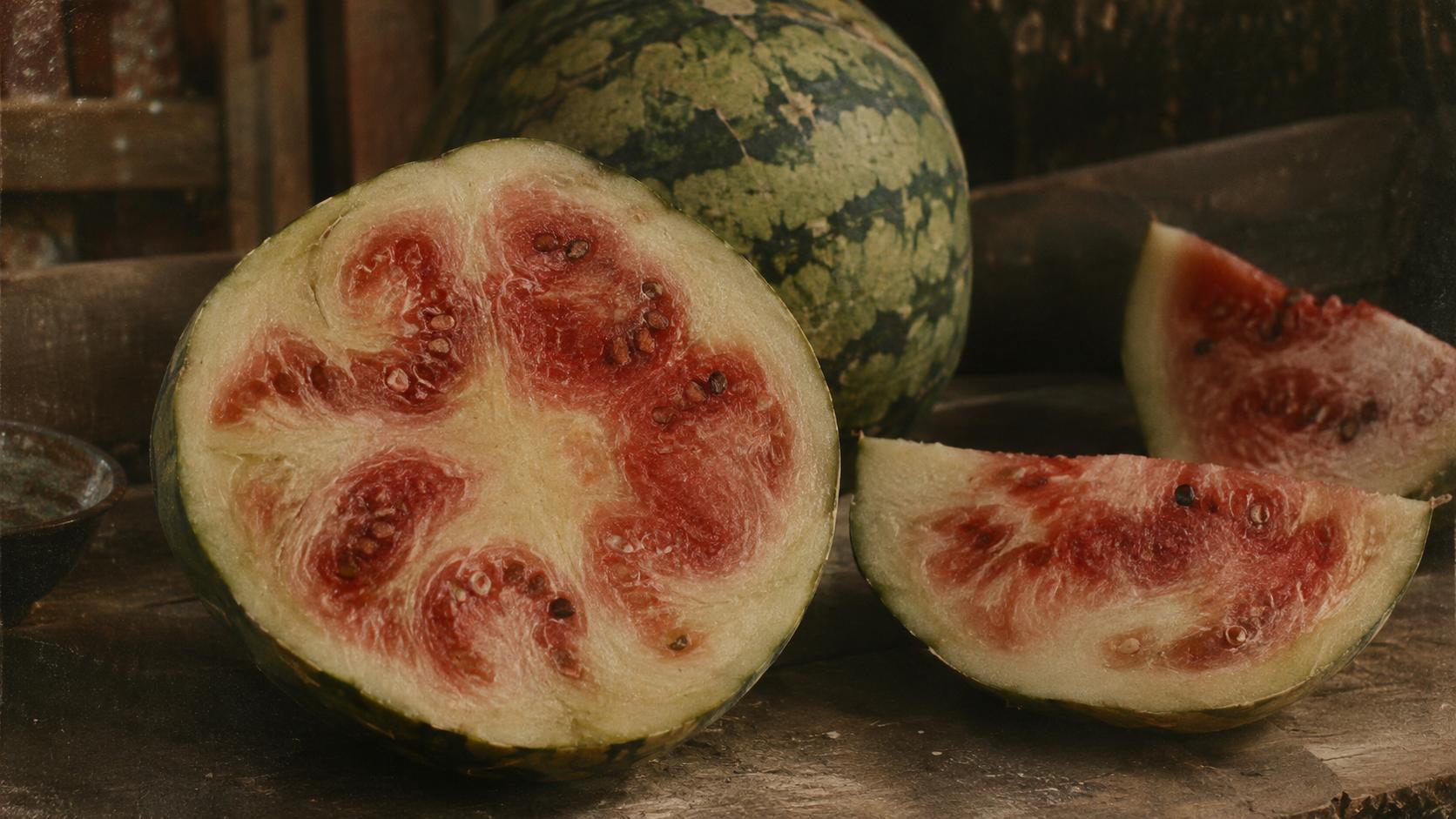
Imagine slicing open a watermelon and finding thick white sections surrounding small pockets of red flesh instead of the juicy interior we recognize today. A 17th-century painting by Italian artist Giovanni Stanchi depicts exactly that, showing a watermelon with an unusual swirling pattern inside. While the painting represents one historical variety rather than every watermelon of its time, it offers a fascinating look at how different these summer favorites could once appear.
2. Wild Bananas Were Packed With Hard Seeds
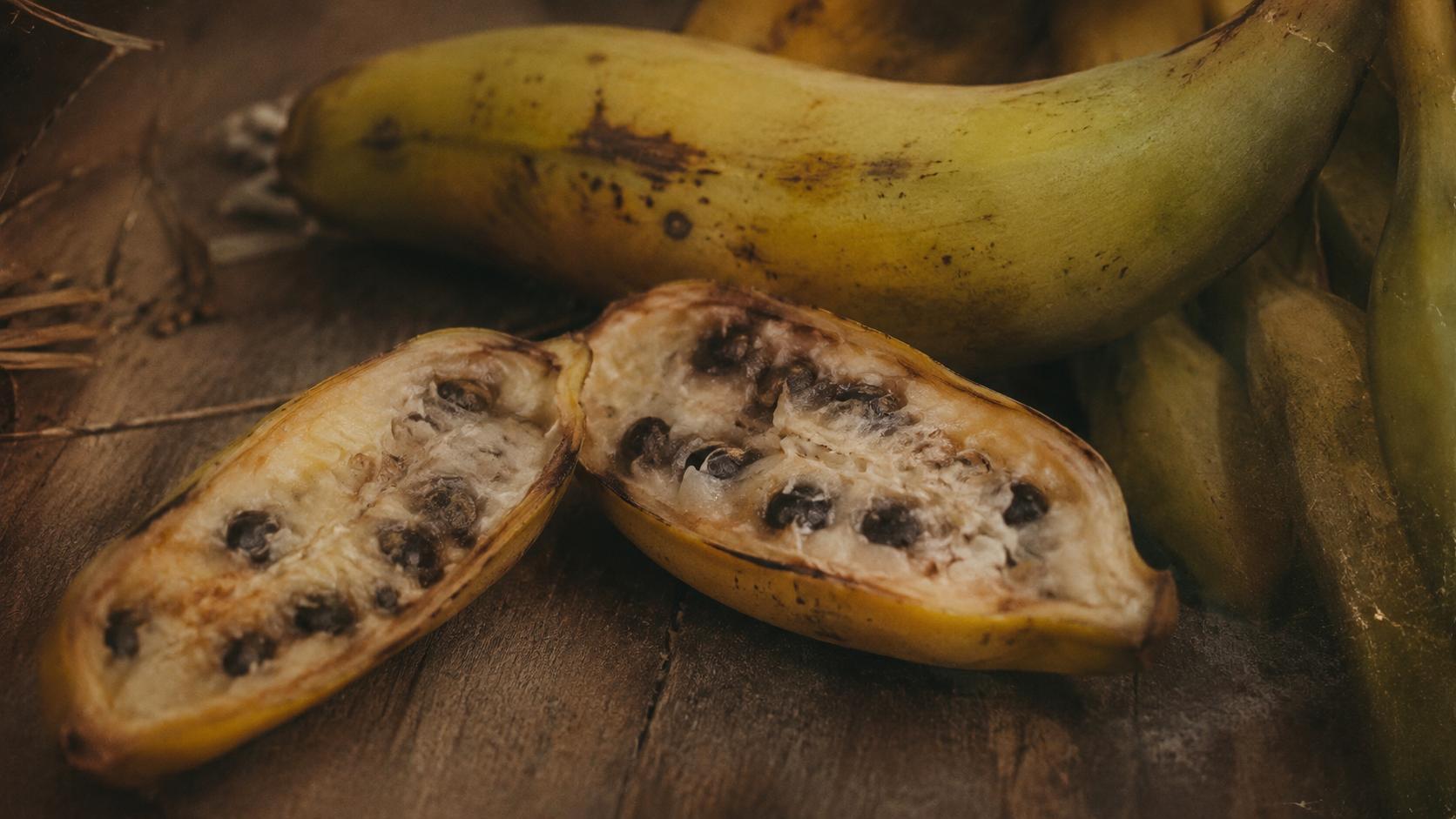
Peeling a banana today is about as effortless as eating fruit gets, but wild bananas were a completely different experience. Their flesh contained numerous large, hard seeds that made them much less convenient to eat. Wild Musa acuminata still demonstrates this unusual appearance, with dark seeds occupying much of the fruit’s interior. Generations of cultivation and the development of seedless hybrids eventually gave us the soft, sweet bananas that fill supermarket shelves.
3. Corn Started Out Looking Like a Wild Grass
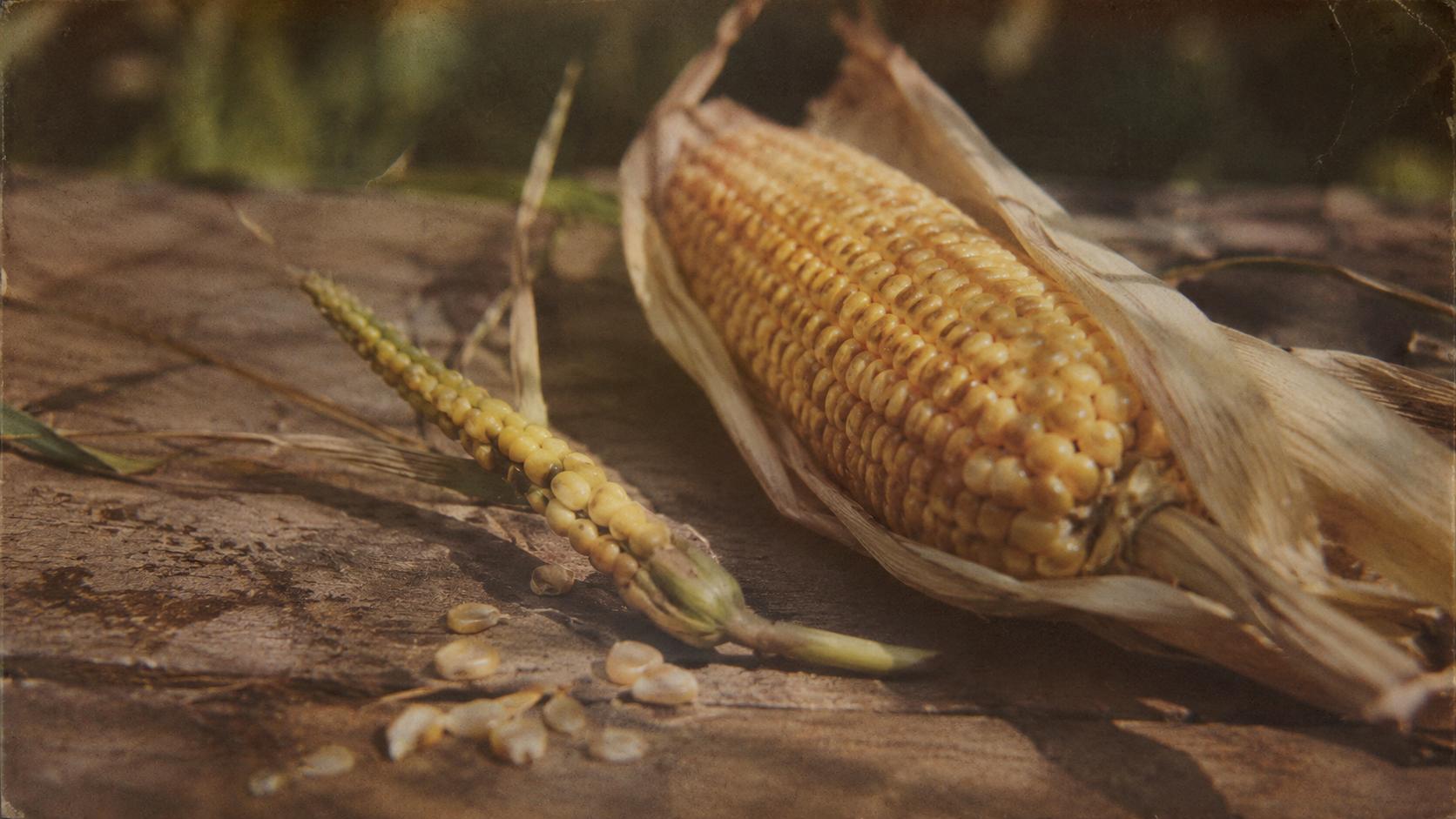
Modern corn is instantly recognizable by its large golden cobs and neatly arranged kernels. Its wild ancestor, teosinte, looked more like an ordinary grass, producing small structures with only a handful of seeds enclosed in hard protective coverings. Around 9,000 years ago, Indigenous farmers in Mexico began cultivating and selecting plants with desirable characteristics. Over countless generations, this unassuming grass evolved into one of the world’s most important food crops.
4. Carrots Weren’t Originally Orange or Particularly Thick
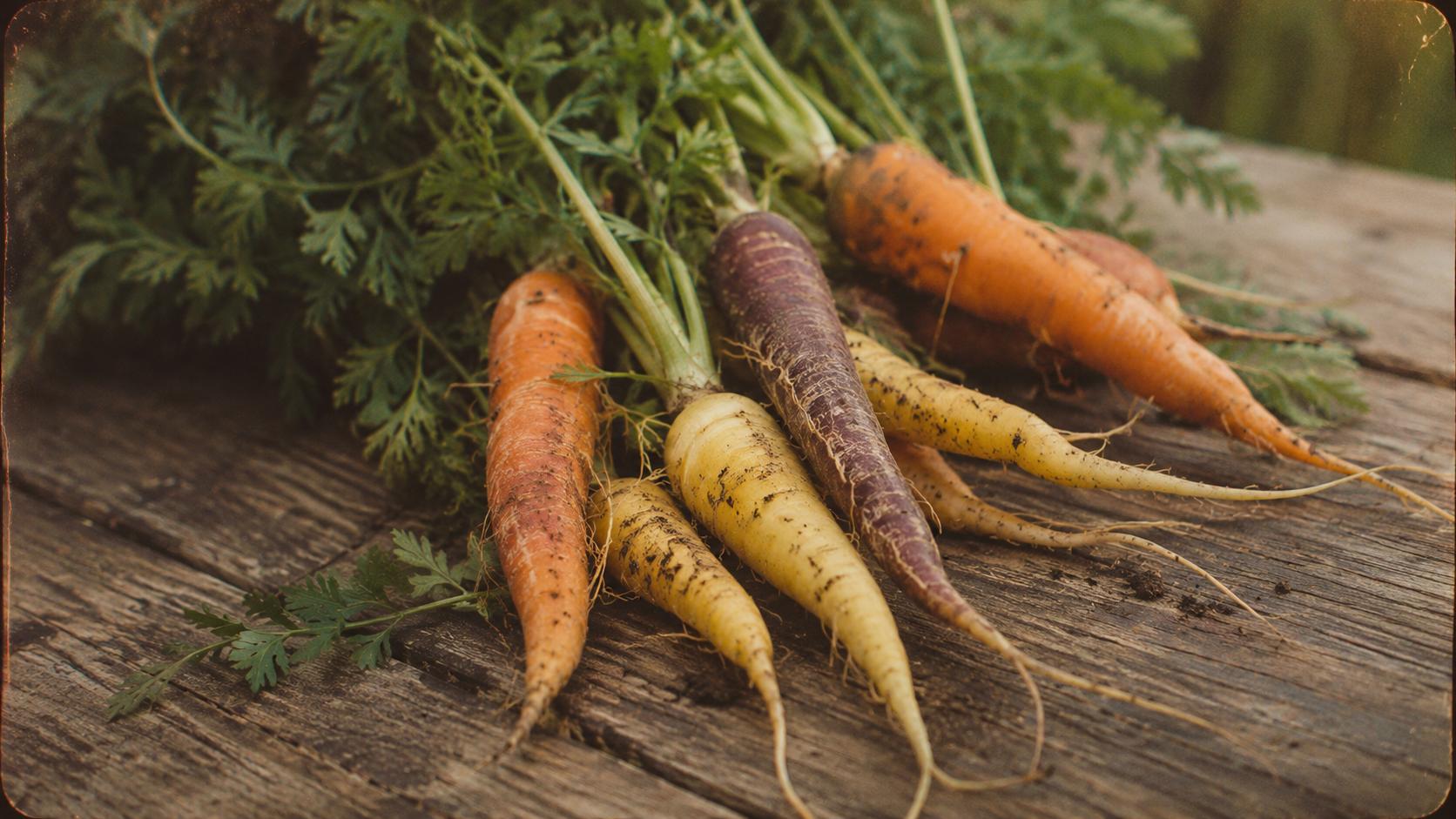
The bright orange carrot we know today is only one chapter in a much longer story. Wild carrots originally had thin, fibrous roots, while early cultivated varieties often appeared in shades of purple and yellow. Orange carrots became especially prominent in Europe during the 17th century as growers selected plants with desirable colors and larger, fleshier roots. The familiar orange appearance comes from beta-carotene, a natural pigment that became increasingly concentrated through breeding.
5. Eggplants Used to Be Small, Round, and Prickly
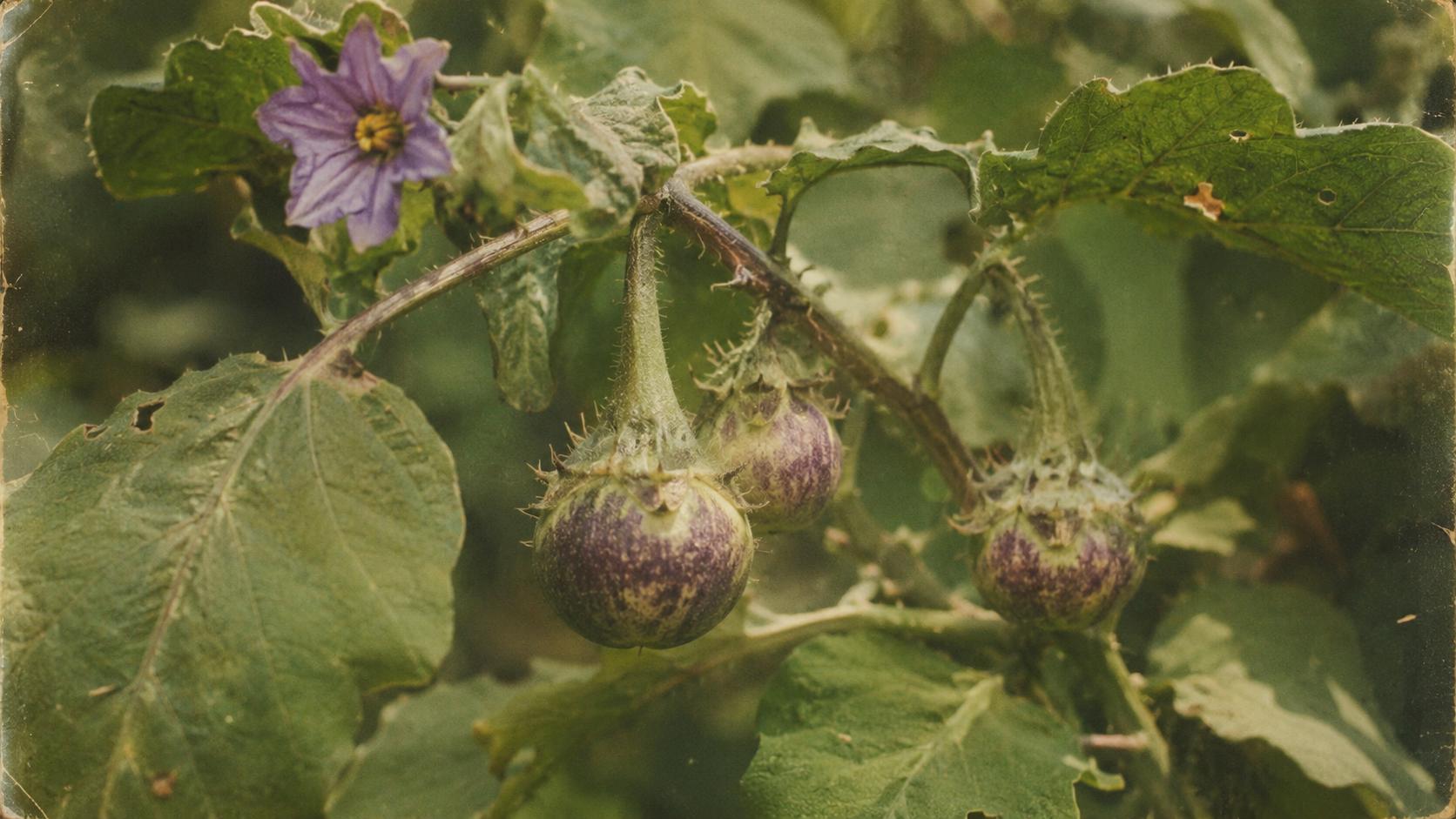
The smooth, glossy purple eggplants found in grocery stores would have looked surprisingly different from their wild relatives. Early forms produced much smaller, rounder fruits, often growing on plants covered with sharp prickles. They were also considerably more bitter than the varieties commonly eaten today. Historical Chinese records reveal that farmers spent centuries selecting eggplants for improved size, flavor, and appearance, eventually producing the diverse vegetables we recognize today.
Trending on Wealth Gang


6. Some Wild Tomatoes Were Tiny Compared With Today’s Beefsteaks
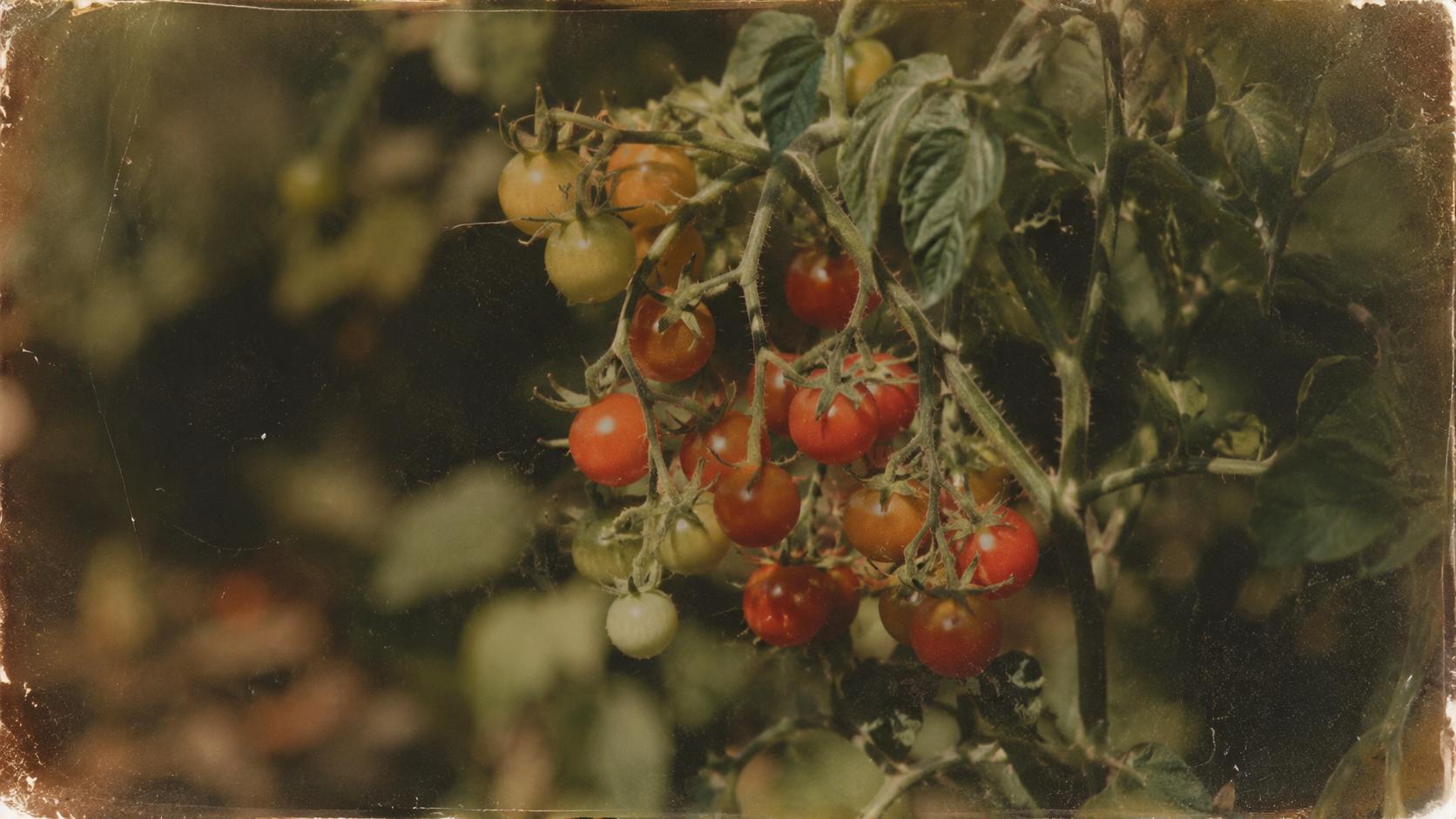
A single beefsteak tomato can practically cover an entire sandwich, but some wild tomato relatives produce fruits barely larger than berries. Researchers have found that certain cultivated tomatoes can weigh roughly a thousand times more than their tiny wild counterparts. By the time tomatoes reached Europe during the 16th century, they already existed in multiple colors, shapes, and sizes. Continued breeding eventually produced everything from miniature cherry tomatoes to the enormous varieties used in modern kitchens.
7. Cucumbers Were Once Small, Round, and Covered in Spines
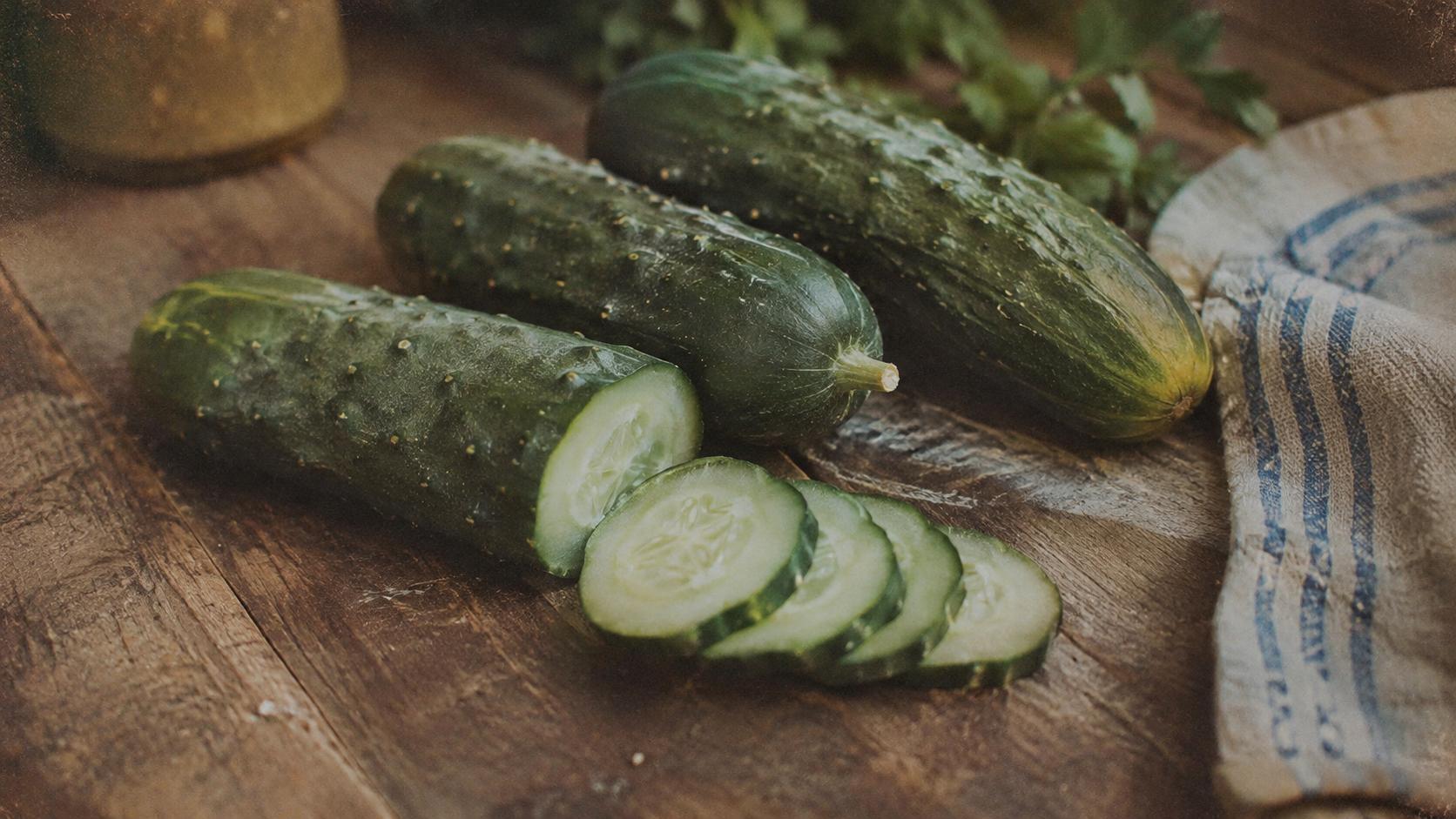
The long, smooth cucumbers we slice into salads have little resemblance to some of their wild ancestors. Cucumis sativus var. hardwickii produces small fruits, often measuring only 3 to 5 centimeters, with rounded shapes and numerous surface spines. Their extremely bitter flavor would also surprise anyone expecting a refreshing cucumber. Thousands of years of cultivation favored larger, milder fruits, gradually creating the elongated vegetables that became kitchen staples.
8. Peaches Were Once Much Smaller Than Today’s Juicy Fruits
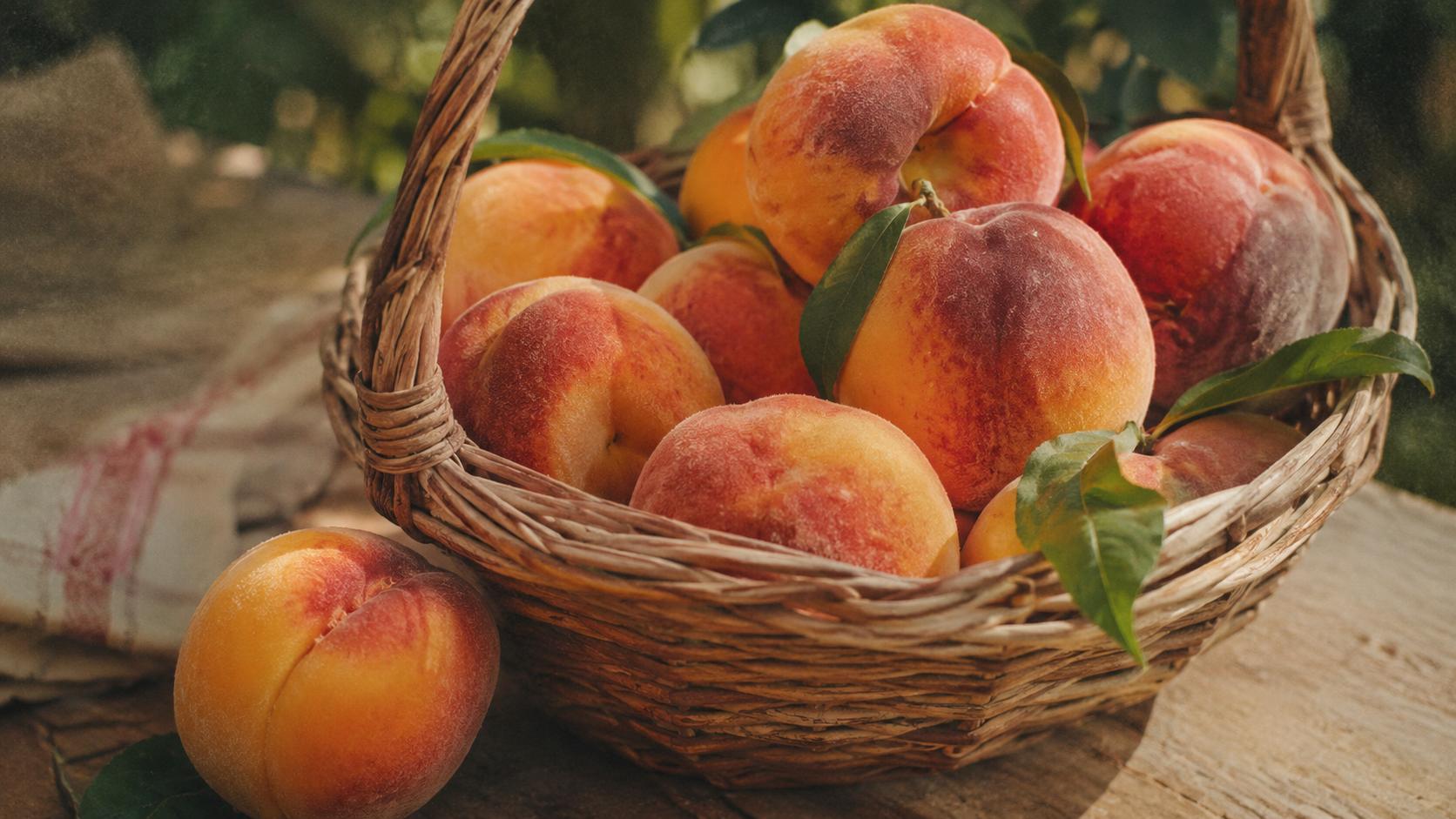
Today’s peaches are prized for their generous size and juicy flesh, but their ancestors were considerably smaller. Archaeological discoveries in China’s Yangtze River Valley reveal that people began influencing peach development approximately 7,500 years ago. Researchers studying preserved peach pits found evidence of gradual increases in fruit size, suggesting that generations of growers deliberately favored larger varieties. This transformation took thousands of years, eventually producing the plump peaches we enjoy today.
Sign up for our newsletter
9. Modern Strawberries Came From Two Different Wild Species
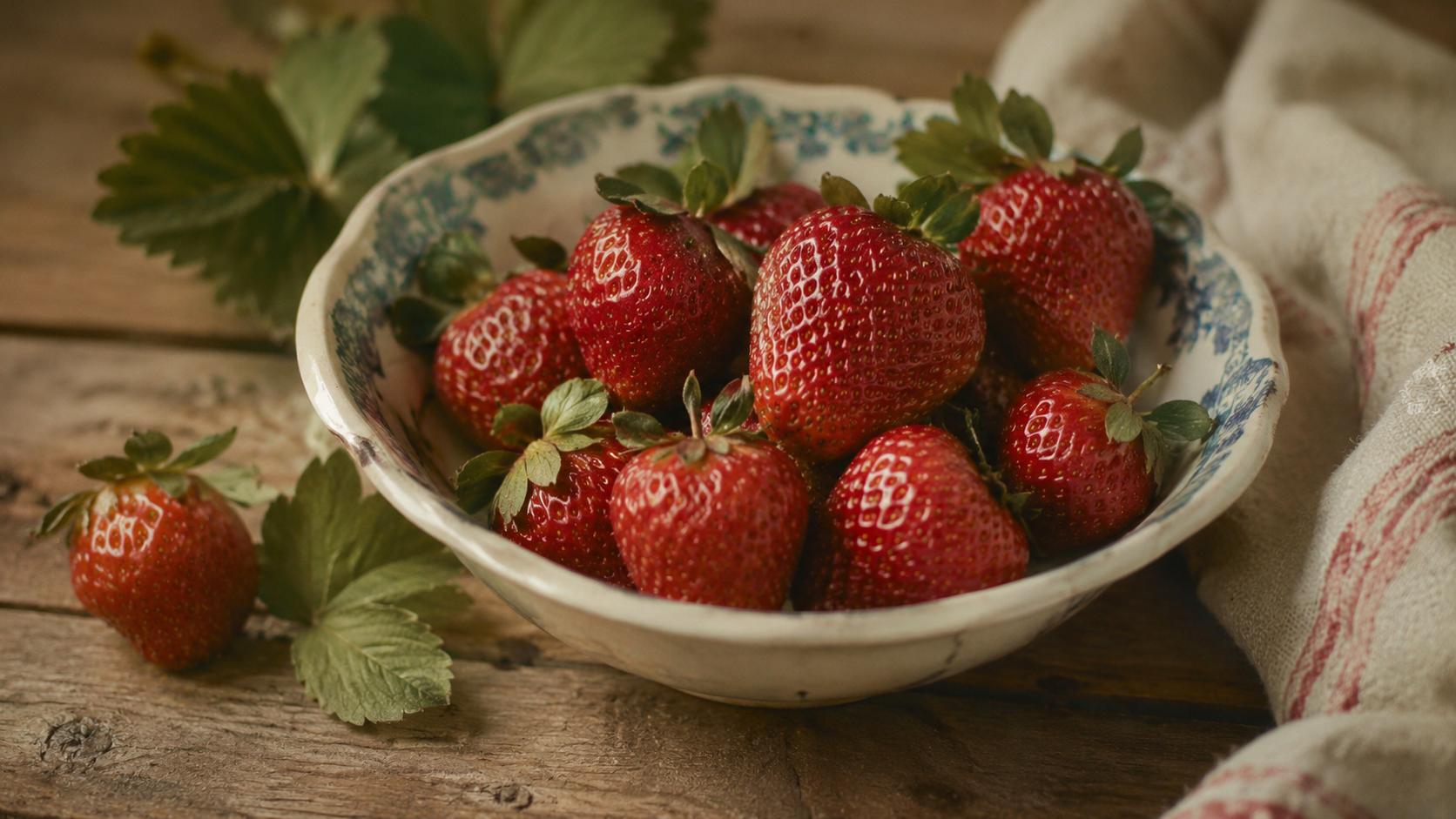
Those enormous strawberries displayed in supermarket containers have a surprisingly international family history. Modern garden strawberries originated in 18th-century Europe when wild strawberry species from eastern North America and Chile were crossed. The resulting hybrids eventually became the foundation of today’s cultivated strawberries. Continued breeding helped develop the large, firm, attractive berries that dominate modern markets, making them quite different from the smaller wild fruits that contributed to their ancestry.
10. Avocados Became Larger After Thousands of Years of Human Selection
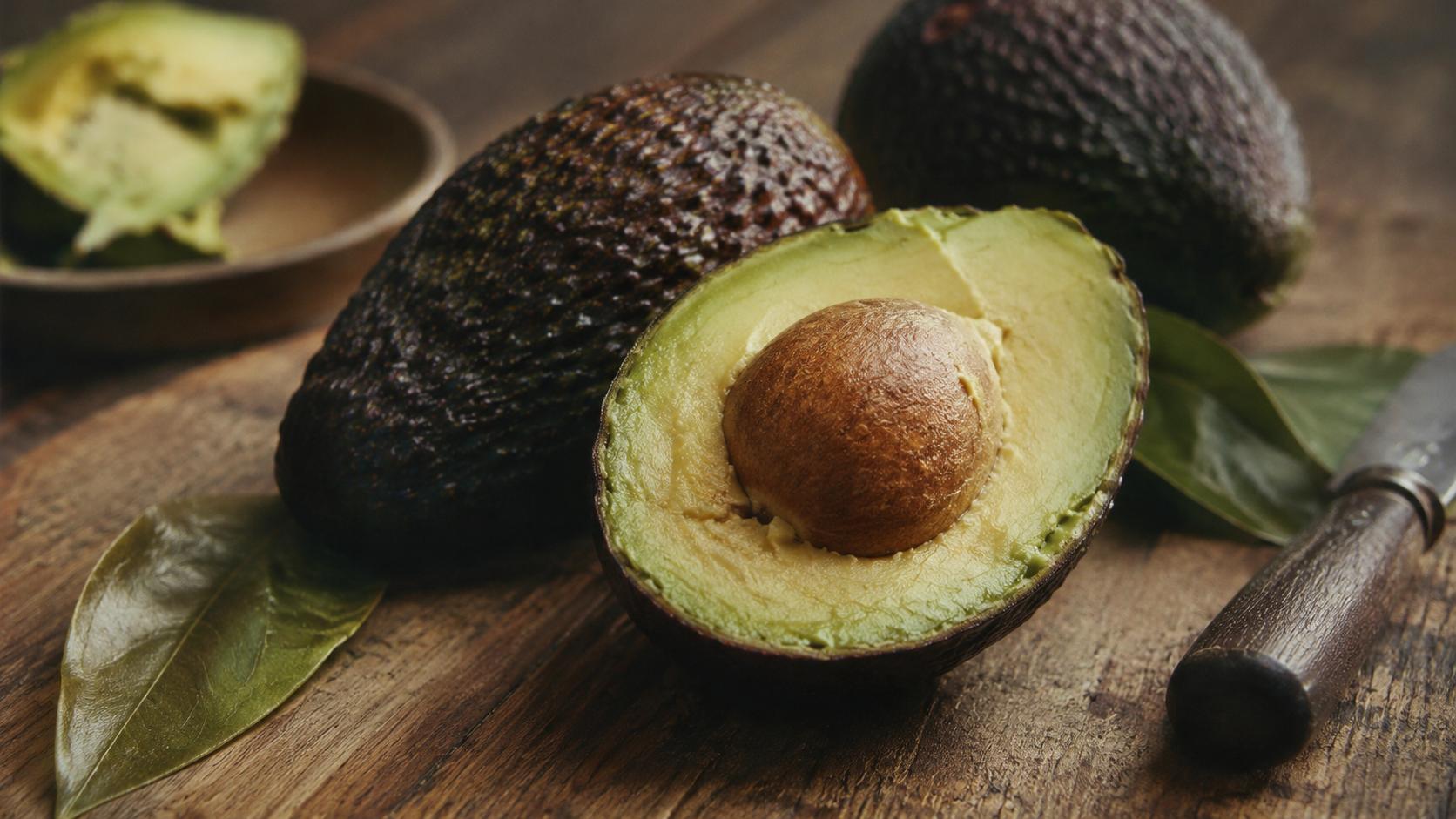
The large, creamy avocados we spread on toast are the result of a remarkably long agricultural history. Archaeological evidence from Honduras suggests that people began selecting avocados with larger fruits and thicker skins more than 7,000 years ago. These changes developed gradually as communities cultivated trees with characteristics they preferred. Long before the popular Hass avocado existed, human selection was already transforming this ancient fruit into something increasingly similar to the avocados we recognize today.
11. The Ancestors of Modern Apples Could Be as Small as Chicken Eggs
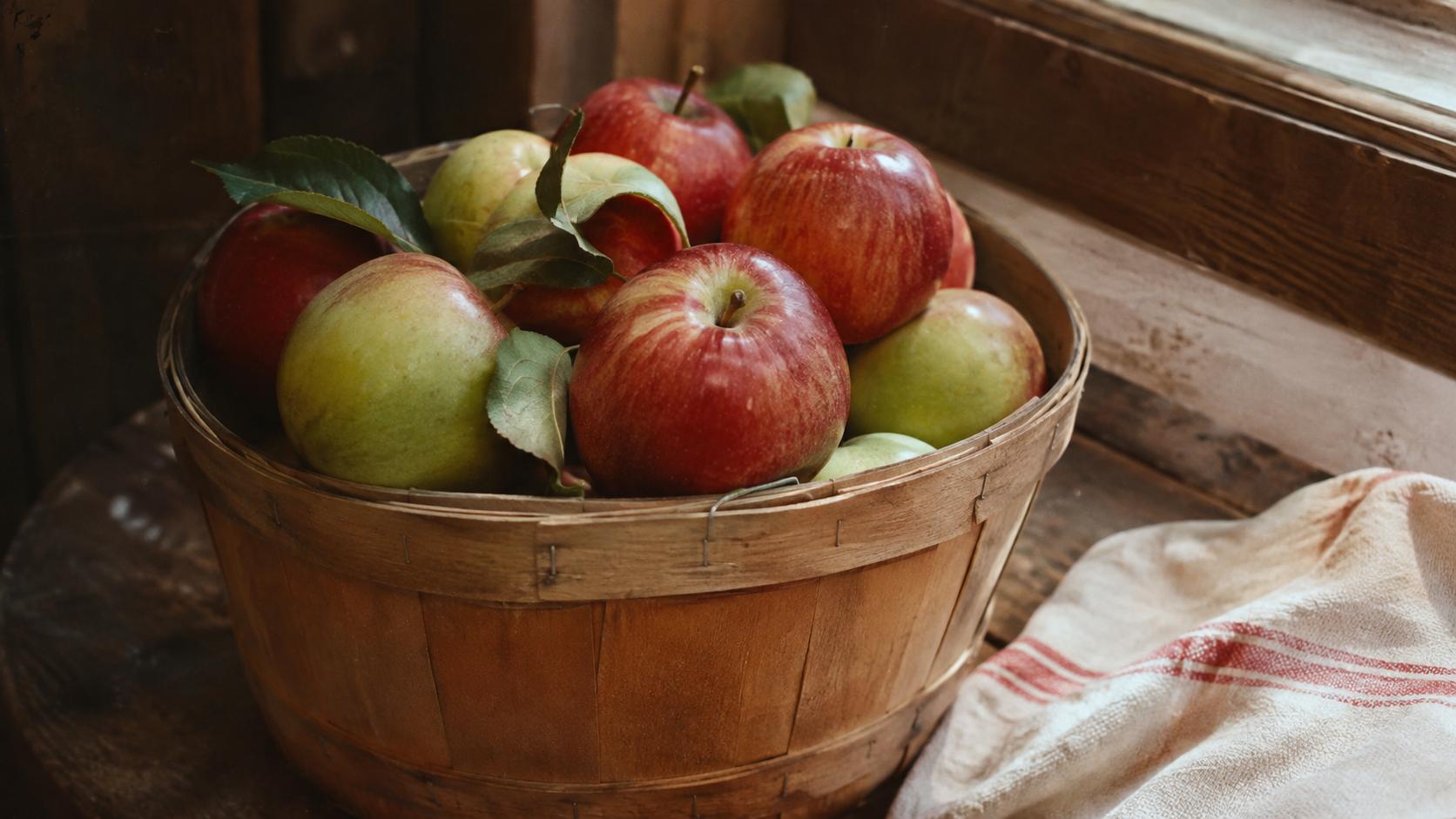
Not every apple was originally the large, polished fruit found in grocery stores. Malus sieversii, a wild apple species native to Central Asia, is considered the primary ancestor of modern cultivated apples. During an expedition in 1793, botanist Johann August Carl Sievers described wild apples approximately the size of chicken eggs, displaying red and yellow coloring. Although wild apples already varied naturally, centuries of cultivation helped produce the larger, more consistent varieties sold today.
12. Wild Pumpkins Were So Bitter That Most Mammals Avoided Them
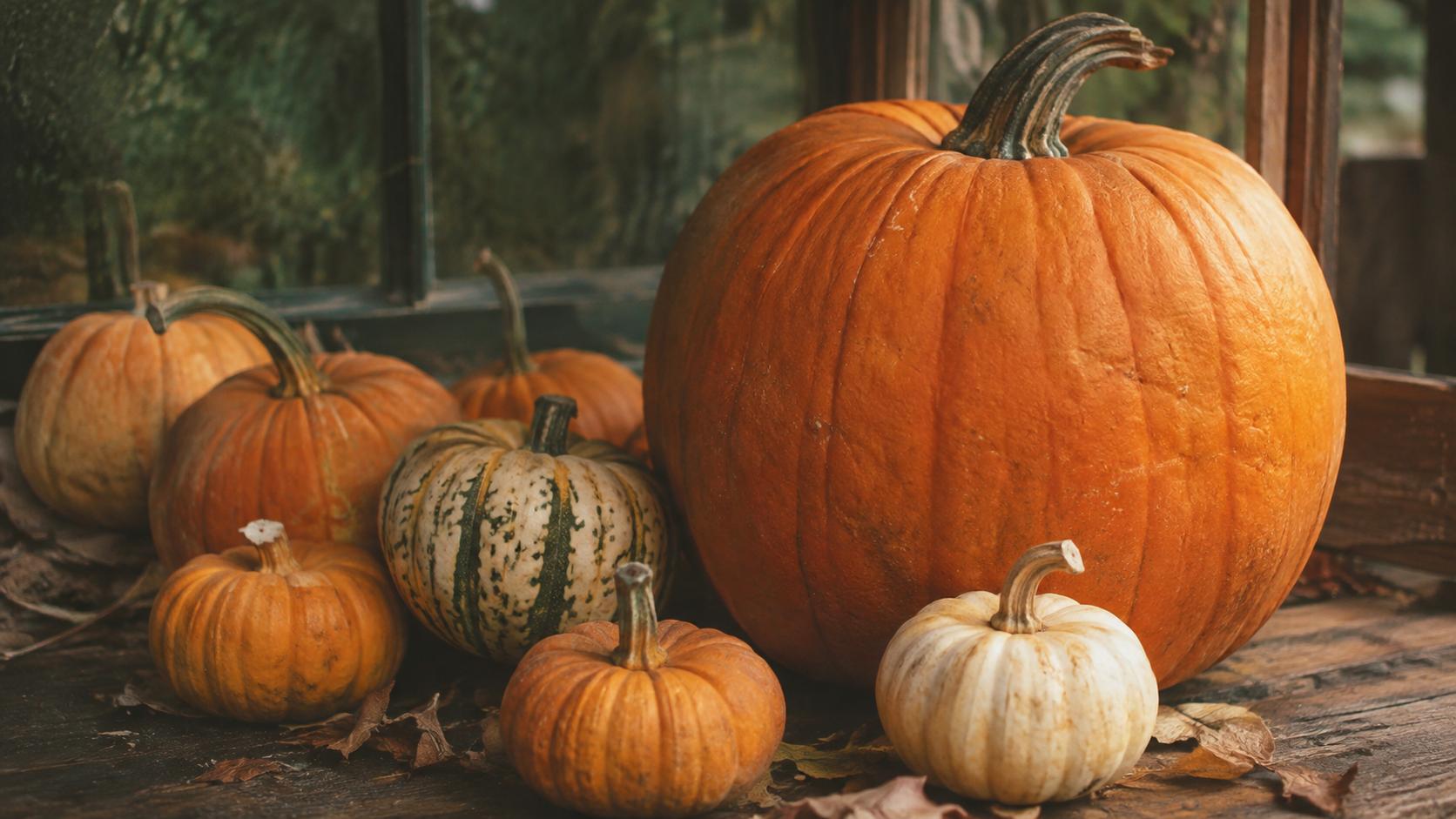
Pumpkin pie might be a beloved holiday dessert, but the wild ancestors of pumpkins and squashes were often extremely bitter. Their strong chemical defenses made them unappealing to many smaller mammals. Interestingly, scientists have discovered ancient squash seeds in fossilized mastodon dung, suggesting that enormous prehistoric animals helped spread these plants. As humans began cultivating squash, they favored more edible varieties, eventually creating the pumpkins and squashes used in everything from soups to Thanksgiving desserts.
13. Broccoli Began as a Wild Cabbage-Like Plant
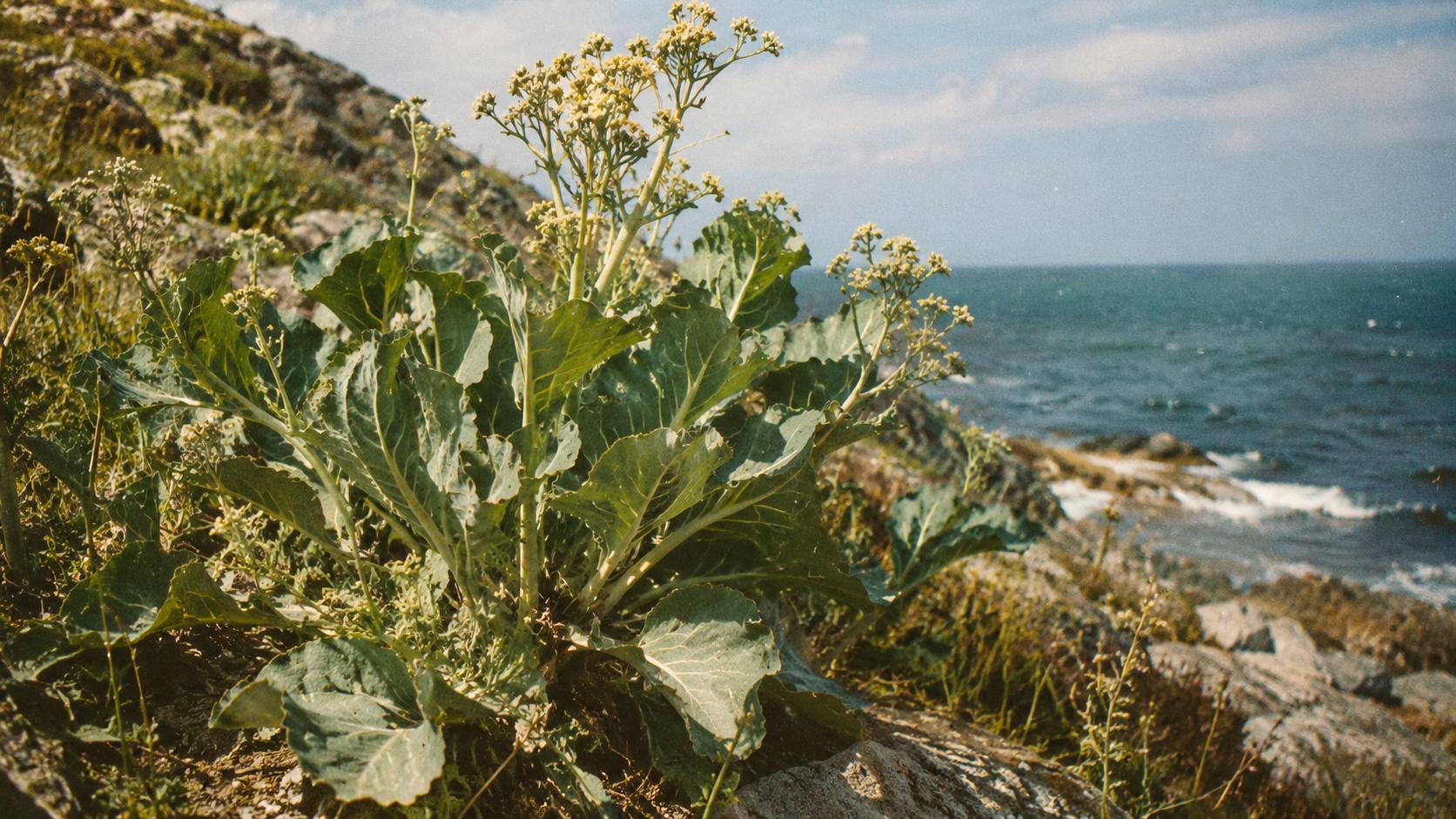
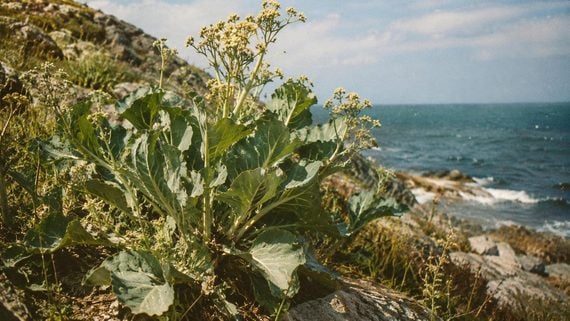
Broccoli might look like a miniature tree, but its ancestors were leafy plants that looked nothing like the familiar green florets we eat today. It belongs to the same species as cabbage, kale, cauliflower, and Brussels sprouts. Through generations of selective breeding, farmers emphasized the plant’s developing flower structures until they became the compact green heads associated with broccoli. What seems like an entirely separate vegetable is actually one of several remarkable variations of the same plant species.
14. Cauliflower’s White Head Was Created Through Selective Breeding
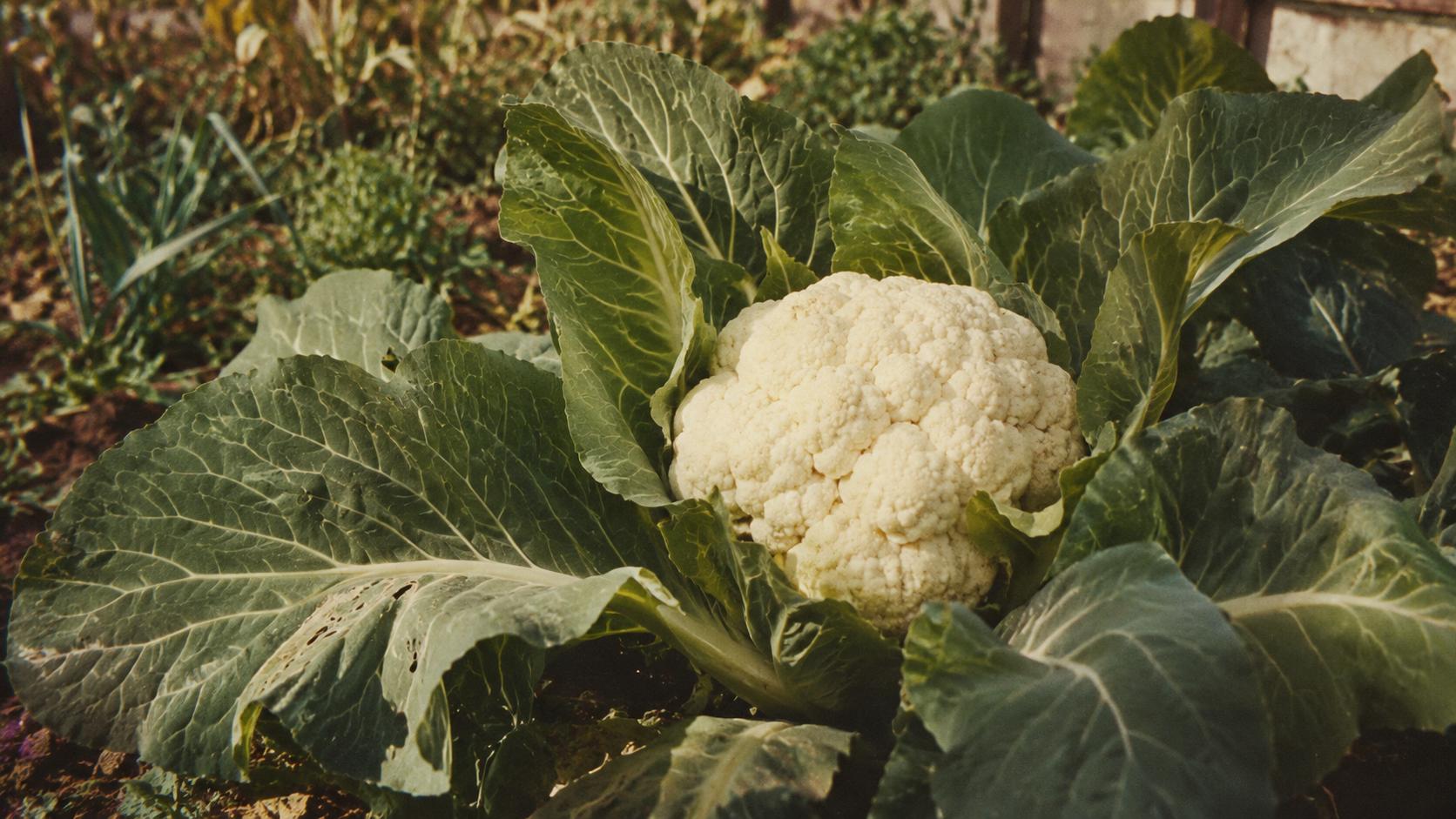
Cauliflower’s dense white head might seem like a natural feature, but wild brassica plants never produced anything quite like it. Farmers gradually selected plants with enlarged, tightly packed immature flowering structures, eventually developing the recognizable cauliflower we see today. Even more surprising, cauliflower shares its species with broccoli, cabbage, kale, and Brussels sprouts. Their dramatically different appearances demonstrate how generations of agricultural selection can transform a single plant species into several familiar vegetables.
15. Chocolate Was a Bitter Drink Long Before It Became a Candy Bar
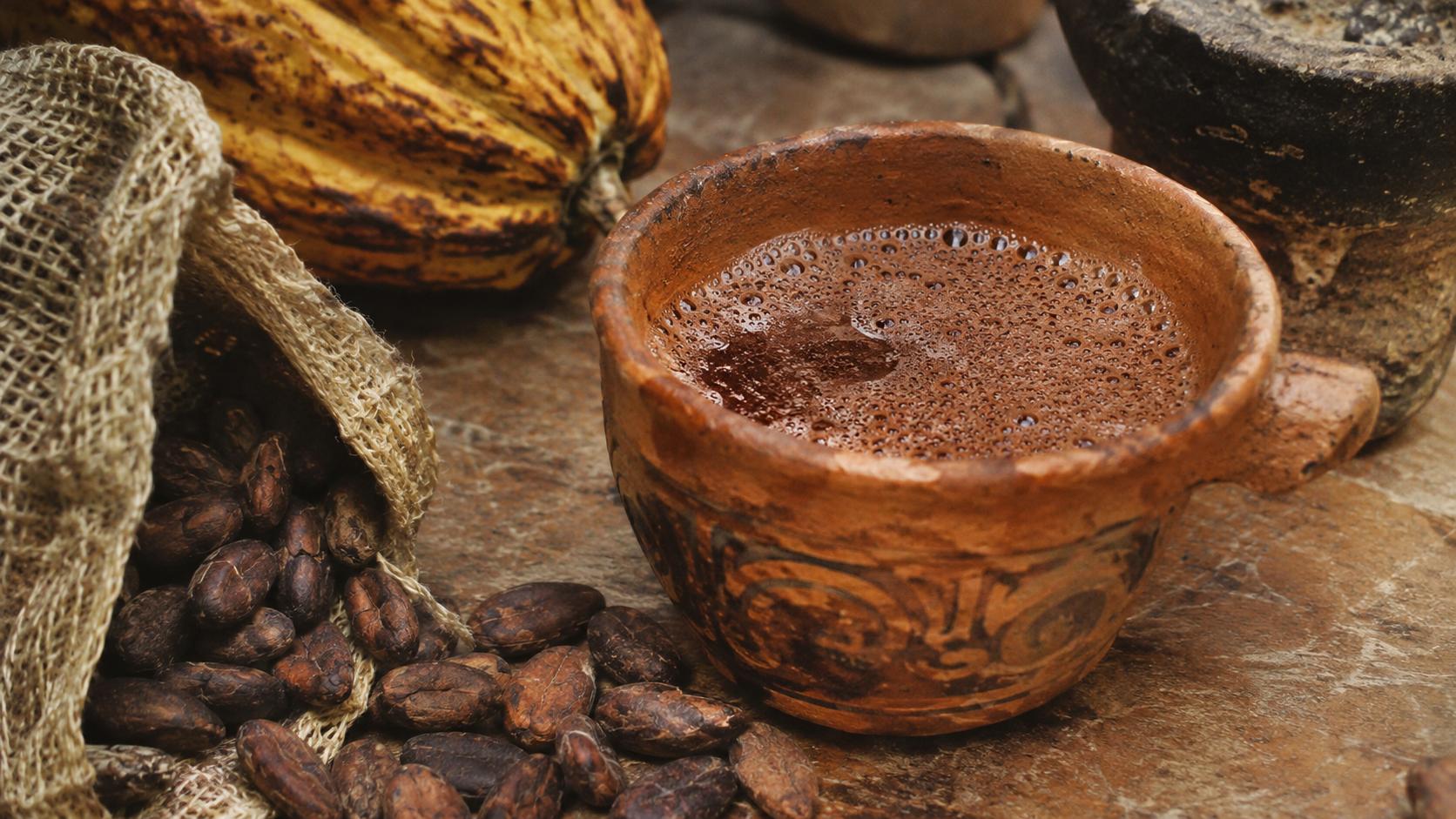
For much of human history, chocolate wasn’t something you could unwrap and eat. Ancient Mesoamerican cultures prepared cacao as a beverage, often creating drinks that were far more bitter than modern hot chocolate. These early preparations looked and tasted very different from the sweet chocolate bars we recognize today. Solid chocolate bars only emerged during the 19th century, when advances in manufacturing made it possible to combine cocoa ingredients and sugar into smooth, molded confections.
16. Ketchup Originally Looked More Like a Fermented Fish Sauce
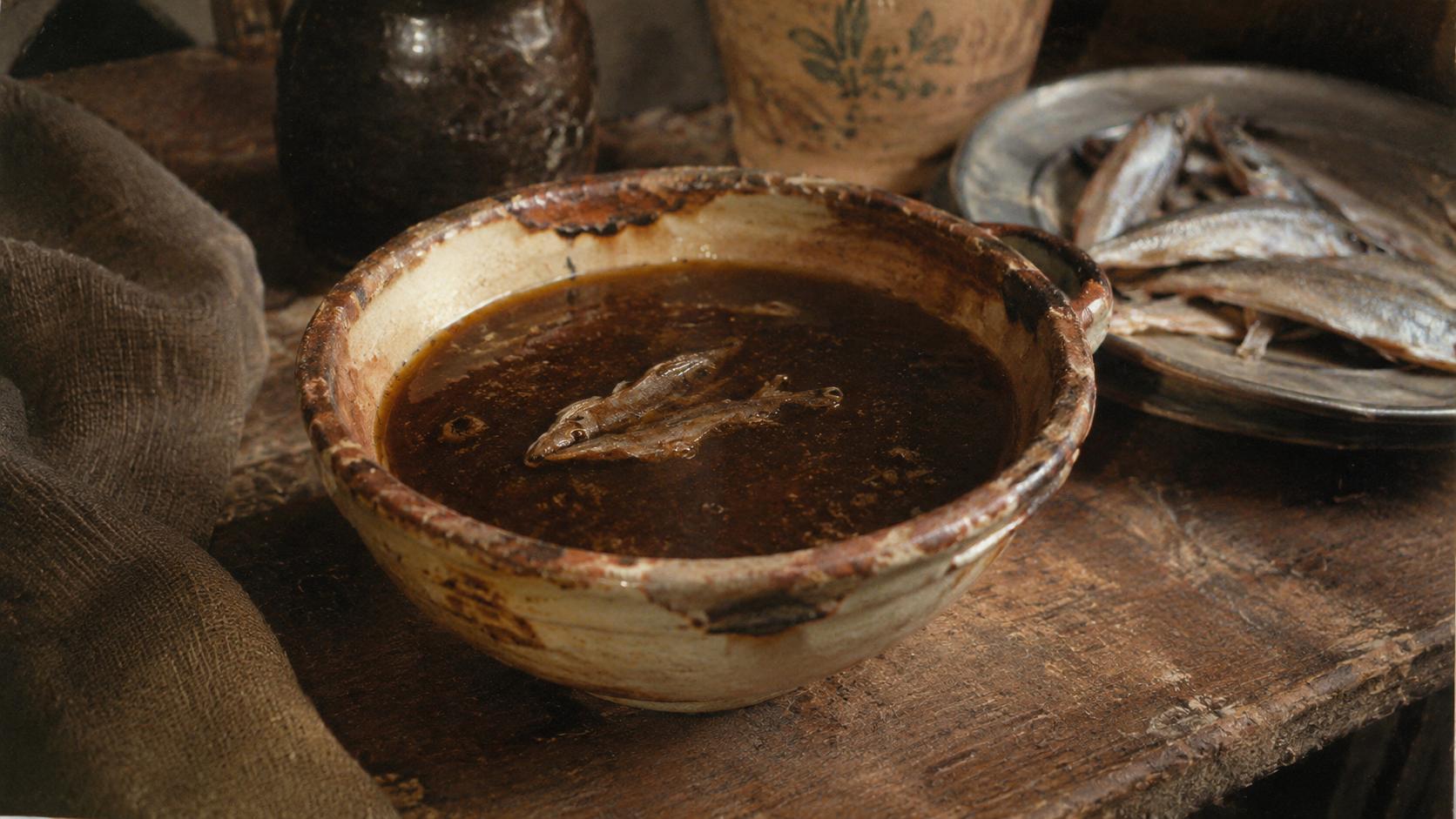
It’s difficult to imagine French fries without bright red ketchup, but the condiment originally had nothing to do with tomatoes. Its history traces back to fermented savory sauces in Asia, while 18th-century British versions featured ingredients such as mushrooms, oysters, walnuts, and anchovies. These early sauces were often dark, thin, and intensely savory. Tomato ketchup began appearing in the United States during the early 19th century, eventually developing into the thick, sweet condiment that became a household staple.
More Related Notes
• 18 Vintage Food Packages That Look Nothing Like Today’s Versions
Discover how familiar American foods once came in completely different packages, from cardboard candy tubes to old-fashioned metal cans.
• 15 Foods That Changed Their Recipes and Were Never the Same
Explore the popular foods that underwent major recipe changes, transforming their original flavors, ingredients, and textures over time.
• 15 Foods That Used to Be Sold in Completely Different Ways
Revisit the days when everyday foods came in unfamiliar forms, from butter cut from large blocks to milk delivered in glass bottles.