
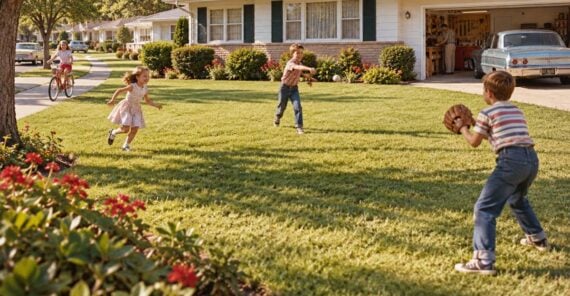
In the 1960s, suburban living became a dream for many American families. After years of economic growth following World War II, a lot of people wanted to leave crowded cities and move into homes with quiet streets. New housing developments appeared across the country, offering affordable homes and a chance to enjoy a different kind of lifestyle.
Suburban homes promised comfort and a sense of community. Families enjoyed modern kitchens, garages, and backyard barbecues. For many Americans, a suburban house represented stability and the opportunity to build a better future. Here are 15 things that made residential houses appealing during the 1960s.
1. Affordable New Houses
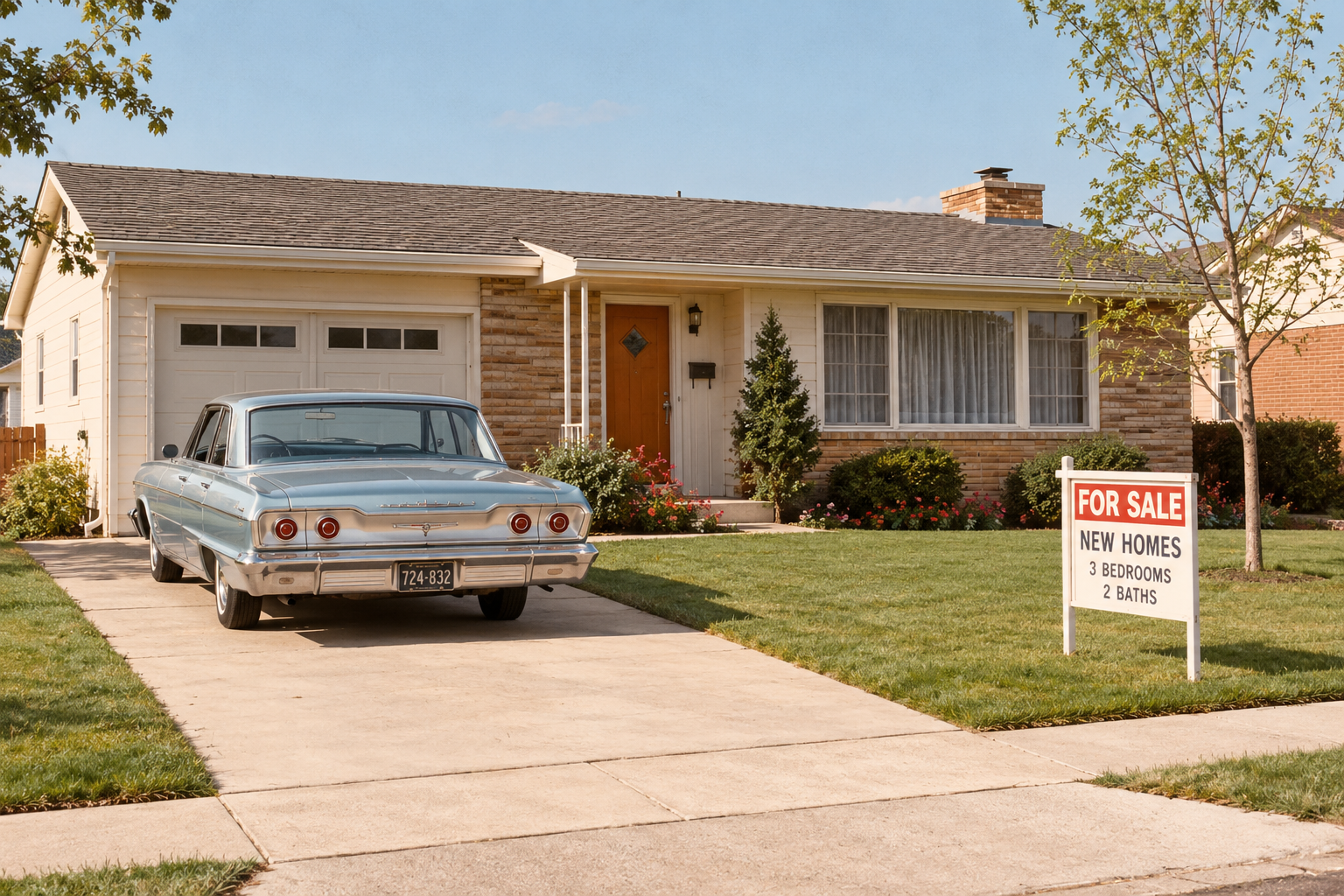
One of the biggest attractions of suburban living was the chance to buy a newly built home. Many developments offered simple houses with practical layouts at prices that middle-class families could afford. For families who had rented apartments for years, owning a house felt like a major achievement.
2. Bigger Backyards
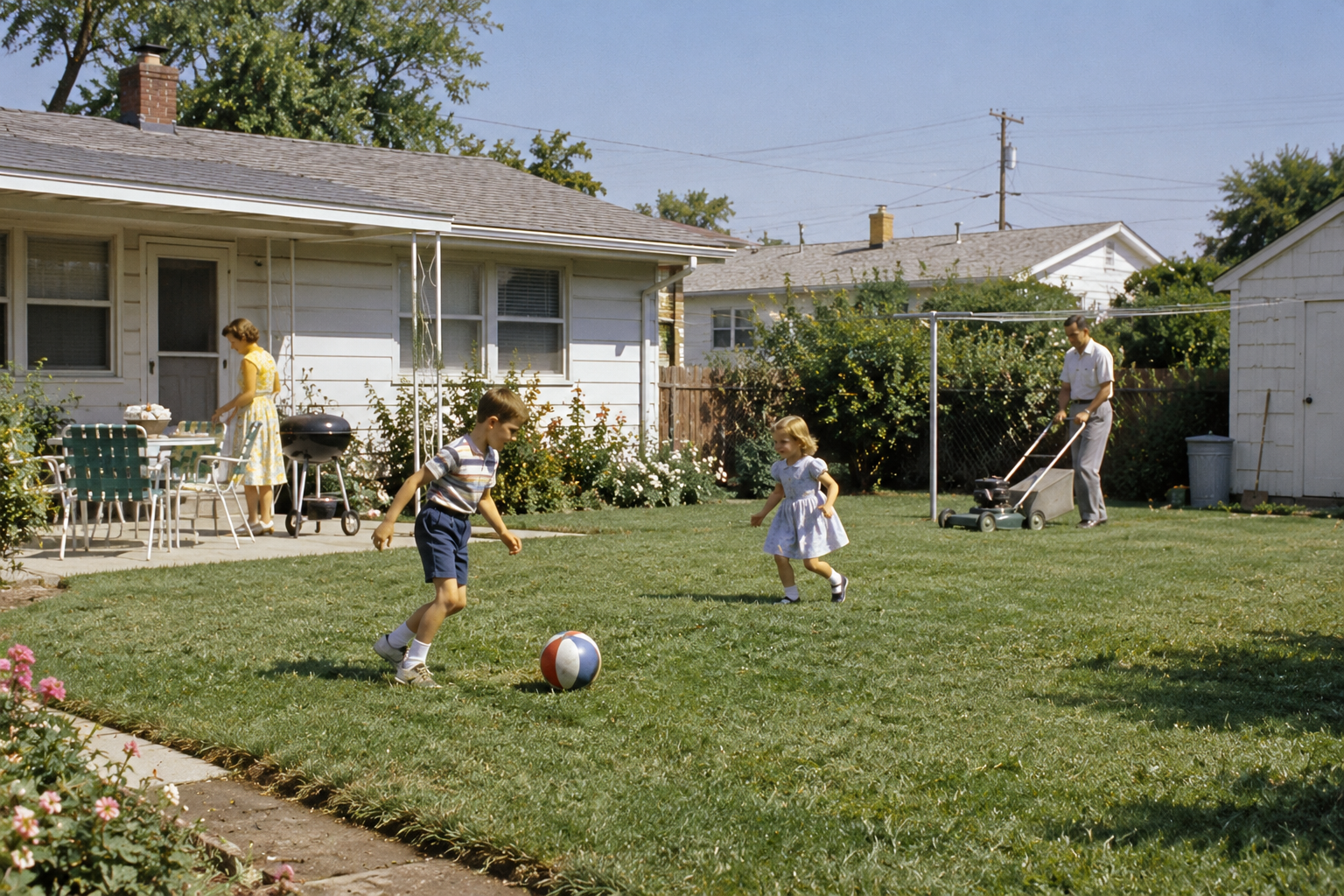
Suburban homes often came with yards that gave families extra room to enjoy the outdoors. Children played outside, parents could grow flowers, and families spent weekends working in the garden. A green lawn and a small backyard became important parts of the suburban dream.
3. Quiet Streets
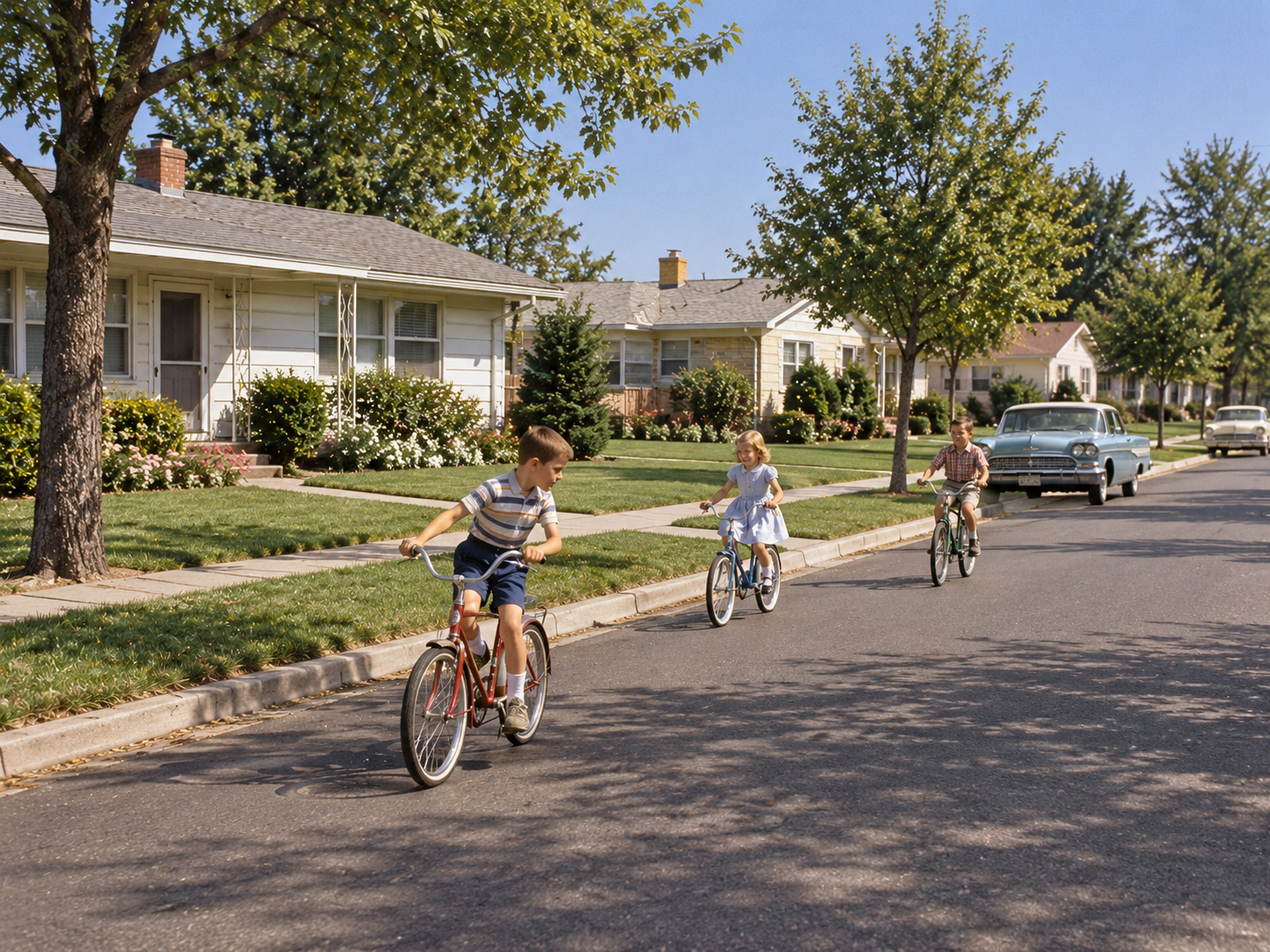
Many families were drawn to suburban neighborhoods because they seemed calmer than busy city centers. Residential streets often had less commercial traffic, more trees, and fewer buildings. Parents appreciated having places where children could ride bicycles and play with friends.
4. Modern Kitchens
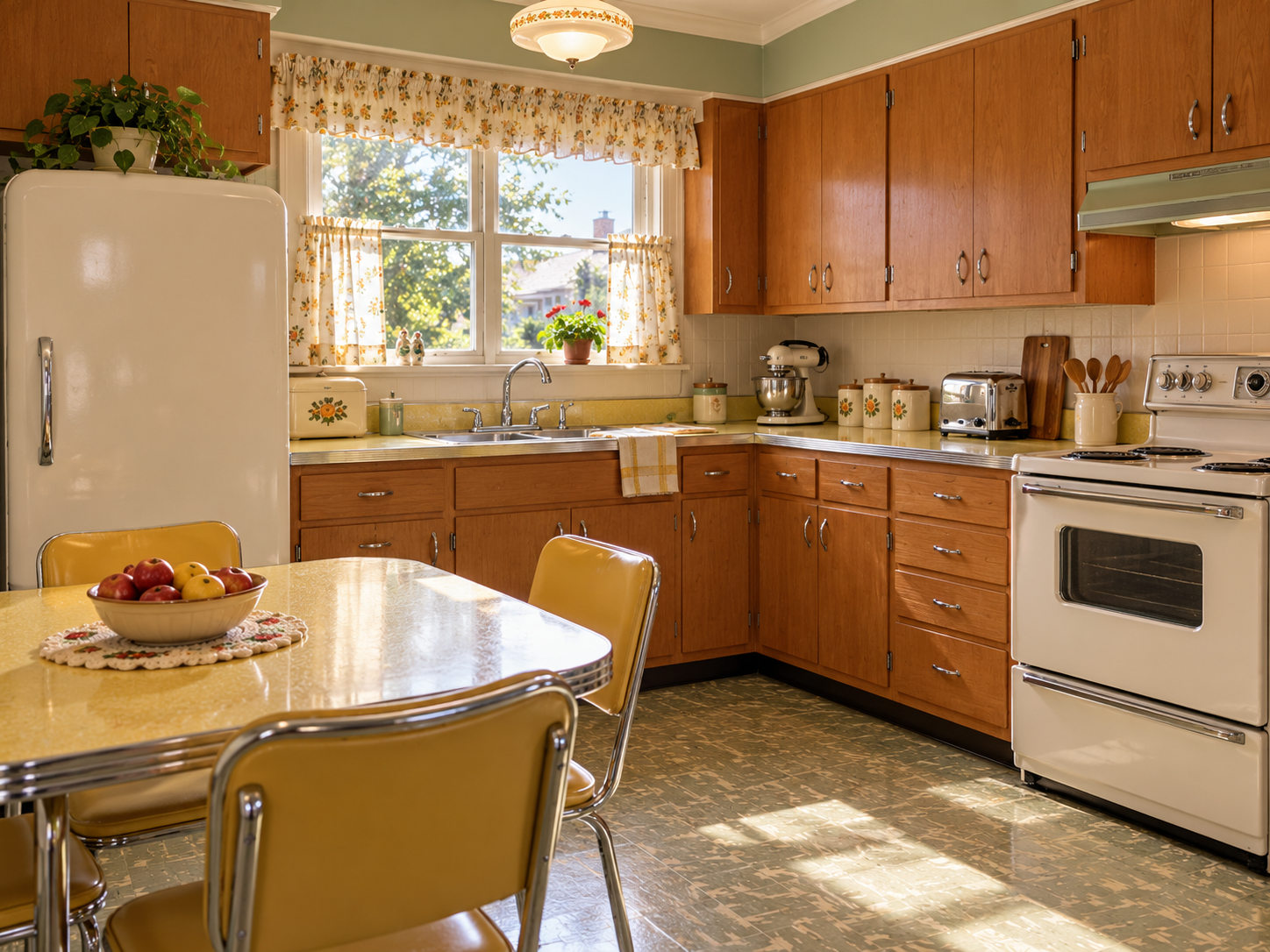
The kitchen was an important part of the modern suburban home. Many houses featured updated appliances and layouts designed to make cooking easier. Refrigerators and other machines helped families manage everyday tasks. For many homeowners, having a clean, well-equipped kitchen was a sign that they were enjoying the comforts of modern life.
5. Private Garages
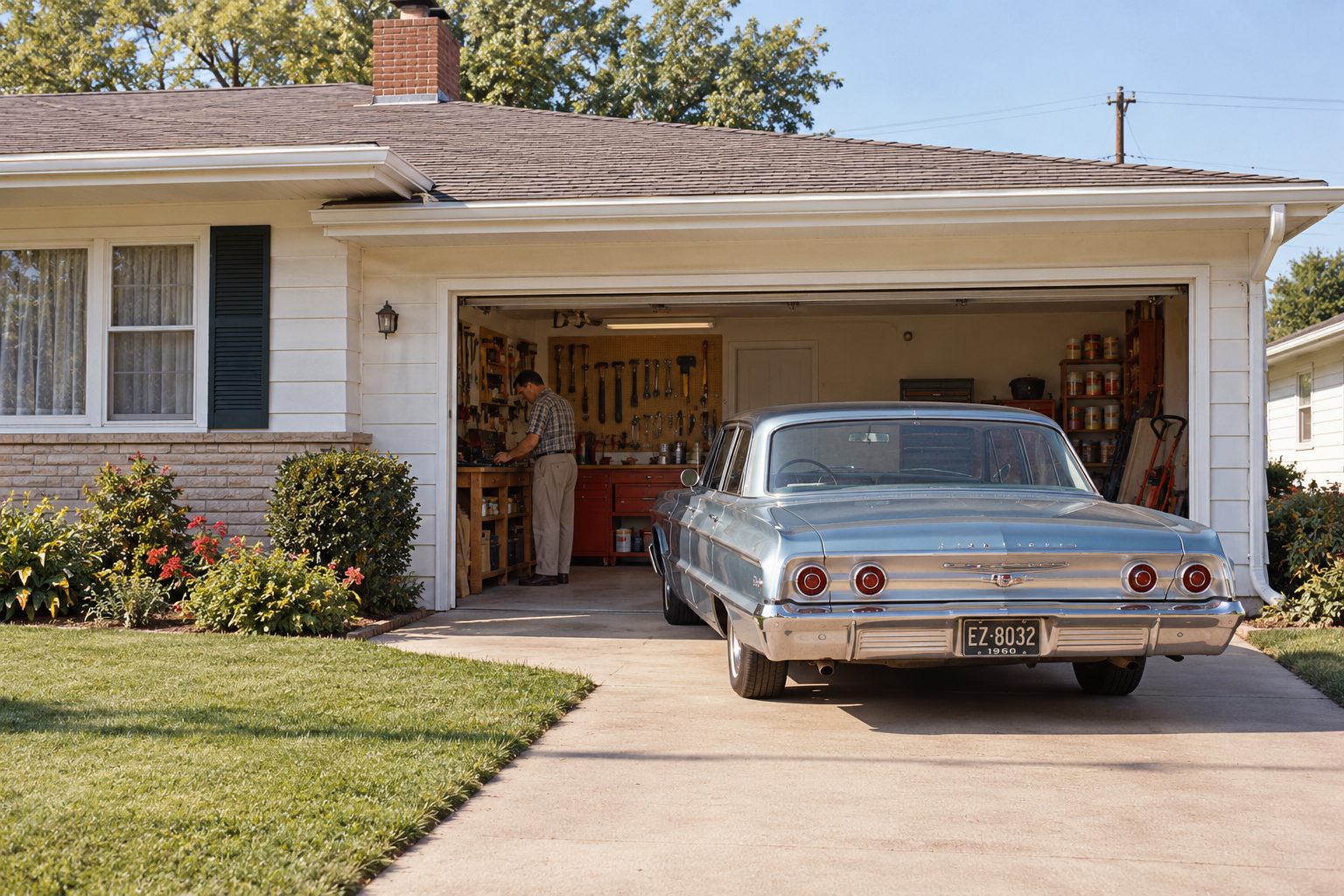
A private garage was another appealing feature, especially as car ownership became more common. Families protected their cars from bad weather and kept tools and other belongings in one place. A garage made daily life more convenient when people needed to drive to work, go shopping, or take their children to school.
Trending on Wealth Gang

6. More Space for Children
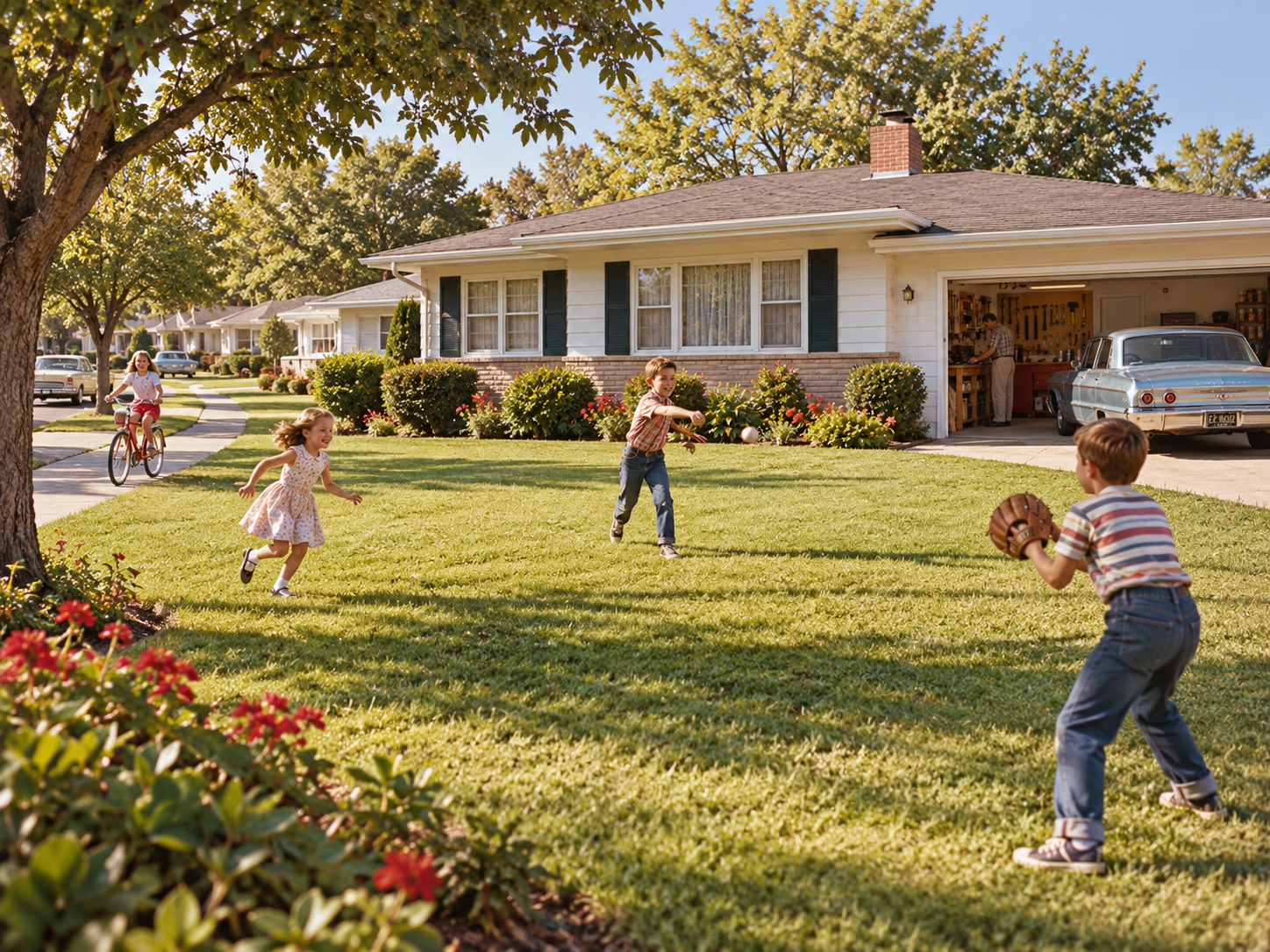
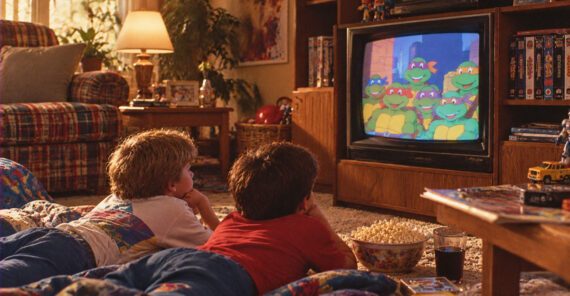
Families with children often saw suburban homes as an ideal place to raise a family. Extra bedrooms, living areas, and gardens gave children more room to grow and play. Neighborhood streets provided opportunities to meet other children and form friendships close to home.
7. Open Living Rooms
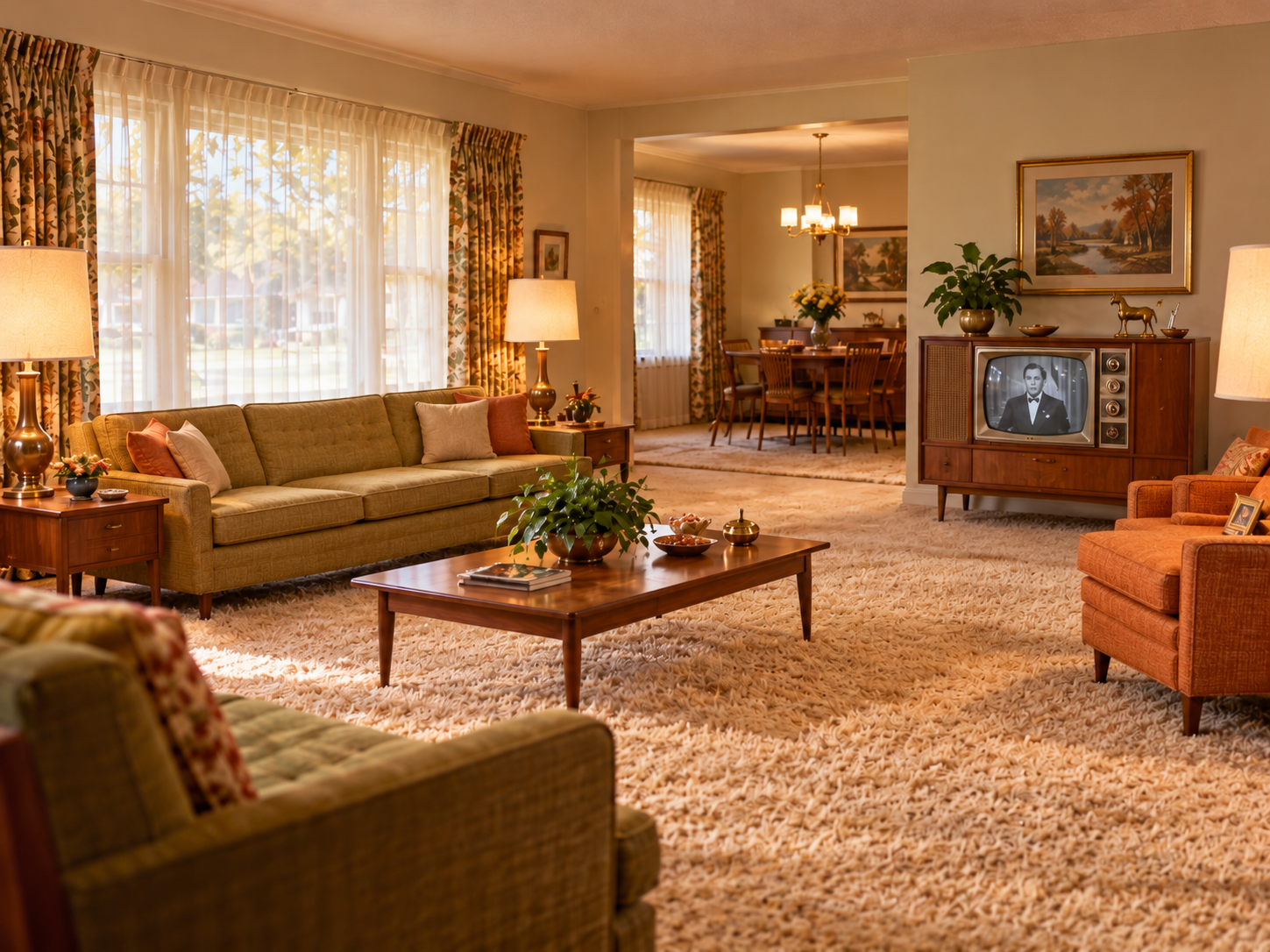
Living rooms in suburban houses were designed for family time and entertaining guests. Many had large sofas, television sets, coffee tables, and simple decorative touches. The extra space made it easier for families to gather after dinner or invite friends over on weekends.
8. Backyard Barbecues
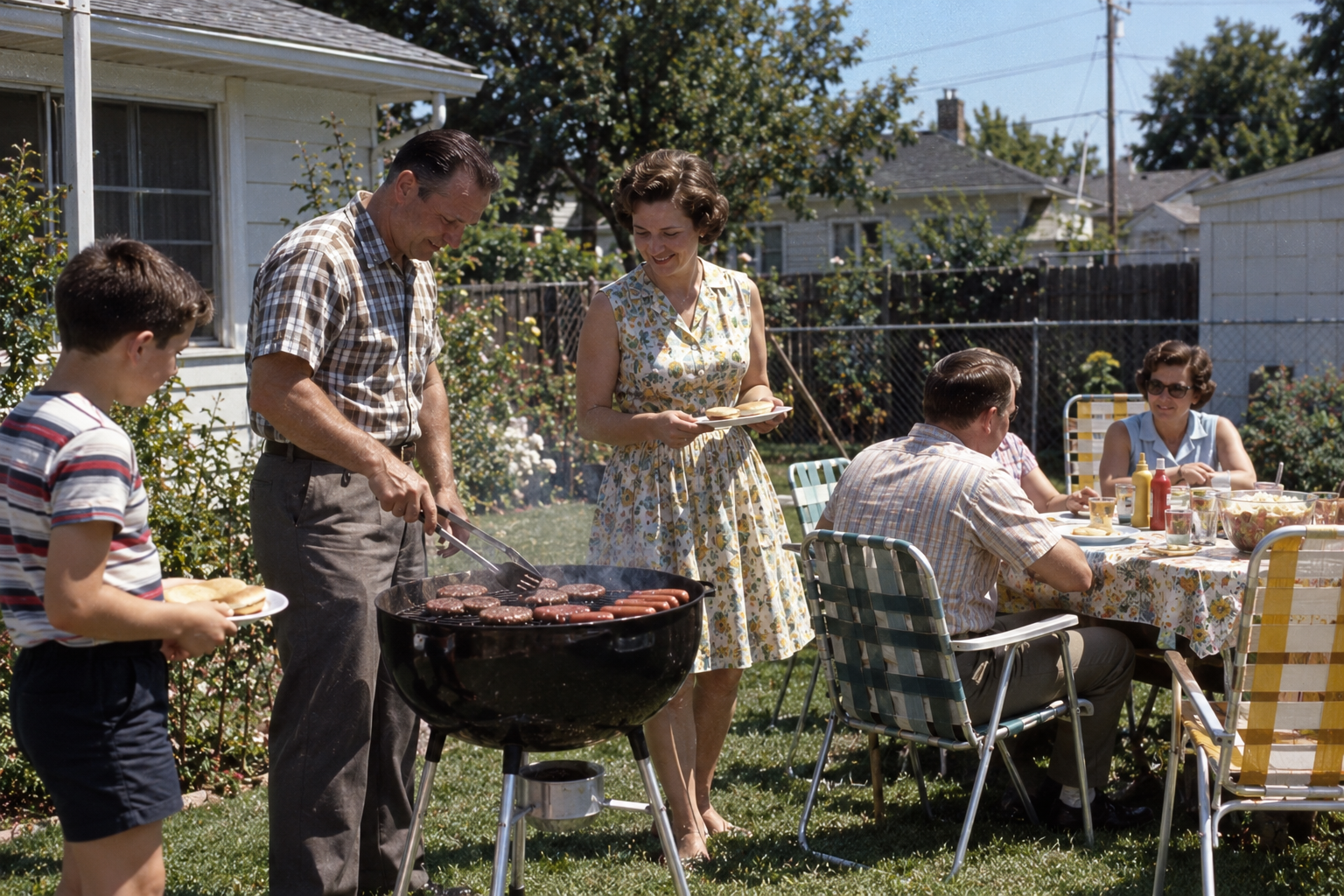
Having a backyard made it easier to enjoy outdoor meals and social gatherings. Families grilled hamburgers and hot dogs, invited neighbors over, and celebrated birthdays without leaving home. Barbecues became a popular way to spend warm weekends, combining food, fresh air, and time with friends.
Sign up for our newsletter
9. Nearby Schools
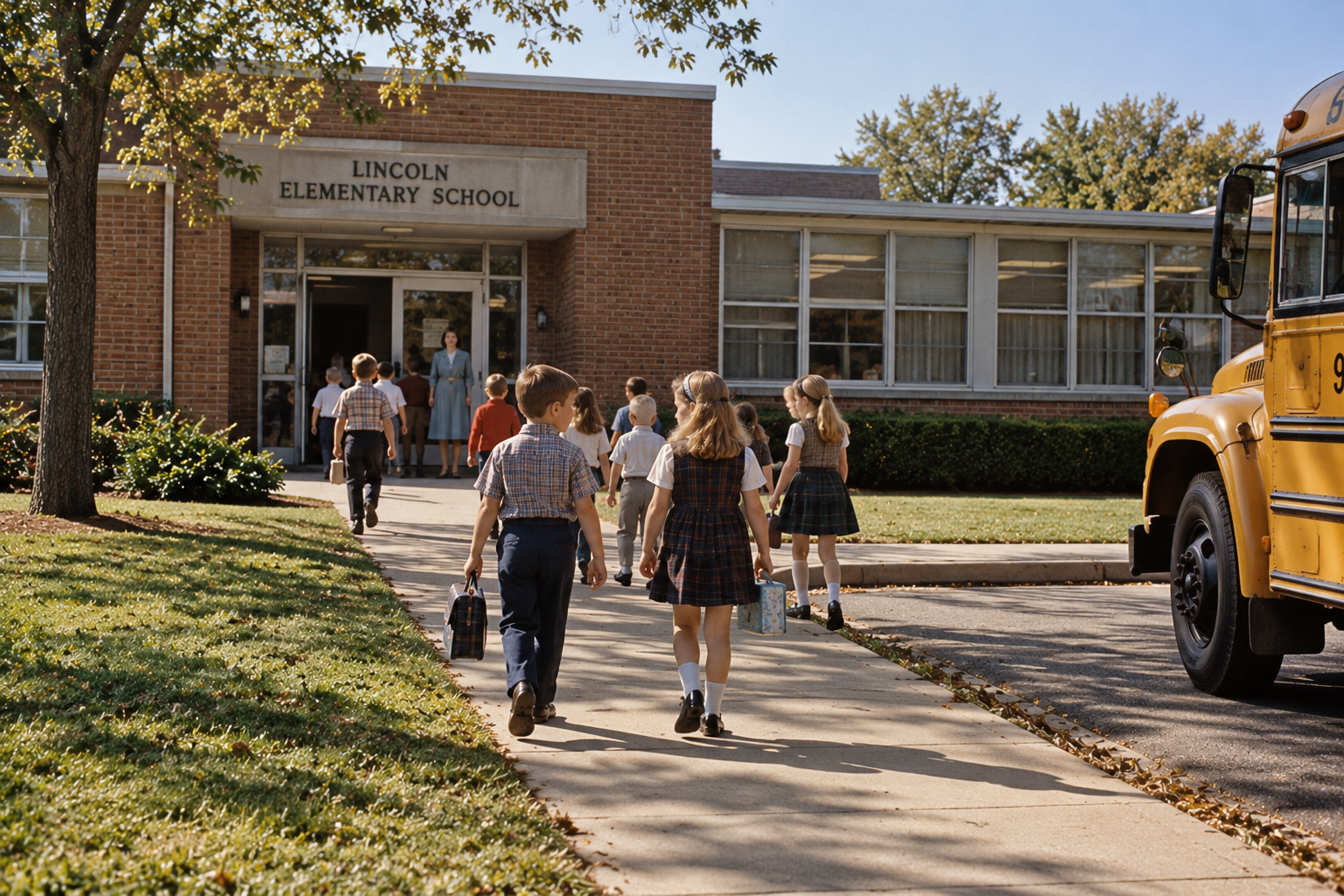
Many suburban developments were built with schools in mind. Having an elementary school nearby could make routines easier for parents and children. Families often considered school access when choosing where to live, hoping to give their children a good education close to home.
10. Friendly Neighbors
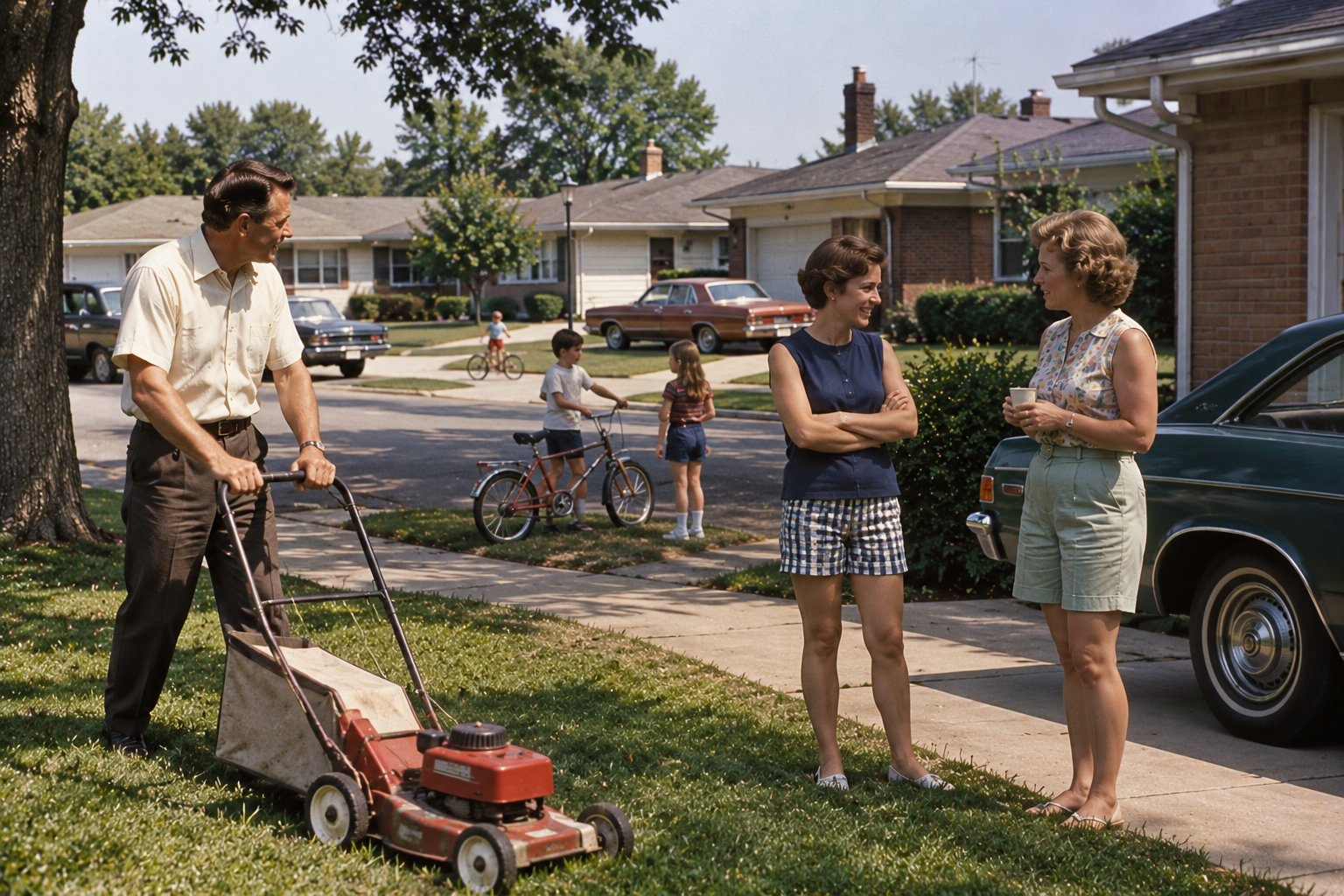
Neighbors might chat while mowing their lawns, share tools, or gather for informal parties. Children played together, helping families build connections with people nearby. Although not every neighborhood was equally welcoming, many residents valued the feeling of belonging to a community.
11. Modern Bathrooms
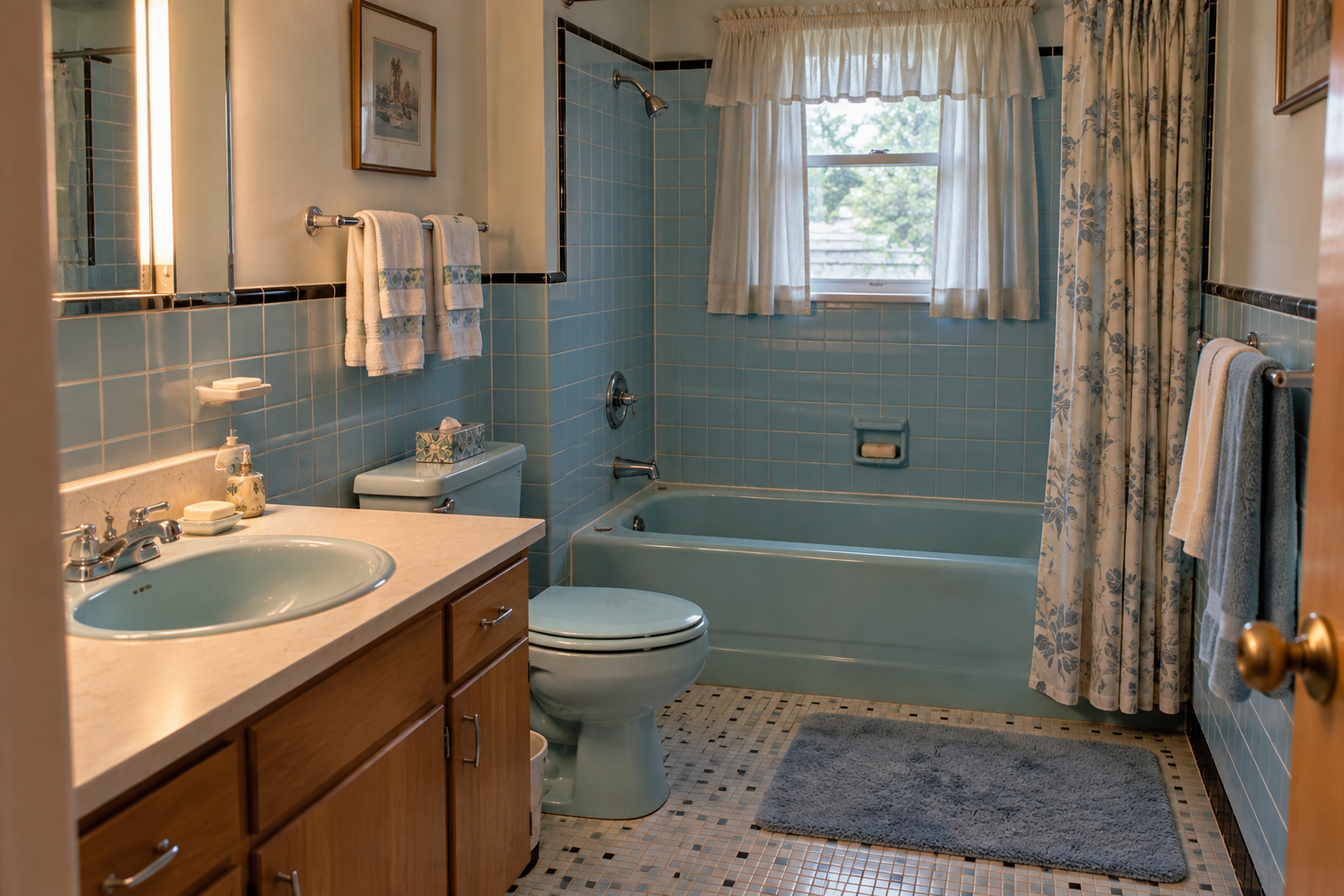
Modern bathrooms were another feature that made new suburban houses attractive. Many included indoor plumbing, tiled walls, and updated sinks and fixtures. Some homes even had more than one bathroom, which was useful for larger families.
12. Laundry Rooms & Washing Machines
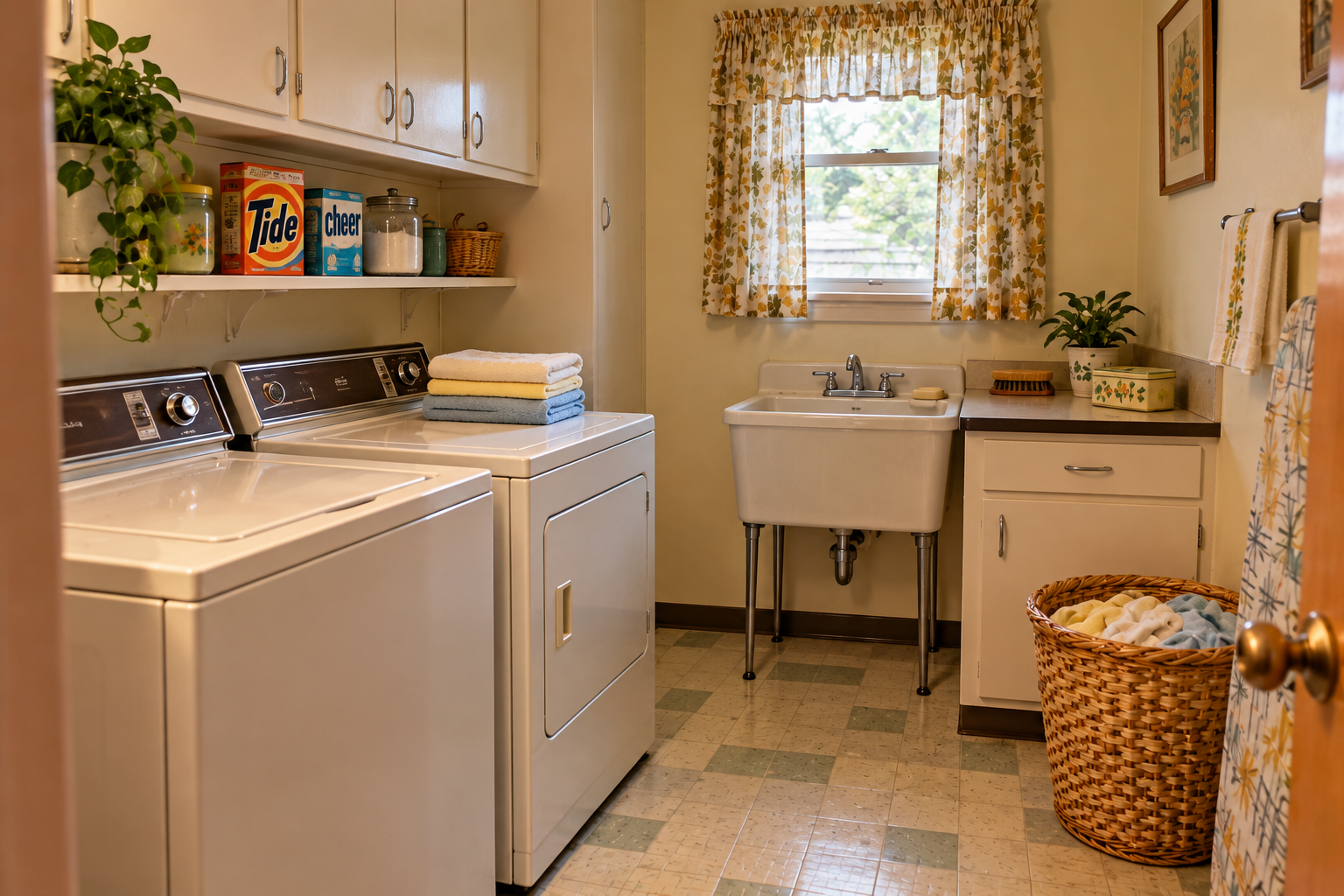
Appliances made everyday chores easier for many suburban families. Washing machines and clothes dryers helped reduce the time and effort needed to do laundry. Some houses had dedicated laundry rooms or utility areas where families could wash, dry, and store cleaning supplies.
13. More Privacy
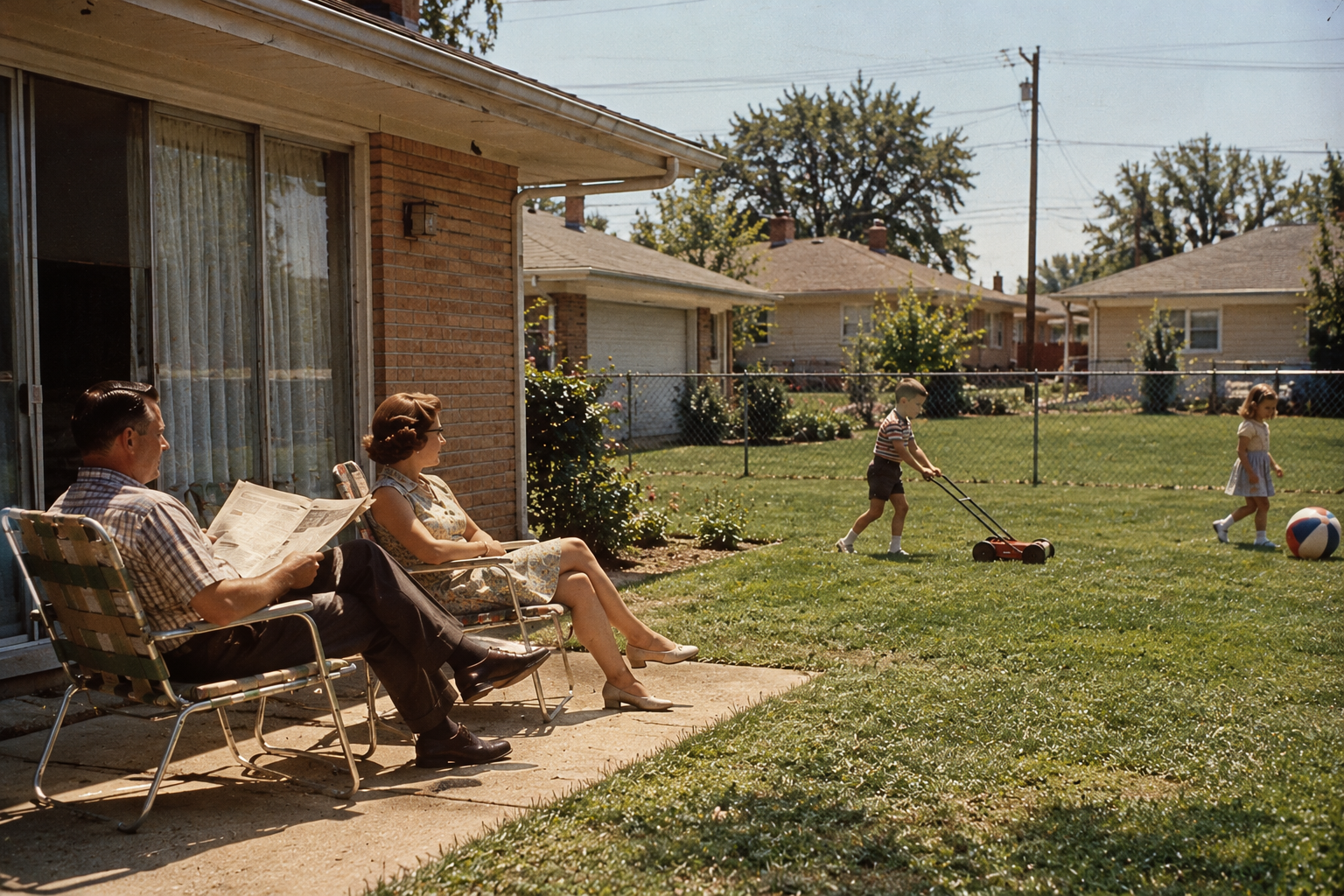
A suburban house gave families more separation from their neighbors. They had their own entrances, walls, yards, and living spaces. Parents let children play outside while adults relaxed indoors, and families enjoyed time together without sharing hallways or common areas with other residents. For people who valued personal space, this independence was a major benefit.
14. Room for Hobbies
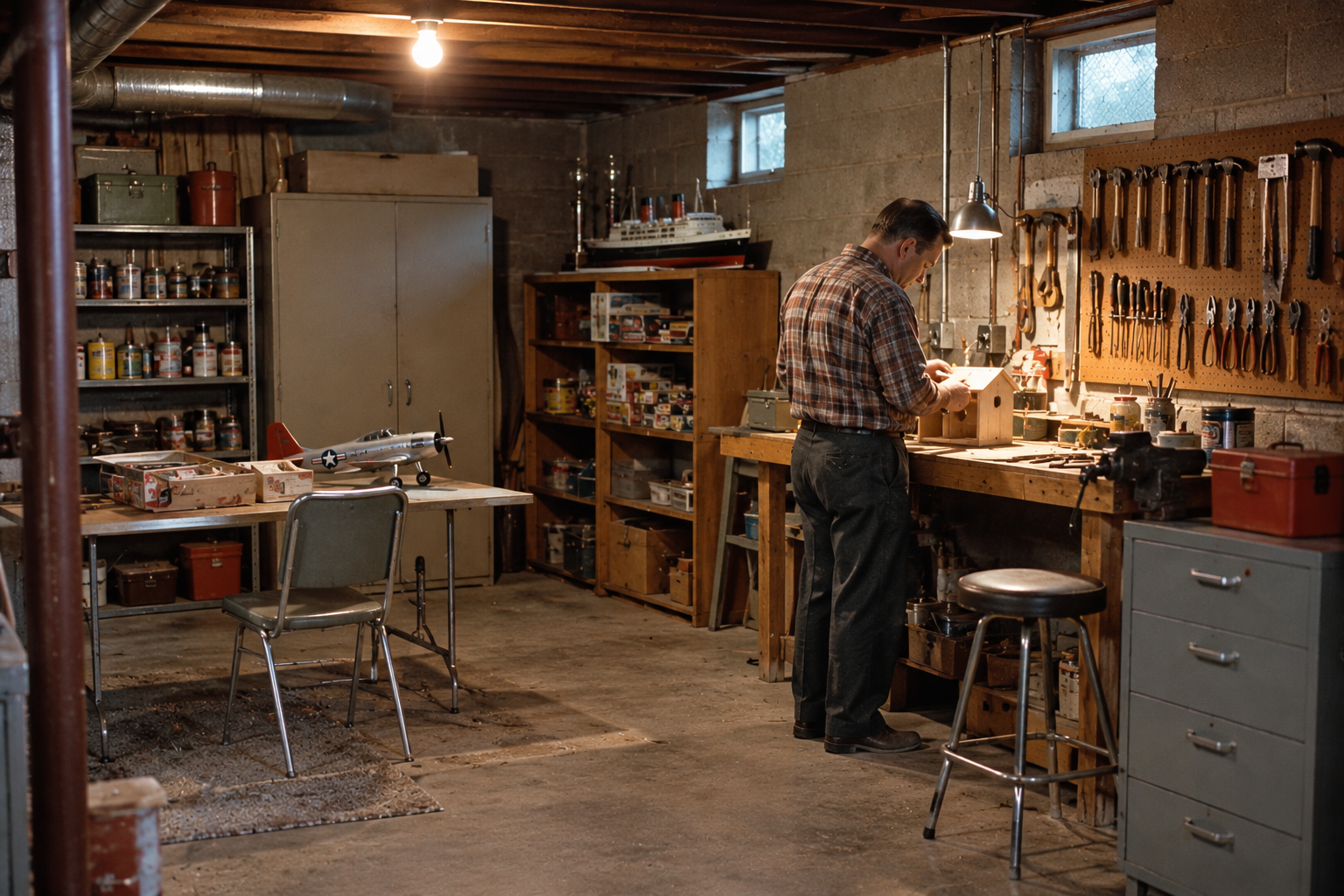
Extra space allowed people to enjoy hobbies without taking over the main living areas. A basement or garage could become a workshop, sewing room, or place to store collections. Children kept toys in their bedrooms, while adults had room for crafts, repairs, or other interests.
15. The Feeling of a Fresh Start
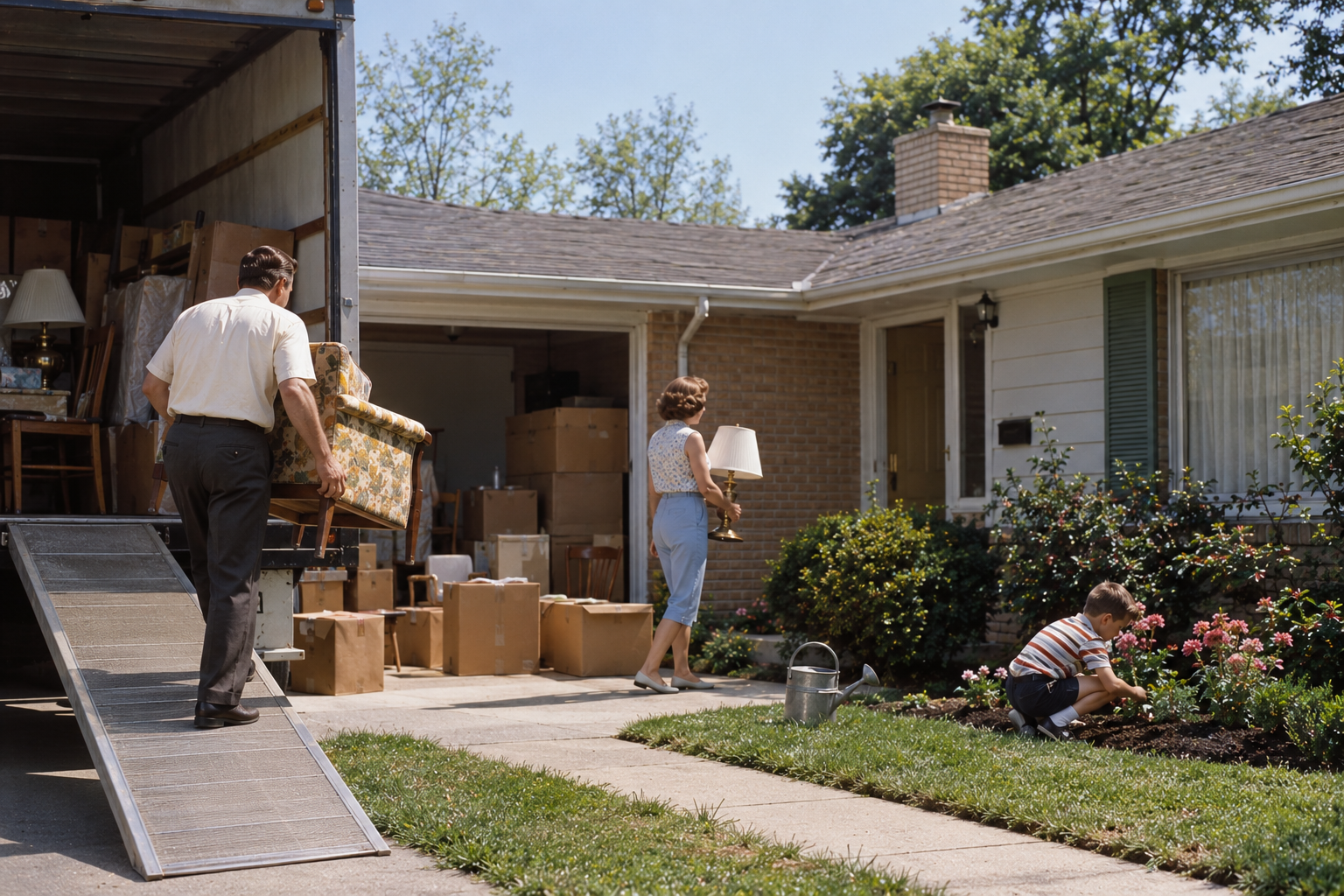
For many families, moving to the suburbs meant beginning a new chapter in life. A new house offered the chance to decorate rooms, plant a garden, and create a home that reflected their own tastes.
Looking for similar content?
These 17 Photos of Bold 1960s Living Rooms show what decor reigned supreme at the time, while these 30 Vintage Photos Perfectly Capture 1950s Life in America. We wonder if the housewives had these 12 Old Cookbooks That Are Surprisingly Valuable?