Being a dinner guest in the 1960s came with a whole set of unwritten rules. An invitation meant dressing properly, arriving at the right time, and knowing how to behave once the good china appeared on the table. Nobody handed out instructions, but everyone seemed to understand what was expected.
Dinner parties were about more than the food. There were coats to hang, drinks offered in the living room, carefully arranged place settings, and conversations that could continue long after dessert. Looking back, some of these traditions feel charming, while others seem surprisingly formal by today’s standards.
1. Never Arrive Empty-Handed
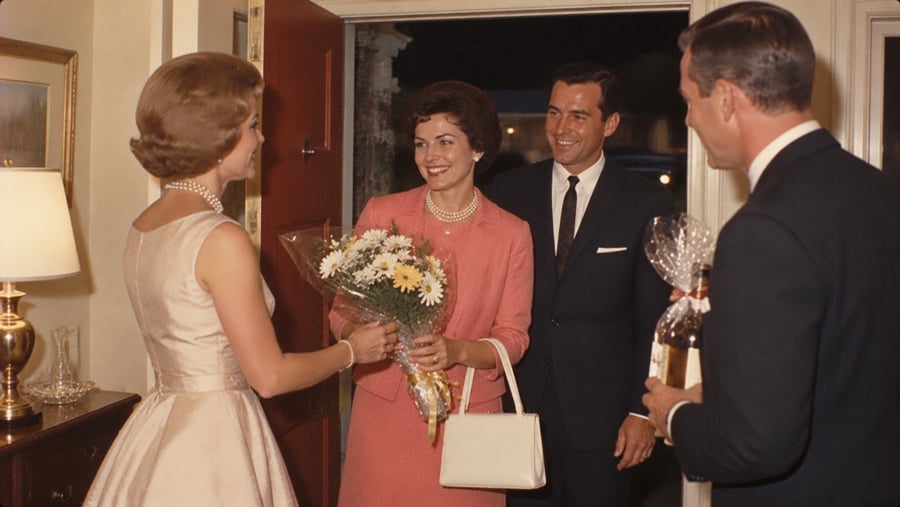
Showing up at someone’s door without a small gesture of appreciation could feel uncomfortable. A box of chocolates, flowers, or a bottle of something for the hosts was a thoughtful way to acknowledge the invitation, even if nobody had specifically requested a gift.
2. Dress as Though the Evening Mattered
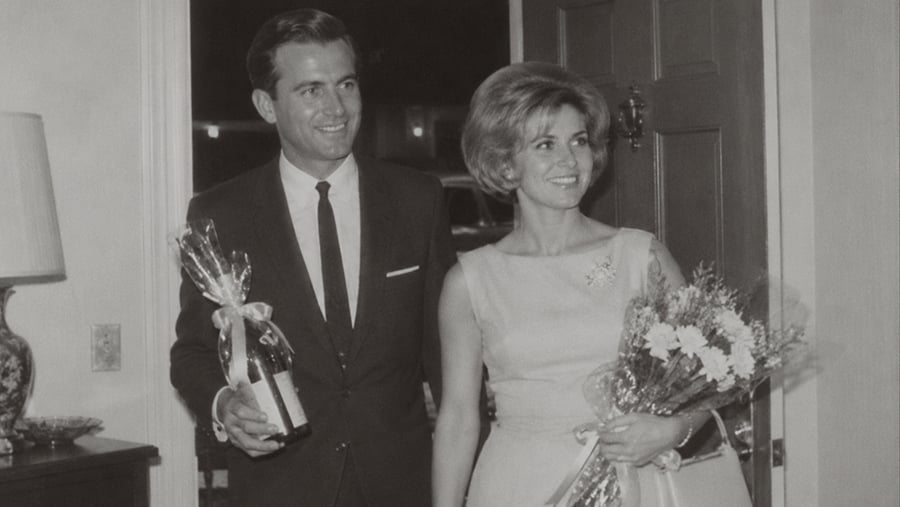
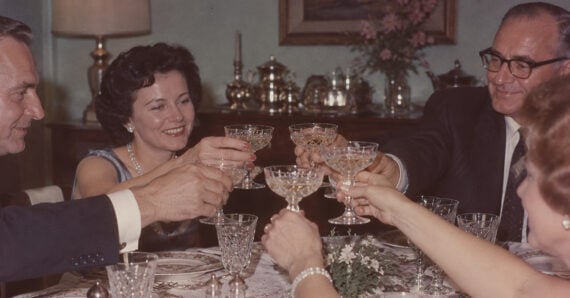
A dinner invitation wasn’t necessarily an excuse to wear whatever was comfortable. Men might arrive in jackets and ties, while women chose dresses, styled their hair, and put on jewelry. Even a gathering among friends could look surprisingly formal in family photographs.
3. Don’t Arrive Too Early
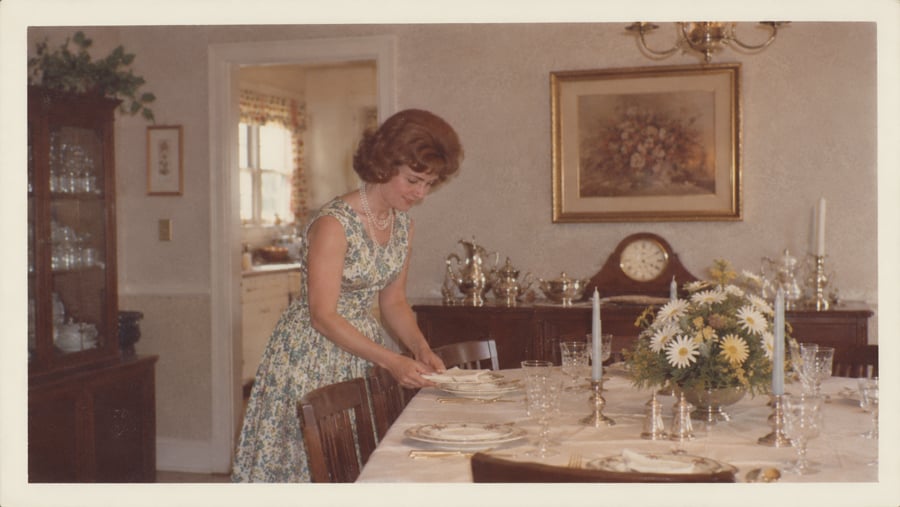
Arriving well before the agreed time could be just as inconvenient as showing up late. The hostess might still be arranging appetizers, checking the roast, or changing into her dinner dress. Guests were expected to give the household time to prepare.
4. Wait to Be Told Where to Sit
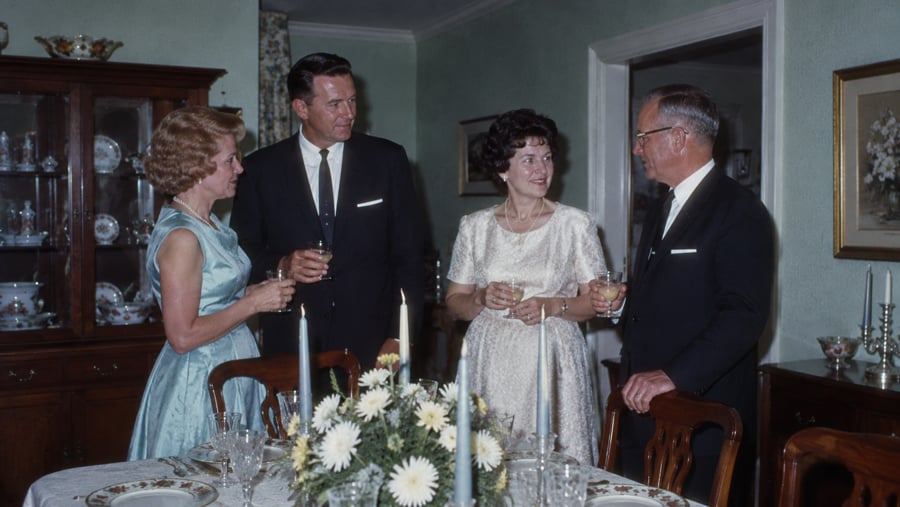
The dining table might already have a carefully considered arrangement, even without place cards. Couples could be separated to encourage conversation, and certain seats might be reserved for older relatives or special guests. Choosing a chair without asking wasn’t always appreciated.
5. Compliment the Hostess Before Asking What’s for Dinner
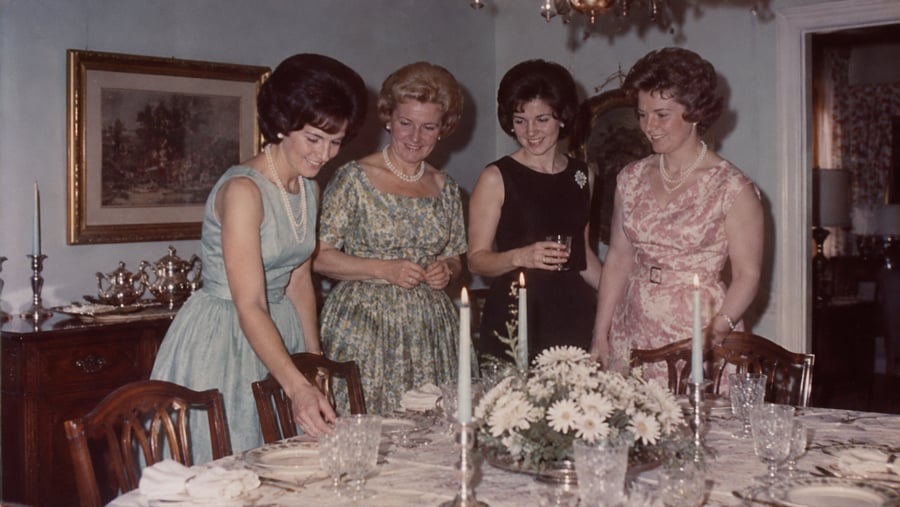
The first few minutes weren’t for inspecting the menu. Guests admired the house, noticed the flowers, and said something kind about the table. When the food arrived, compliments were expected, especially if the hostess had clearly spent the afternoon preparing it.
Trending on Wealth Gang


6. Never Start Eating Before the Hostess
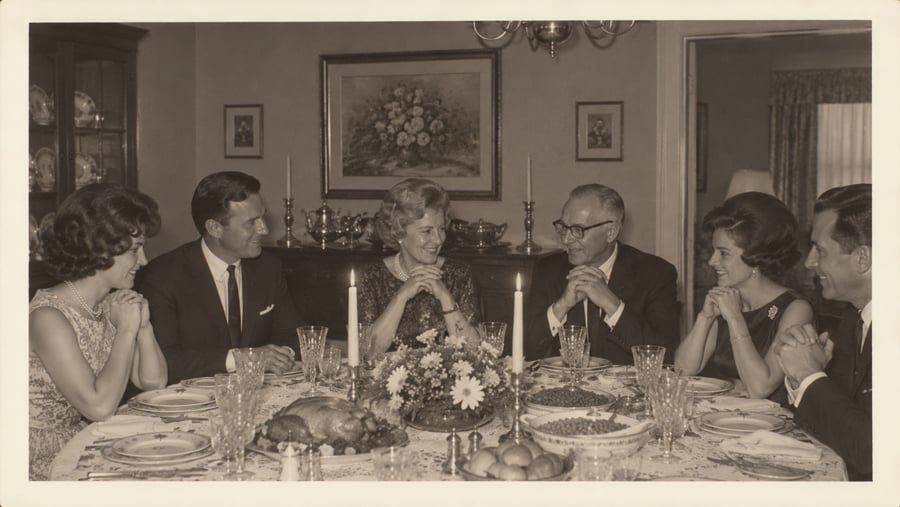
Even when a plate of steaming food was sitting directly in front of someone, picking up a fork too soon could be considered poor manners. Guests generally waited until the hostess was seated or gave a signal that everyone could begin.
7. Take a Little of Everything Offered
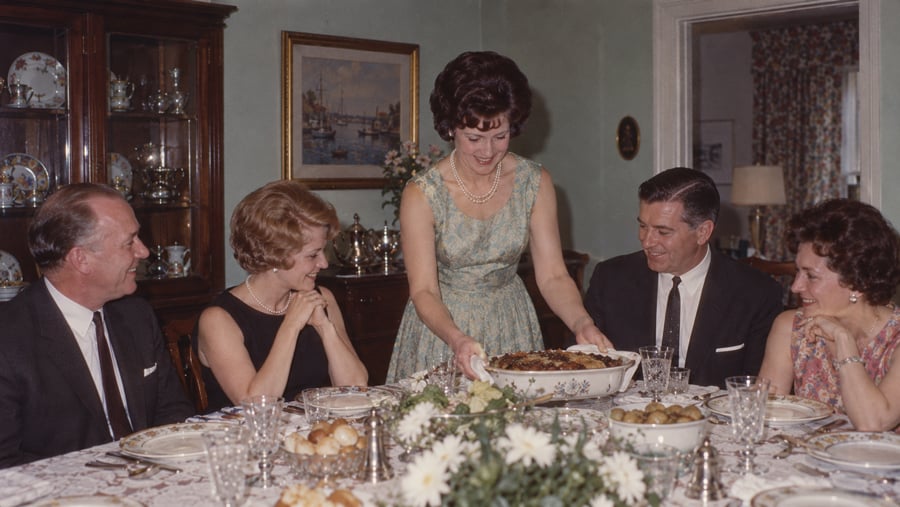
Refusing an unfamiliar casserole or passing over a carefully prepared vegetable dish could put the hostess in an awkward position. Unless there was a good reason, guests were often encouraged to accept a modest serving and avoid making a production out of their preferences.
8. Keep Your Elbows Off the Table
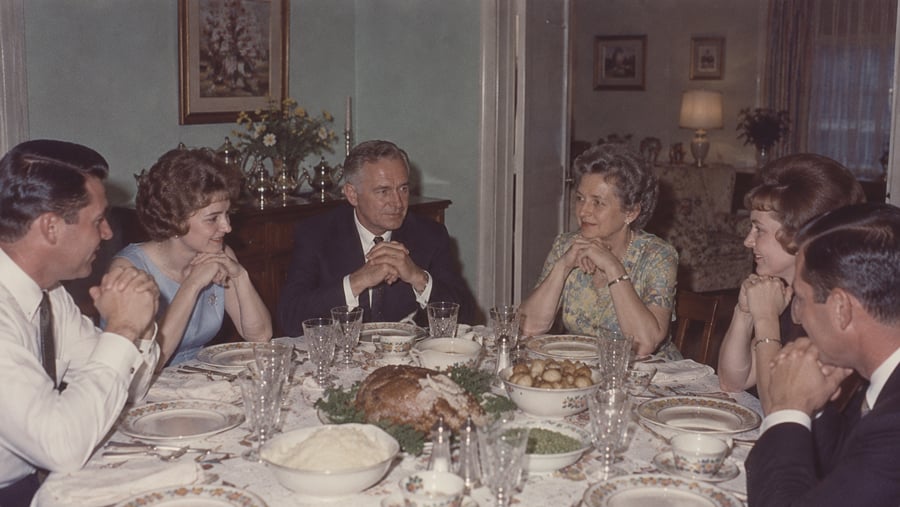
It was one of those corrections children heard so often that adults barely needed to repeat it. Sitting upright, keeping elbows off the table, and placing a napkin in one’s lap were considered basic signs of good upbringing.
Sign up for our newsletter
9. Never Mention How Much Anything Cost
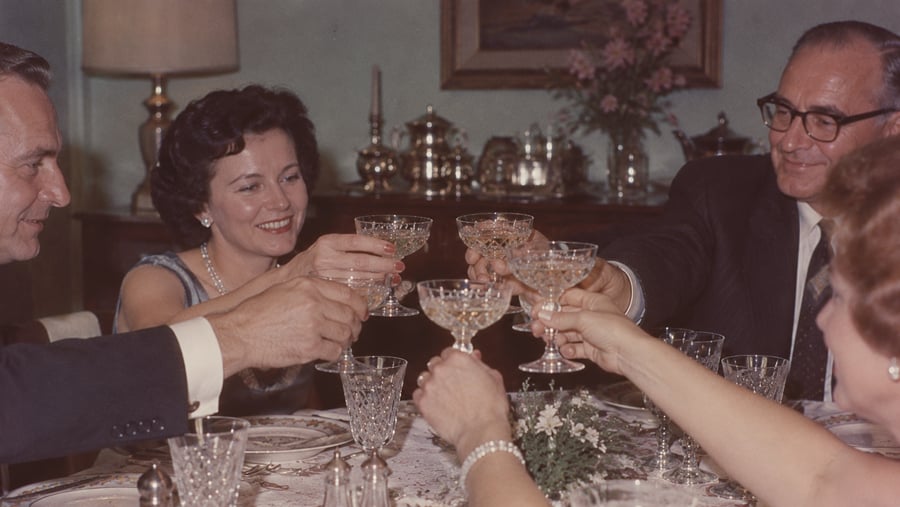
The new dining room furniture, the roast, and the beautiful crystal glasses might all inspire admiration, but asking what they cost was another matter. Money was generally treated as a private subject, particularly during a carefully planned social evening.
10. Keep Controversial Opinions Away From the Dinner Table
Wealthgang
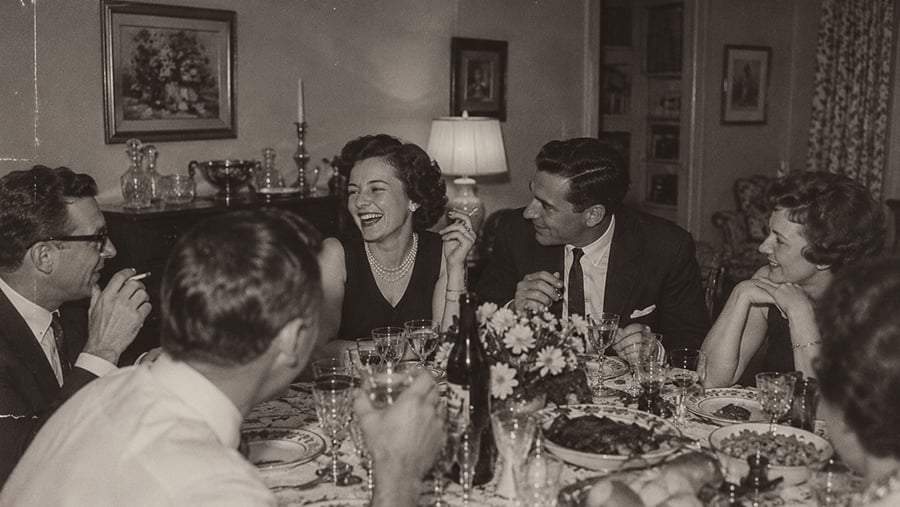
Politics, religion, and other potentially divisive subjects could quickly disrupt a pleasant evening. Many hosts preferred conversation about vacations, children, neighborhood news, or mutual friends rather than an argument over the main course.
11. Don’t Ask to Change the Music or Television
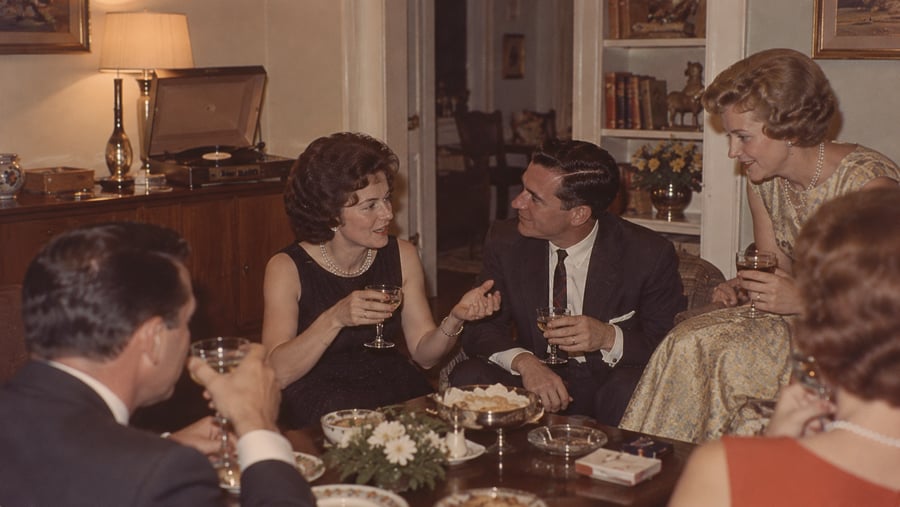
The host controlled the evening’s entertainment. If a record was playing softly in the background or a particular program was on, guests generally didn’t walk over and change it. The record player and television were part of the household, not a shared playlist.
12. Offer to Help, but Don’t Take Over the Kitchen
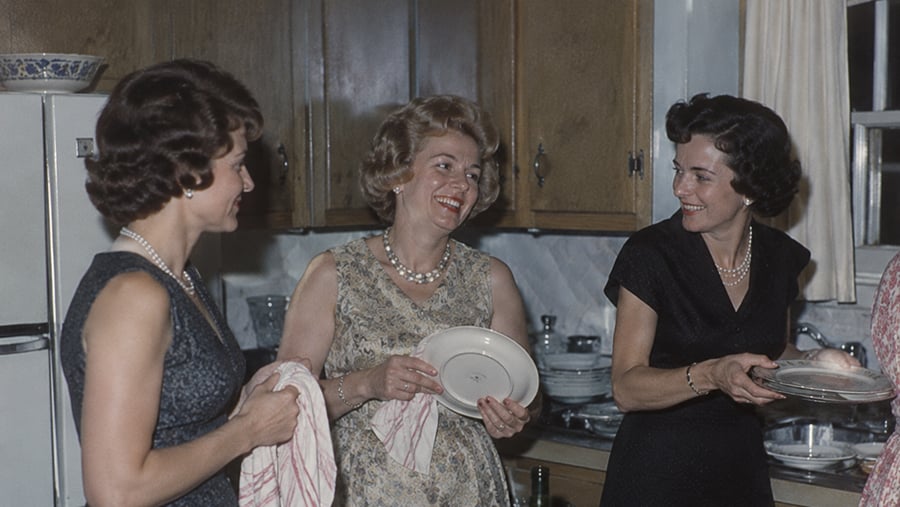
A polite guest might ask whether the hostess needed a hand carrying dishes or clearing the table. But opening cabinets, rearranging serving platters, or insisting on washing everything could be seen as interfering. The offer mattered, even when the expected answer was a gracious refusal.
13. Never Leave Immediately After Dessert
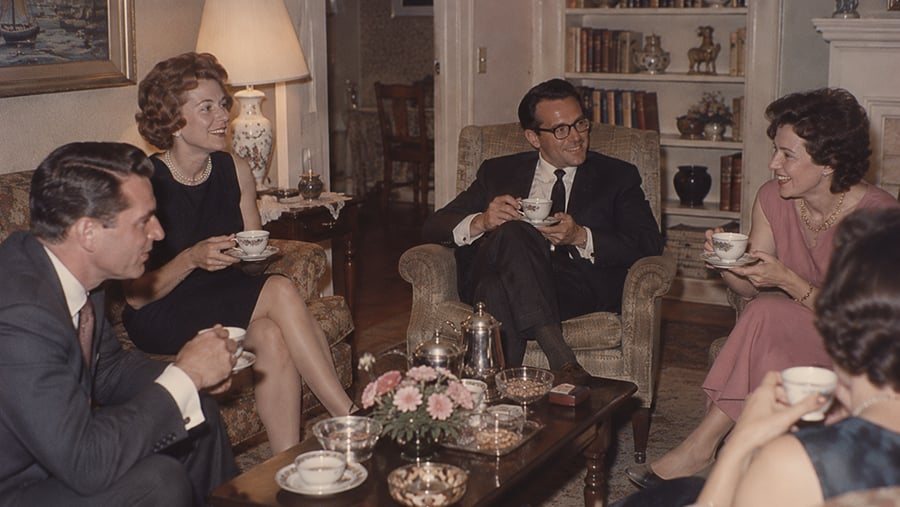
Finishing the last bite of cake didn’t mean the evening was over. There might still be coffee in delicate cups, another round of conversation, or a move back into the living room. Leaving too abruptly could make it seem as though the guests had only come for the food.
14. Know When the Evening Was Really Over
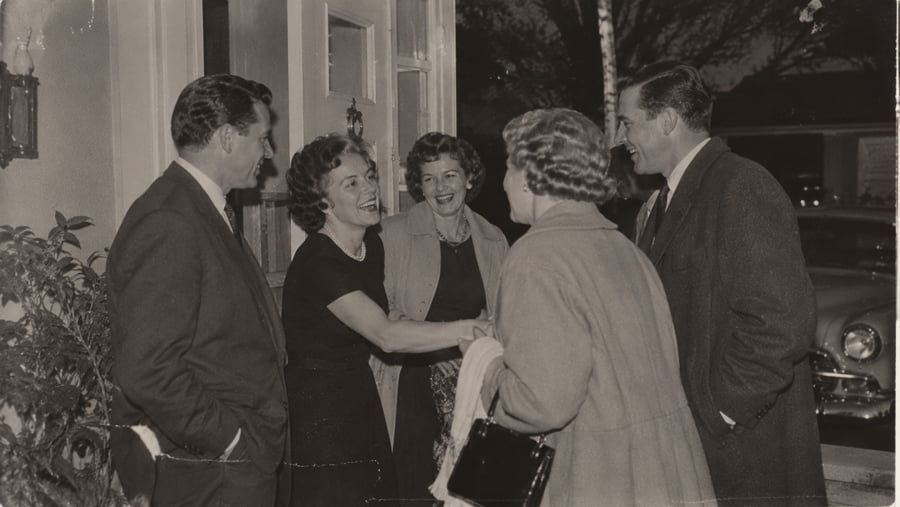
Guests also had to recognize when it was time to go. A host mentioning an early morning, beginning to clear the final cups, or allowing a long silence to settle could be a gentle signal. Good guests knew how to end the night without forcing anyone to ask them to leave.
15. Send a Thank-You Note Afterward
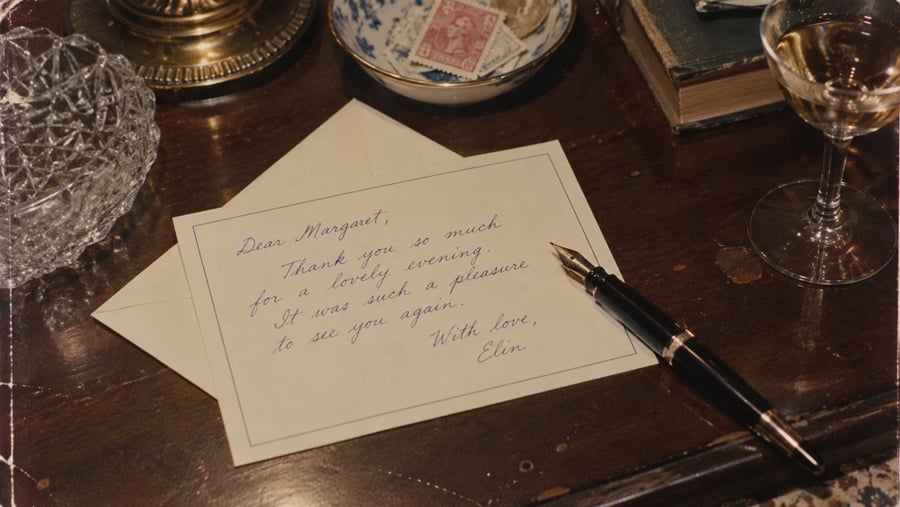
The evening wasn’t always considered complete when the front door closed. A handwritten note arriving a few days later showed that the meal and hospitality had been appreciated. For many households, it was simply part of being a considerate guest.
More Related Notes
- 15 Shoes That Defined American Women’s Fashion in the ’60s
From elegant heels to iconic everyday styles, these shoes capture the fashion trends that shaped American women’s wardrobes throughout the 1960s. - Classic 1960s Products That Defined an Era
These memorable products reflect the changing tastes, innovations, and everyday habits that made the 1960s such a distinctive decade. - 16 Items Found Inside a 1960s Medicine Cabinet
From vintage grooming essentials to old-fashioned remedies, these once-common medicine cabinet items reveal how personal care and household health routines have evolved.