
Jobs that don’t require a college degree can still provide the kind of income needed to work toward homeownership. While housing affordability depends heavily on location, debt, interest rates, and household expenses, a bachelor’s degree isn’t the only route to a solid paycheck.
Many skilled trades and technical careers rely instead on apprenticeships, certifications, specialized training, or experience. Some even have national median salaries approaching or exceeding six figures, according to recent U.S. Bureau of Labor Statistics data.
1. Elevator and Escalator Installer and Repairer

Median Pay: $109,820
Elevator technicians install, maintain, and repair elevators, escalators, and other lifting systems. The typical entry-level education is a high school diploma, with workers generally learning through an apprenticeship.
2. Power Plant Operator

Median Pay: Around $100,000+
Power plant operators control equipment responsible for generating and distributing electricity. A high school diploma is typically sufficient for entry, although extensive on-the-job training is required. BLS data puts the occupation comfortably into six-figure territory.
3. Electrical Power-Line Installer
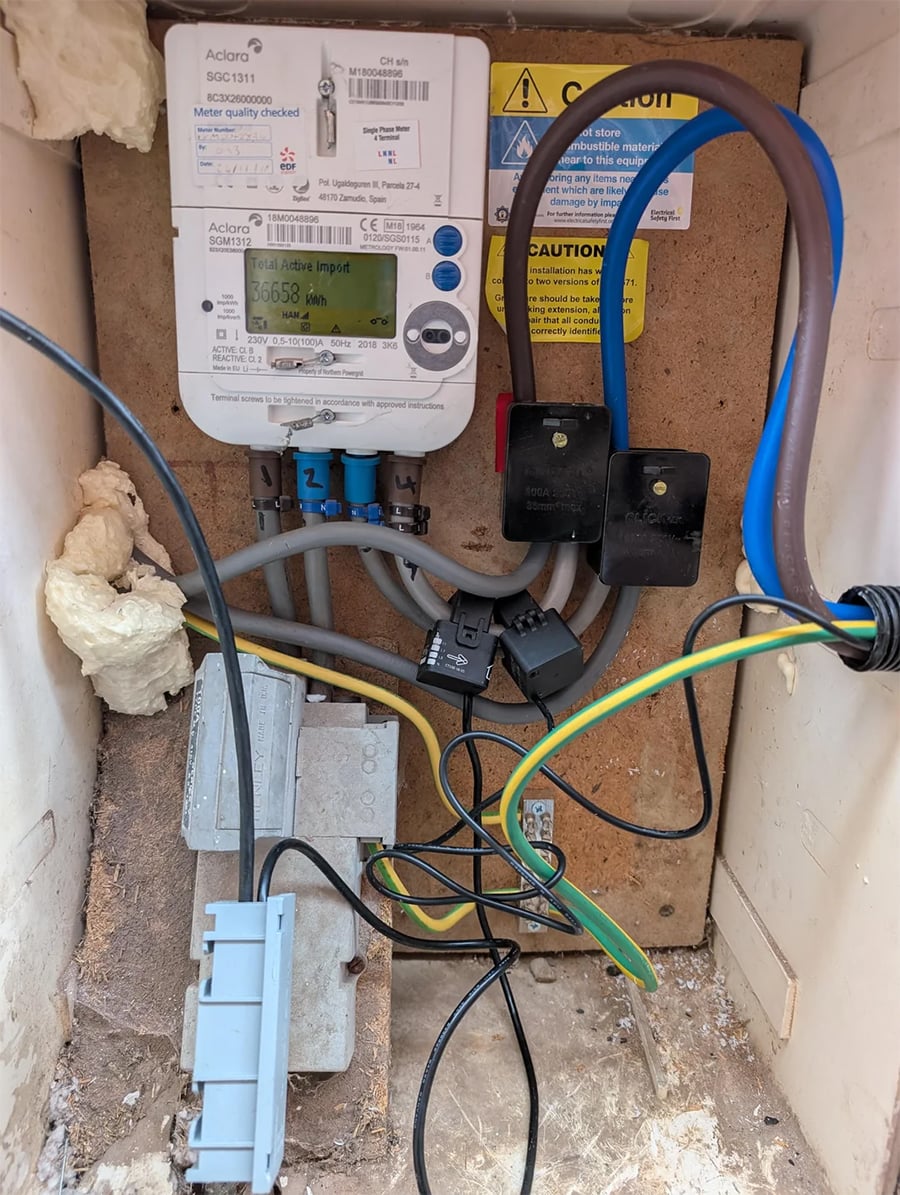
Working on the electrical grid can mean dealing with heights, severe weather, and high-voltage equipment. Those risks come with strong earning potential. Workers typically enter with a high school diploma and receive substantial technical and on-the-job training.
4. Transportation Inspector

Median Pay: Around $80,000
Transportation inspectors examine equipment and systems such as railroads, aircraft, and commercial vehicles for compliance with safety regulations. Requirements vary by specialty, and experience can matter more than a traditional four-year degree.
5. Aircraft Mechanic
Median Pay: Around $80,000
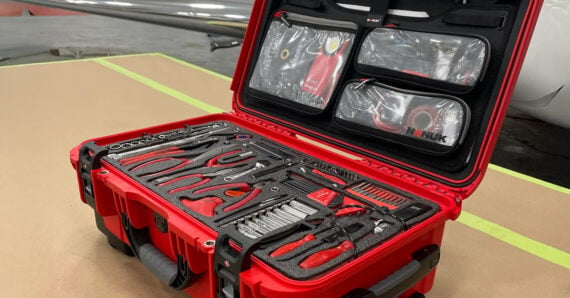
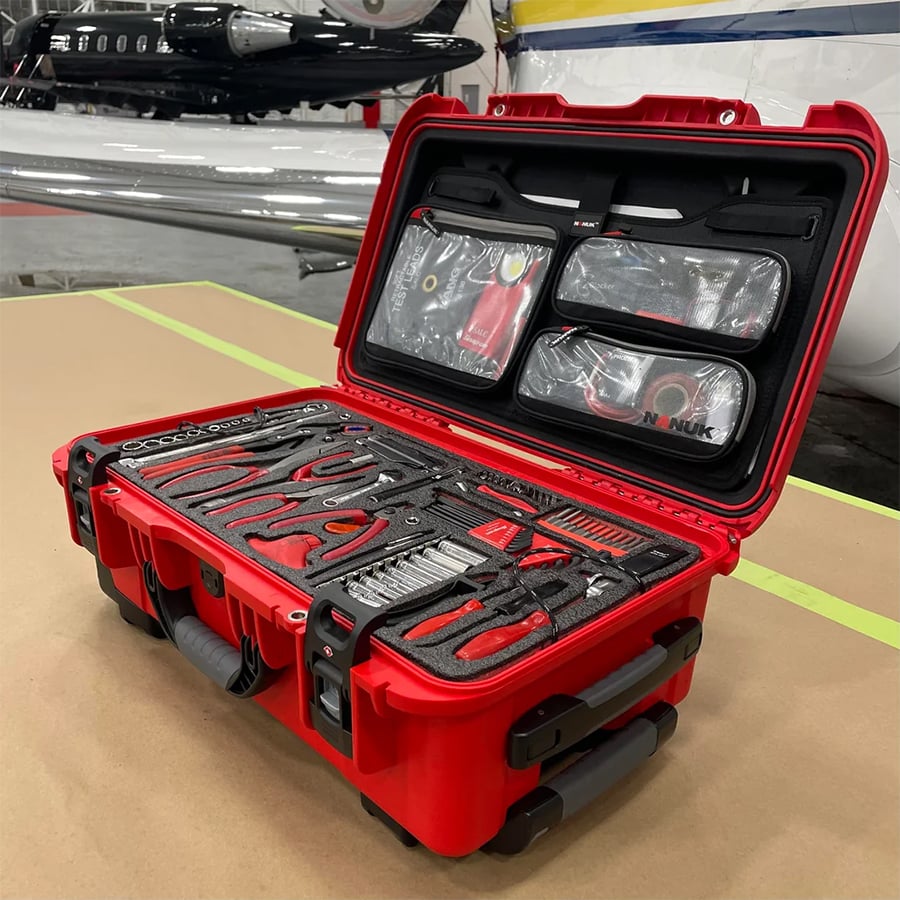
Aircraft mechanics inspect, repair, and maintain planes and aviation equipment. Rather than a bachelor’s degree, workers generally pursue FAA-approved technical training or qualify through relevant practical experience.
Trending on Wealth Gang


6. Electrical and Electronics Repairer

Median Pay: $71,270
These technicians maintain sophisticated electronic equipment used across industries including utilities, transportation, and telecommunications. Education requirements vary, but many pathways rely on technical preparation rather than a bachelor’s degree.
7. Railroad Worker
Median Pay: Around $70,000
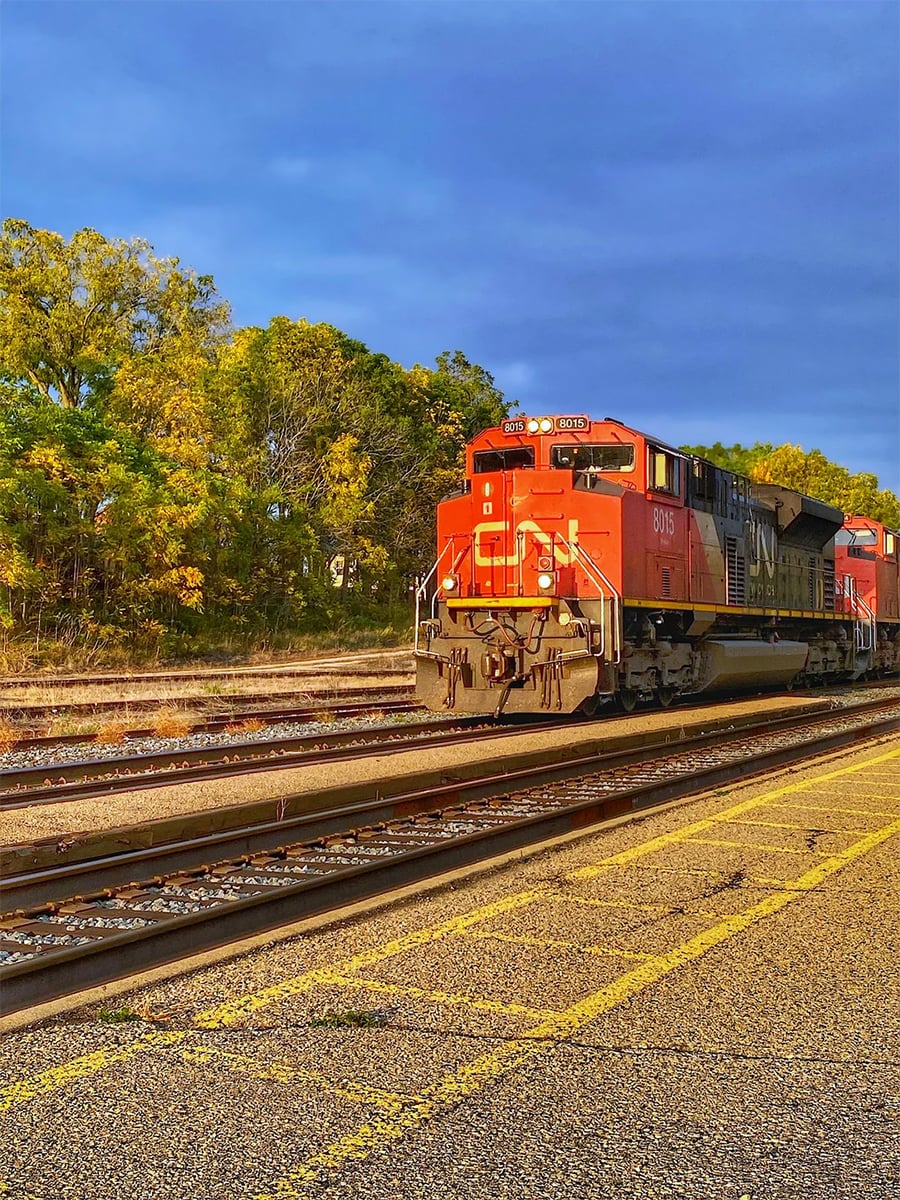
Railroad careers can include conductors, locomotive engineers, yardmasters, and other specialized positions. Many workers begin with a high school diploma before completing extensive employer training.
8. Industrial Machinery Mechanic

Median Pay: $63,510
Factories and industrial facilities depend on these workers to keep expensive machinery operating. BLS lists a high school diploma as the typical entry-level education for industrial machinery mechanics.
Sign up for our newsletter
9. Plumber, Pipefitter, or Steamfitter
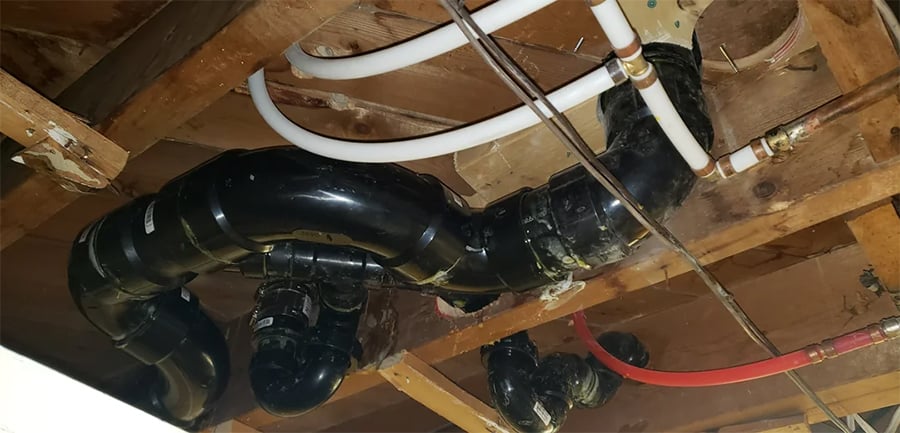
Plumbing isn’t simply an emergency household service. Skilled workers are needed in factories, commercial buildings, construction, and infrastructure projects, with apprenticeships providing a common path into the field.
10. Electrician
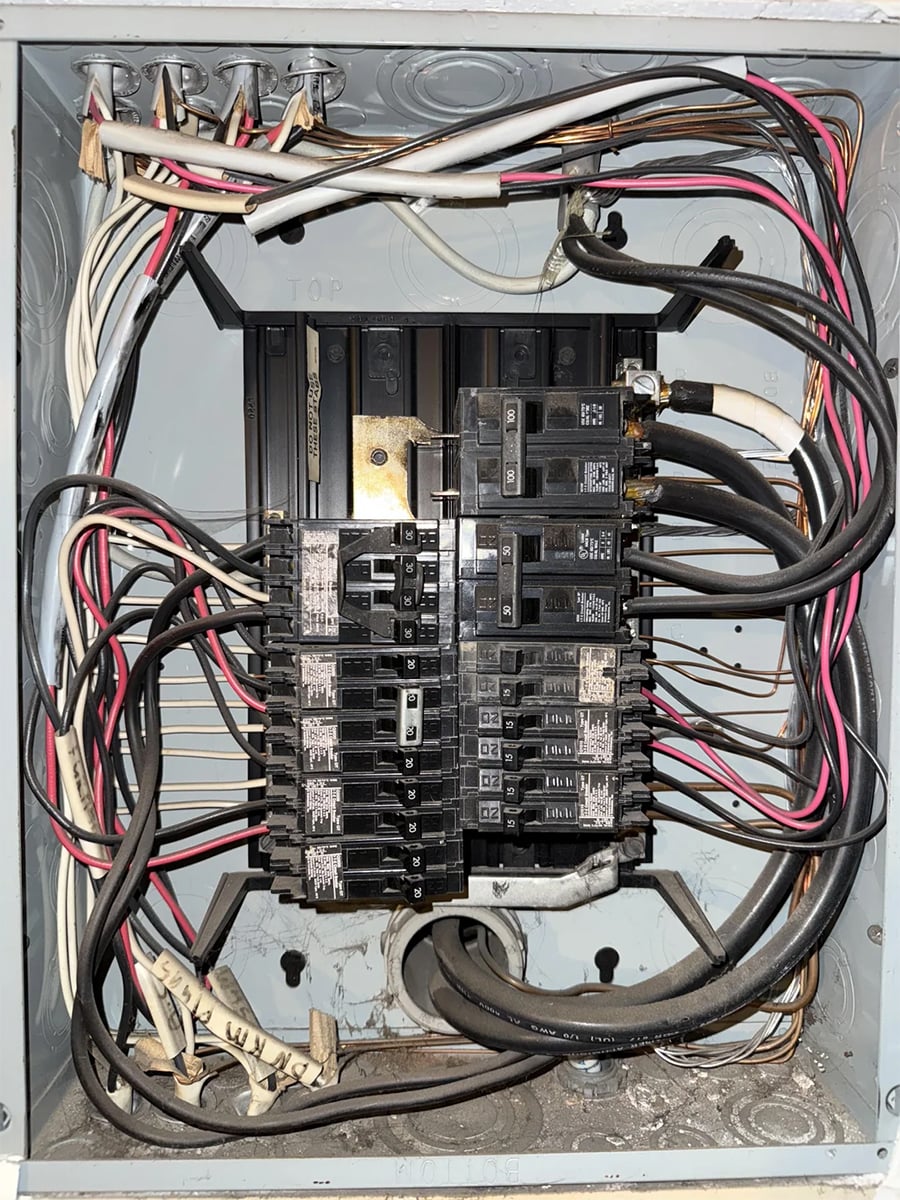
Median Pay: $62,350
Electricians can enter the profession through apprenticeships rather than four years of college. Demand is also significant, with BLS projecting tens of thousands of openings each year over the coming decade.
11. Wind Turbine Technician
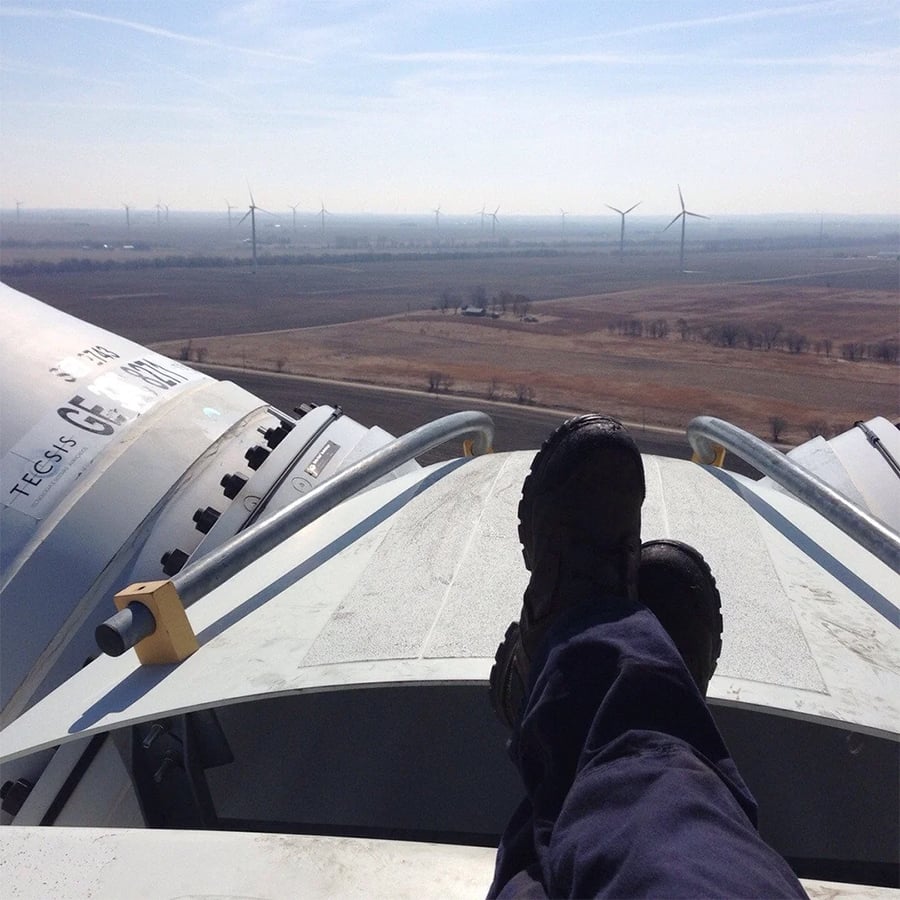
Median Pay: $62,580
Maintaining enormous wind turbines requires specialized technical training, but not a bachelor’s degree. Workers typically complete a postsecondary nondegree program before receiving additional on-the-job training.
12. HVAC Technician
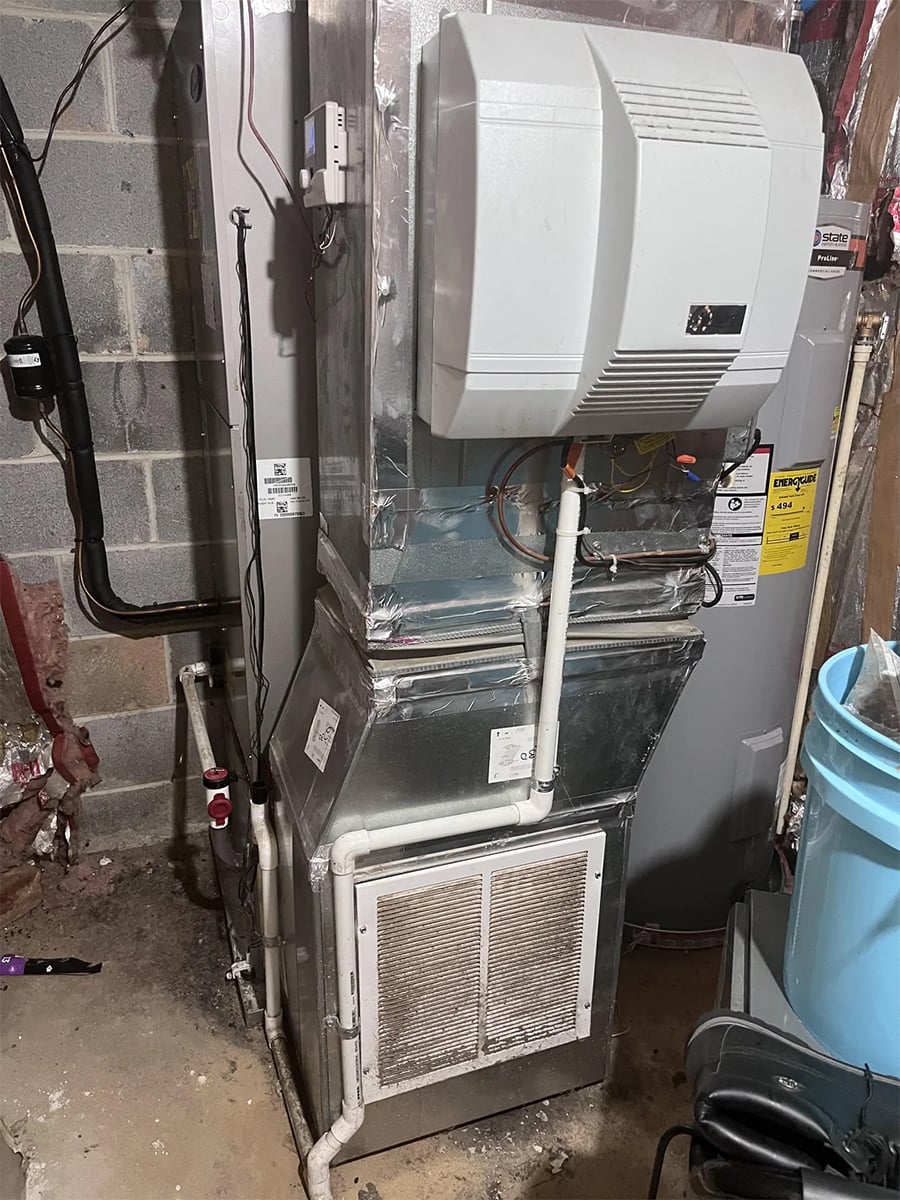
Median Pay: $59,810
Heating and cooling systems require installation, maintenance, and emergency repairs regardless of what the economy is doing. HVAC technicians commonly enter through technical programs and certifications rather than bachelor’s programs.
13. Heavy Equipment Operator
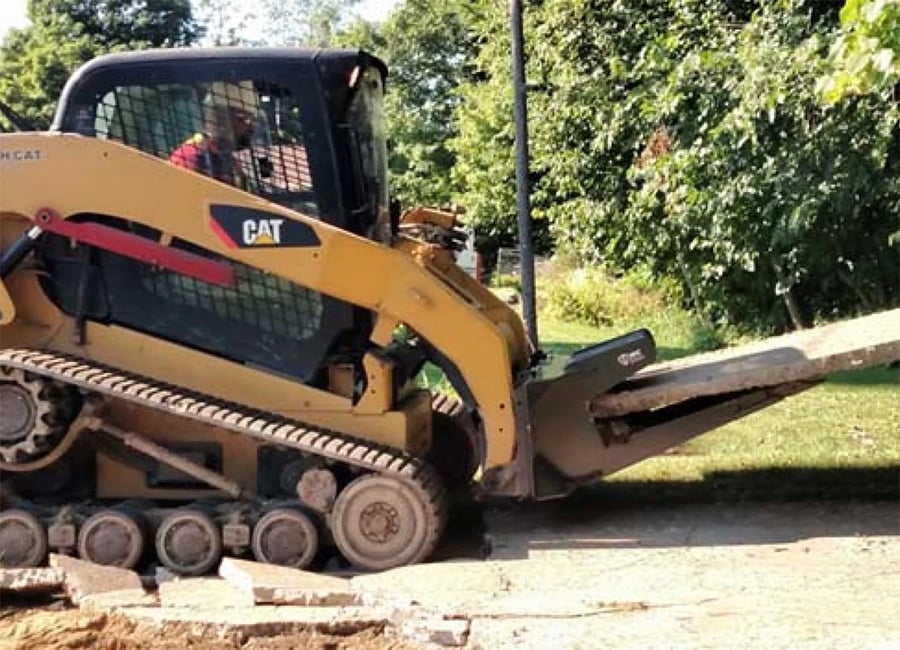
Median Pay: Around $60,000
Construction equipment operators handle machinery such as bulldozers, excavators, and loaders. Many learn through apprenticeships or directly on the job rather than earning a four-year degree.
14. Telecommunications Technician

Internet, radio, and telecommunications infrastructure still needs people to install and maintain physical equipment. Entry requirements vary, but several paths into the field don’t require a bachelor’s degree.
15. Commercial Truck Driver
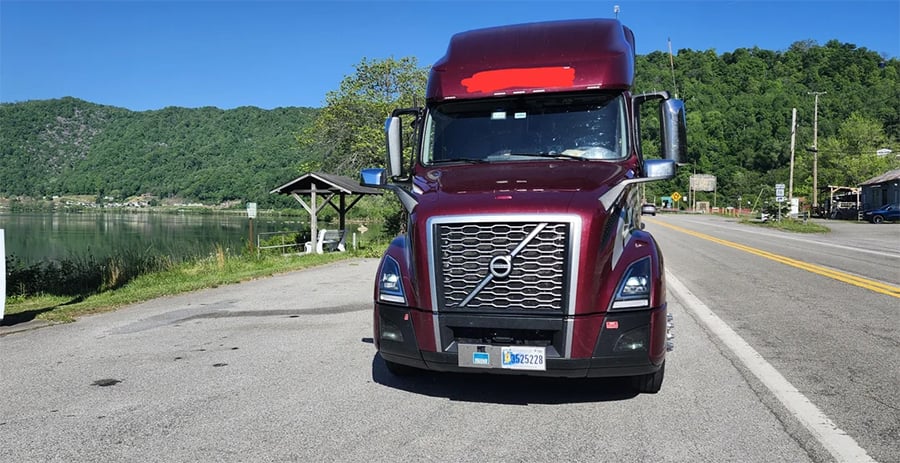
Median Pay: $57,440
Heavy and tractor-trailer truck drivers typically need a commercial driver’s license rather than a college degree. Specialized routes, experience, overtime, and certain types of freight can push earnings above the national median.
16. Solar Photovoltaic Installer
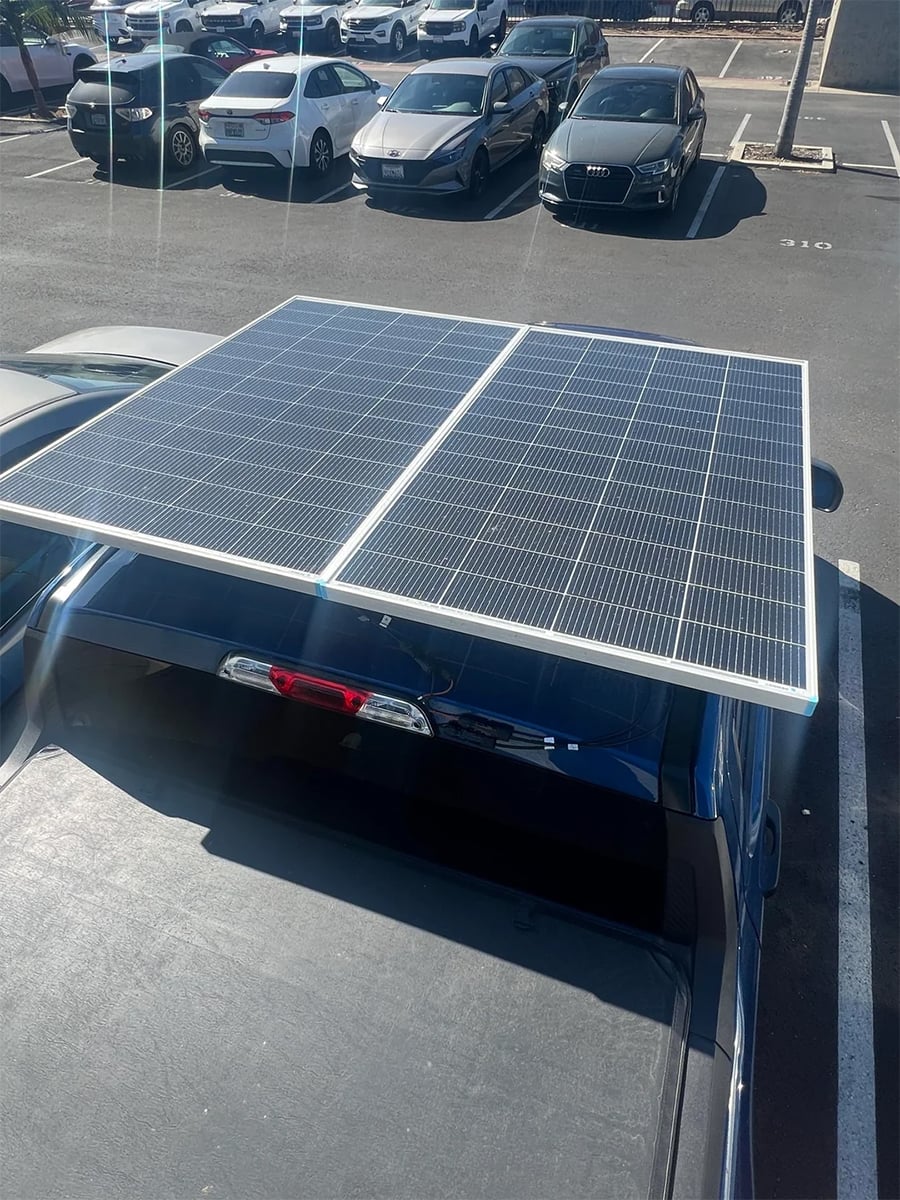
Median Pay: $51,860
Solar installers assemble and maintain systems that convert sunlight into electricity. BLS lists a high school diploma as the typical entry-level education, making it one of the more accessible technical careers in renewable energy.
More Related Notes
• 10 Professions That Will No Longer Exist in 10 Years.
Explore the careers most at risk from automation, artificial intelligence, and evolving technology, continuing the story of how innovation reshapes the workforce.
• 12 Occupations Expected to Add the Most Workers This Decade.
See which careers are growing rapidly as technology creates new opportunities, replacing many traditional jobs with emerging professions.
• 10 Technologies That Changed Everyday Life Faster Than Expected.
Discover the innovations that transformed industries and everyday life, helping explain why many once-essential occupations eventually disappeared.