
During the 1960s, the First-aid kit was present in nearly every American bathroom. Behind a mirrored door above the sink, it held everyday essentials, from glass bottles of antiseptic to small tins of ointment and arranged boxes of household remedies. Families relied on them to handle everything from minor cuts and headaches to stomachaches and seasonal sniffles. Long before online pharmacies and health apps, it was the go-to place for quick fixes and familiar products.
Some of the items found inside these cabinets would still look familiar today, while others have disappeared. From iconic aspirin tins to old-fashioned thermometers, the following 16 items offer a nostalgic glimpse into how American families managed everyday health and personal care in the 1960s.
1. Aspirin Bottle
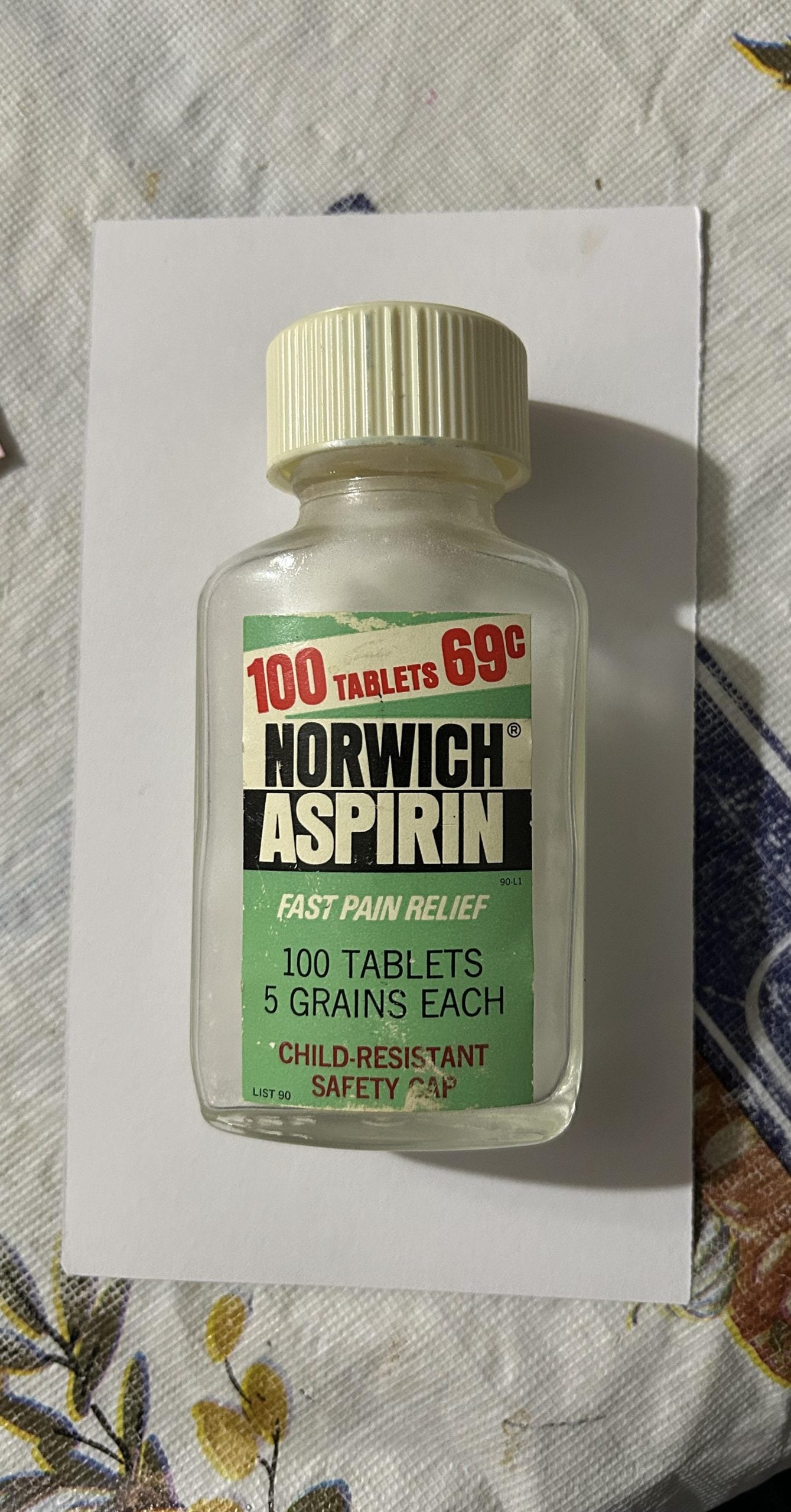
A bottle of aspirin was a staple in many American medicine cabinets in the 1960s. Families kept it on hand to relieve headaches and minor pains, making it one of the most recognizable medications of the era. Parents commonly reached for it when someone complained of a headache after school or felt sore after a long day.
2. Glass Mercury Thermometer
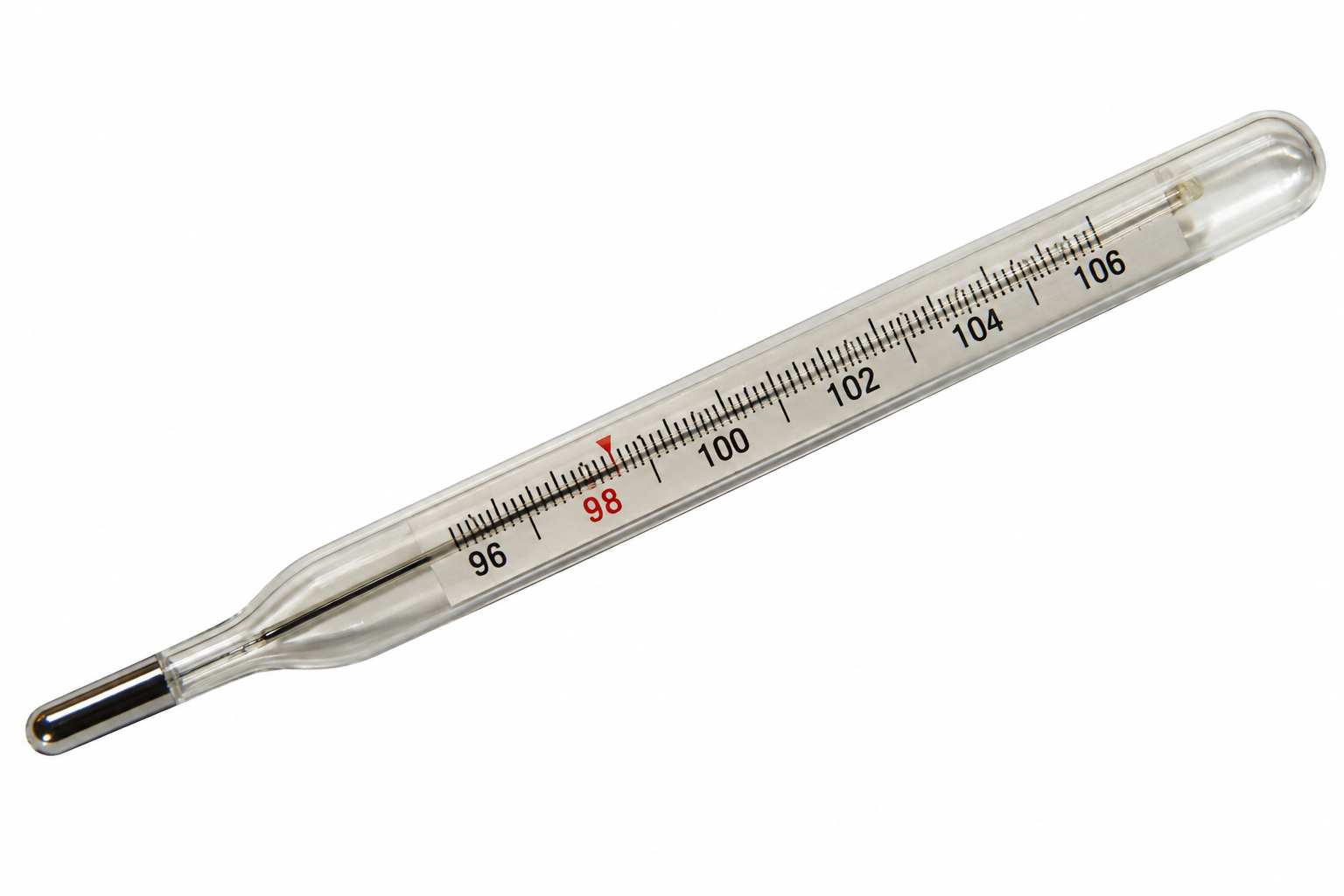
Before digital thermometers became common, many families relied on glass thermometers containing mercury. These instruments were often stored in protective cases inside the medicine cabinet, ready to be used whenever someone felt warm or unwell. Taking temperature required patience. Mercury thermometers have largely been replaced by safer alternatives because mercury is toxic if released.
3. Rubbing Alcohol
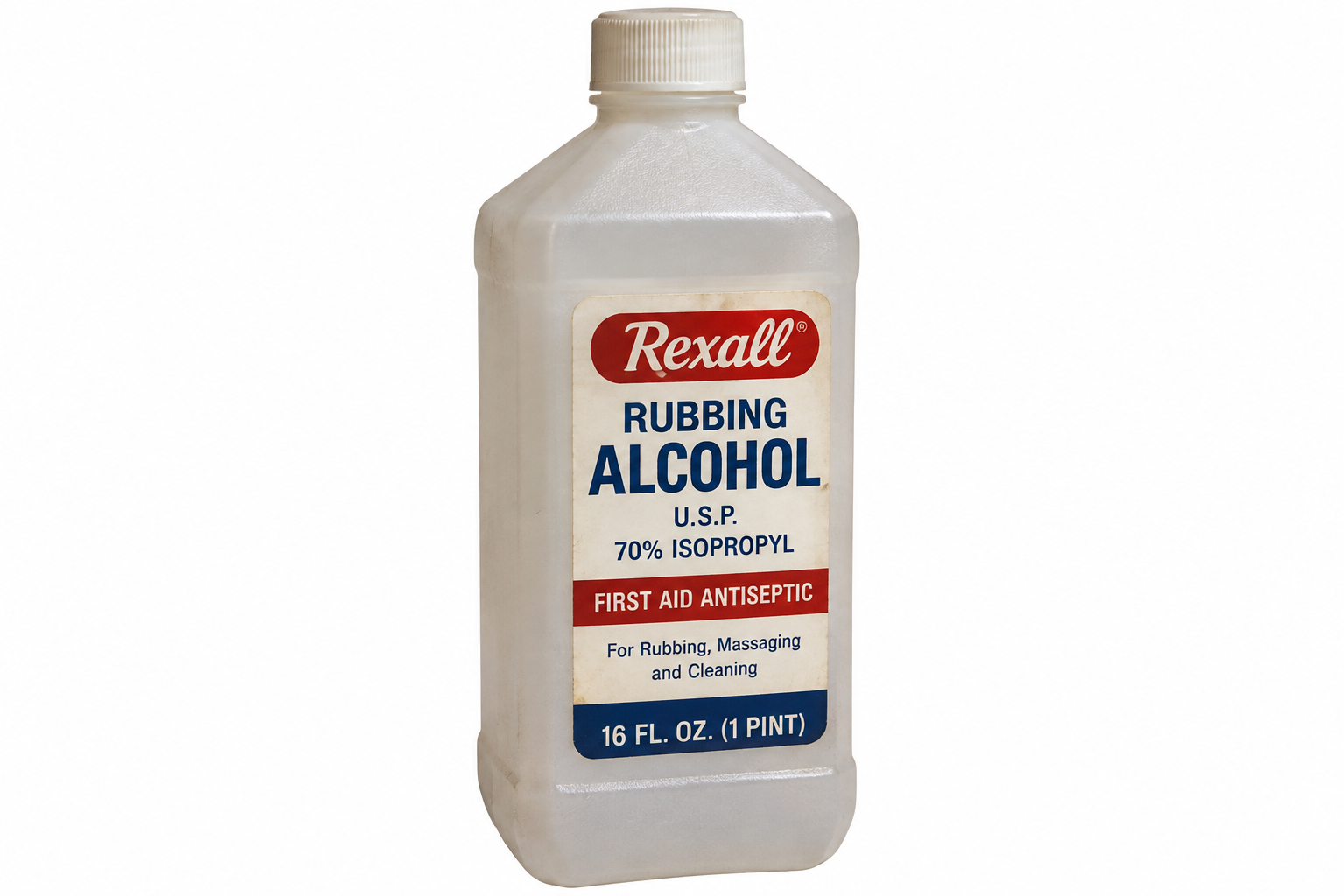
It was widely used as an antiseptic and for various external cleaning purposes, often stored alongside cotton balls, bandages, and other first-aid items. Its strong smell made it easy to recognize. Families used it to clean certain items or prepare the skin for specific procedures, depending on the product and the advice given at the time. Rubbing alcohol is still sold today, although modern instructions emphasize appropriate external use and warn against swallowing it. It is not suitable for every wound or skin problem.
4. Hydrogen Peroxide Bottle
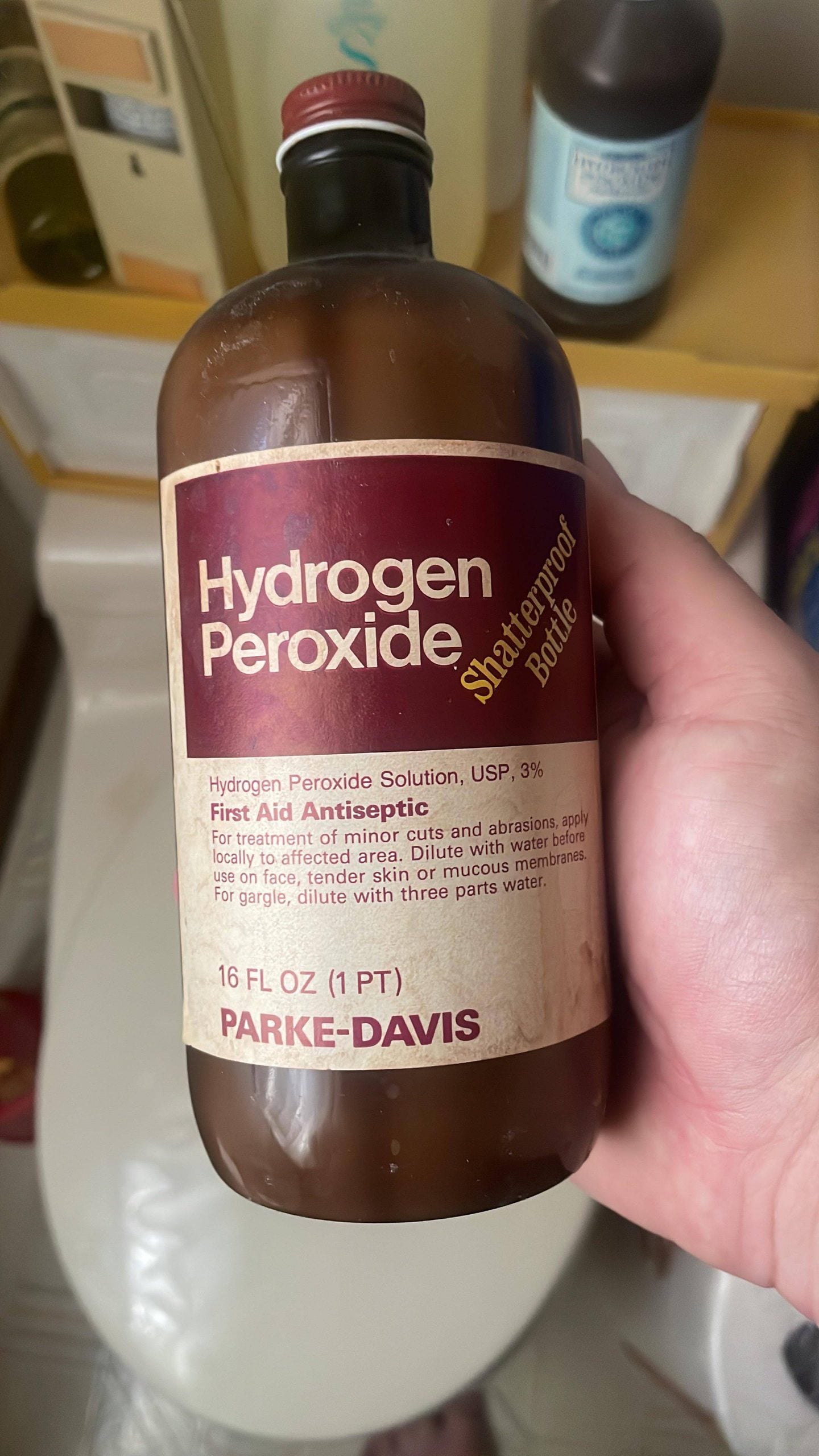
Few medicine cabinet items were more recognizable than the brown bottle of hydrogen peroxide. It was usually used by families when dealing with minor cuts and scrapes. Its dark container helped protect the contents from light, giving it a distinctive appearance. Today, medical guidance generally discourages using hydrogen peroxide on open wounds because it can damage healthy tissue and interfere with healing.
5. Mercurochrome
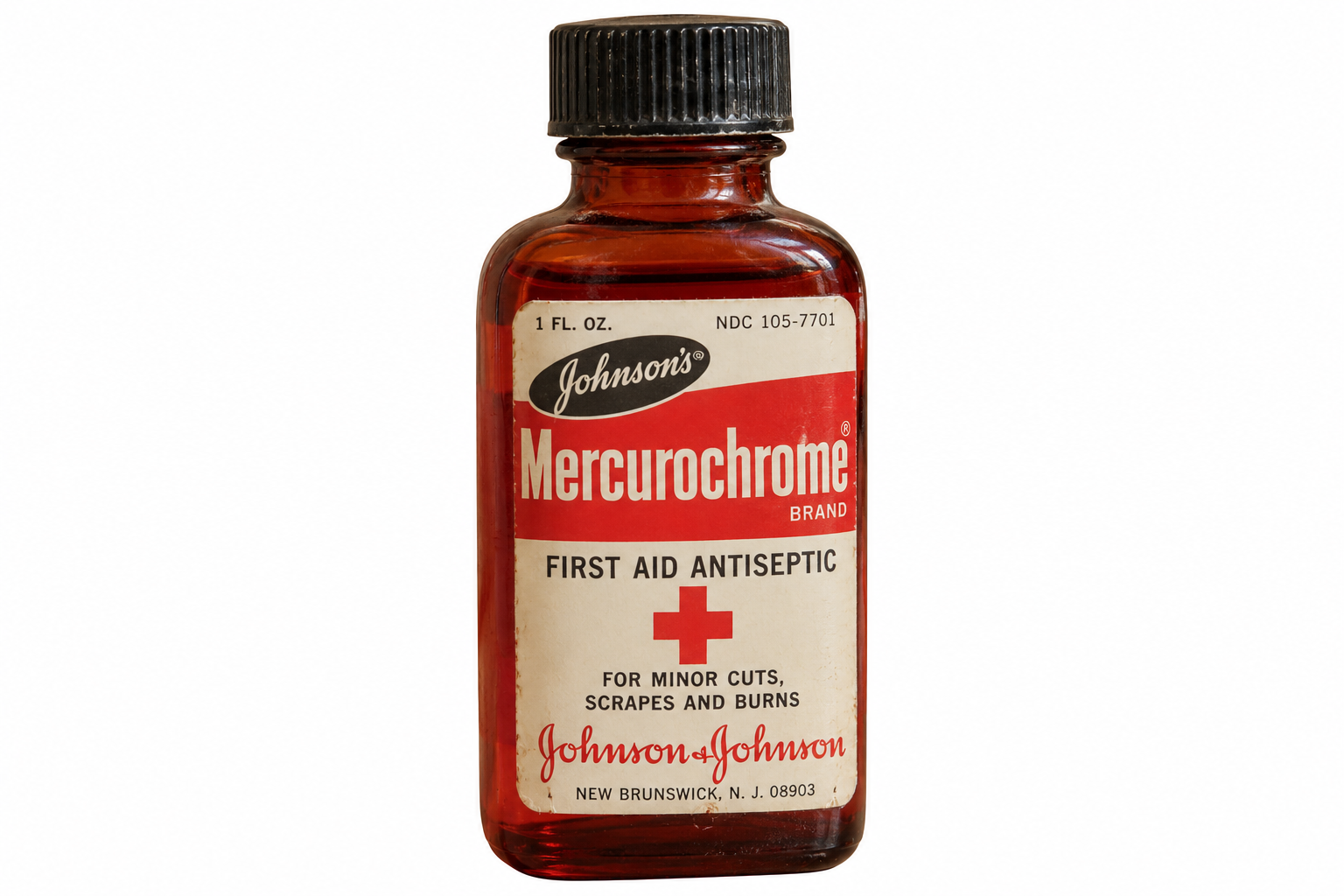
Mercurochrome was a colored antiseptic solution that many Americans associated with childhood scrapes and minor cuts. Its vivid red-orange color made it easy to recognize. Parents sometimes used it after children came home with scraped elbows, scratched knees, or other minor injuries. It is not an appropriate modern substitute for approved wound-care products.
Trending on Wealth Gang


6. Adhesive Bandages
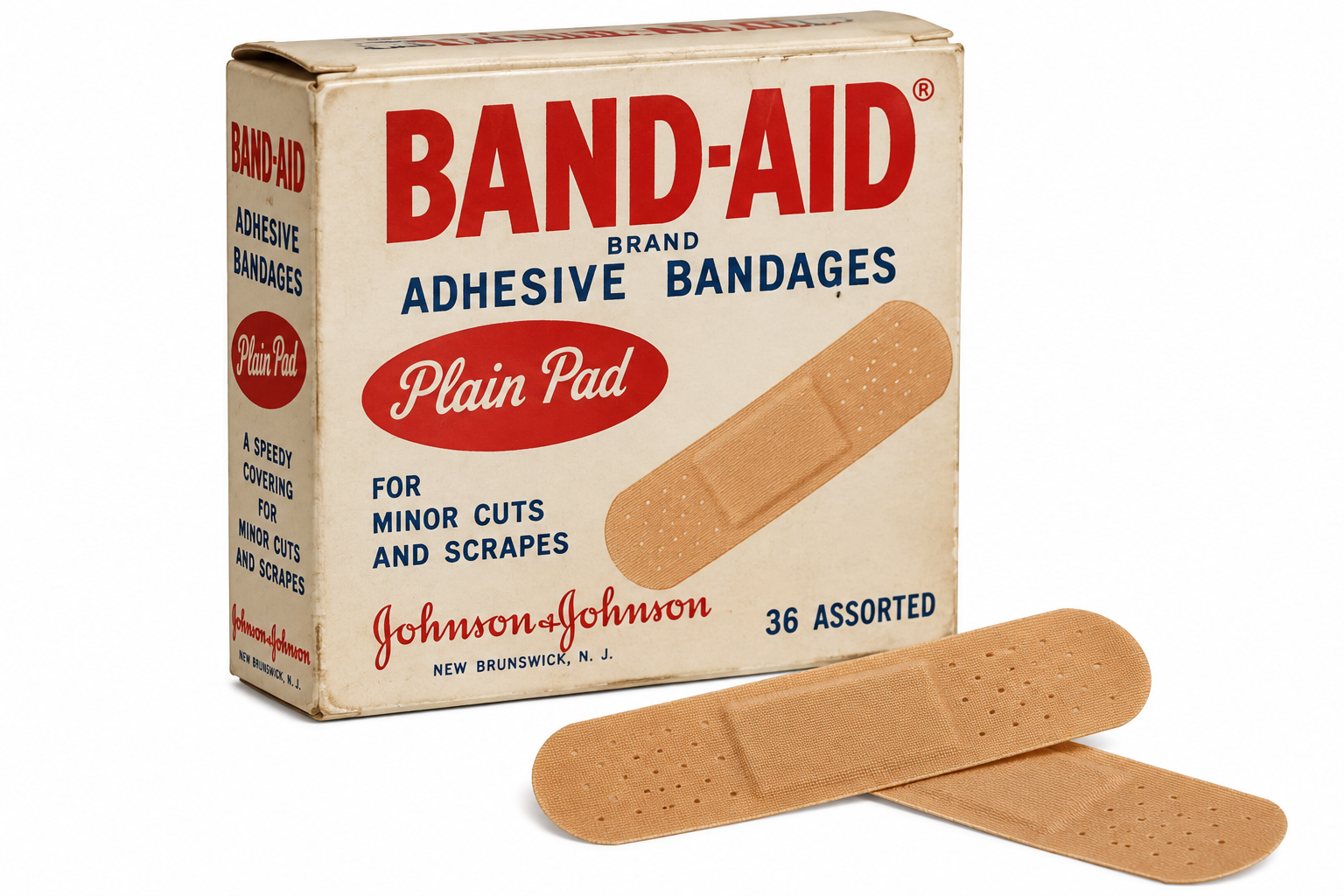
Cuts, blisters, and scraped fingers were normal, especially for children who spent afternoons riding bicycles, climbing trees, or playing outside. In the 1960s, bandages were often available in simple paper or cardboard boxes. The familiar beige bandage was especially common, although other designs and varieties were available. The basic concept has not changed much, but modern bandages come in a far wider range of shapes, colors, and designs. Waterproof versions and children’s character prints offer options that were less widespread in this decade.
7. Cotton Balls & Swabs
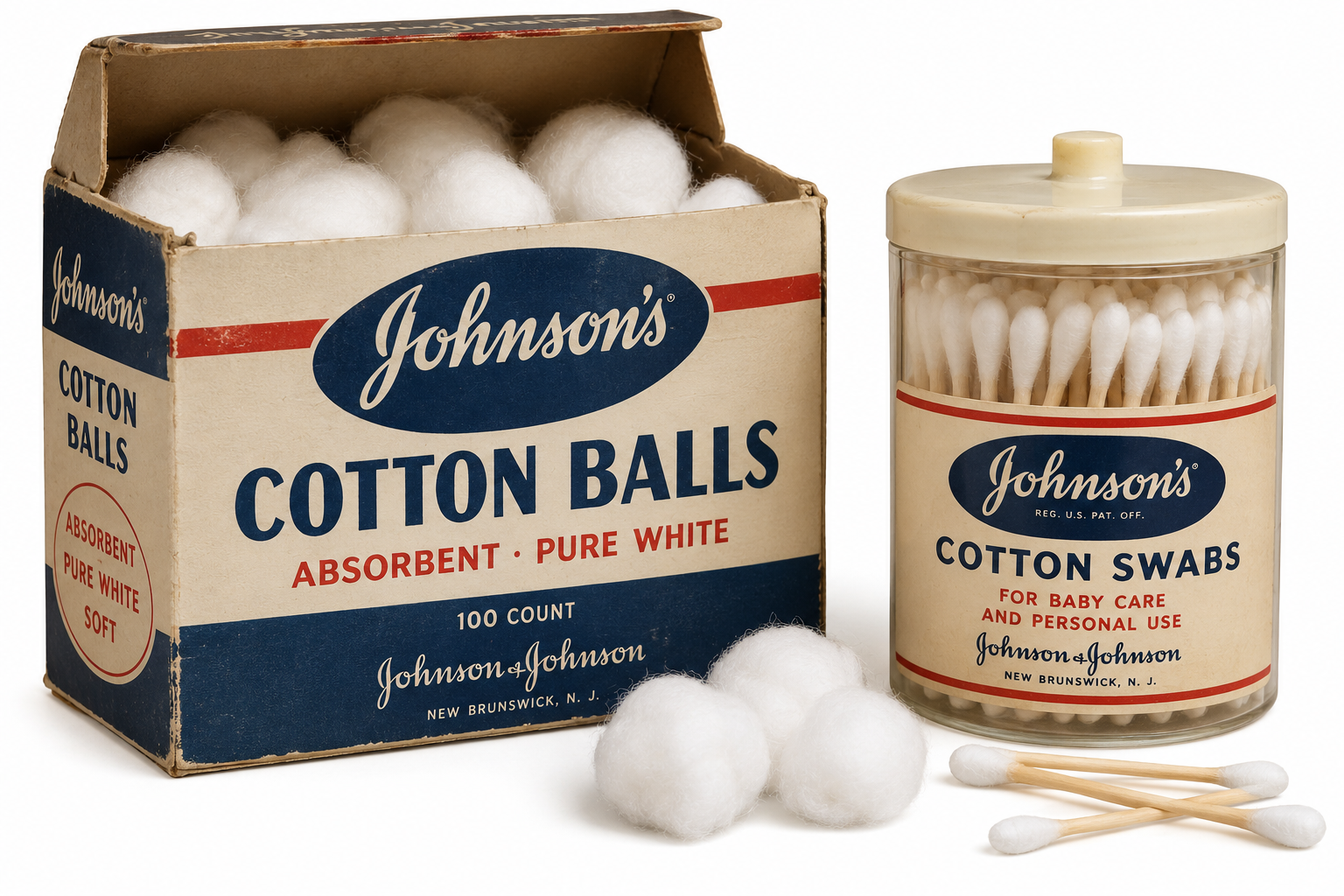
They were often stored in small cardboard boxes, glass containers, or other packages. Their simple appearance has changed little over the years. What has changed is the understanding of how and when they should be used safely. In a 1960s bathroom, however, they were practical basics that could be found alongside antiseptics, creams, and others.
8. Calamine Lotion
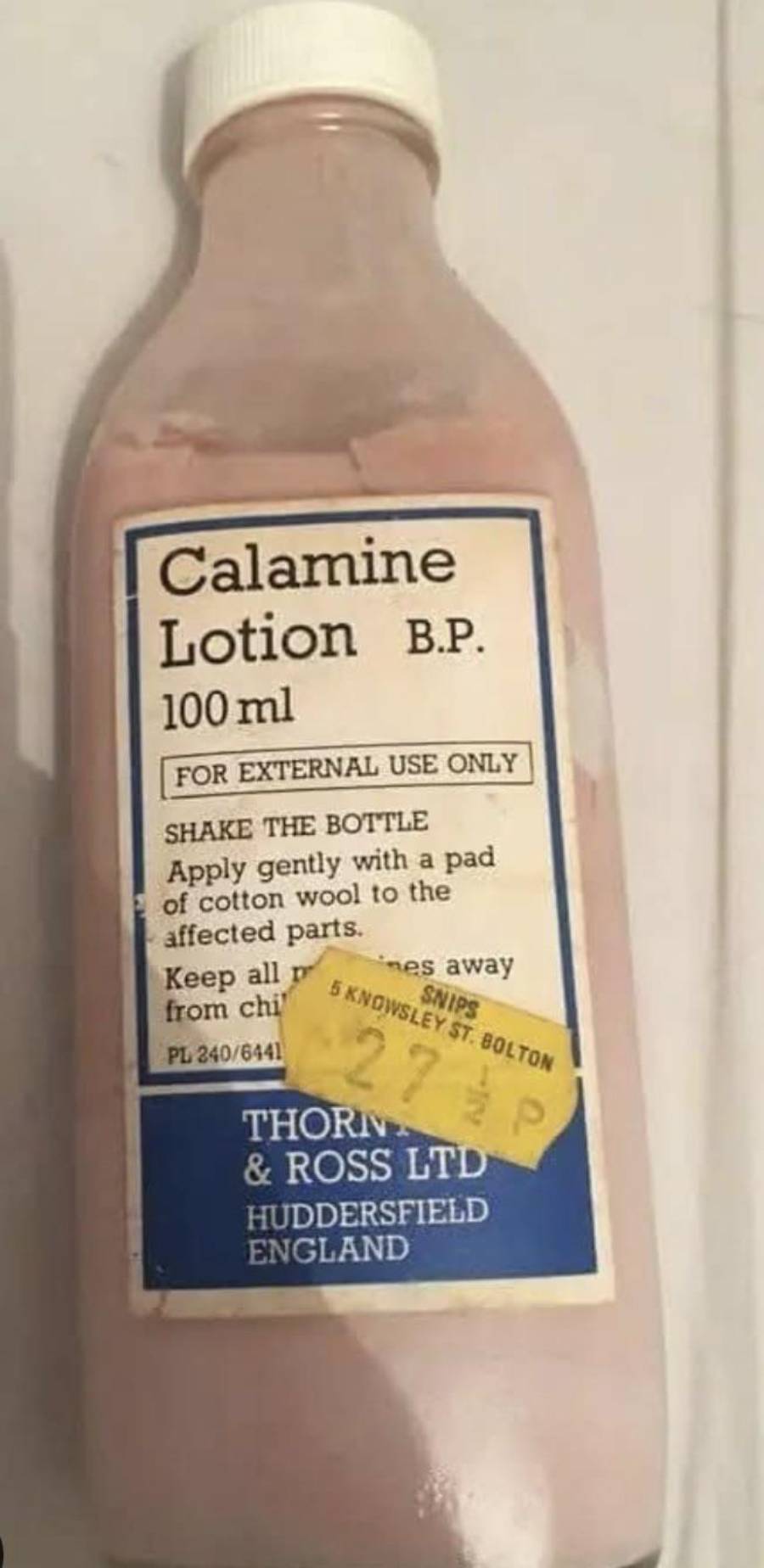
Calamine lotion was a familiar remedy for itchy and irritated skin. Families often kept it available during warmer months, when outdoor activities could bring children into contact with mosquitoes and other sources of skin irritation.
Sign up for our newsletter
9. Epsom Salt
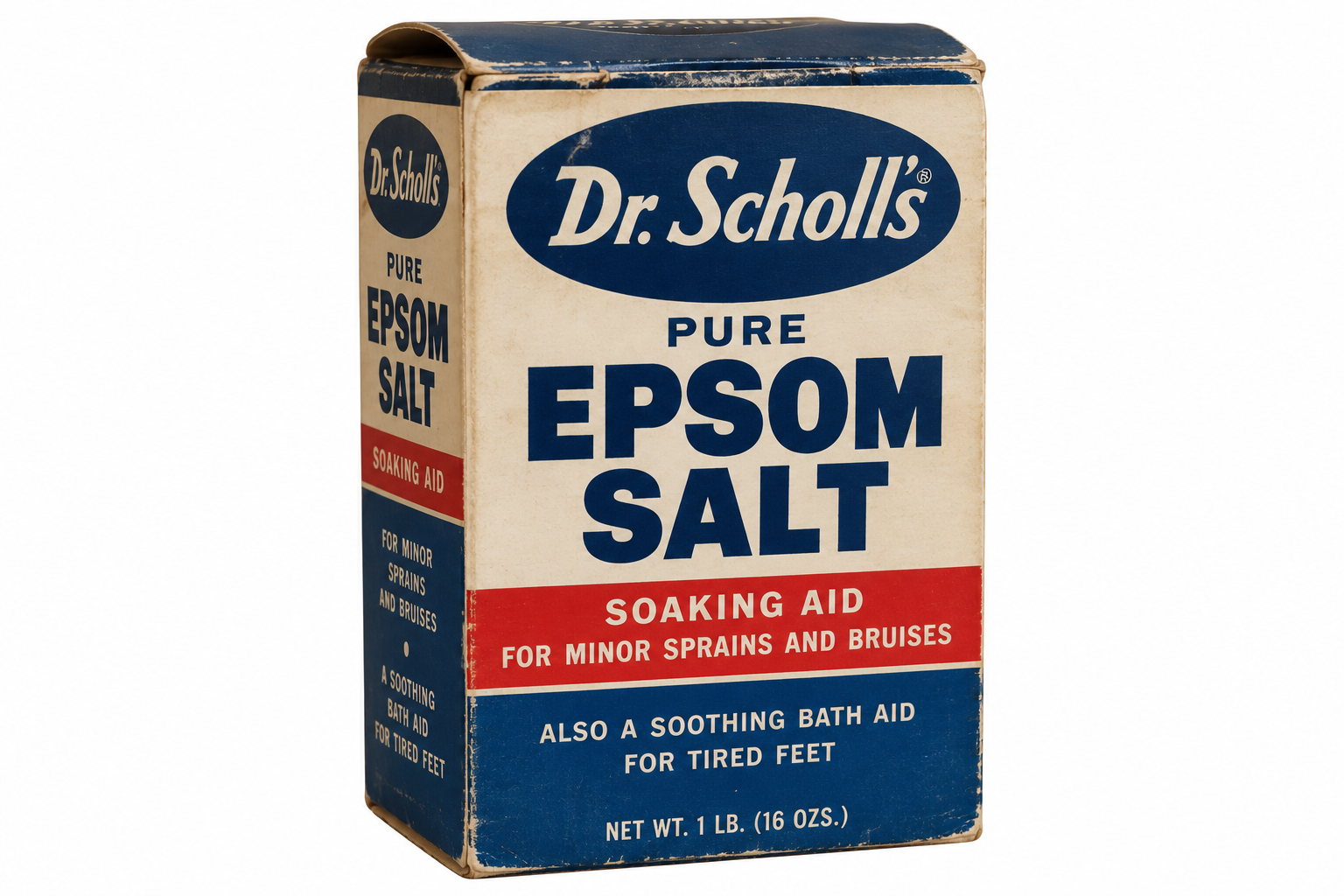
A container of Epsom salt was another useful item. The mineral compound was associated with warm baths and soaking routines. Families sometimes dissolved it in bathwater as part of a relaxing soak after a long day or physical activity. Epsom salt remains widely available, particularly for bathing and soaking.
10. Vicks VapoRub
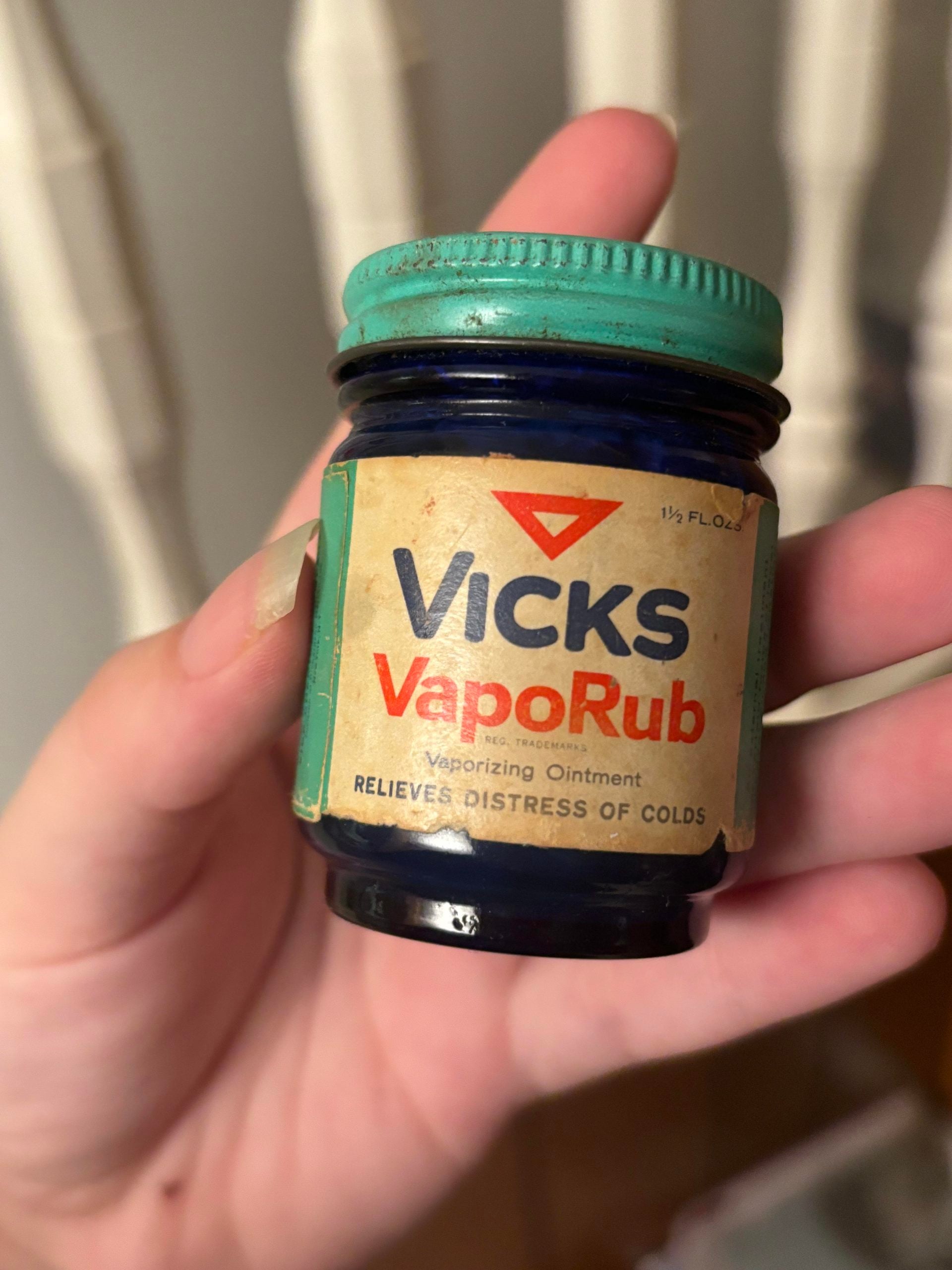
The distinctive smell of Vicks VapoRub was familiar in many American homes. It was marketed for temporary relief of cough symptoms. Parents might reach for it when a family member developed a cold. For many children, the smell became associated with staying home from school, warm blankets, and someone checking on them during the night.
11. A Tin of Petroleum Jelly
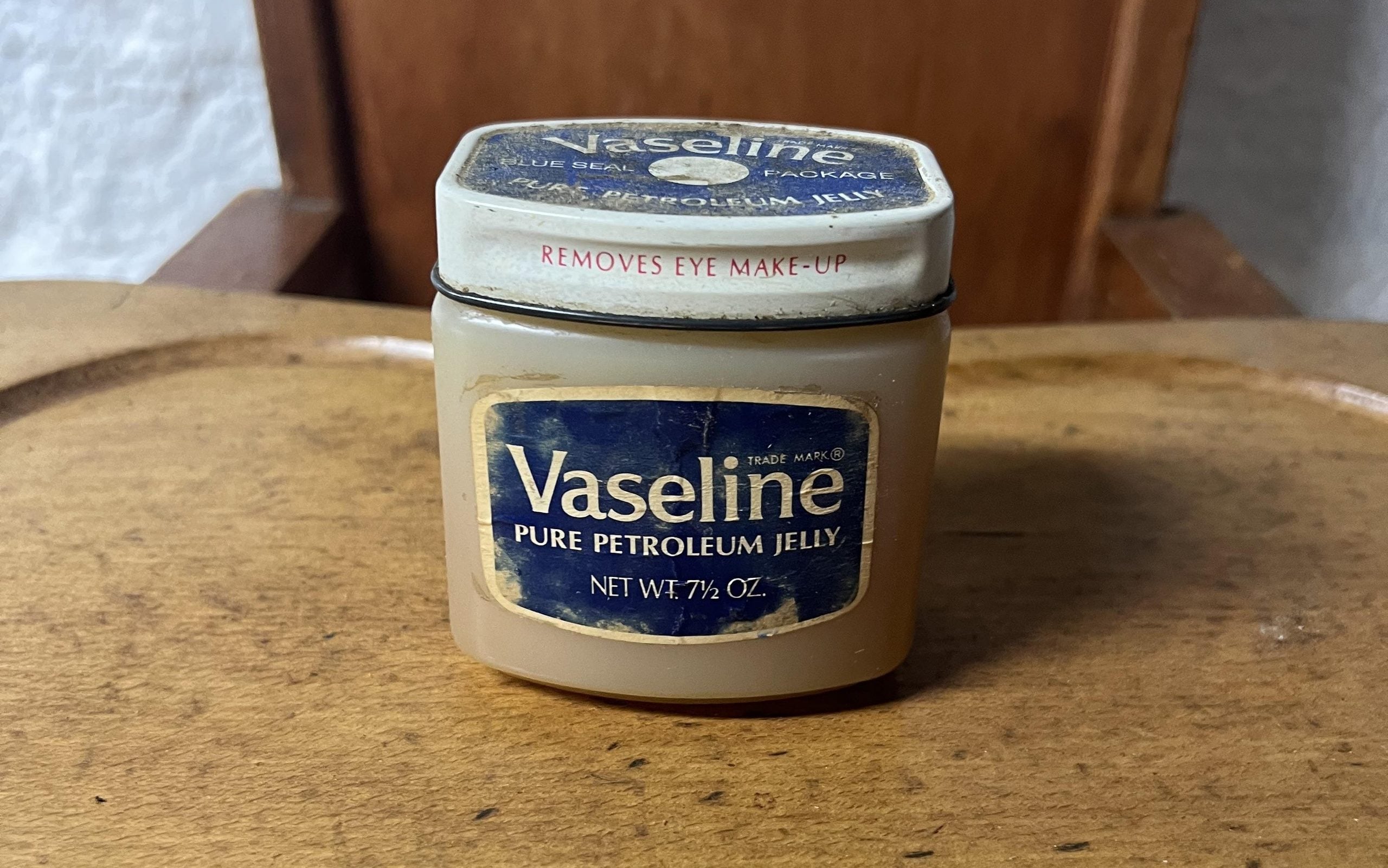
Often sold in a familiar jar, it could be found alongside lotions, bandages, and other personal-care products. Families used it to help protect dry skin and soften rough patches. It was also a popular choice for chapped lips. Its continued popularity demonstrates that not every item from a mid-century medicine cabinet has been replaced by a high-tech alternative.
12. Aspirin-Free Pain Relievers
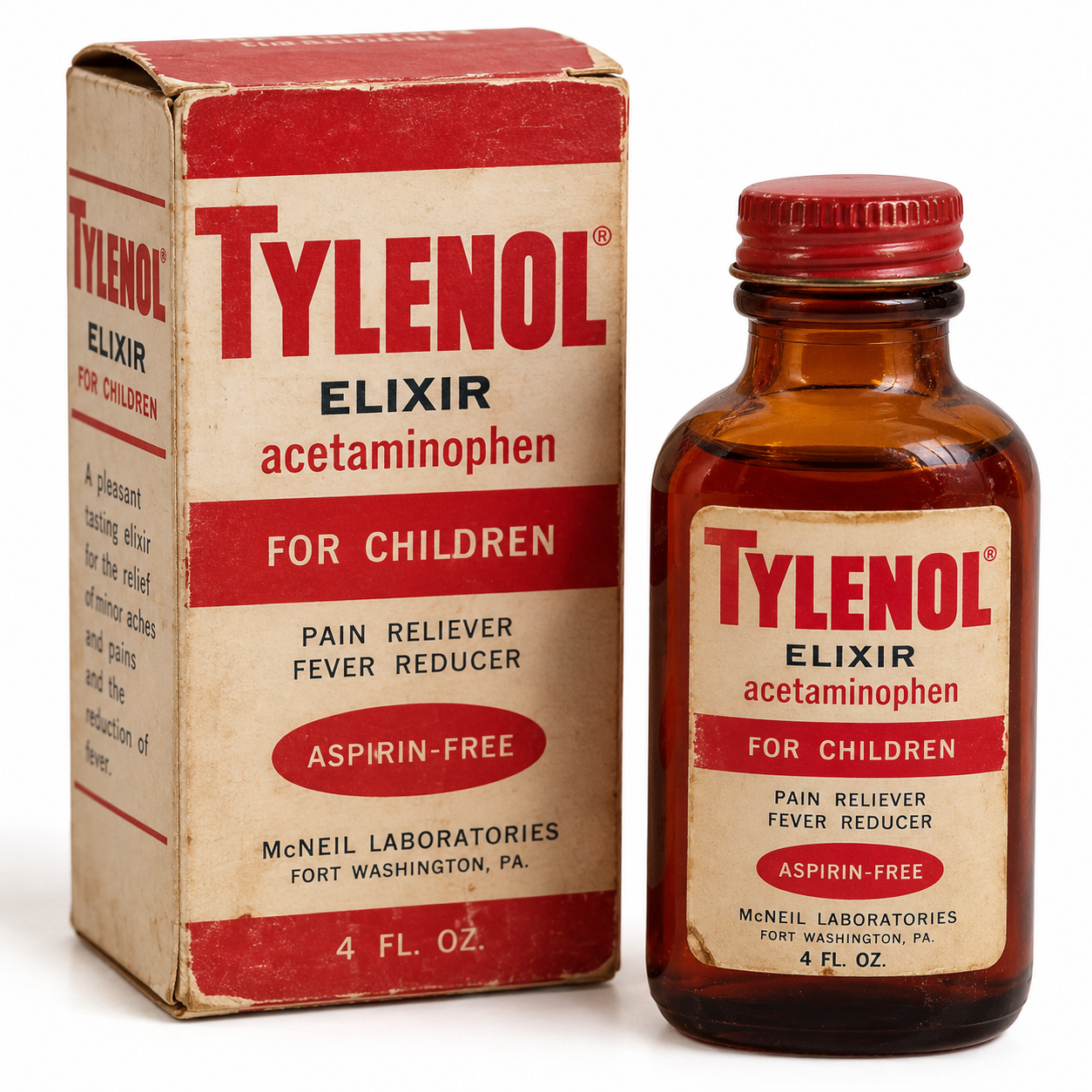
Parents in the 1960s often kept children’s medicines in the family medicine cabinet, including products intended to ease minor pain or reduce fever. Liquid medicines were useful for children who could not swallow tablets. Parents relied on the label and the advice of a family doctor or pharmacist when deciding how to use these products.
13. Cough Drops & Throat Lozenges
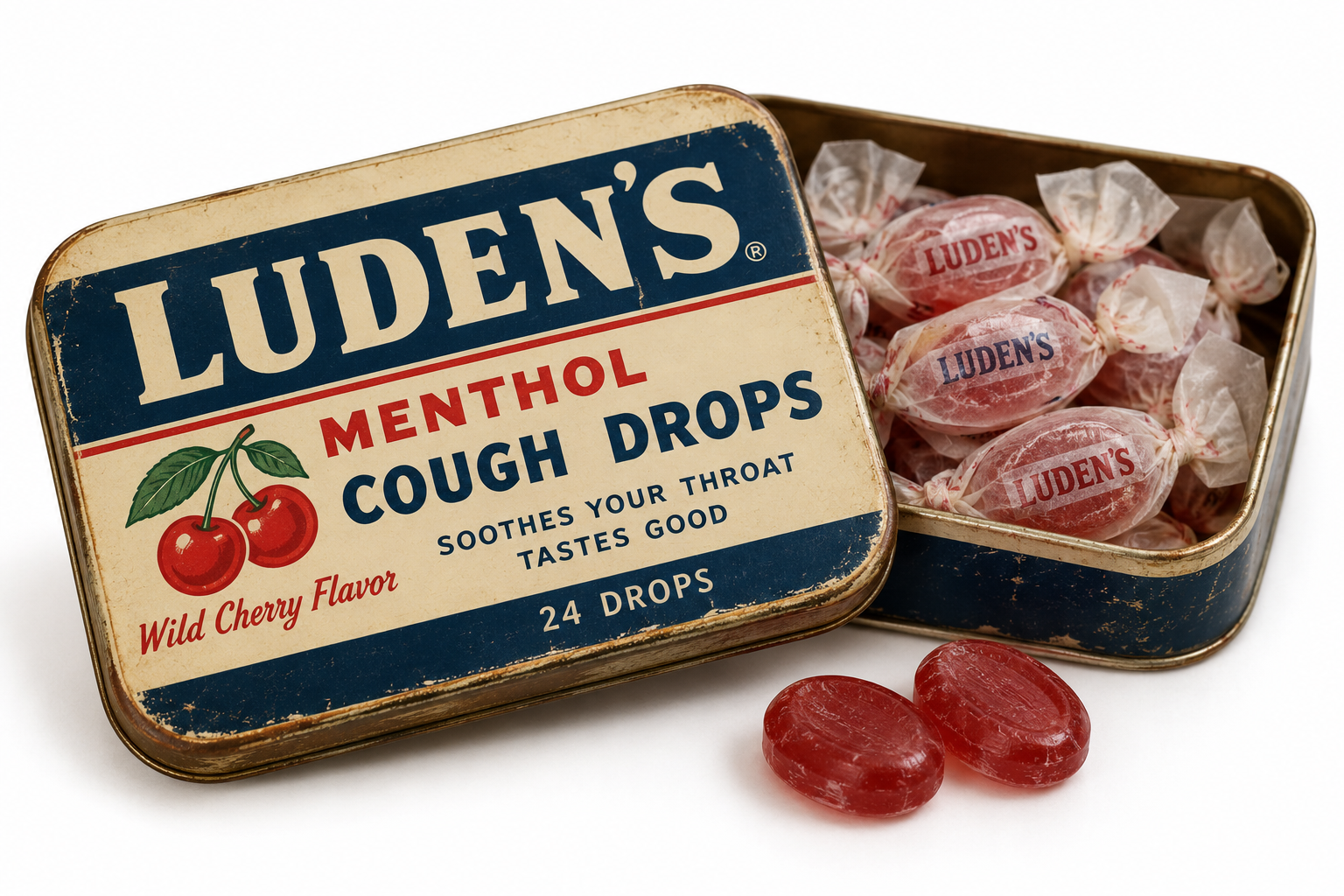
These products were useful during cold and flu season, when sore throats and persistent coughing seemed to spread from one family member to another. Some lozenges featured menthol aimed at soothing throat discomfort, while others had a sweet or herbal flavor. For many adults, an old-fashioned lozenge tin brings back memories of scratchy throats and school days spent trying not to cough in class.
14. Ammonia
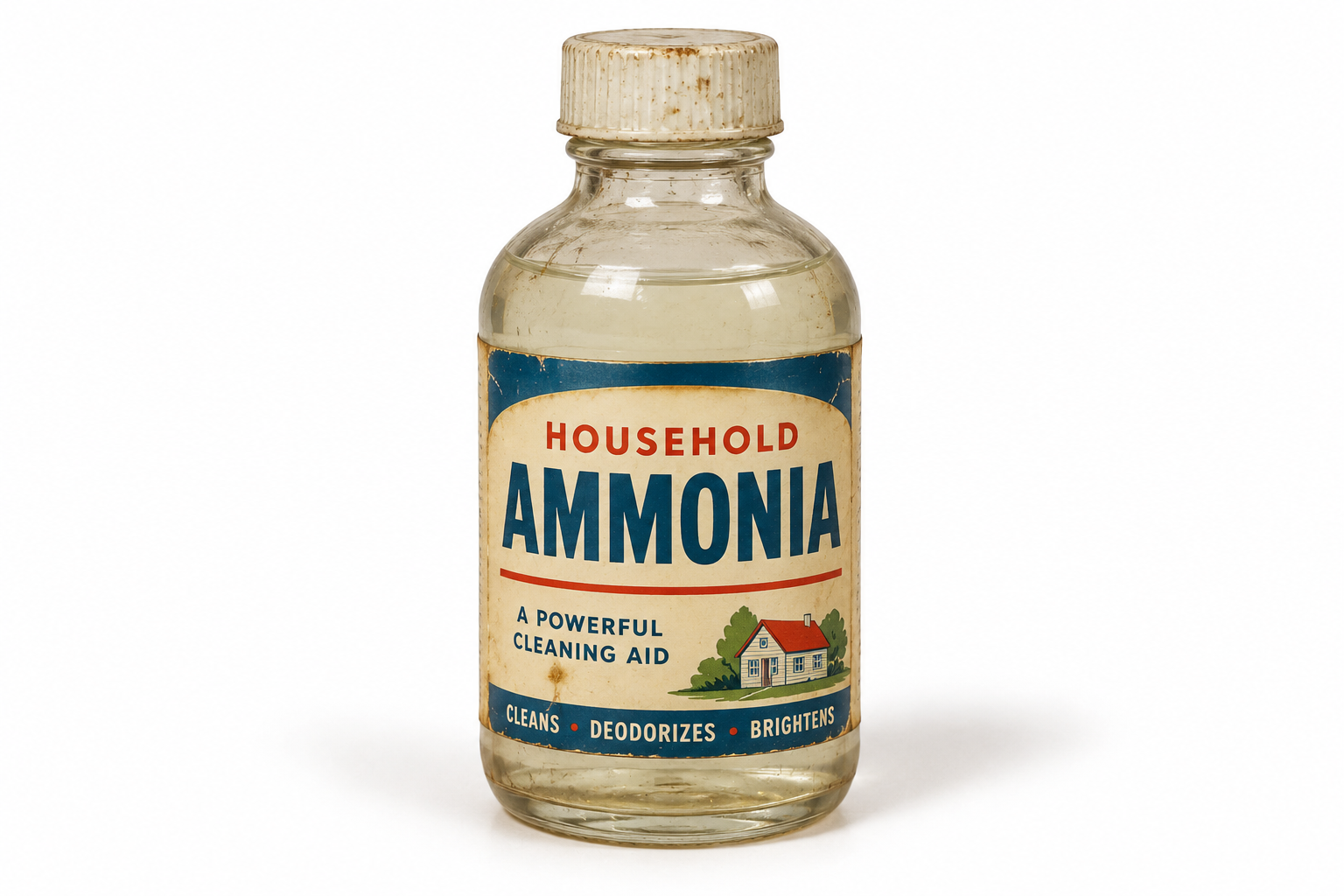
These items were not necessarily present in every family medicine cabinet, but they reflect the range of remedies and chemicals that could be found in American homes. Smelling salts were used to provoke a brief inhalation response in someone who felt faint. Ammonia, meanwhile, was more commonly associated with household cleaning than routine medical care.
15. Witch Hazel
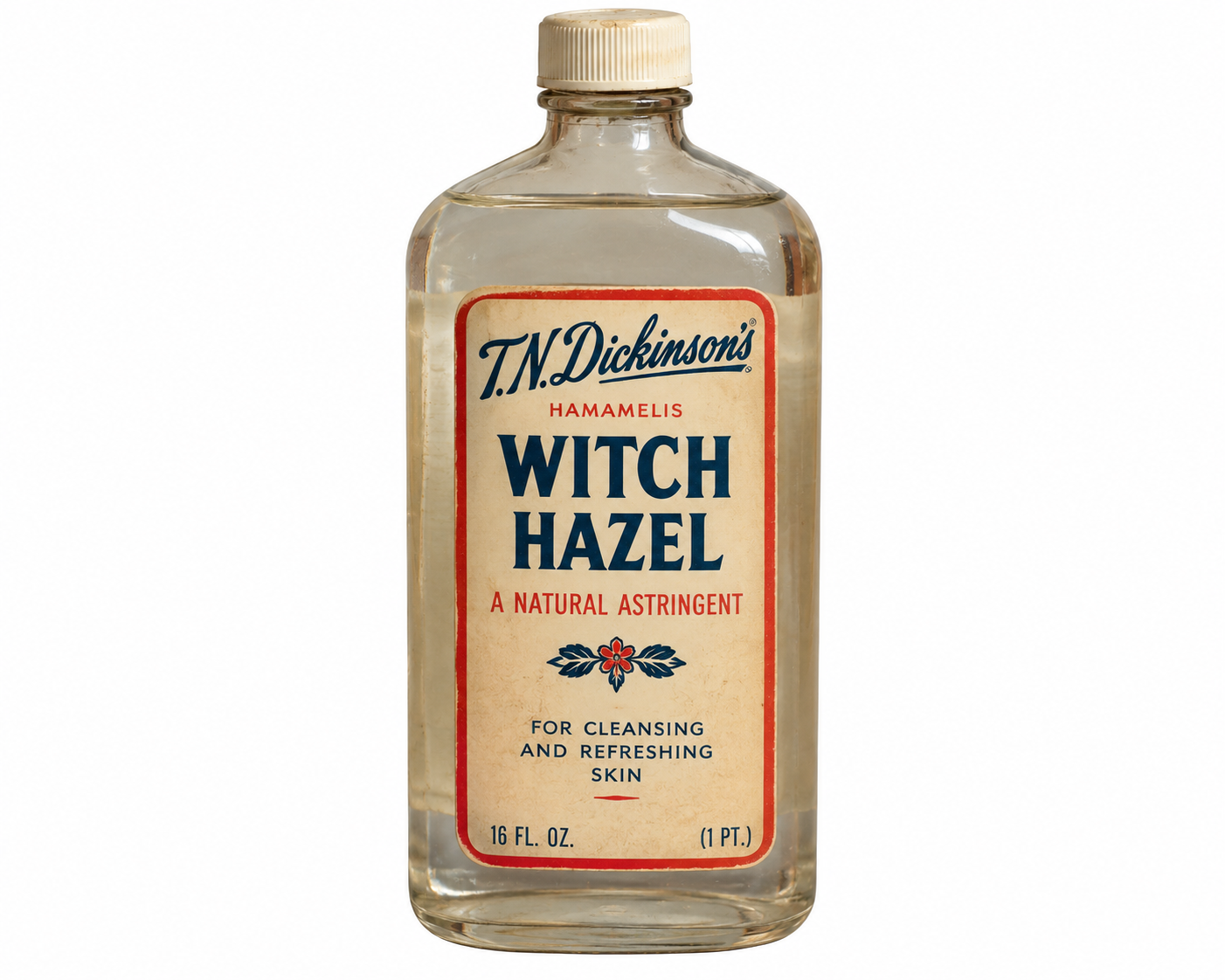
Often sold in a clear or lightly tinted bottle, it was used for certain skin-care purposes. They are still sold today. Some contain alcohol, which can be drying or irritating to certain skin types.
16. First-Aid Instruction Booklet
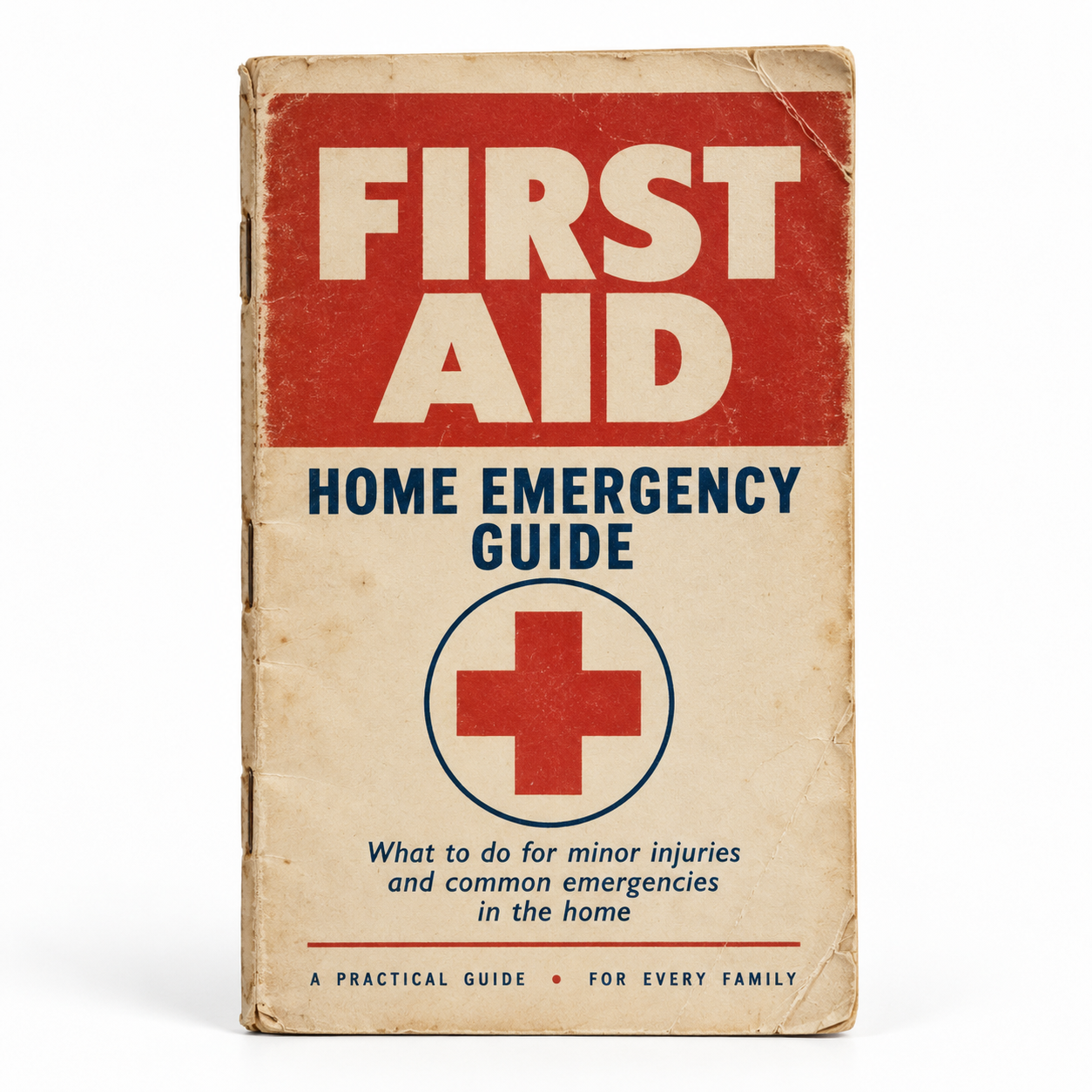
Some families kept a small first-aid booklet. These guides offered basic information about handling minor injuries, responding to common emergencies, and deciding when professional help was needed. Without smartphones or instant online searches, families often relied on printed health information.
You might also like:
16 Household Items From the 1960s That Were Made to Last for Generations: Explore the durable products that once filled American homes, many of which remained in bathrooms, kitchens, and closets for decades.
• 12 Everyday Objects Younger Generations Wouldn’t Know How to Use: Revisit once-familiar everyday objects that disappeared as new technology, changing habits, and modern conveniences took their place.
• 16 Things Americans Used to Buy at Drugstores That Are Hard to Find Today: Take a nostalgic look at personal care products and essentials that Americans once routinely picked up at neighborhood drugstores but rarely encounter today.