There was a time when buying something for the house often meant expecting to keep it for decades. Throughout the 1960s, kitchens, living rooms, garages, and laundry rooms were filled with heavy appliances, solid furniture, and simple household tools designed to be repaired rather than quickly replaced.
Plenty of those items are still turning up in grandparents’ homes, estate sales, and thrift stores today, sometimes in perfectly usable condition. From nearly indestructible cookware to mechanical appliances with surprisingly long lives, these household staples show just how durable everyday products could be.
1. Cast-Iron Skillets
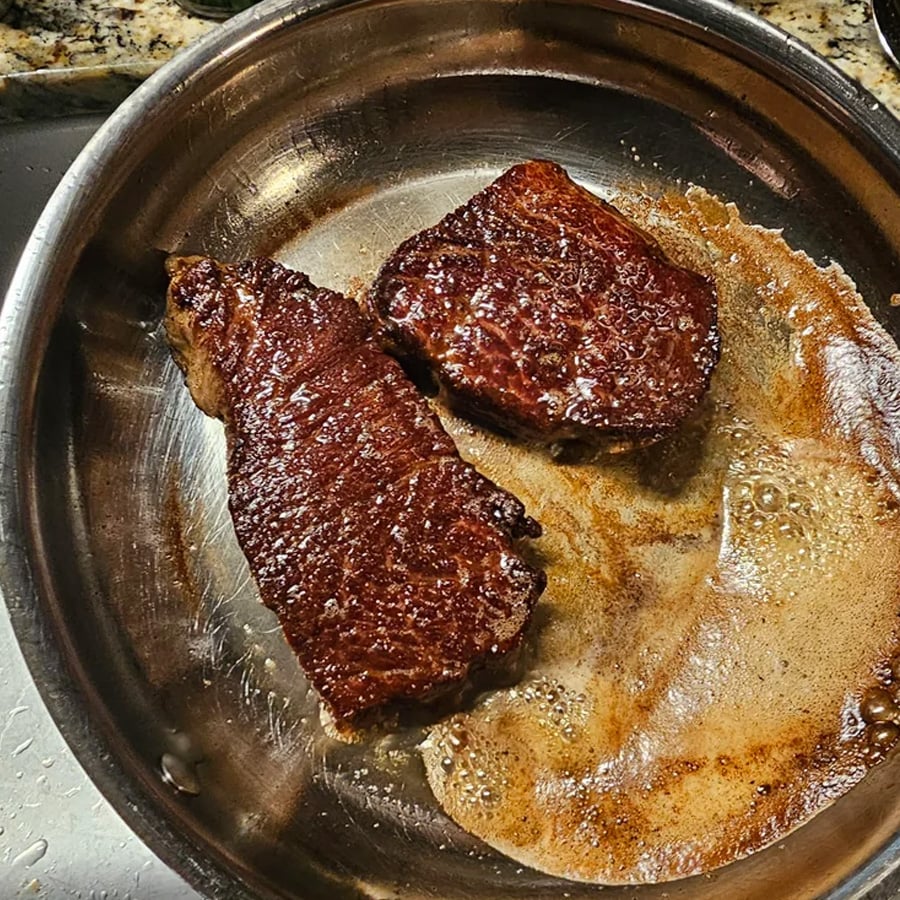
Cast-iron cookware was already generations old by the 1960s, and many families continued using skillets that had been handed down from parents or grandparents. With almost no delicate components to break and a cooking surface that can improve with proper seasoning, a well-maintained cast-iron pan can remain useful for a century or more.
2. Pyrex Baking Dishes
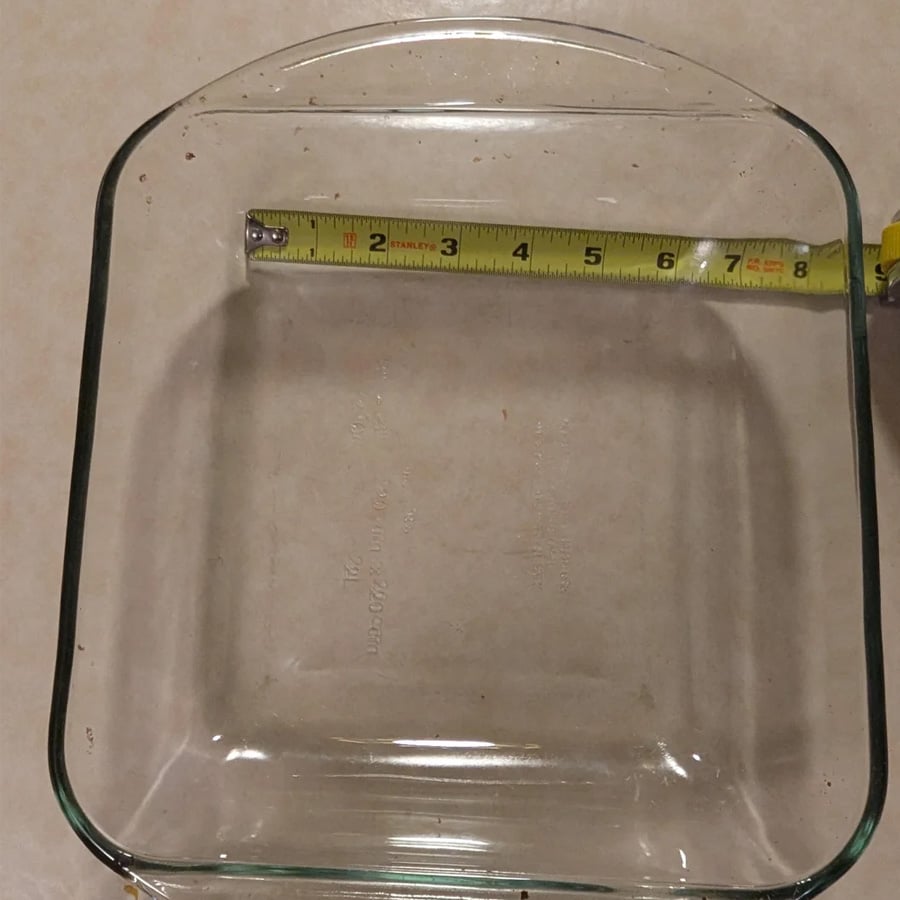
Colorful Pyrex casseroles, mixing bowls, and refrigerator dishes were fixtures in midcentury American kitchens. Their durable glass construction made them practical enough for everyday cooking, while the colorful patterns of the era gave them a distinctive look. Many surviving examples remain usable decades later and have also become popular collectibles.
3. CorningWare Casserole Dishes
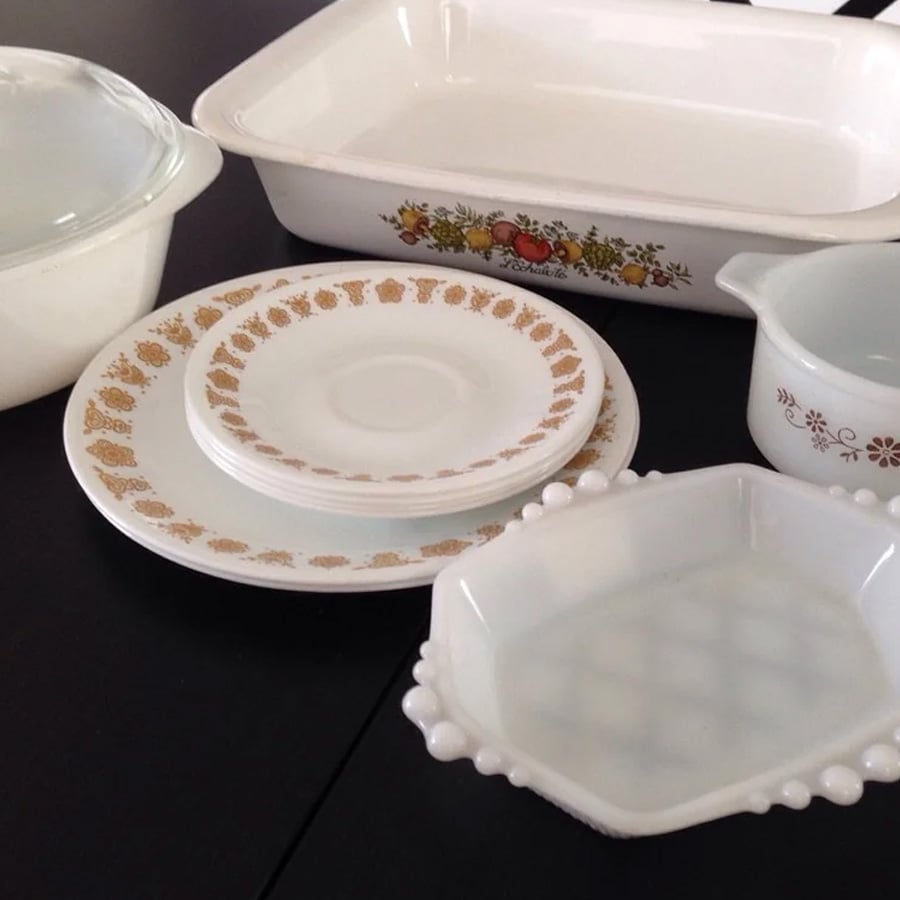
Original CorningWare became famous for handling dramatic temperature changes and the demands of everyday cooking. The familiar pieces found in countless 1960s kitchens were lightweight yet remarkably tough, which helps explain why so many are still found in cupboards, estate sales, and thrift stores today.
4. Singer Sewing Machines
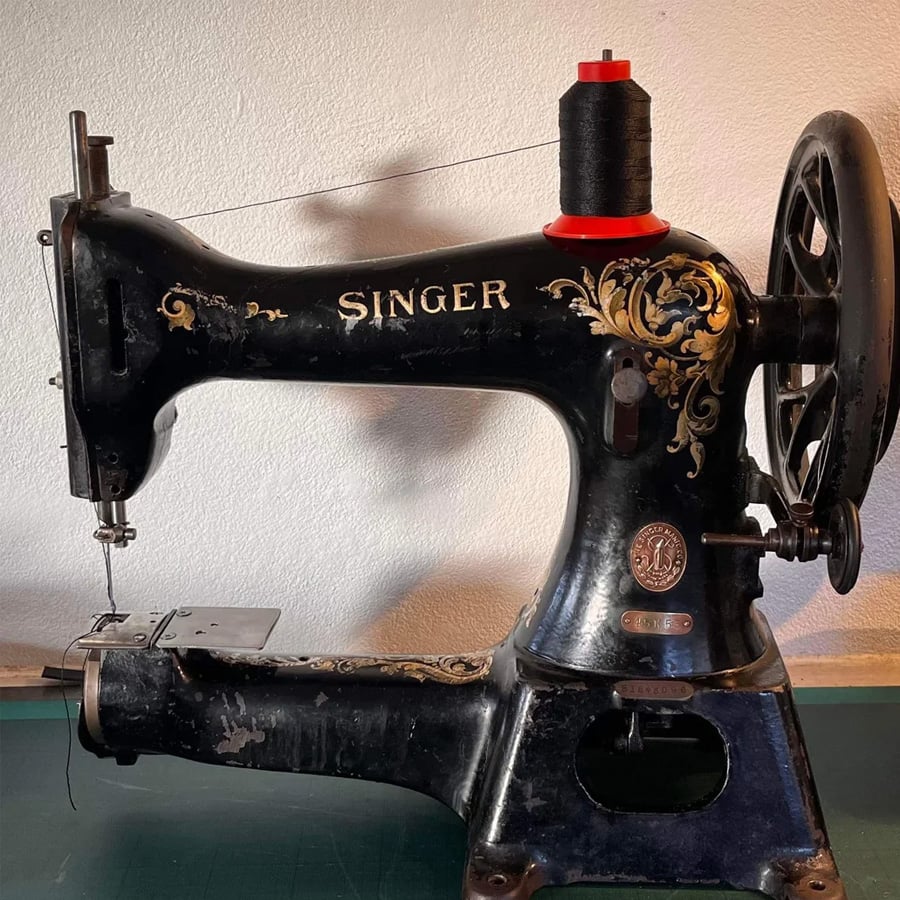
A sewing machine was an important household tool when repairing and making clothes at home was far more common. Vintage Singer machines relied heavily on sturdy metal mechanical parts and could be serviced instead of discarded when something went wrong. Many machines from this era continue to work decades later.
5. Solid-Wood Dressers
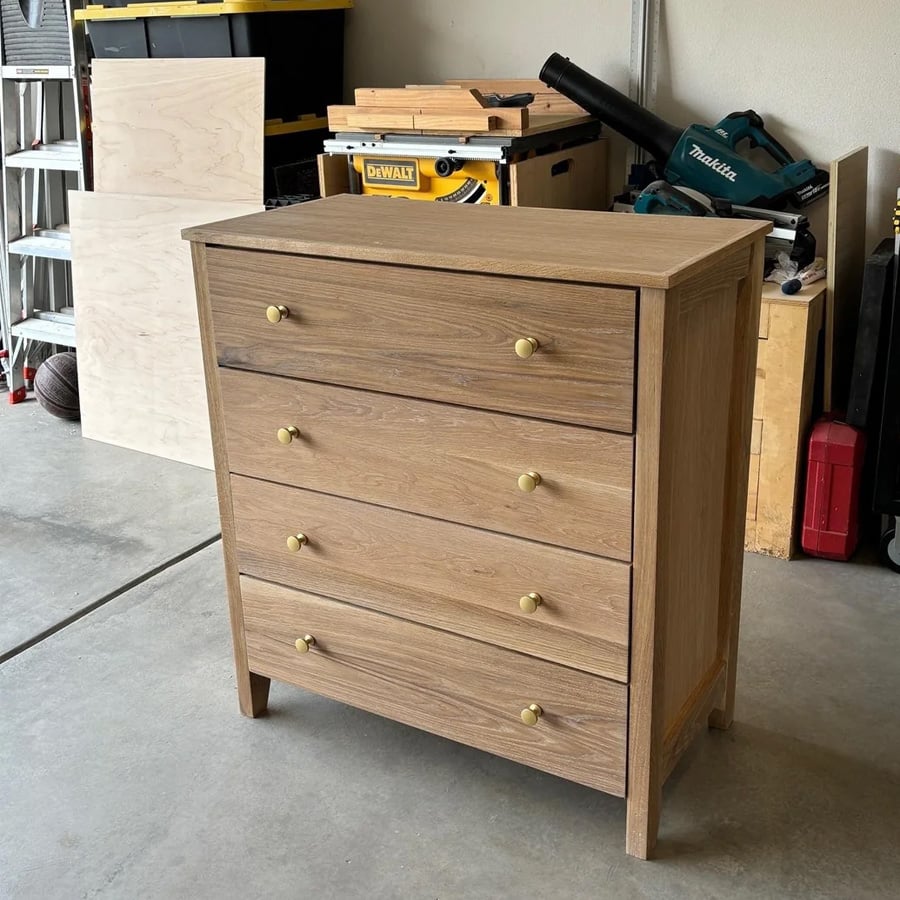
Before inexpensive particleboard furniture became widespread, bedroom furniture was commonly made from substantial pieces of wood and sturdy frames. Dressers purchased during the 1960s could survive countless moves, scratches, and changing decorating trends, often needing little more than refinishing and new hardware to look good again.
Trending on Wealth Gang

6. Metal Kitchen Canisters
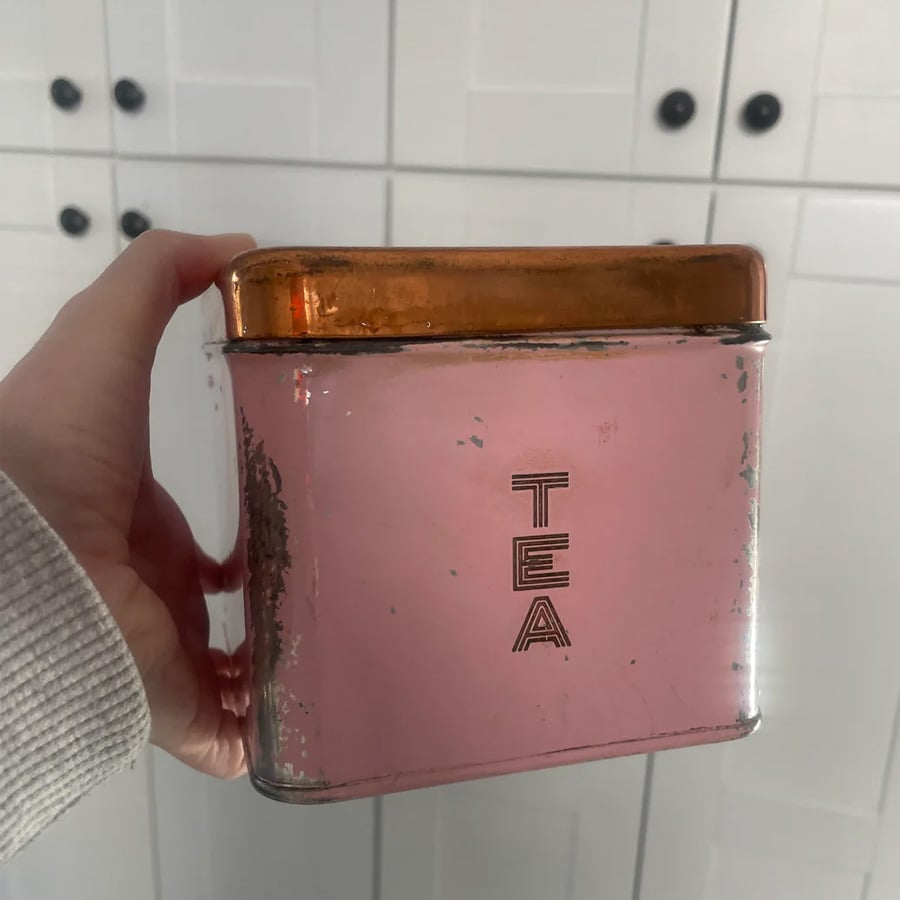
Flour, sugar, coffee, and tea frequently had their own matching canisters sitting prominently on the kitchen counter. Many were made from steel or aluminum rather than lightweight plastic, allowing them to survive decades of daily opening, closing, and cleaning. Vintage sets still regularly appear with little more than cosmetic wear.
7. Sunbeam Mixmasters
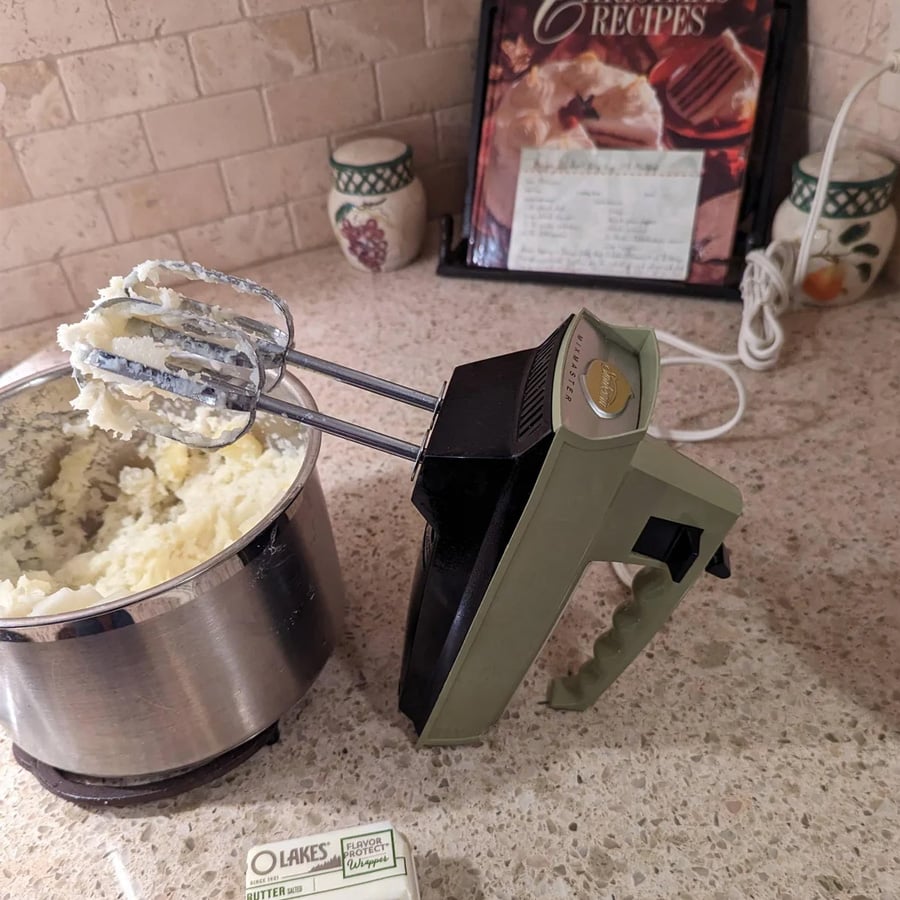
Heavy stand mixers represented an era when small kitchen appliances often contained substantial metal components and relatively straightforward motors. The Sunbeam Mixmaster was a familiar presence in American kitchens, and working vintage examples can still be found today, demonstrating how repairable these appliances could be.
8. Metal-Blade Electric Fans
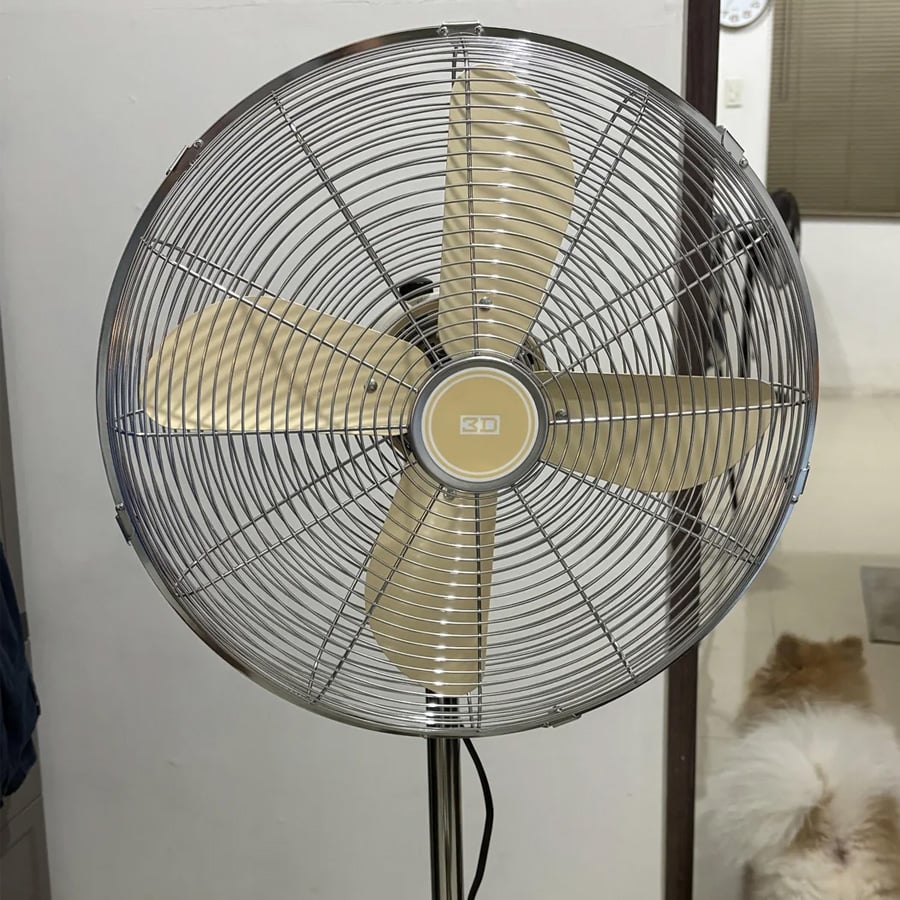
Many 1960s electric fans had heavy metal housings, steel blades, and motors that could be cleaned, lubricated, or repaired. Their designs were relatively straightforward, helping properly maintained examples continue operating decades later. Old electrical components may require updating, but the basic mechanical construction was exceptionally durable.
Sign up for our newsletter
9. Stainless-Steel Flatware
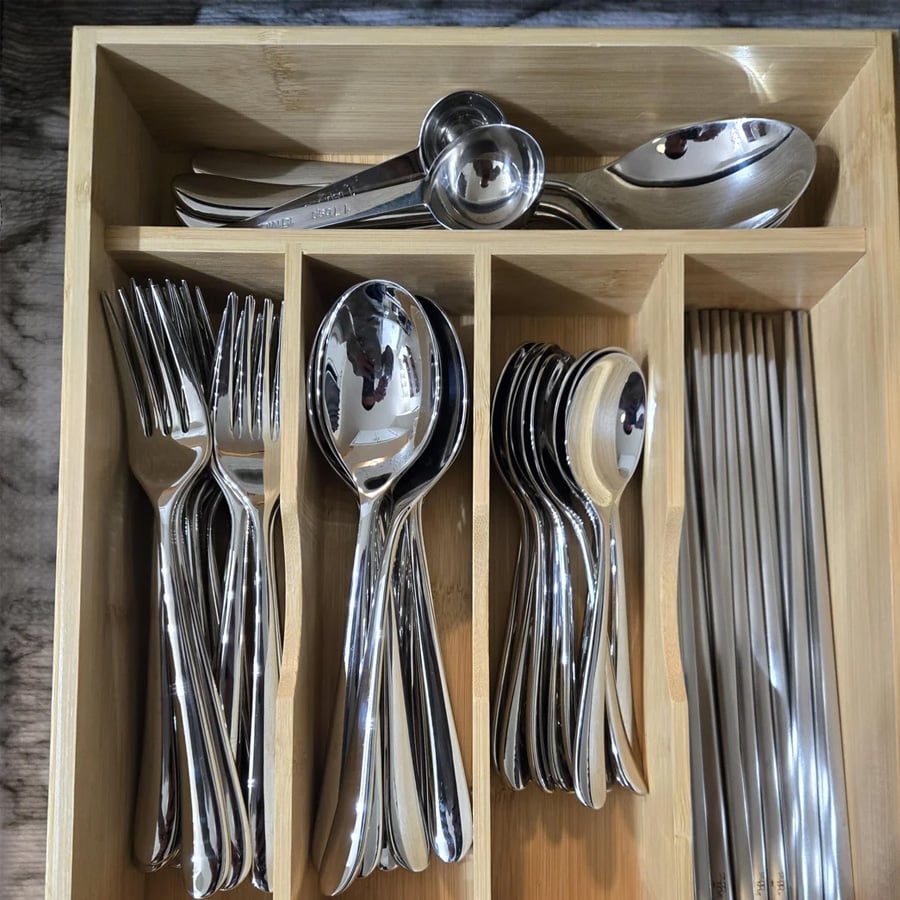
A good set of stainless-steel forks, knives, and spoons could easily become a lifetime purchase. The material resisted rust, staining, and everyday wear, while uncomplicated construction left virtually nothing to break. Sets purchased for weddings or new homes in the 1960s are still routinely passed down through families.
10. Mechanical Vacuum Cleaners
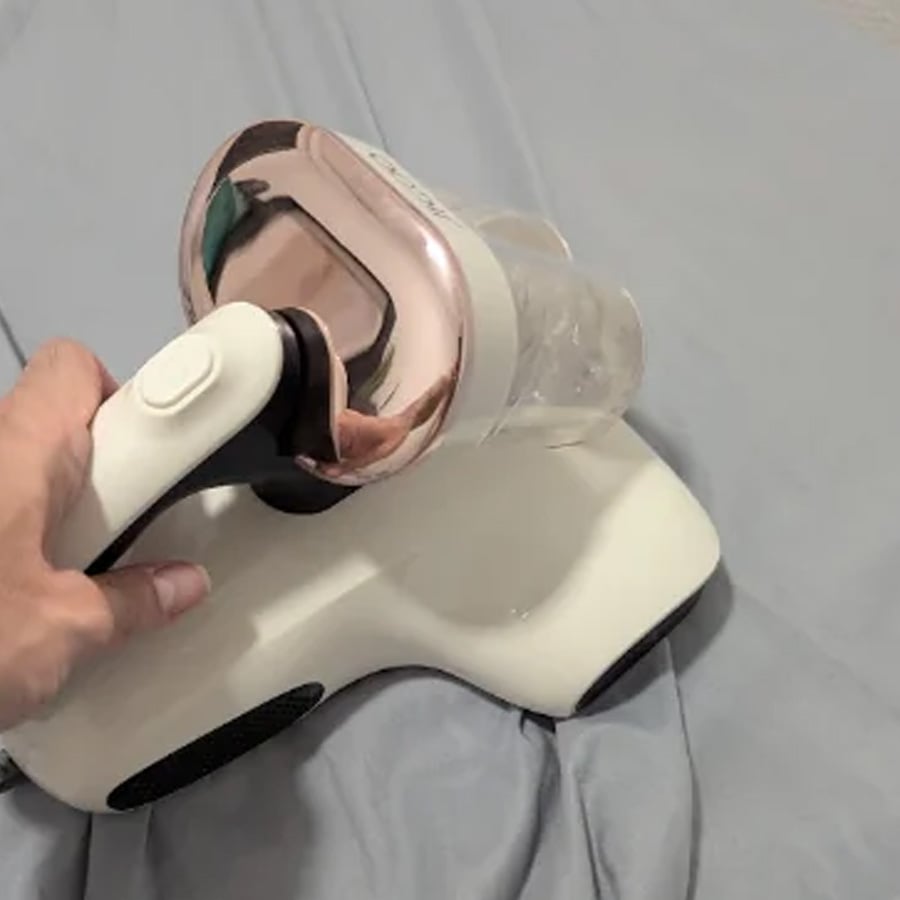
Vacuum cleaners of the era could be surprisingly substantial machines, with heavy housings, powerful motors, replaceable belts, and components that repair shops could service. Instead of replacing an entire vacuum when something failed, owners could often replace individual parts and keep the same machine running for years.
11. Enamel-Coated Cookware
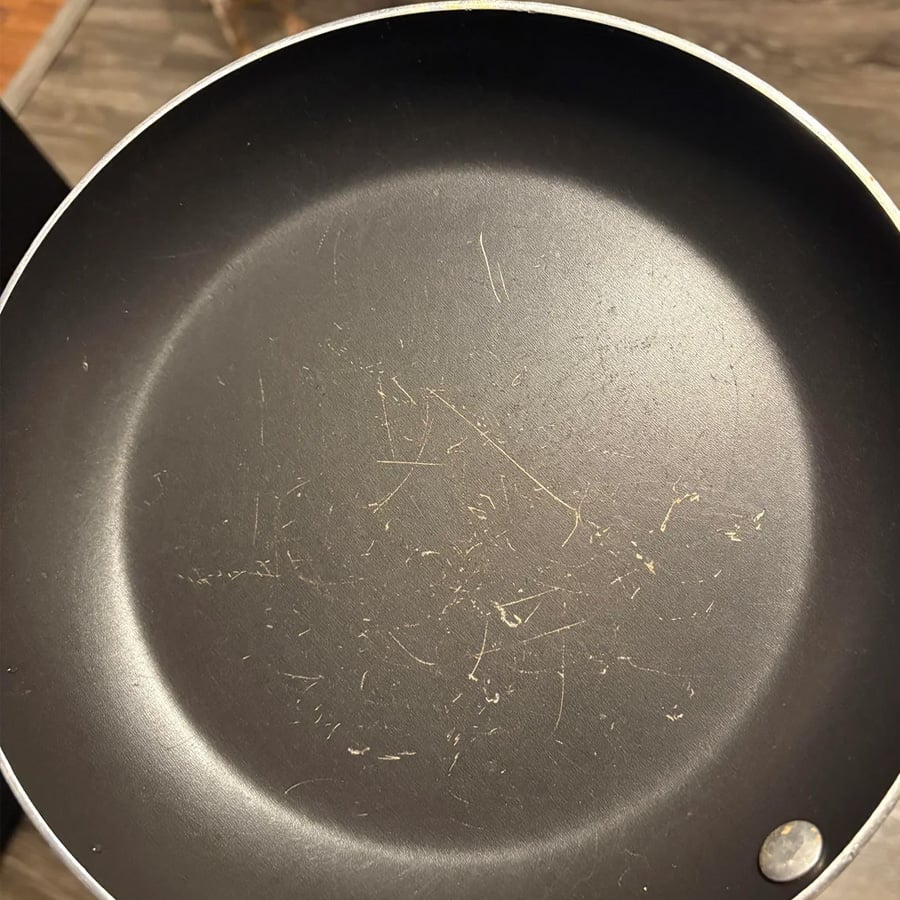
Enamel pots, roasting pans, and Dutch ovens combined a sturdy metal base with a hard, smooth coating that could withstand years of cooking. Although the enamel could chip if dropped or struck hard enough, the cookware itself was extremely durable. Pieces that avoided major damage frequently remained in service for generations.
12. Wooden Dining Tables
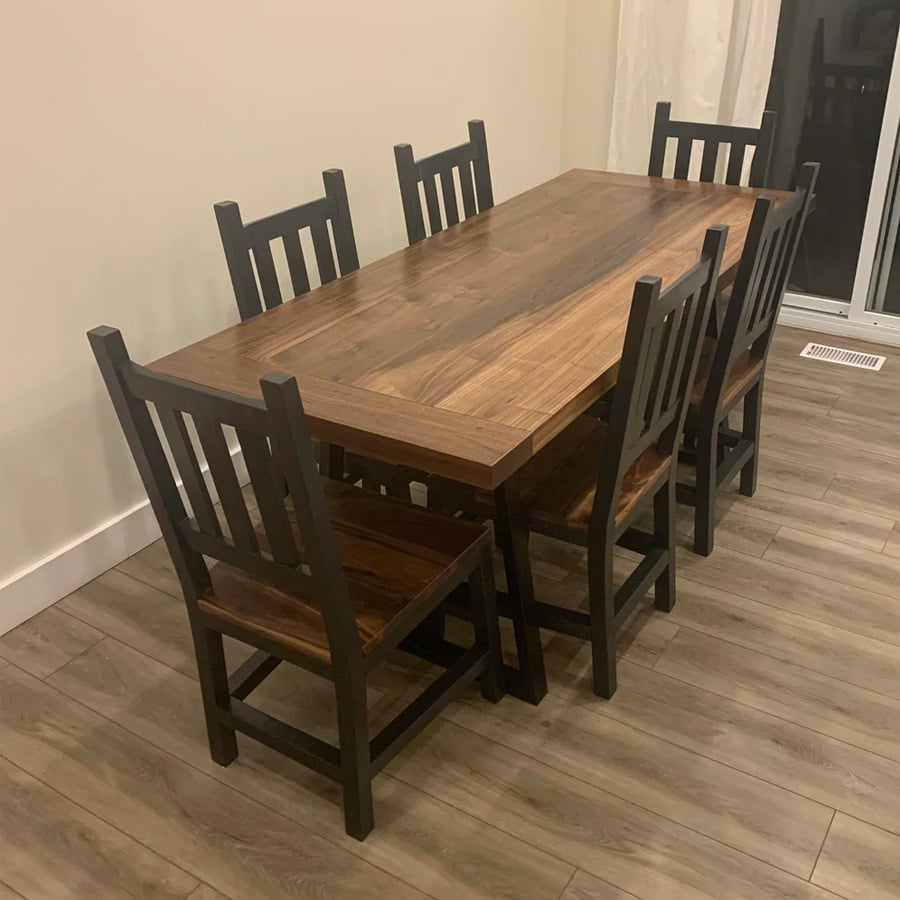
A dining table was often treated as a major furniture purchase rather than something expected to be replaced every few years. Thick wooden tops and sturdy construction allowed tables from the 1960s to withstand decades of family dinners, homework, holidays, and moves. Even heavily scratched examples can often be refinished instead of discarded.
13. Electric Skillets
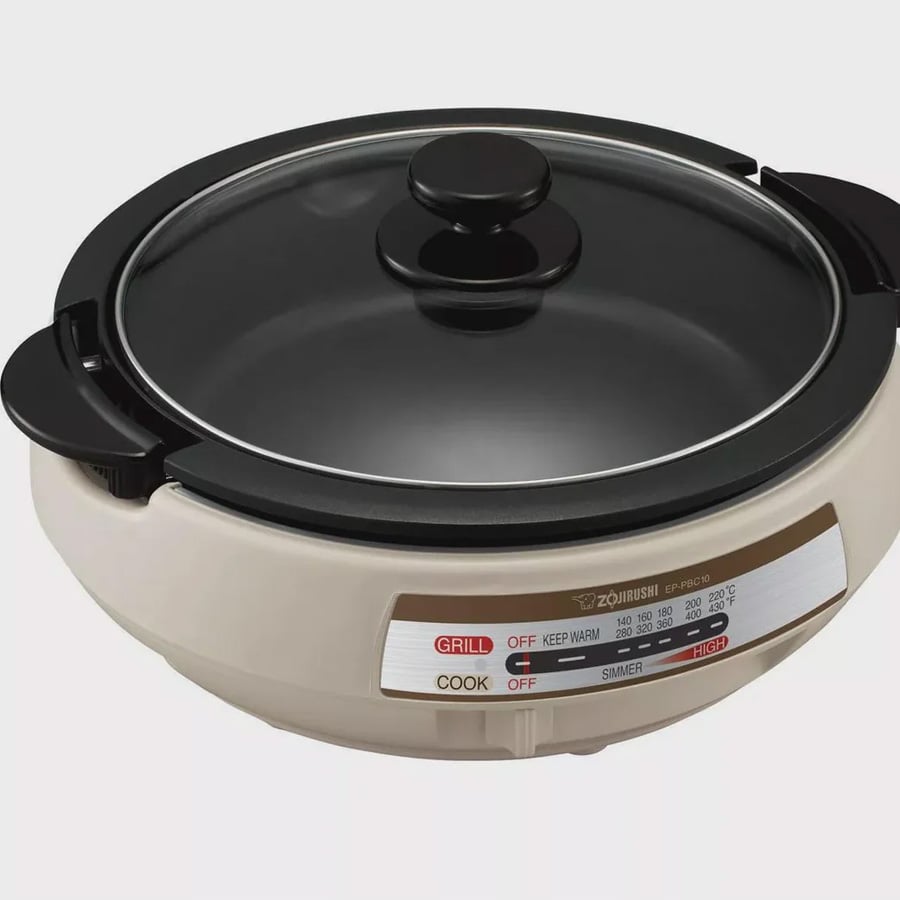
Electric skillets were popular convenience appliances during the decade, offering families an additional surface for frying, stewing, and preparing meals without using the stove. Many models relied on relatively simple heating systems and substantial construction, giving well-maintained examples surprisingly long working lives.
14. Heavy-Duty Refrigerators
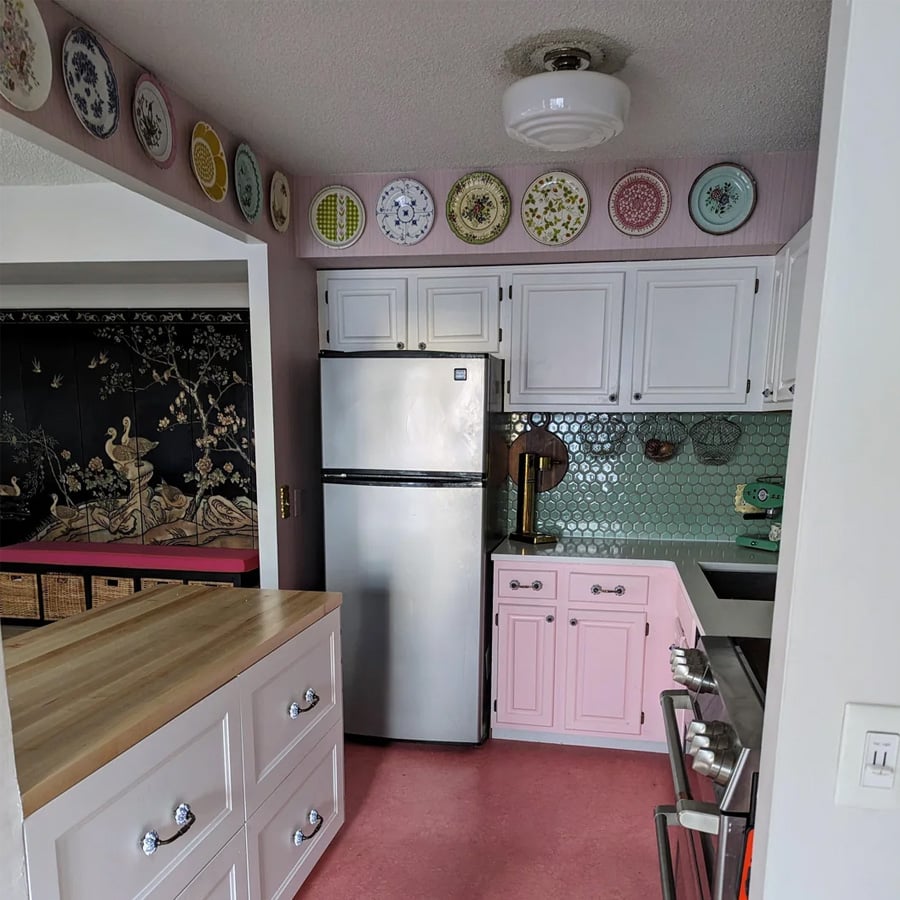
Refrigerators became increasingly sophisticated during the 1960s, but they were still largely mechanical compared with many modern electronically controlled models. Heavy cabinets, straightforward controls, and serviceable components allowed some refrigerators from the era to operate for several decades with proper maintenance and occasional repairs.
15. Wooden Cutting Boards
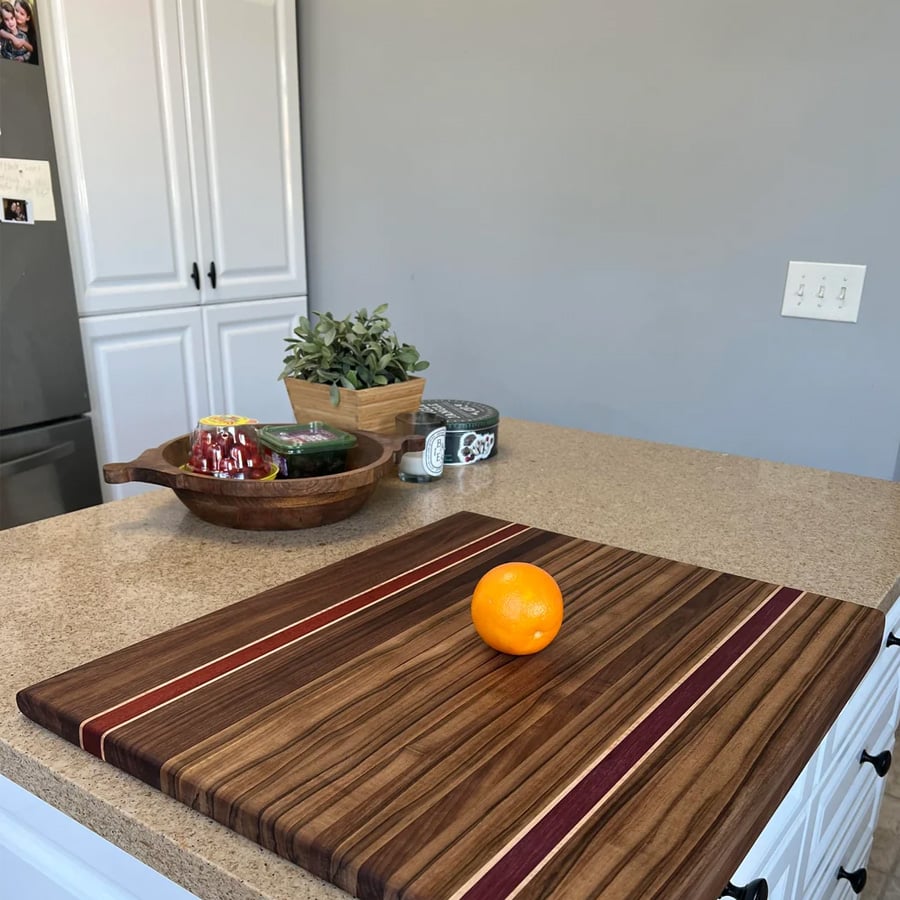
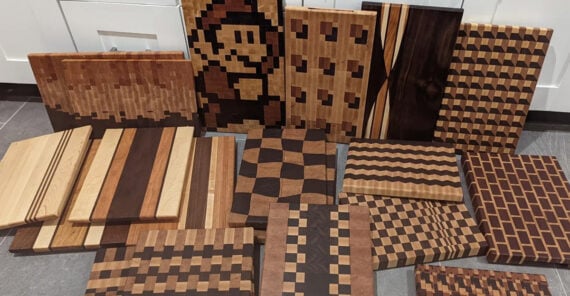
Thick wooden cutting boards required almost no technology to last a lifetime. A substantial hardwood board could be cleaned, oiled, sanded, and repeatedly restored as its surface became worn. With basic care, a quality cutting board from a 1960s kitchen could easily remain useful generations later.
16. Ceramic Mixing Bowls
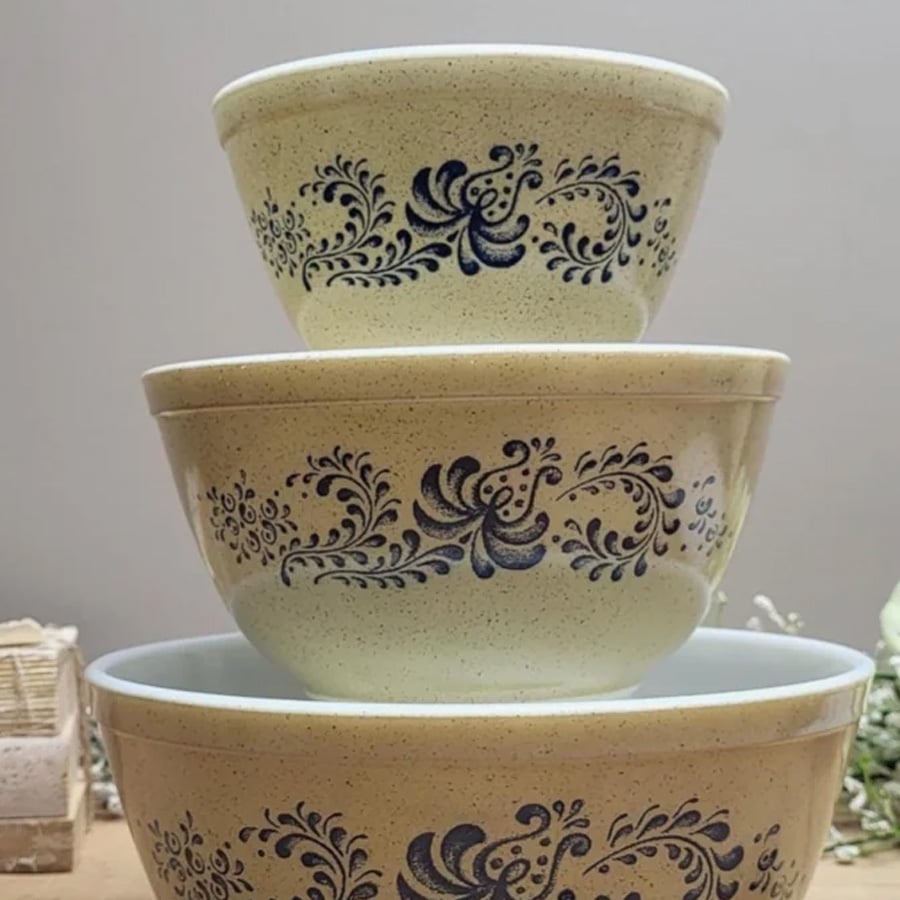
Heavy ceramic and stoneware mixing bowls were another kitchen basic capable of surviving generations. Their thick walls resisted ordinary wear, and there were no moving parts or complicated components to fail. Unless one was dropped hard enough to crack, it could move from one generation’s kitchen to the next with essentially the same function it had when new.
More Related Notes
• 16 Vintage Appliances That Were Built to Last for Decades.
Explore vintage appliances known for sturdy construction, repairability, and impressive longevity, reflecting an era when household products were often designed to remain useful for decades.
• 20 Things People Repaired Instead of Replacing a Century Ago.
Discover the household goods earlier generations routinely maintained and repaired instead of replacing, highlighting how durability once shaped everyday buying habits.
• 15 Household Purchases Boomers Made Once That Families Now Finance for Years.
See how major household purchases have changed across generations, from durable products families expected to keep for years to modern expenses that can require long-term financing.