When we think of careers that demand years of preparation, professions like medicine, law, or engineering come to mind. However, the current labor market is full of roles that appear straightforward from the outside but actually require specialized training. Many familiar occupations demand an extraordinary level of dedication before a candidate can step into the job.
Surprisingly, a traditional four-year college degree is not the ticket in these demanding fields. The next 15 examples pull back the curtain on the unexpected academic and technical requirements to master essential jobs.
1. Elevator Installers
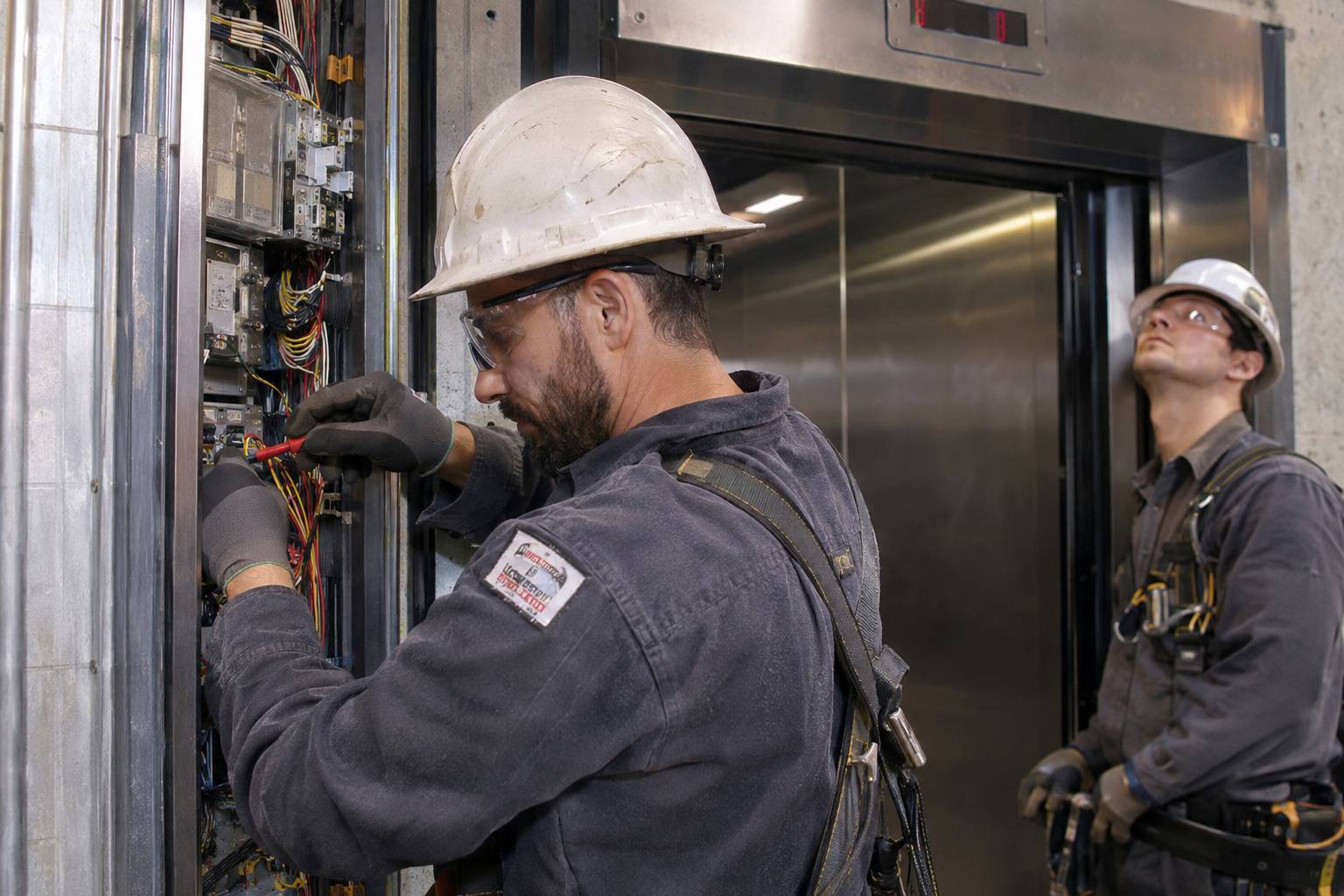
According to the Bureau of Labor Statistics, elevator and escalator installers complete a four-year apprenticeship that combines paid work with classroom instruction. Their training covers electrical systems, electronics, mathematics, and safety procedures. Most states also require these workers to obtain a license, and education helps them keep up with changing technology.
2. Air Traffic Controllers

Directing aircraft through busy airspace requires preparation and concentration. Prospective air traffic controllers must meet federal eligibility standards, pass medical and background checks, and qualify through a combination of education or experience. Most newly hired controllers attend the Federal Aviation Administration’s training academy in Oklahoma City before completing additional supervised training at an assigned facility.
3. Funeral Directors

Planning funerals seems just administrative, but entering the profession involves specialized education and licensing. The Bureau of Labor Statistics reports that funeral service workers typically need an associate’s degree in funeral service or mortuary science. Their training can include embalming, grief counseling, ethics, and business law.
4. Court Reporters
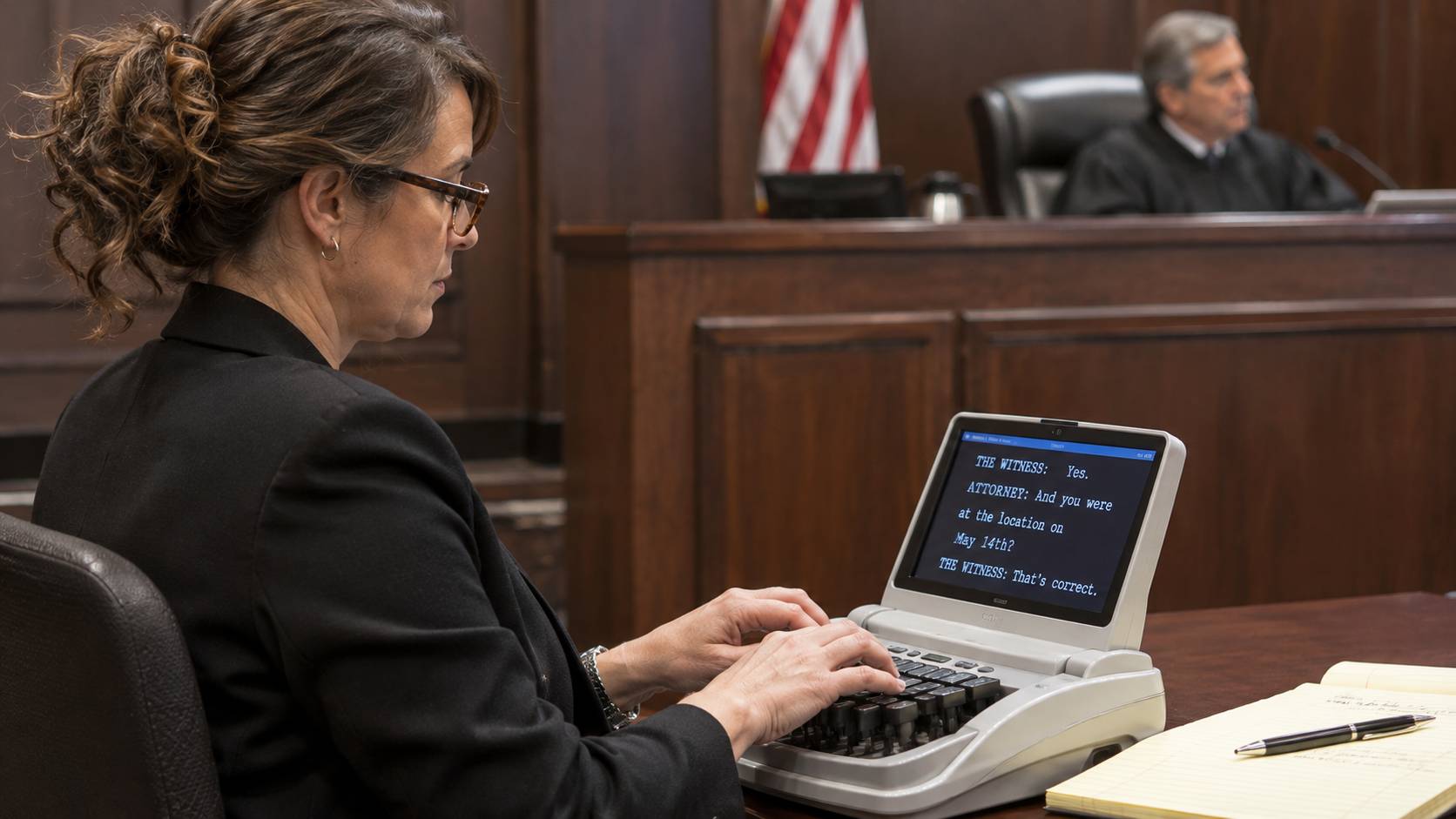
Recording courtroom testimony requires more than fast typing and careful listening. Many court reporters attend specialized certificate or associate’s degree programs that take two or three years to complete. Students practice using stenographic equipment while studying legal terminology and grammar.
5. Water Treatment Operators
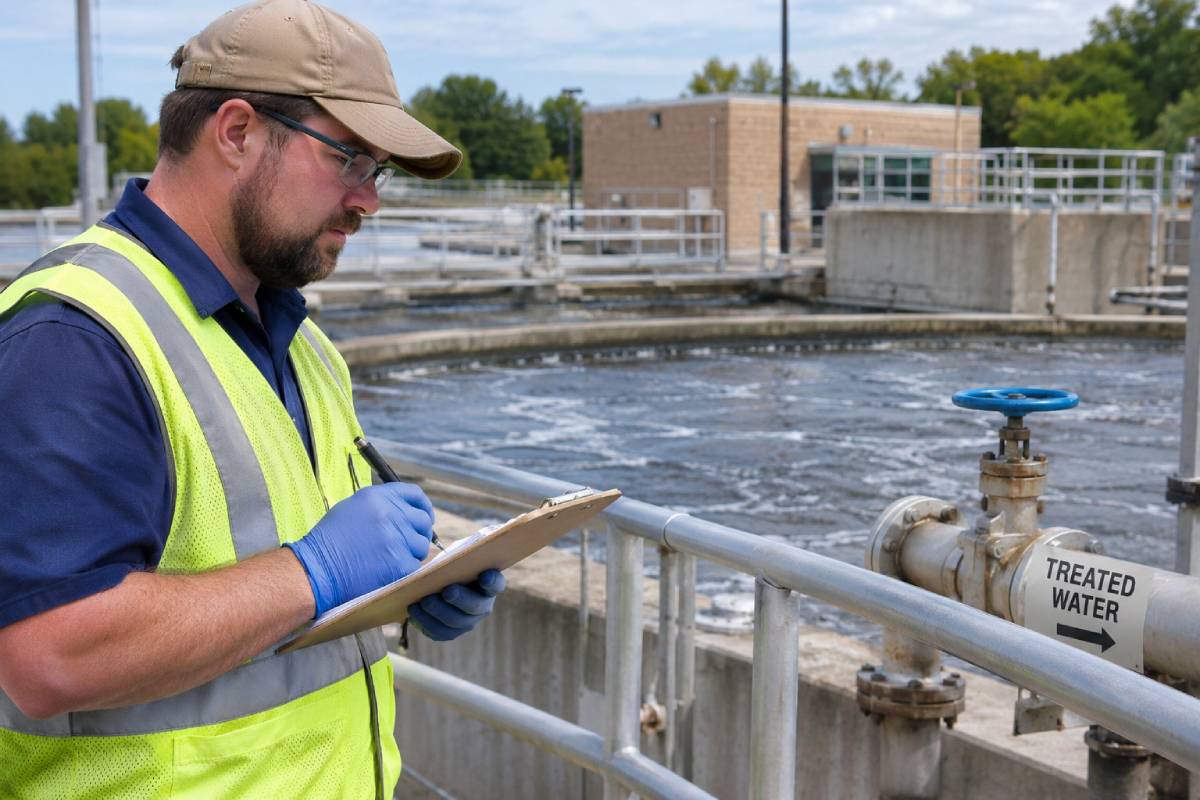
The people responsible for keeping drinking water safe must understand complicated equipment and environmental regulations. Water and wastewater treatment operators typically enter the field with a high school diploma but require long-term on-the-job training to become fully qualified.
Trending on Wealth Gang


6. Aircraft Mechanics
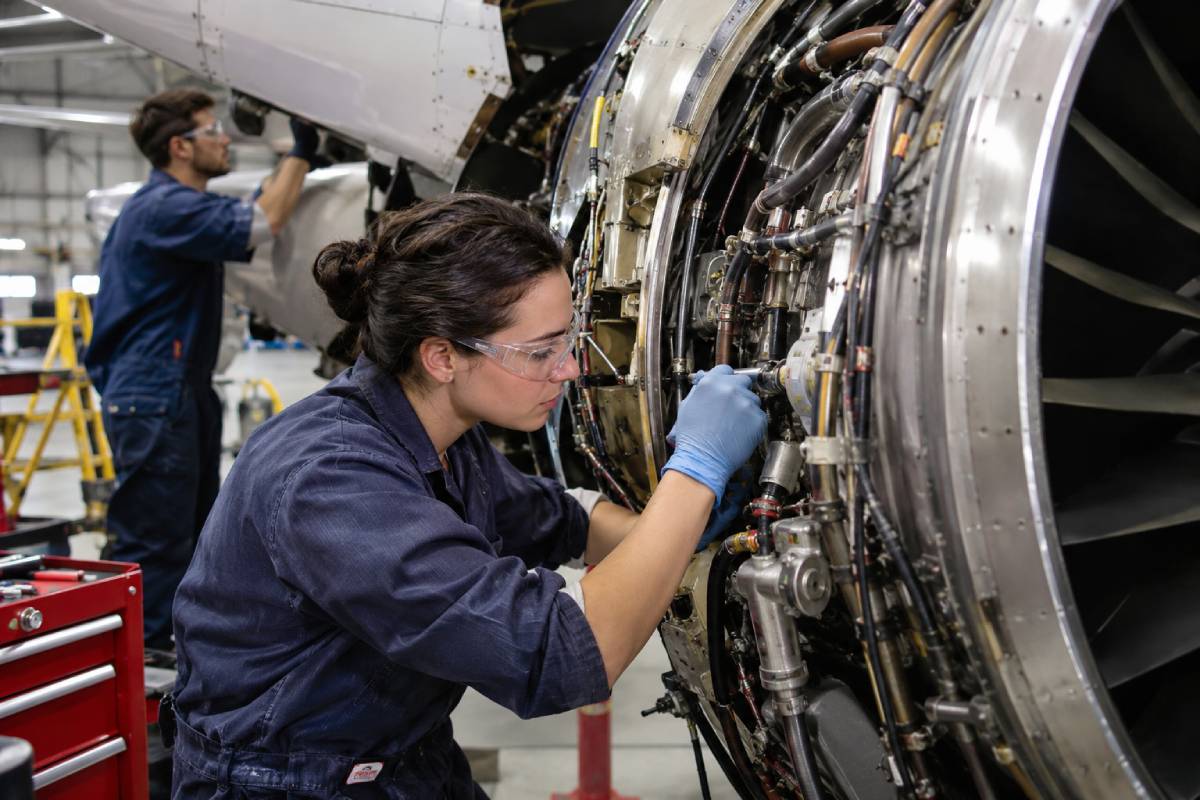
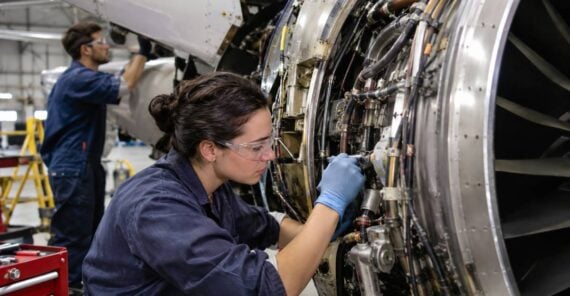
Working on aircraft requires specialized knowledge because even small maintenance mistakes can have serious consequences. Many mechanics complete FAA-approved maintenance training programs, while others qualify through documented practical experience or military training.
7. Electricians
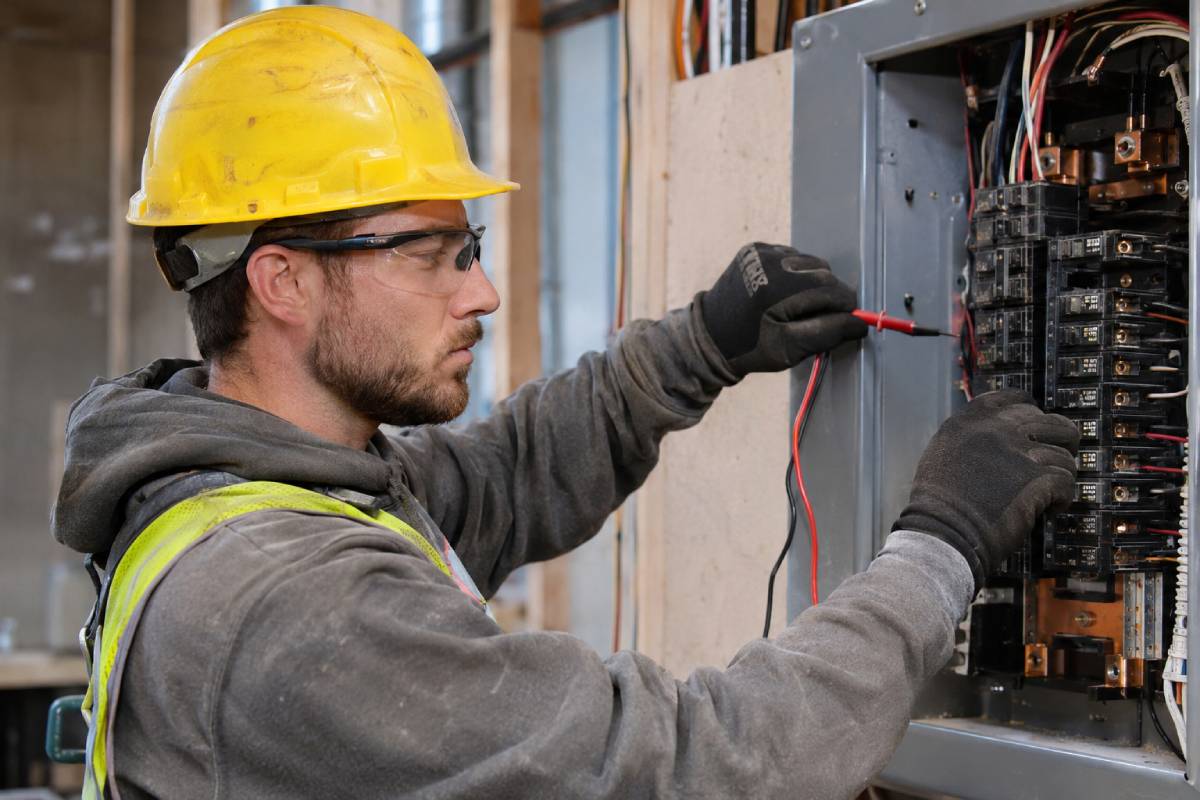
Electricians do much more than replace outlets or install light fixtures. According to the Bureau of Labor Statistics, electricians complete an apprenticeship lasting four or five years, including 2,000 hours of paid on-the-job training annually. Most states also require electricians to pass a licensing examination before performing certain work as independent contractors.
8. Plumbers
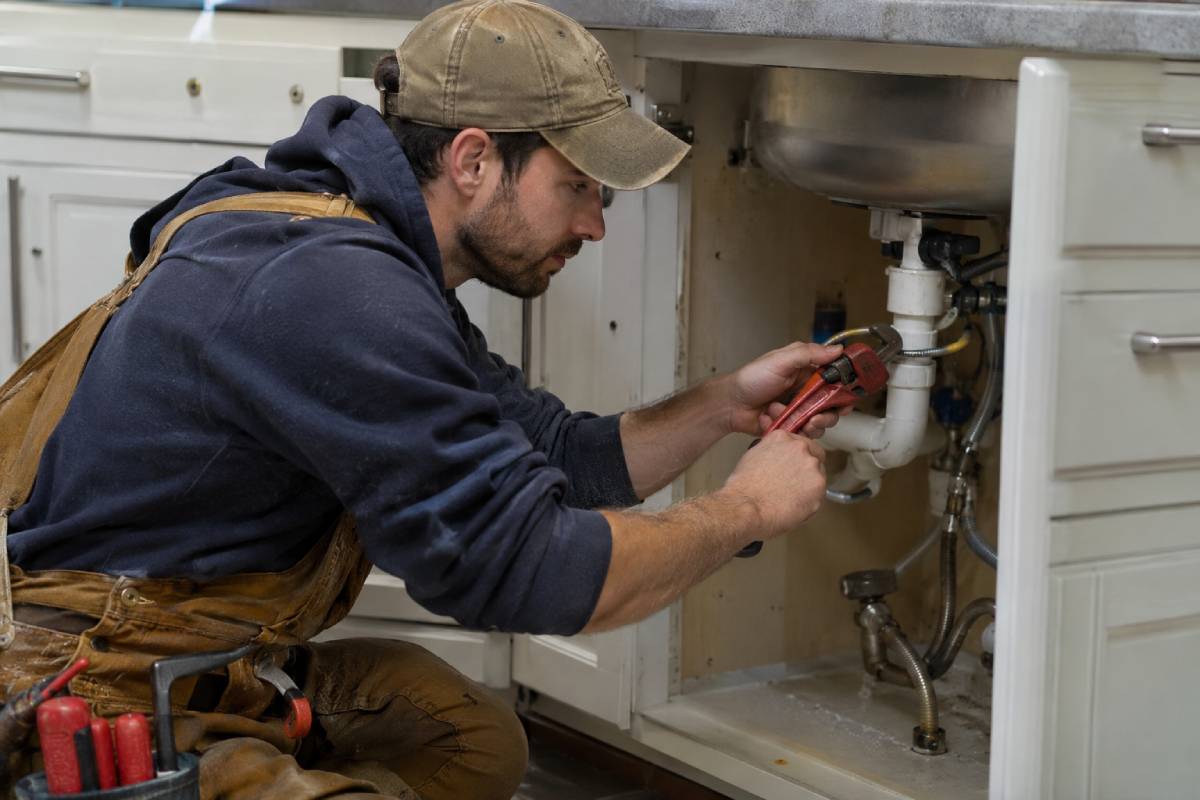
Fixing a leaking faucet is only a small part of the knowledge required to work professionally as a plumber. Most plumbers complete apprenticeships lasting four or five years, combining extensive experience with classroom instruction. Trainees study plumbing codes, mathematics, applied physics, and the installation of complex piping systems. Most states and some localities also require plumbers to obtain a license.
Sign up for our newsletter
9. Electrical Lineworkers
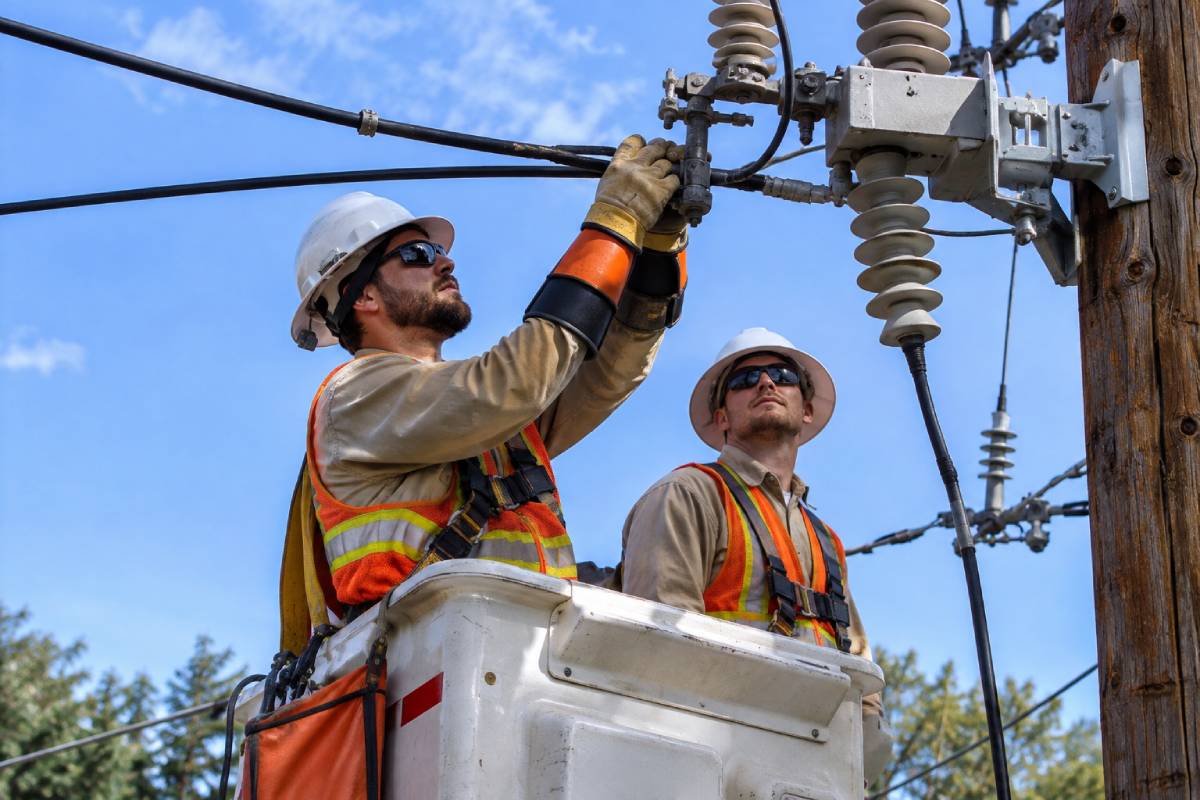
Repairing power lines requires specialized preparation because workers routinely deal with dangerous electrical currents and elevated work areas. Instruction includes electrical distribution systems, line construction, and emergency rescue techniques. Some positions also require commercial driver’s licenses to operate heavy vehicles.
10. Wind Turbine Technicians
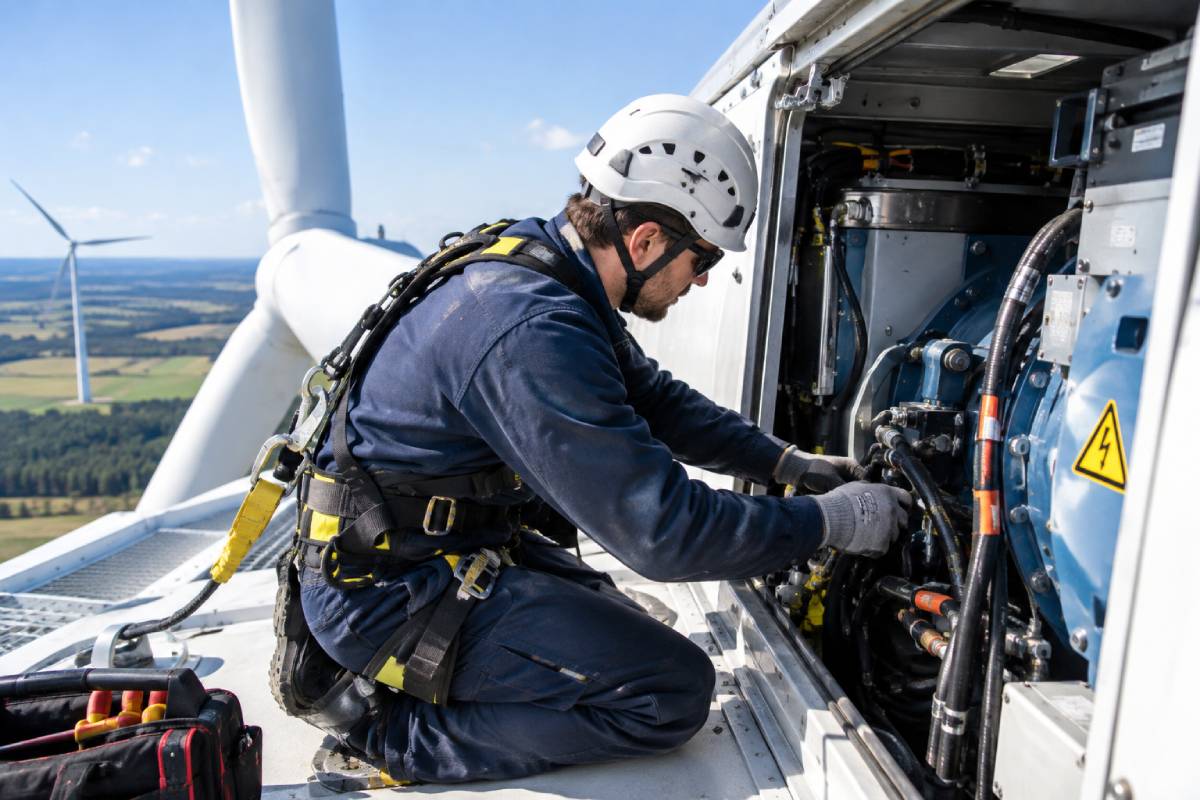
Maintaining wind turbines requires knowledge of mechanical, hydraulic, and electrical systems, often while working hundreds of feet above the ground. Wind turbine technicians complete technical education before receiving additional training. The combination of technical skills and safety procedures makes this job considerably more involved than simply repairing machinery.
11. Dental Hygienists

Dental hygienists are responsible for more than cleaning teeth during routine appointments. Their education involves an associate’s degree in dental hygiene, with programs commonly taking three years to complete. Students study subjects such as anatomy, oral disease, medical ethics, and patient care while completing supervised clinical training.
12. Radiation Therapists
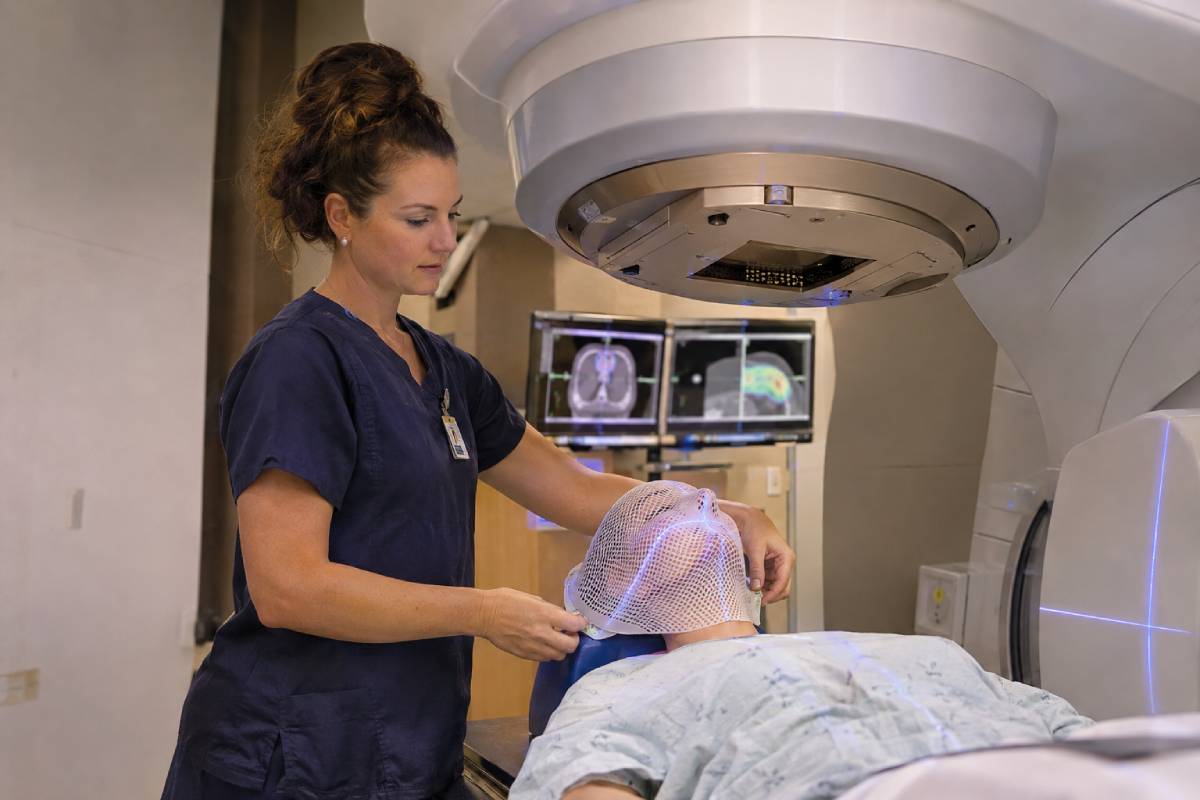
Radiation therapists help treat cancer and other diseases using carefully controlled radiation treatments. Most enter the profession through an associate’s or bachelor’s degree program.
13. Paramedics
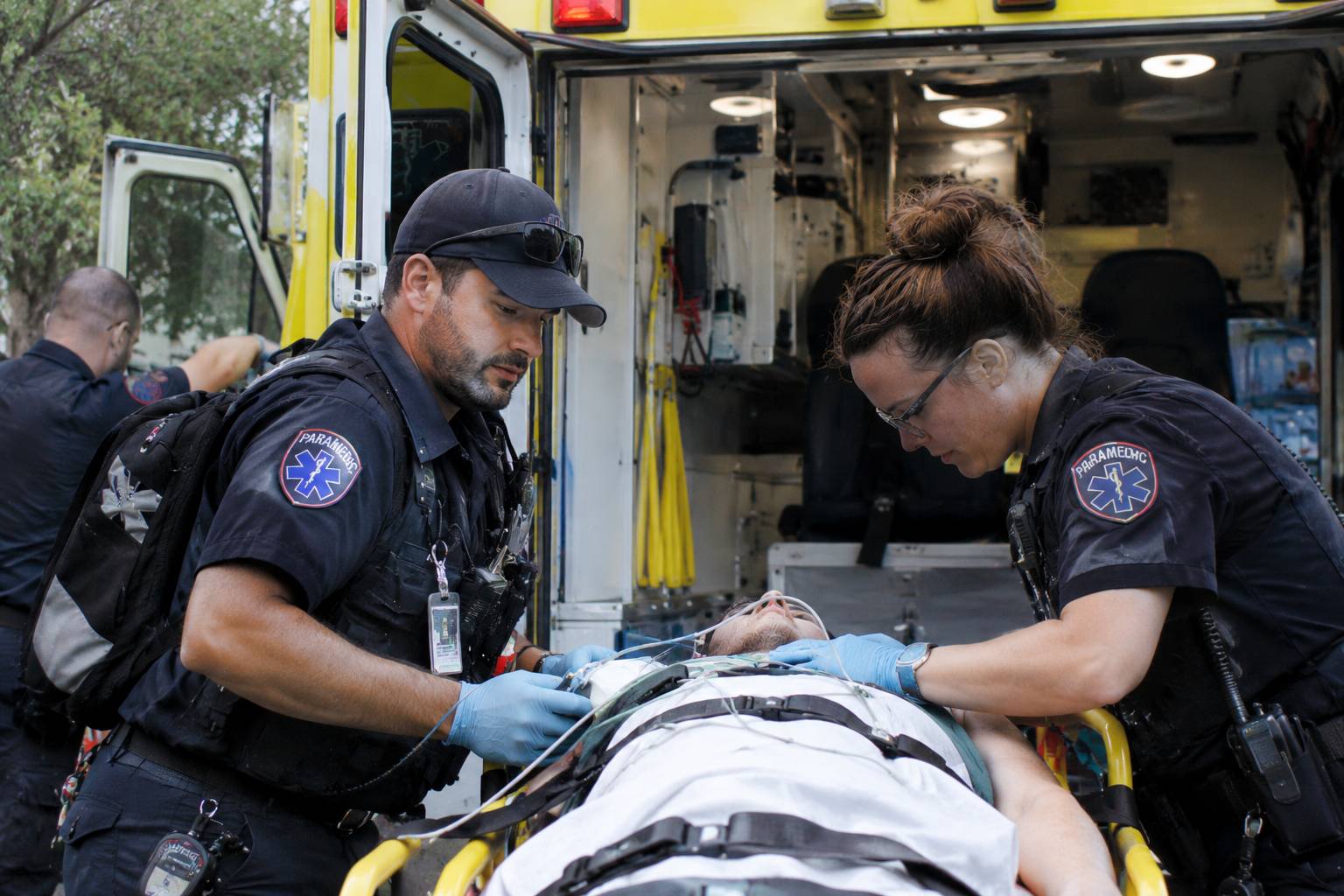
Responding to a medical emergency requires far more specialized knowledge than basic first aid. Paramedics must complete training beyond the emergency medical technician level. Programs combine classroom education with practical clinical and field experience. All states require paramedics to be licensed.
14. Firefighters
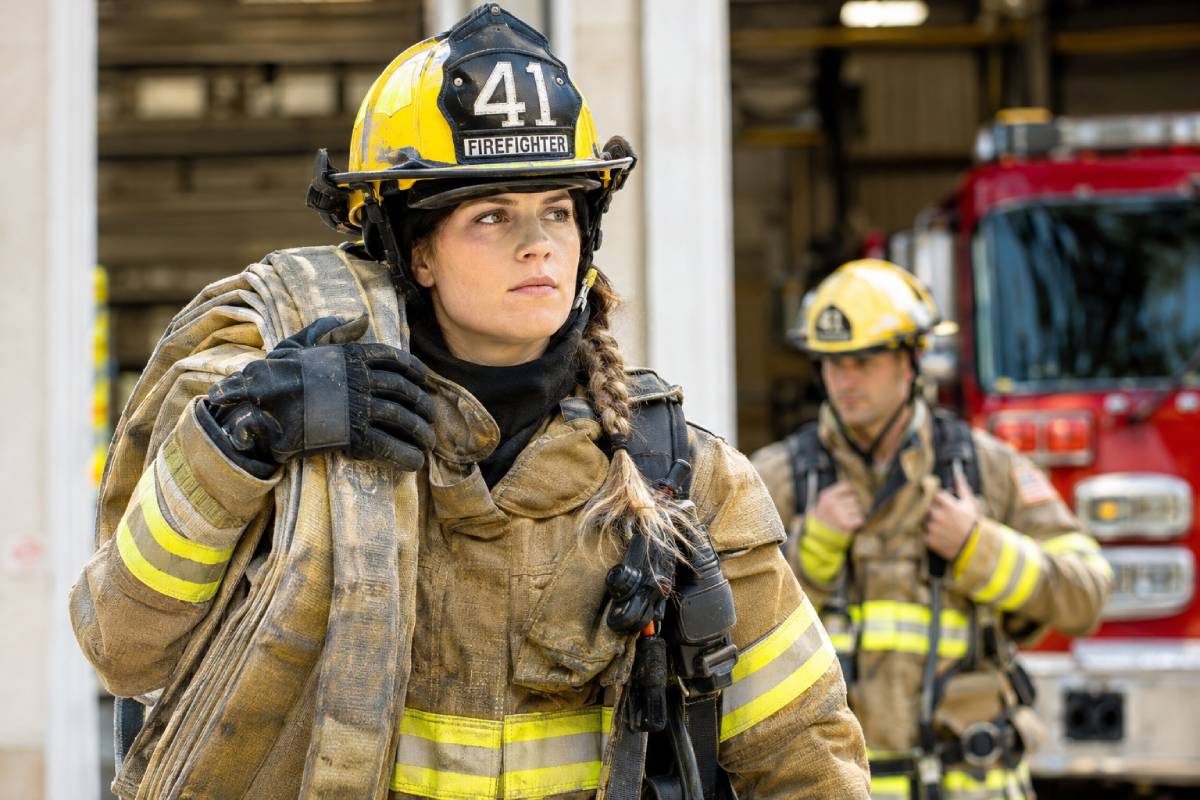
Becoming a firefighter involves more preparation than just learning how to operate a hose. Recruits typically complete several months of fire academy instruction. Firefighters continue training throughout their careers to maintain essential skills and required credentials.
15. Locomotive Engineers
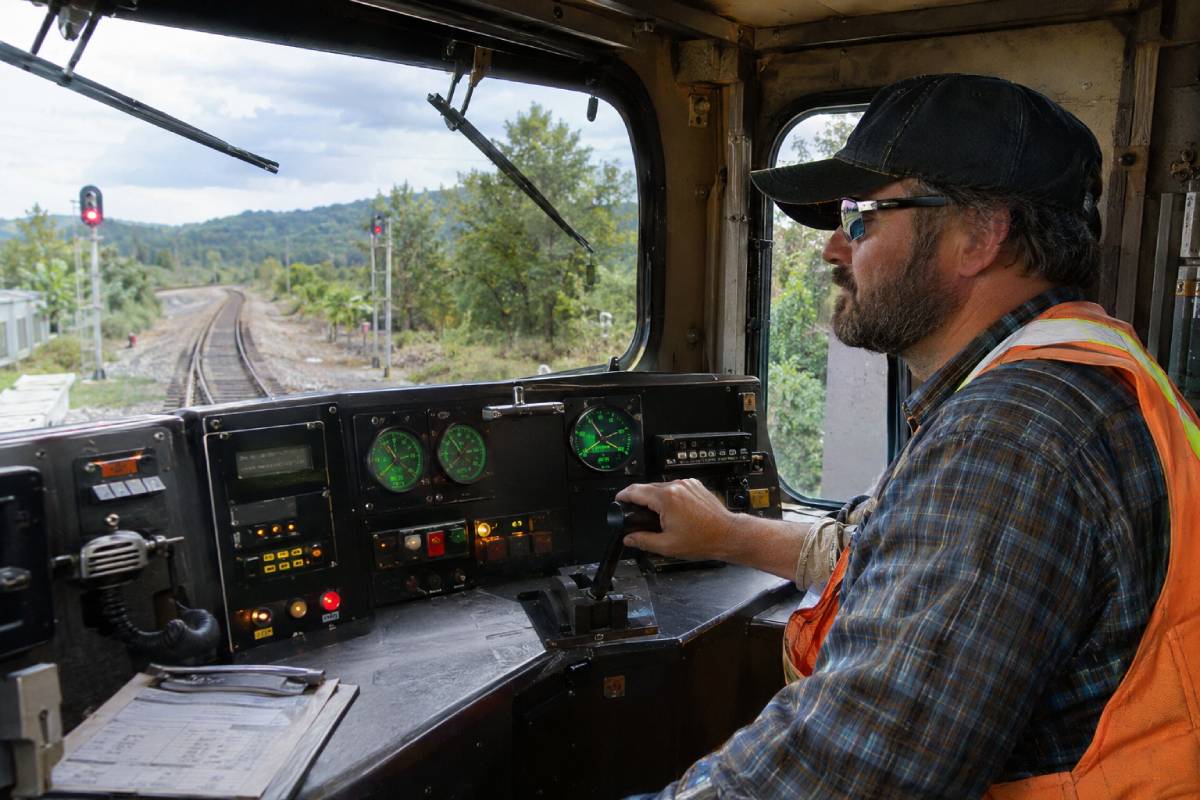
Operating a train involves more than controlling its speed. Locomotive engineers must understand railway signals, safety regulations, and the characteristics of their assigned routes. Federal Railroad Administration certification requires knowledge and skills assessments, and engineers must maintain their qualifications through periodic recertification.
Curious how jobs have changed over time?
Check out 16 Part-Time Jobs That Pay Surprisingly Well for the gigs that beat a typical hourly wage, then take a step back in time with 14 Jobs Our Grandparents Had That Still Exist Today to see which trades never went out of style. And if you are wondering where the next generation is going, 15 Reasons Blue Collar Jobs Are Growing Among Teens breaks down why more young workers are deciding to pick up tools.