It’s hard to imagine daily life without light switches, refrigerators, televisions, or smartphones. Yet for most of American history, people lived without access to electricity and relied on entirely different routines. These photographs offer a glimpse into a world illuminated by candles, powered by manual labor, and shaped by rhythms that feel almost unimaginable today.
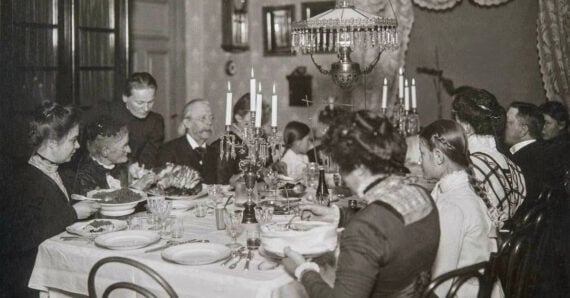
1. Families Gathering Around Oil Lamps
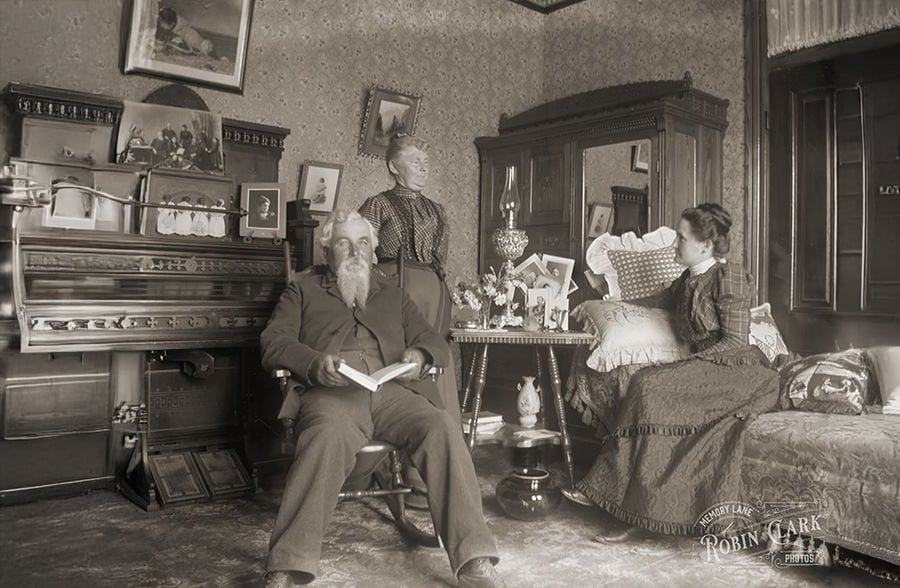
Before electric lighting, evenings often revolved around a single lamp that provided limited light for reading, sewing, and conversation.
2. Main Streets Lit by Gaslights
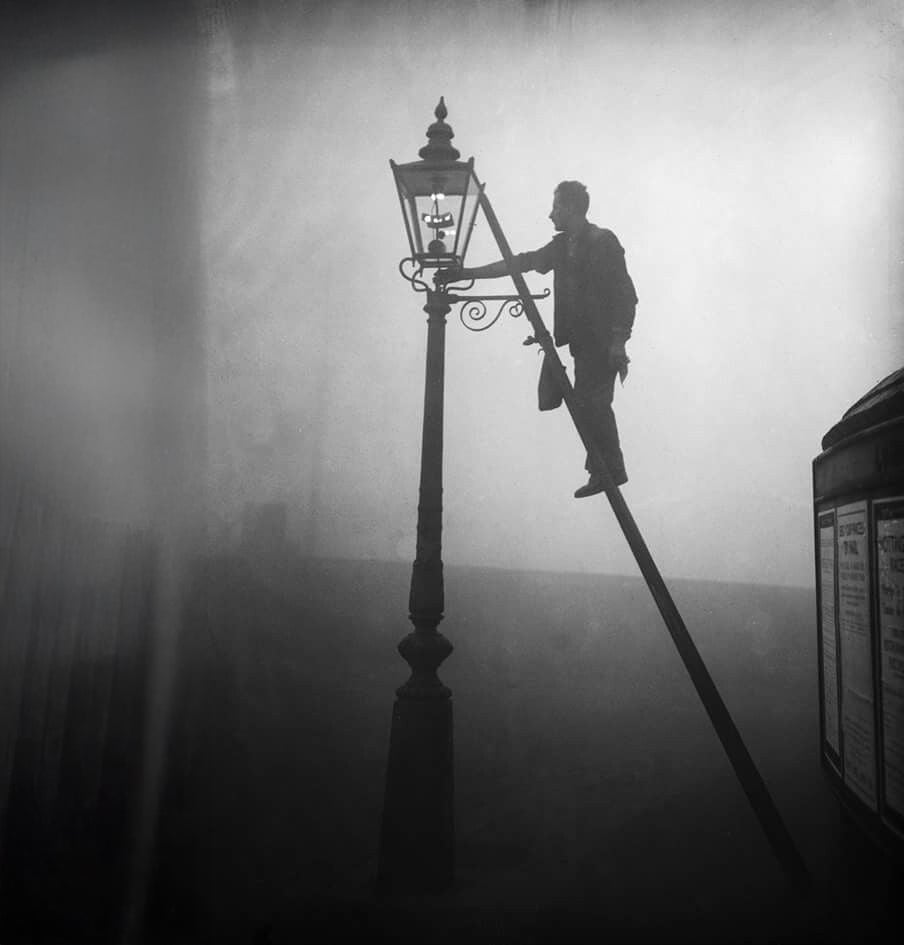
Many towns depended on gas lamps or lanterns to illuminate streets after sunset.
3. Ice Deliveries Before Refrigerators
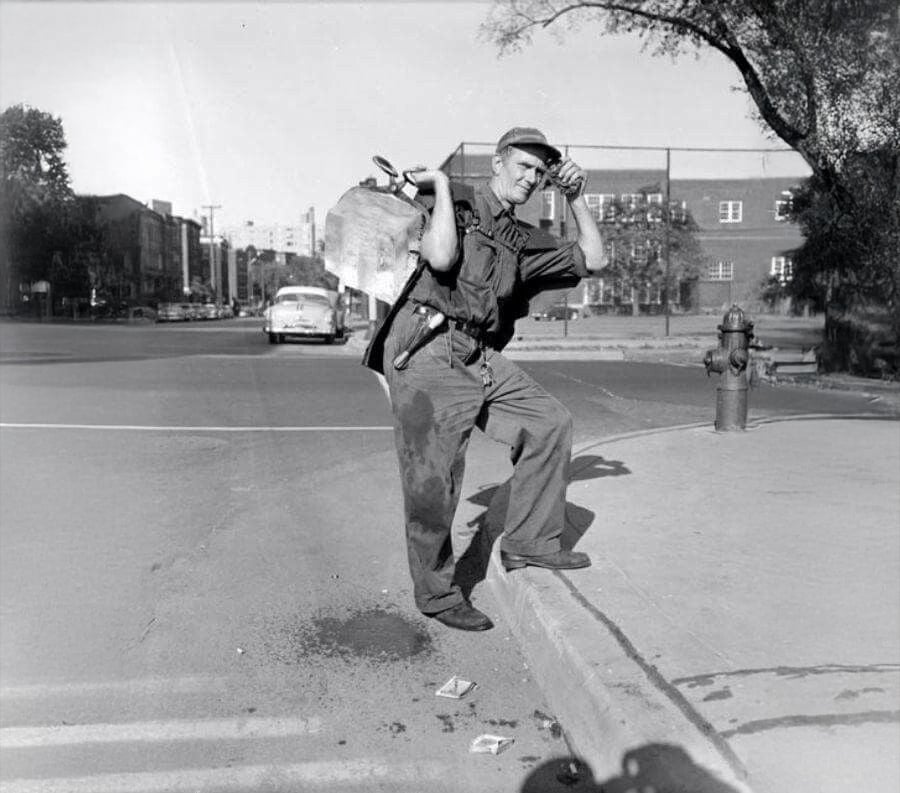
Workers transported large blocks of ice to homes and businesses to keep food cool.
4. Hand-Powered Laundry Days
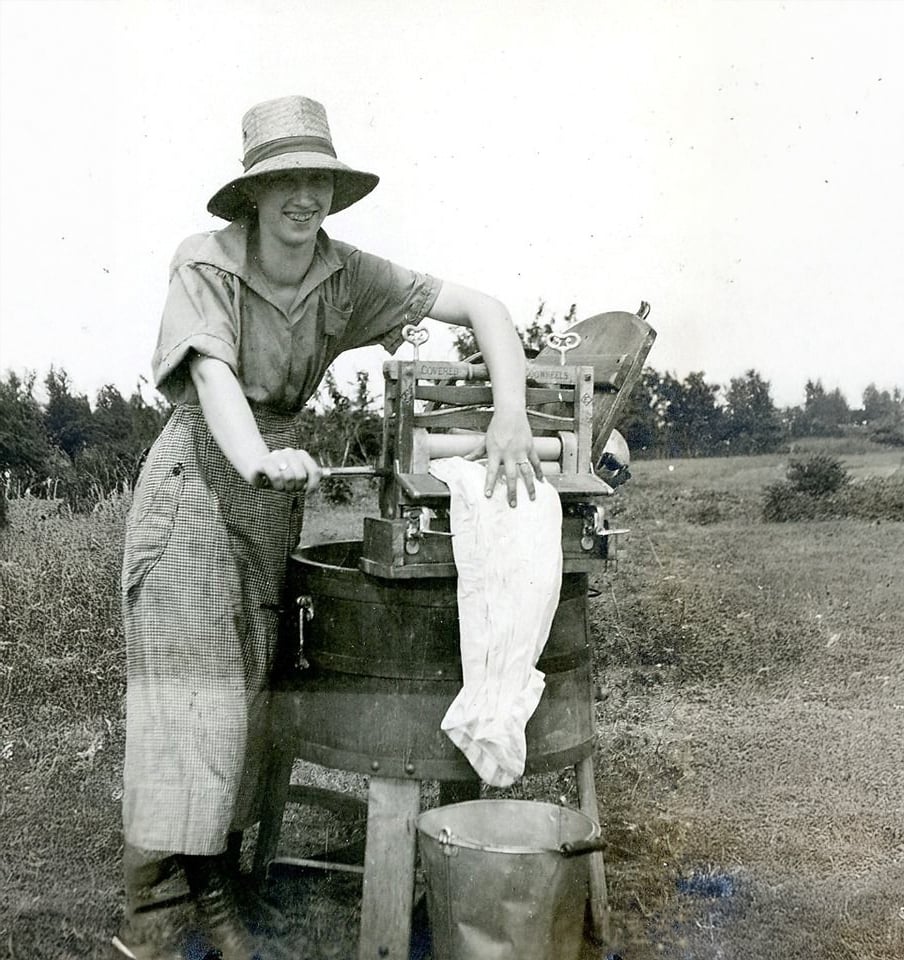
Washing clothes required significant manual effort long before electric washing machines arrived.
5. Farmers Working Without Modern Machinery
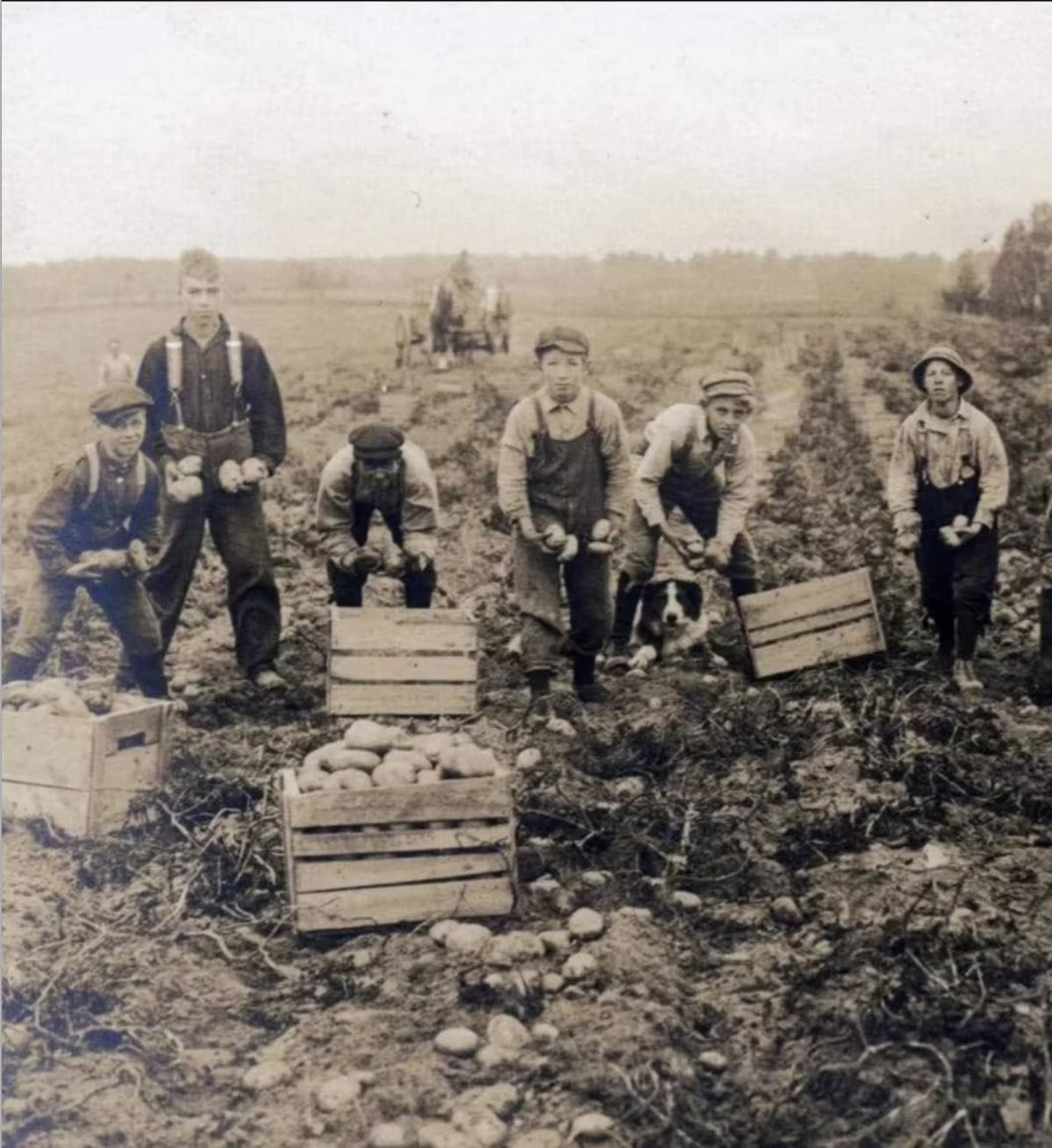
Agriculture depended heavily on horses, mules, and physical labor.
Trending on Wealth Gang
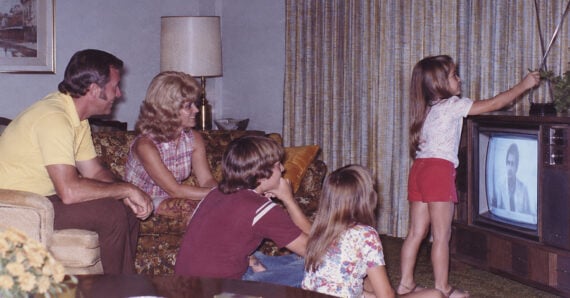

6. General Stores as Community Hubs
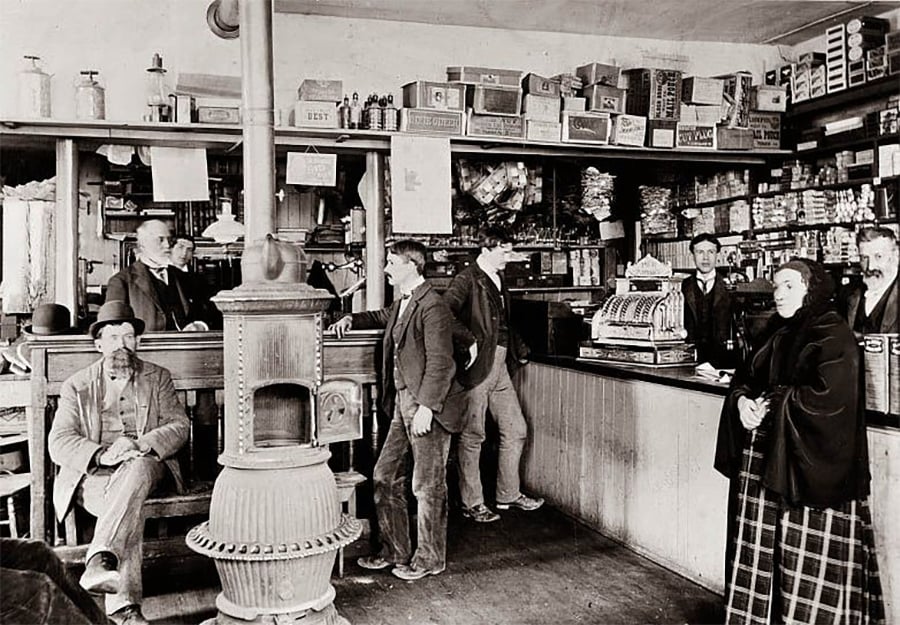
Local stores served as gathering places where people shared news and supplies.
7. Children Studying by Candlelight
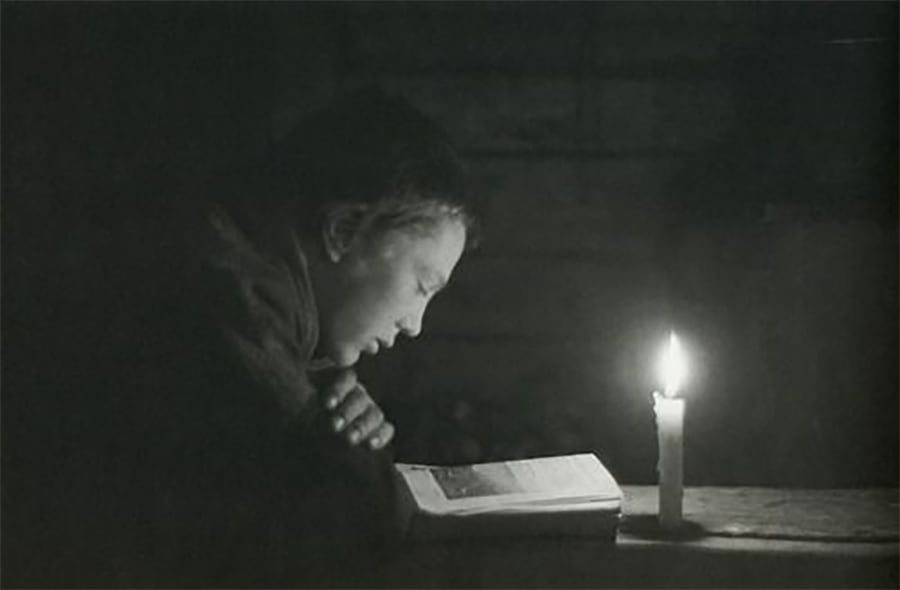
Homework and reading often took place under dim lighting conditions.
8. Water Pumps Instead of Faucets
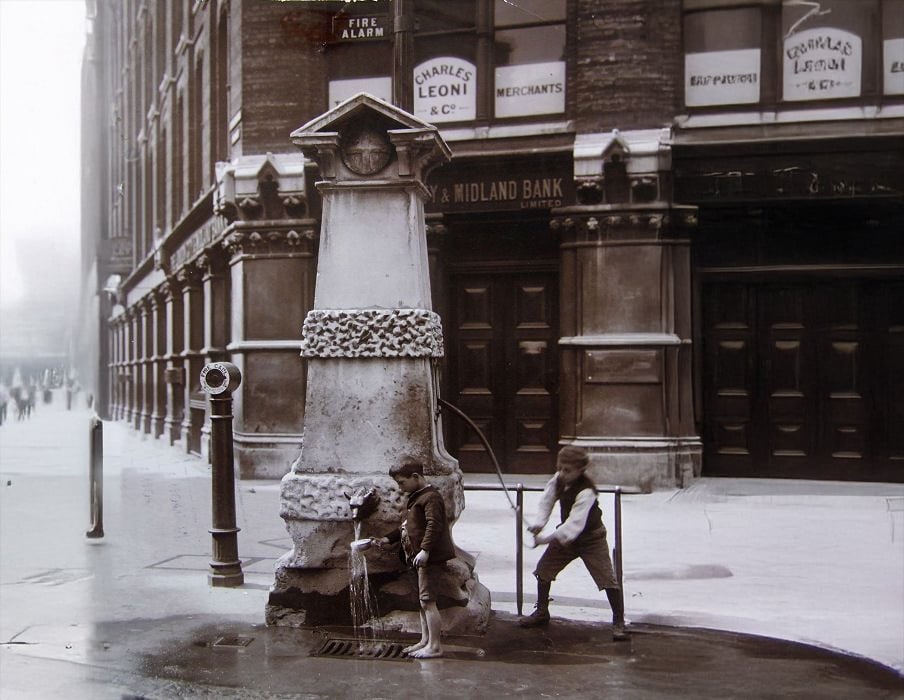
Many households relied on wells and hand pumps for daily water needs.
Sign up for our newsletter
9. Traveling by Horse and Carriage
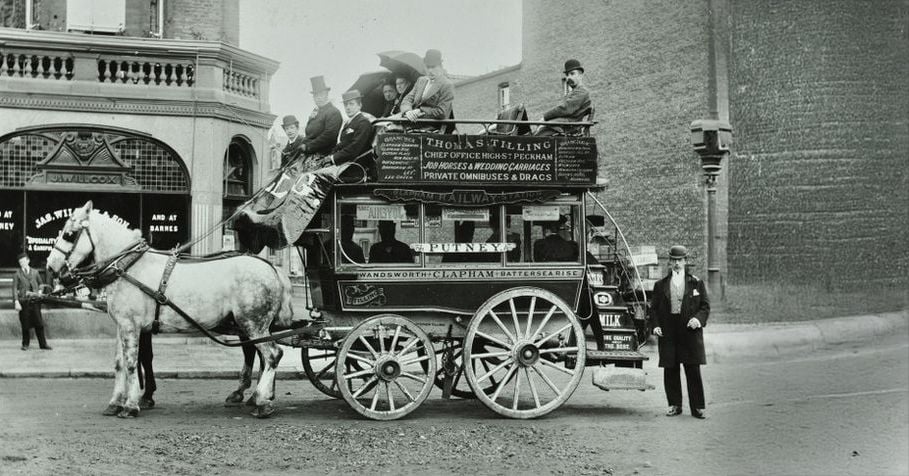
Before automobiles became common, horse-drawn transportation dominated American roads.
10. Open-Air Markets Full of Activity
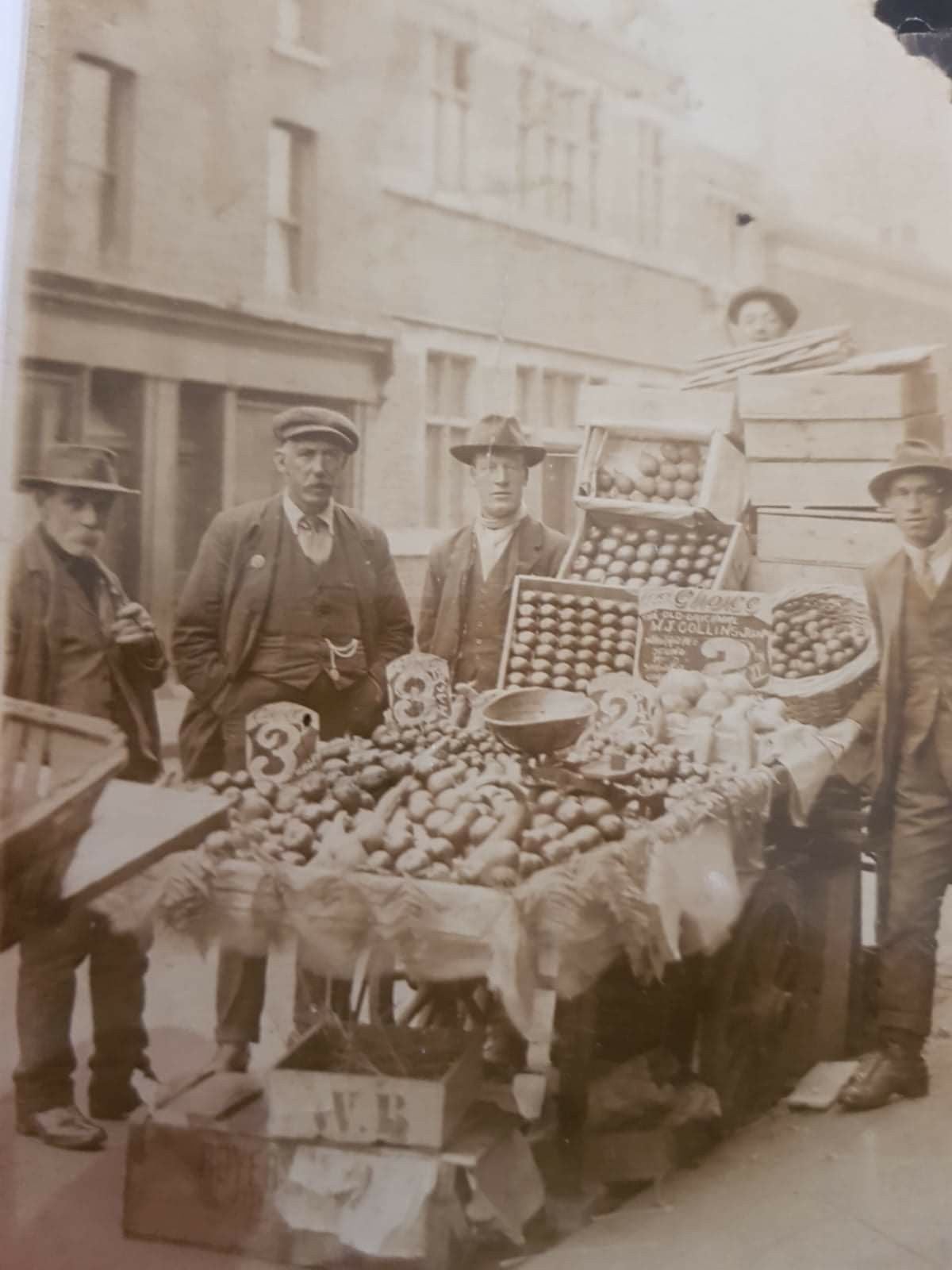
Markets played a major role in everyday commerce before modern supermarkets existed.
11. Factory Workers Powered by Steam
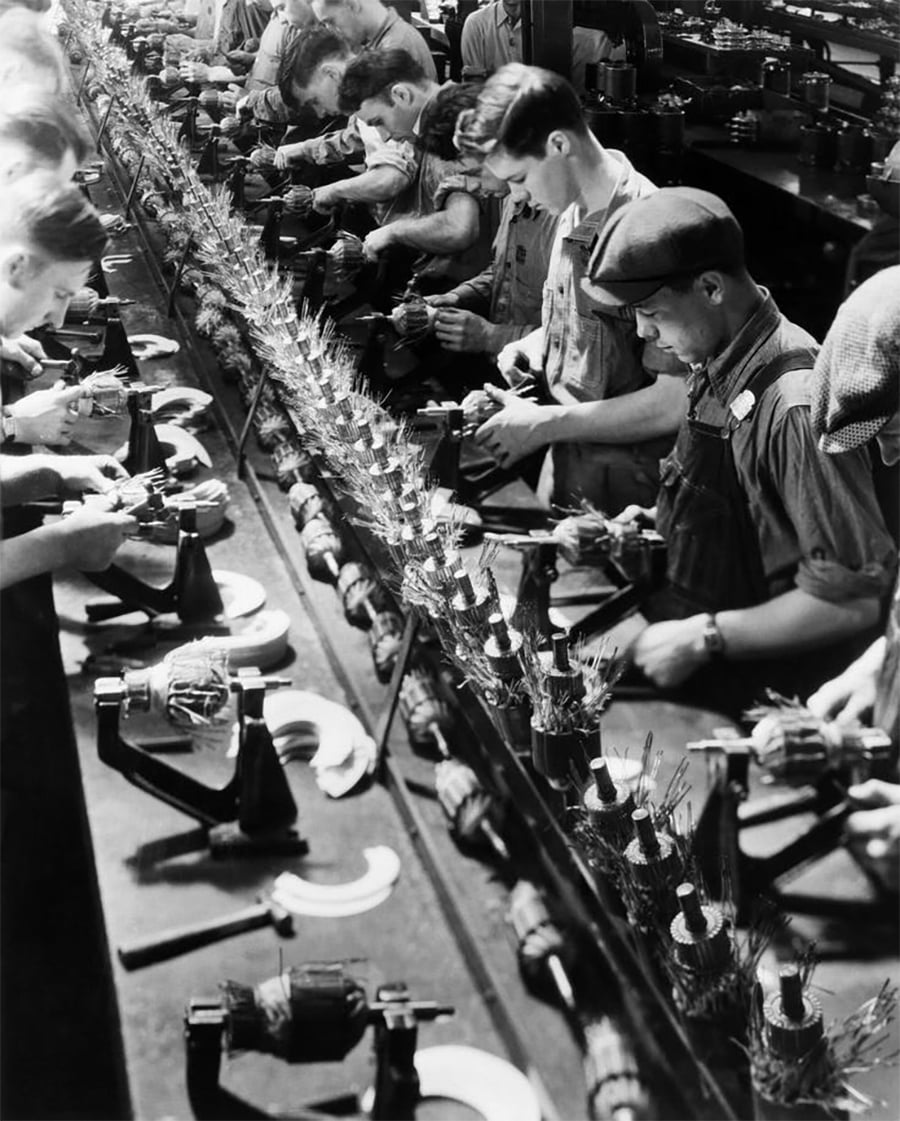
Many early industries relied on steam engines and mechanical systems rather than electricity.
12. Barbershops Without Electric Tools
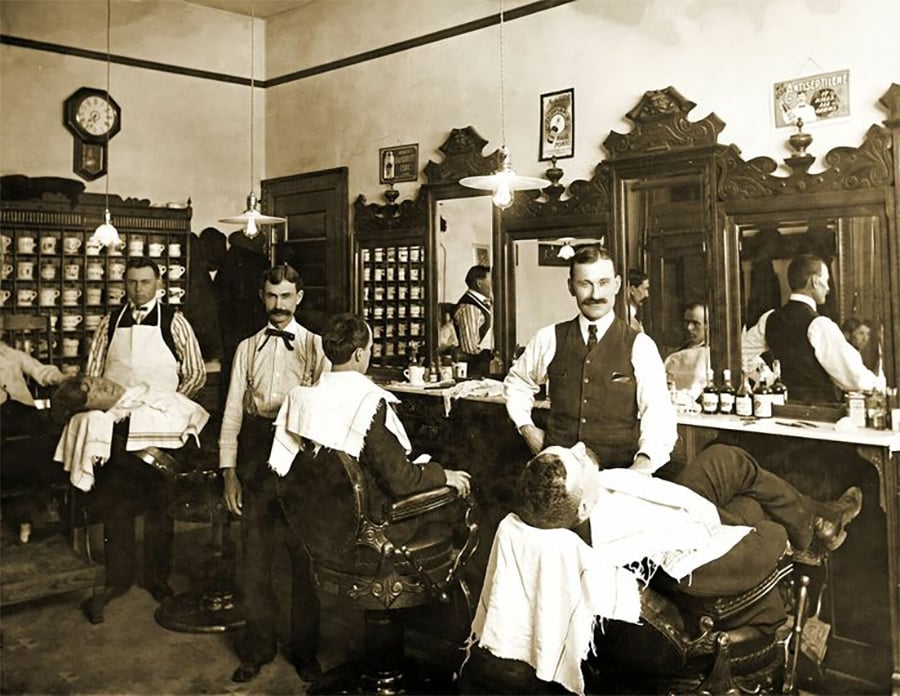
Haircuts and grooming depended entirely on hand-operated equipment.
13. Train Stations Connecting the Country
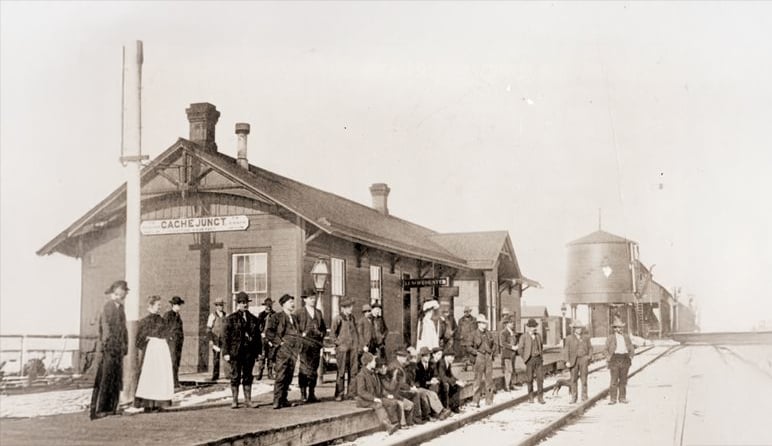
Railroads became essential for travel and commerce during the nineteenth century.
14. Schoolhouses With a Single Classroom
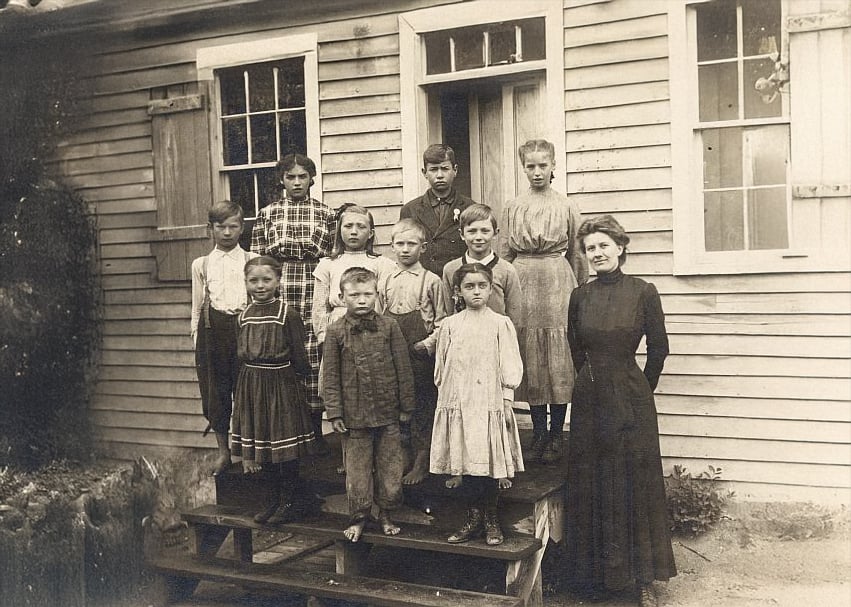
Many communities educated children of different ages in one-room schoolhouses.
15. Cooking Over Wood-Burning Stoves
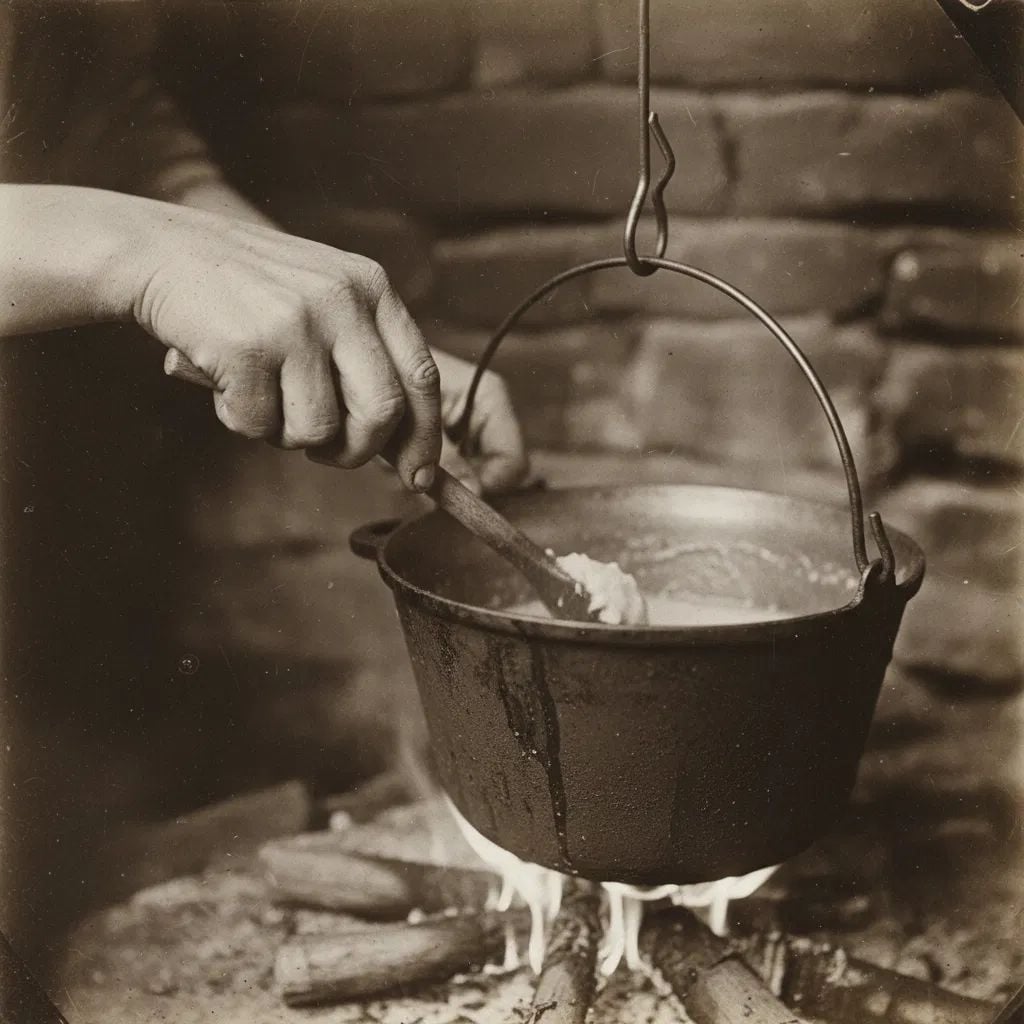
Preparing meals required firewood, patience, and constant attention.
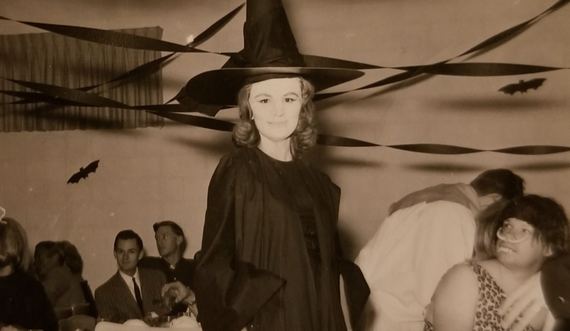
16. Small-Town Gatherings and Community Events
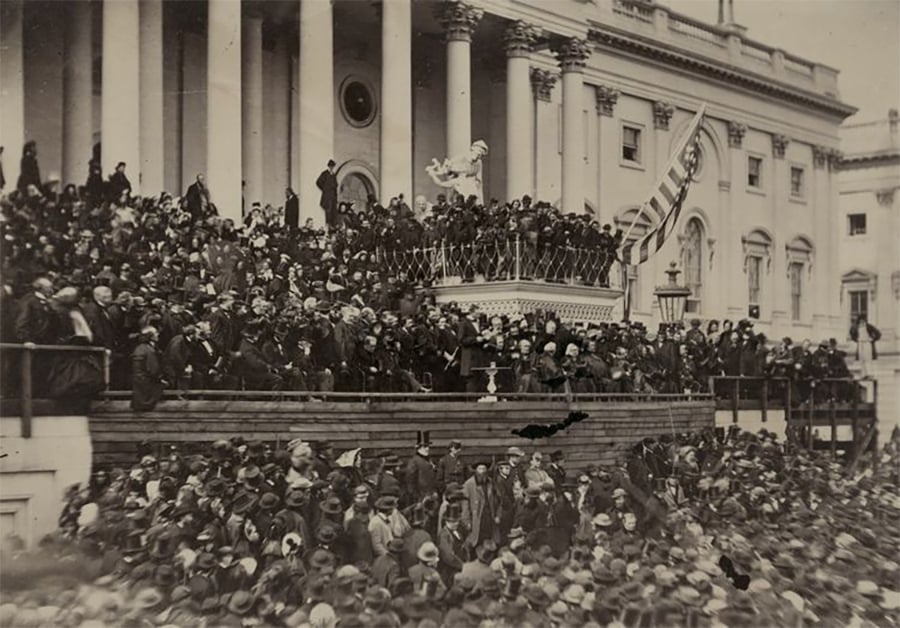
Entertainment often came from local fairs, dances, and community celebrations.
17. Blacksmith Shops at Work
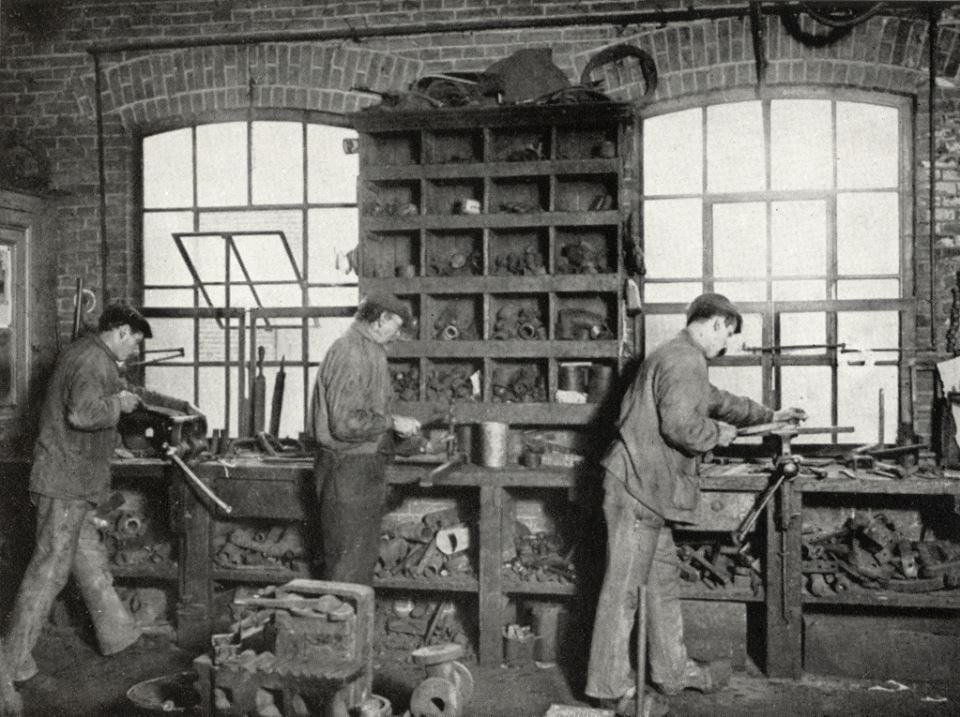
Blacksmiths played a vital role in repairing tools, horseshoes, and equipment.
18. Evening Life Before Electric Lights
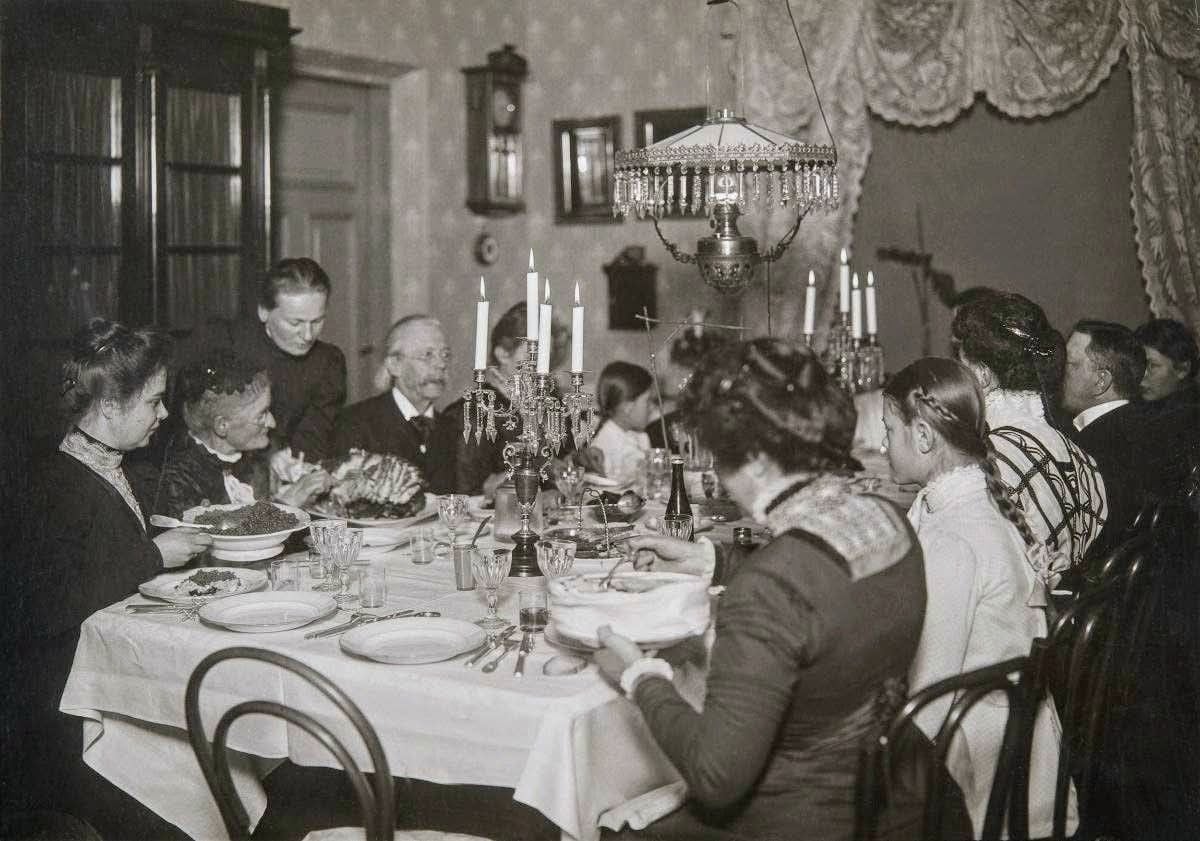
Nighttime activities looked very different when darkness arrived and artificial light was limited.
Keep Reading About Everyday Life in America’s Past
- Vintage Photos of Native American Life
These remarkable photographs offer a glimpse into the traditions, communities, and daily experiences of Native Americans across different periods of history. - Vintage Photos From the 1940s
From wartime life to everyday routines, these images capture a decade that shaped modern America in lasting ways. - Vintage Photos From the 1890s
These fascinating photographs document a rapidly changing America, showing the people, streets, and lifestyles of the late nineteenth century.