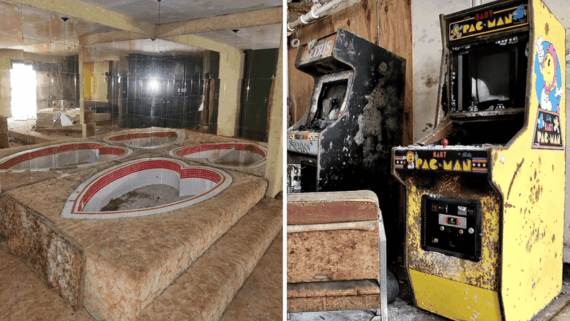
Stepping into a completely forgotten abandoned building feels like stumbling straight onto the set of a post-apocalyptic movie without needing a Hollywood budget. Nature has a terrifyingly efficient way of reclaiming human architecture the very second maintenance crews stop showing up to fix leaky roofs. Walking through these decaying ruins reveals entire eras frozen in suspended animation, complete with pristine neon signs, untouched furniture, and lingering traces of everyday life.
1. Shopping Malls From the Nineties
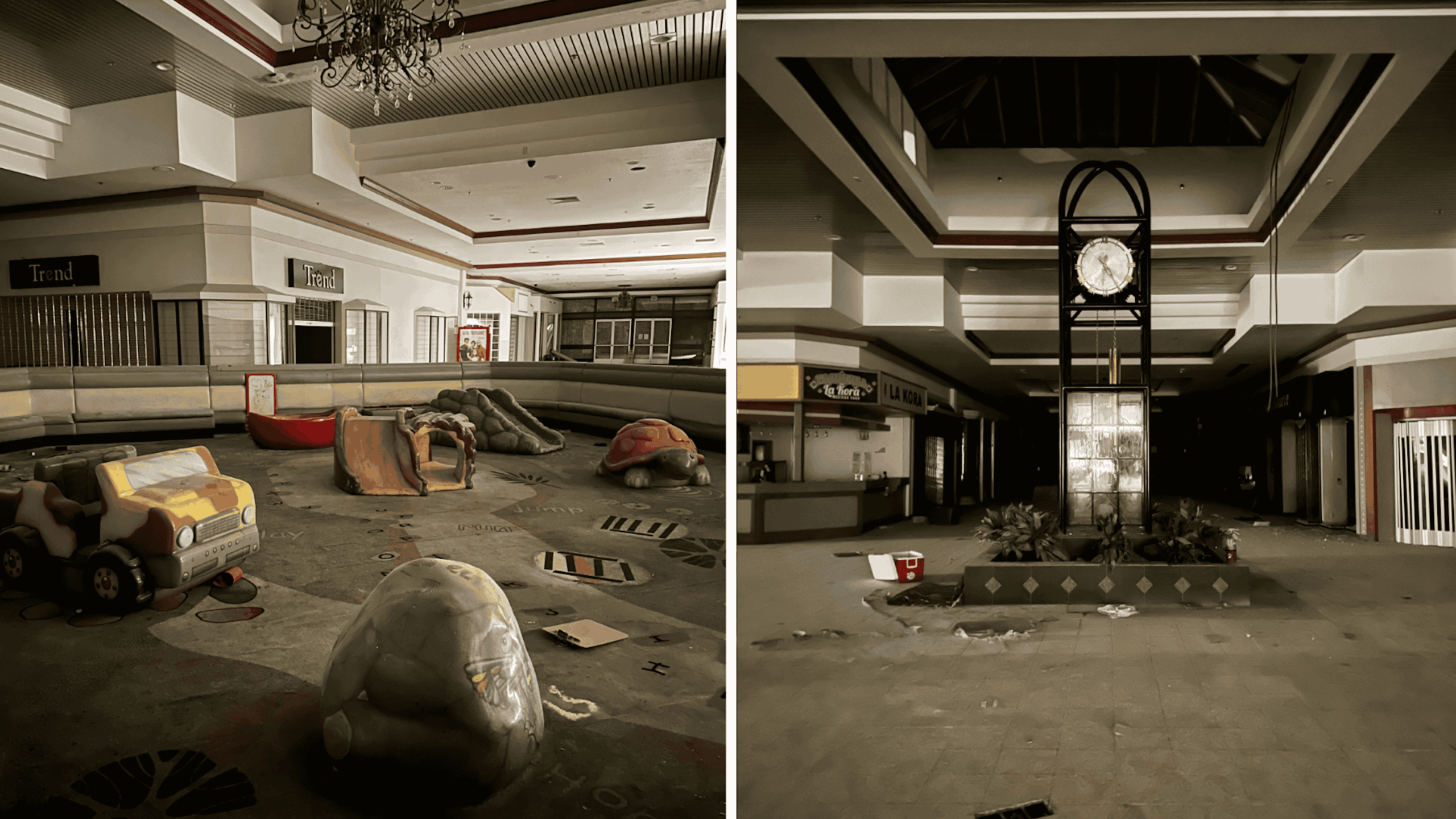
There was a time when the local mall served as the unquestioned center of the universe for weekend hangouts, before online shopping turned these massive retail palaces into ghost towns.
2. Golden Era Video Arcades
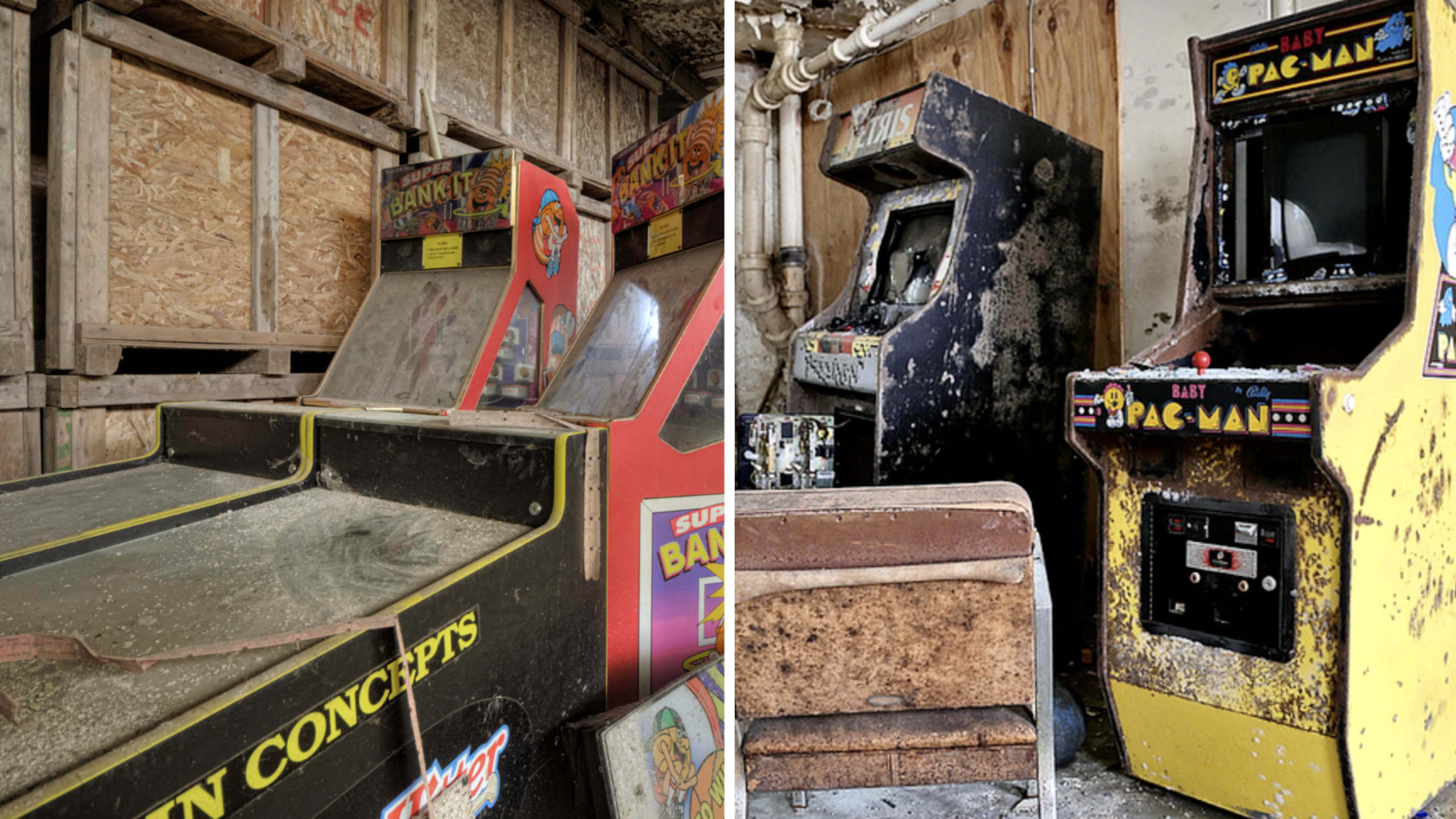
Friending strangers over pocketfuls of quarter tokens and endless Street Fighter matches was a rite of passage, long before online multiplayer killed the physical arcade experience.
3. Mid-Century Bowling Alleys
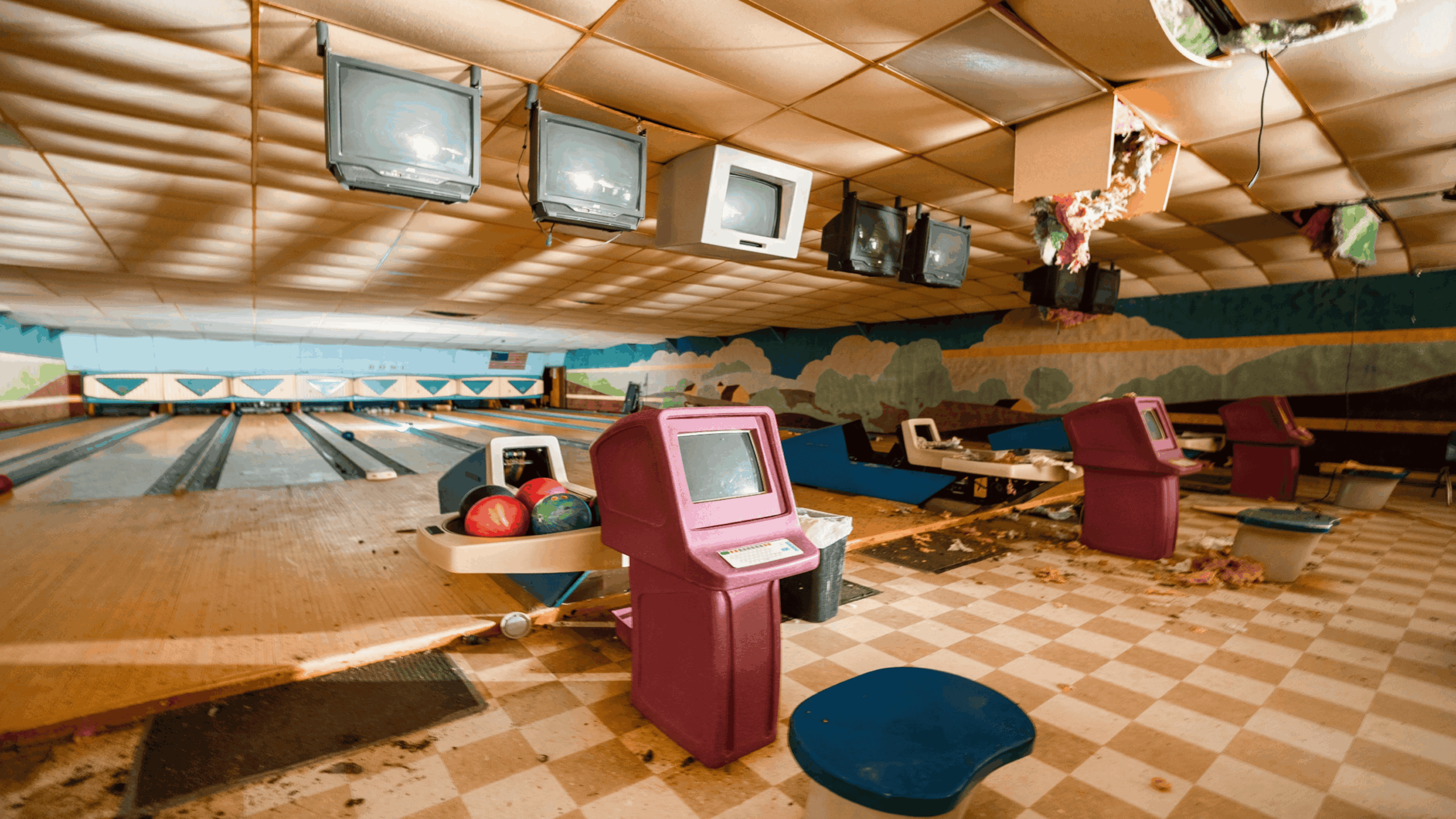
Friday nights used to belong strictly to league bowling, pitcher beer refills, and rented shoes, but slowly those iconic neighborhood hubs closed down and fell silent.
4. Amusement Parks Reclaimed by Nature
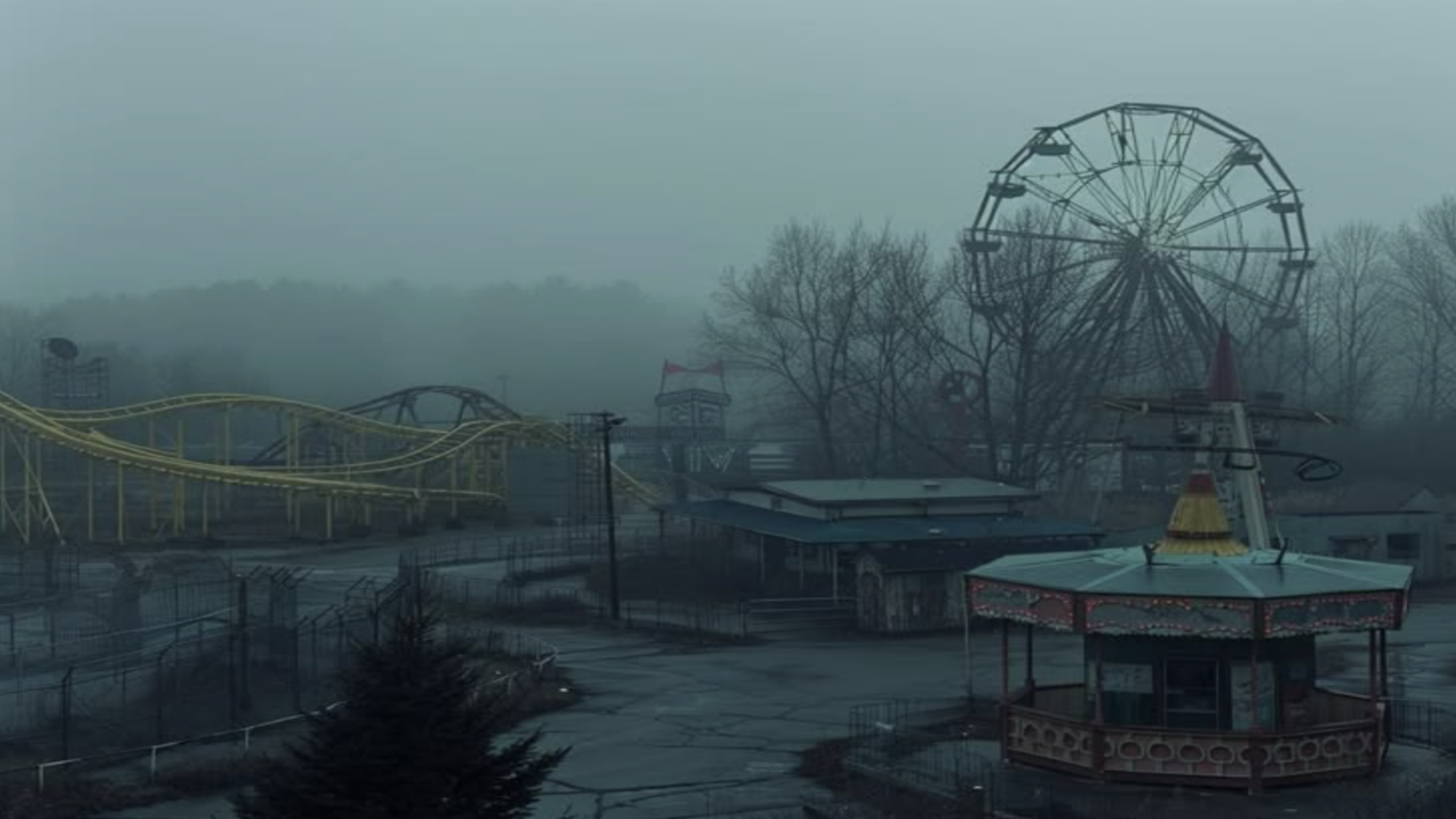
Summer vacations once meant waiting hours in line for screaming roller coaster drops, leaving behind only quiet memories once the rides stood permanently still in abandoned fields.
5. Historic Picture Palaces
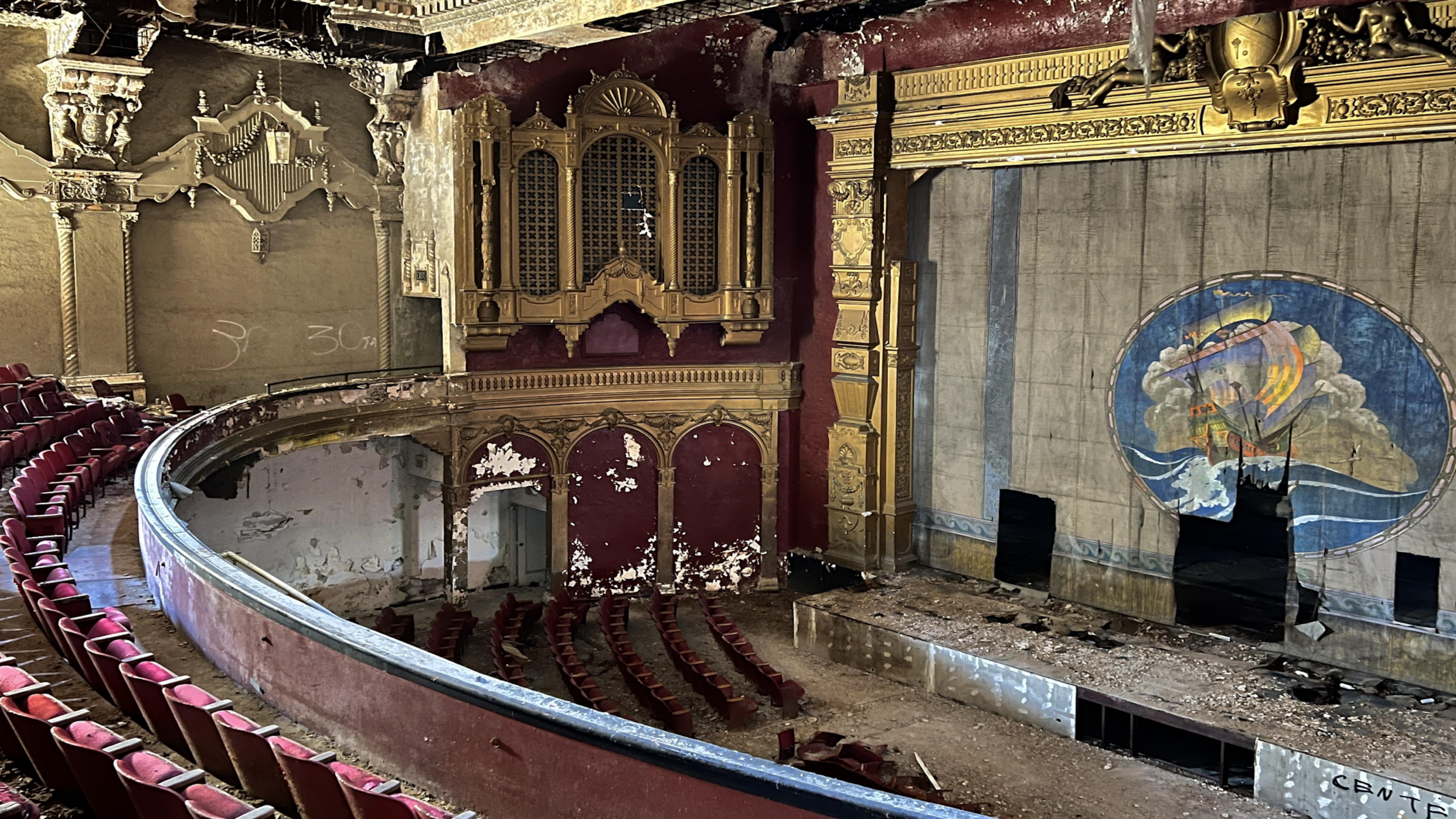
Single-screen movie theaters used to host massive local crowds for Friday night premieres long before mega multiplexes and streaming platforms took over the entertainment industry.
Trending on Wealth Gang

6. Drive-In Theaters Lost in Time
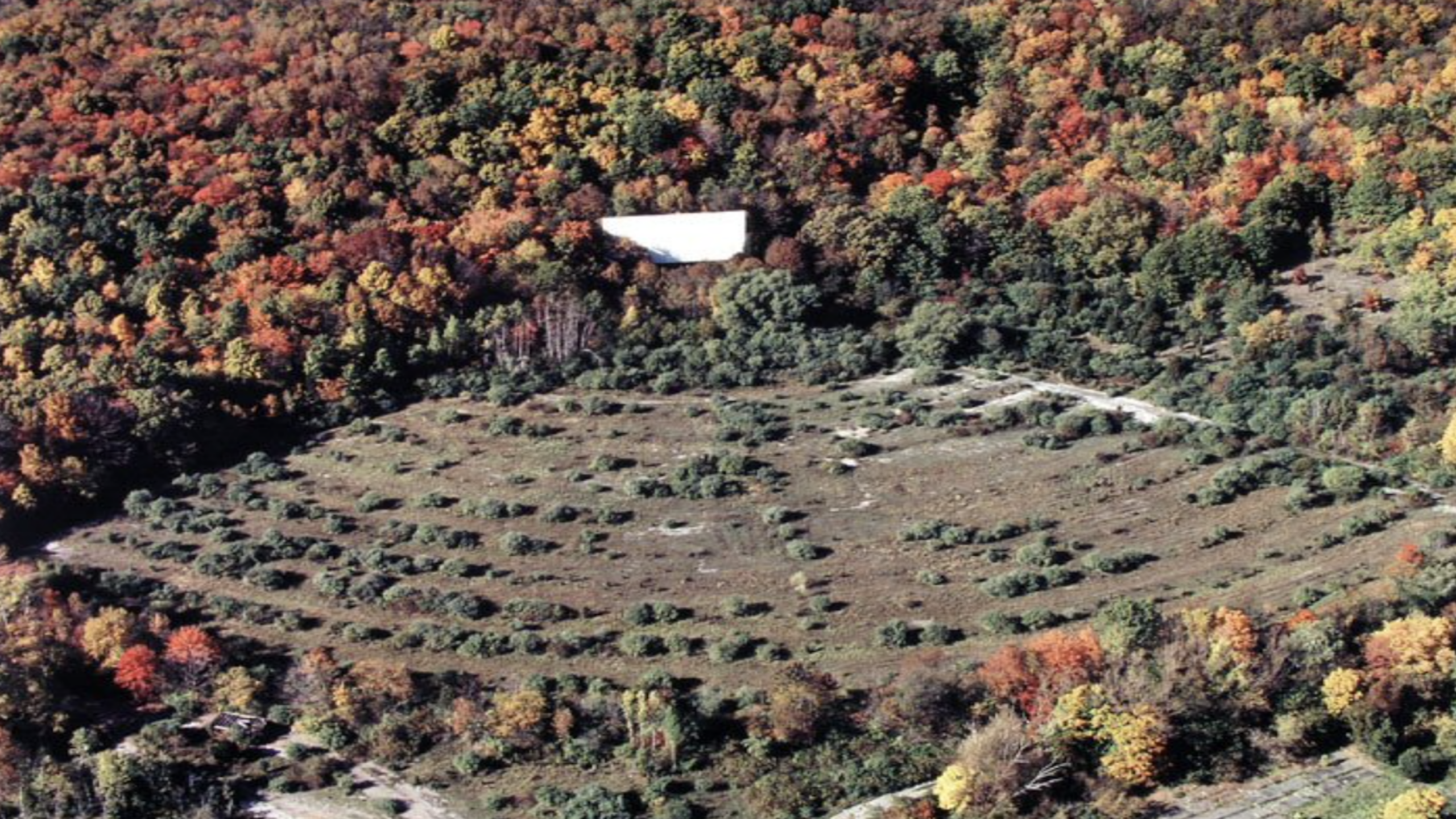
Packing cars full of friends and tuning car radios to catch double feature outdoor movies was the ultimate weekend ritual that slowly faded away into history.
7. Neon-Soaked Roller Rinks
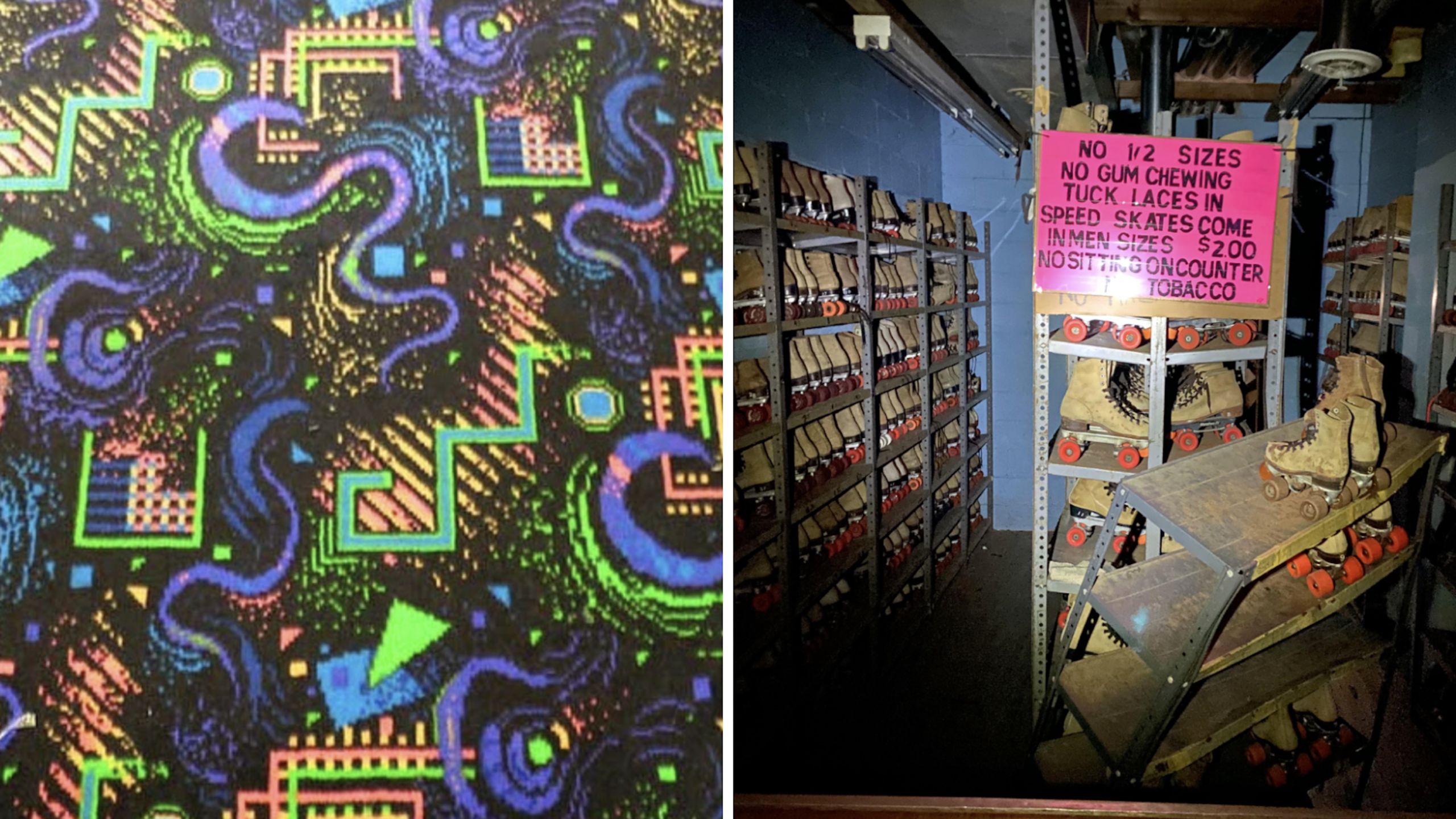
Gliding around wooden floors under flashing disco lights formed the backdrop for endless middle school birthday parties throughout the seventies and eighties.
8. 1970s Honeymoon Resorts
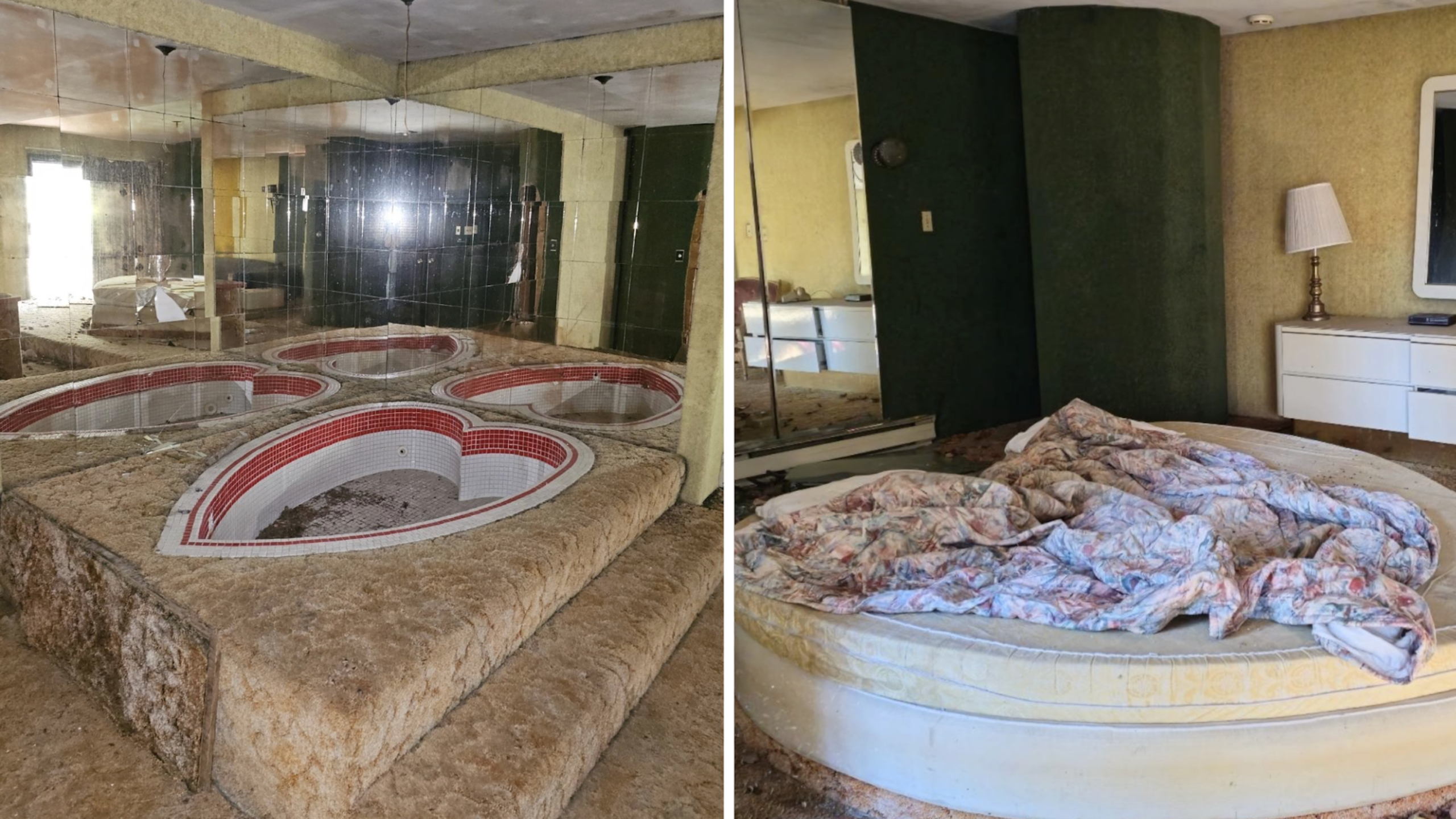
Couples once booked entire weekends at lavish theme resorts to celebrate new marriages, leaving behind a bygone era of extravagant vacation culture.
Sign up for our newsletter
9. Time Capsule Suburban Mansions
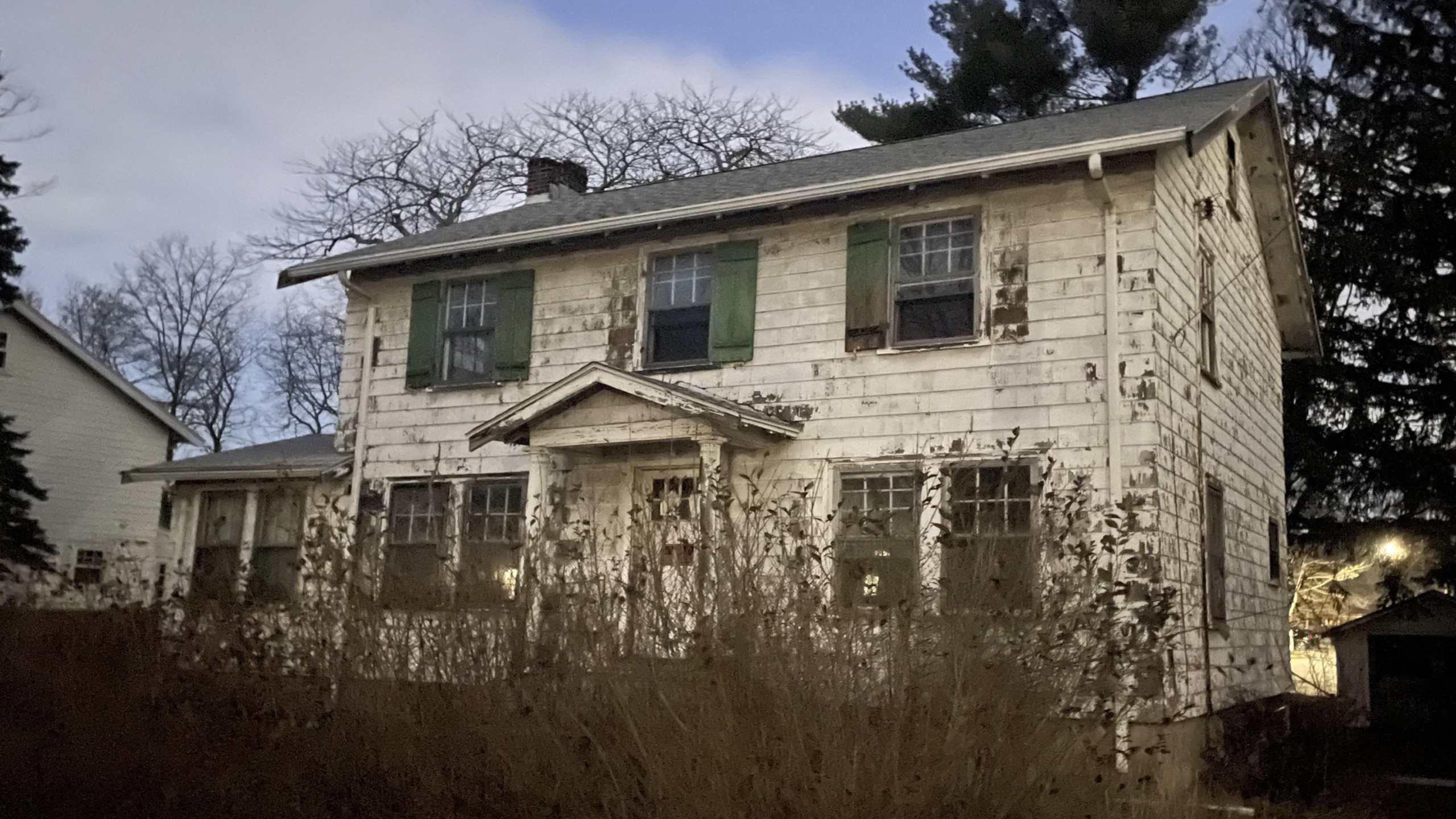
Neighborhoods were once filled with grand family estates built to last generations, yet changing economies often forced families to pack up and leave everything behind.
10. Neighborhood Video Rental Shops
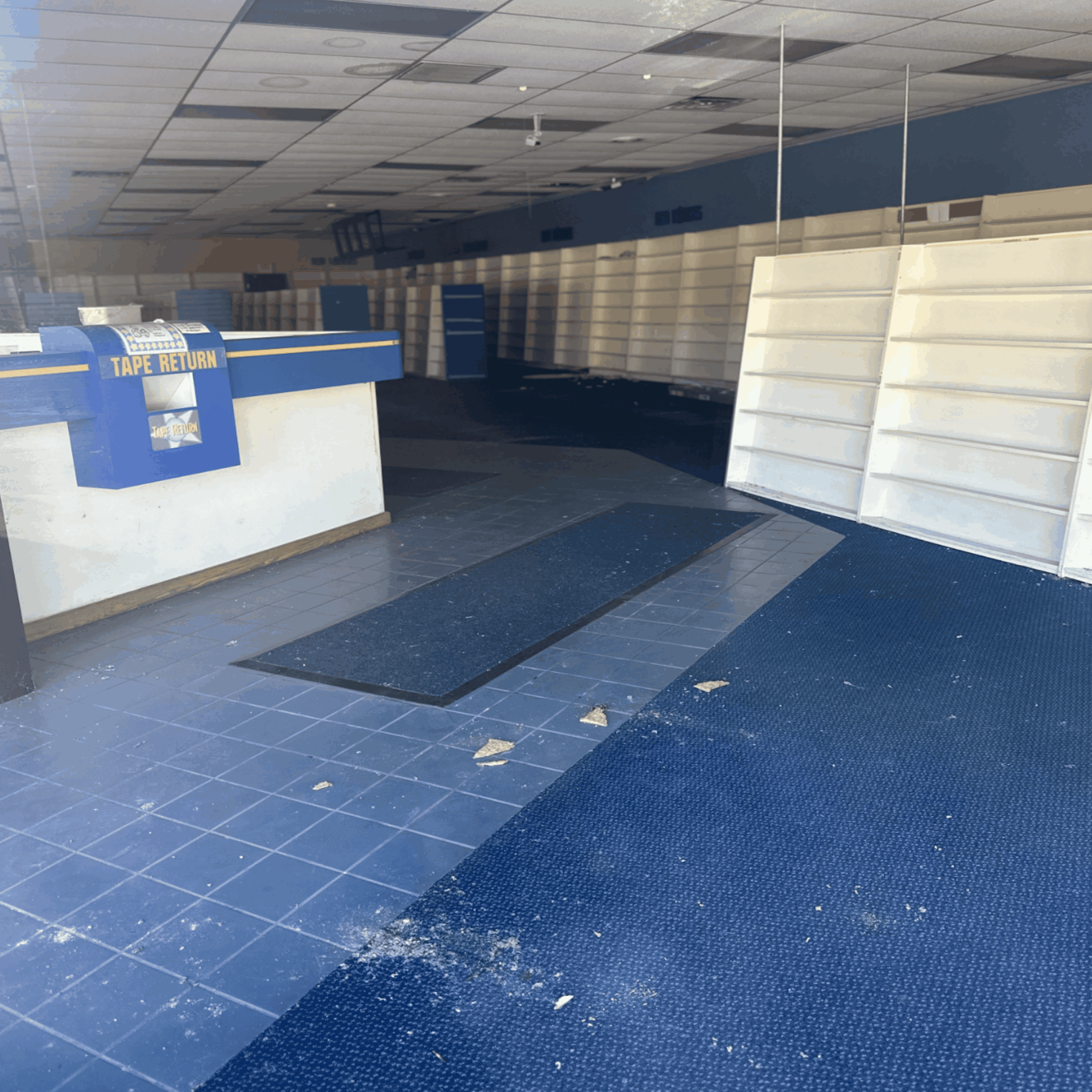
Wandering through endless aisles on a Friday evening to find the perfect VHS tape was a sacred weekly ritual that vanished almost overnight in an abandoned media landscape.
11. Classic Highway Diners
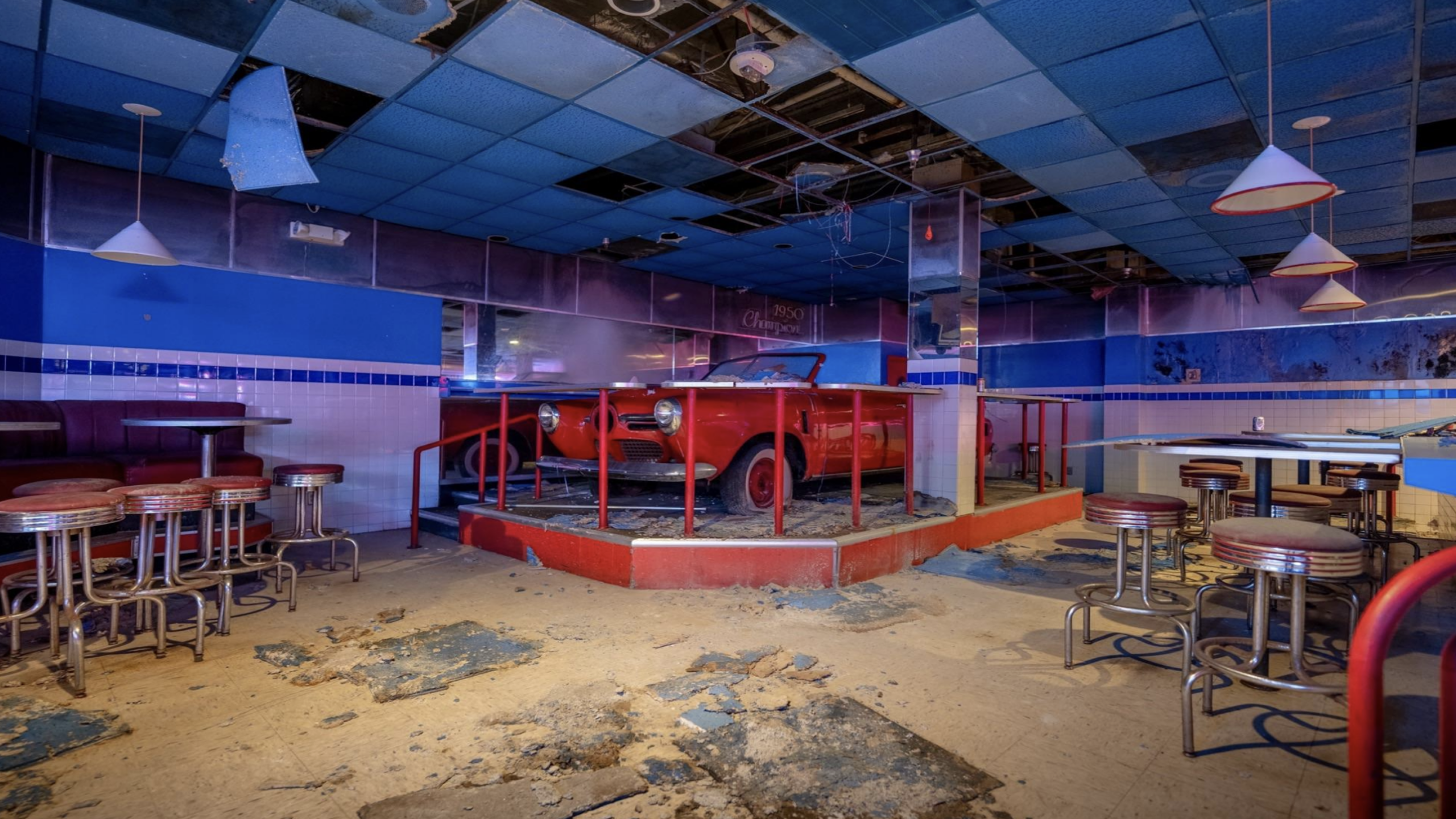
Long-distance road trips used to mean pulling over for hot coffee and greasy burgers at glowing roadside diners before modern interstates bypassed small-town stops.
12. Indoor Tropical Waterparks
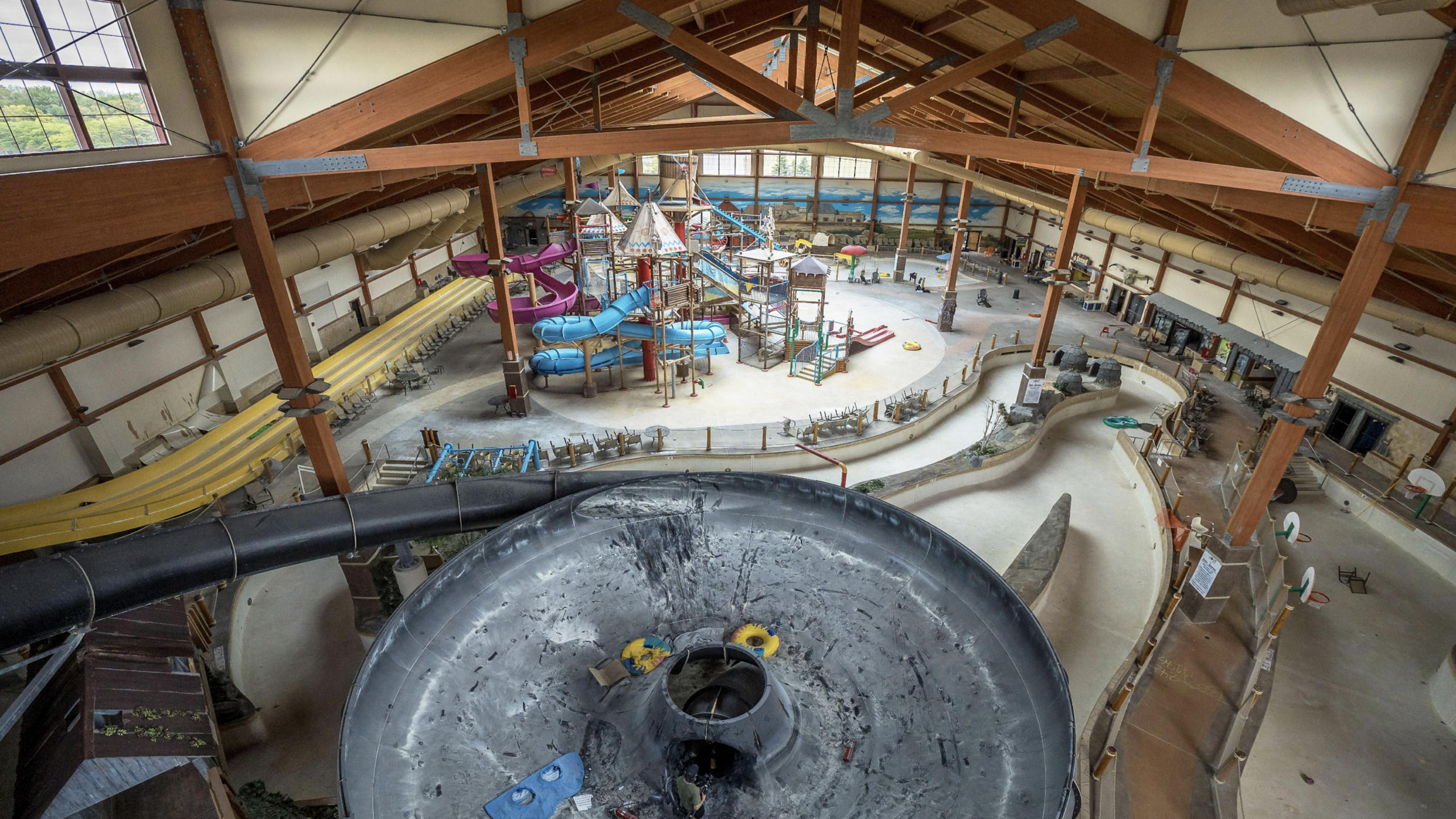
Winter getaways meant escaping cold weather inside humid glass domes filled with wave pools, long before changing travel habits closed these massive indoor oases.
13. High School Gyms Left Abandoned
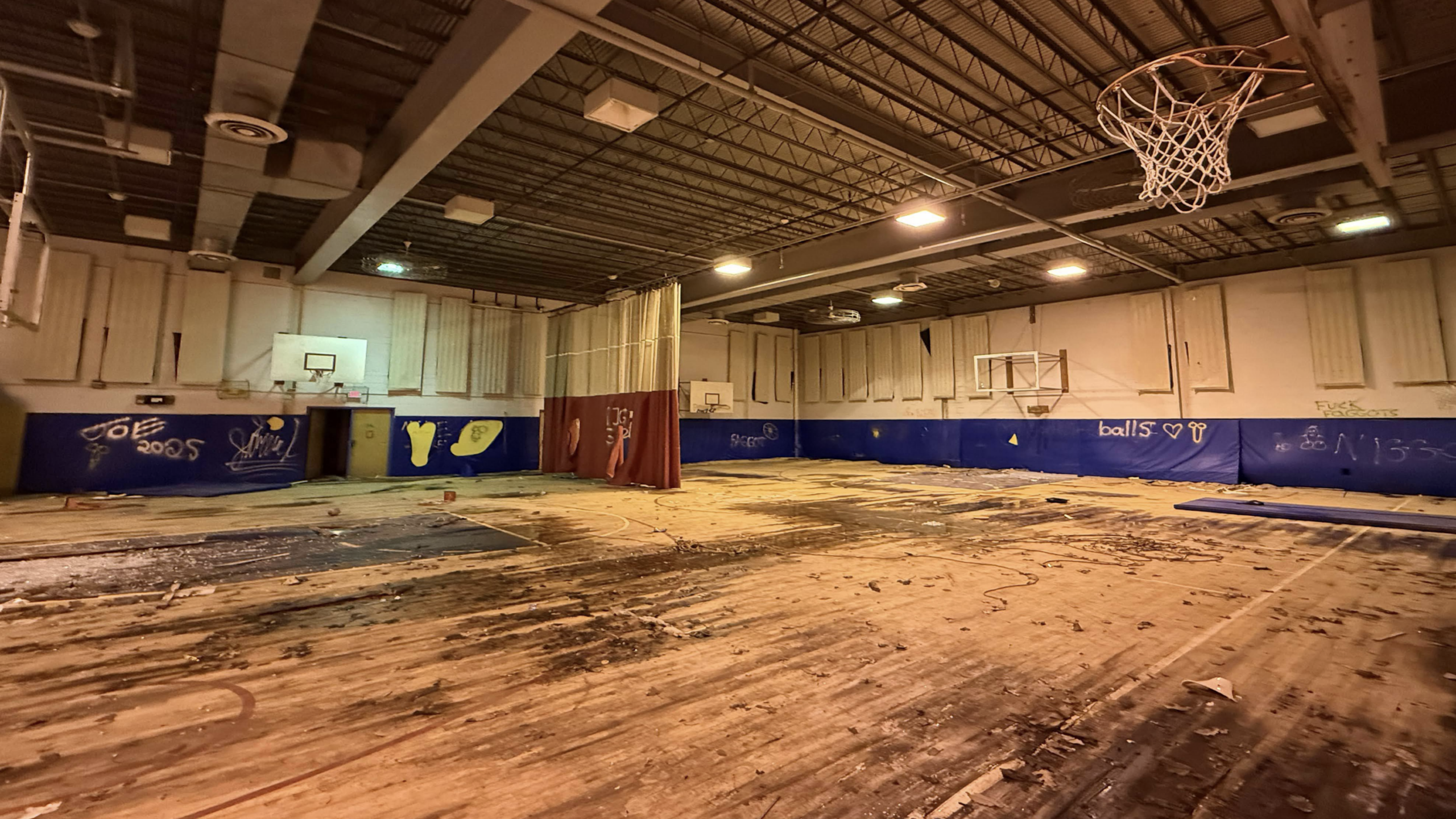
Friday night basketball games and high school dances once filled these hardwood courts with deafening crowds, leaving only nostalgic memories behind after school districts consolidated.
14. Jet Age Airport Terminals
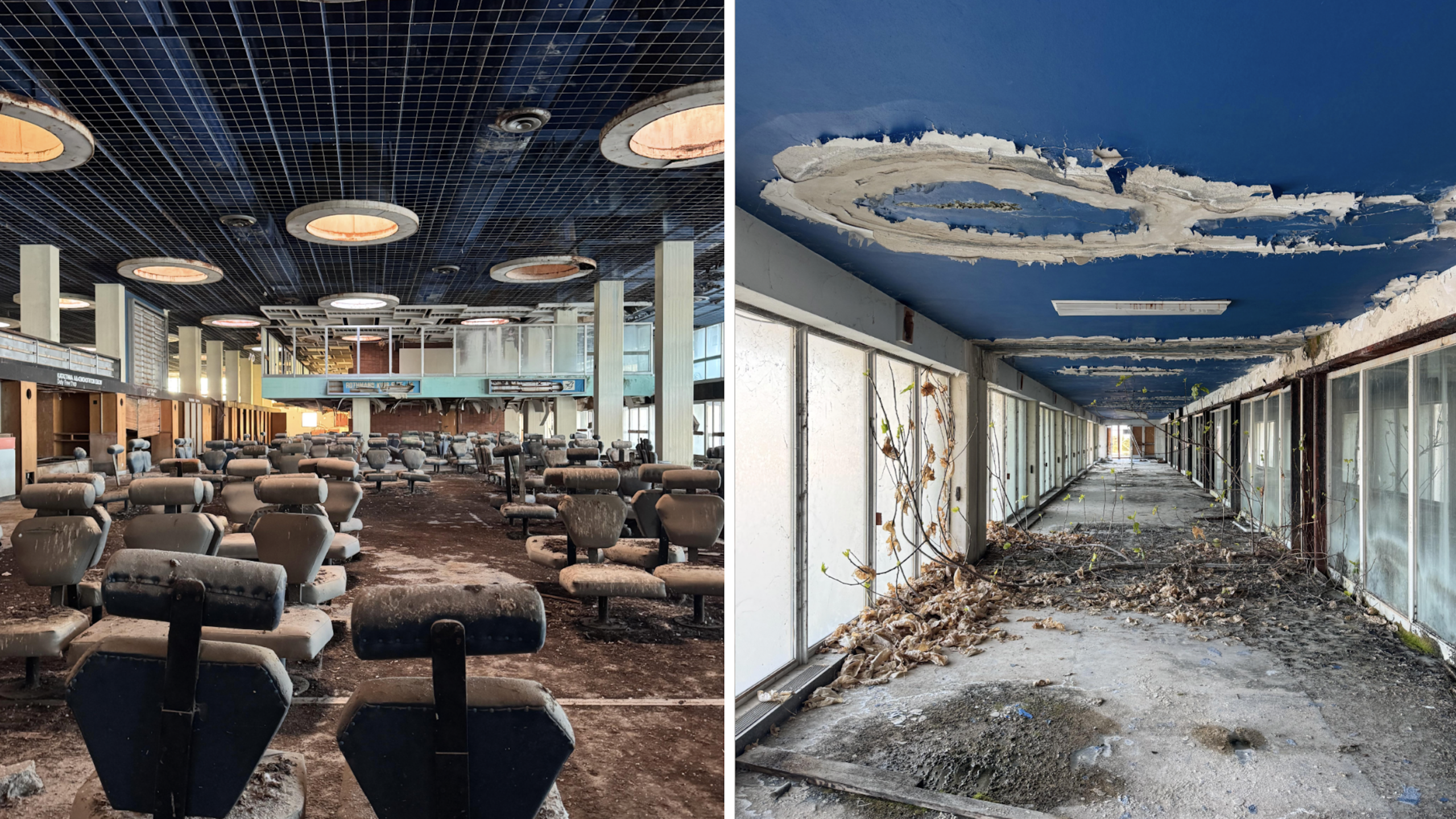
Travel used to feel like a glamorous luxury event where people dressed up in suits to catch flights, back when airports featured sleek lounges and open observation decks.
15. Forest Summer Camp Mess Halls
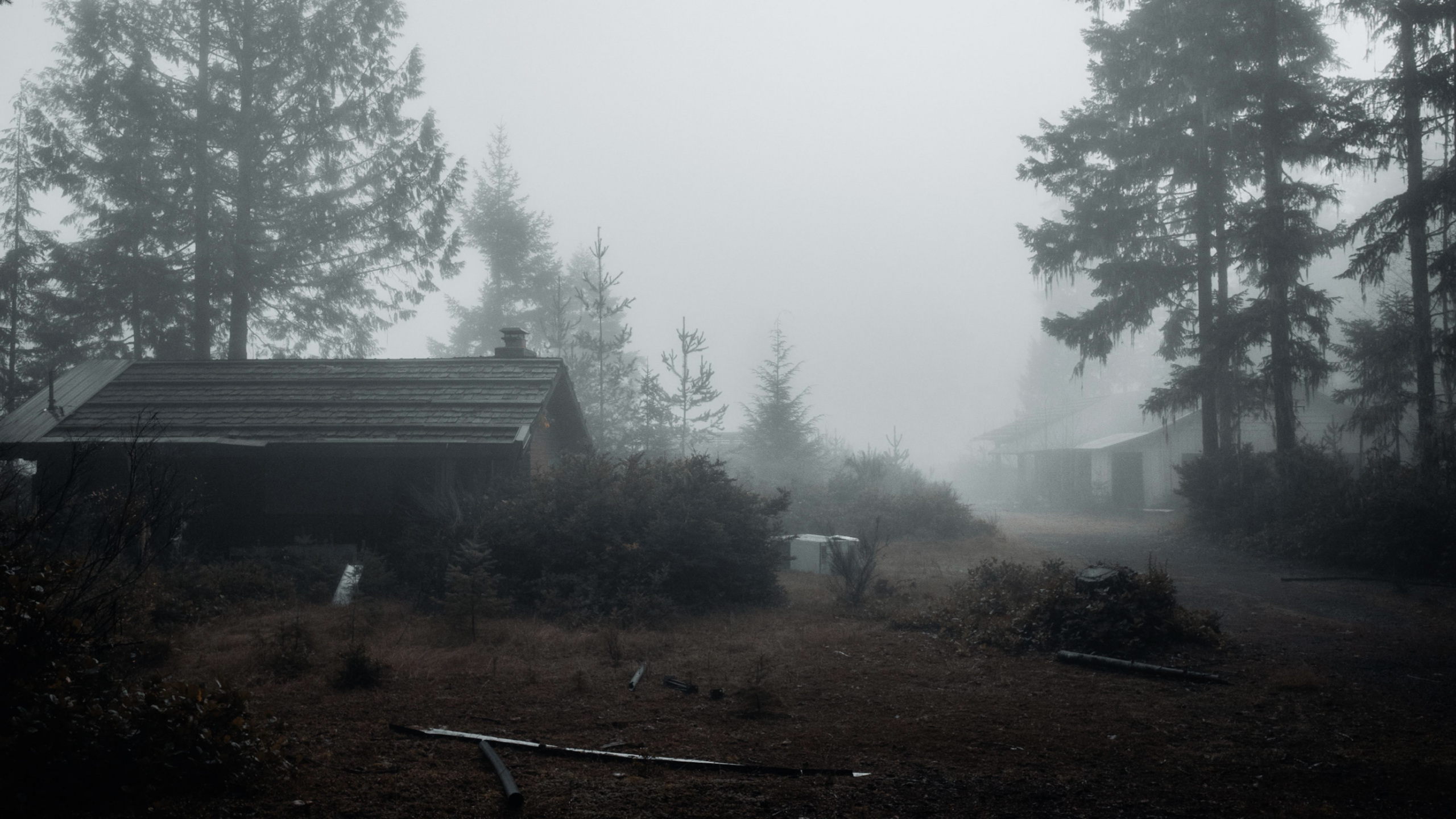
Generations of kids spent their summers singing camp songs and sharing cafeteria meals in deep woods retreats, long before digital screens replaced outdoor summer camps.
16. Overgrown Railway Graveyards
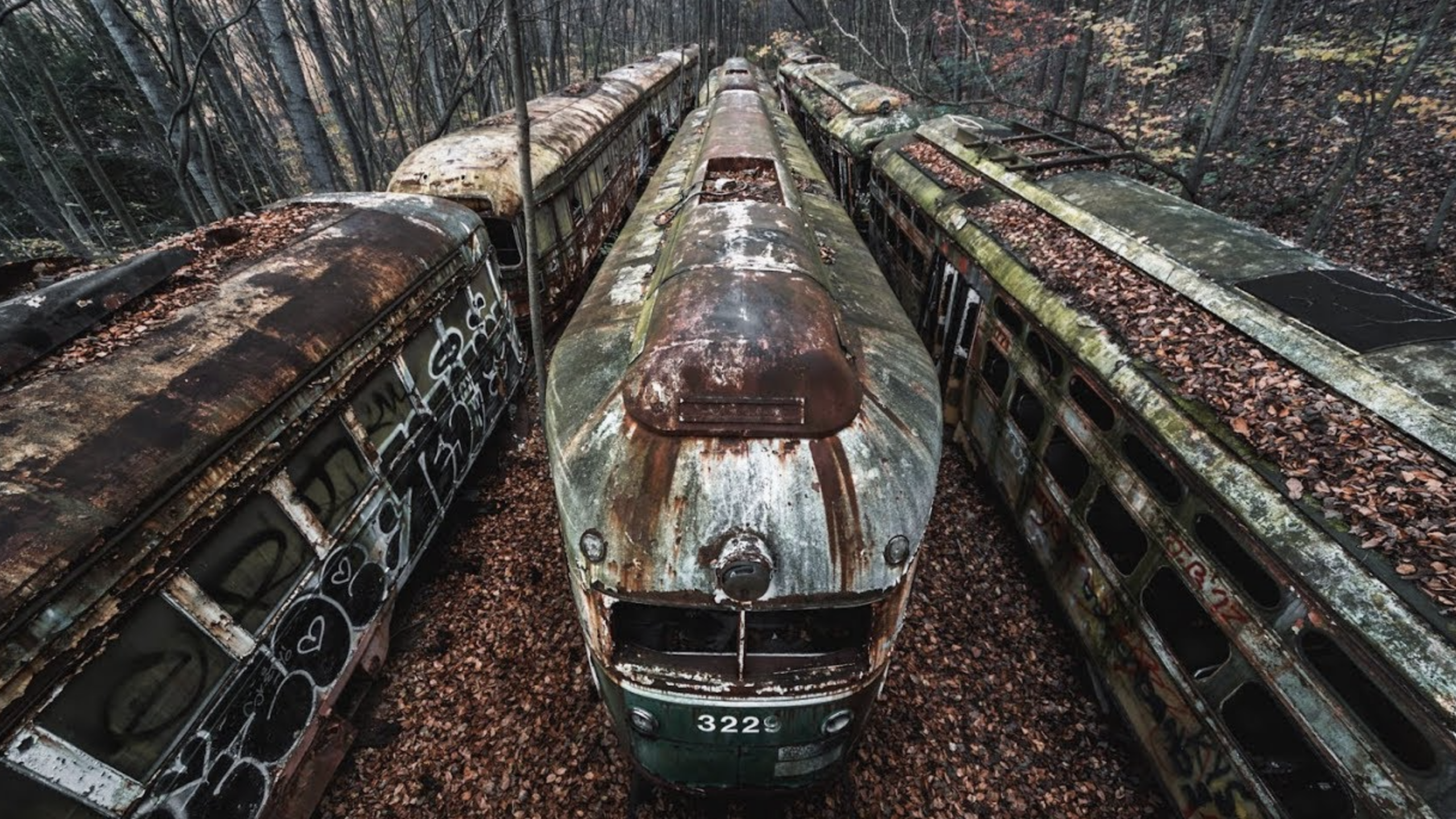
Passenger trains once served as the primary lifeblood connecting small towns across the country, before highways and airlines pushed old locomotives onto abandoned side tracks.
17. Victorian Gothic Greenhouses
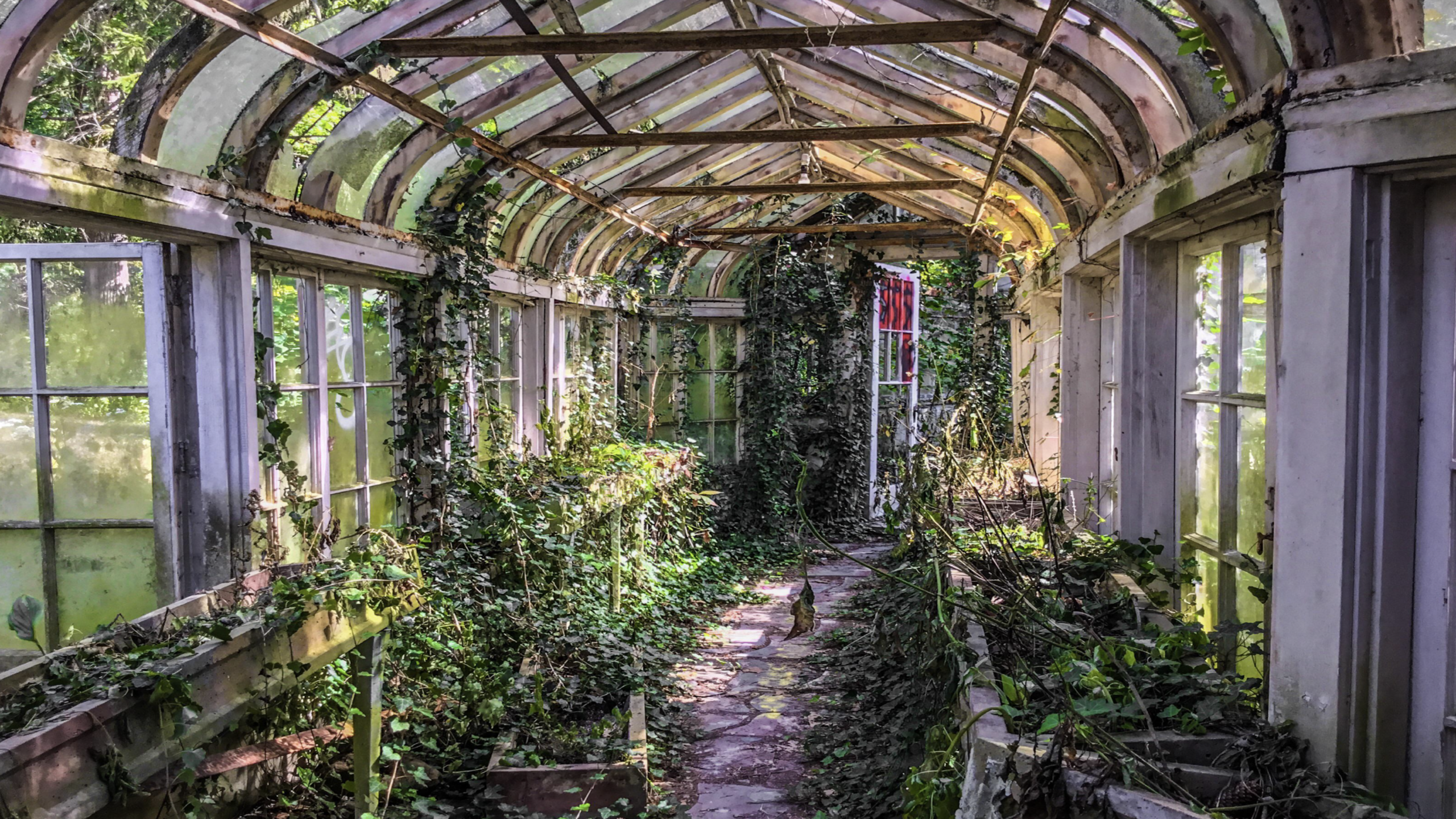
Wealthy estates used to build elaborate glass conservatories to showcase exotic botanical collections gathered from all corners of the globe.
18. Timeworn Historic Clock Towers
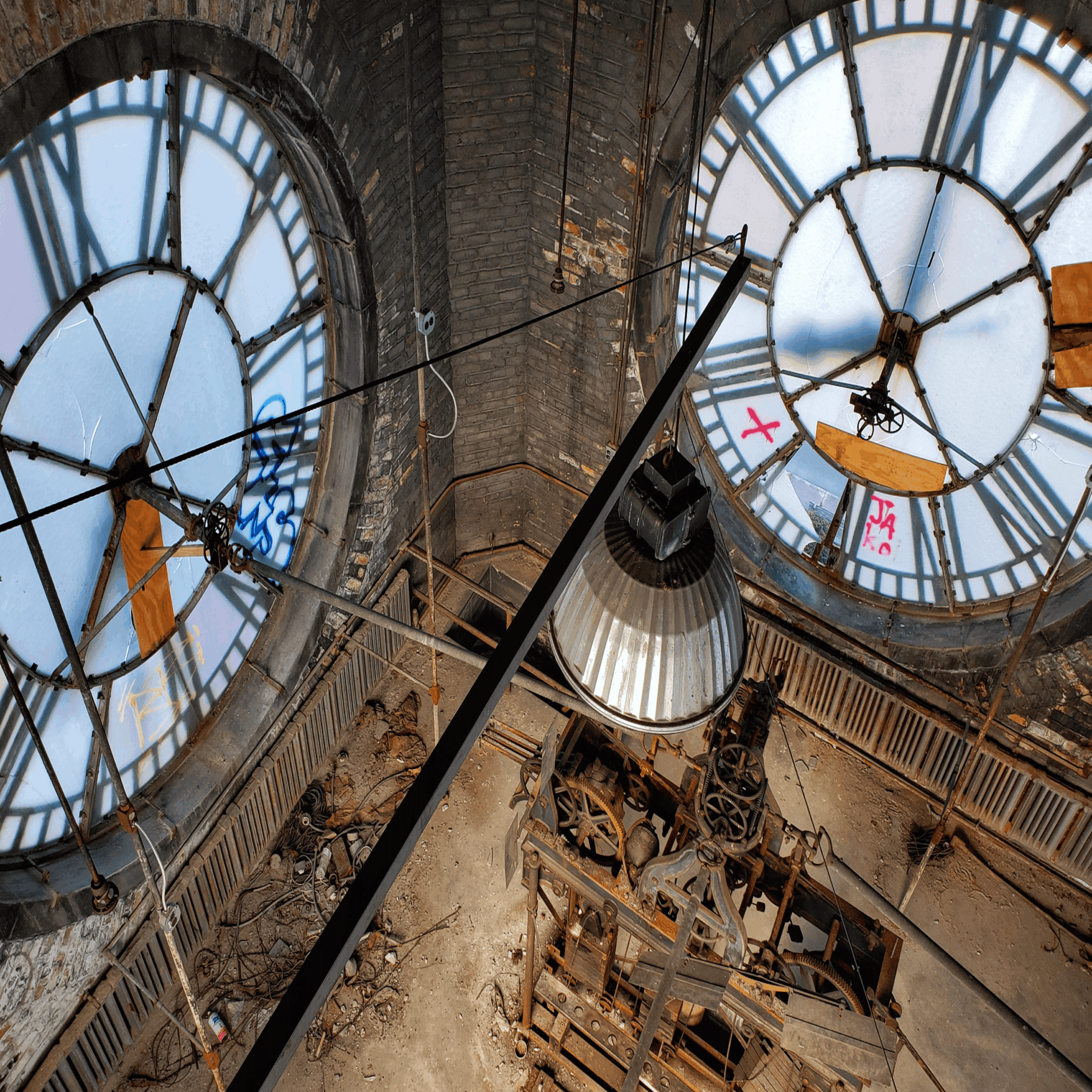
Town centers used to rely entirely on the booming chime of a central tower clock to keep everyone synchronized before personal watches and smartphones dominated daily schedules.