Before shopping malls became the center of American retail life, downtown streets were filled with businesses that gave every community its own personality. A Saturday shopping trip meant walking past familiar storefronts, stopping to chat with shopkeepers, and visiting several small businesses where the owners often knew customers by name. There were no enormous parking lots or climate-controlled corridors connecting dozens of stores. Instead, shopping happened along Main Street, where nearly every errand came with a little conversation.
Many of these businesses were more than places to spend money. They were neighborhood gathering spots, family traditions, and important parts of everyday routines. Some survived by adapting to changing times, while others gradually disappeared as suburban shopping centers, national chains, and eventually online retailers transformed American shopping habits. Here are 18 businesses that once helped make downtown America feel alive.
1. Five-and-Dime Stores
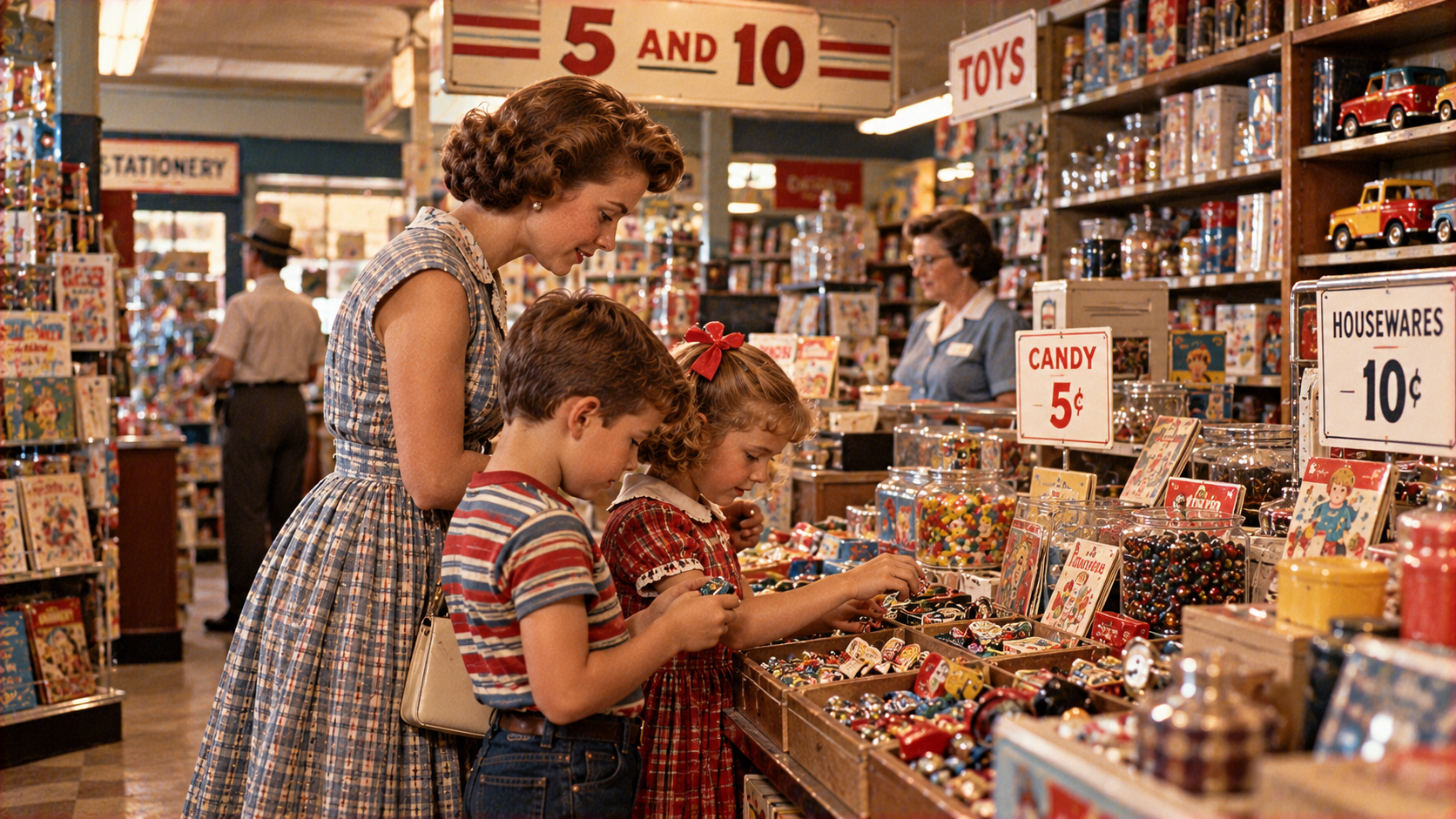
For generations, five-and-dime stores were the kind of places where a few coins could turn into an afternoon of excitement. Shelves were crowded with sewing supplies, kitchen utensils, candy, toys, and inexpensive household essentials. Children wandered through the aisles dreaming about what they could afford, while adults stopped in for practical purchases. Stores like Woolworth’s and Ben Franklin became familiar fixtures in American downtowns, offering a little bit of everything long before discount department stores became dominant.
2. Independent Shoe Stores
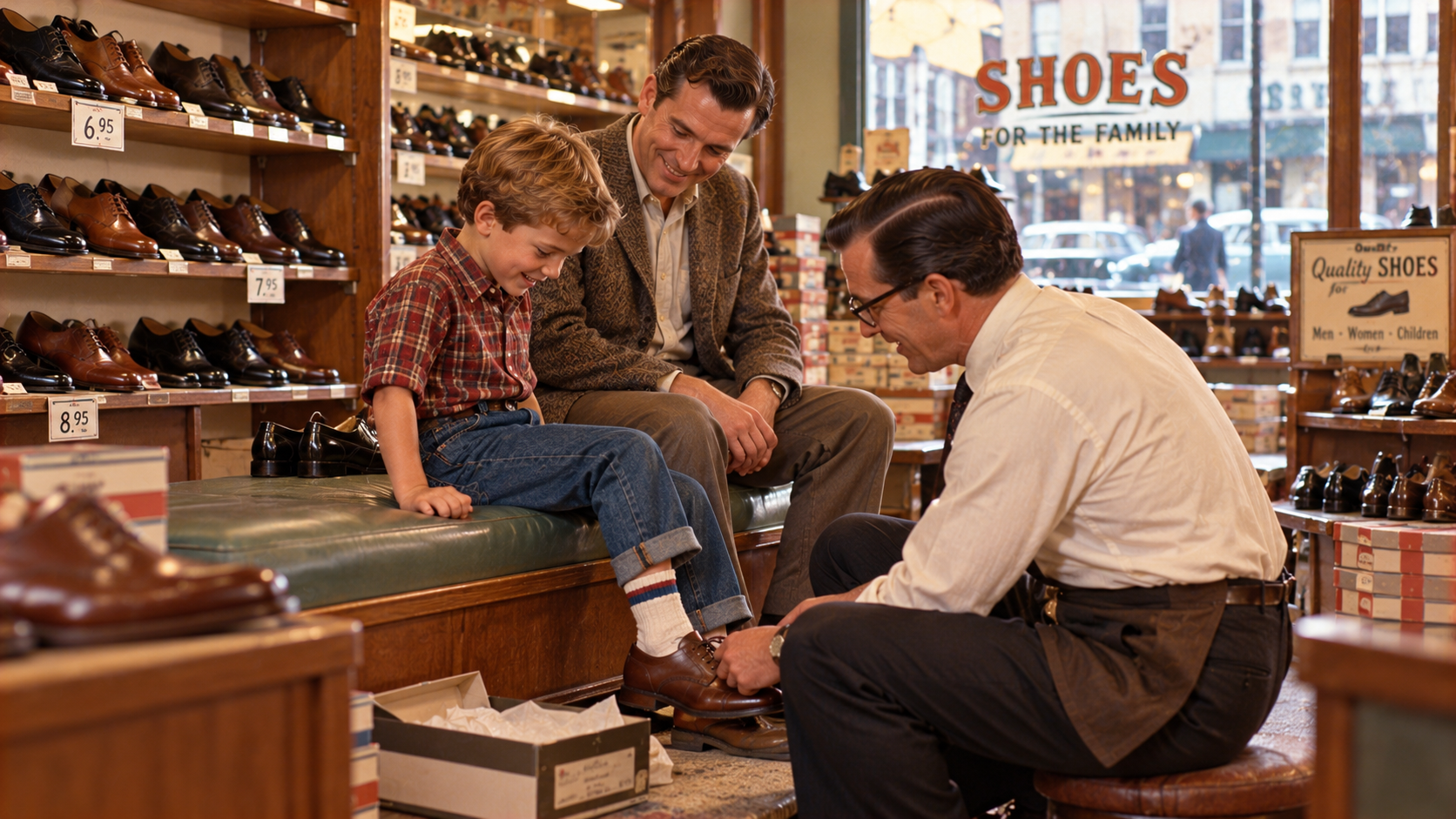
Buying shoes once meant sitting on a small stool while a salesperson measured your feet with a metal Brannock device. Independent shoe stores often carried carefully selected brands, and the staff remembered which styles worked best for regular customers. Parents brought their children in before the school year started, and a new pair of polished leather shoes could feel like a major occasion. As national footwear chains expanded into shopping malls, many traditional downtown shoe stores struggled to compete.
3. Neighborhood Hardware Stores
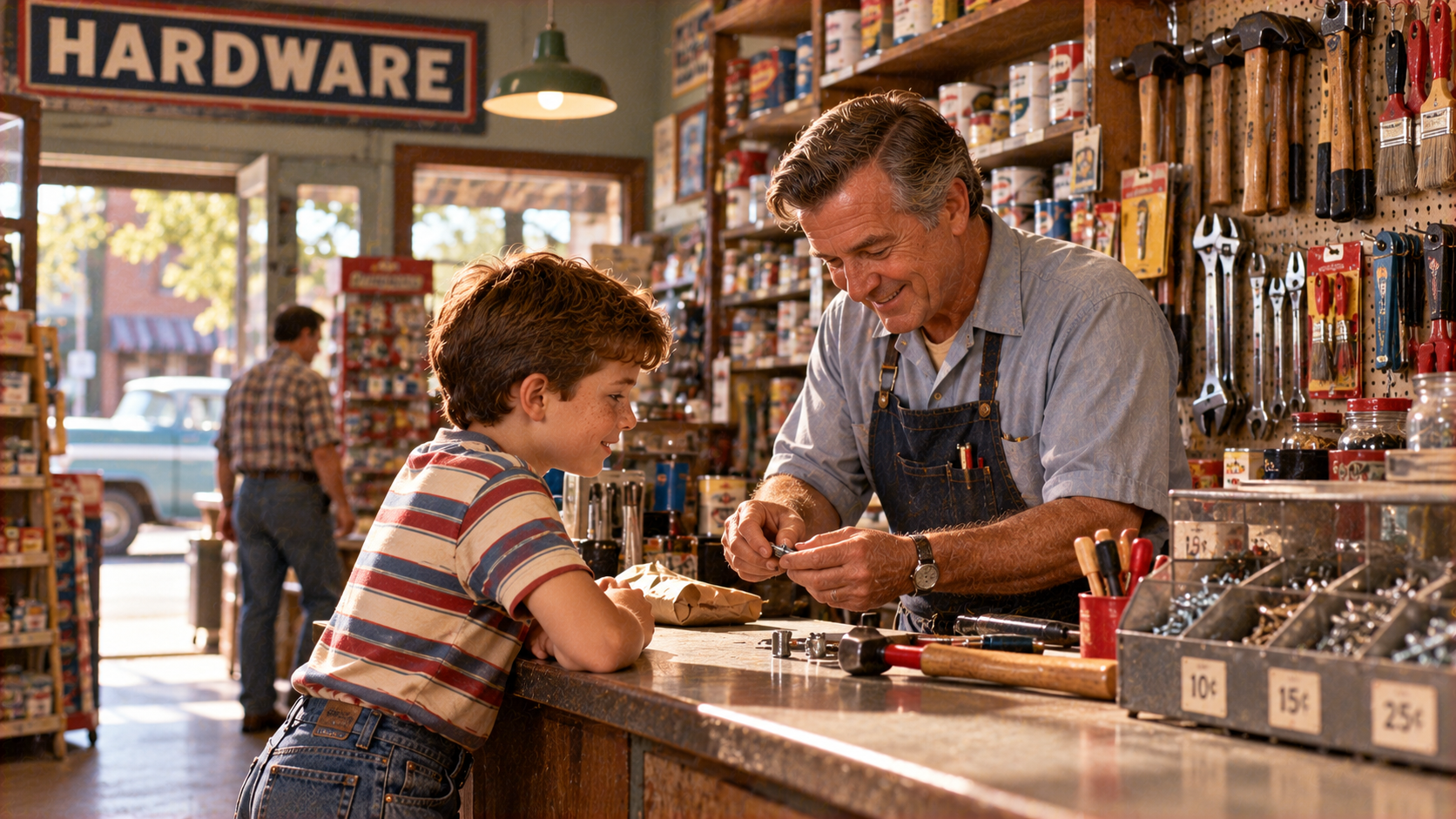
Long before enormous home improvement warehouses became common, neighborhood hardware stores were packed with wooden drawers, hanging tools, and shelves of mysterious little parts. Customers walked in carrying a broken screw or an unfamiliar plumbing fixture, confident that someone behind the counter would know exactly what they needed. The owner might offer advice about fixing a leaky faucet or recommend the right paintbrush for a weekend project. These stores sold supplies, but their real specialty was knowledge.
4. Downtown Department Stores
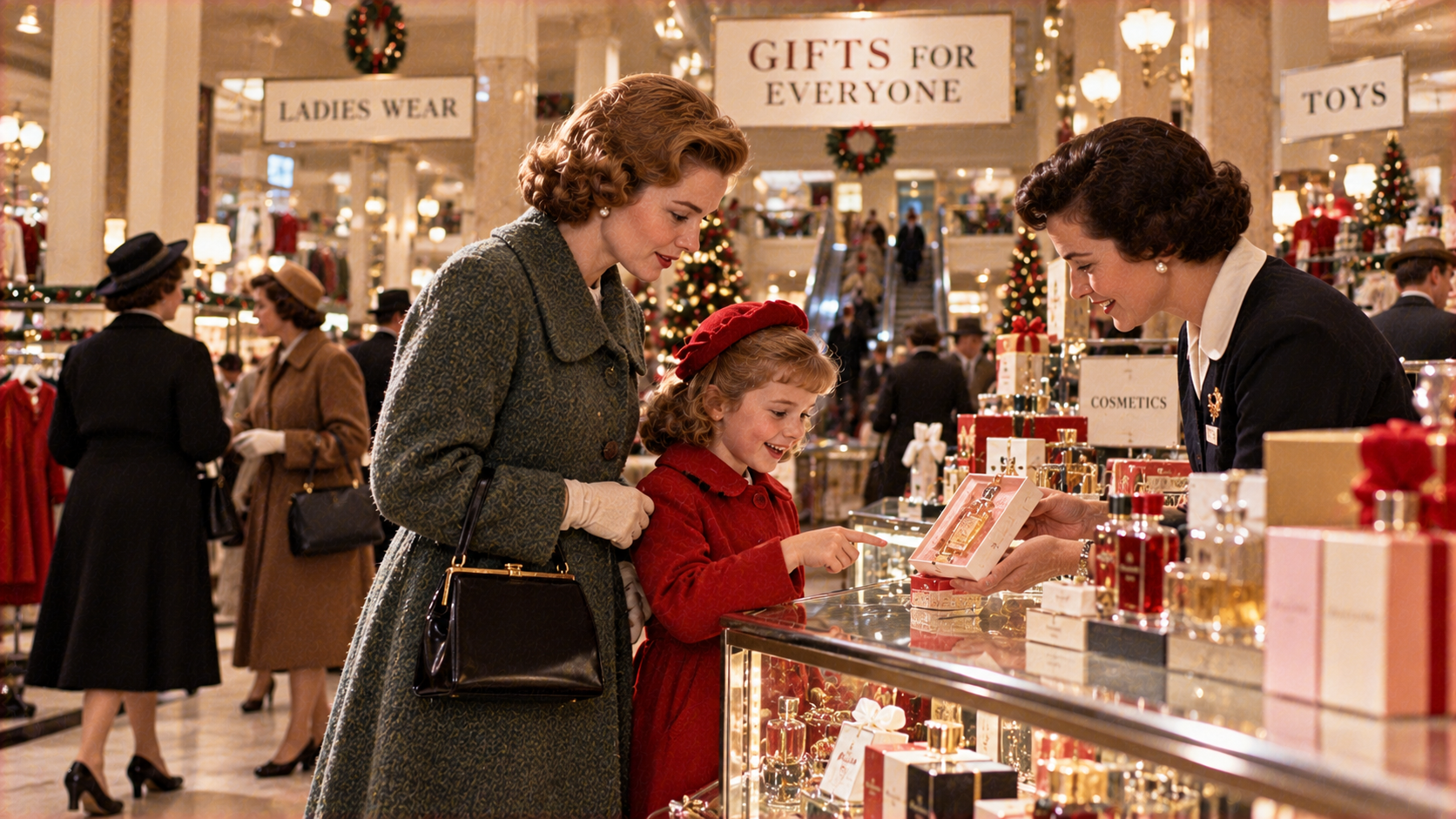
Every American city seemed to have a department store that people considered part of its identity. Families visited for back-to-school clothing, holiday decorations, wedding gifts, and special occasions. Window displays attracted crowds, especially around Christmas, while elevators carried shoppers between floors devoted to furniture, fashion, and household goods. Many stores had restaurants or tearooms where customers could rest between purchases. Regional names such as Rich’s in Atlanta and Hudson’s in Detroit became local institutions before suburban malls shifted much of the shopping traffic away from downtown.
5. Family-Owned Toy Stores
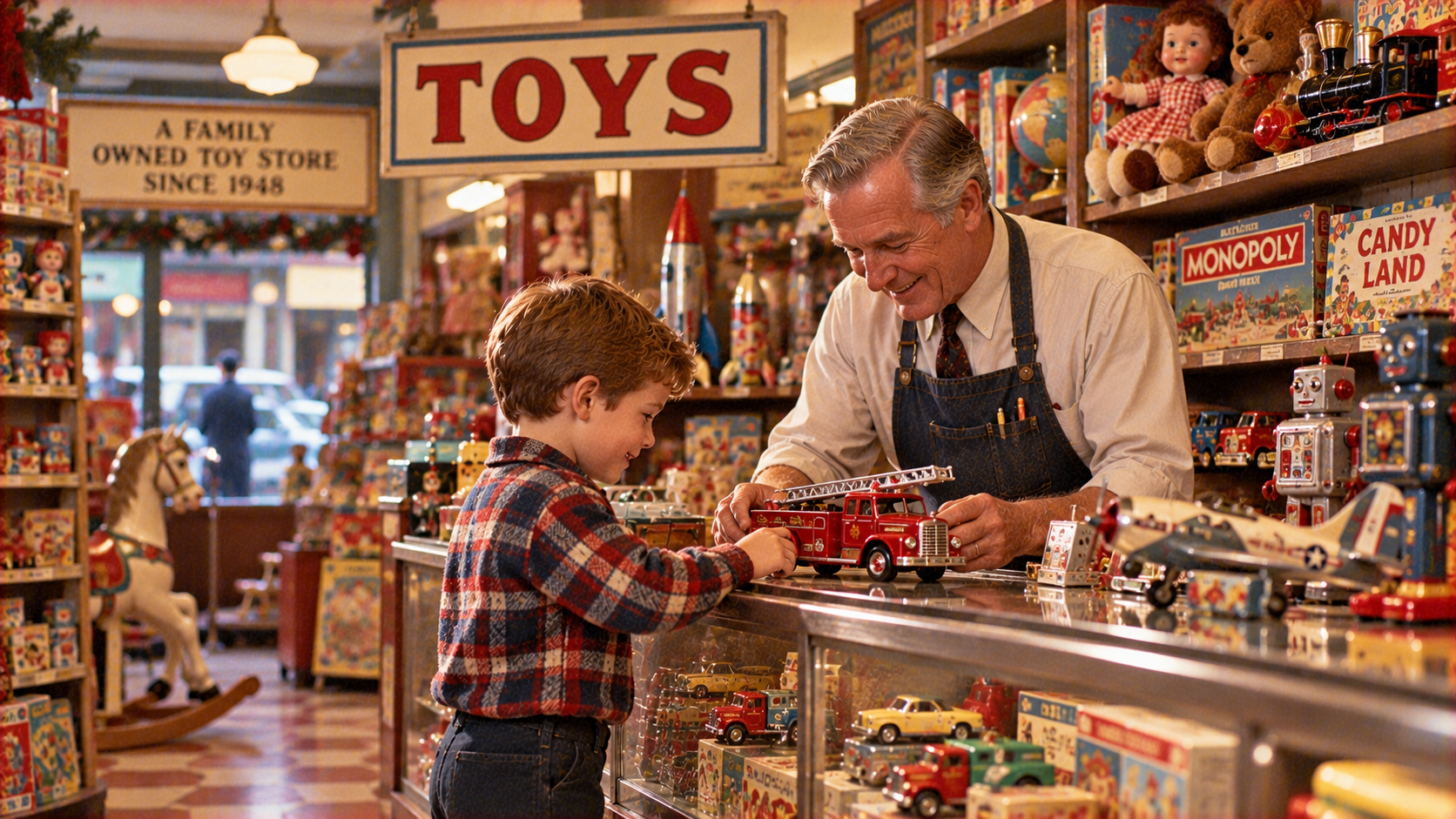
Walking into a family-owned toy store could make an ordinary afternoon feel like Christmas morning. Colorful boxes lined the shelves, model trains circled miniature tracks, and dolls stood neatly arranged behind glass. Store owners often demonstrated toys or helped grandparents choose birthday presents. Children pressed their faces against storefront windows to admire the latest arrivals, sometimes returning week after week to look at the same coveted item. Large toy chains and mall retailers eventually changed how Americans shopped for playthings, leaving many independent stores behind.
Trending on Wealth Gang


6. Local Bookstores
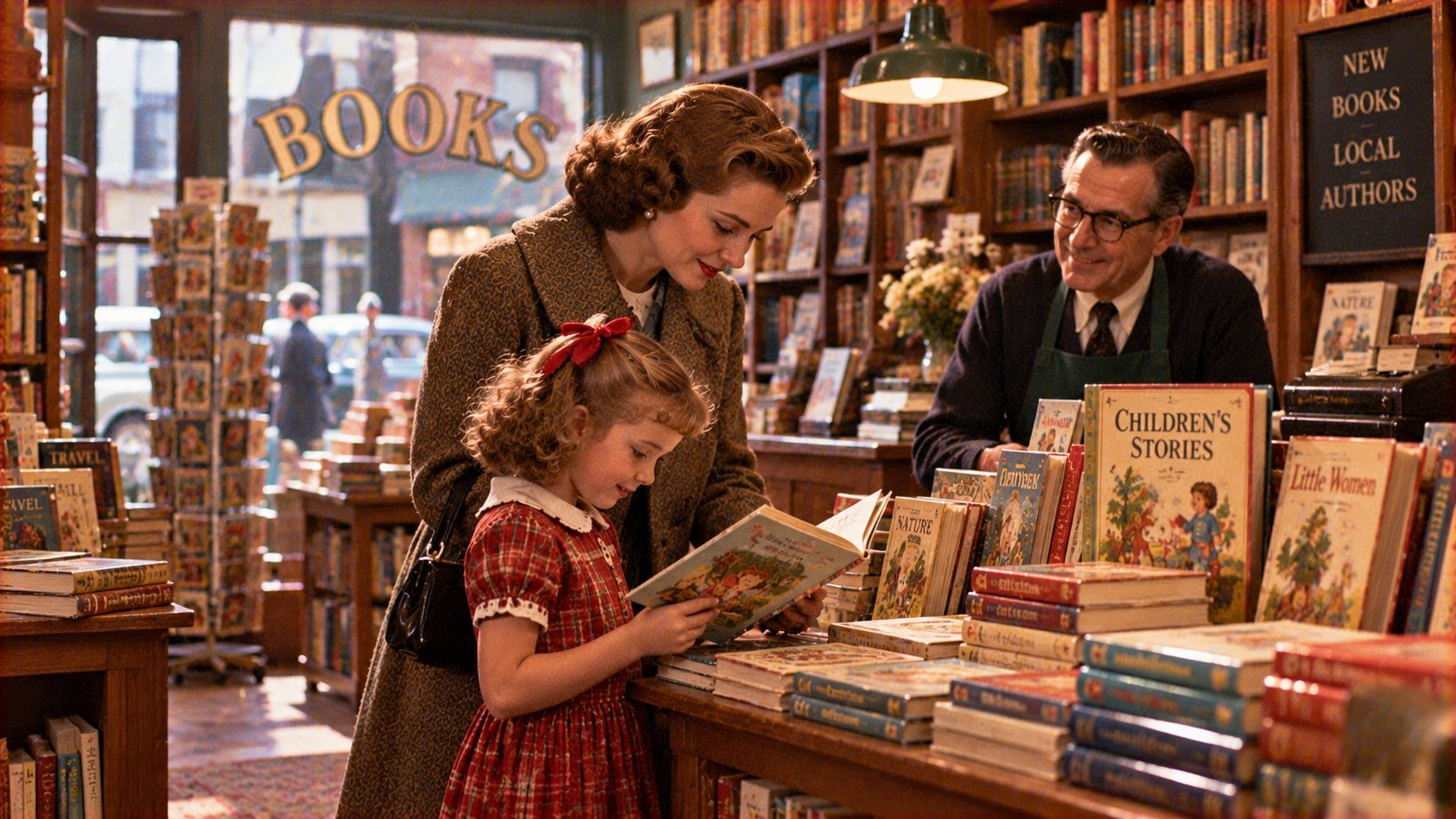
Before bookstores became common mall attractions, independent shops on downtown streets were favorite destinations for readers. Their windows displayed new releases, colorful children’s books, and bestsellers that everyone seemed to be talking about. Inside, customers browsed crowded shelves, flipped through paperbacks, and asked the owner for recommendations. Some shops carried used books with handwritten prices tucked inside the covers. Finding an unexpected treasure on a dusty shelf was part of the pleasure, and nobody needed an algorithm to suggest what to read next.
7. Main Street Bakeries
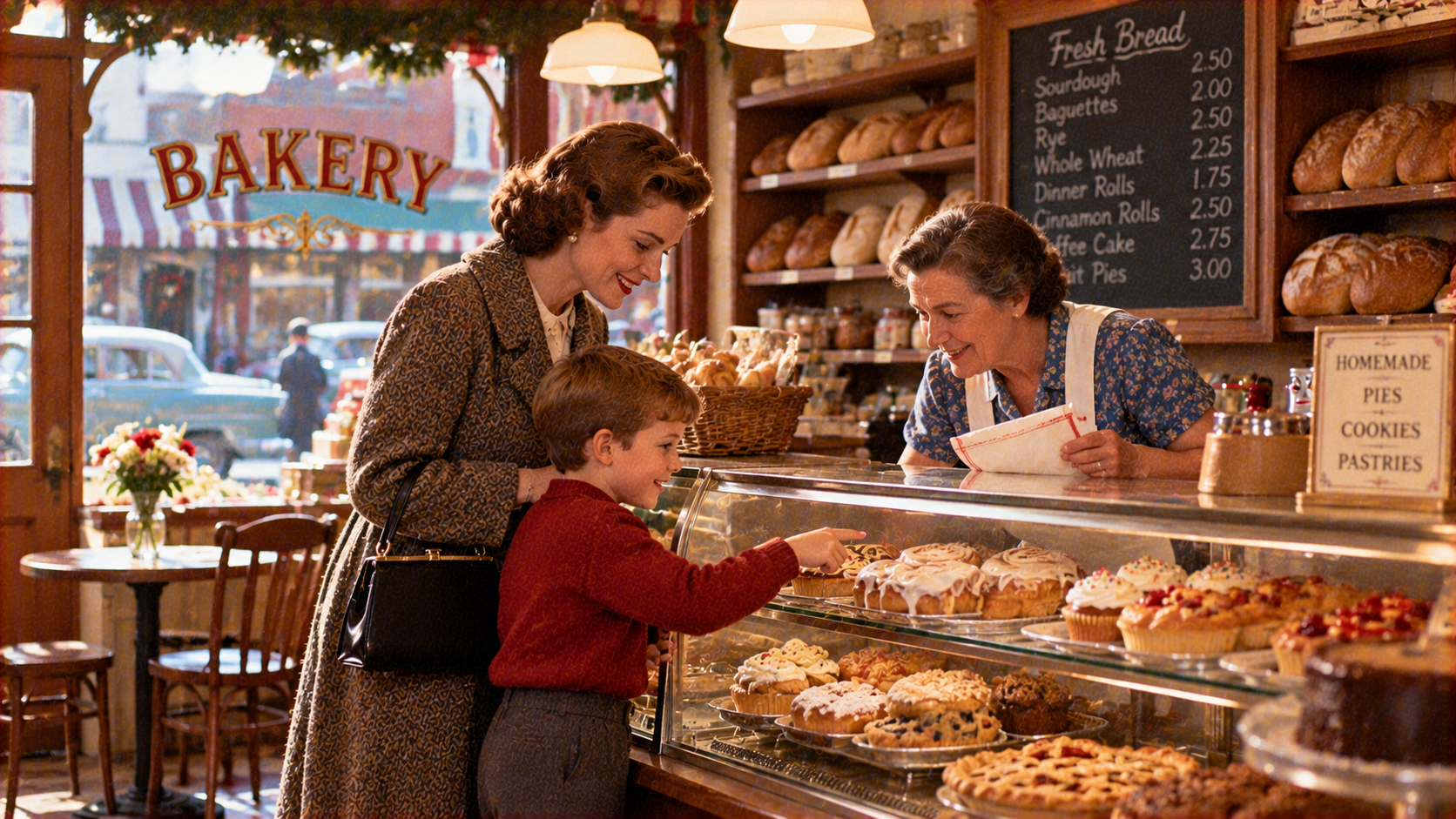
The smell of freshly baked bread drifting onto the sidewalk was enough to make people stop at a neighborhood bakery. Glass cases displayed glazed doughnuts, cookies, pies, and cakes decorated for birthdays and weddings. Customers arrived early for warm rolls or picked up something sweet after church on Sunday. Many bakeries were family businesses, with recipes passed from one generation to the next. Supermarket bakeries and suburban shopping patterns eventually challenged these familiar storefronts, but few grocery aisles could recreate the experience of walking into a bakery just as the morning bread came out of the oven.
8. Fabric and Sewing Shops
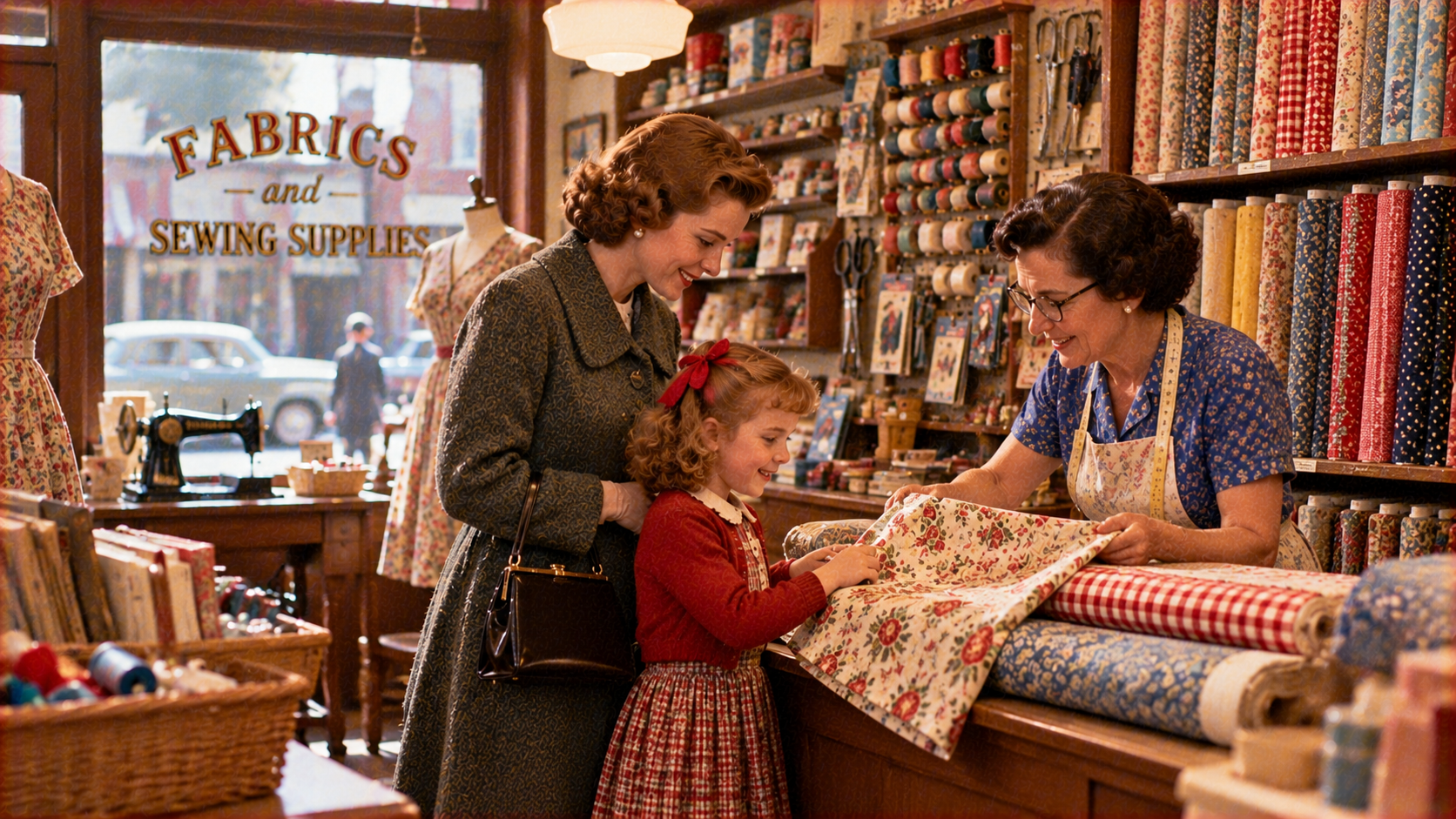
There was a time when making clothes at home was common enough to support fabric stores in downtown shopping districts across America. Women browsed bolts of cotton, wool, and colorful prints, holding different patterns against themselves while imagining a finished dress. Metal cabinets displayed sewing patterns from companies like Simplicity and McCall’s, and employees helped customers calculate how many yards they needed. These shops supplied everything from buttons to zippers, serving families who repaired clothing, made curtains, or sewed outfits for special occasions.
Sign up for our newsletter
9. Independent Jewelry Stores
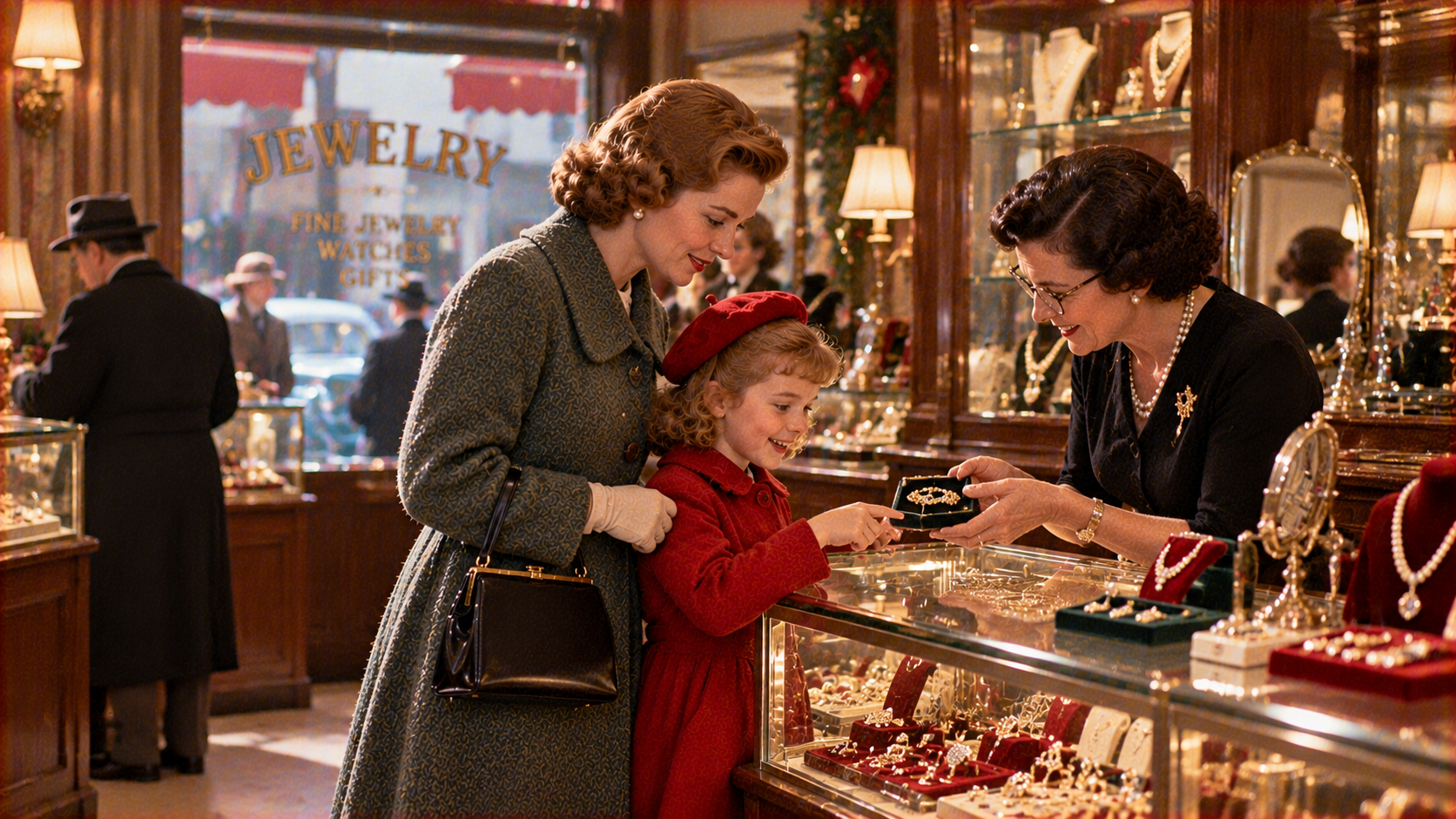
For engagements, anniversaries, graduations, and milestone birthdays, many Americans visited the same downtown jewelry store their parents had trusted. Glass display cases held watches, necklaces, rings, and delicate bracelets, often arranged on velvet cushions. The jeweler might repair a broken clasp, resize a wedding band, or engrave a special message inside a gift. These businesses built reputations over decades, and some served several generations of the same family. Jewelry purchases felt personal, especially when the person behind the counter remembered the story behind a particular ring.
10. Downtown Movie Theaters
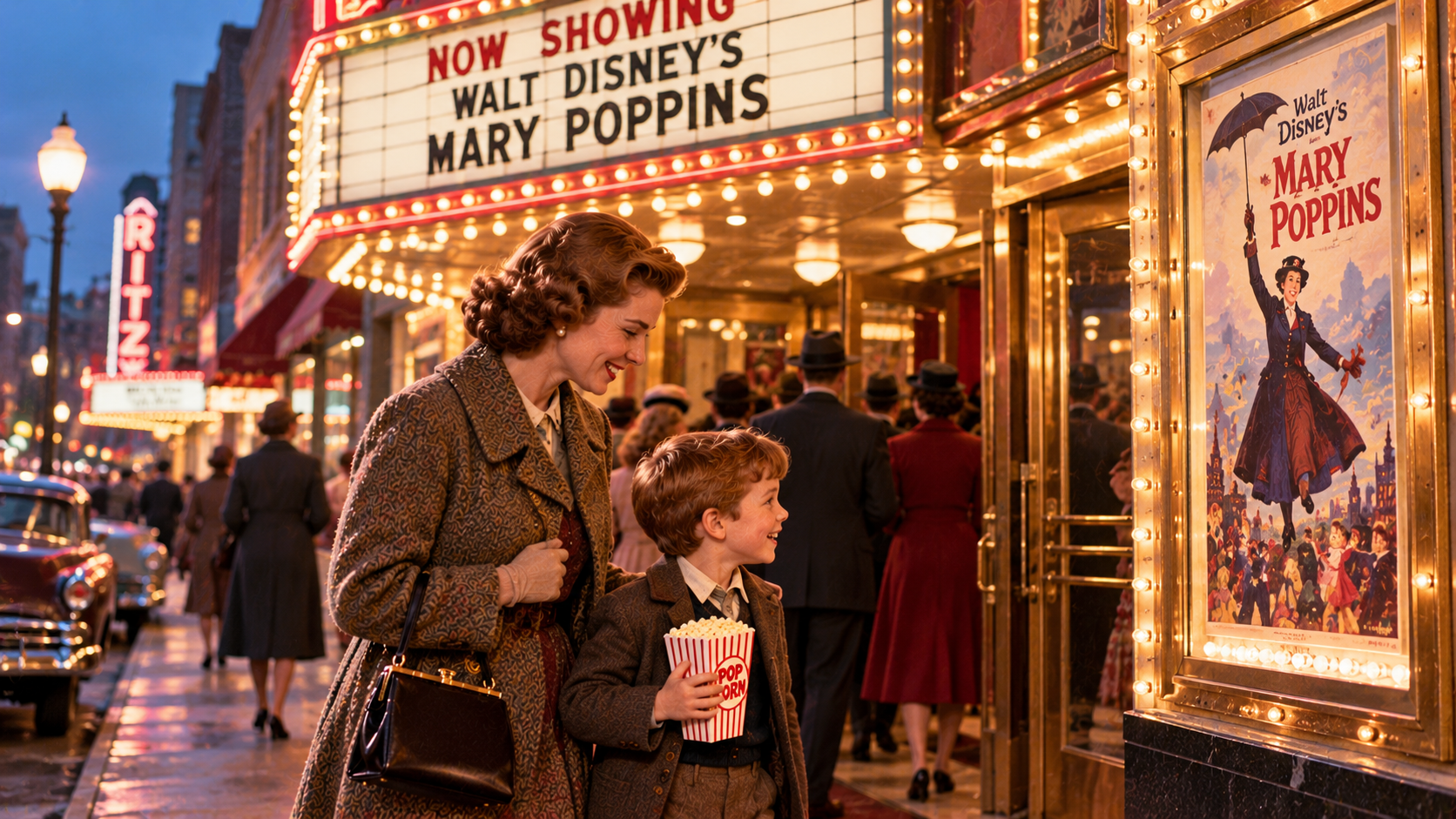
Before multiplexes became standard attractions at suburban malls, downtown movie theaters brought crowds to Main Street after dark. Their glowing marquees announced the latest films, while ticket booths stood beneath elaborate entrances. Inside, velvet seats, heavy curtains, and ornate ceilings made even an ordinary movie night feel special. Couples planned dates around evening showtimes, teenagers gathered outside after the final credits, and families lined up for weekend matinees. Many grand theaters eventually closed or were converted to other uses as entertainment shifted toward suburban locations.
11. Record Stores
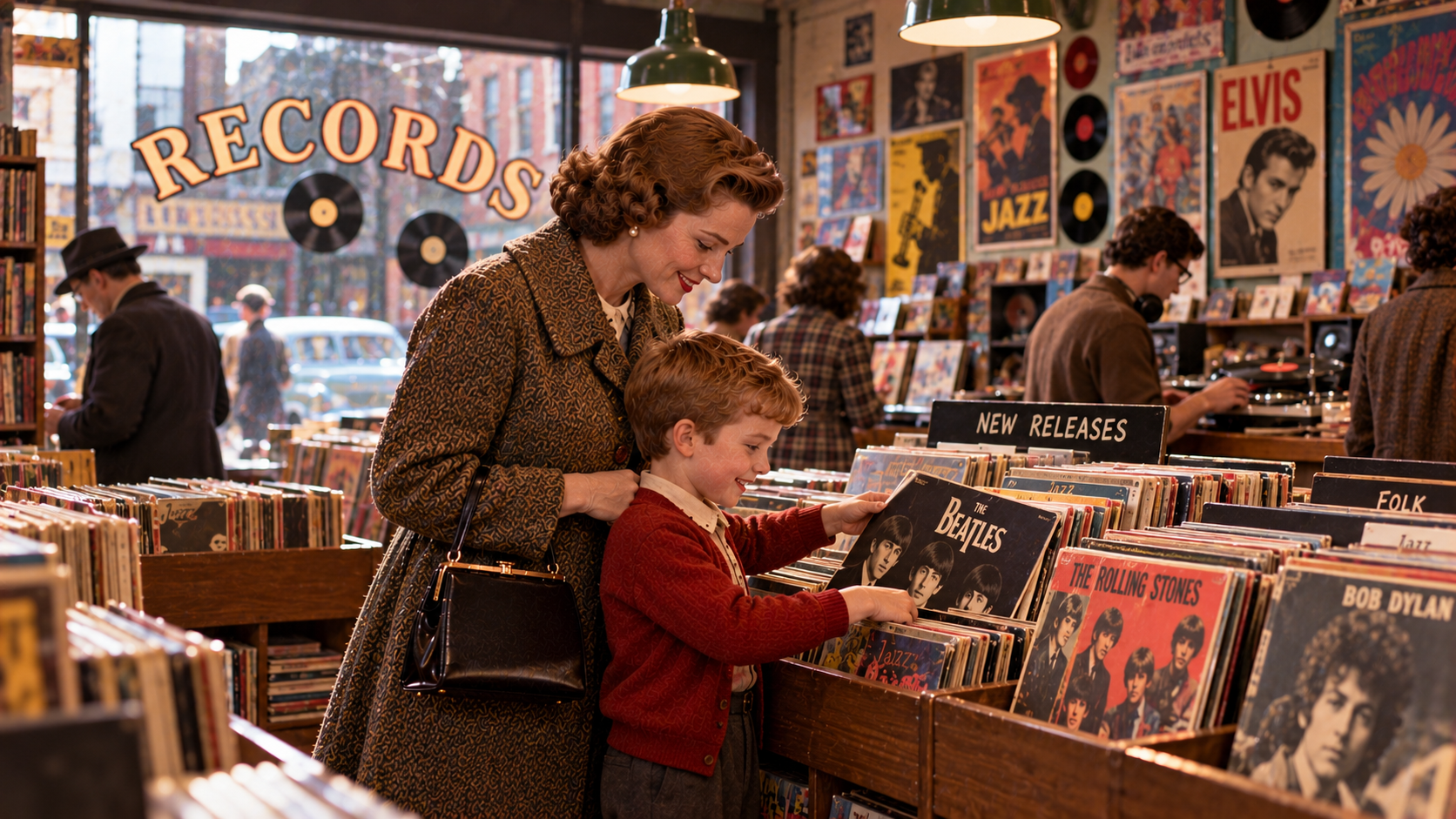
Long before music could be downloaded in seconds, buying a new album meant visiting a record store and searching through rows of cardboard sleeves. Customers flipped through vinyl records, admired colorful album covers, and debated their favorite bands with employees who seemed to know everything about music. New releases attracted excited teenagers carrying money saved from allowances or part-time jobs. Some stores had listening stations where shoppers could sample records before buying them. Independent record shops became cultural gathering places, especially before mall music chains expanded their reach.
12. Family-Owned Furniture Stores
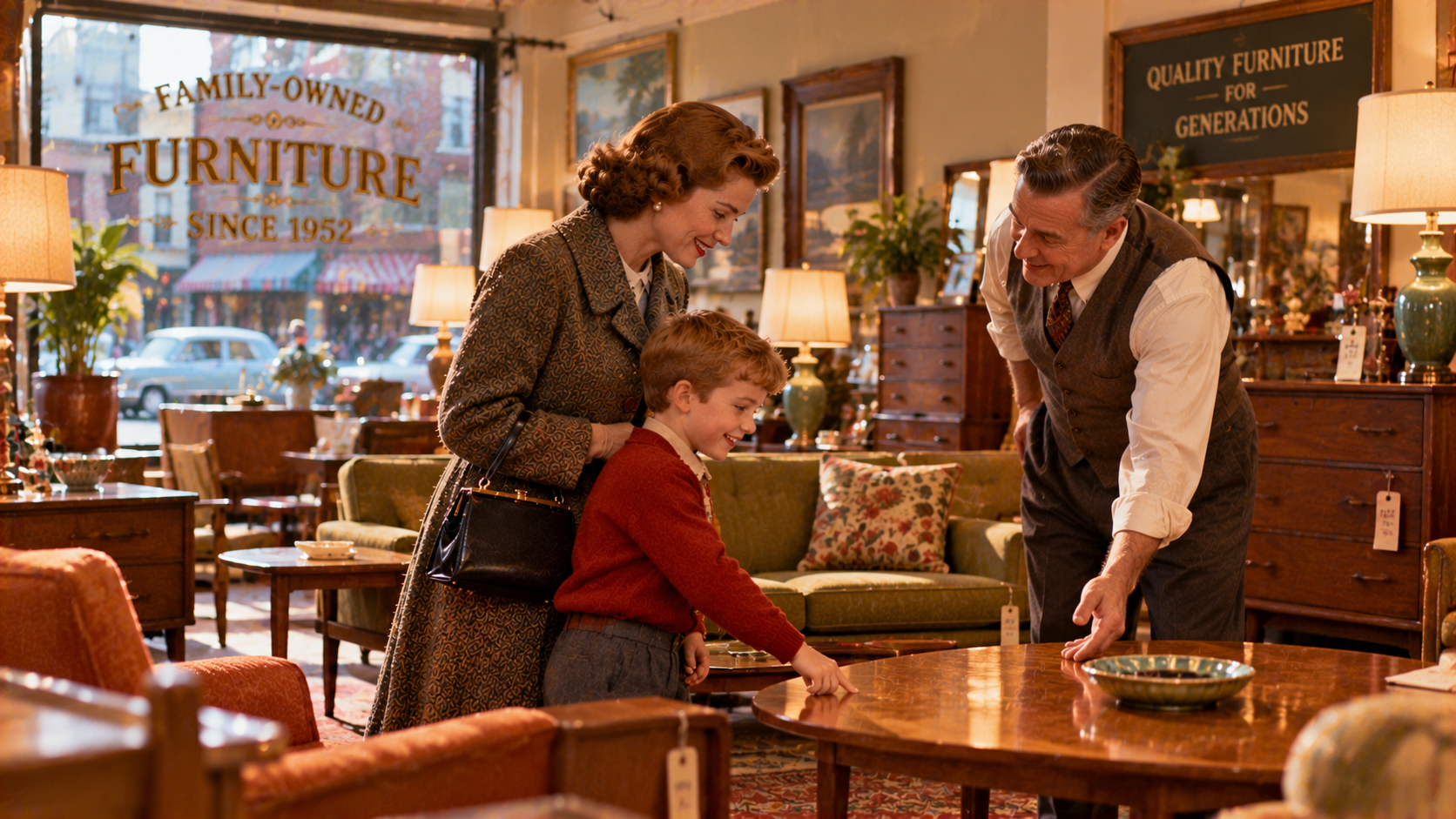
Buying a sofa or dining room table was once an occasion that might involve the entire family visiting a downtown furniture showroom. Large windows displayed matching bedroom sets, polished wooden tables, and upholstered chairs arranged like rooms inside a home. Salespeople explained the differences between materials and offered advice about pieces intended to last for decades. Some stores provided delivery and payment plans, building long relationships with local customers. As suburban furniture warehouses expanded, many traditional Main Street showrooms found it difficult to maintain their old business model.
13. Local Camera Shops
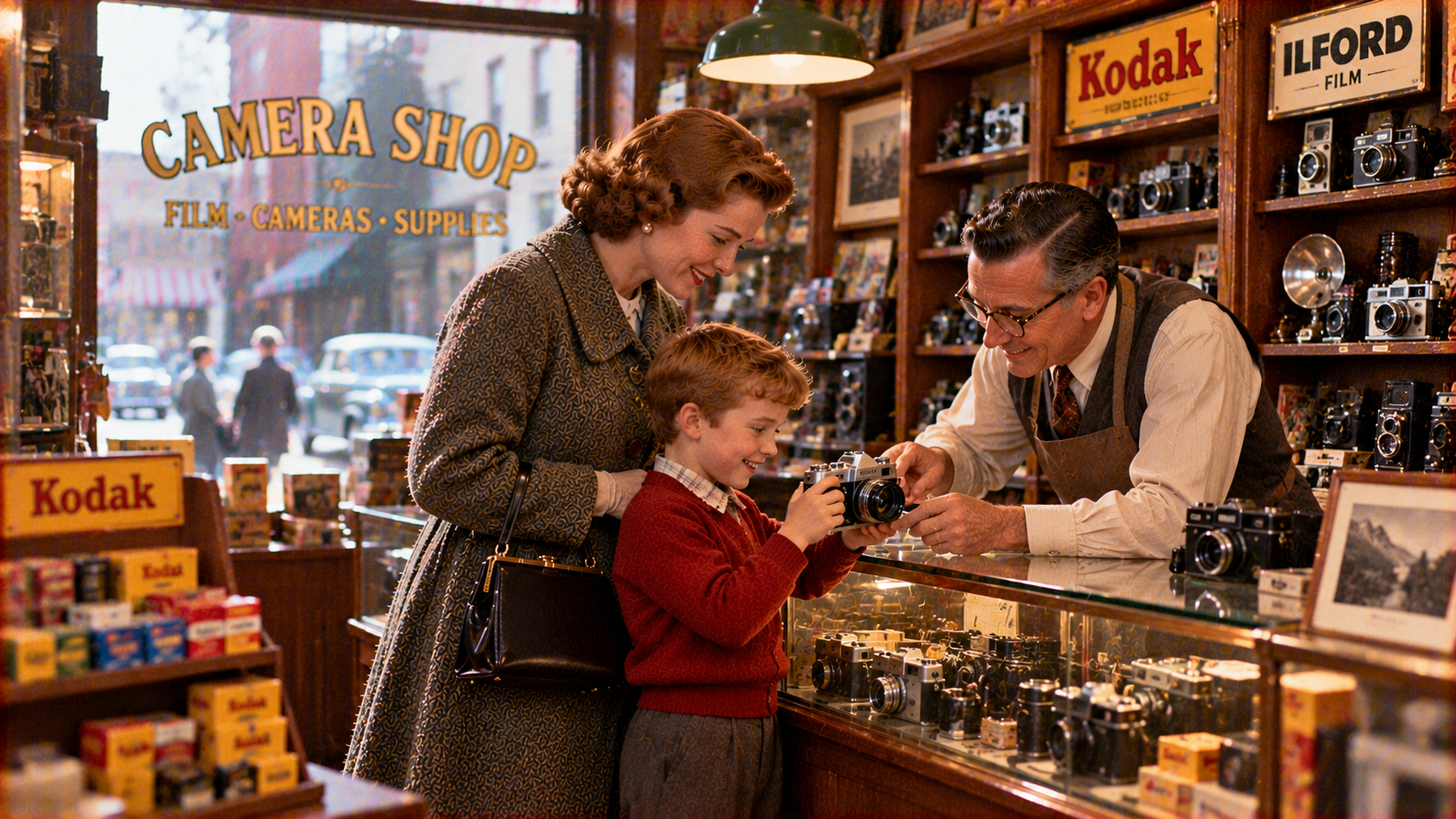
Before smartphones made photography an everyday habit, local camera shops were essential destinations for anyone interested in taking pictures. Their display windows featured shiny cameras, leather carrying cases, tripods, and boxes of Kodak film. Customers brought rolls of film to be developed and returned days later to collect envelopes filled with photographs. Employees explained camera settings, recommended lenses, and helped beginners choose their first serious equipment. The anticipation of opening a packet of developed pictures was something digital photography would eventually make almost impossible to understand.
14. Candy and Confectionery Shops
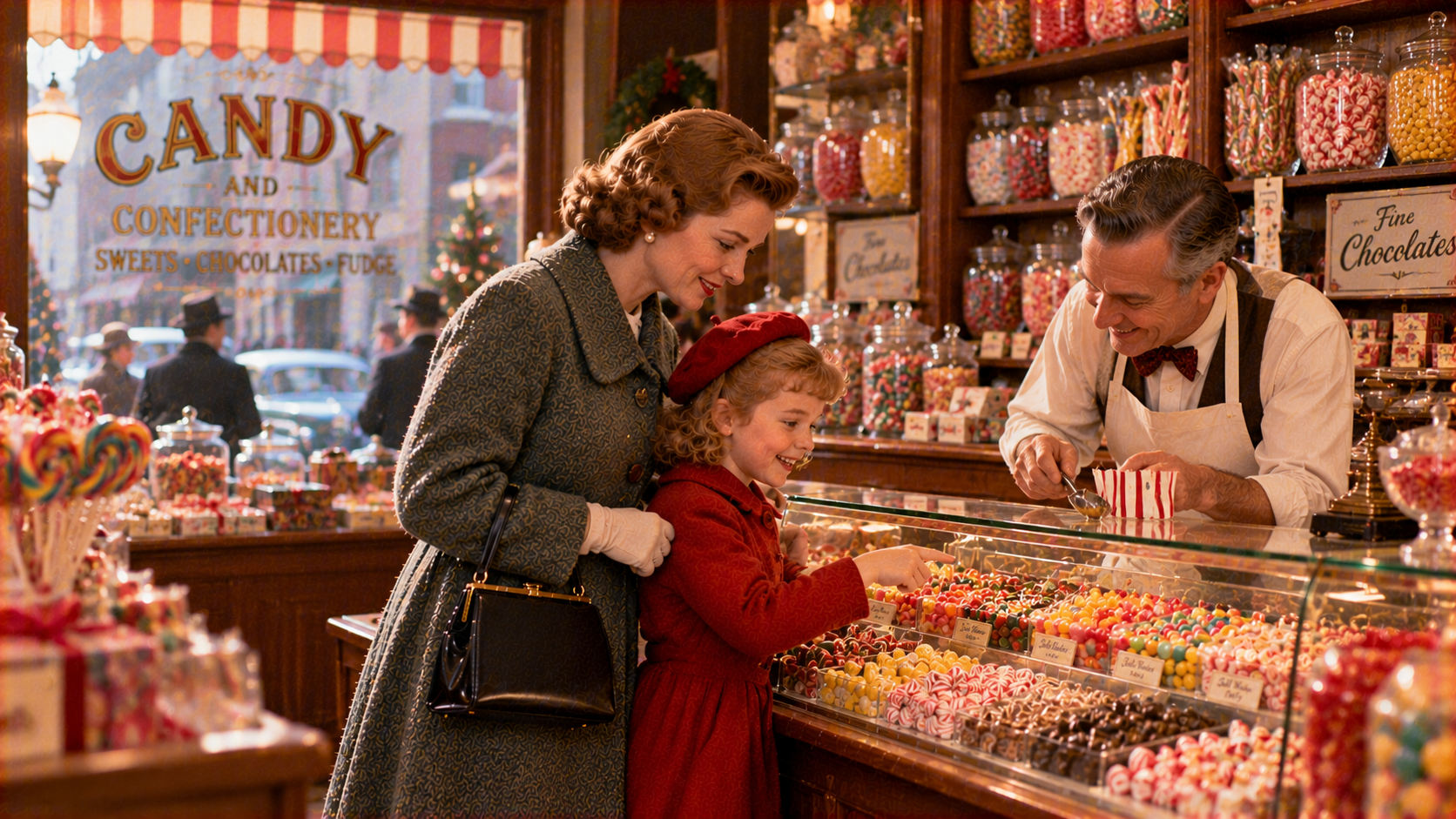
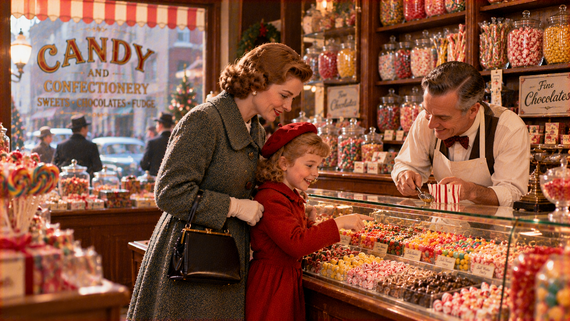
A candy shop on Main Street could make children forget every other errand their parents had planned. Glass jars held colorful sweets, chocolate-covered treats filled display cases, and the shelves seemed to offer endless possibilities. Some stores sold penny candy, allowing children to carefully count their coins and choose a small paper bag of favorites. During holidays, the windows filled with chocolate Santas, Easter rabbits, or heart-shaped boxes. Although candy never disappeared from American shopping, dedicated downtown confectionery stores faced growing competition from supermarkets, discount chains, and mall retailers.
15. Independent Sporting Goods Stores
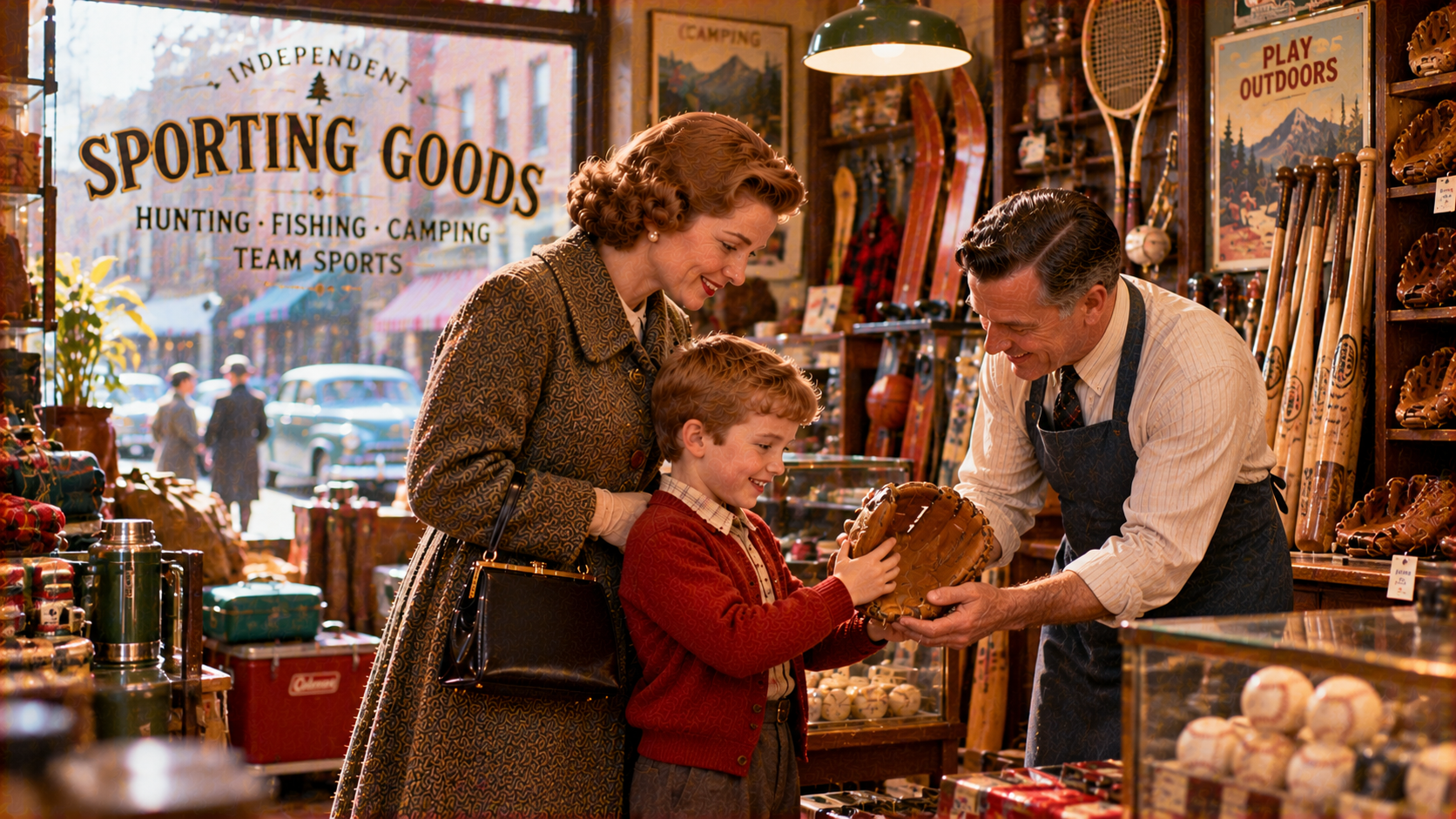
Before large sporting goods chains dominated suburban retail, local stores supplied equipment for school teams, neighborhood leagues, and weekend outdoor adventures. Their walls were covered with baseball gloves, fishing rods, tennis rackets, and hunting or camping supplies. A father might bring his child to buy a first baseball mitt, while a coach stopped by to order uniforms for the upcoming season. Employees often knew the local teams and could recommend equipment based on personal experience. These stores were closely connected to community sports, making them more than ordinary retail businesses.
16. Downtown Drugstores With Soda Fountains
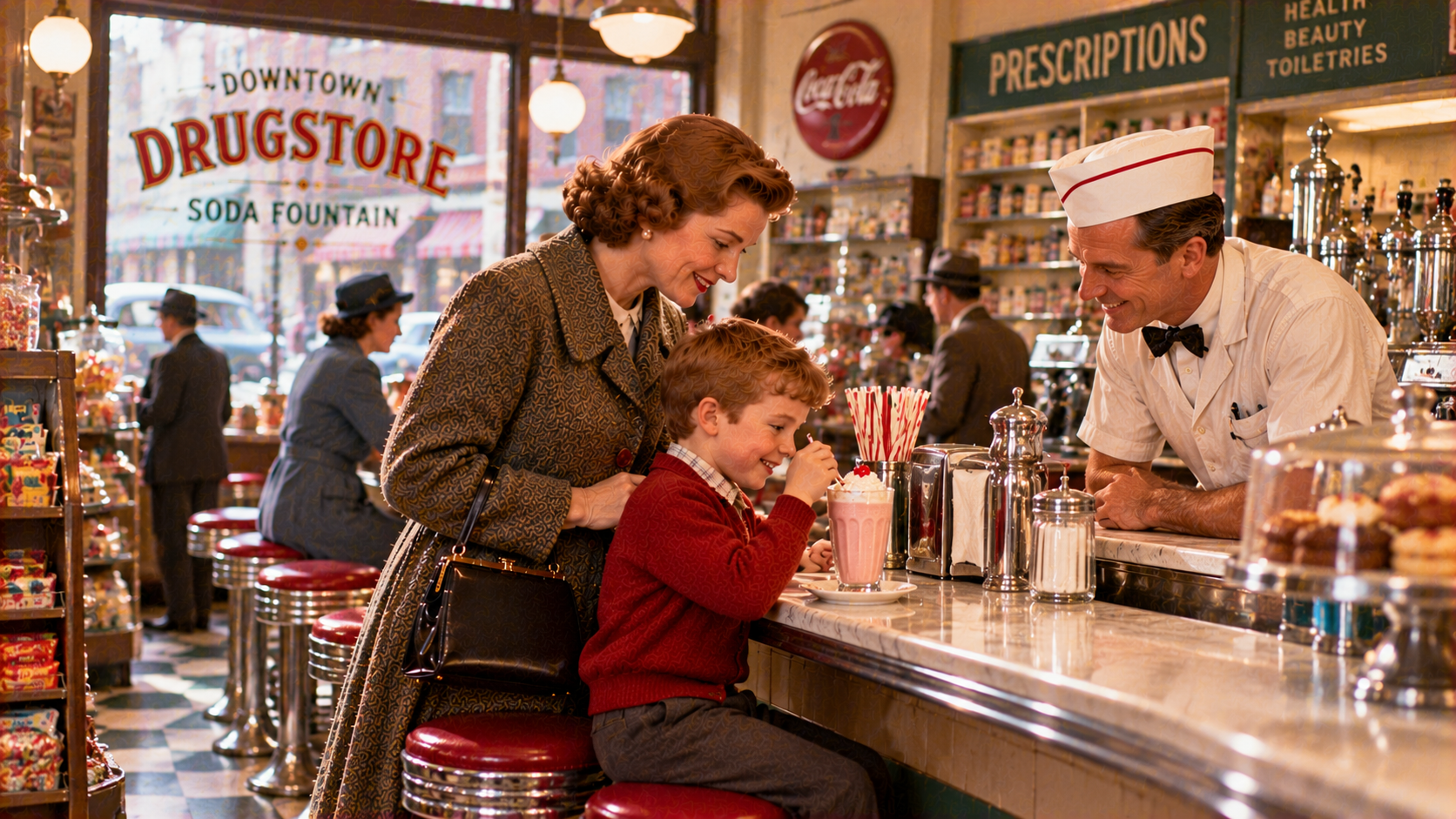
The neighborhood drugstore once offered something that modern pharmacies rarely provide: a place to sit down and enjoy an ice cream soda. Long counters with spinning stools attracted teenagers after school, while families stopped in for milkshakes, sandwiches, and sundaes. Behind the pharmacy counter, customers collected prescriptions and purchased everyday essentials. The combination made drugstores important neighborhood gathering spots. As modern pharmacy chains expanded and shopping habits changed, traditional soda fountains became increasingly rare, leaving behind memories of cherry Cokes and conversations across the counter.
17. Family-Owned Clothing Boutiques
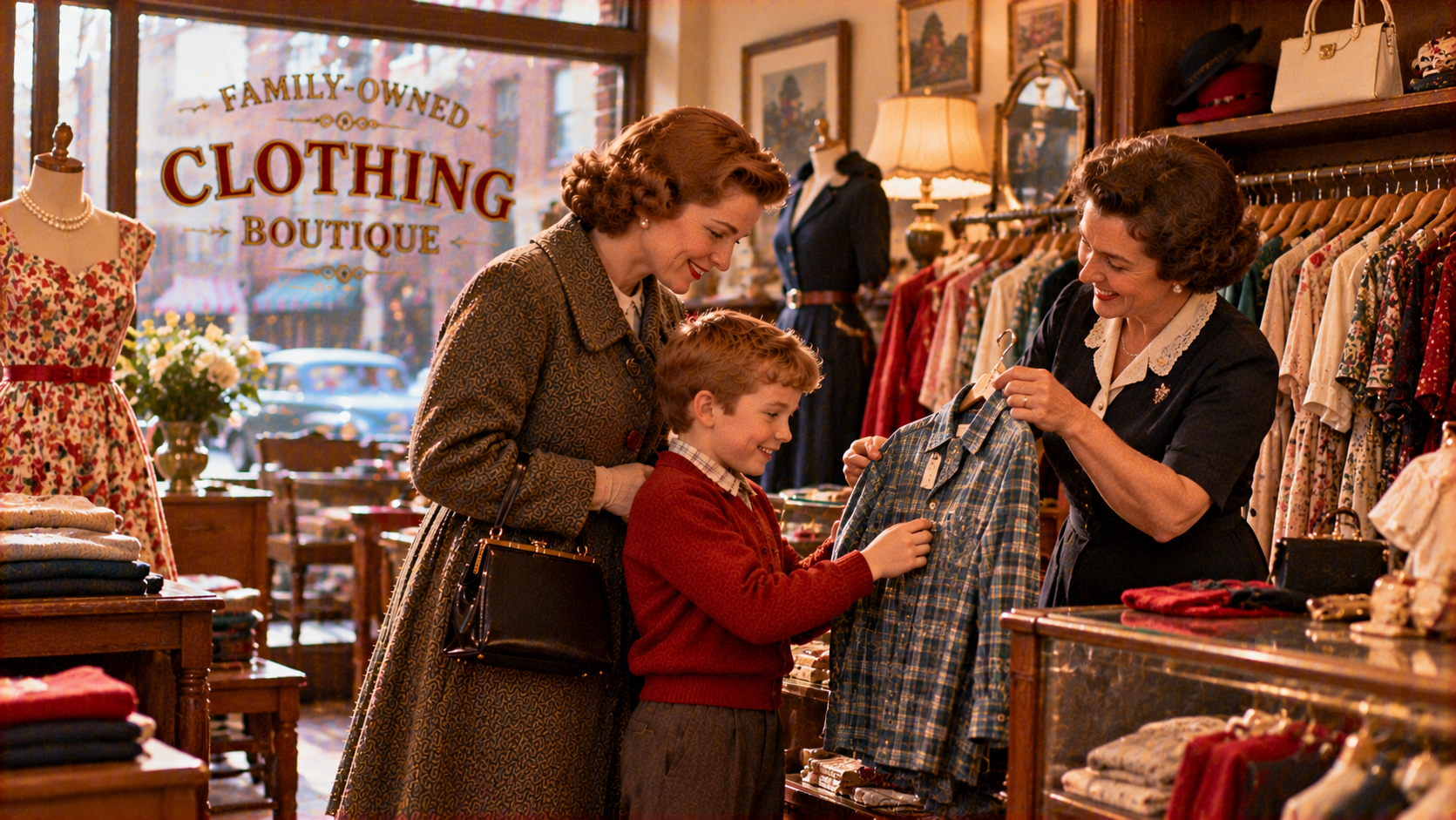
Downtown clothing boutiques offered a shopping experience built around individual taste and personal attention. Their windows displayed carefully arranged dresses, coats, and accessories that changed with the seasons. Customers could spend an afternoon trying on outfits while the shop owner suggested matching pieces or offered an opinion about the fit. Some boutiques specialized in formal clothing, while others catered to everyday fashion. For many women, finding the perfect outfit meant returning to a favorite local store rather than searching through dozens of national brands inside a shopping mall.
18. Local Appliance Stores
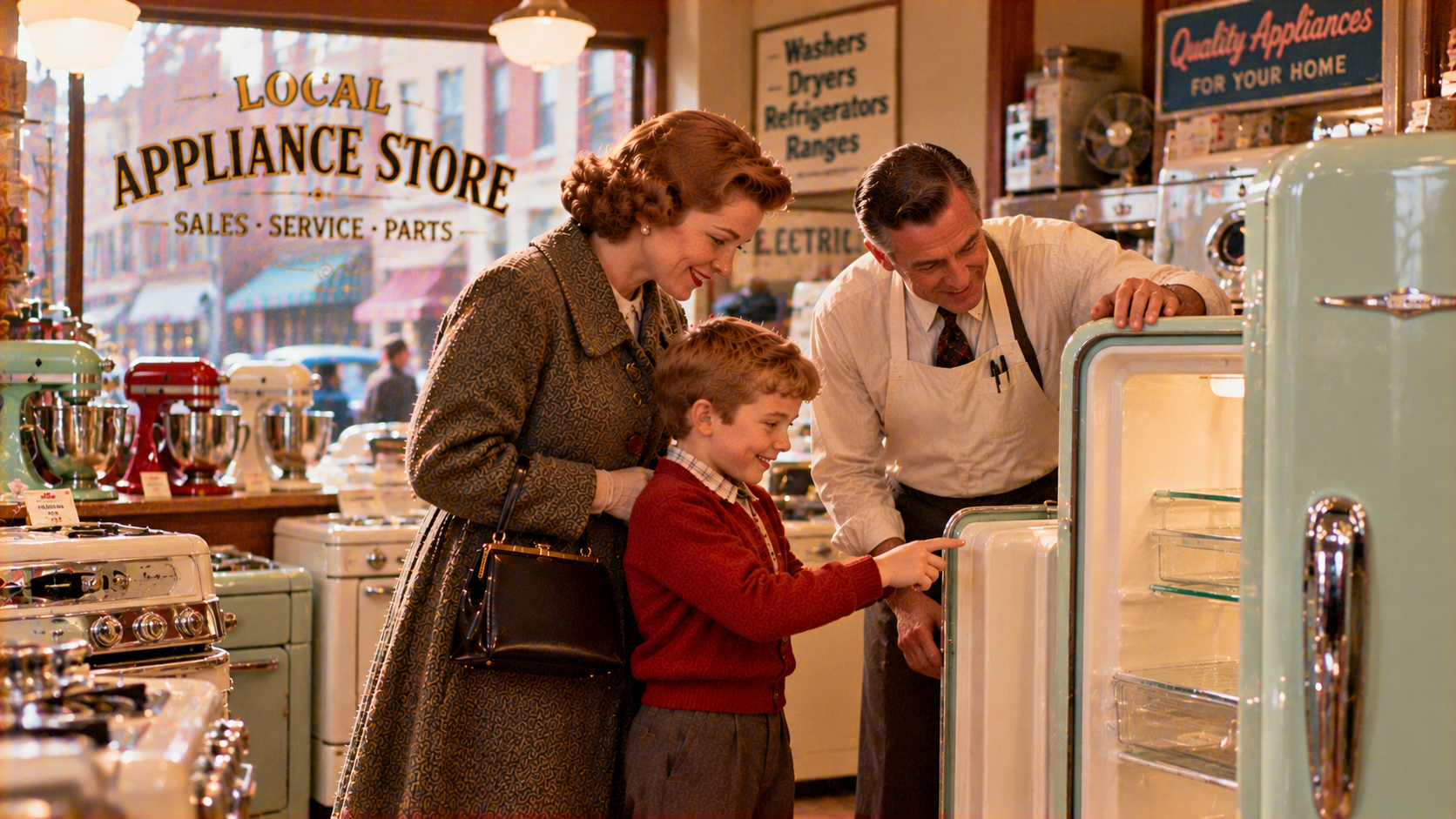
When an American family needed a new refrigerator, washing machine, or television, the first stop was often a local appliance dealer downtown. Showrooms displayed shiny kitchen ranges, large refrigerators, and television sets with wooden cabinets. Salespeople demonstrated the latest features and explained which models offered the best value. Customers frequently knew the owner, who might also arrange installation or send a technician when something stopped working. These stores thrived on personal service and long-standing relationships, before big-box electronics retailers and suburban shopping centers changed the way Americans purchased household appliances.
More Related Notes
• 15 Stores That Vanished but Boomers Still Talk About
Remember when shopping meant visiting Woolworth’s, browsing a five-and-dime store, or chatting with a familiar clerk behind the counter? Revisit the beloved American retailers that once defined Main Street shopping before modern retail giants changed everything.
• 16 Things Americans Used to Buy at the Corner Store That Have Nearly Disappeared
Take a nostalgic trip to the neighborhood shops where families bought penny candy, glass-bottled soda, newspapers, and household essentials, often from shopkeepers who knew their customers by name.
• 10 Boomer Side Hustles That Built the Middle Class
Explore the small businesses and traditional ways Americans earned a living before digital marketplaces, from door-to-door sales and newspaper routes to sewing services and neighborhood jobs.