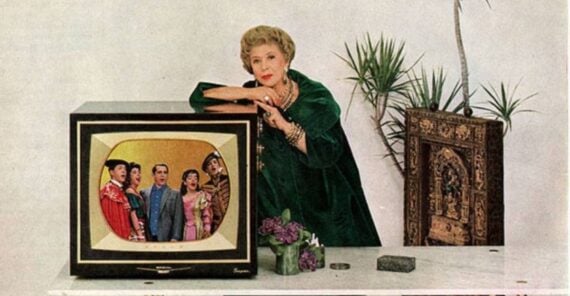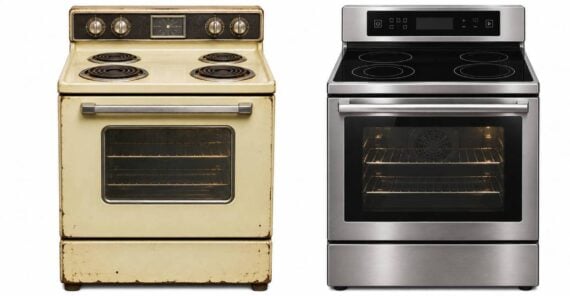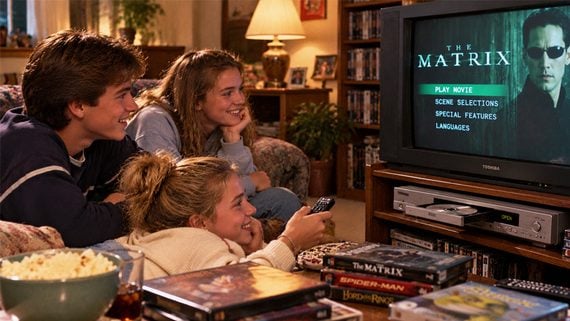
There was a time when buying a new television, computer, or even a microwave oven felt like a major financial decision. Families saved for months, compared prices in newspaper advertisements, and sometimes waited years before bringing the latest technology into their homes. Many of those once-expensive purchases eventually became ordinary household essentials.
While the cost of living has increased in countless ways, technology has made certain products surprisingly affordable. Better manufacturing, smaller electronic components, and mass production changed what consumers could get for their money. Some products became cheaper in actual dollars, while others offered dramatically better performance for the same price. These 18 everyday items show just how much has changed.
1. Televisions Went From Major Purchases to Everyday Electronics
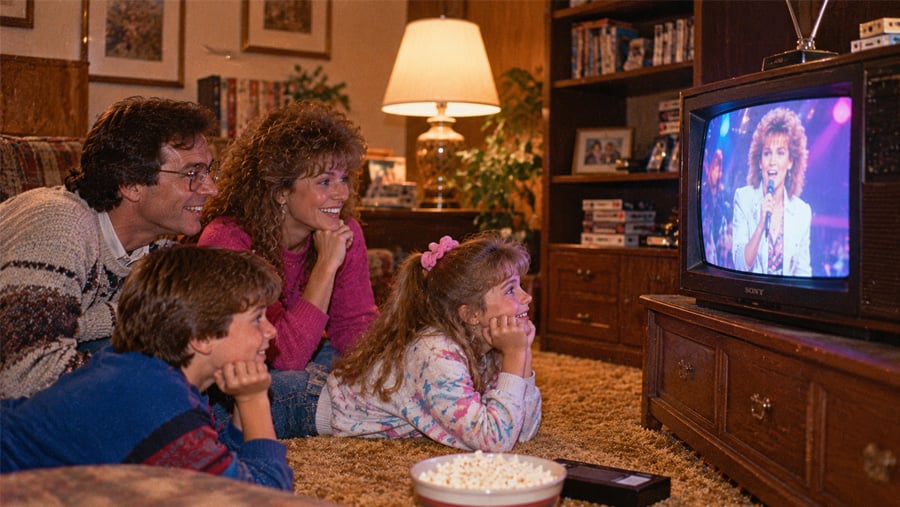
Remember when the family television was practically a piece of furniture? Those bulky wooden cabinets occupied a permanent spot in the living room, and buying a color television was a serious investment. Today, enormous flat screens offer picture quality that would have seemed impossible decades ago. According to the Bureau of Labor Statistics, television prices fell 94% on a quality-adjusted basis between December 1997 and August 2015. That doesn’t mean every television became 94% cheaper at the register, but it shows how dramatically the value of television technology improved.
2. Desktop Computers Became More Powerful Without the Enormous Price Tag
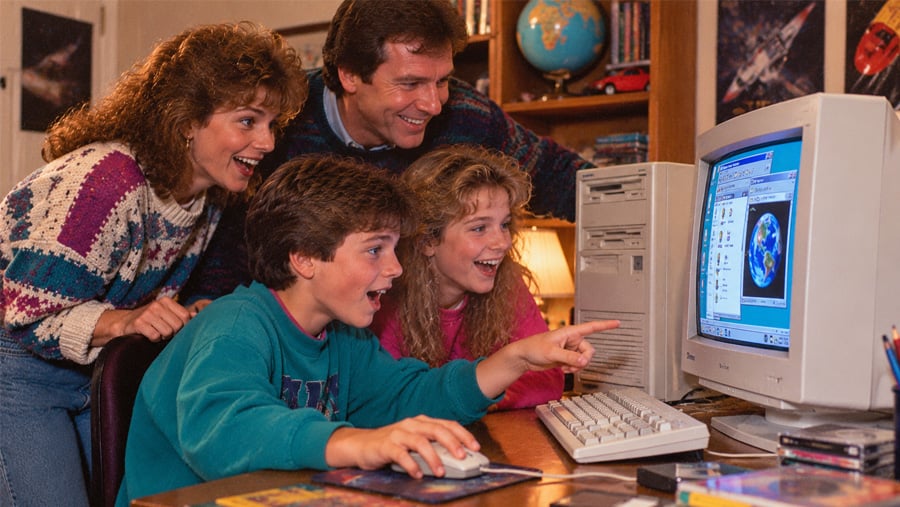
In the 1980s and 1990s, owning a personal computer was something families planned and budgeted for. Those early machines often came with limited memory, slow processors, and capabilities that seem almost comical today. As semiconductor technology advanced, computers became faster, more powerful, and increasingly affordable. The Bureau of Labor Statistics recorded a 96% quality-adjusted price decline for personal computers and peripheral equipment between December 1997 and August 2015. What once required an expensive desktop setup can now be accomplished with remarkably inexpensive hardware.
3. Laptop Computers Stopped Being a Luxury for Business Travelers

Early portable computers weren’t exactly convenient. Some were so heavy that carrying one through an airport felt like hauling a small suitcase, and their limited batteries made finding an electrical outlet essential. As processors became smaller and batteries improved, laptops gradually became practical for students, families, and everyday office work. Federal Reserve research documents substantial long-term declines in the relative cost of computing equipment. Today’s lightweight laptops offer capabilities that once required an entire desk full of expensive electronics.
4. Computer Monitors Became Bigger, Thinner, and More Affordable
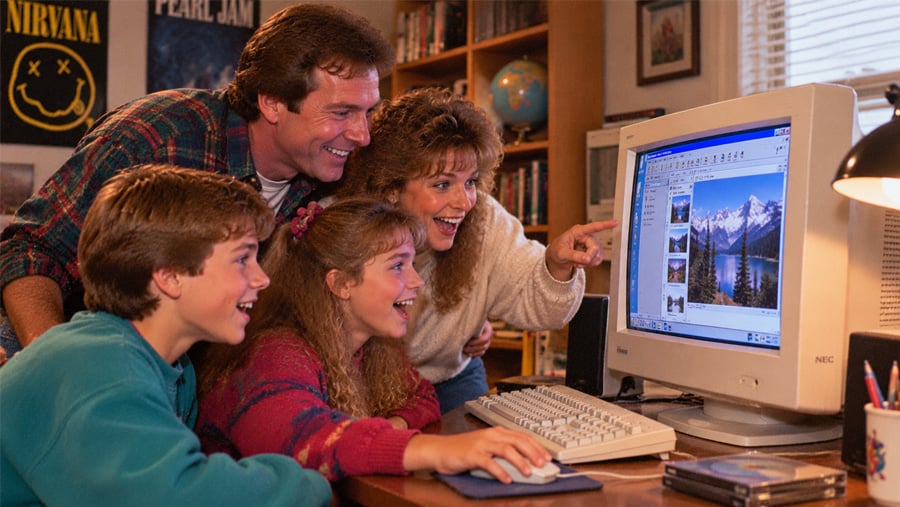
Anyone who used a computer in the 1990s probably remembers those enormous CRT monitors taking up half the desk. Getting a larger screen often meant spending considerably more money and sacrificing even more workspace. Flat-panel displays eventually changed everything, bringing thinner designs, sharper images, and larger viewing areas into ordinary homes. The broader computer and peripheral equipment category experienced a 96% quality-adjusted price decline between 1997 and 2015, according to the Bureau of Labor Statistics. That figure covers more than monitors, but the transformation of computer displays is hard to miss.
5. Home Printers Became Affordable Enough for Almost Every Household
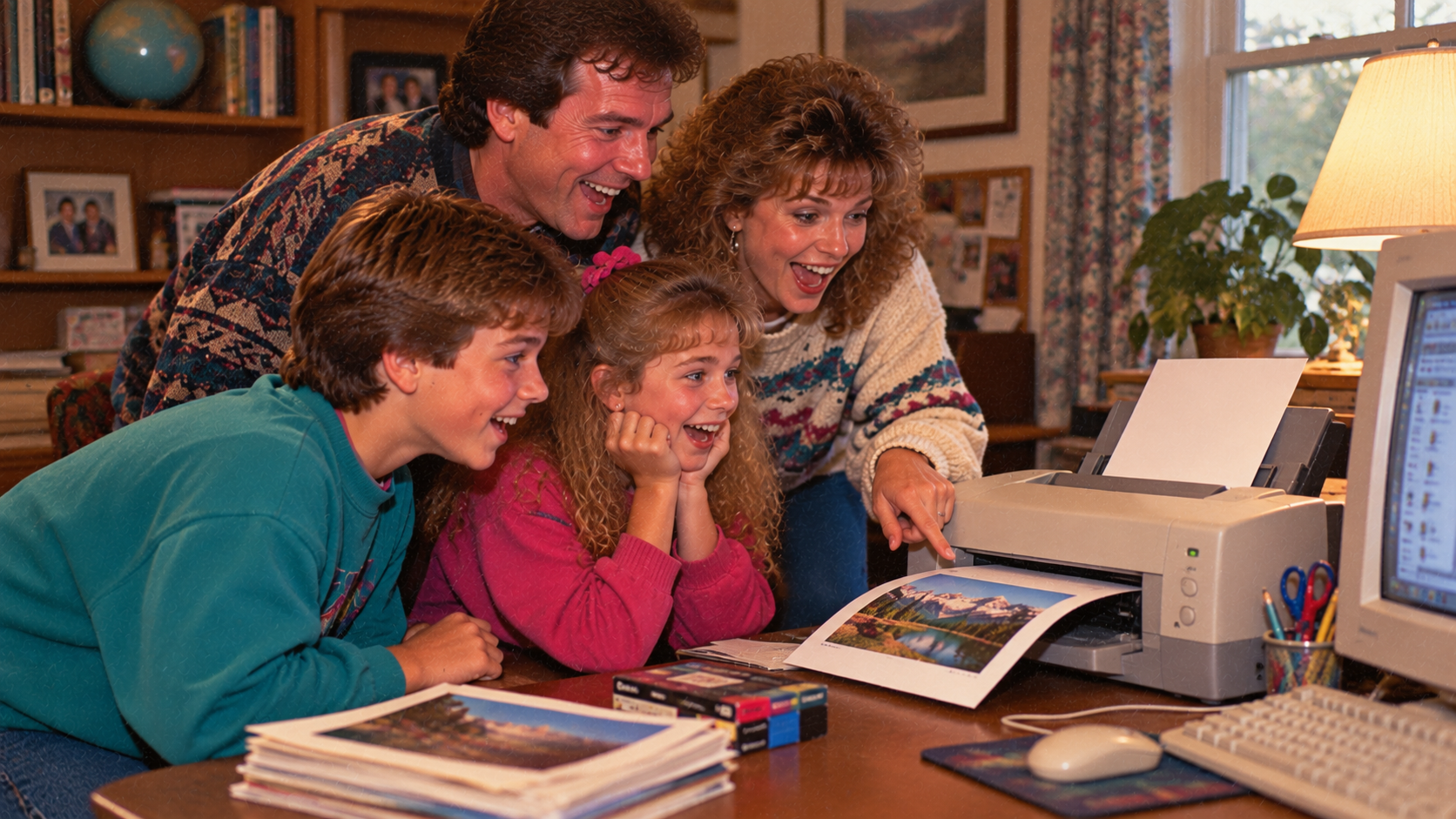
There was a time when printing something at home felt like a technological achievement. Early home printers could be expensive, noisy, and painfully slow, especially when producing anything beyond basic text. Improvements in inkjet technology and mass manufacturing eventually made basic printers accessible to families who needed to print homework, photographs, or important documents. Computer equipment and peripherals experienced major quality-adjusted price declines over the years. Of course, anyone who has purchased replacement ink cartridges knows that owning a cheap printer doesn’t always mean printing is inexpensive.
Trending on Wealth Gang


6. Handheld Calculators Went From Expensive Gadgets to School Supplies

Imagine paying hundreds of dollars for something students now toss into their backpacks without a second thought. When Hewlett-Packard introduced its HP-35 scientific calculator in 1972, it sold for $395. At the time, having complex mathematical calculations available in the palm of your hand was genuinely revolutionary. Improvements in integrated circuits eventually made basic calculators inexpensive enough to appear in classroom supply lists and discount-store aisles. Today, even an ordinary smartphone can handle calculations that once required specialized, costly equipment.
7. Digital Cameras Became Better While Photography Equipment Got Cheaper

Early digital cameras were exciting, but they weren’t necessarily impressive by today’s standards. Limited storage, modest image resolution, and expensive electronics made them a significant purchase for photography enthusiasts. As image sensors and digital memory improved, manufacturers could offer increasingly capable cameras at more accessible prices. The Bureau of Labor Statistics found that photographic equipment and supplies became 59% cheaper on a quality-adjusted basis between December 1997 and August 2015. That broader category includes more than digital cameras, but it reflects an era when taking photographs became much easier and more affordable.
8. Home Stereo Systems Became More Accessible as Electronics Improved
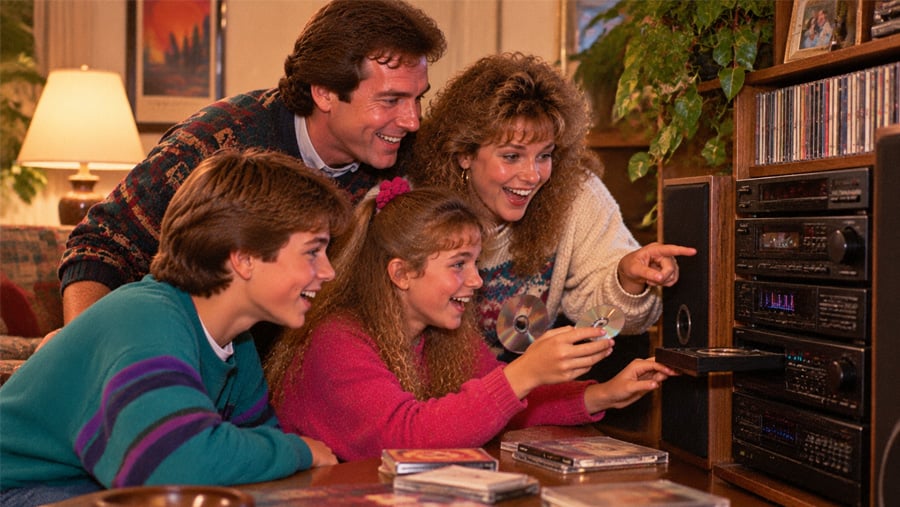
A serious home stereo once required an entire collection of equipment. Families assembled receivers, amplifiers, speakers, turntables, and cassette decks, sometimes spending considerable money to get the sound they wanted. Advances in electronic components eventually made compact stereo systems possible, combining multiple functions into smaller and more affordable devices. According to the Bureau of Labor Statistics, audio equipment prices declined 60% on a quality-adjusted basis between December 1997 and August 2015. High-end audio equipment can still be expensive, but everyday music listening no longer requires an elaborate setup.
Sign up for our newsletter
9. Portable Music Players Became Smaller and Held Thousands of Songs

Remember carefully choosing which cassette or CD to bring along for the day? Portable music players once had strict limitations, from bulky designs to batteries that never seemed to last long enough. Digital storage changed the experience completely, allowing increasingly compact devices to hold hundreds or thousands of songs. Improvements in batteries, memory, and electronics helped make those capabilities more accessible. Although historical audio equipment indexes don’t isolate portable music players, the broader market experienced substantial quality-adjusted price declines. Eventually, smartphones made carrying a separate music player unnecessary for many listeners.
10. Microwave Ovens Went From Luxury Appliances to Kitchen Essentials
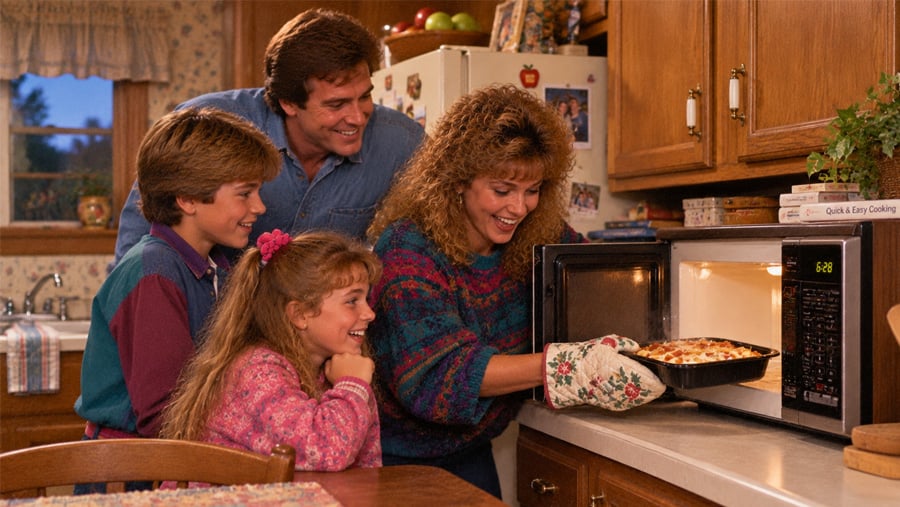
The microwave oven might be one of the best examples of technology becoming an everyday convenience. When the Tappan RL-1 home microwave appeared in 1955, it retailed for an astonishing $1,295. According to the Smithsonian, only 34 units were manufactured during its first year, reflecting just how limited the early market was. By 1976, consumers could purchase a new microwave for less than $300. As manufacturing improved, microwaves became familiar fixtures in American kitchens, turning reheating leftovers into something that took minutes instead of a complicated process.
11. LED Light Bulbs Became Almost 90% Cheaper

When LED light bulbs first appeared in stores, their prices could make shoppers hesitate. Traditional incandescent bulbs were inexpensive upfront, while LEDs promised longer life and lower electricity consumption at a considerably higher initial cost. Manufacturing improvements and growing production eventually changed that equation. In 2019, the U.S. Department of Energy reported that average LED bulb costs had fallen nearly 90% since 2008. What once seemed like an expensive upgrade became an increasingly practical choice for ordinary households, with the additional benefit of using substantially less electricity.
12. Mobile Phones Became More Accessible as Technology Advanced

Early portable cell phones looked more like equipment from a science-fiction movie than something everyone would eventually carry. They were bulky, expensive, and primarily designed for making calls. Smaller processors, better batteries, and improved telecommunications technology gradually transformed mobile phones into everyday essentials. Modern smartphones combine cameras, navigation, music, communication, and computing in a single device. The Bureau of Labor Statistics reported an 11.7% annual decline in its quality-adjusted smartphone price index in December 2024. Premium phones remain expensive, but the amount of technology available in a single handset has changed enormously.
13. Rechargeable Lithium-Ion Batteries Became Dramatically Cheaper to Produce
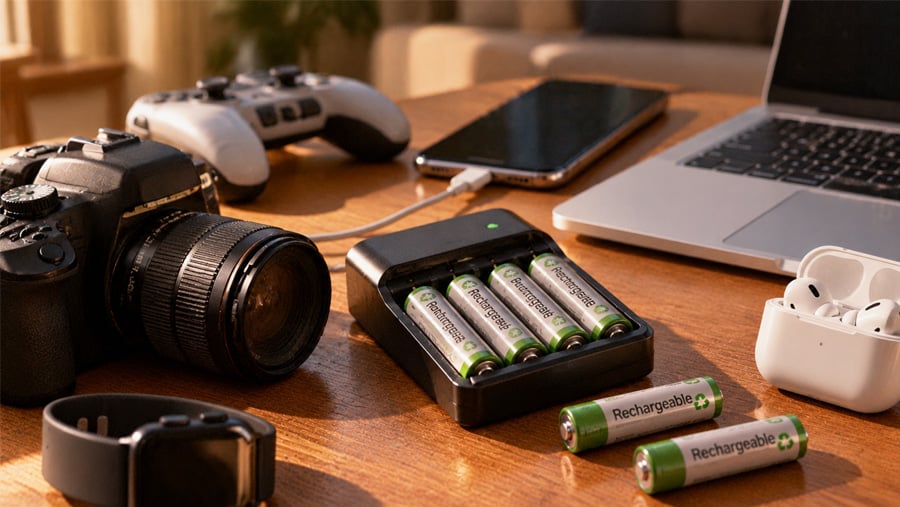
Rechargeable batteries quietly changed how people use electronics. Instead of constantly replacing disposable batteries, consumers gained access to laptops, phones, power tools, and countless other devices designed around rechargeable power. Improvements in battery chemistry and large-scale manufacturing made lithium-ion technology much less expensive to produce. According to the Department of Energy, estimated electric-vehicle lithium-ion battery pack costs dropped from $1,415 per usable kilowatt-hour in 2008 to $139 in 2023, measured in constant 2023 dollars. That’s a 90% decline in large-scale battery-pack costs, rather than the retail price of individual household batteries.
14. Solar Panels Became Far Less Expensive for the Electricity They Produce

Solar panels once seemed like technology reserved for satellites, scientific projects, and unusually ambitious homeowners. Their high manufacturing costs made widespread residential use difficult to imagine. Over time, improvements in solar-cell technology and enormous increases in production helped reduce costs dramatically. Department of Energy research documents photovoltaic module production costs of $53.28 per watt in 1976, while subsequent research shows substantial declines in solar-panel prices. Installing a complete residential solar system still involves additional expenses, but the technology itself has become far more economically accessible.
15. Computer Software Became More Accessible Through Digital Distribution
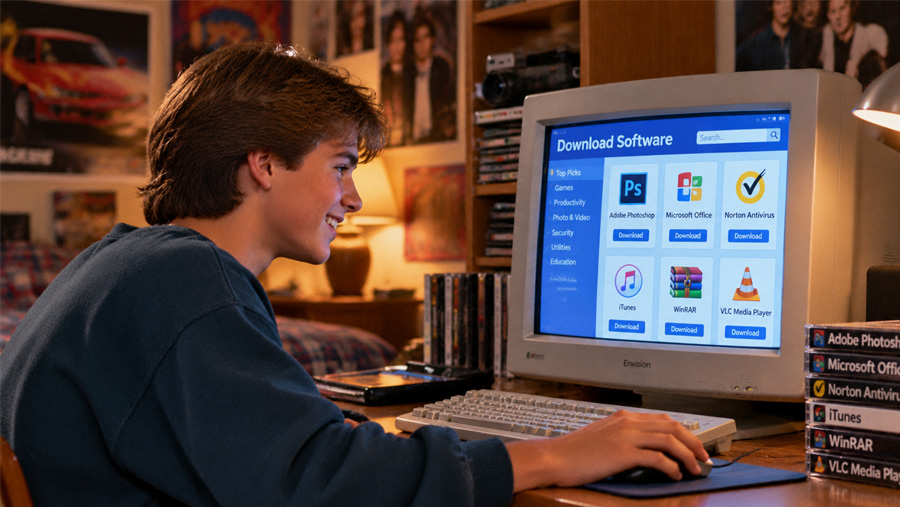
Buying computer software once meant visiting a store and choosing from shelves of colorful cardboard boxes. Inside were installation disks, printed manuals, and sometimes enough paperwork to make setting up a simple program feel like a major project. Digital distribution eventually eliminated much of that physical packaging and changed how applications reached consumers. The Bureau of Labor Statistics reported a 63% quality-adjusted price decline for computer software and accessories between December 1997 and August 2015. Subscription services have introduced their own recurring expenses, but the capabilities available through modern software have expanded tremendously.
16. Home Video Equipment Became Smaller and Easier to Afford
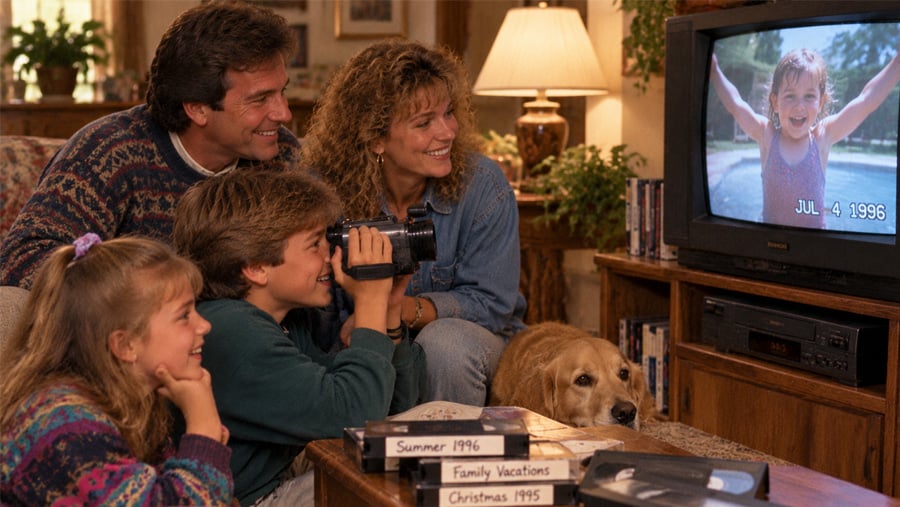
Recording family memories once required a camcorder, videotapes, charging equipment, and sometimes a sturdy shoulder to support everything. Those early home video cameras could be expensive, making them special purchases for families determined to preserve birthdays, vacations, and holidays. Digital recording gradually eliminated tapes, reduced equipment size, and simplified editing. Federal Reserve research identifies video equipment among consumer durable goods that experienced substantial long-term relative price declines. Today, a smartphone can record footage that would have been difficult to imagine with an expensive home camcorder decades ago.
17. DVD Players Went From Exciting New Technology to Budget Electronics
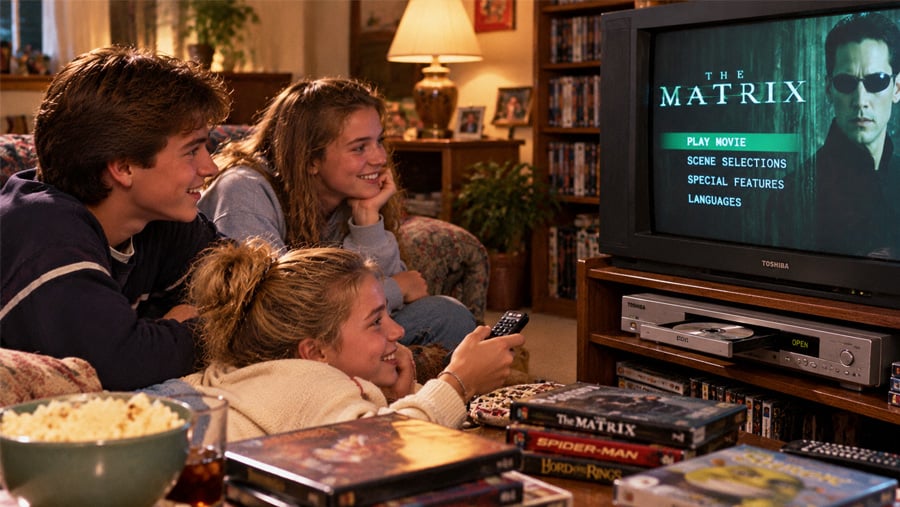
When DVD players entered American living rooms in the late 1990s, they represented a noticeable upgrade from videocassette recorders. Suddenly, viewers could jump directly to scenes, enjoy digital picture quality, and avoid rewinding tapes after every movie. Early adoption came with the familiar premium attached to new electronics, but competition and manufacturing improvements gradually made DVD playback more accessible. The technology also appeared in computers, gaming consoles, and combination entertainment systems. Federal Reserve research documents long-term relative price declines in consumer video equipment, the broader category that included DVD players.
18. Computer Accessories Became Affordable Everyday Purchases
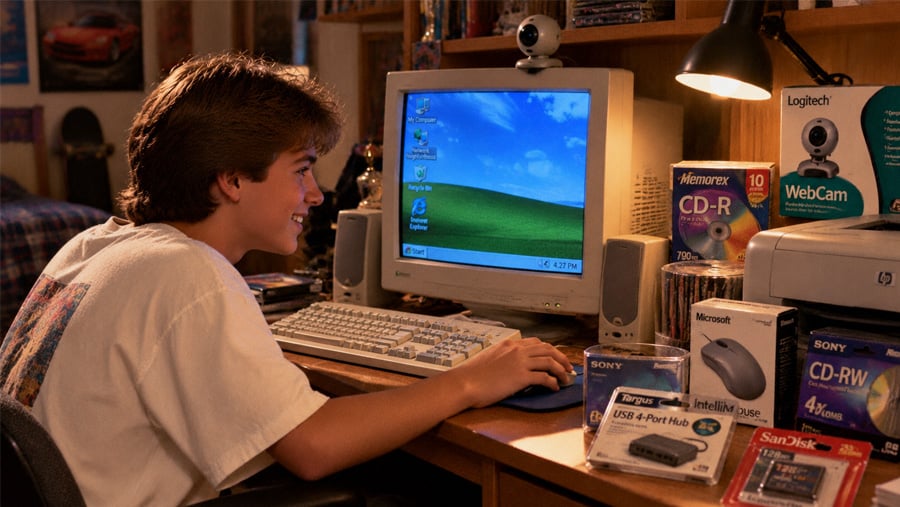
In the early days of home computing, buying the computer itself was only the beginning. Keyboards, external storage devices, printers, and other accessories could add significantly to the total cost of getting a system running. As electronics manufacturing expanded, increasingly capable peripherals became available at more competitive prices. The Bureau of Labor Statistics recorded a 96% quality-adjusted price decline for personal computers and peripheral equipment between December 1997 and August 2015. That figure represents the combined category rather than each accessory individually, but it captures how much more computing capability consumers eventually received for their money.
More Related Notes
• 15 Monthly Expenses That Barely Existed 30 Years Ago
Remember when watching television, storing family photos, or using everyday services didn’t involve so many recurring charges? Explore the modern subscriptions and fees that have transformed household budgets over the past few decades.
• 10 Everyday Costs That Have Changed the Most Since 2000
Take a closer look at how everyday expenses have evolved, from airline baggage fees and restaurant meals to the rising cost of services that once felt much more affordable.
• 18 Products That Used to Come Free With Other Purchases
Revisit the days when cereal boxes contained toys, gas stations handed out collectible glasses, and ordinary purchases came with little extras at no additional charge.