Shopping in America used to come with a few extra surprises, and not the kind that appeared on a receipt. Department stores, neighborhood groceries, and specialty shops once competed for customers by offering helpful services at no additional charge. From beautifully wrapped presents to groceries carried straight to the car, employees often handled the little tasks that shoppers now have to do themselves.
Of course, not every store offered the same perks, and some services were reserved for certain purchases or loyal customers. Still, these conveniences were once a familiar part of American shopping culture. As businesses focused on efficiency, reduced staffing, and introduced new fees, many of those personal touches slowly disappeared. Here are 17 free store services that made everyday shopping feel a little more special.
1. Gift Wrapping Was Part of the Purchase
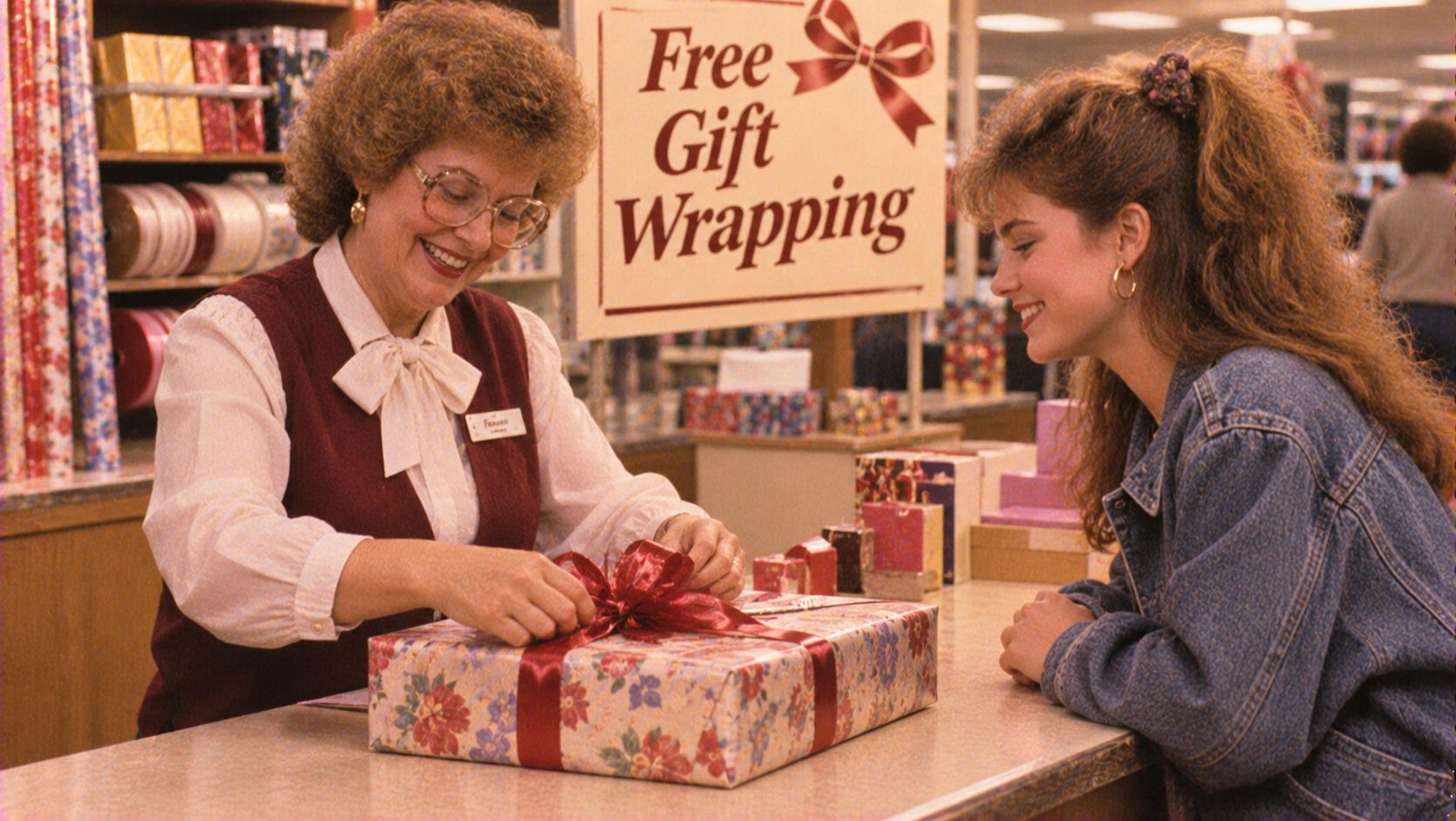
Buying someone a present once meant leaving the store with a beautifully wrapped package, complete with ribbons, tissue paper, and sometimes a decorative box. Department stores such as Marshall Field’s made complimentary gift wrapping part of the shopping experience, particularly around the holidays. Customers could select a gift, leave it at a special counter, and return to find it ready for giving. Today, free wrapping is much harder to find, and many retailers either charge for the service or no longer offer it.
2. Grocery Employees Carried Bags to the Car
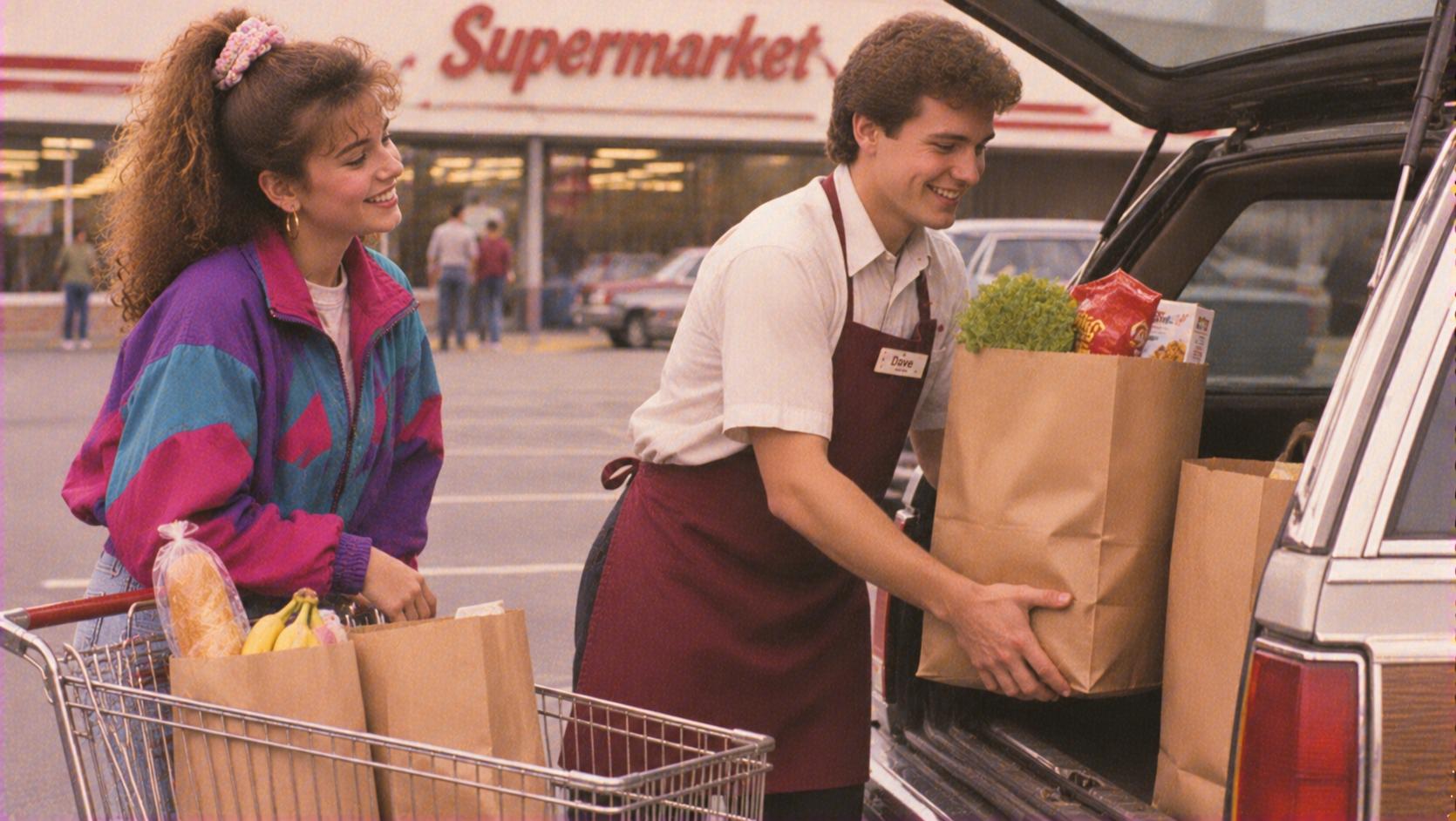
There was a time when finishing a grocery trip didn’t mean pushing a heavy cart across a parking lot. At many American supermarkets, employees helped customers carry their bags outside and loaded everything into the trunk. It was especially useful for older shoppers, parents with children, and anyone purchasing a week’s worth of groceries. Some stores still provide assistance when requested, but the practice is far less universal than it once was.
3. Clothing Alterations Came at No Extra Cost
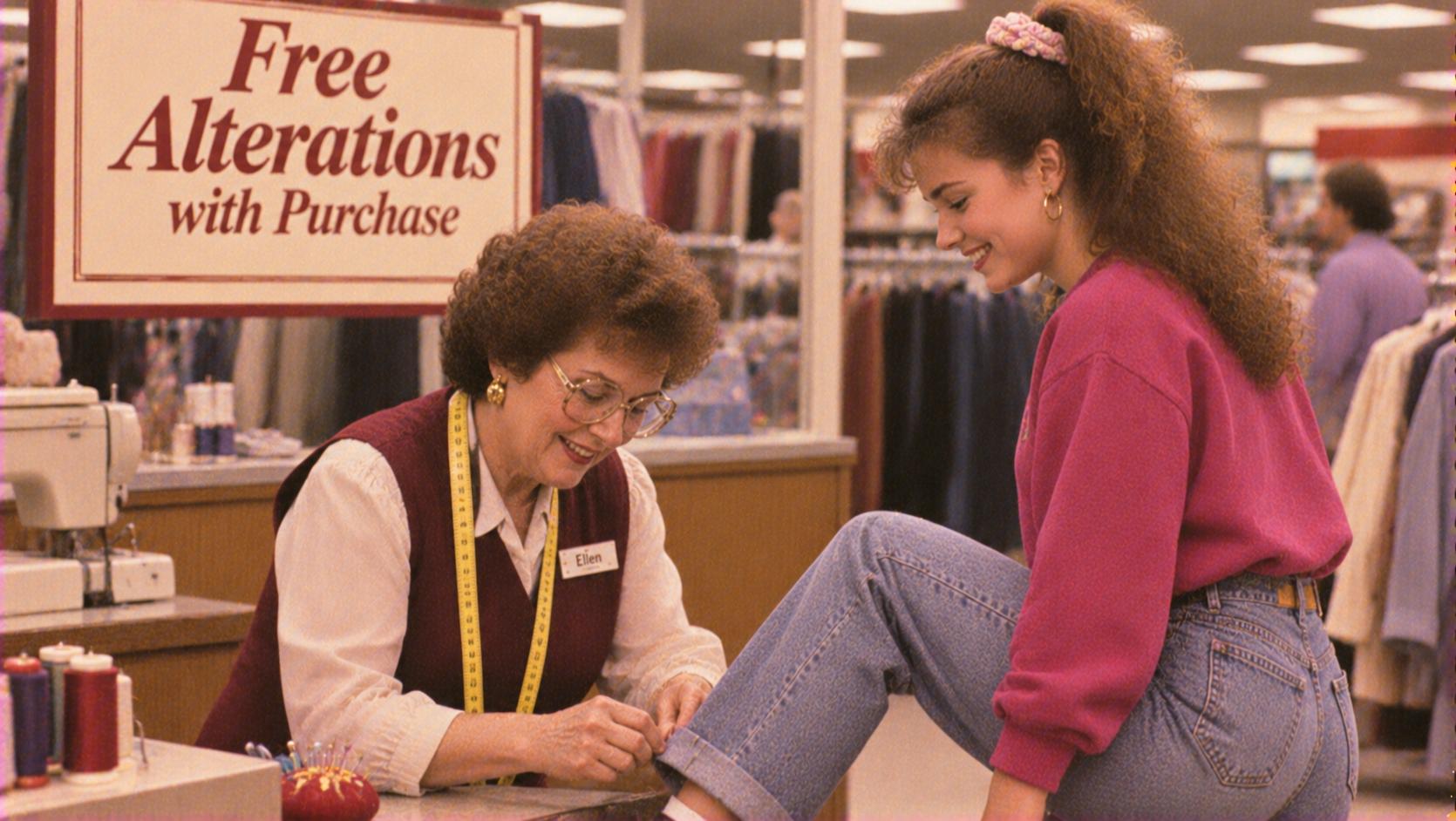
Finding a pair of pants that fit perfectly wasn’t always the customer’s responsibility. Many department stores once included basic alterations with certain clothing purchases, allowing shoppers to have hems shortened or garments adjusted without paying an additional fee. In-house tailors and seamstresses helped make ready-to-wear clothing feel more personalized. Although tailoring remains available at some retailers, complimentary alterations are often limited to selected merchandise, loyalty programs, or premium purchases.
4. Furniture Stores Delivered Purchases for Free
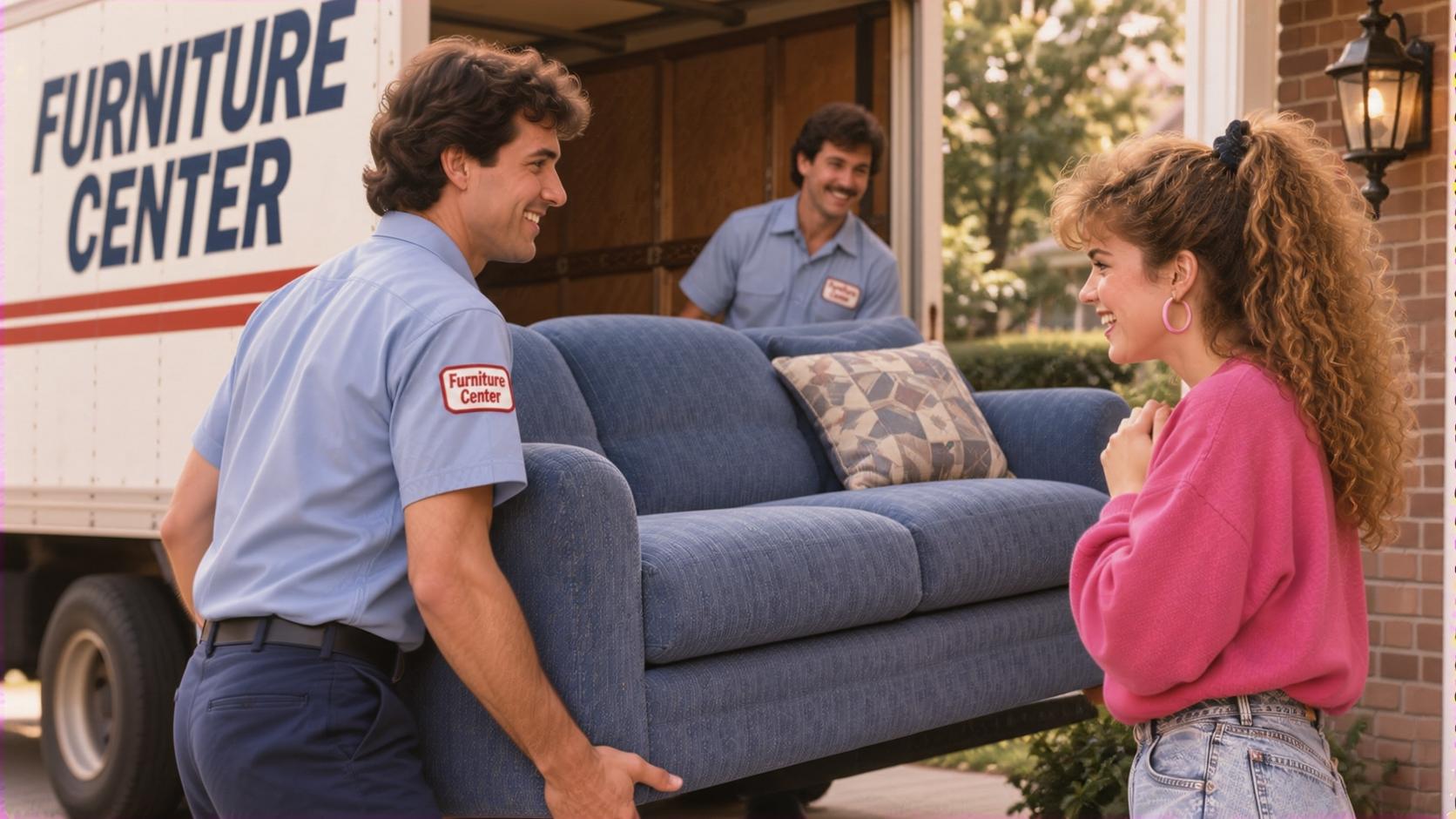
Buying a sofa or dining table once frequently included the convenience of having it brought directly to the house. Some furniture retailers offered complimentary local delivery as a way to attract customers and build long-term relationships. Shoppers didn’t have to arrange a rental truck or figure out how to transport oversized purchases. These days, furniture delivery often appears as a separate charge, with additional fees sometimes applying to assembly or bringing items inside.
5. Department Stores Offered Personal Shopping Assistance
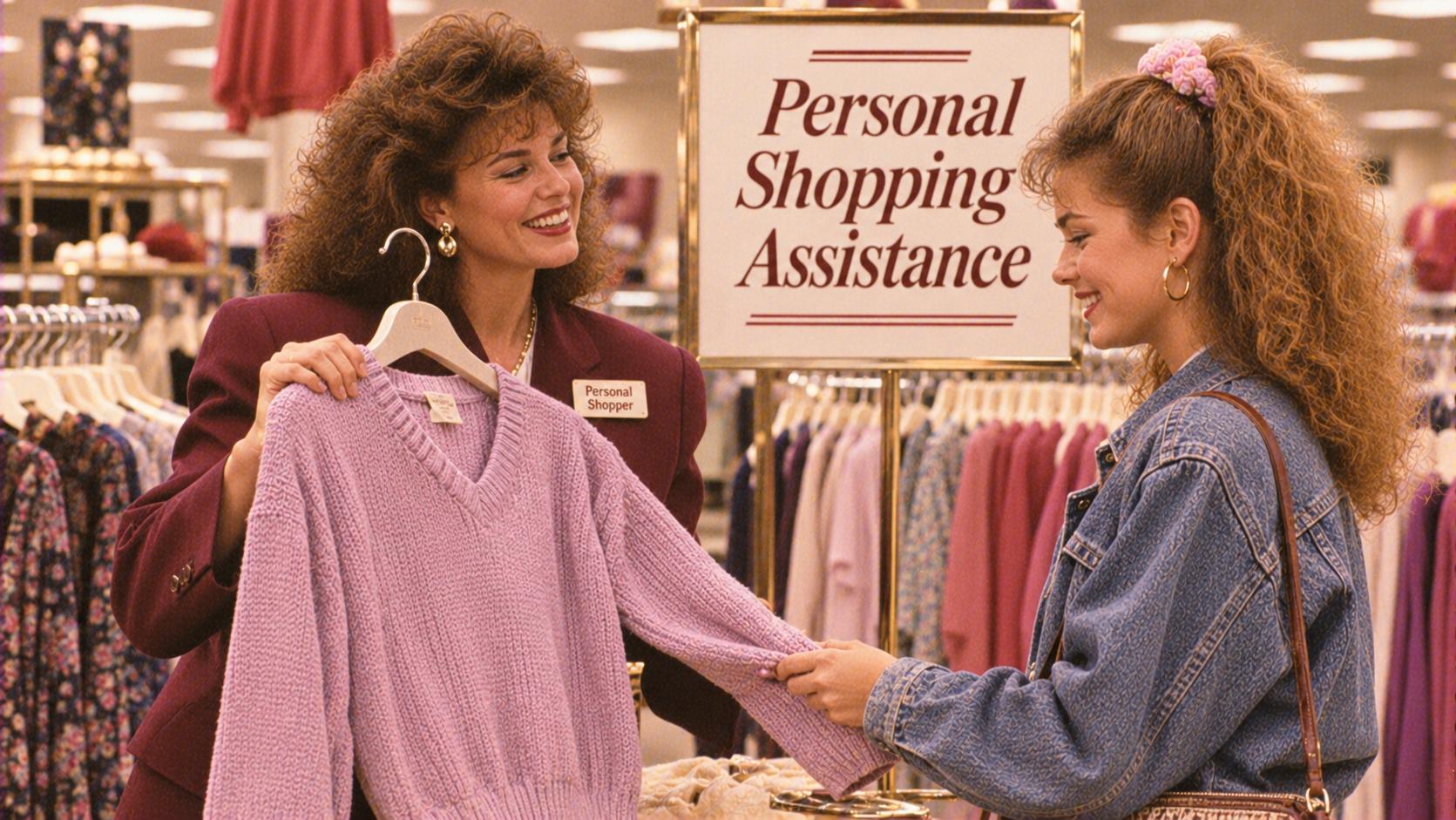
Long before personal styling became a premium service, department stores employed knowledgeable salespeople who could help customers put together entire outfits. Shoppers could explain what they needed, and an employee would suggest clothing, find matching accessories, and bring different sizes to the fitting room. Some larger stores even offered appointments with personal shoppers at no additional cost. While the service hasn’t disappeared entirely, this level of individual attention is now more closely associated with upscale retailers.
Trending on Wealth Gang

6. Shoe Stores Measured Children’s Feet
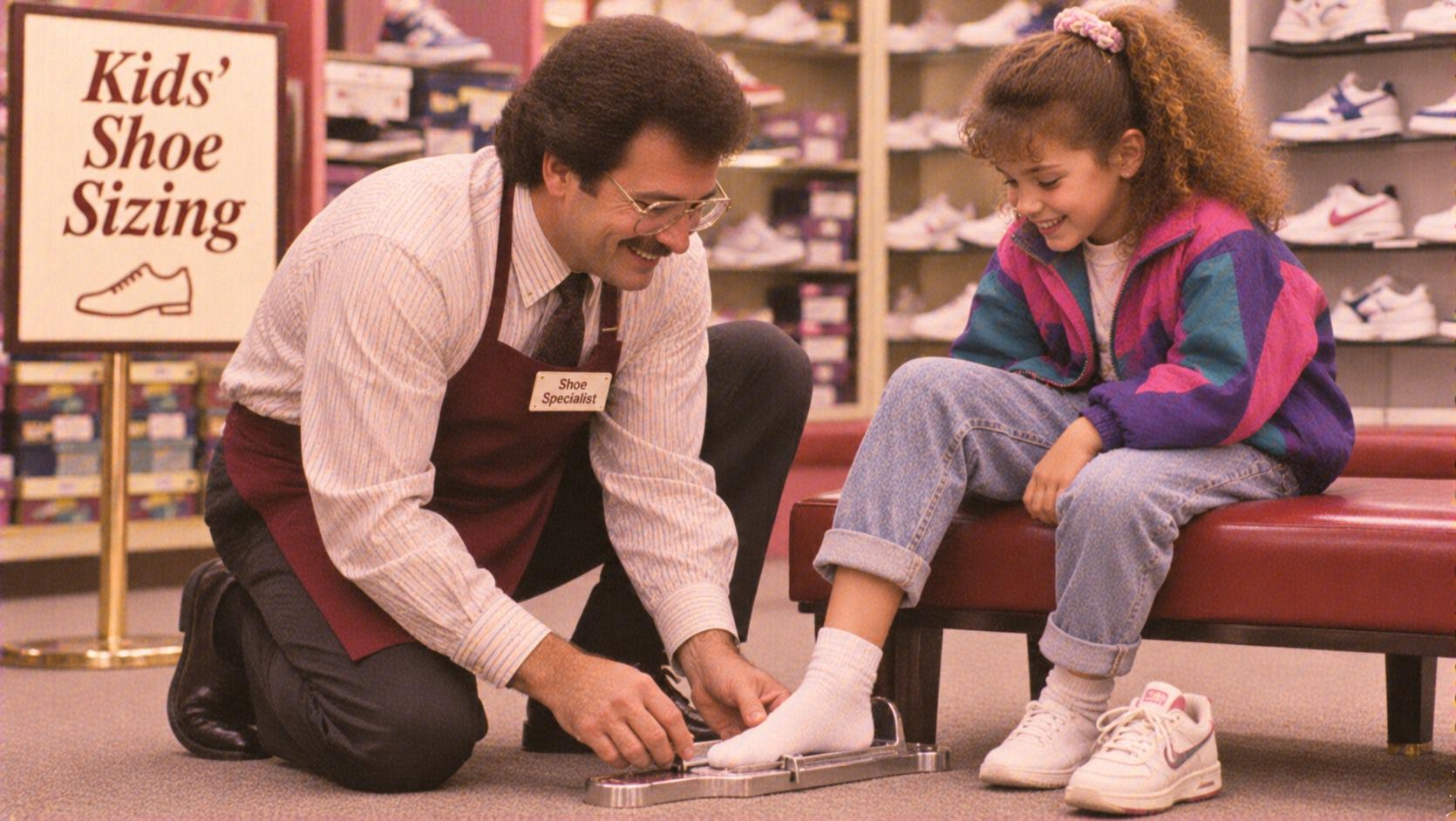
A trip to the shoe store once involved much more than grabbing a box from a shelf. Employees used metal measuring devices, commonly known as Brannock Devices, to check a child’s foot length and width before recommending the proper size. They also watched children walk around to make sure the shoes fit comfortably. Many independent shoe stores still offer professional fittings, but self-service shopping and online purchases have made this personal attention less common.
7. Stores Offered Free Local Home Delivery
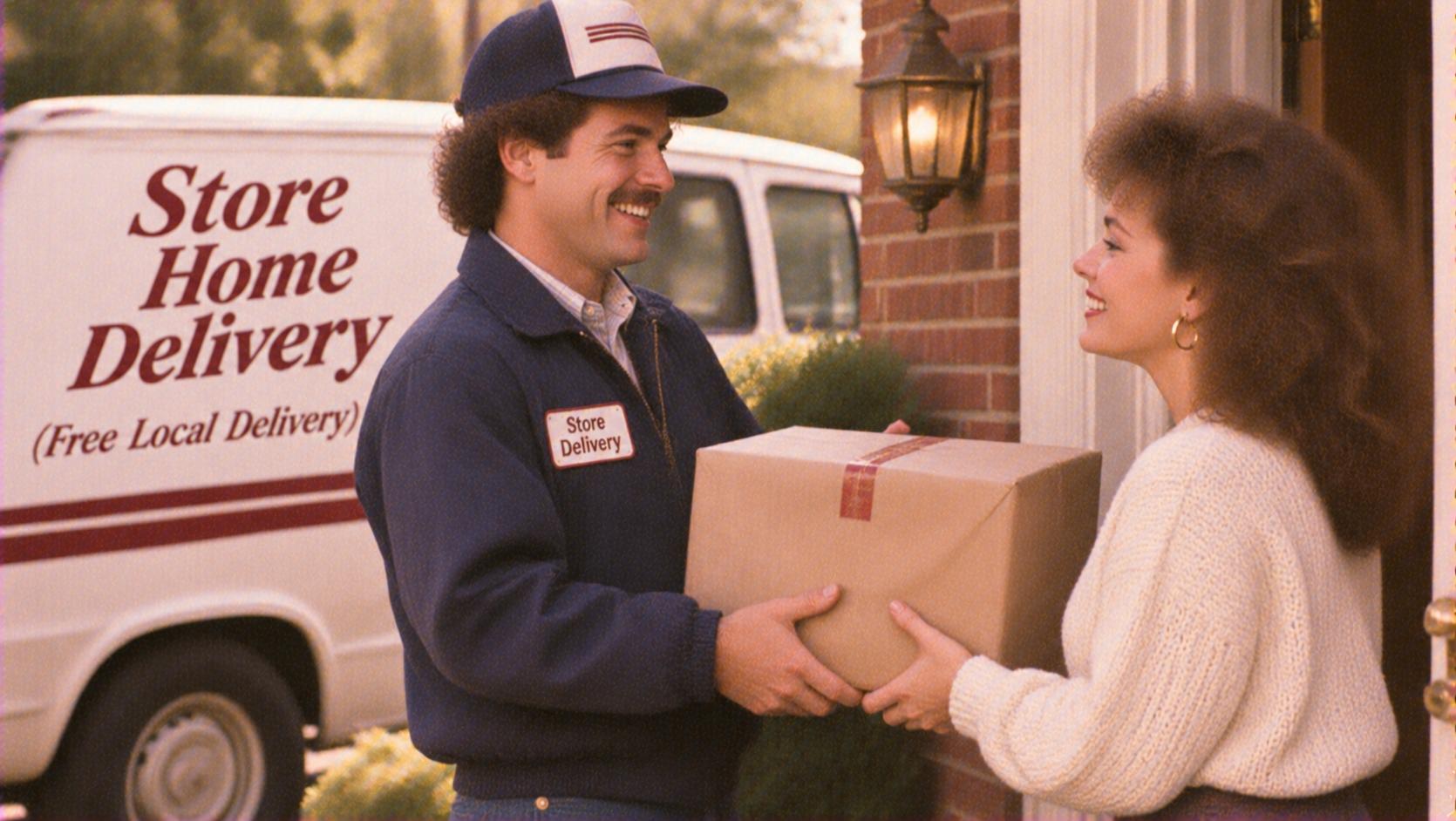
Before online ordering existed, neighborhood stores sometimes brought purchases directly to customers’ homes. Grocery shops, pharmacies, and department stores could arrange local deliveries, particularly for regular customers or larger orders. Some families even placed orders over the telephone and waited for a familiar delivery employee to arrive. Home delivery is popular again, but the modern version often involves service fees, delivery charges, minimum orders, or optional tips.
8. Department Stores Had Free Children’s Playrooms
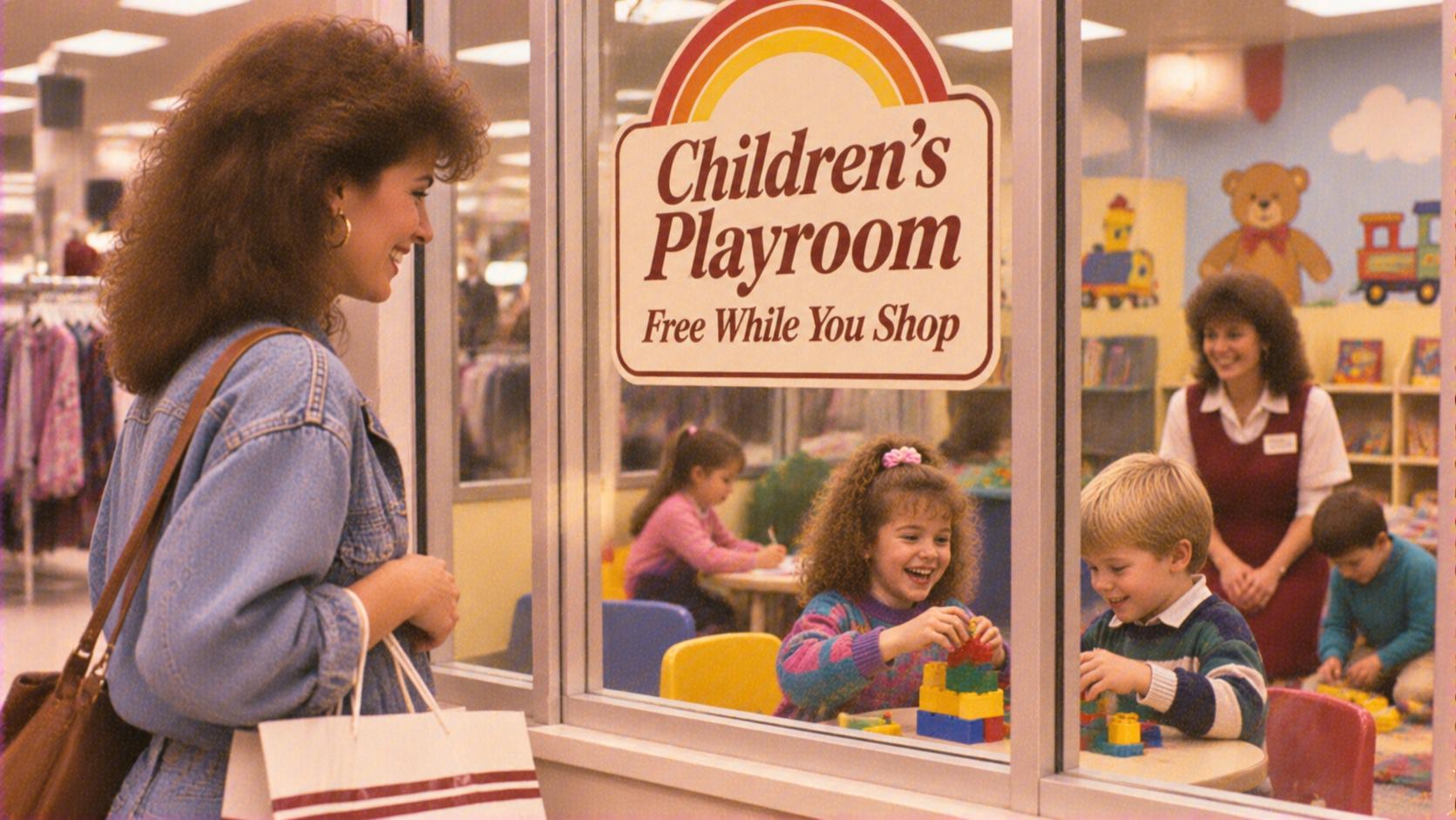
Shopping with young children wasn’t always an exhausting trip through crowded aisles. Some large department stores provided supervised playrooms where children could spend time while their parents shopped. These spaces might include toys, games, and attendants who kept an eye on the little visitors. It was a convenient arrangement for families planning a long afternoon downtown. Today, supervised childcare inside traditional retail stores is unusual, and most parents bring their children along while shopping.
Sign up for our newsletter
9. Stores Provided Complimentary Gift Boxes
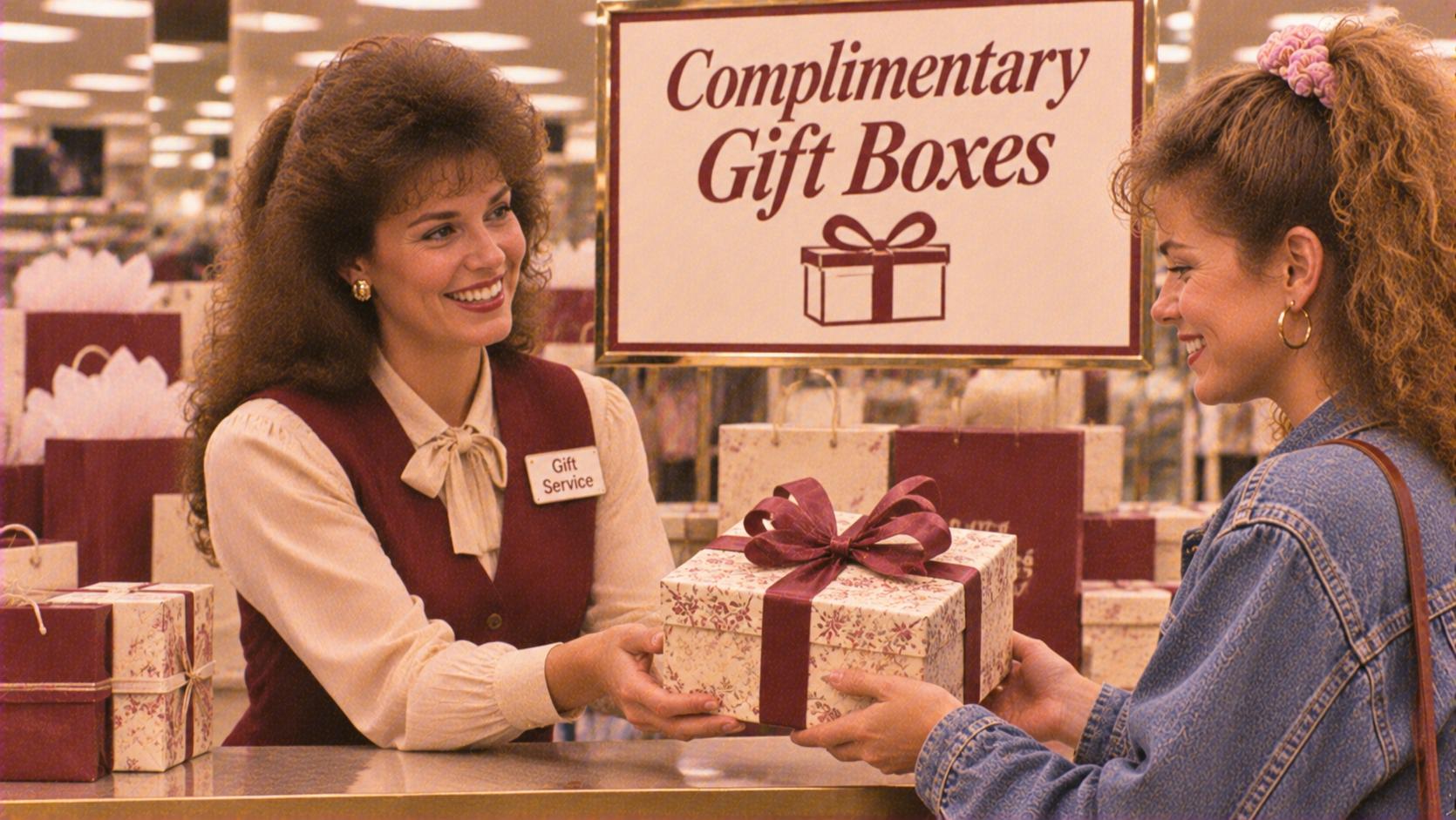
A purchase from a department store once came with something almost as recognizable as the merchandise itself: a sturdy box bearing the store’s name. Clothing, accessories, and other gifts could be placed inside these boxes without an additional charge, making them easier to wrap, store, or present. During the holiday season, shoppers often collected several boxes in different sizes. Today, decorative packaging is frequently replaced by shopping bags, and specialty gift boxes may cost extra.
10. Grocery Stores Cashed Personal Checks
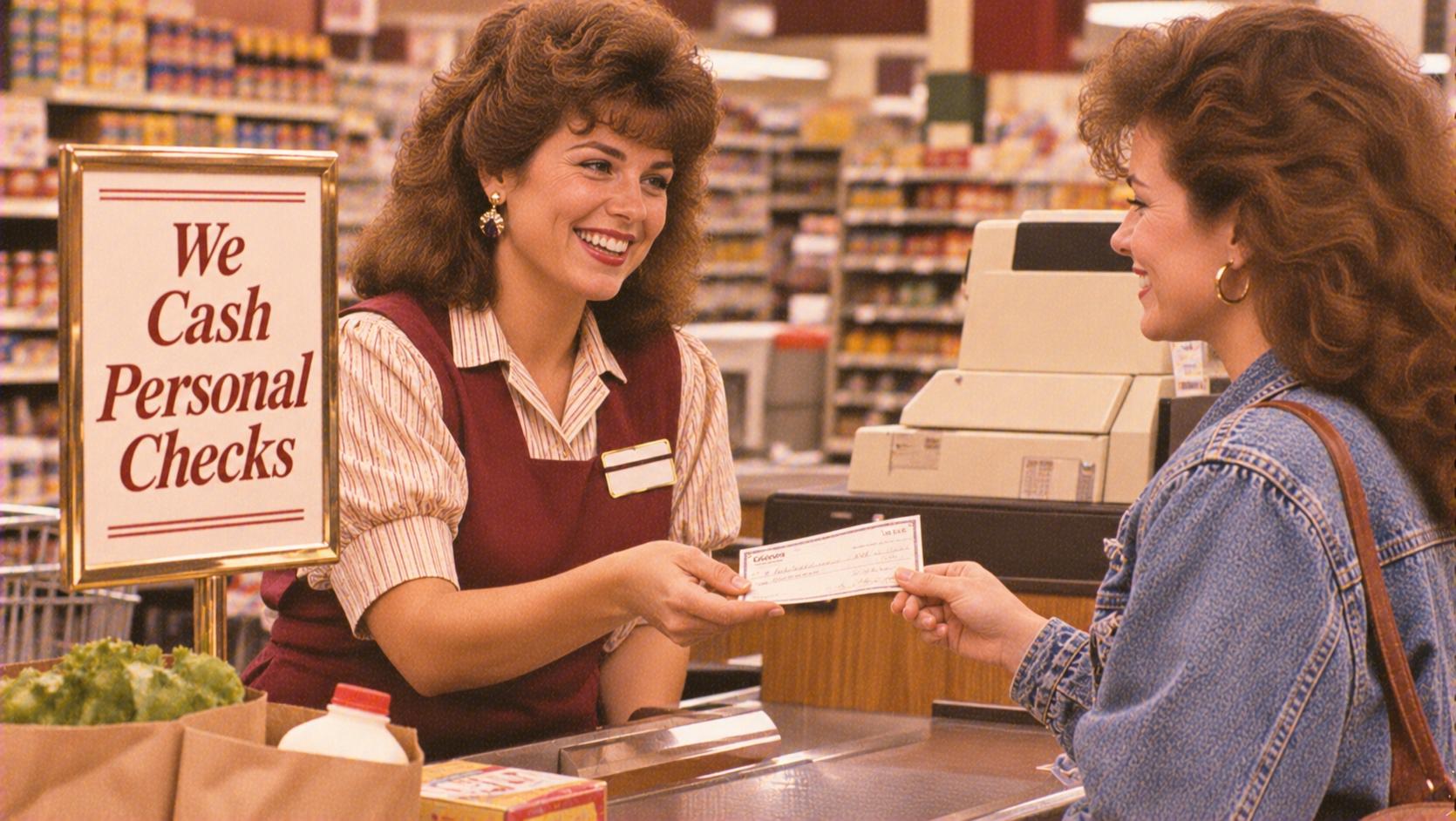
Before ATMs became widespread and debit cards took over, some supermarkets offered check-cashing services as a convenience for regular customers. A shopper could bring a paycheck or personal check to the customer service counter and receive cash, sometimes without paying a fee. This saved an extra trip to the bank, especially in communities where banking hours were limited. Although check-cashing services still exist, they are often subject to fees, restrictions, or identification requirements.
11. Hardware Stores Gave Detailed Repair Advice
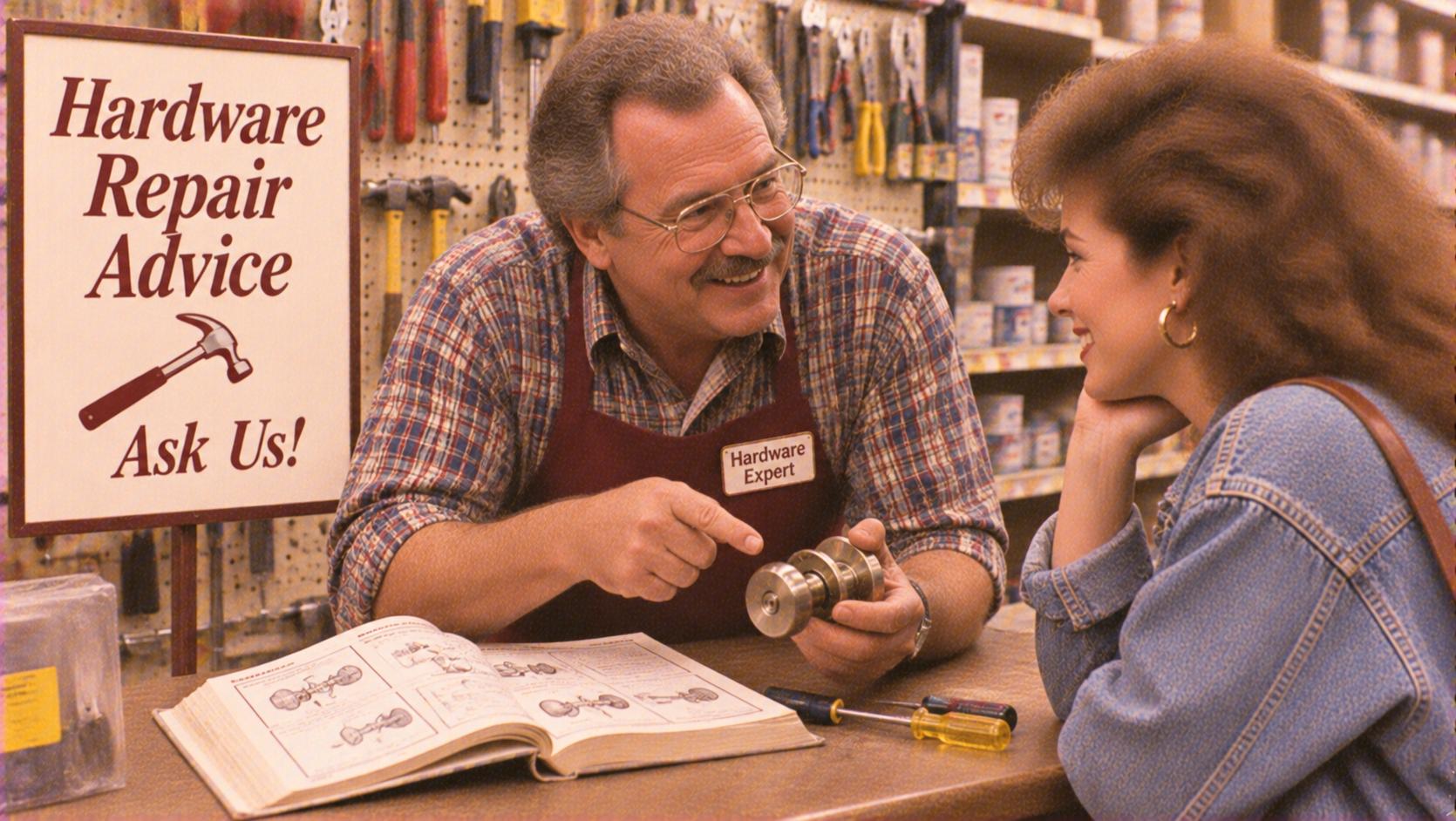
Walking into a neighborhood hardware store once meant finding someone who could explain exactly how to fix a leaking faucet or repair a loose cabinet hinge. Experienced employees often spent considerable time discussing household projects, identifying replacement parts, and recommending the right tools. That advice was free, even when the customer purchased only a small item. Helpful hardware employees certainly still exist, but the growth of large self-service stores has made extended one-on-one guidance less predictable.
12. Department Stores Offered Free Interior Decorating Consultations
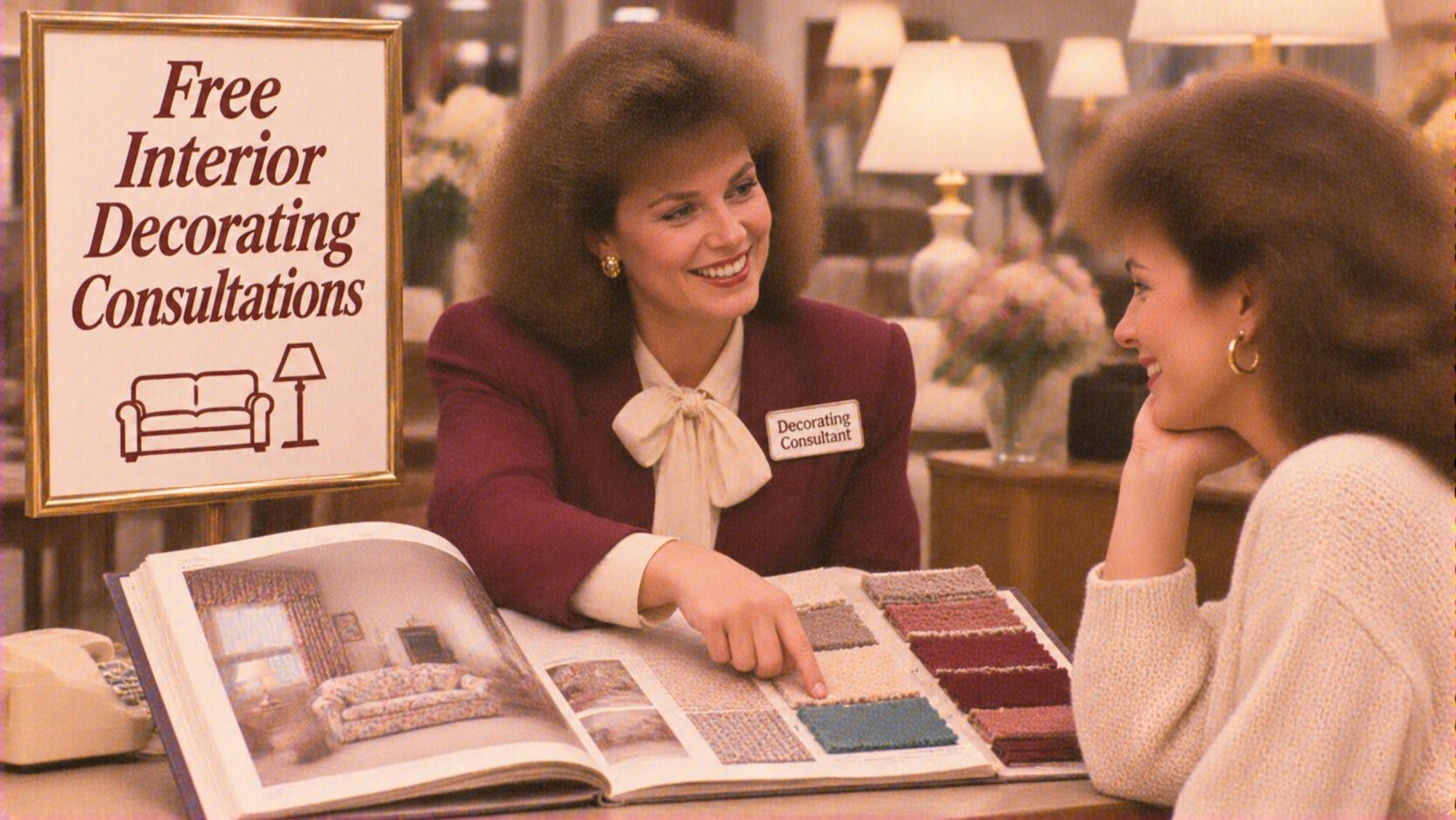
Some major department stores once employed decorating specialists who helped customers choose furniture, curtains, wallpaper, and coordinating colors. A shopper furnishing a new home could receive professional guidance without paying a separate consultation fee, particularly when planning purchases through the store. Certain retailers even helped customers visualize how different pieces would work together. Today, similar assistance is more commonly offered through specialized design services, paid consultations, or purchase-based programs.
13. Purchases Could Be Sent to a Store’s Package Pickup Area
Carrying several shopping bags through a crowded downtown department store wasn’t always necessary. Some large retailers allowed customers to have purchases sent to a central package desk or pickup area while they continued browsing. Employees organized the packages so shoppers could collect everything before leaving, and certain stores also helped transfer purchases to waiting vehicles. This kind of coordinated service was especially useful during holiday shopping. Modern pickup counters still exist, but they usually focus on online orders rather than managing an entire day’s purchases.
14. Some Stores Offered Complimentary Coat Checks
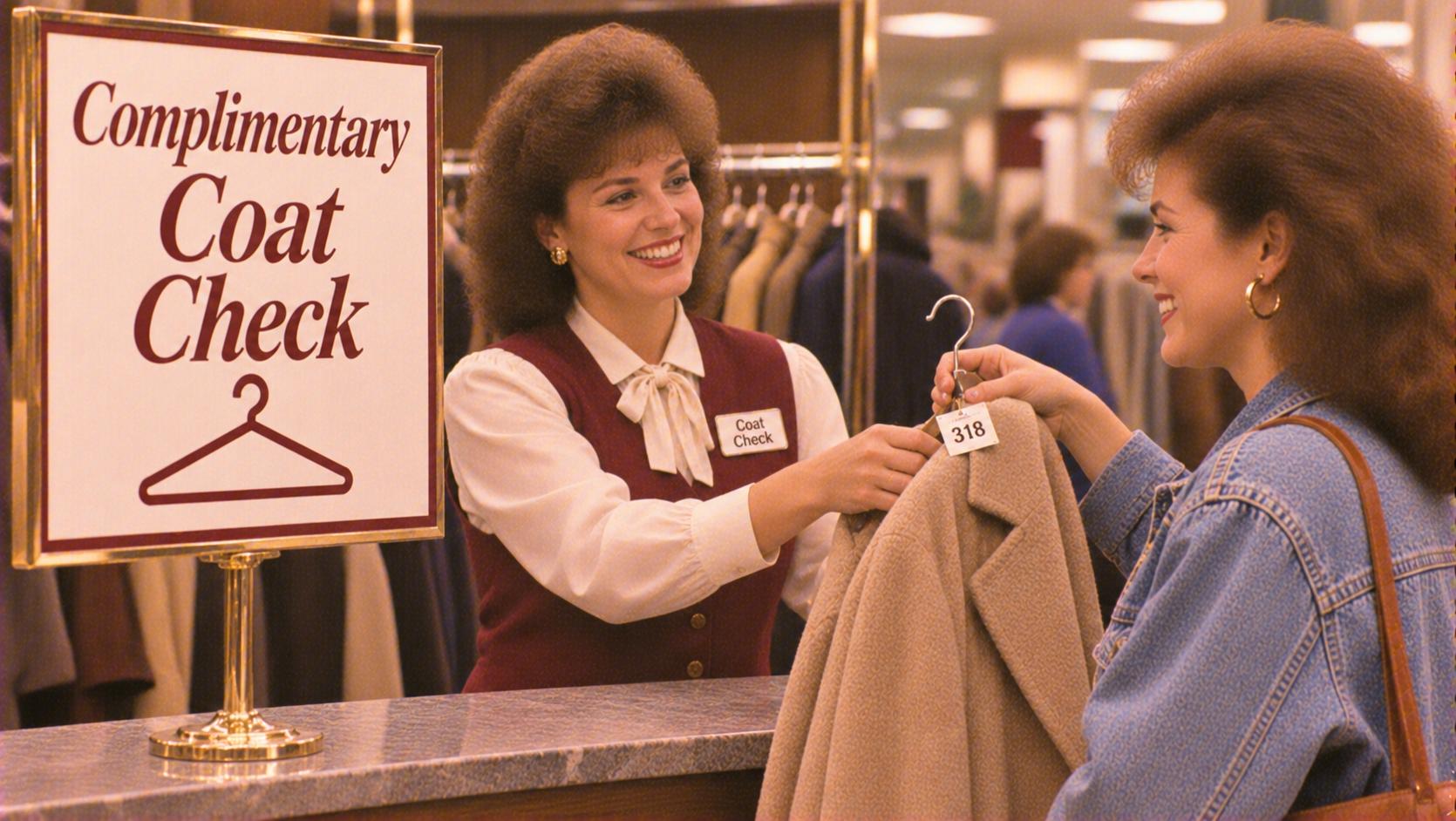
Winter shopping in a large American city could involve heavy coats, scarves, gloves, and plenty of packages. Certain department stores offered coat-check facilities where customers could leave their outerwear while exploring the sales floors. It made browsing more comfortable and encouraged people to spend longer inside. As department stores reduced extra amenities and operating costs, these services became increasingly uncommon. Today, shoppers generally keep their coats with them throughout the visit.
15. Stores Helped Customers Find Hard-to-Locate Merchandise
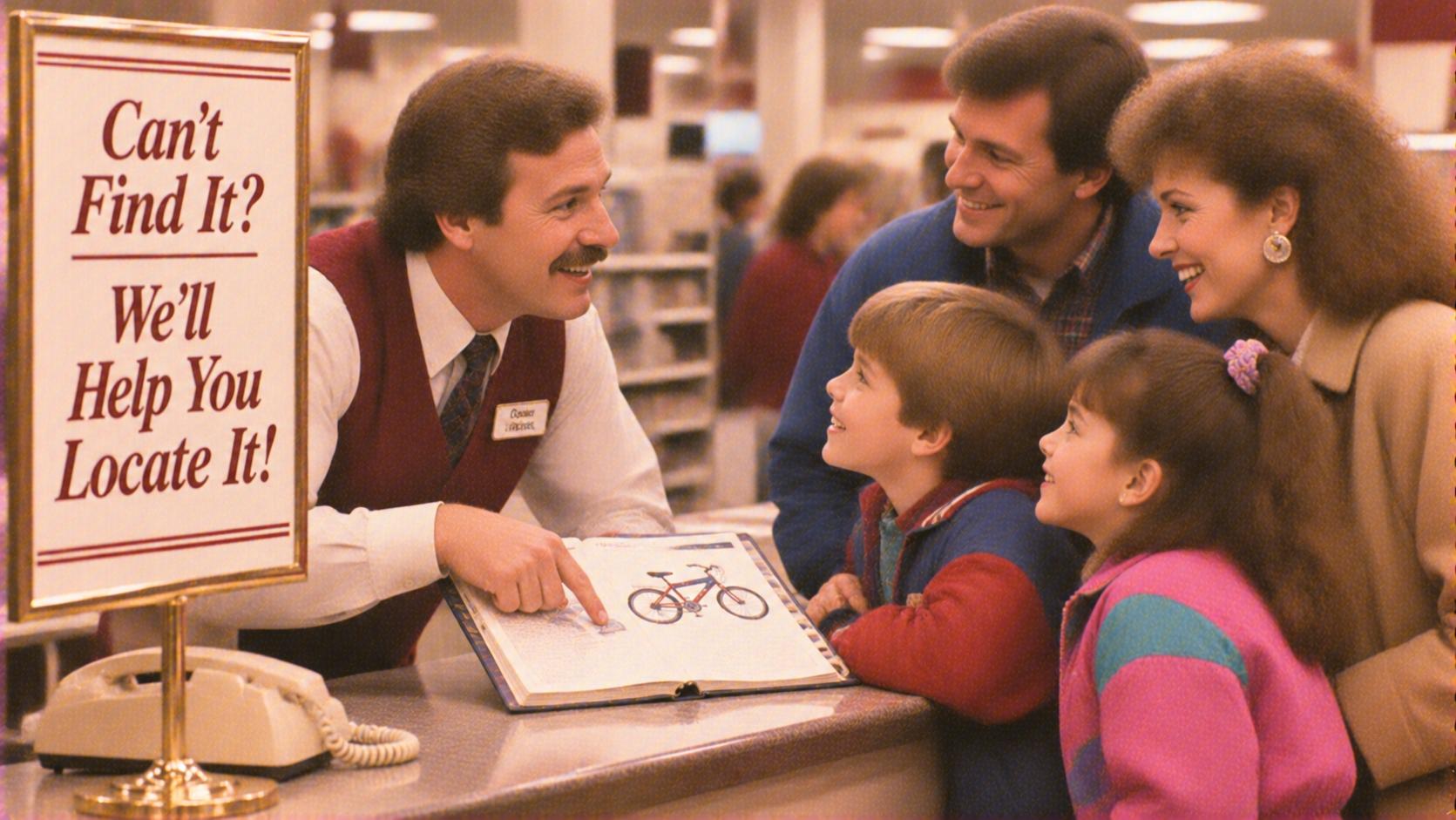
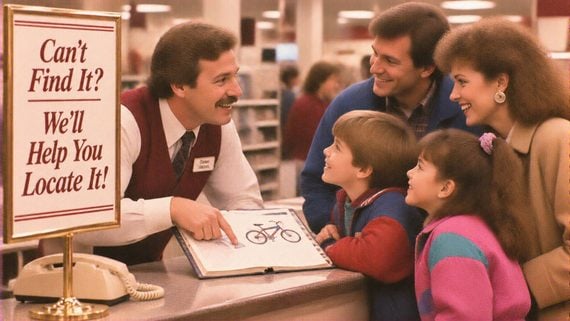
Before shoppers could search inventory on their phones, experienced sales associates were often the best way to track down an unusual item. Some department stores offered special-order desks or merchandise-locating assistance, checking other branches, contacting suppliers, or arranging for products to be ordered. Customers didn’t necessarily pay for the research itself, although shipping or special orders could involve charges. Modern inventory systems make searching faster, but finding an employee willing and able to personally track down an item can be a different experience.
16. Some Stores Offered Free Monogramming
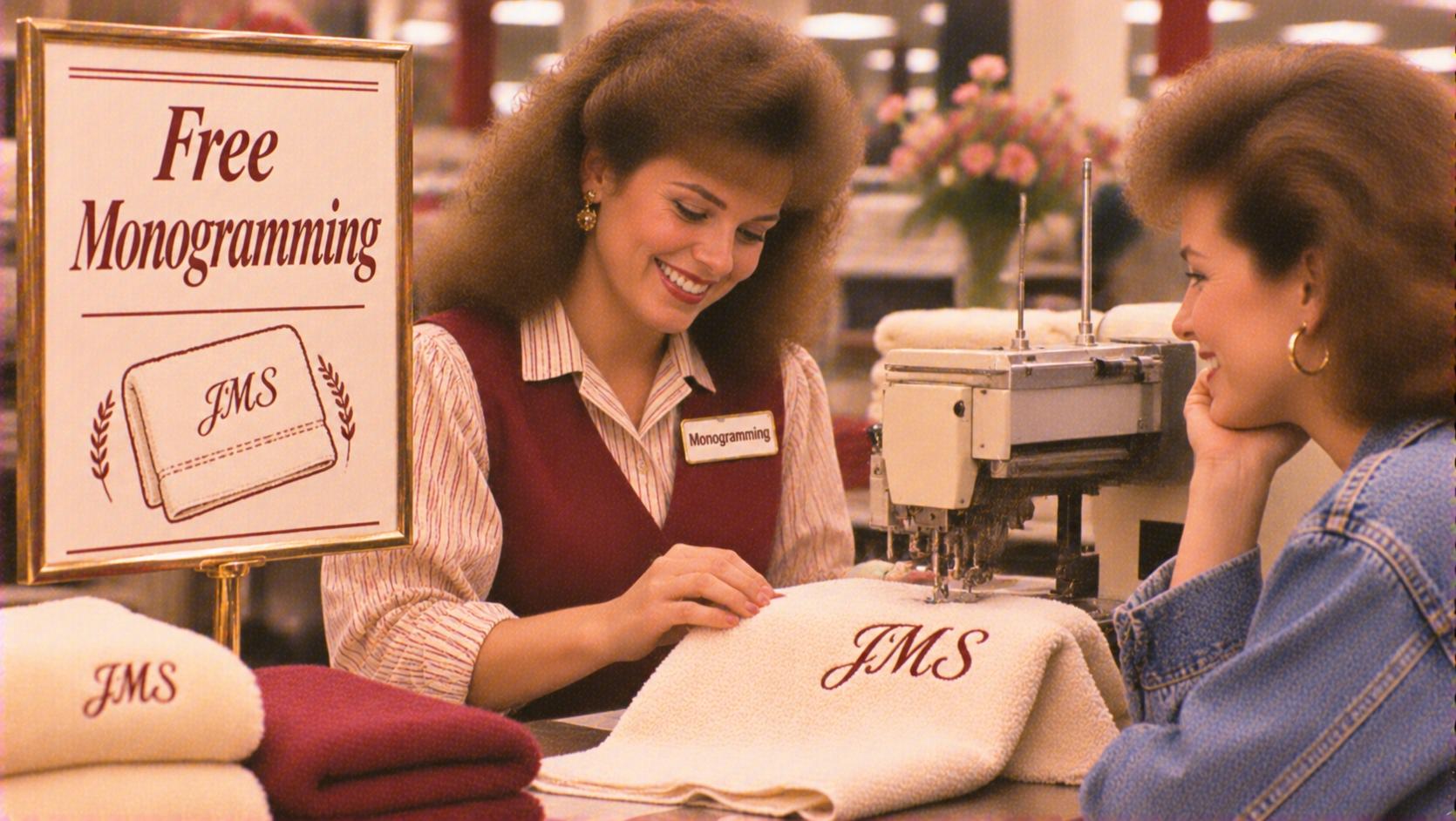
Personalized gifts weren’t always an expensive upgrade. Certain department stores and specialty retailers included basic monogramming with qualifying purchases, especially items such as towels, handkerchiefs, luggage, or leather accessories. Customers could choose initials and have an item customized before taking it home or arranging pickup. It added a personal touch without requiring a separate trip to an embroidery shop. Today, monogramming is generally treated as an optional customization service, often with an additional fee.
17. Department Stores Offered Free Bridal Registry Assistance
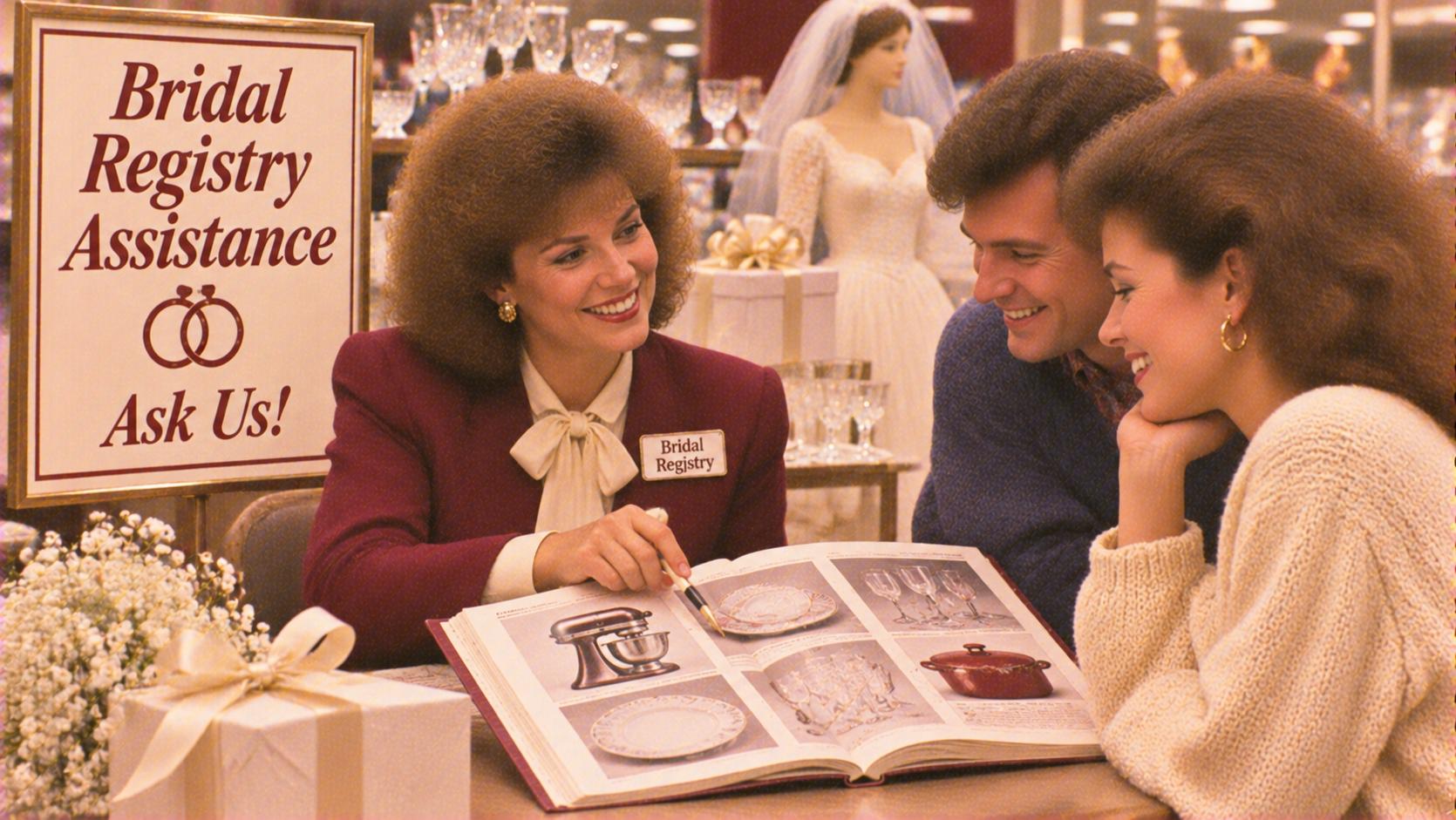
Planning a wedding registry once meant sitting down with an experienced department store employee who could guide couples through selecting household essentials. Registry consultants helped organize gift lists, recommend dinnerware and linens, and explain which items guests might find useful to purchase. This personal guidance was generally provided without a separate consultation charge. Wedding registries still exist, and many are free, but much of the process has shifted to websites and apps where couples build and manage their lists themselves.
More Related Notes
• 15 Things Americans Pay For Today That Their Grandparents Got for Free
Revisit the everyday conveniences that previous generations enjoyed without extra charges, from simple public services to familiar experiences that have gradually become paid features.
• 18 Products That Used to Come Free With Other Purchases
Remember when stores rewarded customers with complimentary gifts, promotional glasses, and little surprises? Explore the giveaways that once made ordinary shopping trips feel more special.
• 17 Department Store Departments That Have Almost Disappeared
Take a nostalgic look at the specialized departments and personal services that once made department stores destinations for much more than shopping, from shoe repairs to professional photography.