
The grocery aisle has become a showcase of inflation. From the perimeter’s fresh produce to aisle basics, shoppers around the world are paying more for everyday staples. Rising oil prices, fertilizer costs, and climate disruptions have combined to push up the cost of essentials. What was once routine grocery shopping now feels like a weekly reminder of how fragile and costly our food chain has become. Below are 14 staples that have seen the biggest jumps, each explained with a sharper line about everyday impact.
1. Bread
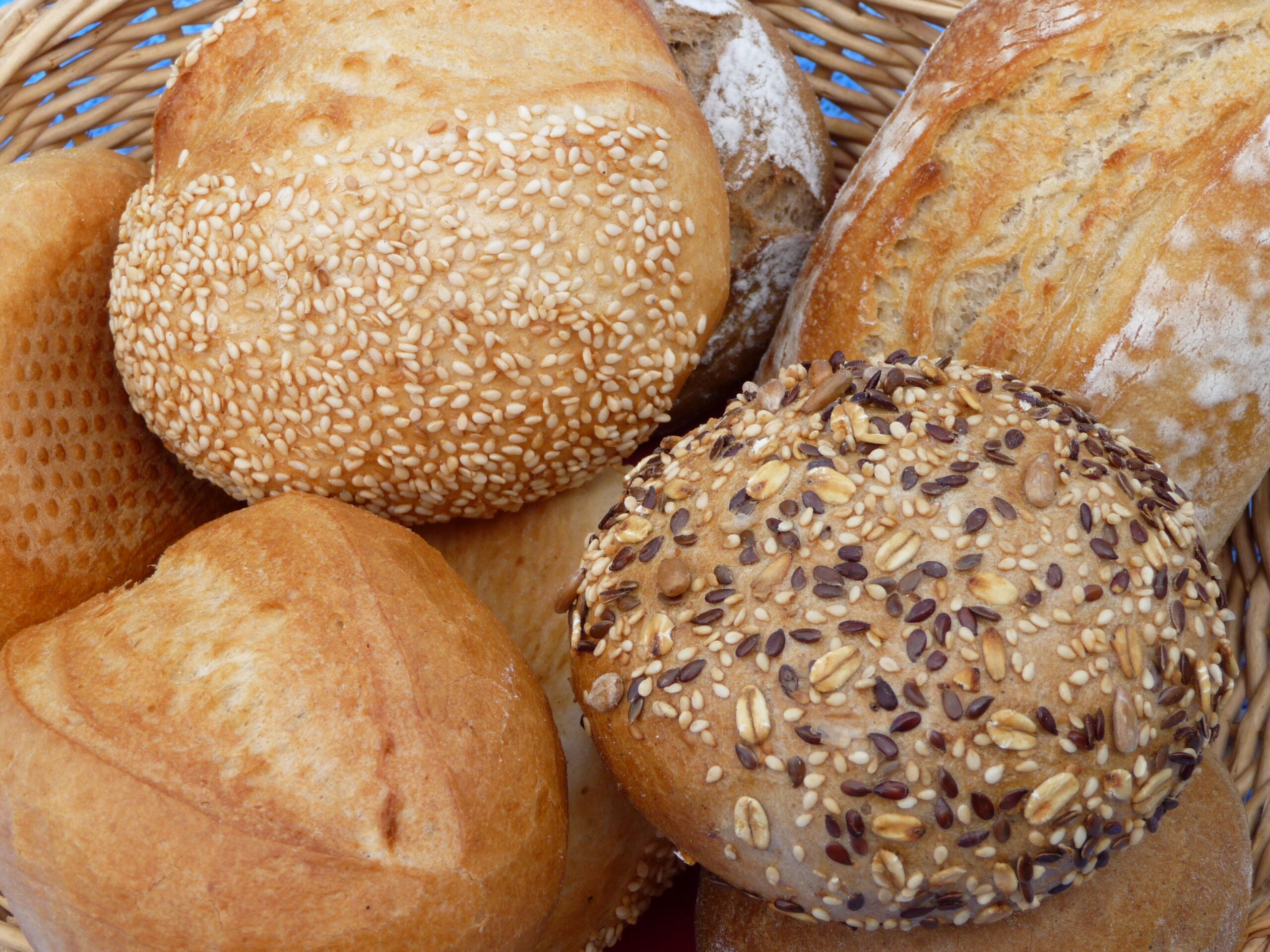
Once a reliable staple, bread prices climbed from $3.50 to $4.40 per loaf in the U.S.A supermarkets between 2025 and 2026, driven by wheat shortages and energy costs. Bakers warn that if wheat shortages persist, bread could shift from a daily good to an occasional indulgence. Bakers caution that rising costs could reshape cultural habits, turning the loaf into a symbol of scarcity rather than everyday sustenance.
2. Cooking Oil
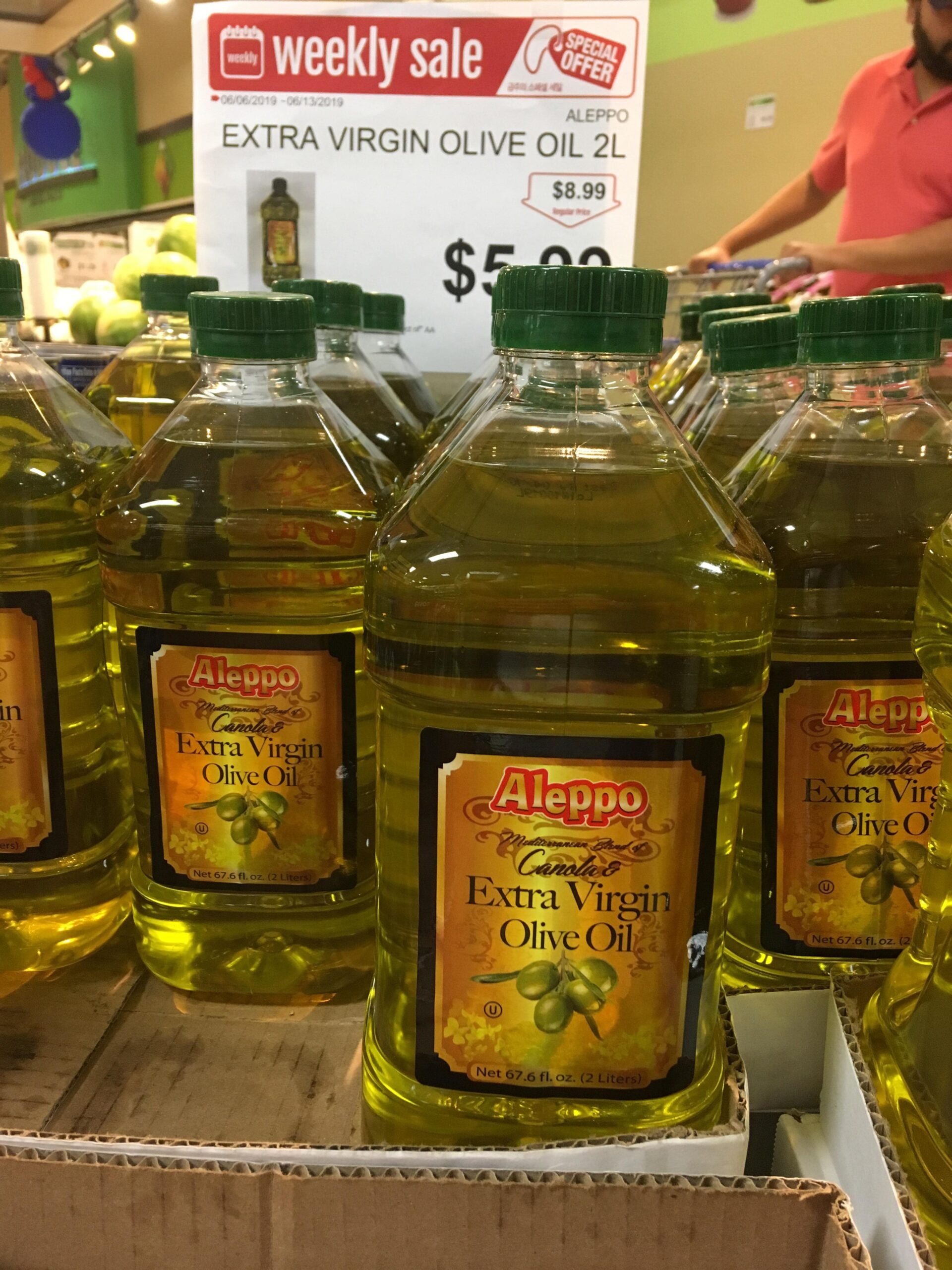
In Cairo, cooking oil surged 28% in a year, reflecting global vegetable oil inflation tied to energy and fertilizer costs. Households are cutting back on frying, showing how inflation reshapes cooking habits.
3. Rice
Rice in Manila hit a three‑year high, showing how climate volatility and export restrictions undulate through staple grains. Governments are considering subsidies to keep rice affordable, emphasizing its role as a political staple. Such volatility underscores how staple grains are not just food but levers of stability, where every price swing reverberates through kitchens and economies.
4. Beef
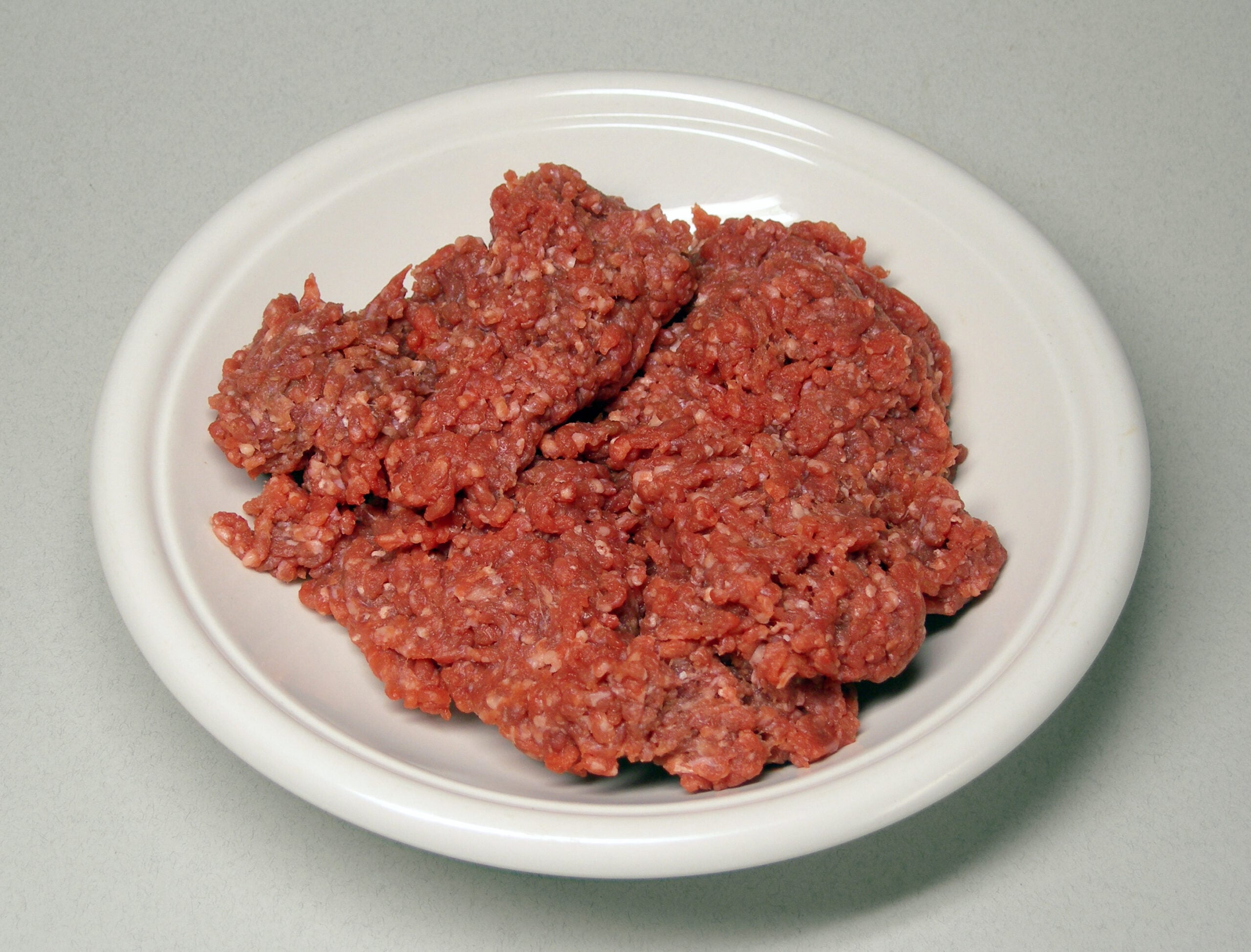
Ground beef rose nearly 19% year over year, with steaks also posting double‑digit increases due to smaller cattle herds and higher feed costs. Rising beef costs are pushing more families toward lentils, chickpeas, and soy-based alternatives that stretch budgets while still providing protein.
5. Coffee
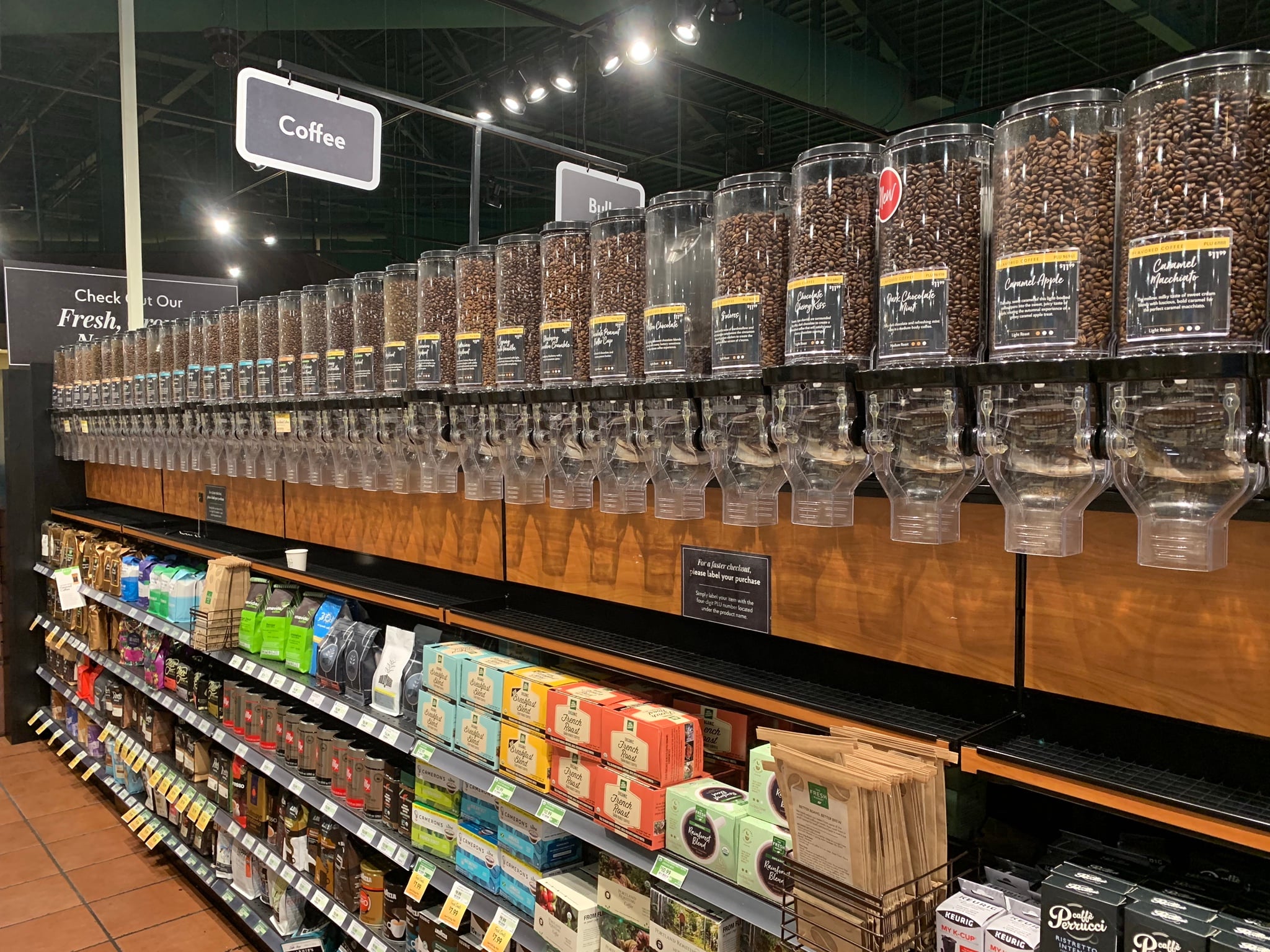
Coffee prices spiked almost 30%, fueled by weather disruptions in Brazil and Vietnam plus shipping instability. Cafés are shrinking cup sizes or raising prices, making the morning ritual more expensive.
Trending on Wealth Gang


6. Tomatoes
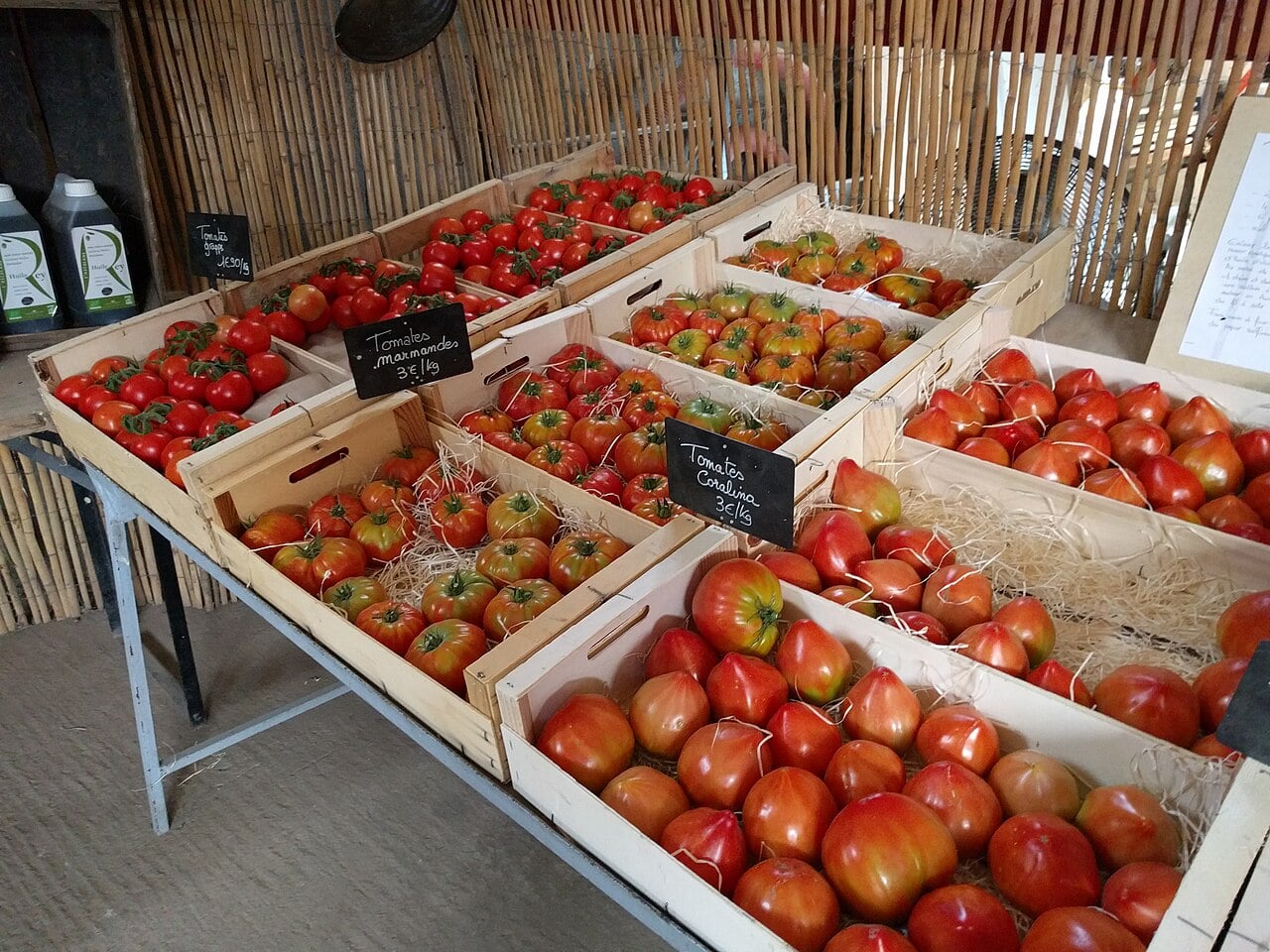
Tomatoes became one of the standout inflation stories, with prices jumping close to 50% due to weather and labor shortages. Restaurants are reworking menus, with tomato‑heavy dishes becoming premium items. And what was once the base of everyday comfort food is now treated like a luxury ingredient, reshaping how chefs and diners value even the simplest dishes.
7. Lettuce
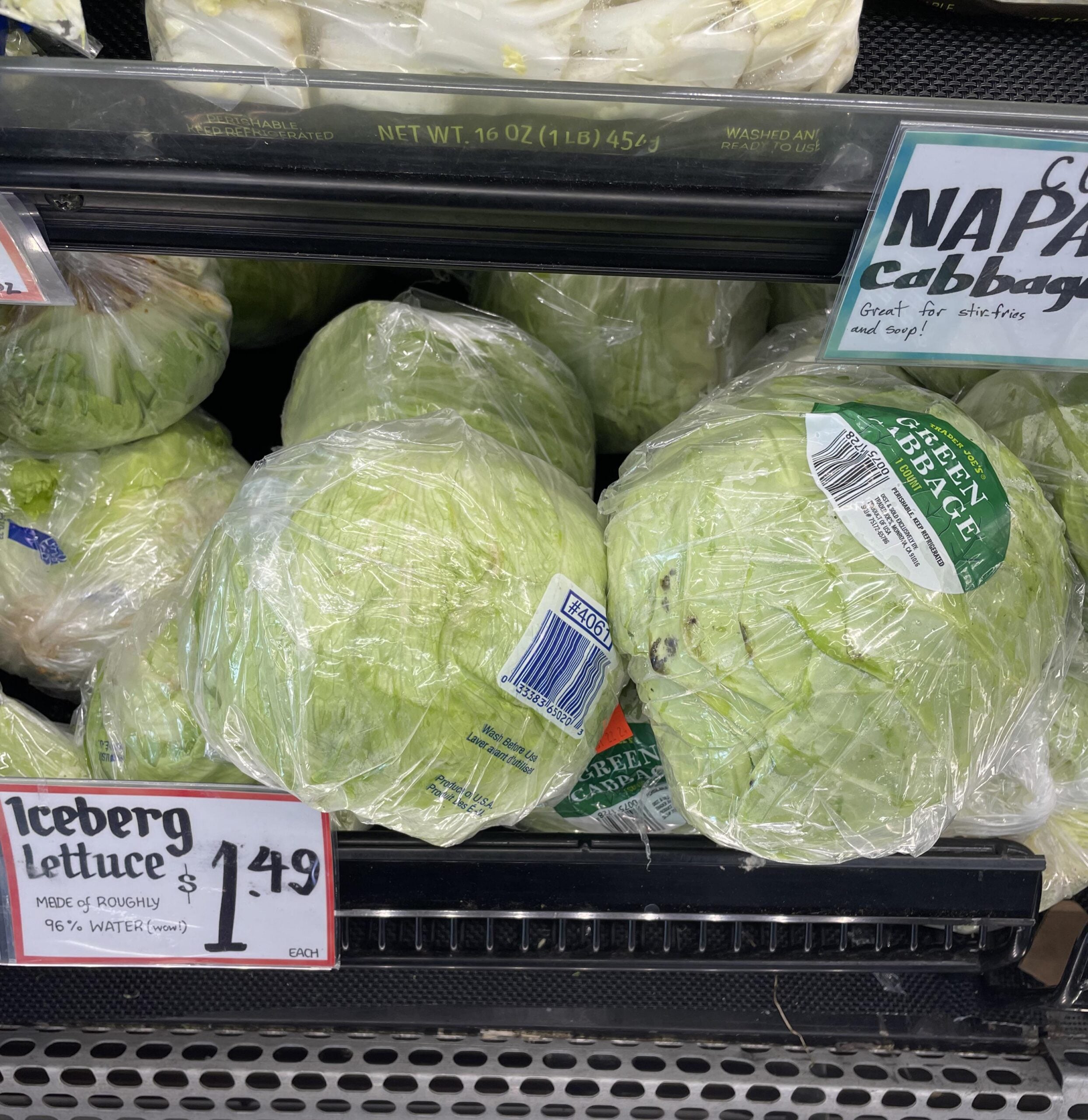
Leafy greens like lettuce climbed sharply, reflecting fragile supply chains and rising transport costs. Salad bars are charging extra, turning greens into a luxury good.
8. Chocolate
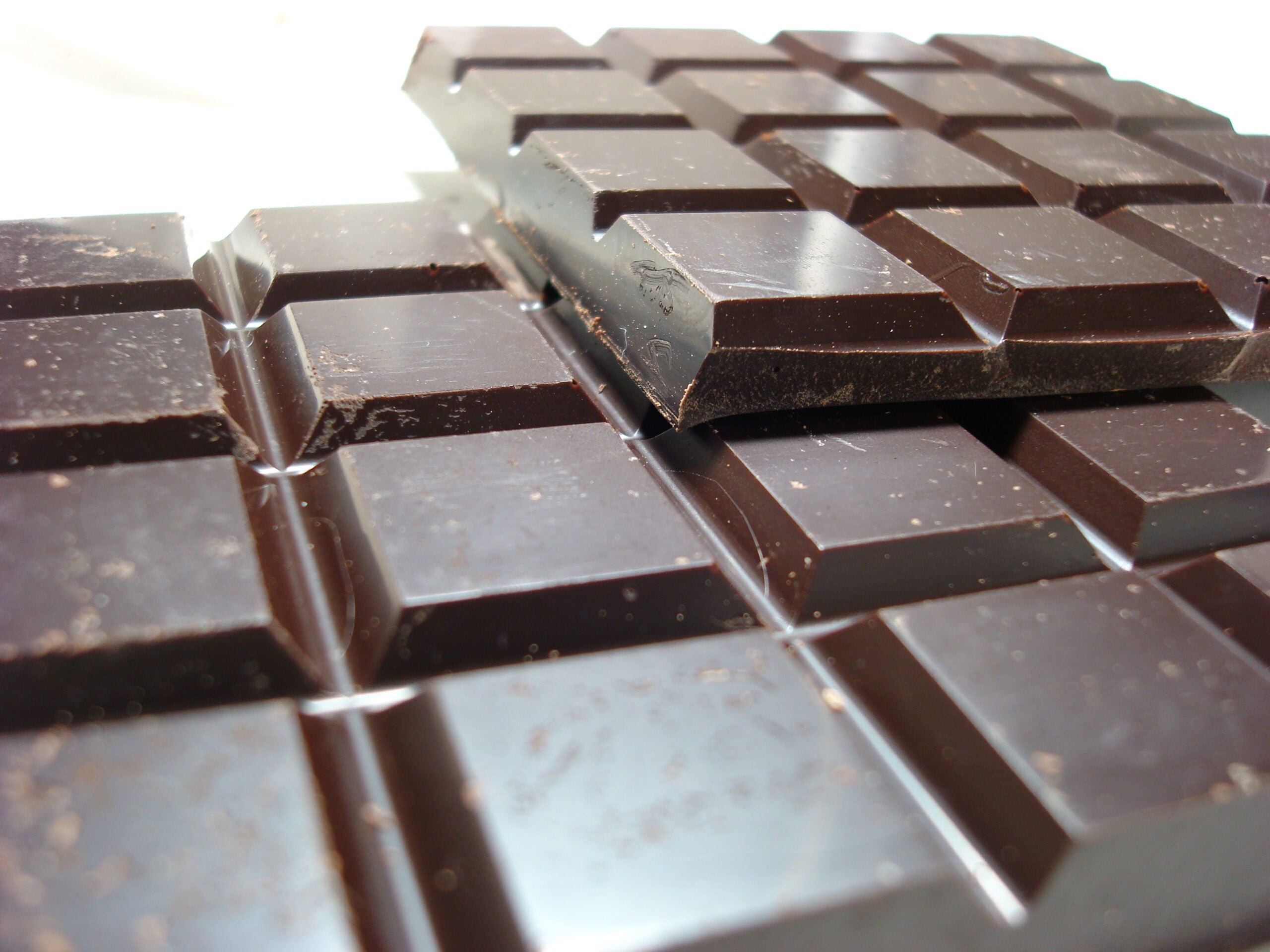
Record cocoa prices and sugar inflation pushed chocolate and candy costs higher. Seasonal treats like Easter eggs and holiday boxes now carry noticeably higher price tags. Consumers are cutting back, with many opting for smaller packs.
Sign up for our newsletter
9. Sugar
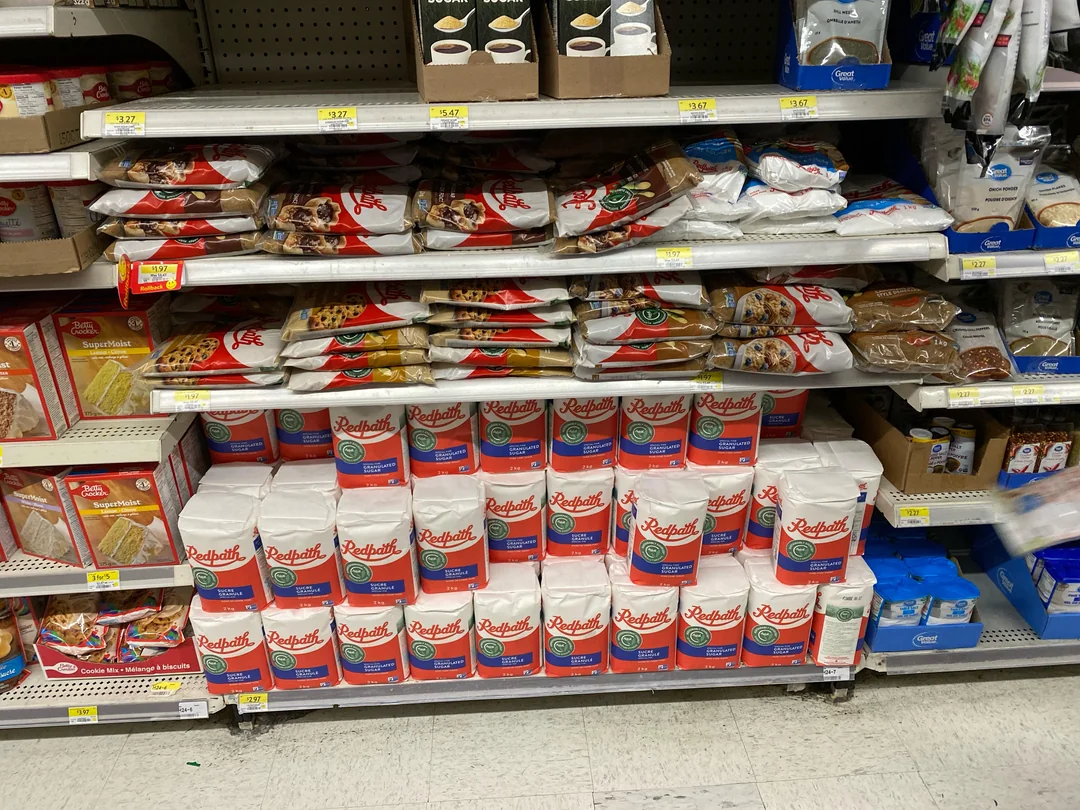
Global sugar prices rose 7% in March 2026, reflecting energy‑linked fertilizer costs and reduced harvests. Bakeries face higher costs, and desserts are shrinking in size to sugar inflation.
10. Vegetable Oil
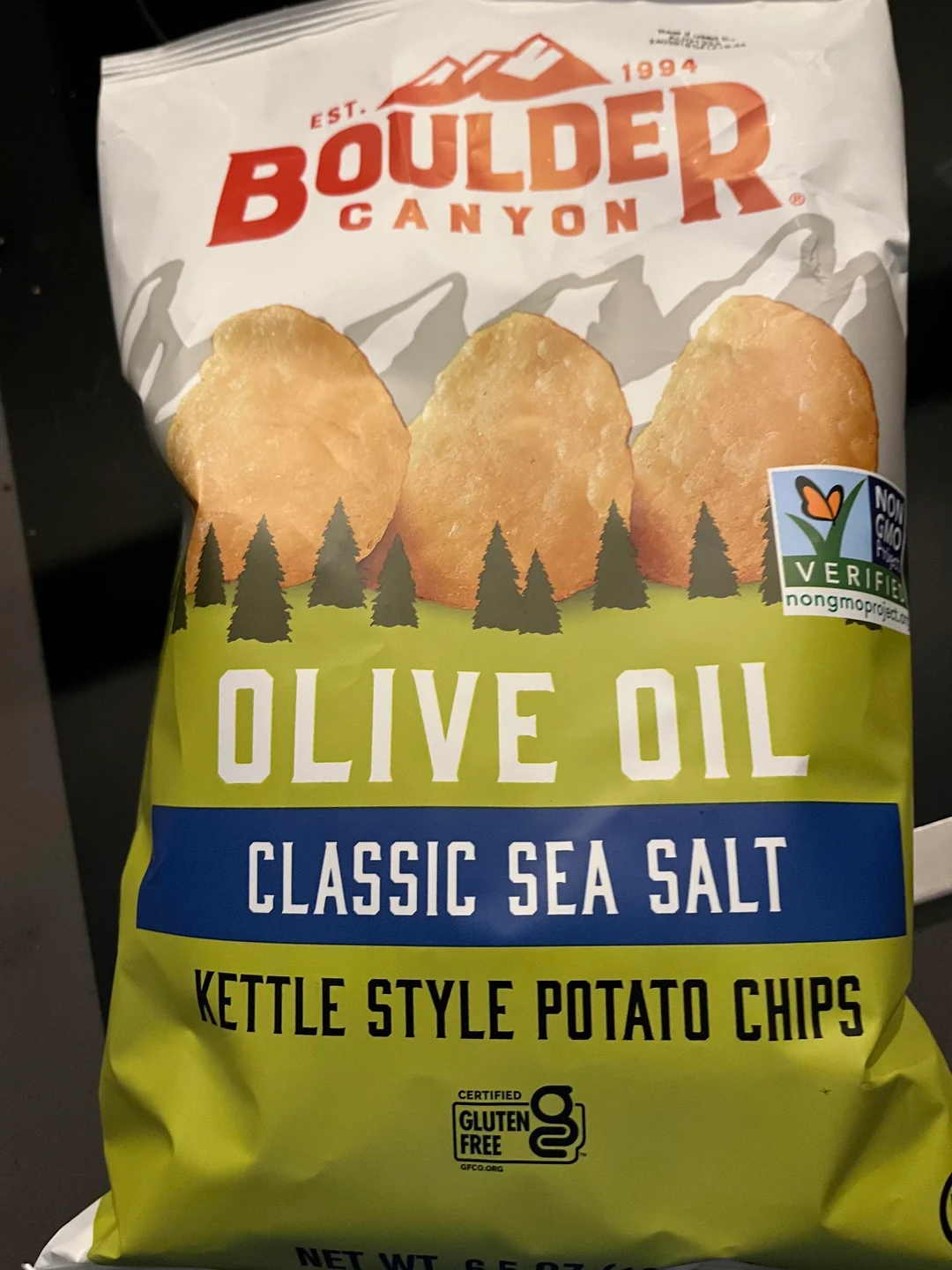
Beyond cooking oil, vegetable oils rose 5% in March 2026, tied to fertilizer and freight disruptions. Processed foods reliant on oils, chips, crackers and frozen meals are climbing in price too. Snack makers are shrinking package sizes or hiking prices, leaving consumers paying more for less.
11. Wheat
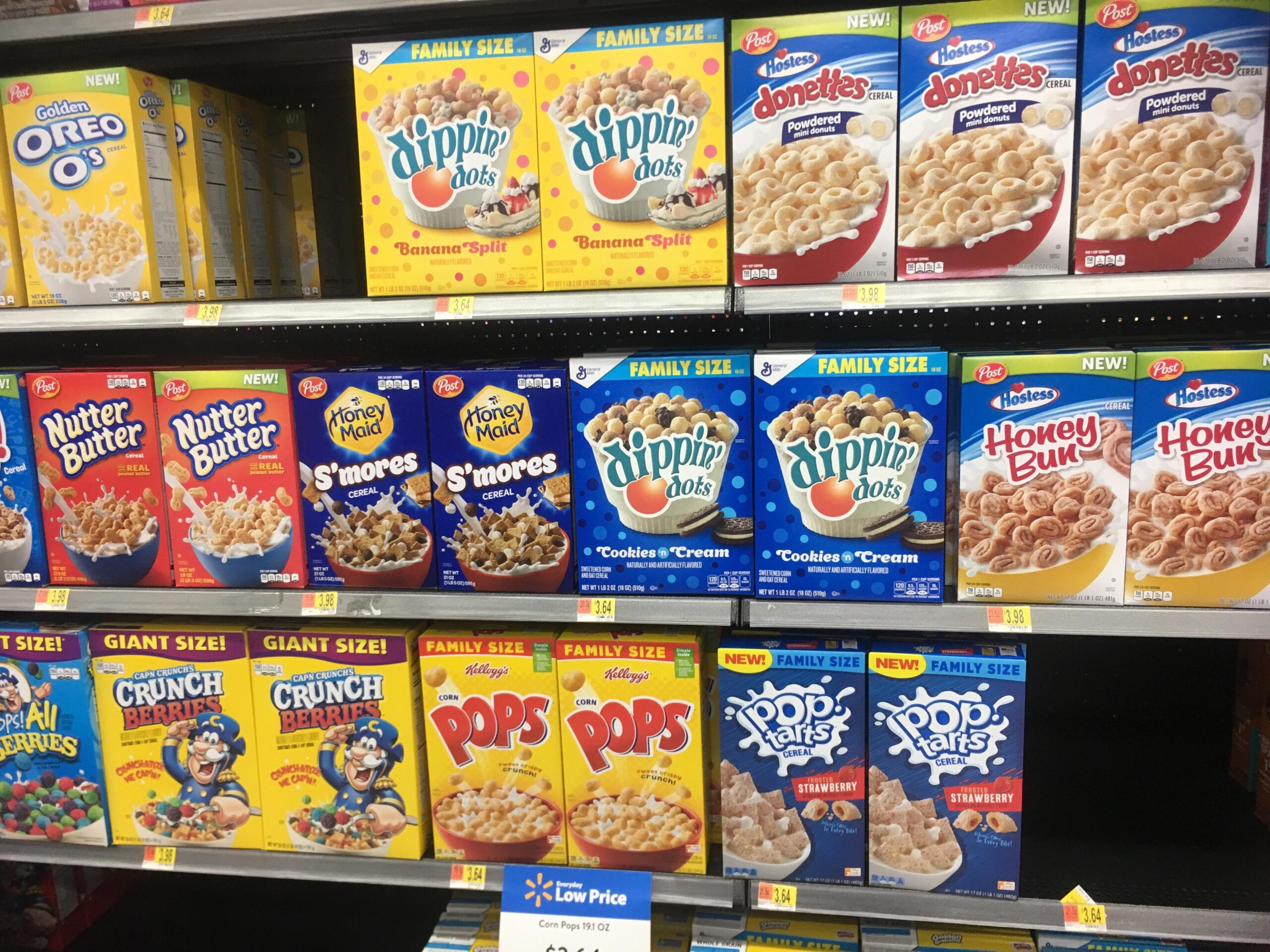
Global wheat prices climbed 4.3%, worsened by reduced planting in Australia due to fertilizer costs. Pasta and cereal brands are quietly reducing package sizes while keeping prices high.
12. Dairy
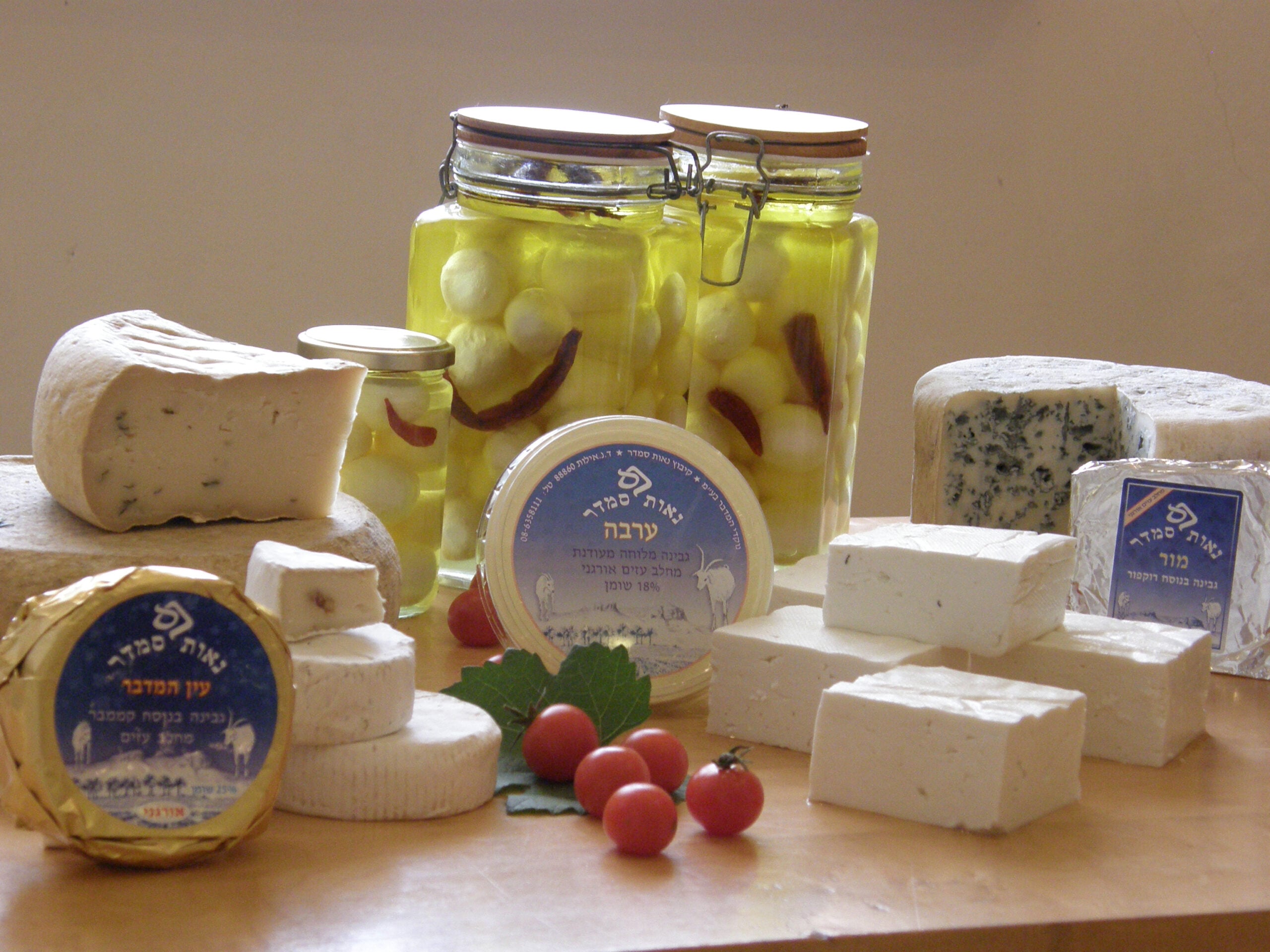
Dairy rose modestly, 1.2% per month, but higher energy costs for transport and processing keep pressure on milk and cheese. Cheese boards and café lattes are more expensive, reflecting dairy’s vulnerability to energy costs.
13. Meat
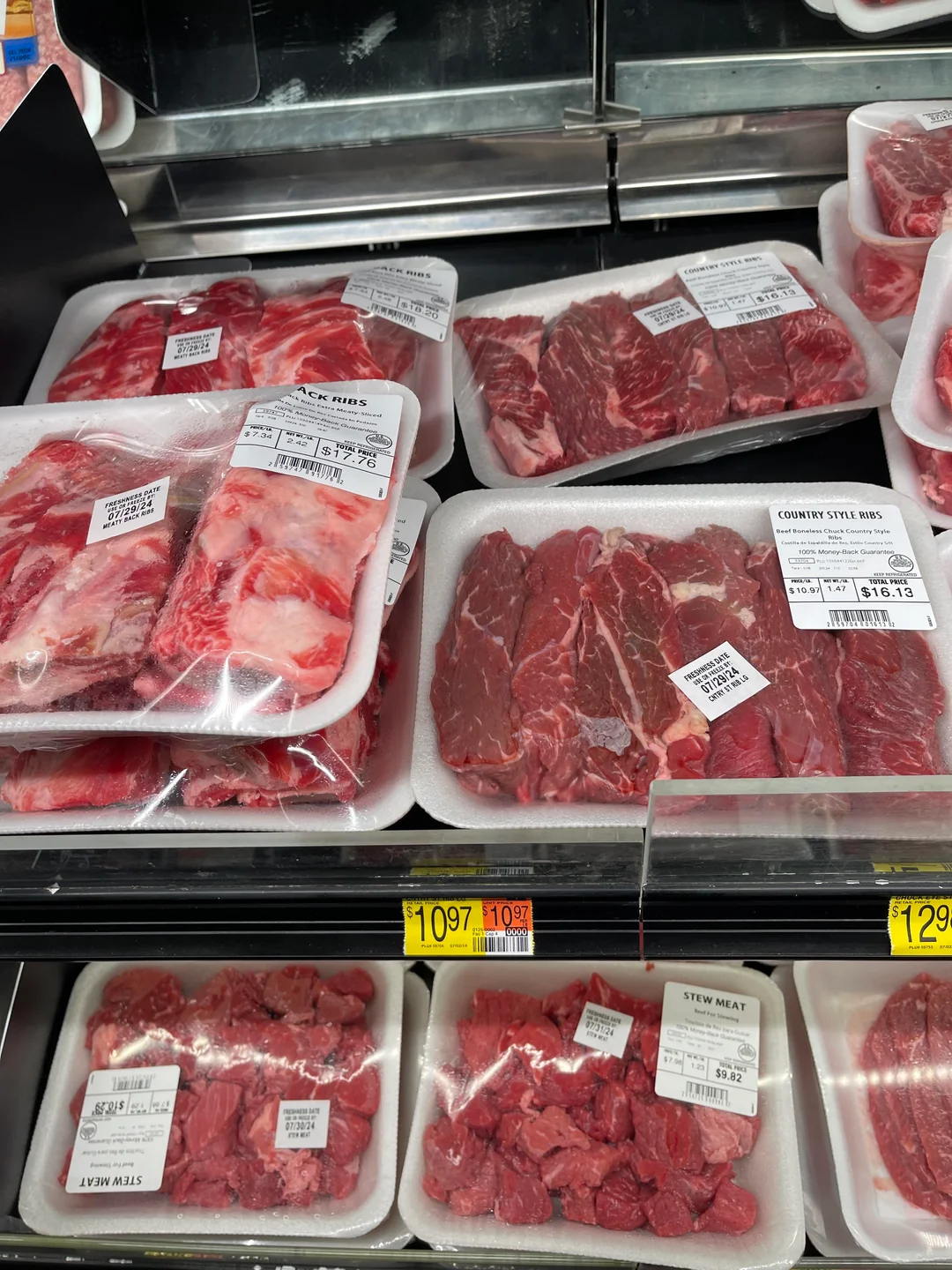
Beyond beef, overall meat prices rose 1% in March 2026, reflecting higher feed and energy costs. Butchers report customers buying smaller cuts, as they adapt to rising meat prices.
14. Fertilizer‑linked staples
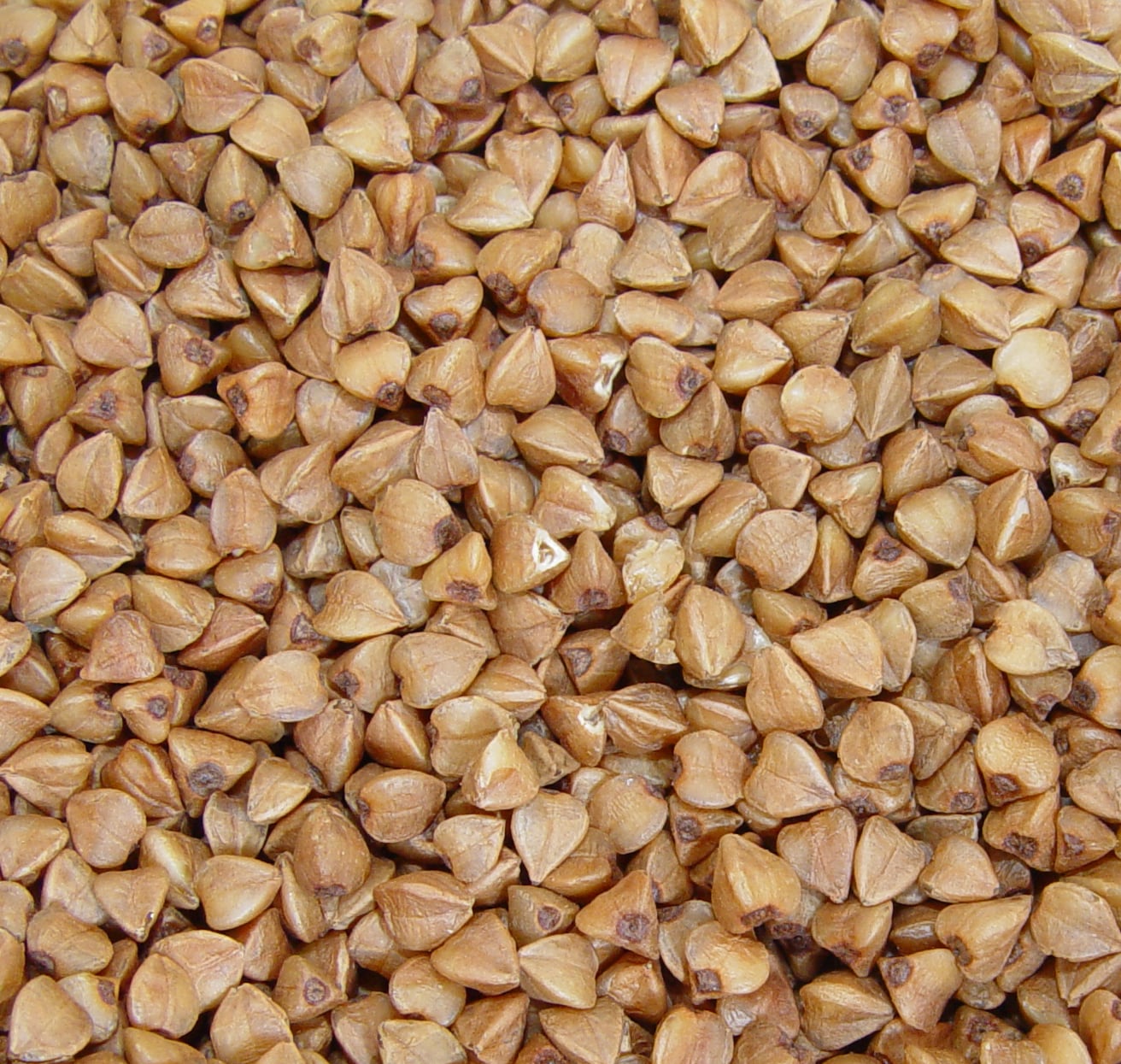
Staples like cereals and grains are indirectly inflated by fertilizer costs, which doubled in 2025–26. Farmers warn that fertilizer costs could keep staples inflated for years. Households are already adjusting their diets.
Want more financial content?
10 Free Tools to Improve Your Finances gives you practical resources to take control without spending a dime, 10 Financial Habits That Helped Barbara Corcoran Build Wealth offers inspiration from a self‑made businesswoman whose discipline turned her into a real estate powerhouse, and 10 Silent Habits of People Who Always Have Savings reveals the subtle daily choices that quietly build financial security