A century ago, many household items that people now consider basic necessities were seen as luxury purchases reserved for wealthy families. Advances in manufacturing, electrification, and mass production have dramatically reduced costs, making once-exclusive products available to households across nearly every income level.
These household items were symbols of comfort, status, and modern living in the 1920s. From labor-saving appliances to decorative furnishings, owning them often signaled financial success and access to the latest innovations of the era.
1. Refrigerators
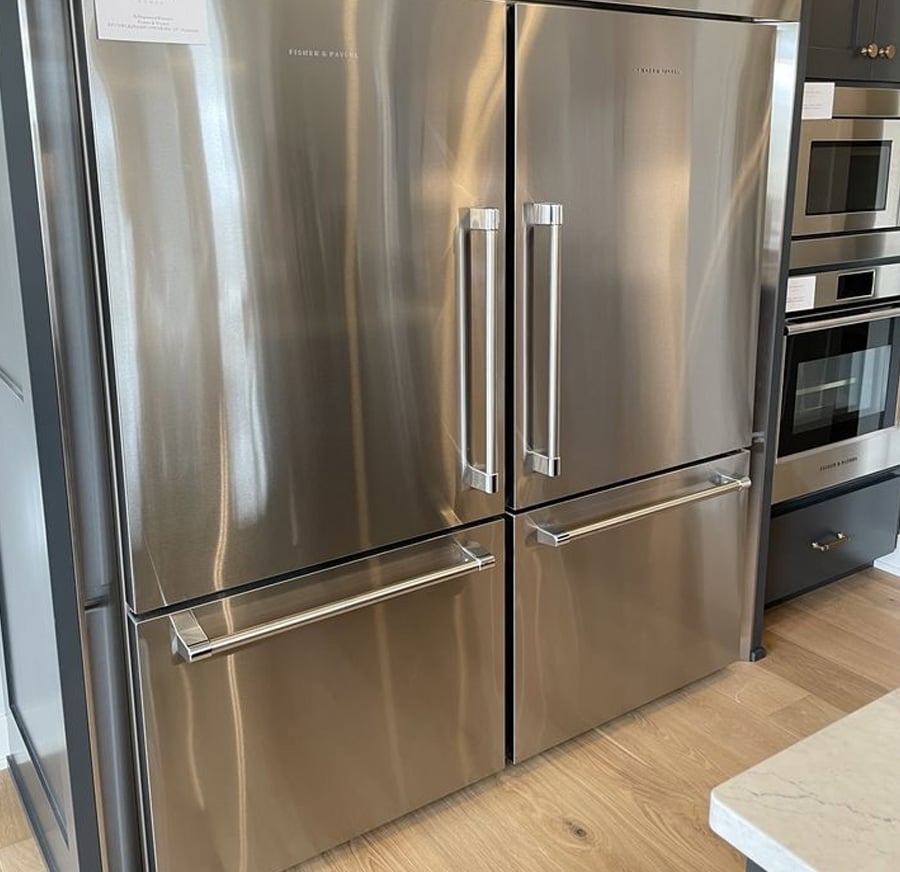
Refrigerators were among the most desirable household items of the 1920s because they eliminated the need for daily ice deliveries and improved food preservation. Early electric refrigerators were expensive luxury purchases that only affluent households could afford, making them a clear sign of modern convenience.
2. Vacuum Cleaners
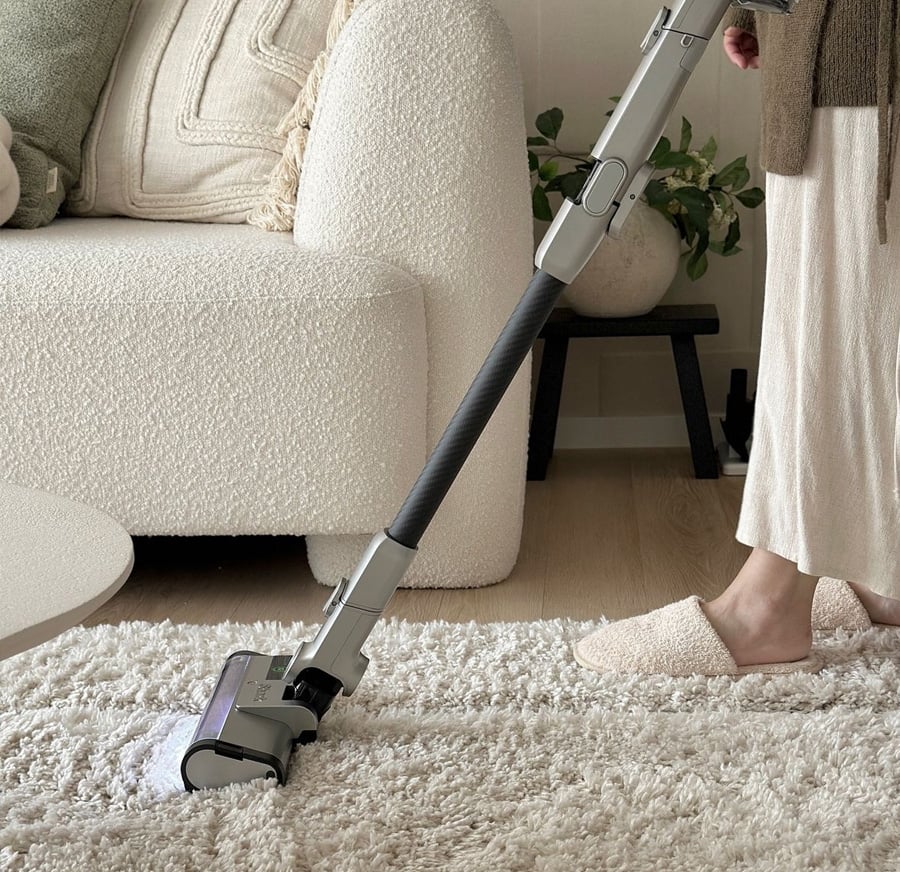
Vacuum cleaners transformed housework by replacing labor-intensive sweeping and carpet beating. However, these household items carried high price tags when they first became popular, putting them out of reach for many middle-class families a century ago.
3. Washing Machines
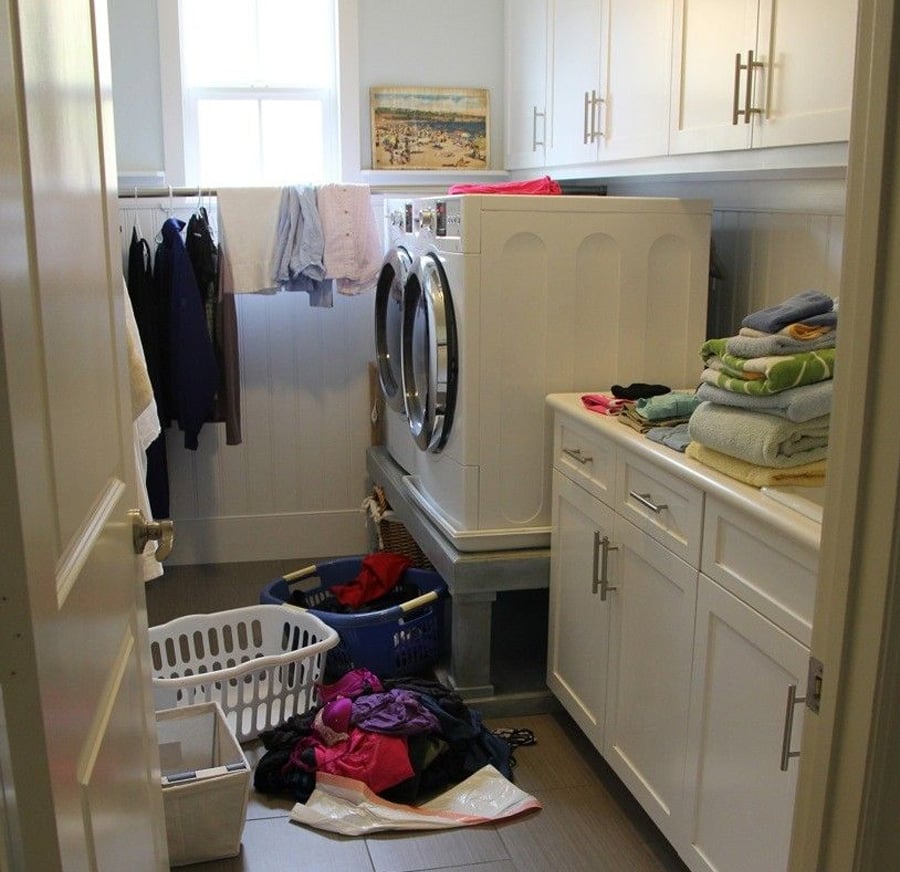
Washing machines significantly reduced the time and physical effort required for laundry. While they are standard household items today, early models were considered luxury purchases because of their cost and the limited availability of electricity in many homes.
4. Telephones
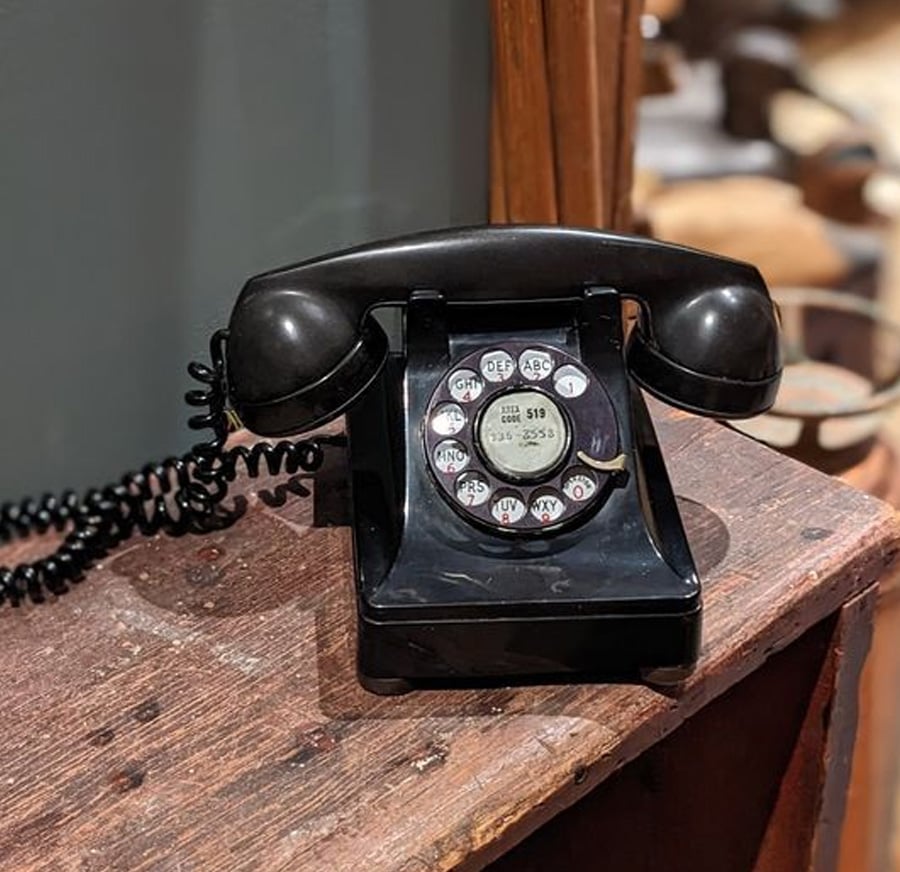
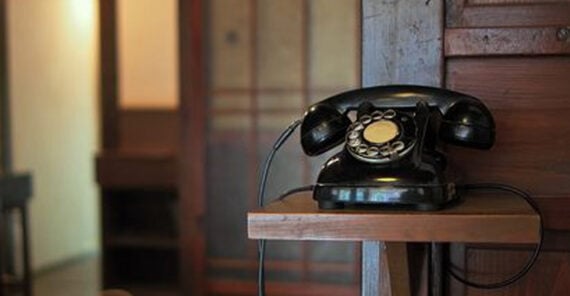
Telephones represented cutting-edge communication technology in the 1920s. Beyond the cost of the device itself, households had to pay for installation and service, making telephones luxury household items for much of the population.
5. Electric Irons
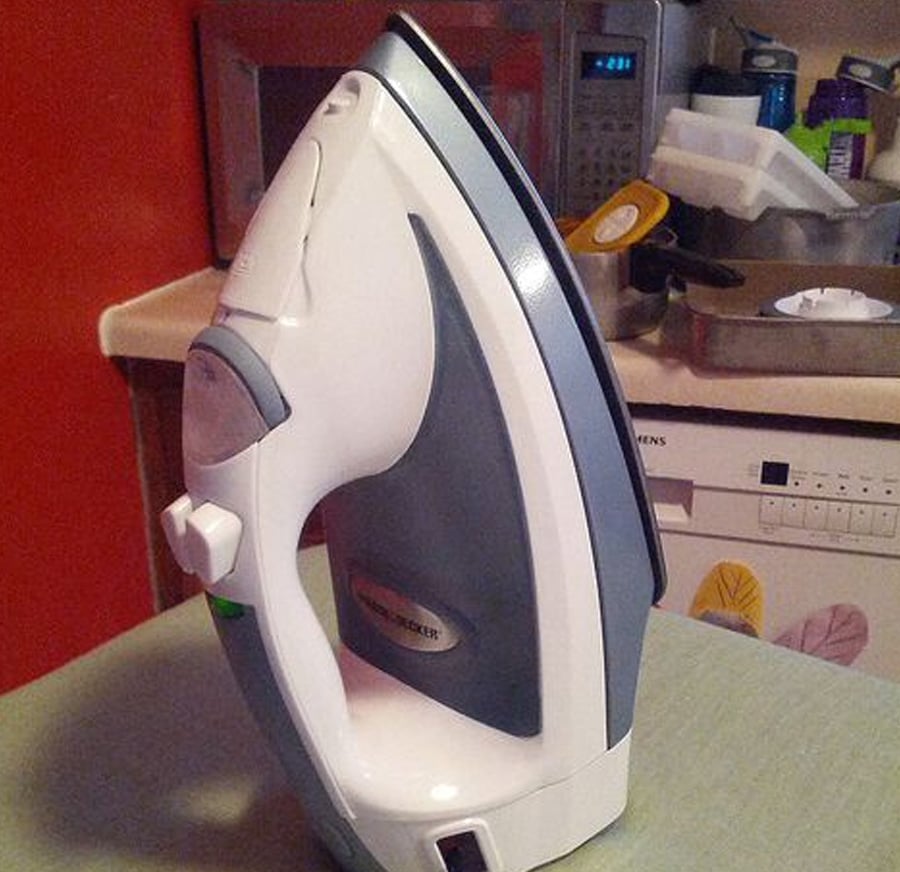
Electric irons offered a more convenient alternative to the heavy irons heated on stoves. These household items became status symbols because only homes with reliable electricity could take advantage of the latest ironing technology.
Trending on Wealth Gang
6. Radios
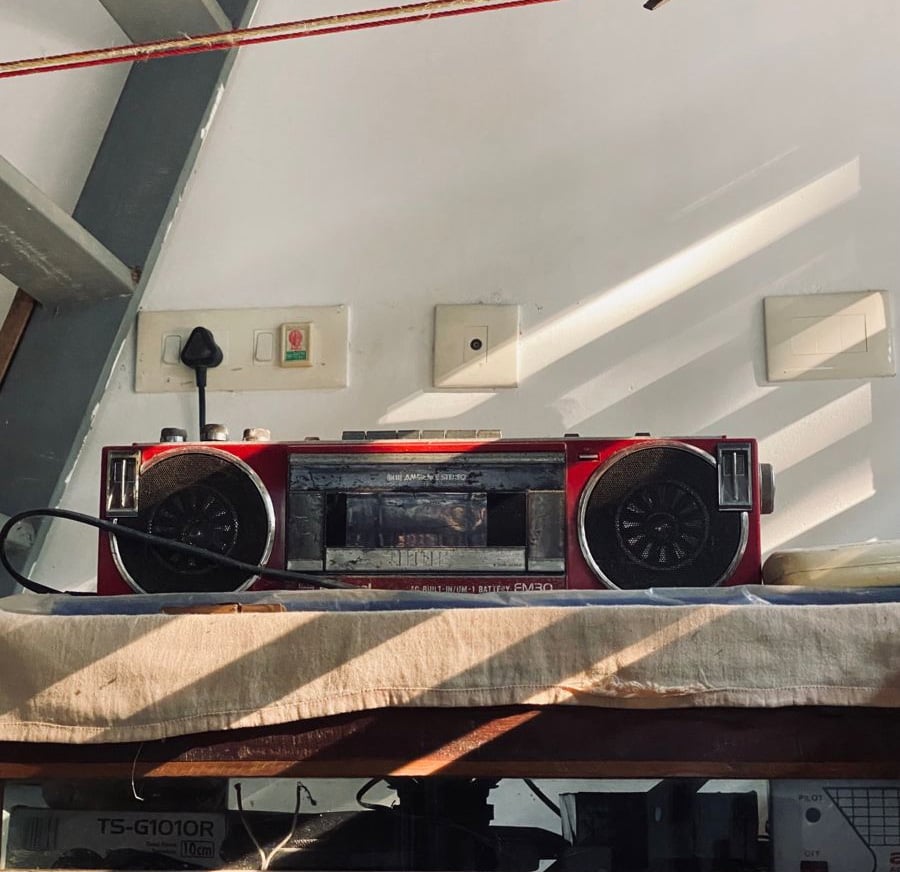
Radios brought news, music, and entertainment directly into the home. As one of the most exciting household items of the era, a radio was often a major investment that reflected a family’s financial comfort and interest in modern technology.
7. Indoor Plumbing Fixtures
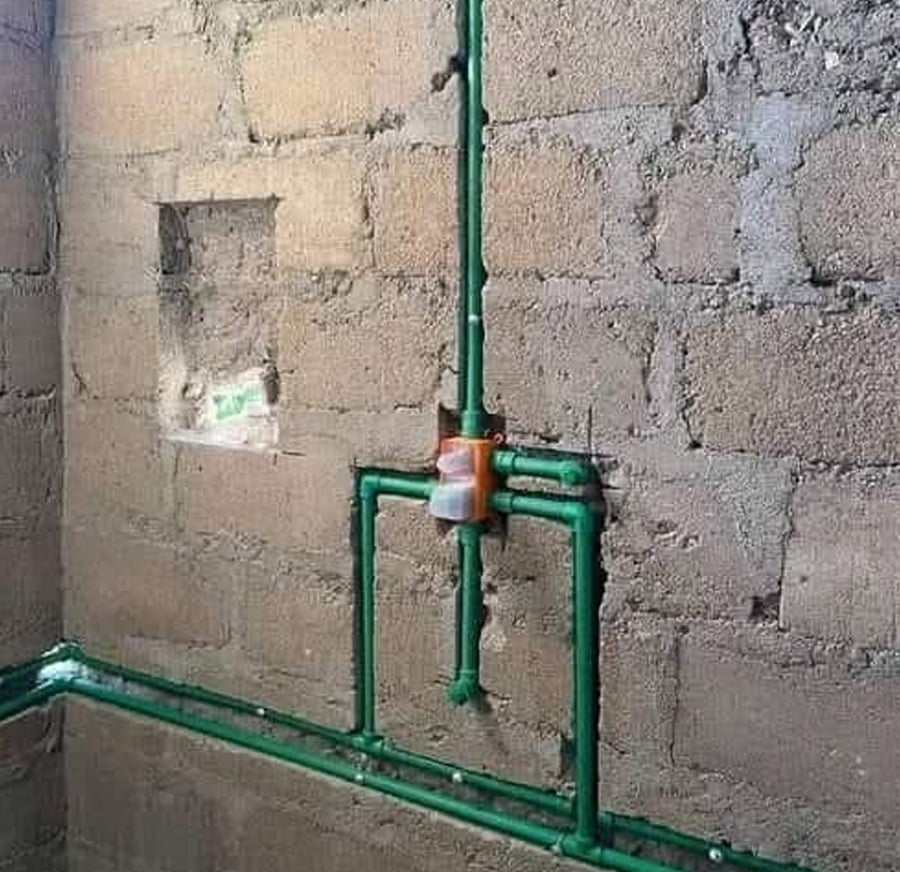
Indoor plumbing fixtures such as bathtubs, sinks, and flush toilets were not universal in many homes 100 years ago. These household items represented a significant luxury because installation costs were substantial and access to municipal water systems was still expanding.
8. Electric Toasters
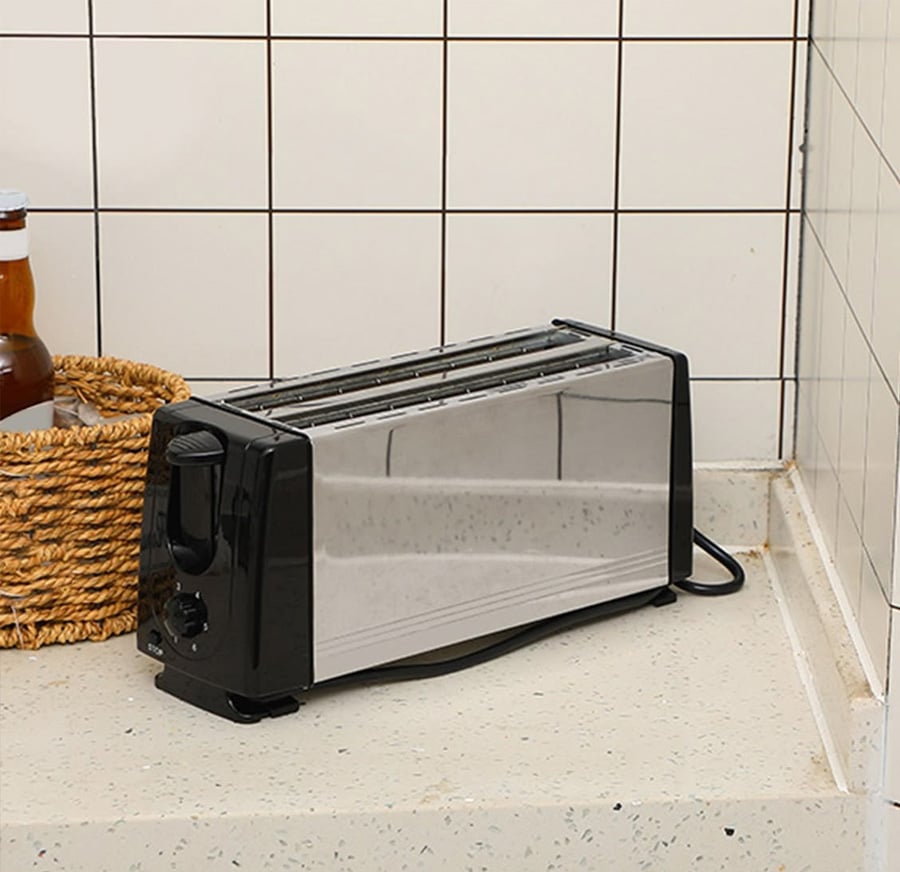
Electric toasters were among the small household items that symbolized modern living. Although simple by today’s standards, they were considered luxury purchases because many families still relied on traditional cooking methods.
Sign up for our newsletter
9. Floor Lamps
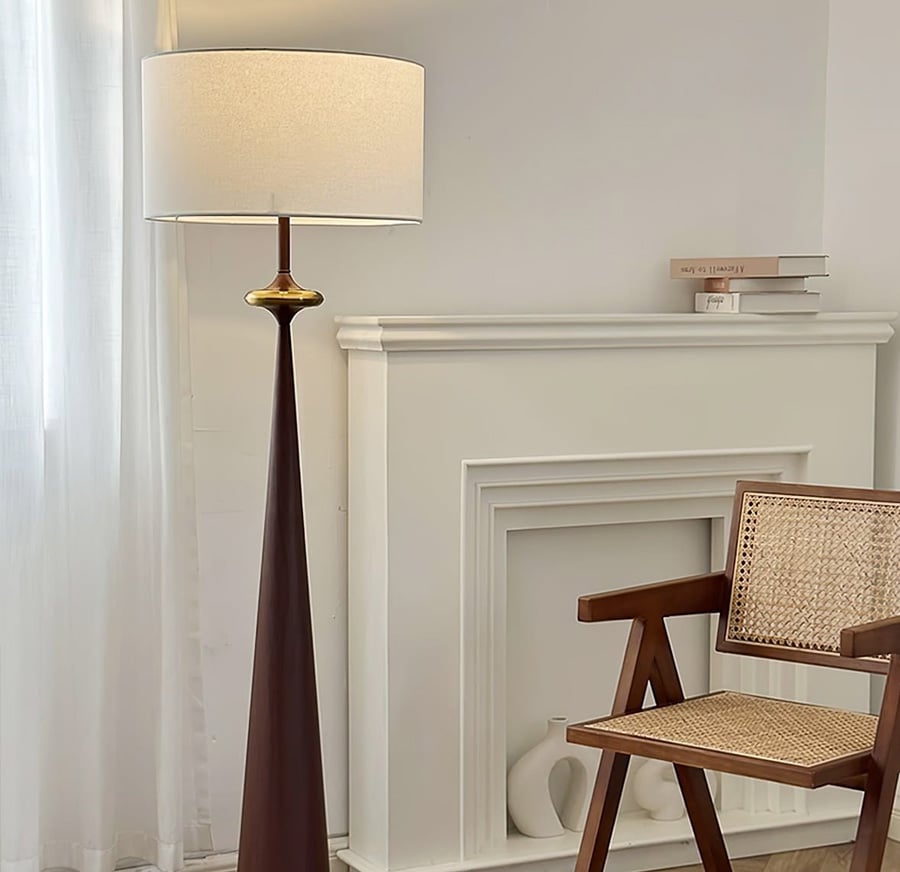
Decorative floor lamps added both style and convenience to a home. These household items were often expensive due to craftsmanship, materials, and the growing demand for electric lighting in affluent households.
10. Dining Room Sets
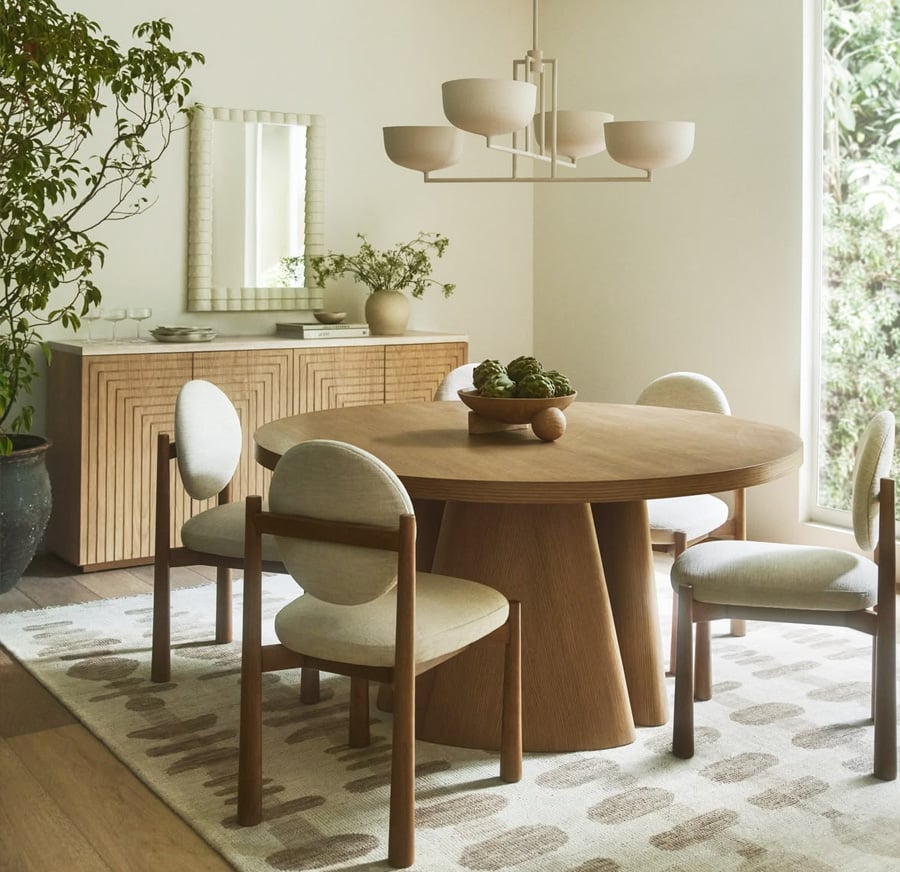
A complete dining room set was a major household investment. High-quality tables, chairs, and matching furniture pieces were luxury household items that showcased a family’s wealth and social standing.
11. China Cabinets
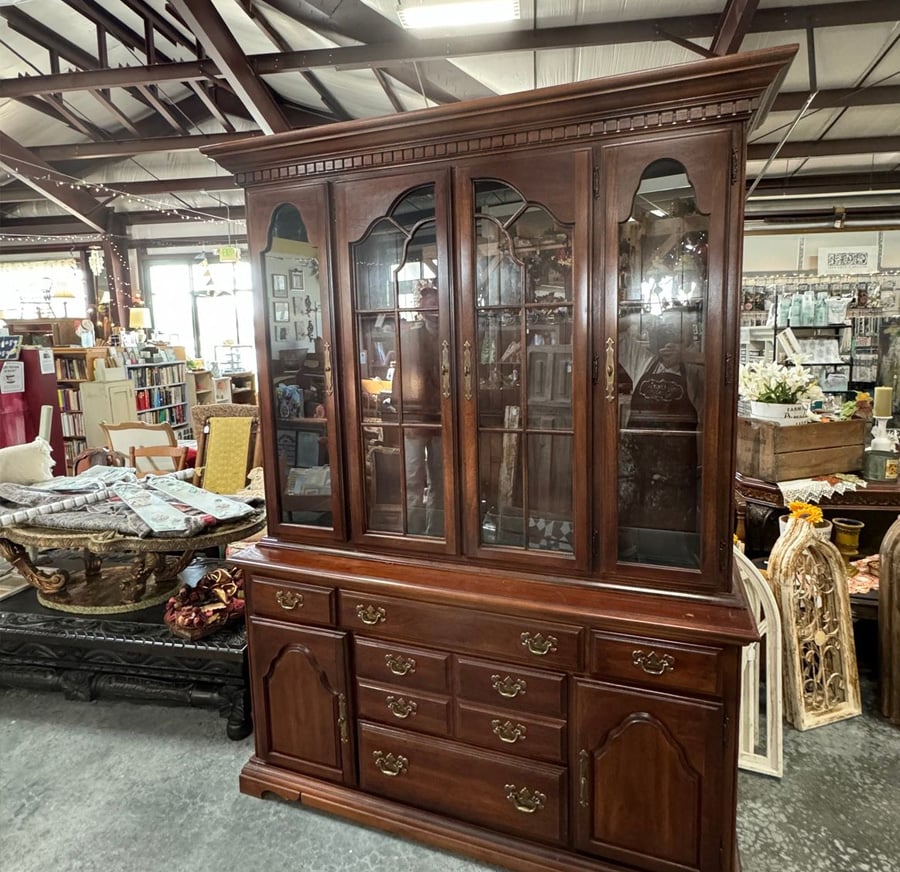
China cabinets allowed families to display fine dishes and collectibles. These elegant household items were frequently handcrafted and served as both functional furniture and symbols of prosperity.
12. Electric Fans
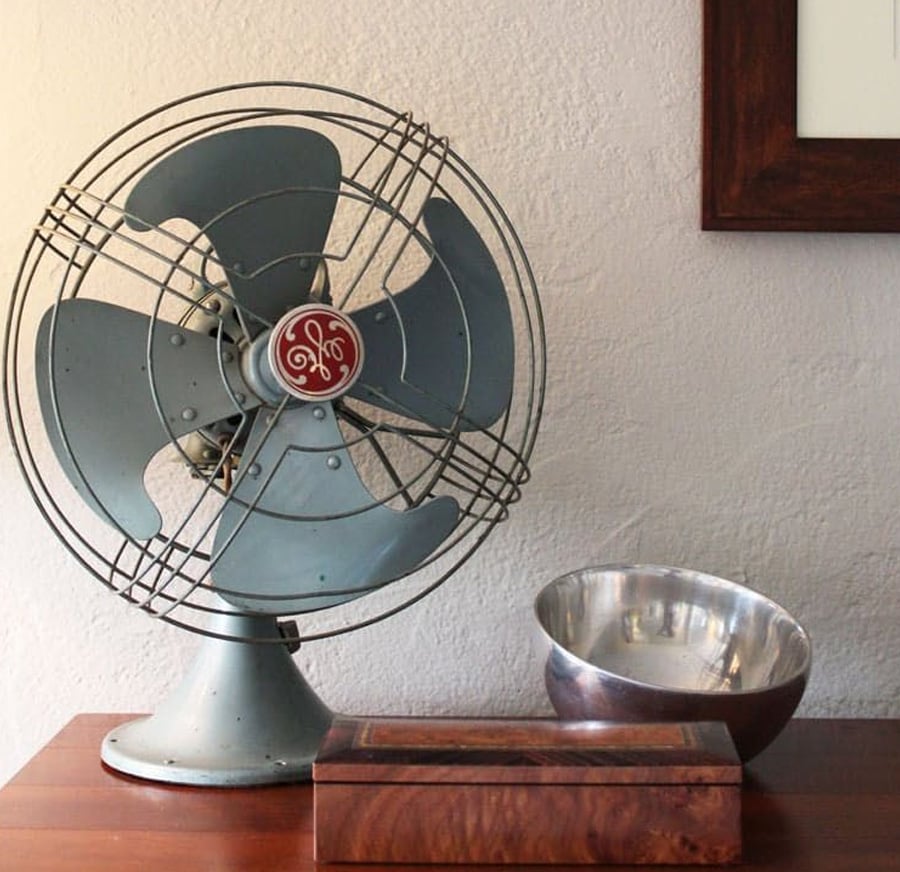
Before widespread air conditioning, electric fans were highly desirable household items that provided relief during hot weather. Their cost and dependence on electricity made them luxury purchases in many communities.
13. Sewing Machines
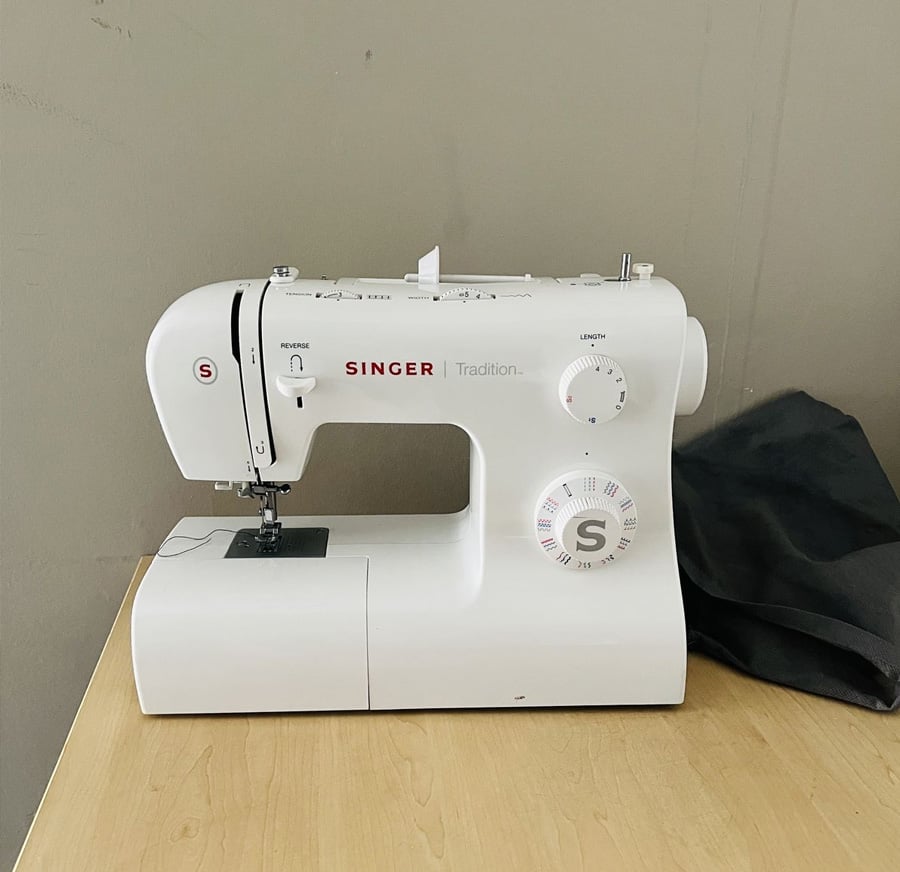
Sewing machines helped families create and repair clothing more efficiently. While practical, these household items were expensive enough that ownership often reflected a household’s financial stability.
14. Water Heaters
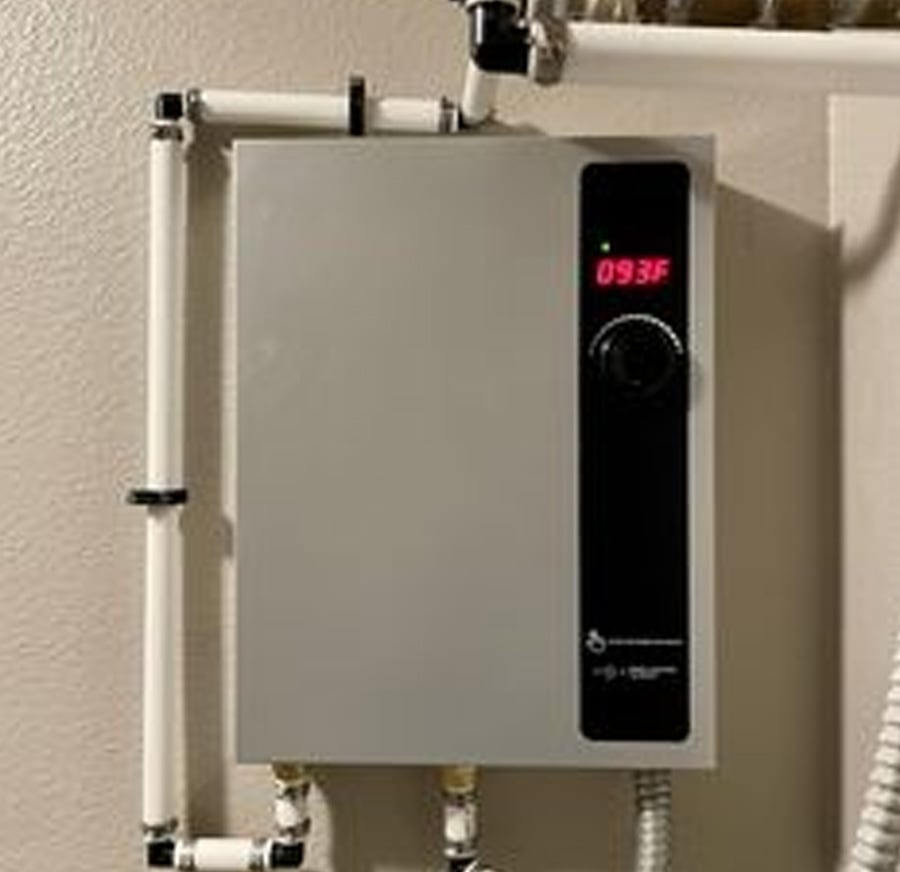
Hot running water was far from common a century ago. Water heaters were luxury household items that dramatically improved comfort but required significant investment in both equipment and home infrastructure.
15. Upholstered Sofas
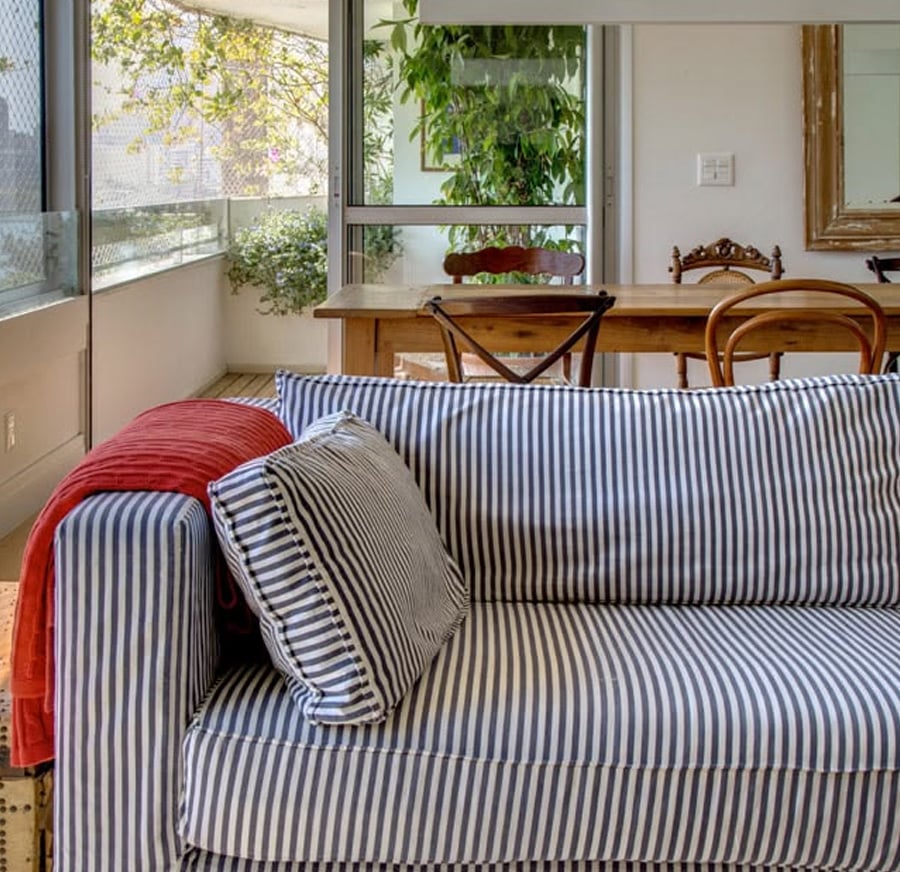
Large upholstered sofas offered comfort and sophistication that many families aspired to own. These household items were often handmade and costly, making them luxury purchases associated with well-furnished homes.
16. Electric Mixers
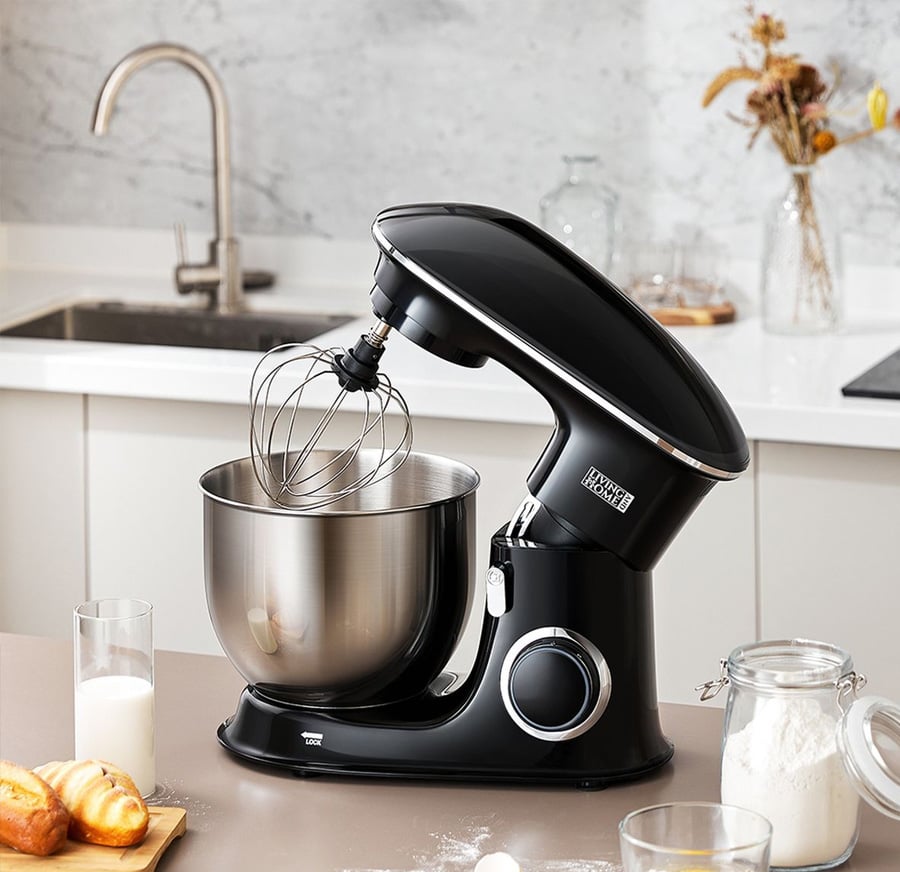
Electric mixers simplified food preparation and baking tasks. As with many household items powered by electricity, they were considered luxury purchases because of both their price and the limited access to electrical service in some areas.
More Related Notes
• 18 Photos That Reveal What Daily Life Cost a Century Ago
A fascinating look at the prices and purchasing power of the past, providing valuable context for why many household items were once considered luxuries.
• 16 Photos That Show What Middle-Class Life Looked Like in the 1880s
This article offers a visual glimpse into everyday homes and lifestyles, highlighting the possessions that defined comfort and status in earlier generations.
• 25 Rare Photos of Small-Town America in the 1890s
A complementary read showcasing how ordinary Americans lived before many modern household conveniences became widely available.