
Every generation has its own list of inventions that promise to transform everyday life forever. Tech companies often introduce new products with bold predictions, enormous marketing campaigns, and the expectation that consumers will quickly embrace them as the next essential innovation.
Yet even the most exciting ideas can miss the mark. Whether because they were too expensive, poorly timed, or simply failed to solve a real problem, these technologies generated huge expectations before quietly fading into history. Here are 15 technologies that were supposed to change the world but ultimately failed.
1. Commercial Supersonic Travel After Concorde
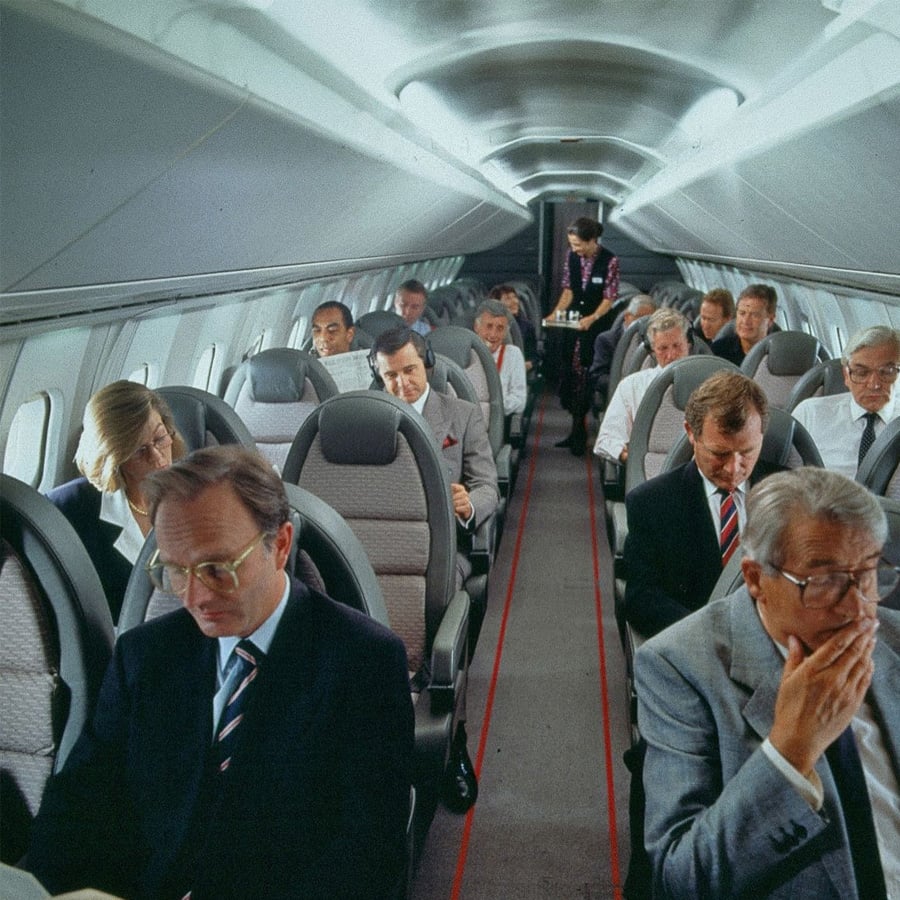
Following Concorde’s retirement, several companies promised a new generation of commercial supersonic aircraft that would dramatically reduce travel times, but high development costs, environmental concerns, strict regulations, and ongoing technical challenges have repeatedly delayed their arrival.
2. Juicero
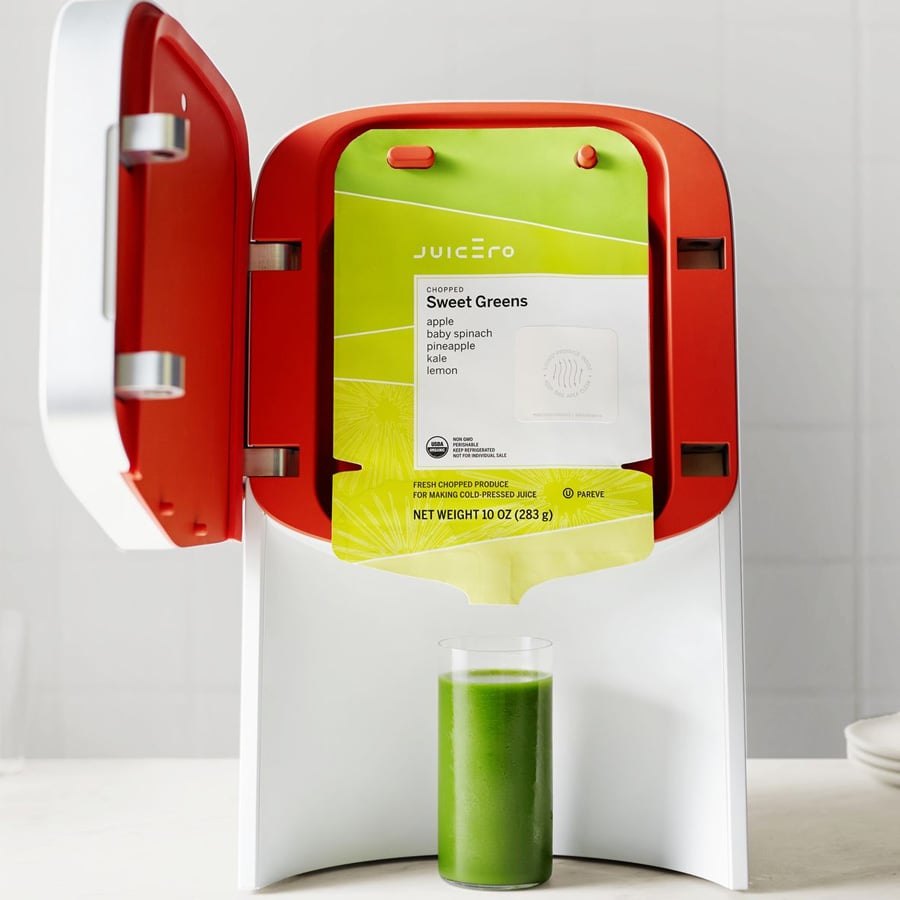
Juicero became one of Silicon Valley’s most infamous failures after selling an expensive internet-connected juicer that used proprietary juice packets, only for consumers to discover they could squeeze the packets by hand with nearly identical results.
3. Google Wave

Google Wave attempted to combine email, messaging, collaboration, and document editing into one powerful communication platform, but its complicated interface overwhelmed users and prevented widespread adoption despite its innovative features.
4. CueCat Barcode Scanner
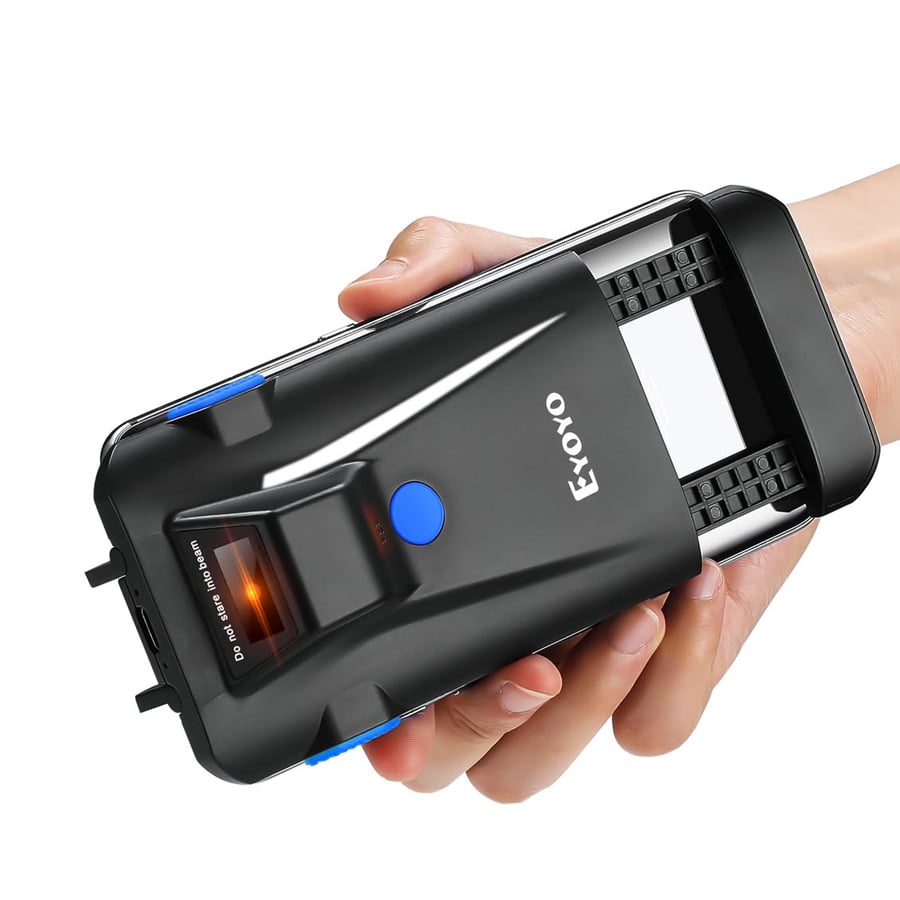
Millions of CueCat barcode scanners were distributed free to consumers so they could scan magazine advertisements and instantly open websites, but the system proved inconvenient, unnecessary, and confusing, causing the project to disappear almost as quickly as it arrived.
5. LaserDisc
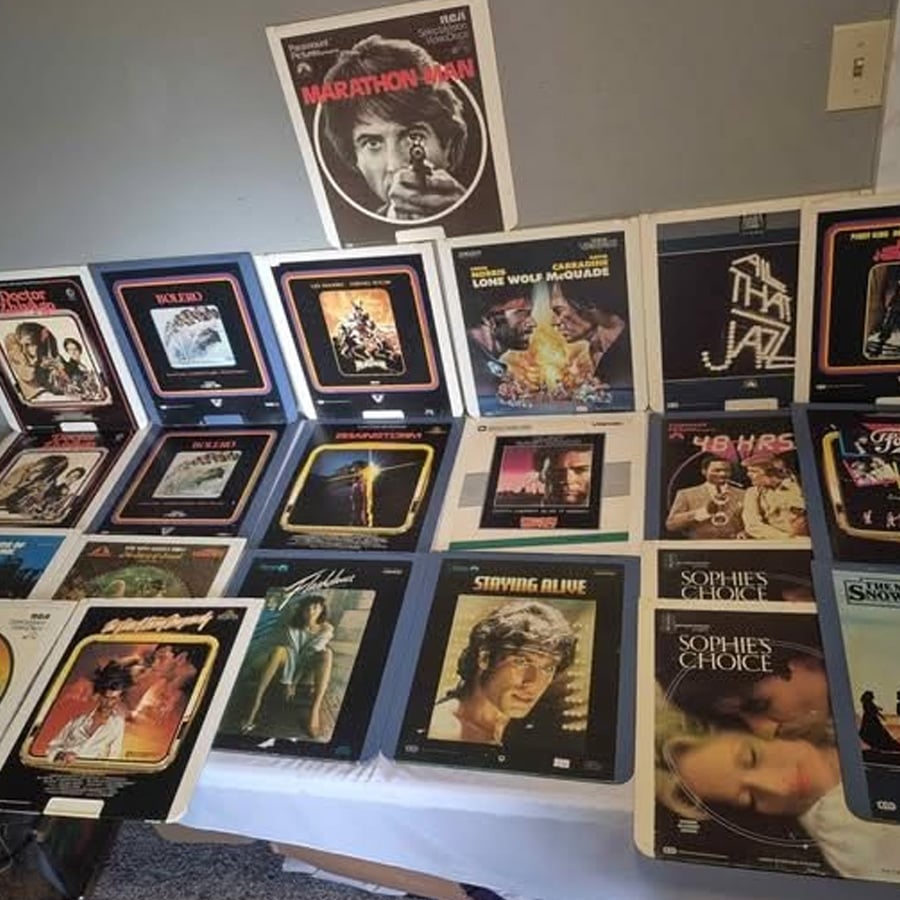
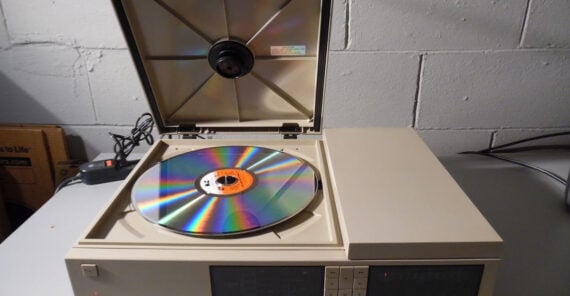
LaserDisc delivered exceptional picture quality long before DVDs existed, but its oversized discs, expensive players, and inability to record television programs prevented it from appealing to the average household.
Trending on Wealth Gang


6. Palm WebOS
Jocelyn Alberto / Pinterest.com
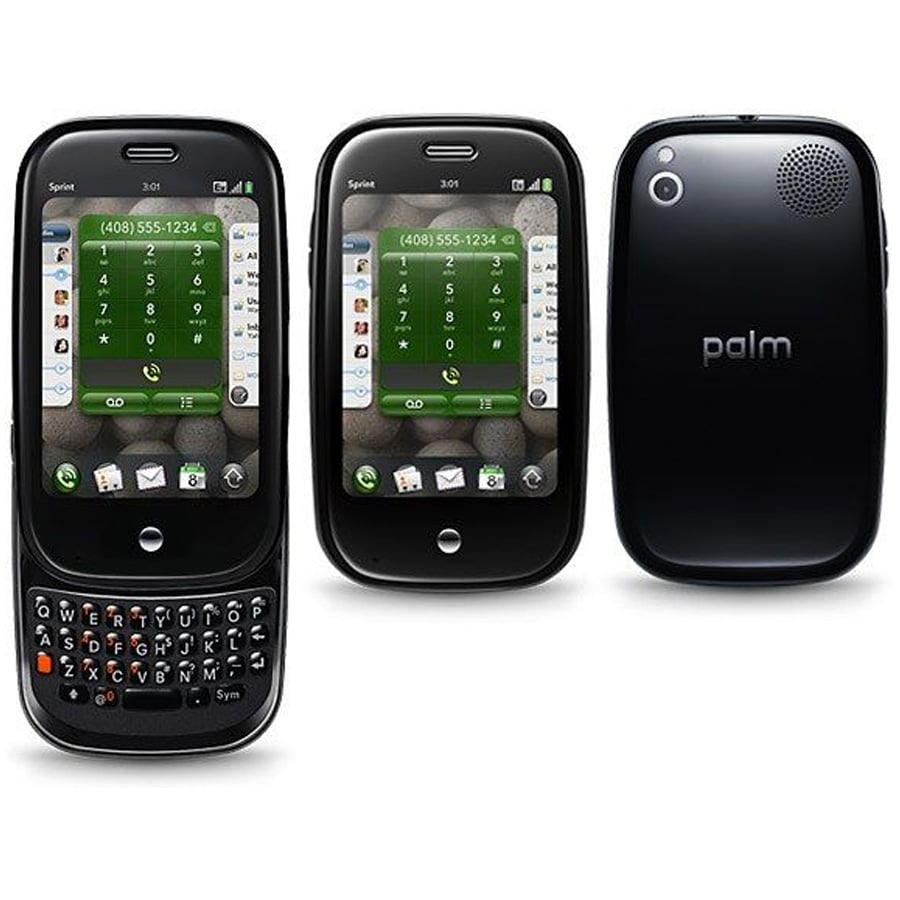
Palm WebOS introduced innovative multitasking and gesture controls that many reviewers praised as ahead of their time, but weak hardware sales, limited app support, and changing ownership prevented it from becoming a serious competitor in the smartphone industry.
7. Iridium Satellite Phones
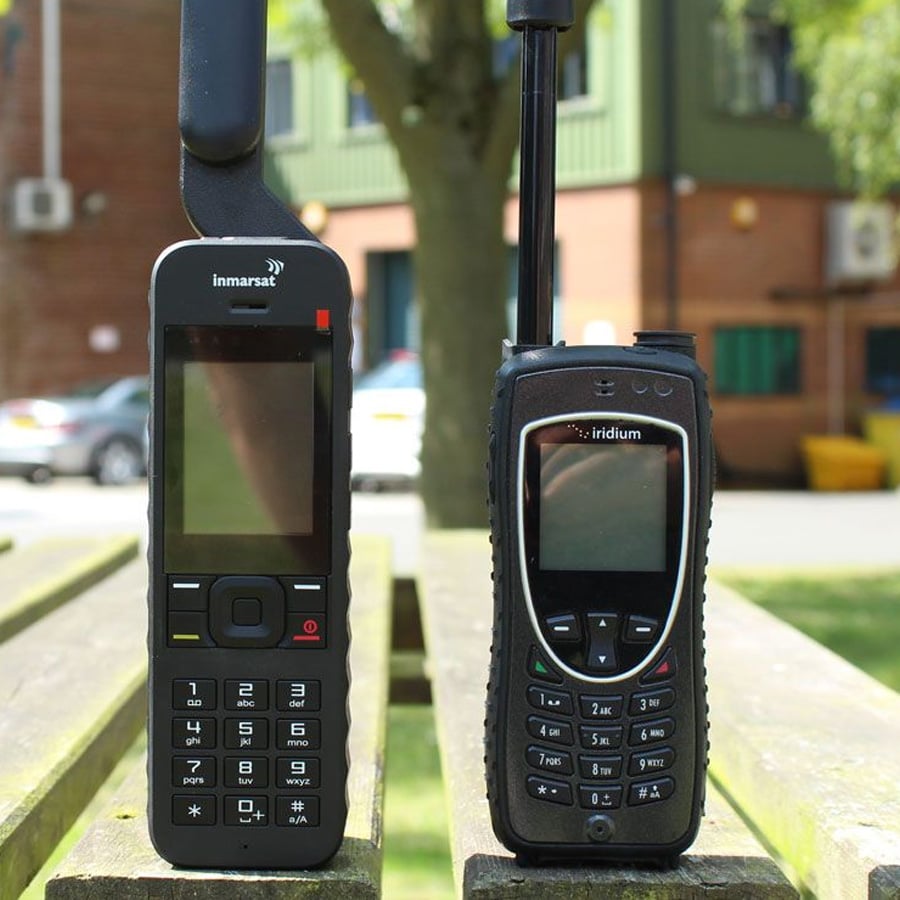
The original Iridium satellite phone network promised reliable global communication almost anywhere on Earth, but expensive service, bulky devices, and limited convenience led to poor sales and bankruptcy before the system later found success in specialized commercial and government markets.
8. Betamax
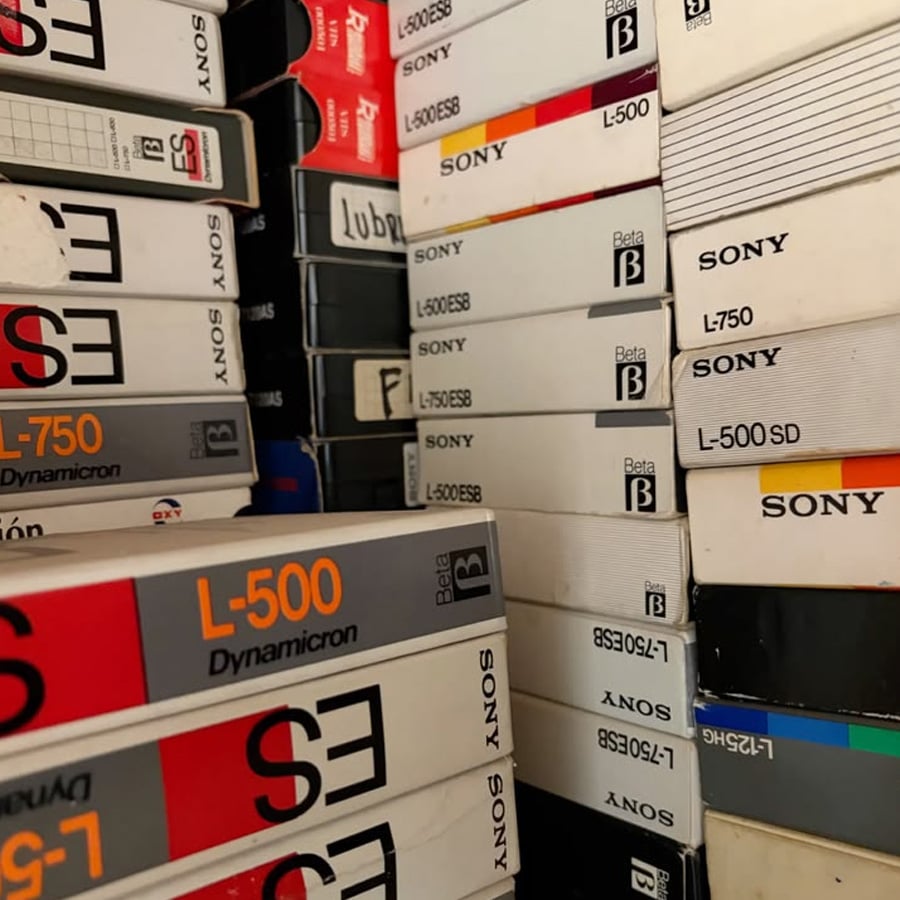
Sony’s Betamax offered excellent picture quality and appeared well positioned to dominate home video recording, but VHS provided longer recording times, lower prices, and broader industry support, eventually becoming the clear winner.
Sign up for our newsletter
9. Amazon Fire Phone
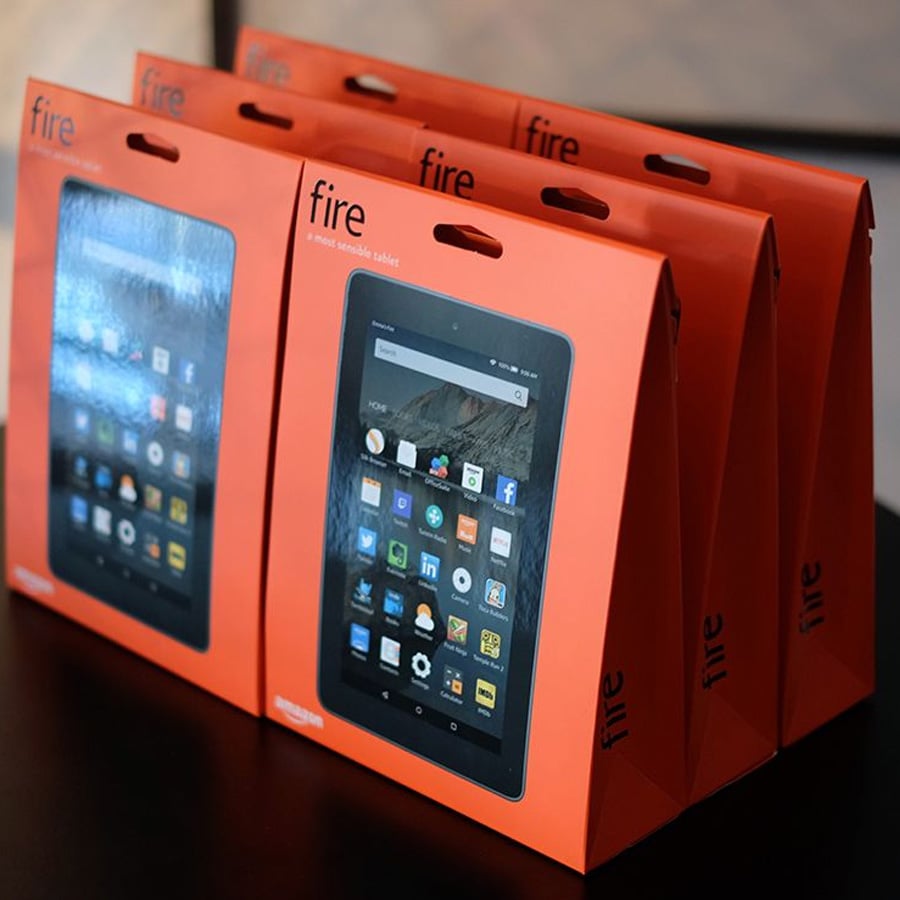
Amazon entered the smartphone market with the Fire Phone and promoted features like dynamic perspective and deep integration with its online services, but consumers saw little advantage over existing Android and iPhone models, leading to disappointing sales and a quick cancellation.
10. MiniDisc
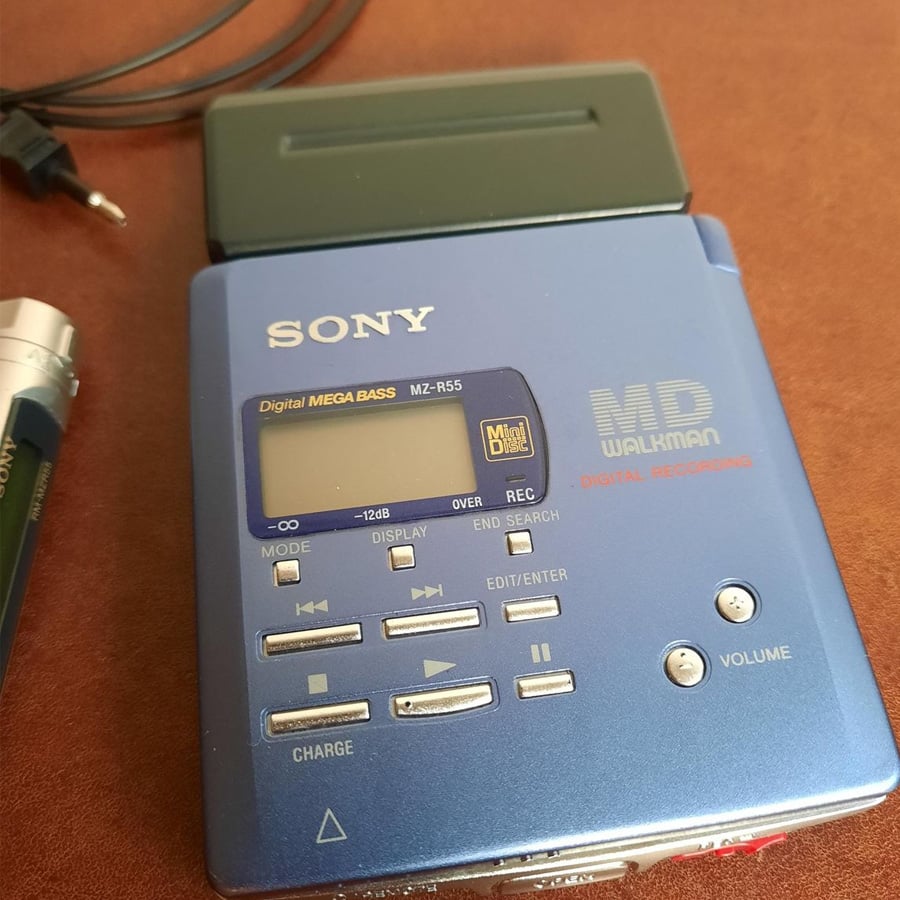
Sony promoted the MiniDisc as a modern replacement for cassette tapes and CDs thanks to its digital sound quality and rewritable format, but outside Japan it struggled to gain traction before MP3 players and digital downloads made physical audio formats less relevant.
11. Microsoft Zune
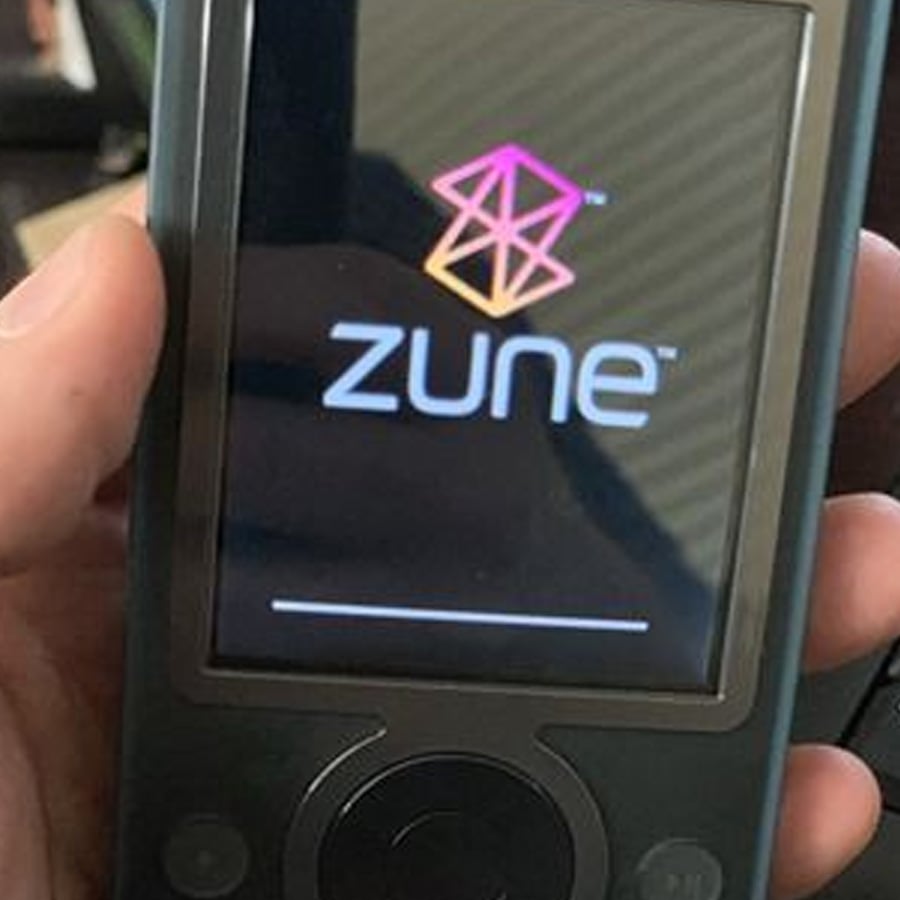
Microsoft launched the Zune hoping to compete directly with Apple’s iPod by offering new music sharing features and an improved interface, but it never attracted enough users before smartphones dramatically reduced demand for dedicated music players.
12. 3D Televisions
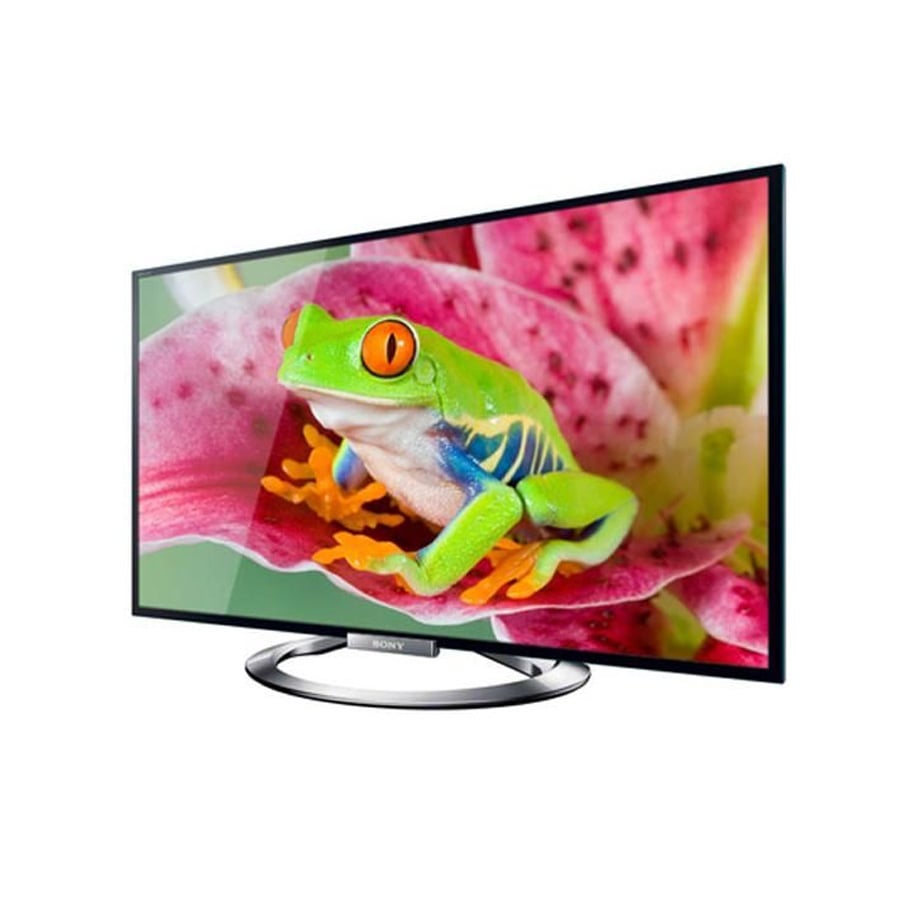
Electronics manufacturers believed 3D televisions would become the future of home entertainment, but viewers disliked wearing special glasses, content remained scarce, and most people quickly realized the experience was not worth the extra cost.
13. HD DVD
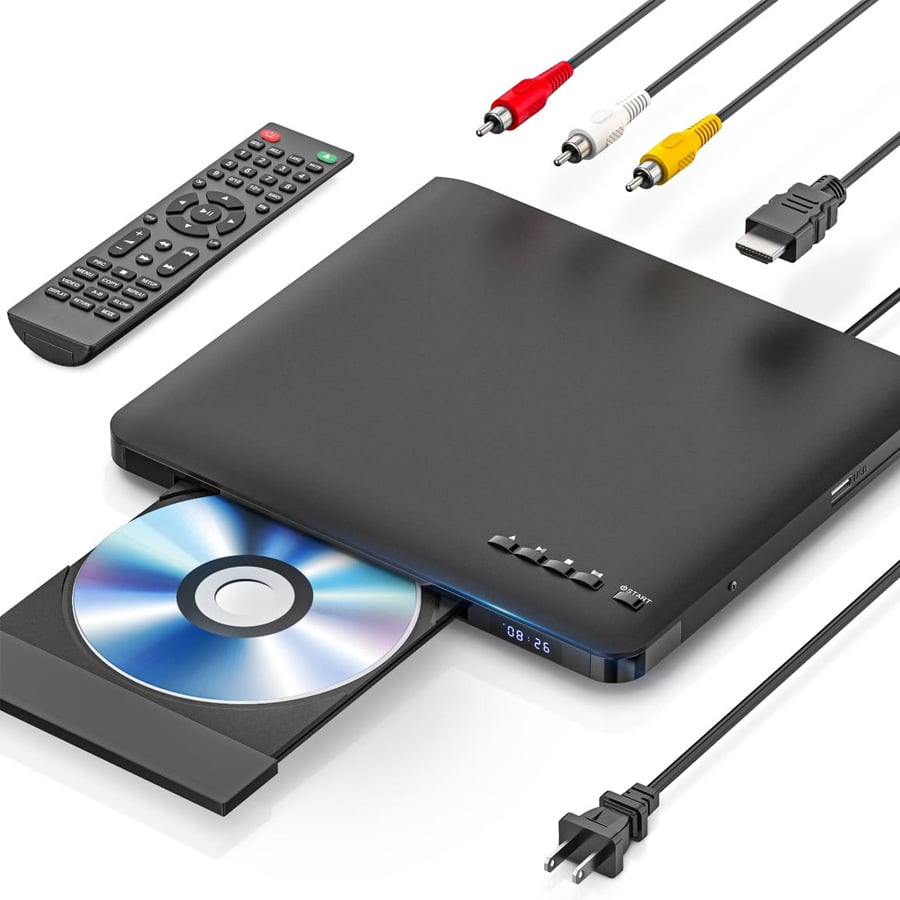
HD DVD entered the market as one of two competing high-definition disc formats and initially attracted major studio support, but Blu-ray ultimately won the format war, leaving HD DVD obsolete only a few years after its introduction.
14. Google Glass
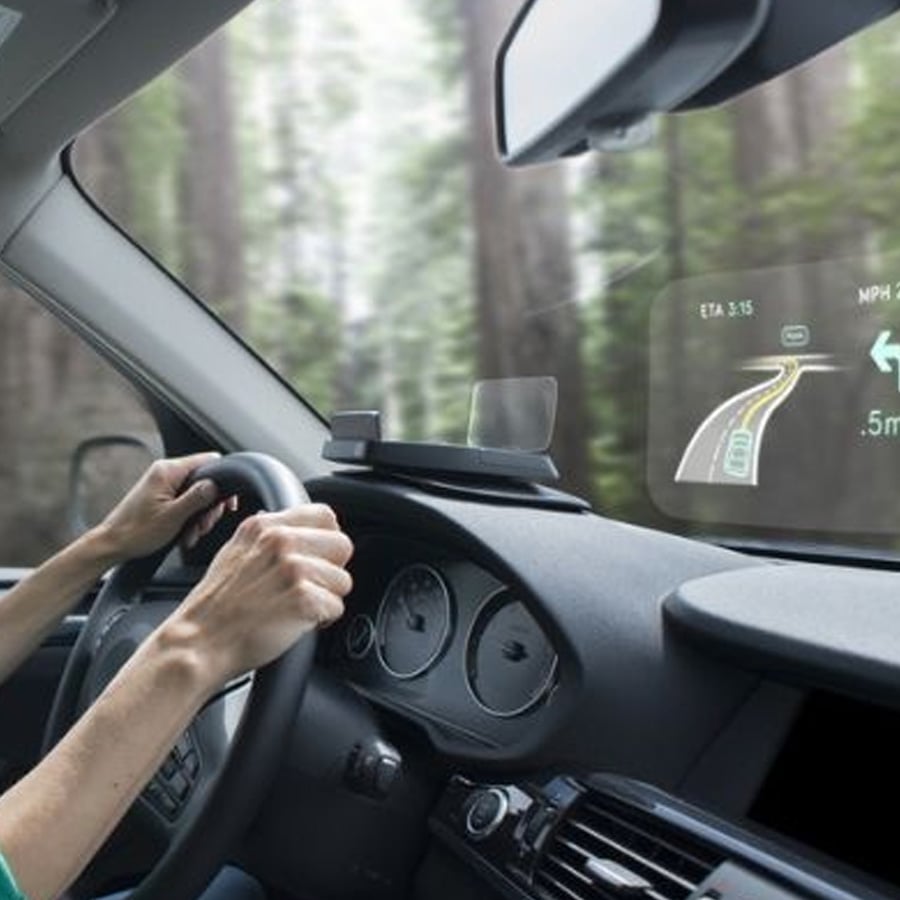
Google Glass generated enormous excitement by promising hands-free access to digital information through smart glasses, but privacy concerns, limited everyday usefulness, an awkward appearance, and a premium price caused consumers to lose interest almost immediately.
15. Segway Personal Transporter
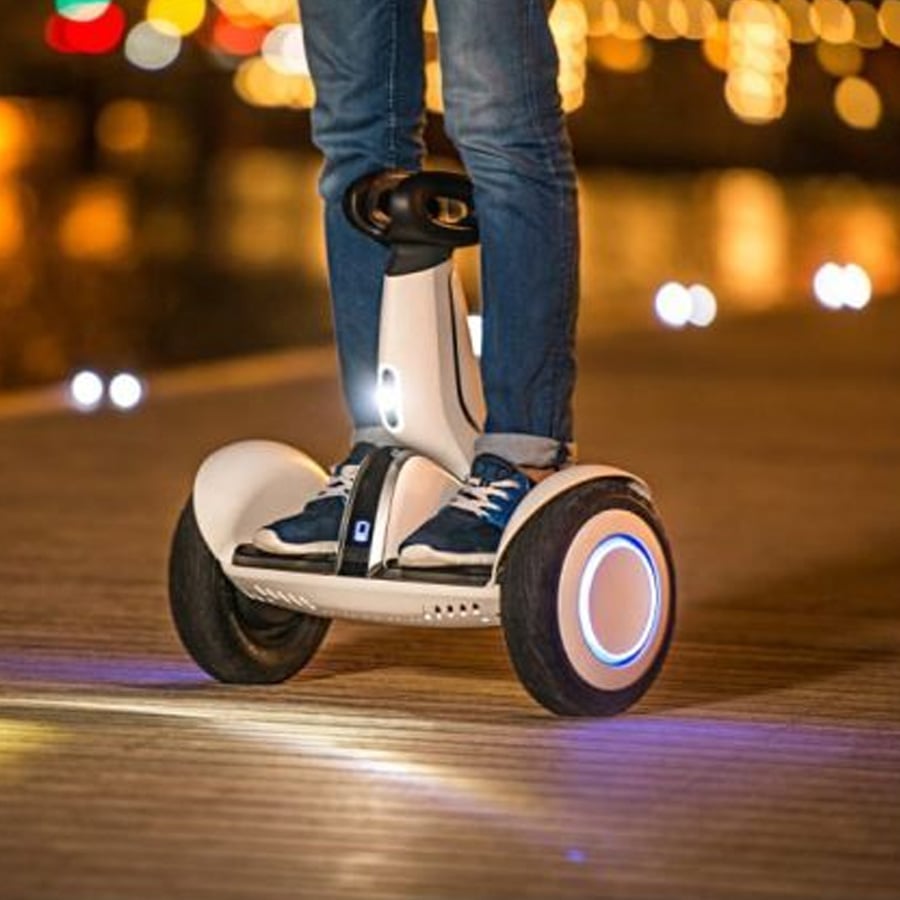
When the Segway debuted in 2001, many experts predicted it would revolutionize personal transportation and even reshape city planning, but its high price, bulky design, and limited practicality kept it from becoming a common sight outside guided tours, warehouses, and a handful of specialized workplaces.
More Related Notes
• 12 Forgotten Inventions That Were Ahead of Their Time.
Explore groundbreaking inventions that failed to gain traction despite introducing ideas that would later become commonplace.
• 10 Technologies That Changed Everyday Life Faster Than Expected.
Discover the innovations that truly transformed the world, offering an interesting contrast to ambitious technologies that never lived up to expectations.
• 11 Current Products That Will Probably Look Ridiculous in 20 Years.
Take a look at today’s popular gadgets and products that may one day join the long list of technologies that failed to stand the test of time.