School rules have always reflected the fears, fashions, and priorities of their time. While today’s students worry about smartphone restrictions and internet access, earlier generations faced bans on things that now seem completely harmless. A simple toy, a pair of shoes, or even a certain kind of lunch container could land a student in the principal’s office.
Some restrictions were designed to prevent distractions, while others came from safety concerns, changing social expectations, or school administrators trying to maintain order. Looking back, these rules reveal how dramatically American classrooms have changed, along with a few schoolyard controversies that older generations might remember all too well.
1. Yo-Yos Were Considered Classroom Distractions
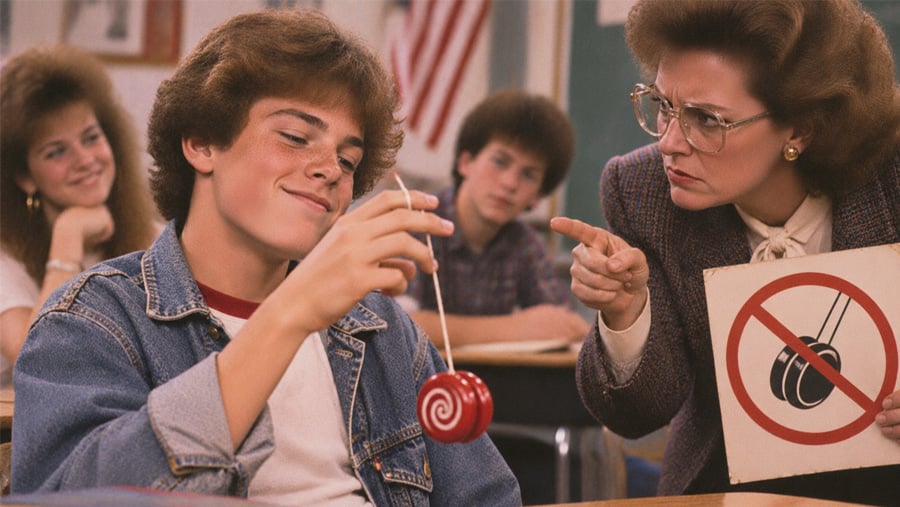
Long before smartphones became teachers’ biggest headache, yo-yos could cause surprisingly similar problems. During periods of intense yo-yo popularity, especially in the mid-20th century, students practiced tricks in hallways, competed during recess, and occasionally sent their spinning toys flying across classrooms. Some schools responded by banning them from school grounds or requiring students to leave them at home. What seems like an innocent playground pastime today was once enough to disrupt an entire afternoon of lessons.
2. Slap Bracelets Were Banned Over Safety Concerns
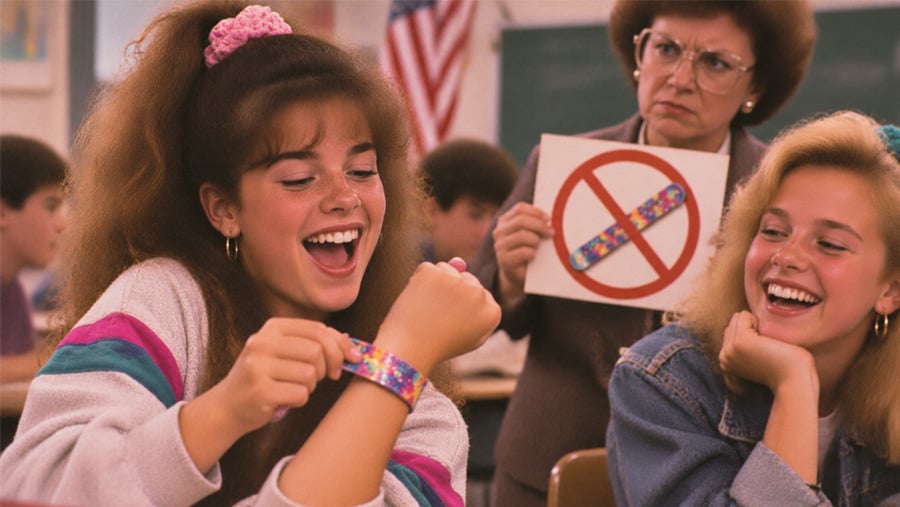
Few accessories captured the excitement of the early 1990s quite like slap bracelets. Kids loved snapping the colorful bands around their wrists, trading designs, and showing off their collections. However, some inexpensive versions contained metal strips that could break through their fabric or plastic coverings, creating sharp edges. Schools across the country began prohibiting them, turning one of the decade’s hottest playground trends into forbidden merchandise almost overnight.
3. Roller Shoes Were Too Dangerous for School Hallways
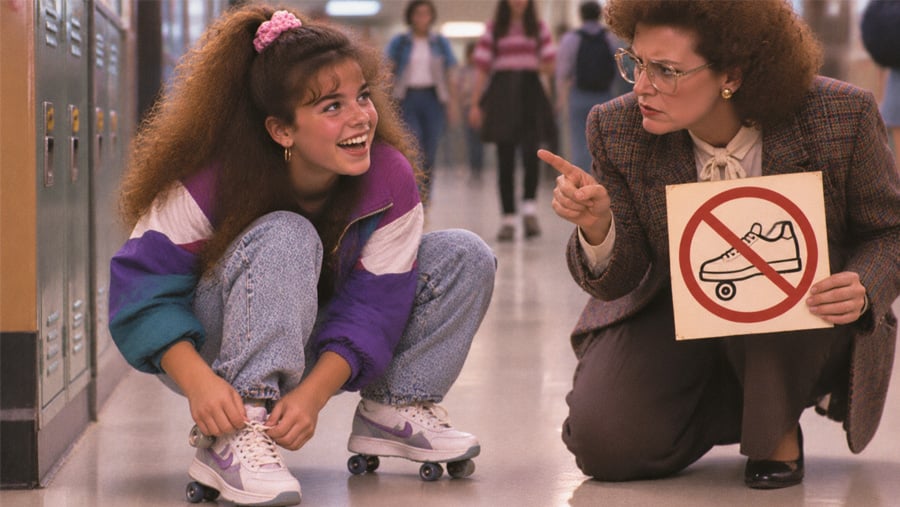
When Heelys became popular in the early 2000s, ordinary school hallways suddenly looked like miniature skating rinks. Students could switch from walking to rolling simply by shifting their weight onto the wheels hidden in their heels. Teachers and administrators were less enthusiastic, particularly when children started gliding through crowded corridors or losing their balance on slippery floors. Many schools banned wheeled footwear, leaving disappointed students to save their skating tricks for after school.
4. Pokémon Cards Sparked Playground Trading Wars
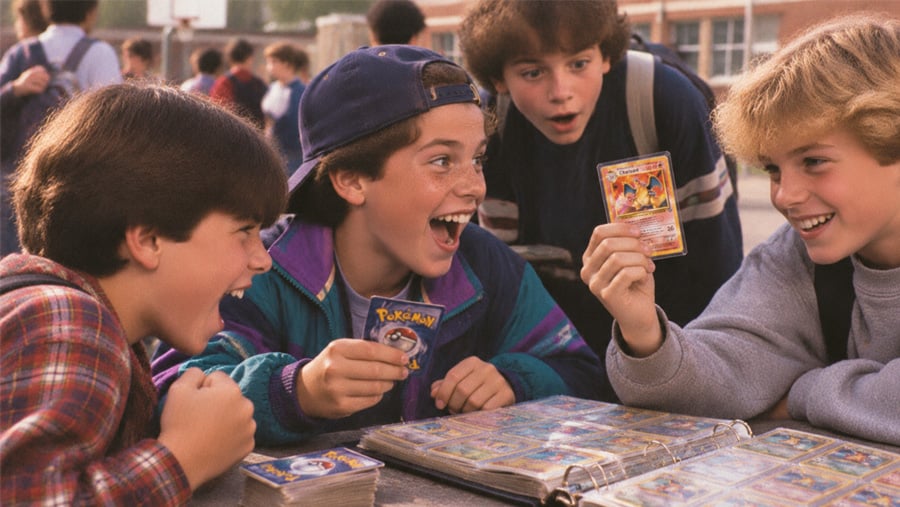
During the Pokémon craze of the late 1990s, schoolyards became unofficial trading floors. Students compared collections, negotiated elaborate exchanges, and sometimes argued over whether a trade had been fair. Rare cards could inspire jealousy, theft accusations, and tearful visits to the teacher’s desk. Some elementary schools prohibited Pokémon cards entirely, reasoning that the collectibles were creating more arguments than entertainment. For children determined to catch them all, leaving their favorite cards at home felt like a serious injustice.
5. Pogs Became an Unexpected Schoolyard Problem
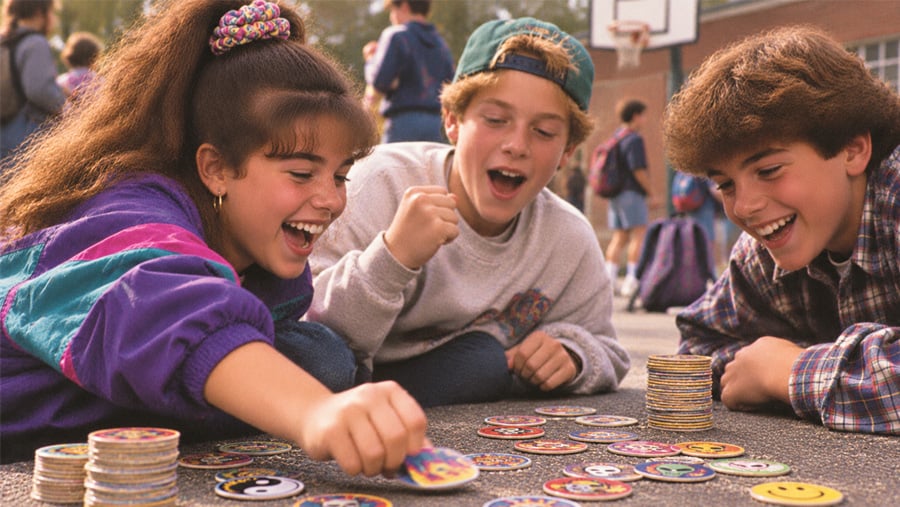
In the mid-1990s, small cardboard discs called Pogs became playground currency. Children stacked them, slammed heavier pieces onto the piles, and competed to win each other’s collections. Although the game appeared harmless, some schools worried about gambling-like behavior, arguments over ownership, and the constant distraction. Bans followed in certain districts, often just as the craze reached its peak. For a brief moment, a pocket full of cardboard circles was enough to get a student in trouble.
Trending on Wealth Gang


6. Water Guns Were Prohibited Even When They Looked Like Toys
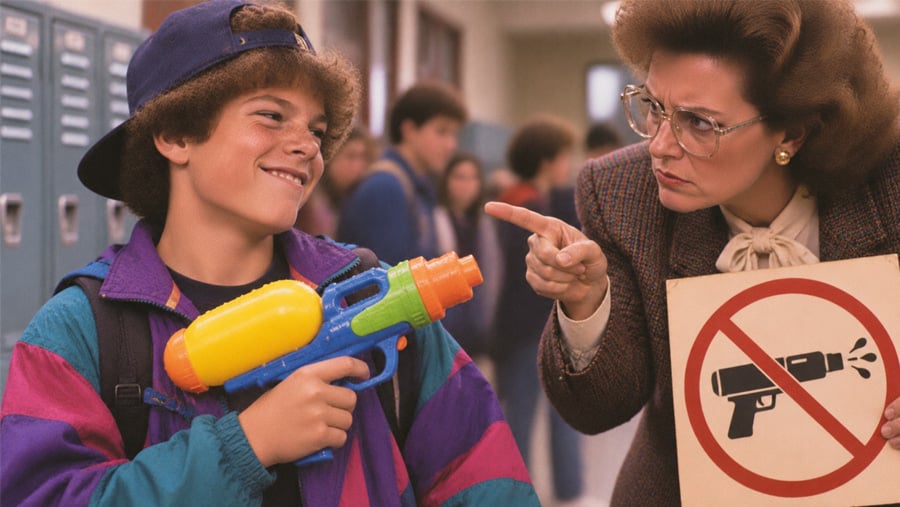
Plastic water pistols were once a familiar part of summer afternoons, but schools increasingly restricted them as concerns about weapons and student safety grew. Even brightly colored squirt guns could violate school policies against toy weapons. During the 1990s and afterward, some districts adopted rules broad enough to cover realistic replicas and unmistakable children’s toys alike. Students who considered a water gun nothing more than a backyard accessory sometimes discovered that school administrators saw it very differently.
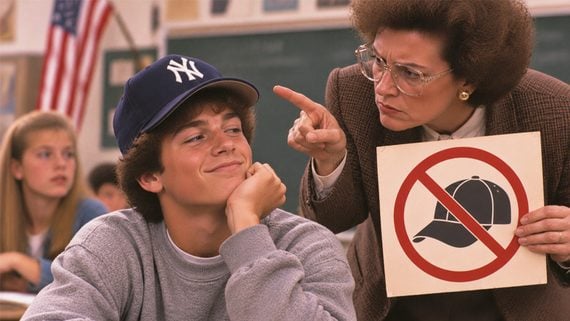
7. Baseball Caps Were Forbidden Inside Many Classrooms
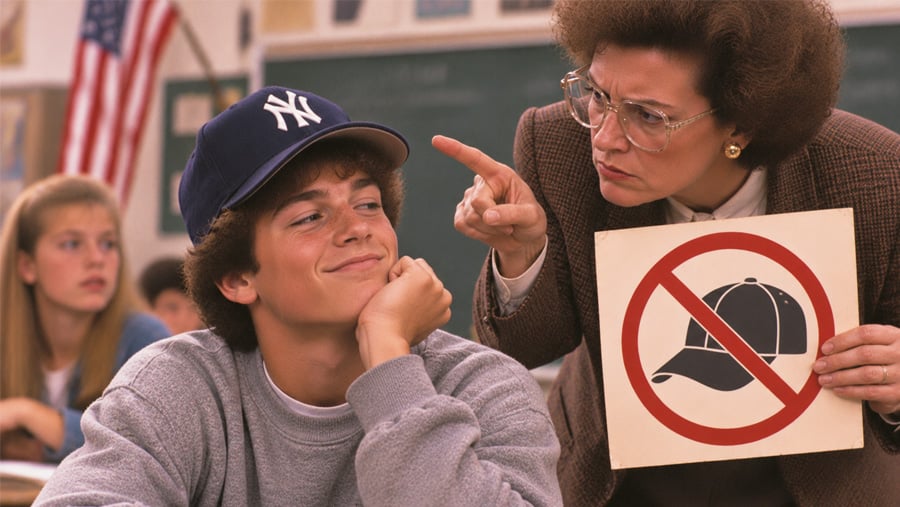
For generations, removing a hat indoors was considered basic classroom etiquette. Students wearing baseball caps were frequently told to take them off immediately, regardless of whether the hat displayed their favorite team or simply covered a bad haircut. Some schools formalized these expectations with strict no-hat policies, citing respect, identification, or concerns about concealed items. Although headwear rules have evolved and vary widely today, older students may remember teachers enforcing the policy before the first bell even rang.
8. Tamagotchis Were Confiscated for Interrupting Lessons
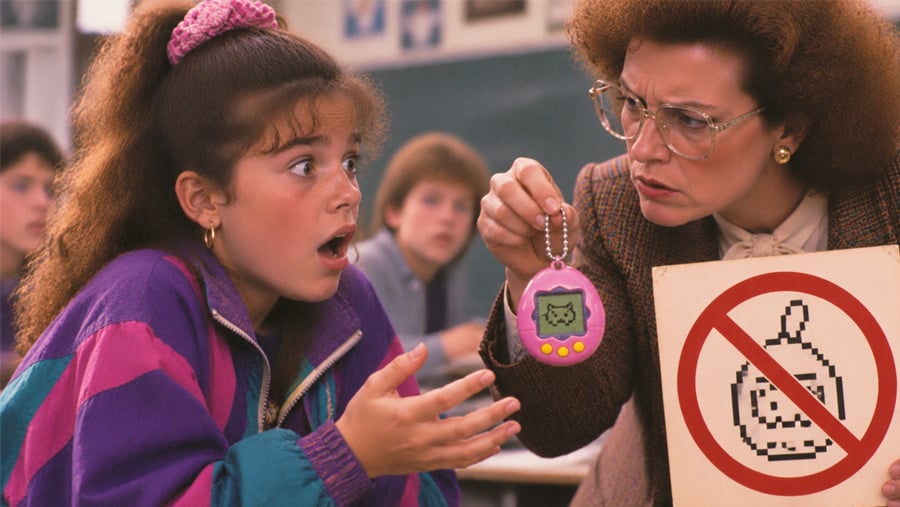
The late 1990s introduced children to a tiny electronic responsibility that demanded attention at the worst possible moments. Tamagotchis needed feeding, cleaning, and constant monitoring, often announcing their needs with electronic beeps during class. Students worried that ignoring their digital pets for several hours could mean returning to a virtual tragedy. Teachers quickly grew frustrated with the interruptions, and some schools banned the devices altogether. For devoted owners, getting through a school day without checking their Tamagotchi felt nearly impossible.
Sign up for our newsletter
9. Silly Bandz Were Banned for Causing Arguments
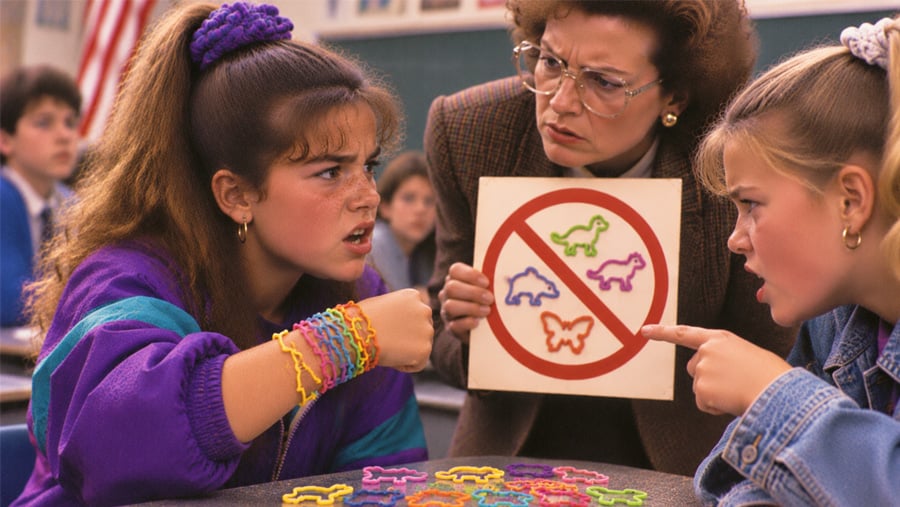
In the late 2000s and early 2010s, colorful rubber bracelets shaped like animals, letters, and other objects became an elementary school obsession. Students stacked dozens on their wrists, traded rare shapes, and compared collections during lunch. What began as a harmless fashion trend eventually caused disputes over missing bracelets, unfair exchanges, and classroom distractions. Some schools banned Silly Bandz, leaving students with drawers full of colorful accessories they could no longer wear to class.
10. Beanie Babies Were Too Valuable for the Playground
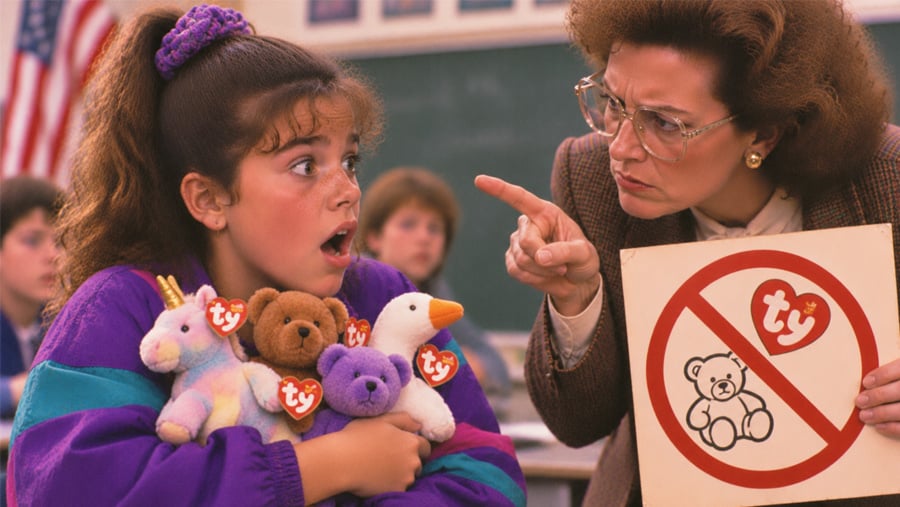
During the 1990s, Beanie Babies were more than stuffed animals. They were collectibles that children and adults alike treated as potential treasures. Students brought their favorite miniature animals to school, compared tags, and sometimes argued over trades or missing toys. As certain Beanie Babies gained a reputation for being valuable, schools had another reason to discourage students from bringing them. Losing a stuffed animal was upsetting enough, but losing one that a parent believed might someday be worth hundreds of dollars created an entirely different problem.
11. Garbage Pail Kids Cards Were Considered Inappropriate
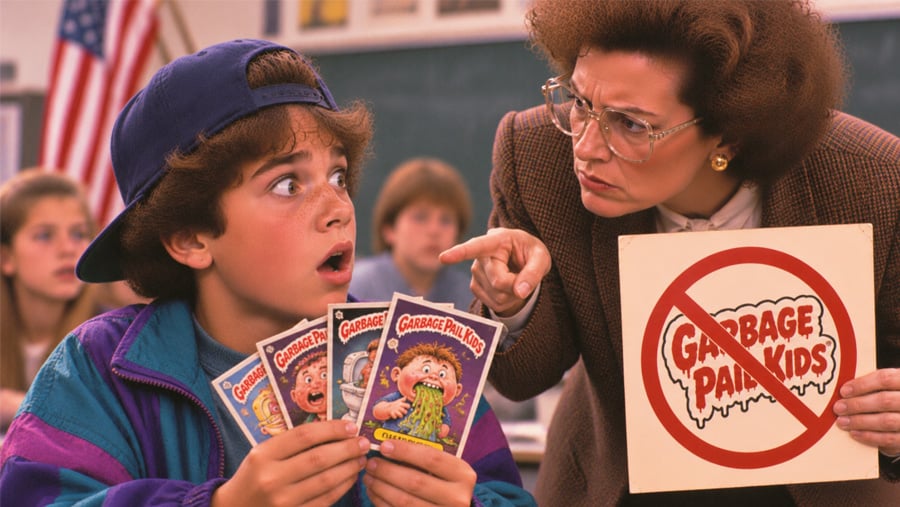
When Garbage Pail Kids trading cards appeared in the 1980s, their outrageous illustrations and gross-out humor made them irresistible to children. The cards featured bizarre characters, exaggerated bodily functions, and parodies that many adults found offensive. Some schools prohibited the cards because of their disturbing imagery, while others were frustrated by students trading them instead of paying attention. Naturally, the controversy only made the cards more desirable, and sneaking a few into a backpack became part of the fun.
12. Chewing Gum Was Treated Like a Serious Offense
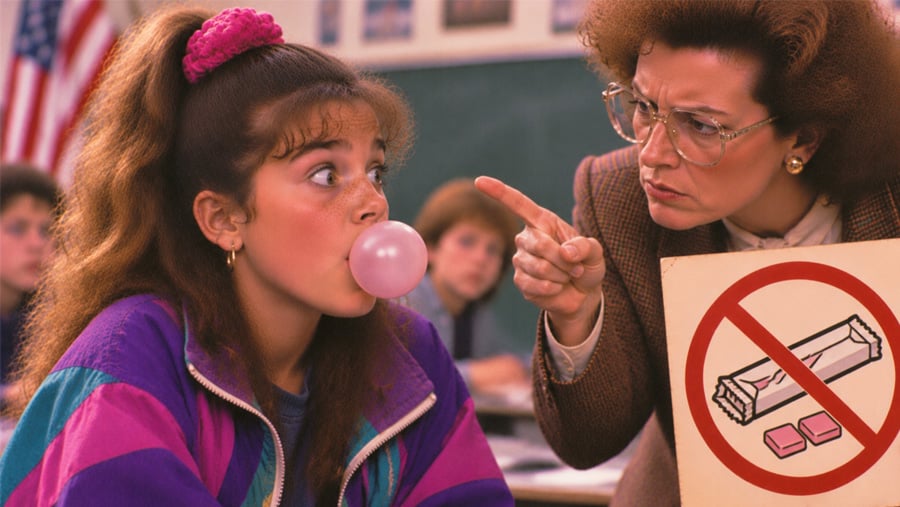
For decades, chewing gum was one of the most familiar school rule violations in America. Teachers worried about sticky messes under desks, gum stuck in hair, and students loudly snapping bubbles during lessons. Some schools enforced strict bans, requiring students to throw away their gum before entering classrooms. Getting caught could mean detention, an unpleasant cleaning assignment, or a trip to the principal’s office. Generations of students mastered the art of chewing discreetly, hoping their teachers wouldn’t notice.
13. Fidget Spinners Were Banned Almost as Quickly as They Became Popular
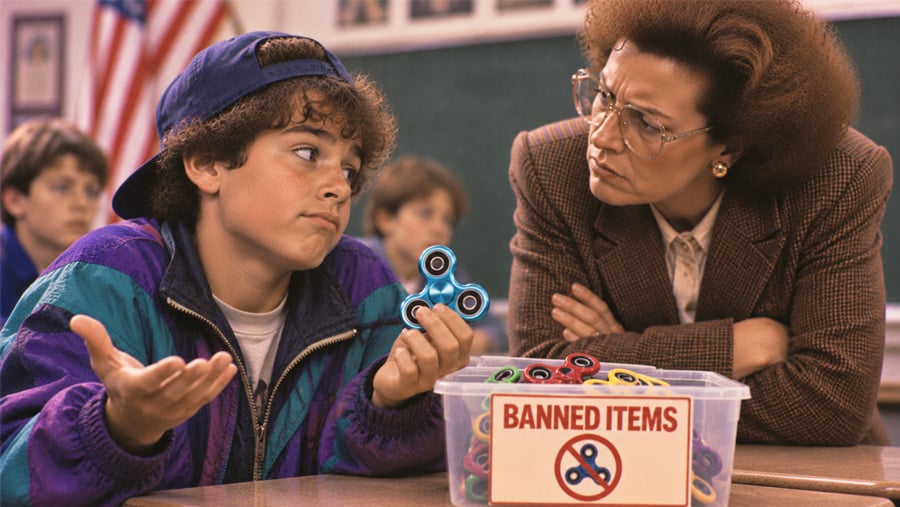
In 2017, fidget spinners seemed to appear everywhere overnight. Originally promoted as tools for keeping restless hands occupied, the small spinning gadgets quickly became toys students raced, balanced, and showed off during class. Teachers complained about constant movement, distractions, and students focusing more on tricks than assignments. Many schools restricted or banned the spinners, sometimes making exceptions for students with documented accommodations. Their rapid rise and fall made them one of the most memorable classroom crazes of the decade.
14. Laser Pointers Were Too Tempting for Mischievous Students
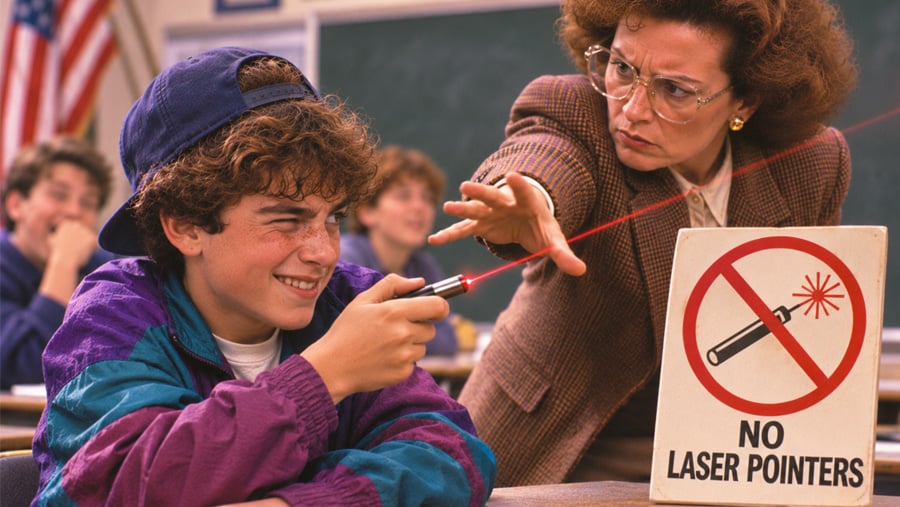
During the 1990s, inexpensive laser pointers became popular novelty gadgets. Students discovered they could project tiny red dots across classroom walls, ceilings, and even teachers’ clothing without immediately revealing who was responsible. Administrators became concerned about disruptions and the possibility of eye injuries, leading some schools to ban the devices. What adults viewed as a potential safety hazard was often treated by students as an irresistible opportunity for mischief.
15. Miniature Skateboards Became Classroom Contraband
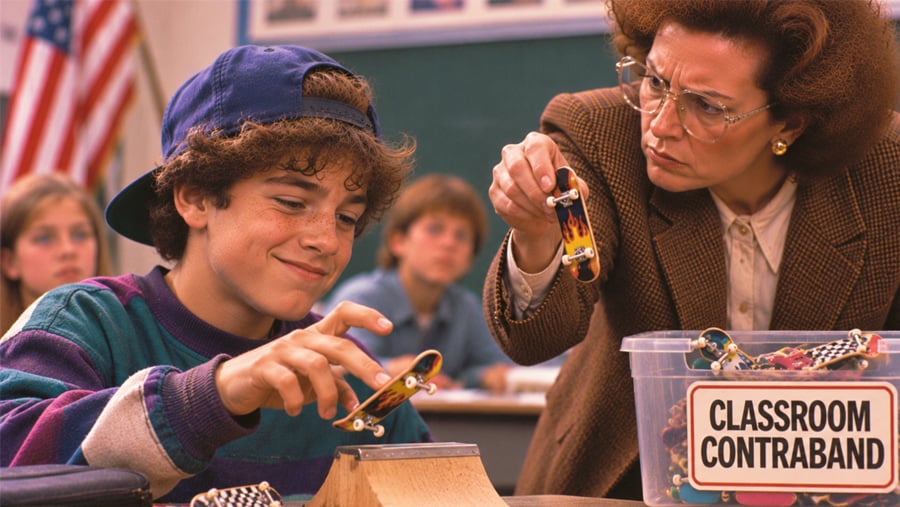
Fingerboards, especially Tech Decks, became enormously popular around the turn of the millennium. Students used their fingers to perform tiny skateboard tricks on desks, textbooks, and improvised ramps made from school supplies. The clicking wheels and miniature competitions could quickly take over a classroom. Some teachers and schools prohibited the toys during lessons or throughout the school day. For students who had spent hours mastering a miniature kickflip, being told to put their skateboard away felt particularly unfair.
16. Hooded Sweatshirts Were Banned Under Strict Dress Codes
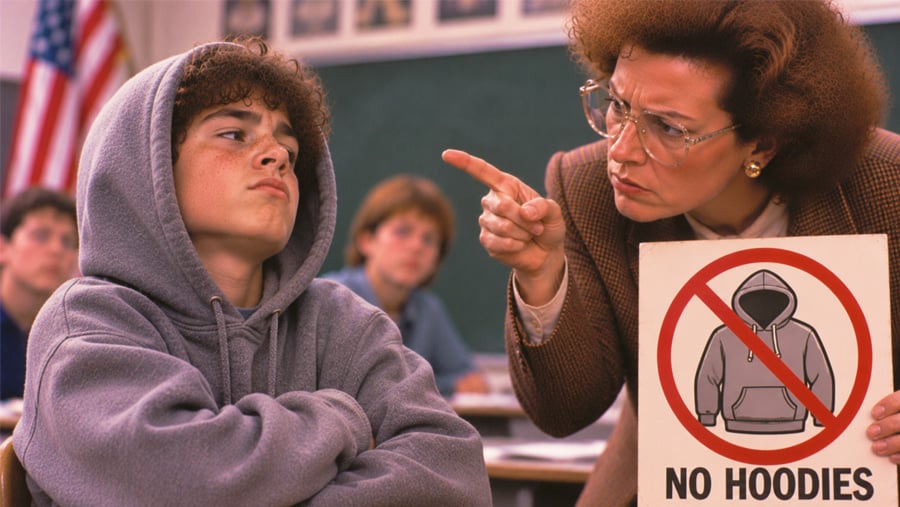
Hoodies became a staple of teenage wardrobes, but not every school welcomed them. Some districts prohibited students from wearing hoods indoors, arguing that covered heads made identification difficult or interfered with school security. Others adopted broader restrictions on hooded sweatshirts as part of their dress codes. These policies could lead to disciplinary consequences for wearing an otherwise ordinary piece of clothing. For students who considered a hoodie their everyday uniform, the rules often seemed excessive, especially during cold mornings.
More Related Notes
• 18 School Rules From the 1950s That Would Shock Today’s Students
Revisit the strict classroom expectations and unusual school policies that shaped student life in the 1950s, when dress codes, discipline, and everyday behavior were governed by rules that would surprise modern students.
• 18 School Rules From the 1950s That Would Shock Today’s Students
Explore the strict dress codes, classroom restrictions, and disciplinary practices that once defined American schools, revealing how much student life has changed over the decades.
• 15 Fads From the 1990s That Seemed Permanent but Vanished Fast
Remember when Pogs, Tamagotchis, and slap bracelets were everywhere? Rediscover the playground crazes that took over classrooms, sometimes creating enough disruption to get teachers and school administrators involved.