Imagine walking into a market with a handful of chocolate beans, a bundle of feathers, or a few seashells tucked into your pocket. Centuries ago, that might have been enough to buy dinner, settle a debt, or even pay for something as valuable as a cow. Long before dollar bills and credit cards, money looked very different depending on where you lived.
What makes these old currencies so fascinating is that many were ordinary objects people already valued. Some were useful, others were rare, and a few were so enormous they couldn’t even be carried. From ancient marketplaces to Depression-era California, these 15 unusual forms of currency reveal just how creative people have been when deciding what money should look like.
1. Cowrie Shells Traveled Across Continents as Money
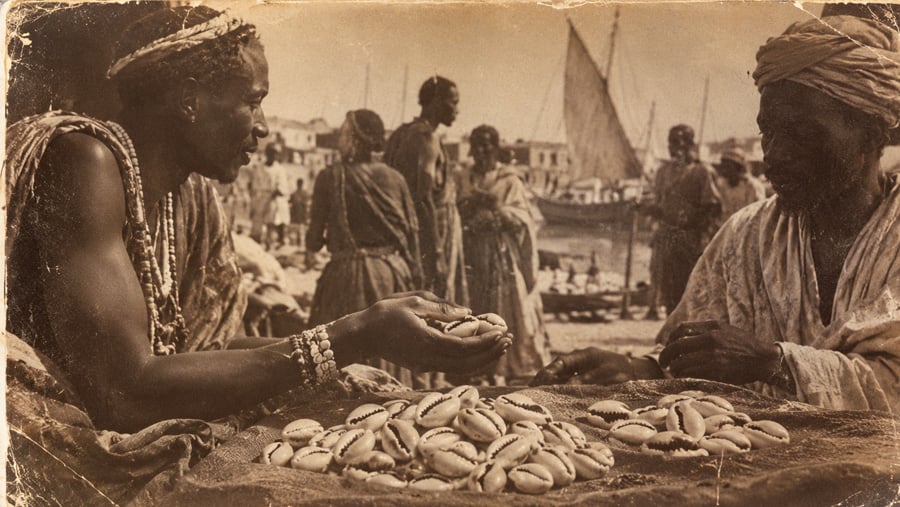
Those tiny, glossy seashells you might collect on a beach once had serious purchasing power. Cowrie shells circulated as currency across parts of Africa, Asia, and Oceania, where their distinctive shape made them easy to recognize, and their durability helped them survive years of handling. In places far from the coast, they could be especially valuable because they weren’t easily obtained. West African traders relied heavily on cowries, although their history also includes a troubling connection to the transatlantic slave trade. It’s remarkable that something small enough to fit in a child’s palm could become such an important part of international commerce.
2. Wampum Beads Were More Than Just Colonial Pocket Change
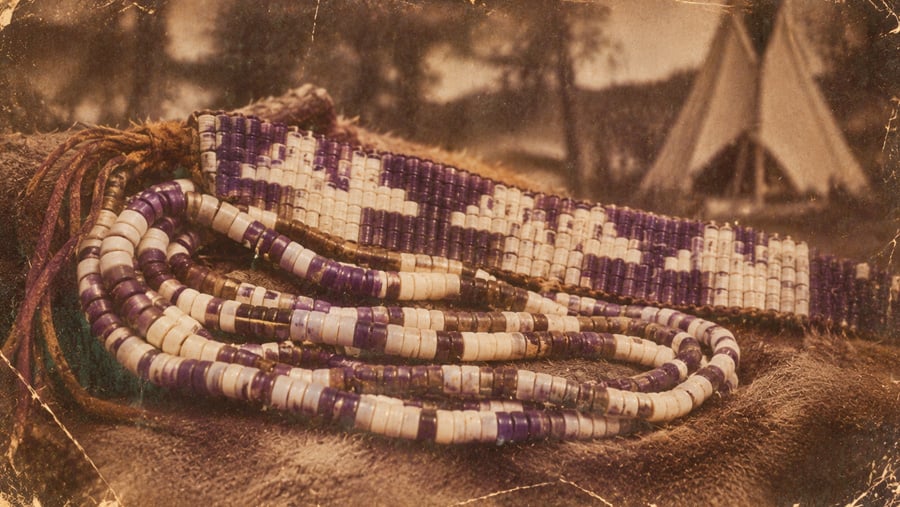
Before European settlers began using wampum as money, Indigenous communities in northeastern North America had already given these carefully crafted shell beads a much deeper meaning. Made from white and purple shells, wampum appeared in ceremonies, diplomatic agreements, and important exchanges between communities. When coins became difficult to find in colonial America, settlers recognized the beads’ value and began using them for payments. Yet treating wampum as ordinary currency tells only part of the story. These beautiful strands could also represent promises, relationships, and political commitments, carrying meanings that went far beyond what someone could purchase with them.
3. Cacao Beans Could Buy Dinner in an Aztec Marketplace
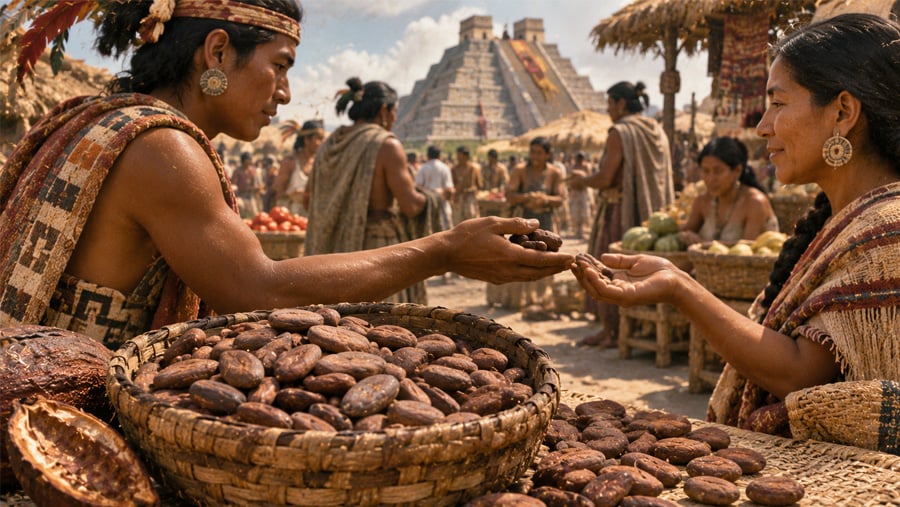
Picture paying for your lunch with the same ingredient used to make chocolate. In Aztec markets, cacao beans were valuable enough to function as everyday currency, making them useful for transactions involving food and other goods. According to a 16th-century document discussed by Smithsonian Magazine, a single cacao bean could purchase a tamale, while 100 beans could buy a turkey hen. Prices varied depending on the time and place, but the idea is still delightful. Something we now associate with candy bars and hot chocolate once had enough purchasing power to fill a family’s dinner table.
4. Tea Bricks Could Be Spent Instead of Brewed
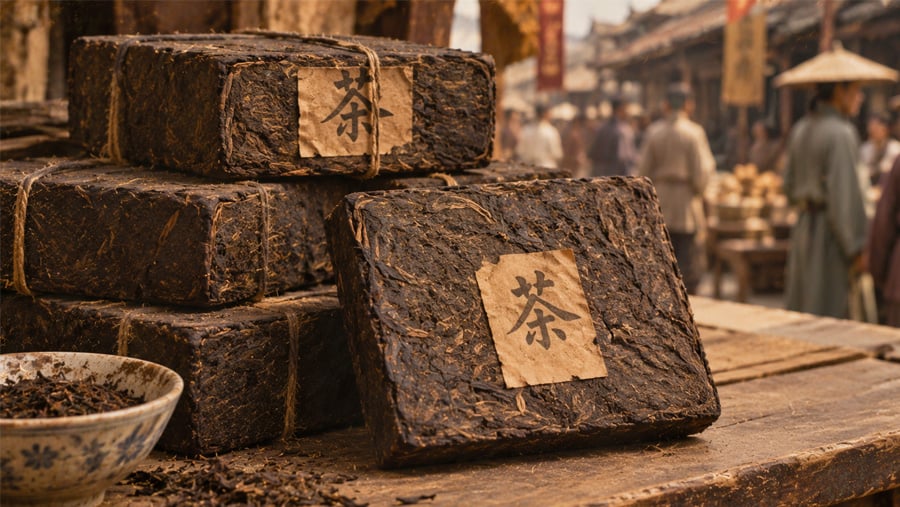
For people living in parts of Asia, tea wasn’t always something you simply poured into a cup. Compressed tea bricks served as currency, turning a familiar household staple into something that could be traded for other necessities. The leaves were pressed into dense blocks that were easier to store, stack, and transport than loose tea. Their appeal was practical because the bricks had value as both a desirable product and a means of exchange. The Smithsonian even preserves an example associated with Siberia during the 18th or 19th century. Imagine having to decide whether to spend your tea on groceries or save it for a warm drink.
5. Yap’s Giant Stone Money Was Too Heavy to Carry
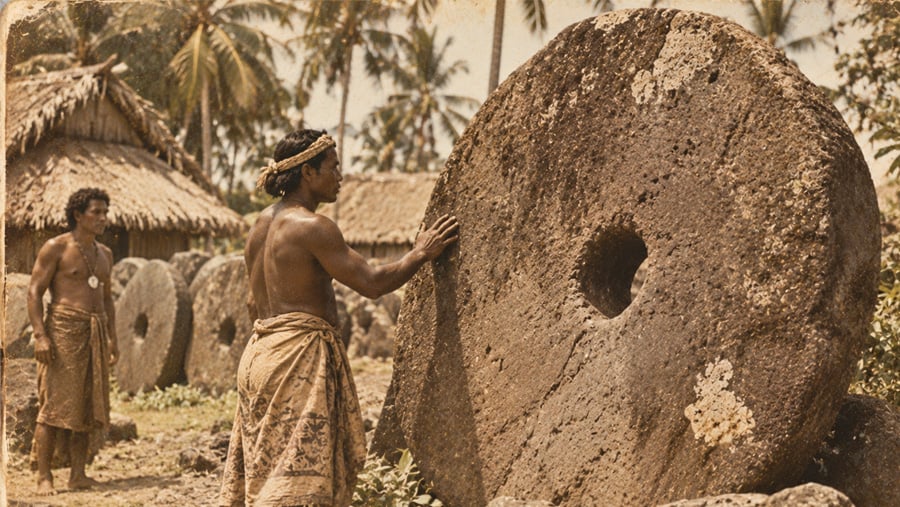
Most people expect money to fit inside a wallet, but residents of Yap, an island in the Pacific, developed a system that challenged that idea completely. Their traditional currency included enormous stone discs called rai, some weighing several tons. Moving one every time someone made a payment would have been nearly impossible, so ownership could change without the stone changing location. Community members recognized who owned each piece, allowing these massive objects to represent wealth and settle important obligations. Rai were associated with land purchases, marriage payments, and ceremonial exchanges. It was a monetary system built around shared knowledge rather than the physical exchange of cash.
Trending on Wealth Gang


6. Tobacco Helped Pay the Bills in Colonial Virginia
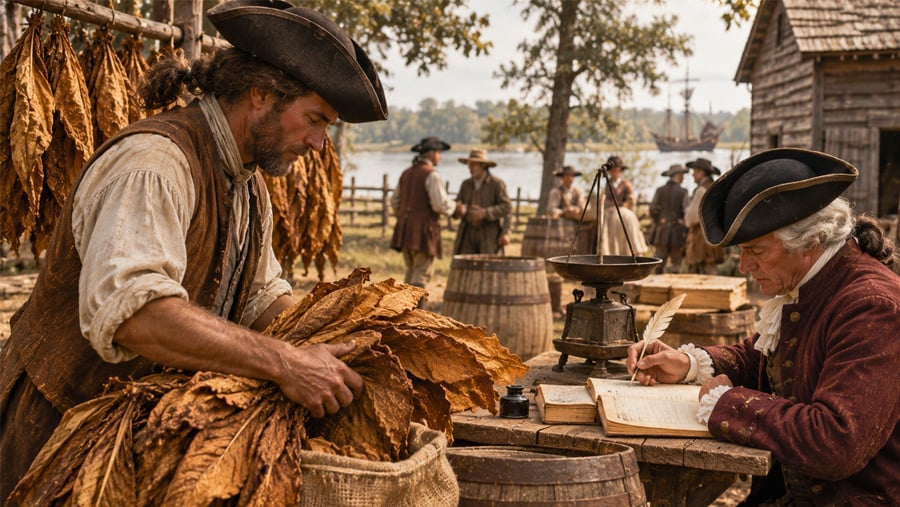
In 17th-century Virginia, tobacco was much more than a crop growing in the fields. It was an economic lifeline that could be used to settle debts, fulfill obligations, and measure the value of other goods. Because conventional coins were often scarce in the British colonies, tobacco became a practical alternative for making payments. As the crop developed into one of Virginia’s leading exports, its importance only increased. Eventually, warehouse receipts representing stored tobacco also helped people conduct transactions. A farmer’s harvest could effectively become his bank account, making the success of the tobacco crop important for far more than agricultural reasons.
7. Beaver Pelts Became Valuable Because of Fashion
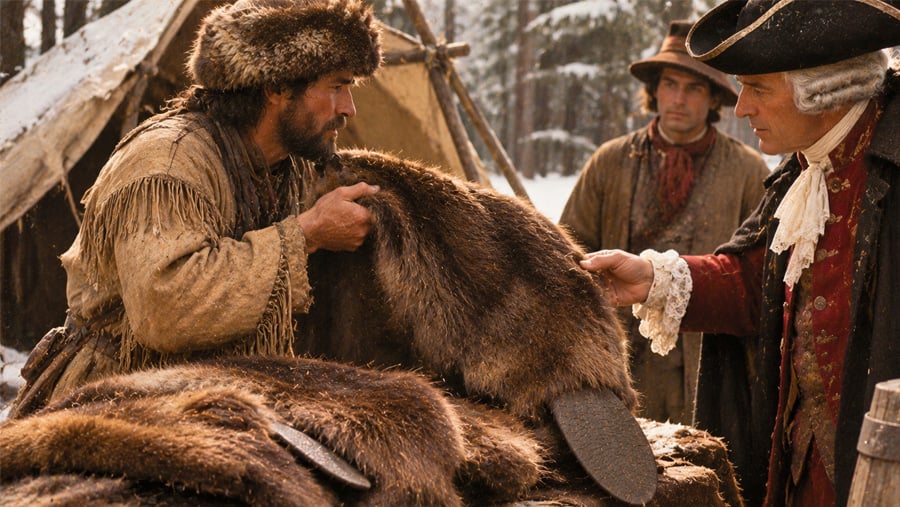
A fashionable hat in Europe could help determine the value of a beaver pelt thousands of miles away in North America. During the fur trade, European demand for felt hats made beaver fur especially desirable, turning pelts into an important medium of exchange. Indigenous traders and European colonists used them in regional trading systems, where they could represent value when conventional coins were difficult to obtain. Unlike modern paper currency, however, their worth depended heavily on demand for the material itself. It’s an unusual reminder that changing fashion trends could influence what people accepted as money.
8. Ordinary Iron Nails Were Once Used to Make Payments
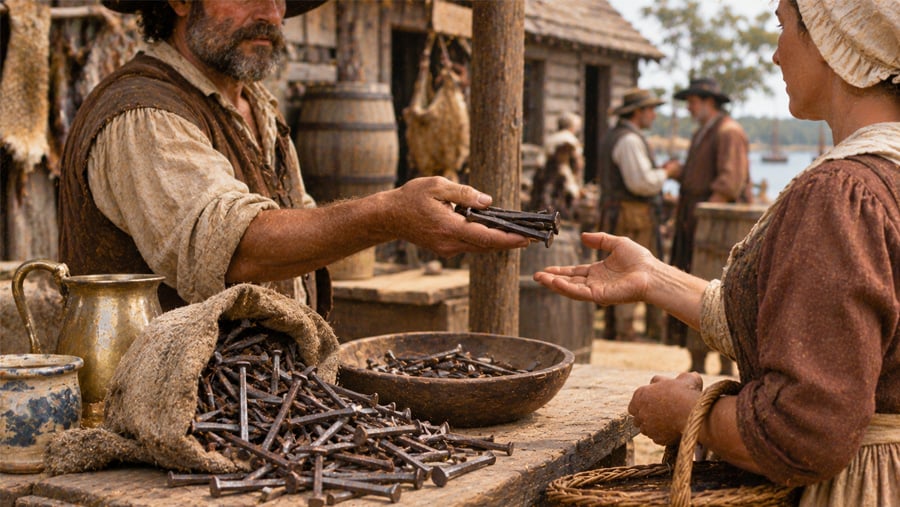
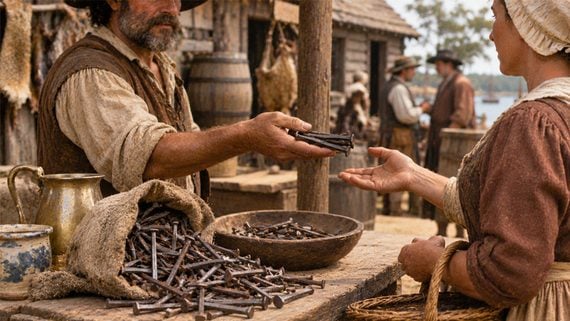
A handful of nails might seem like something you’d find at the bottom of an old toolbox, but in early colonial America, these practical objects could serve as currency. Manufactured iron goods were useful and valuable, especially in communities where supplies and conventional coins were limited. The Smithsonian identifies nails among the everyday materials colonists sometimes relied on to make payments. Their usefulness gave them a kind of value that didn’t require a government stamp or an official denomination. In a society where building materials mattered, even something as ordinary as a nail could become part of the local economy.
Sign up for our newsletter
9. Copper Bracelets Were Used as Currency in West Africa
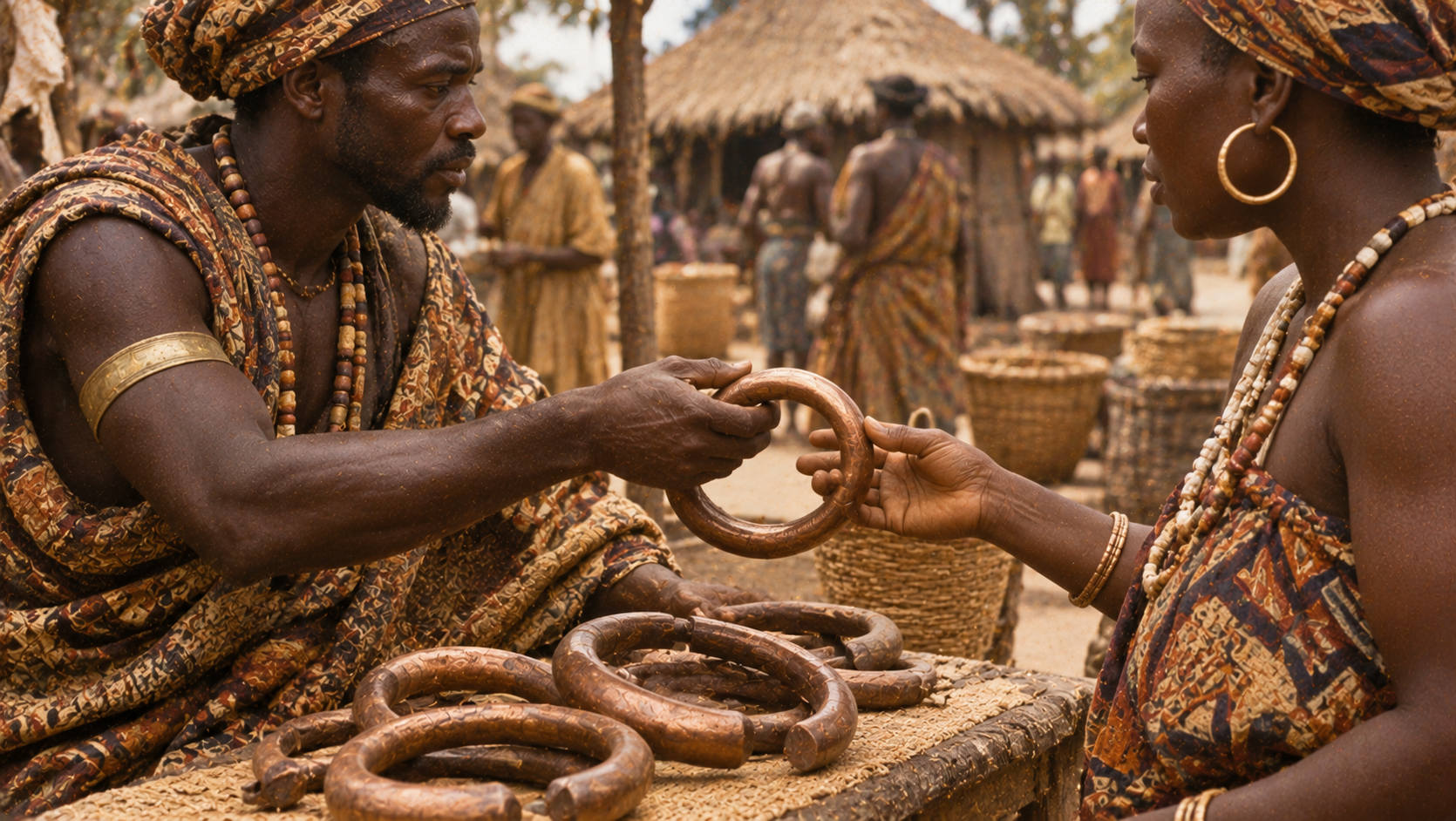
At first glance, manillas look more like unusual bracelets than money. These open-ended copper-alloy objects circulated in parts of West Africa, where they could be exchanged for goods and other valuables. Their distinctive shape made them very different from the coins most people recognize today. However, their history also carries a painful association with the transatlantic slave trade, as European merchants used manillas in transactions involving enslaved people. Examples preserved by the Smithsonian show how objects that resemble decorative jewelry could play a significant role in economic systems, including some of history’s darkest commercial practices.
10. Kissi Pennies Could Be Bundled Together to Buy a Cow
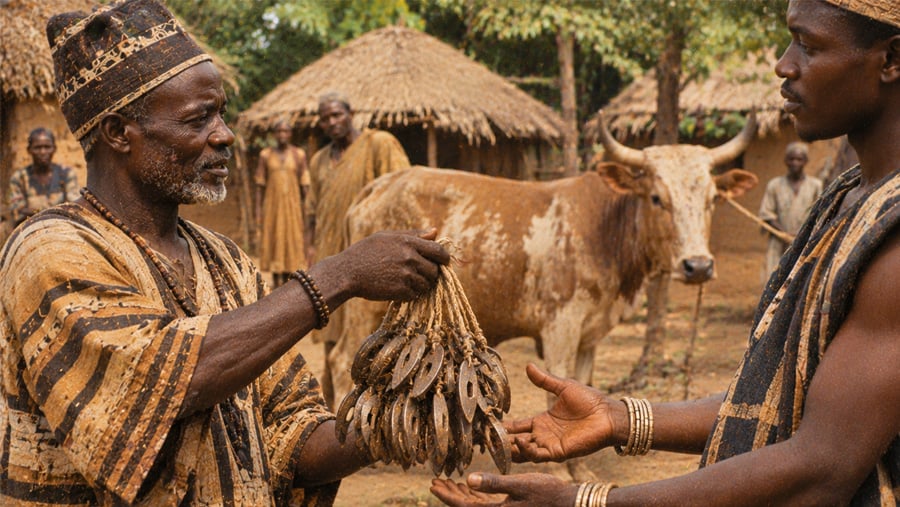
Forget counting coins at a checkout counter. In parts of West Africa during the 19th and early 20th centuries, people used long, twisted iron rods known as Kissi pennies. These distinctive pieces could be used individually for smaller transactions or tied into bundles of 20 for larger purchases. According to the Smithsonian, buying a cow in the early 1900s could require approximately 30 to 40 bundles. The rods were made from iron, a material that could also be hammered, twisted, sharpened, and shaped. Their appearance was unlike modern money, but they provided a recognizable way to measure and exchange value.
11. Ancient Chinese Coins Sometimes Looked Like Tiny Shovels
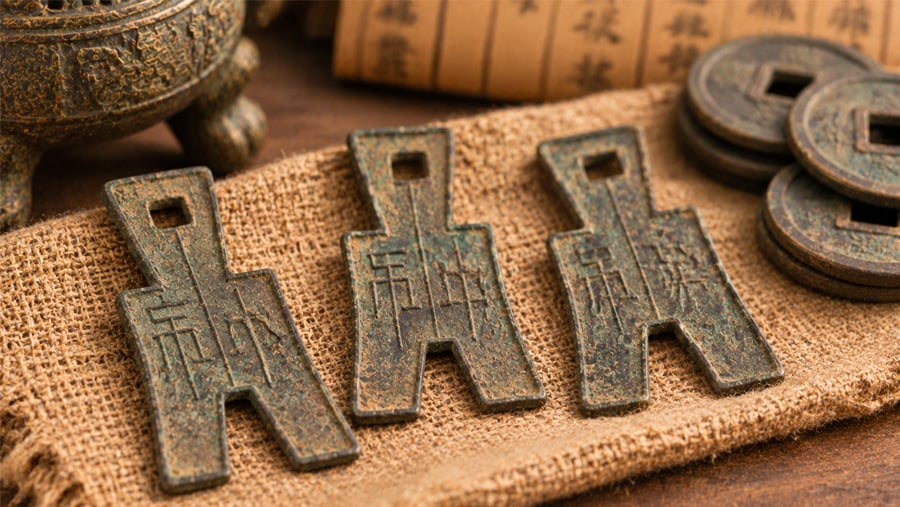
If you discovered one of these ancient Chinese coins without knowing its history, you might mistake it for a miniature gardening tool. Early metal currency in parts of China included bronze pieces shaped like farming spades, reflecting the familiar tools that influenced monetary design. These weren’t simply old shovels being traded between neighbors. They were manufactured as money, with recognizable shapes that helped establish their monetary purpose. The Smithsonian preserves a hollow-handle bronze spade coin dating to the fifth or fourth century BCE. Long before round coins became the familiar standard, people were already experimenting with surprisingly imaginative forms of metal currency.
12. Knife-Shaped Money Circulated in Ancient China
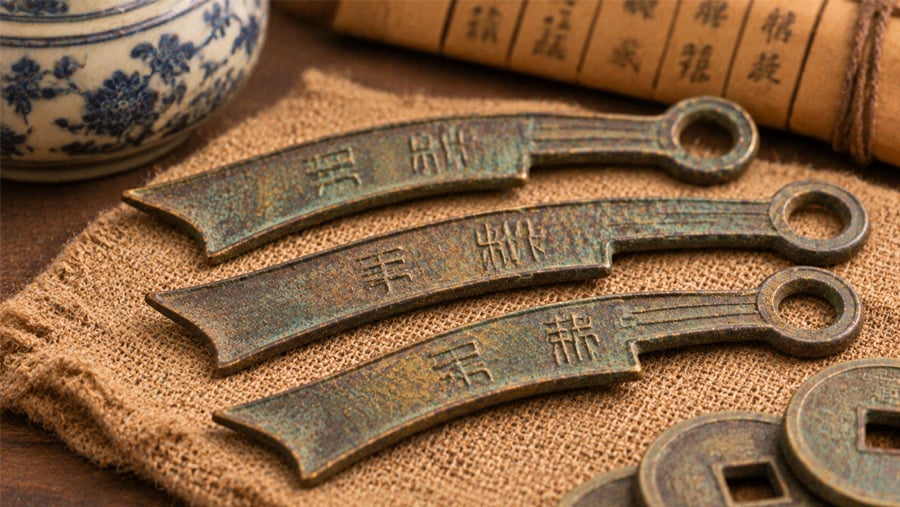
Ancient Chinese currency didn’t stop at miniature spades. Some metal money was shaped like knives, complete with the recognizable outline of a small blade. Although these bronze objects resembled cutting tools, they were produced specifically for monetary exchange rather than ordinary household use. Knife money circulated in parts of ancient China alongside other early forms of currency, showing how different regions developed their own recognizable designs. It’s easy to forget that the round coins we take for granted today weren’t always the obvious choice. For some communities, money looked much closer to something you’d expect to find among a craftsperson’s tools.
13. Whale Teeth Could Pay for Valuable Goods in Fiji
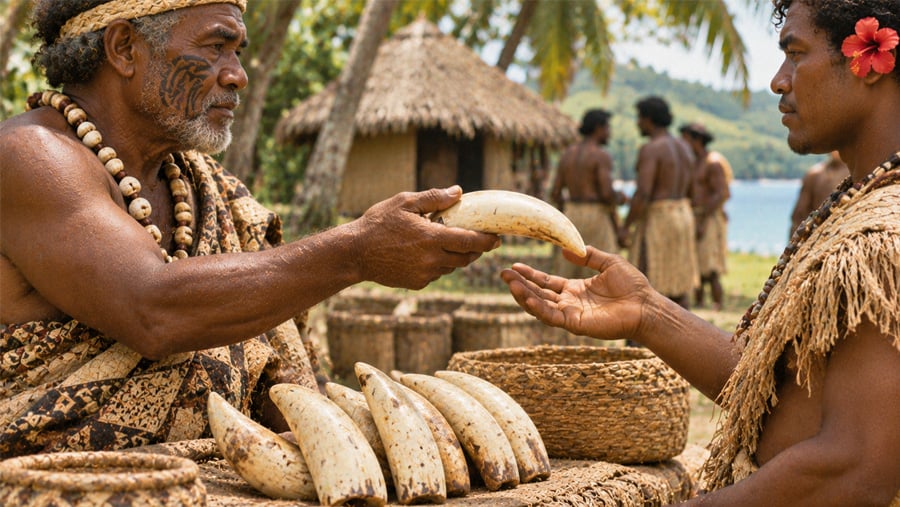
In Fiji, certain whale teeth carried extraordinary value, particularly those from sperm whales. Known as tabua, these objects were prized for their rarity and their importance in cultural traditions. They could be presented during weddings, formal gatherings, and other significant occasions, giving them a role that extended beyond ordinary trade. According to the American Numismatic Association, large, well-colored teeth could be exchanged for valuable items such as canoes, while smaller examples could purchase food. These weren’t the sort of things someone casually carried around for daily shopping. Their worth reflected both material scarcity and the social meaning attached to them.
14. Thousands of Red Bird Feathers Were Turned Into Money
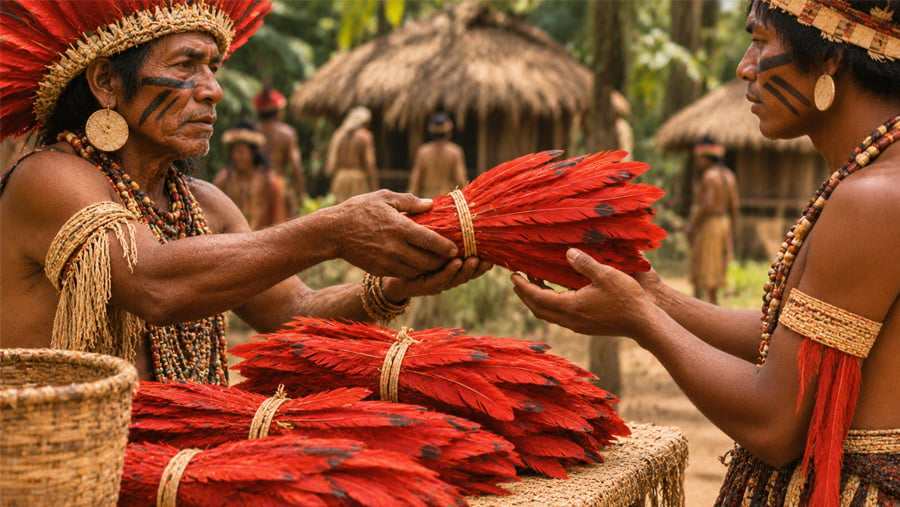
Creating money was once an incredibly delicate and time-consuming craft in the Santa Cruz Islands of the Solomon Islands. Specialists collected the bright red feathers of scarlet honeyeaters and carefully attached them to small plates before assembling them into long coils known as tevau. According to the Metropolitan Museum of Art, a single coil could contain feathers gathered from 300 or more birds, and producing one could require hundreds of hours of work. The finished coils were especially important for ceremonial exchanges, including marriage-related payments. Their value depended partly on the quality and appearance of the feathers, making them a striking combination of craftsmanship, tradition, and wealth.
15. A California Town Used Clam Shells as Money During the Great Depression
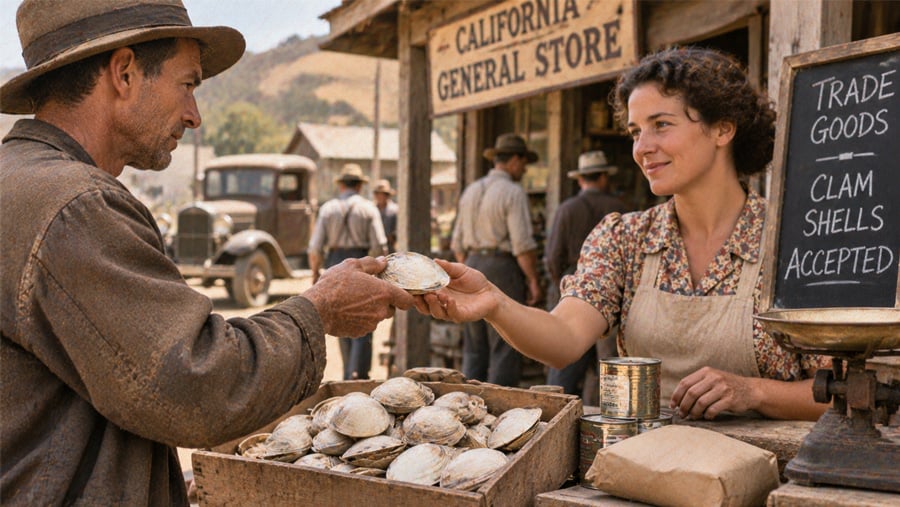
Even in 20th-century America, people occasionally found themselves using objects that looked nothing like traditional money. During the banking crisis of 1933, businesses in Pismo Beach, California, experimented with clam shells as emergency currency. The shells were marked with monetary values and could be redeemed locally when conventional cash was difficult to obtain. Restwell Cabins issued examples worth 25 cents, 50 cents, and one dollar, including shells dated March 8, 1933. Although the idea had a playful novelty element, it also reflected the very real financial difficulties of the Great Depression. For a brief moment, something picked up along the California coast could represent actual spending money.
More Related Notes
• 17 Forgotten Ways Americans Paid for Things Before Credit Cards Became Common
Explore the unusual payment methods Americans relied on before credit cards became widespread, from handwritten checks and store credit to bartering goods and services. These forgotten practices reveal what everyday transactions once were.
• 24 Money Facts That Completely Changed How People Think About Wealth
Discover surprising facts about the history of money, including how ancient civilizations used shells, salt, and other everyday objects as currency long before modern banking systems existed.
• 15 Money Facts That Sound Made Up but Are Actually True
Take a fascinating look at the unexpected history of money, from unusual financial practices to little-known facts about cash, coins, and banking that challenge what people assume about currency.