
Some myths are so deeply rooted that they continue to be repeated long after they’ve been proven false. Whether they started as old wives’ tales, misunderstood science, or pop culture misconceptions, these stories have become part of everyday conversation despite overwhelming evidence to the contrary.
The truth is often far more interesting than the myth itself. Here are 15 widespread misconceptions that people still believe even though they’ve already been thoroughly debunked.
1. People Swallow Eight Spiders Every Year While Sleeping

This internet legend has been circulating for decades, but there’s no scientific evidence that it ever happens. Spiders generally avoid humans, and a sleeping person’s breathing and movement make them even less likely to crawl into someone’s mouth.
2. Shaving Makes Hair Grow Back Thicker

Many people believe shaving changes the texture or thickness of hair. In reality, shaving only cuts the hair at the surface, leaving a blunt tip that can feel coarser as it grows back, but the hair itself is no thicker.
3. The Five-Second Rule Keeps Food Safe

Dropping food and picking it up within five seconds doesn’t guarantee it’s free of germs. Bacteria can transfer almost instantly depending on the surface and the type of food.
4. Cold Weather Causes Colds

People often blame chilly temperatures for getting sick, but viruses, not cold air, cause colds. Spending more time indoors around infected people during colder months is a much bigger factor.
5. Toilets Flush in Different Directions Because of the Hemisphere

The Coriolis effect influences large weather systems, but it’s far too weak to determine how water spins in a household toilet. Toilet design is what actually controls the direction of the flush.
Trending on Wealth Gang


6. People With Left-Brained or Right-Brained Personalities

The idea that some people are purely logical because they’re “left-brained” while others are creative because they’re “right-brained” has been largely debunked. Both sides of the brain work together on almost every task.
7. Gum Stays in Your Stomach for Seven Years
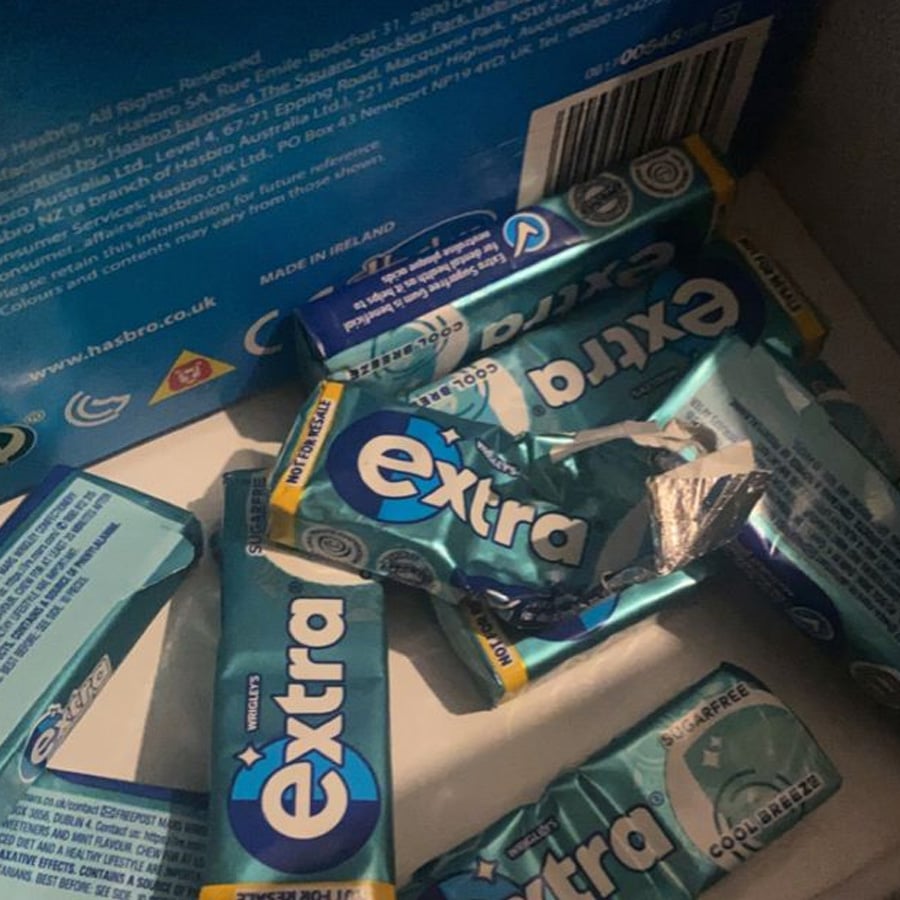
Swallowing gum isn’t recommended, but it doesn’t remain in the digestive system for years. Like most indigestible materials, it usually passes through the body within a few days.
8. Mount Everest Is the Tallest Mountain on Earth

It depends on how “tallest” is measured. Everest has the highest elevation above sea level, but Mauna Kea in Hawaii is taller from base to summit when measured from the ocean floor.
Sign up for our newsletter
9. Sharks Can Smell a Single Drop of Blood From Miles Away

Sharks have an excellent sense of smell, but the claim that they can detect one drop of blood from miles away is an exaggeration. Their abilities are impressive, but not nearly as dramatic as the myth suggests.
10. Napoleon Was the One Who Built the Pyramids

Some people mistakenly associate Napoleon with the construction of the Egyptian pyramids because of his famous campaign in Egypt. In reality, the pyramids were built more than 4,000 years before he was born.
11. Touching Baby Birds Makes Their Parents Reject Them

Many children have been warned never to touch a baby bird because its parents will abandon it. Most birds actually have a poor sense of smell and usually continue caring for their chicks regardless.
12. Einstein Failed Math in School

This story is often used as an inspirational tale, but it’s false. Albert Einstein excelled at mathematics from a young age and was solving advanced problems long before adulthood.
13. The Tongue Has Separate Taste Zones

The old classroom diagram showing different areas of the tongue for sweet, salty, sour, and bitter tastes is incorrect. Taste receptors for all major flavors are spread across most of the tongue.
14. Diamonds Are the Hardest Substance in Existence

Street’s Craft Creations | Handmade Jewellery / Pinterest.com
Diamonds are extremely hard, but they’re no longer considered the hardest material known. Scientists have identified laboratory-created and naturally occurring materials that surpass diamond under certain conditions.
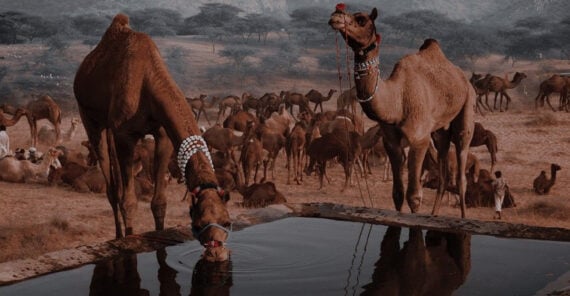
15. Camels Store Water in Their Humps

Camel humps don’t hold water; they store fat. That fat provides energy when food is scarce, while camels survive dehydration thanks to several other unique biological adaptations.
More Related Notes
• 15 Myths That Keep Circulating Even Though They’ve Been Debunked.
Explore some of the most persistent misconceptions that continue to spread despite years of scientific evidence and fact-checking.
• 14 Things We Always Believed That Were Never Actually True.
Discover everyday beliefs that fooled millions of people for years before the truth finally came to light.
• 12 Historical Moments That Seem Impossible to Believe.
Some real historical events sound so unbelievable that they resemble myths, proving that truth can sometimes be stranger than fiction.