Not every product launch goes according to plan. Companies spend months or even years developing new ideas, only to discover after release that customers, regulators, or unexpected safety problems can bring everything to a sudden stop.
Some products disappeared because they were dangerous, while others faced recalls, lawsuits, technical failures, or overwhelming public backlash. These 15 products are memorable examples of items that had surprisingly short lives on store shelves.
1. Samsung Galaxy Note 7
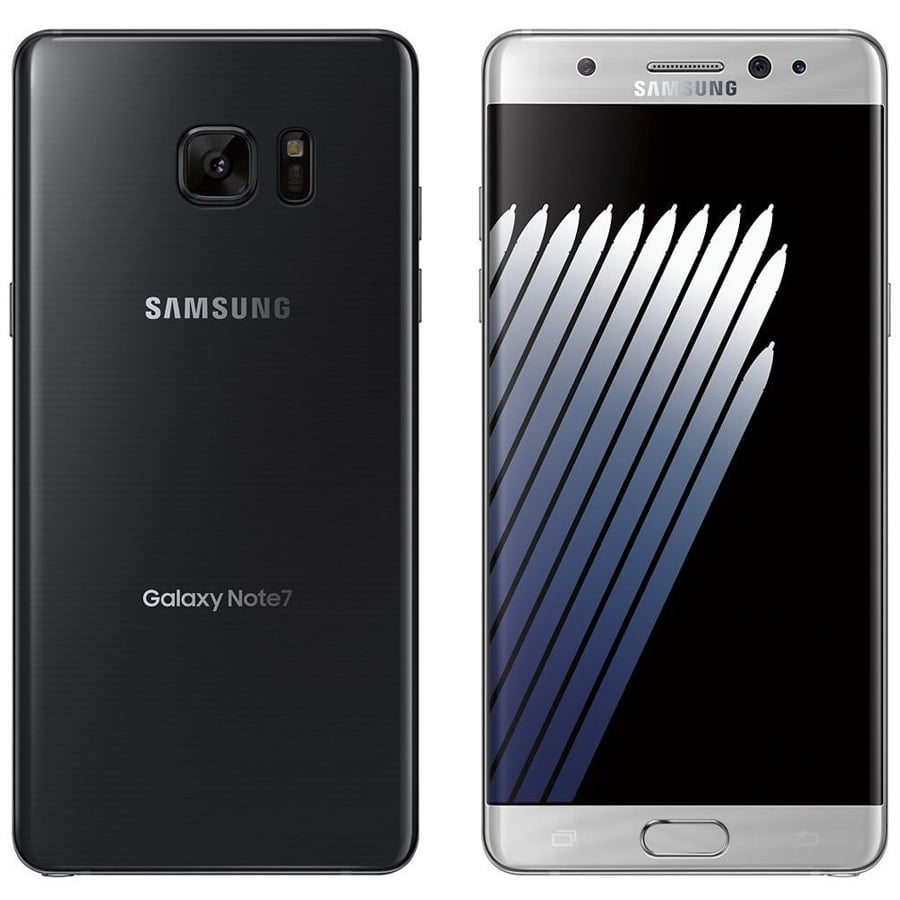
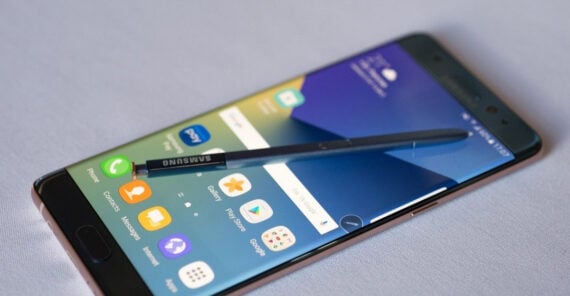
Samsung released the Galaxy Note 7 in 2016 as one of its flagship smartphones, but reports quickly emerged of batteries overheating and catching fire. After an initial recall failed to completely solve the problem, Samsung permanently discontinued the device only weeks after launch and asked customers to return the phones.
2. Four Loko’s Original Formula
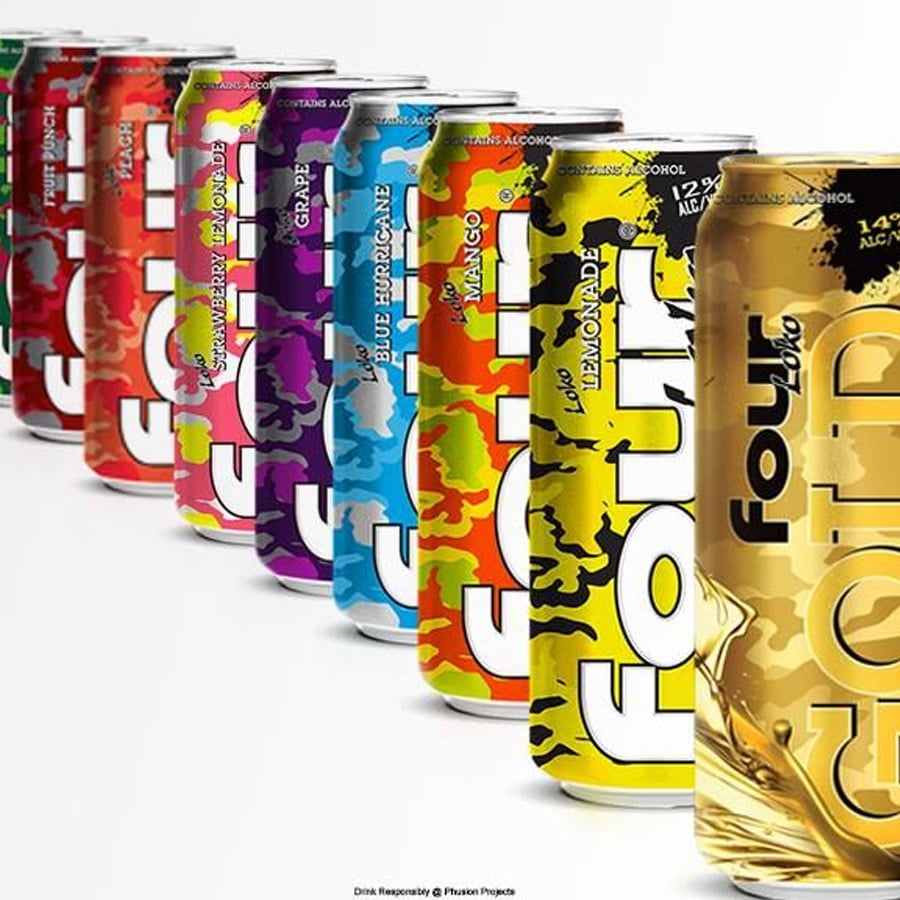
Four Loko became enormously popular among young consumers thanks to its combination of alcohol and caffeine, but regulators raised concerns about the risks of mixing stimulants with alcohol. In 2010, the original caffeinated version effectively disappeared from shelves after the company agreed to remove caffeine, guarana, and taurine from the formula.
3. Kinder Surprise Eggs in the United States
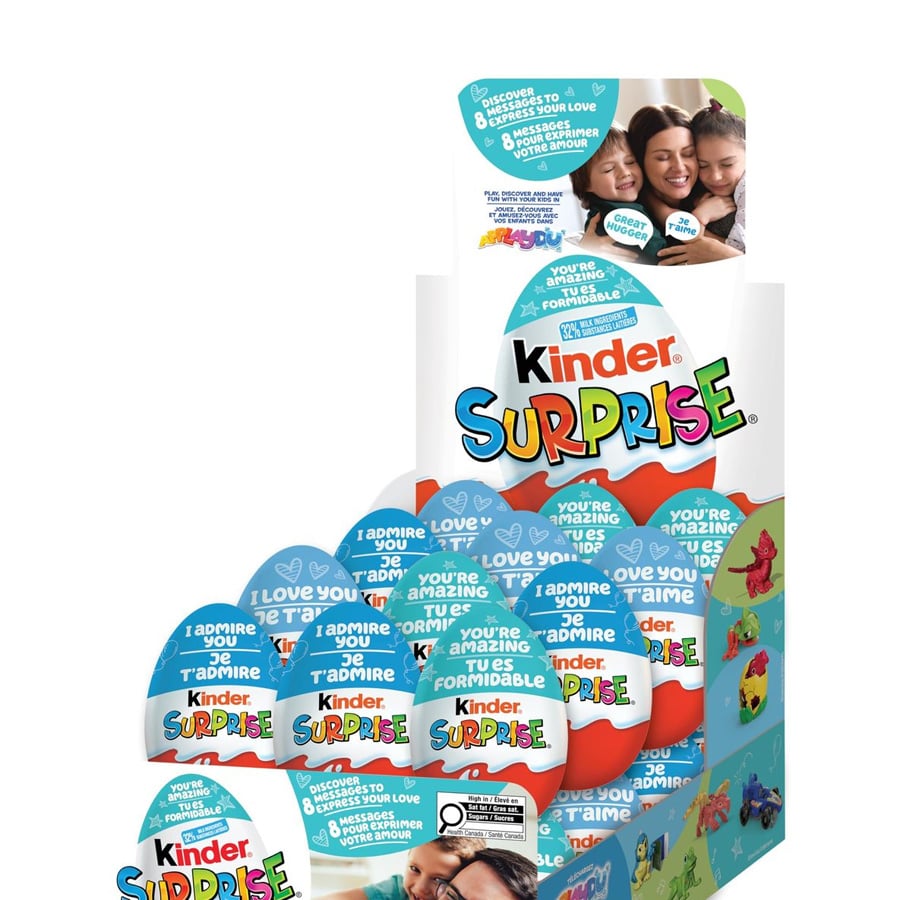
Kinder Surprise became famous around the world for hiding a small toy inside a chocolate egg, but the original product could not legally be sold in the United States because federal law restricts confectionery products containing embedded non-food objects. Imported versions have repeatedly been seized, while Ferrero later introduced the differently designed Kinder Joy for the U.S. market.
4. Lawn Darts
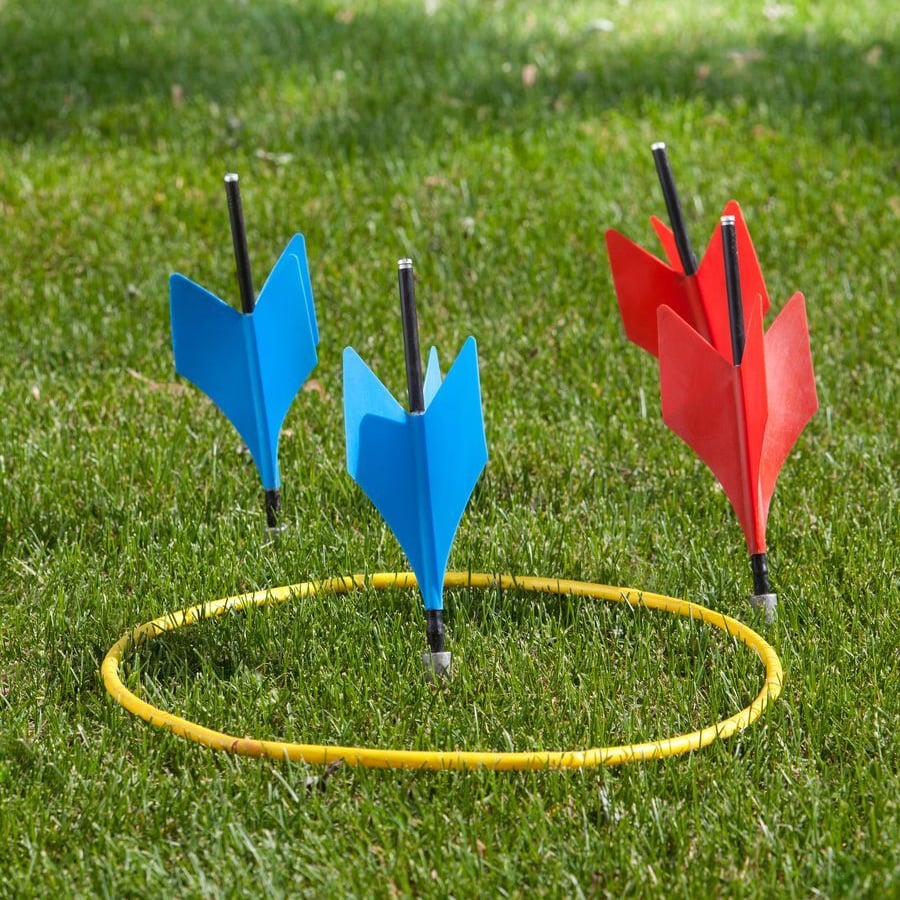
Large outdoor lawn darts, often sold under names such as Jarts, were once marketed as family backyard games despite featuring heavy, pointed projectiles. After thousands of injuries and several deaths were associated with the products, the U.S. Consumer Product Safety Commission banned the sale of lawn darts with elongated tips in 1988.
5. Aqua Dots
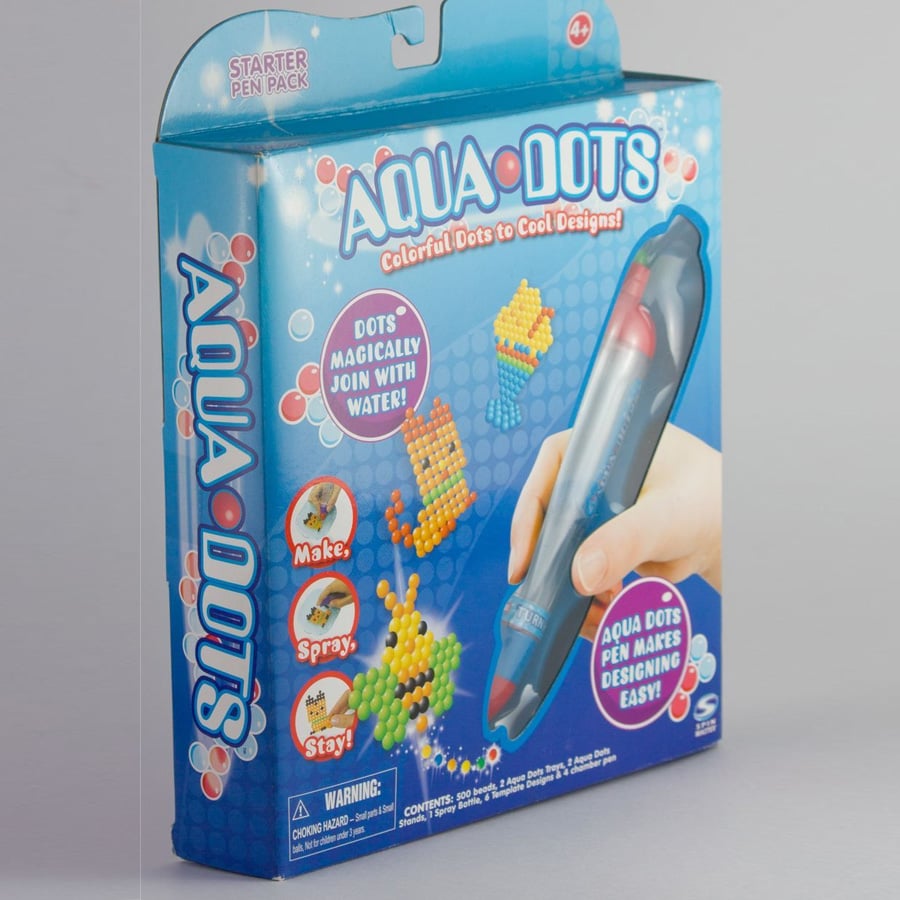
Aqua Dots were a popular children’s craft toy consisting of colorful beads that could be arranged into designs and fused together with water. In 2007, the product was recalled after it was discovered that a chemical coating on the beads could metabolize into a substance similar to the date-rape drug GHB if swallowed.
Trending on Wealth Gang

6. Cabbage Patch Snacktime Kids
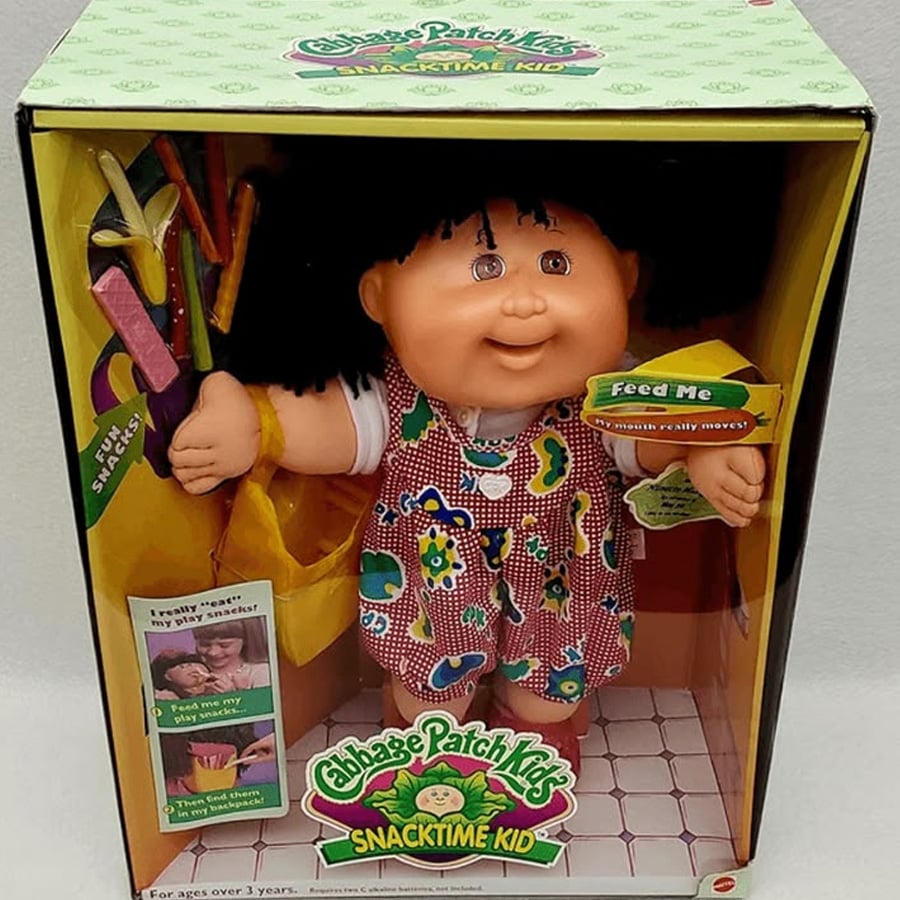
Mattel introduced Cabbage Patch Snacktime Kids dolls in 1996 with a motorized mouth designed to “eat” plastic snacks. The mechanism did not have an on/off switch and reportedly caught children’s hair and fingers, prompting Mattel to offer refunds and withdraw the dolls in early 1997.
7. Easy-Bake Oven Recall Model
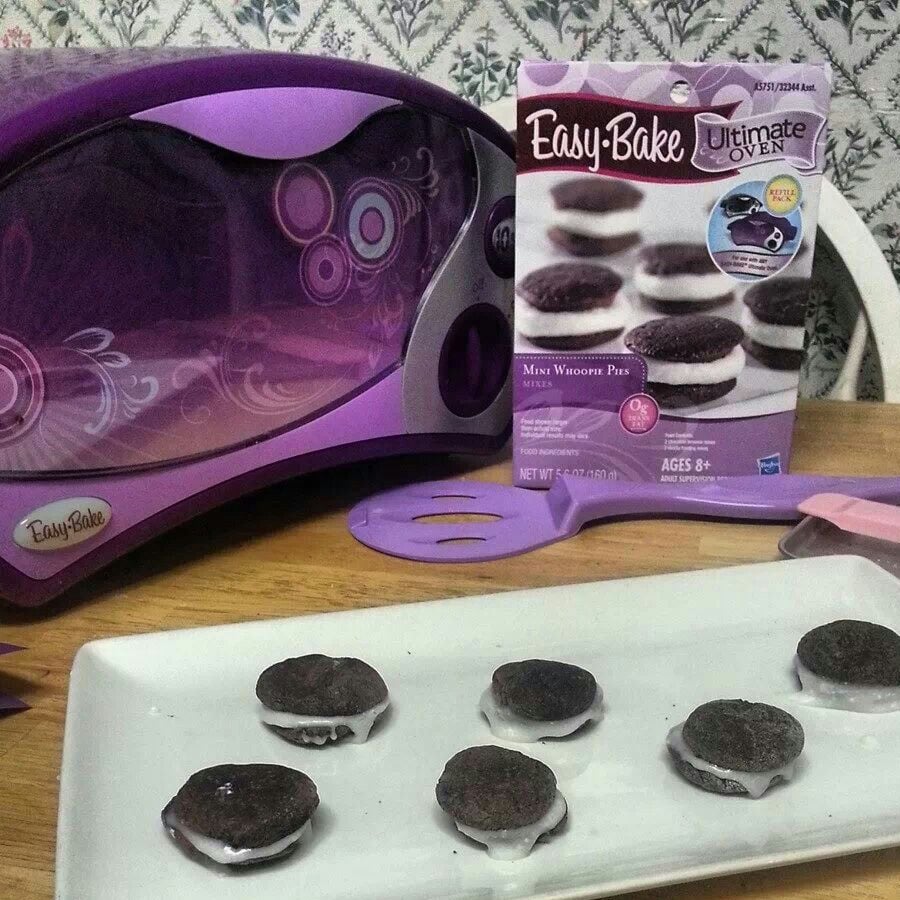
The Easy-Bake Oven had existed for decades, but a redesigned version released in the mid-2000s created a serious safety problem. Children could get their hands or fingers trapped inside the front opening, resulting in burns and other injuries, and Hasbro ultimately recalled nearly one million ovens in 2007.
8. Burger King Poké Ball Toys
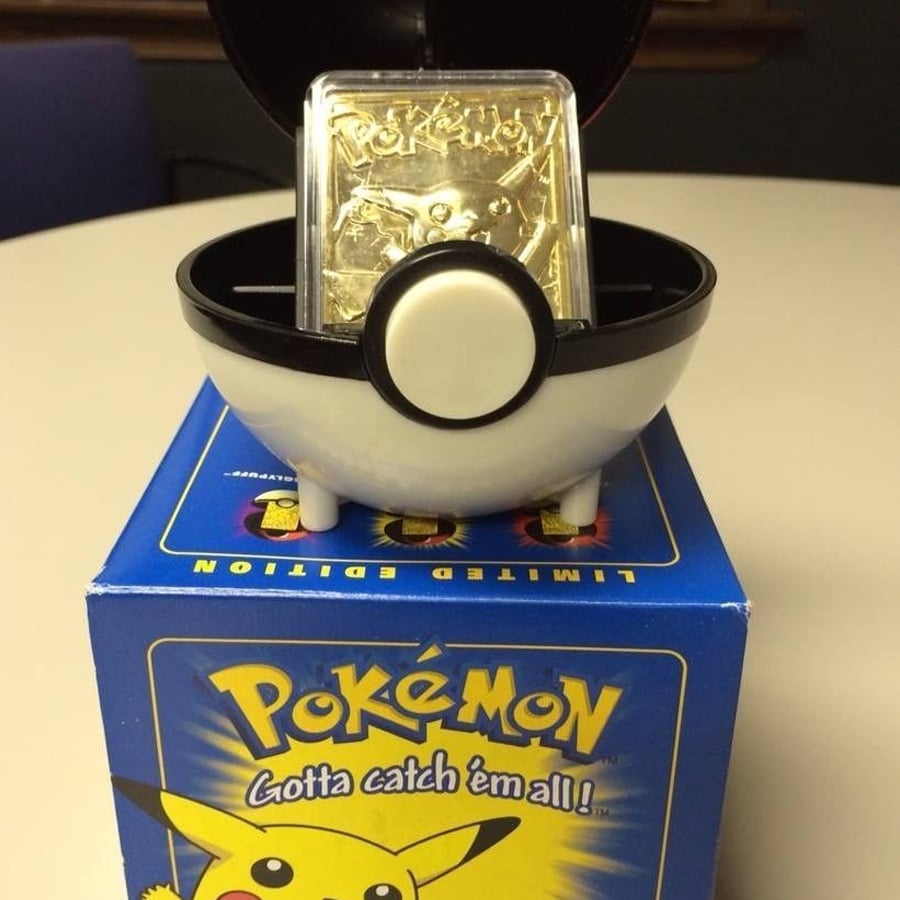
During the Pokémon craze of 1999, Burger King distributed plastic Poké Ball containers with kids’ meals as part of a massive promotion. After reports that the containers could cover a child’s nose and mouth and create a suffocation hazard, Burger King recalled millions of them and launched a major campaign encouraging customers to throw them away.
Sign up for our newsletter
9. Clackers

Clackers consisted of two hard balls attached by strings that players swung together rapidly to create a loud clacking sound. The toy became a sensation around 1970, but concerns grew after some versions shattered on impact and sent dangerous fragments flying, leading to recalls, restrictions, and their rapid disappearance from many stores.
10. Sky Dancers
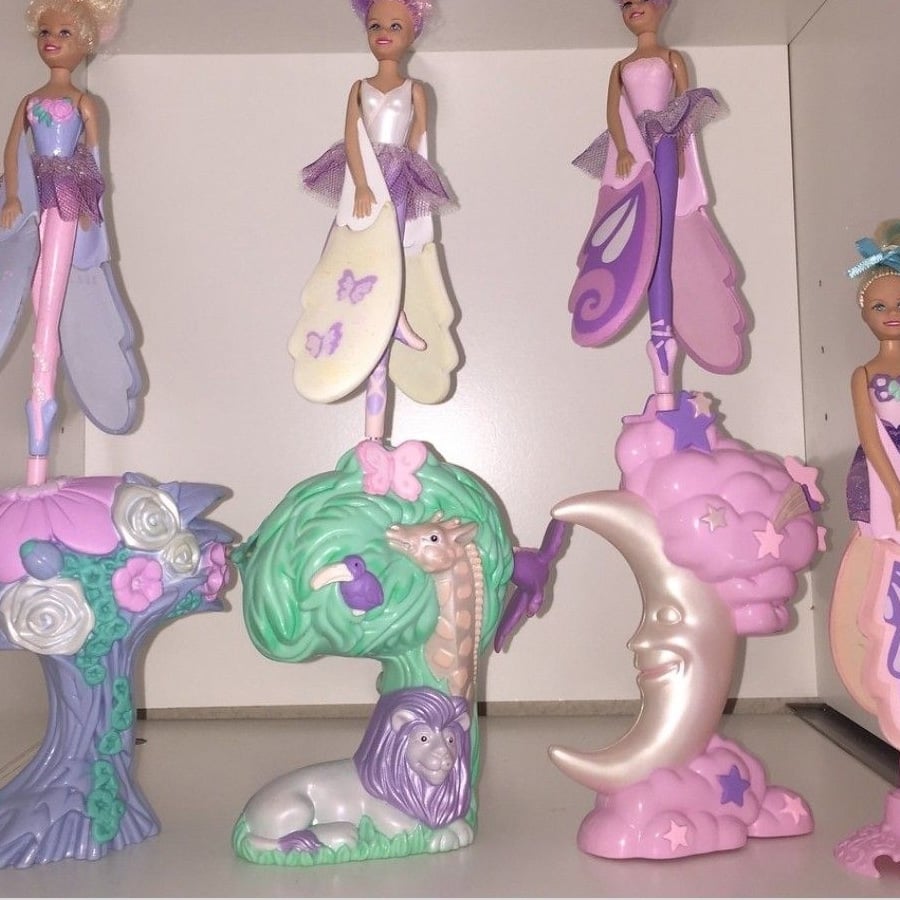
Sky Dancers were fairy dolls launched from a handheld base, sending them spinning through the air. The concept was hugely successful, but the flying dolls sometimes struck children and caused eye injuries, facial cuts, and even broken teeth, resulting in a recall of roughly 8.9 million toys in 2000.
11. Bindeez
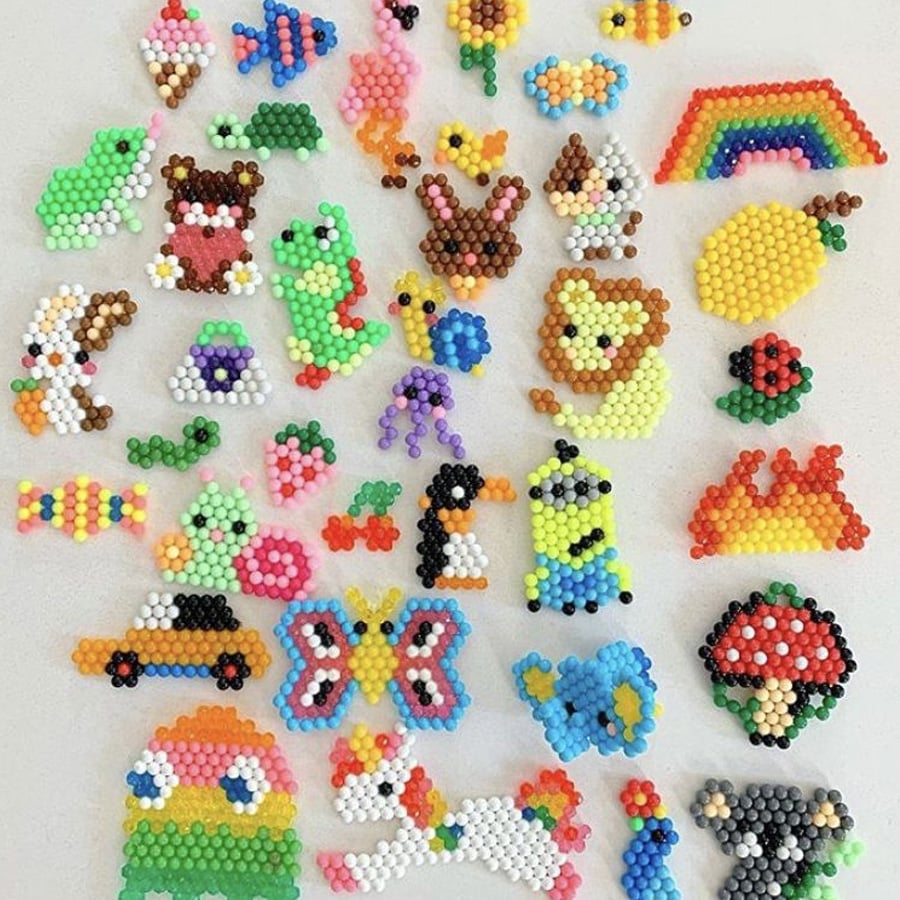
Bindeez, sold as Aqua Dots in North America, became a major international toy recall in 2007. The beads were supposed to use a safe chemical ingredient, but some batches contained a substitute that could convert into GHB when ingested, forcing millions of sets to be removed from stores across multiple countries.
12. McDonald’s Step-iT Activity Bands
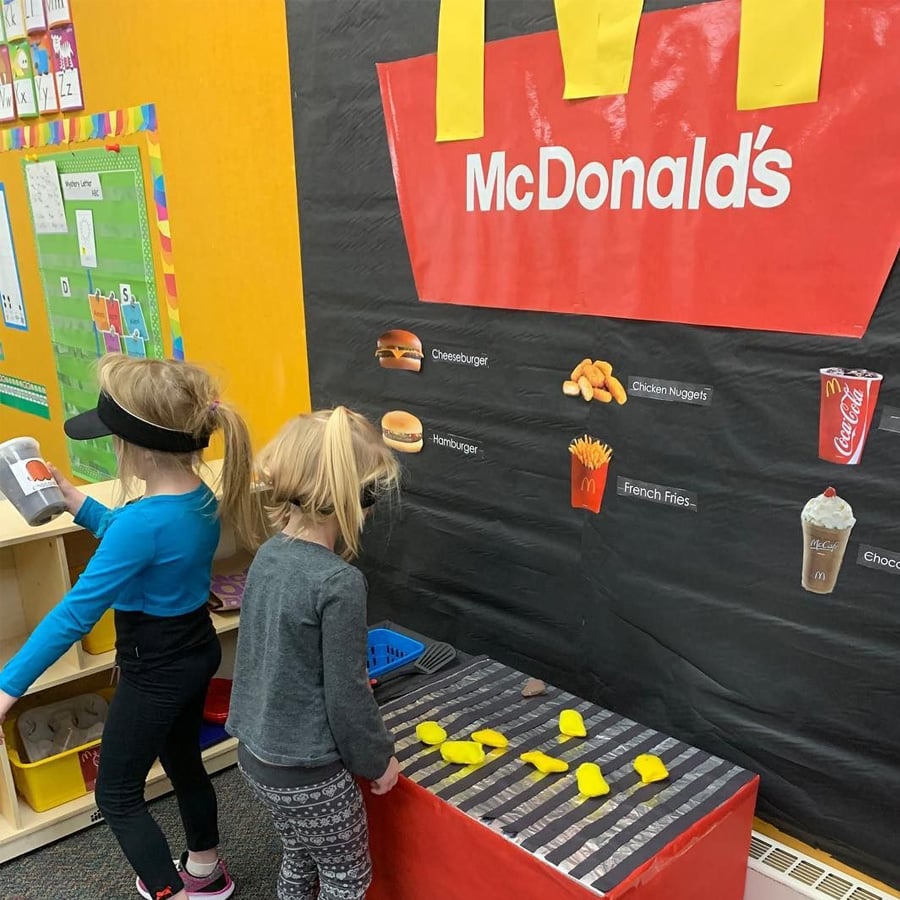
McDonald’s included Step-iT activity trackers in Happy Meals in 2016 as a way to encourage children to exercise. The promotion ended abruptly when reports emerged that the wristbands could cause skin irritation and burns, leading the company to recall roughly 29 million units in the United States and Canada.
13. Buckyballs
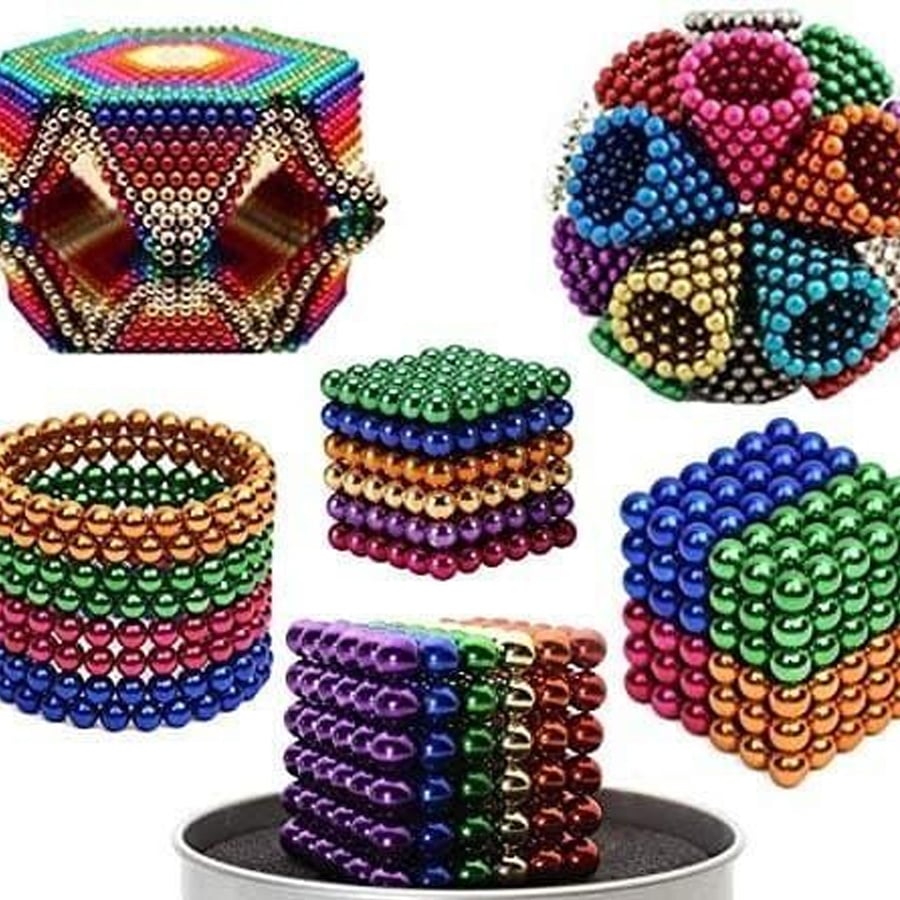
Buckyballs were sets of tiny, extremely powerful magnets marketed primarily as desk toys for adults. Despite warnings, children swallowed some of the magnets, which could attract each other through intestinal tissue and cause severe internal injuries, leading to years of regulatory action and a major recall effort.
14. Fisher-Price Rock ’n Play Sleeper
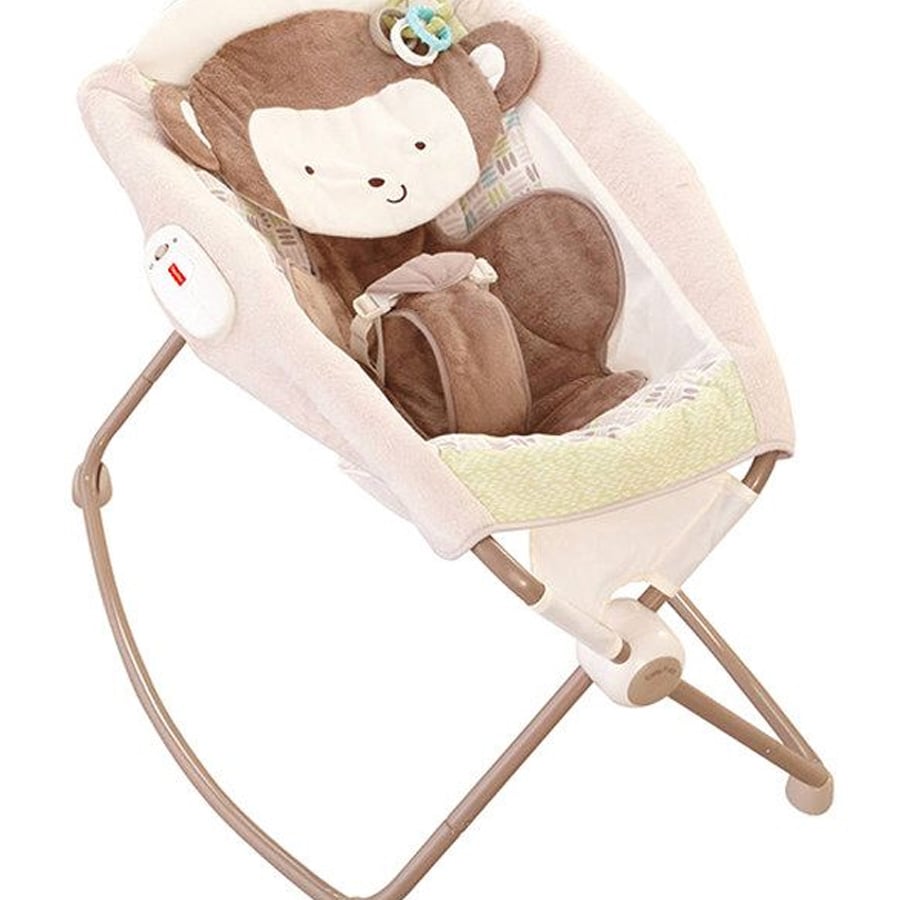
The Fisher-Price Rock ’n Play Sleeper became enormously popular with parents after its introduction in 2009. Safety concerns eventually mounted following reports of infant deaths associated with the product, and in 2019 Fisher-Price recalled approximately 4.7 million sleepers and told consumers to stop using them immediately.
15. Hoverboards
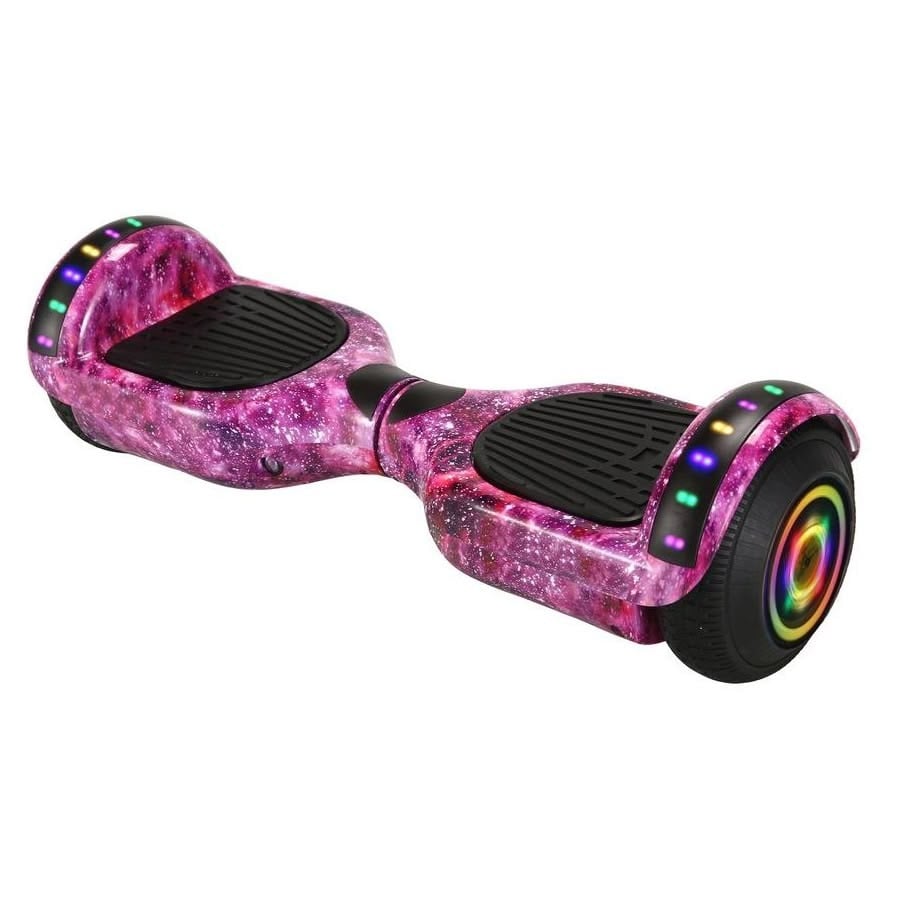
Self-balancing scooters became one of the hottest products of the 2015 holiday season, but their popularity was quickly overshadowed by reports of lithium-ion batteries overheating, smoking, and catching fire. Major retailers stopped selling certain models, airlines restricted them, and the U.S. Consumer Product Safety Commission later announced recalls covering hundreds of thousands of units.
More Related Notes
• 13 Retired Products That Unexpectedly Became Collector’s Items.
Discover discontinued products that disappeared from stores but later became surprisingly valuable and highly sought-after among collectors.
• 15 Products That Changed Forever After One Simple Mistake.
Explore how unexpected errors forced companies to rethink their products, sometimes leading to major changes and surprising success stories.
• 15 Technologies That Were Supposed to Change the World but Failed.
Take a look at heavily hyped innovations that failed to live up to expectations and ultimately disappeared from the marketplace.