Refrigerators, washing machines, indoor toilets, and other household essentials feel like they have always been around. In reality, millions of American families lived without them surprisingly recently. Some products existed for decades before most households could afford or access them, and others only became familiar in the 1970s, 1980s, or even the 2000s. Here are 14 products that became standard in homes surprisingly late.
1. Indoor Flush Toilets Were Still Missing From Millions of Homes in 1940
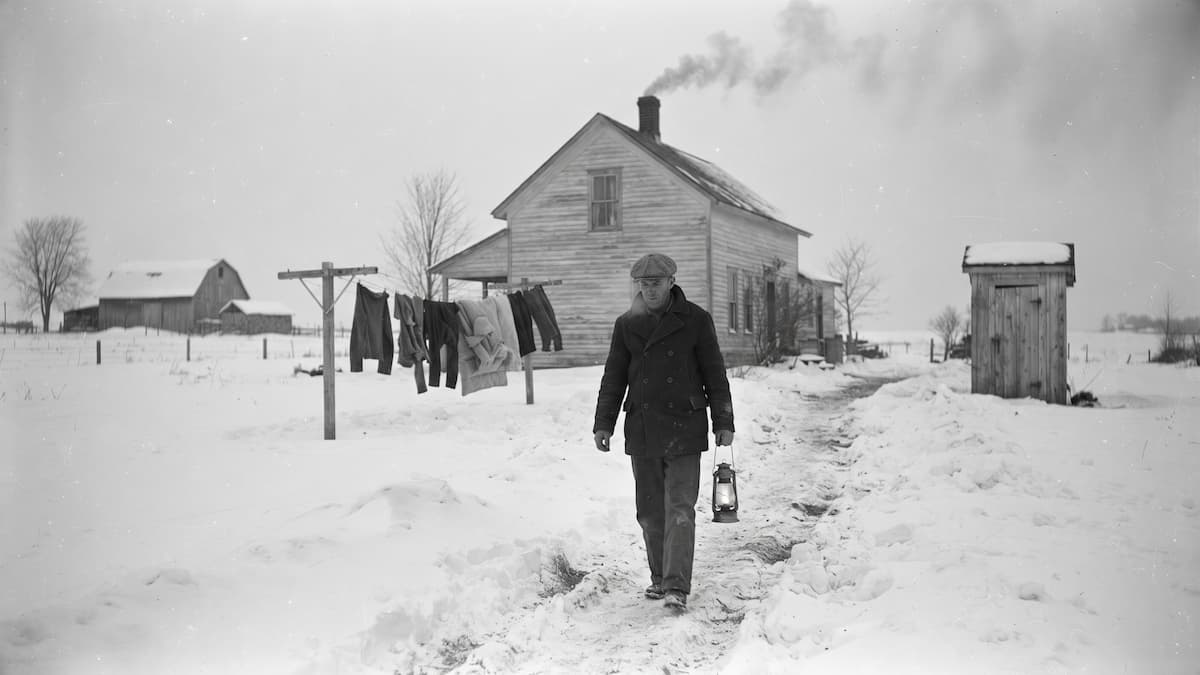
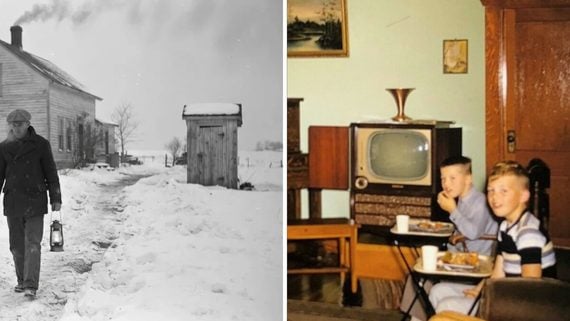
Picture a freezing January night in 1940 and a walk out to the outhouse. For a big share of American families, that was just life. The Census Bureau’s plumbing tables show that nearly half of U.S. homes lacked complete plumbing in 1940, meaning hot and cold running water, a bathtub or shower, and a flush toilet, and even in 1960 about one in six still did. Of all the household products now considered basic, few spread as slowly as indoor plumbing.
2. Electric Lighting Was Not Nearly Universal Until After World War II
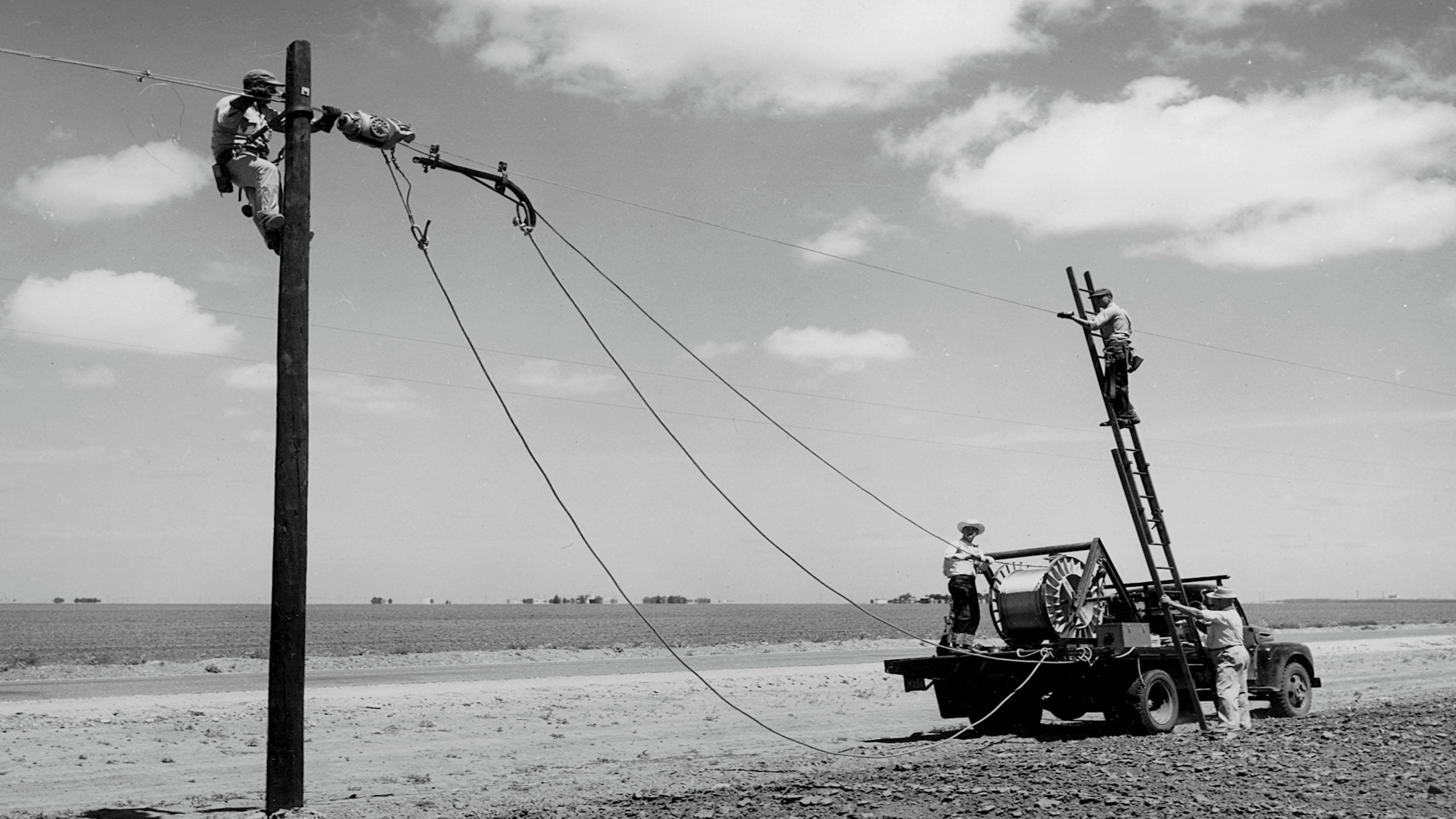
The 1940 Census found that 78.7 percent of occupied American housing units had electric lights, according to the Census Bureau’s historical records. That means roughly one in five homes still relied on kerosene lamps or gas fixtures after dark. The gap was widest in rural areas, where power lines arrived much later than in cities. Imagine doing homework by lamplight in 1940 and never thinking twice about it.
3. Refrigerators Were Still Outnumbered by Other Food-Cooling Methods in 1940
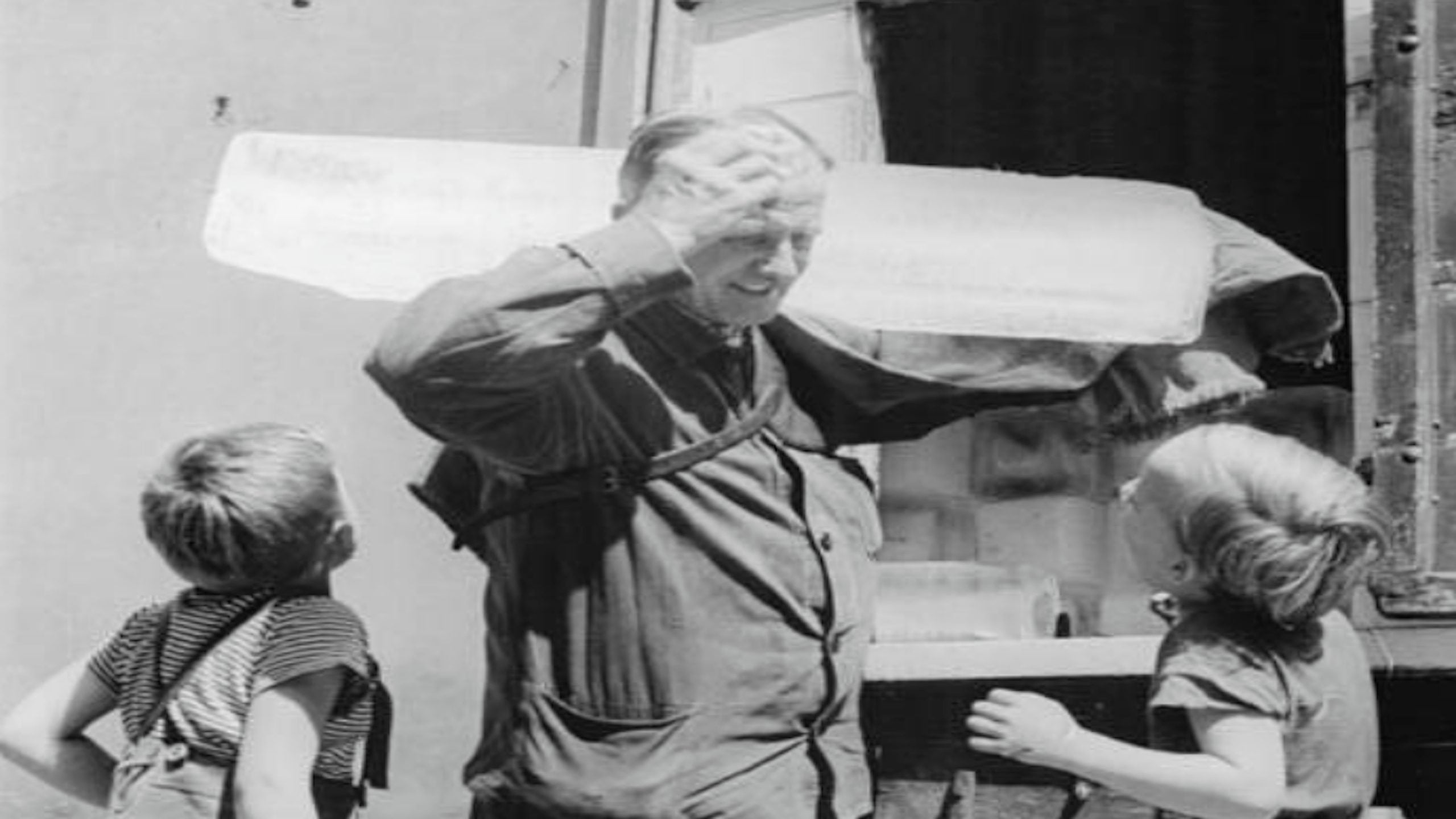
Today people complain when the ice maker jams, but in 1950 about one in ten American homes still cooled food with a block of ice. The Census Bureau’s 1950 housing count found that 80.2 percent of homes had mechanical refrigeration, 10.6 percent used ice, and the rest used other methods or had nothing at all. A decade earlier, historical equipment figures put mechanical refrigeration at only about 44 percent of homes, which makes the 1940s the real turning point in how Americans kept food fresh. Few household products changed daily life as quickly.
4. Home Freezers Were Rare Even in the Early 1950s
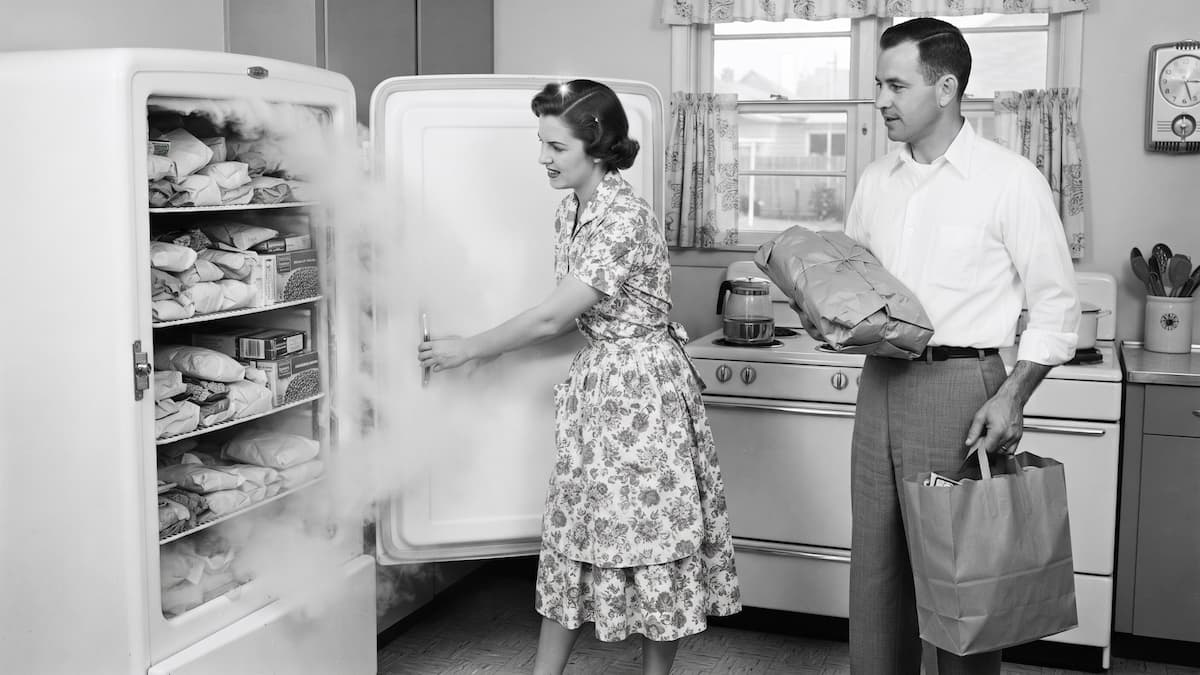
Frozen food was taking over grocery aisles, but a separate freezer in the basement or garage was still a luxury. Historical equipment figures suggest only about 7 percent of American homes had one in 1951, and the Census Bureau’s 1960 housing report counted home food freezers as their own equipment category, with ownership at roughly 18 percent. Think of the neighbor with a chest freezer stocked with half a cow and a stack of discounted roasts. Having room to buy in bulk was an enviable perk.
5. Washing Machines Took Decades to Reach Most Households
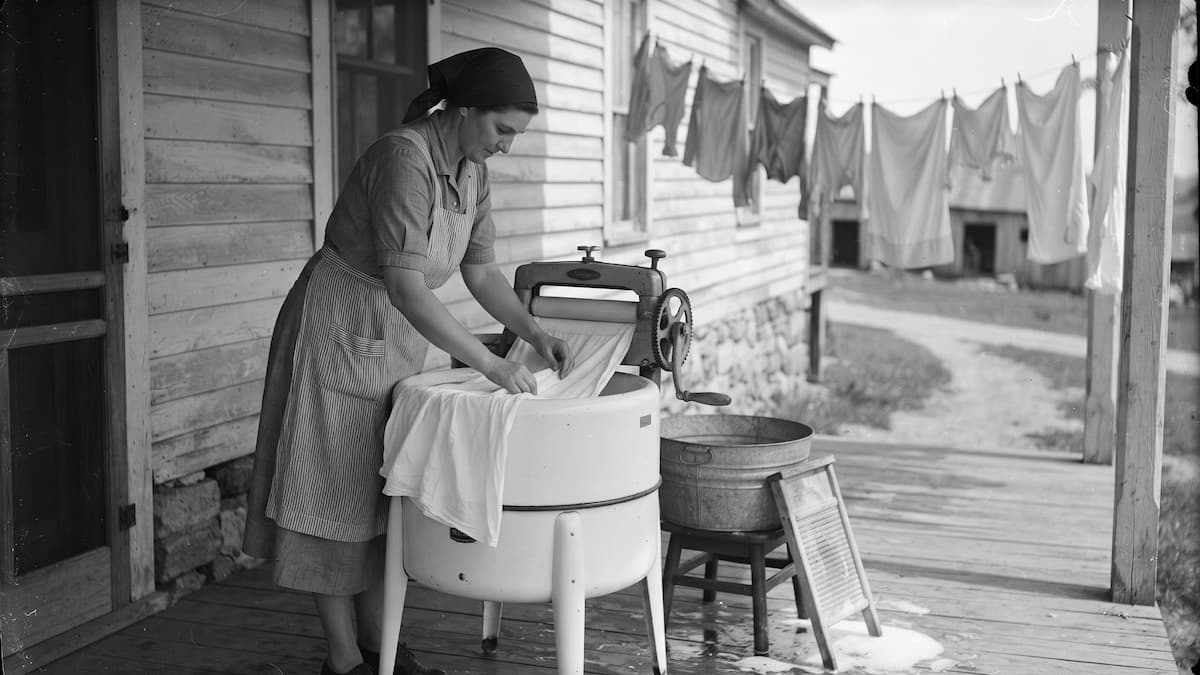
Electric washers were on sale in the early 1900s, but a lot of laundry still meant a scrub board, a wringer, and a day that disappeared. American Heritage notes that just over a quarter of families in Zanesville, Ohio, had an electric washer in 1926, and by 1941 about 52 percent of U.S. households owned one or had access to one, such as a coin-operated machine in an apartment basement. Ownership reached roughly 73 percent by 1960. It is easy to forget that Monday was once wash day, and few household products have saved more hours.
Trending on Wealth Gang


6. Clothes Dryers Were Still a Luxury in the 1970s
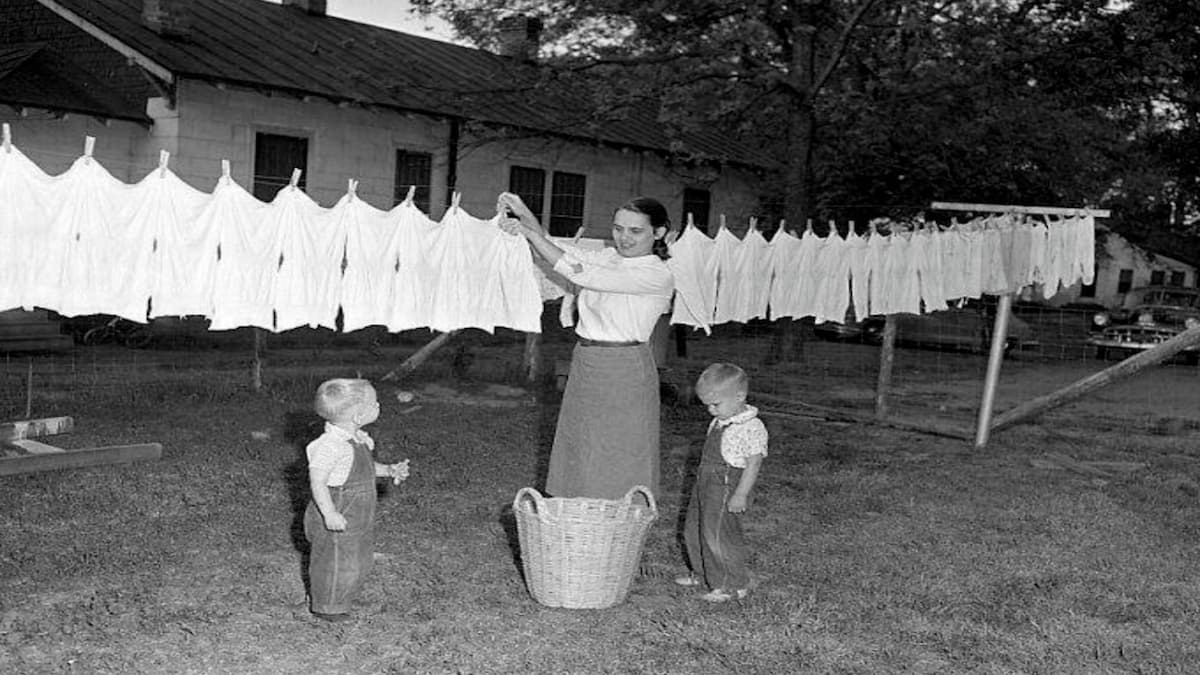
The dryer feels like the washer’s natural partner, but the two did not arrive together. According to the Bureau of Labor Statistics, only about 10 percent of American households owned a dryer in the mid-1950s, and about 45 percent did by 1970. Until then, laundry meant a clothesline in the backyard and a drying rack in the basement when it rained. Sheets that smelled like fresh air were not a marketing slogan, just Tuesday.
7. Microwave Ovens Became Ordinary Mostly During the 1980s and 1990s
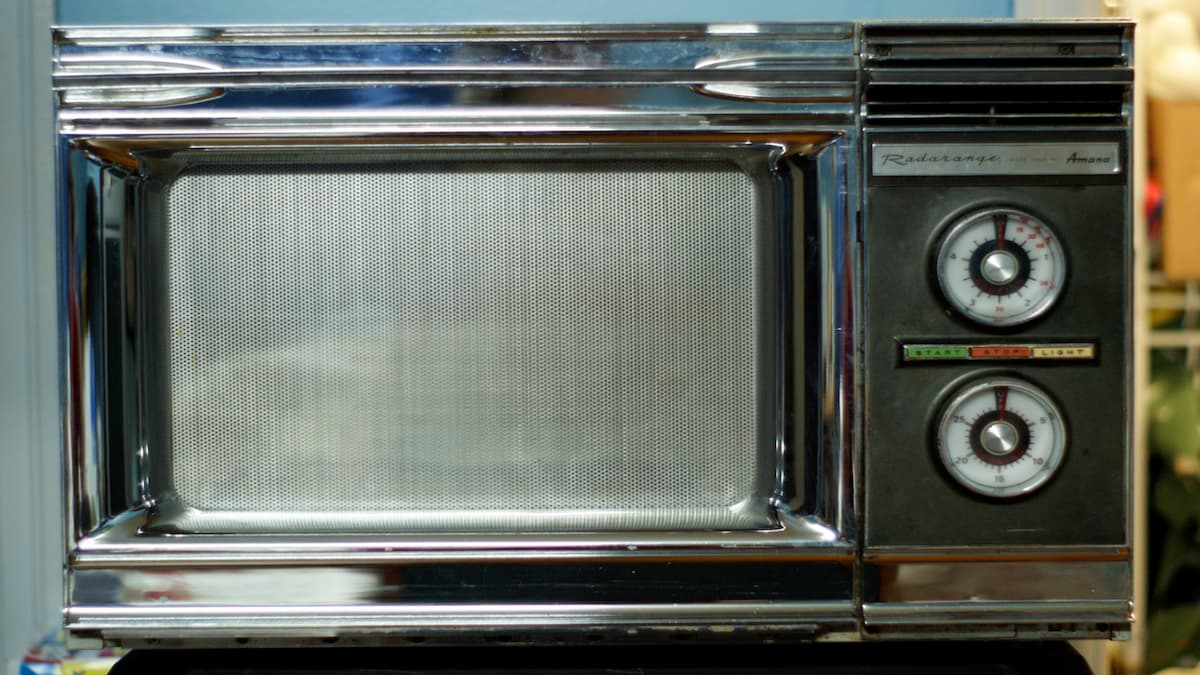
Microwaves seem inseparable from the modern kitchen, but they were still a novelty for many families in the late 1970s. Department of Energy figures show that just 8 percent of American homes had one in 1978, compared with 83 percent in 1997. That spread changed everyday habits, from reheating leftovers to popping popcorn to cooking frozen dinners in minutes. Few kitchen products have become essential so quickly.
8. Air Conditioning Was Missing From Nearly Nine in Ten Homes in 1960
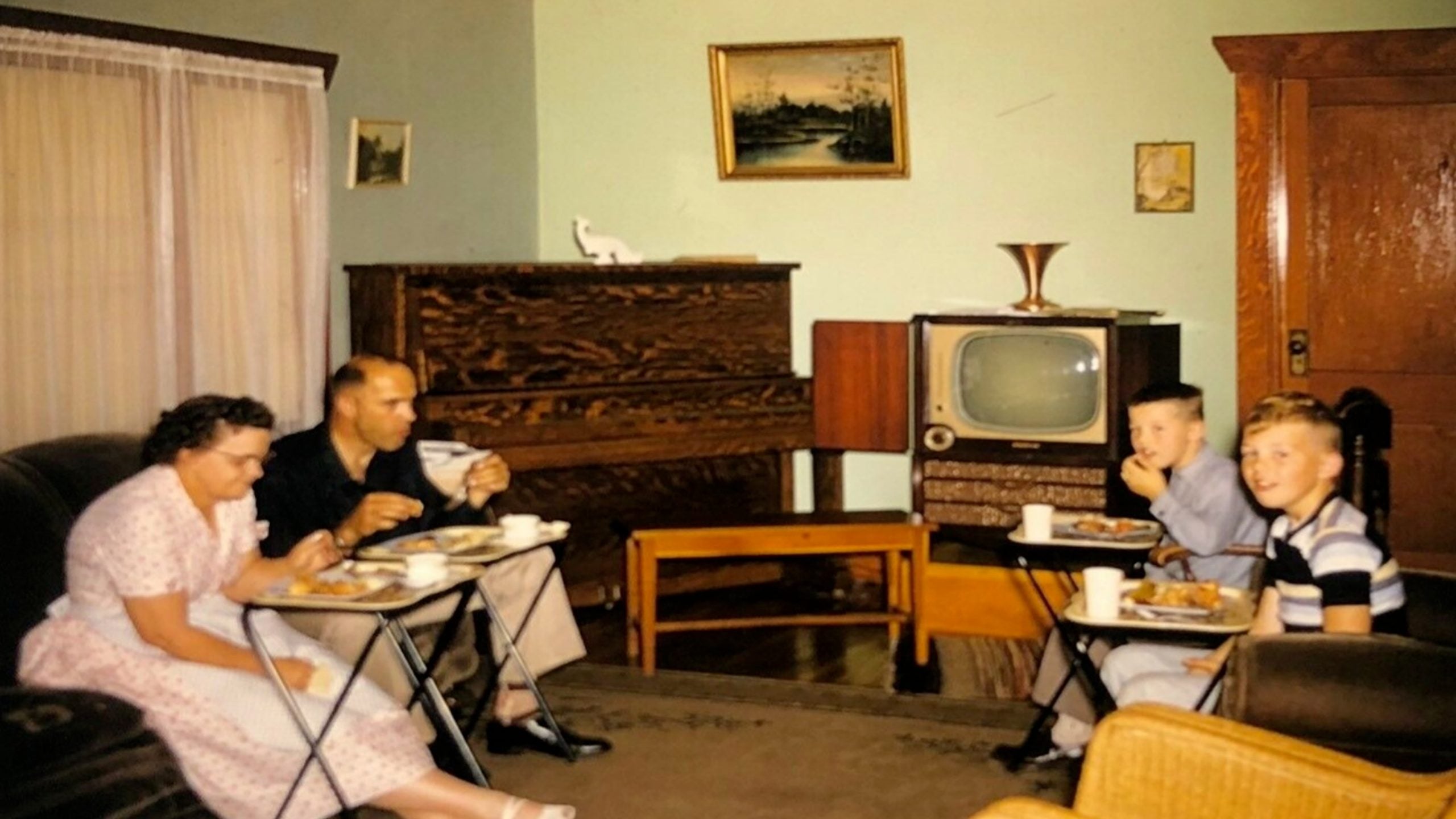
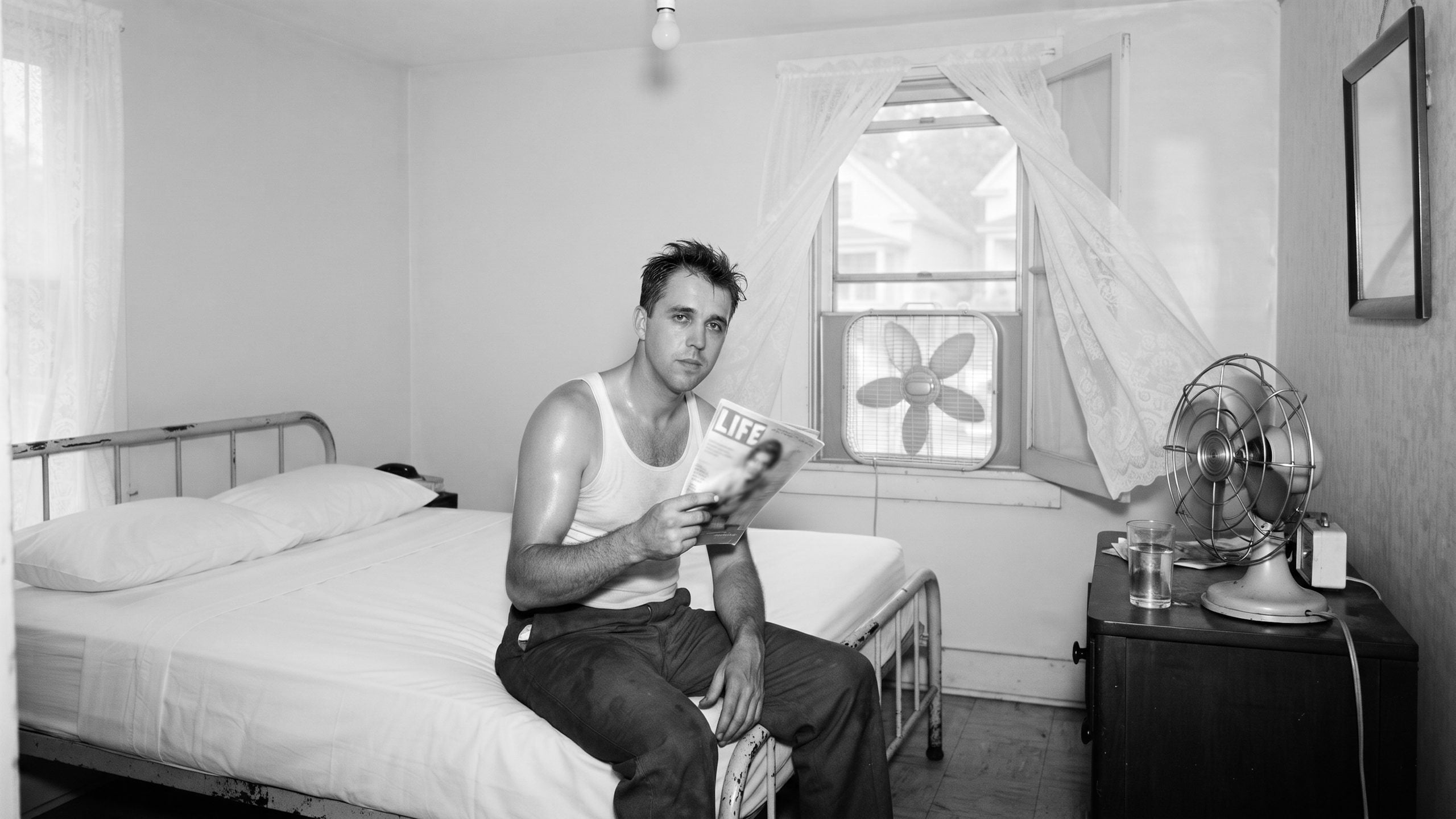
Cooling technology had been around for decades, yet only about 12 percent of occupied American housing units had air conditioning in 1960, and the figure reached about 56 percent by 1978, according to historical Census and Department of Energy data. Before that, a summer heat wave meant box fans, open windows, and sleeping on the porch. Anyone who remembers a sticky July night with a damp sheet knows exactly what the thermostat replaced.
Sign up for our newsletter
9. Television Sets Were Rare in American Living Rooms in 1950
The classic 1950s family around the TV is real, but it was a brand-new sight at the start of the decade. The Census Bureau’s 1950 housing count found that only about one in ten homes had a television, and the number climbed quickly over the next ten years, so that by 1960 most American homes had one. Neighbors crowded into the one living room on the block with a set. It stands among the fastest-spreading consumer products in history.
10. Vacuum Cleaners Were Still Missing From Most Homes in 1940
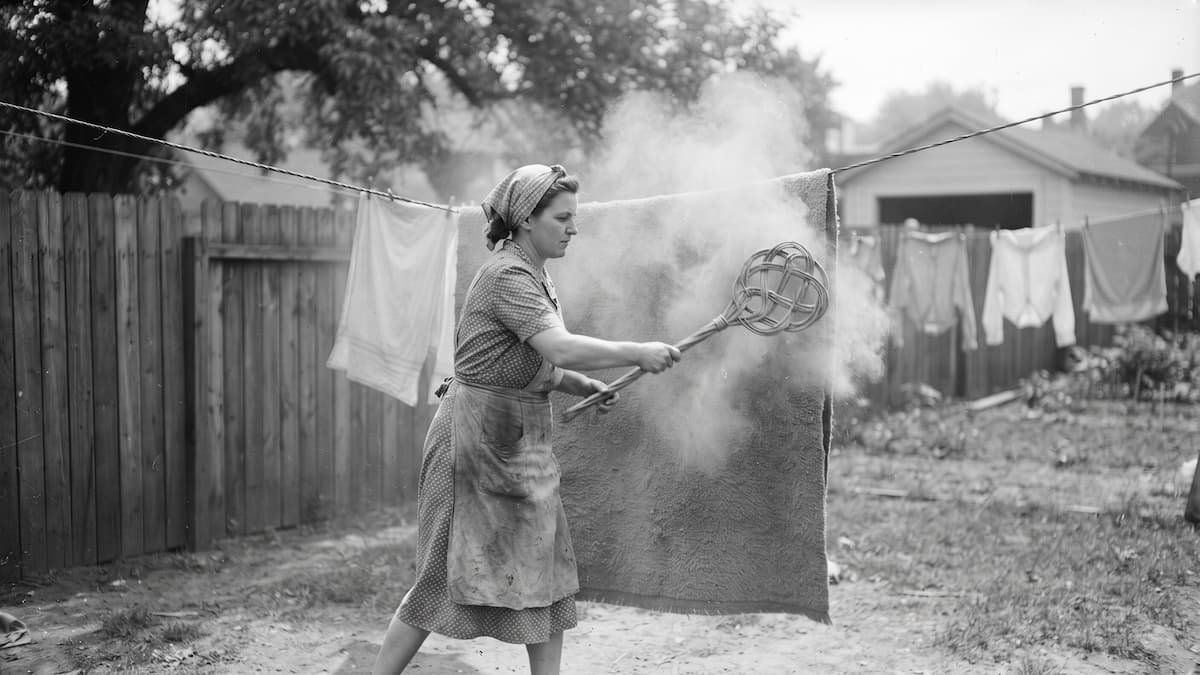
Electric vacuums were sold for decades before they became standard. American Heritage reports that slightly more than half of households in Zanesville, Ohio, owned one in 1926, and that about 70 percent of U.S. homes had one by 1960. Before that, cleaning day meant dragging rugs outside, hanging them on the clothesline, and beating the dust out with a stick. Spring cleaning was an actual workout.
11. Many American Homes Still Had No Telephone in 1960
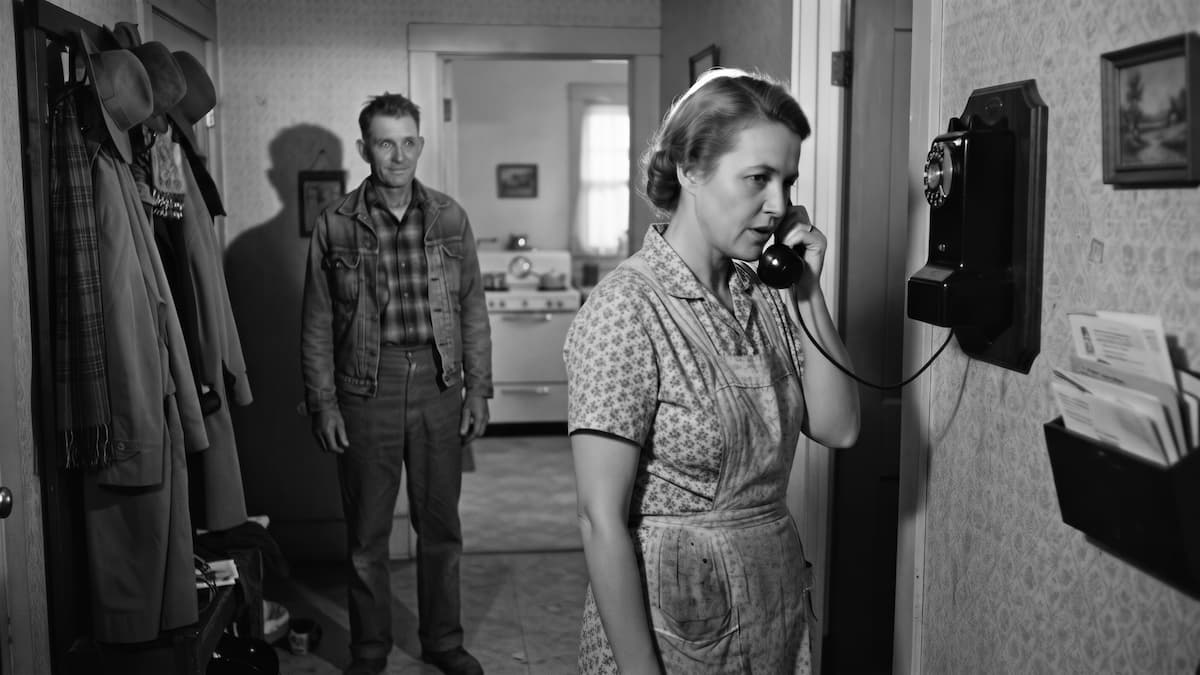
The telephone was invented in the 1870s, yet in 1960 about one in five American households still had no phone available, according to the Census Bureau, and in Mississippi the figure was 55 percent. By 1980, the national share had dropped to 7 percent. The Bureau notes that 1960 measured whether a phone was available to the household, which is less strict than the 1980 measure. Borrowing a neighbor’s phone for an emergency was normal. Among all the household products on this list, the phone changed how fast people could ask for help.
12. Smoke Alarms Were Missing From Most Homes as Late as 1977
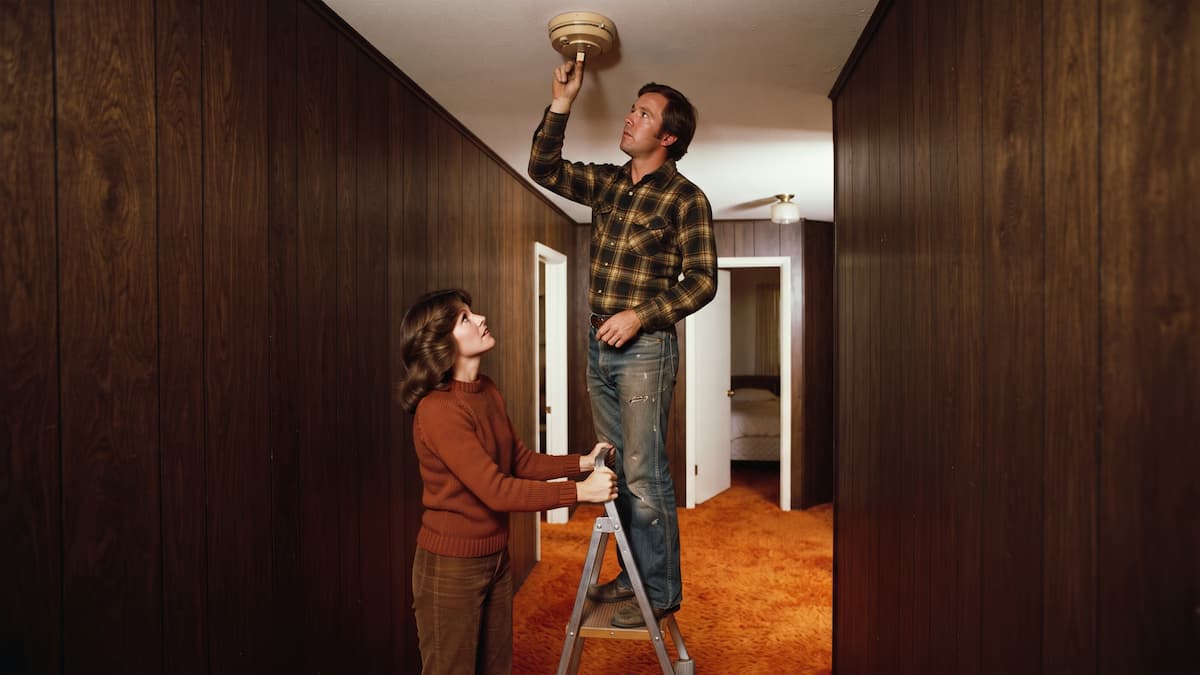
It is hard to imagine a modern home without a smoke alarm, but the National Fire Protection Association reports that fewer than one in four American households had one in 1977, about 22 percent. By 1980, roughly half did, and by 1990, close to nine in ten did, according to the NFPA’s chart. Today, telephone surveys find that 96 to 97 percent of households report having at least one. It may be the fastest-spreading safety device of its era.
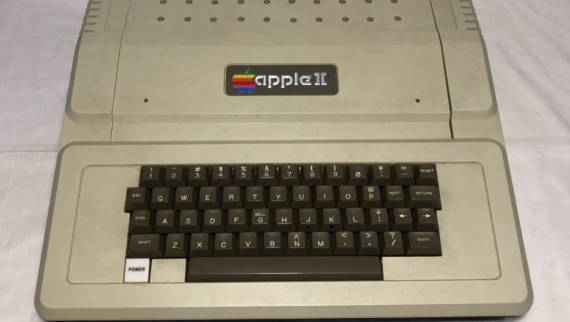
13. Home Computers Were Still Unusual in the 1990s
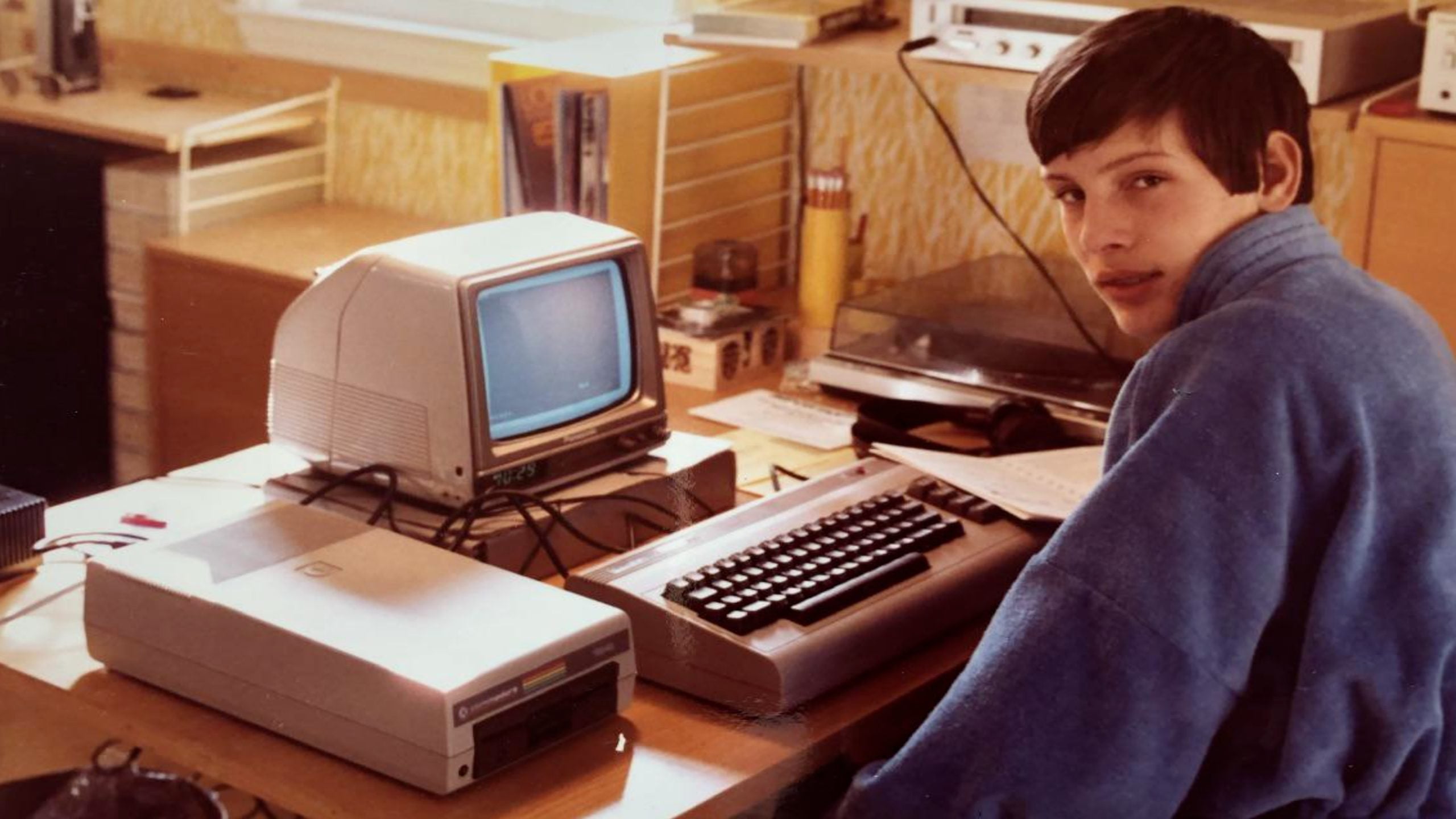
The first year the Census Bureau asked about home computers was 1984, and only 8.2 percent of households said yes. By 1997 the figure had reached 36.6 percent, and in 2000 about half, or 51 percent, of households had one, according to the Census Bureau. Think of the single family computer in the corner of the den, the dial-up screech and the argument over whose turn it was. It is one of the most dramatic stories among household products.
14. High-Speed Home Internet Was Rare at the Start of the 2000s
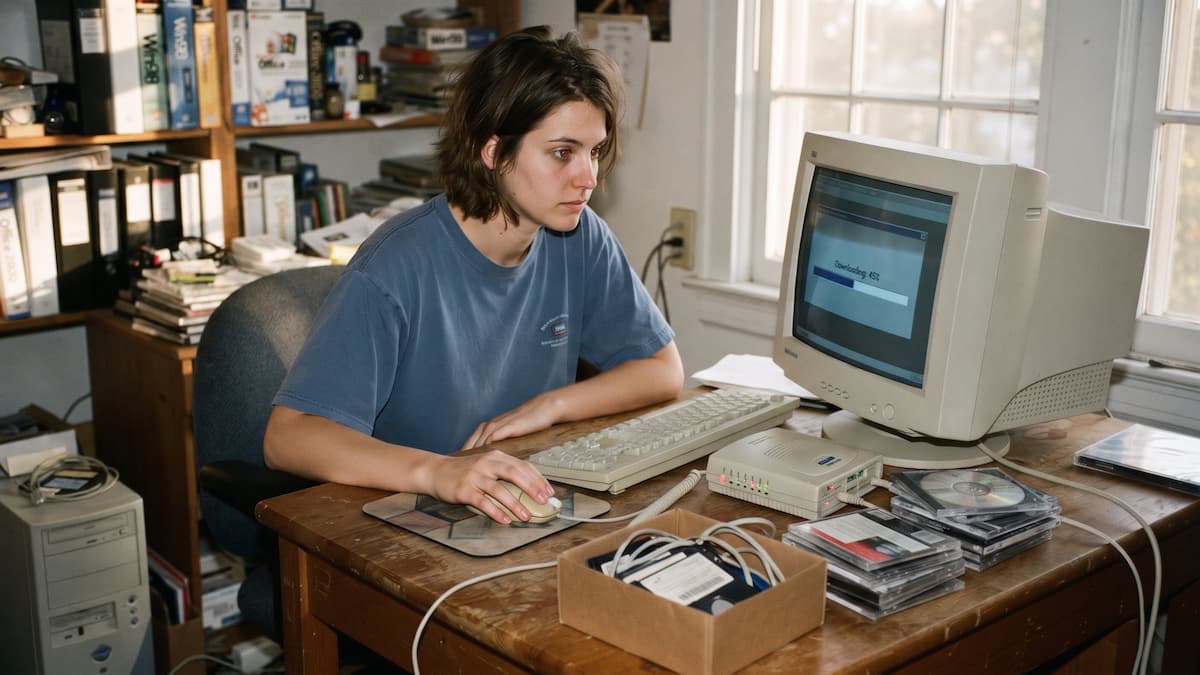
The internet was already changing the world by 2000, but fast access at home was a luxury. Pew Research Center reports that in June 2000 only about 3 percent of American adults had home broadband, while 34 percent used dial-up. By May 2010, 64 percent had broadband and dial-up had shrunk to 5 percent. Anyone who waited minutes for a single photo to load knows exactly what changed.
It is easy to take comforts for granted, but plenty of them are younger than many grandparents. Which of these products would anyone find hardest to live without? Tell us in the comments!